Hello, I am Dr. Peter C. Kang.
Today, I would like to share the case of a patient who visited our clinic concerned about a short, upturned, and small nose.
🔍 Surgical history
No history of rhinoplasty
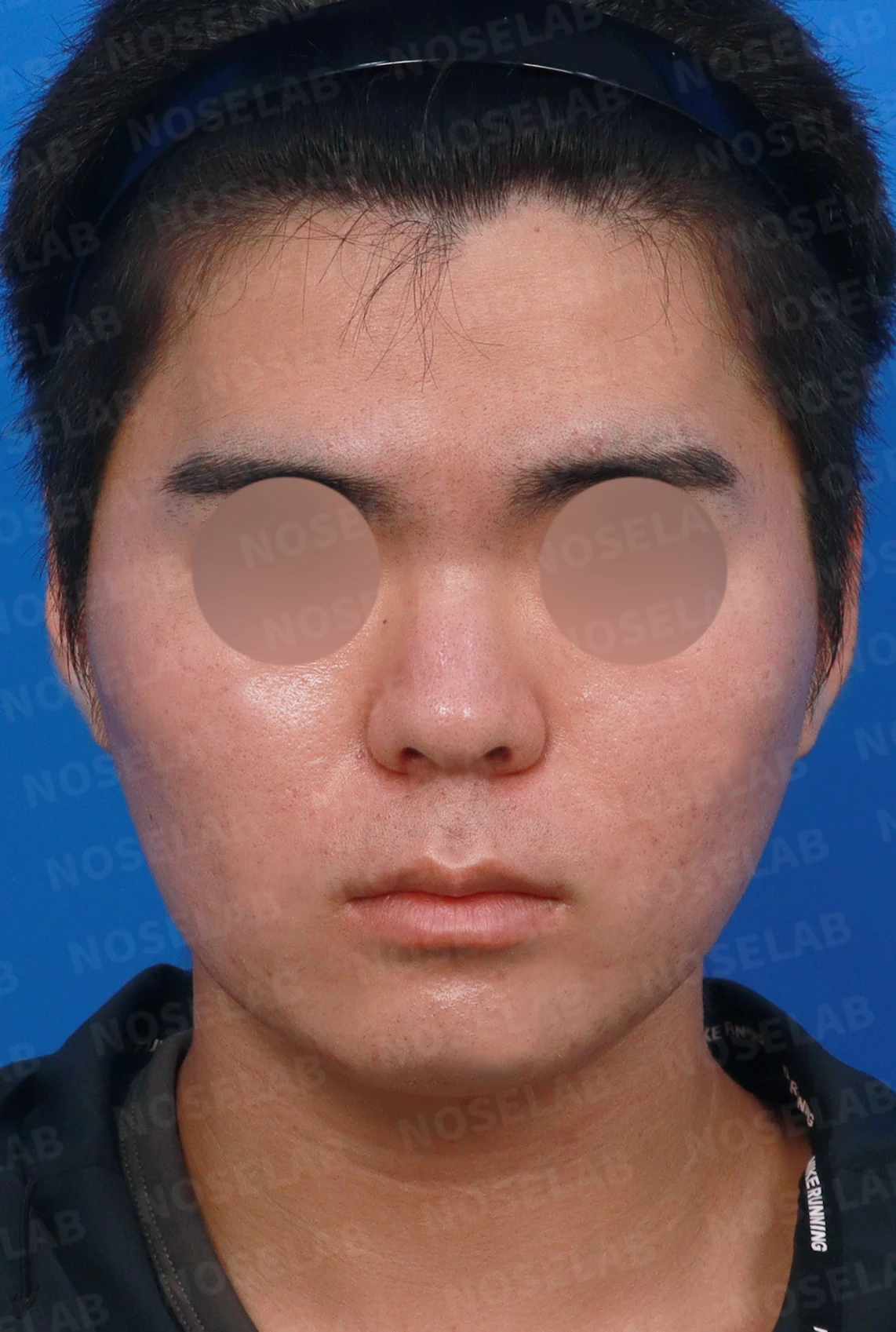
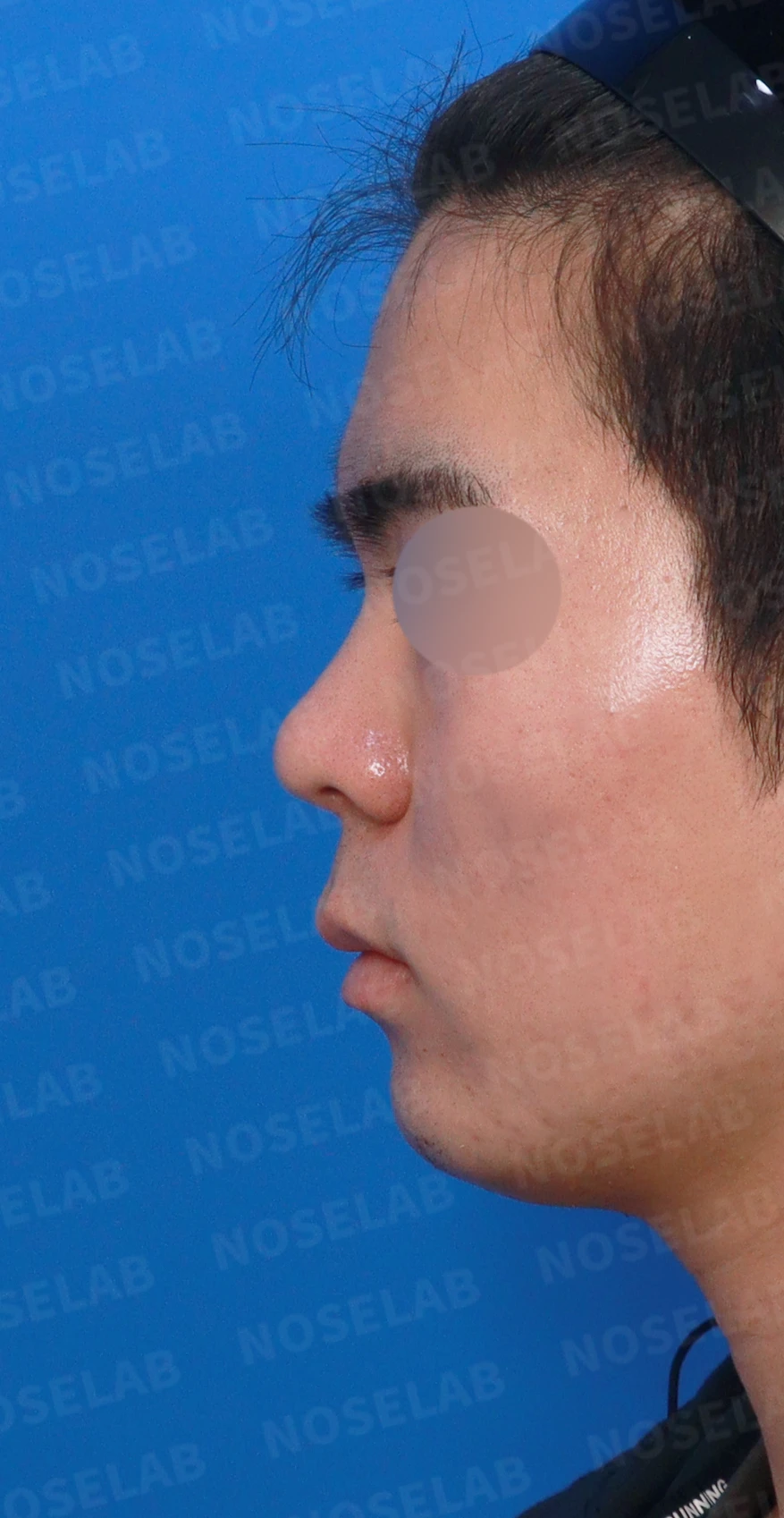
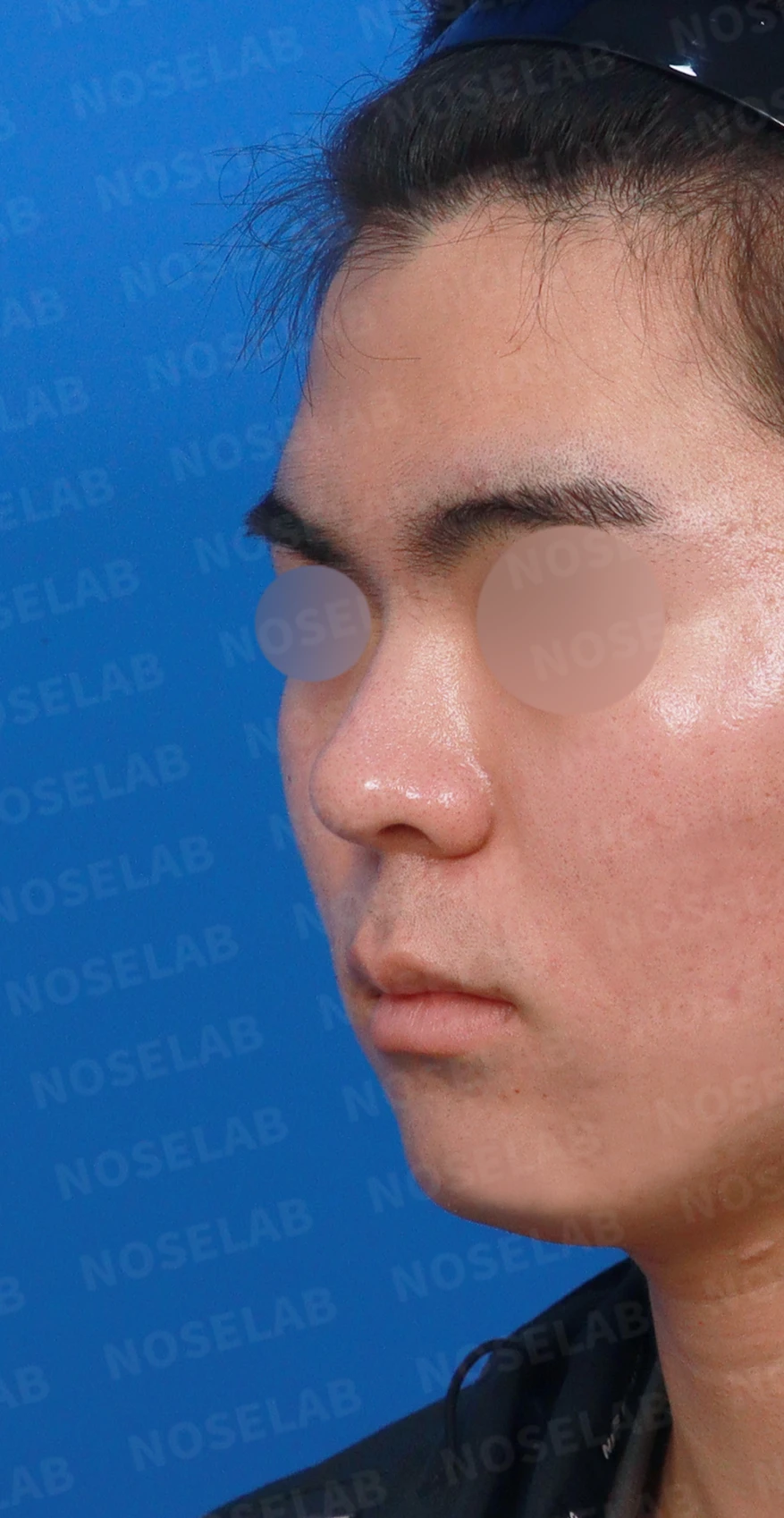
Front, left profile, and oblique views during design consultation.
💉 Patient requests
Wants to improve a nose that appears short and upturned
Wants to enlarge a small nose naturally
Desires a straight nasal profile
Wants to improve a receding chin
Wants to balance overall facial proportions
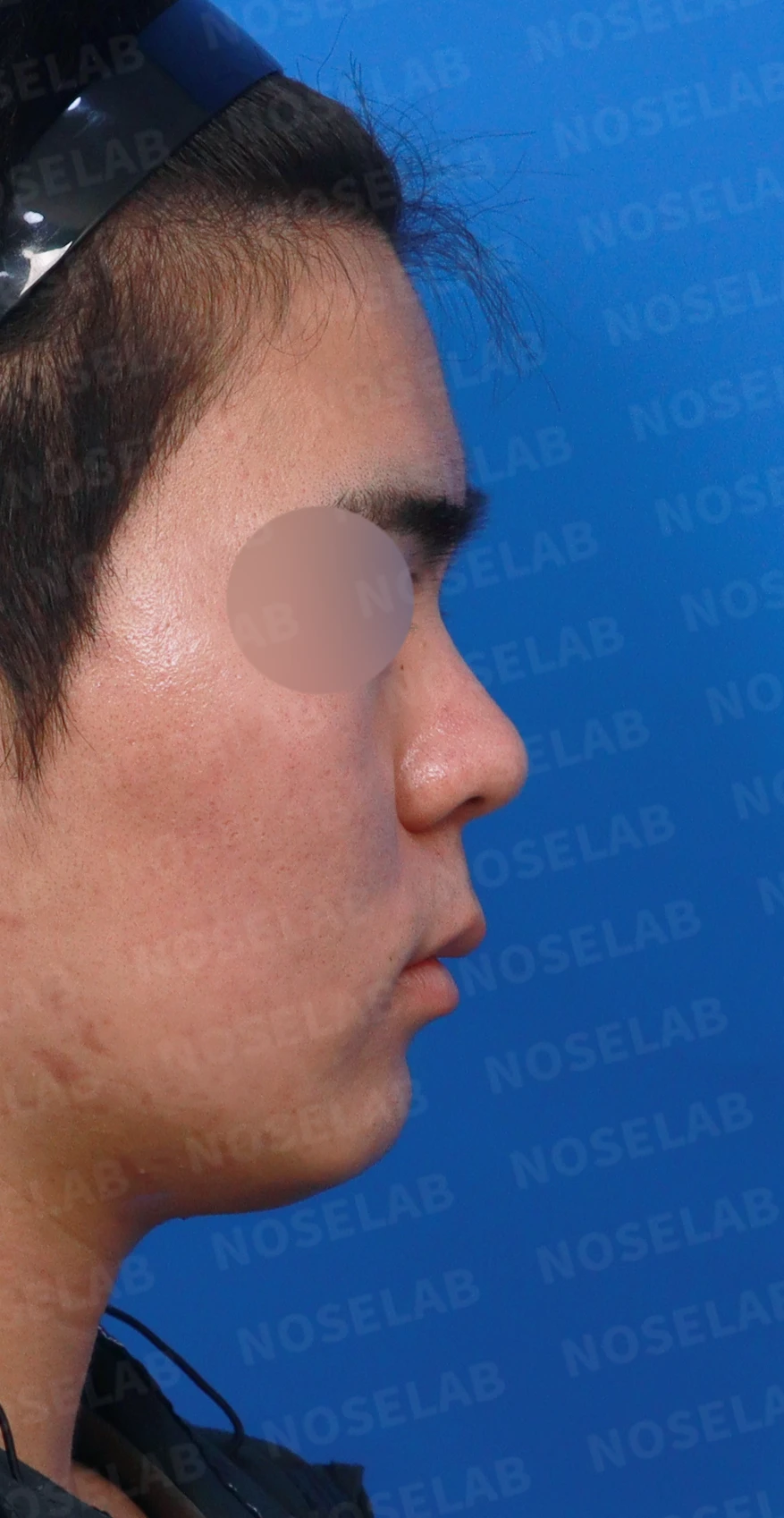
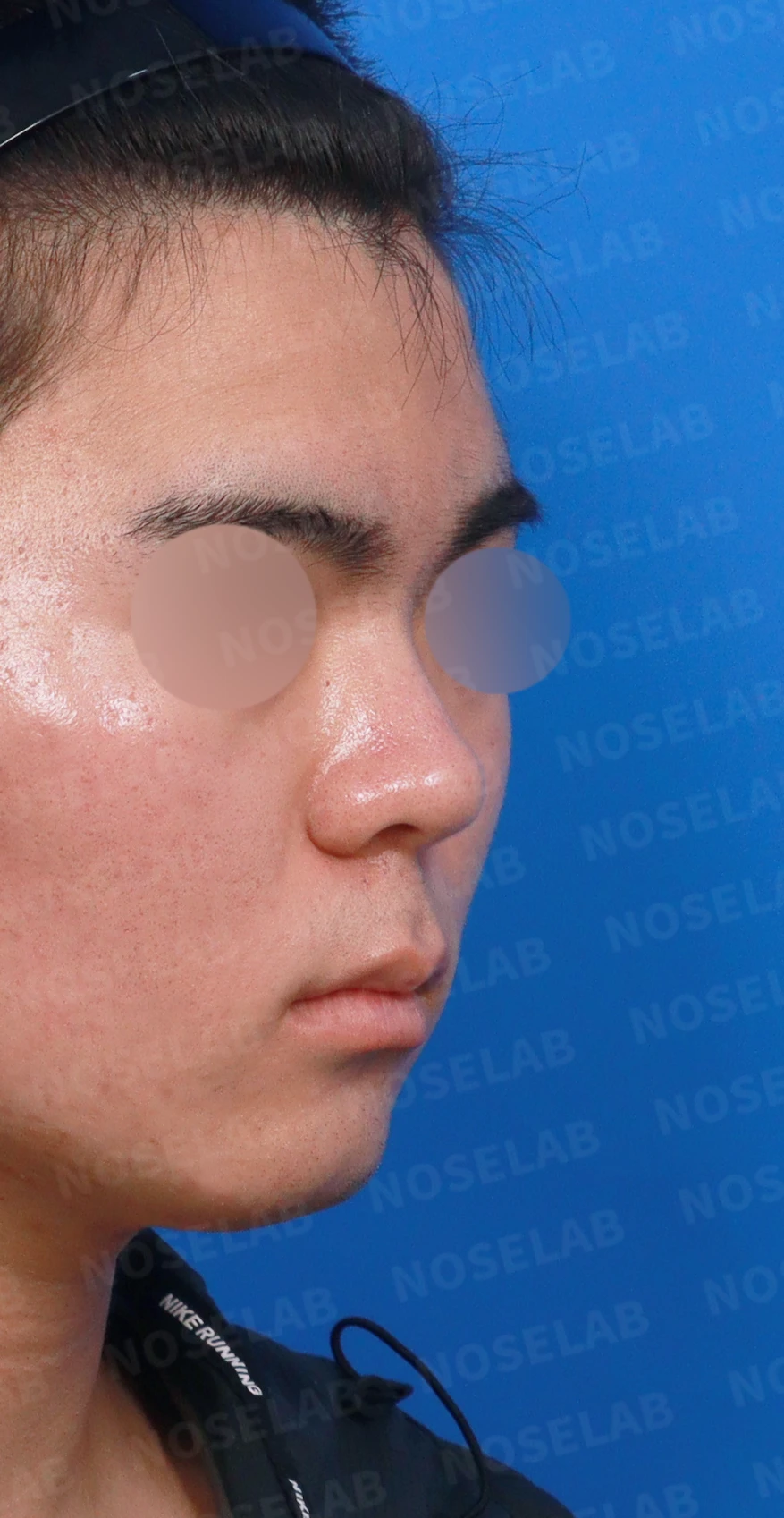
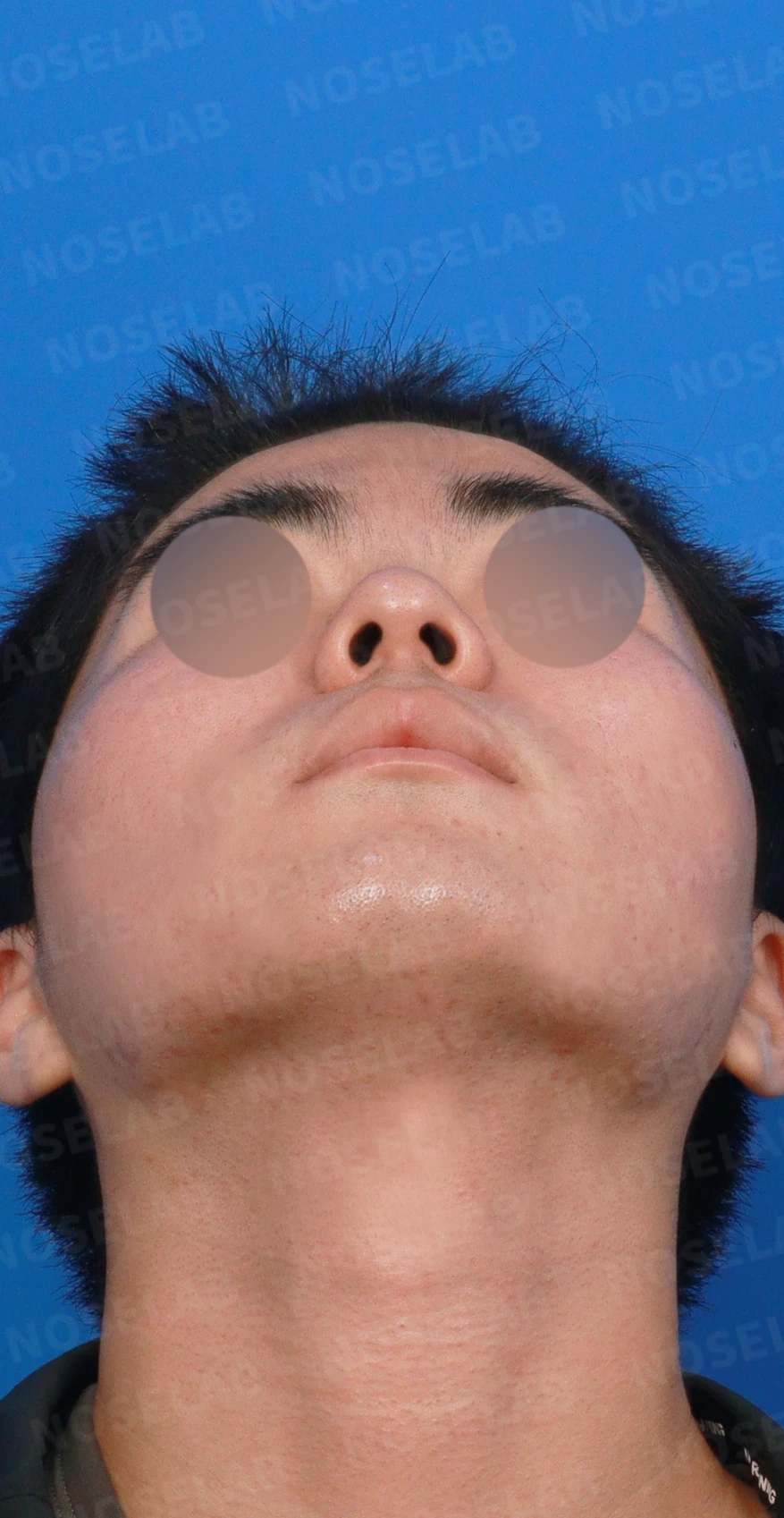
Right profile, oblique, and nostril views during design consultation.
🔧 Surgical plan and procedure
In this surgery, considering the characteristics of a small nose, we focused on safe proportions and a natural shape suited to the face rather than excessive height.
1. Safe planning considering skin elasticity limits
Skin cannot stretch extensively in a small nose
Pursuing excessive height increases skin tension
Prioritizing safe proportions suited to the face
Securing long-term stability
2. Creating natural proportions using autologous rib cartilage
Using autologous rib cartilage with sufficient strength and volume
Improving short nasal length
Correcting the upturned appearance
Building natural nasal height
3. Septal extension
Naturally lengthening the short nose
Creating an appropriate nasolabial angle
Correction of upturned nasal tip
Achieving an elegant profile line
4. Concurrent functional surgery
Improving nasal obstruction through septoplasty
Improving breathing through turbinate reduction
Achieving both functional and aesthetic outcomes simultaneously
Enhancing quality of life
5. Chin implant surgery
Improving the receding chin
Defining the lower facial contour
Harmonious proportions with the nose
Creating an overall V-line
🌟 Surgical results
Overall facial changes:
Harmonious proportion between the nose and chin
Improvement in overall facial balance
Achieving a natural V-line
A refined impression
A harmonious and natural facial appearance
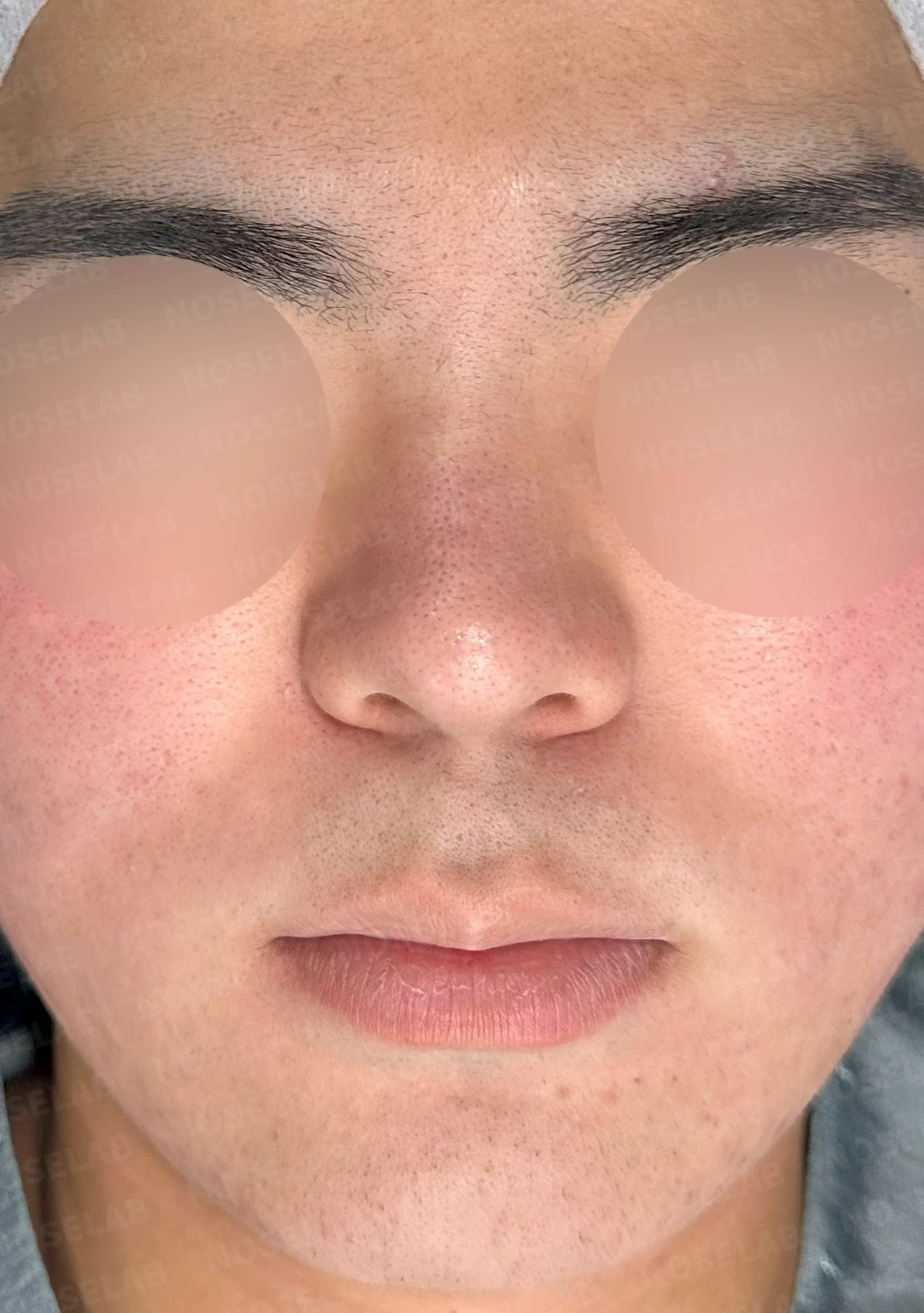
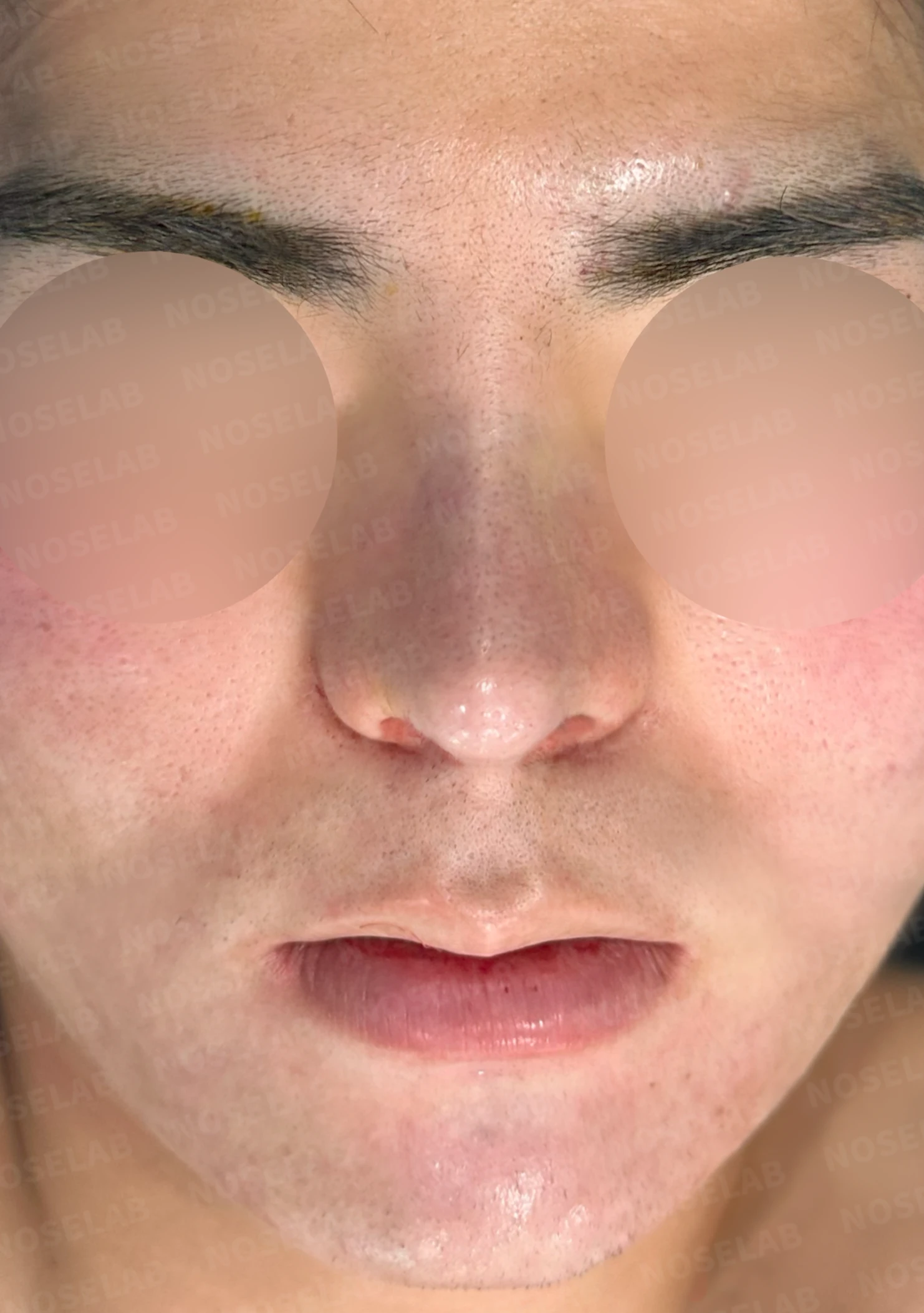
Before surgery / Day 0 immediately after surgery Photos taken immediately after surgery show swelling and may differ from the final result.
Front view changes:
The short and small nose improved to natural proportions
The upturned appearance was naturally corrected
Facial balance improved by addressing the receding chin
Improving overall facial proportions
A natural, harmonious frontal line
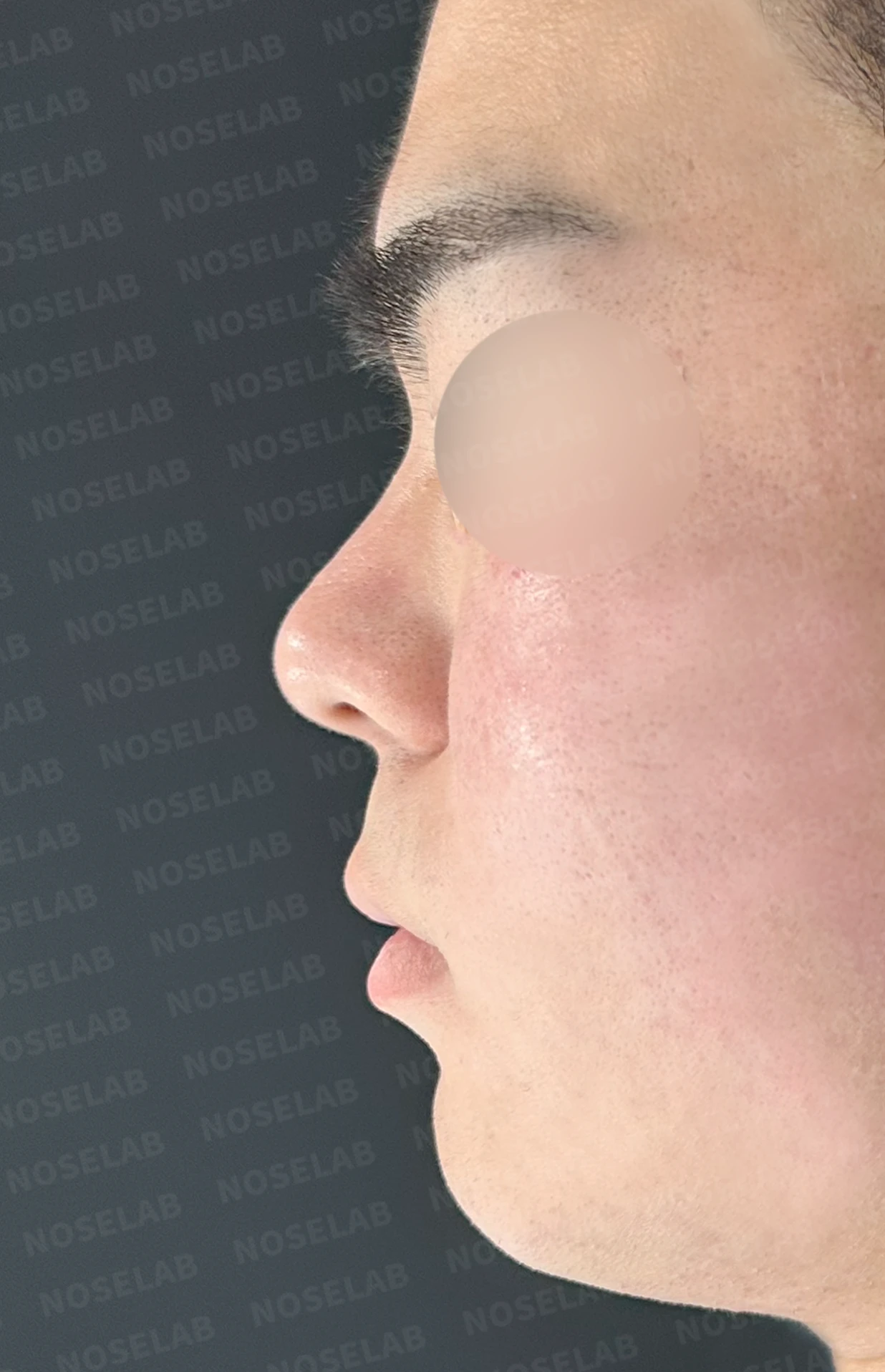
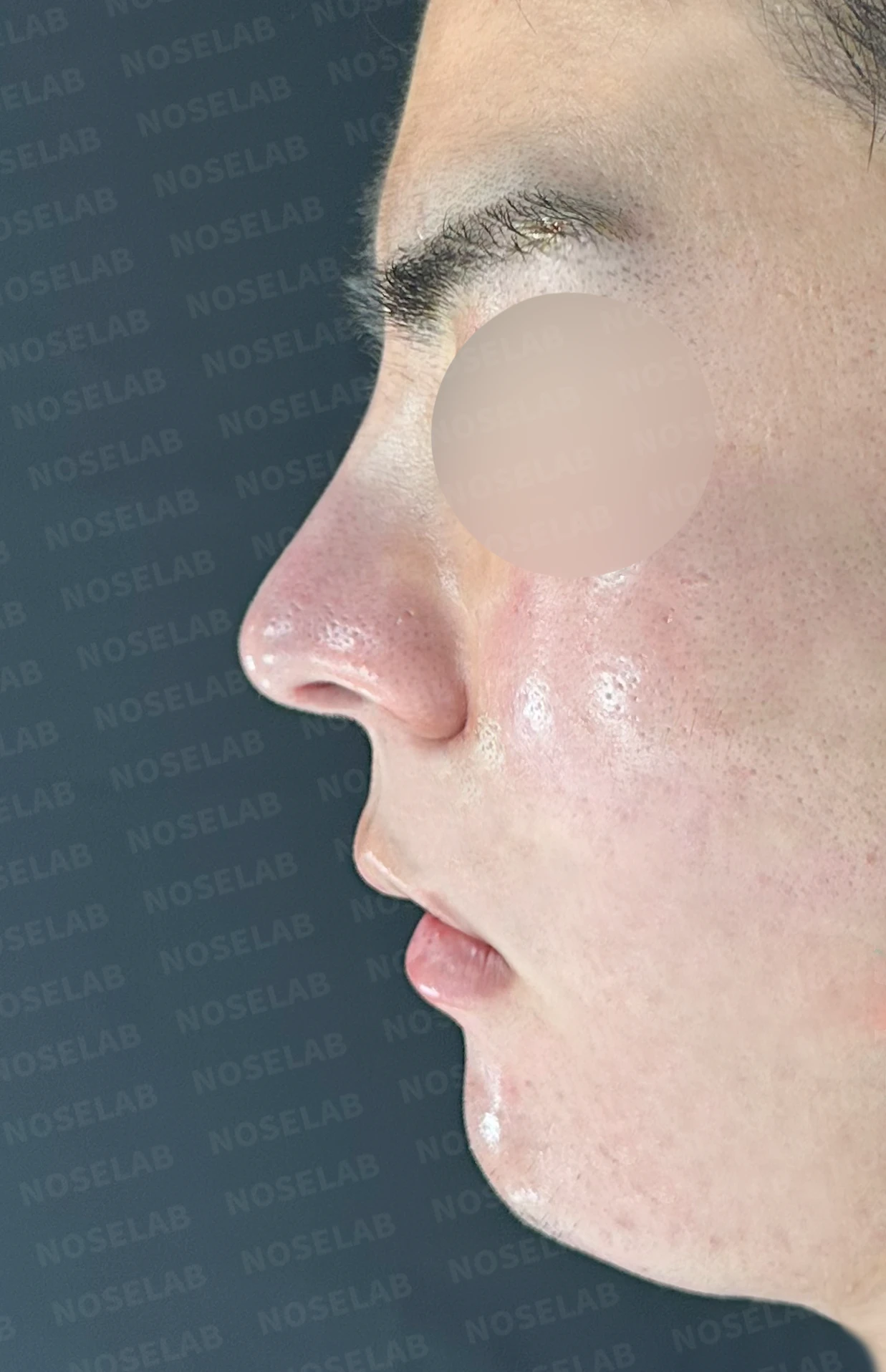
Before surgery / Day 0 immediately after surgery Photos taken immediately after surgery show swelling and may differ from the final result.
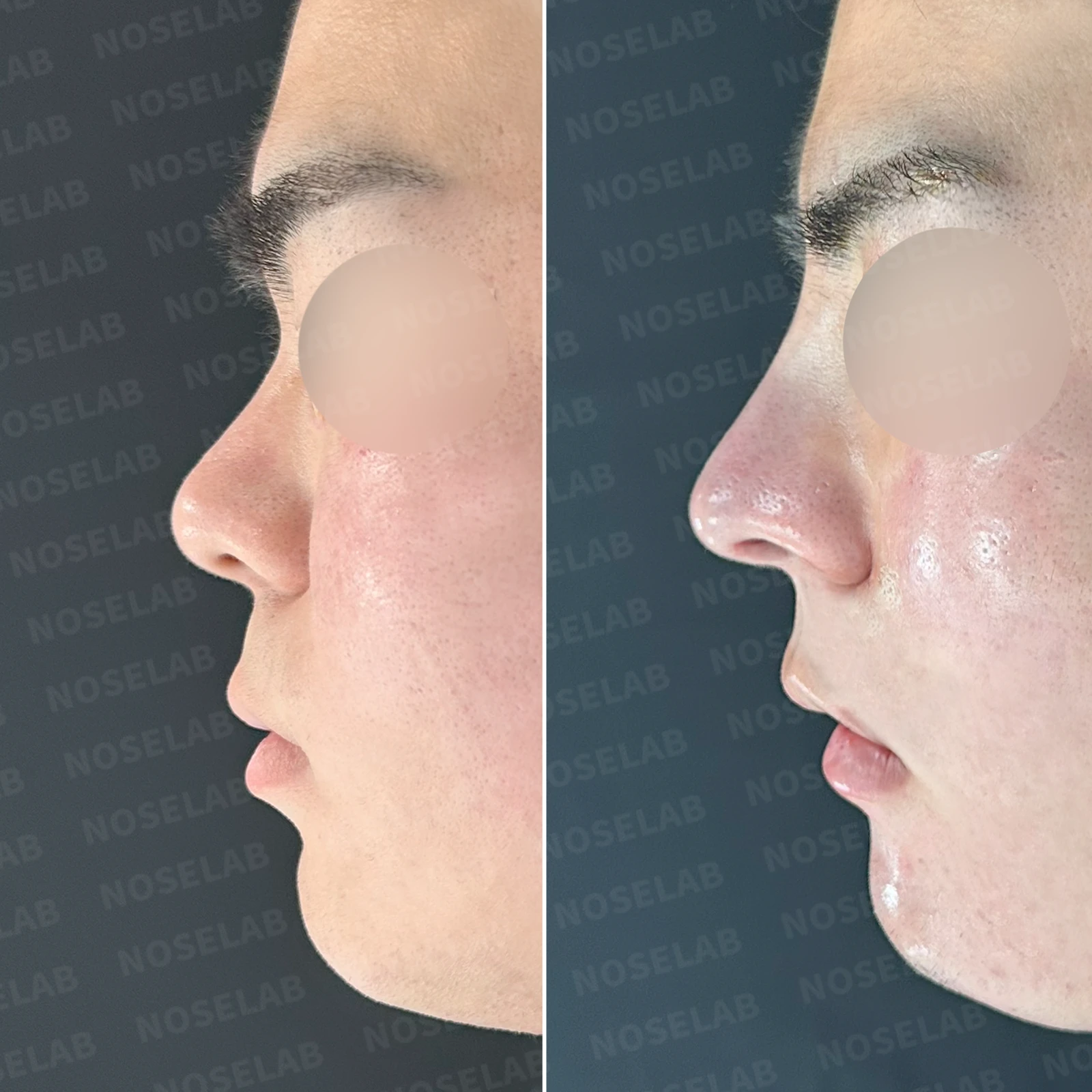
Profile view changes:
Short nasal length naturally improved
The upturned nasal tip appropriately corrected
An elegant profile achieved by correcting the nasolabial angle
A sharp jawline through chin improvement
A straight yet natural nasal line
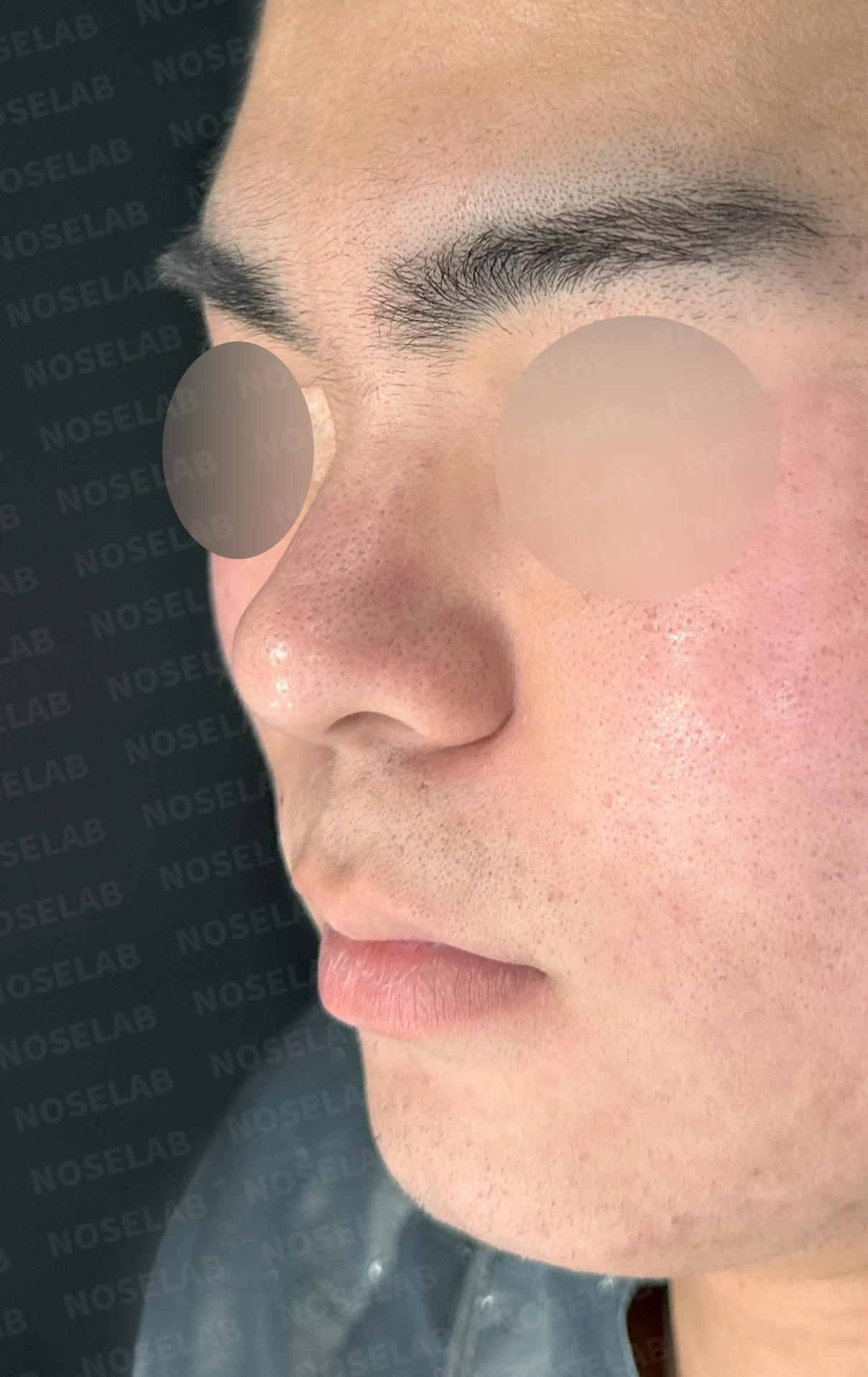
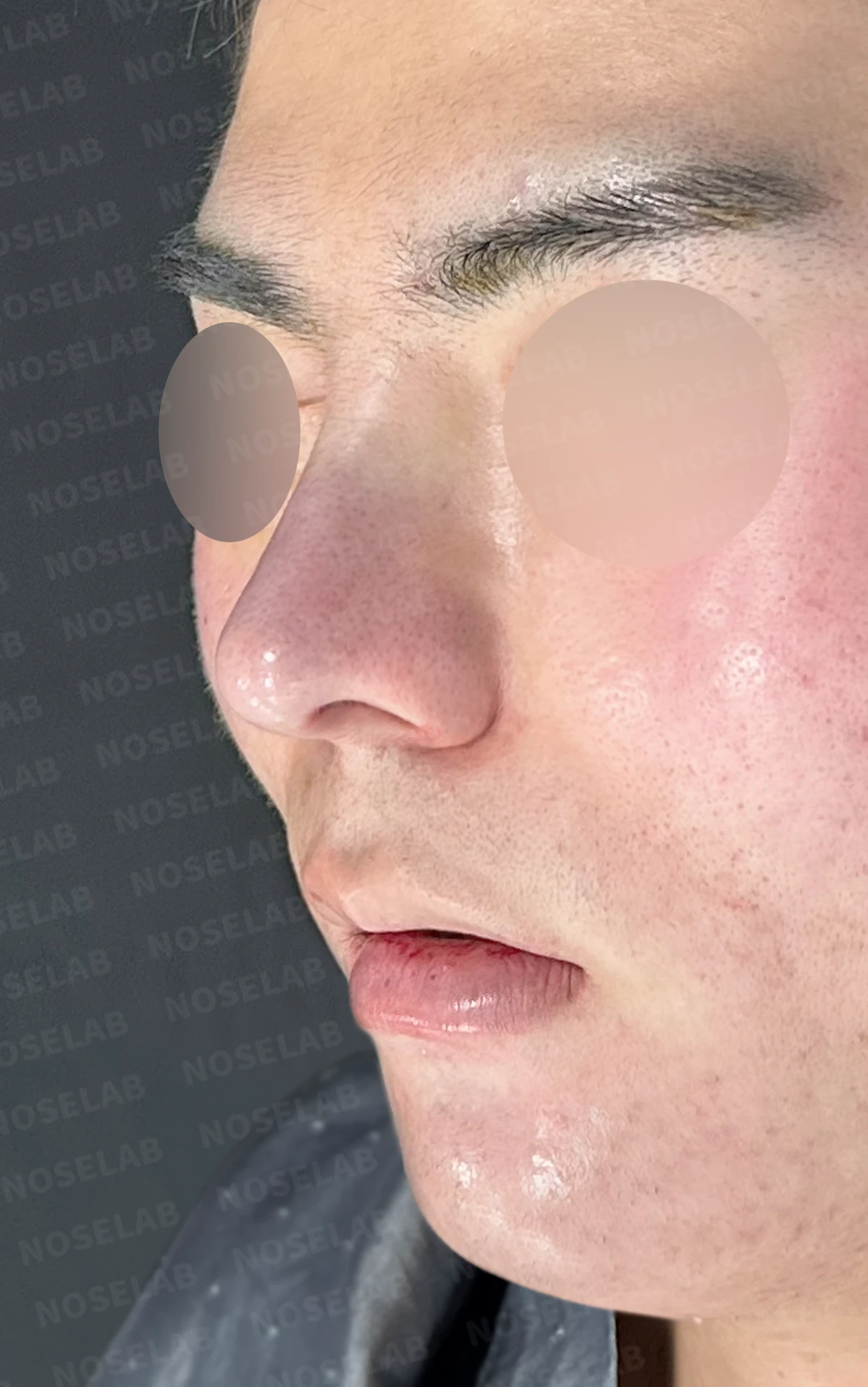
Before surgery / Day 0 immediately after surgery Photos taken immediately after surgery show swelling and may differ from the final result.
Nostril view changes:
The upturned nostril appearance naturally improved
Achieving bilateral balance
Alignment of the columellar midline
Natural nostril shape
Improving overall symmetry
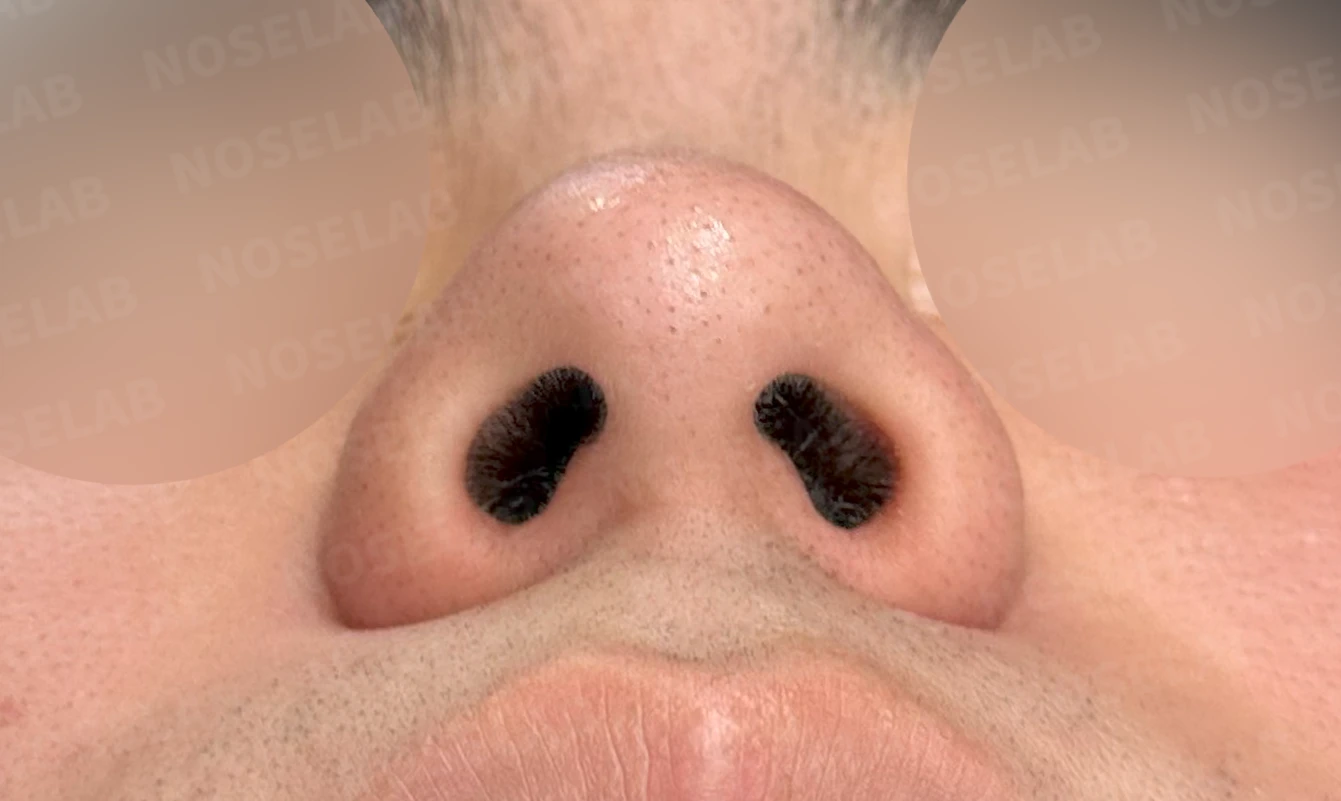
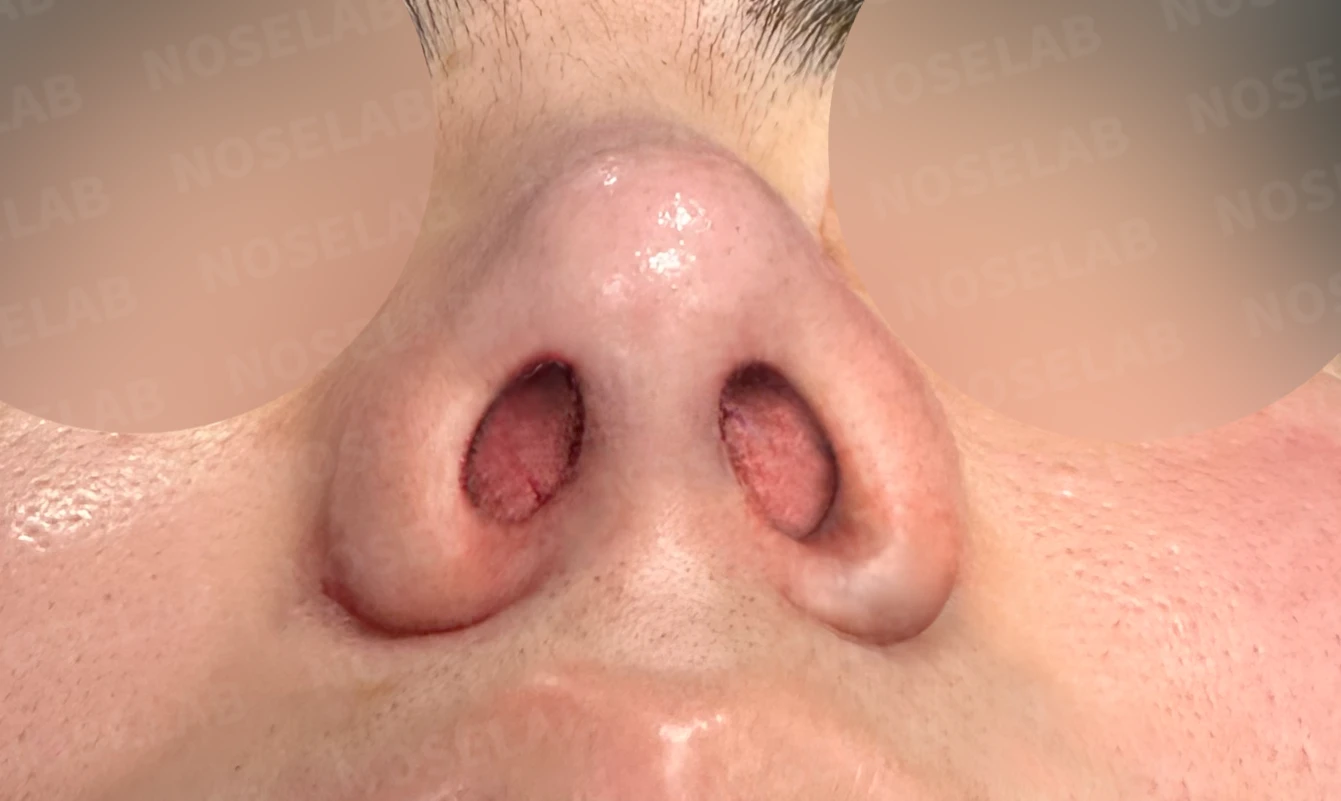
Before surgery / Day 0 immediately after surgery Photos taken immediately after surgery show swelling and may differ from the final result.
💡 Specialist opinion
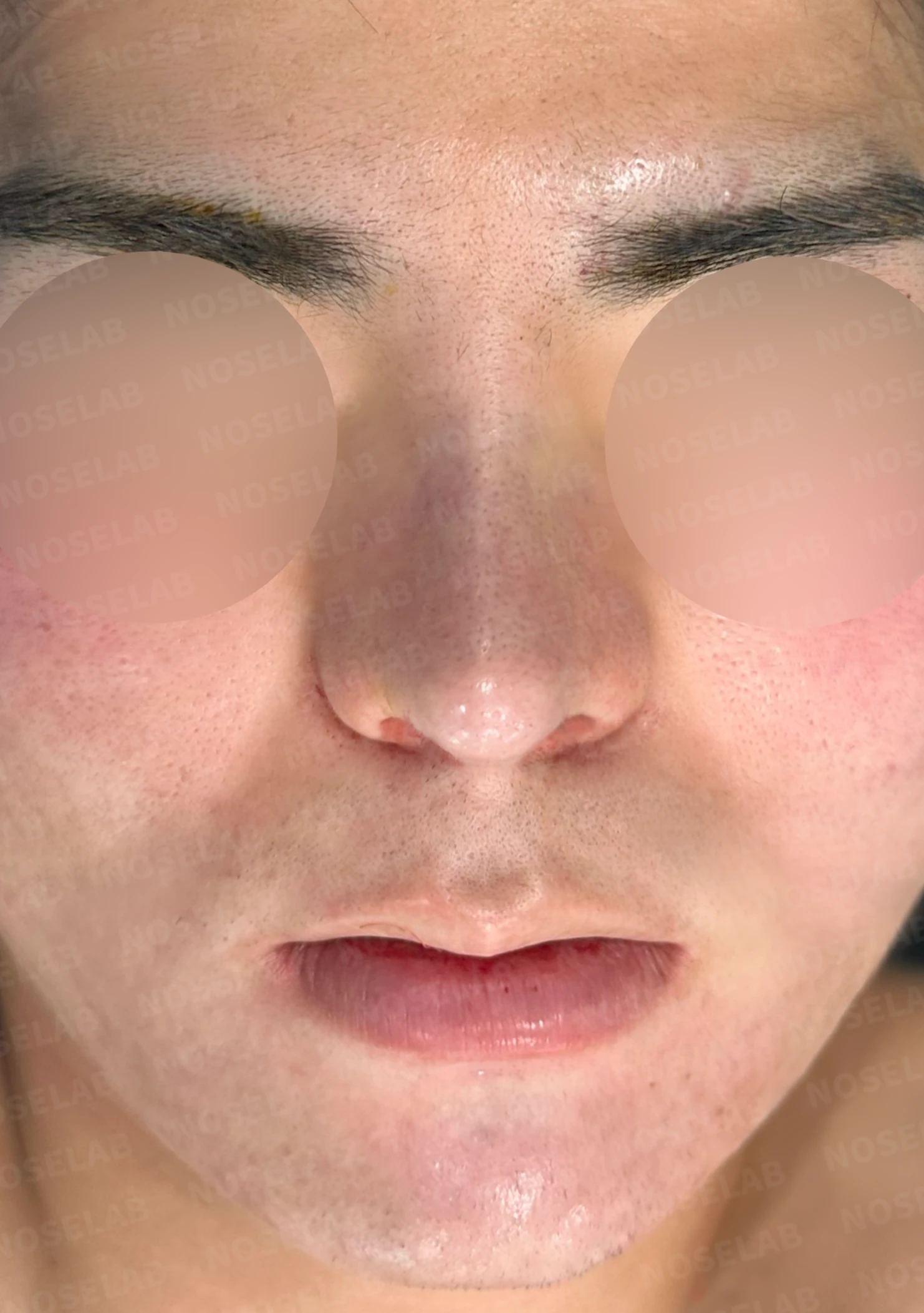
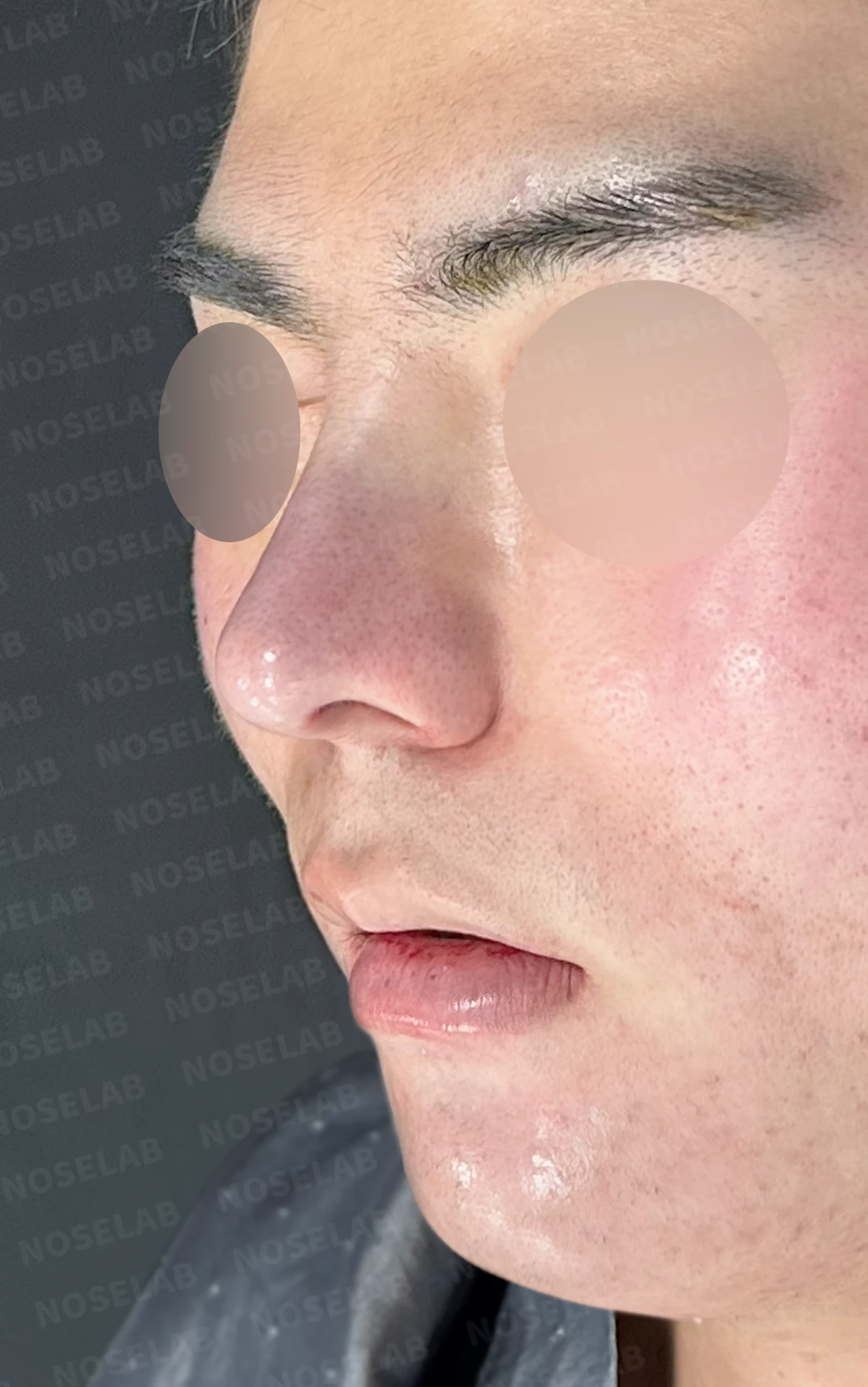
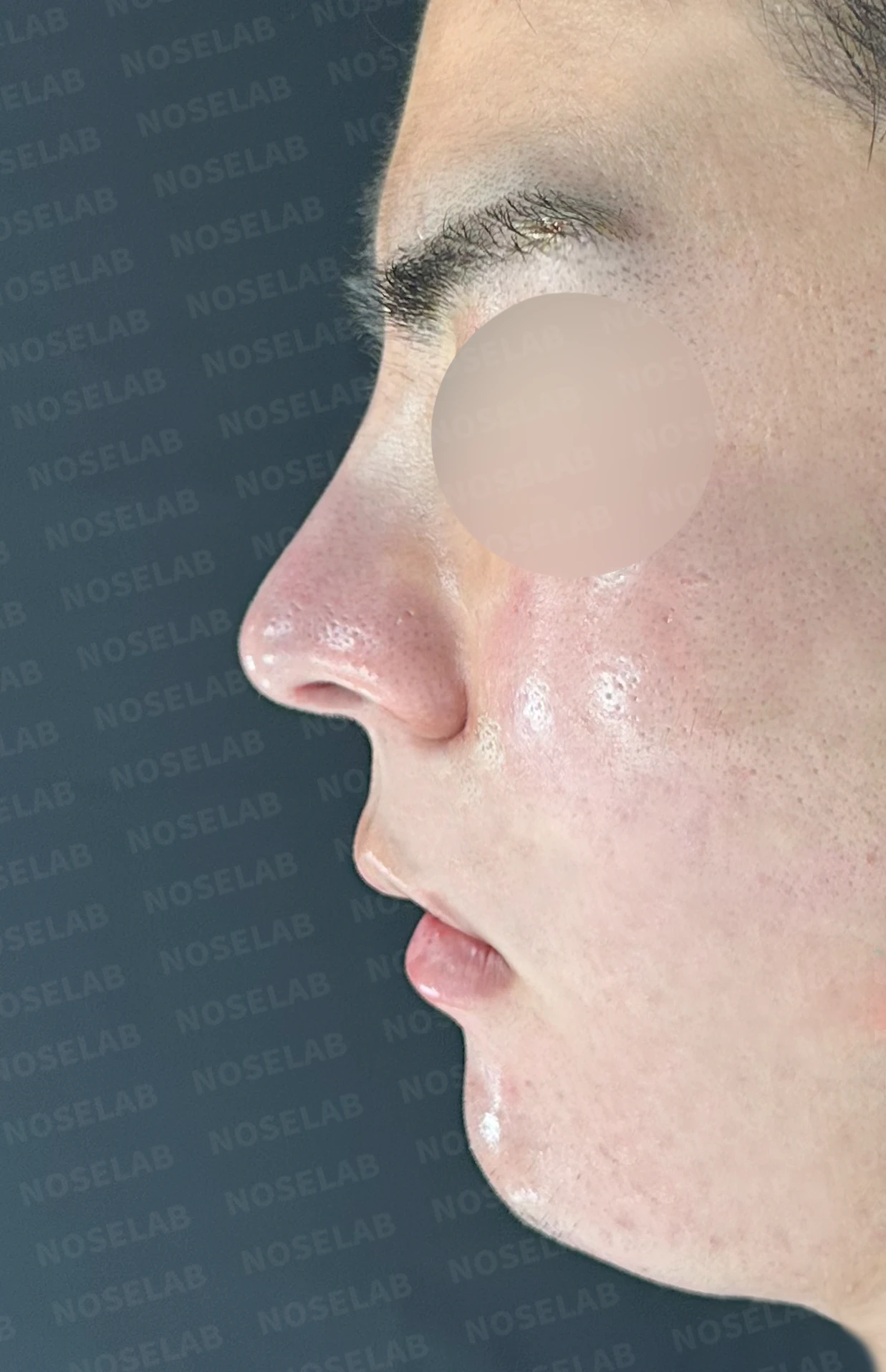
Front, oblique, and profile views on day 0 immediately after surgery. Photos taken immediately after surgery show swelling and may differ from the final result.
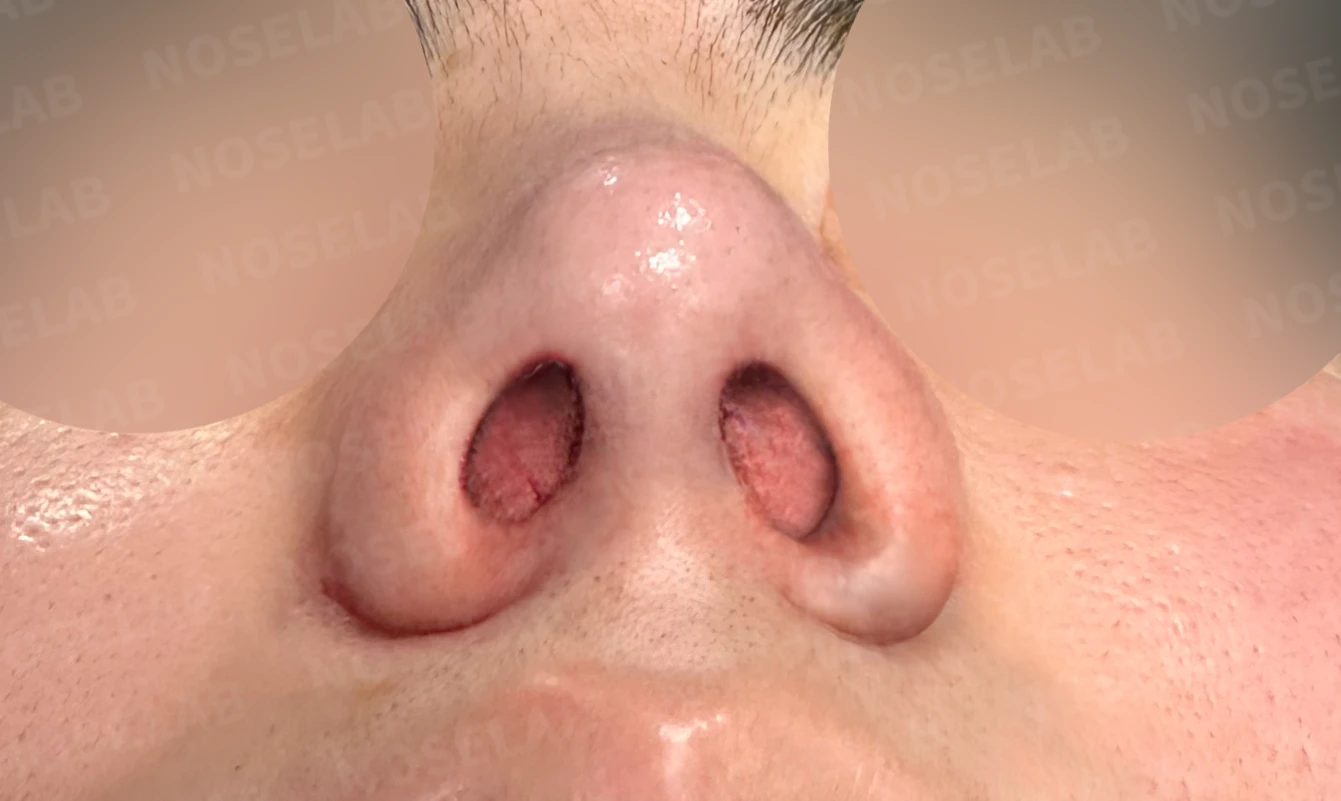
Nostril view on day 0 immediately after surgery. Photos taken immediately after surgery show swelling and may differ from the final result.
Rhinoplasty for a small nose requires a different approach from standard rhinoplasty. The most critical step is accurately assessing the limits of skin elasticity.
Because the skin on a small nose cannot stretch sufficiently, attempting to build excessive height places excessive tension on the skin. Over the long term, this can cause skin damage, contracture, or deformity. Therefore, in this surgery, we focused on safe proportions and a natural shape suited to the face rather than height alone.
Autologous rib cartilage is an excellent material for small nose surgery. Possessing adequate strength and volume, it is effective in naturally lengthening a short nose and correcting an upturned tip. Furthermore, because it is autologous tissue, it offers high long-term stability without rejection or foreign body sensation.
Through septal extension, the short nose was naturally lengthened, and the upturned nasal tip was appropriately corrected. By adjusting the nasolabial angle, we refined the profile line and achieved the straight nasal line desired by the patient.
Functional surgery was also performed concurrently to address nasal obstruction. Improving breathing function through septoplasty and turbinate reduction allowed us to enhance the patient's quality of life alongside aesthetic refinement.
Because the patient presented with a receding chin, chin implant surgery was performed concurrently. Establishing harmonious proportions between the nose and chin significantly improved overall facial balance. In particular, the contour flowing from the nose to the chin on the profile view achieved a natural and refined finish.
The key principle in rhinoplasty for a small nose is maintaining "safe proportions." The core objective is to comprehensively evaluate the patient's skin thickness, stretch capacity, and facial balance to create a result that is both safe and aesthetically pleasing. Rather than pursuing excessive height, natural proportions and harmonious balance offer far greater beauty and long-term stability.
I will continue to provide customized surgeries that reflect each patient's individuality and requests through this meticulous approach. I hope this helps those with similar concerns.
This was Dr. Peter C. Kang. Thank you.
#smallnoserhinoplasty #shortnosecorrection #upturnednosecorrection #autologousribcartilage #septalextension #naturalproportions #straightdorsum #chinimplant #genioplasty #facialbalance #skinstretchlimits #saferhinoplasty #functionalsurgery #nasalobstructionrelief #closedrhinoplasty

Limitations and risks
When autologous rib cartilage is used, scarring and pain may remain at the donor site on the chest, and pneumothorax (pleural injury) can occur rarely. Over time, the grafted cartilage may warp or undergo partial resorption.
When the septum is corrected at the same time, nasal obstruction may persist or recur, and in rare cases, septal perforation or changes in smell may occur.
Common potential risks include infection, bleeding, asymmetry, scarring, skin necrosis, and insufficient improvement; results vary depending on individual skin condition and previous surgical history.