Hello, I am Dr. Peter C. Kang.
Today, I would like to share a case of corrective surgery for a severely upturned contracted nose.
This patient developed inflammation just 3 days after undergoing rhinoplasty with autologous rib cartilage, requiring a total removal surgery that subsequently led to severe contracture deformity.
In contracted nose reconstruction surgery, it is common for the surgical plan to change significantly depending on the patient's intraoperative condition. In this case as well, the nasal skin barely stretched, so maximizing the skin expansion was set as the primary goal of this surgery. A second surgery to increase volume, such as further augmenting the height or reinforcing the nasal bridge, was planned for about 6 months later, once the skin stabilizes and stretches sufficiently.
Preoperative design consultation
Let us analyze the patient's preoperative condition in detail:
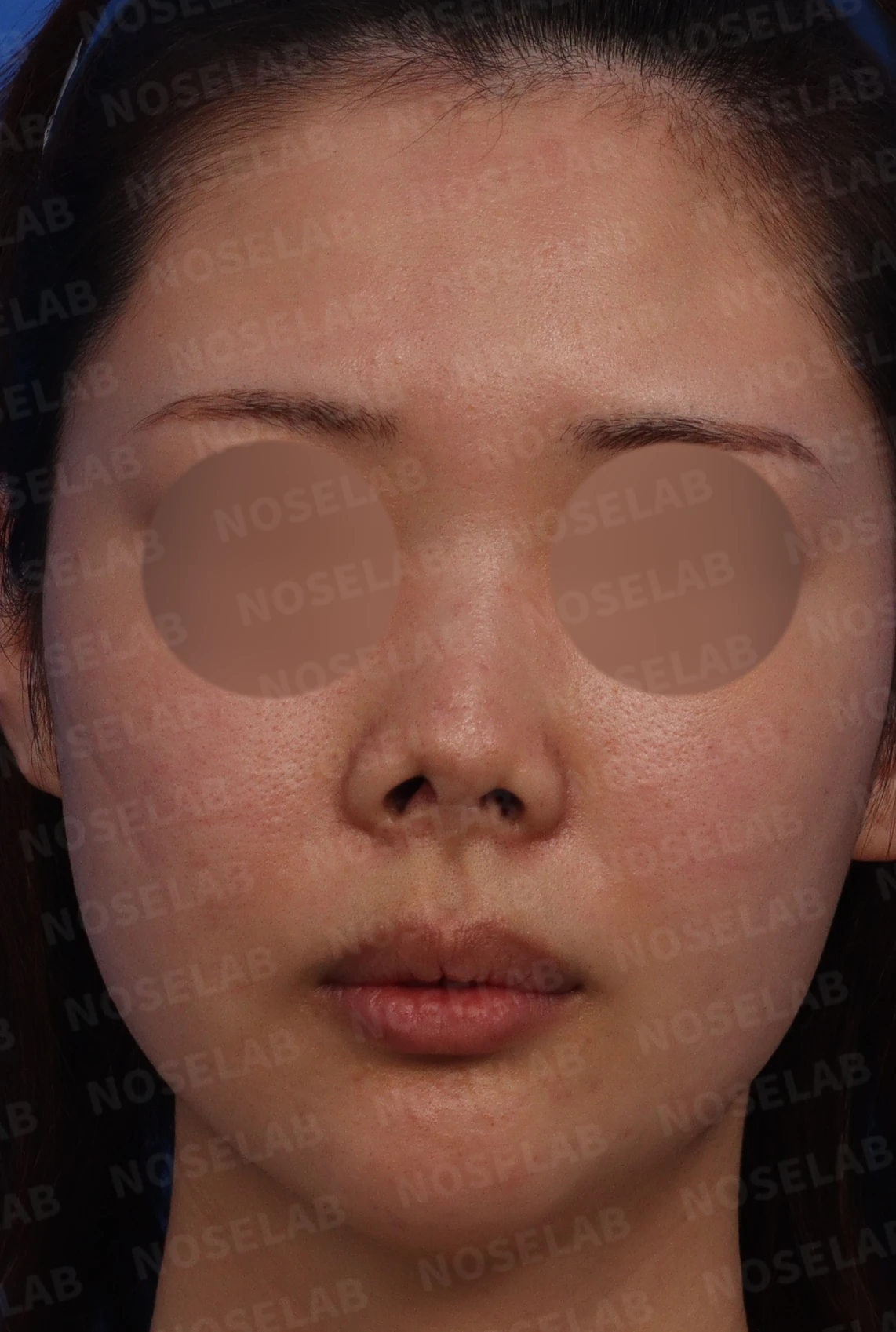
Front view:
Front view
The nasal tip is severely upturned, showing excessive nostril show
The right nostril is retracted higher and distorted
The nasal bridge appears flat and crooked
Both nostrils appear pinched
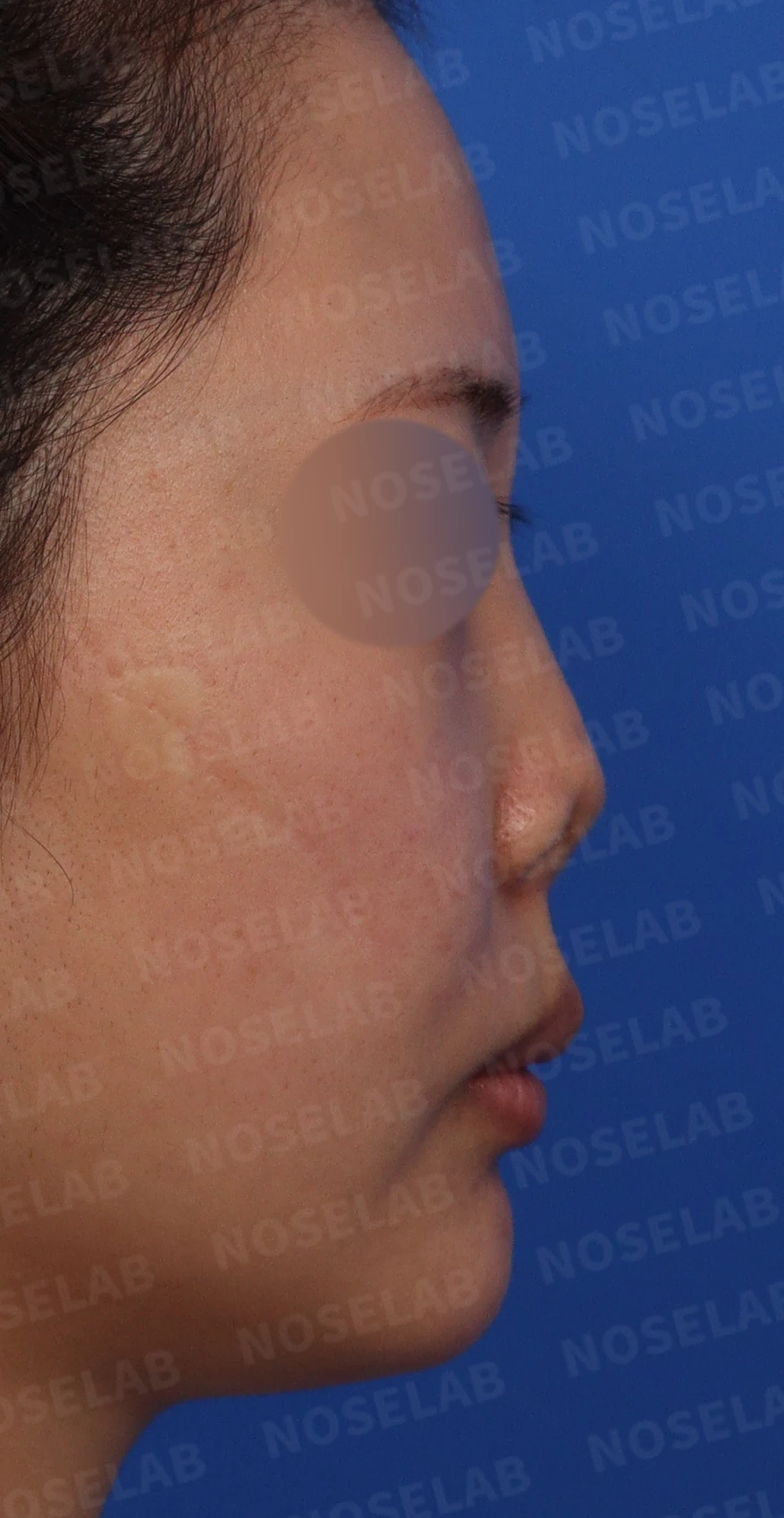
Profile view:
Profile view
The nasolabial angle is very obtuse
The nose is short and upturned
The nasal bridge is flat
Philtrum appears long
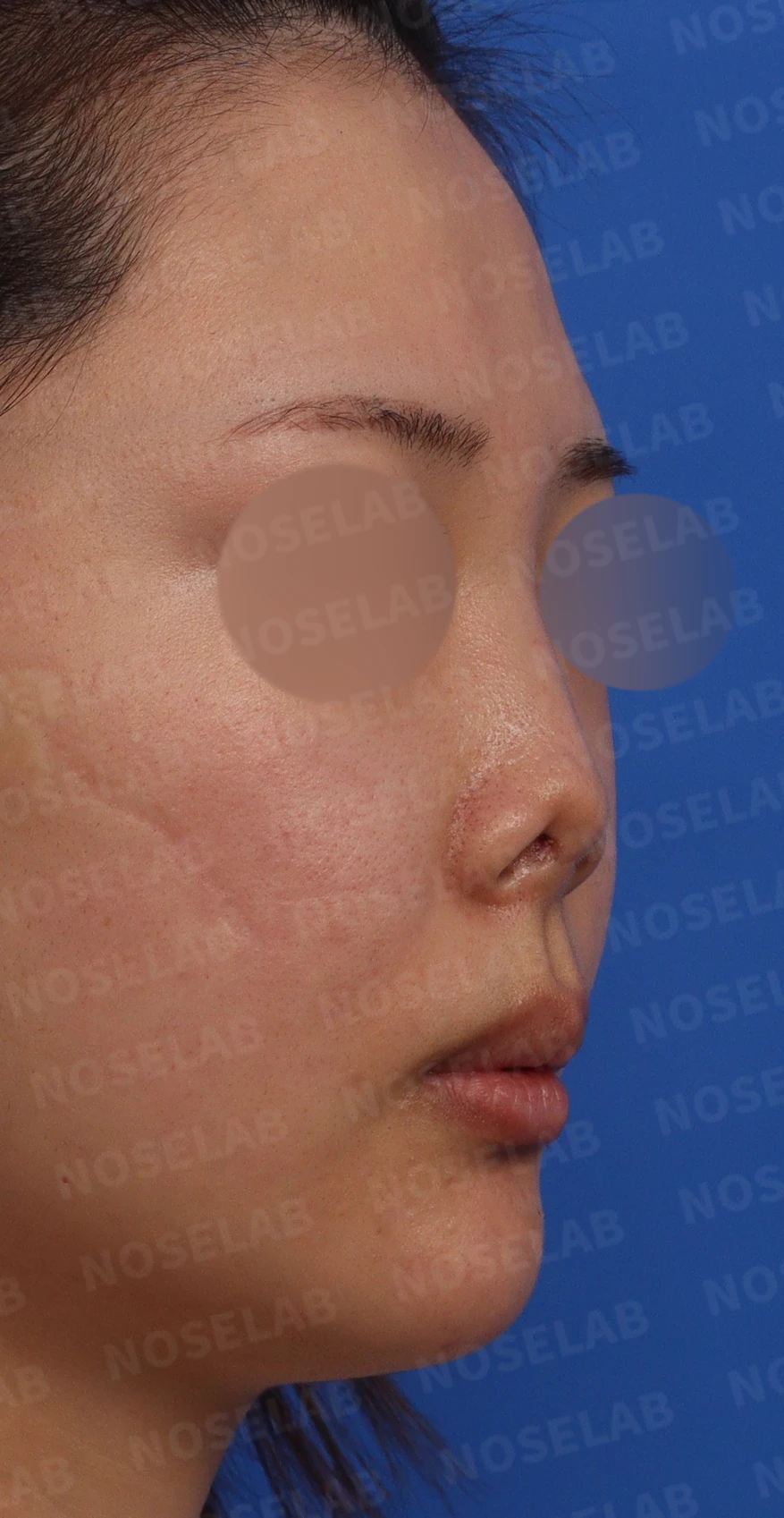
Oblique view:
Oblique view
The upturning and crookedness of the nose are even more prominent
The flatness of the nasal bridge is clearly visible
Nostrils:
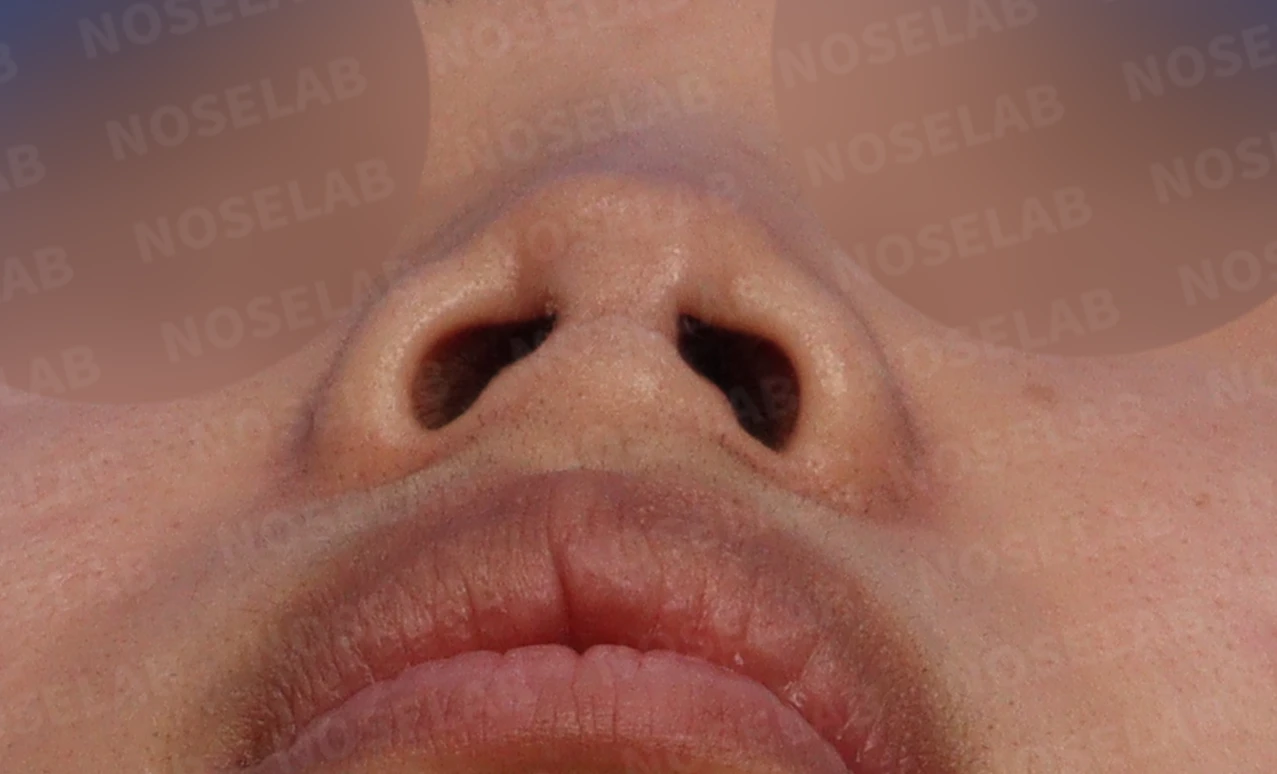
Severe asymmetry observed
Retraction and distortion of the right nostril are distinct
Patient's main requests:
Correction of upturned nostrils
Correction of nostril asymmetry
Surgical plan
Taking into account the patient's condition and requests, the following surgical plan was established:
a) Septal cartilage reconstruction using autologous rib cartilage
b) Lower lateral cartilage reconstruction using autologous rib cartilage
c) Nasal bridge augmentation using autologous rib cartilage
d) Dorsal skin lengthening procedure
In particular, all graft materials for this surgery were planned to use exclusively autologous tissue.
Surgical procedure
a) Autologous rib cartilage harvest:
The patient's rib cartilage was harvested to secure an adequate amount of cartilage required for nasal reconstruction.
b) Septal cartilage reconstruction:
The damaged septal cartilage was reconstructed using autologous rib cartilage.
Through this, we established structural stability of the nose and built the foundation to correct the upturned nasal tip.
c) Lower lateral cartilage reconstruction:
The collapsed and asymmetric lower lateral cartilages were reconstructed with autologous rib cartilage.
Through this, the shape and symmetry of the nostrils were improved.
d) Nasal bridge augmentation:
Using autologous rib cartilage, the flat nasal bridge was naturally elevated.
The crooked-appearing bridge was straightened, refining the overall profile line of the nose.
e) Dorsal skin lengthening:
A procedure was performed to stretch the dorsal skin shortened by contracture as much as possible.
This played a crucial role in improving the overall length and shape of the nose.
All procedures were performed using a closed approach, completing the surgery without external scars.
Before-and-after photo comparison
Comparing photos taken immediately after surgery on day 0 shows the following improvements: Photos taken immediately after surgery show swelling and may differ from the final result.
Front view:
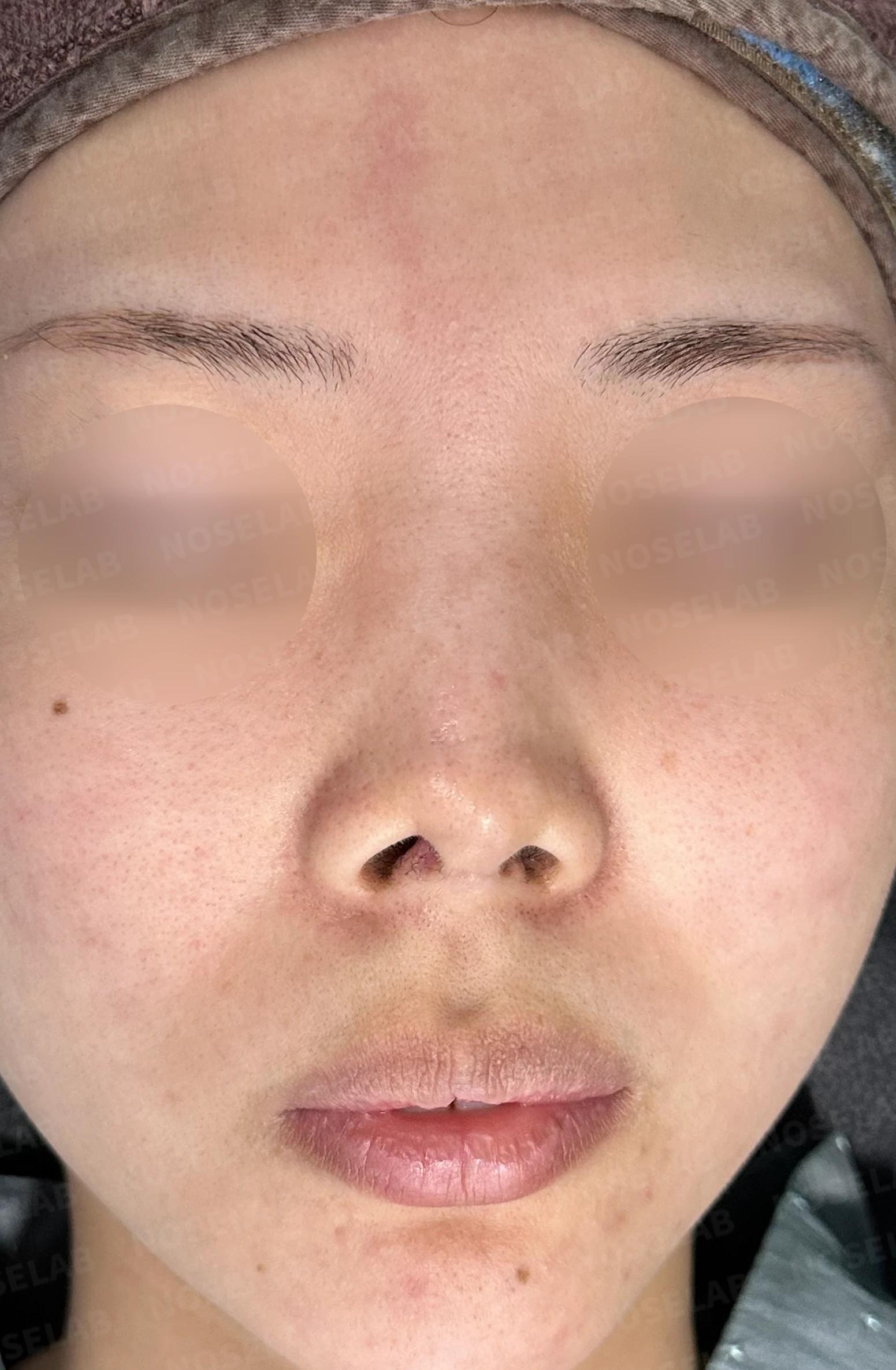
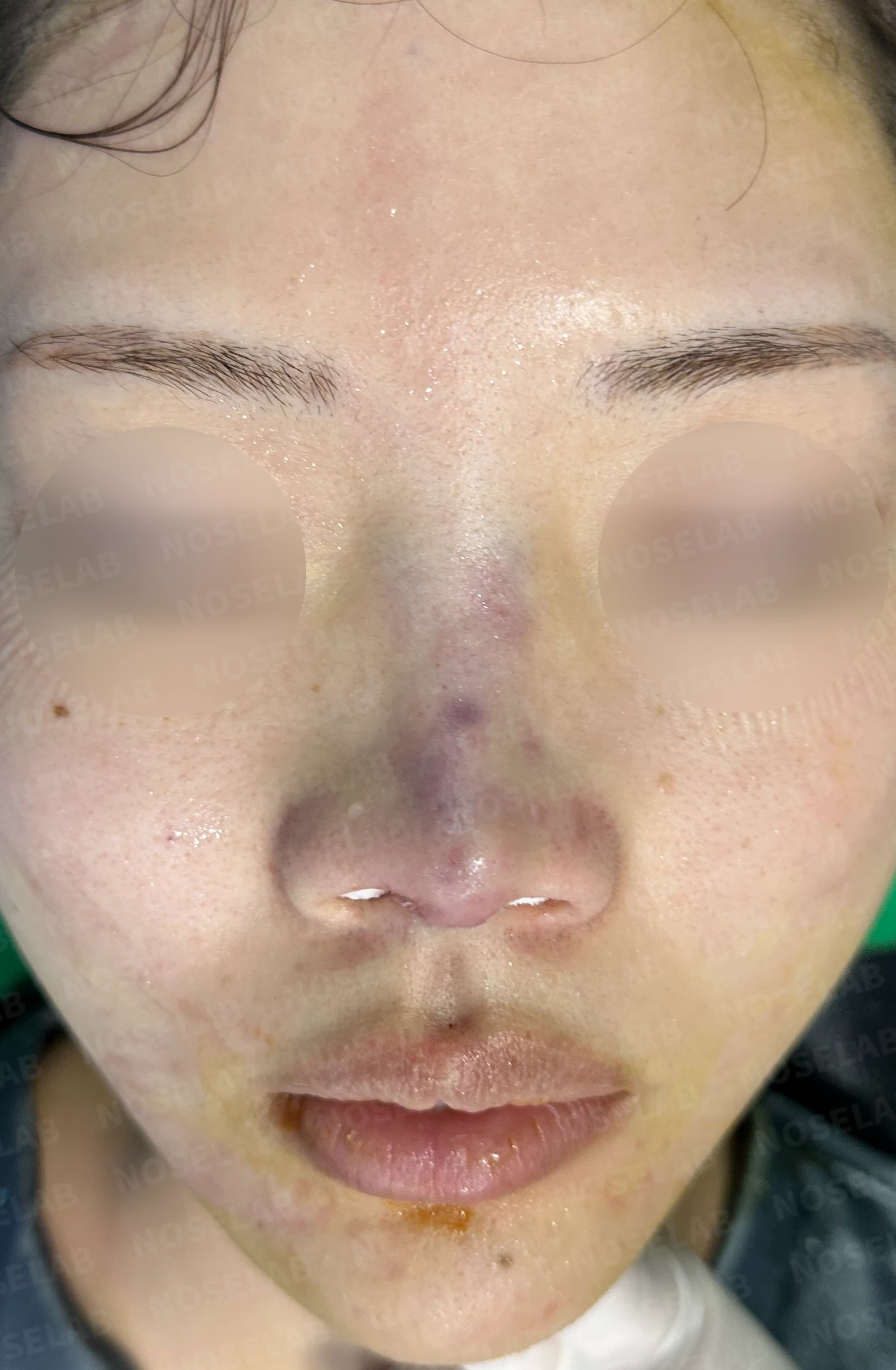
Before surgery / Day 0 immediately after surgery Photos taken immediately after surgery show swelling and may differ from the final result.
The severely upturned nasal tip was lowered naturally, substantially decreasing nostril show.
The nostril asymmetry skewed toward the right was improved.
The flat, crooked-appearing bridge was transformed into a straight, defined line.
The pinched appearance of both nostrils improved to a natural contour.
Profile view:
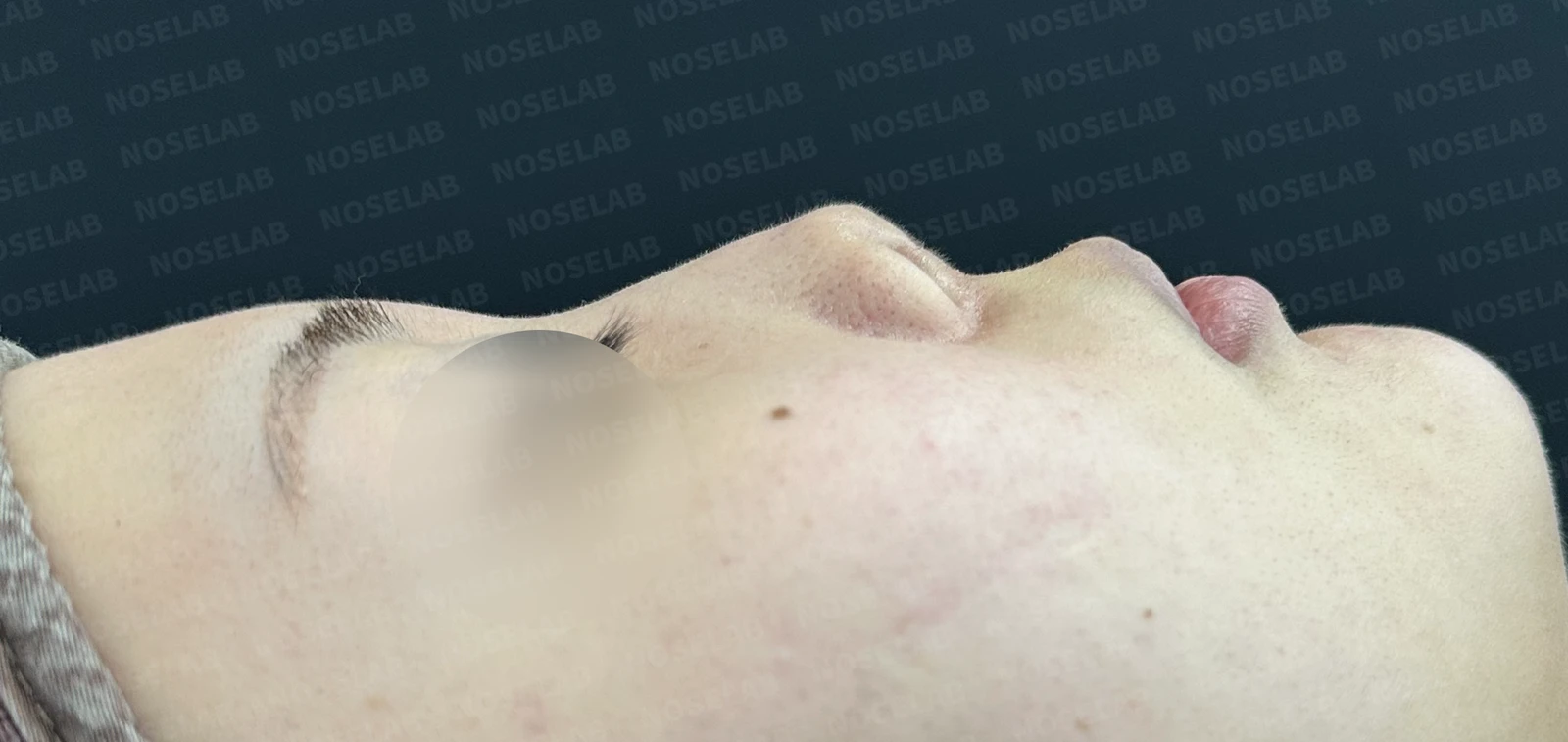
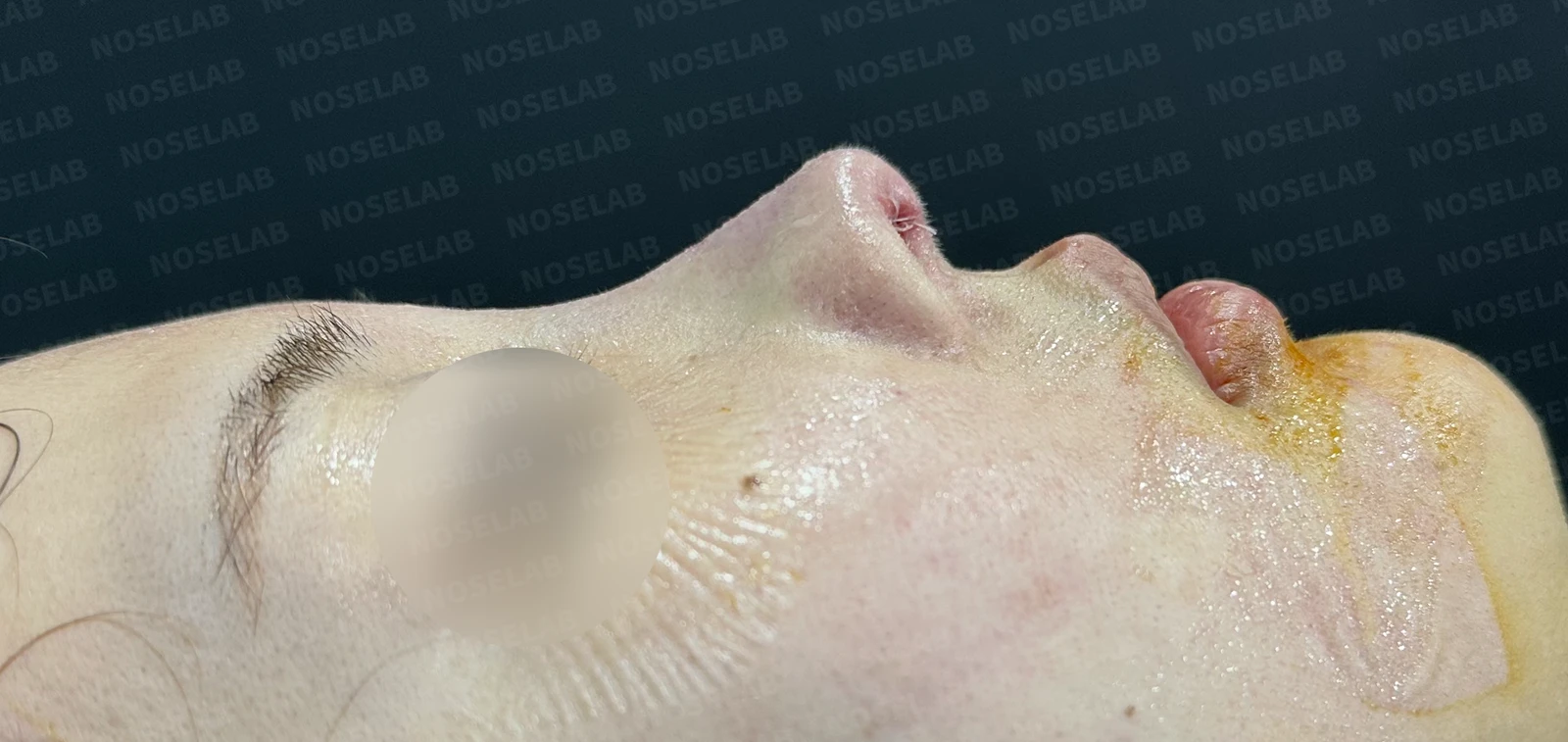
Before surgery / Day 0 immediately after surgery Photos taken immediately after surgery show swelling and may differ from the final result.
The excessively wide nasolabial angle was appropriately reduced, improving harmony between the nose and lips.
The short, upturned nose was lengthened and lowered, improving overall facial balance.
The flat bridge was naturally elevated, adding dimensional definition.
The elongated appearance of the philtrum was improved.
Oblique view:
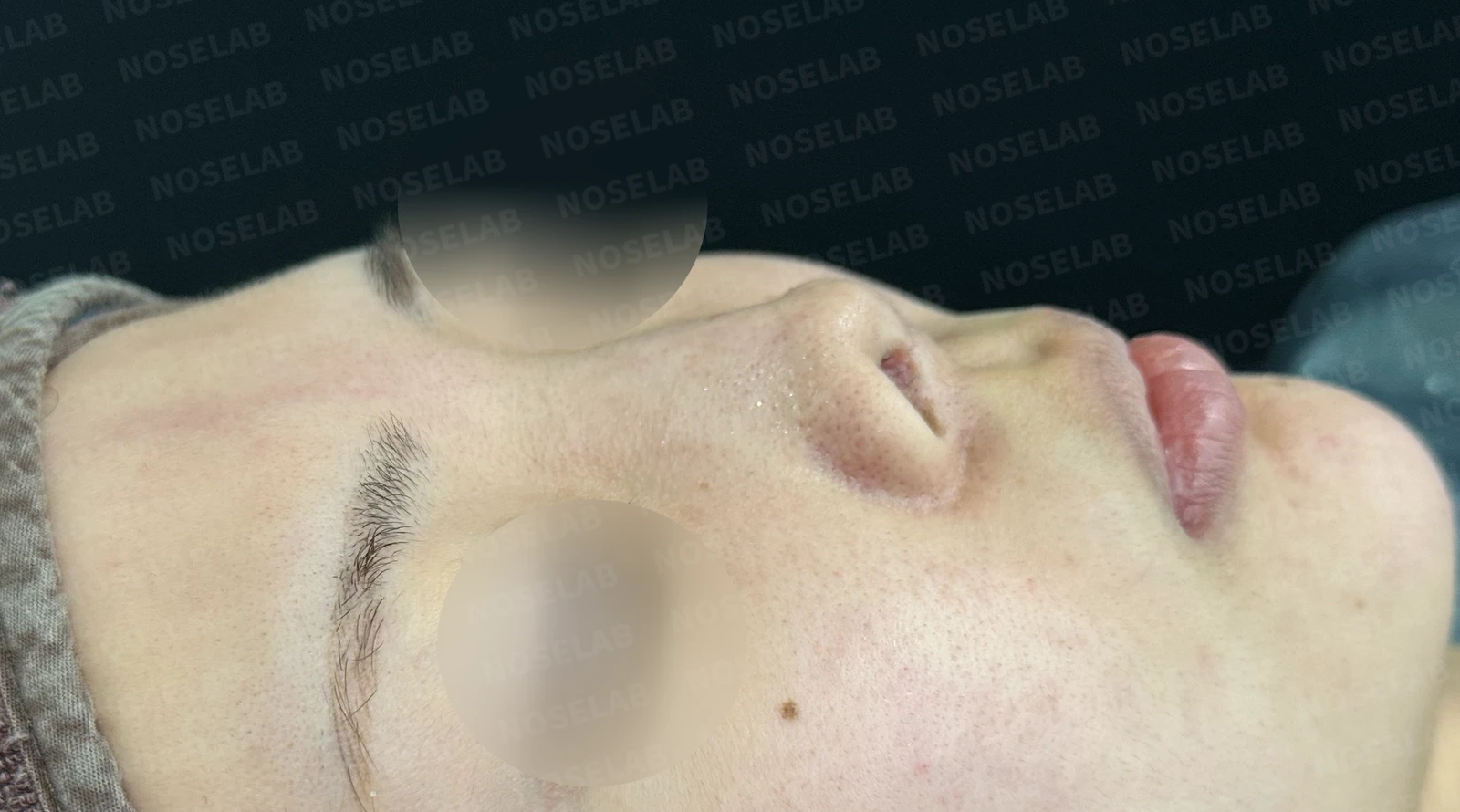
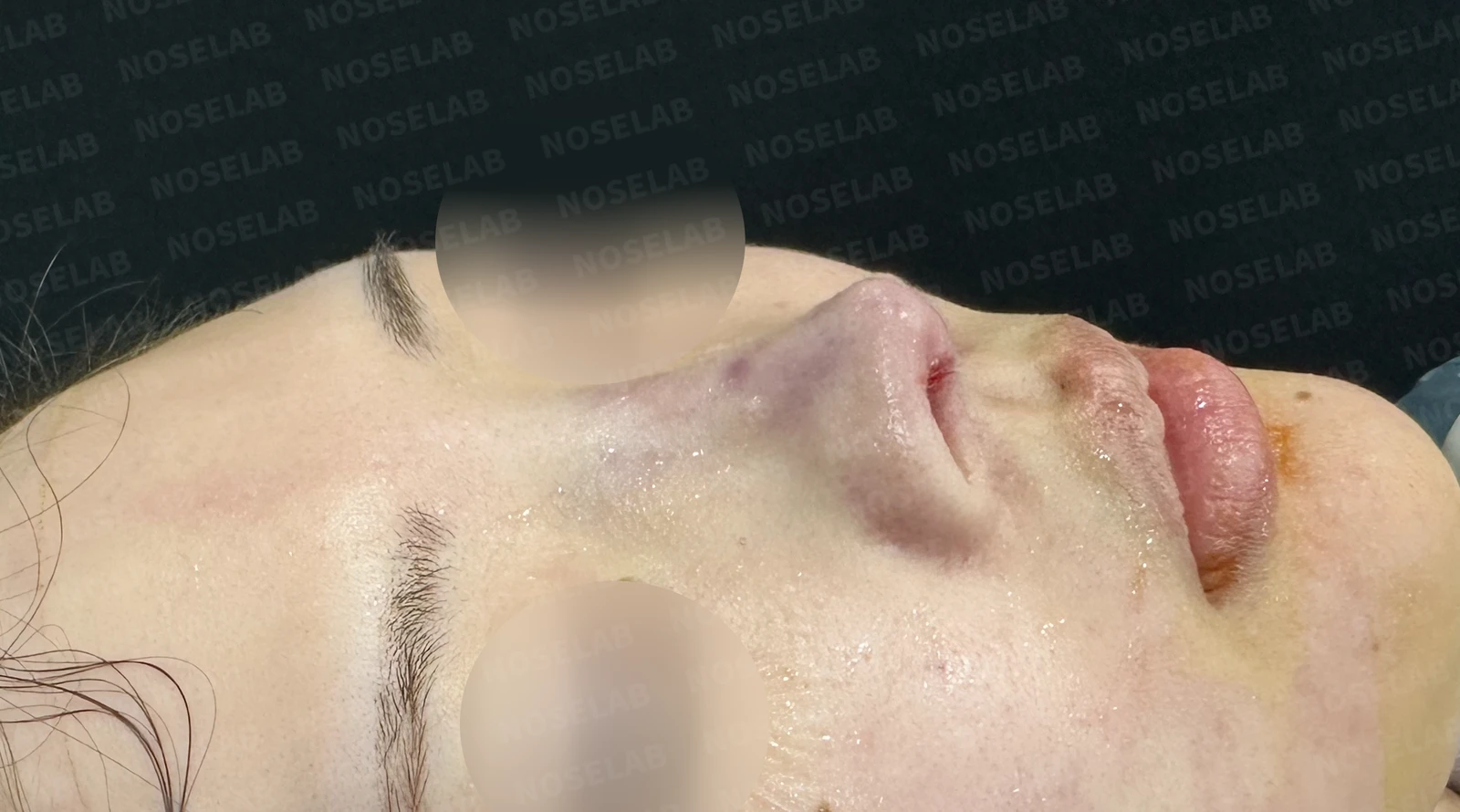
Before surgery / Day 0 immediately after surgery Photos taken immediately after surgery show swelling and may differ from the final result.
The upturned tip and crooked deviation were significantly corrected, creating a smooth line.
The definition of the nasal bridge was enhanced, improving overall balance.
Nostrils:
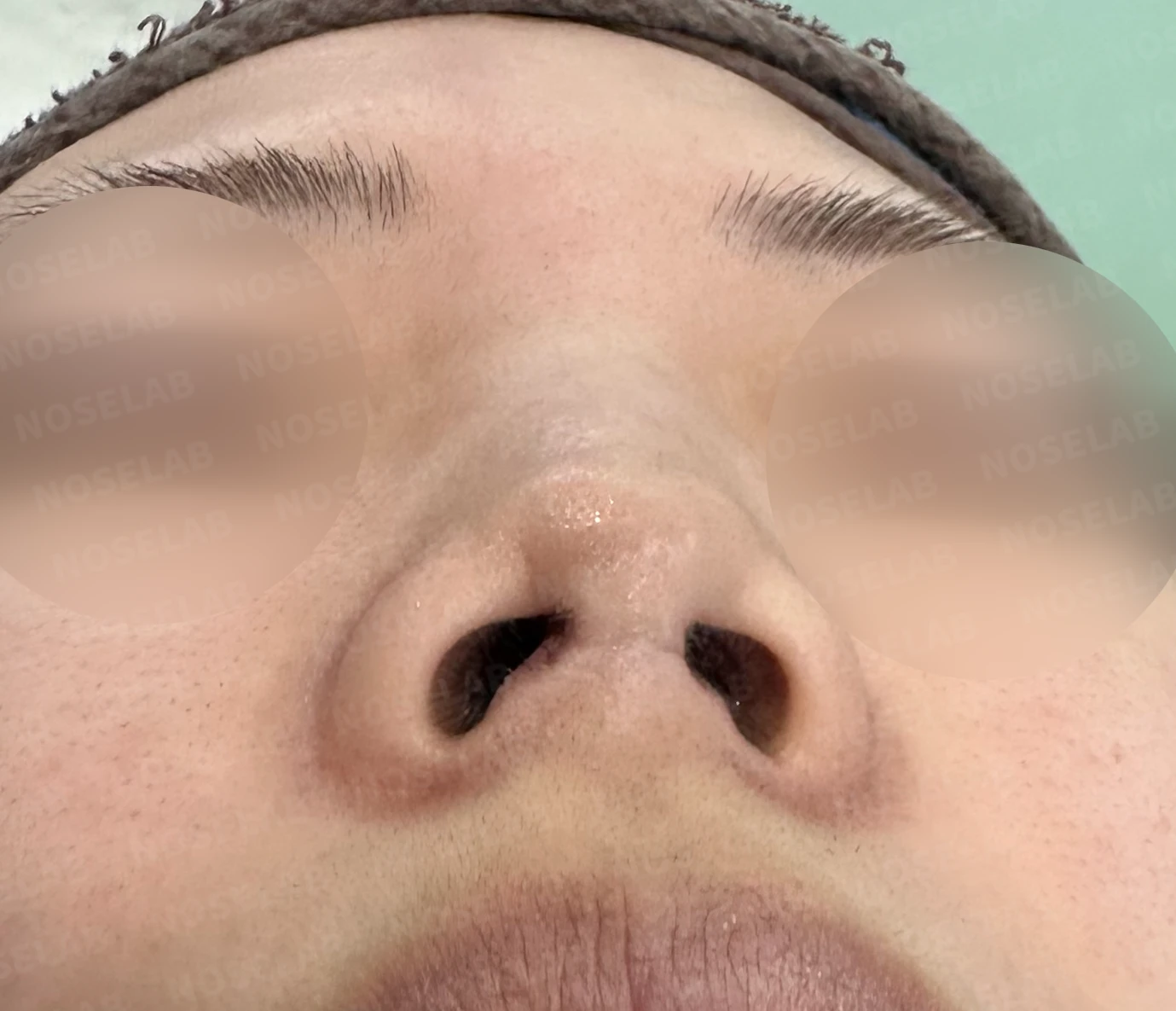
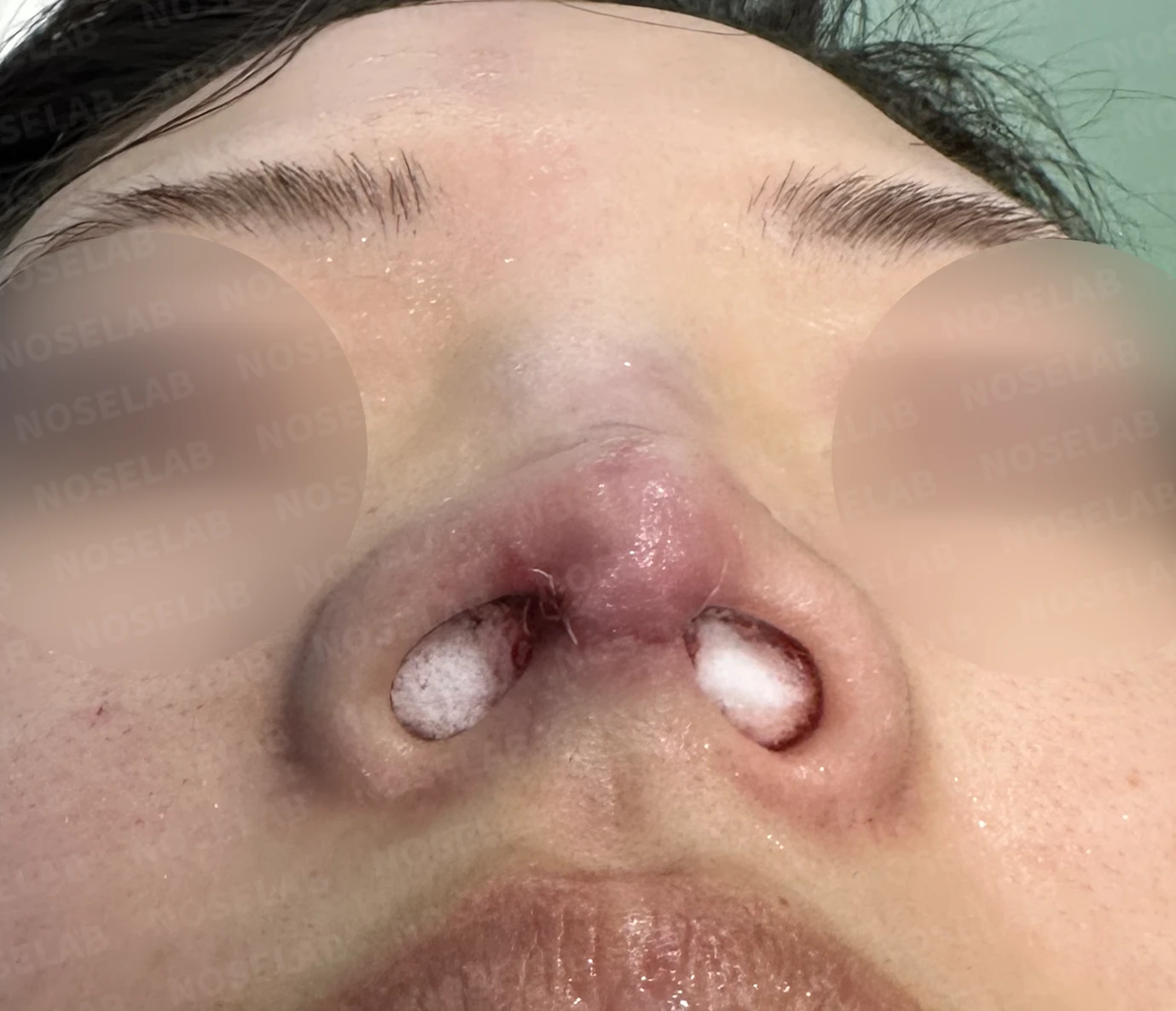
Before surgery / Day 0 immediately after surgery Photos taken immediately after surgery show swelling and may differ from the final result.
The severe asymmetry was substantially improved.
The retraction and distortion of the right nostril were corrected, enhancing bilateral symmetry.
Photos immediately after surgery
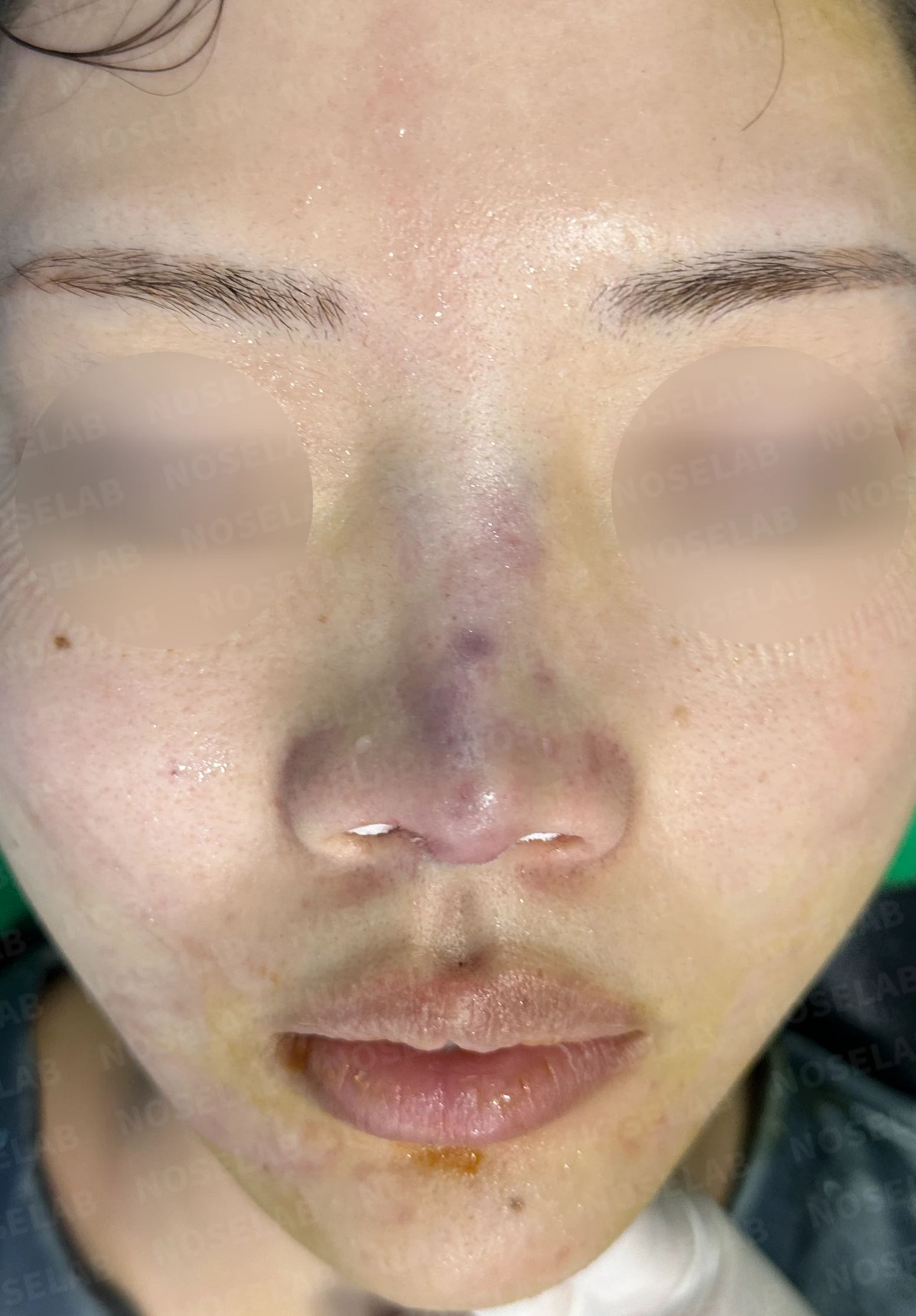
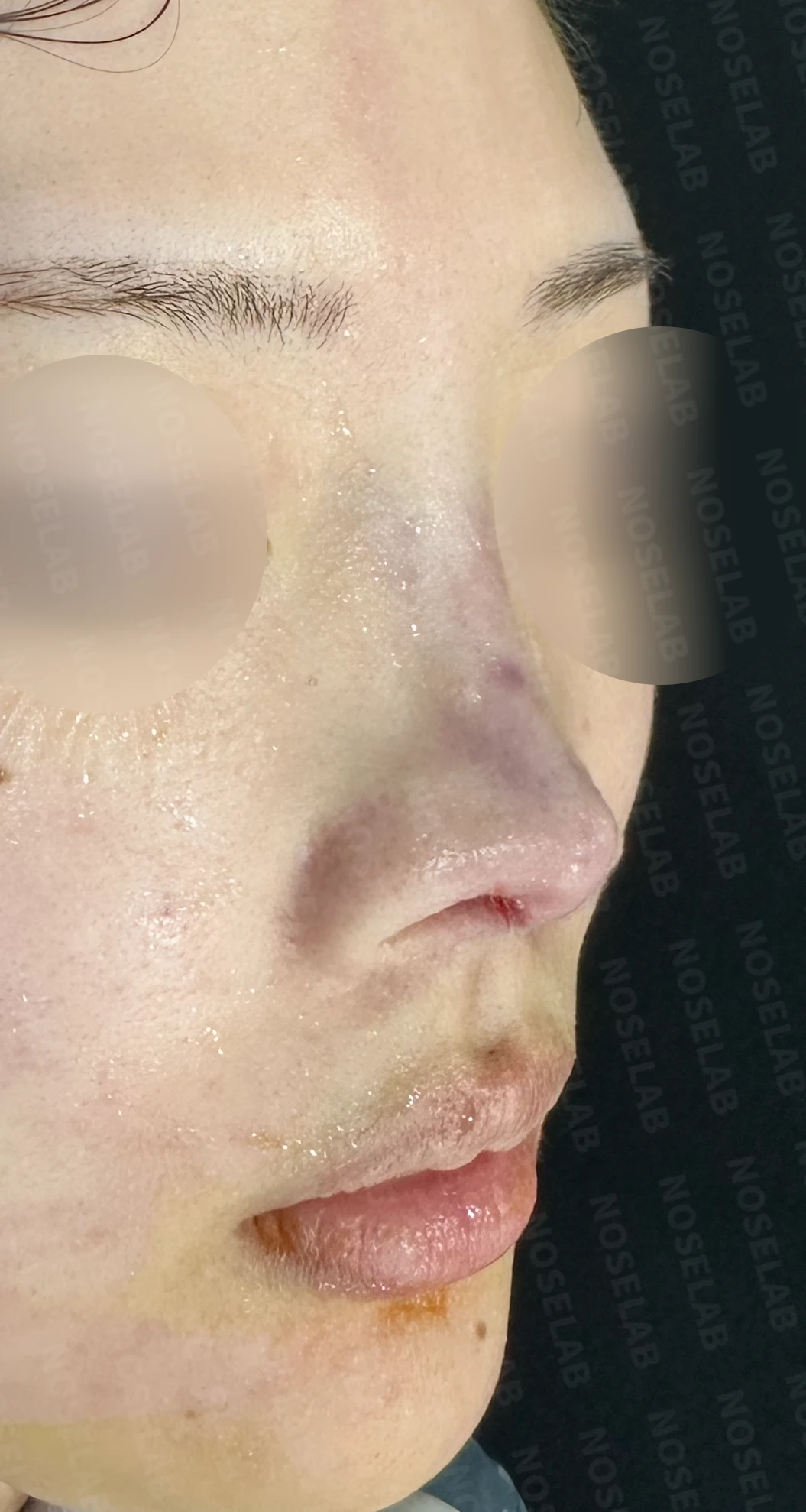
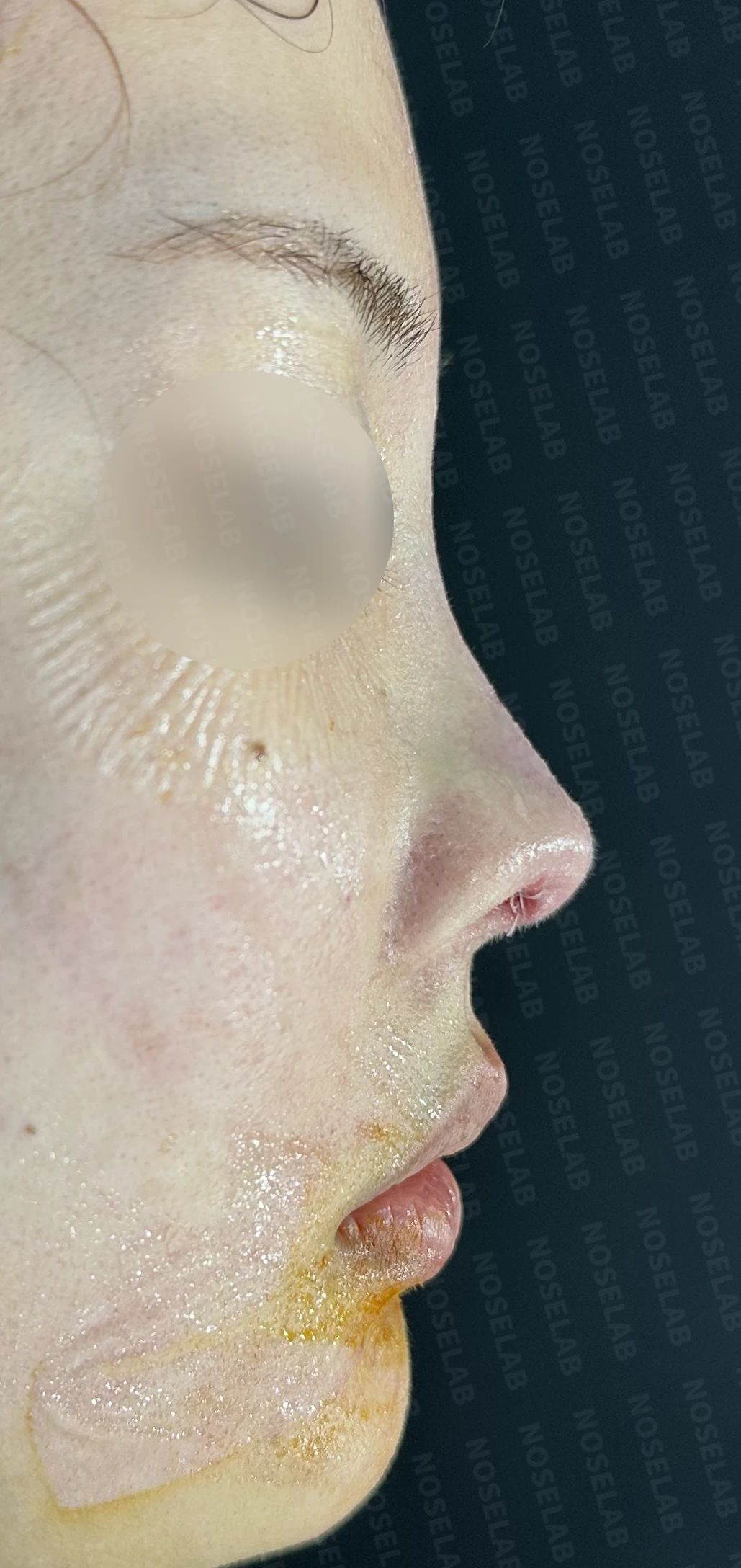
Photos taken immediately after surgery on day 0: front, oblique, profile view. Photos taken immediately after surgery show swelling and may differ from the final result.
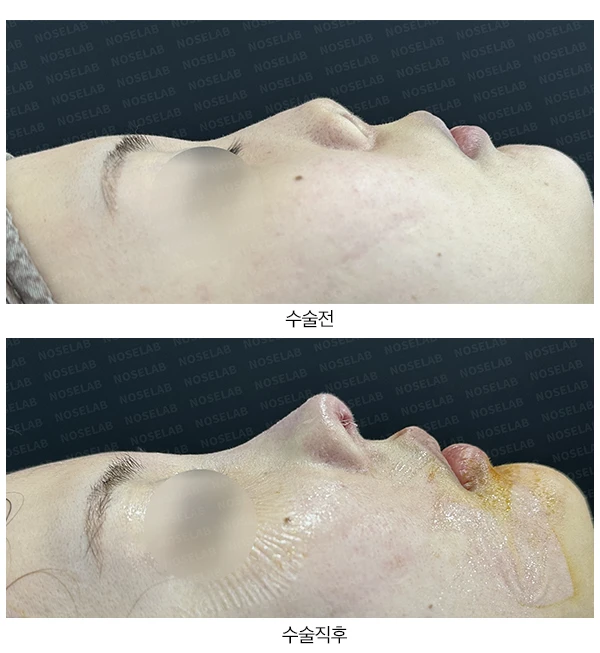
Basal (nostril) view immediately after surgery (Day 0)Immediate postoperative photos show swelling and may differ from the final result.
Conclusion
This case clearly illustrates the complexity and difficulty of correcting a severe contracted nose caused by inflammation. In particular, when the nose was originally small and short, restoring a nose that has become even smaller and shorter due to contracture back to its original size presents a very difficult challenge.
In this patient's case, the nasal tip was shortened due to contracture of the dorsal skin immediately above the tip. Under such circumstances, expanding the nasal skin was a particularly challenging task. Furthermore, because a severely upturned nasal tip usually indicates extensive damage to the septal cartilage, the primary goals of this surgery were to reconstruct the damaged cartilage and stretch the shortened skin as much as possible.
Using only autologous rib cartilage to reconstruct the septal cartilage, rebuild the lower lateral cartilages, and elevate the bridge was the most appropriate choice to achieve long-term, stable results. By using autologous tissue, the risk of rejection was minimized, and securing an ample amount of cartilage made this complex reconstructive surgery feasible.
Closing remarks
I hope this case brings hope to those struggling with a contracted nose. Contracted nose correction is a very complex and demanding procedure, but satisfactory results can be achieved through appropriate surgical planning and technique.
Particularly in complex revision rhinoplasty cases like this, choosing a surgeon with extensive clinical experience and expertise is crucial. Drawing on anatomic expertise as a board-certified otolaryngologist and extensive surgical experience, Dr. Peter C. Kang provides a surgical plan tailored to each individual patient.
NOSELAB is here to help you achieve a healthy, aesthetically pleasing nose. Thank you.
FAQ
Q1: How long is the recovery period after contracted nose revision surgery?
A1: Results vary, but daily activities are generally manageable after 2 to 3 weeks. It may take about 6 to 12 months to see full recovery and the final result.
Q2: What are the advantages of using autologous rib cartilage?
A2: Autologous rib cartilage carries no risk of rejection, can be harvested in sufficient volume, and supports stable results over the long term.
Q3: Is such complex reconstructive surgery possible through a closed approach?
A3: Yes, it is possible. An experienced specialist can perform most complex reconstructive procedures using a closed approach.
Q4: Is there a risk of recurrent contracture after contracted nose correction? A4: With appropriate surgical techniques and post-operative care, the risk of recurrent contracture can be minimized. However, because it cannot be completely ruled out, it is important to follow the doctor's post-operative instructions carefully.
Q5: What precautions should be taken before contracted nose revision surgery?
A5: Smoking, alcohol consumption, and certain medications should be avoided. It is also essential to provide your doctor with an accurate record of previous surgeries and your current health status.
#contractednosecorrection #upturnednosecorrection #crookednosecorrection #nostrilasymmetrycorrection #septalreconstruction #autologousribcartilagegraft #closedrhinoplasty #revisionrhinoplasty #ENTspecialistrhinoplasty #rhinoplastywithsafetyinmind #nasalbridgeaugmentation #tipplasty

Limitations and risks
When autologous rib cartilage is used, scarring and pain may remain at the donor site on the chest, and pneumothorax (pleural injury) can occur rarely. Over time, the grafted cartilage may warp or undergo partial resorption.
When the septum is corrected at the same time, nasal obstruction may persist or recur, and in rare cases, septal perforation or changes in smell may occur.
Common potential risks include infection, bleeding, asymmetry, scarring, skin necrosis, and insufficient improvement; results vary depending on individual skin condition and previous surgical history.