Hello, I am Dr. Peter C. Kang.
Today, I would like to share a revision rhinoplasty case of a 22-year-old male patient who suffered from inflammation and contracted nose deformity after multiple rhinoplasty surgeries.
Through this case, let us examine the risks of frequent rhinoplasty and the importance of safe reconstruction.
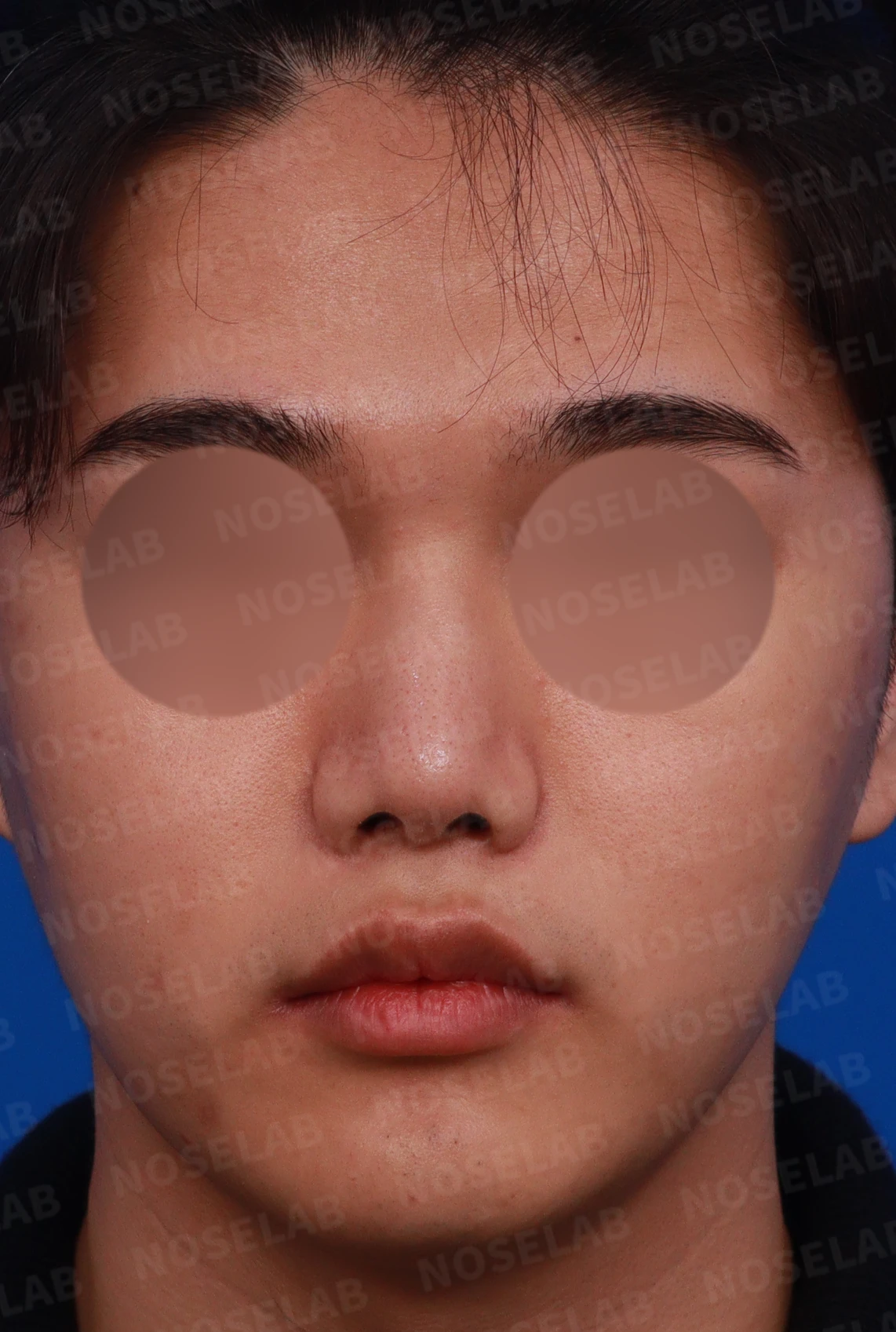
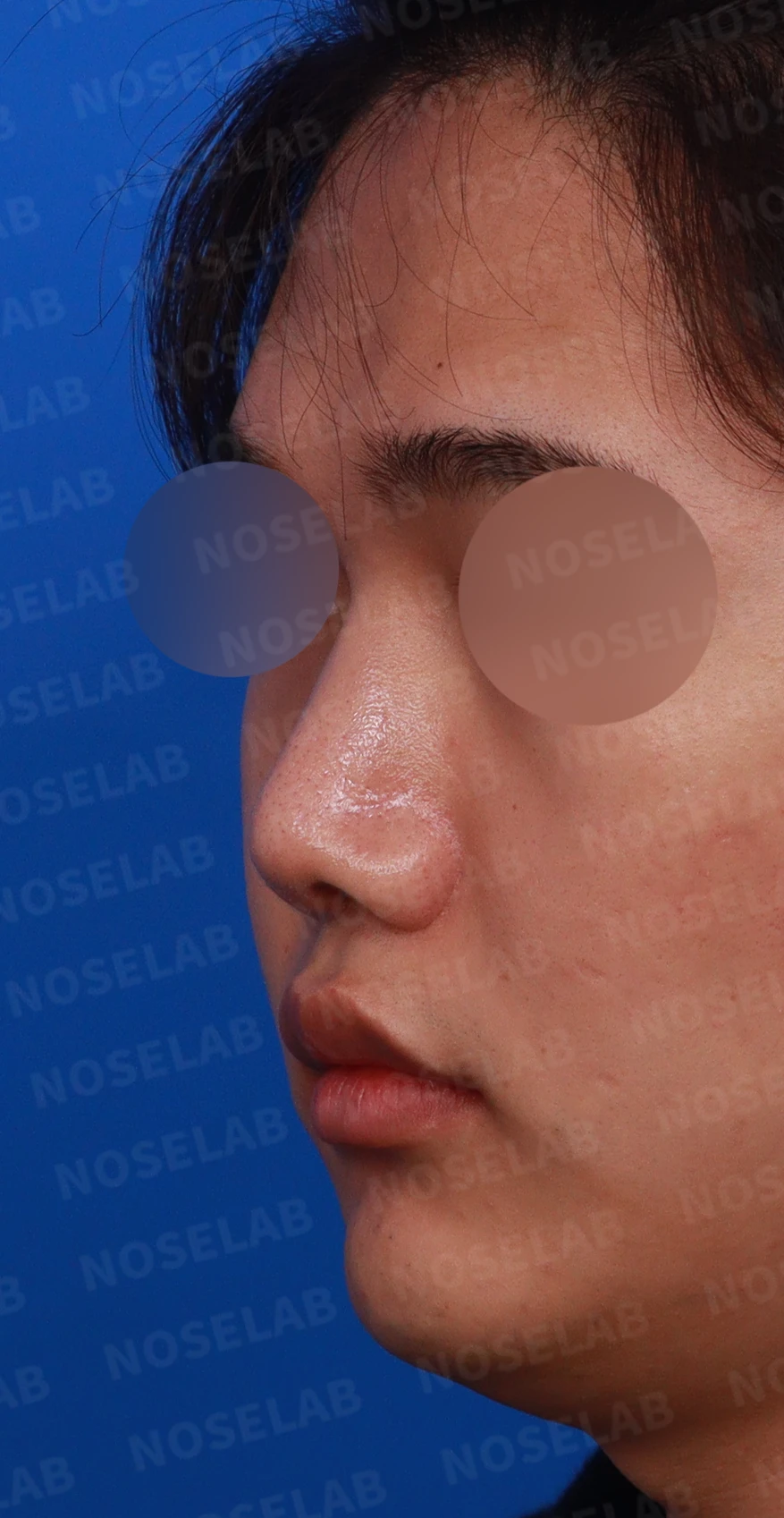
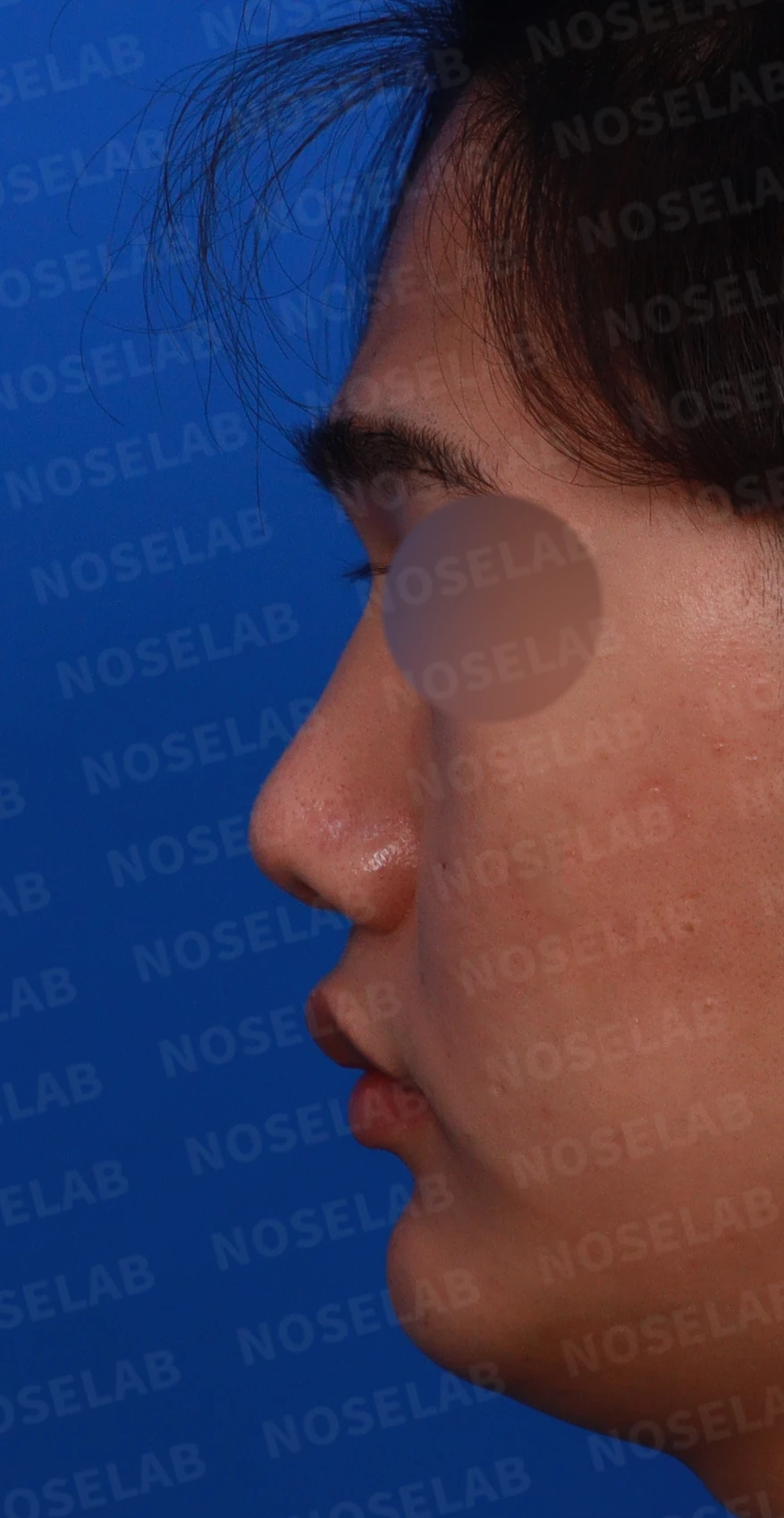
Design consultation: front, left oblique, and profile views
Patient surgical history
2022: Zygoma reduction, jaw surgery
2023: Septal cartilage + ear cartilage + implant-free alar reduction
2023: Revision rhinoplasty using autologous rib cartilage
2024: Endonasal cartilage + implant-free -> Inflammation occurred after 1 week, managed with medical treatment
📊 Patient goals
Improvement of nostril asymmetry
Overall improvement of nasal shape
Design consultation analysis
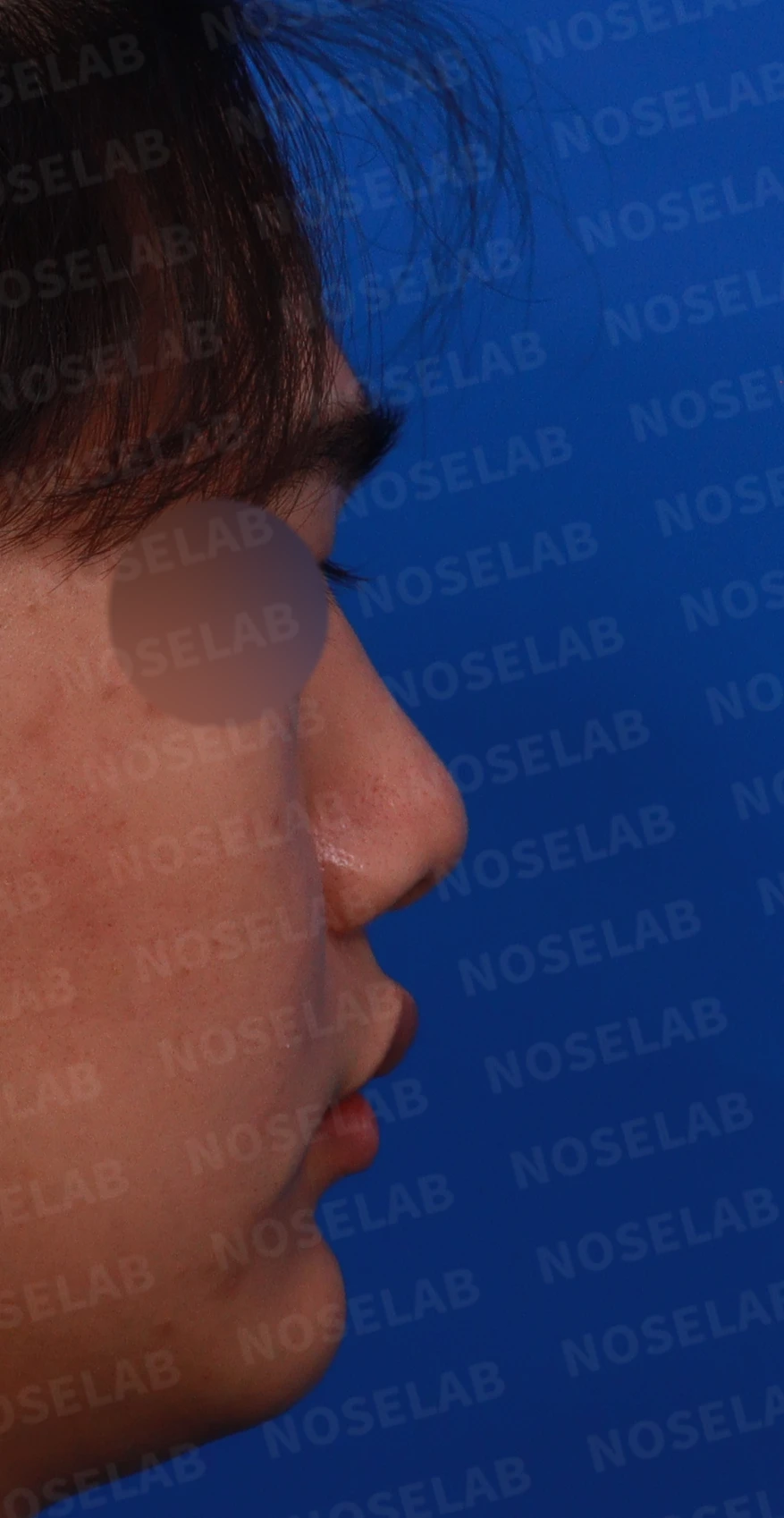
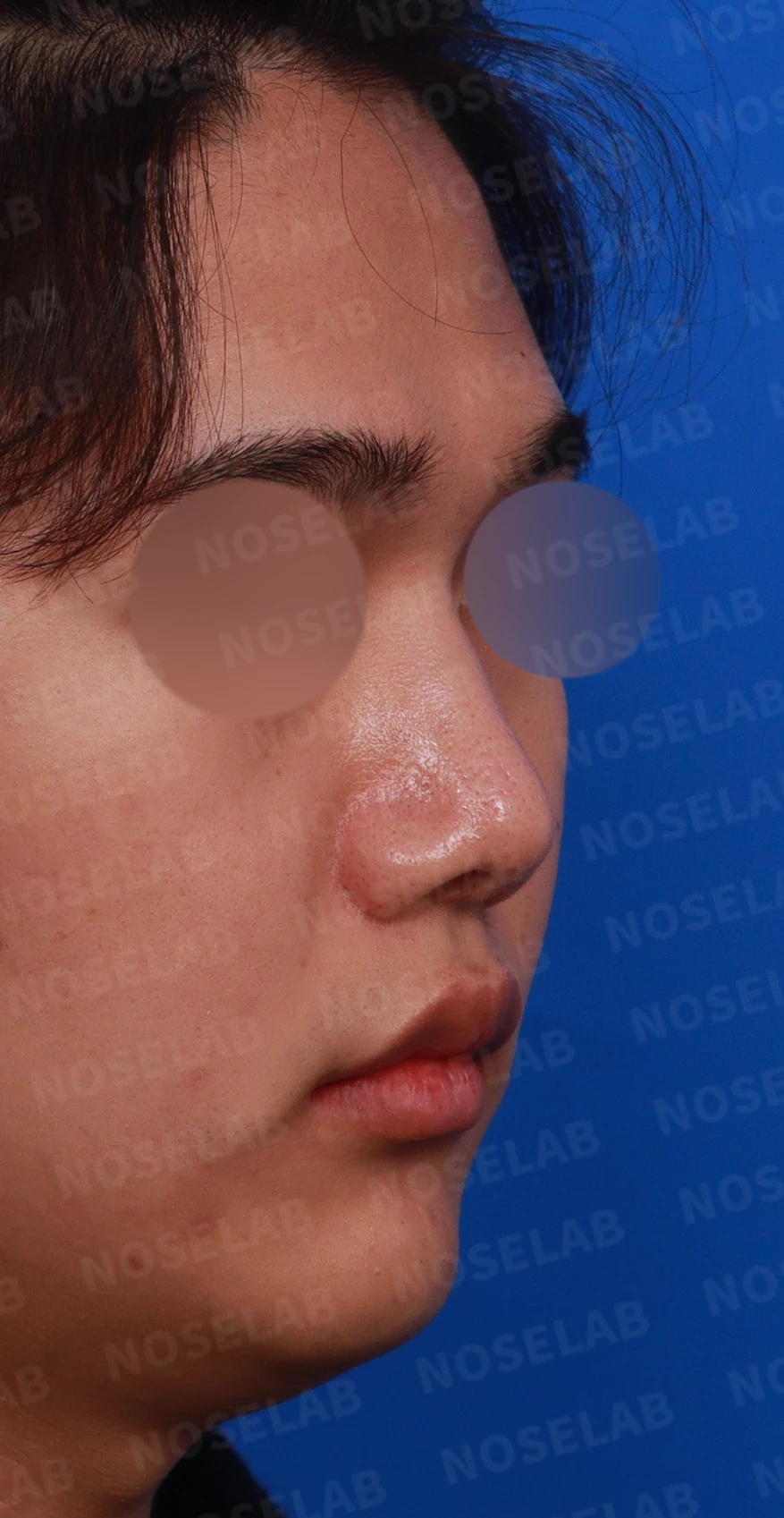
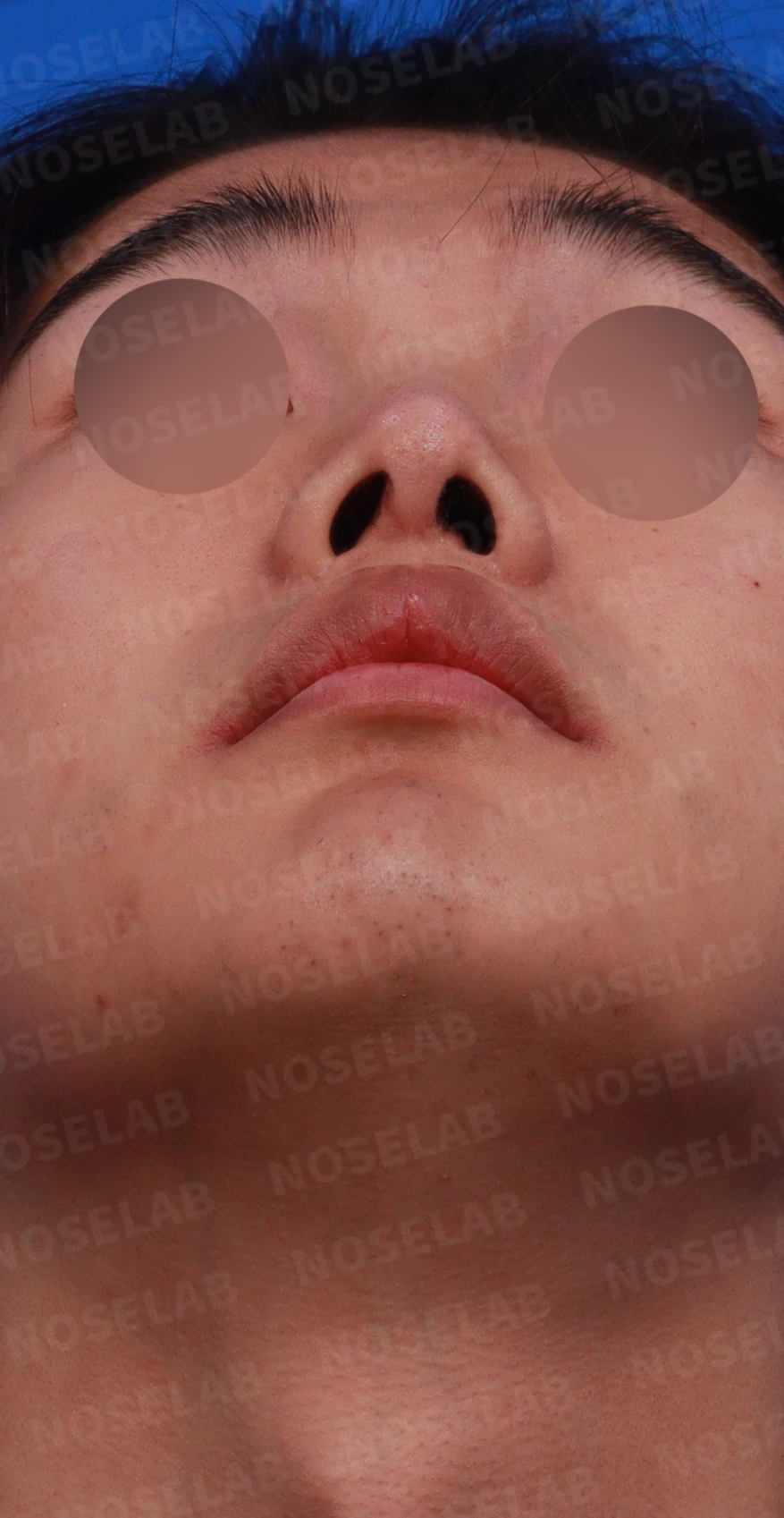
Right profile, oblique, and nostril views during design consultation
Front view: Excessive nostril show, nostril asymmetry, crooked nose
Profile view: Low nasal bridge, short and upturned nasal tip
Nostril view: Columella deviated to the left, nostril asymmetry
Precautions
Because not enough recovery time has elapsed since the previous surgery, an immediate revision is difficult. Once treatment at the previous clinic is completed, and while undergoing stem cell therapy, revision rhinoplasty is expected to be feasible in about 3 months.
🔧 Surgical plan
Lateral osteotomy for crooked nose correction
Reconstruction of the nasal bridge and nasal tip using autologous rib cartilage (implant-free rhinoplasty)
Septal reconstruction surgery (required due to severe septal damage from previous surgeries)
Correction of the nasolabial angle
Comparison of before-and-after photos
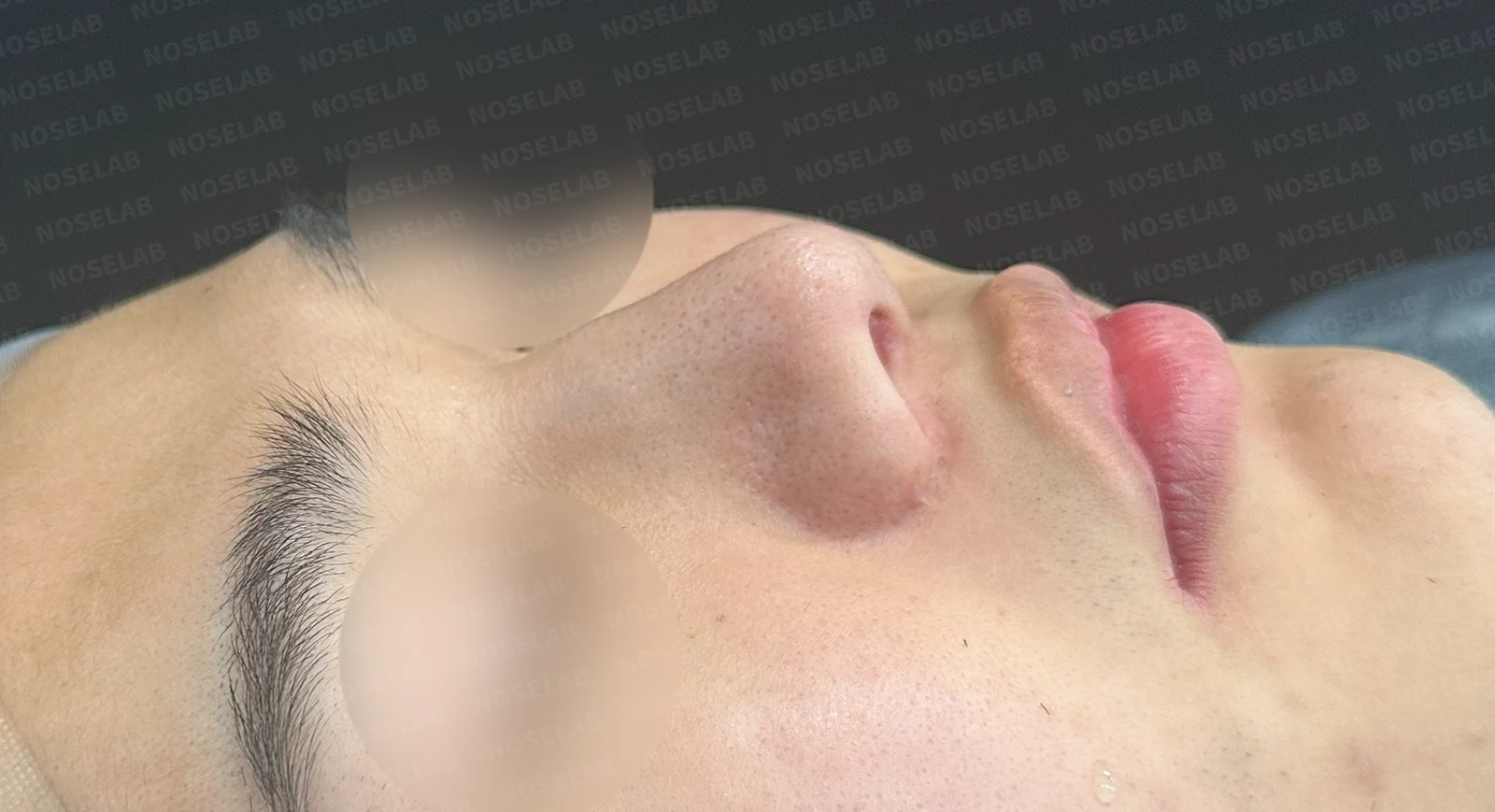
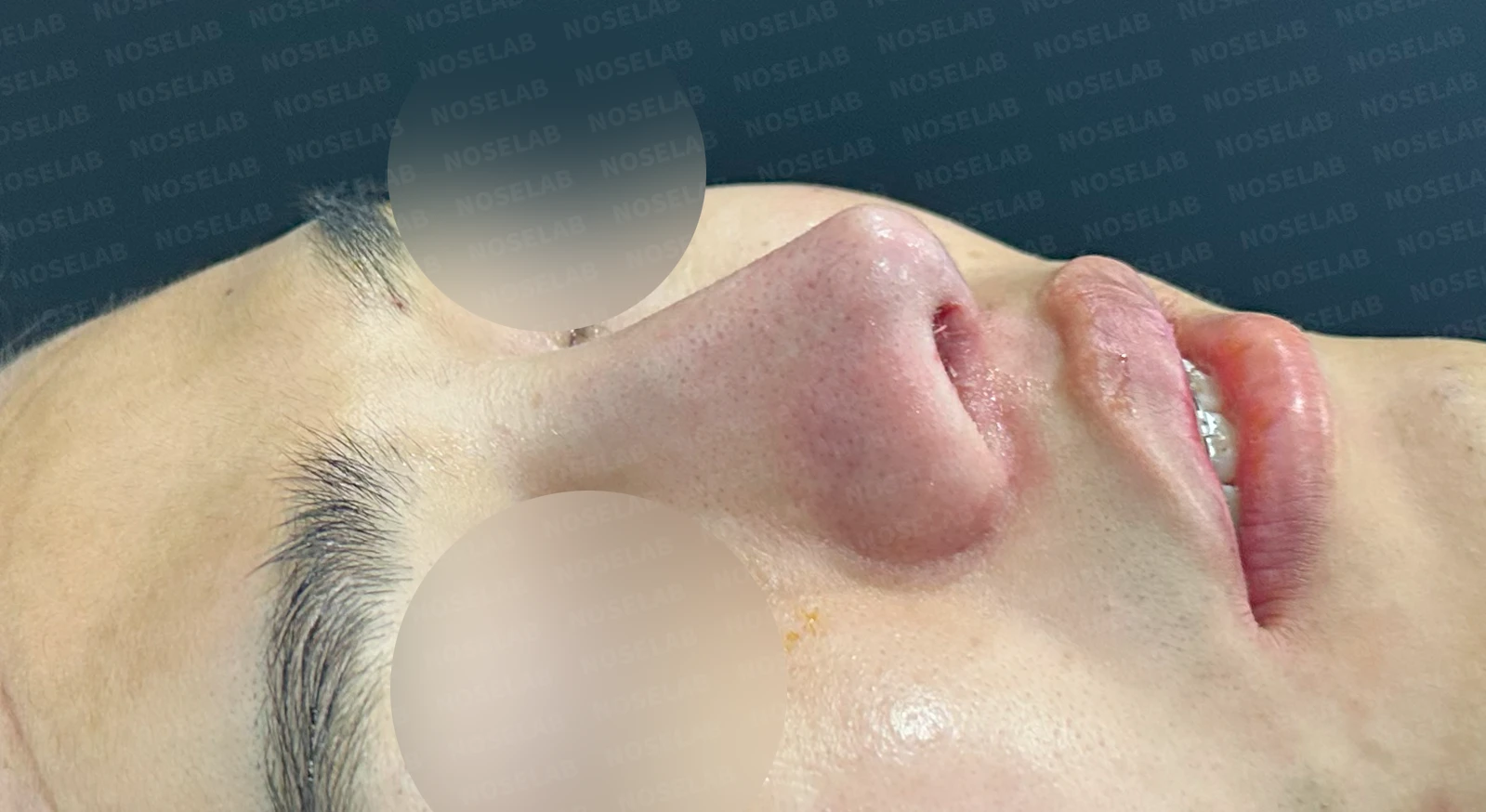
Before surgery / Day 0 immediately after surgery Photos taken immediately after surgery show swelling and may differ from the final result.
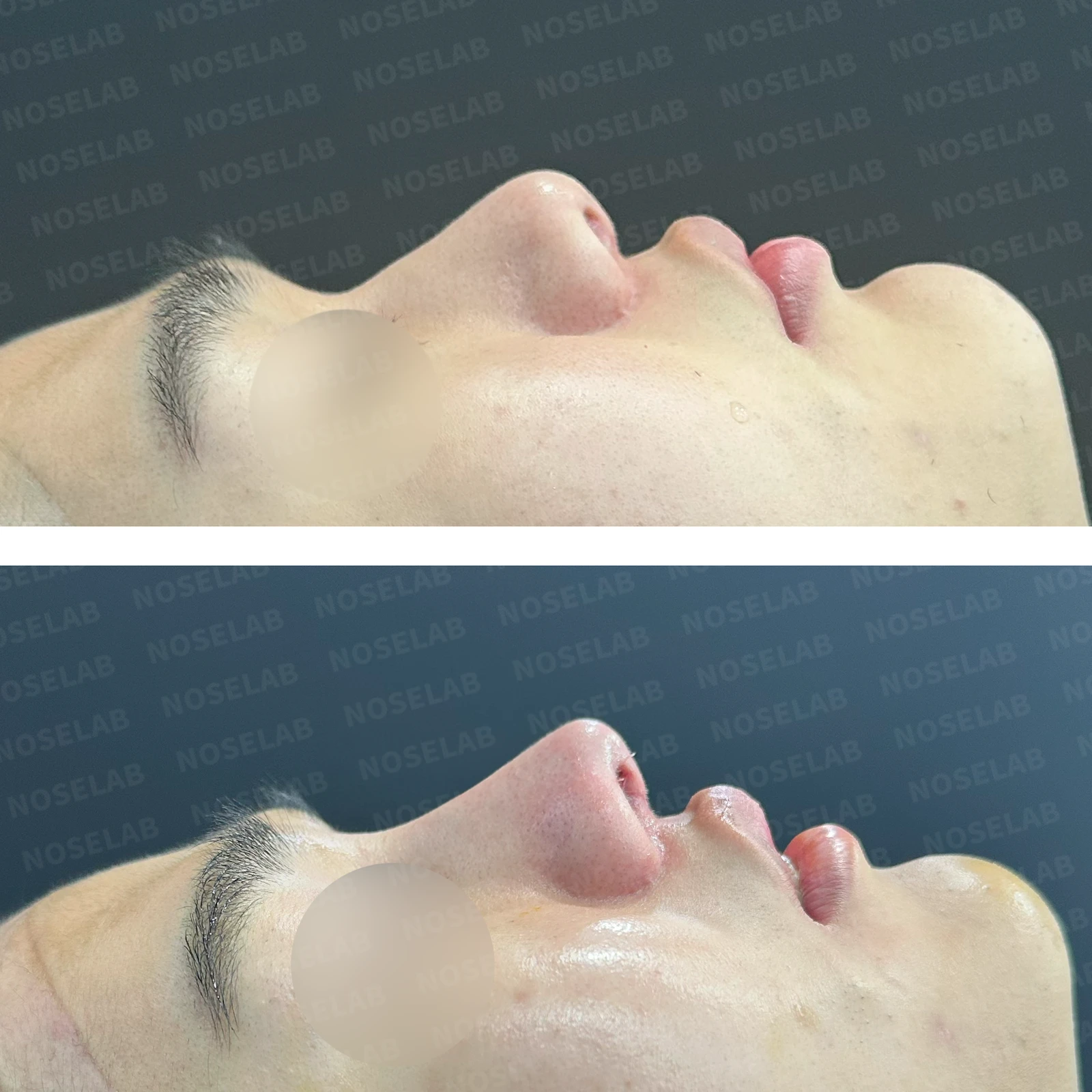
Profile view:
The low appearance of the glabella and the uneven dorsum were naturally corrected
The appearance of a protruding mouth improved as the nasolabial angle was corrected
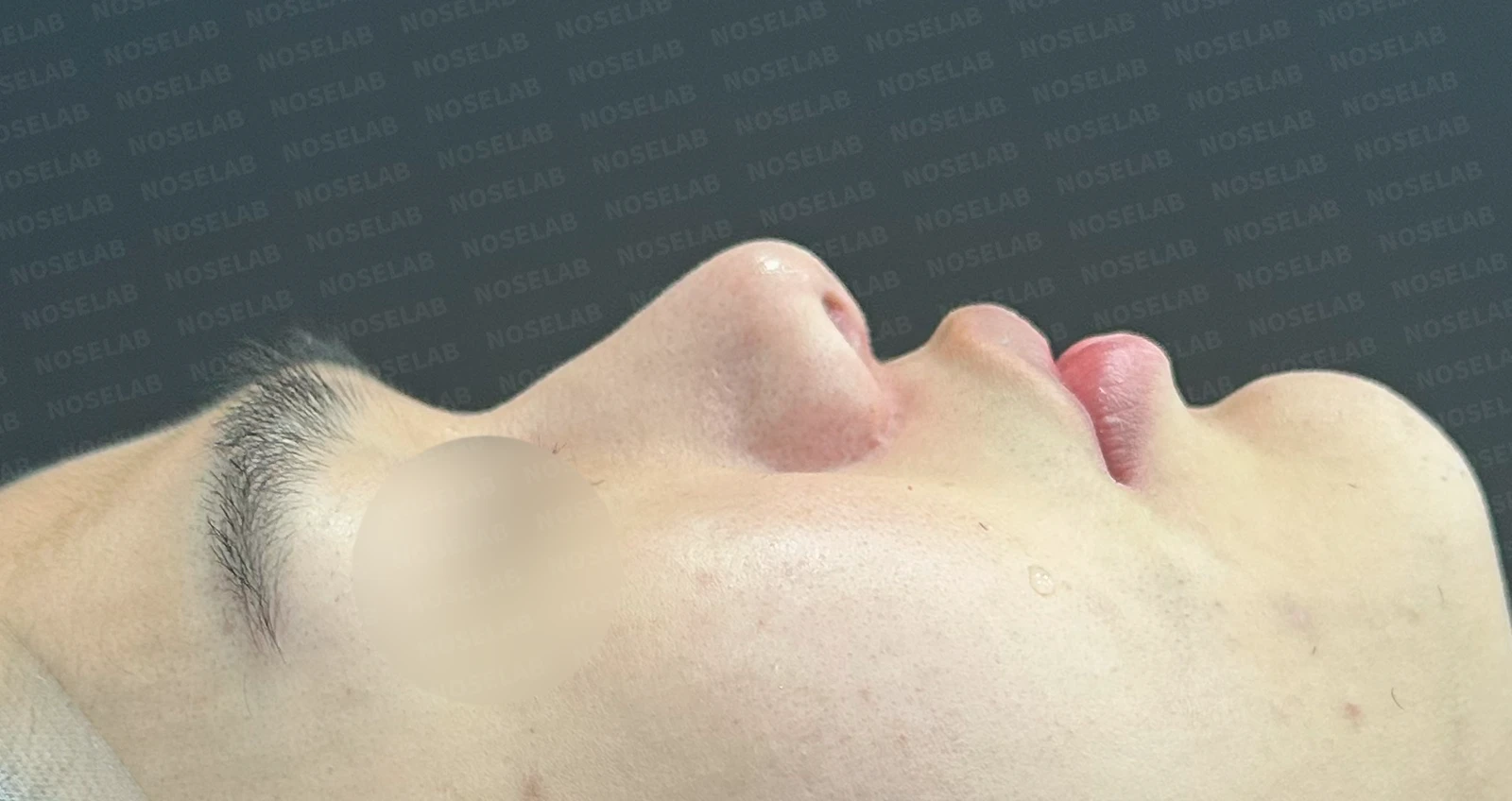
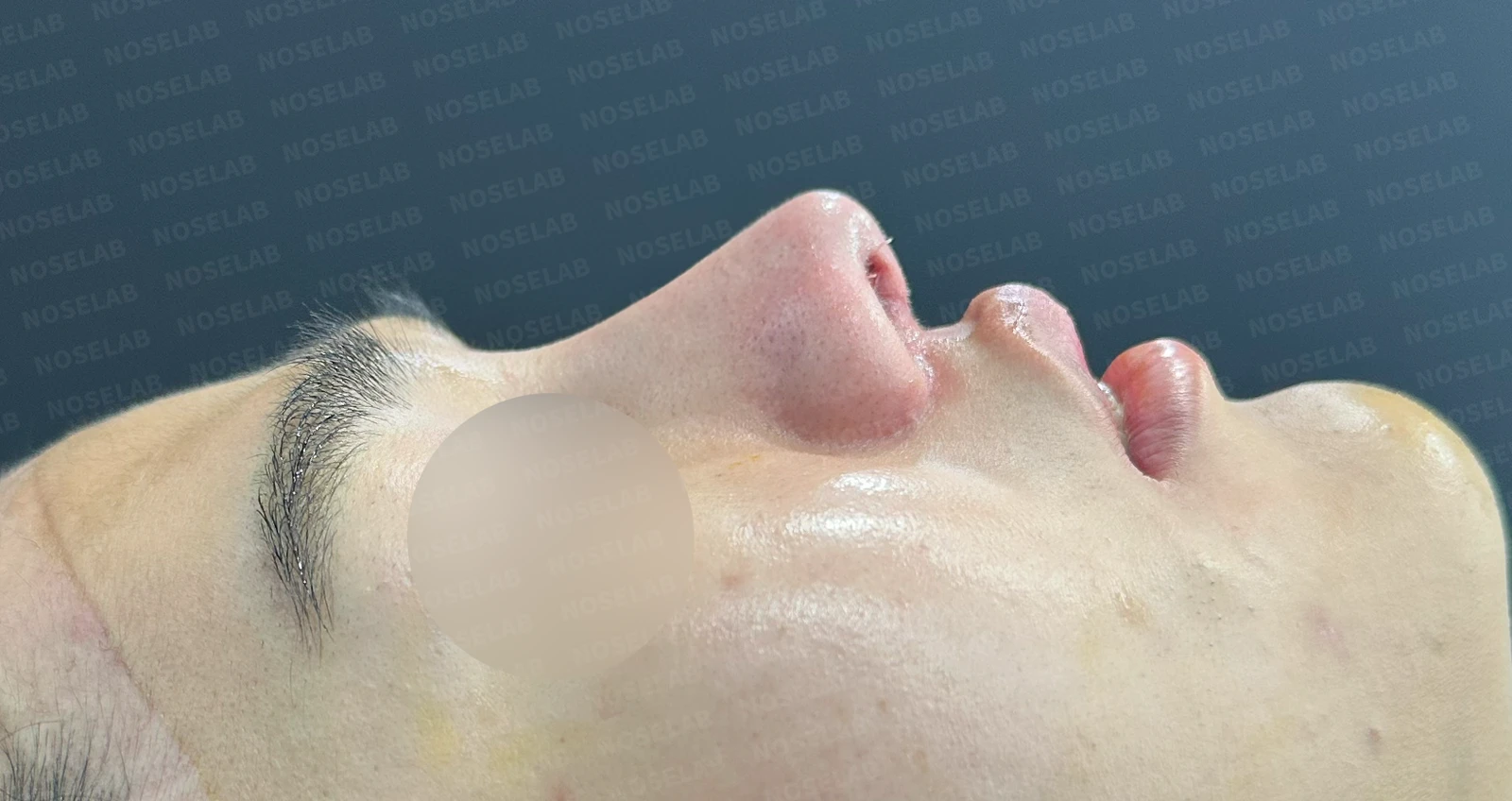
Before surgery / Day 0 immediately after surgery Photos taken immediately after surgery show swelling and may differ from the final result.
Oblique view:
The blunt, short-appearing nasal tip became better defined
The previously low glabella was naturally elevated
Before surgery / Day 0 immediately after surgery Photos taken immediately after surgery show swelling and may differ from the final result.
Front view:
The crooked appearance was improved
Excessive nostril show was improved
Nostril asymmetry significantly improved
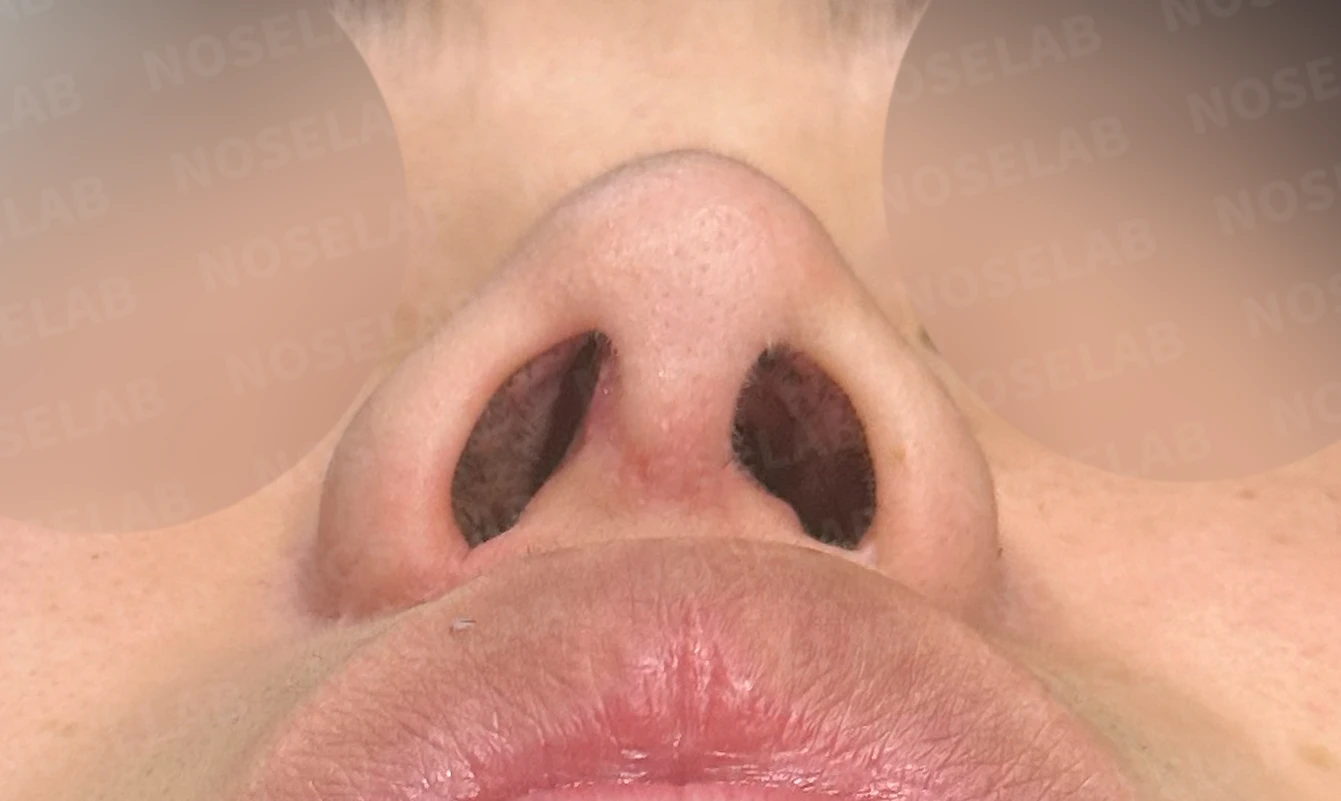
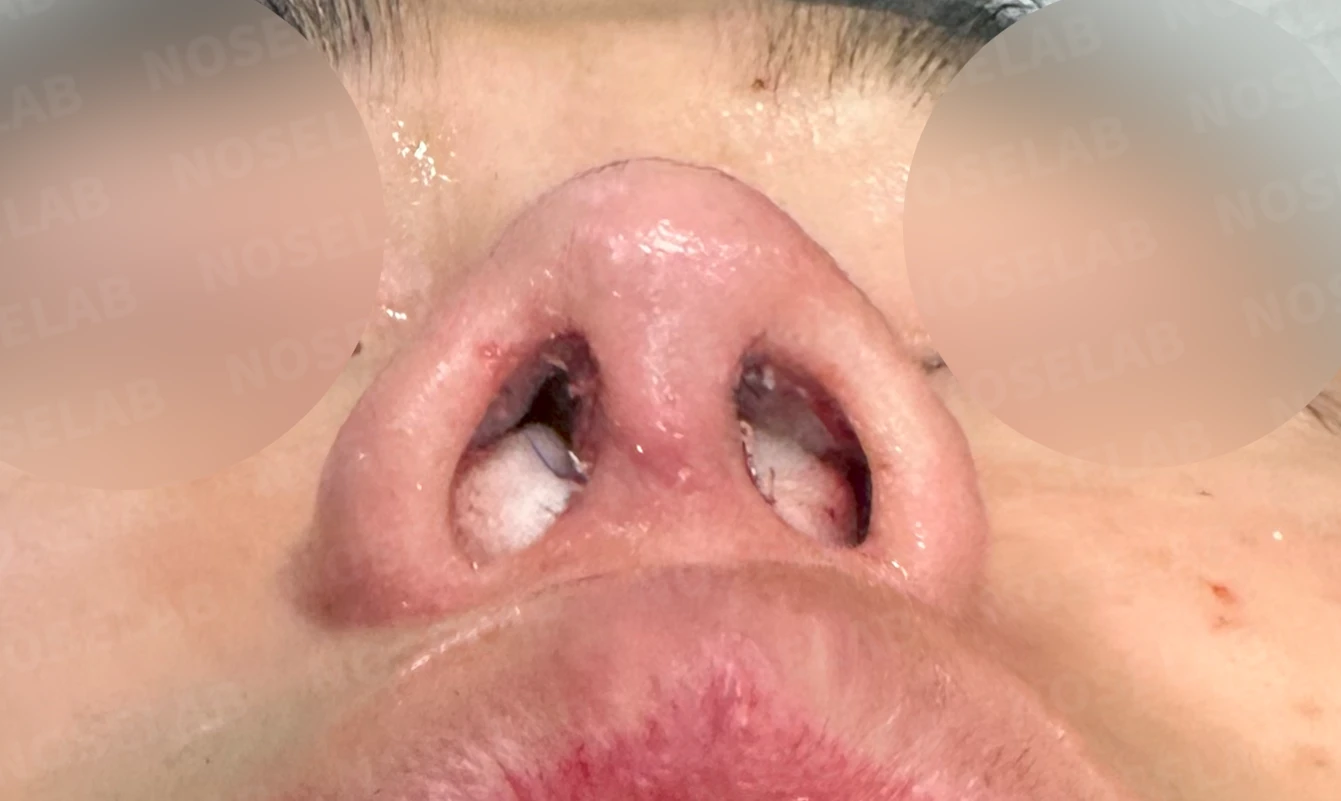
Before surgery / Day 0 immediately after surgery Photos taken immediately after surgery show swelling and may differ from the final result.
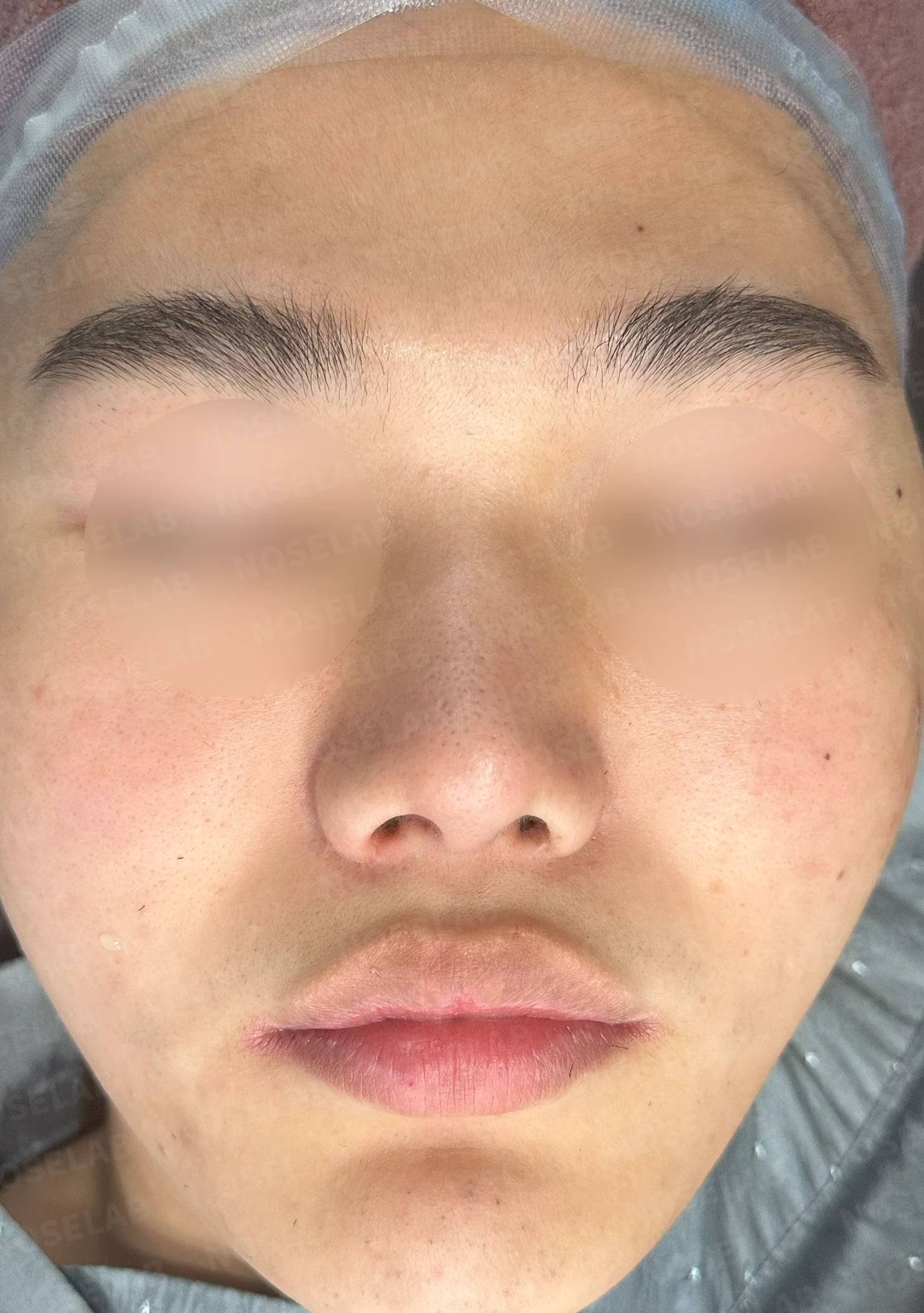
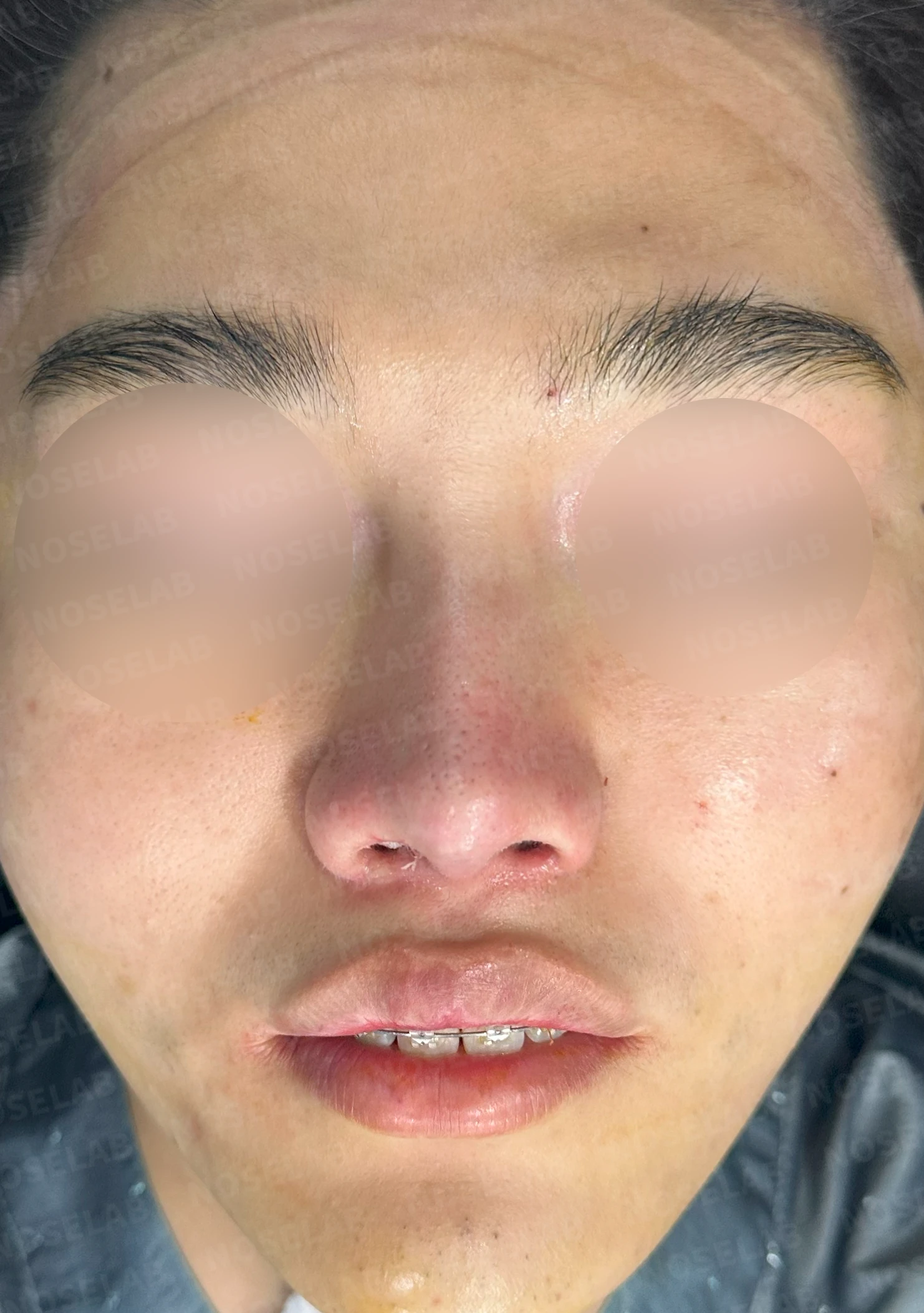
Nostrils:
The leftward deviation was straightened
Improved nostril asymmetry
Photos immediately after surgery
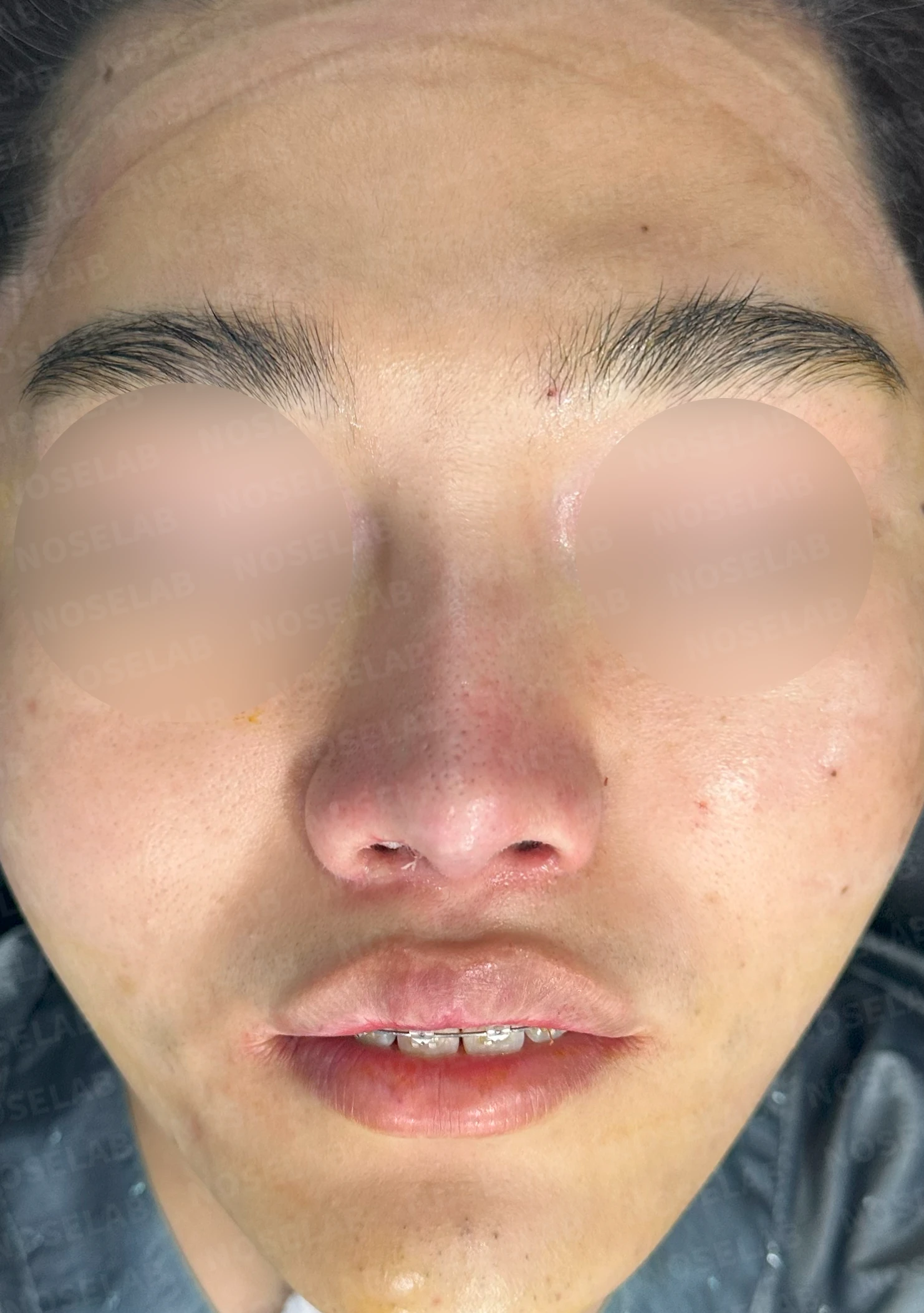
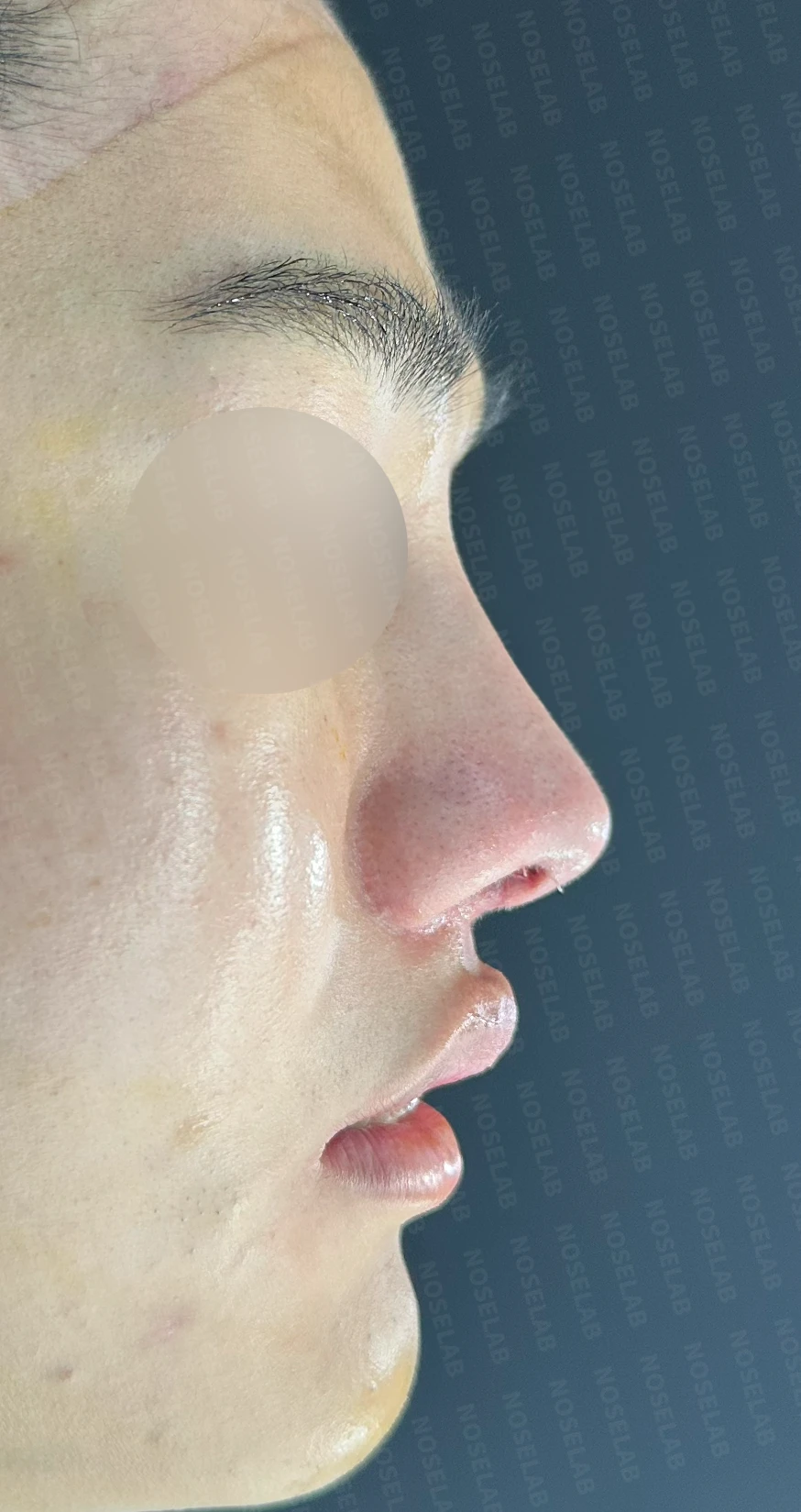
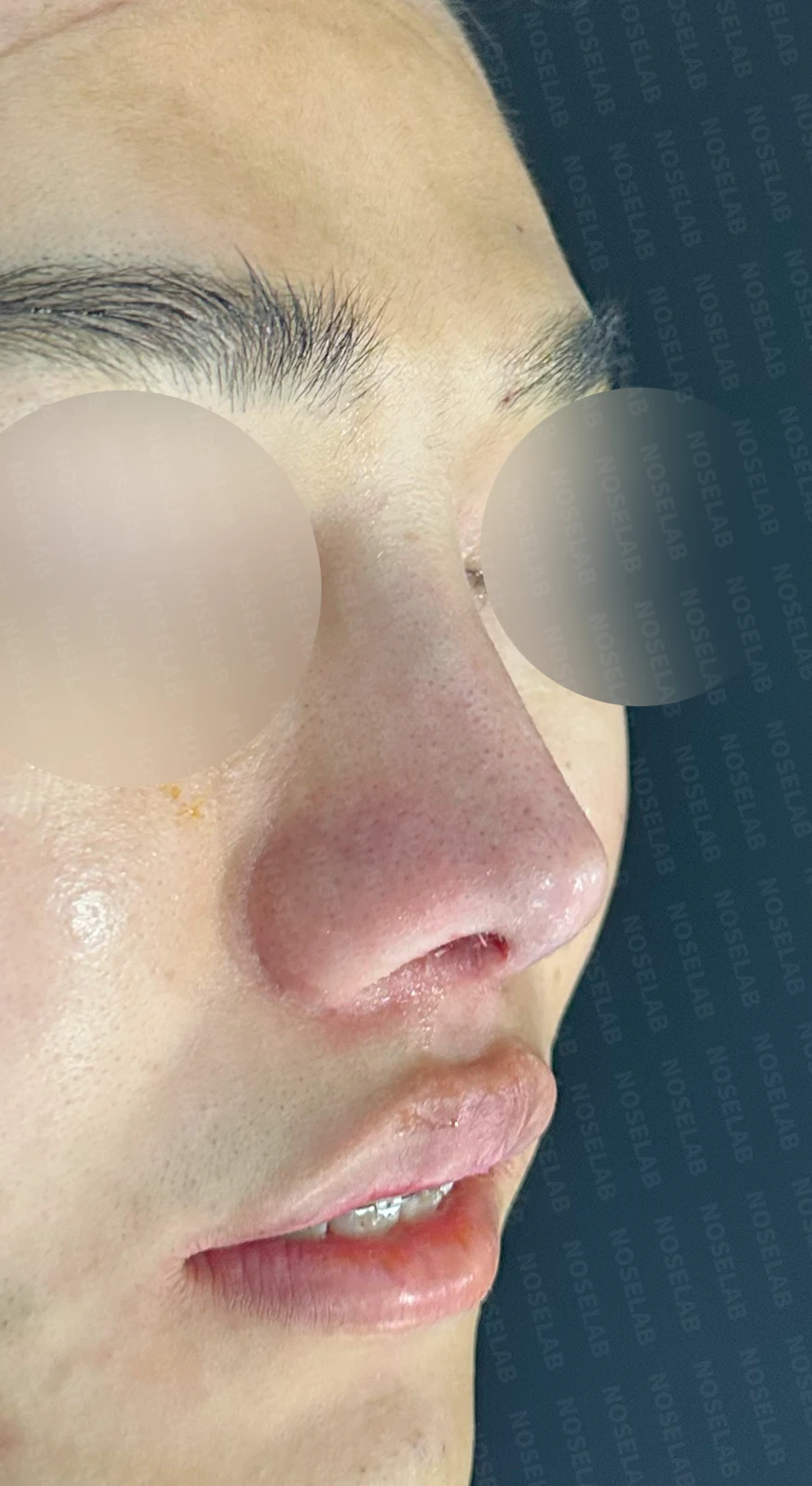
Immediately after surgery (Day 0) front, profile, and oblique viewsImmediate postoperative photos show swelling and may differ from the final result.
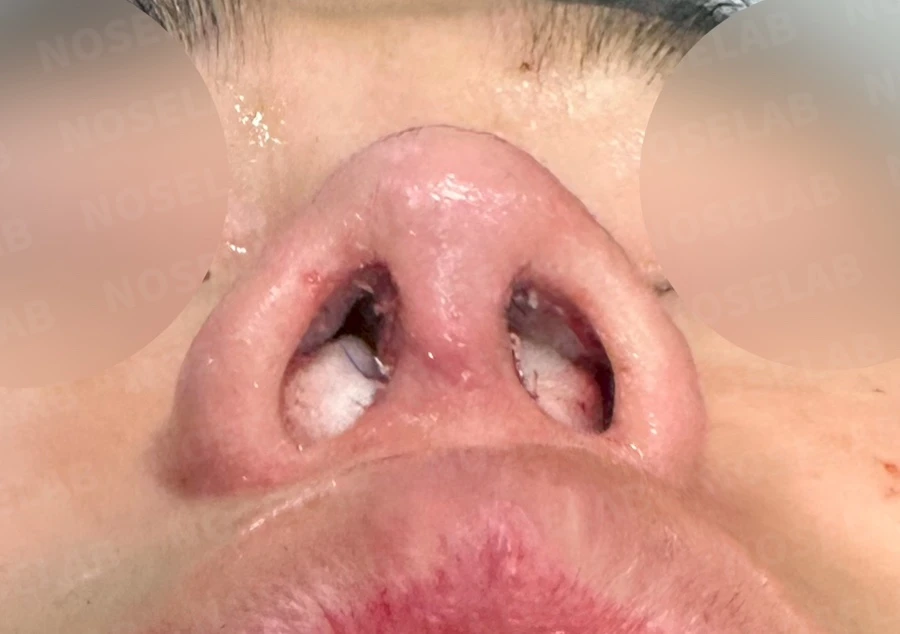
Base view (nostril) photo
Understanding implant-free surgery
Implant-free surgery is an approach that uses autologous tissue such as cartilage or dermis instead of synthetic materials like silicone or Gore-Tex. The advantages and disadvantages of this method are as follows:
Advantages:
Reduced risk of inflammation
Natural feel
Disadvantages:
Predicting the result can be challenging
Cosmetic refinement may be more limited compared to silicone implants
Careful selection is necessary based on each patient's individual circumstances and goals.
Finally, frequent rhinoplasty procedures can lead to serious complications. For those considering revision rhinoplasty, especially when a contracted nose deformity has developed, please be sure to make decisions carefully and allow an adequate recovery period. Through consultation with a specialist, choose the approach best suited for you to achieve a safe and satisfying result.
I will always do my best to support your health and natural aesthetic harmony.
If you have any questions, please feel free to leave a comment.
This was Dr. Peter C. Kang. Thank you.
Thank you.
#contractednose #revisionrhinoplasty #autologousribcartilagegraft #implantfreerhinoplasty #nostrilasymmetrycorrection #deviatednosecorrection #rhinoplastysideeffects #saferhinoplasty #closedrhinoplasty #nasalinflammationtreatment #nasalreconstruction

Limitations and risks
When autologous rib cartilage is used, scarring and pain may remain at the donor site on the chest, and pneumothorax (pleural injury) can occur rarely. Over time, the grafted cartilage may warp or undergo partial resorption.
When the septum is corrected at the same time, nasal obstruction may persist or recur, and in rare cases, septal perforation or changes in smell may occur.
Common potential risks include infection, bleeding, asymmetry, scarring, skin necrosis, and insufficient improvement; results vary depending on individual skin condition and previous surgical history.