Hello, I am Dr. Peter C. Kang.
Today, I would like to discuss in detail a revision rhinoplasty case correcting a short, contracted nose accompanied by nasal tip skin depression and columellar retraction caused by severe inflammation.
Cases like this are particularly difficult to correct because of severe skin damage, but in this case, surgery was successfully carried out while preserving the skin as much as possible.
1. Surgical history
The patient had the following surgical history:
- July 2023: Gore-Tex + septal cartilage + ear cartilage + donor rib cartilage
- October 2023: removal of inflammation via tip incision
The patient's requests:
1. Nasal bridge and nasal tip using autologous rib cartilage
2. Correction of an upturned, short nose
3. Correction of columellar retraction, lowering the columella
4. Correction of the nasal tip scar
5. Nasolabial angle correction
2. Design consultation
Let us analyze the photos taken during the design consultation in detail.
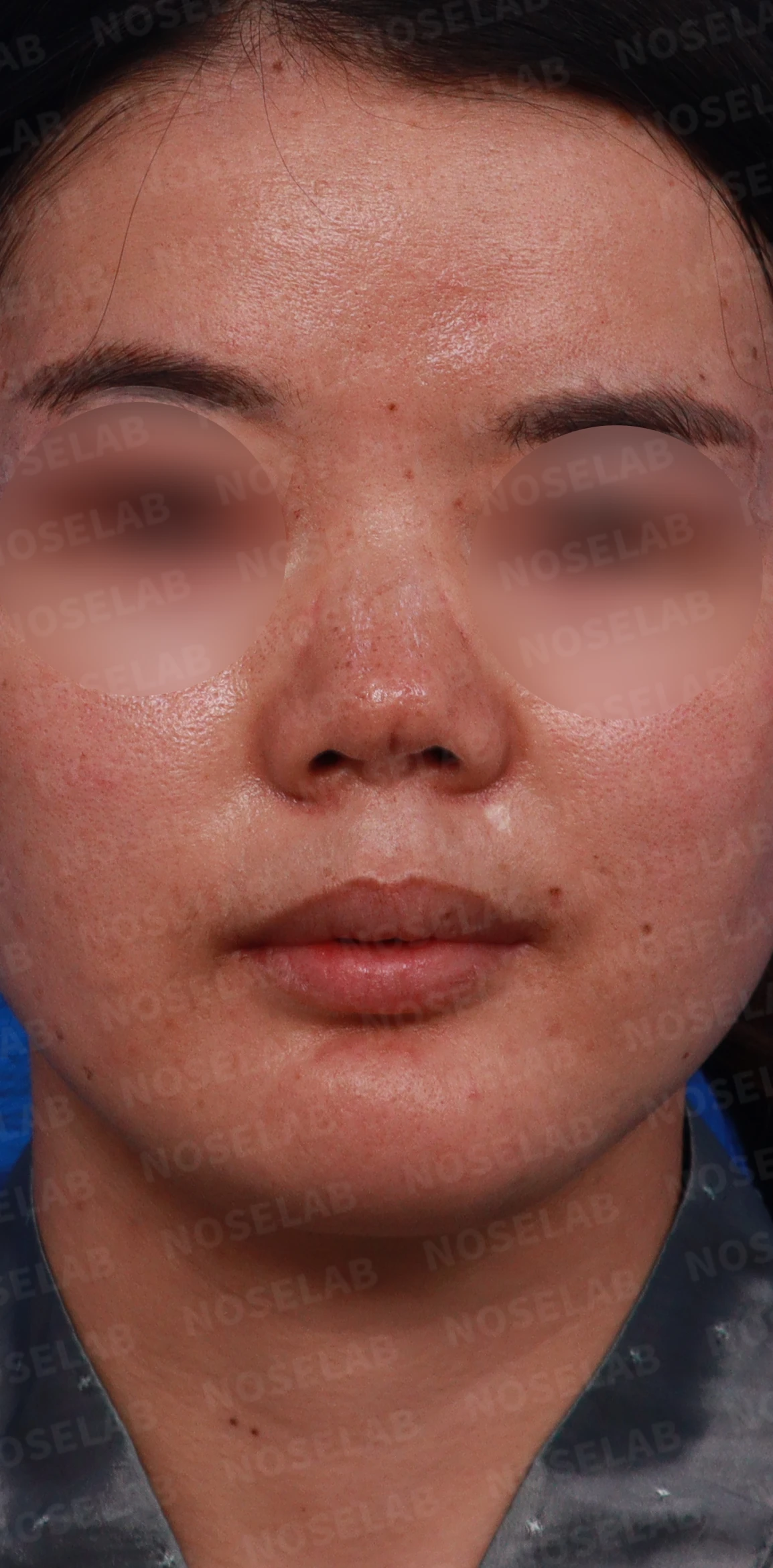
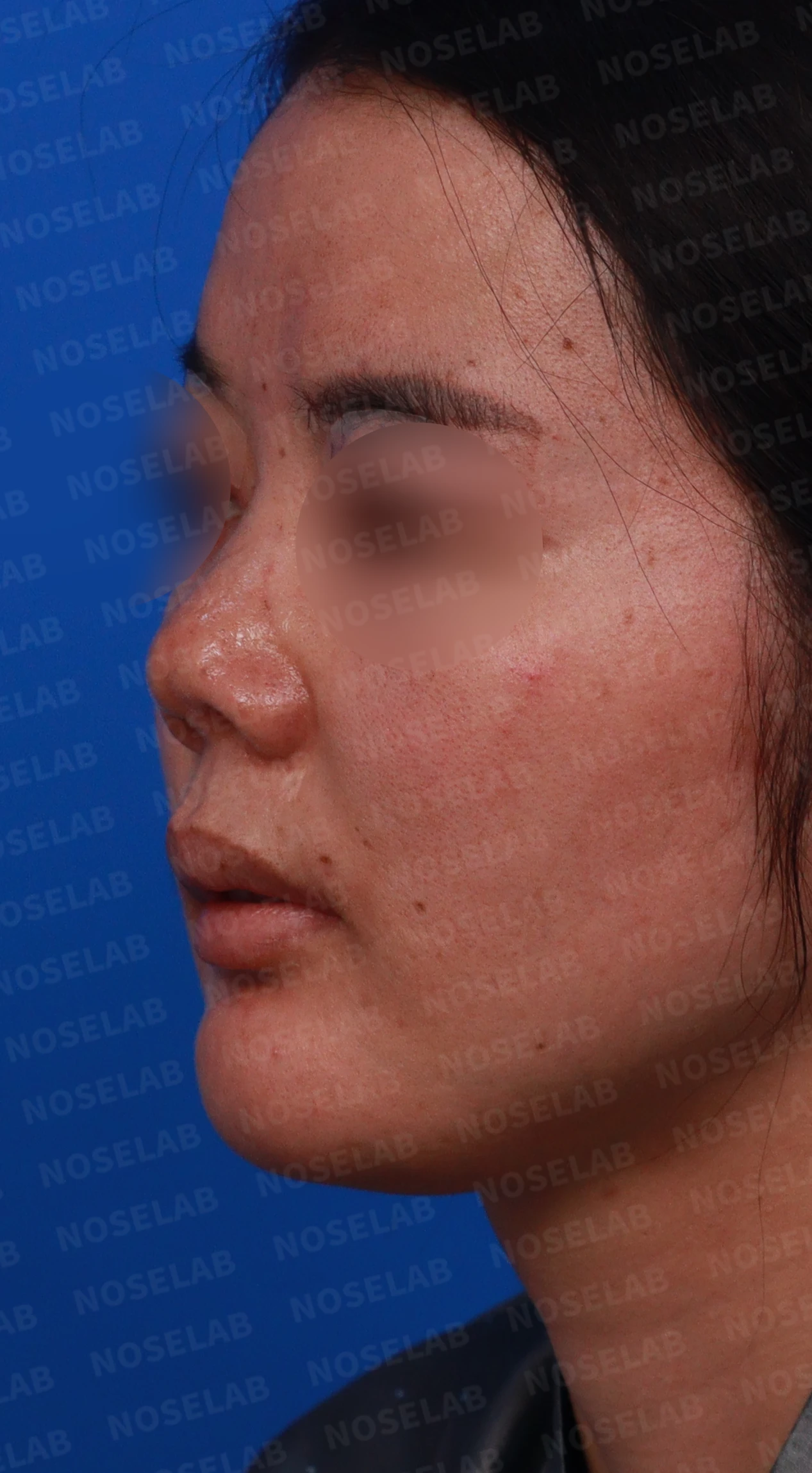
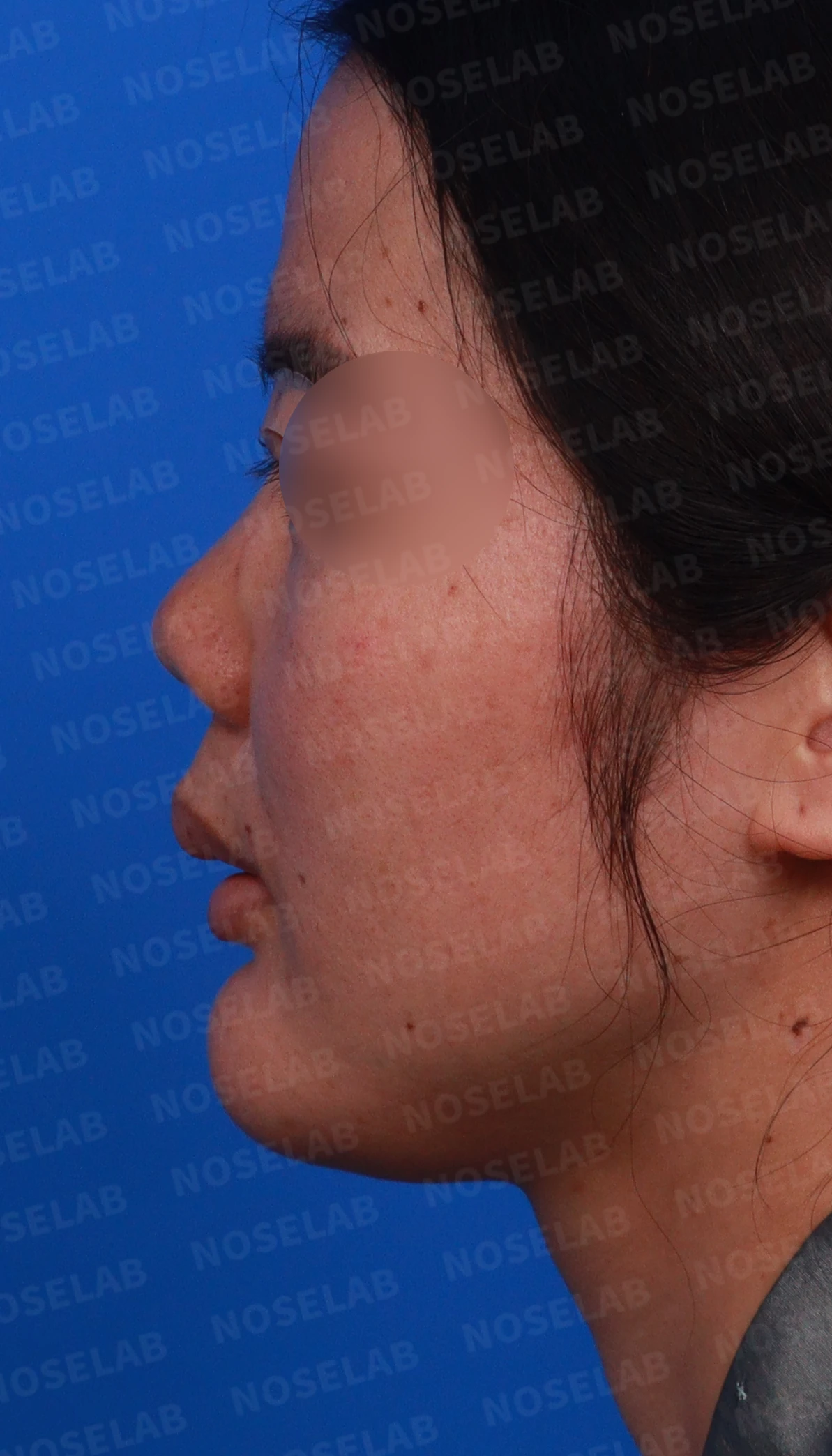
Design consultation: front, left oblique, and profile views.
Front view:
- Facial asymmetry is observed.
- The nasal bridge appears wide and crooked.
- Nostril asymmetry is pronounced.
- The columella was retracted.
- There is severe depression in the nasal tip skin.
- The previous implant removal performed for inflammation had been accessed through this currently depressed area, resulting in a severely sunken scar.
Profile view:
- The nasal bridge is low overall.
- The nasal tip is short and upturned.
Oblique view:
- The glabella is low.
- The short, upturned nasal tip shows typical signs of contracture.
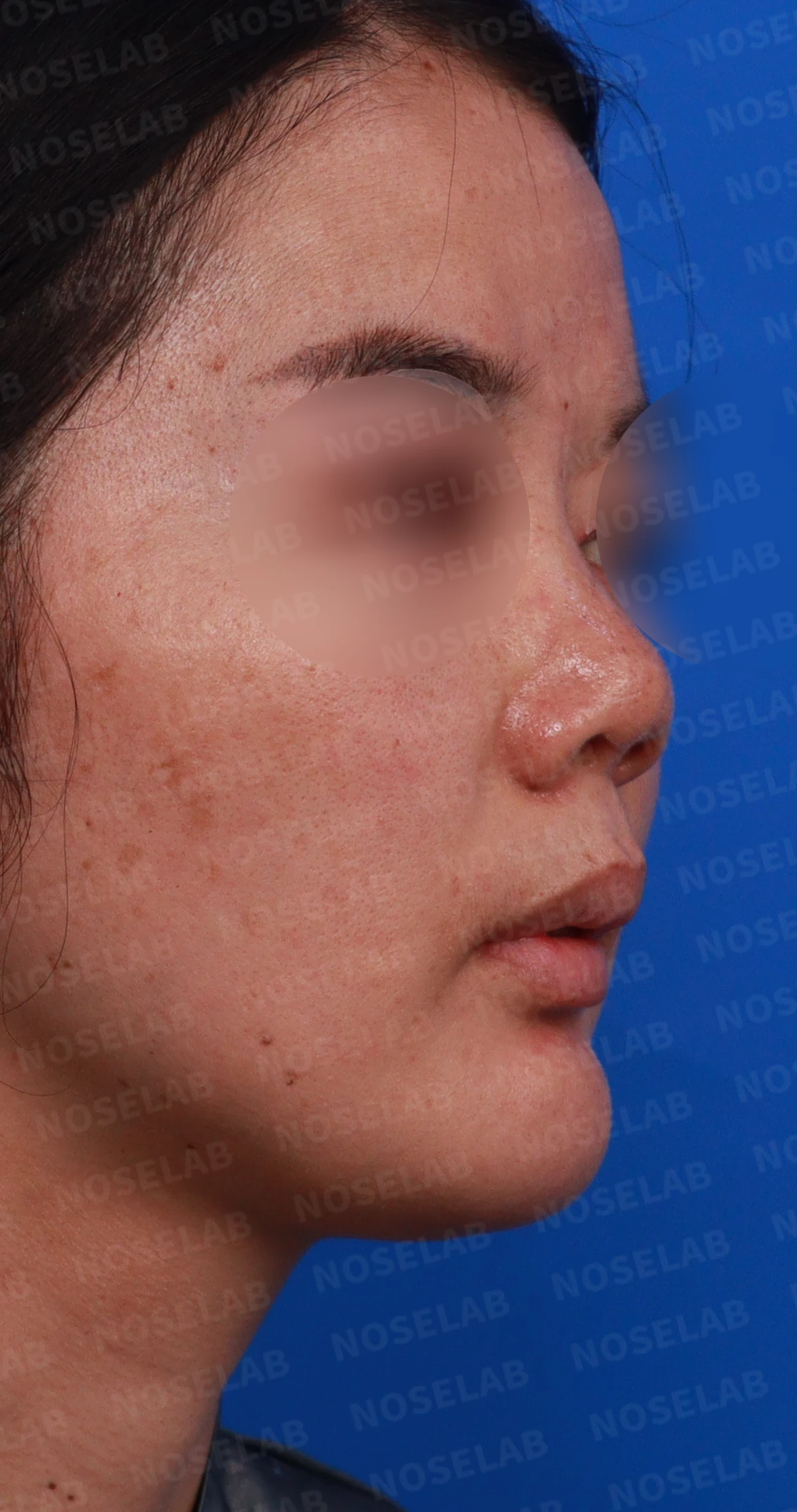
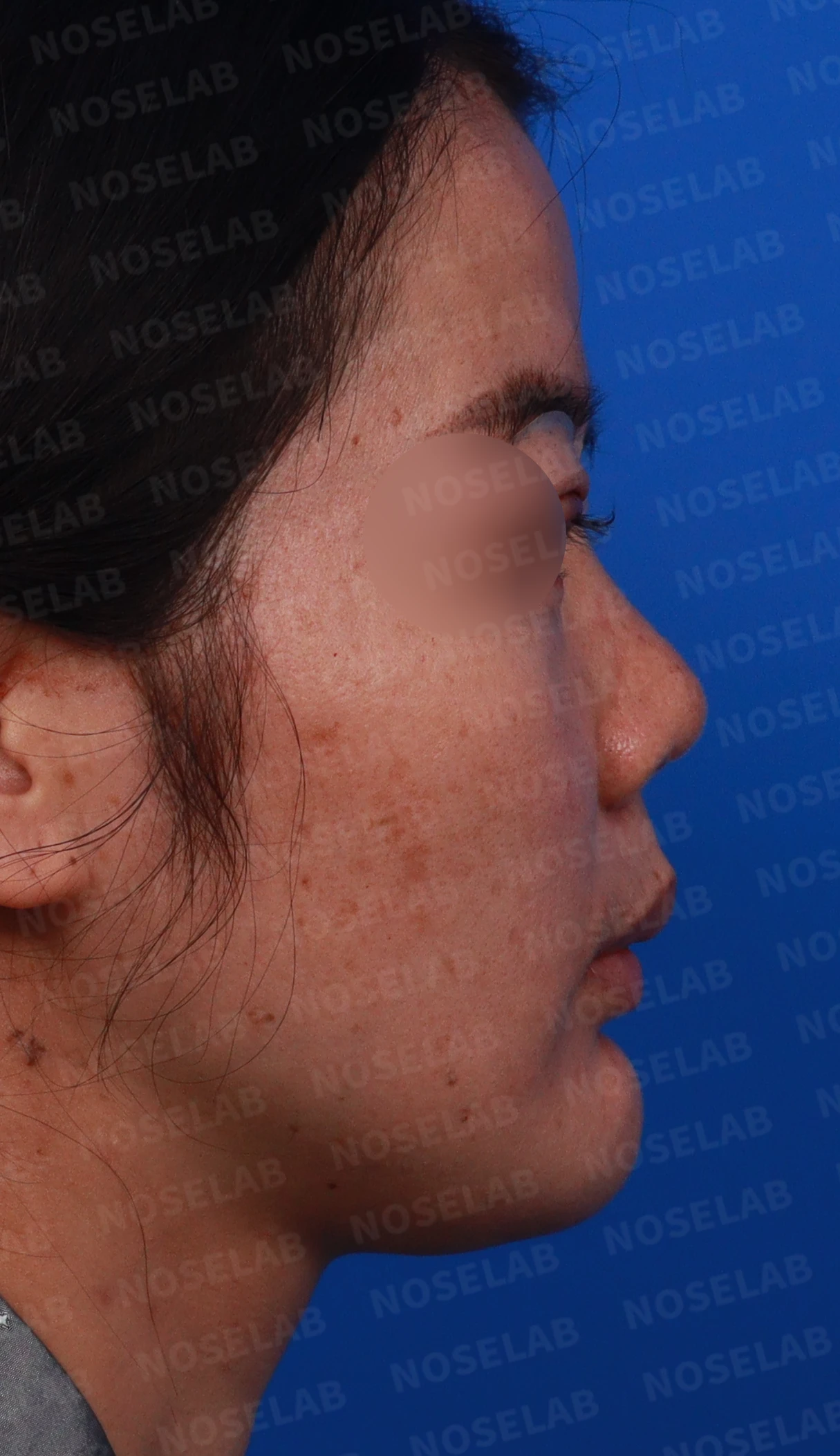
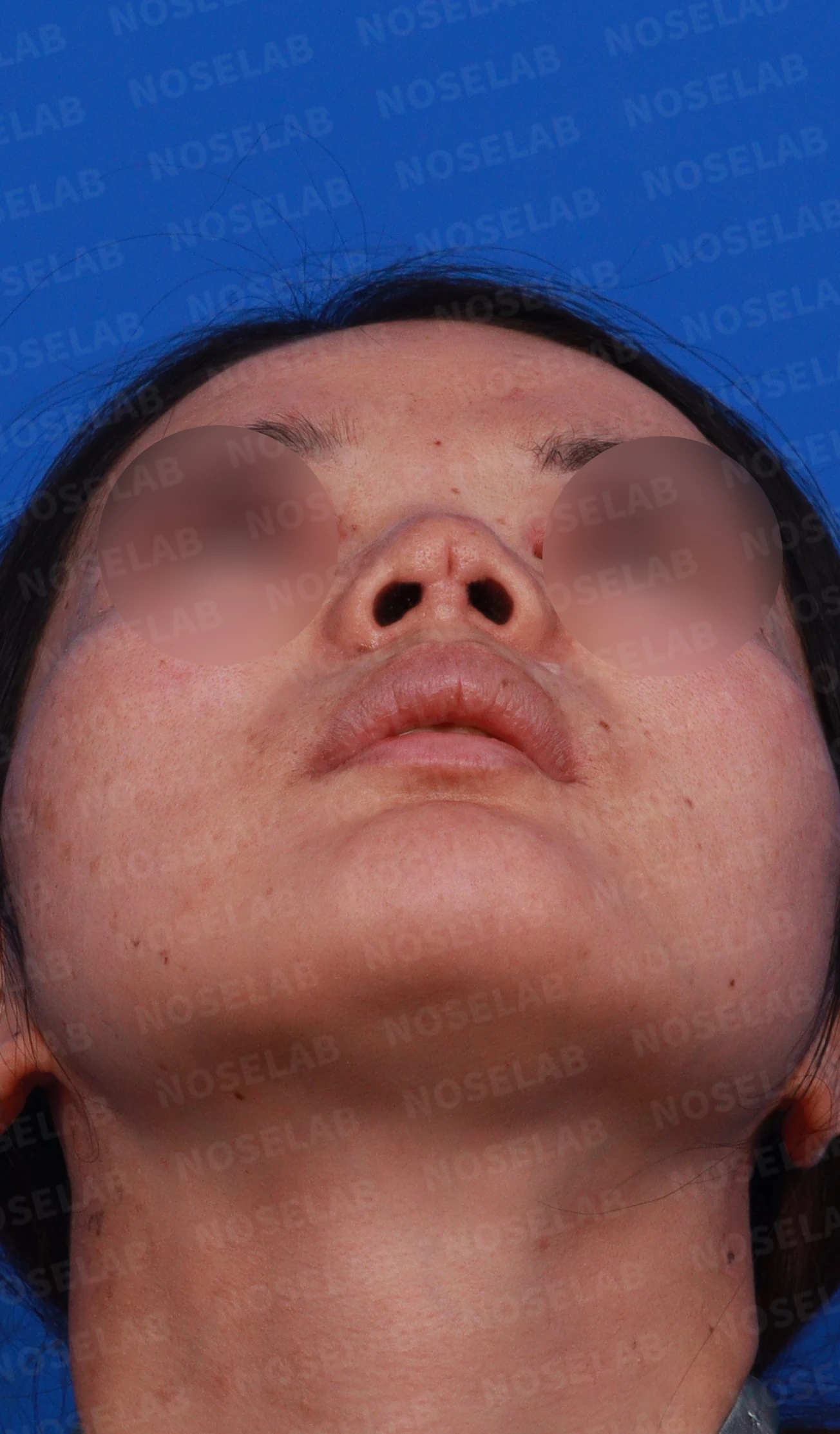
Design consultation: right oblique, profile, and basal (nostril) views.
Basal view:
- A deeply sunken, vertical scar is observed in the center of the nasal tip.
- The open approach scar on the columella is very severe.
- Nostril asymmetry is pronounced.
4. Surgical plan and details
The surgery was carried out according to the plan as follows:
a) Total septal cartilage reconstruction:
- Due to severe inflammation, the donor rib cartilage could not be found, and most of the septal cartilage was damaged and missing.
- The septum was completely reconstructed using autologous rib cartilage.
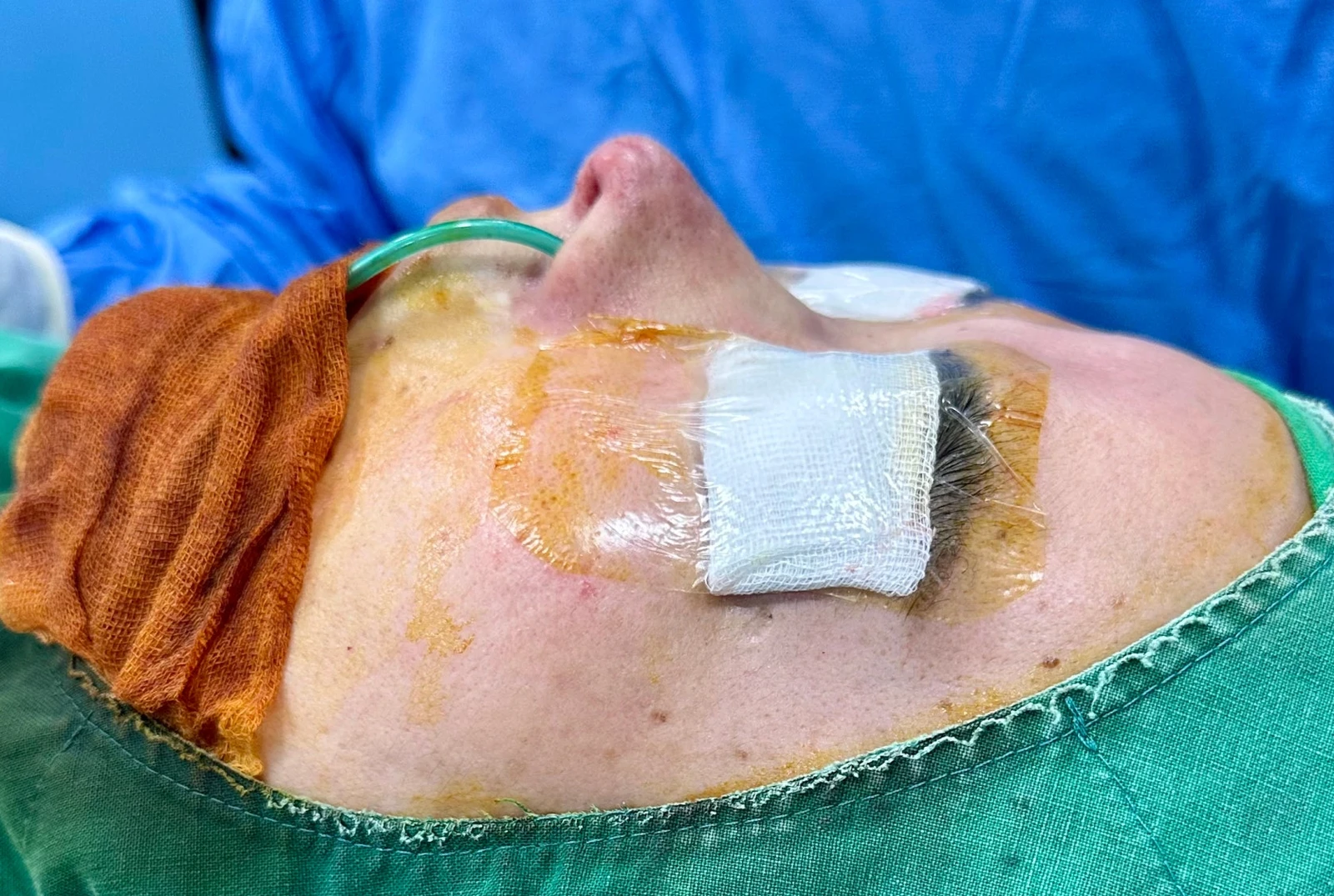
State after septal reconstruction with the lower lateral cartilages sutured.
b) Right septal mucosal defect:
- It is believed that a significant portion of the right septal mucosa had become necrotic during the process where most of the septal cartilage was removed previously and absorbed by inflammation. Although the lining had regenerated with scar tissue, it was very thin and weak, so perichondrium harvested from ear cartilage was used to reconstruct the right mucosa.
Removal of remaining Gore-Tex:
- Fragments of Gore-Tex remaining in the glabella portion of the nasal bridge were completely removed.
c) Lower lateral cartilage reconstruction:
- The lower lateral cartilages, which were mostly missing, were reconstructed using autologous rib cartilage.
d) Revision lateral osteotomy:
- To correct the previously asymmetric osteotomies, lateral osteotomies were delicately performed again.
e) Depression correction:
- The depression was improved by reinforcing underneath with dermis and cartilage while preserving the depressed skin as much as possible.
- Stem cell injection therapy was administered to the area.
5. Before-and-after comparison
Analyzing the photos immediately after surgery on day 0 shows the following improvements: Photos taken immediately after surgery include swelling and may differ from the final result.
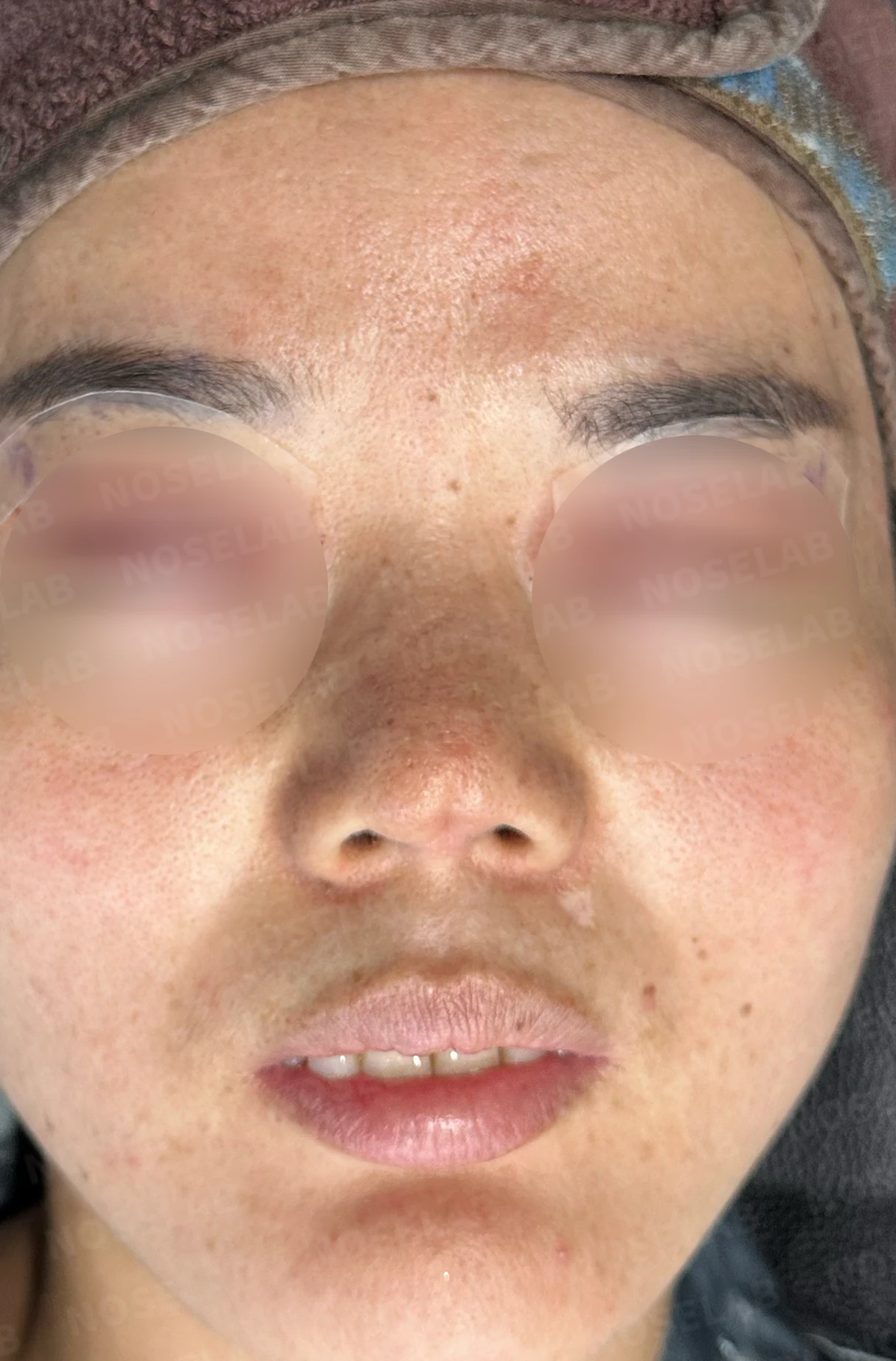
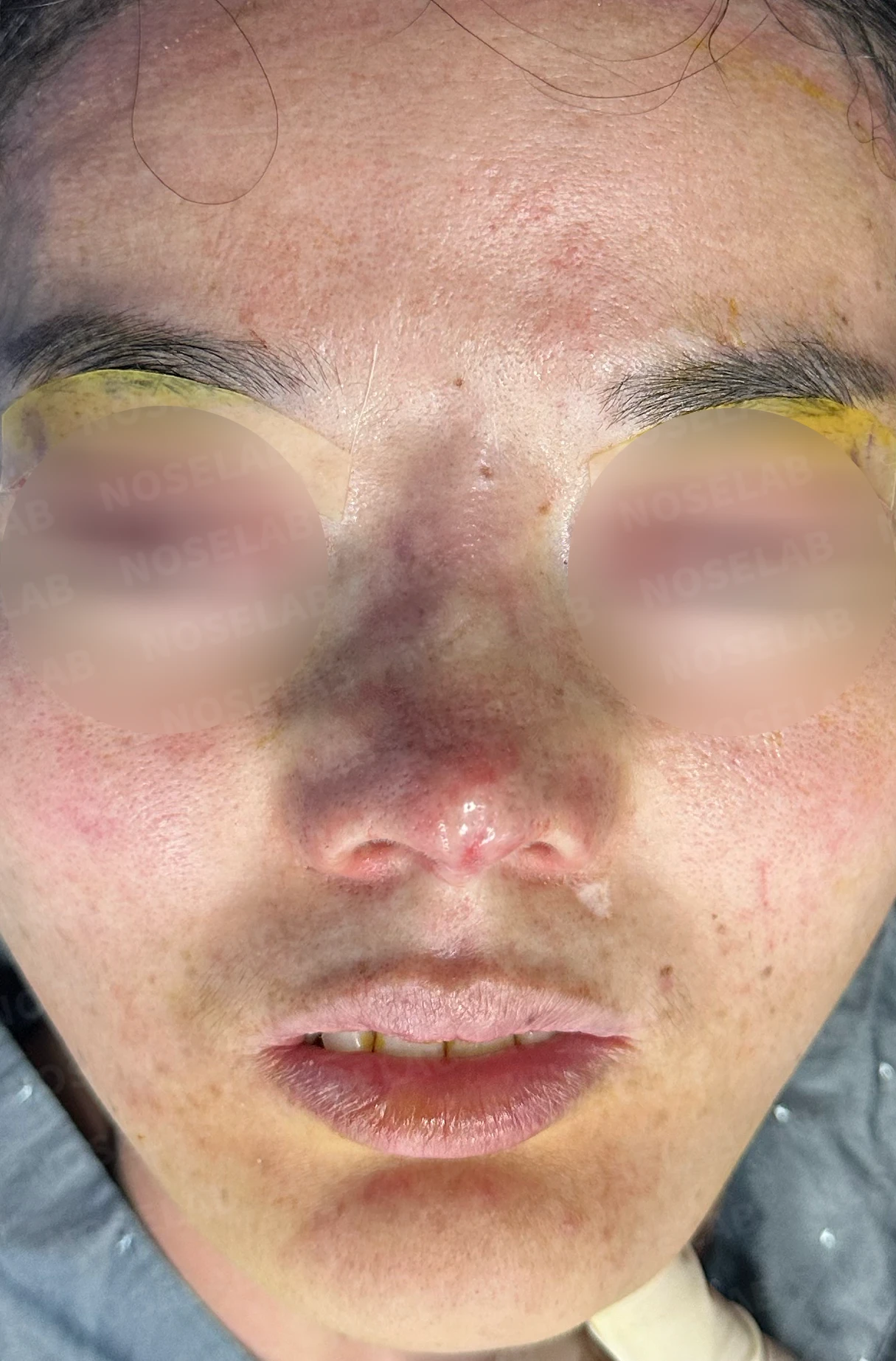
Before surgery / Day 0 immediately after surgery Photos taken immediately after surgery show swelling and may differ from the final result.
Front view:
- The columella has been naturally lowered.
- The wide and crooked-looking nasal bridge has been naturally corrected.
- The depressed area has significantly improved.
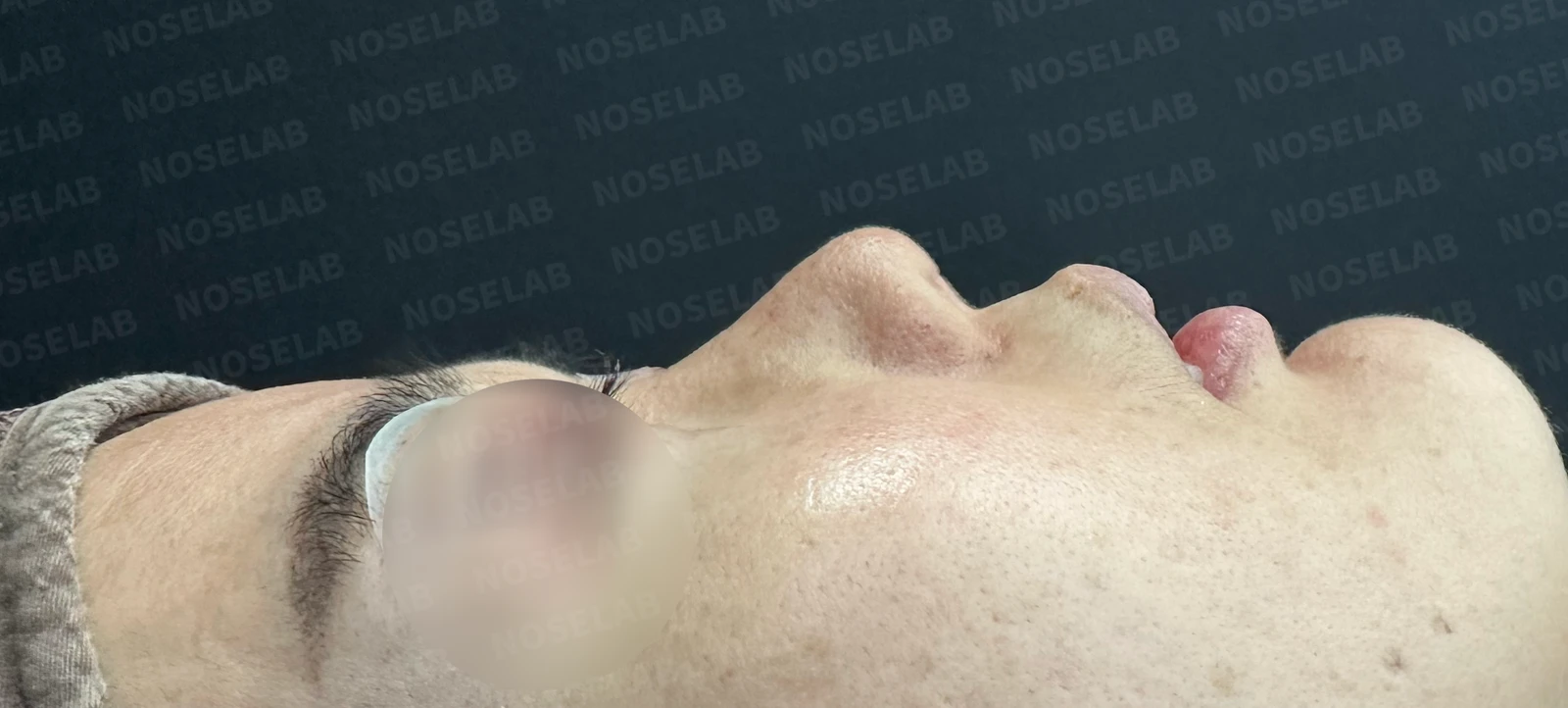
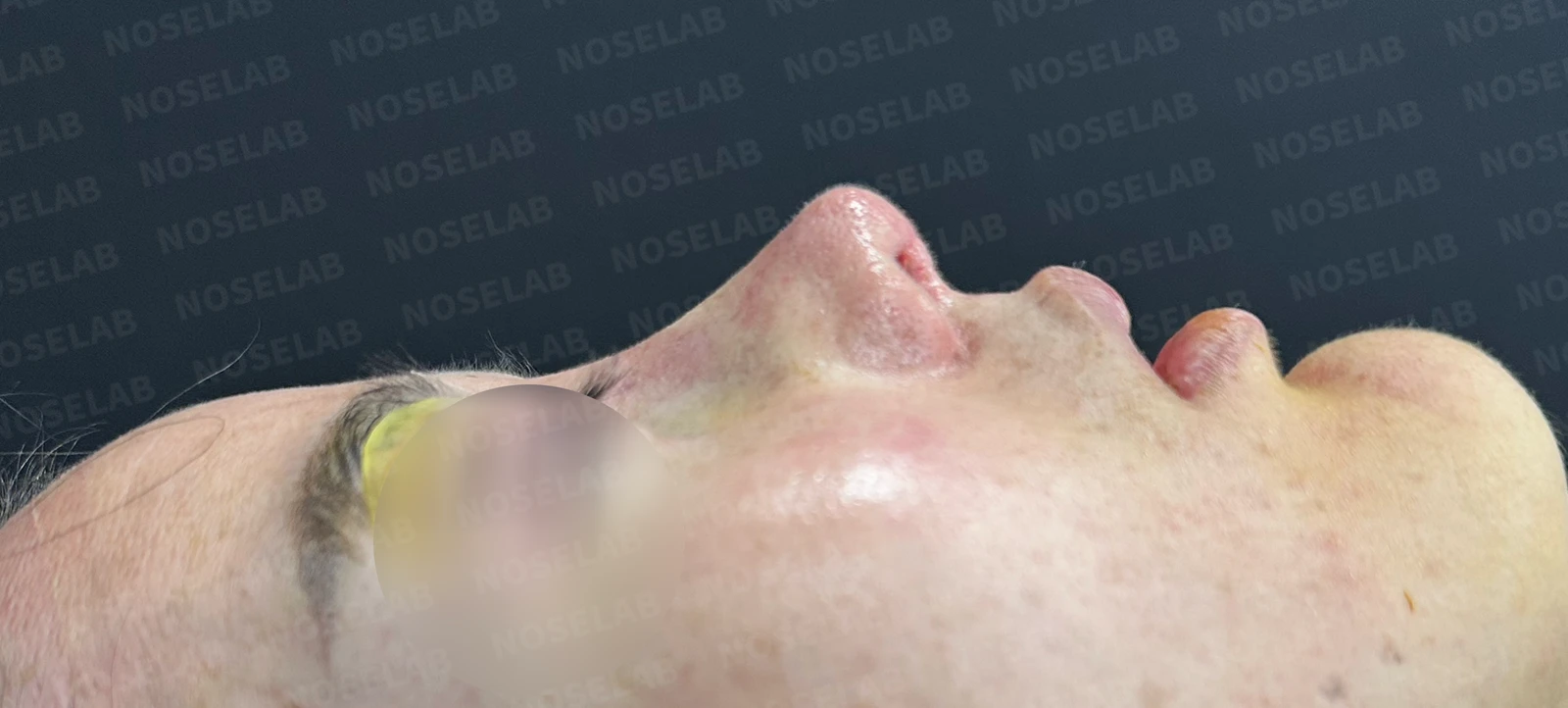
Before surgery / Day 0 immediately after surgery Photos taken immediately after surgery show swelling and may differ from the final result.
Profile view:
- The short-looking section has been corrected to appropriate proportions.
- The low-looking glabella has been improved to a natural height.
- The drooping, short area has been corrected to a well-defined projection.
- The columella was naturally lowered, creating a harmonious nasolabial angle.
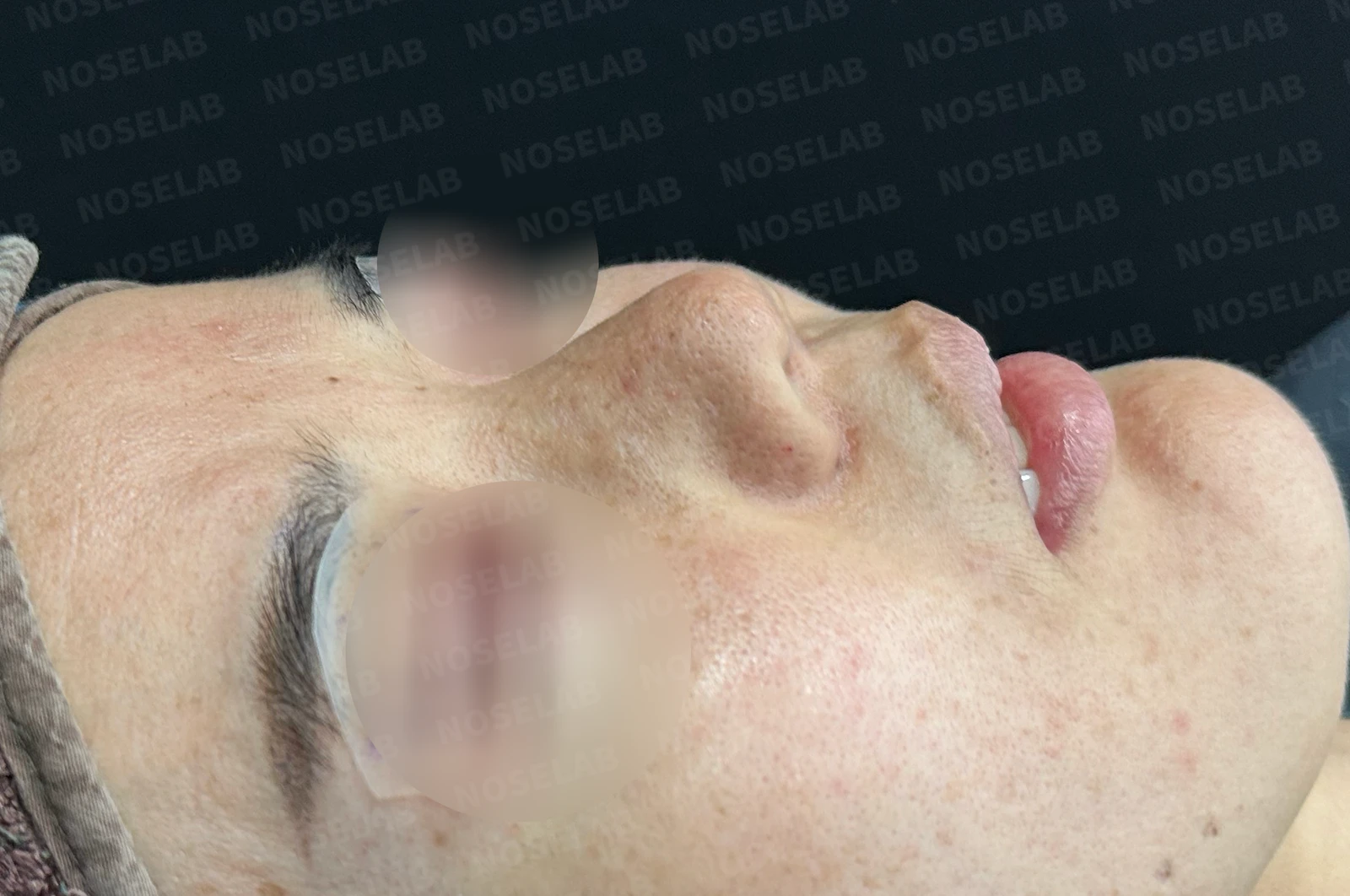
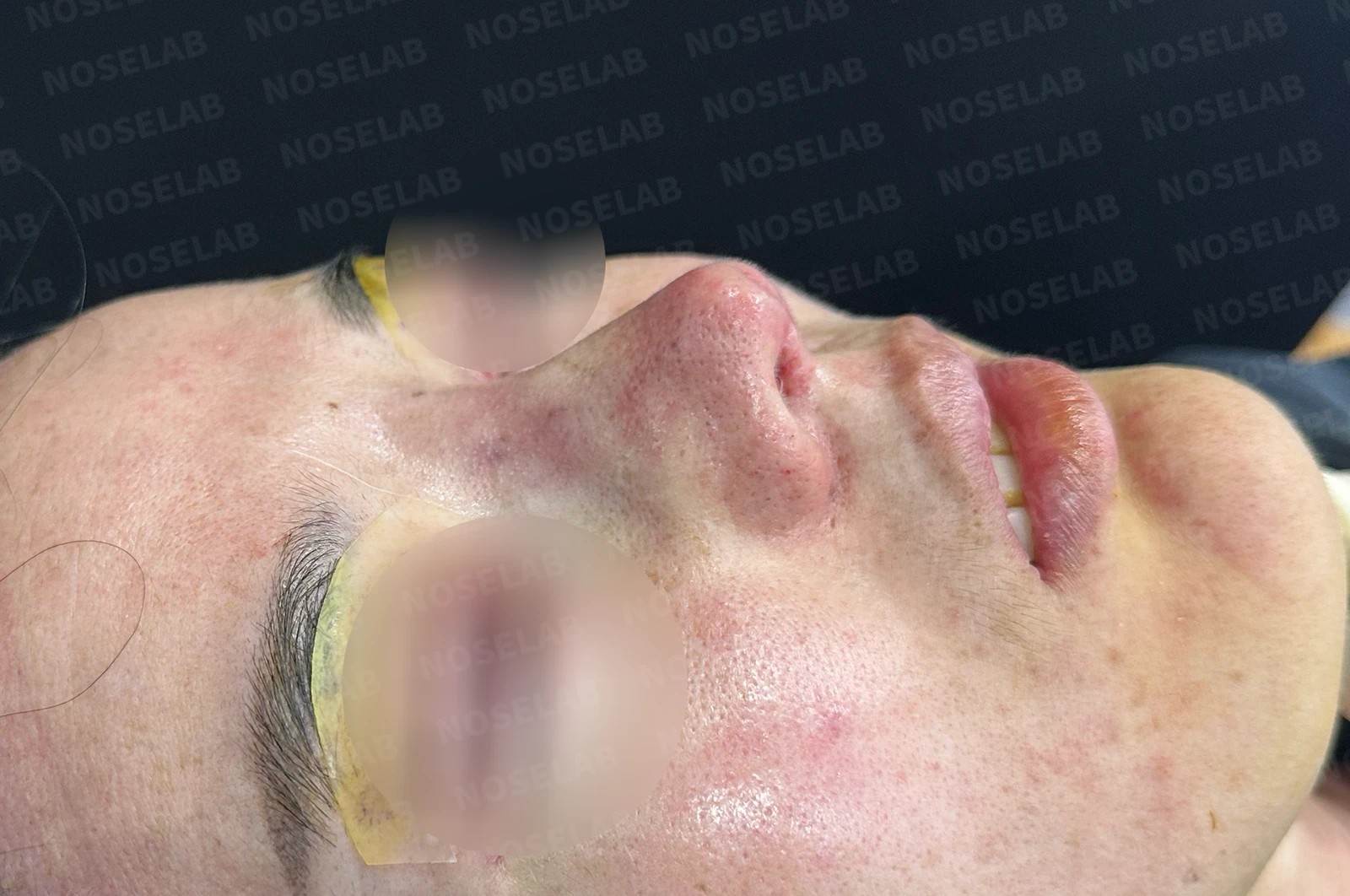
Before surgery / Day 0 immediately after surgery Photos taken immediately after surgery show swelling and may differ from the final result.
Oblique view:
- The short-appearing proportion has shifted into a balanced ratio.
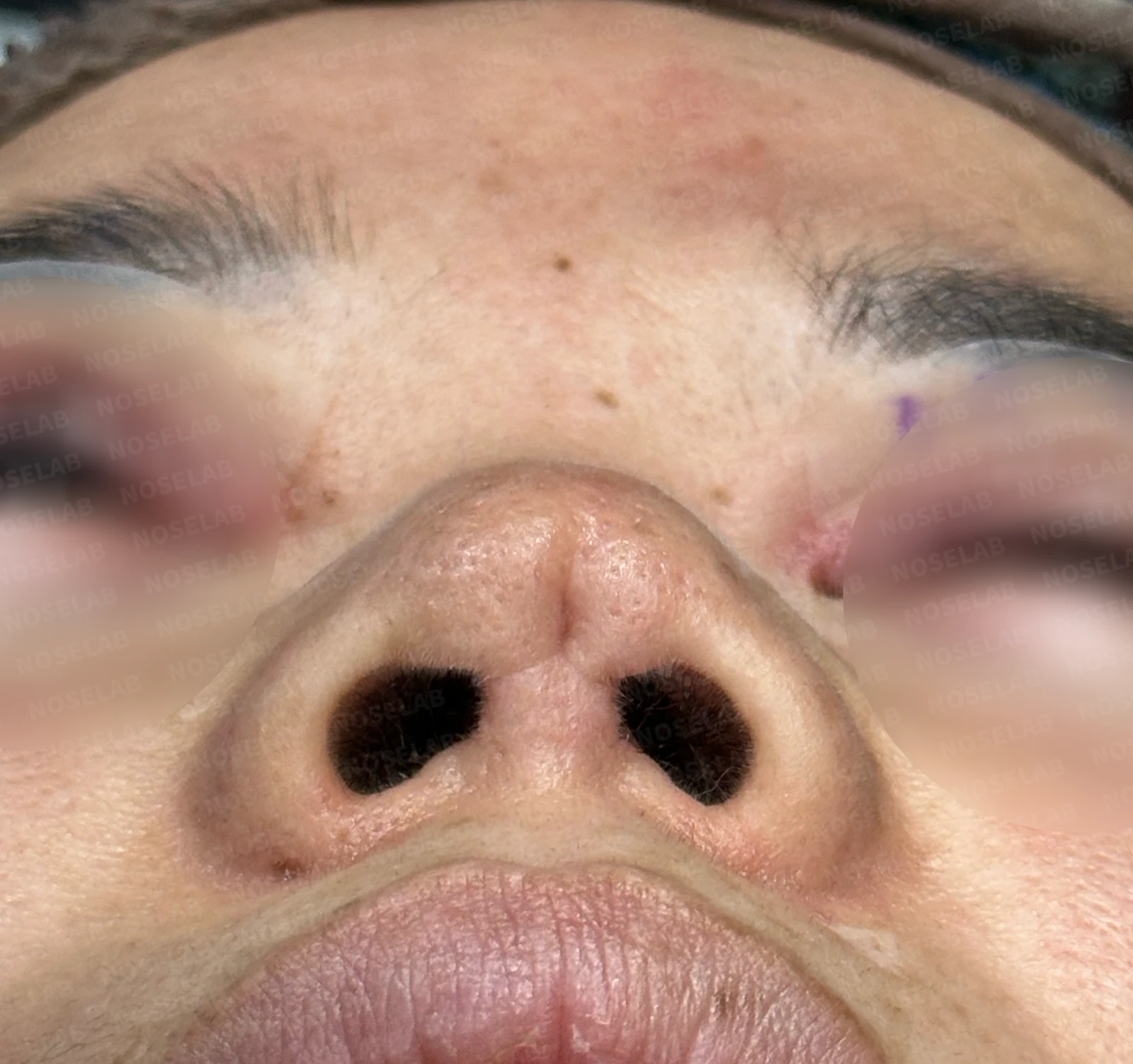
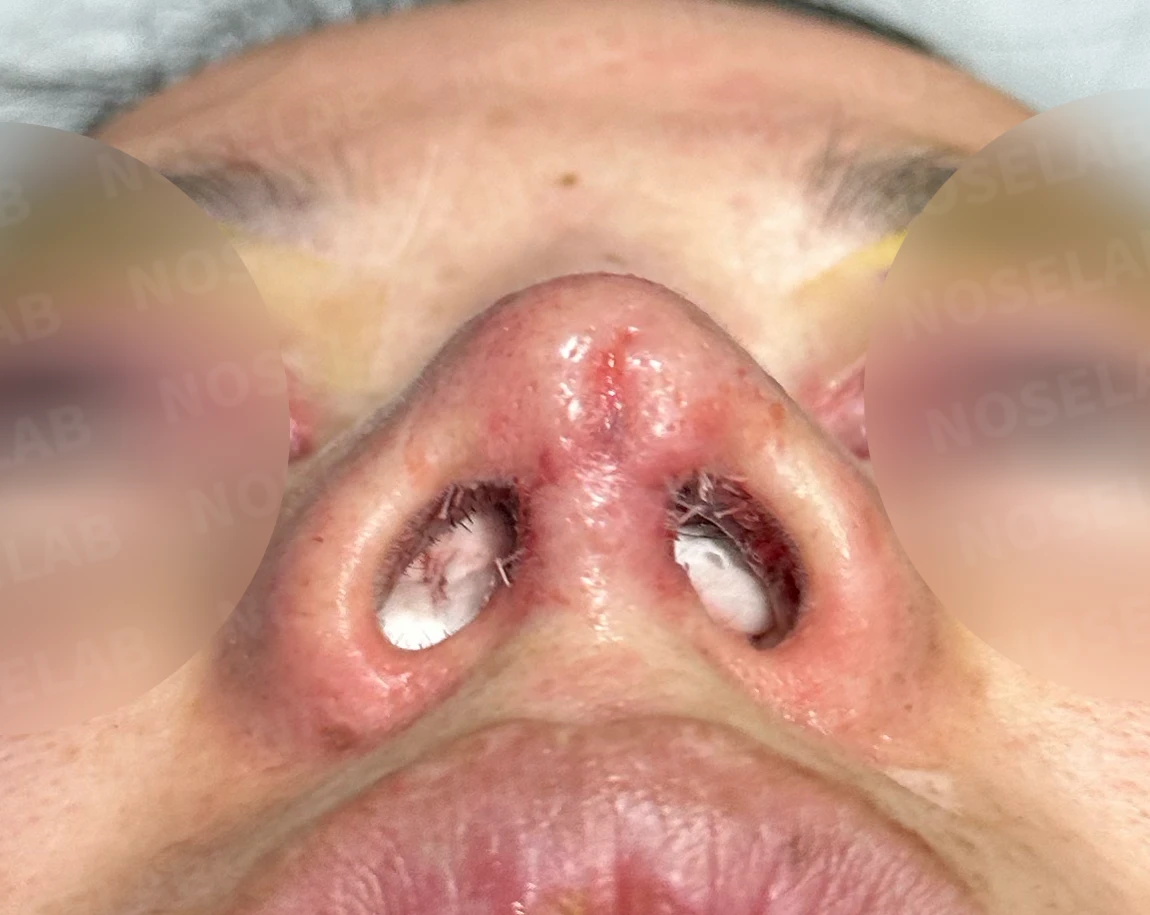
Before surgery / Day 0 immediately after surgery Photos taken immediately after surgery show swelling and may differ from the final result.
Nostrils:
- The depth of the prominent depressed scar has been greatly improved.
- Redness remains, but it is expected to become more natural over time.
- Nostril asymmetry has substantially improved.
6. Photos taken immediately after surgery (day 0)Immediate postoperative photos show swelling and may differ from the final result.
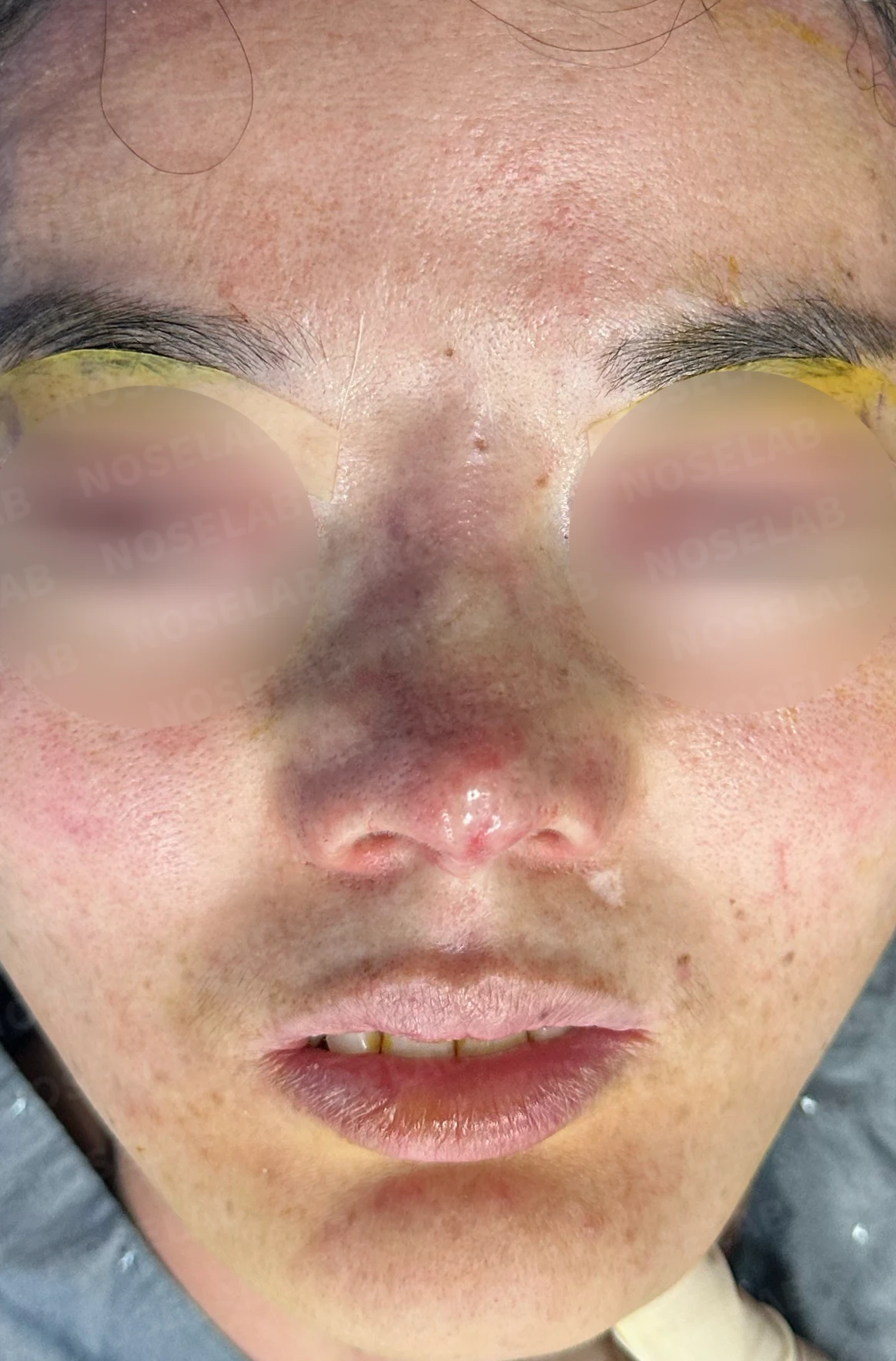
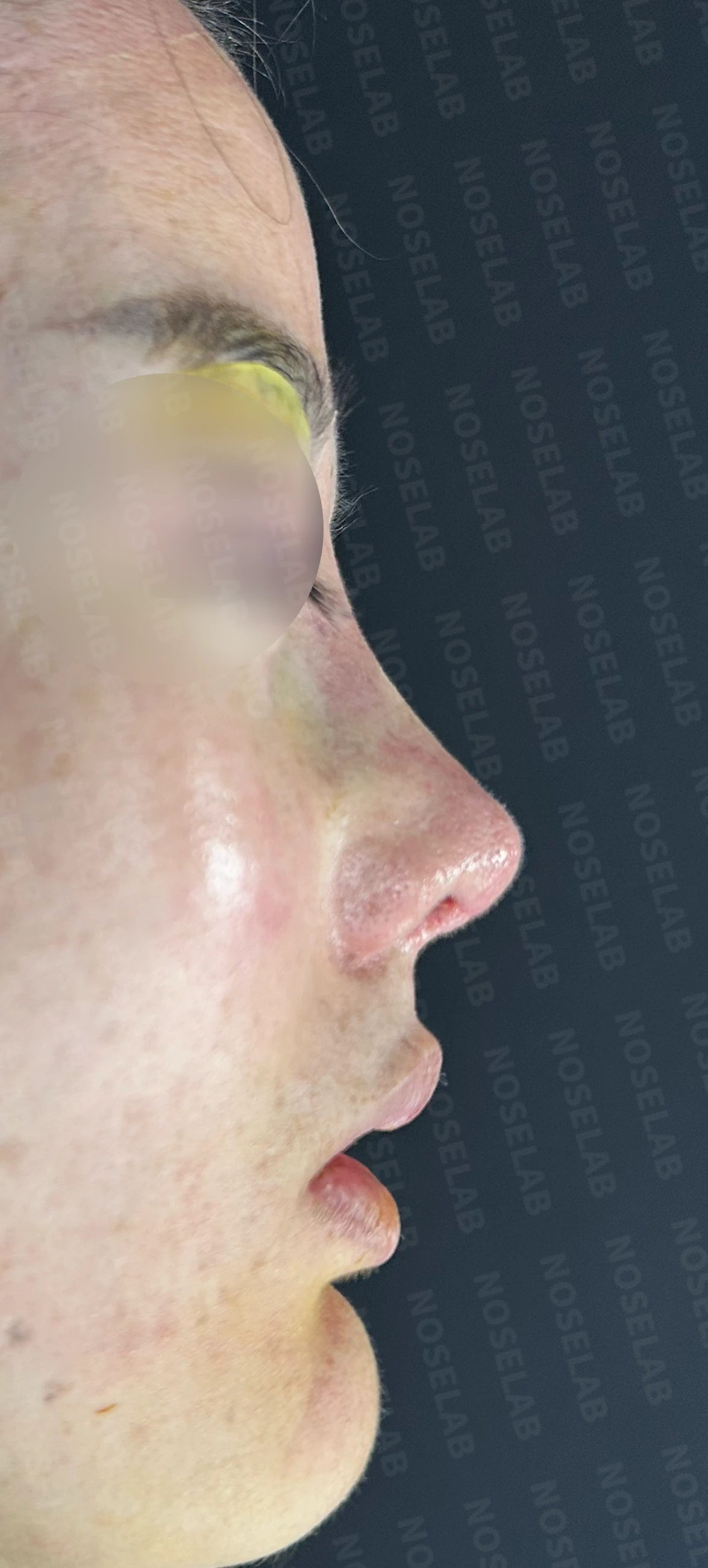
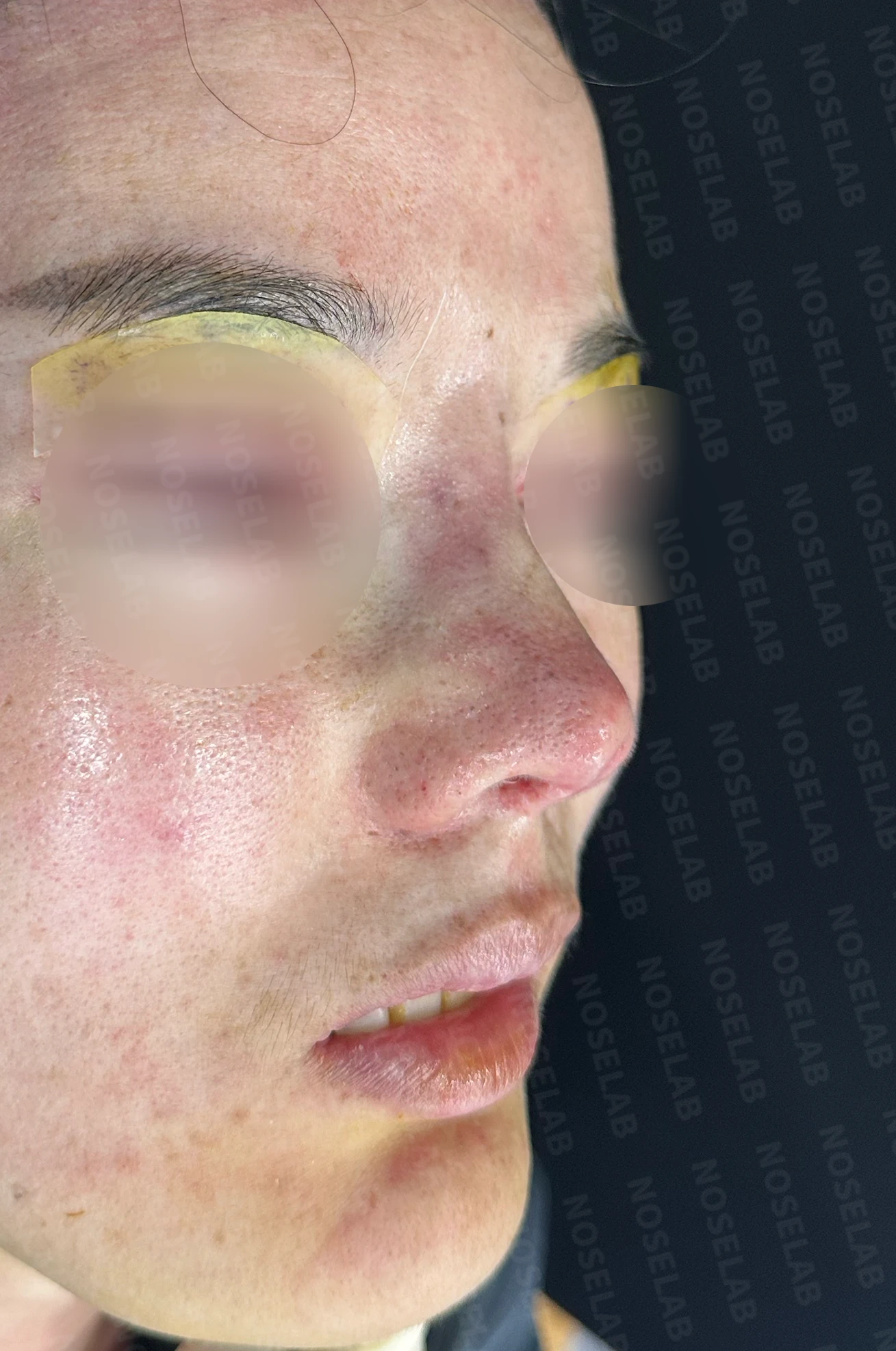
Front, profile, and oblique views taken immediately after surgery (day 0).Immediate postoperative photos show swelling and may differ from the final result.
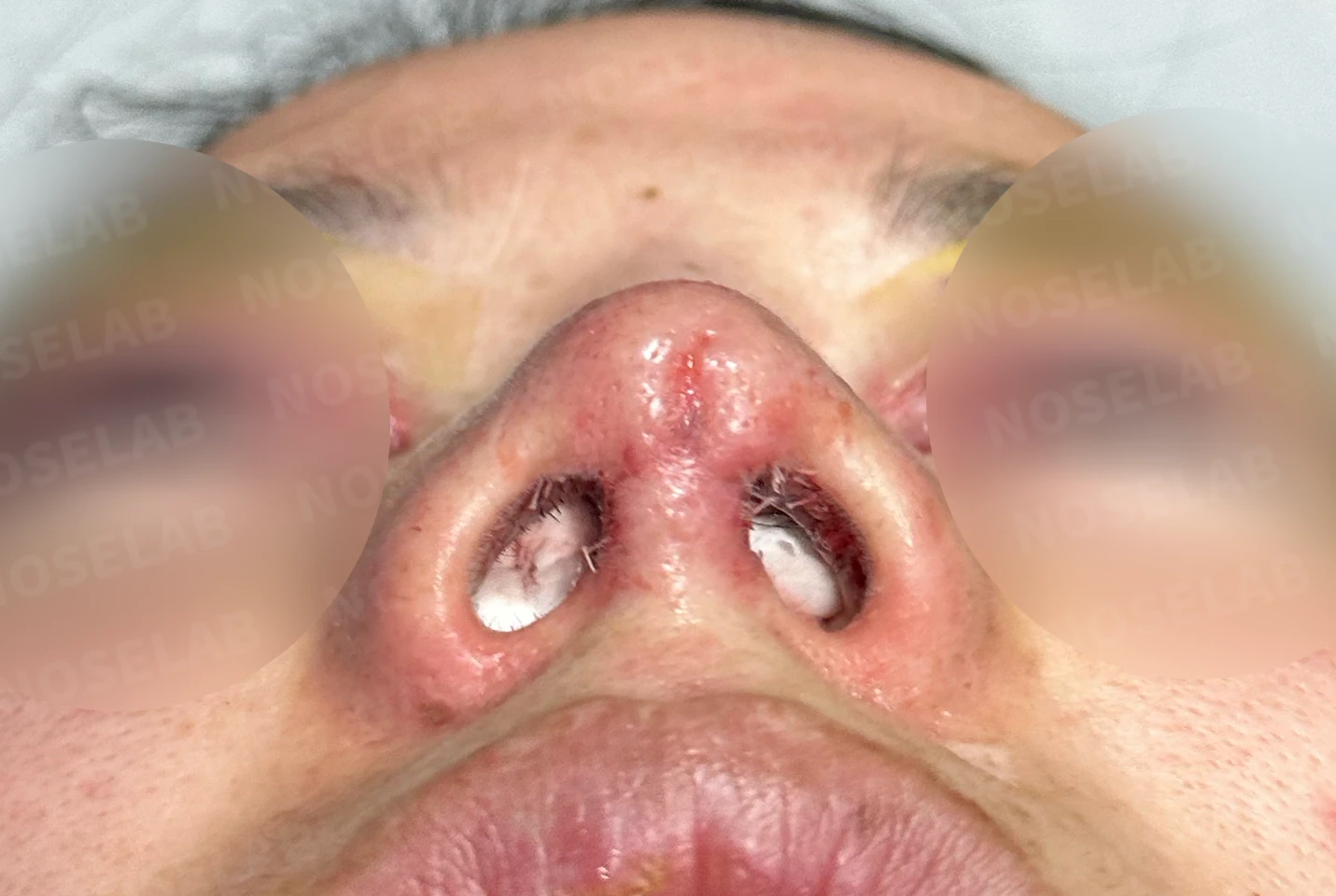
Nostril view on day 0 immediately after surgery. Photos taken immediately after surgery show swelling and may differ from the final result.
7. Overall assessment
This case is a prime example demonstrating the complexity and difficulty of correcting a short, contracted nose with columellar retraction and nasal tip skin depression caused by severe inflammation. In particular, the severe damage and depression of the nasal tip skin were very difficult to correct, but proceeding with maximum preservation of the skin led to a successful outcome.
The overall structure and shape were improved through total septal reconstruction with autologous rib cartilage, lower lateral cartilage reconstruction, and delicate lateral osteotomy. Above all, restoring the depressed nasal tip skin as much as possible rather than excising it was key to this surgery. While this increased the technical difficulty, it is an approach that yields a more natural result over the long term.
8. Concluding remarks
Among short, contracted noses, cases accompanied by skin damage are far more challenging. I perform these surgeries with a focus on preserving damaged skin as much as possible. Except when completely impossible, I believe it is most ideal to restore rather than excise the skin.
Even in this case, where some of the depressed skin could have been excised, I avoided skin damage as much as possible and utilized stem cell therapy alongside restoration of the depressed skin.
Of course, this approach requires extreme care and delicacy, raising the level of difficulty. However, from a long-term perspective, preserving the original surface area of the skin delivers far more natural results than excising it.
I hope this case offers hope to those struggling with contracted noses, especially those with concurrent skin damage. Although complex and demanding, satisfying results can be achieved with proper planning and meticulous technique.
Correcting a contracture deformity is of vital importance not only cosmetically but also functionally. Therefore, choosing a surgeon with extensive experience and expertise is crucial. Based on anatomical knowledge and rich clinical experience as a board-certified otolaryngologist, Dr. Peter C. Kang provides a surgical plan optimized for each individual patient.
I will be with you every step of the way to achieve a beautiful and healthy nose.
This was Dr. Peter C. Kang. Thank you.
Thank you.
#contractednose #skindepression #upturnednosecorrection #shortnose #crookednosecorrection #widenosecorrection #autologousribcartilagegraft #columellartraction #closedrhinoplasty #revisionrhinoplasty #ENTspecialistrhinoplasty #rhinoplastysafety #nasalbridgeaugmentation #rhinoplastytip #stemcelltherapy #septalreconstruction

Limitations and risks
When autologous rib cartilage is used, scarring and pain may remain at the donor site on the chest, and pneumothorax (pleural injury) can occur rarely. Over time, the grafted cartilage may warp or undergo partial resorption.
When using donor rib cartilage, long-term follow-up is necessary because the grafted cartilage may resorb or warp.
When revising after implant removal, contracture may progress again after removal, the nasal height and length may decrease, and staged surgery may be necessary depending on the skin condition.
When the septum is corrected at the same time, nasal obstruction may persist or recur, and in rare cases, septal perforation or changes in smell may occur.
Common potential risks include infection, bleeding, asymmetry, scarring, skin necrosis, and insufficient improvement; results vary depending on individual skin condition and previous surgical history.