Hello, I am Dr. Peter C. Kang.
Today, I will introduce a primary rhinoplasty case where a small, blunt nose was transformed into a prominent, refined profile.
📍 Surgical history
Primary surgery (no prior surgical history)
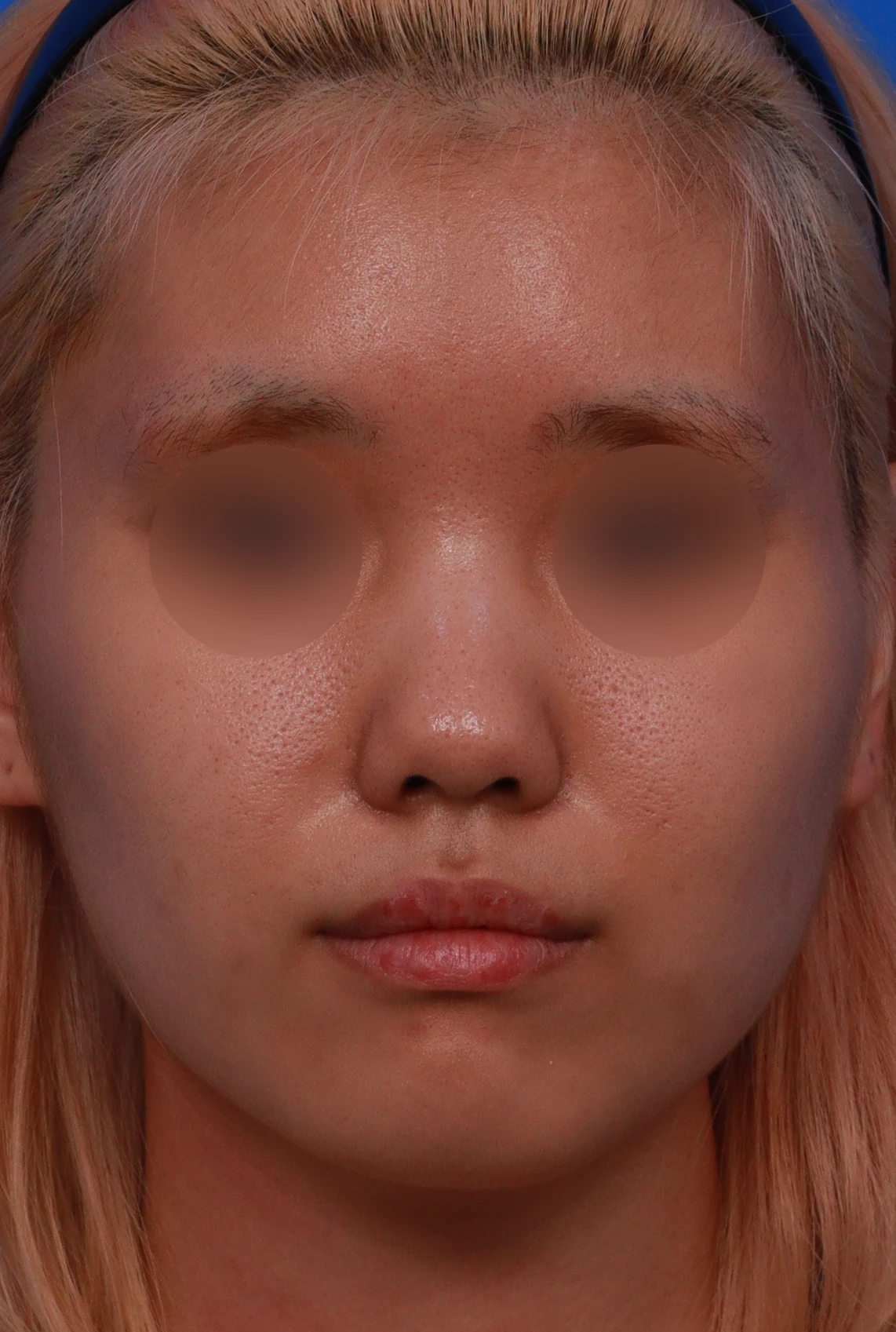
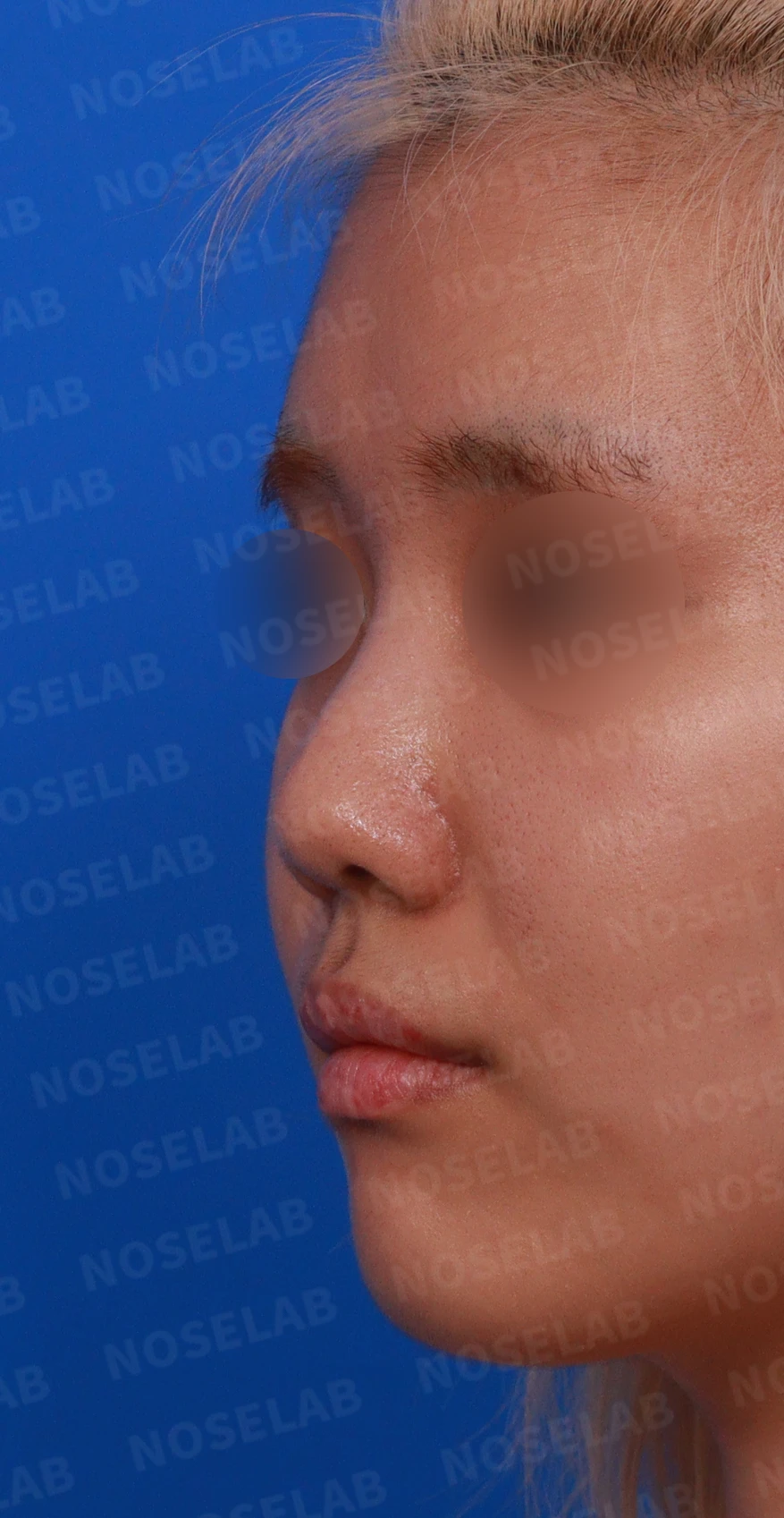
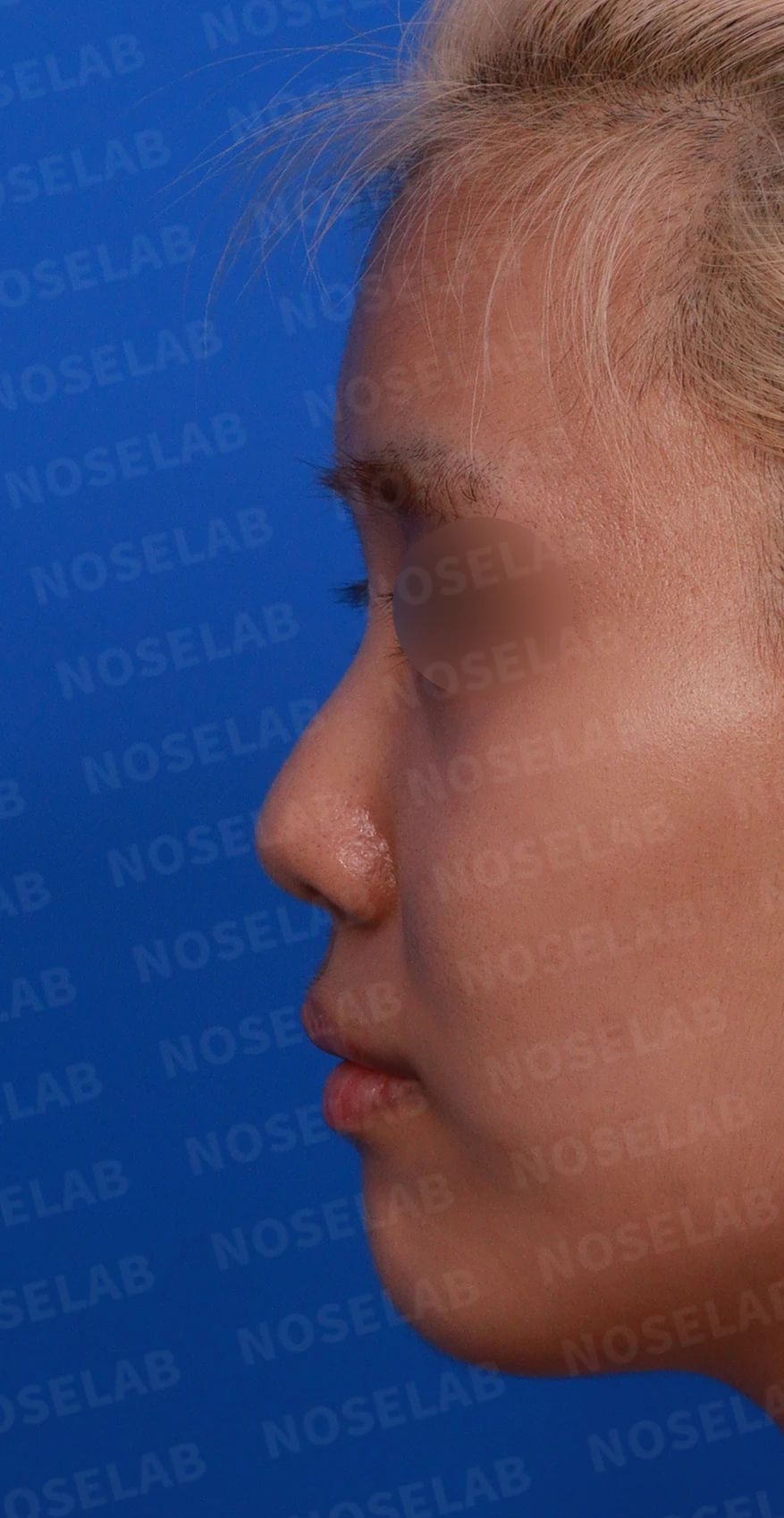
Design consultation: front, left oblique, and profile views.
🔎 Initial consultation findings
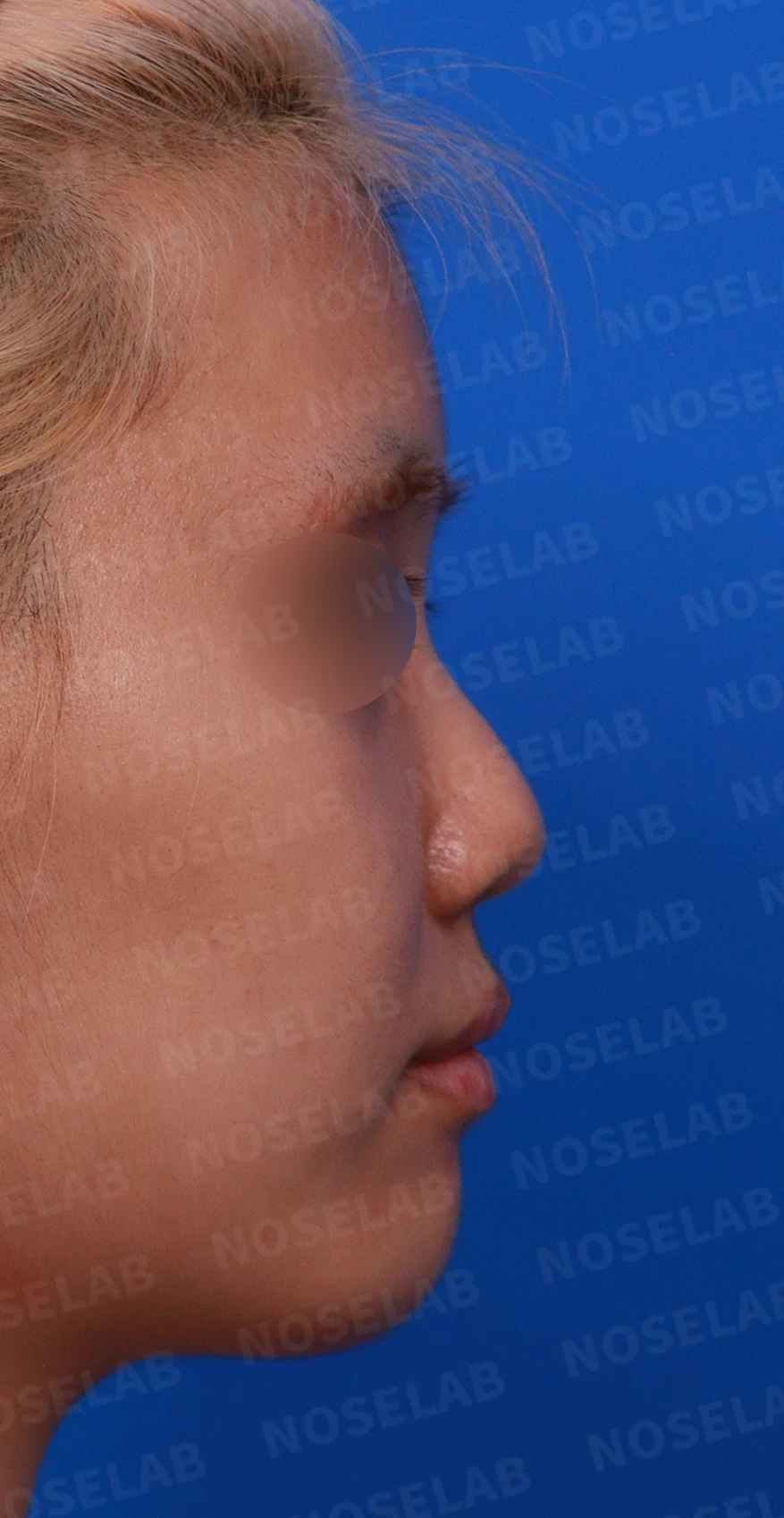
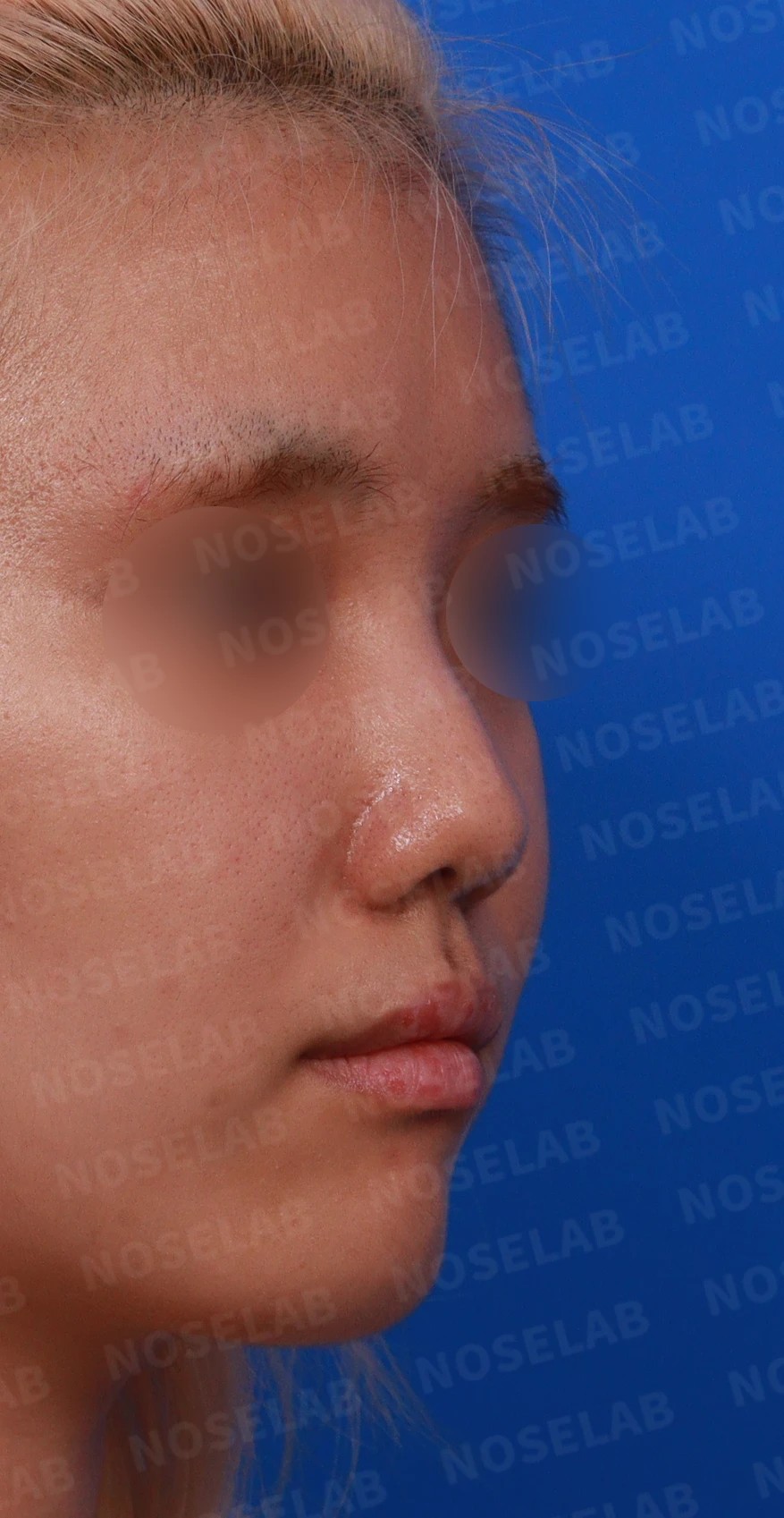
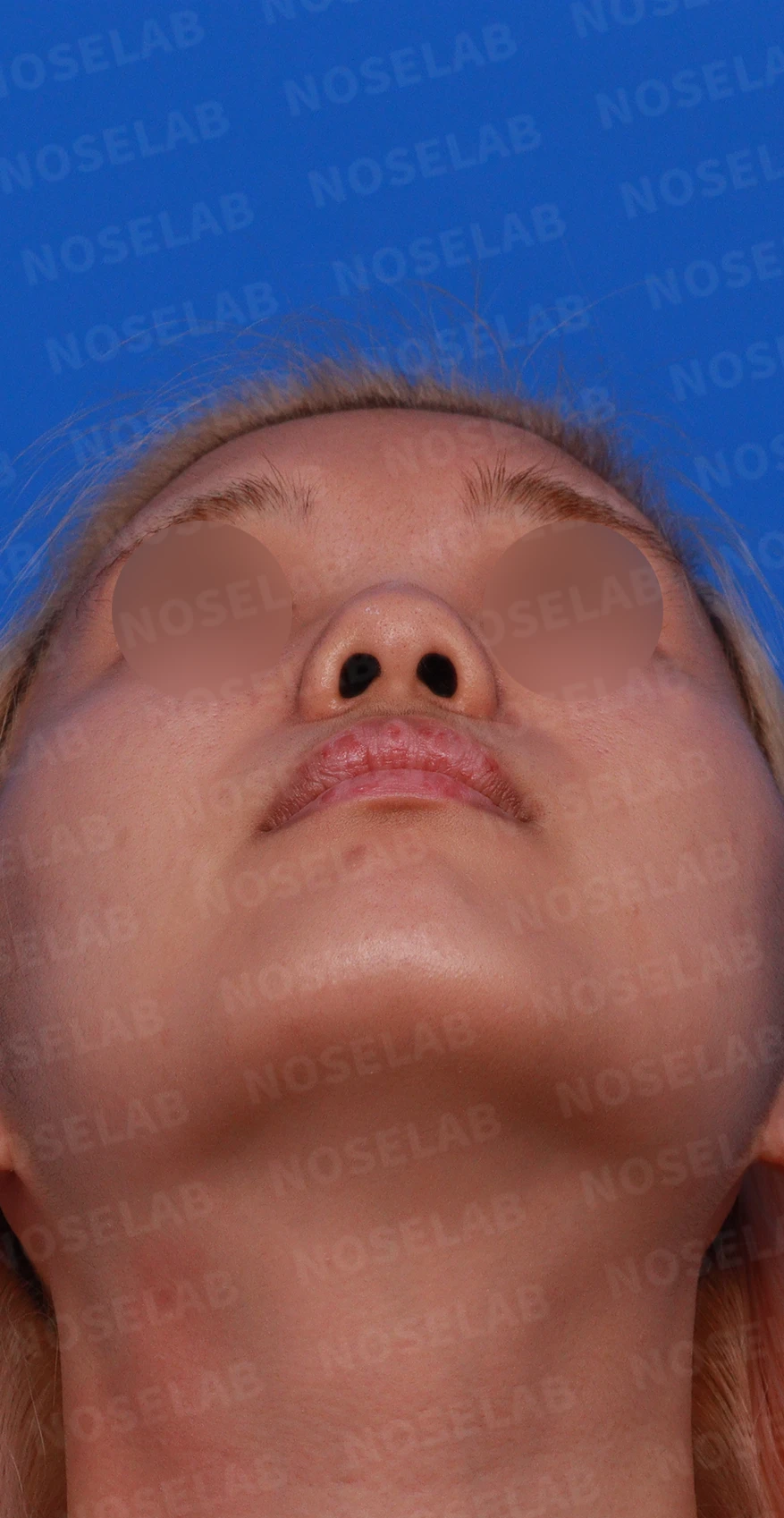
Design consultation: right profile, oblique, and nostril views.
Functional issues
Chronic nasal obstruction
Impaired respiratory function
Aesthetic concerns
Blunt and broad nasal tip
Drooping nasal tip
Small dorsal hump
Overall small nose
Flat, unremarkable impression
Structural characteristics
Limits on skin expansion due to a small nasal framework
Advanced techniques required for a prominent transformation
Maximizing expansion within a safe range is key
✨ Patient's requests
Defined, glamorous look
Refined and elevated look
Dramatic change
Natural yet impressive results



The patient's desired look
💉 Surgical procedure details
Key focus: safe skin expansion
Expanding the skin within a safe range as much as possible
Preventing skin damage caused by abrupt changes
Gradual and delicate skin-stretching techniques
Structural reconstruction
Full reconstruction using autologous rib cartilage
Transforming a blunt contour into an elevated, refined shape
Complete correction of a minor dorsal hump
Achieving prominent yet natural height
Improvement in shape
Correcting a wide shape into a sleek, refined look
Properly elevating a drooping nasal tip
Overall volume enhancement
Harmonizing the overall facial profile through nasolabial angle correction
Functional improvement
Fundamentally resolving nasal obstruction with septoplasty
Optimizing respiratory function via inferior turbinate surgery
Application of advanced surgical techniques
Overcoming structural limitations
Precise planning tailored to skin elasticity
Balancing safety with dramatic change
✅ Surgical results
Functional improvement
Complete relief of nasal obstruction
Restoration of smooth breathing function
Front view
Dramatically improved size
Refined and elevated look
Prominent yet natural height
Completely corrected dorsal hump
Impressively transformed facial profile
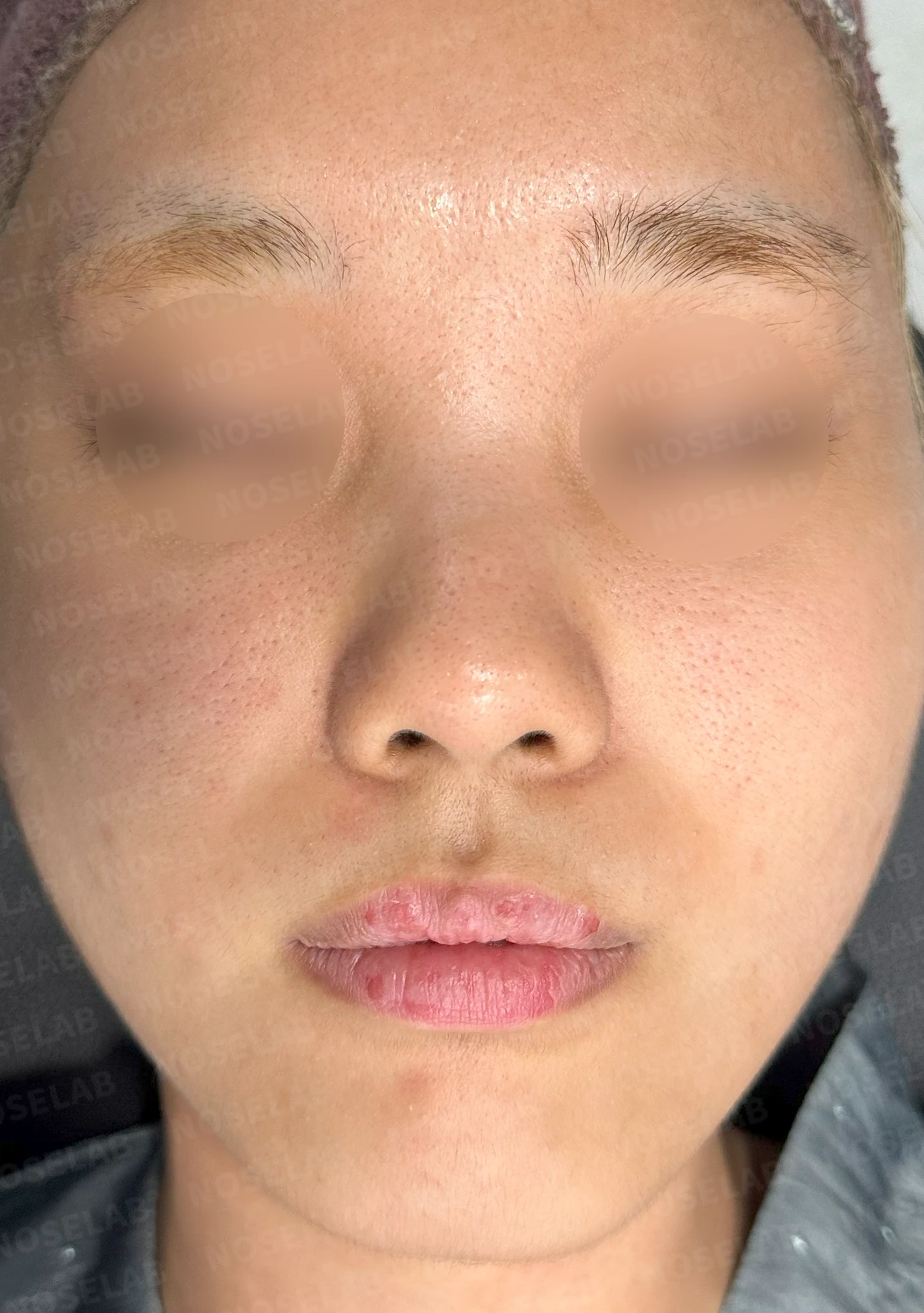
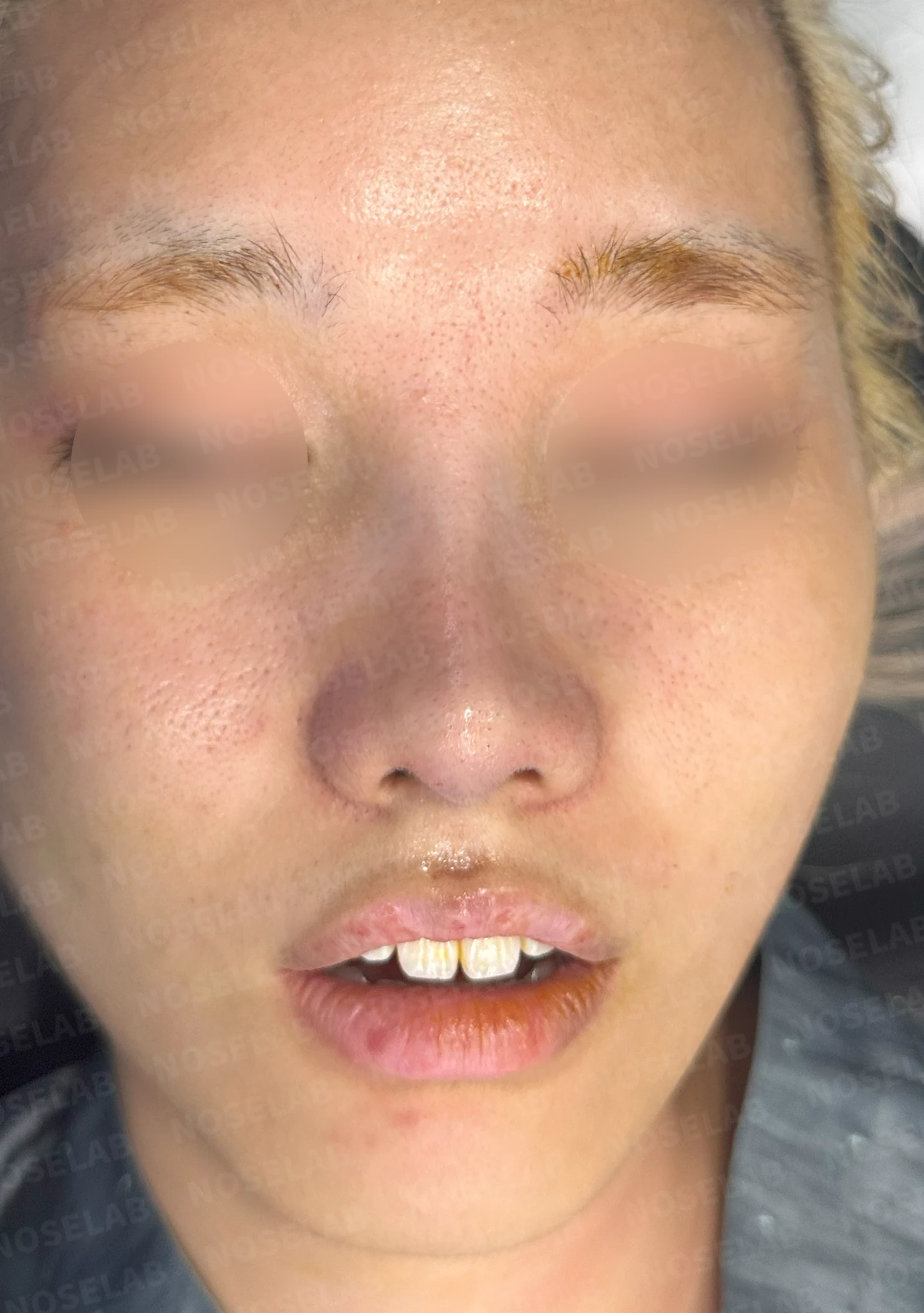
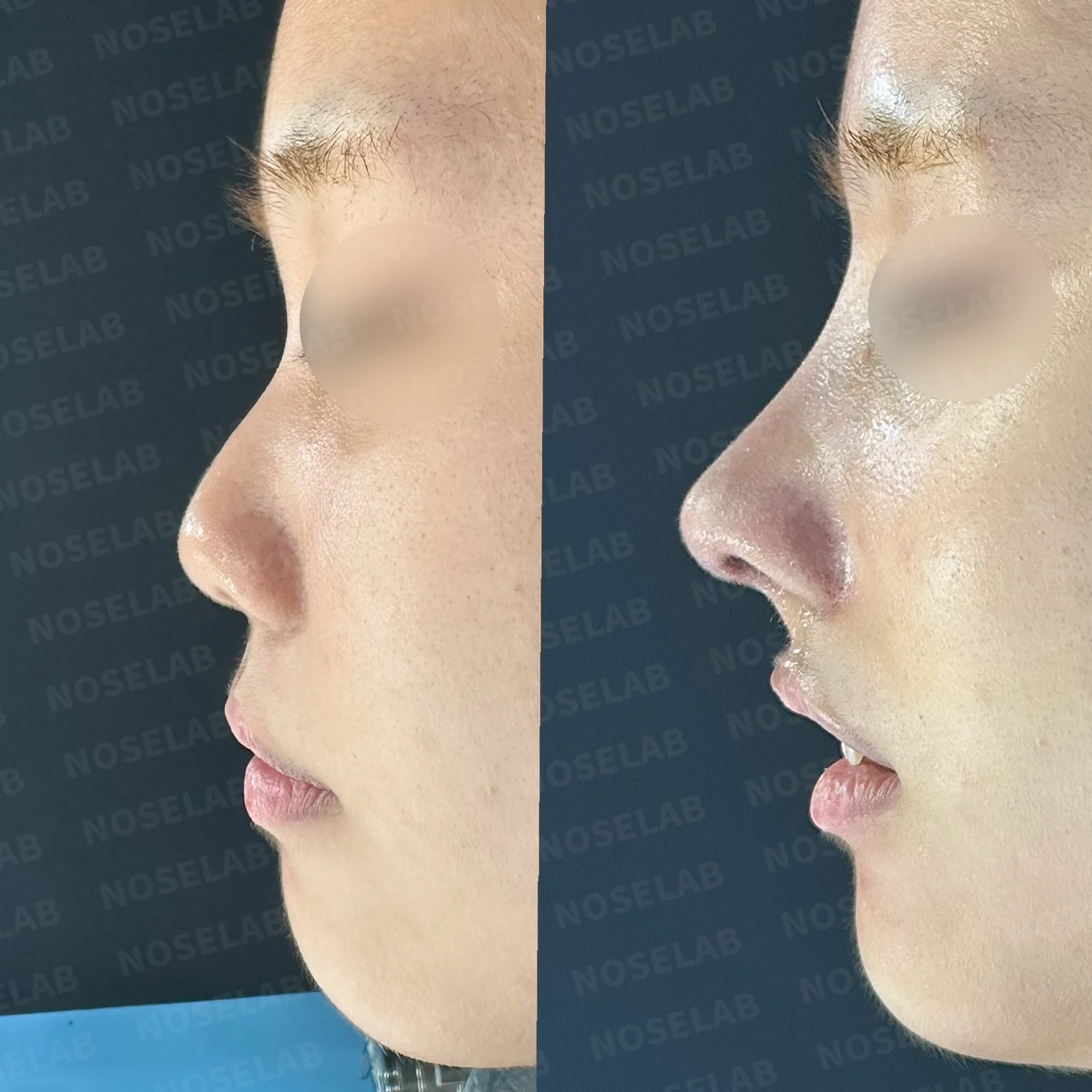
Before surgery / Day 0 immediately after surgery Photos taken immediately after surgery show swelling and may differ from the final result.
Profile view
Complete transformation from a drooping tip to a refined tip
Prominent, elegant nasal line
Improved nasolabial angle
Harmonious facial profile
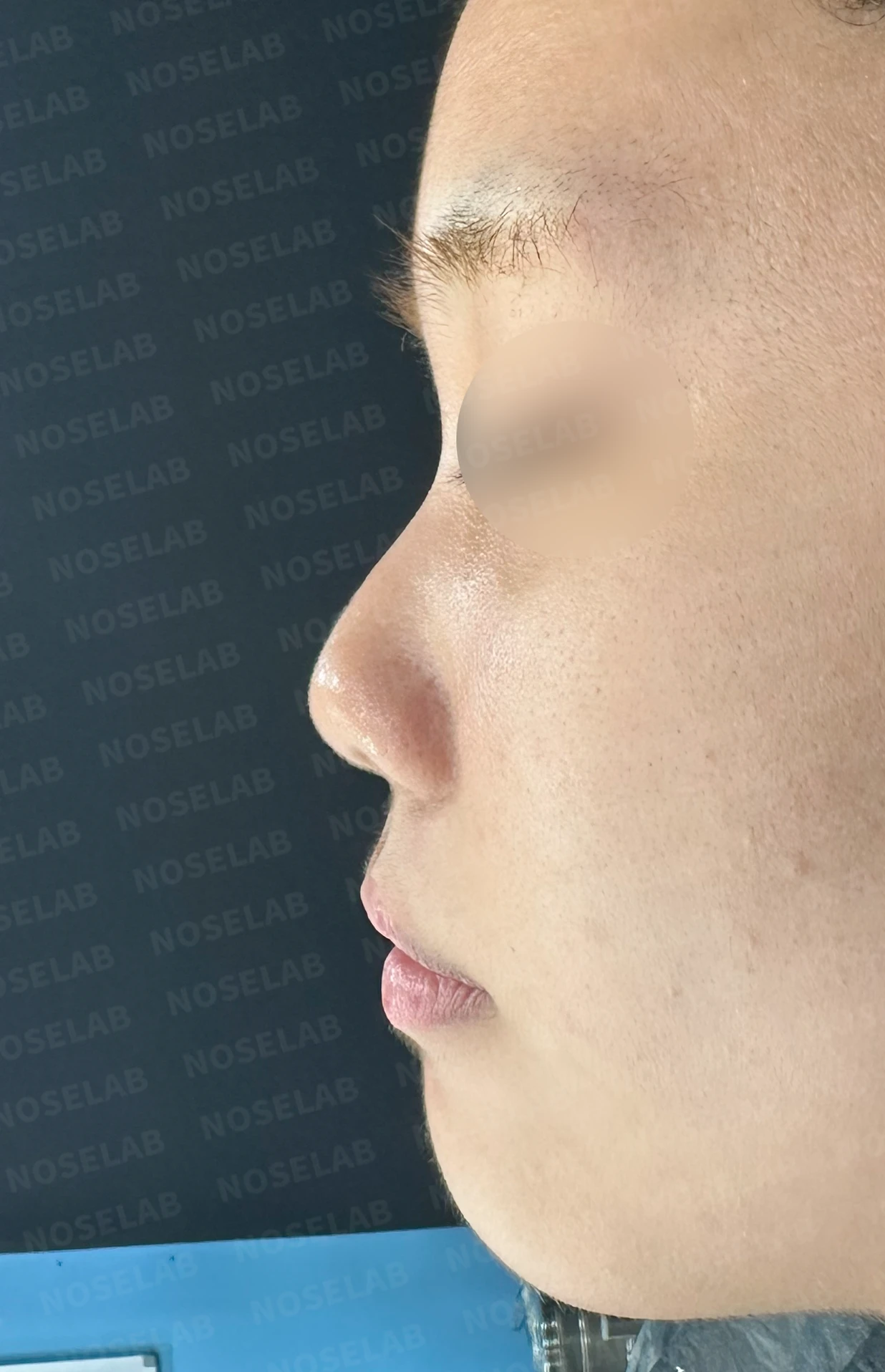
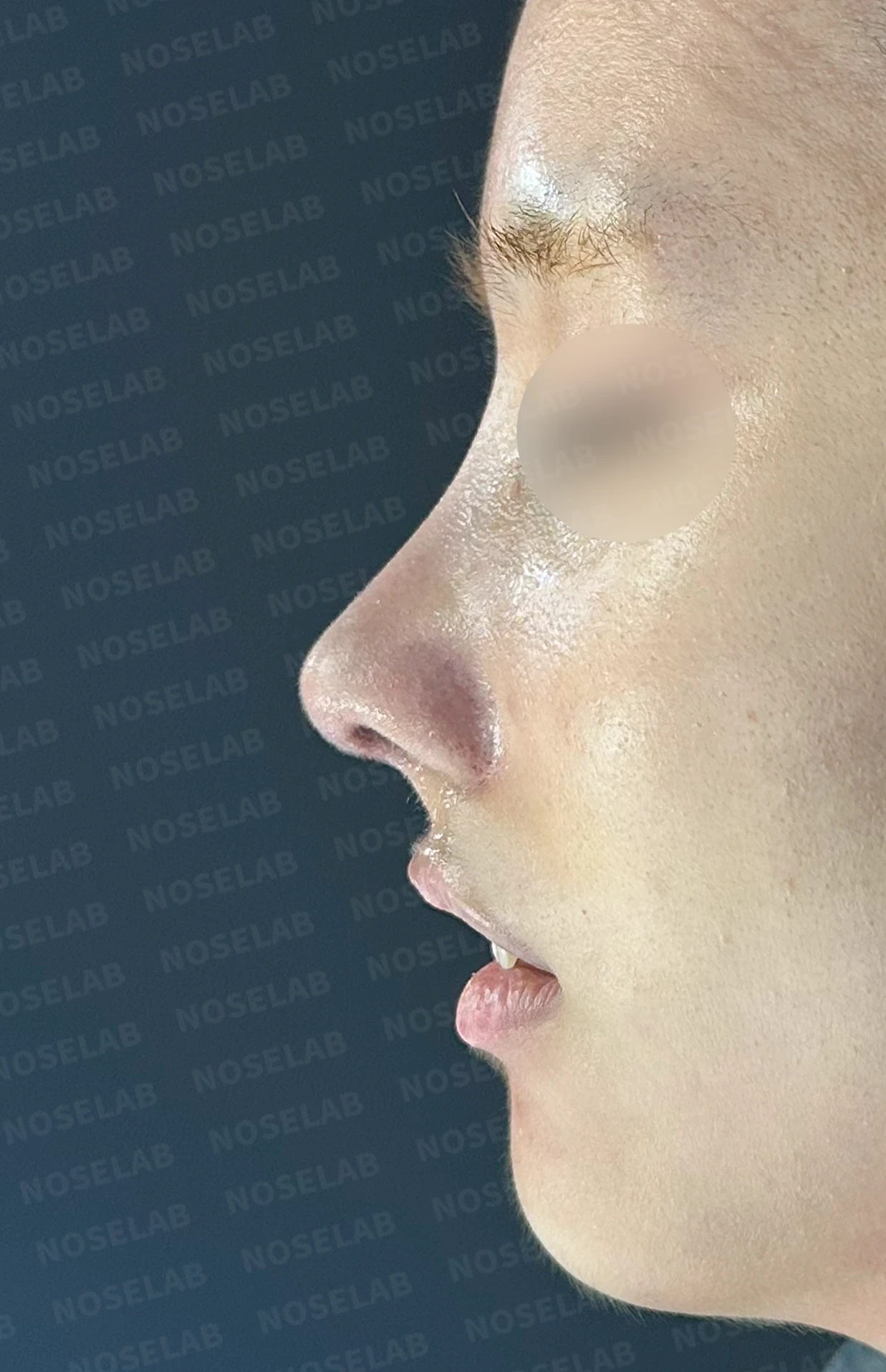
Before surgery / Day 0 immediately after surgery Photos taken immediately after surgery show swelling and may differ from the final result.
Overall changes
Complete transformation from a small, flat nose to a prominent, refined nose
Successful delivery of the dramatic change desired by the patient
Maximizing results within safe boundaries
Natural yet impressive results
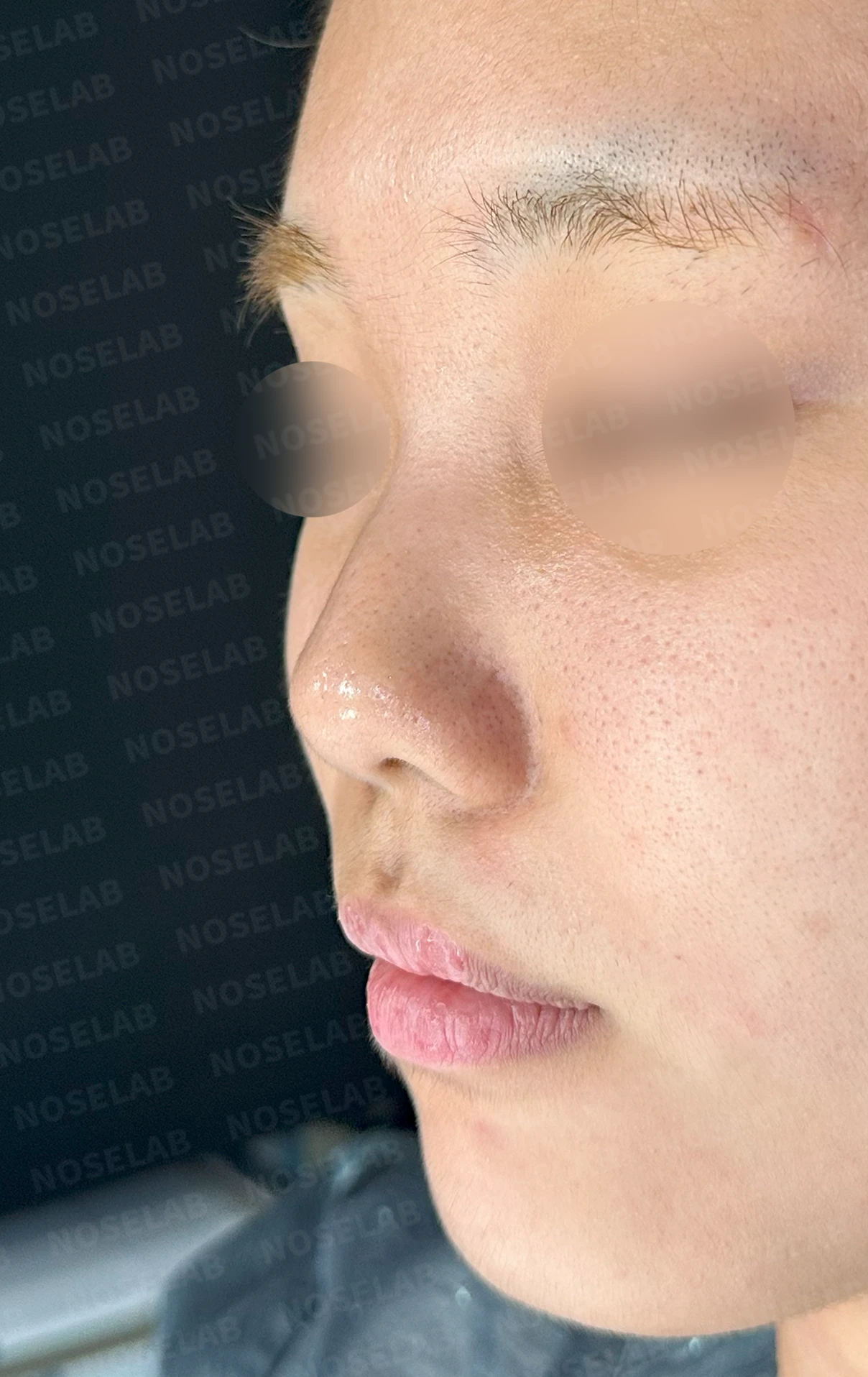
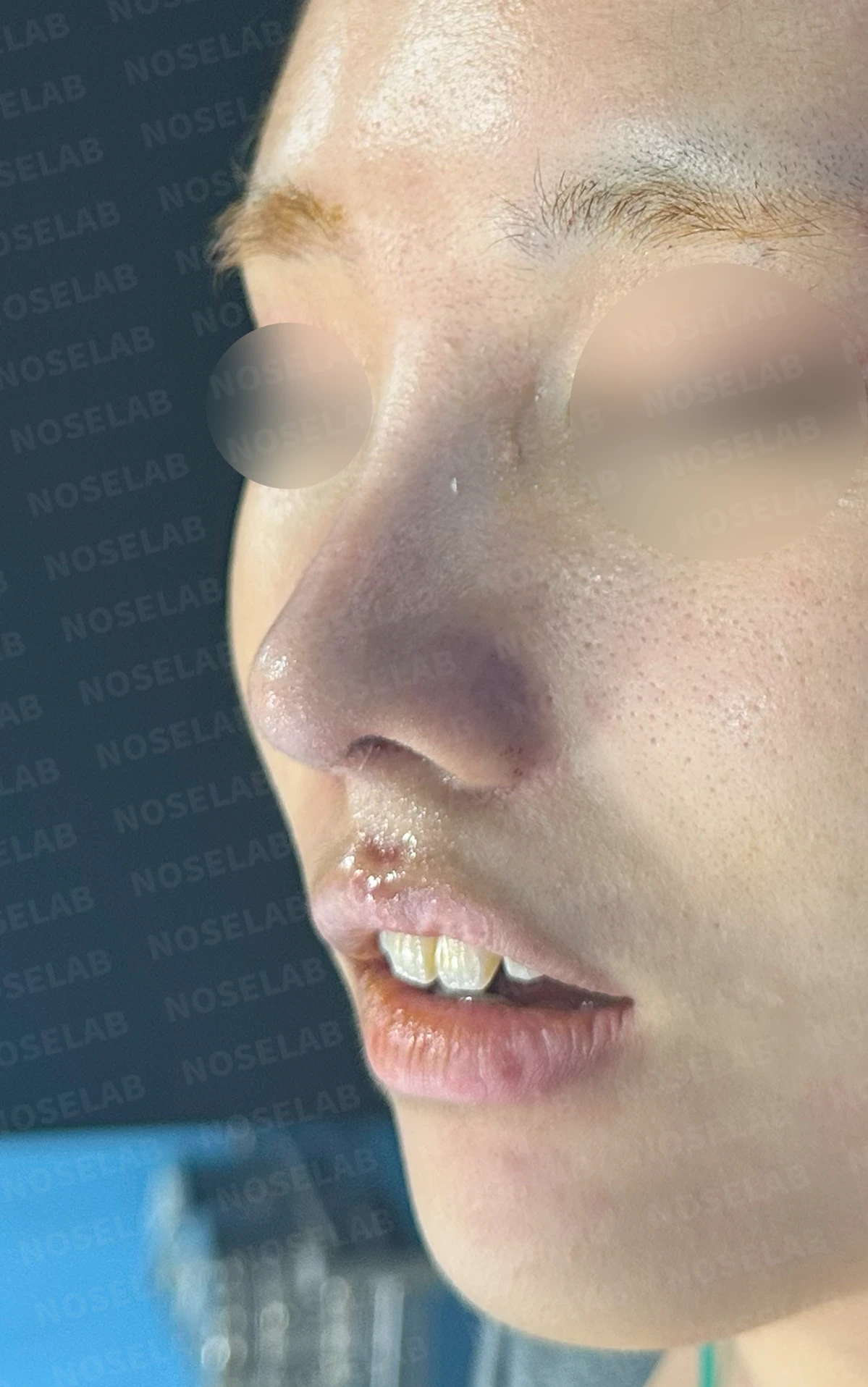
Before surgery / Day 0 immediately after surgery Photos taken immediately after surgery show swelling and may differ from the final result.
Technical accomplishments
Overcoming structural limitations
Successful, safe expansion without skin damage
Ideal balance between prominence and natural aesthetics
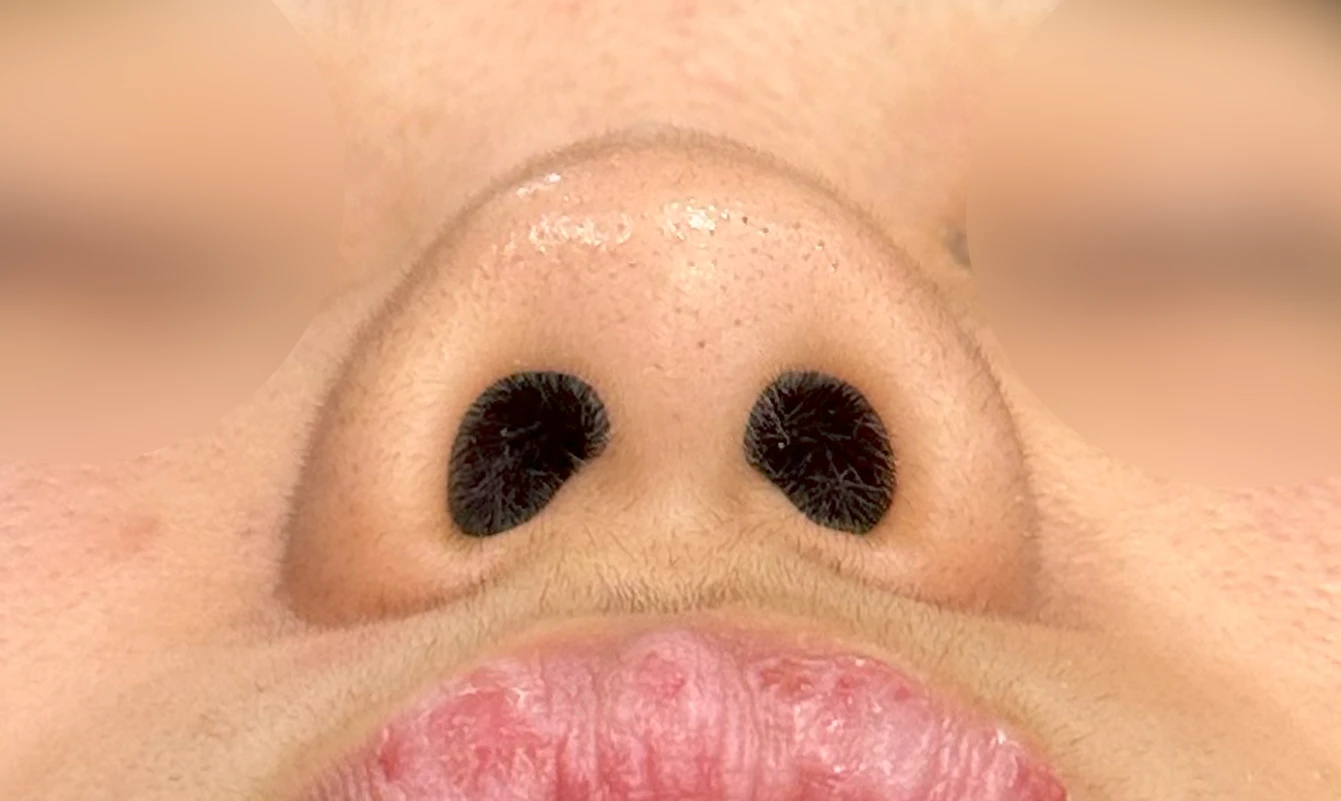
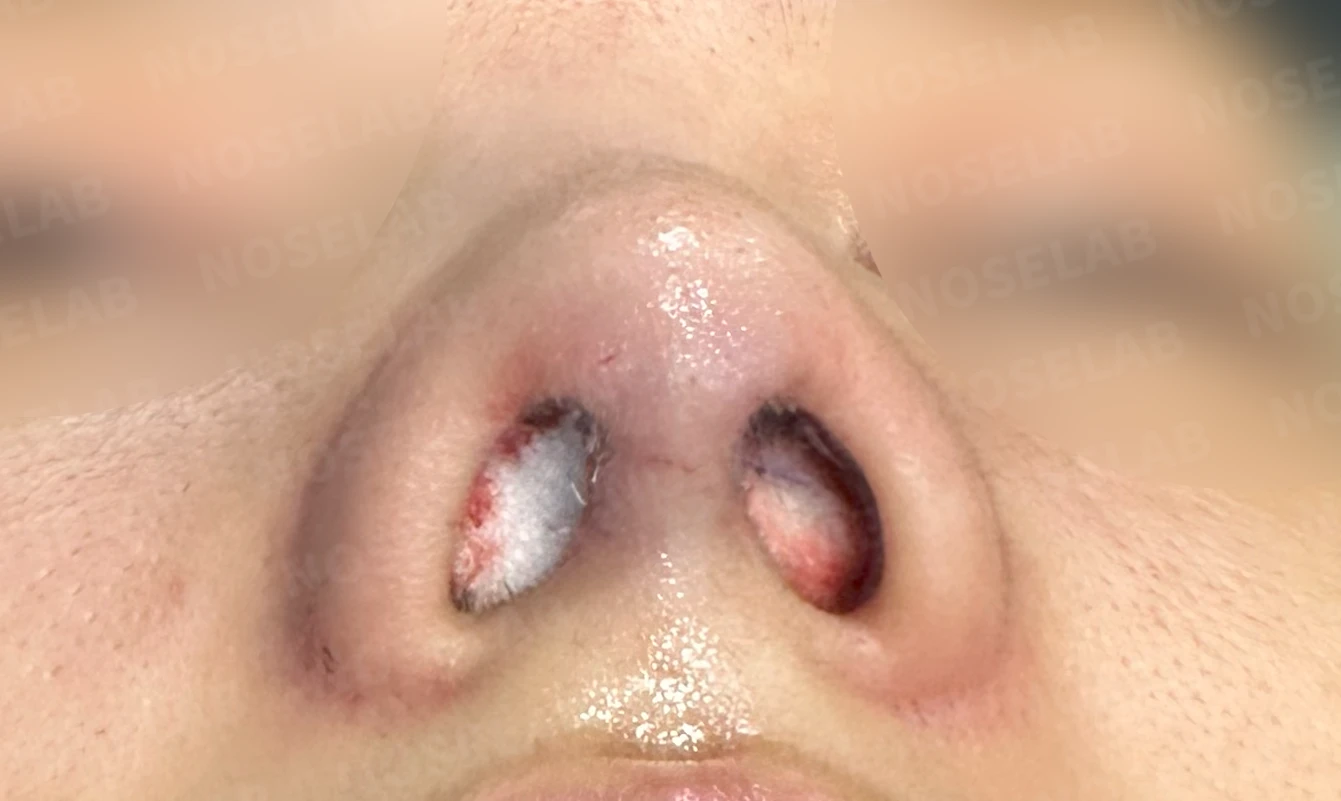
Before surgery / Day 0 immediately after surgery Photos taken immediately after surgery show swelling and may differ from the final result.
👨⚕️ Specialist's assessment
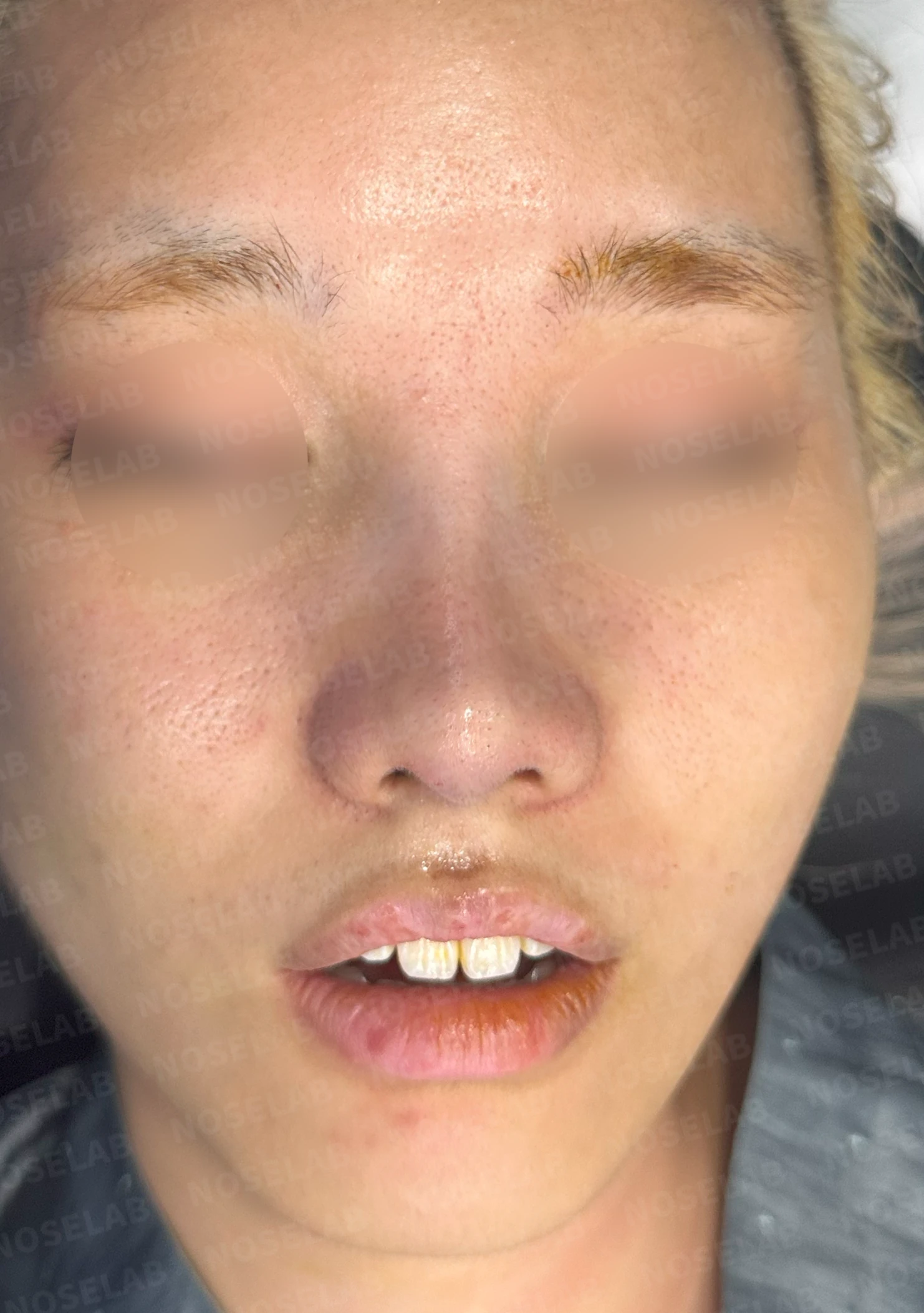
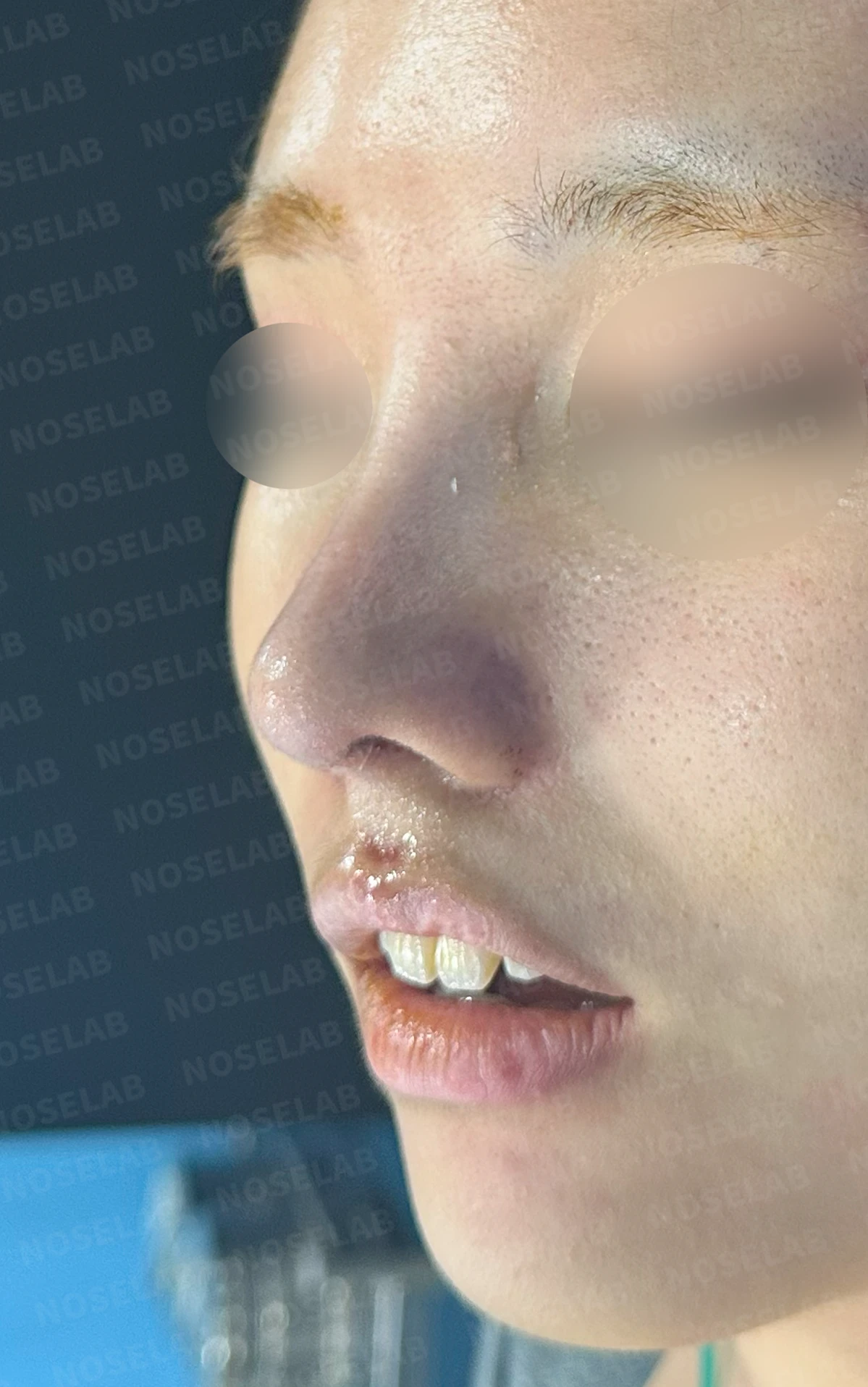
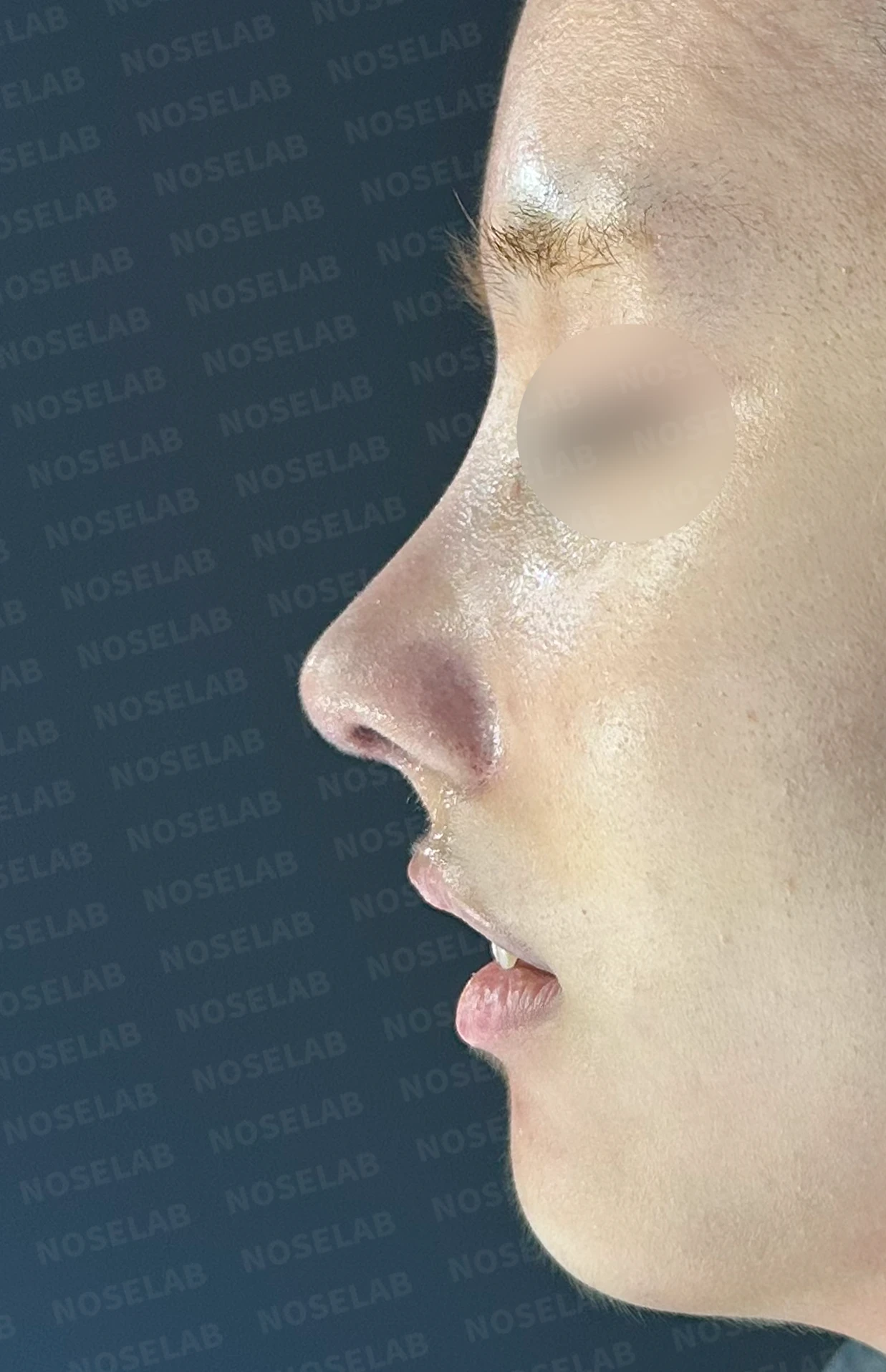
Immediately after surgery (day 0): front, oblique, and profile views. Immediate postoperative photos show swelling and may differ from the final result.
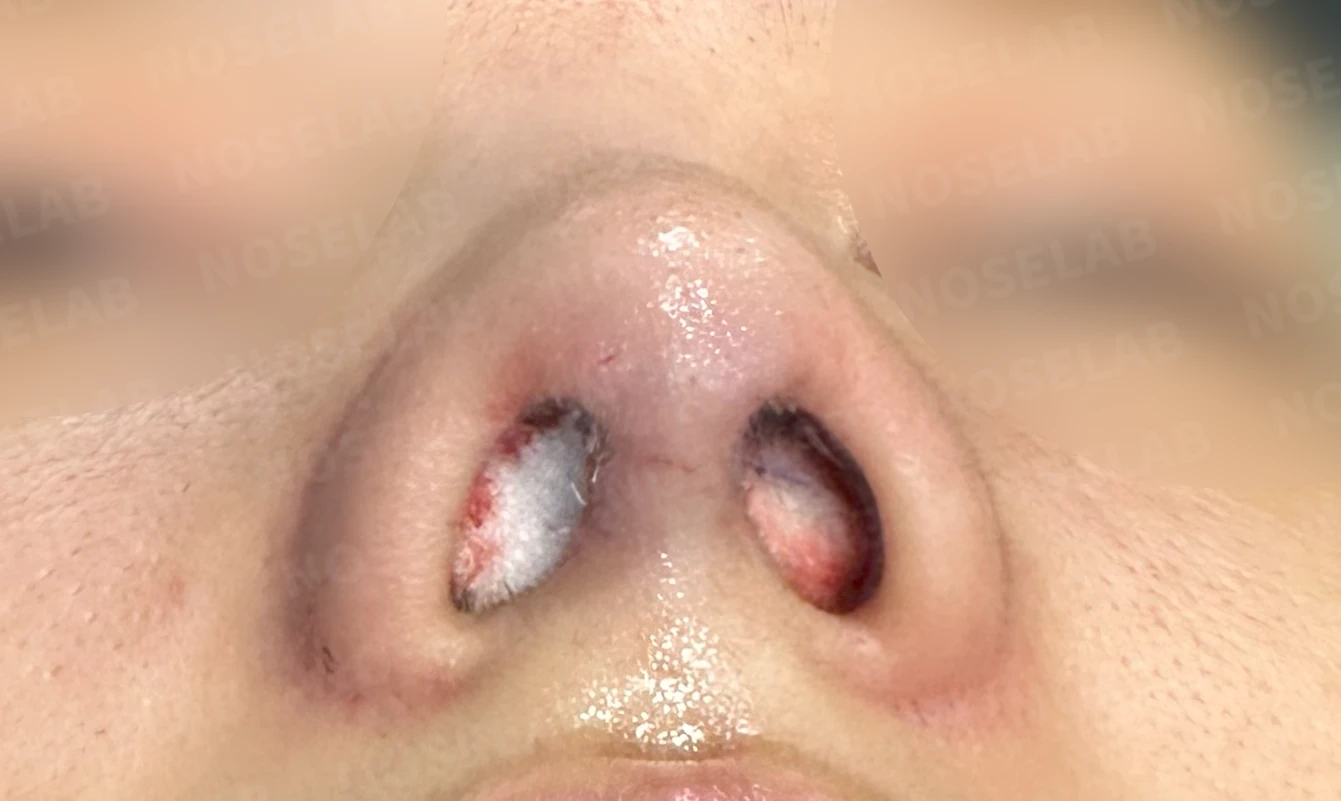
Nostril view on day 0 immediately after surgery. Photos taken immediately after surgery show swelling and may differ from the final result.
This case involved a primary rhinoplasty patient who wished to transform a small, blunt nose into a prominent, refined contour. Raising a small nose to look prominent is one of the most challenging techniques in rhinoplasty, demanding a very cautious and meticulous approach.
The patient's most notable characteristic was an overall small nasal framework. Because a small nose inherently has little excess skin, an abrupt increase in height or volume can cause the skin to become excessively taut, leading to unnatural outcomes or, in severe cases, skin damage.
To overcome these structural limitations, the key was accurately identifying the elasticity and limits of the skin and pursuing maximal expansion within a safe range. Through precise preoperative measurements and simulations, we calculated the optimal amount of change the patient's skin could tolerate.
In reconstruction using autologous rib cartilage, it was vital to secure sufficient structural support while reshaping the blunt nasal tip into a sleek, refined form. Gathering the spread-out tip and properly lifting the drooping tip allowed us to significantly enhance the overall volume.
Correcting the small dorsal hump also required careful attention. Because the original nose was small, merely shaving down the hump could have made it appear even smaller; therefore, we planned to correct the hump naturally alongside an overall increase in volume.
The most challenging aspect was achieving the prominent look the patient desired while maintaining a natural aesthetic. Suddenly creating an excessively high bridge on a small framework can create facial disharmony, so we had to determine the ideal height and shape tailored to the patient's overall facial proportions.
Stretching the skin to the maximum extent within safe boundaries was central to this surgery. Through gradual and delicate expansion, we achieved dramatic change without skin damage. This was a demanding process that required extensive clinical experience and precise surgical technique.
By resolving functional issues such as nasal obstruction at the same time, we improved both aesthetic balance and daily quality of life.
Ultimately, the small, flat nose was completely transformed into a prominent, refined nose. The patient was very pleased to safely achieve the dramatic transformation envisioned, accompanied by natural beauty.
This was Dr. Peter C. Kang. Thank you.
#closedrhinoplasty #rhinoplasty #autologousribcartilage #bulbousnose #smallnose #widenose #prominentnose #nasalobstruction

Limitations and risks
When autologous rib cartilage is used, scarring and pain may remain at the donor site on the chest, and pneumothorax (pleural injury) can occur rarely. Over time, the grafted cartilage may warp or undergo partial resorption.
When the septum is corrected at the same time, nasal obstruction may persist or recur, and in rare cases, septal perforation or changes in smell may occur.
Common potential risks include infection, bleeding, asymmetry, scarring, skin necrosis, and insufficient improvement; results vary depending on individual skin condition and previous surgical history.