Hello, I am Dr. Peter C. Kang.
Today, I would like to introduce the case of a patient who visited our clinic concerned about a dorsal hump, a drooping tip, and nasal obstruction caused by rhinitis.
🔍 Surgical history
The patient was undergoing rhinoplasty for the first time, having struggled with a dorsal hump and functional issues for a long period.
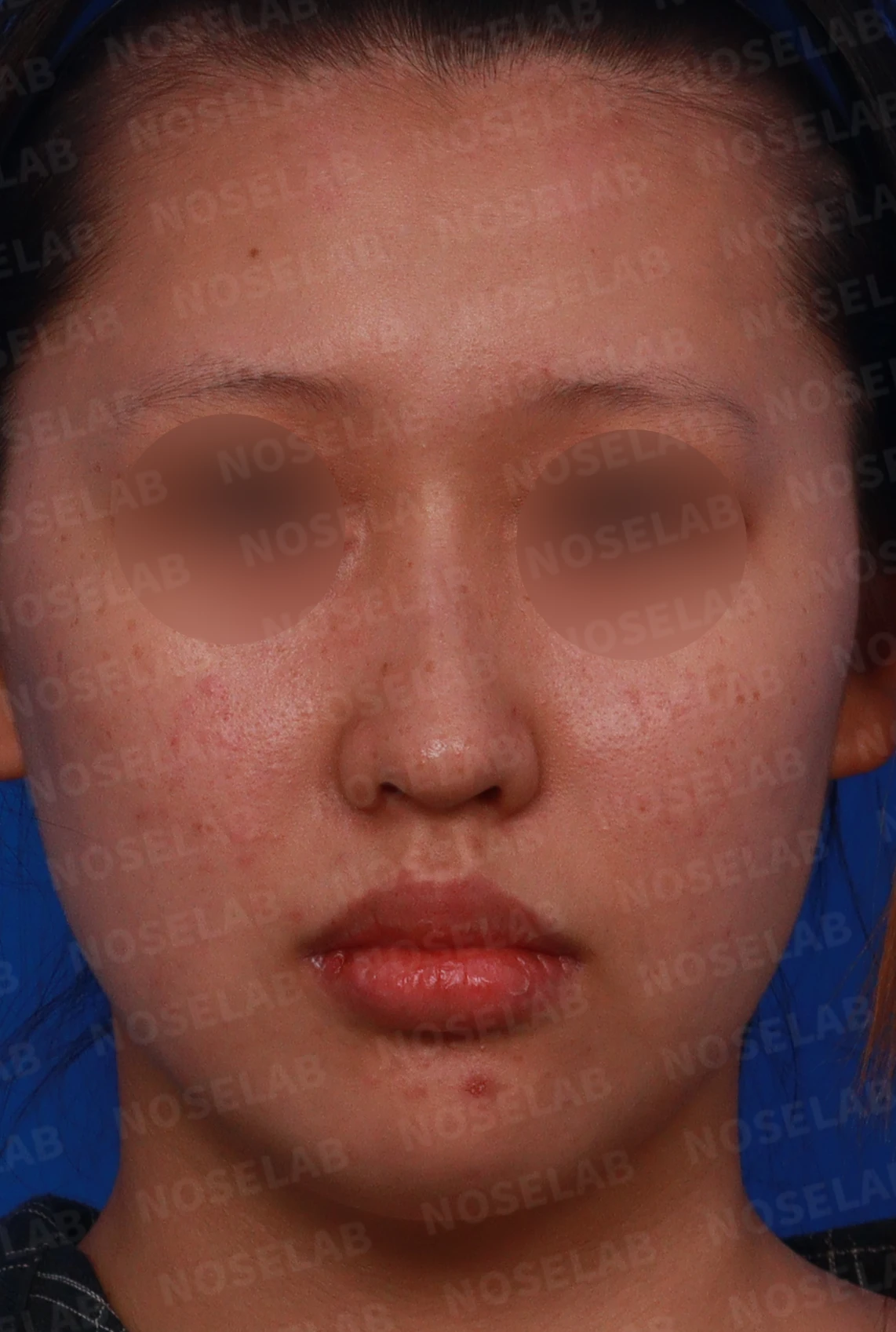
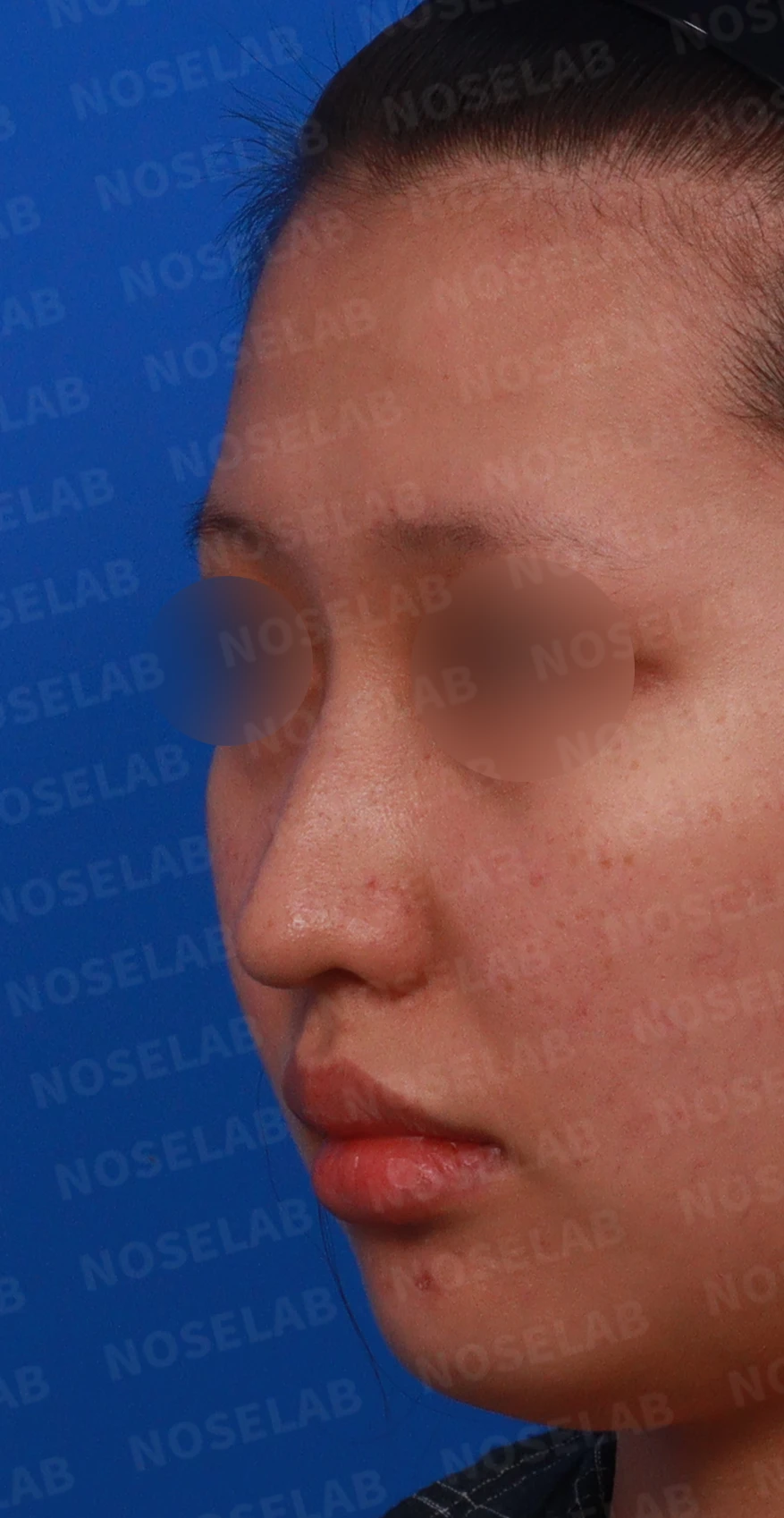
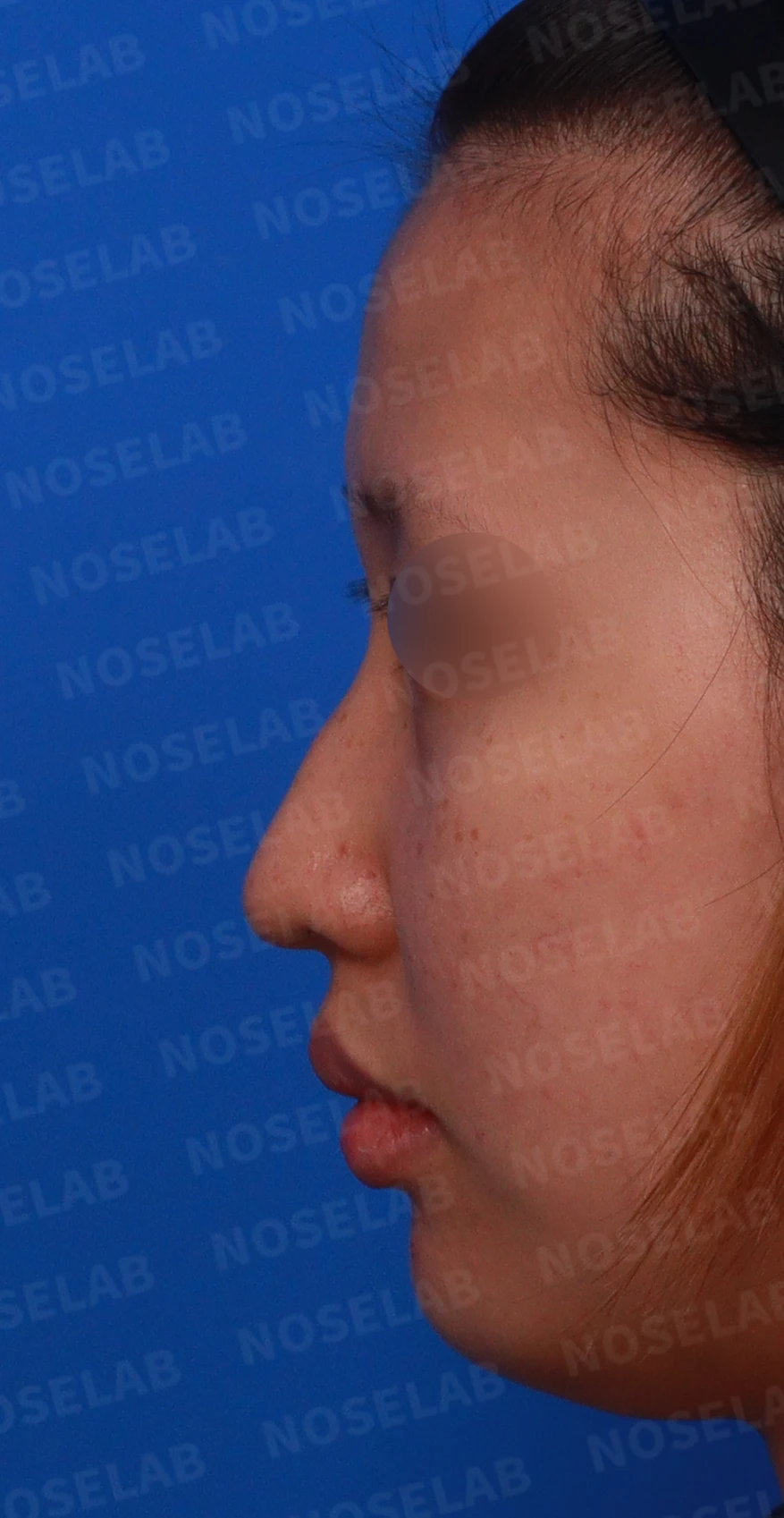
Design consultation: front, left oblique, and profile views.
Medical history:
- Symptoms of rhinitis
- Nasal obstruction symptoms (worse on the right side than the left)
- Alternating nasal congestion between both nostrils
Patient's requests
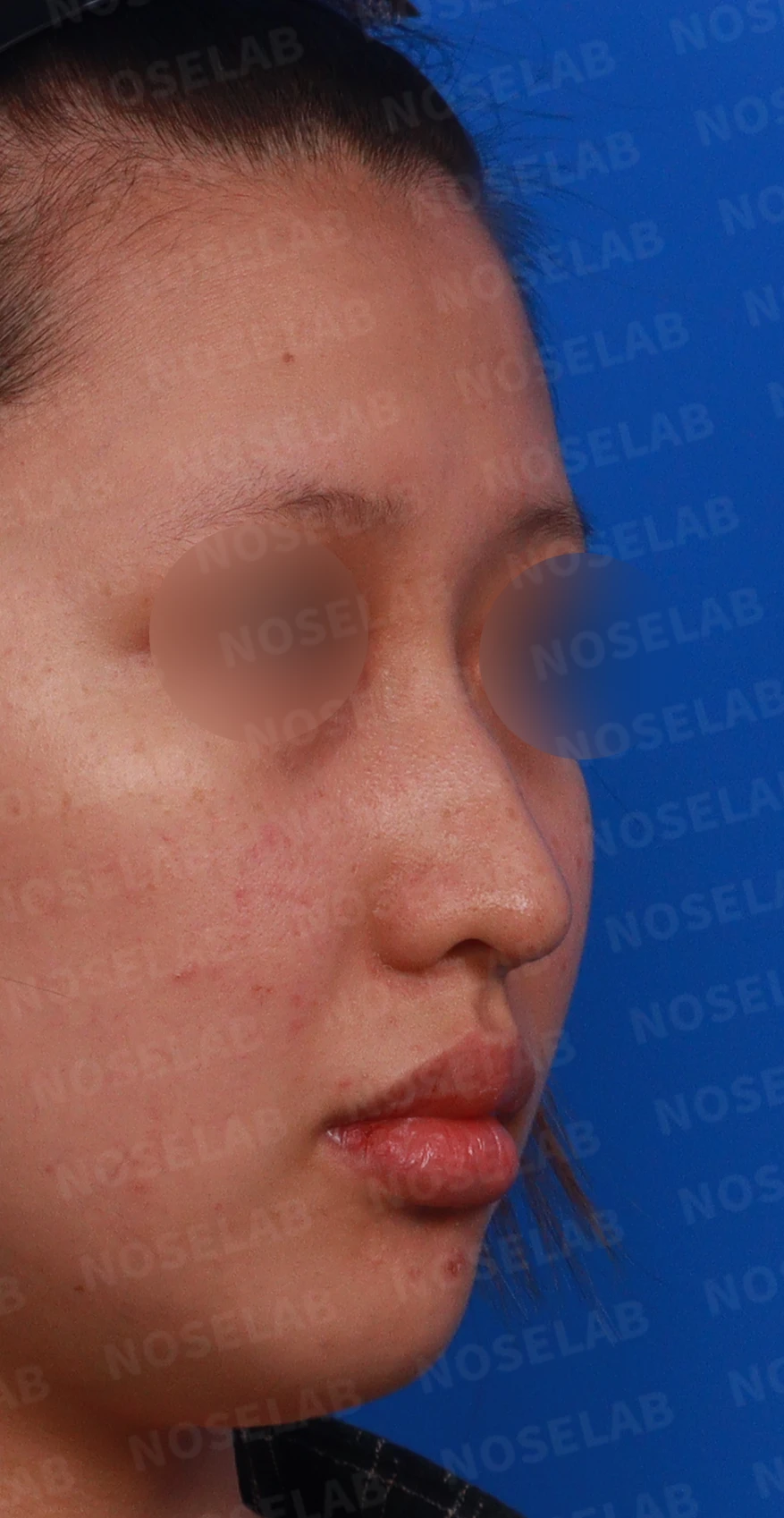
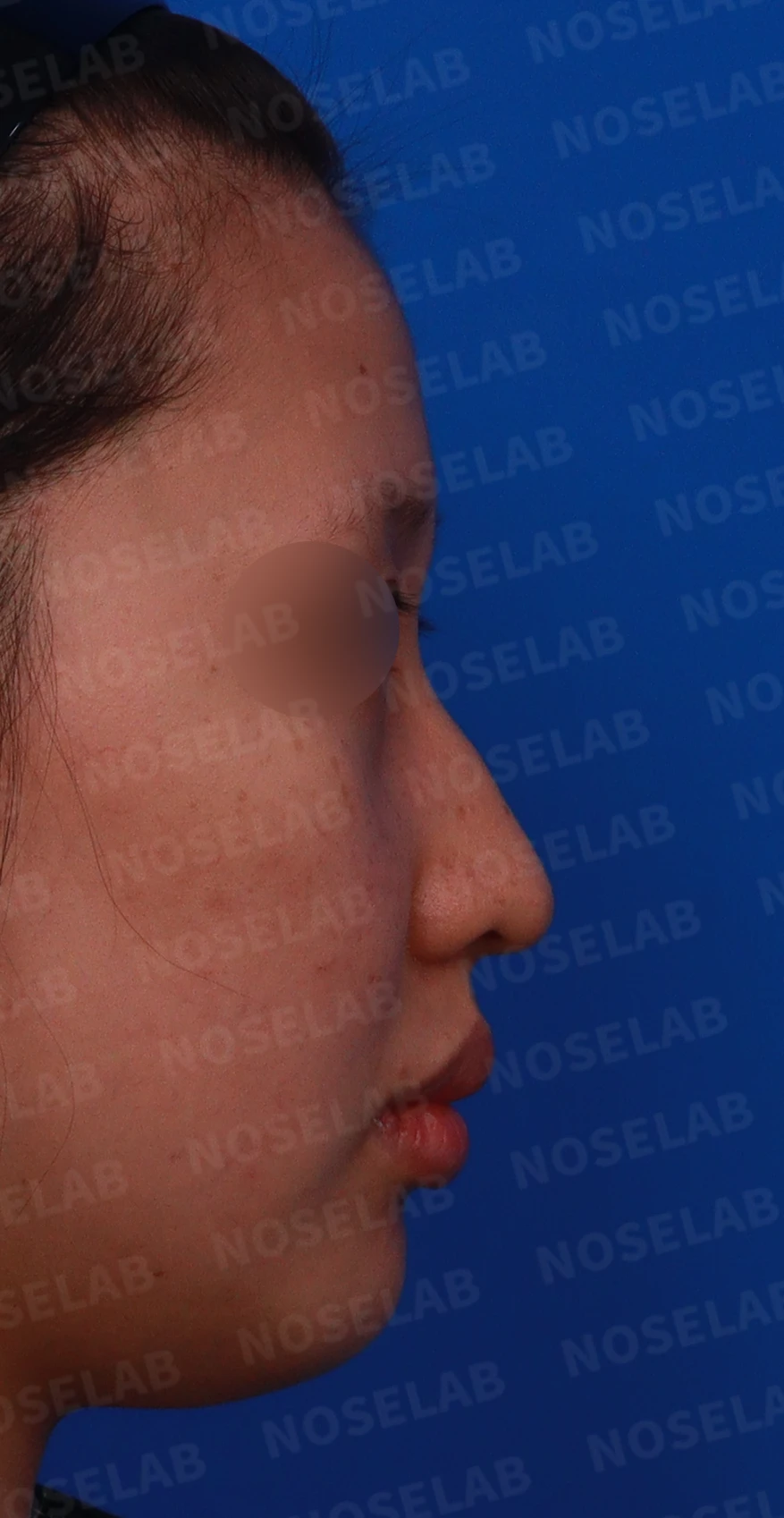
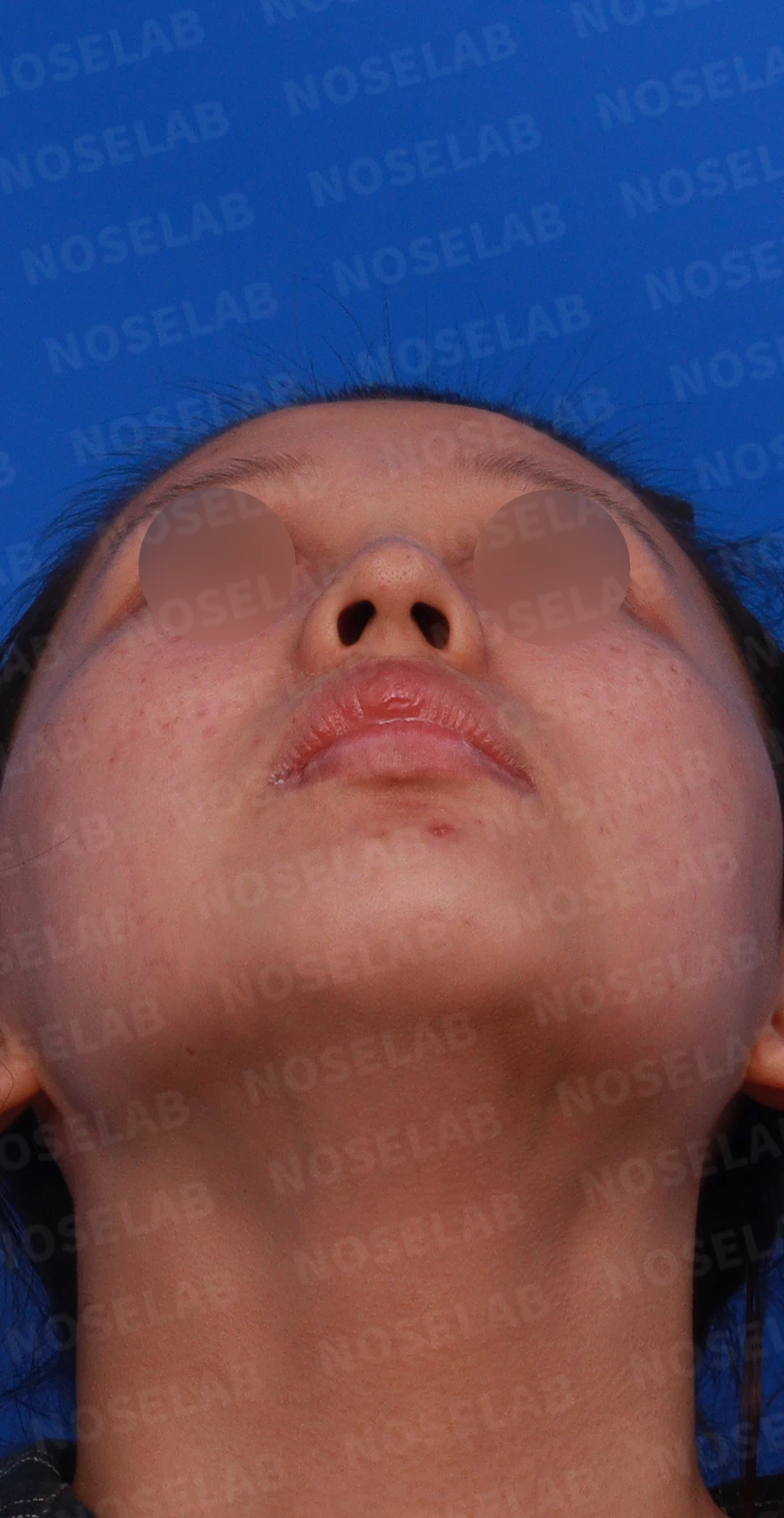
Design consultation: right oblique, profile, and nostril views.
Areas requested for improvement:
- A smooth nasal bridge through hump removal
- A balanced proportion between the nasal bridge and tip
- Correction of the drooping tip
- Comfortable with using a silicone implant
- Improvement of nasal obstruction symptoms
Surgical plan and procedure
1. Autologous rib cartilage rhinoplasty
- Creating a smooth profile after hump resection
- Optimizing the ratio between the nasal bridge and tip
- Establishing a stable framework with autologous rib cartilage
- Achieving suitable height with a combination of a silicone implant and autologous tissue
2. Nasolabial angle correction
- Adequately elevating the drooping tip
- Establishing an appropriate angle from the profile view
- Achieving a refined and well-defined nasal tip
- A profile in harmony with the overall face
3. Functional nasal surgery
- Septoplasty
- Submucosal resection of the inferior turbinate
- Relief of rhinitis symptoms
- Balancing both nasal airway passages
4. Nasal reconstruction if necessary
- Performed additionally when structural problems are severe
- Stabilizing the central axis of the nose
- Long-term functional improvement
🌟 Surgical results
1. Improvement of the dorsal hump
- Thorough removal of the protruding area
- A soft and smooth nasal bridge line
- A natural contour from both the front and profile views
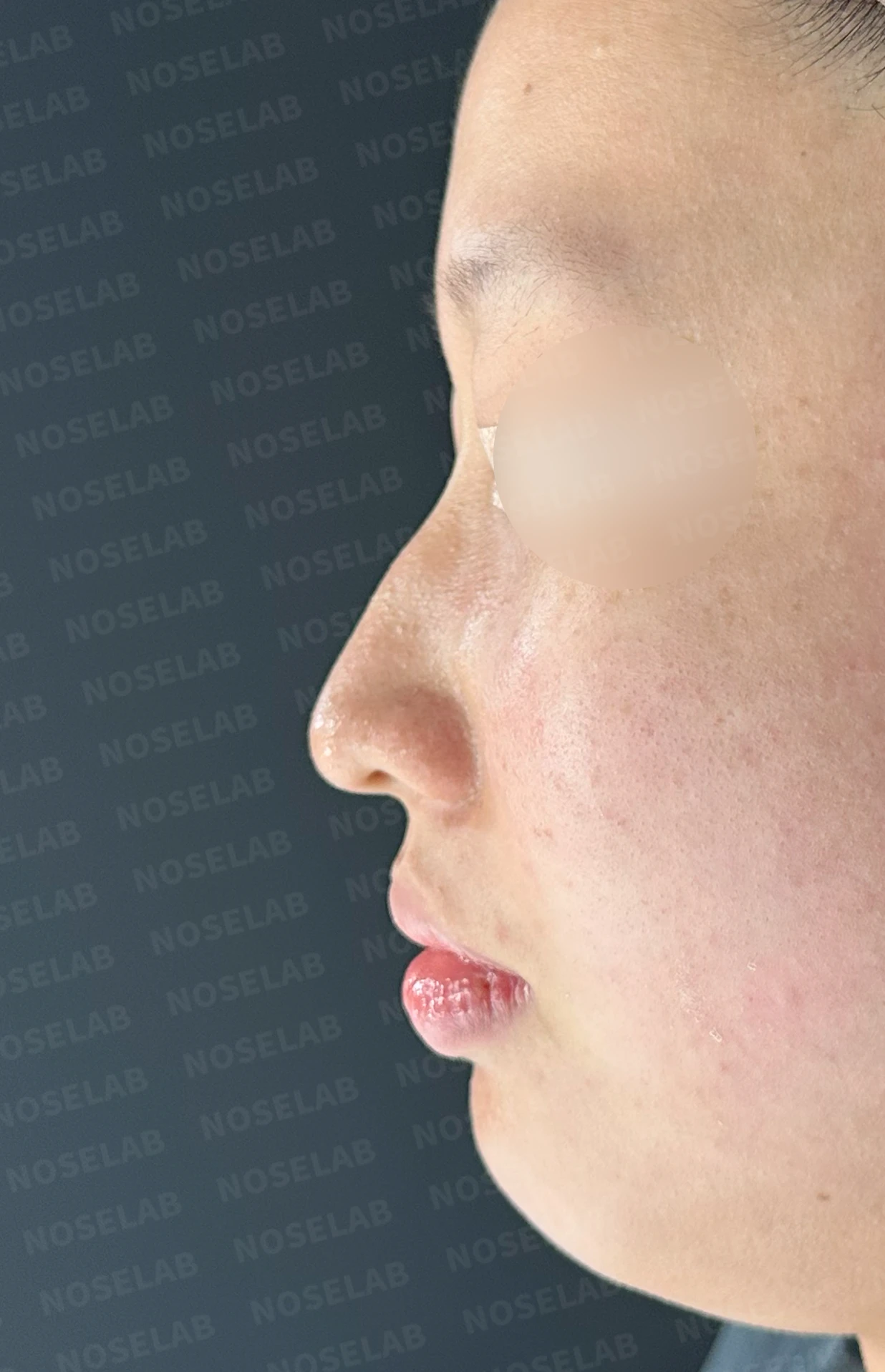
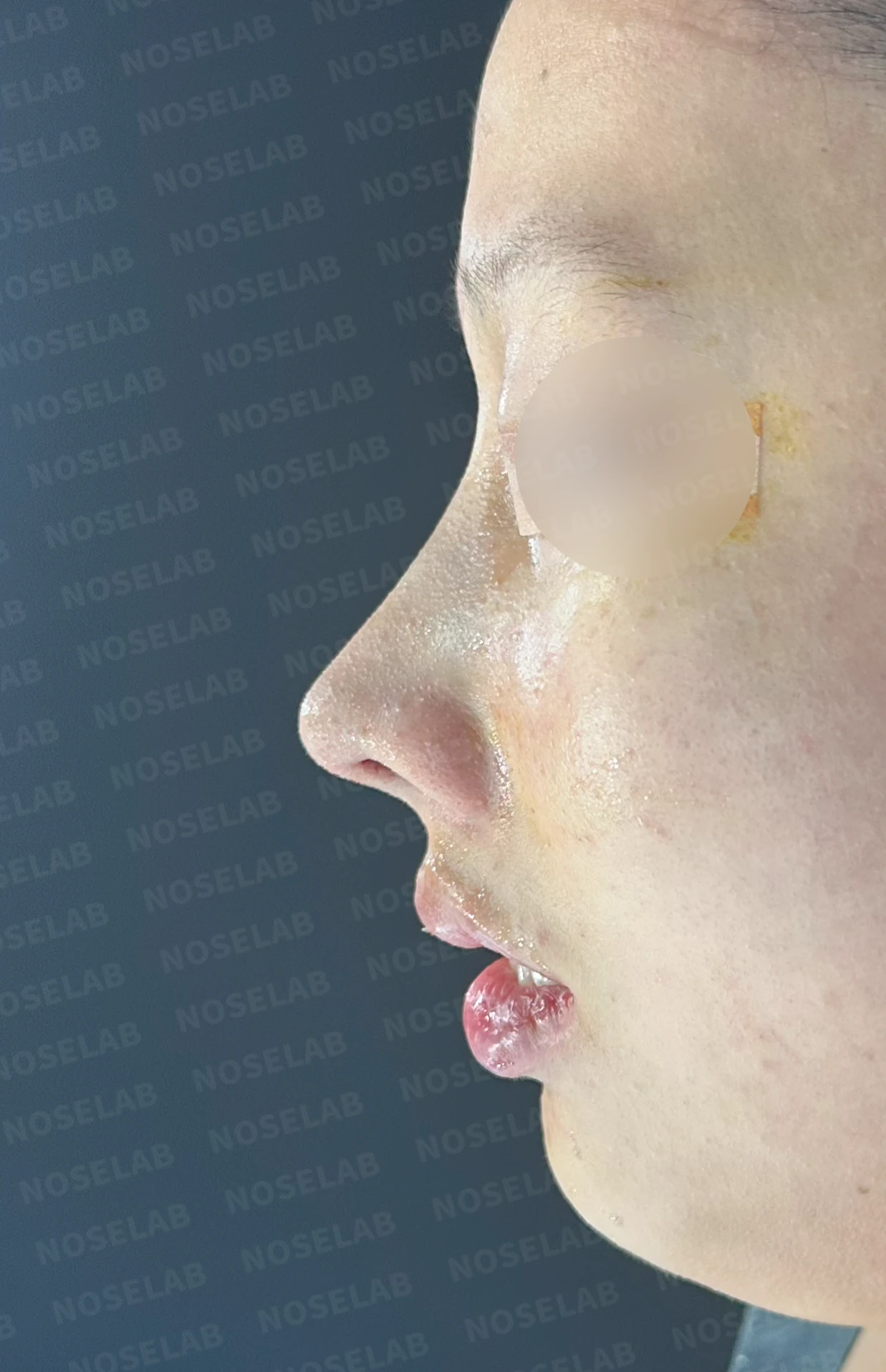
Before surgery / Day 0 immediately after surgery Photos taken immediately after surgery show swelling and may differ from the final result.
2. Balanced proportions
- Achieving a harmonious proportion between the nasal bridge and tip
- Overall harmonious nasal contour
- A size that complements the face well
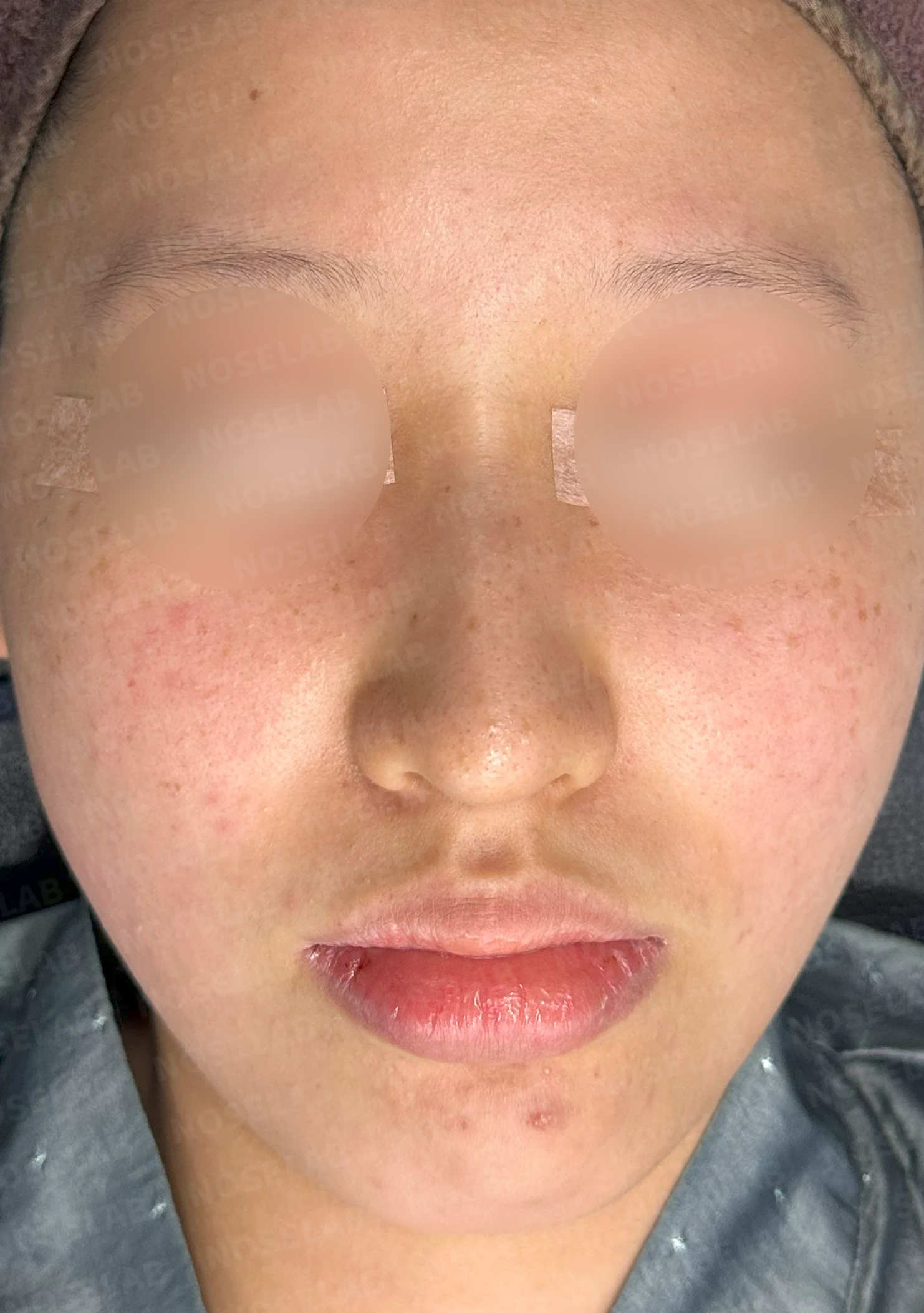
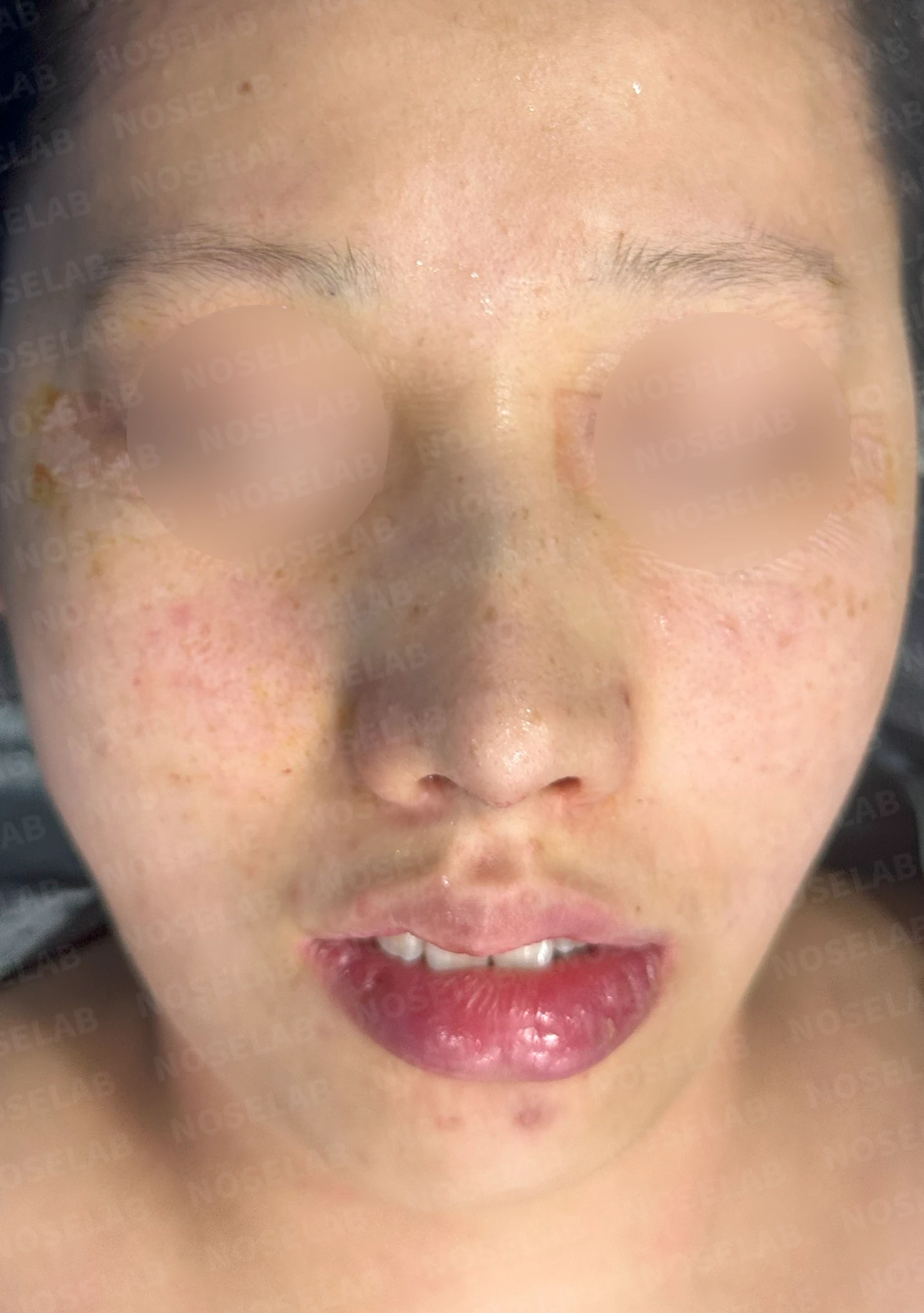
Before surgery / Day 0 immediately after surgery Photos taken immediately after surgery show swelling and may differ from the final result.
3. Nasal tip correction
- Proper elevation of the drooping tip
- A defined and refined appearance
- A youthful, refreshed look
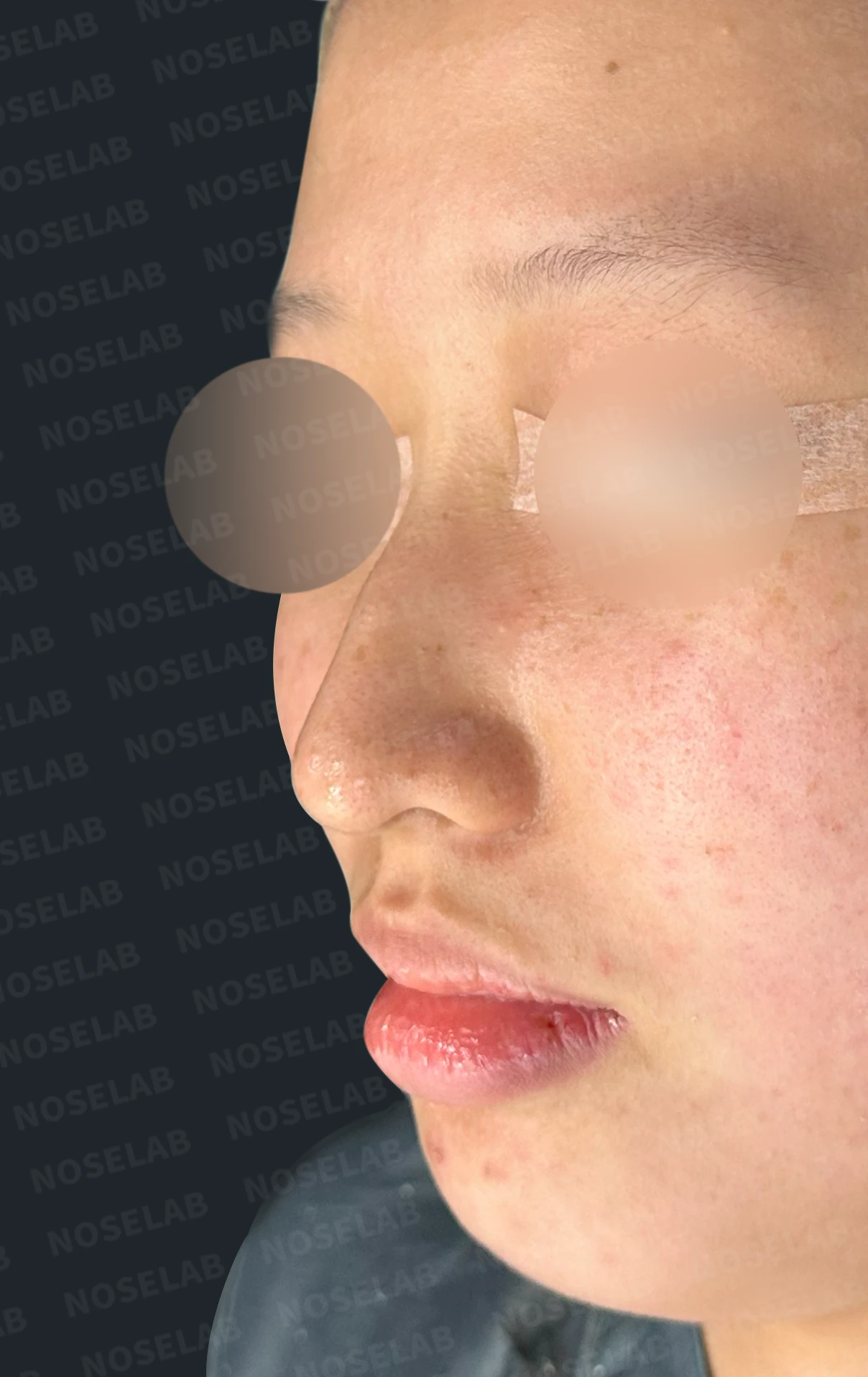
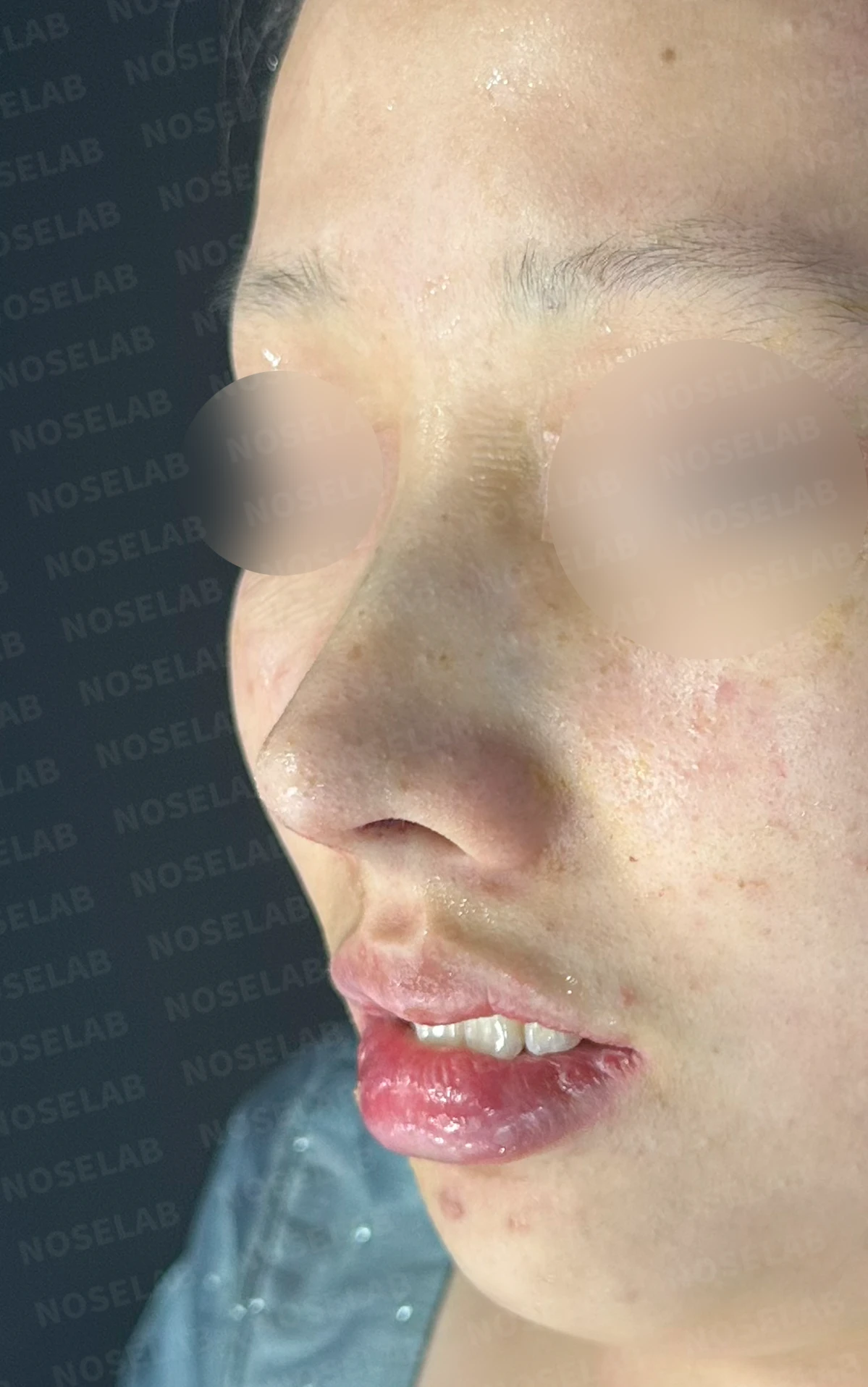
Before surgery / Day 0 immediately after surgery Photos taken immediately after surgery show swelling and may differ from the final result.
4. Functional improvement
- Substantial reduction in nasal obstruction symptoms
- Comfortable breathing through both sides
- Improvement in sleep quality
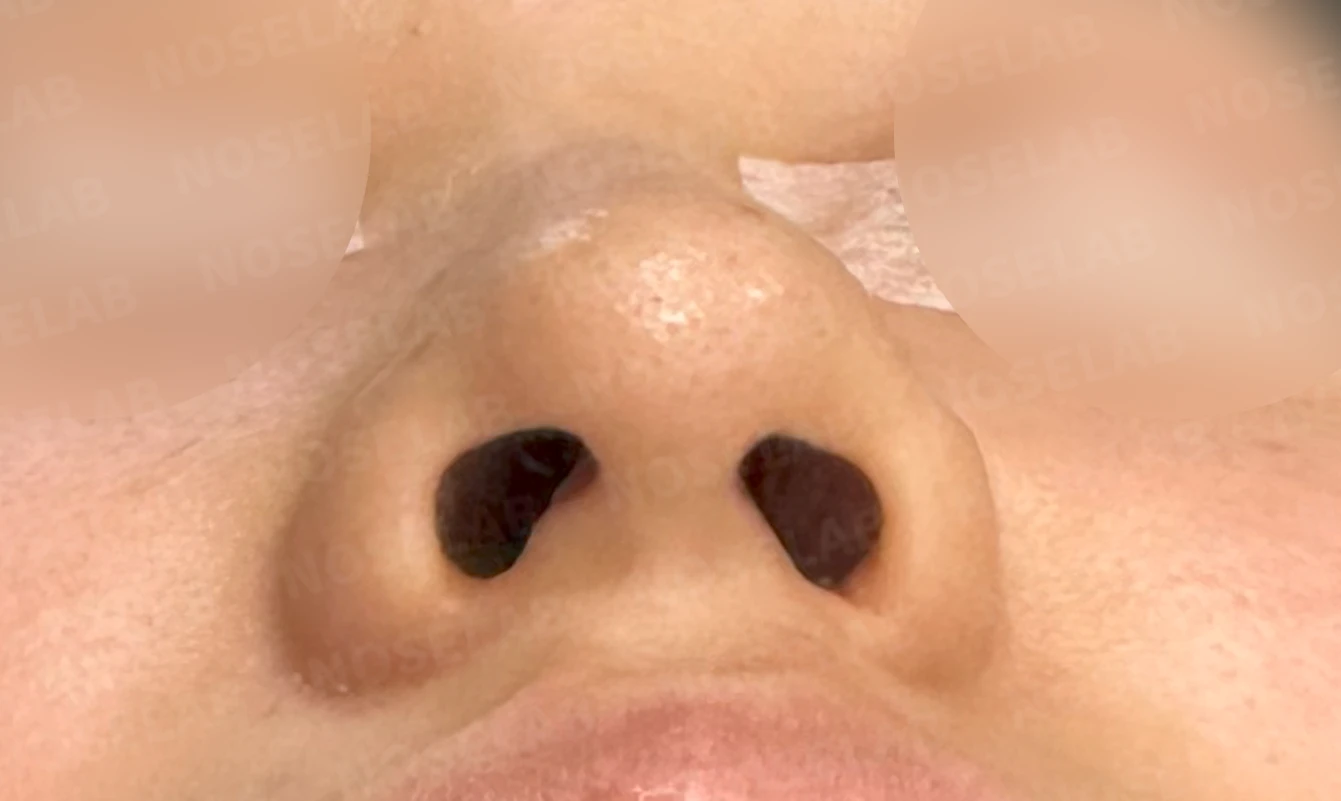
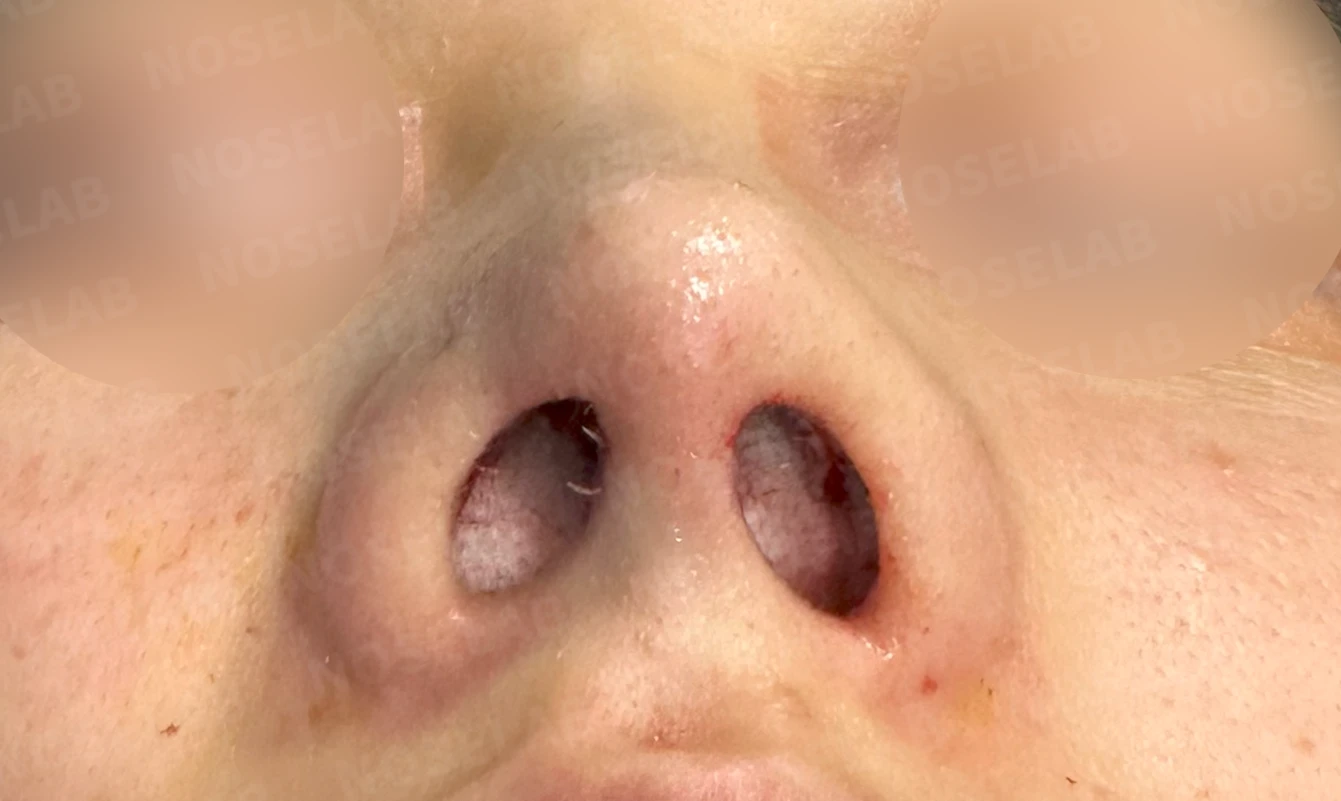
Before surgery / Day 0 immediately after surgery Photos taken immediately after surgery show swelling and may differ from the final result.
💡 Specialist opinion
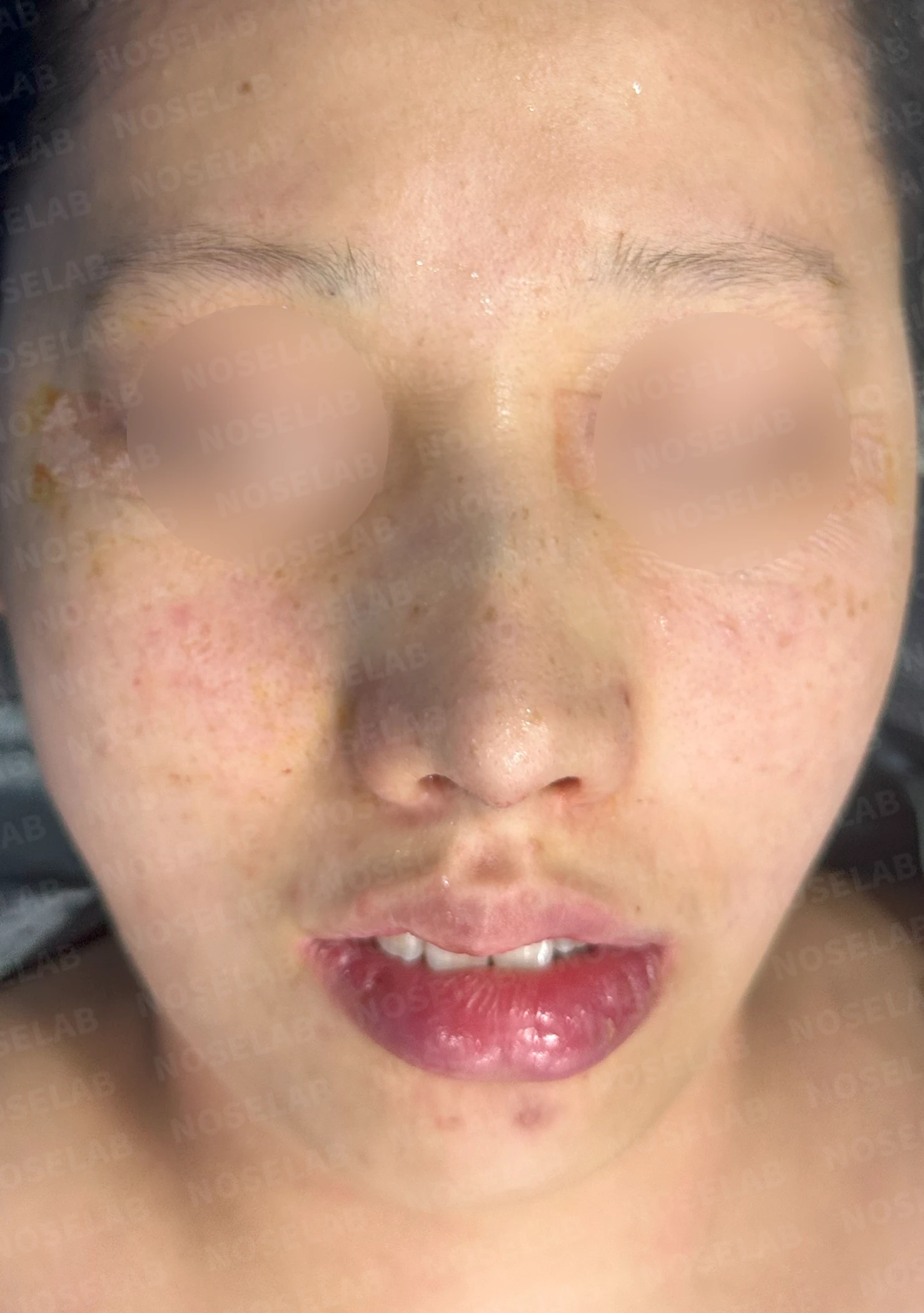
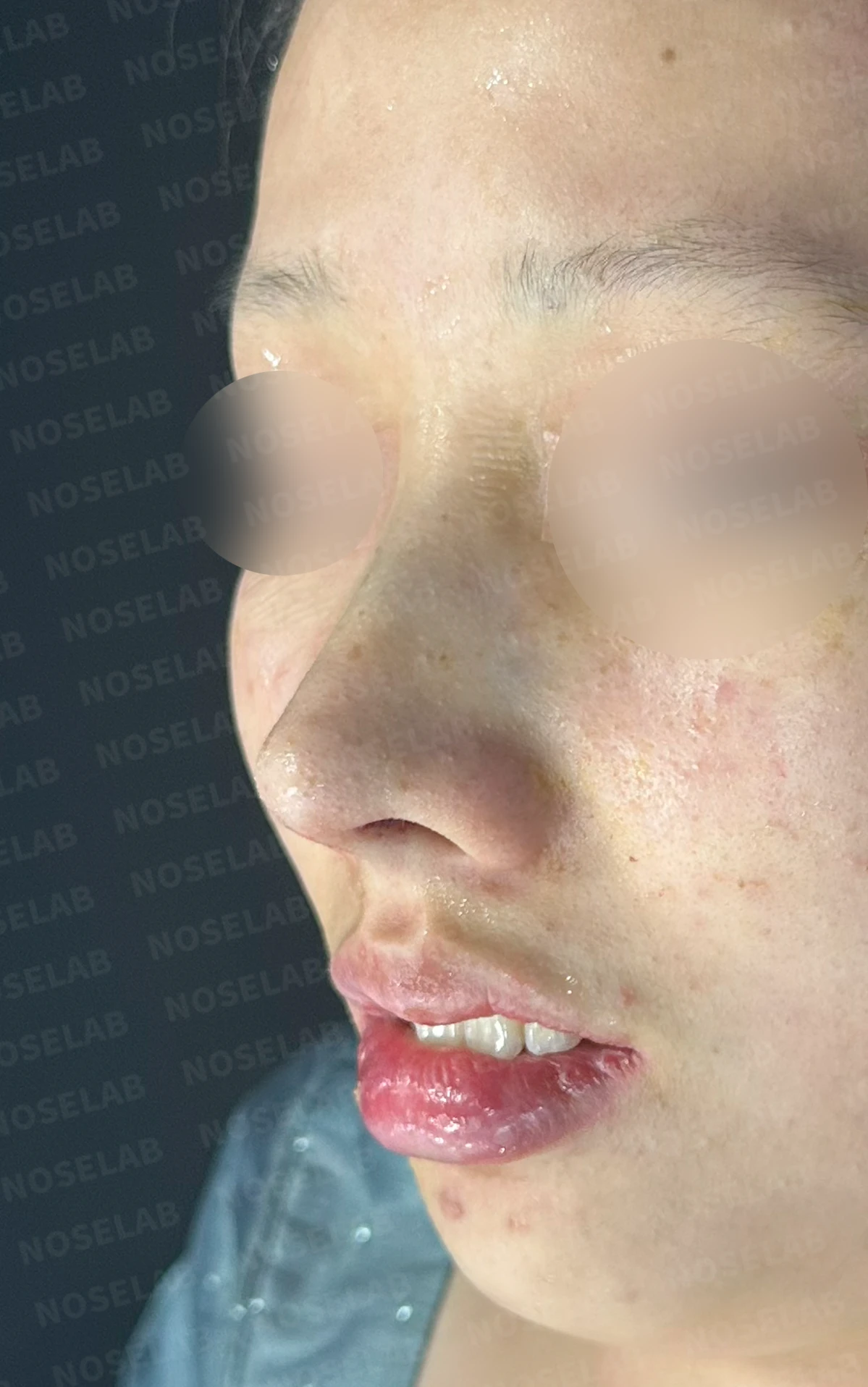
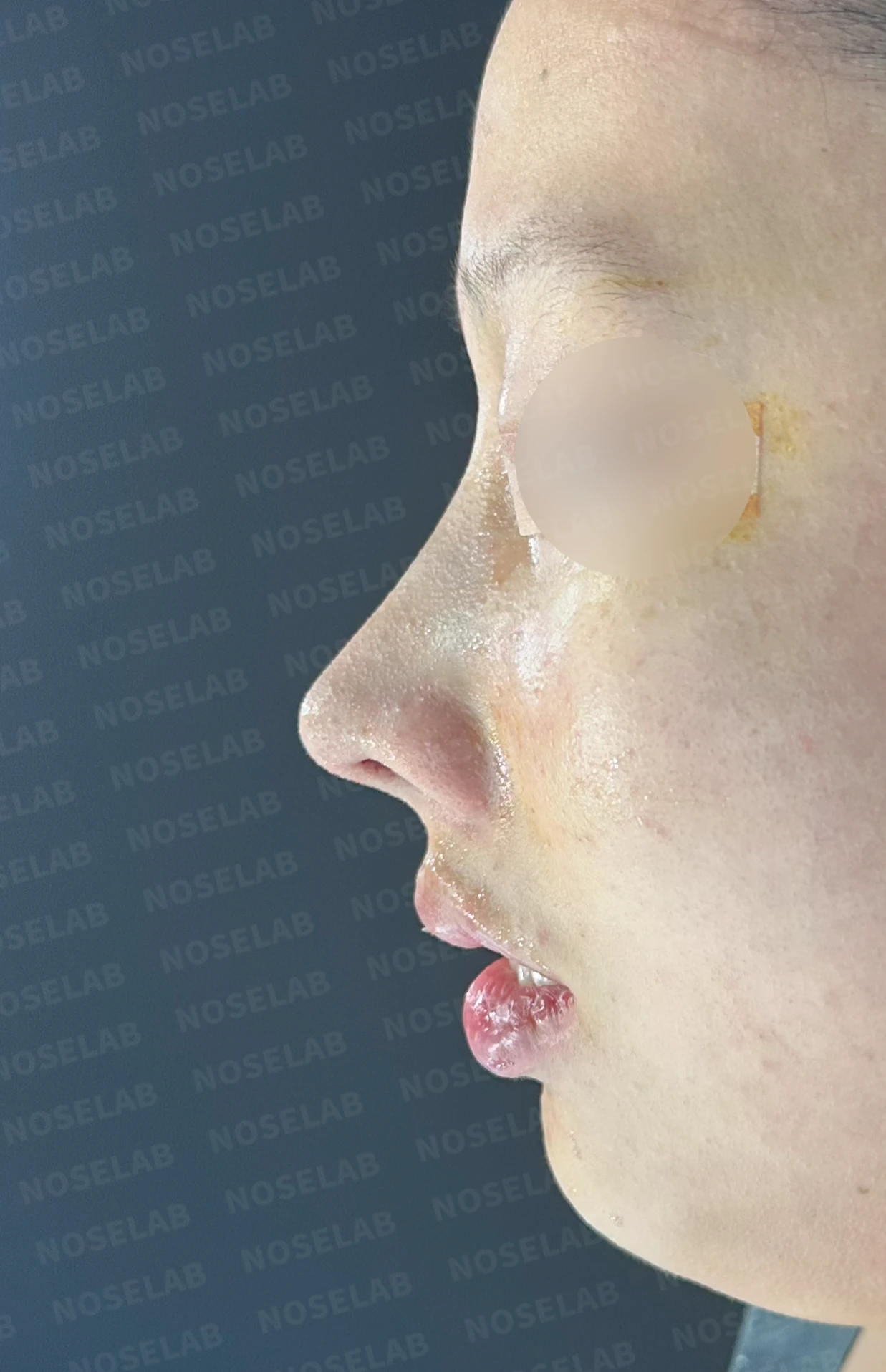
Immediately after surgery (day 0): front, oblique, and profile views. Immediate postoperative photos show swelling and may differ from the final result.
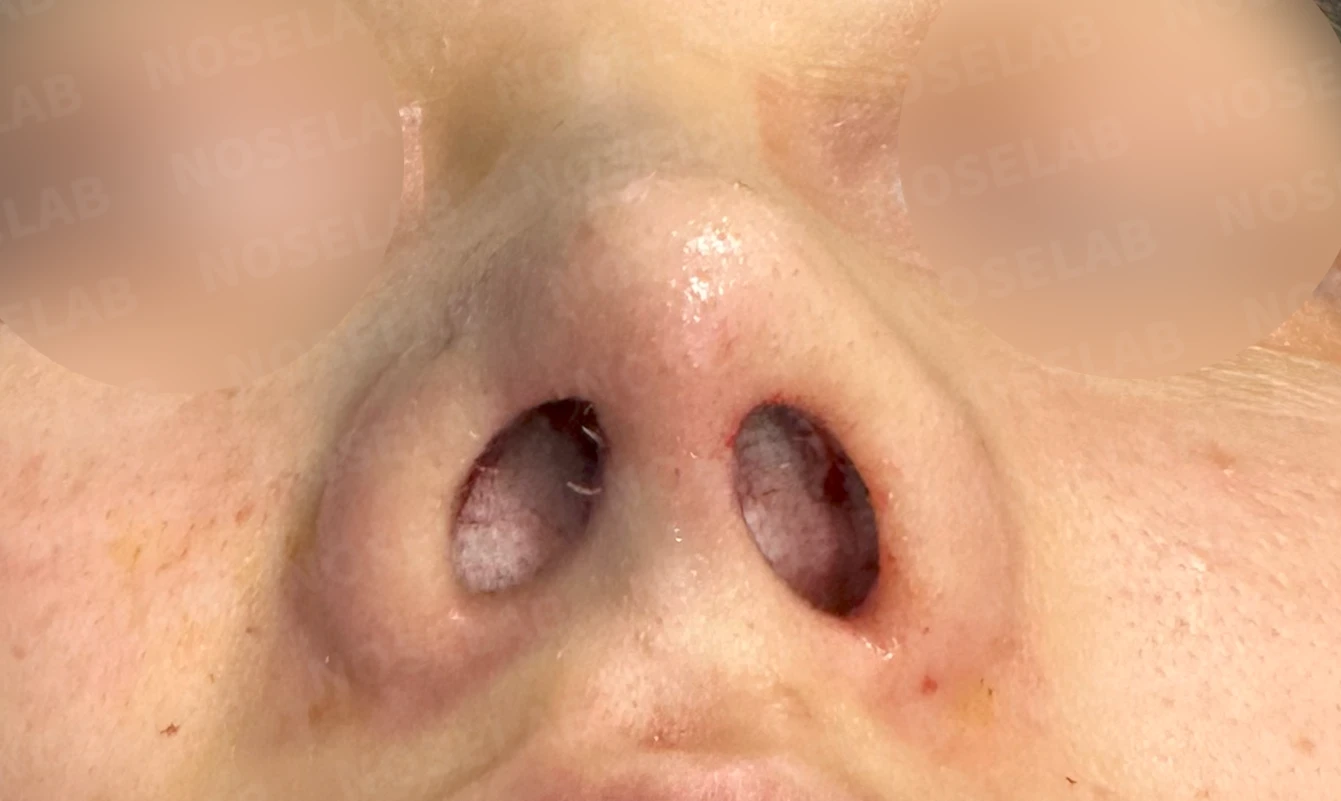
Nostril view on day 0 immediately after surgery. Photos taken immediately after surgery show swelling and may differ from the final result.
Addressing a dorsal hump is not simply about removing the protruding portion; the overall balance of the nose must be considered. After the hump is removed, the nasal bridge can appear lower, so an appropriate height adjustment is required. Because this patient had no aversion to using a silicone implant, we combined silicone with autologous rib cartilage to achieve a suitable height and shape.
The proportion between the nasal bridge and the nasal tip is a critical element in rhinoplasty. If only the bridge or only the tip is elevated, the outcome can appear unnatural; therefore, balancing both areas is key. We thoroughly analyzed the patient's facial proportions to determine and apply the most fitting balance.
A drooping tip can create an aged or tired impression. By elevating the nasal tip through nasolabial angle correction, the appearance can become more youthful and vibrant. Elevating it excessively can lead to excessive nostril show, so finding the proper angle is essential.
More severe nasal obstruction on the right side suggested a high likelihood that the septum was deviated toward the left. Through septal correction and inferior turbinate reduction, the airway space in both nasal cavities was balanced to allow comfortable breathing.
Achieving both aesthetic and functional improvements simultaneously is the ideal approach to rhinoplasty. At NOSELAB, we will continue to provide surgical care that prioritizes both beauty and health for every patient.
This was Dr. Peter C. Kang. Thank you.
#closedrhinoplasty #dorsalhumpcorrection #droopingtipcorrection #autologousribcartilage #nasolabialanglecorrection #functionalrhinoplasty #rhinitissurgery #nasalobstructionimprovement #septoplasty

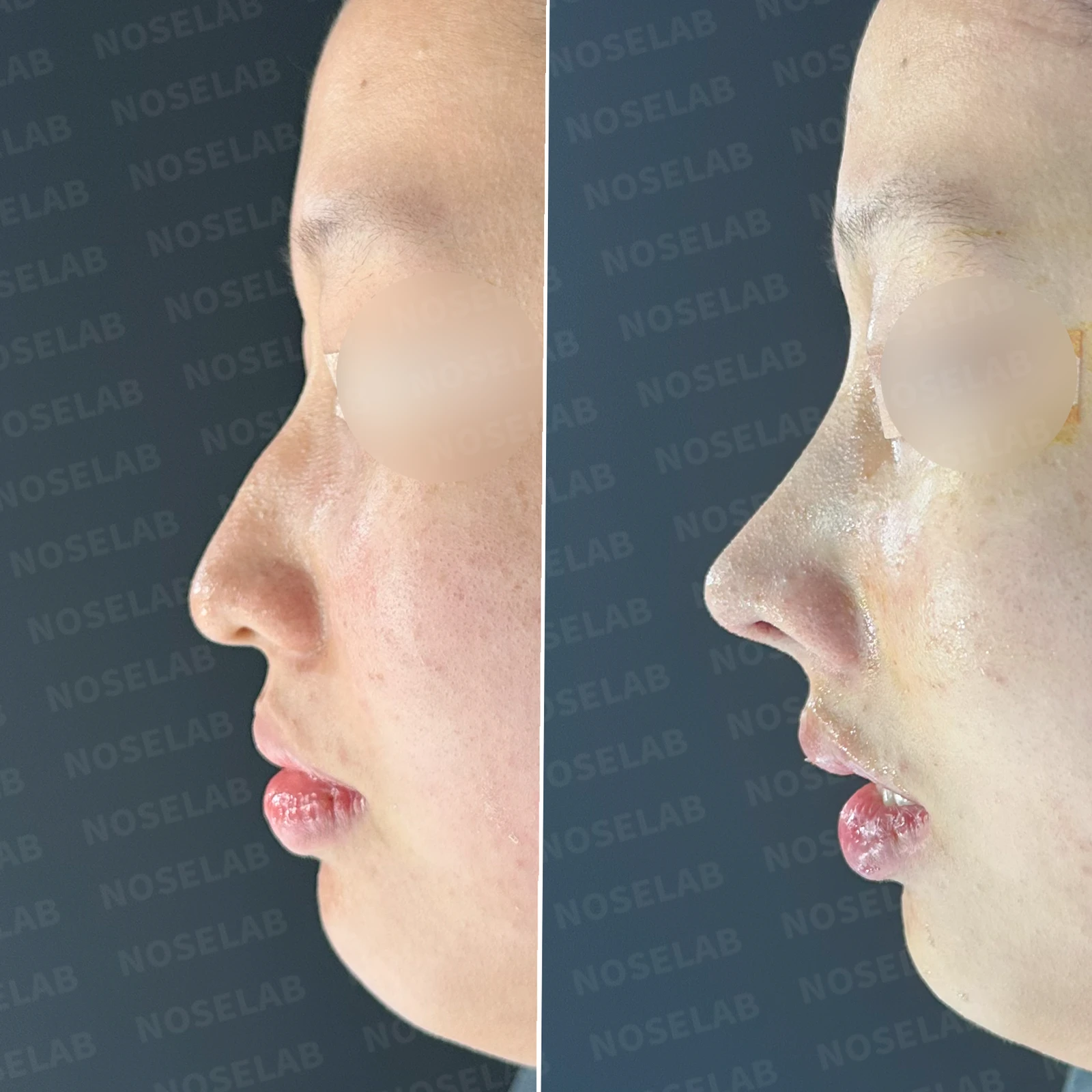
Limitations and risks
When autologous rib cartilage is used, scarring and pain may remain at the donor site on the chest, and pneumothorax (pleural injury) can occur rarely. Over time, the grafted cartilage may warp or undergo partial resorption.
When the septum is corrected at the same time, nasal obstruction may persist or recur, and in rare cases, septal perforation or changes in smell may occur.
Common potential risks include infection, bleeding, asymmetry, scarring, skin necrosis, and insufficient improvement; results vary depending on individual skin condition and previous surgical history.