Hello, I am Dr. Peter C. Kang.
Today, I would like to introduce a revision rhinoplasty case of a patient who visited us to correct a thick columella and an upturned nose.
In particular, this case involved a complex history of multiple prior surgeries, inflammation, and repeated use of autologous rib cartilage, requiring a meticulous approach.
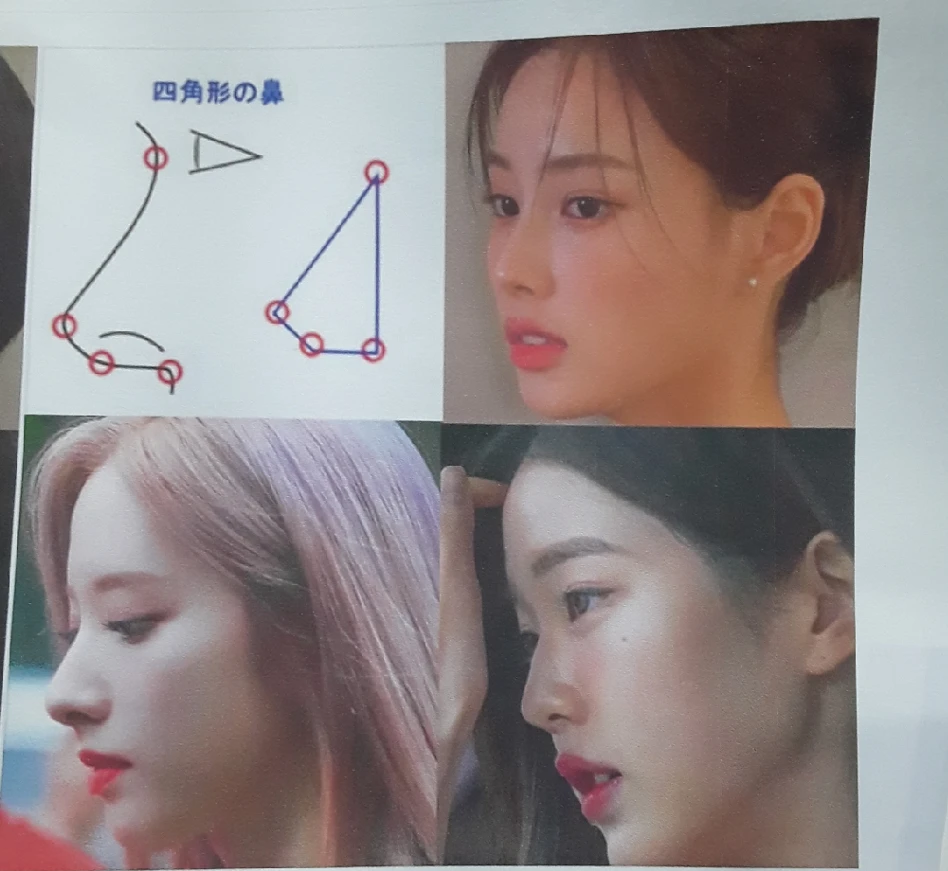
Desired image requested by the patient

🔍 Preoperative condition
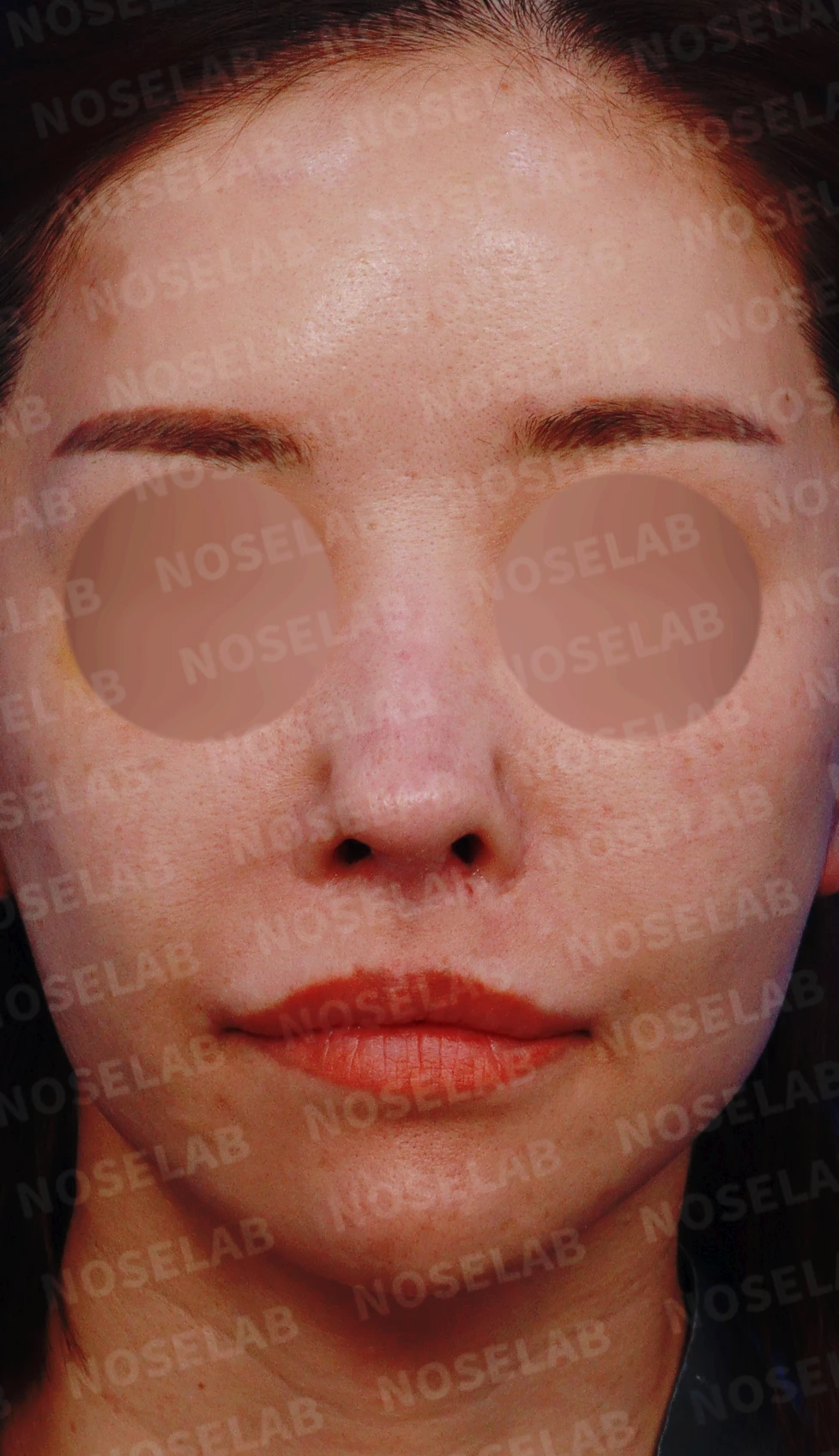
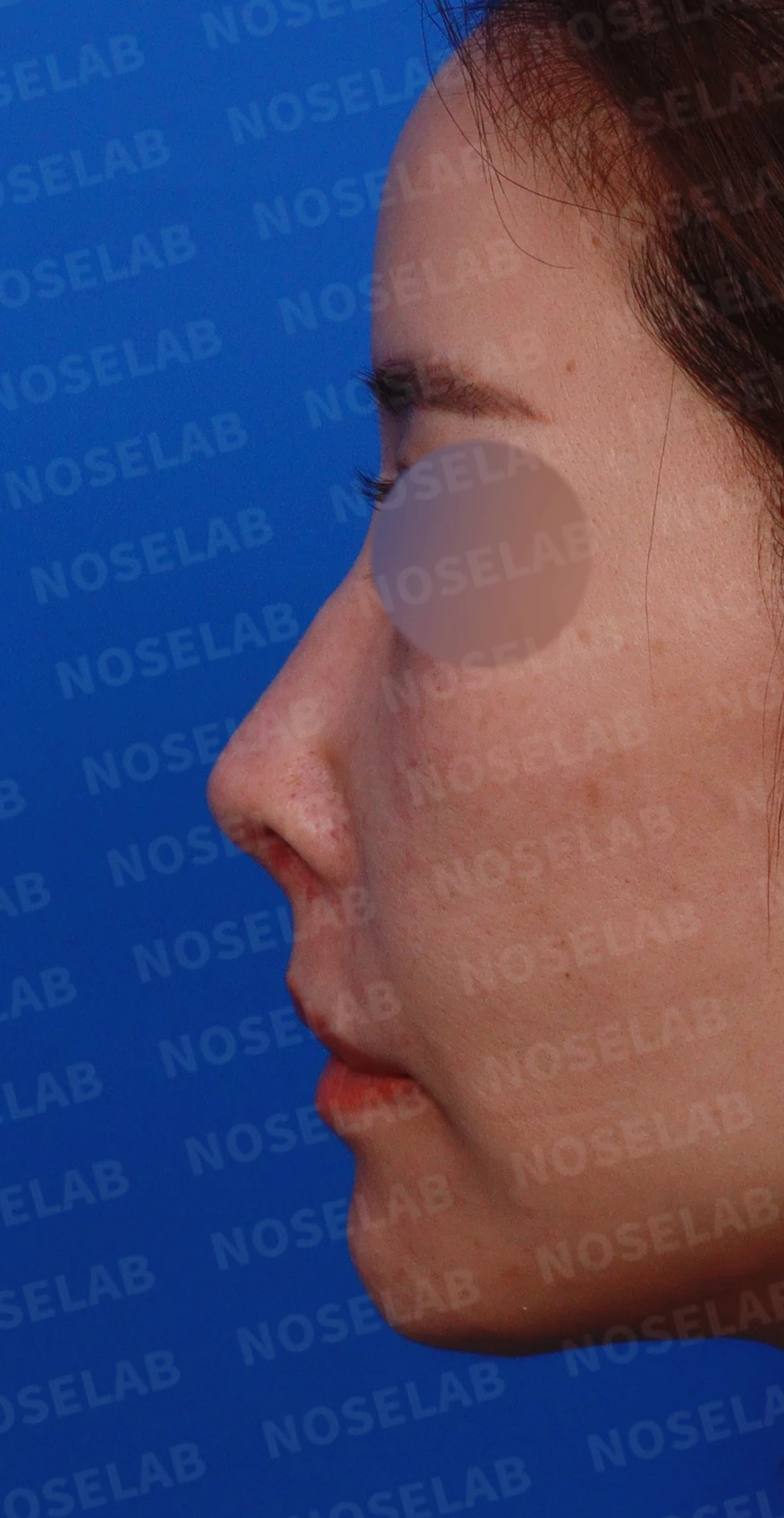
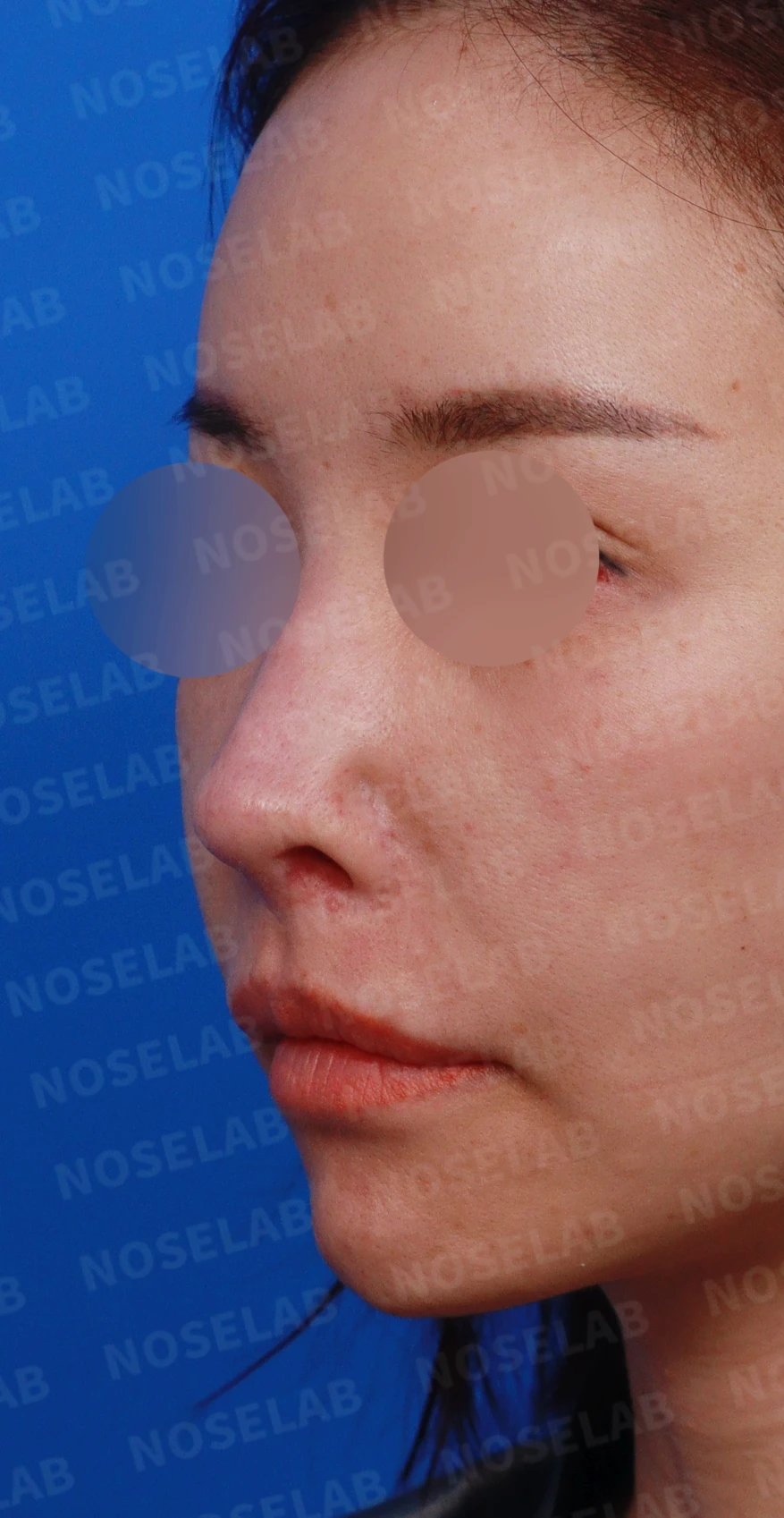
Front, left profile, and oblique views during design consultation.
Front view
Bulbous and wide nose
Pinched appearance on both sides
Excessive nostril show
Nostril asymmetry
2. Profile view
Upturned nose
Obtuse nasolabial angle
Uneven nasal bridge
Unnatural nasal line
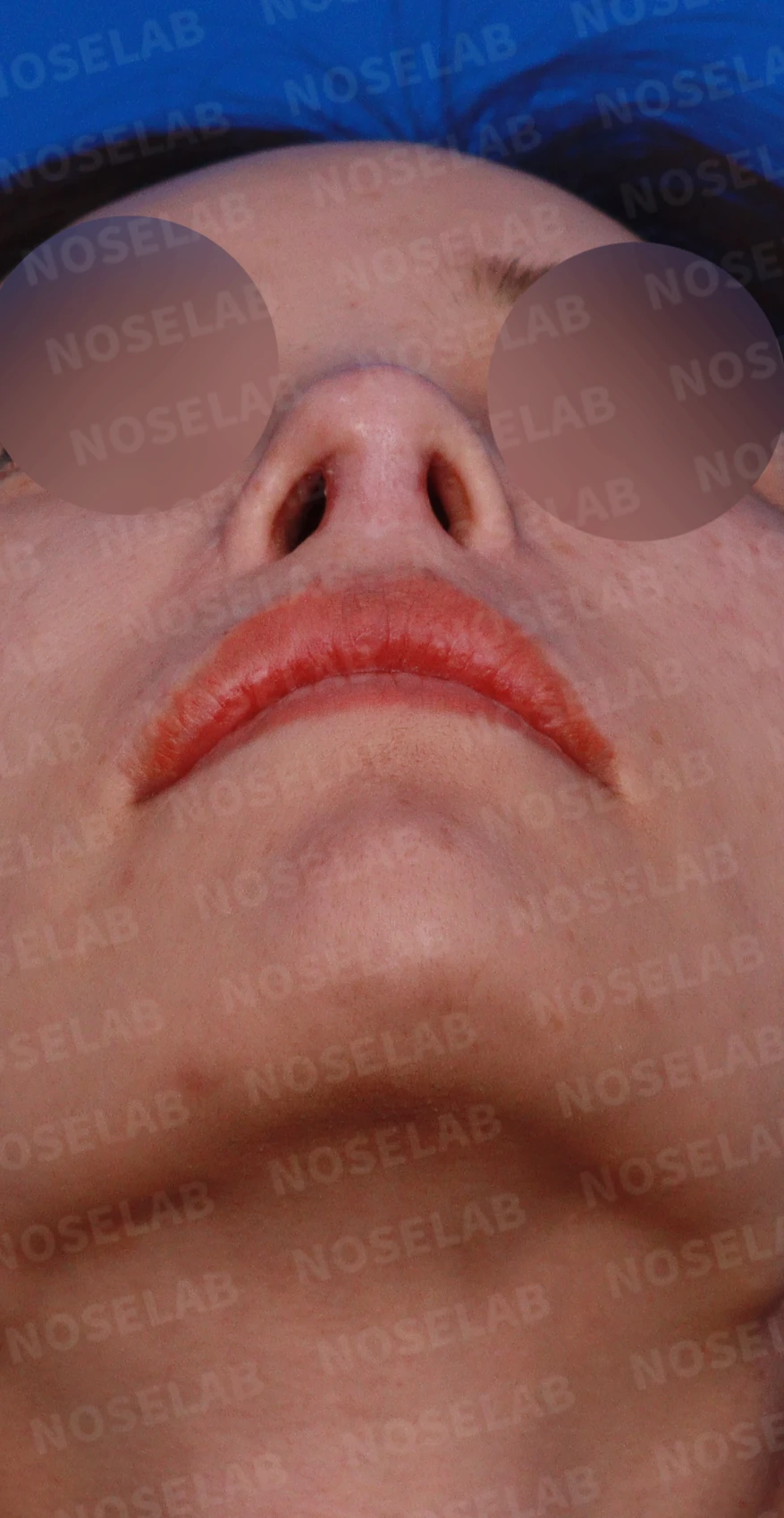
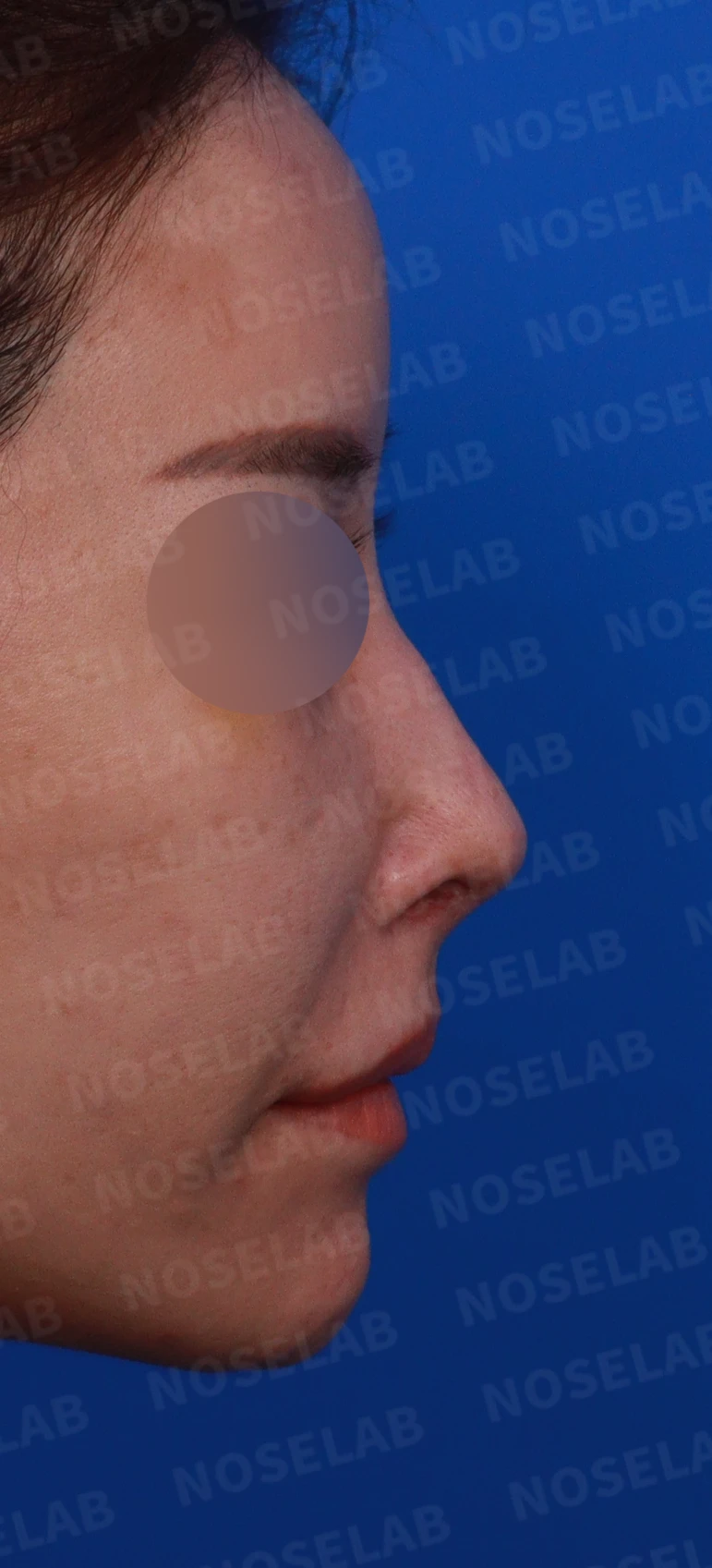
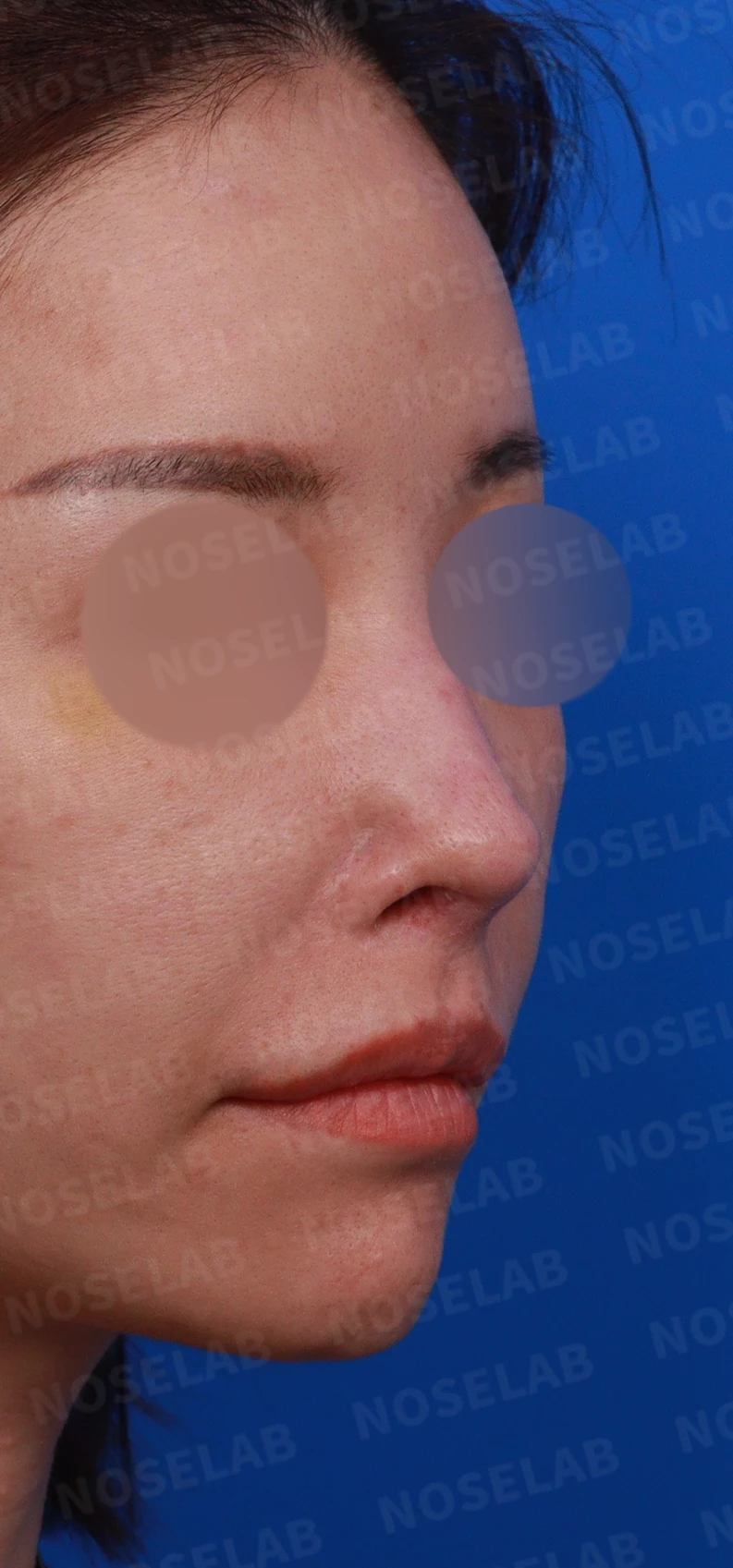
Design consultation photos showing nostril base, right profile, and oblique views.
3. Nostrils
Severe asymmetry
Thick columella
Smaller nostrils
Unnatural nostril shape
💉 Intraoperative findings and notable observations
During surgery, the following severe conditions were identified:
Severe septal cartilage damage with almost no normal structure remaining
Lower lateral cartilages almost completely lost
Substantial amount of scar tissue and foreign material present on the nasal dorsum
Partial resorption of previous autologous rib cartilage
In particular, chest X-rays revealed extensive calcification in the bilateral rib cartilage. Considering that autologous rib cartilage had already been harvested twice from the right side, the left rib cartilage with the least calcification was carefully selected and safely harvested.
🔧 Surgical procedure details
Structural reconstruction
Complete reconstruction of the damaged septum using autologous rib cartilage
Reconstruction and reinforcement of the lower lateral cartilages
Application of cartilage repositioning and cartilage suturing
Reduction of columellar width
2. Foreign material and scar management
Complete removal of existing contracted tissue
Removal of remaining foreign material
Improvement of stretched skin
Normalization of columellar thickness
3. Functional improvement
Correction of deviated septum
Concurrent rhinitis surgery
Additional treatment to improve nasal obstruction
🌟 Detailed analysis of surgical results
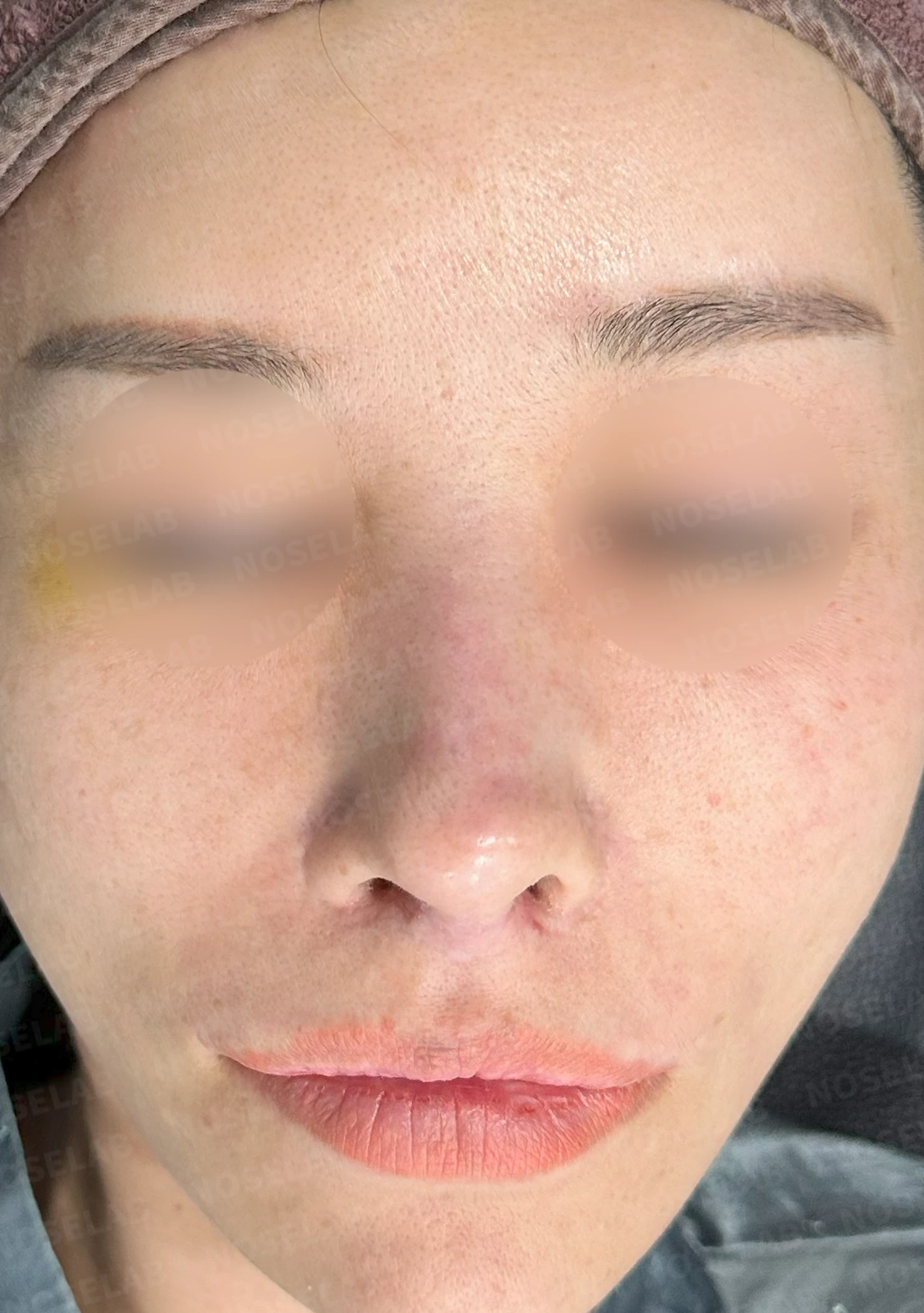
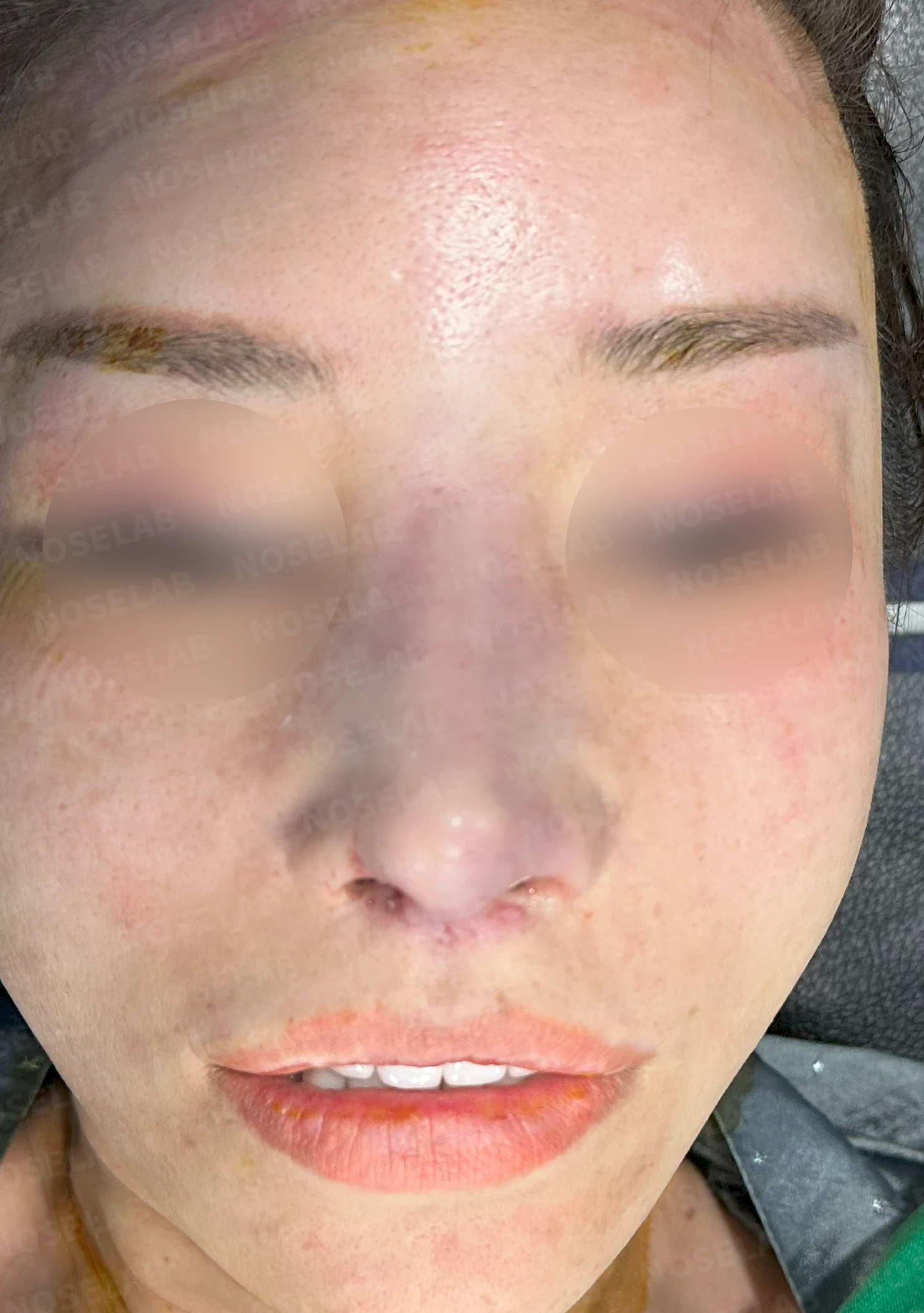
Before surgery / Day 0 immediately after surgery Photos taken immediately after surgery show swelling and may differ from the final result.
Front view improvement
Natural correction of the previously flared appearance
Correction of excessive nostril show
Correction of nostril asymmetry
Resolution of bilateral pinched appearance
Improved overall balance
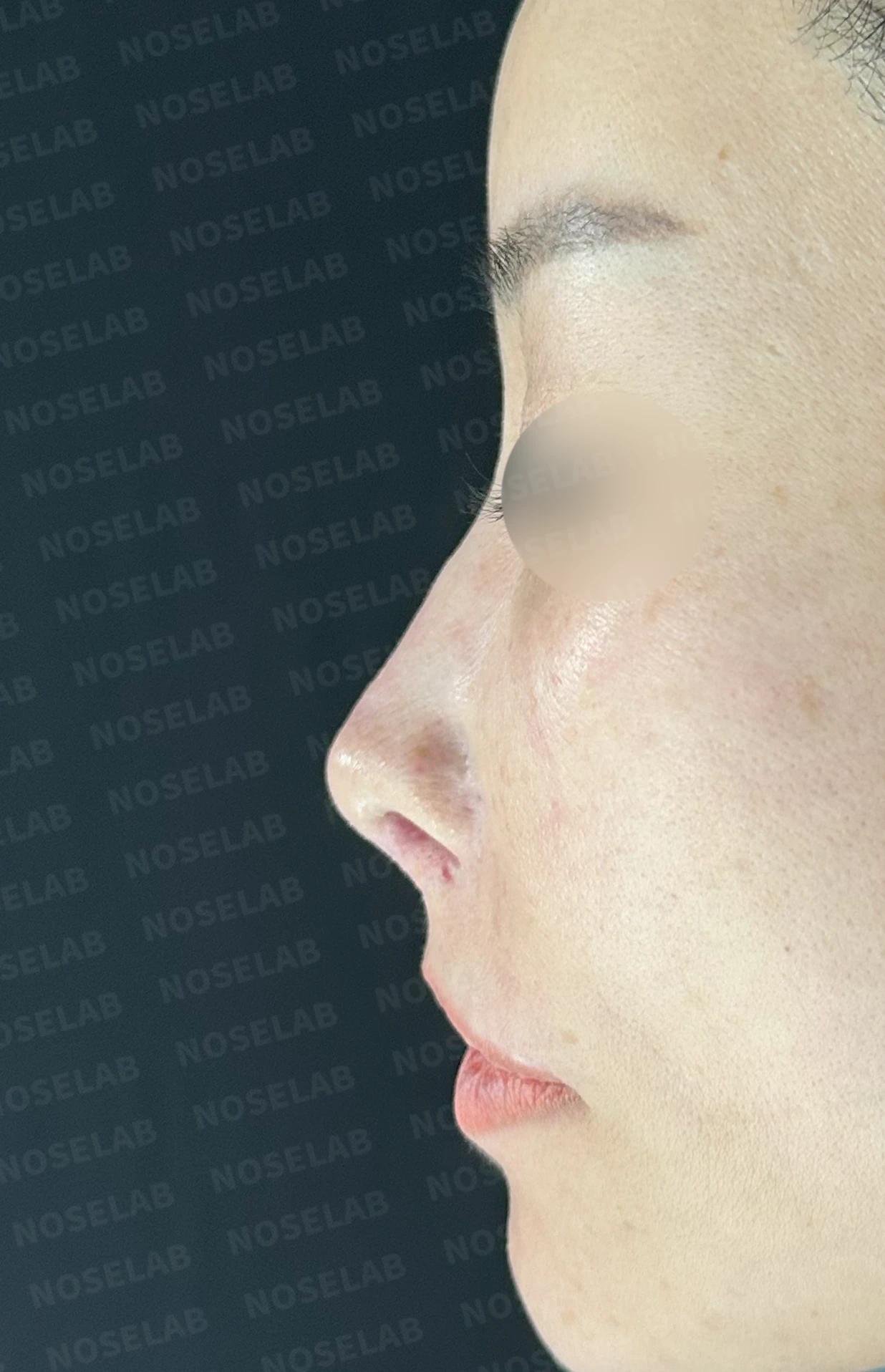
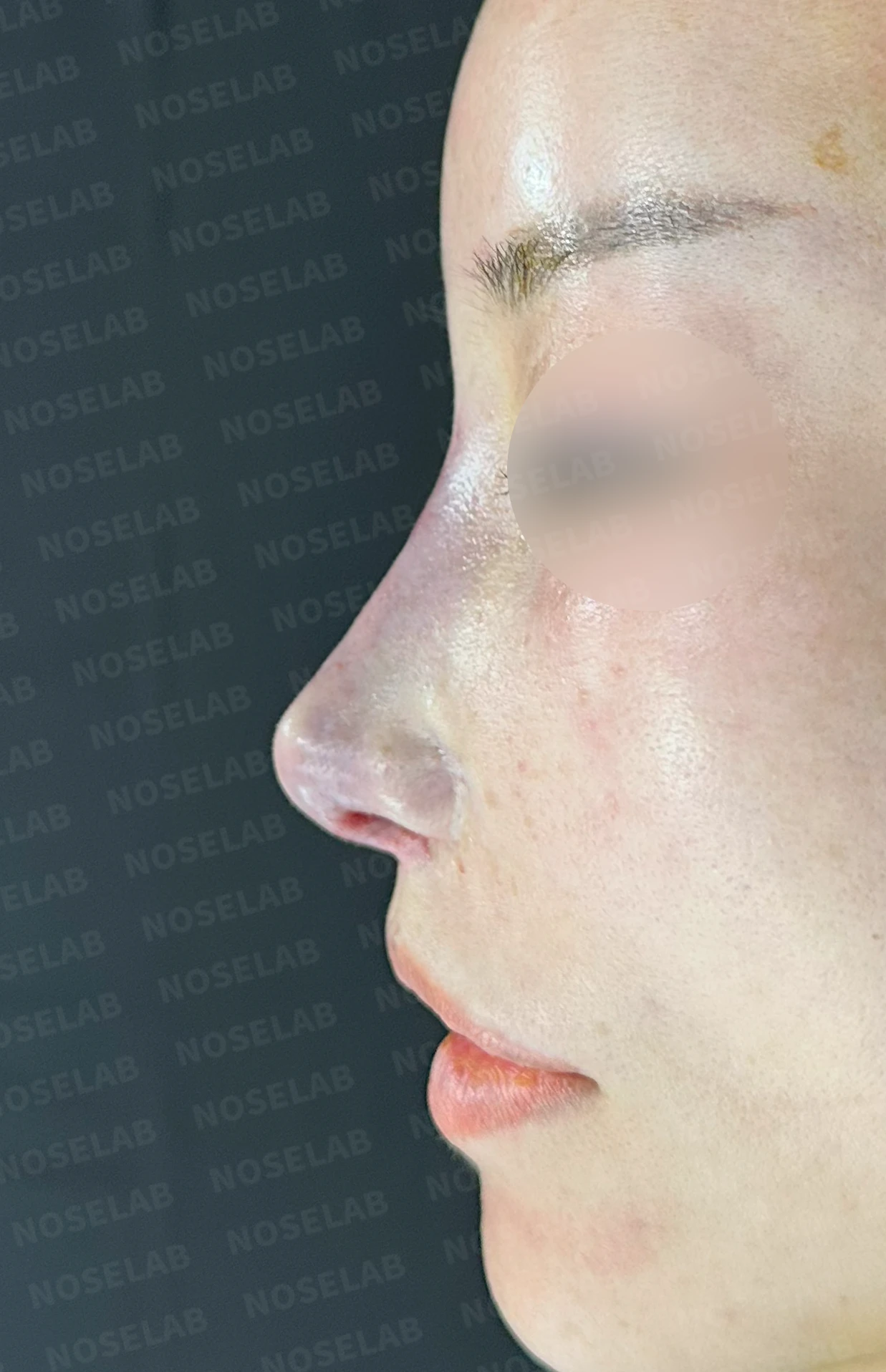
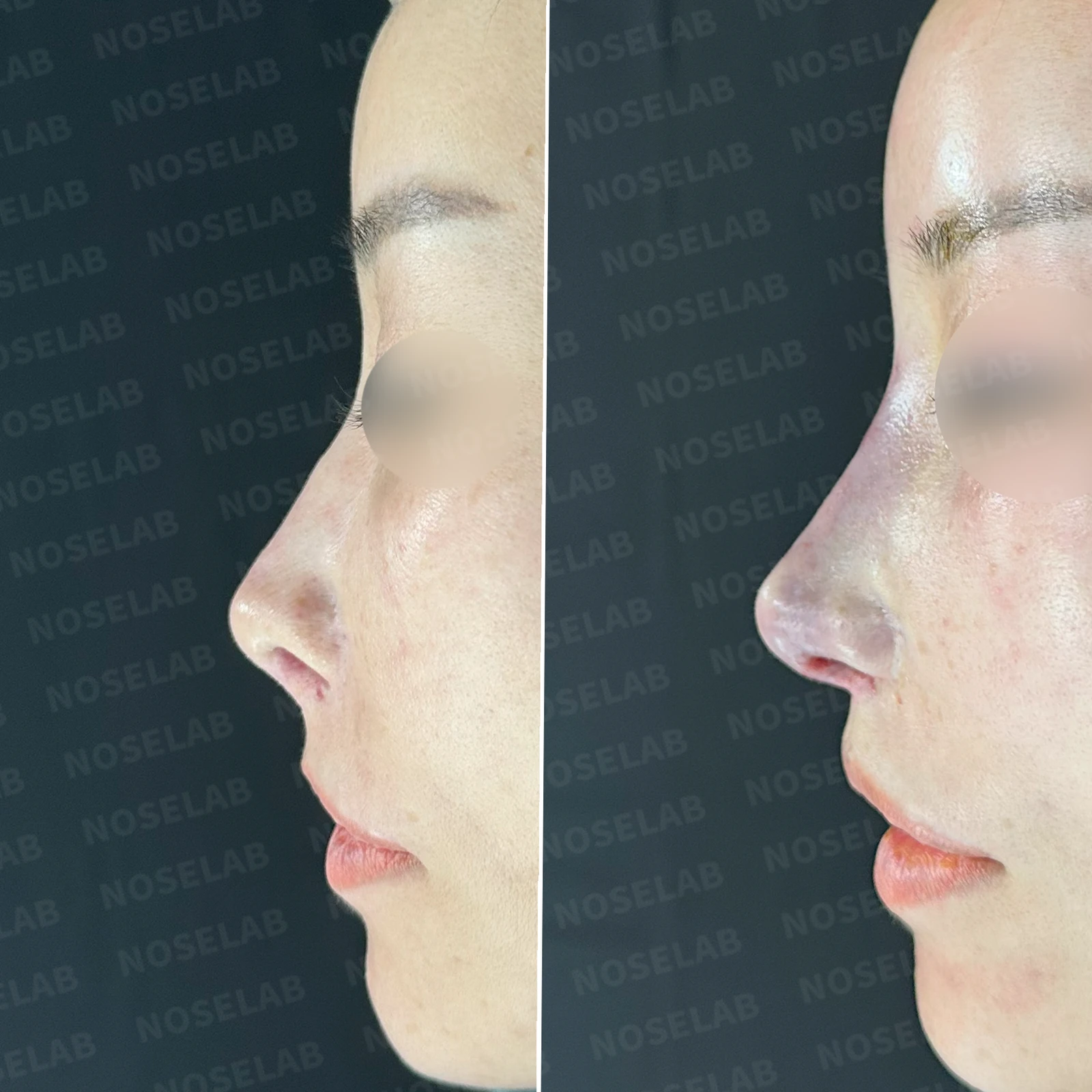
Before surgery / Day 0 immediately after surgery Photos taken immediately after surgery show swelling and may differ from the final result.
2. Profile view improvement
Natural correction of the upturned nasal tip
Normalization of the nasolabial angle
Smooth nasal bridge line
Creation of a harmonious profile
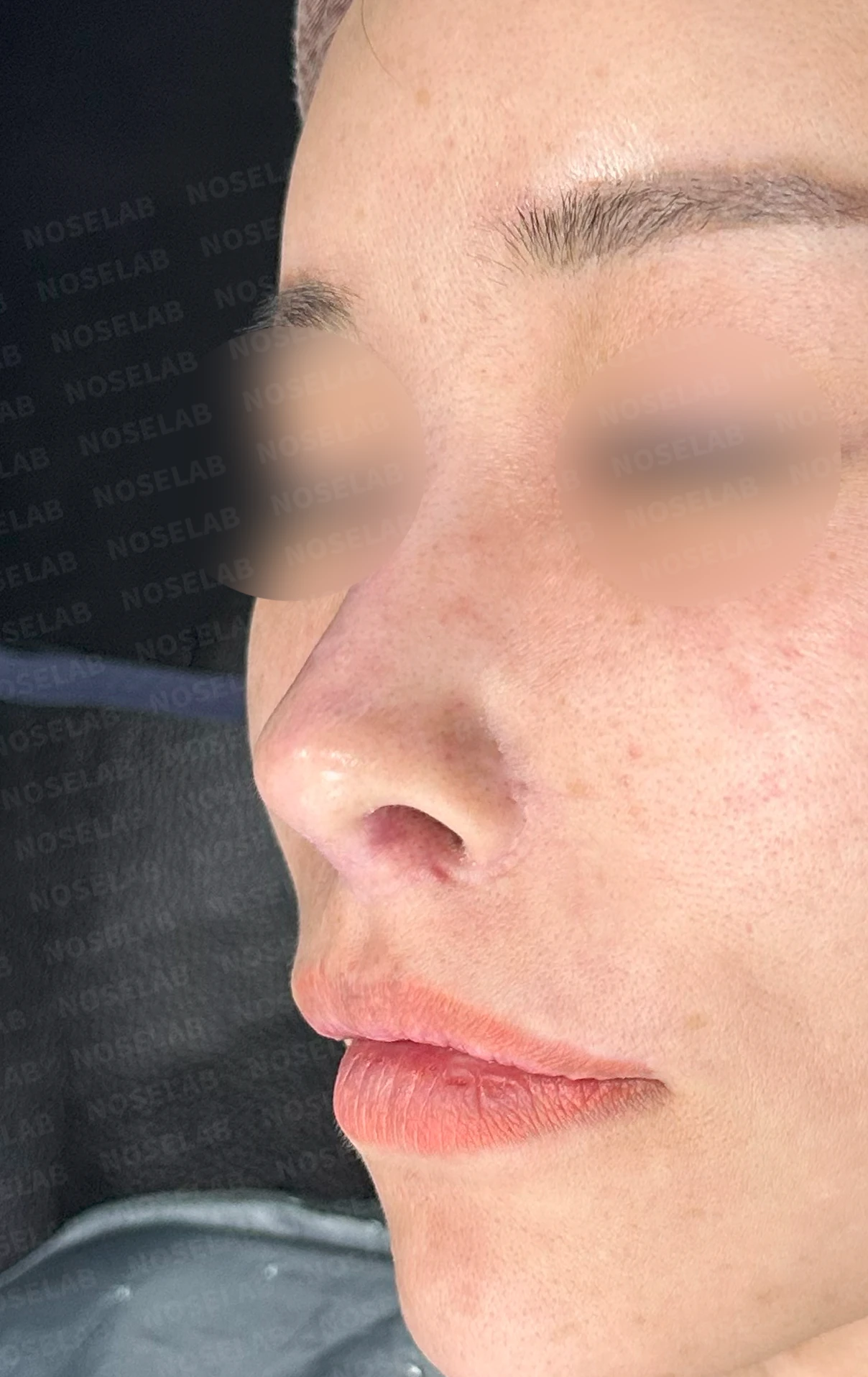
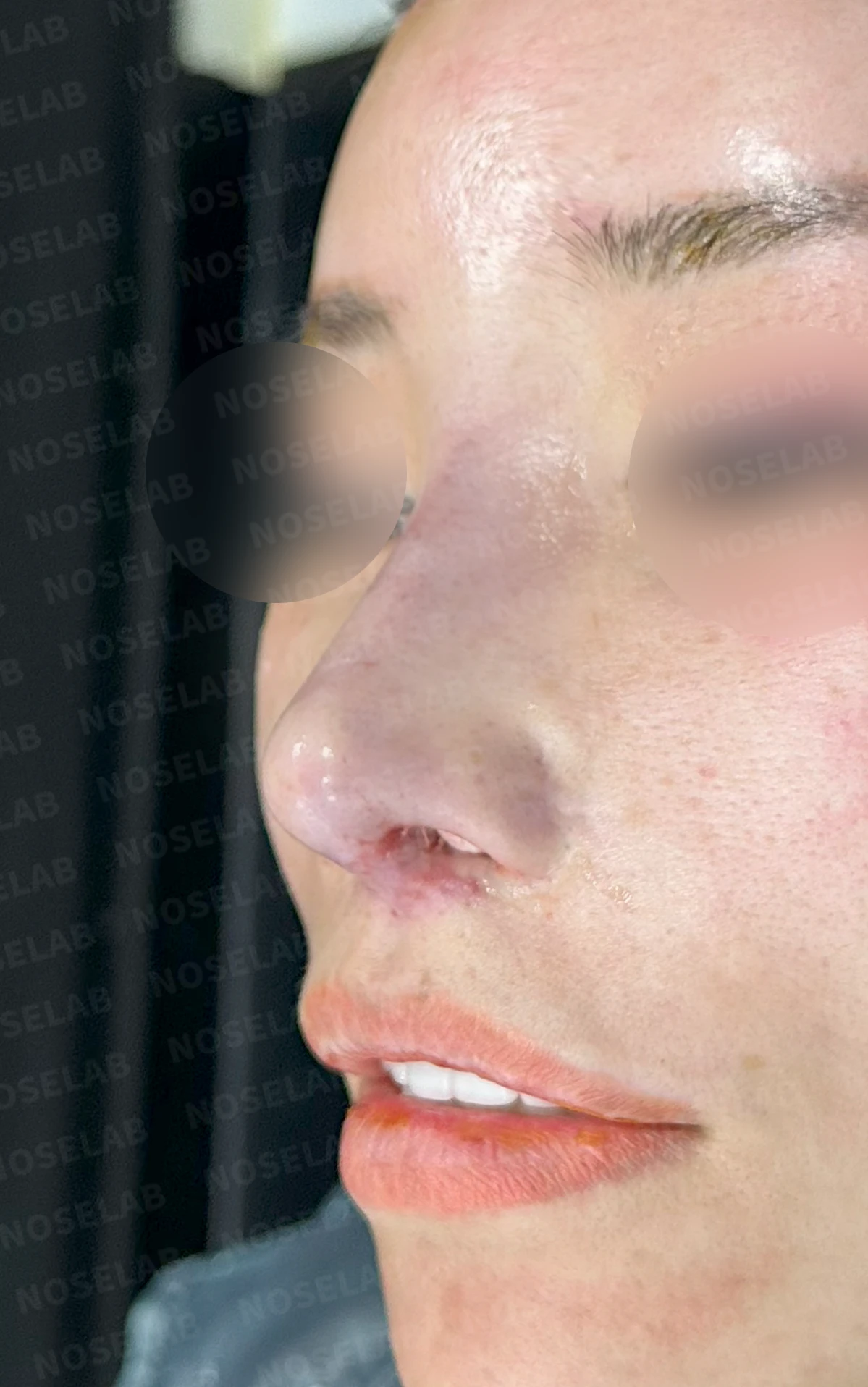
Before surgery / Day 0 immediately after surgery Photos taken immediately after surgery show swelling and may differ from the final result.
3. Nostril improvement
Normalization of columellar width
Improved left-right asymmetry
Correction of nostril size
Achievement of a natural contour
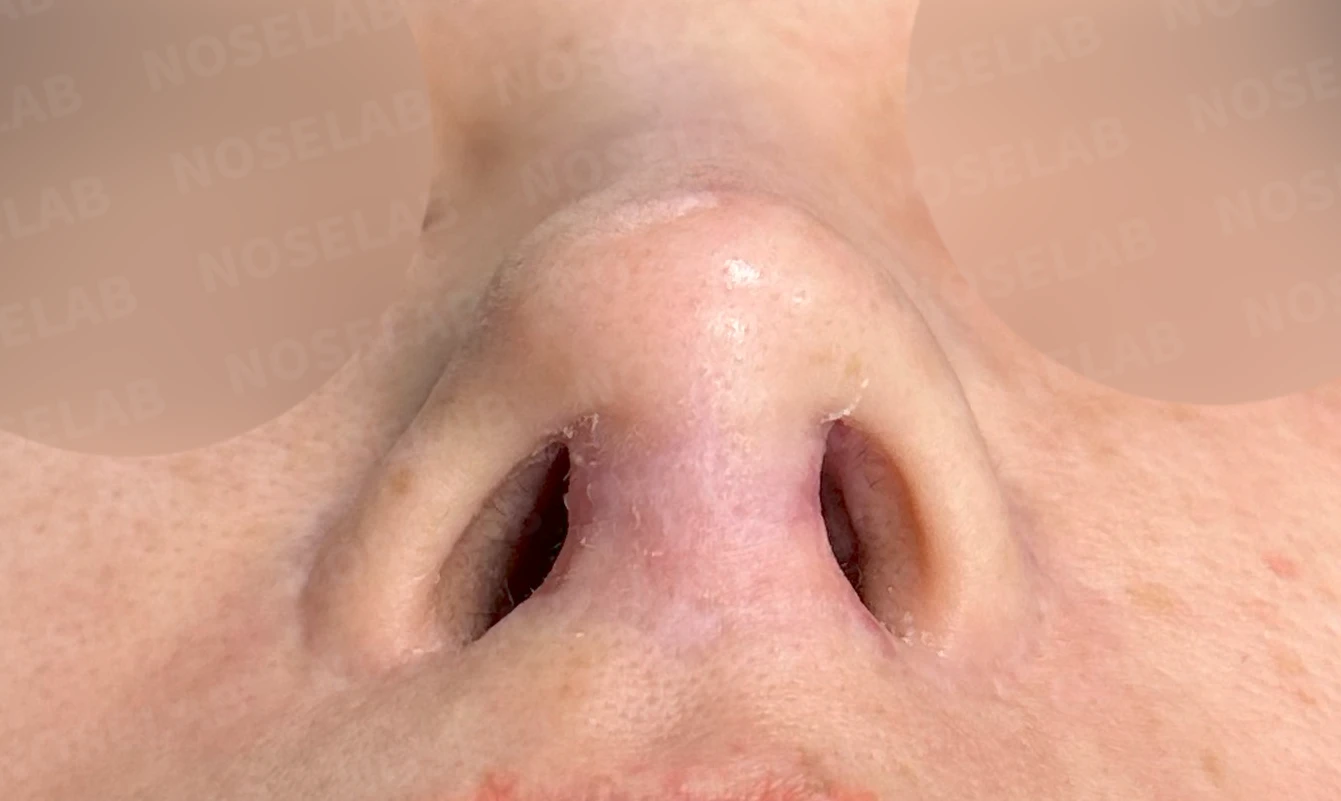
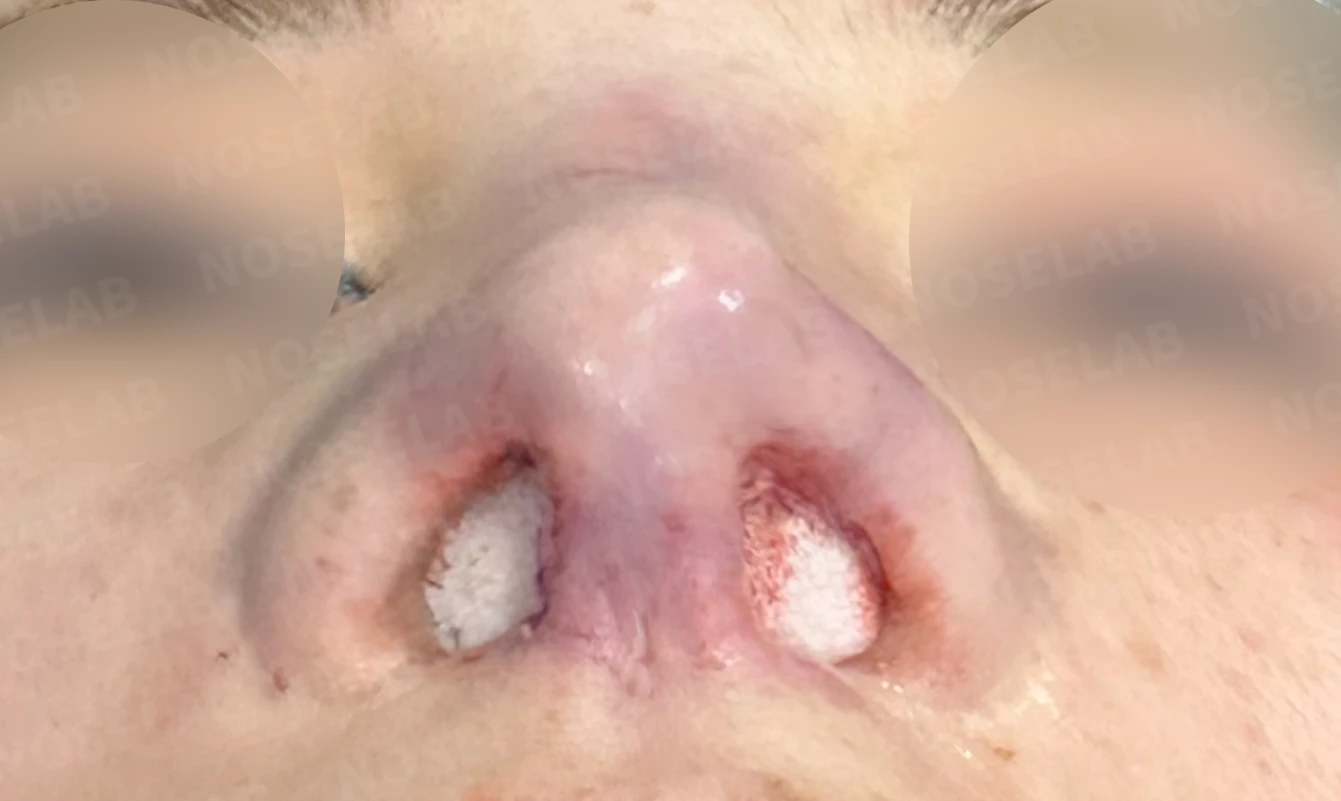
Before surgery / Day 0 immediately after surgery Photos taken immediately after surgery show swelling and may differ from the final result.
💡 Specialist opinion
Front, profile, and oblique views taken immediately after surgery (day 0).Immediate postoperative photos show swelling and may differ from the final result.
Nostril view on day 0 immediately after surgery. Photos taken immediately after surgery show swelling and may differ from the final result.
This case presented numerous constraints, including a history of multiple revision rhinoplasties, inflammation, repeated autologous rib cartilage harvest, and philtrum reduction surgery. However, through precise problem analysis and a systematic approach, a successful outcome was achieved.
In particular, the following principles were strictly observed:
Maximum reconstruction of normal anatomical structures
Safe removal of foreign materials
Step-by-step contracture correction
Balance between function and aesthetics
Drawing on extensive surgical experience, this was a meaningful case demonstrating that the intended result can be attained even in complex revision rhinoplasty scenarios. NOSELAB will continue to do our best for our patients' health and natural beauty.
This was Dr. Peter C. Kang. Thank you.
Thank you.
#closedrhinoplasty #closedrevisionrhinoplasty #thickcolumella #closedribcartilagerevisionrhinoplasty #revisionrhinoplasty #upturnednosecorrection #nostrilcorrection #contracturecorrection #naturalnose #cartilagereconstruction #rhinoplastyrevision

Limitations and risks
When autologous rib cartilage is used, scarring and pain may remain at the donor site on the chest, and pneumothorax (pleural injury) can occur rarely. Over time, the grafted cartilage may warp or undergo partial resorption.
When revising after implant removal, contracture may progress again after removal, the nasal height and length may decrease, and staged surgery may be necessary depending on the skin condition.
When foreign materials such as injected fillers are removed and reconstructed, contracture may recur, nasal height and length may decrease, and staged surgery may be necessary depending on the skin condition.
When the septum is corrected at the same time, nasal obstruction may persist or recur, and in rare cases, septal perforation or changes in smell may occur.
Common potential risks include infection, bleeding, asymmetry, scarring, skin necrosis, and insufficient improvement; results vary depending on individual skin condition and previous surgical history.