Hello, I am Dr. Peter C. Kang.
Today, I would like to introduce the case of a patient who was told by multiple clinics that surgery was not feasible, but who achieved full resection of a nostril mass and recovered successfully.
📍Surgical history
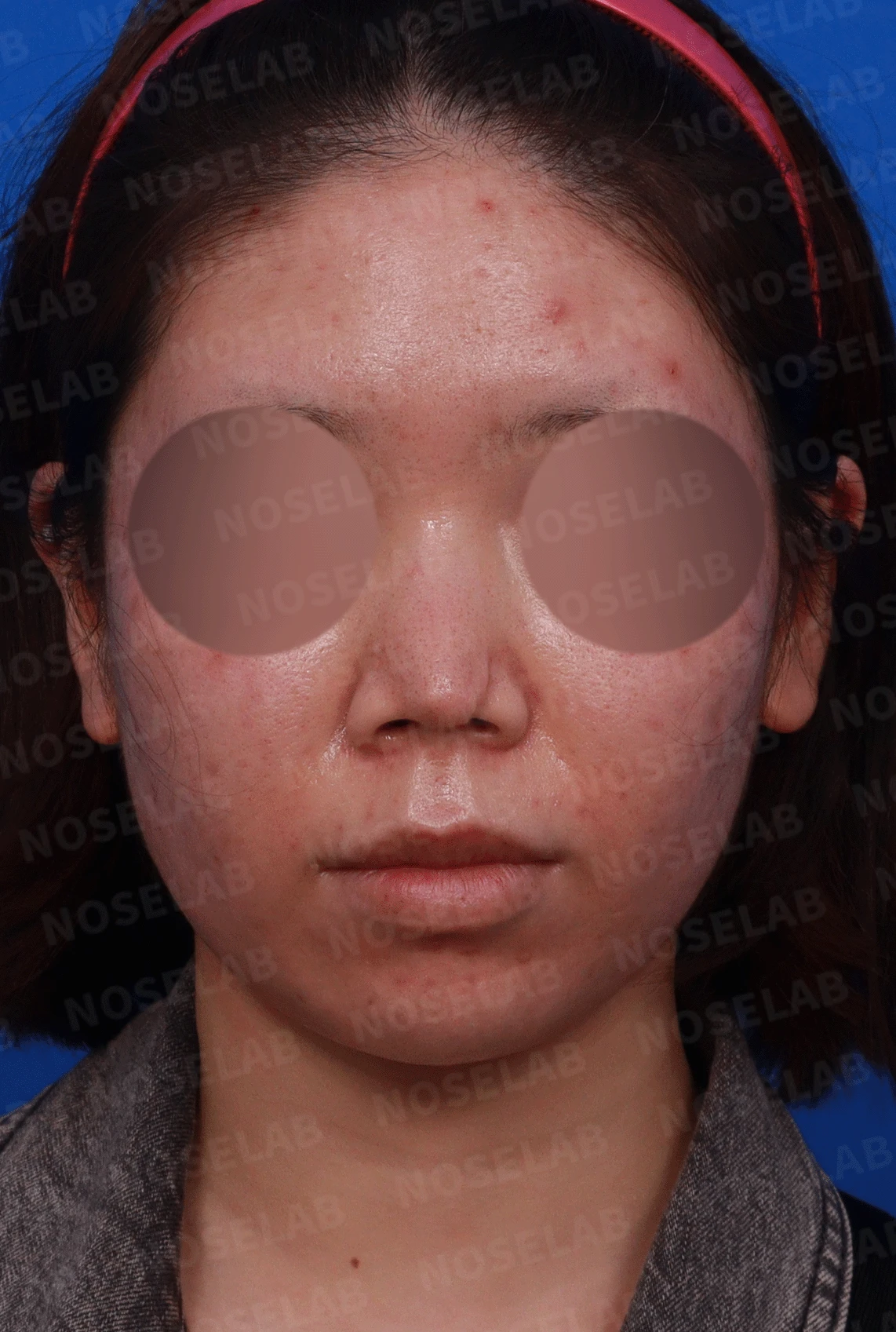
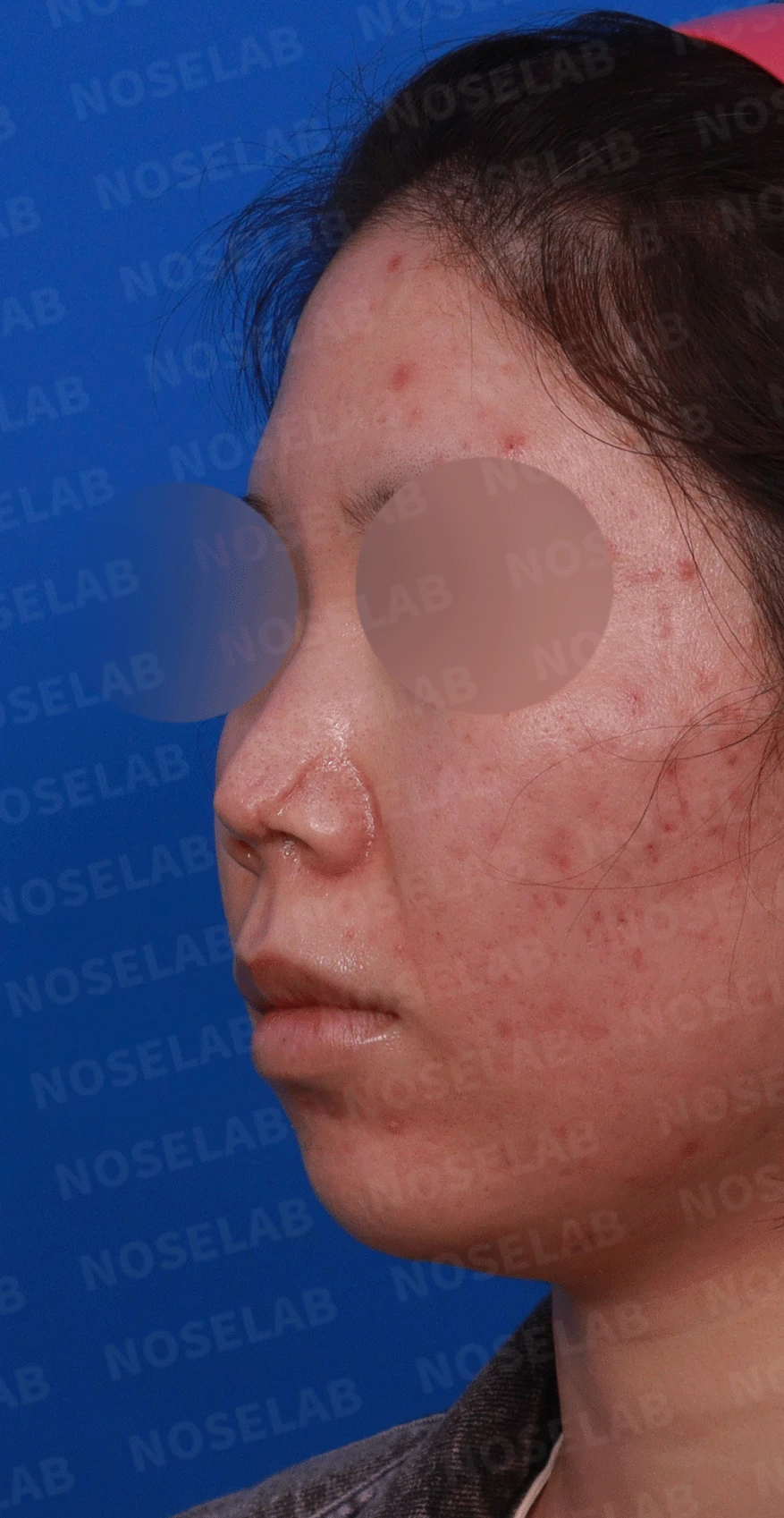
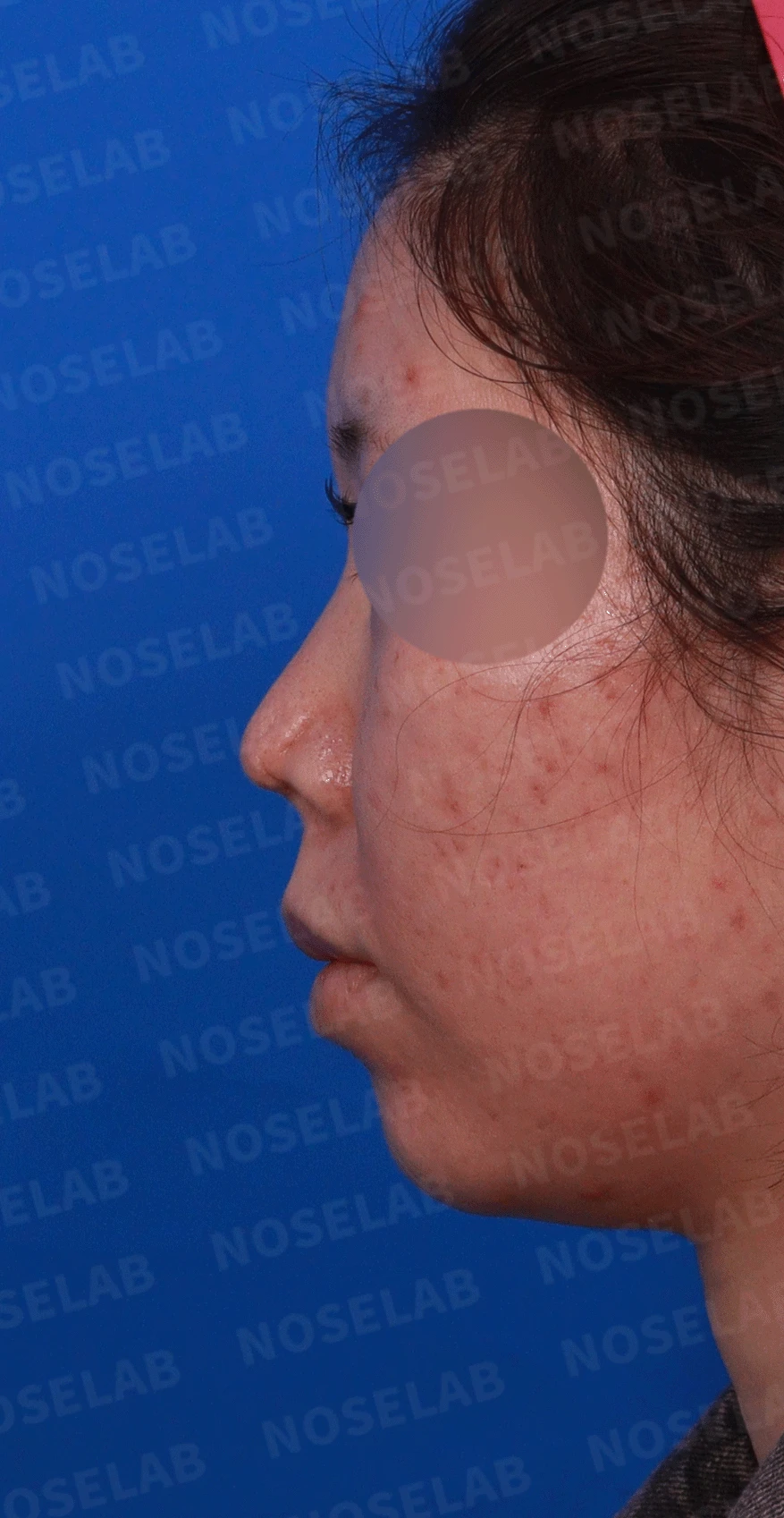
Design consultation: front, left oblique, and profile views.
First surgery - 2020
Osteopore, G-Mesh → deformation
December 2020
Second surgery - 2021
Removal of Osteopore and G-Mesh
Ear cartilage graft → contracture
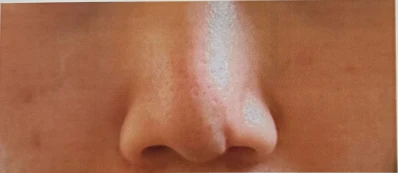
August 2021
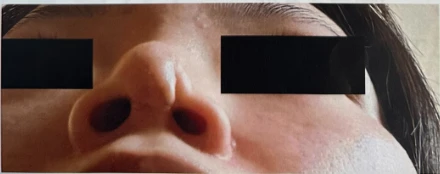
August 2021
Third surgery - 2022
Ear cartilage graft → deformation
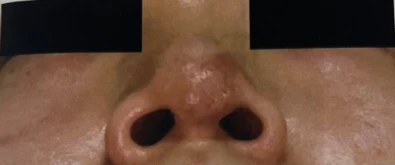
May 2022
Fourth surgery - 2023
Dermal fat graft (subumbilical)
Onset of mass in the left nostril
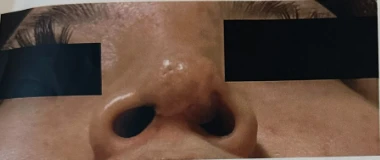
December 2023
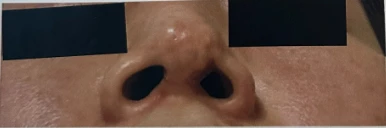
February 2024
Fifth surgery - 2024
Attempted laser treatment
Mass progressively enlarges
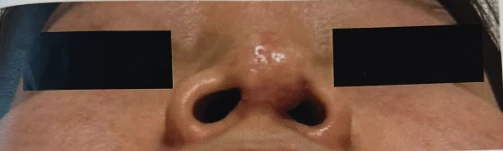
July 2024, 1 day after surgery
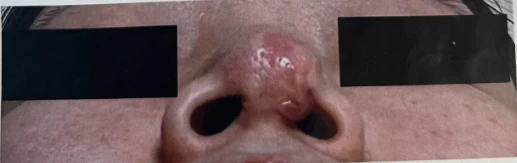
July 2024, 1 week after surgery
🔎 Initial consultation findings
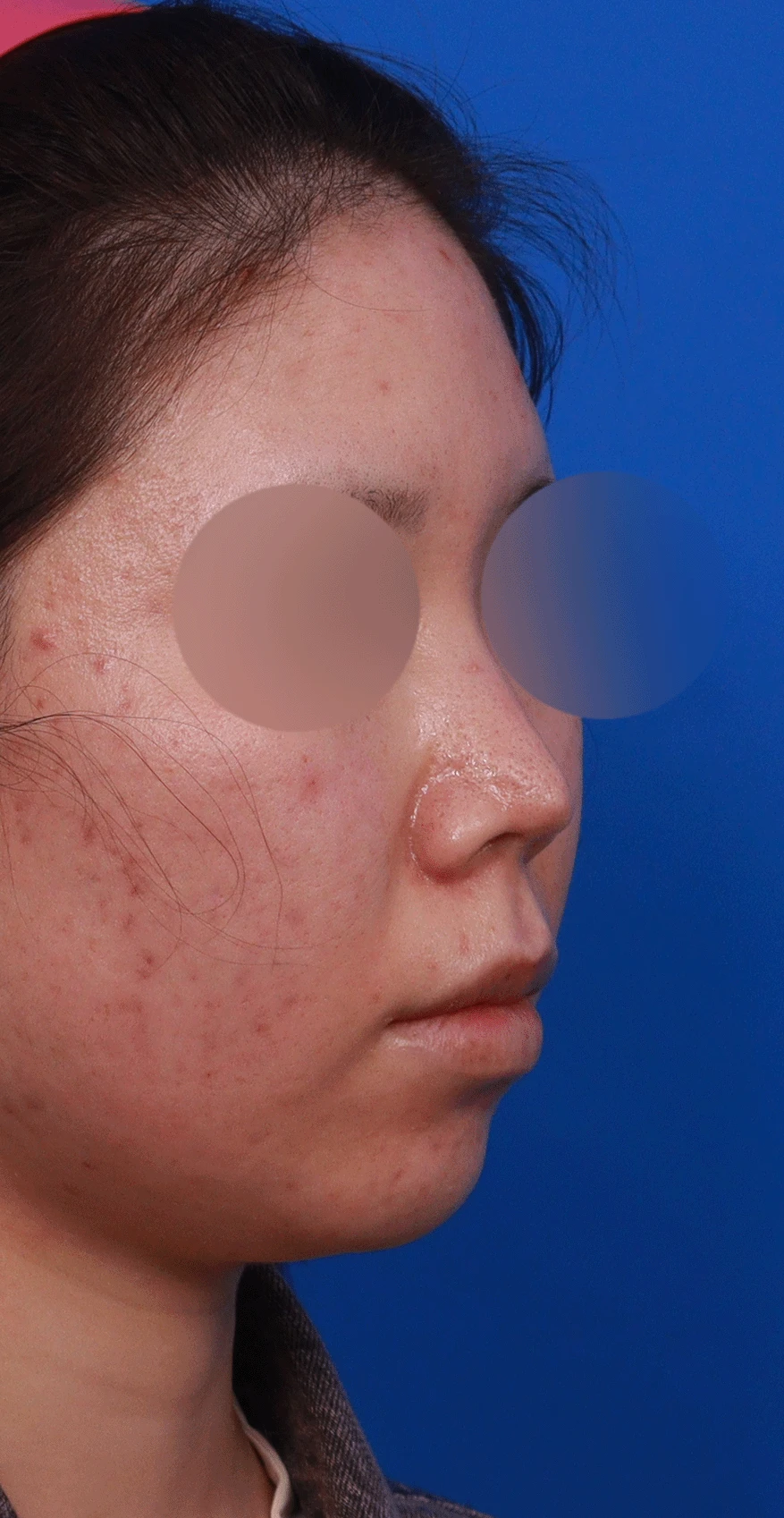
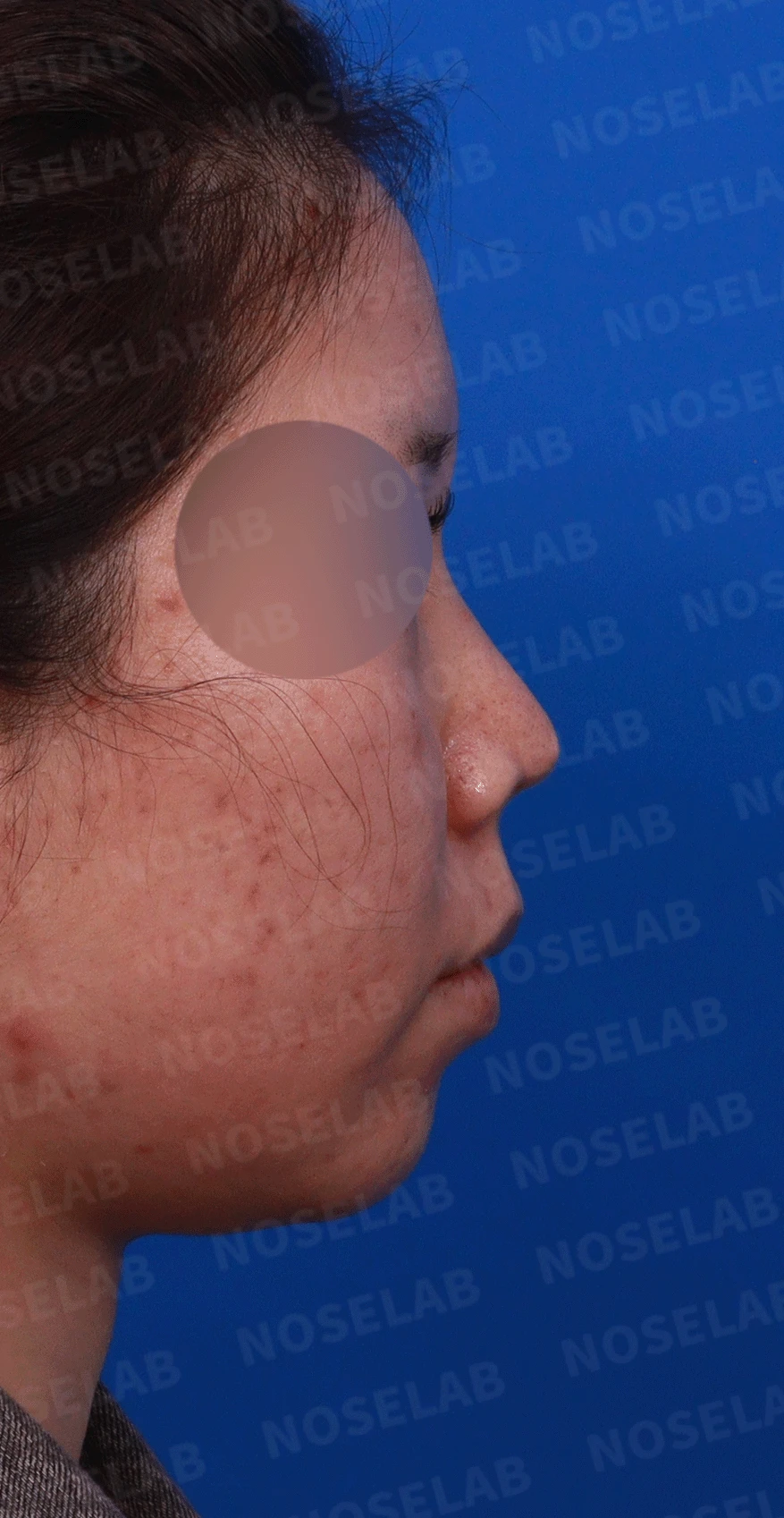
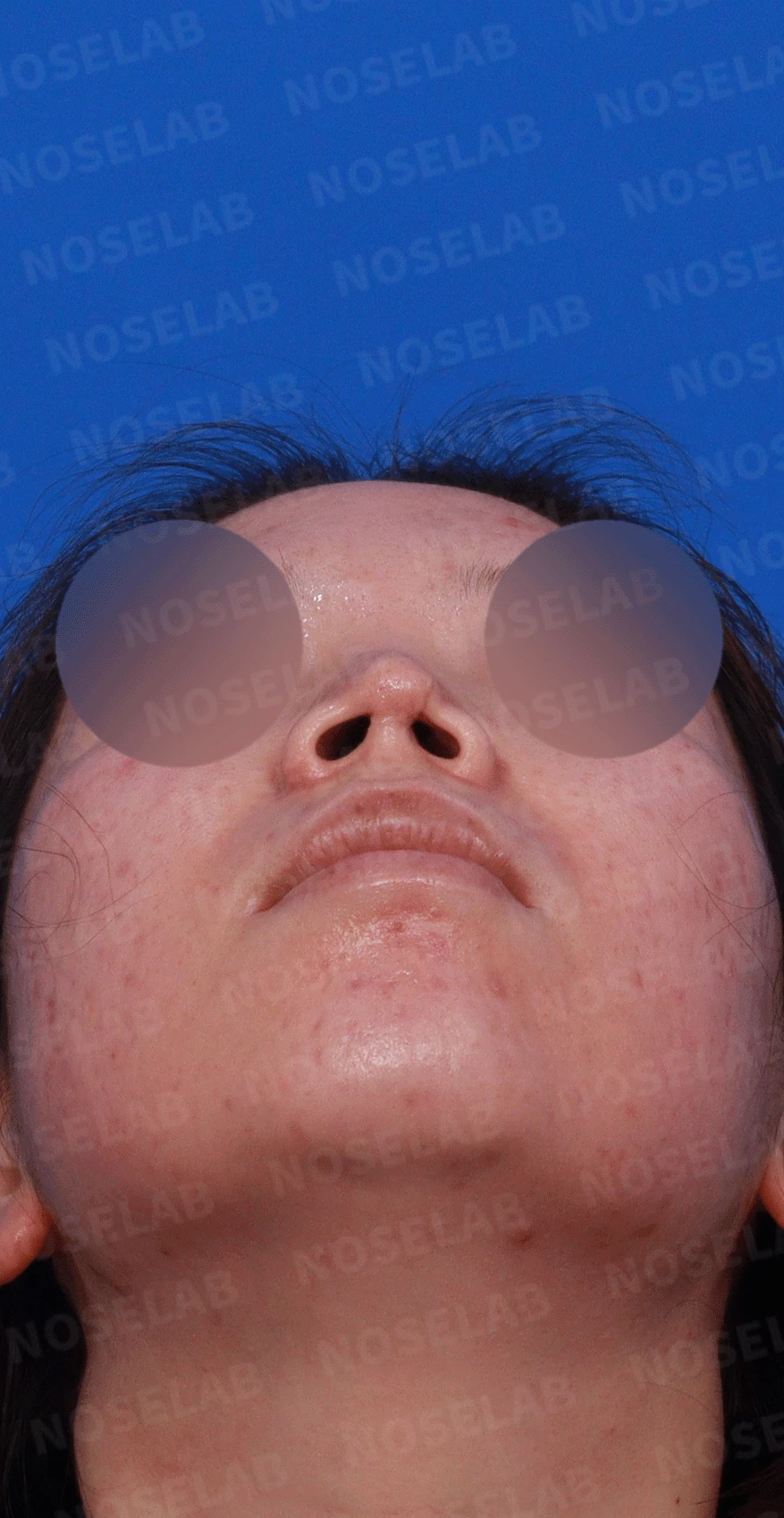
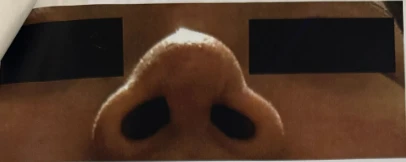
Design consultation: right oblique, profile, and nostril views.
Patient information
27-year-old female
Primary concerns
Mass obstructing the left nostril
Lesion steadily growing over several years
Suspicion of neoplasm
Difficulty breathing
Findings from previous surgeries
High surgical risk
Deemed inoperable elsewhere
Observation only was recommended
Special considerations
Need to rule out malignancy
Accurate histological diagnosis essential
Importance of complete resection
✨ Patient's requests
Complete resection of the mass
Prevention of recurrence
Surgery planned with safety in mind
Surgical procedure details (November 26, 2024)
Complete resection of the left-sided mass
Precise resection of the mass obstructing the nostril
Preservation of surrounding normal tissue
Securing clear resection margins
Biopsy performed
Detailed pathological examination to rule out tumor
Pathology consultation
Expedited histological confirmation
Foreign material removal
Complete removal of previously inserted materials
Removal of inflammatory source
Establishing a clean tissue bed
Nasal tip cartilage suturing (interdomal suture)
Securing structural stability
Reconstruction to help prevent recurrence
Restoring normal nasal contour
Stem cell therapy
Promoting regeneration of damaged tissue
Minimizing inflammatory response
Promoting rapid recovery
✅ Surgical results
Biopsy results
Confirmed as chronic inflammatory tissue
Confirmed negative for malignancy
Relief for the patient and family
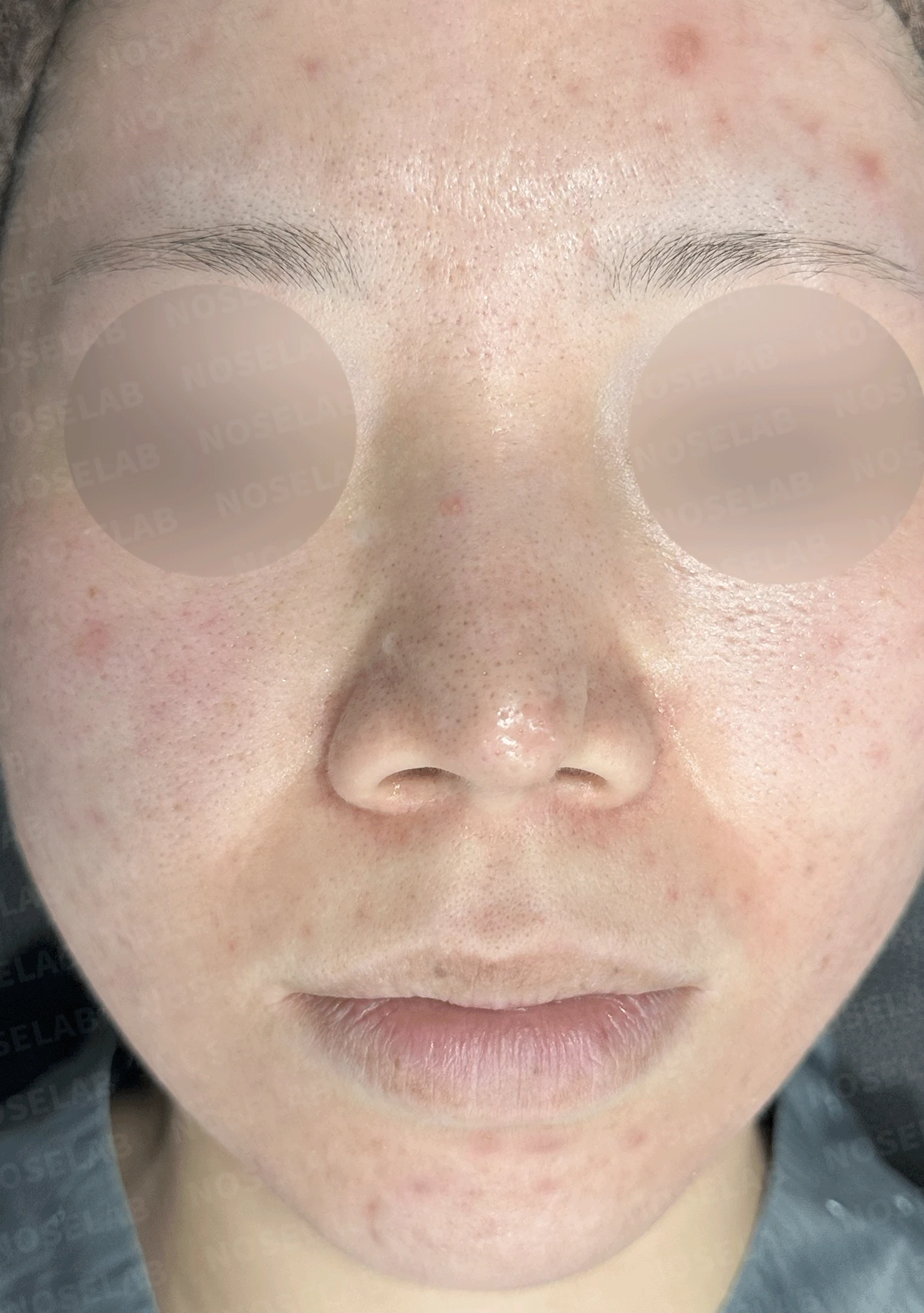
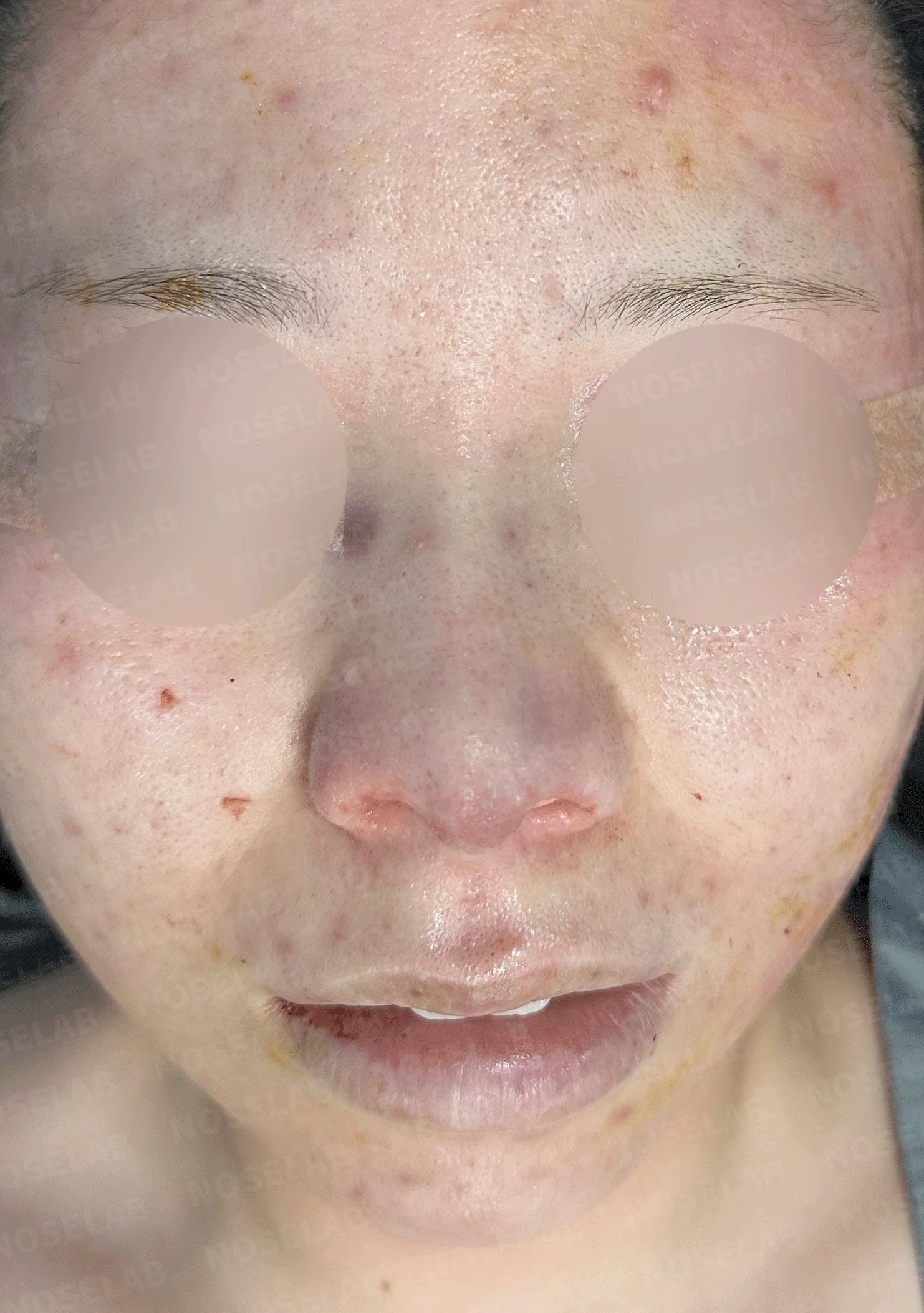
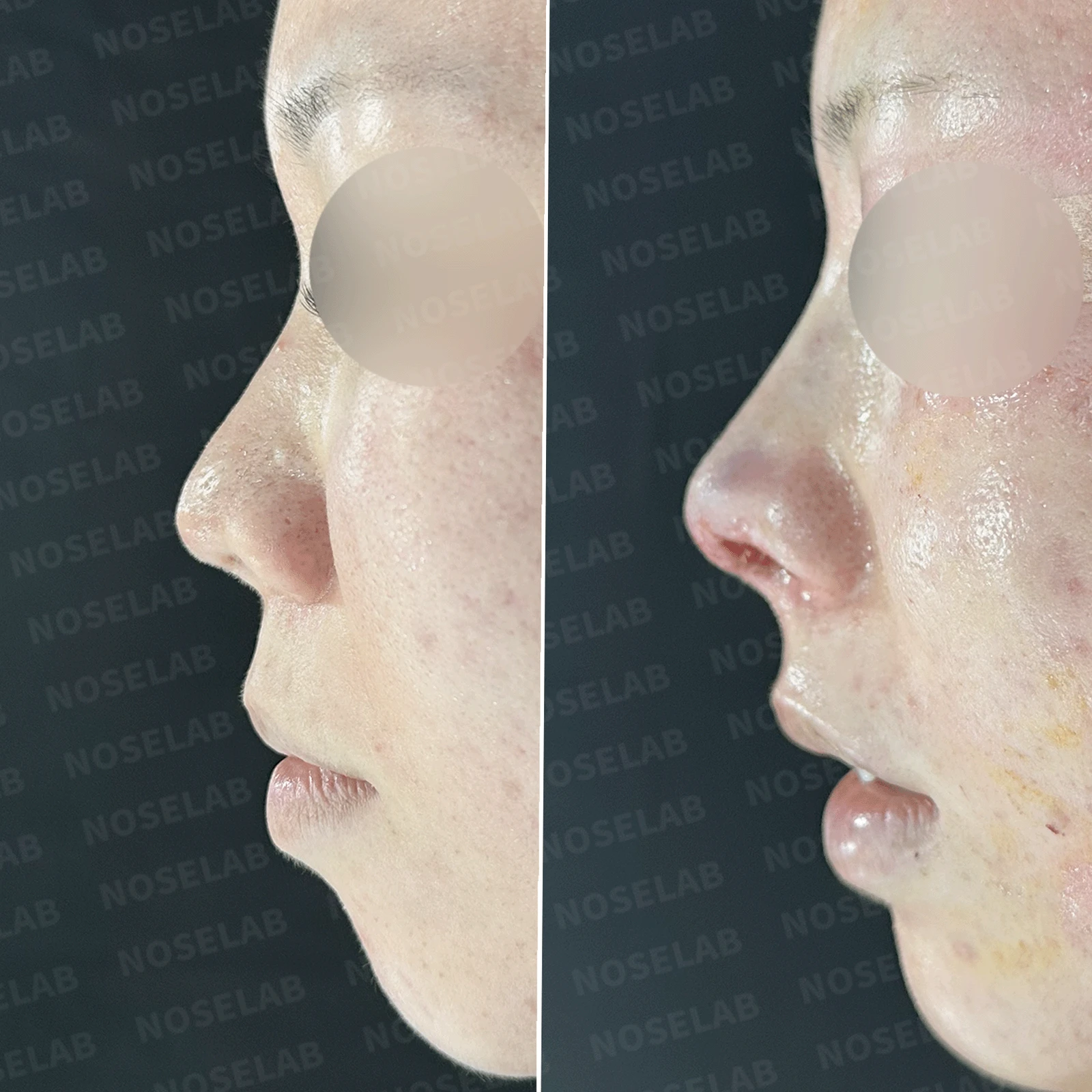
Before surgery / Day 0 immediately after surgery Photos taken immediately after surgery show swelling and may differ from the final result.
Successful mass resection
Complete and clean removal
Restoration of normal nostril shape
Improvement of breathing function
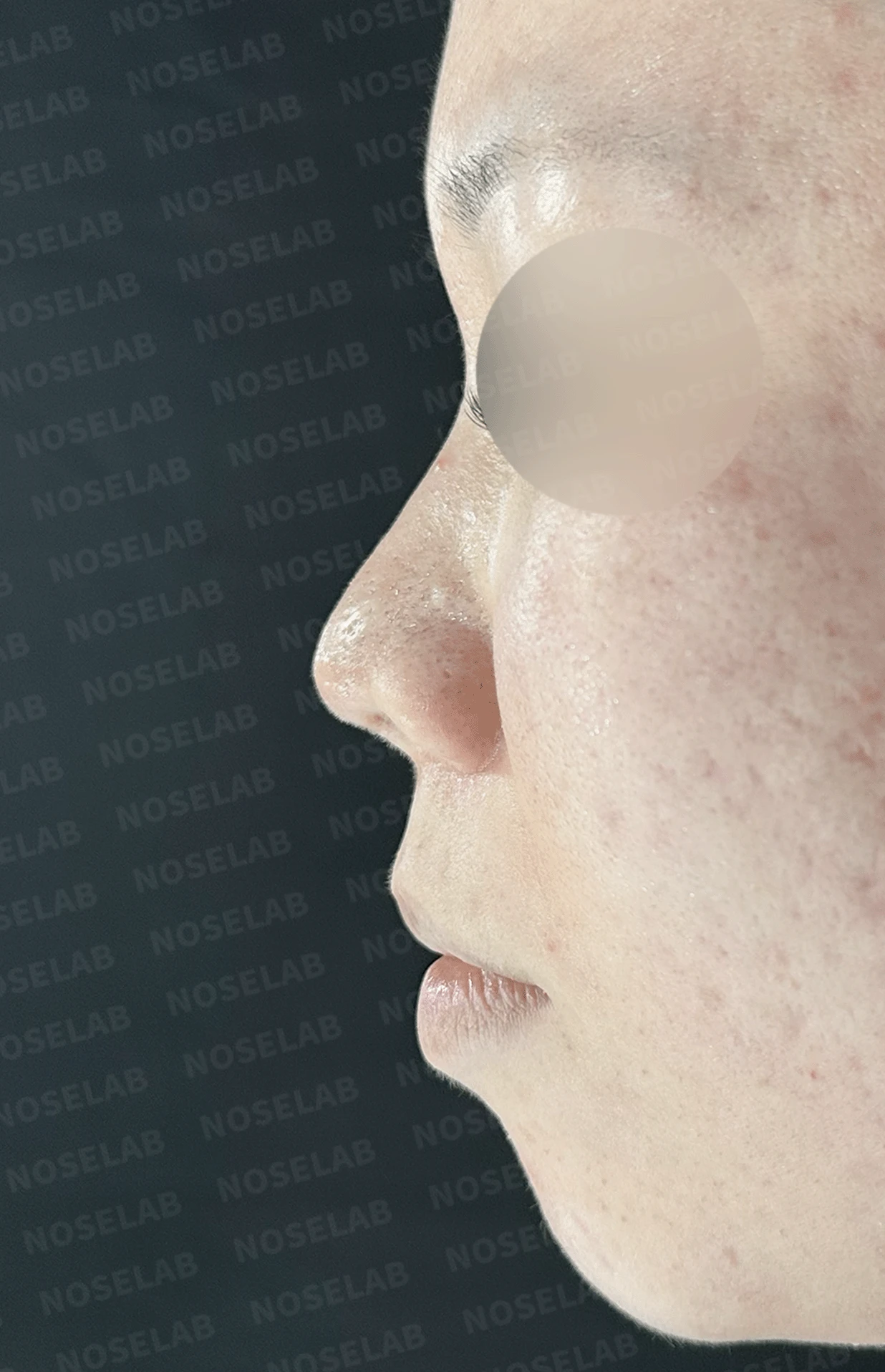
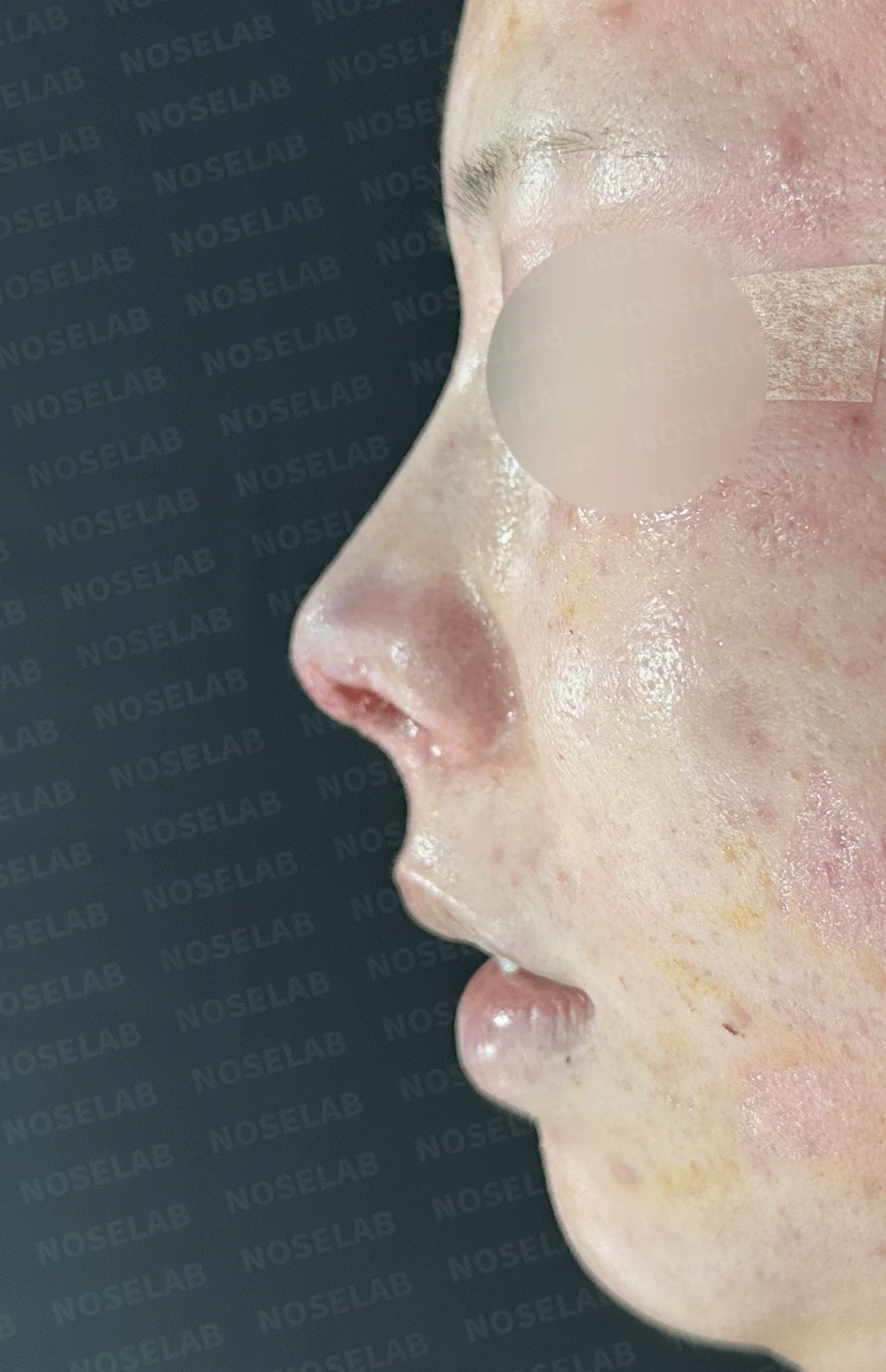
Before surgery / Day 0 immediately after surgery Photos taken immediately after surgery show swelling and may differ from the final result.
Recurrence-free recovery
No signs of recurrence to date
Stable healing process
Normal tissue regeneration
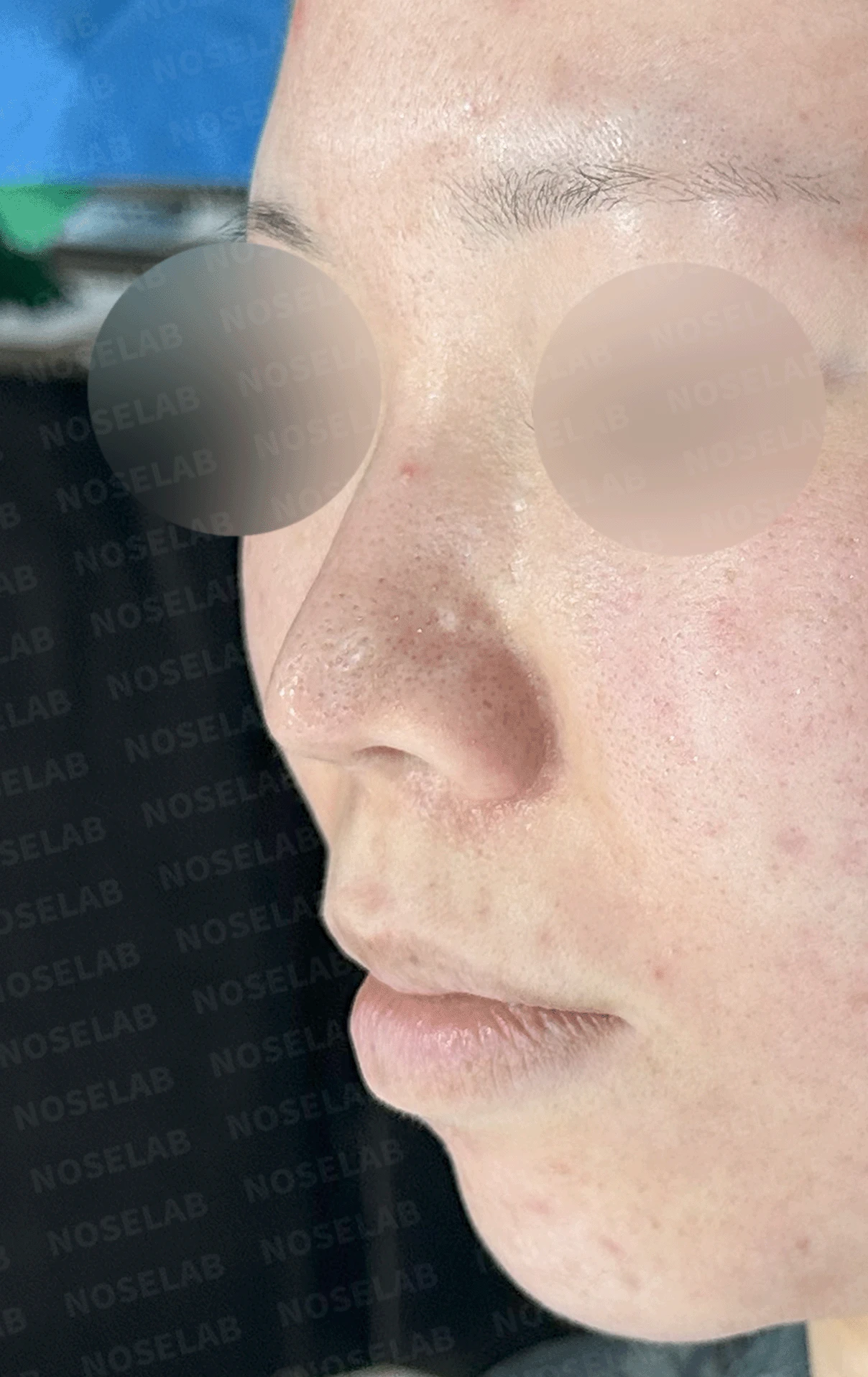
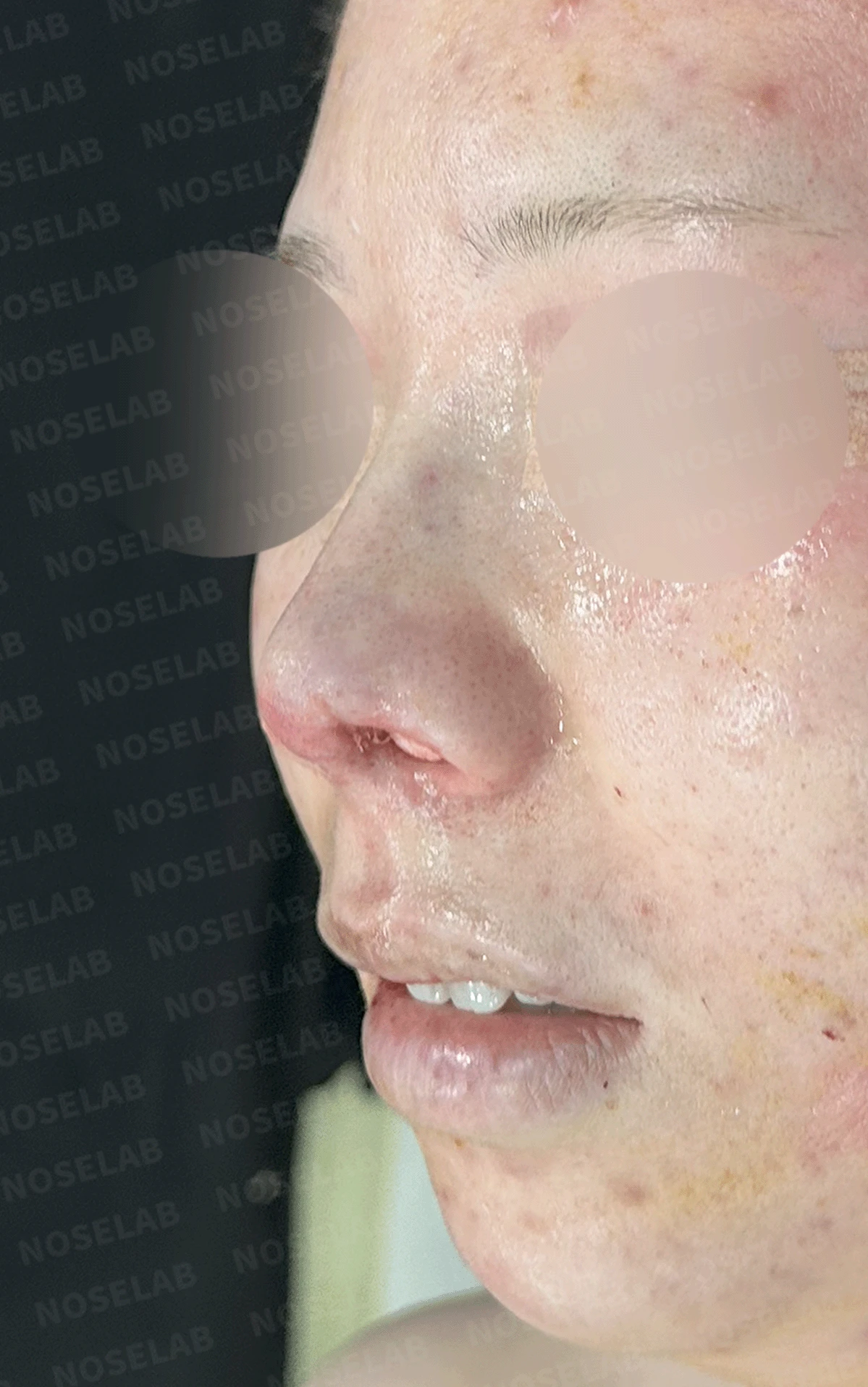
Before surgery / Day 0 immediately after surgery Photos taken immediately after surgery show swelling and may differ from the final result.
Successful outcome
Mass resection and surgical planning
Complete resection achieved
High patient satisfaction
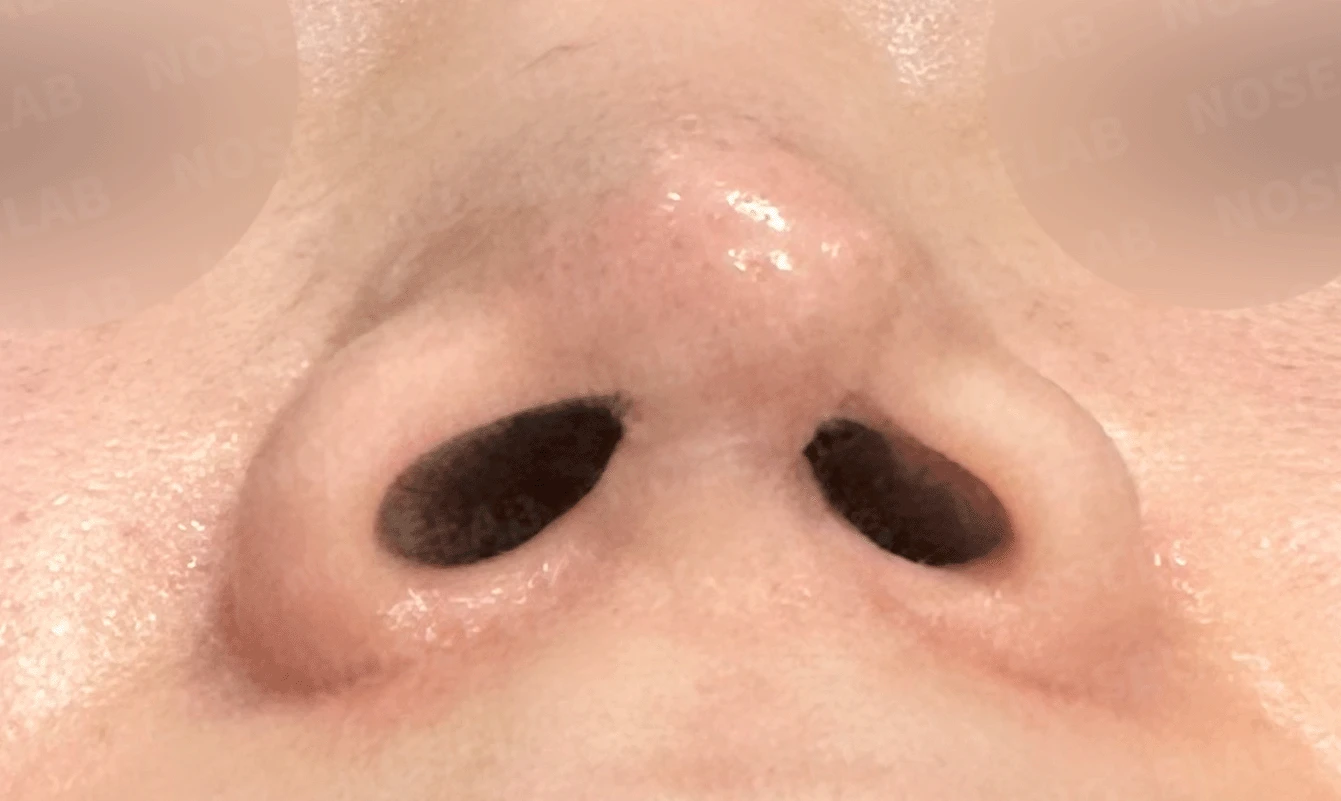
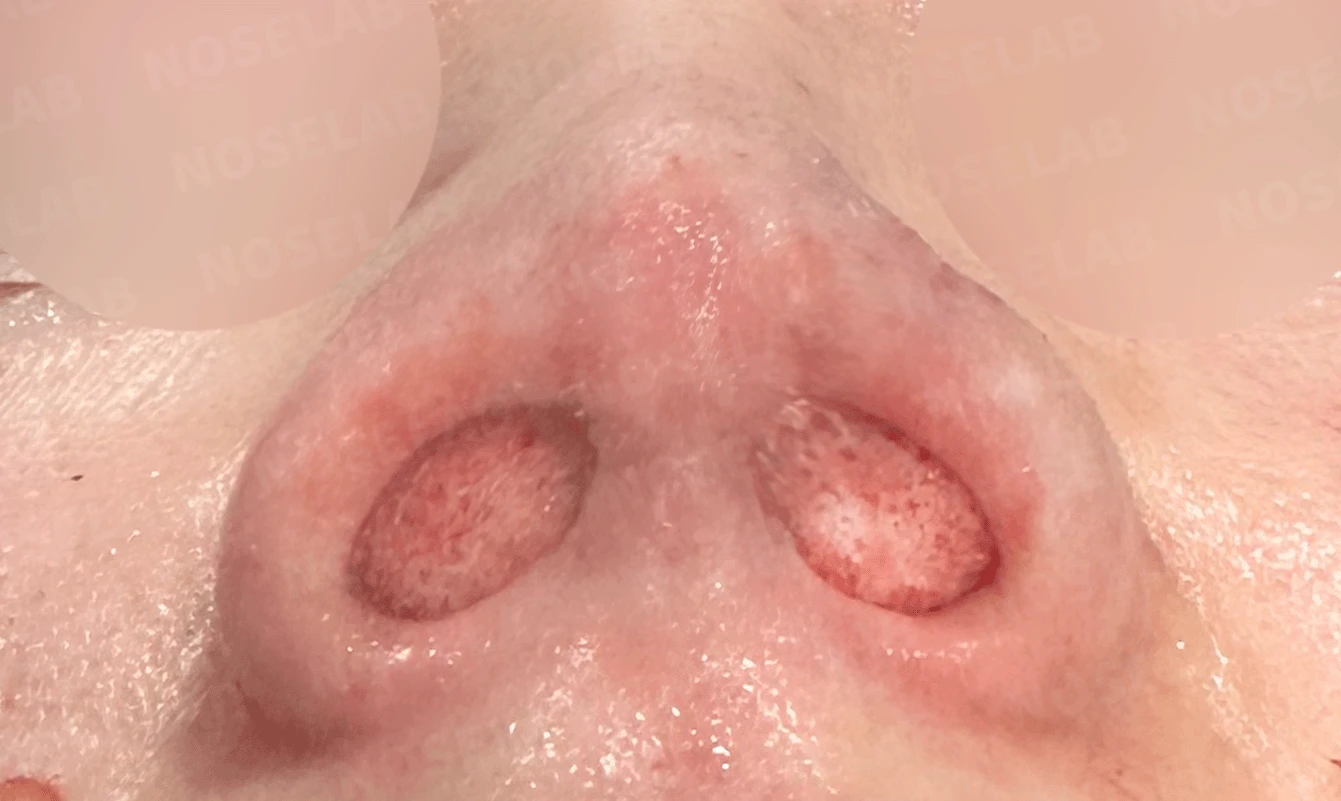
Before surgery / Day 0 immediately after surgery Photos taken immediately after surgery show swelling and may differ from the final result.
👨⚕️Specialist's assessment
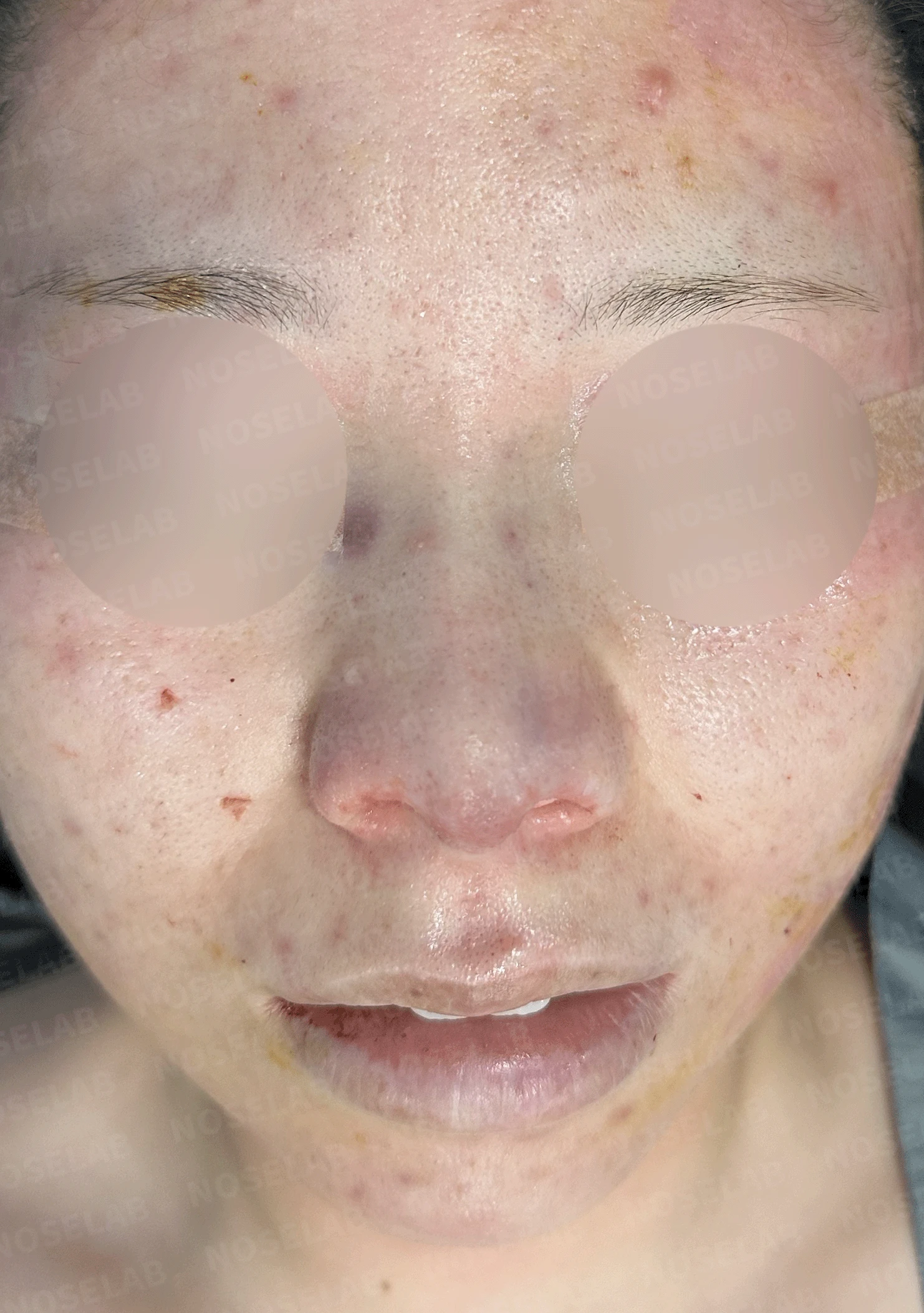
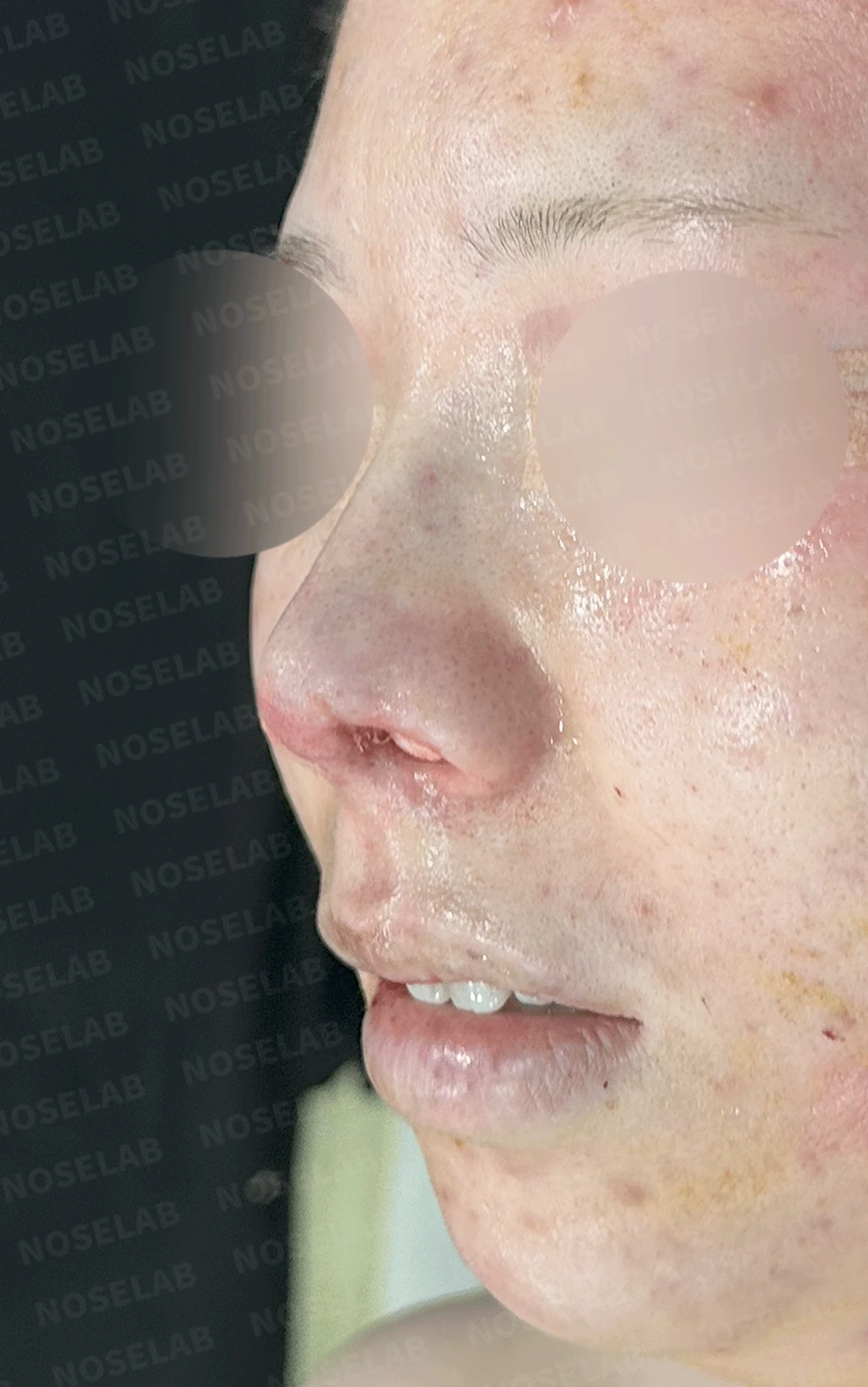
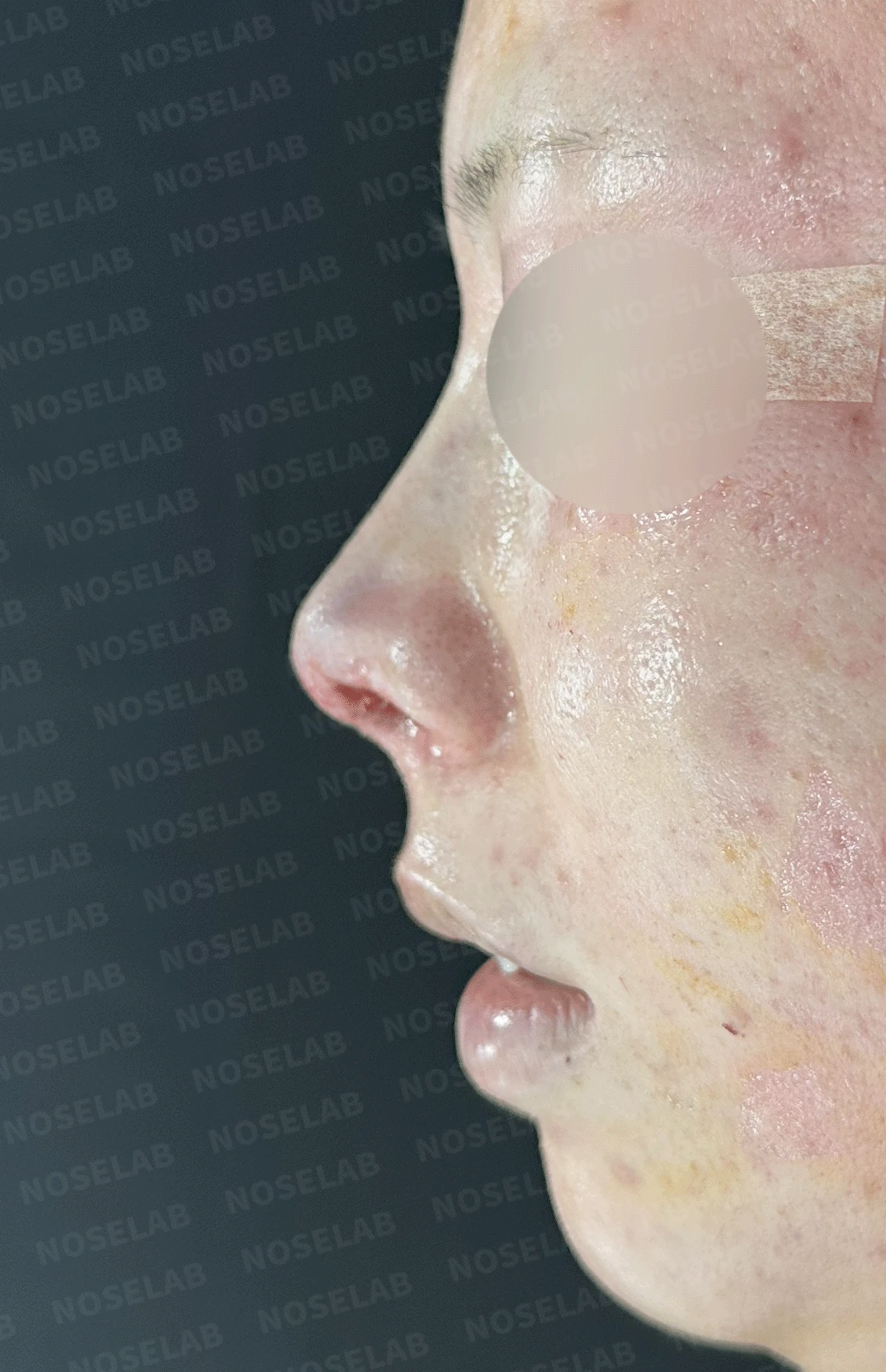
Immediately after surgery (day 0): front, oblique, and profile views. Immediate postoperative photos show swelling and may differ from the final result.
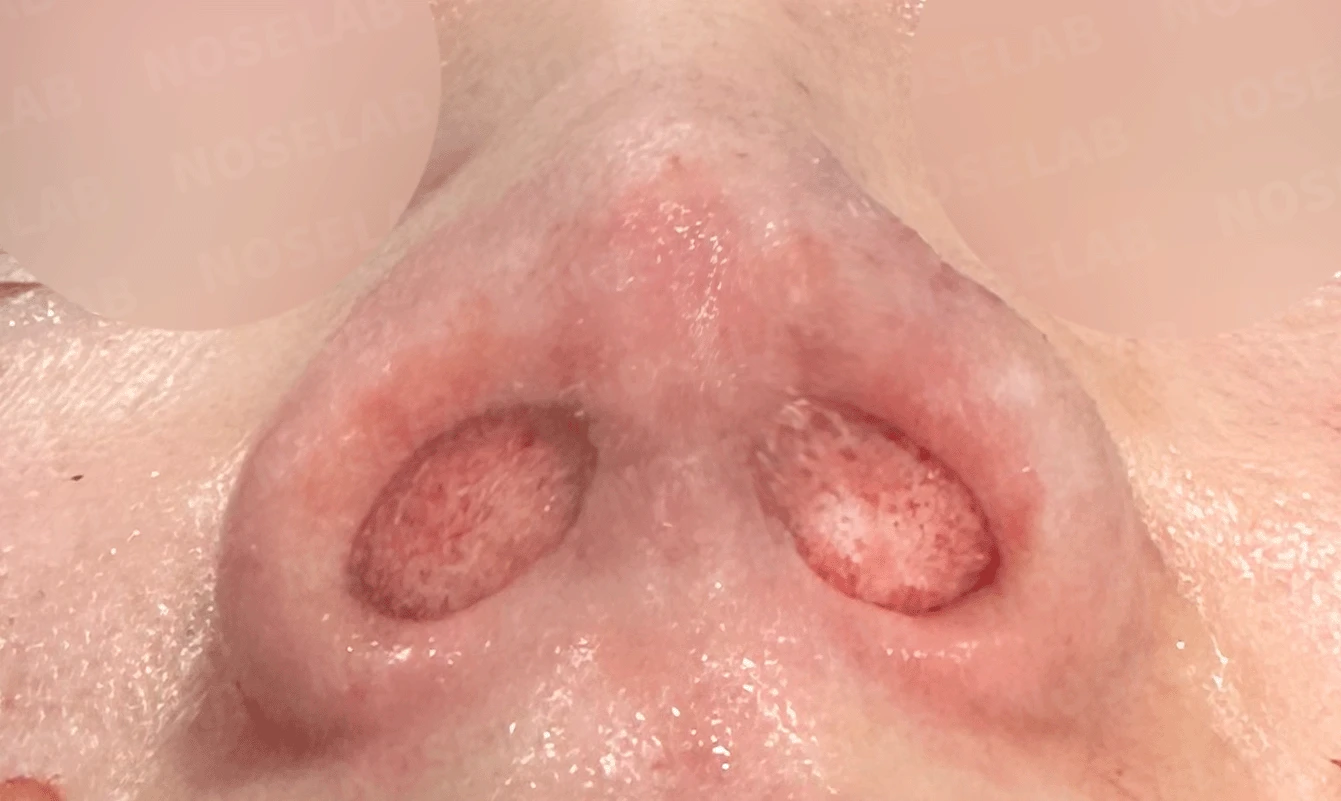
Nostril view on day 0 immediately after surgery. Photos taken immediately after surgery show swelling and may differ from the final result.
This was a particularly meaningful surgery for a patient who had been told by several clinics that surgical intervention was not possible. Because the mass obstructing her left nostril had continued to grow over several years, there was even suspicion of a neoplastic process.
The most critical step was obtaining an accurate diagnosis. Since the mass was progressively growing and malignancy could not be ruled out, complete resection was performed alongside a biopsy. Fortunately, the histological examination confirmed chronic inflammatory tissue, bringing immense relief to the patient and her family.
The resection margin was planned carefully, taking into account the location and size of the mass, as well as the tissue damage caused by repeated prior operations. An approach aimed at completely excising the mass while preserving normal intranasal tissues was evaluated and executed.
The development of chronic inflammatory tissue is presumed to stem from foreign materials used in previous operations combined with recurrent inflammatory responses. In particular, because the mass began and steadily enlarged after a dermal fat graft in 2023, a chronic inflammatory reaction to foreign materials was likely the primary underlying cause.
The core objective of the surgery was complete and clean resection. Leaving even a small portion behind carries a high risk of recurrence; therefore, the mass was thoroughly excised using precise surgical techniques. At the same time, surrounding normal tissues were preserved as much as possible to avoid functional or cosmetic deficits.
Combining stem cell therapy was another crucial decision. This was intended to facilitate the regeneration of tissue damaged by chronic inflammation, minimize postoperative inflammatory responses, and help prevent recurrence.
The most encouraging aspect is that the patient is recovering stably without any recurrence to date. The mass, which had grown continuously for several years, was fully resected, and healing is progressing normally. The nostril has also regained its normal shape, resolving her breathing difficulties.
The extent of resection and the postoperative management plan were determined after thoroughly evaluating the location of the mass and the tissue condition.
In the second surgery planned for April 2025, we plan to perform an autologous, implant-free reconstruction for cosmetic improvement. While maintaining the current stable state of recovery, we expect to achieve a natural and balanced nose.
This was Dr. Peter C. Kang. Thank you.
#closedrhinoplasty #revisionrhinoplasty #nostrilmassresection #chronicinflammatorytissue #differentialdiagnosis #stemcelltherapy #completeresection #preventionofrecurrence

Limitations and risks
When revising after implant removal, contracture may progress again after removal, the nasal height and length may decrease, and staged surgery may be necessary depending on the skin condition.
When foreign materials such as injected fillers are removed and reconstructed, contracture may recur, nasal height and length may decrease, and staged surgery may be necessary depending on the skin condition.
Common potential risks include infection, bleeding, asymmetry, scarring, skin necrosis, and insufficient improvement; results vary depending on individual skin condition and previous surgical history.