Hello, I am Dr. Peter C. Kang.
Today, I would like to share the case of a patient who visited our clinic with concerns about a bulbous nose and a blunt nasal tip.
🔍 Surgical history
This case was a primary rhinoplasty patient who had never previously undergone any nasal surgery.
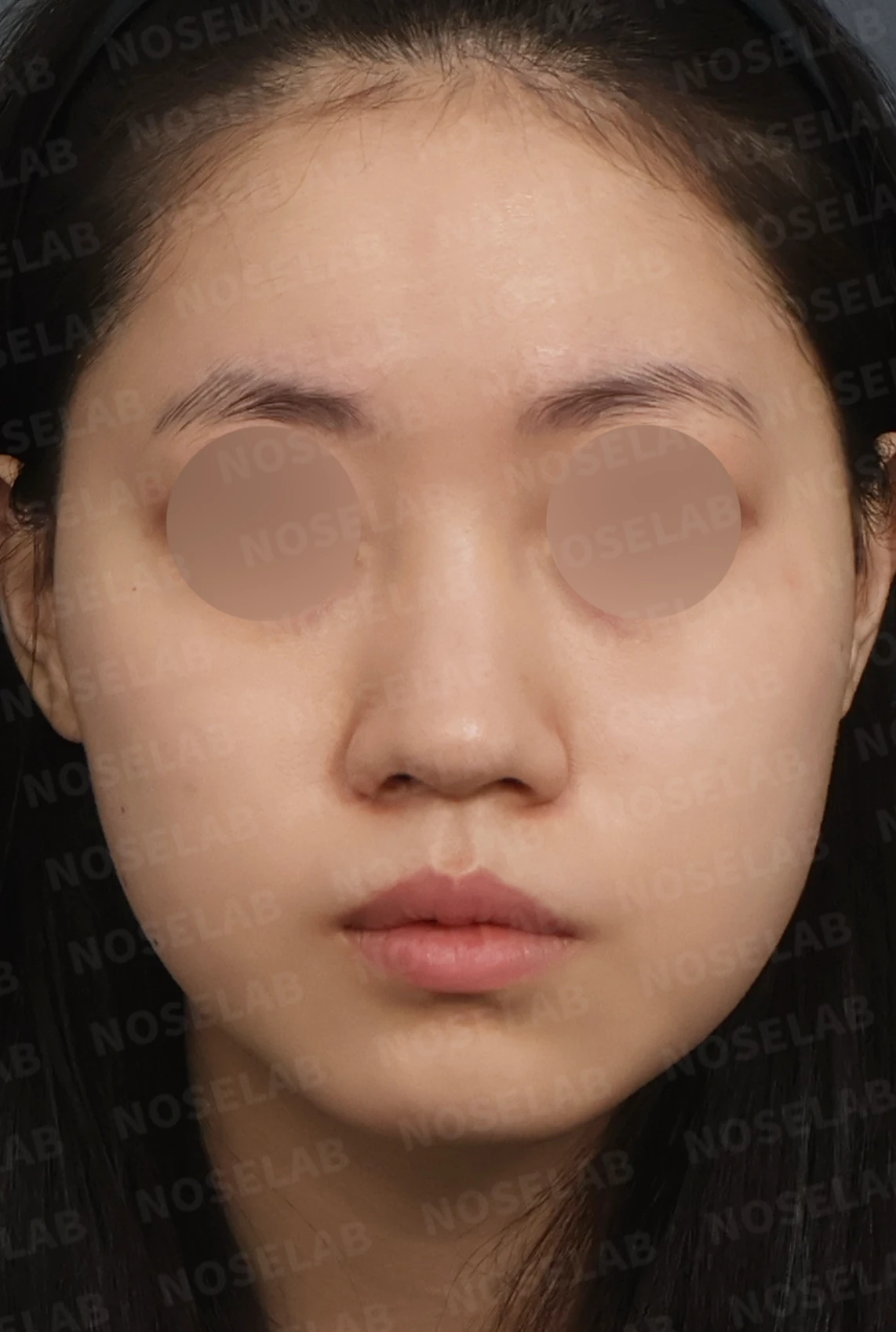
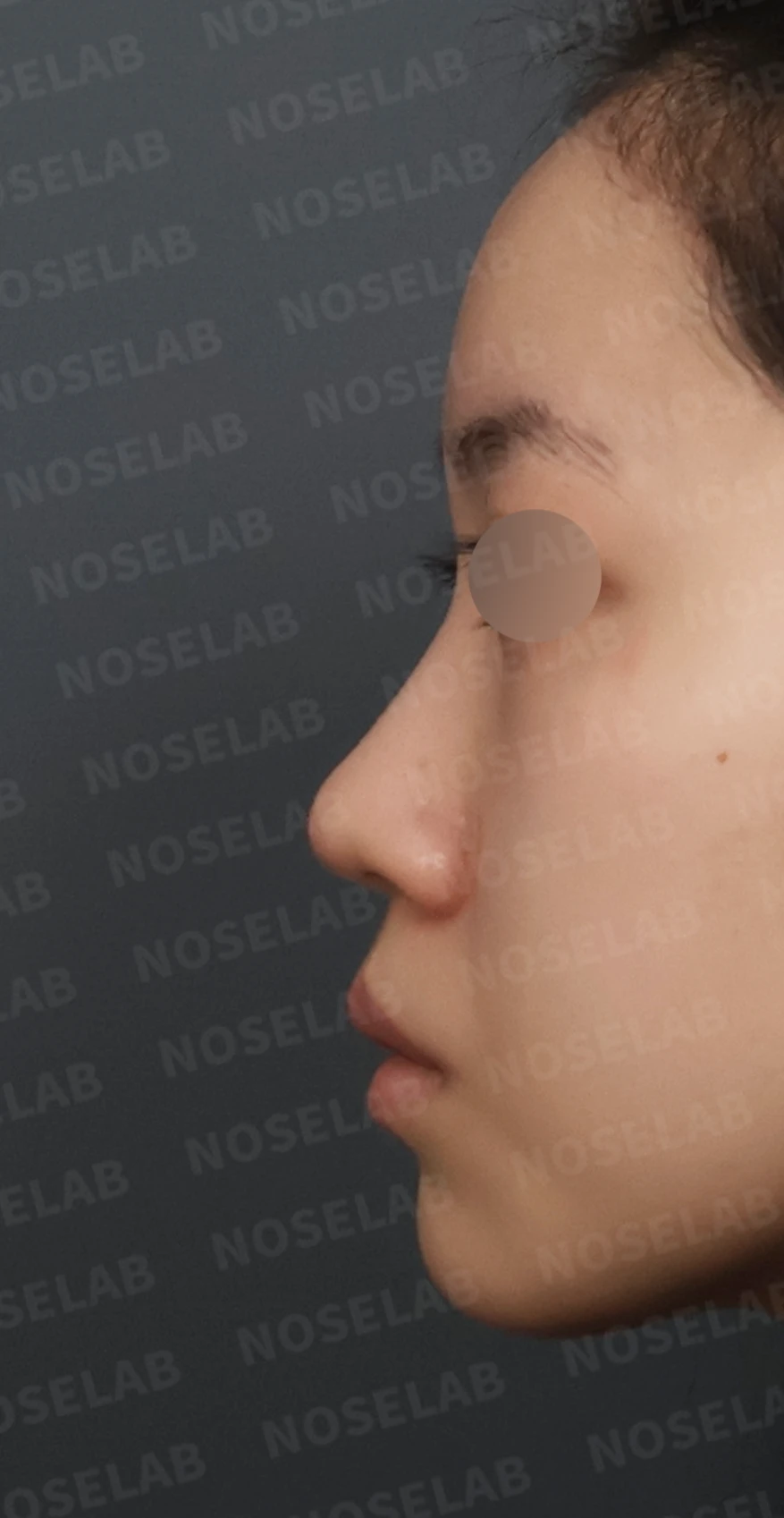
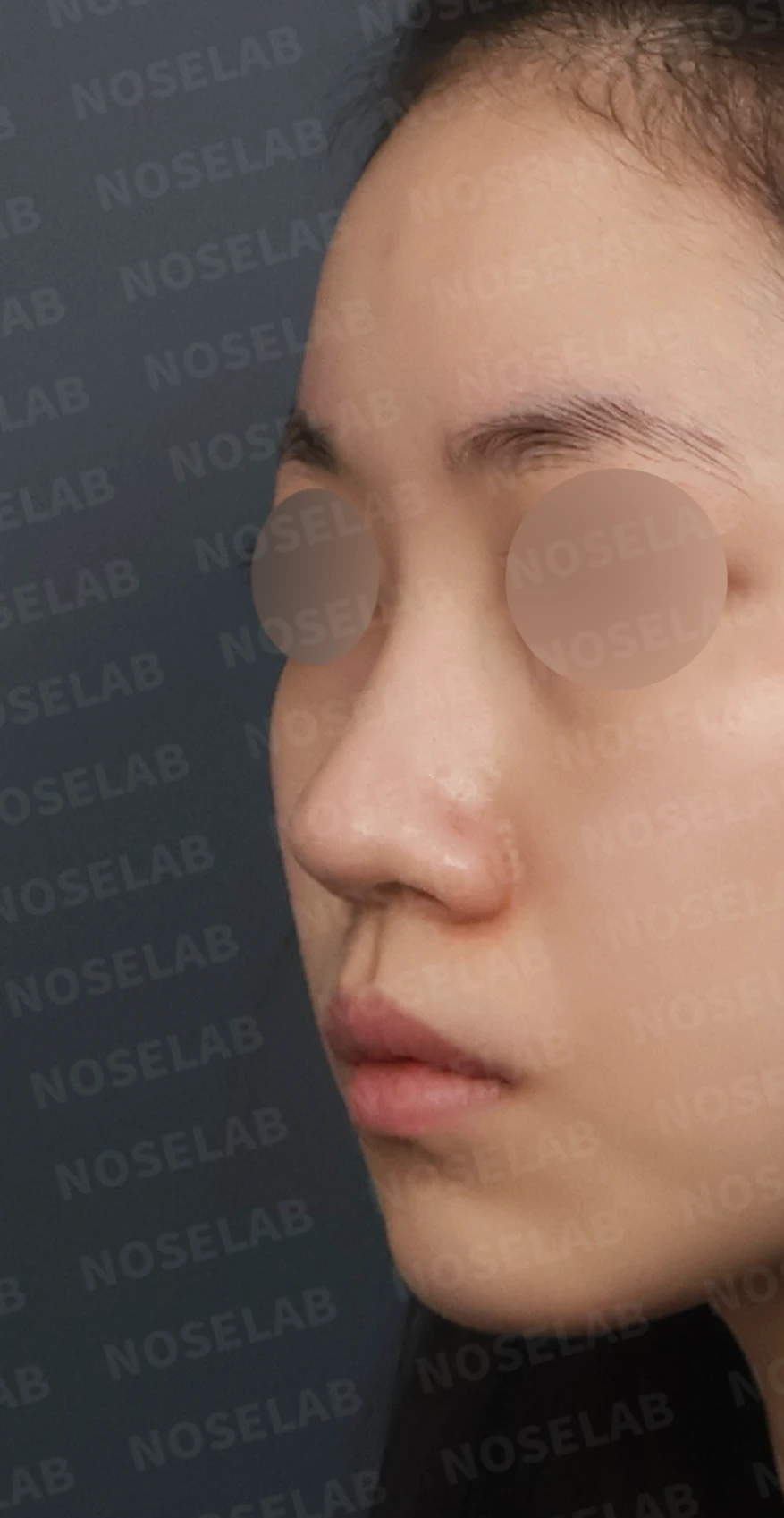
Front, left profile, and oblique views during design consultation.
💉 Patient requests
The patient's primary concerns were as follows:
Improvement of a bulbous nose and blunt nasal tip
Correction of a pug-like appearance caused by wide nasal bones
A slimmer, more defined nasal line compared to before
Preference for a feminine straight bridge line
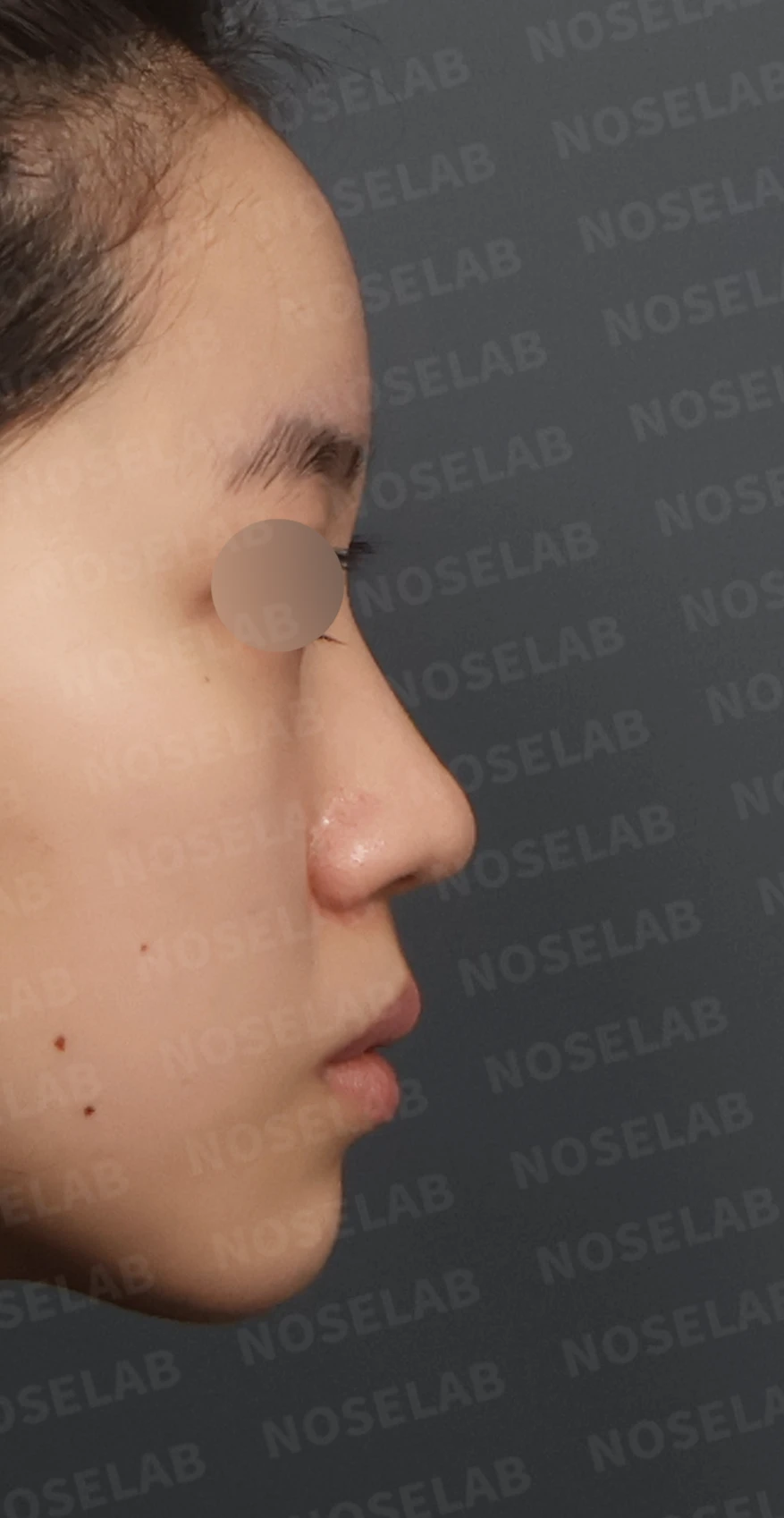
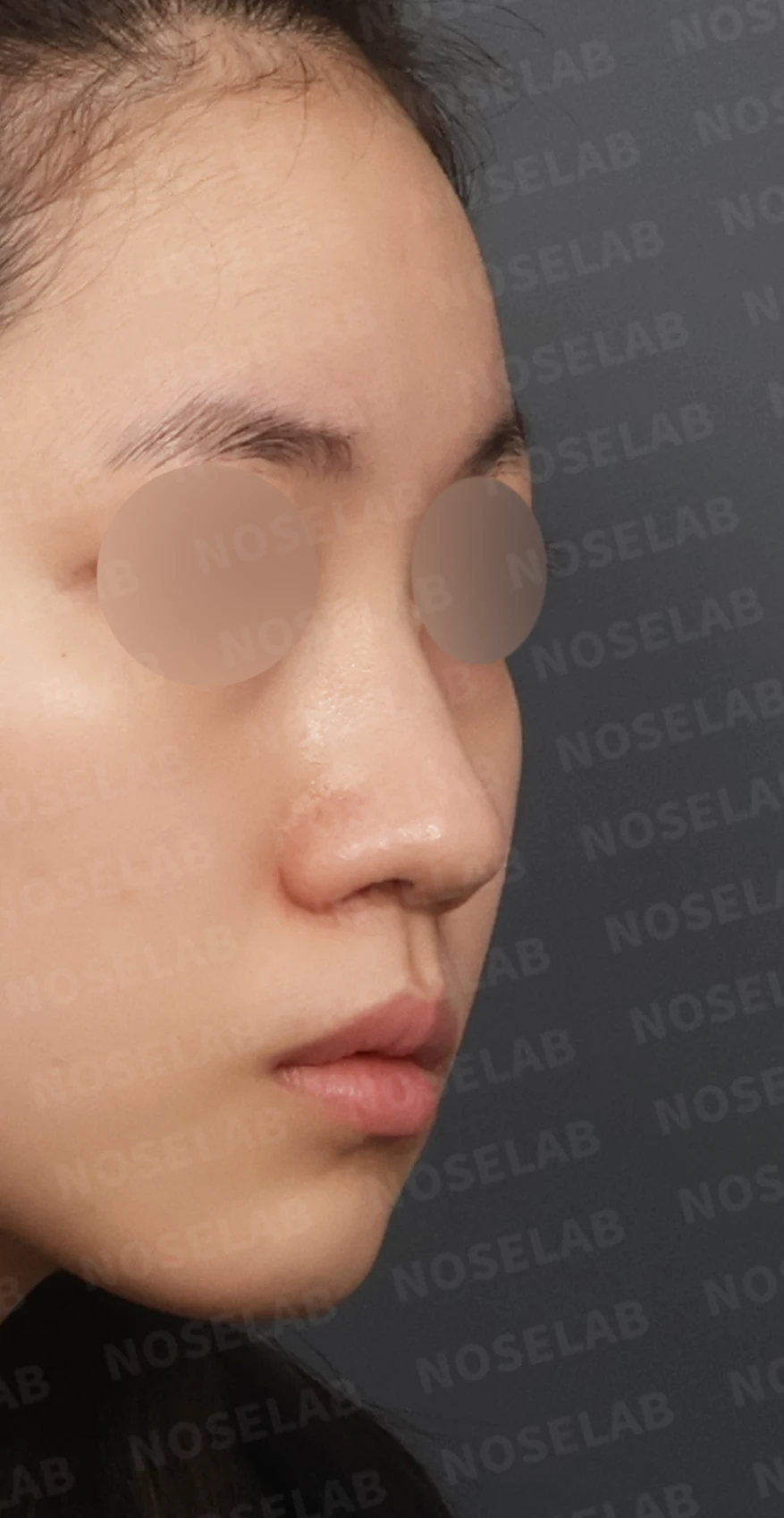
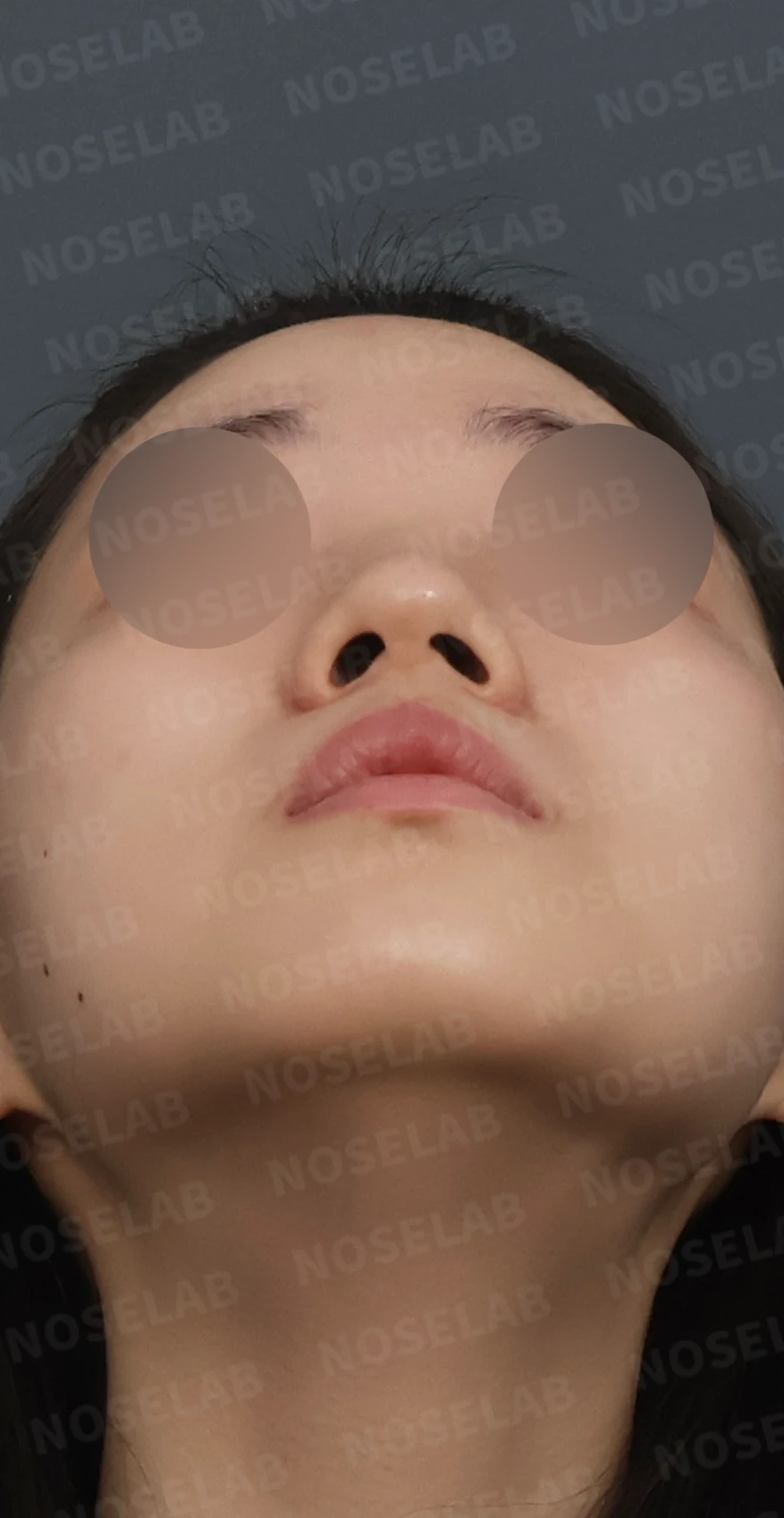
Right profile, oblique, and nostril views during design consultation.
🔧 Surgical plan and procedure
1. Nasal tip plasty using autologous rib cartilage
Creating a well-defined and natural nasal tip height
Achieving a slender, feminine line
2. Correction of the columellar line
Retracted columella naturally lowered
Natural bulbous nose improvement through tip shaping
3. Lateral osteotomy
Correction of a wide and crooked-looking nasal bridge
Securing a sleek line by narrowing the nasal width
4. Lower lateral cartilage reduction and cartilage suturing
Refined nasal tip expression by reducing cartilage size
Maintaining a stable shape through cartilage suturing
🌟 Surgical results
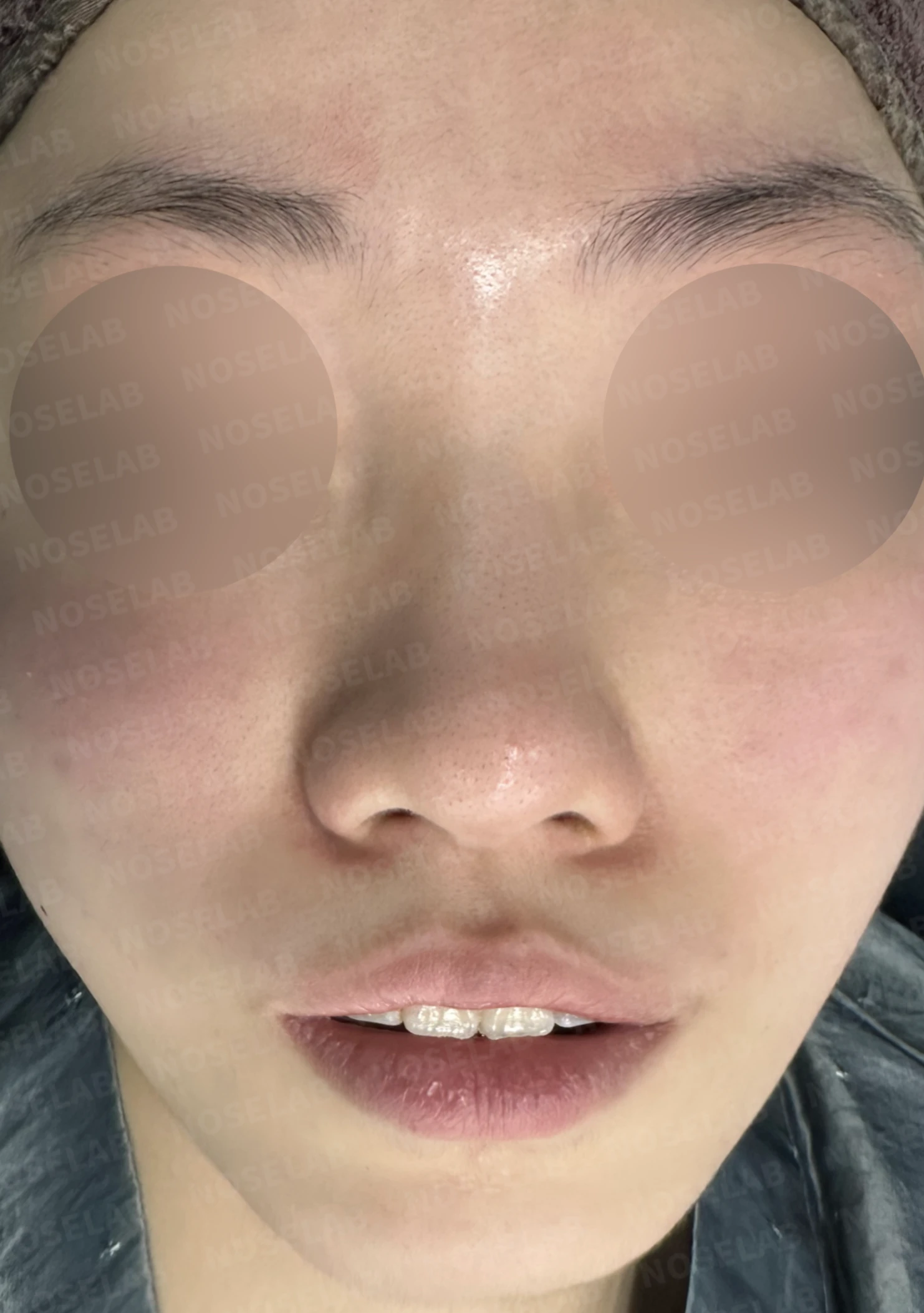
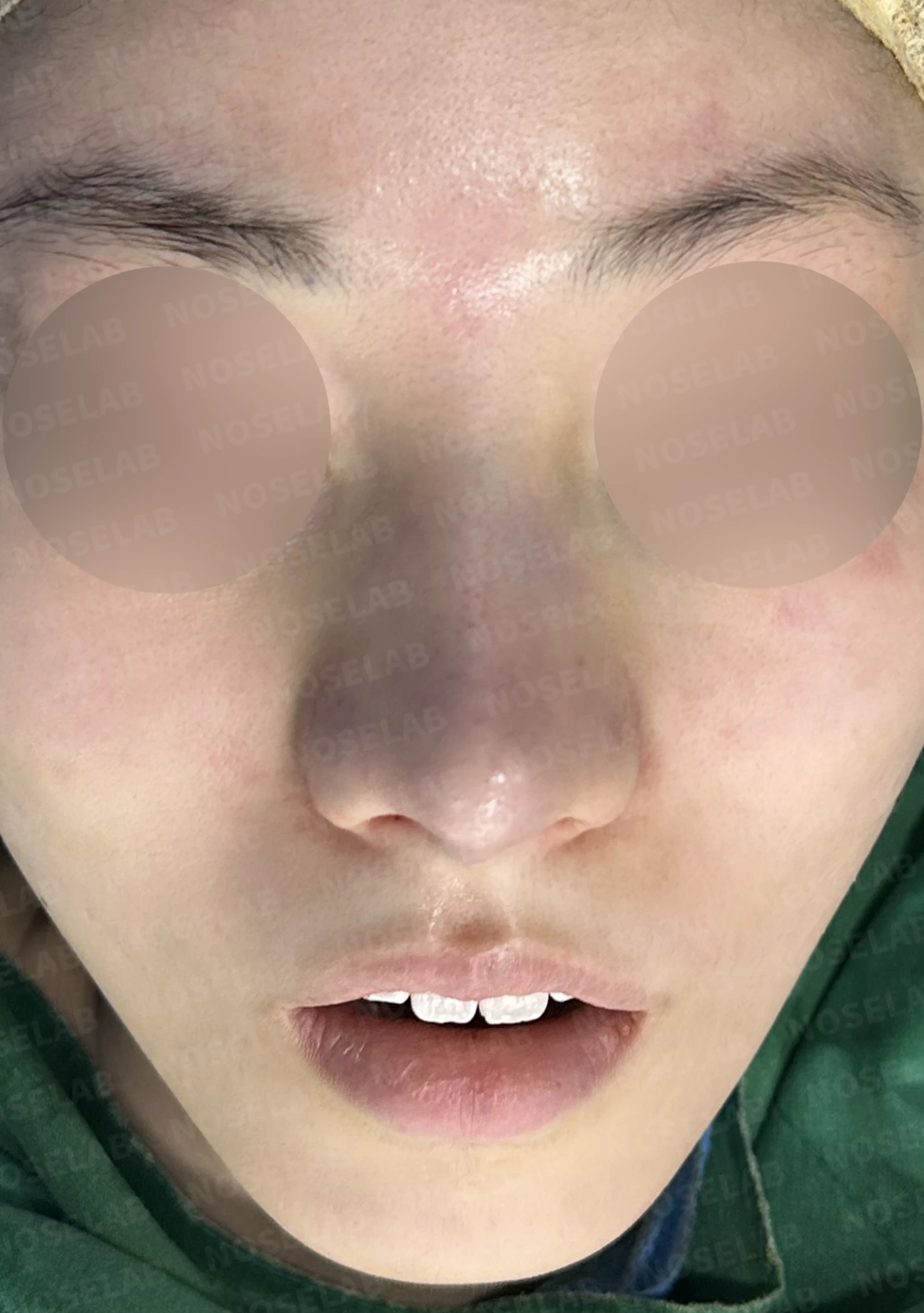
Before surgery / Day 0 immediately after surgery Photos taken immediately after surgery show swelling and may differ from the final result.
Front view changes:
The previously blunt nasal tip became well-projected and slender
The wide nasal base was narrowed, creating a refined impression
The pug-like look was resolved, resulting in a feminine line
Before surgery / Day 0 immediately after surgery Photos taken immediately after surgery show swelling and may differ from the final result.
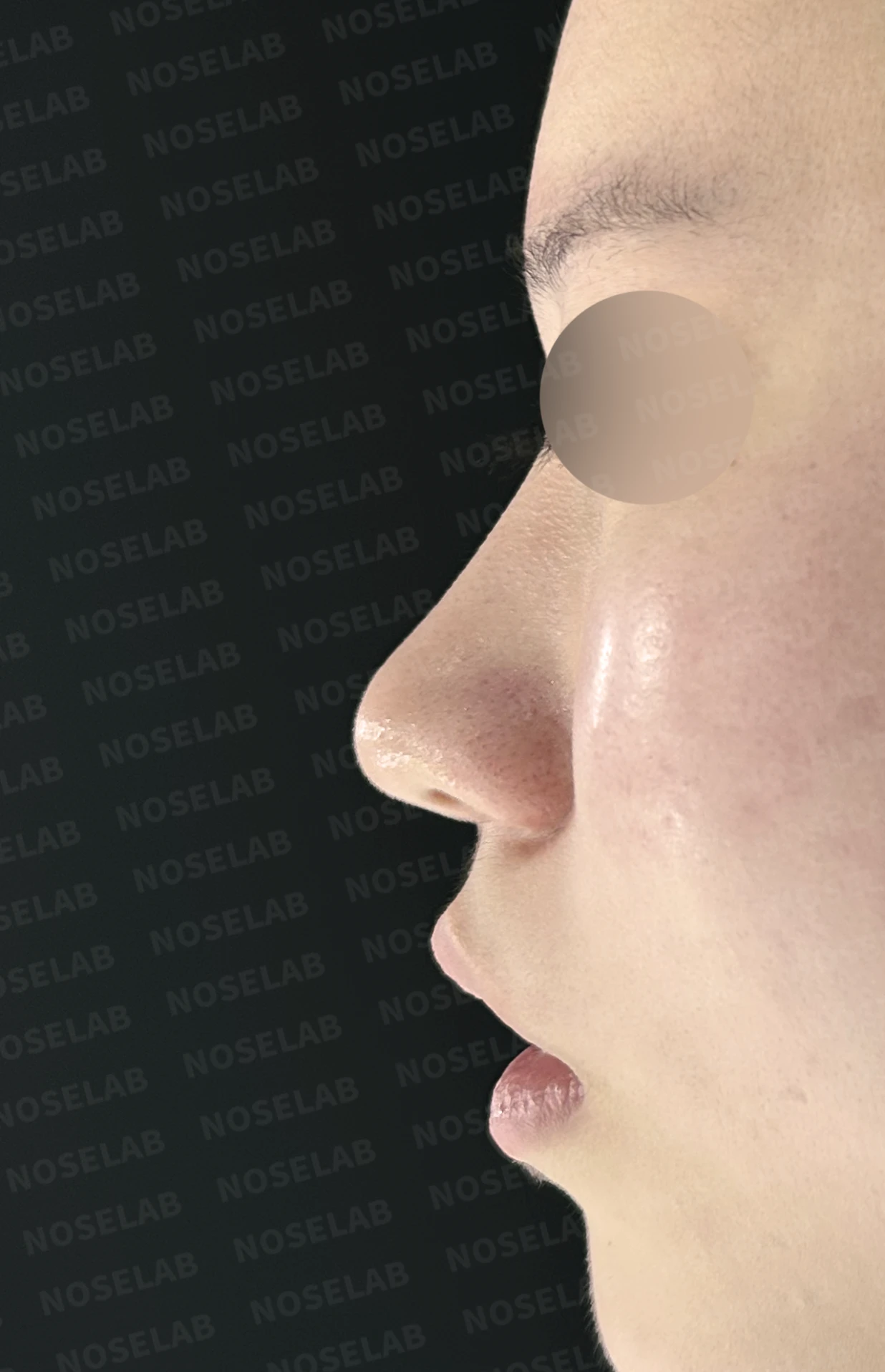
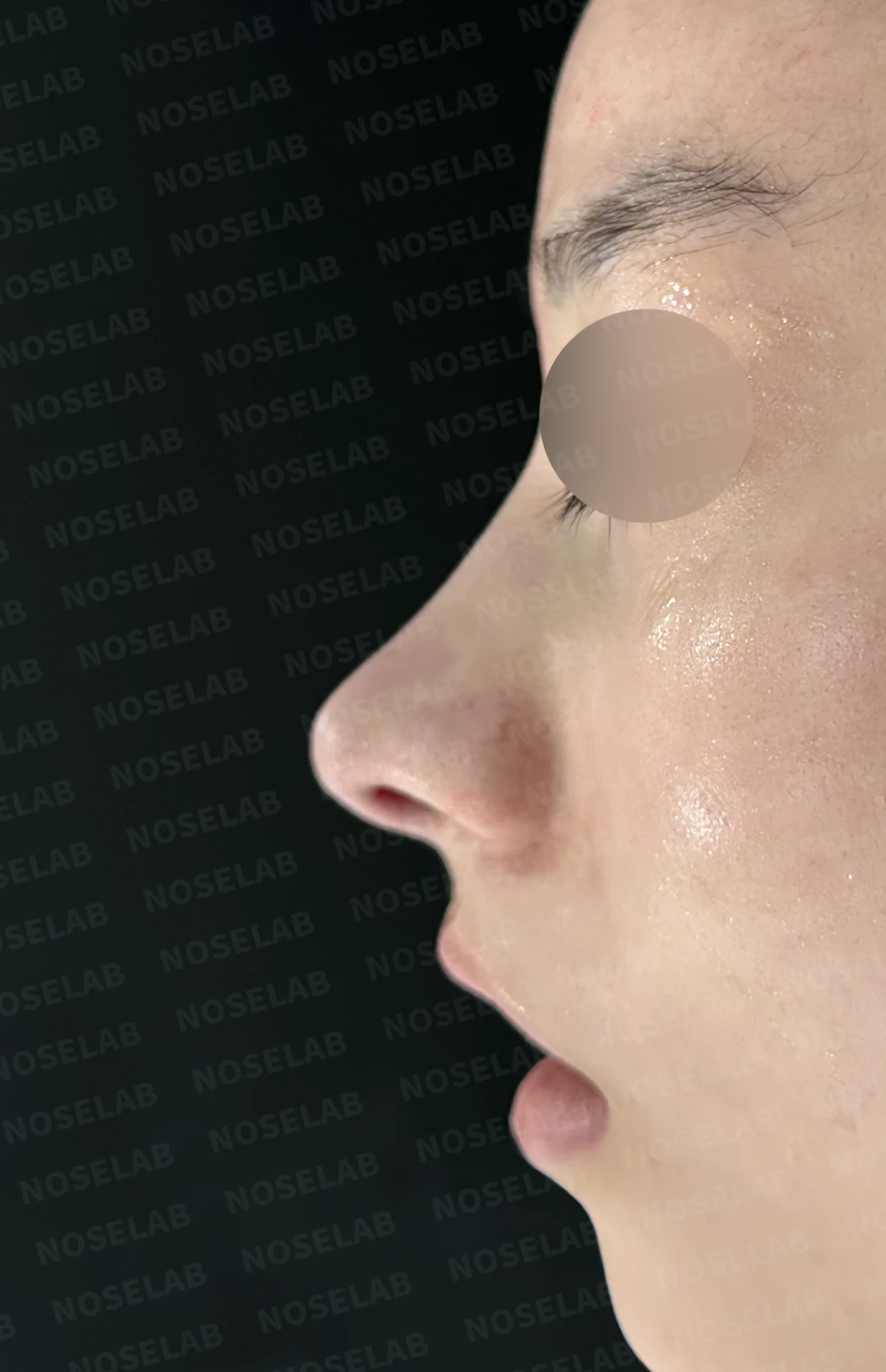
Profile view changes:
A natural straight bridge line providing a distinct yet well-balanced profile
The retracted columella was naturally lowered, improving the tip silhouette
A three-dimensional design bringing a notable transformation
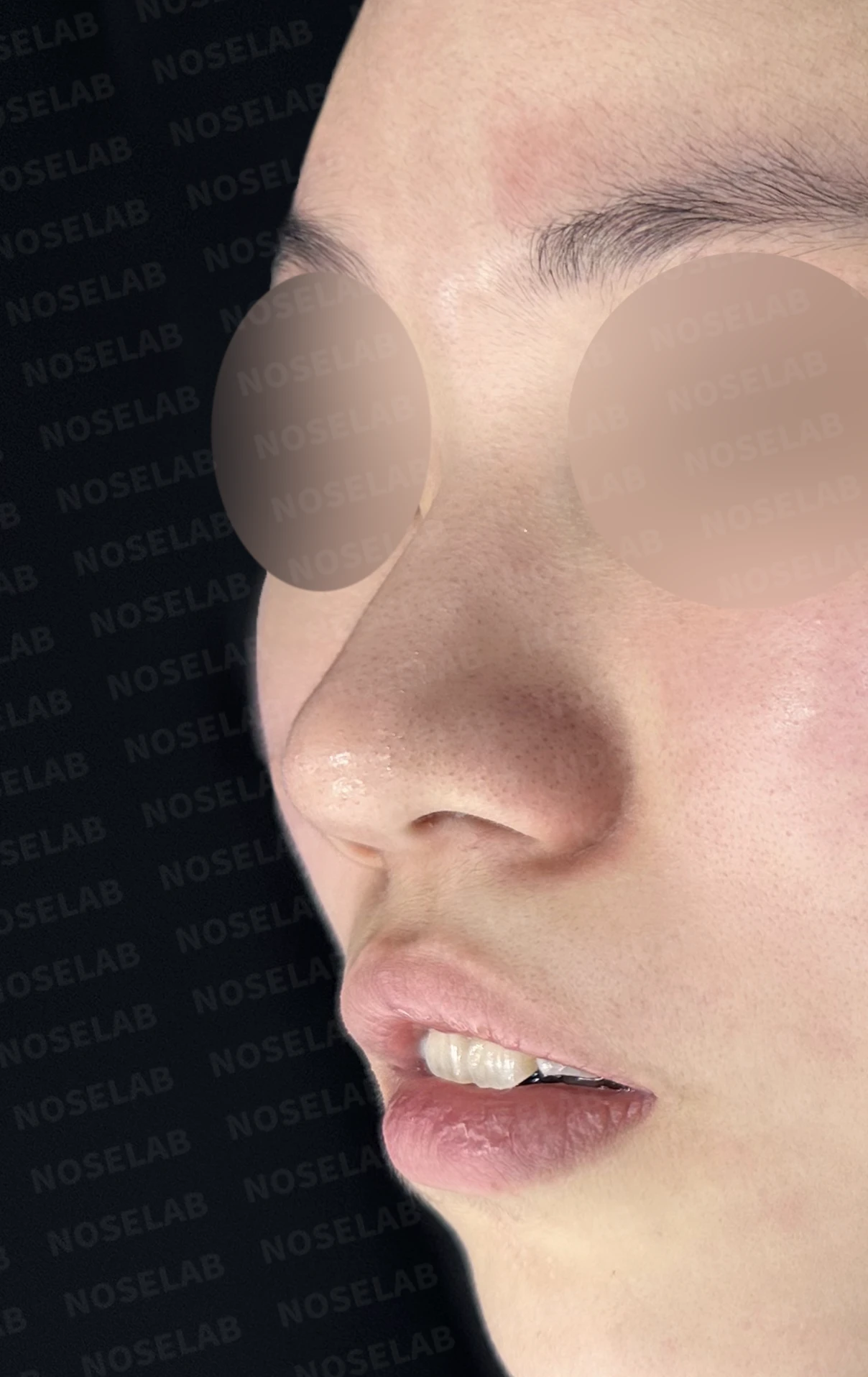
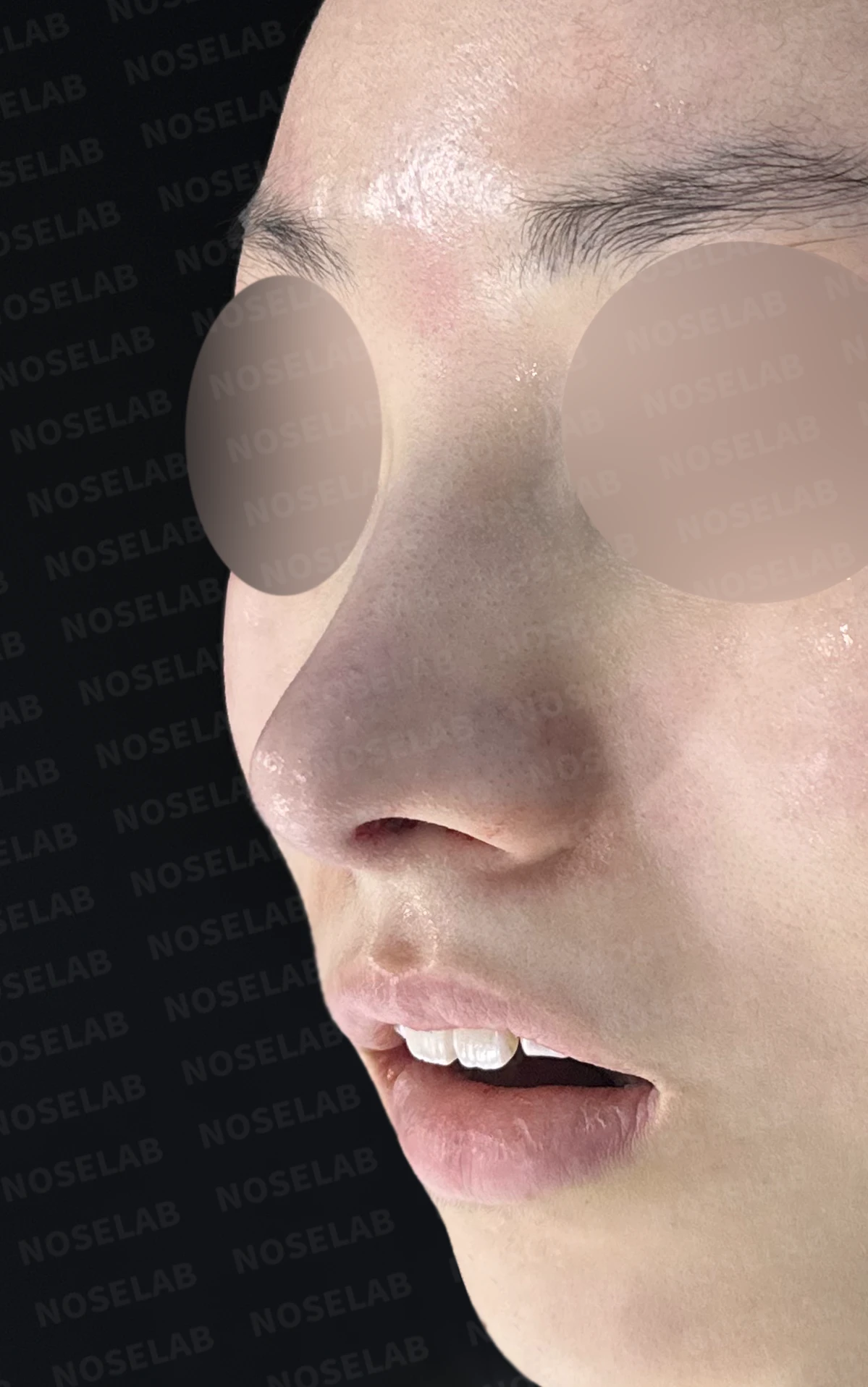
Before surgery / Day 0 immediately after surgery Photos taken immediately after surgery show swelling and may differ from the final result.
Nostril view changes:
The blunt nasal tip was tidied, yielding a clean nostril shape
A natural contour with balanced symmetry between both sides
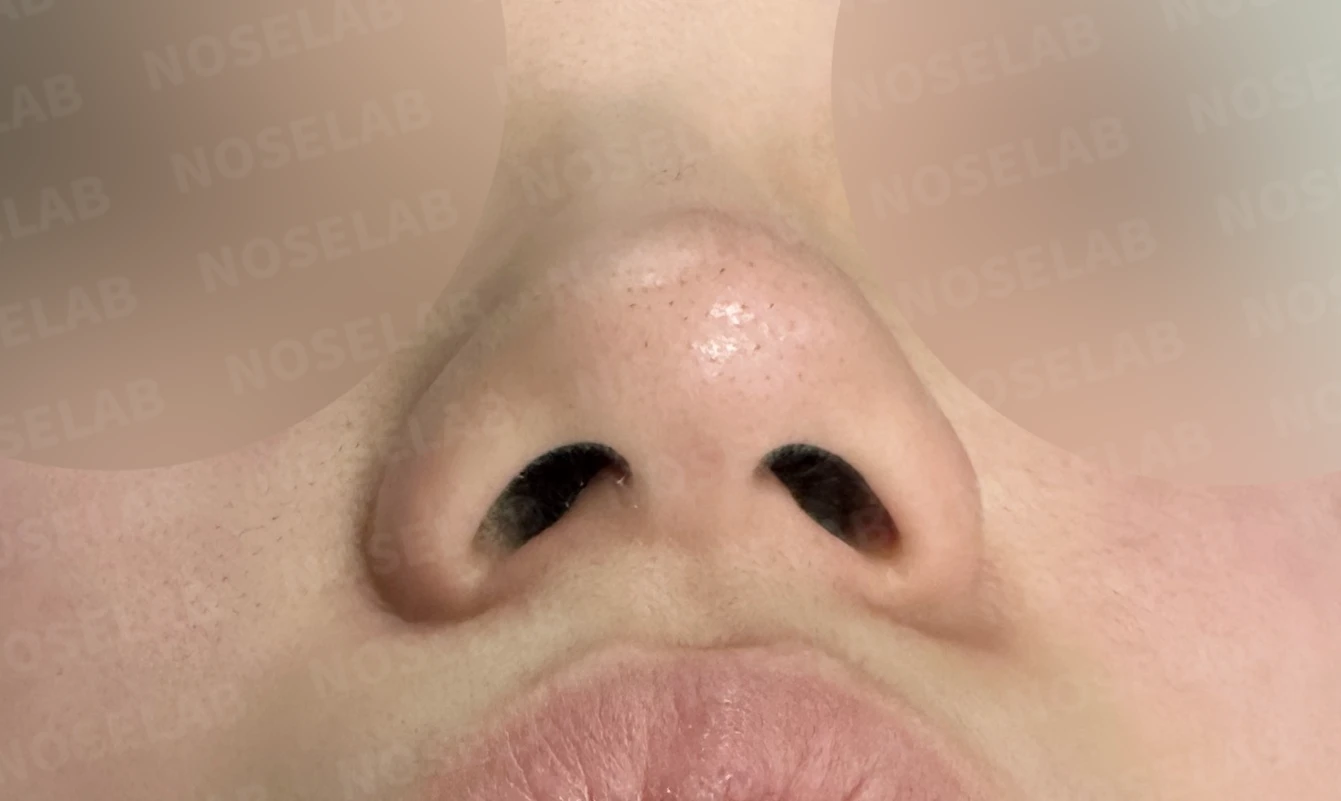
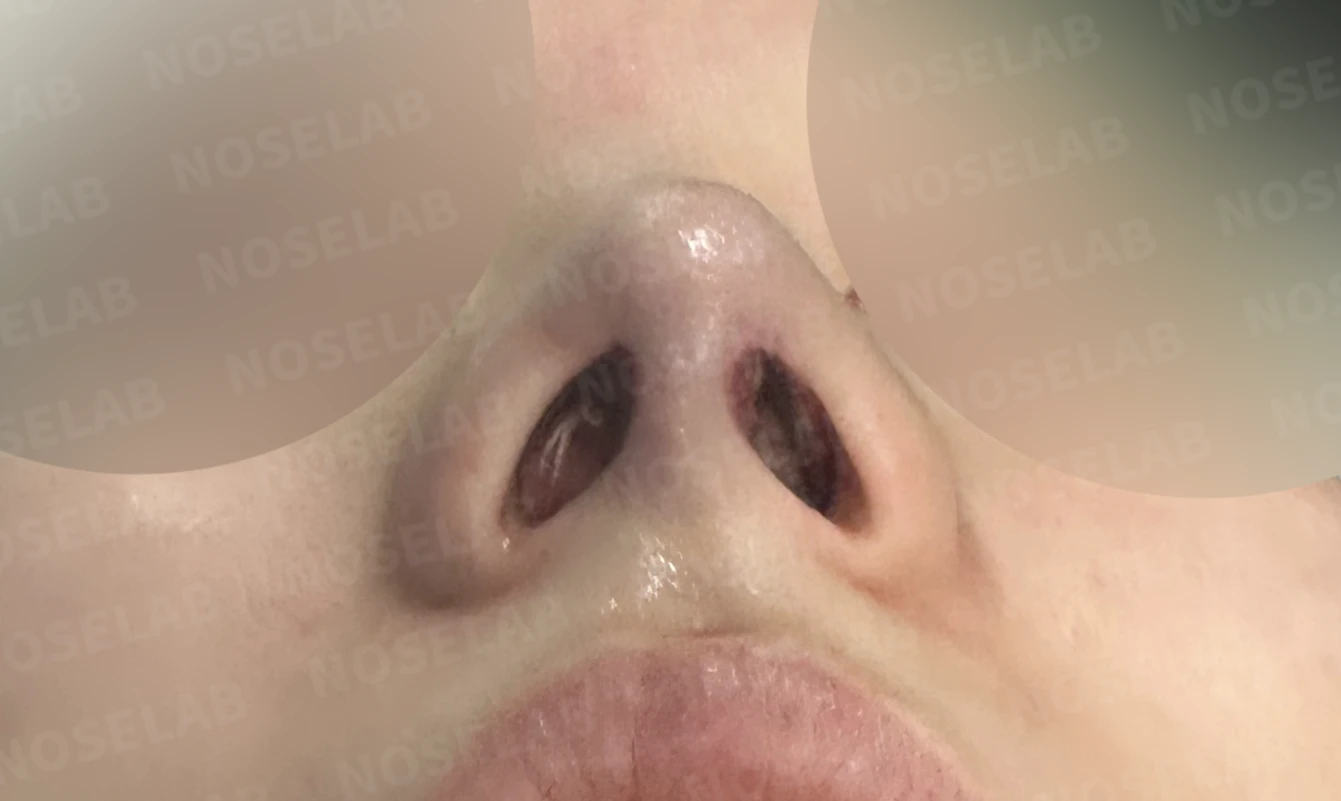
Before surgery / Day 0 immediately after surgery Photos taken immediately after surgery show swelling and may differ from the final result.
💡 Specialist opinion
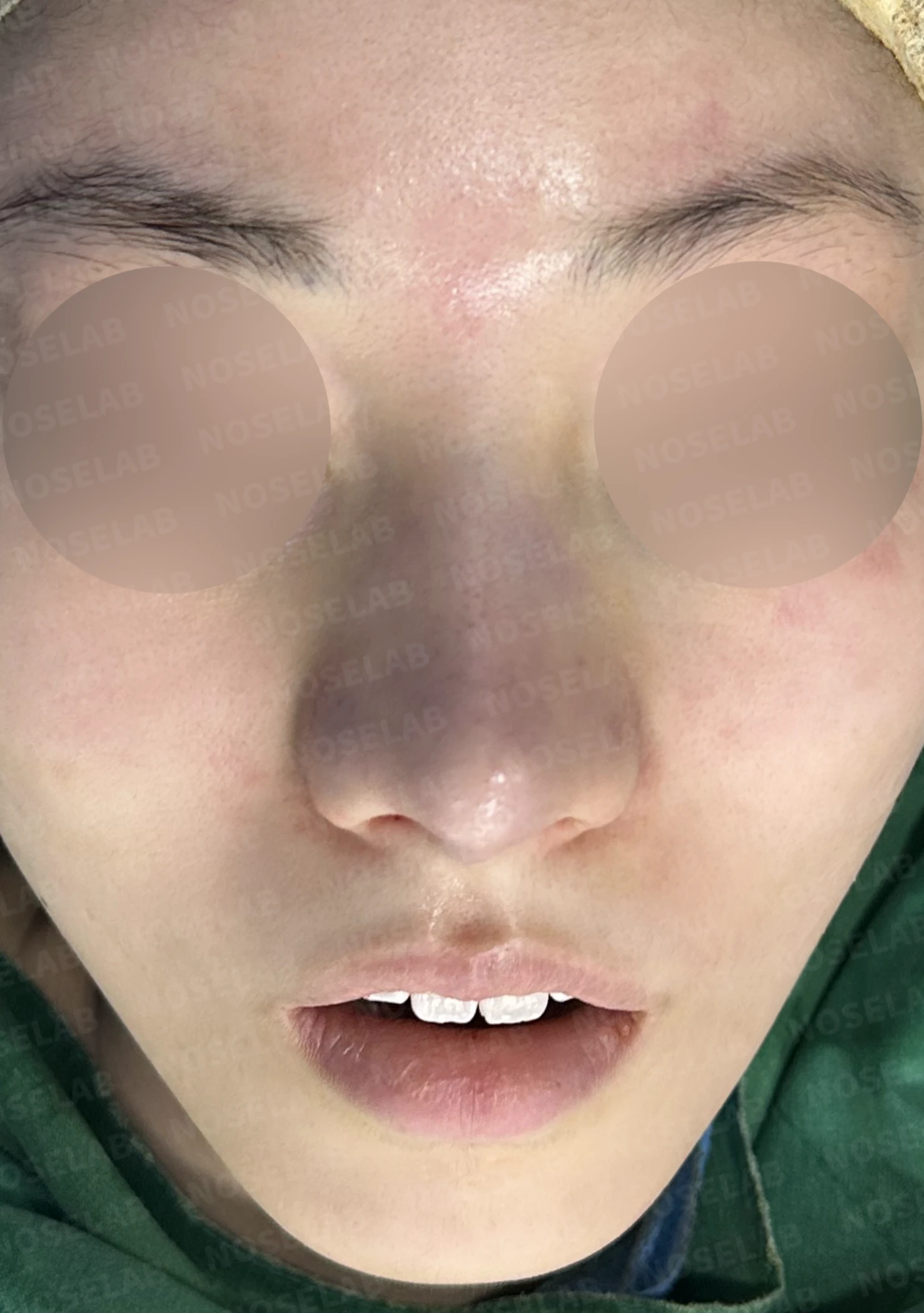
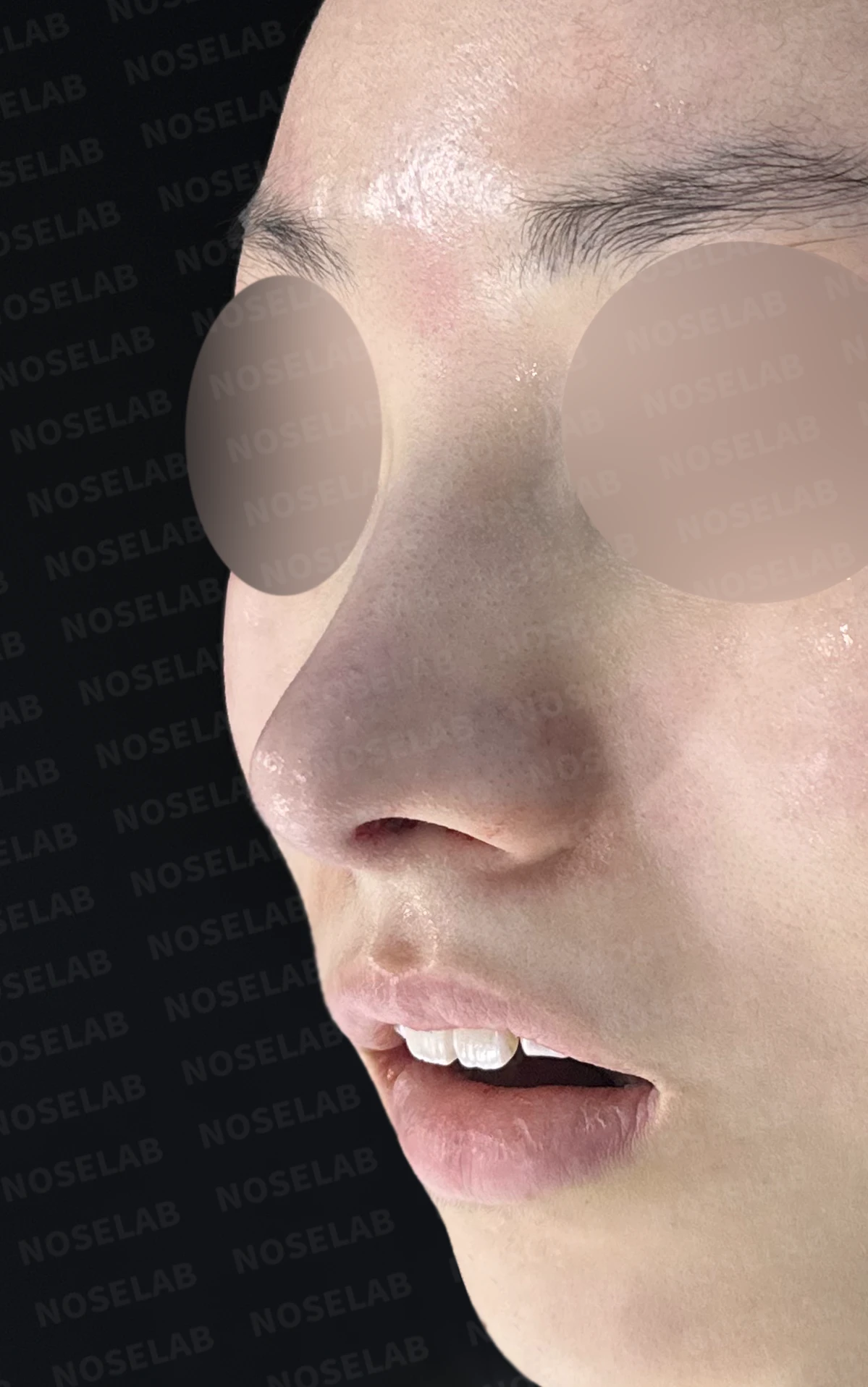
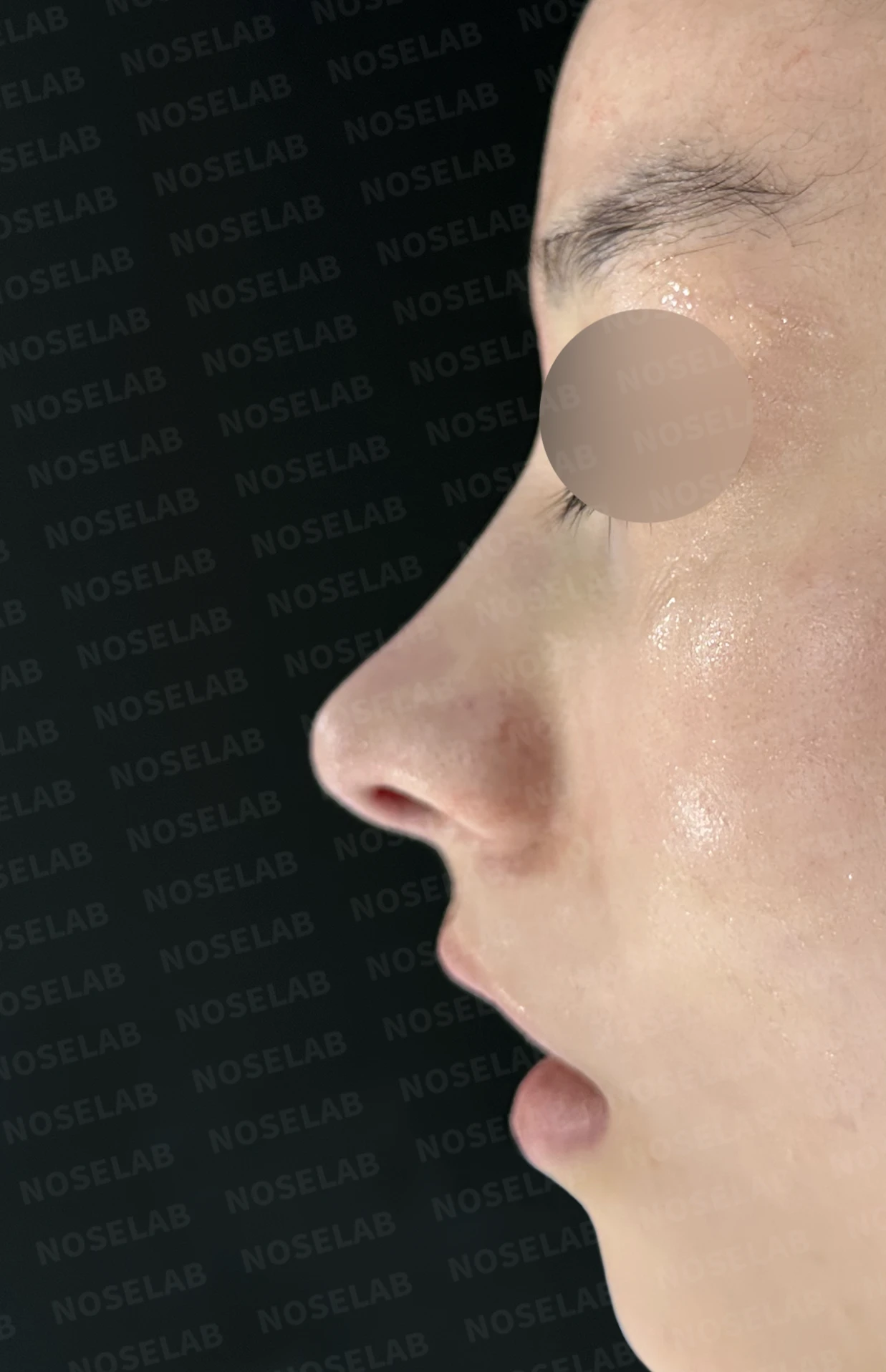
Front, oblique, and profile views on day 0 immediately after surgery. Photos taken immediately after surgery show swelling and may differ from the final result.
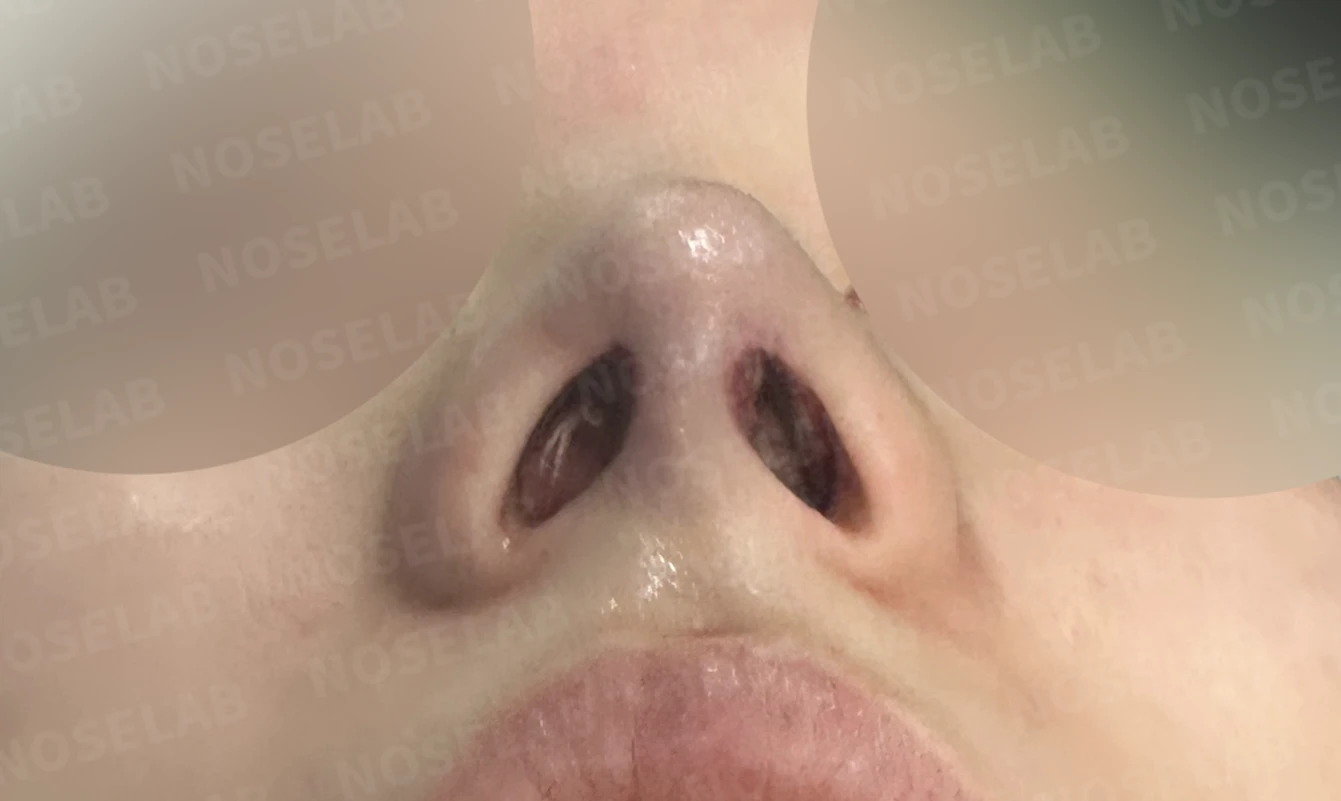
Nostril view on day 0 immediately after surgery. Photos taken immediately after surgery show swelling and may differ from the final result.
Correcting a bulbous nose is not simply about raising the nasal tip; the key lies in enhancing the three-dimensional harmony of the entire nose. Especially in bulbous noses, a design that restores dimension can produce a dramatic improvement.
In this type of case, autologous rib cartilage was used to secure a stable structural support, while correcting the retracted columellar line naturally improved the overall shape of the nasal tip. By combining lateral osteotomy and cartilage suturing, both the wide nasal bridge and the blunt nasal tip could be corrected simultaneously.
I hope this case is helpful to those who are concerned about a bulbous or pug-like nose.
This was Dr. Peter C. Kang. Thank you.
#bulbousnosecorrection #pugnosecorrection #autologousribrhinoplasty #nasaltipplasty #closedrhinoplasty #closedrevisionrhinoplasty #femininenose #straightbridgeline #slendernose #columellacorrection

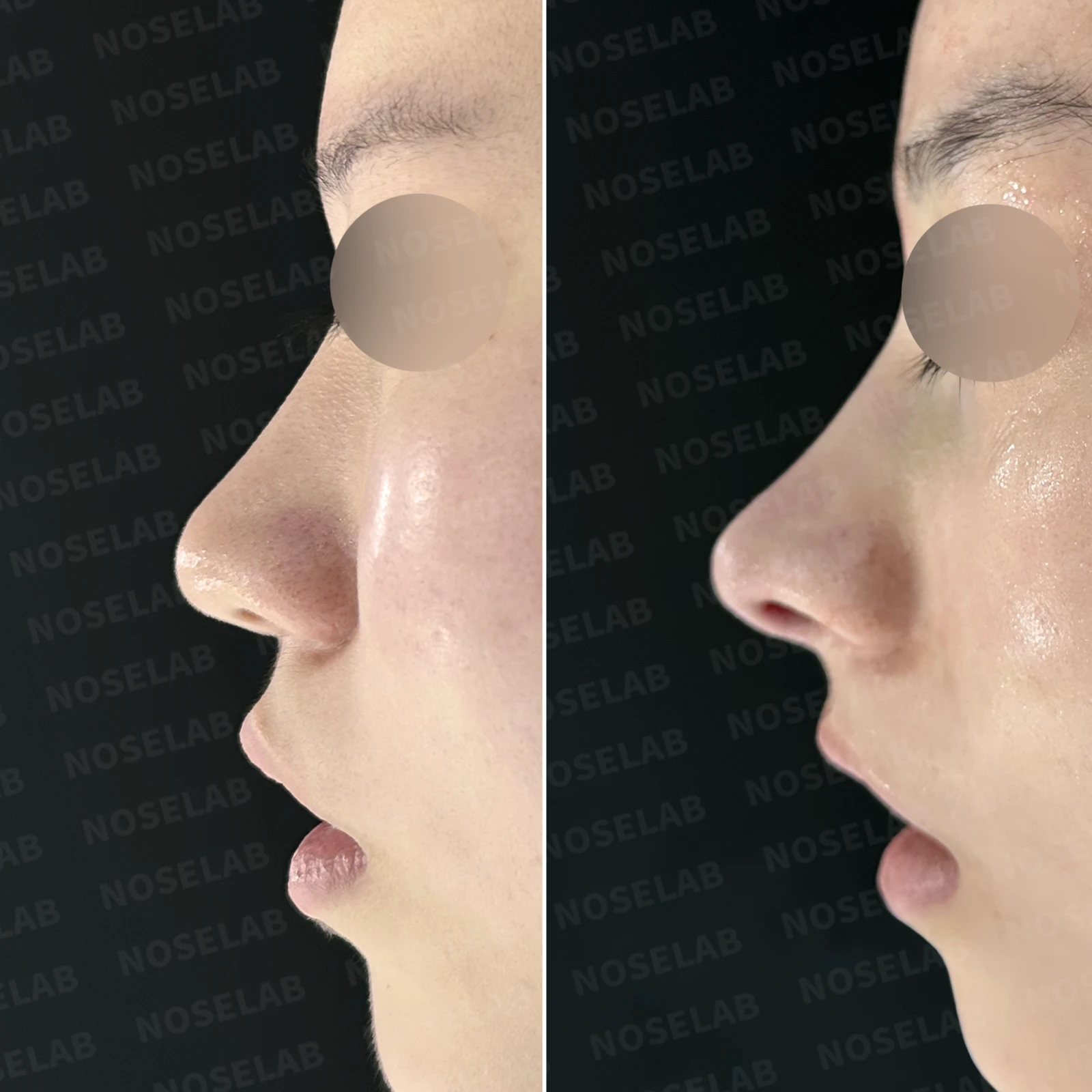
Limitations and risks
When autologous rib cartilage is used, scarring and pain may remain at the donor site on the chest, and pneumothorax (pleural injury) can occur rarely. Over time, the grafted cartilage may warp or undergo partial resorption.
Common potential risks include infection, bleeding, asymmetry, scarring, skin necrosis, and insufficient improvement; results vary depending on individual skin condition and previous surgical history.