Hello, I am Dr. Peter C. Kang.
Today, I would like to share a customized rhinoplasty case of a patient with a small and short nose.
🔍 Procedure history
7 years ago: 1 nose filler treatment (not dissolved)
💉 Patient's requests
Defined nasal line
Appropriate radix height
Desire for columellar show
Correction of the nasolabial angle
Improvement of a wide nose
Preference for autologous rib cartilage
🔧 Preoperative analysis
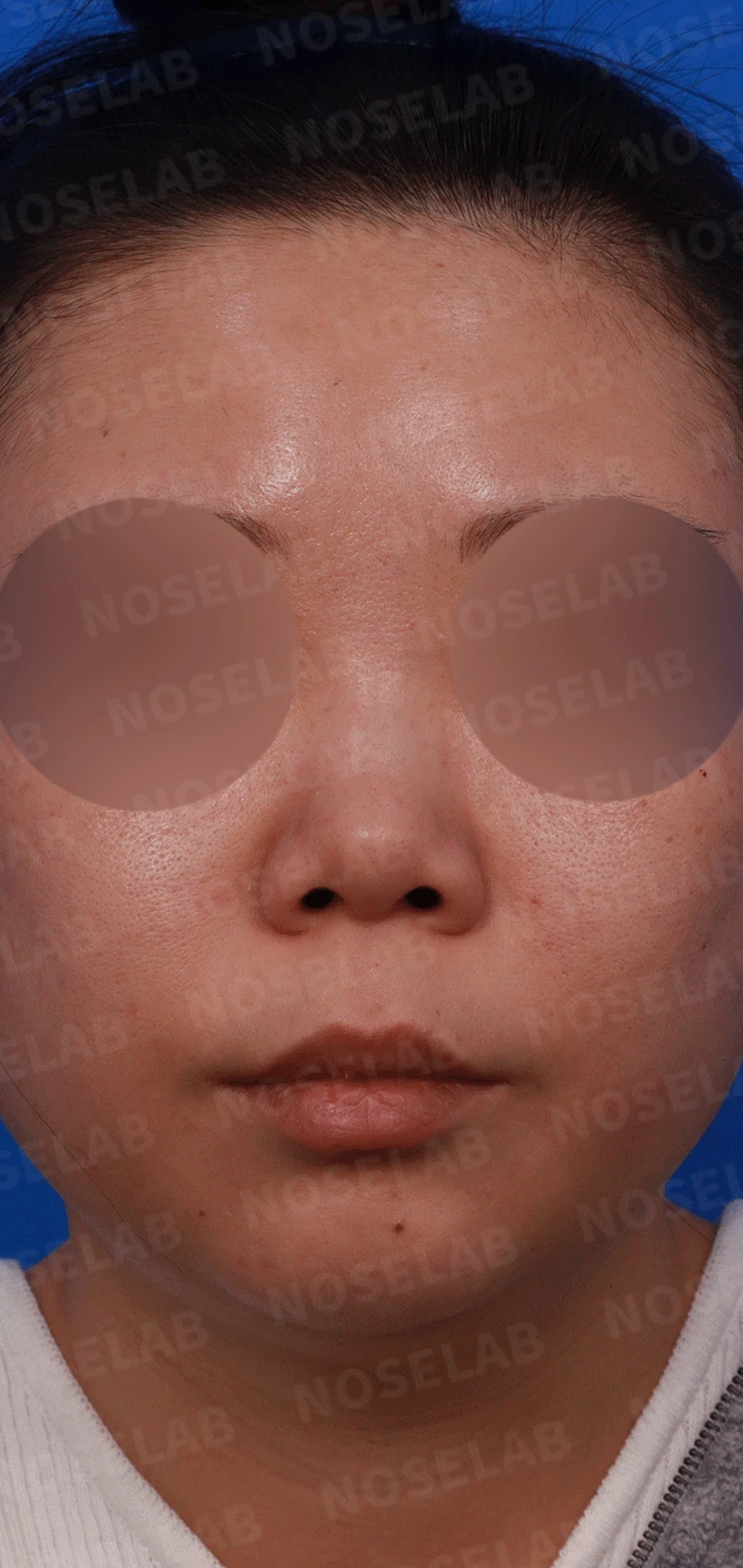
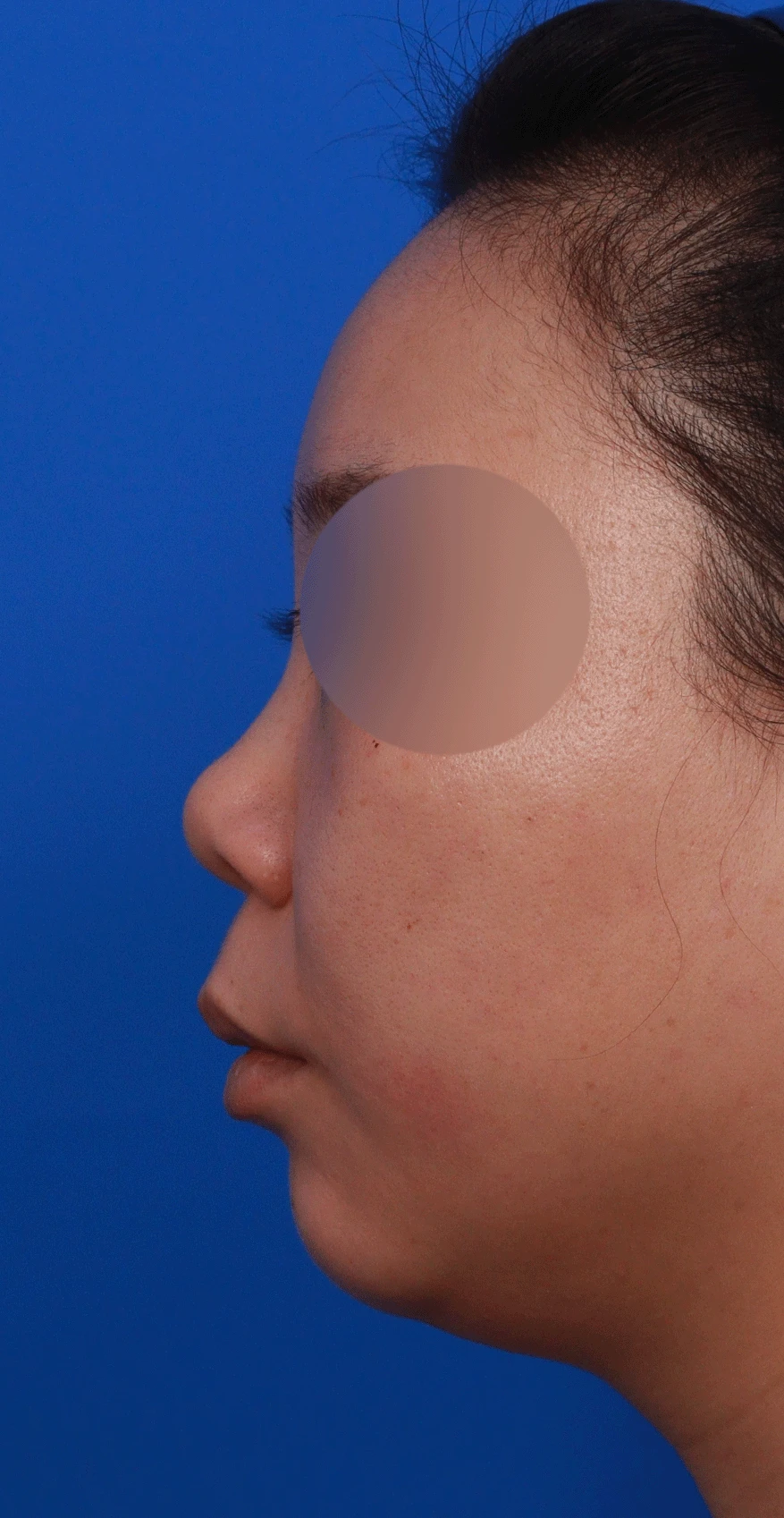
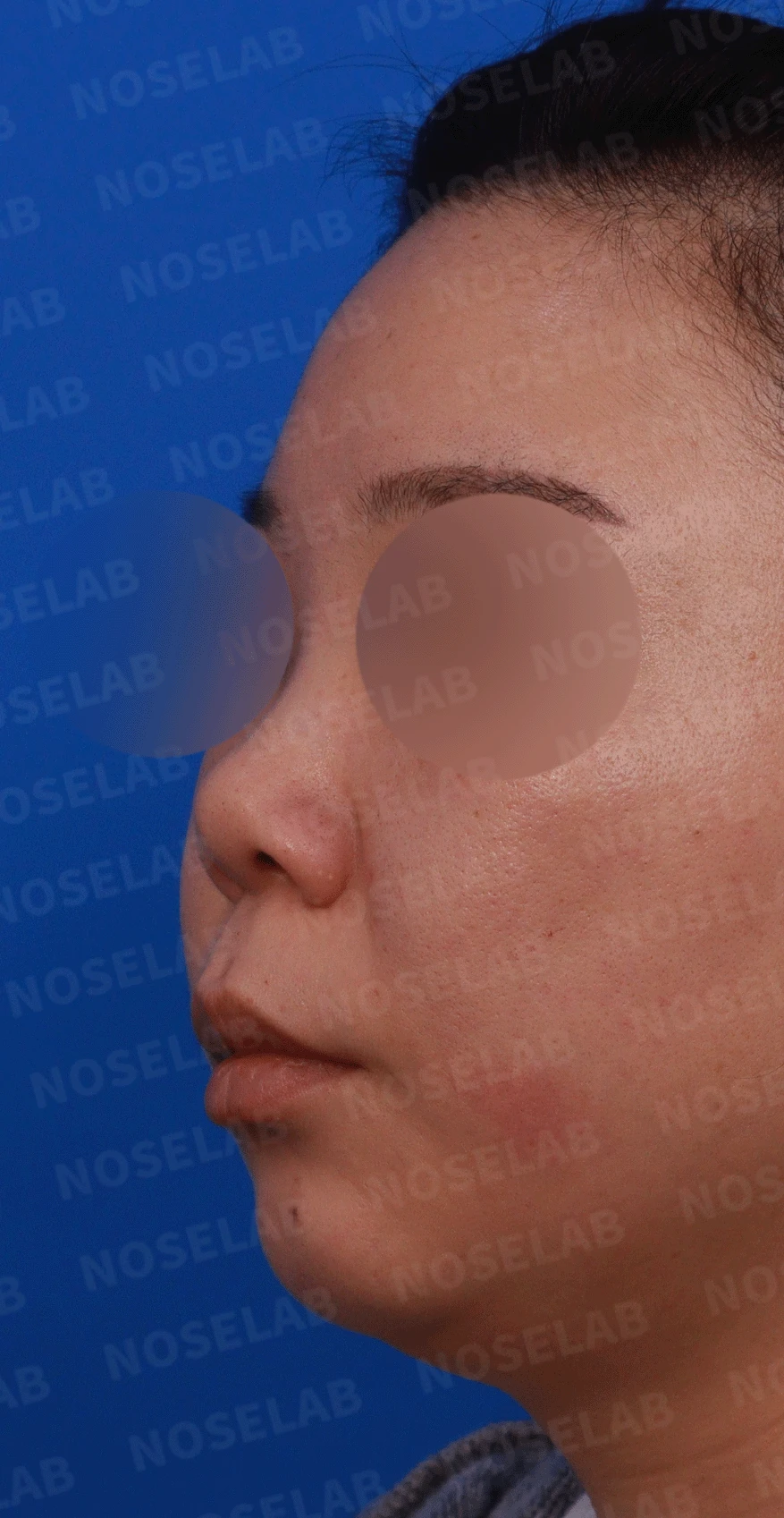
Front, left profile, and oblique views during design consultation.
Front view
Blunt and broad nasal tip
Nostril asymmetry
Low and wide nasal bridge
Overall small and short nose
2. Profile view
Short and upturned nose
Protruding mouth findings
Retracted columella
Nasolabial angle under 90 degrees
3. Nostrils
Left-right asymmetry
Columella tilted to the left
Flared nasal tip
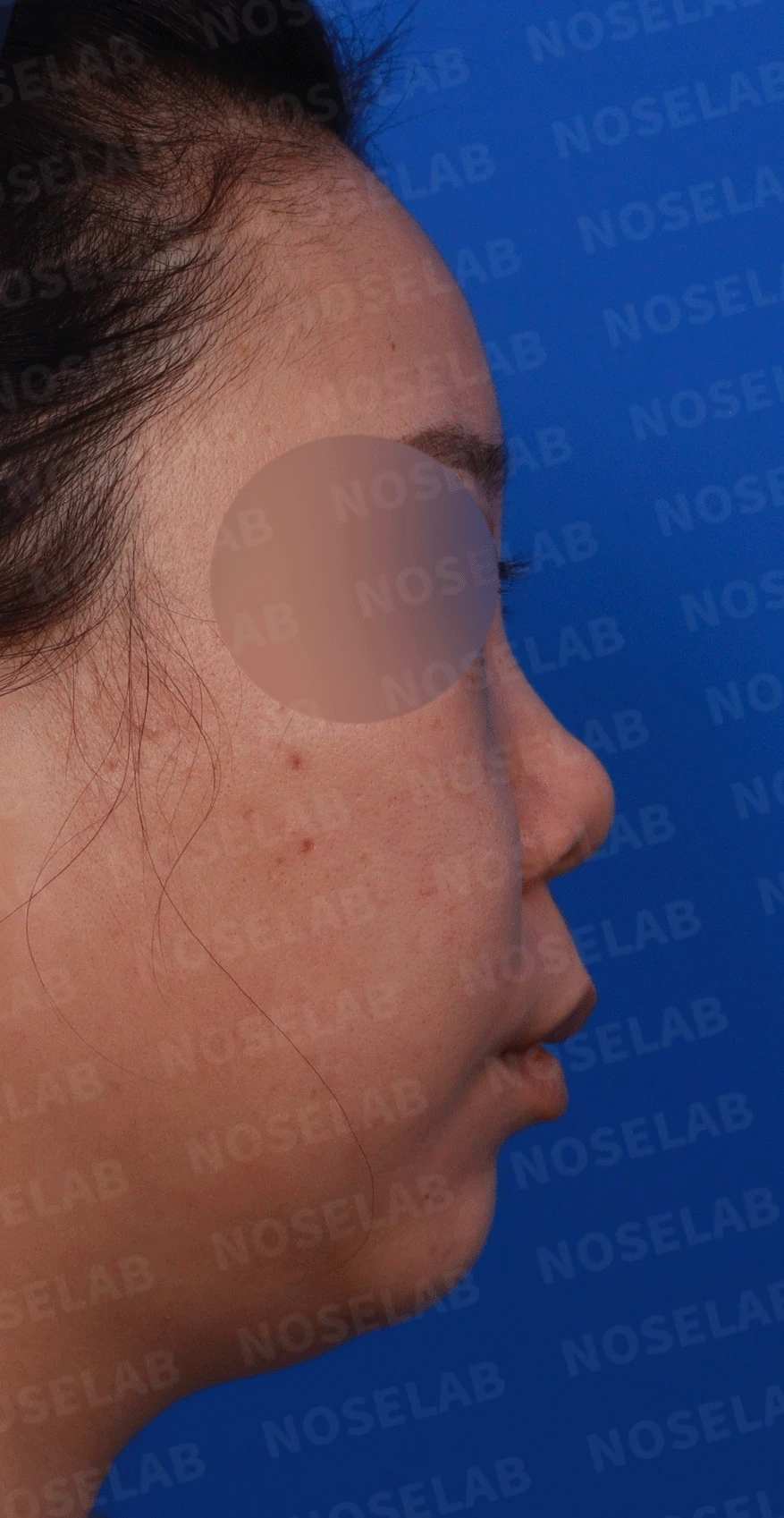
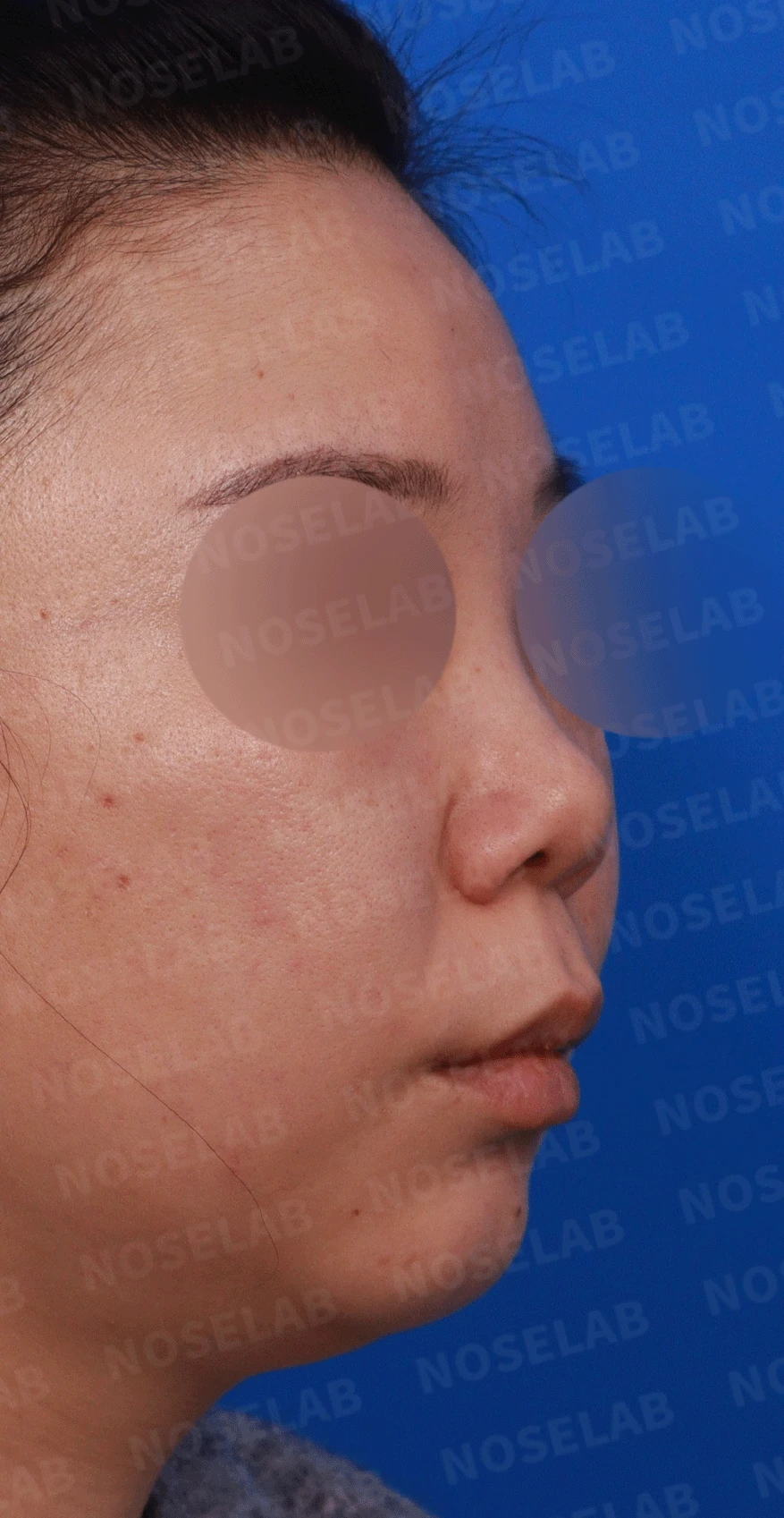
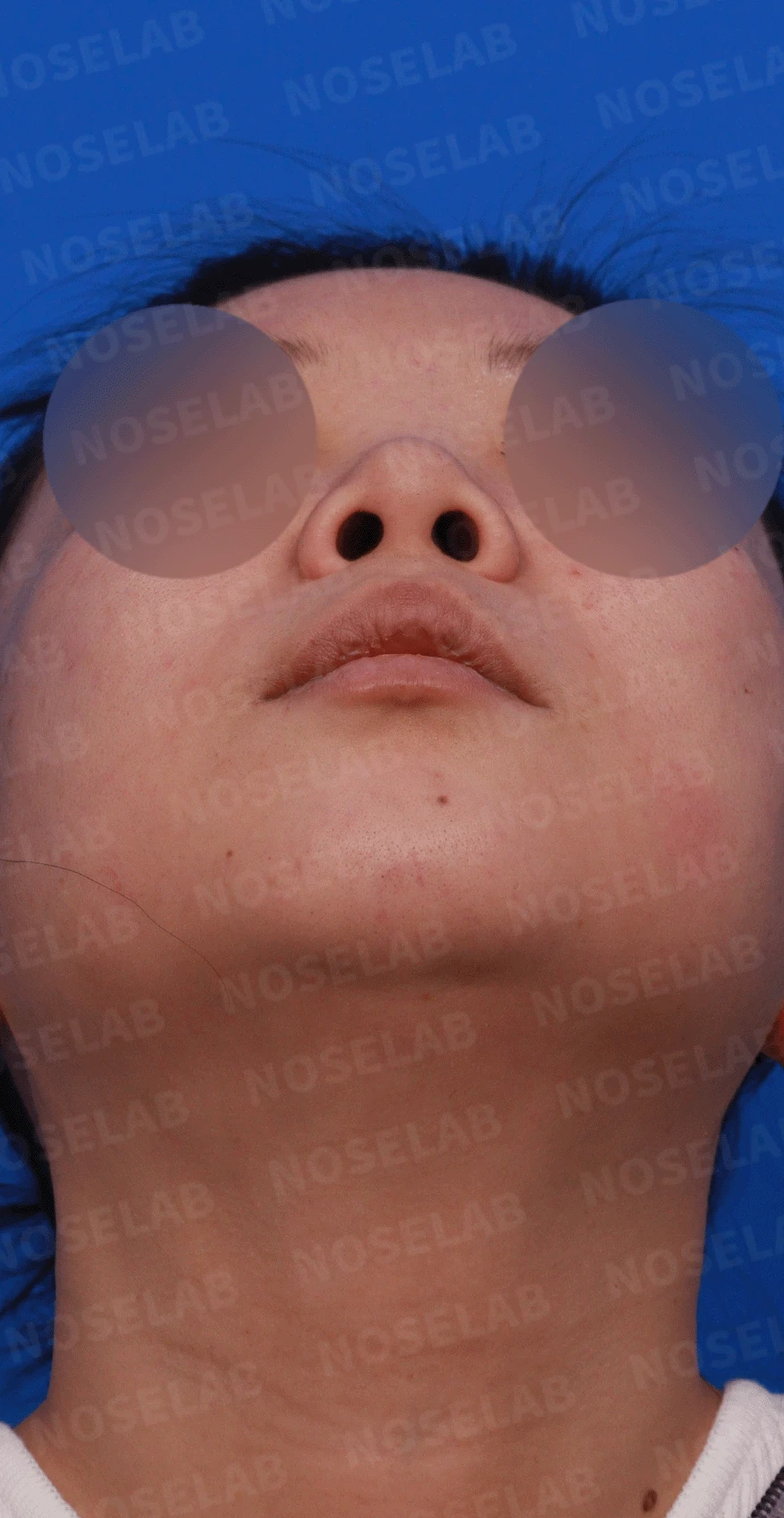
Right profile, oblique, and nostril views during design consultation.
💉 Surgical procedure details
Nasal bridge improvement
Narrowing nasal width with lateral osteotomy
Creating a nasal bridge line with a silicone implant
Foreign body removal from the nasal bridge
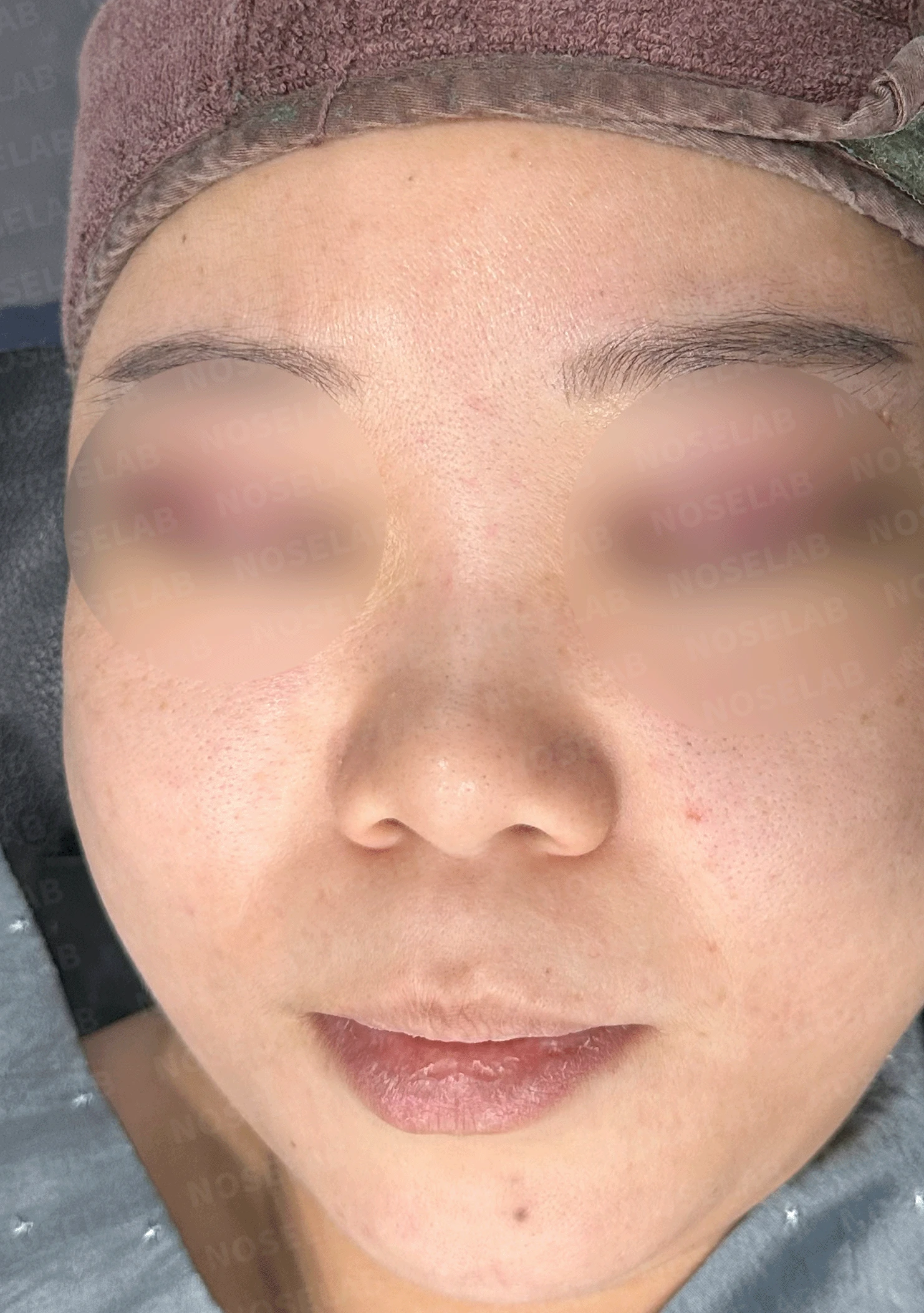
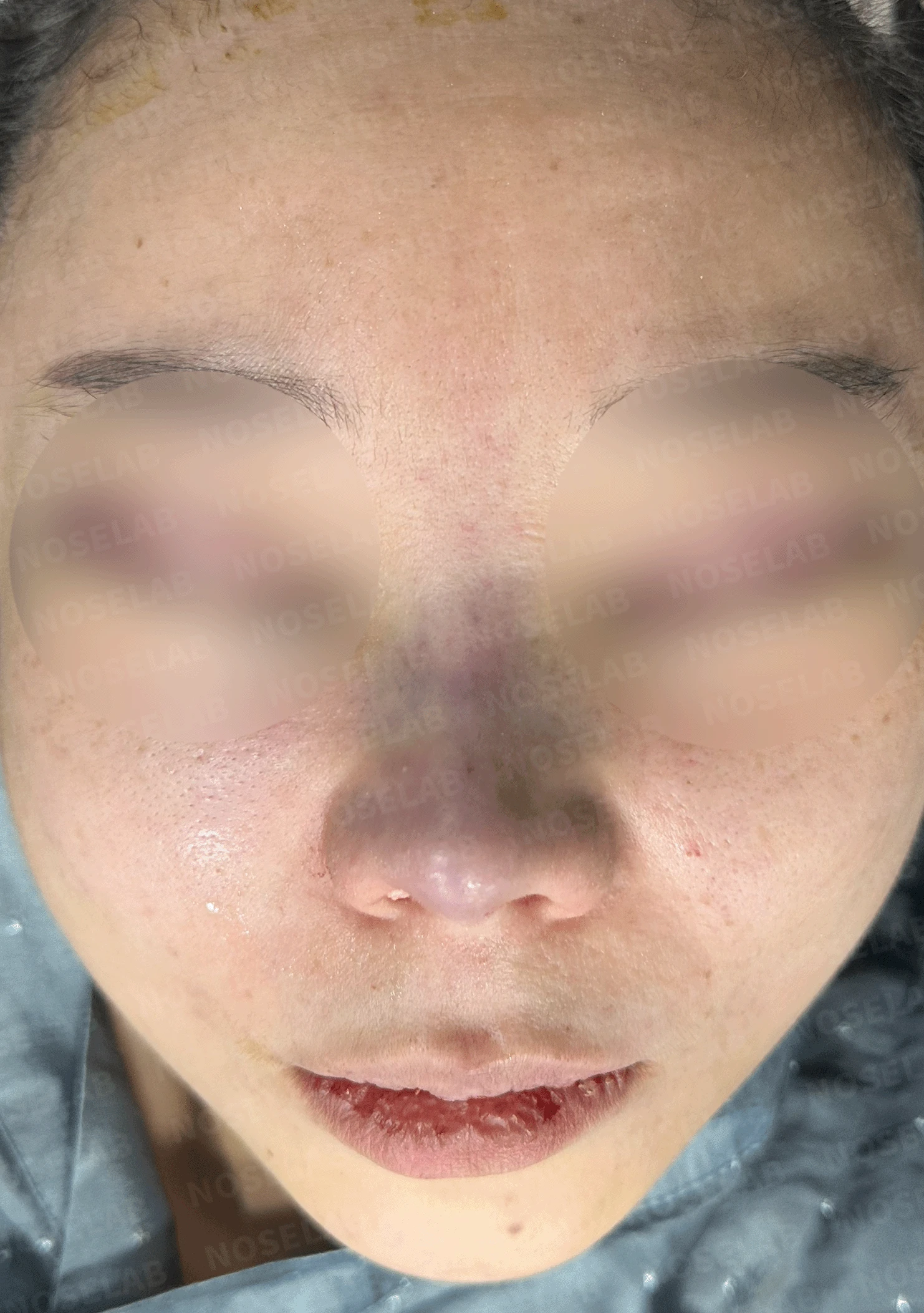
Before surgery / Day 0 immediately after surgery Photos taken immediately after surgery show swelling and may differ from the final result.
2. Nasal tip improvement
Expanding the skin as much as possible,
Derotating the upturned nose, and
Raising nasal tip height as much as possible
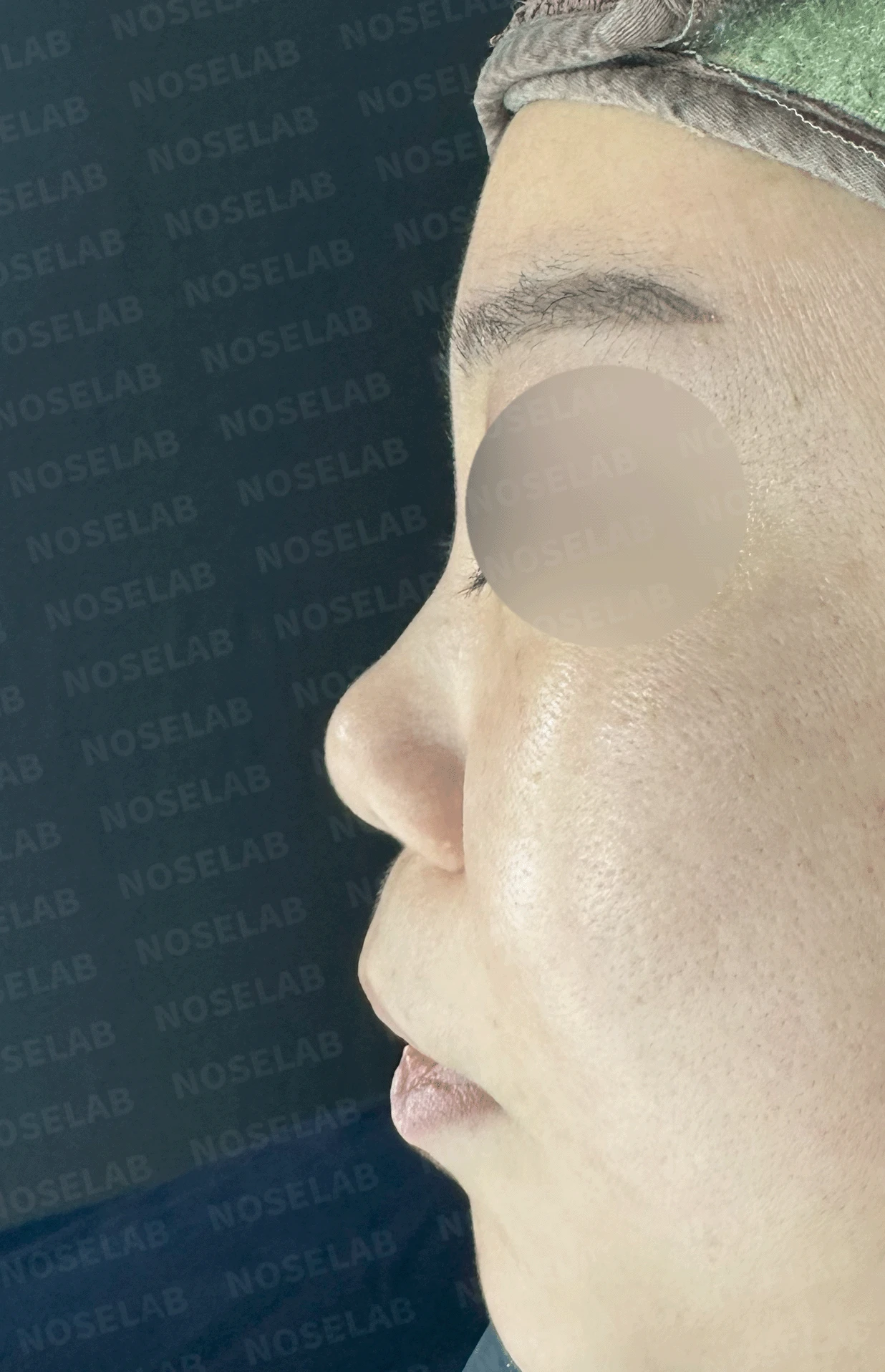
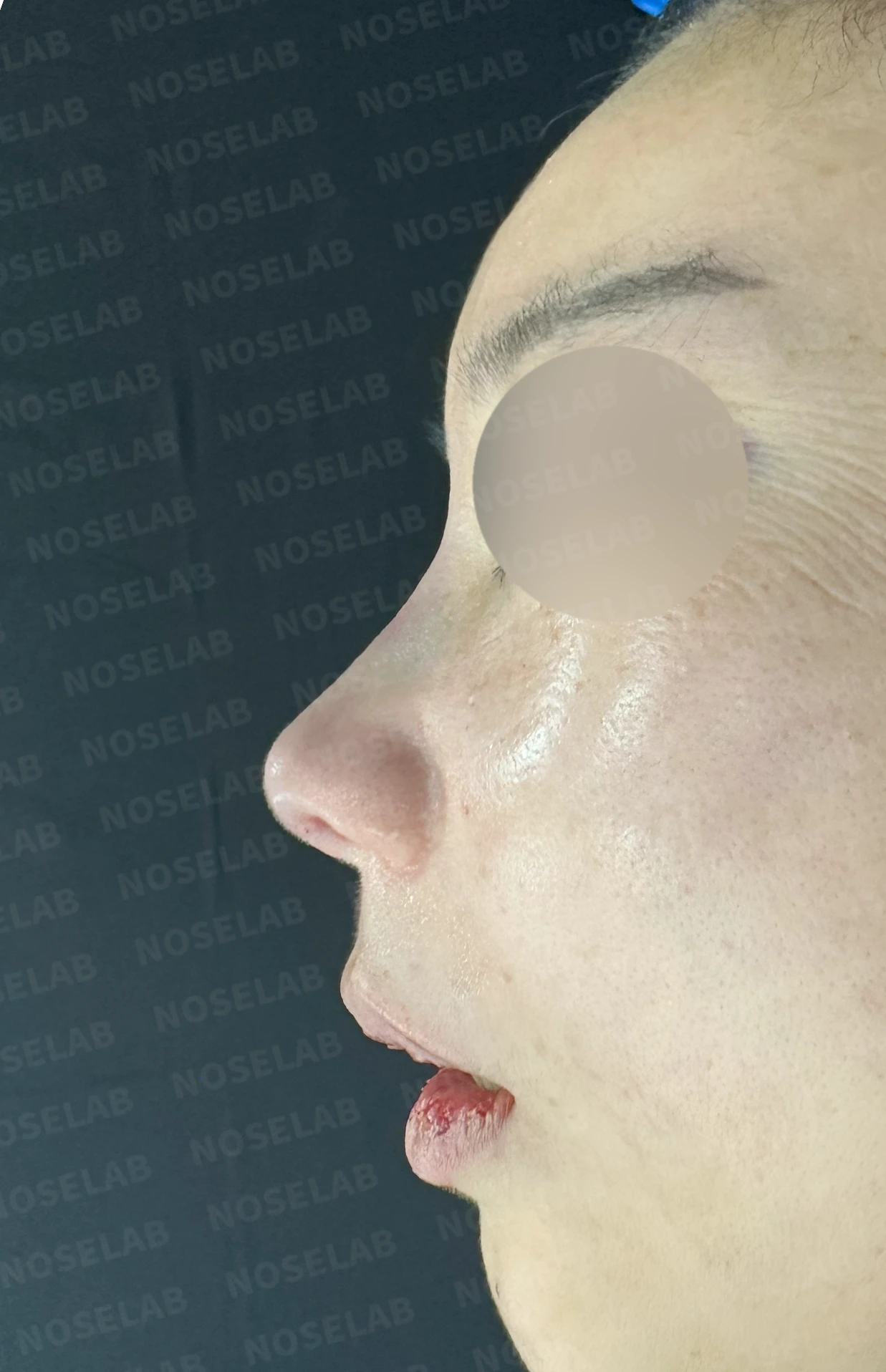
Before surgery / Day 0 immediately after surgery Photos taken immediately after surgery show swelling and may differ from the final result.
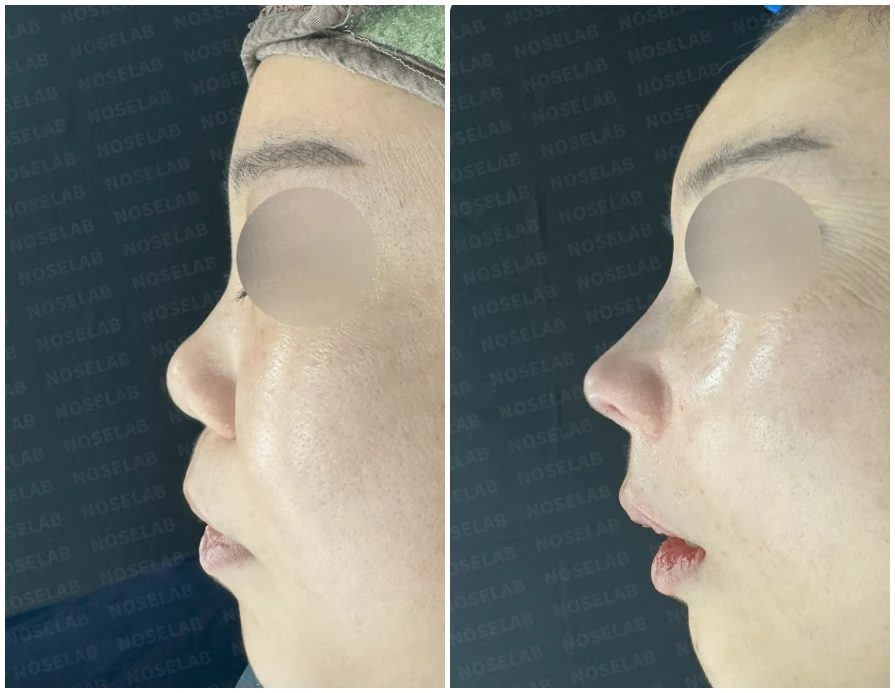
3. Columella and nasolabial angle
Lowering the columella naturally,
Correcting the nasolabial angle to around 95 degrees,
And improving the appearance of a protruding mouth
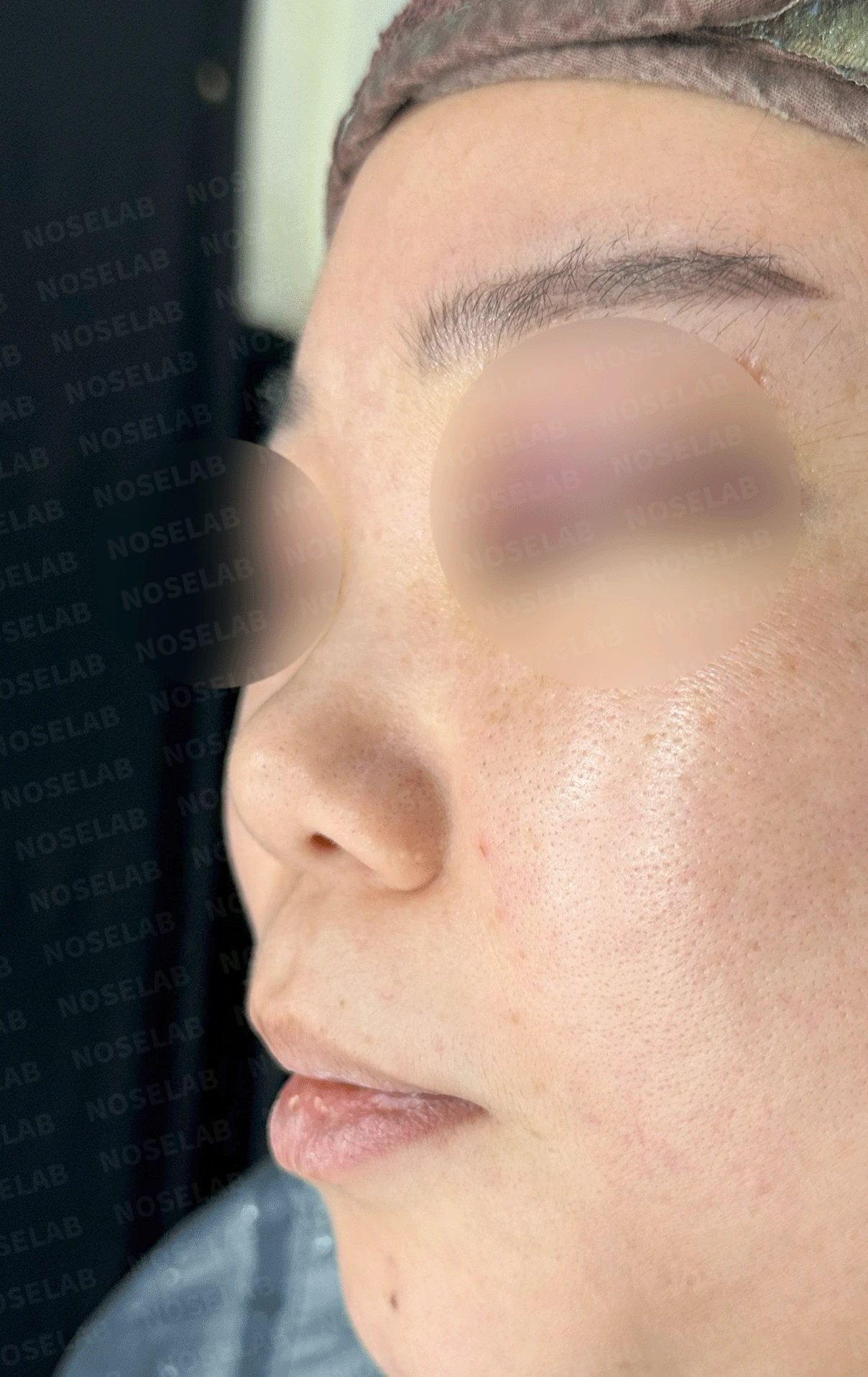
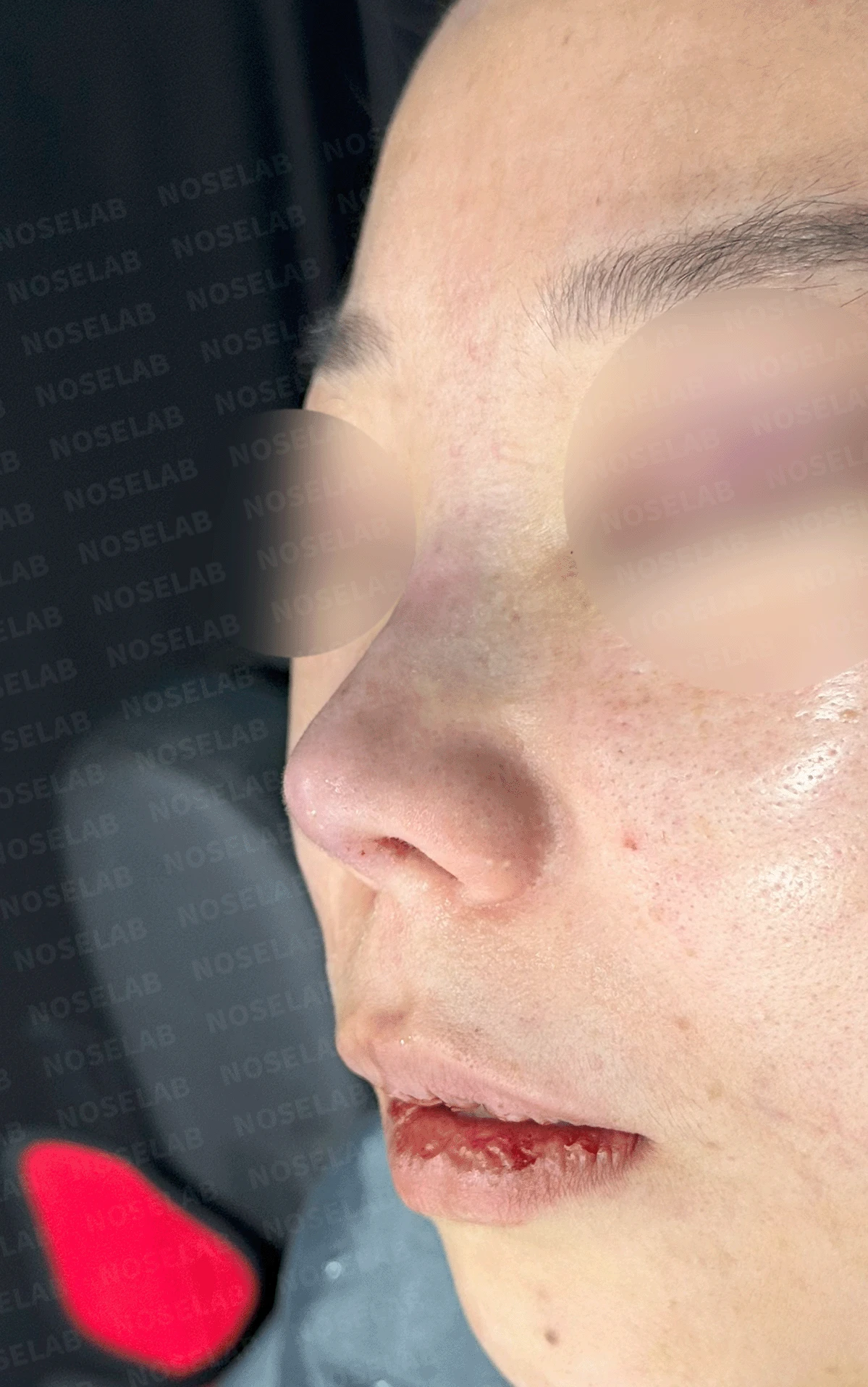
Before surgery / Day 0 immediately after surgery Photos taken immediately after surgery show swelling and may differ from the final result.
4. Additional procedure
Paranasal augmentation
Masseter Botox
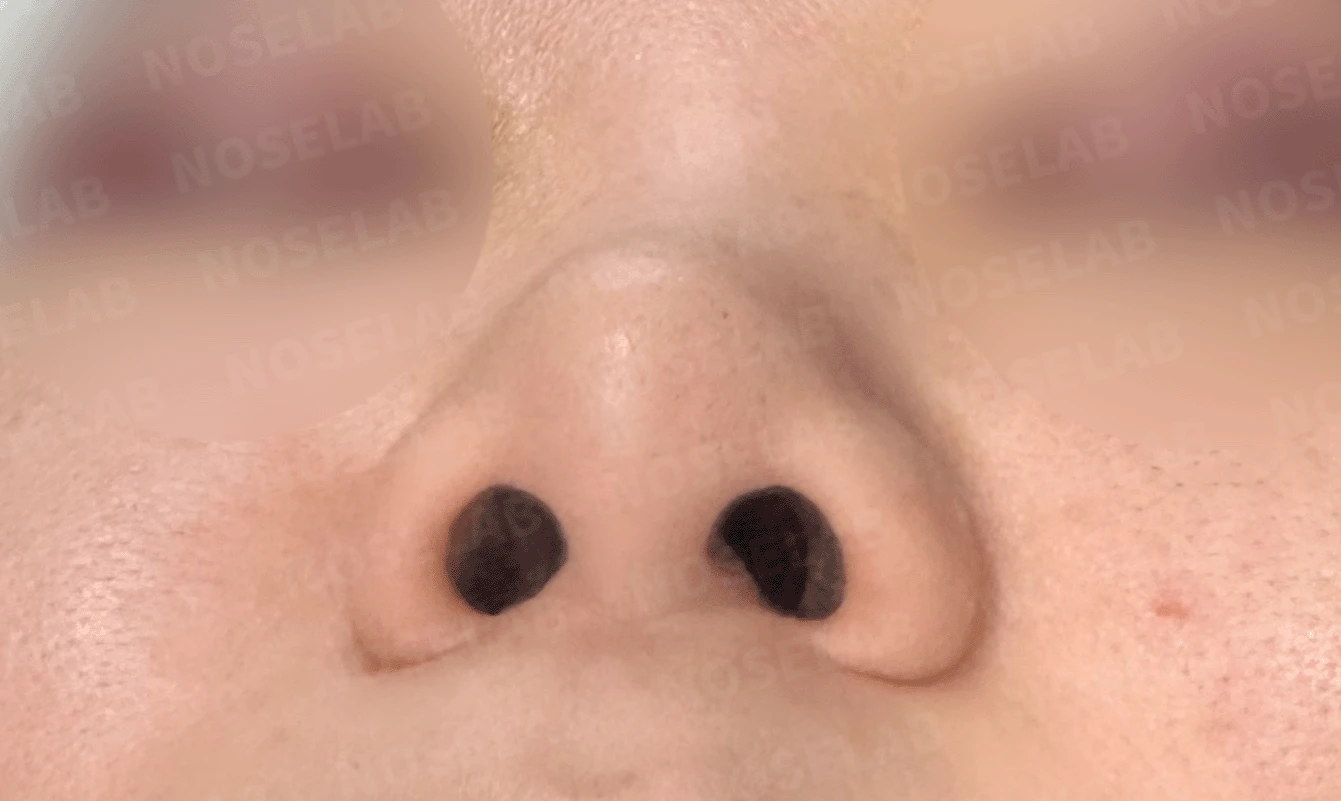
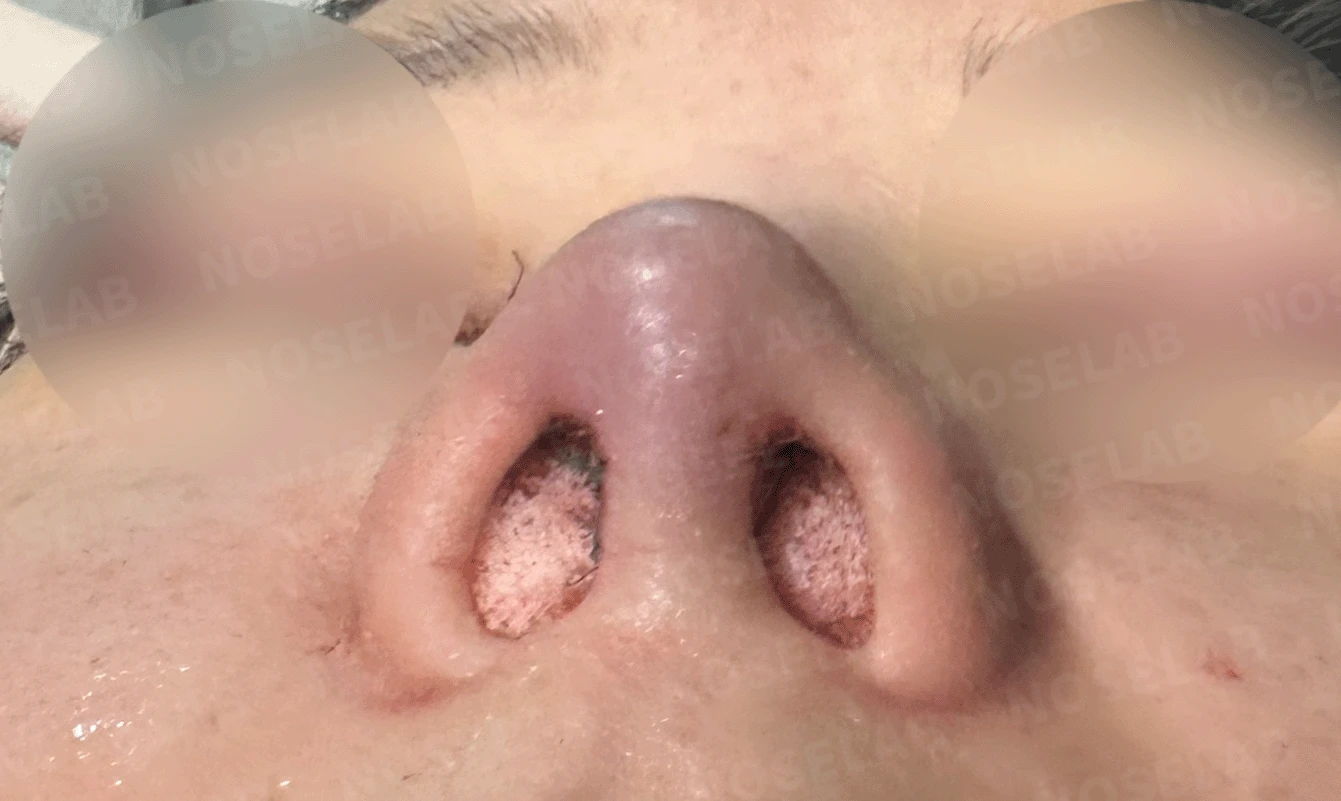
Before surgery / Day 0 immediately after surgery Photos taken immediately after surgery show swelling and may differ from the final result.
💡 Specialist opinion
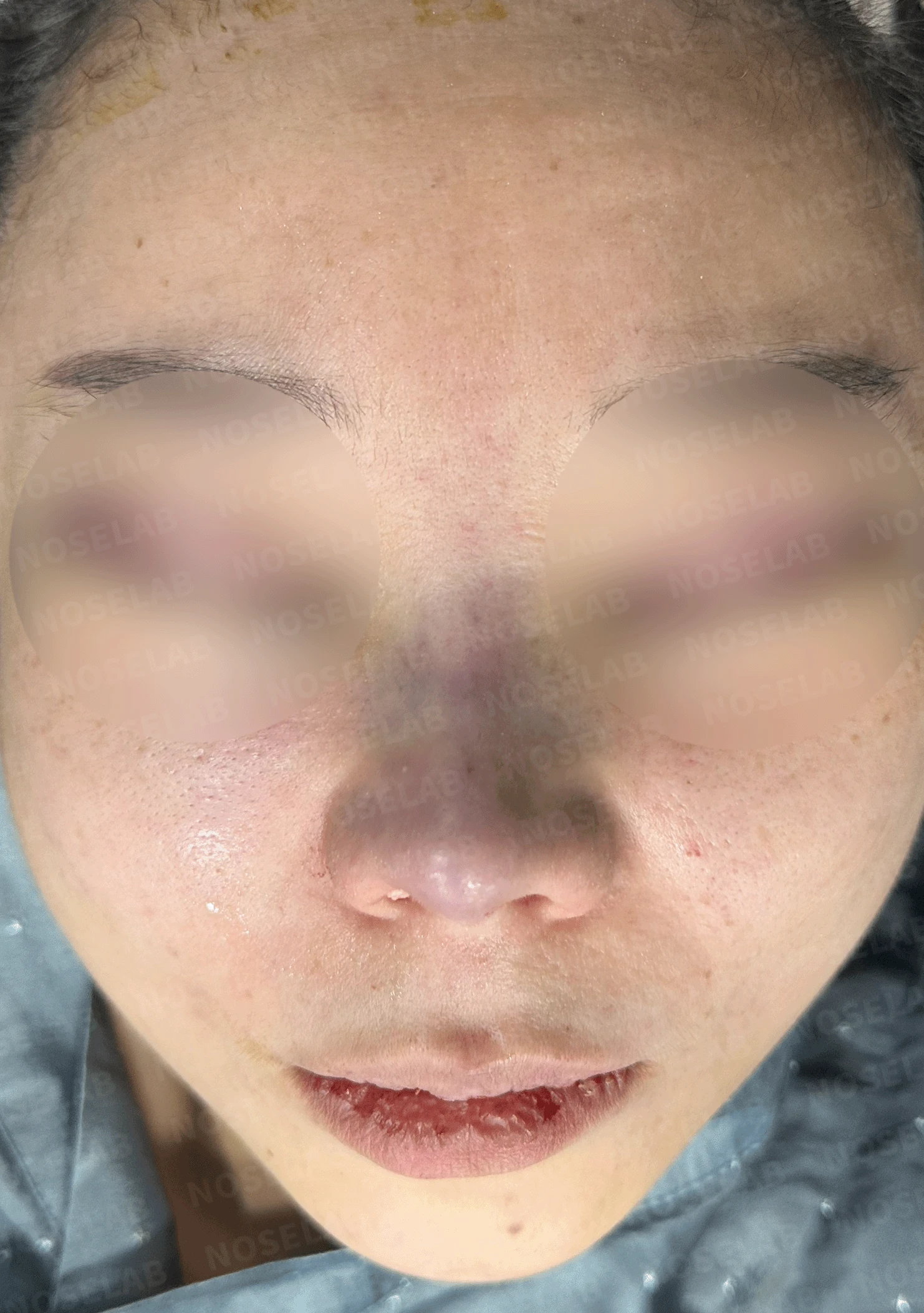
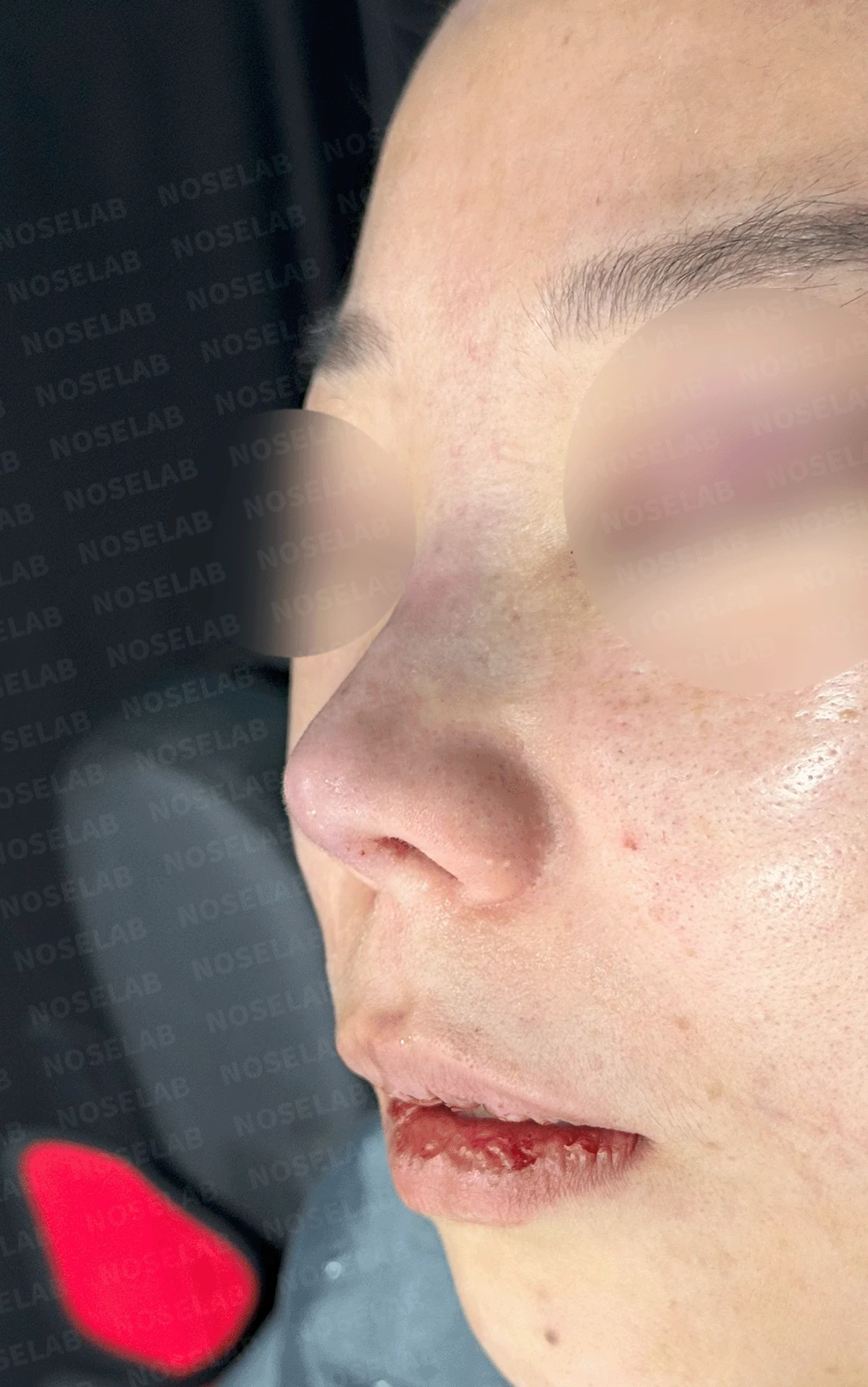
Front, oblique, and profile views on day 0 immediately after surgery. Photos taken immediately after surgery show swelling and may differ from the final result.
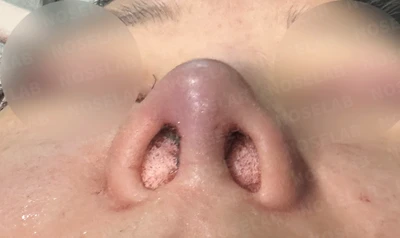
Nostril view on day 0 immediately after surgery. Immediate postoperative photos show swelling and may differ from the final result.
Maximizing height while balancing a small, short nose with facial proportions is a very challenging surgery. Because skin stretch is limited, multiple complex techniques are required.
Postoperative care is also critical. When a tight skin envelope is stretched significantly, temporary circulatory compromise can occur. To help improve this, the following treatments are recommended:
Hyperbaric oxygen therapy
Vasodilator injections
Helium laser therapy
These additional treatments can help stabilize surgical results and support recovery.
I hope this case is helpful to anyone considering rhinoplasty for a short and upturned nose.
This was Dr. Peter C. Kang. Thank you.
Thank you.
#smallnoserhinoplasty #customizedrhinoplasty #dramaticnose #nasalreconstruction #paranasalaugmentation #balancednose #naturalnose #protrudingmouthcorrection #fillerremoval #rhinoplastyrecoverycare

Limitations and risks
When autologous rib cartilage is used, scarring and pain may remain at the donor site on the chest, and pneumothorax (pleural injury) can occur rarely. Over time, the grafted cartilage may warp or undergo partial resorption.
When foreign materials such as injected fillers are removed and reconstructed, contracture may recur, nasal height and length may decrease, and staged surgery may be necessary depending on the skin condition.
Common potential risks include infection, bleeding, asymmetry, scarring, skin necrosis, and insufficient improvement; results vary depending on individual skin condition and previous surgical history.