Hello, I am Dr. Peter C. Kang.
Today, I would like to introduce the case of a patient who visited our clinic concerned about an upturned appearance of the nose. We were also able to address the widened and crooked nasal bridge caused by significant absorption of the buttock dermis used in a previous surgery.
🔍 Surgical history
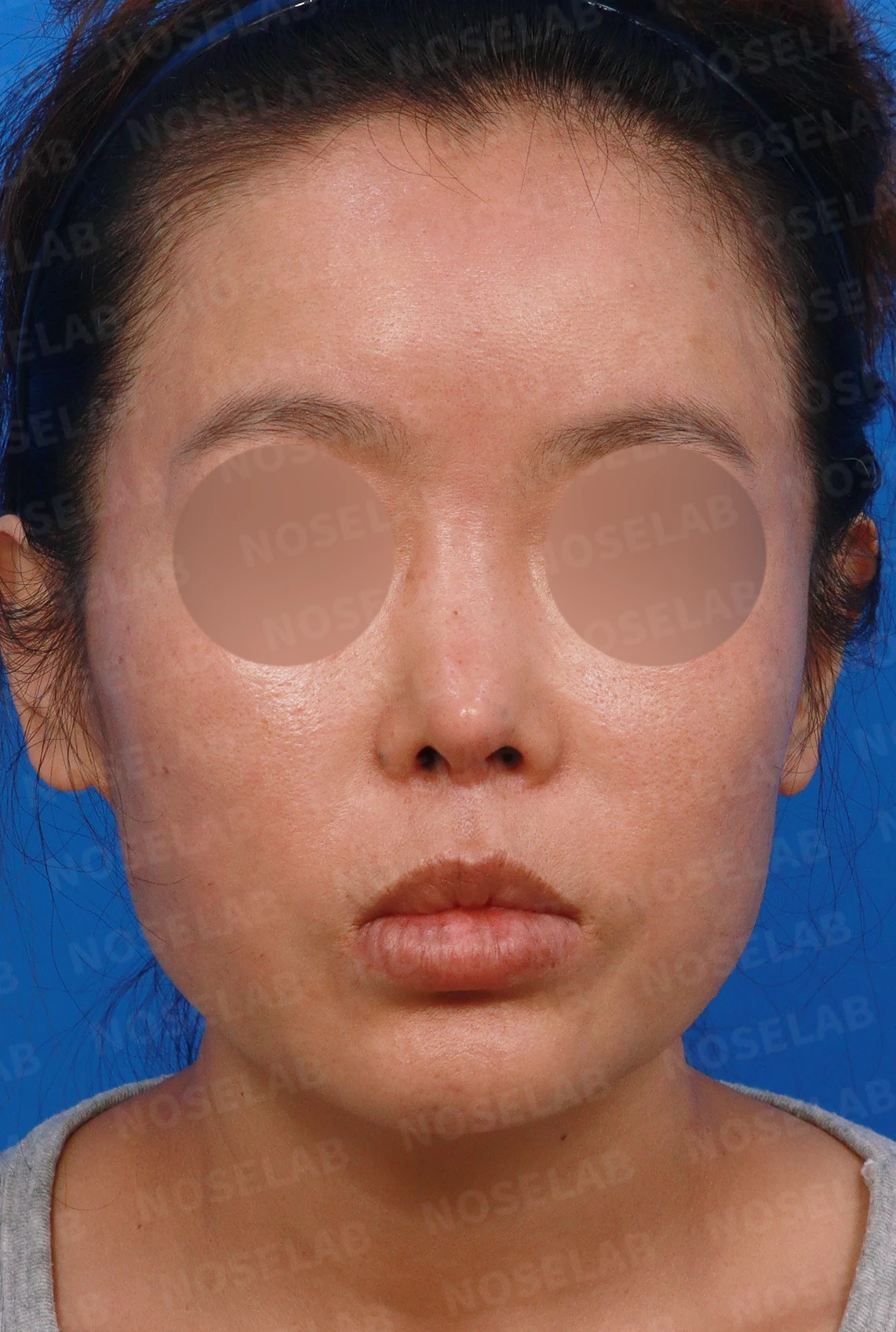
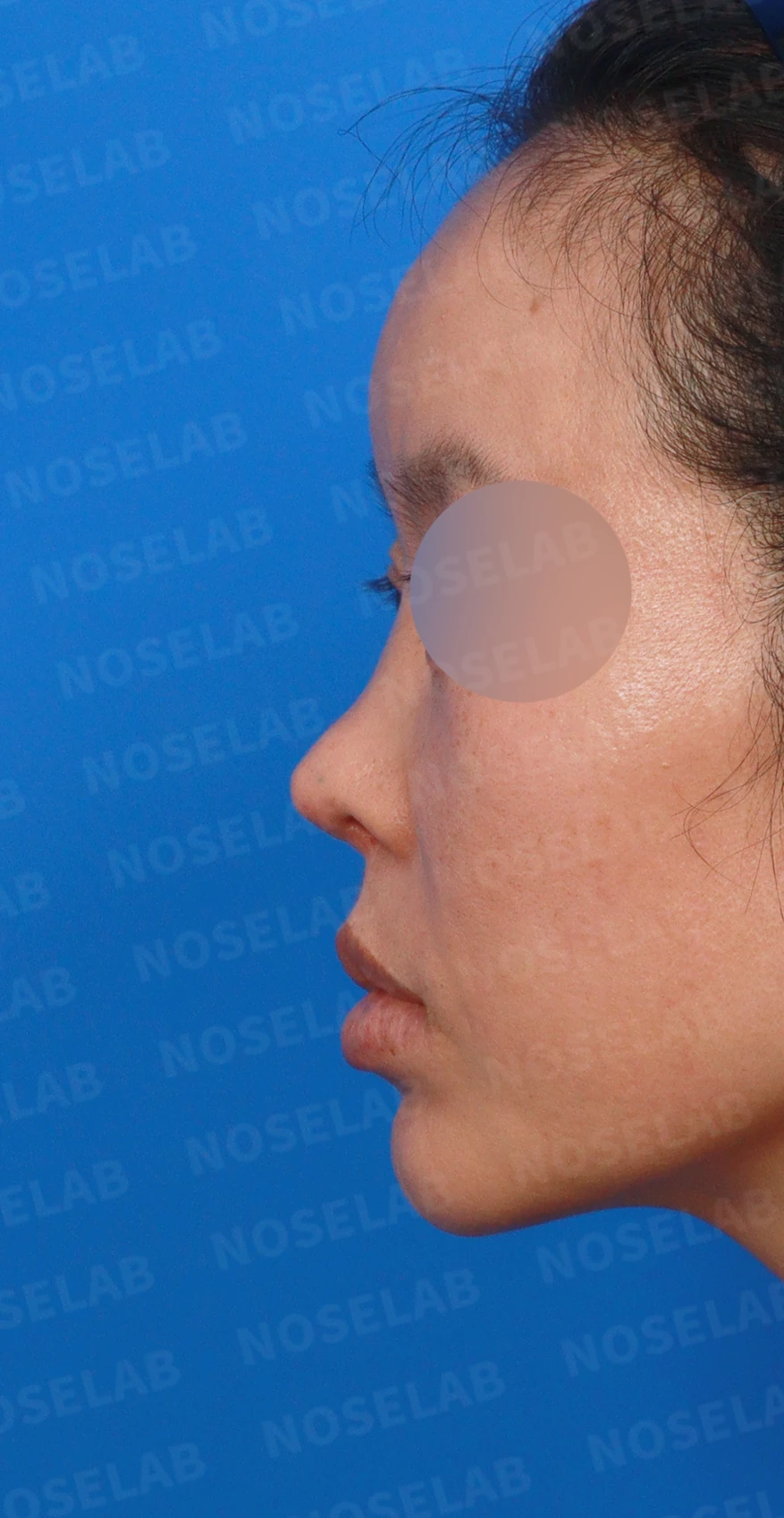
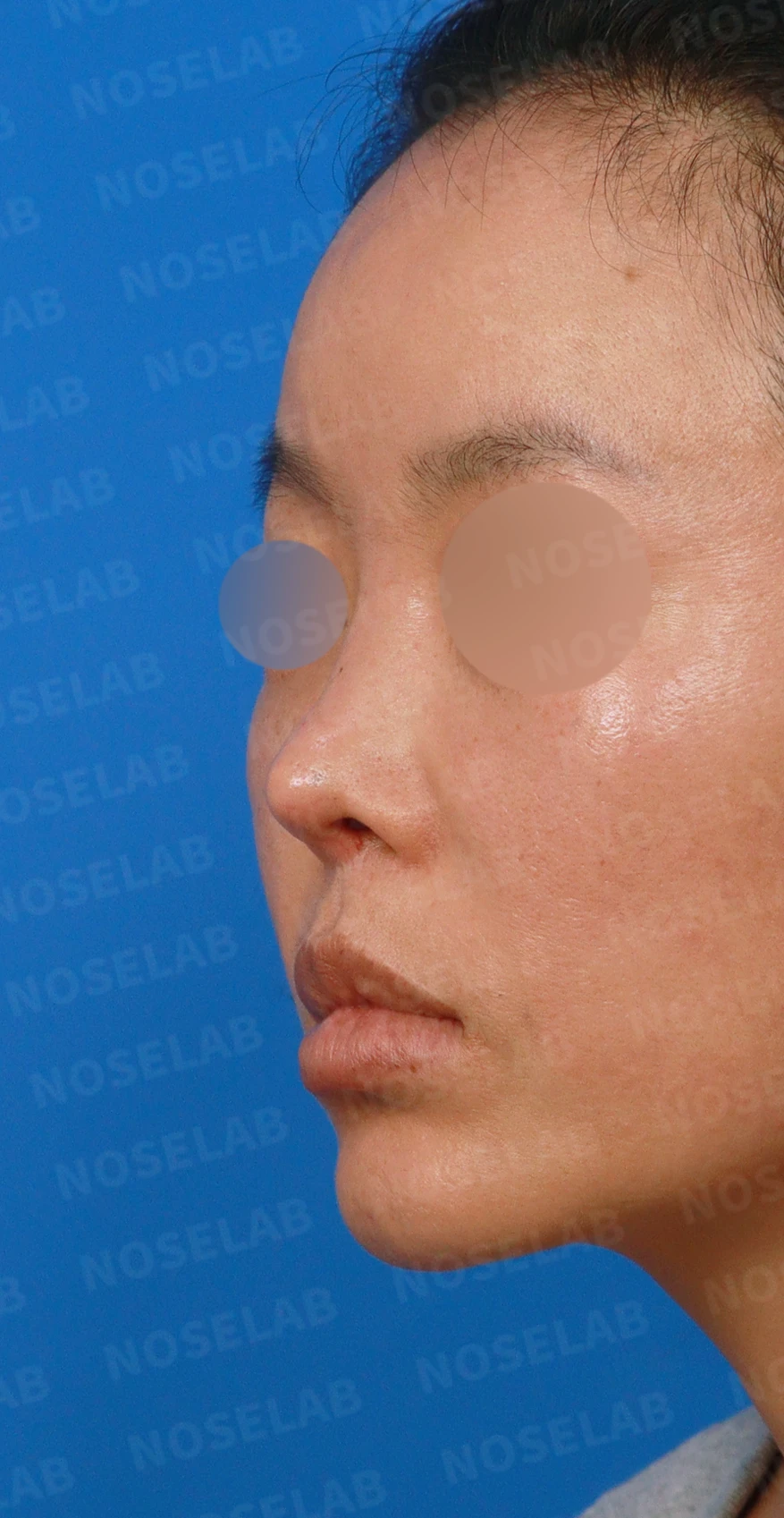
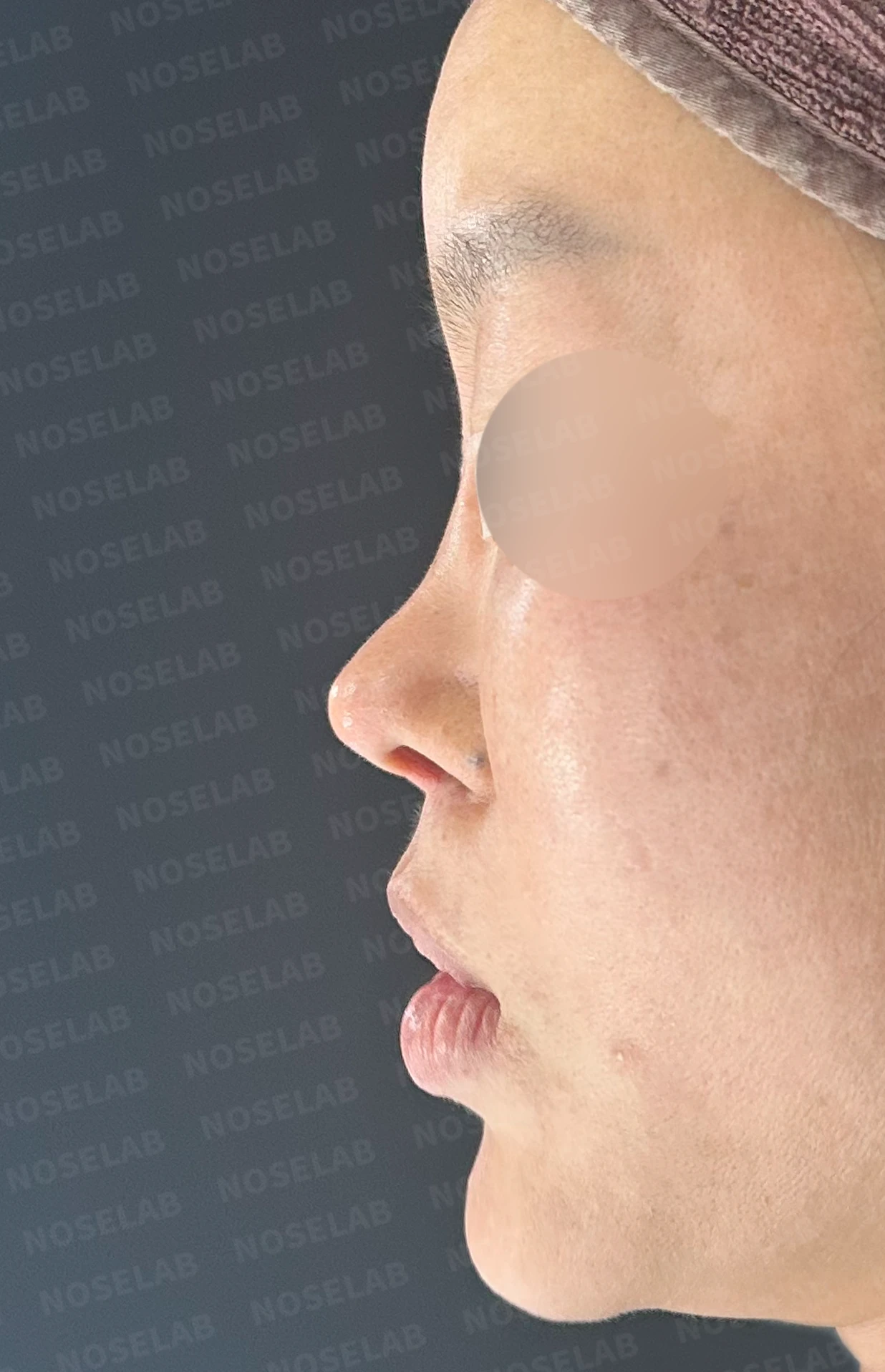
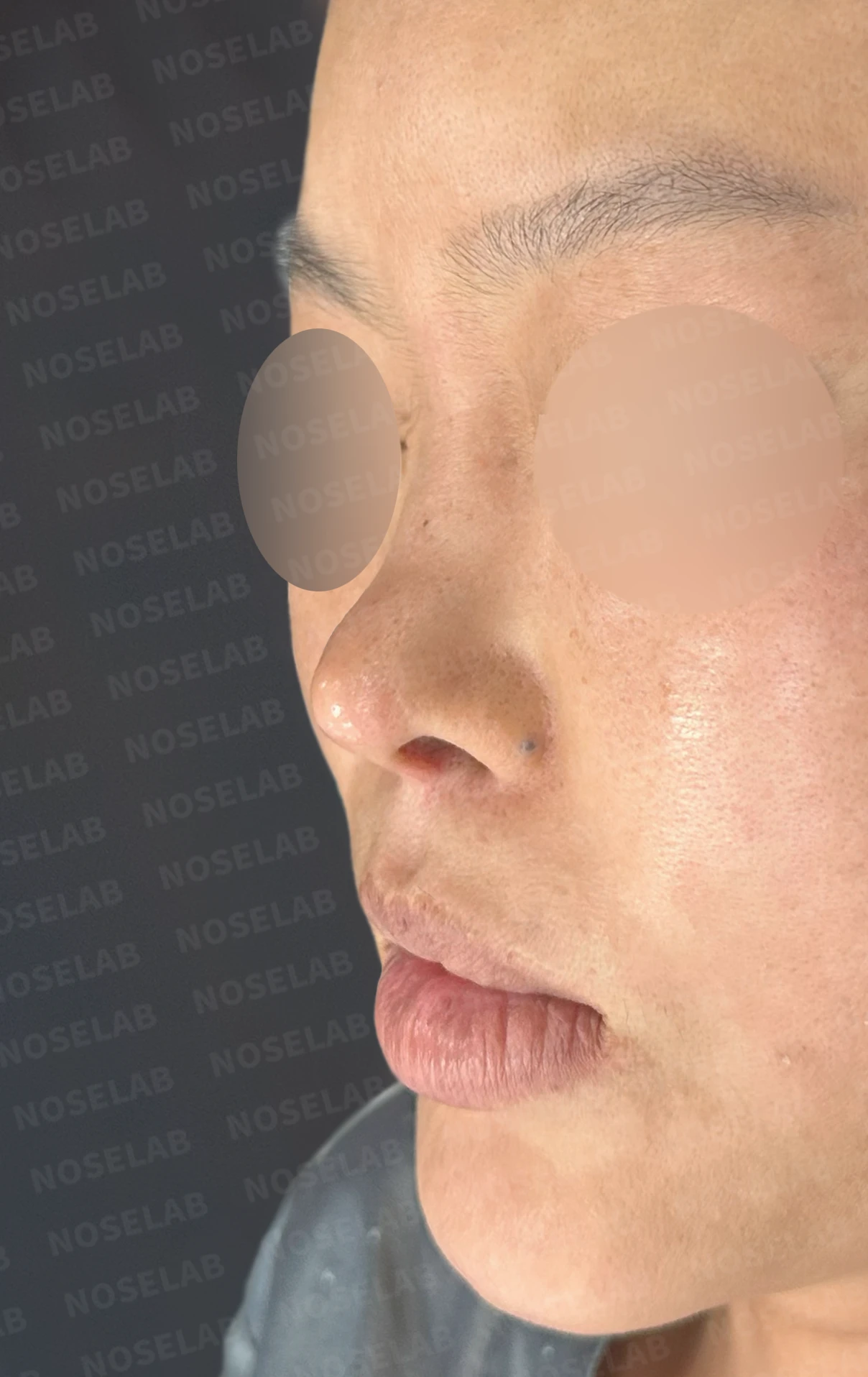
Front, left profile, and oblique views during design consultation.
25 years ago: Silicone implant (no noticeable improvement)
19 years ago: L-shaped silicone implant (due to an upturned nose)
15 years ago: L-shaped silicone implant + ear cartilage (due to an upturned nose)
10 years ago: Buttock dermis + ear cartilage + septum + silicone implant removal (due to an upturned nose, which the patient suspected was contracture)
2 years ago: 2 sessions of nasal filler (never dissolved)
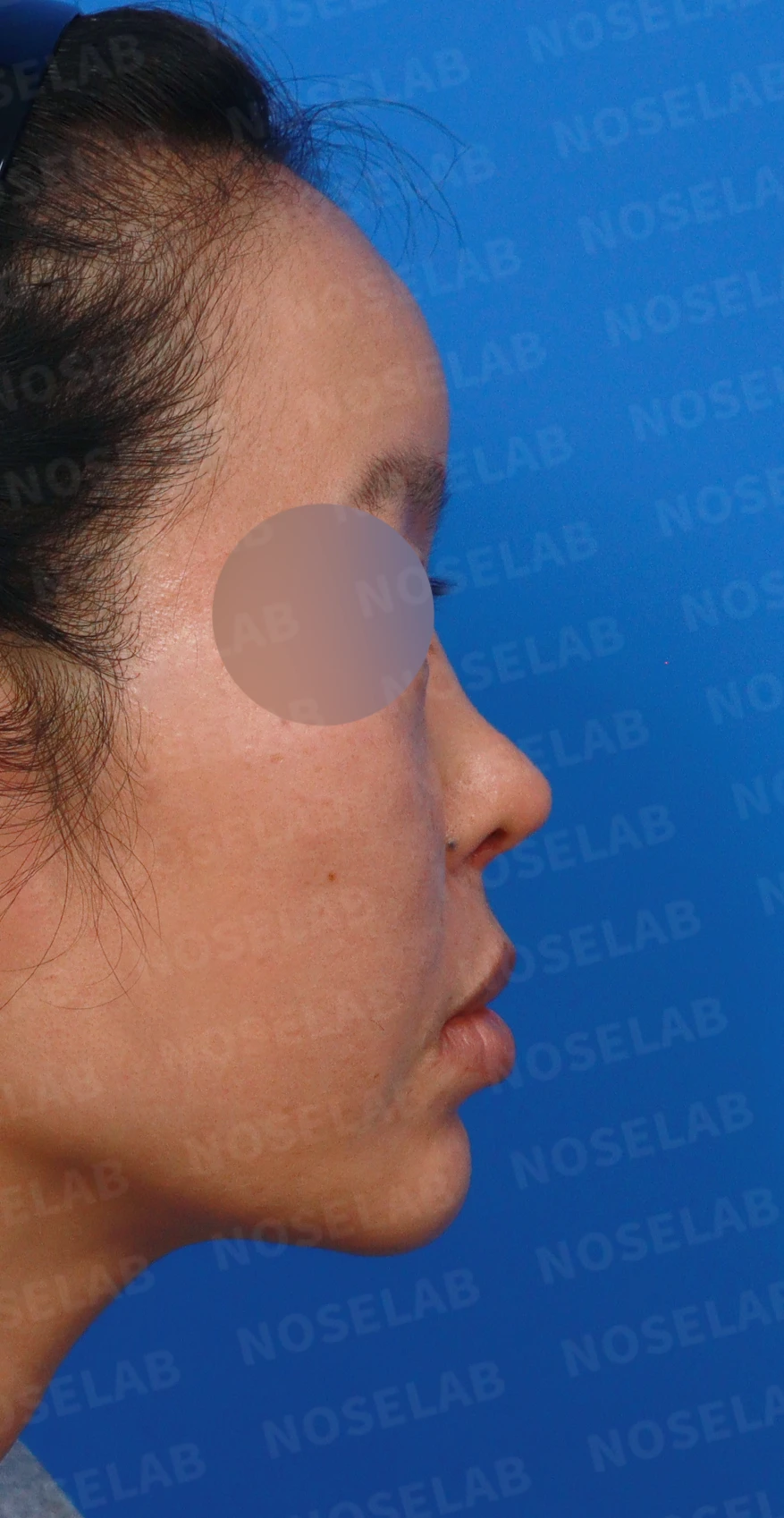
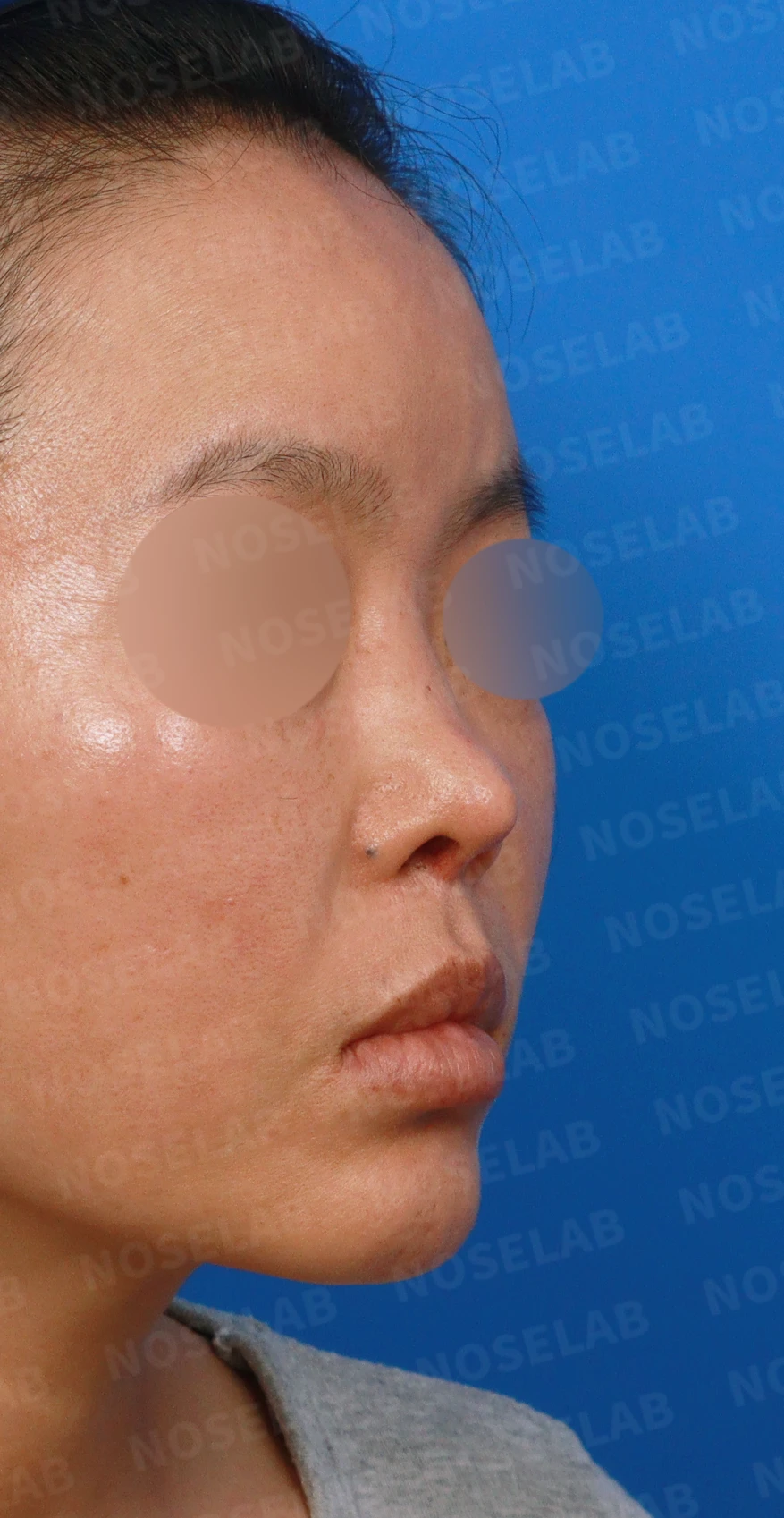
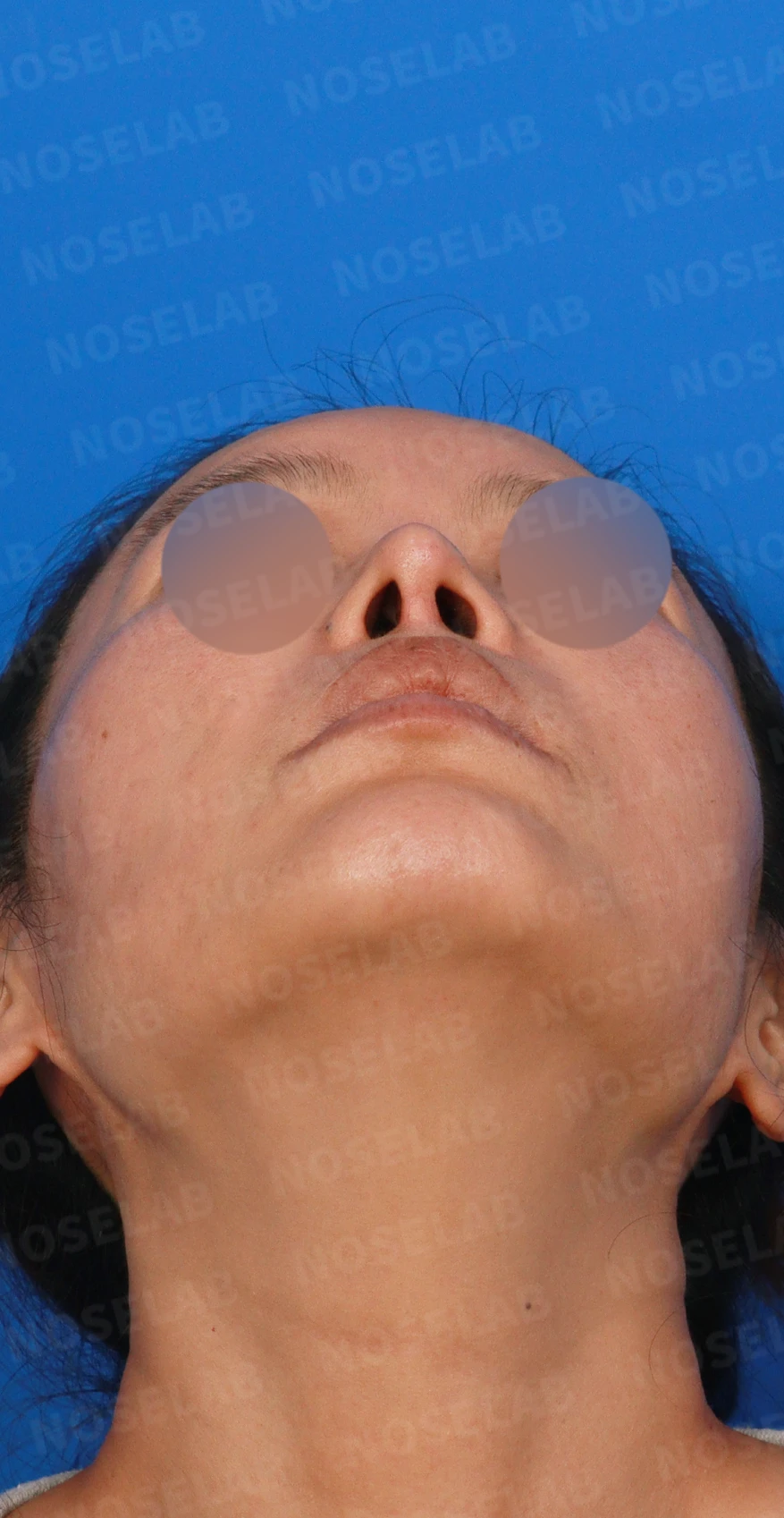
Right profile, oblique, and nostril views during design consultation.
💉 Patient requests
"I want to correct my upturned nose naturally"
"I want to make my nasal bridge smooth"
"I want to improve my crooked nose"
"I am concerned about my widened nasal bridge"
"I want to correct my depressed dorsum"
🔧 Surgical plan and procedure
The key goals of this surgery were correcting the upturned nose while refining the bridge—which had widened and deviated due to buttock dermis absorption—into a natural, straight bridge line.
1. Foreign material removal and tissue evaluation
Complete removal of the nasal filler injected 2 years ago
Assessment of the existing buttock dermis
Debridement and reshaping of the significantly absorbed dermis tissue
Evaluation of the septum and ear cartilage status
2. Creating a natural nasal bridge line with revision rhinoplasty
Using a stable material in place of the absorbed buttock dermis
Reducing the widened bridge width
Correction of the deviated nasal bridge
Creation of a natural straight bridge line
3. Upturned nose correction via septal extension
Naturally lowering the tip position
Creating an appropriate nasolabial angle
An elegant profile line
Securing stable support for the nasal tip
4. Correction of the depressed dorsum
Addressing the overall upturned look
Forming the bridge line into a natural, straight bridge line
A smooth nasal bridge surface
Improvement in overall balance
5. Lowering the nostril rims
Naturally correcting the upturned nostrils
Improving bilateral nostril symmetry
Alignment of the columellar midline
Natural nostril shape
🌟 Surgical results
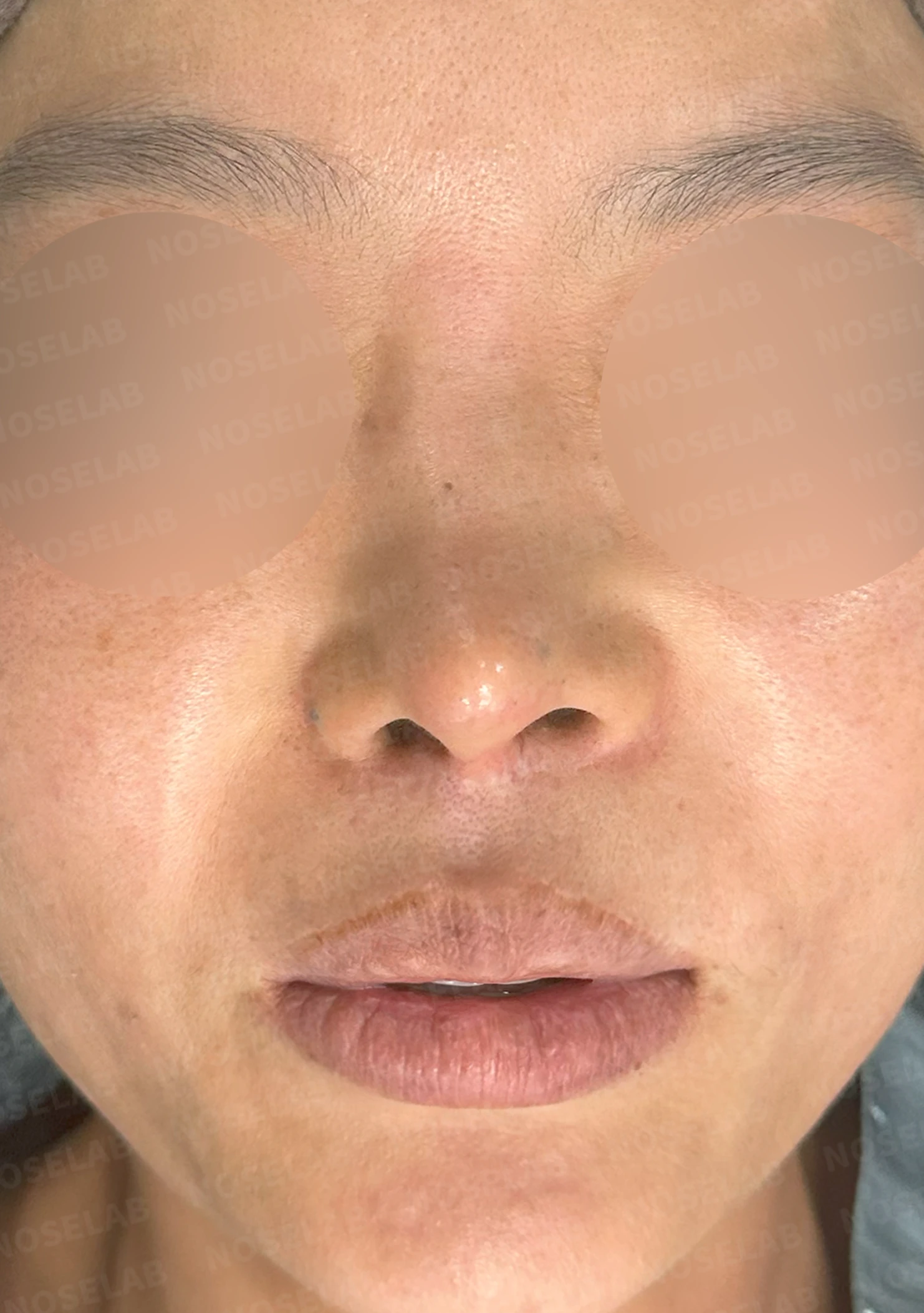
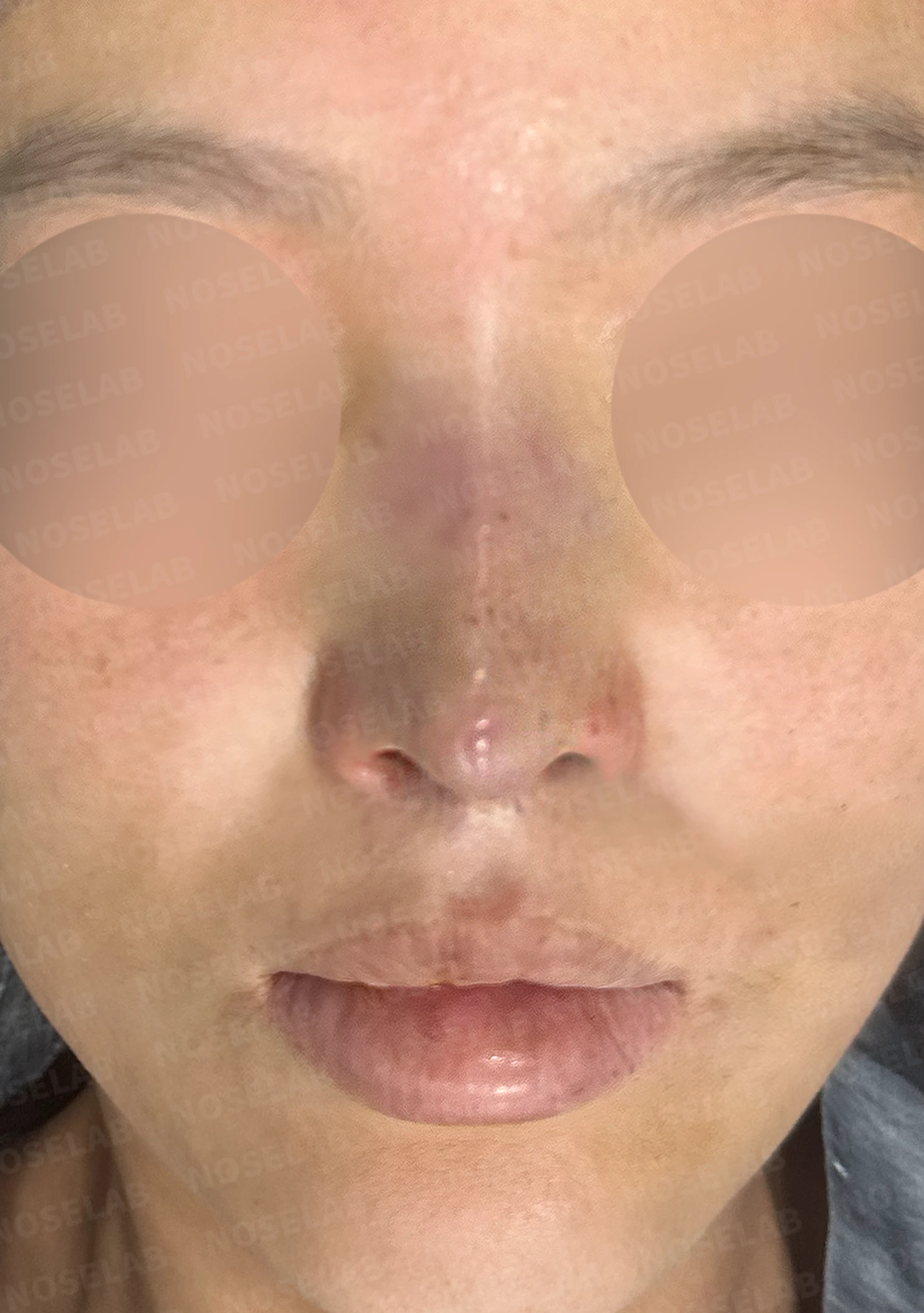
Before surgery / Day 0 immediately after surgery Photos taken immediately after surgery show swelling and may differ from the final result.
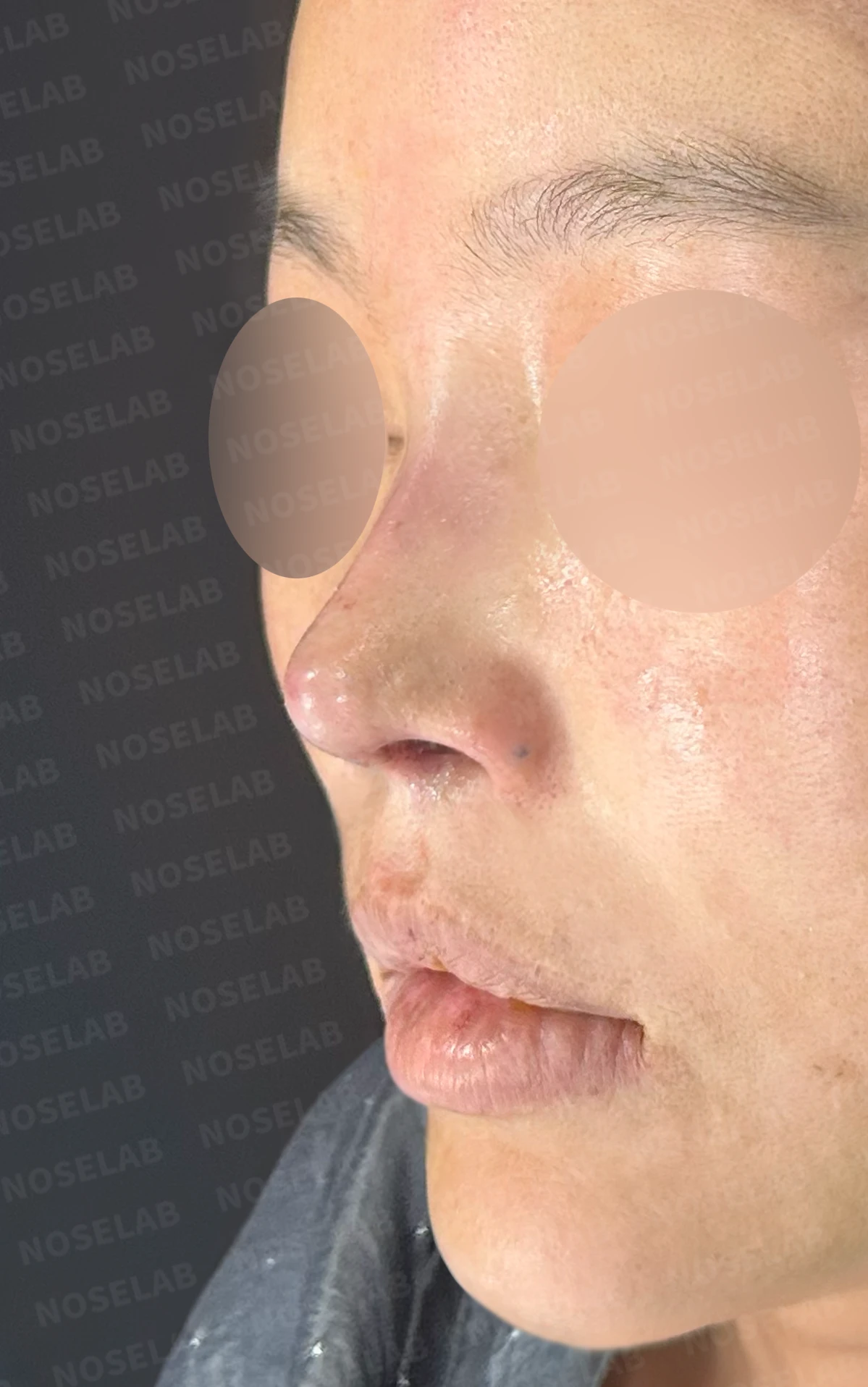
Front view changes:
The upturned appearance was naturally corrected
Reduction in the widened nasal bridge width
Restored symmetry by correcting the crooked portion
Enhancing overall facial balance
Smooth nasal bridge line
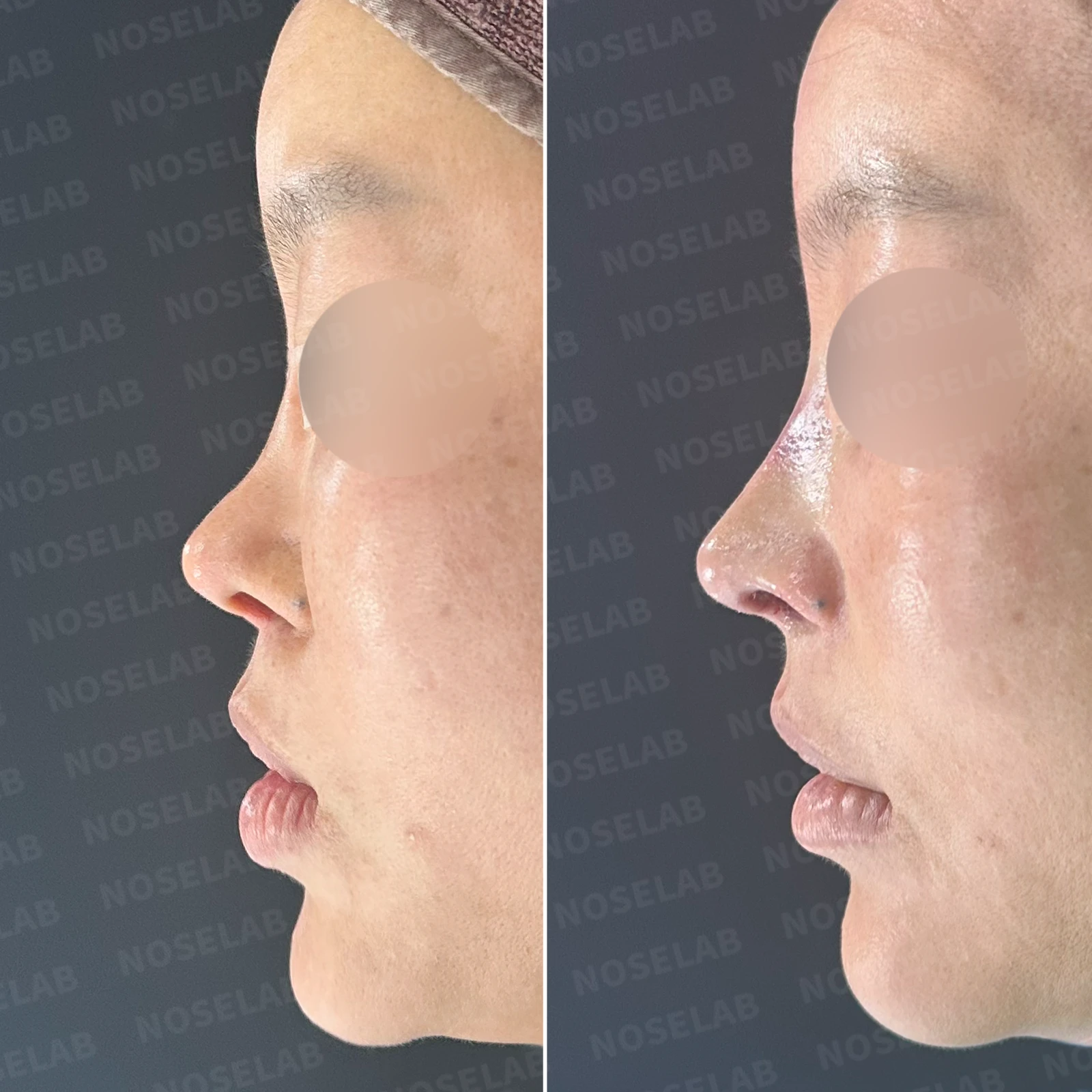
Before surgery / Day 0 immediately after surgery Photos taken immediately after surgery show swelling and may differ from the final result.
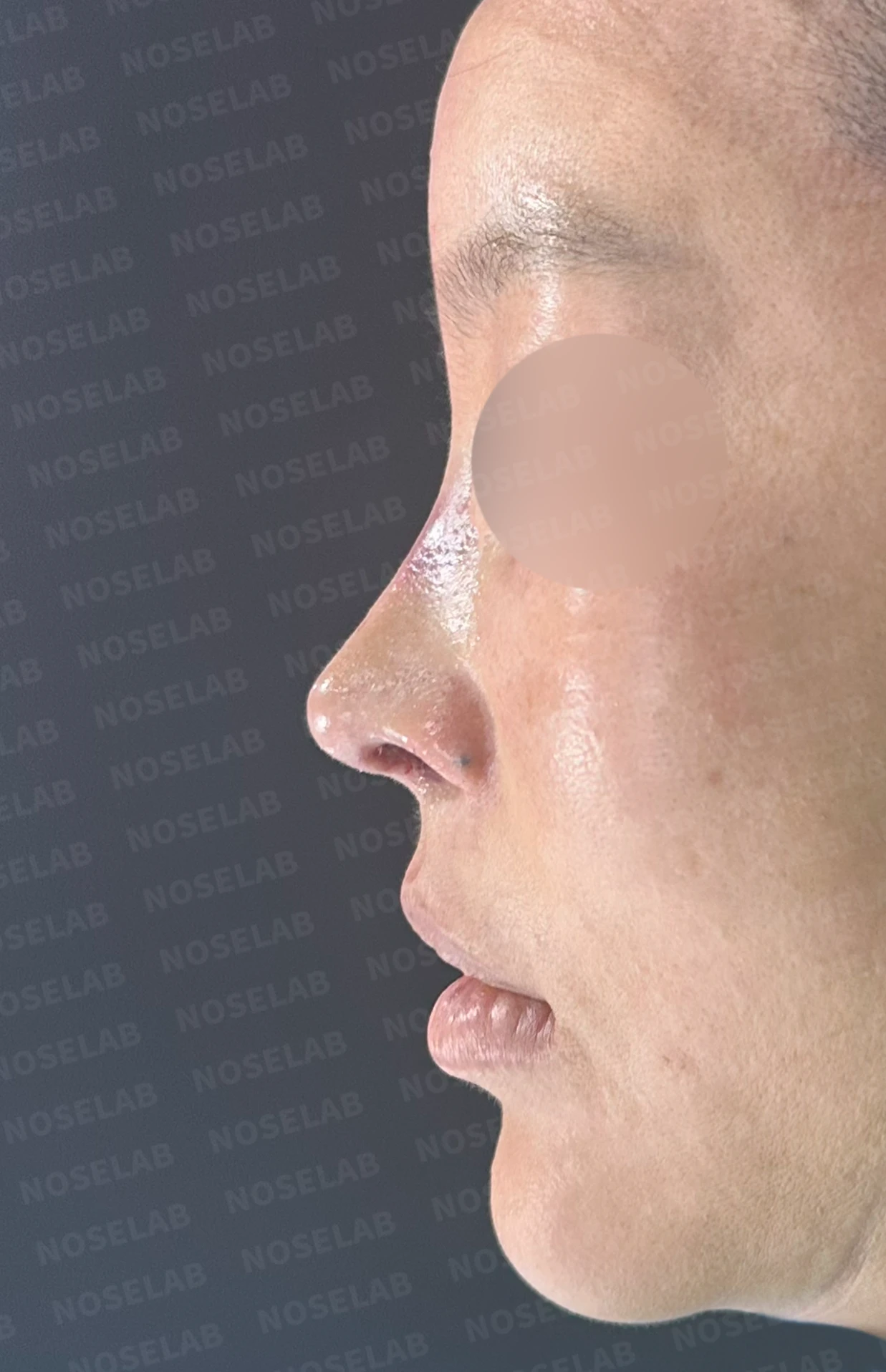
Profile view changes:
The upturned nasal tip was lowered naturally
Straight bridge line achieved by correcting the depressed dorsum
An elegant profile achieved by correcting the nasolabial angle
A refined and natural profile silhouette
Harmonious overall proportions
Before surgery / Day 0 immediately after surgery Photos taken immediately after surgery show swelling and may differ from the final result.
Nostril view changes:
Upturned nostrils naturally corrected
Natural positioning achieved by lowering the nostril rims
Achieving bilateral balance
Alignment of the columellar midline
Natural nostril shape
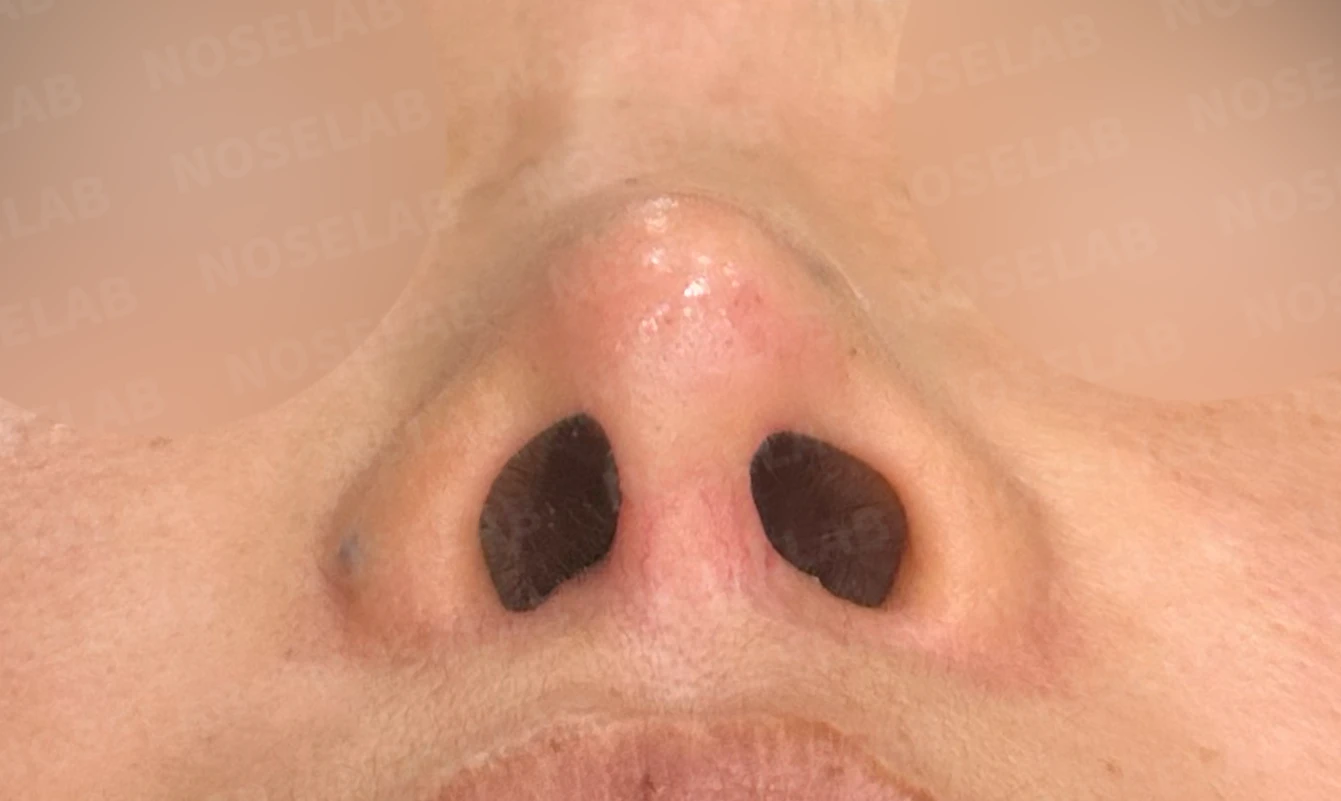
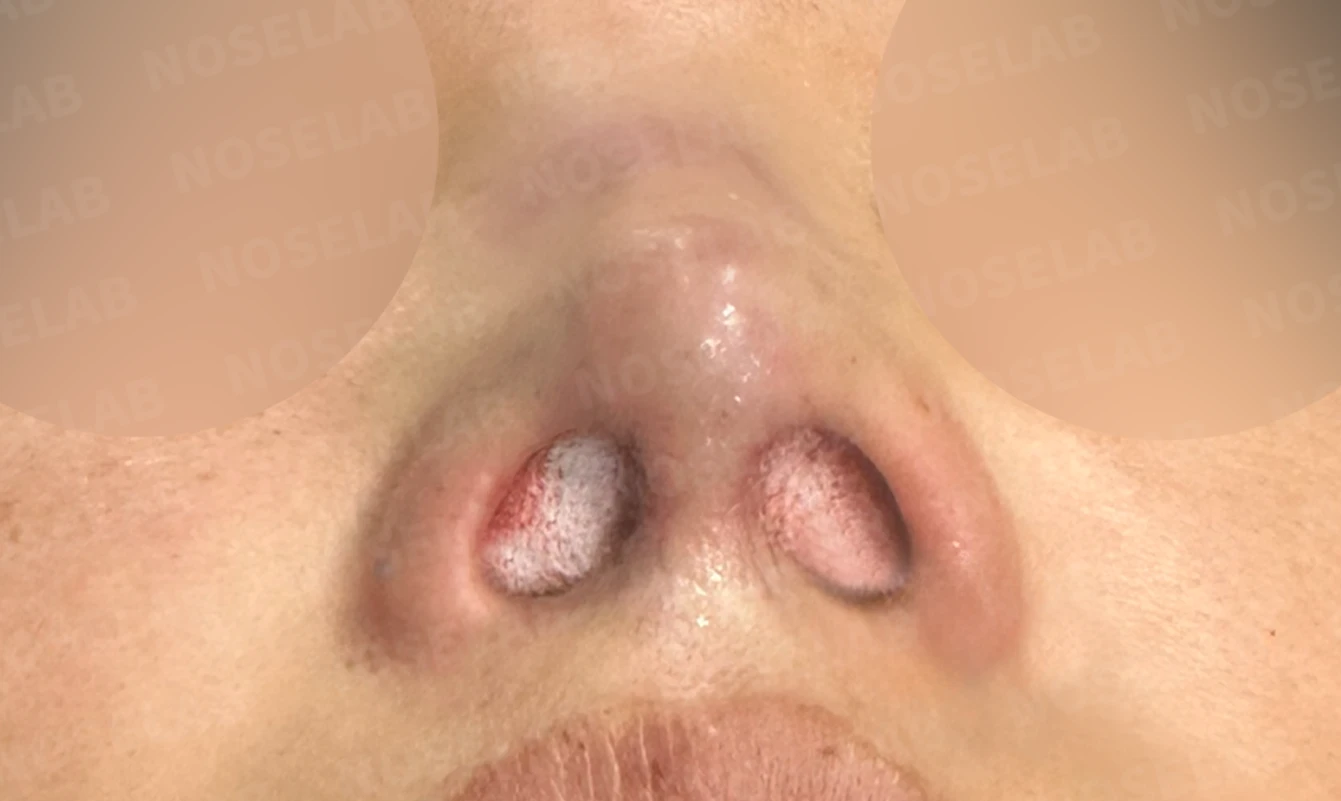
Before surgery / Day 0 immediately after surgery Photos taken immediately after surgery show swelling and may differ from the final result.
💡 Specialist opinion
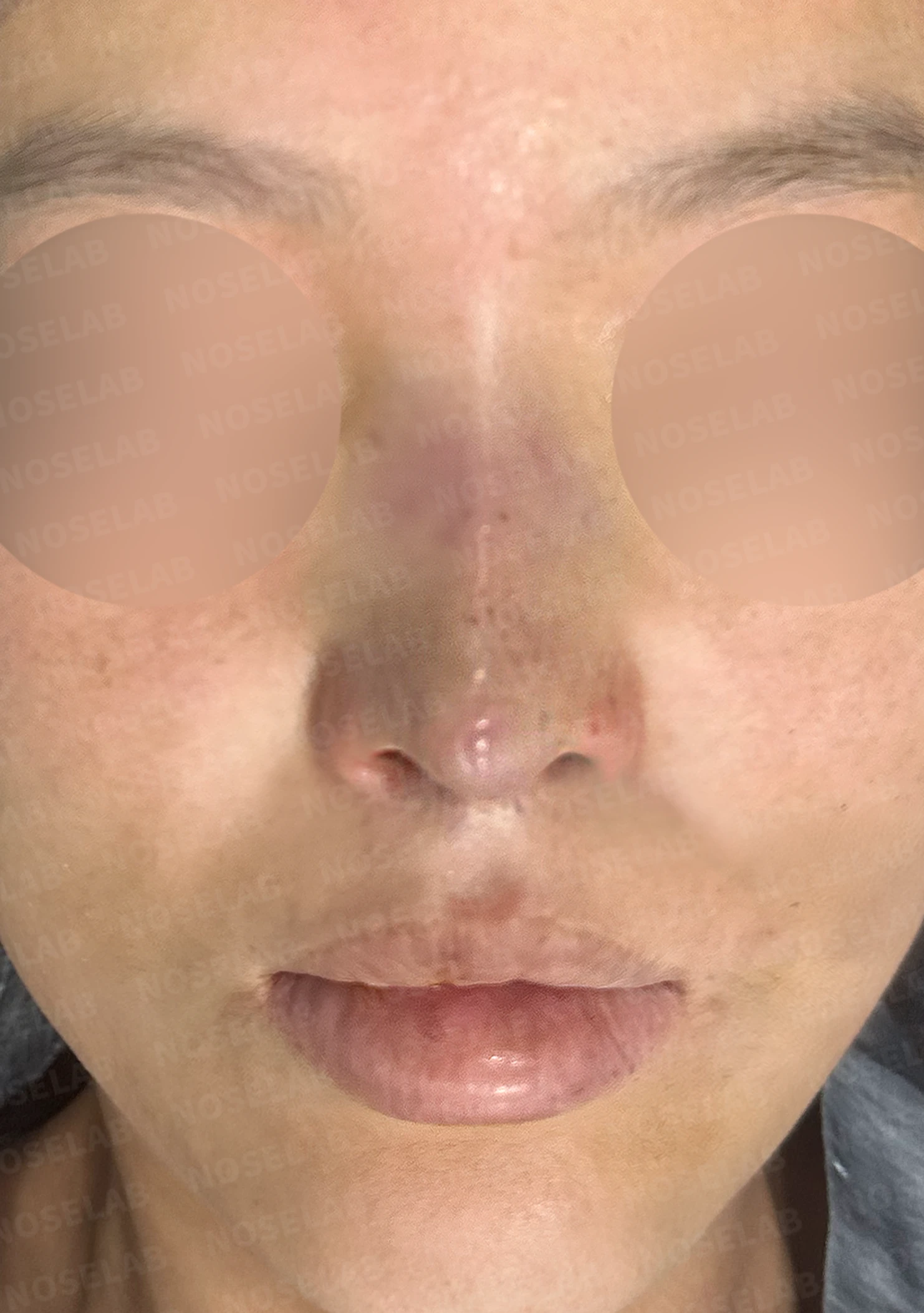
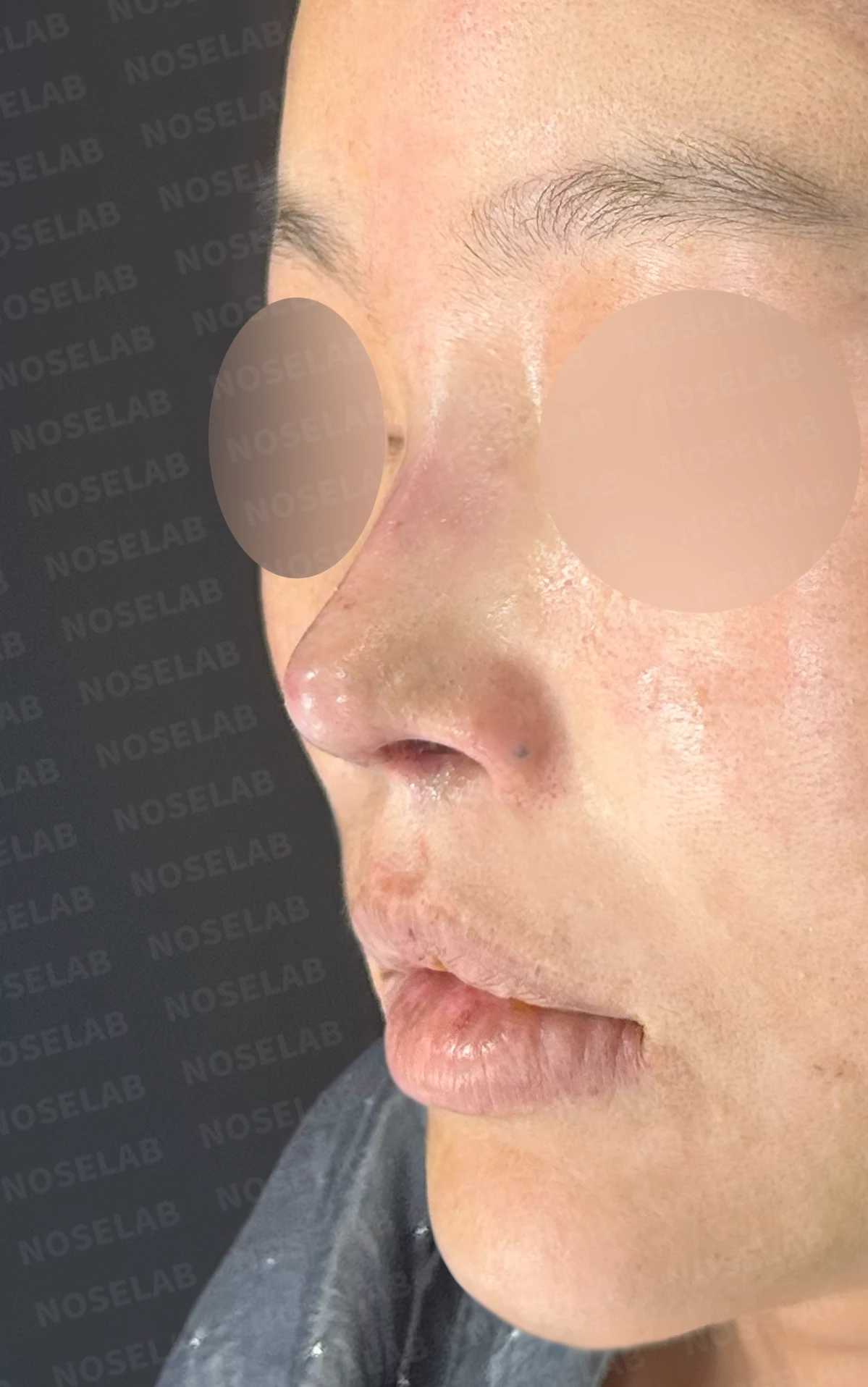
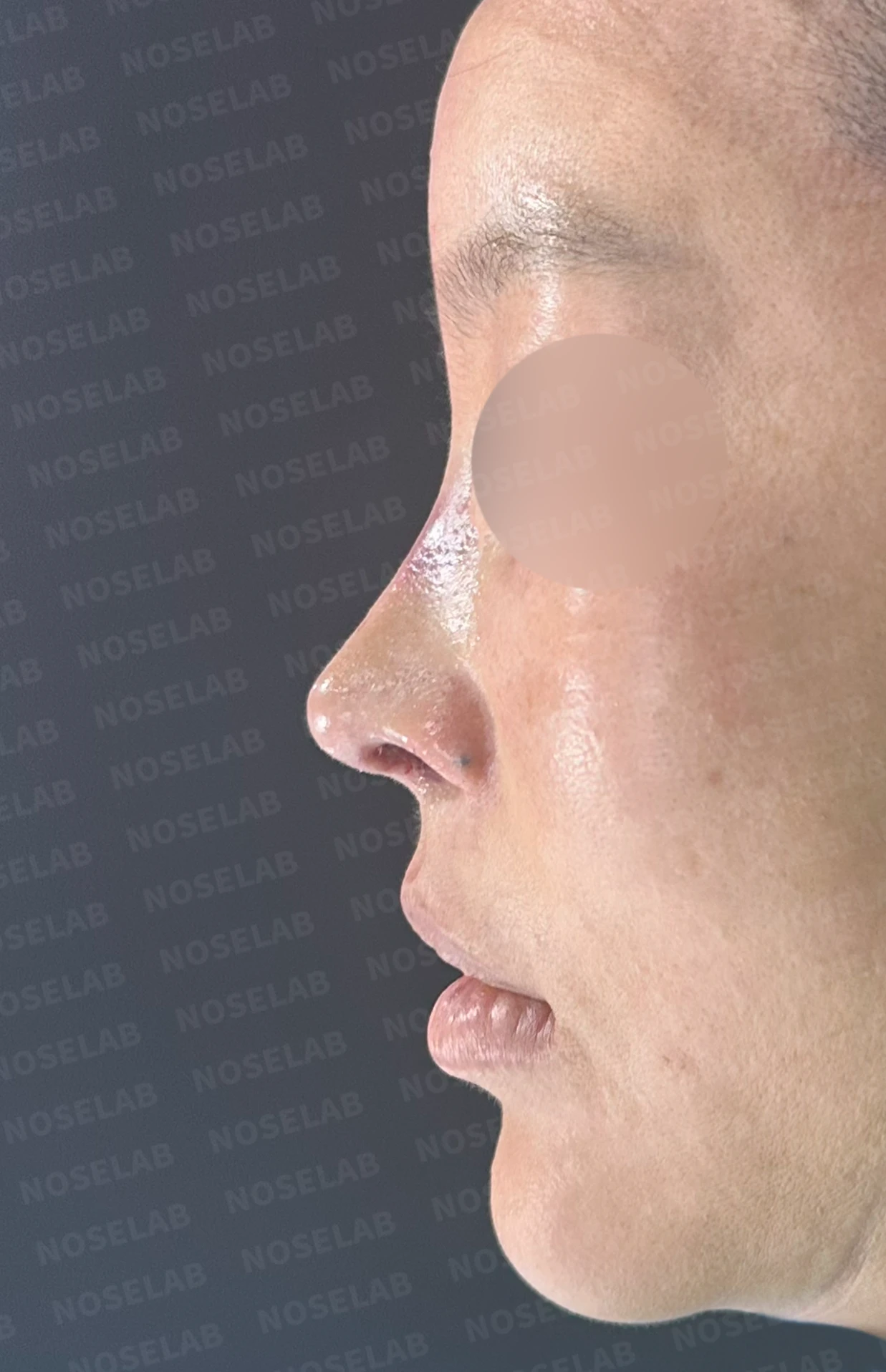
Front, oblique, and profile views on day 0 immediately after surgery. Photos taken immediately after surgery show swelling and may differ from the final result.
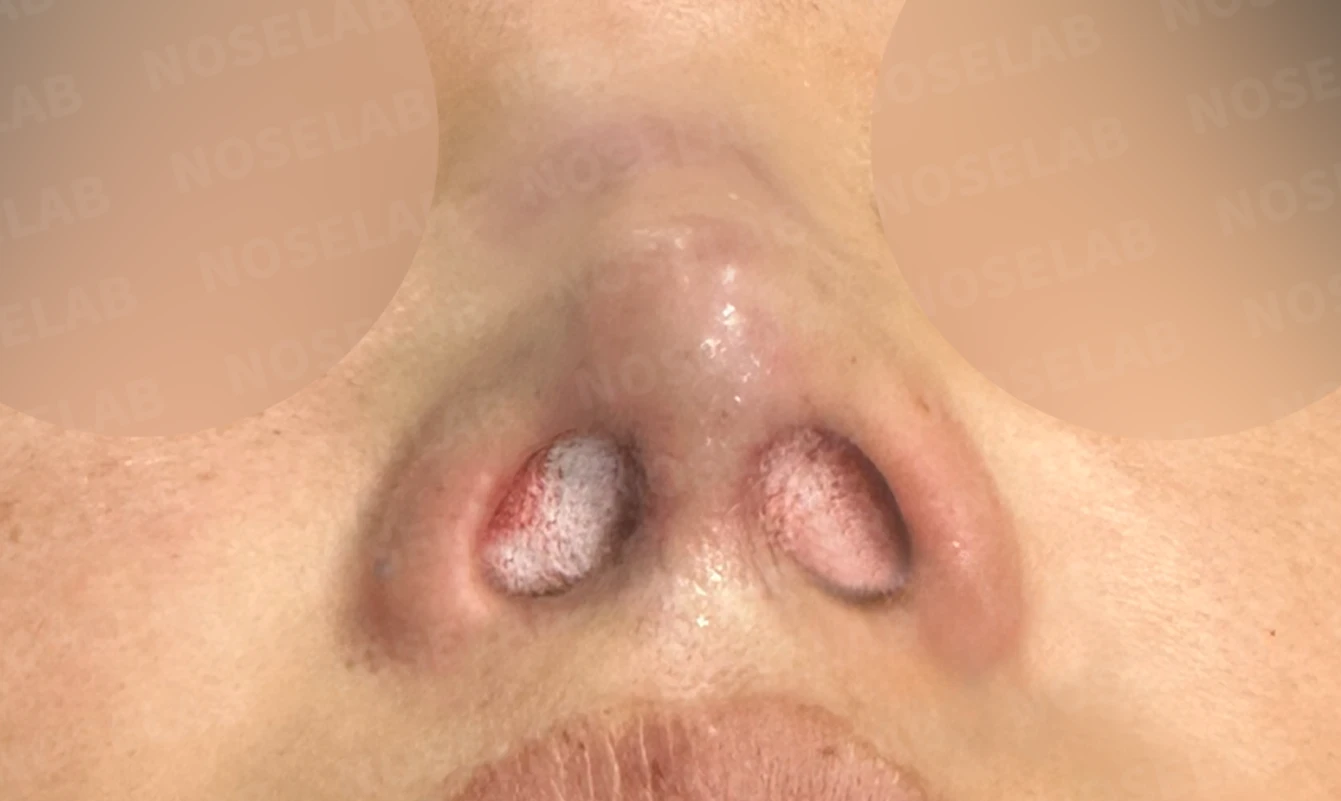
Nostril view on day 0 immediately after surgery. Photos taken immediately after surgery show swelling and may differ from the final result.
Correcting an upturned nose is not simply about pulling the nasal tip down. It is a complex procedure that requires comprehensive consideration of the overall nasal balance, nasolabial angle, and facial harmony.
In this case, the patient had a history of four surgeries over 25 years. In particular, significant absorption of the buttock dermis graft used 10 years ago caused the bridge to widen and appear crooked. Because autologous buttock dermis tends to absorb over time, it is a material that requires caution regarding long-term structural stability.
During surgery, intraoperative findings confirmed that the buttock dermis had absorbed more than expected. This absorption caused the bridge to widen and the nose to look upturned overall. In addition, the dorsum was depressed, which made the upturned appearance even more noticeable.
In this revision, we focused on refining the absorbed dermis and using stable material to create a natural, straight bridge line. We reduced the widened bridge width and corrected the crooked deviation to secure symmetry.
To correct the upturned nose, we performed septal extension. By lowering the nasal tip naturally while maintaining an appropriate, well-balanced nasolabial angle, we established an elegant profile line. Furthermore, lowering the alar rims naturally corrected the visible, upturned nostrils.
Correcting the depressed dorsum and refining the bridge into a straight line played a major role in eliminating the overall upturned look. The harmonious combination of a smooth bridge surface and a natural, straight line helped create a refined and elegant impression.
Revision rhinoplasty for a patient with multiple previous surgeries requires an extremely meticulous approach. With accurate diagnosis, systematic planning, and refined surgical techniques, we were able to achieve the natural result the patient wanted.
I will continue to provide customized surgeries that reflect each patient's individuality and requests through this meticulous approach. I hope this helps those with similar concerns.
This was Dr. Peter C. Kang. Thank you.
#upturnednosecorrection #nasalbridgeline #alarrimlowering #buttockdermisabsorption #widenedbridge #crookednose #revisionrhinoplasty #multiplerevisionrhinoplasty #straightbridgeline #septalextension #fillerremoval #foreignbodyremoval #naturalnose #closedrhinoplasty #closedrevisionrhinoplasty

Limitations and risks
When revising after implant removal, contracture may progress again after removal, the nasal height and length may decrease, and staged surgery may be necessary depending on the skin condition.
When foreign materials such as injected fillers are removed and reconstructed, contracture may recur, nasal height and length may decrease, and staged surgery may be necessary depending on the skin condition.
When the septum is corrected at the same time, nasal obstruction may persist or recur, and in rare cases, septal perforation or changes in smell may occur.
Common potential risks include infection, bleeding, asymmetry, scarring, skin necrosis, and insufficient improvement; results vary depending on individual skin condition and previous surgical history.