Hello, I am Dr. Peter C. Kang.
Today, I would like to introduce the case of a patient who visited our clinic after remaining dissatisfied with her nasal shape despite repeated procedures and revision surgery.
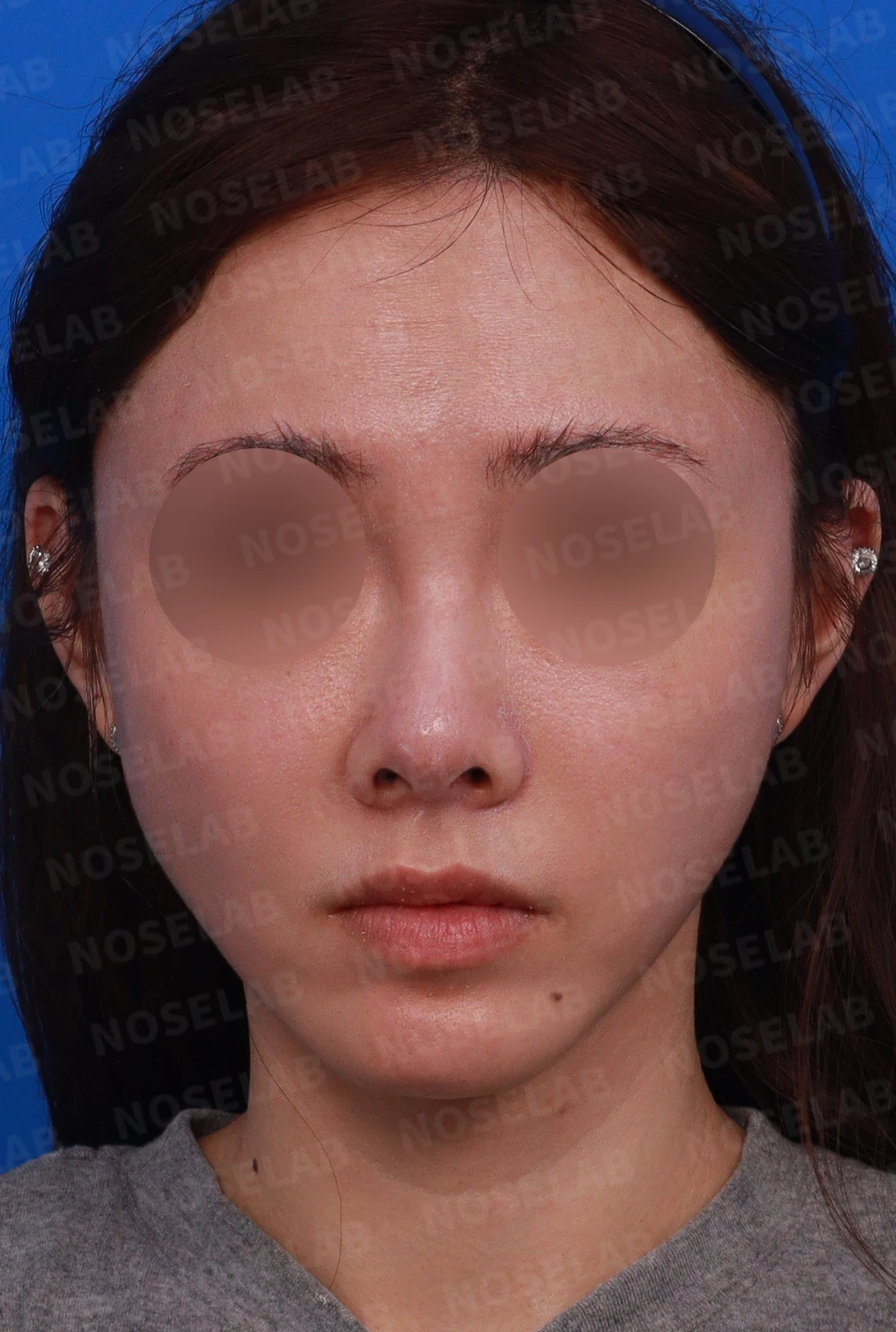
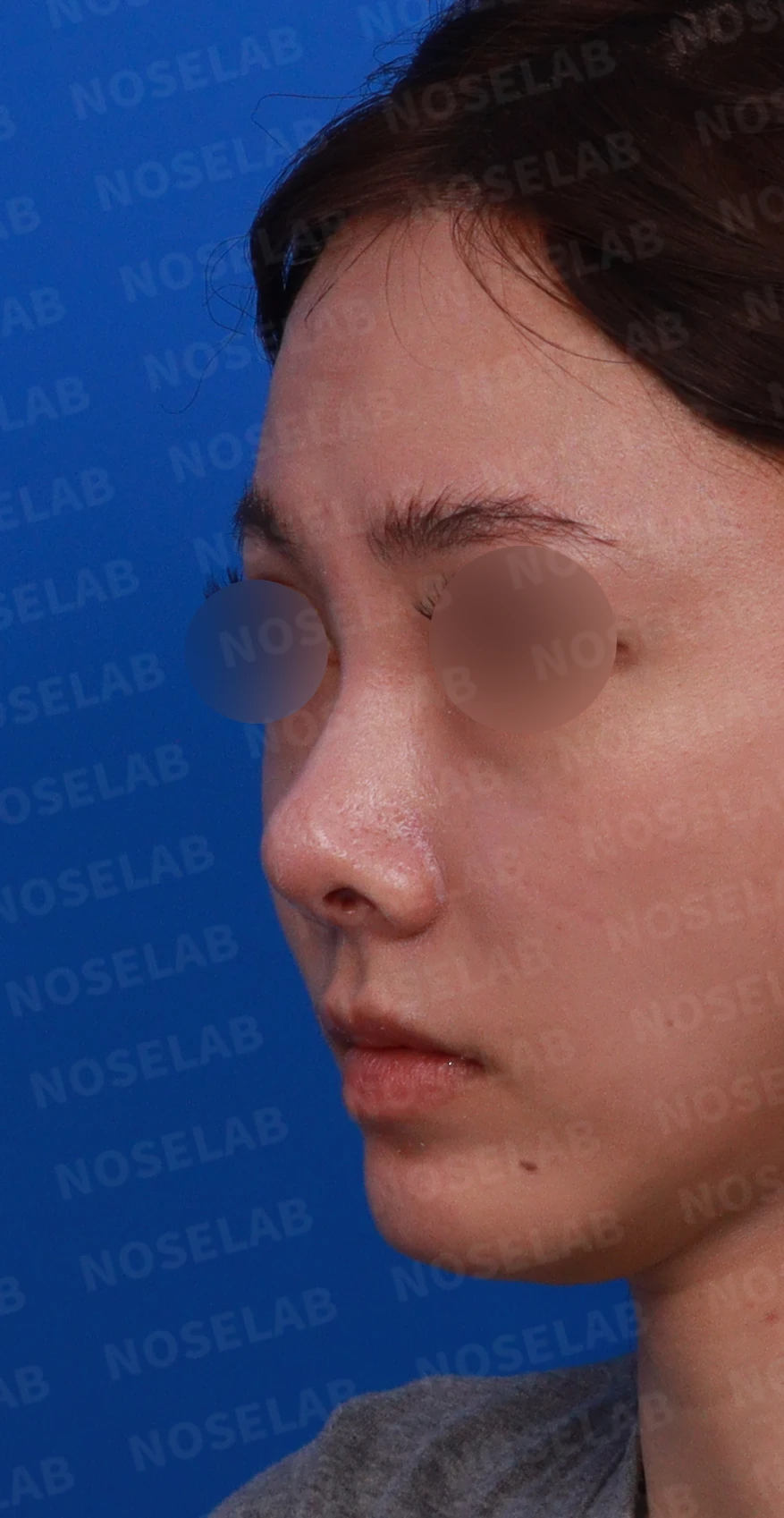
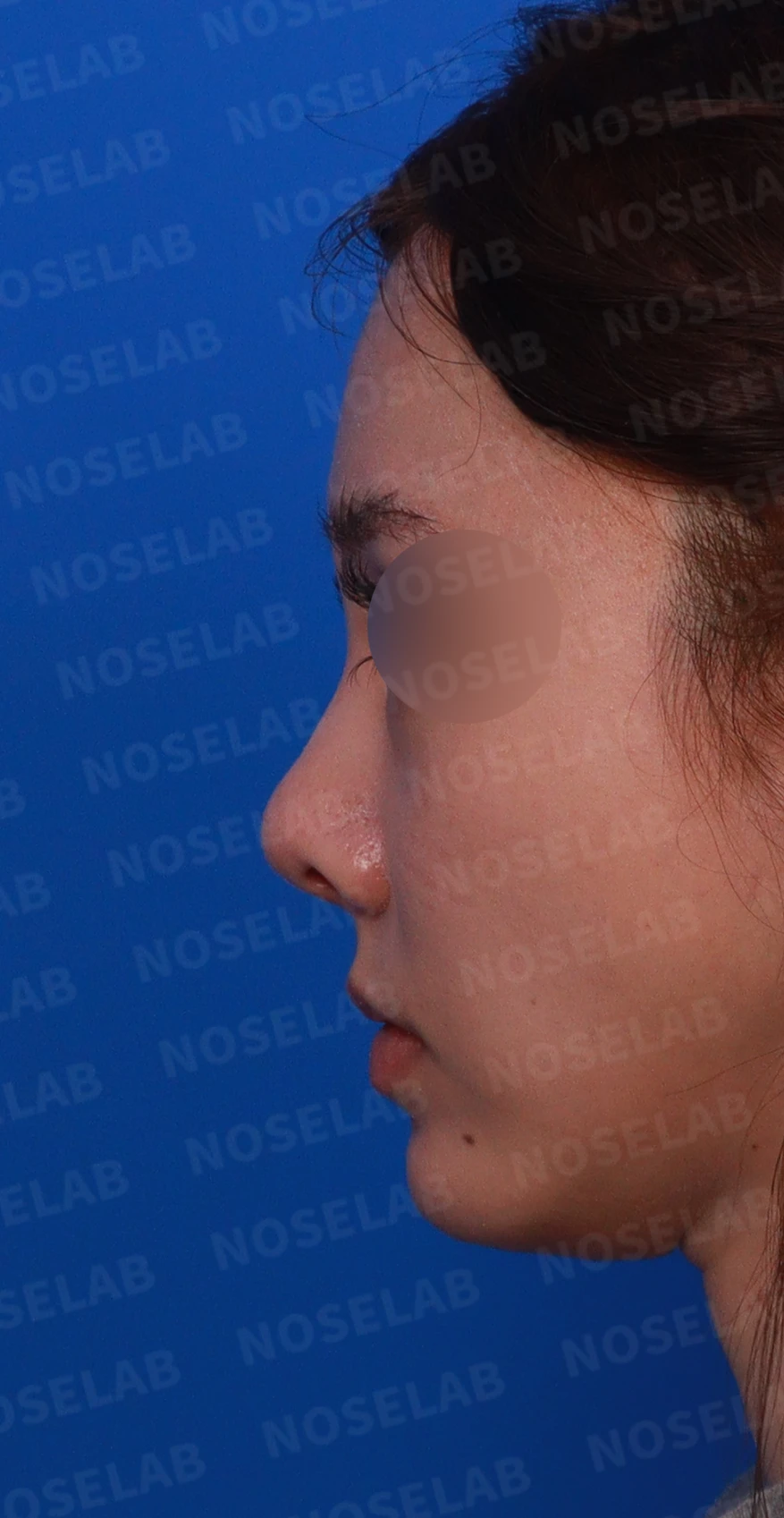
Design consultation photos: front, left lateral, oblique, and profile views.
🔍 Surgical history
The patient was a complex case with a history of multiple procedures and surgeries.
- 4 years ago: Two-jaw surgery to improve facial contour
- 7 to 8 years ago: Cartilage tie (suture) procedure
- Since then: Repeated periodic filler and thread treatments every year
- 6 months ago: Silicone implant placement and abdominal dermis graft
Despite these multiple procedures, the patient was unsatisfied with her tip shape and overall balance. In particular, repeated filler treatments caused the glabella area to widen, and the nasal tip had become upturned, resulting in excessive nostril show.
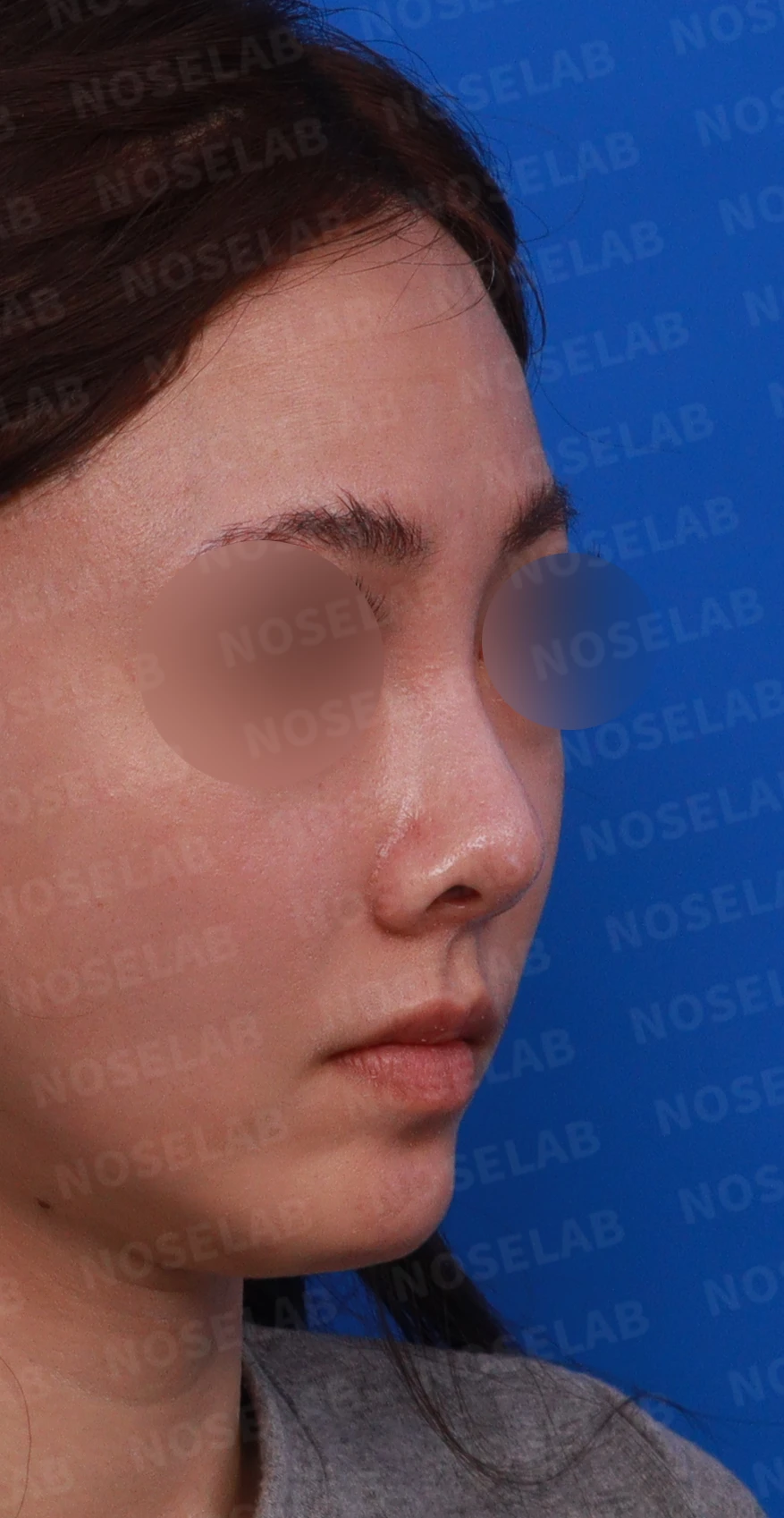
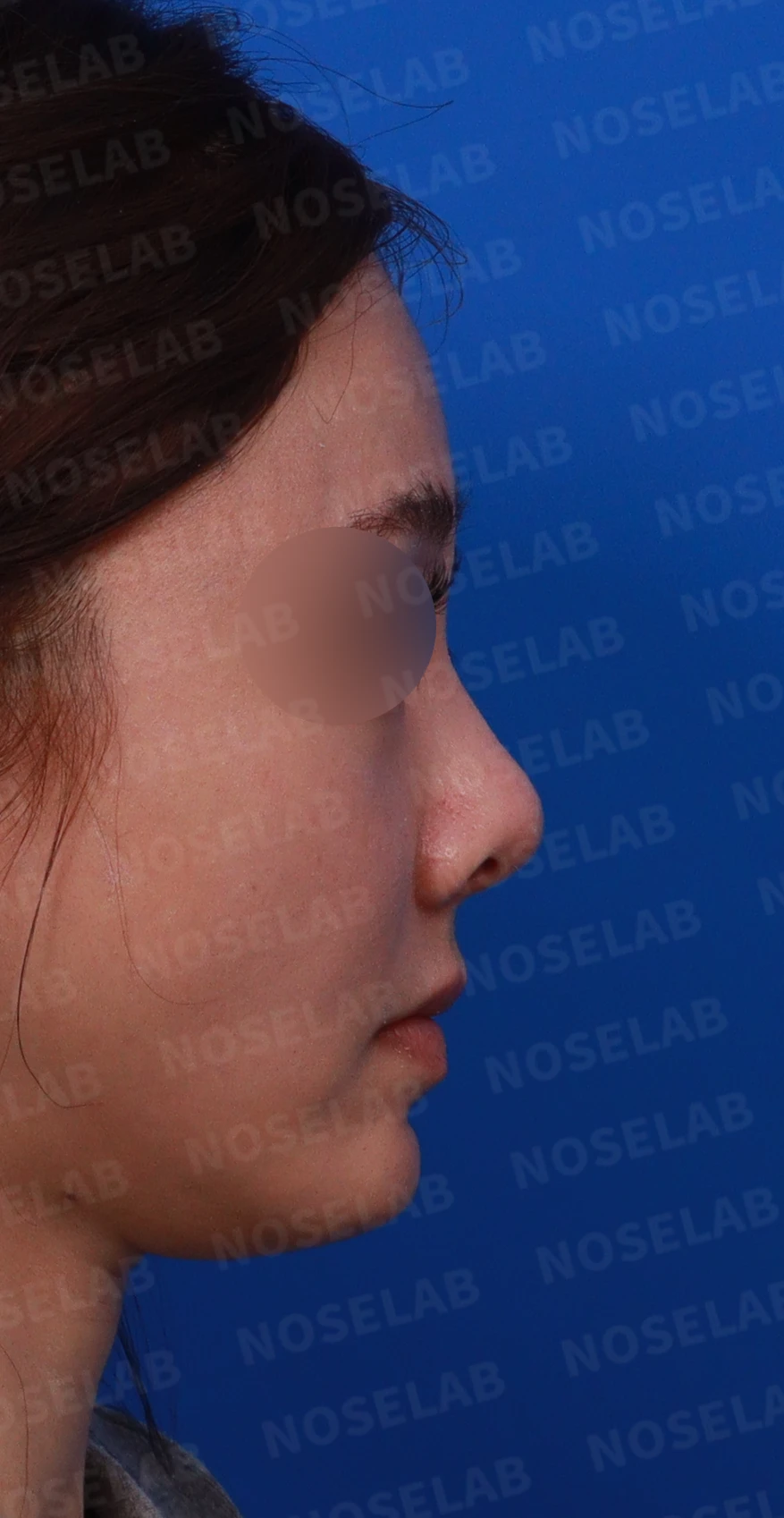
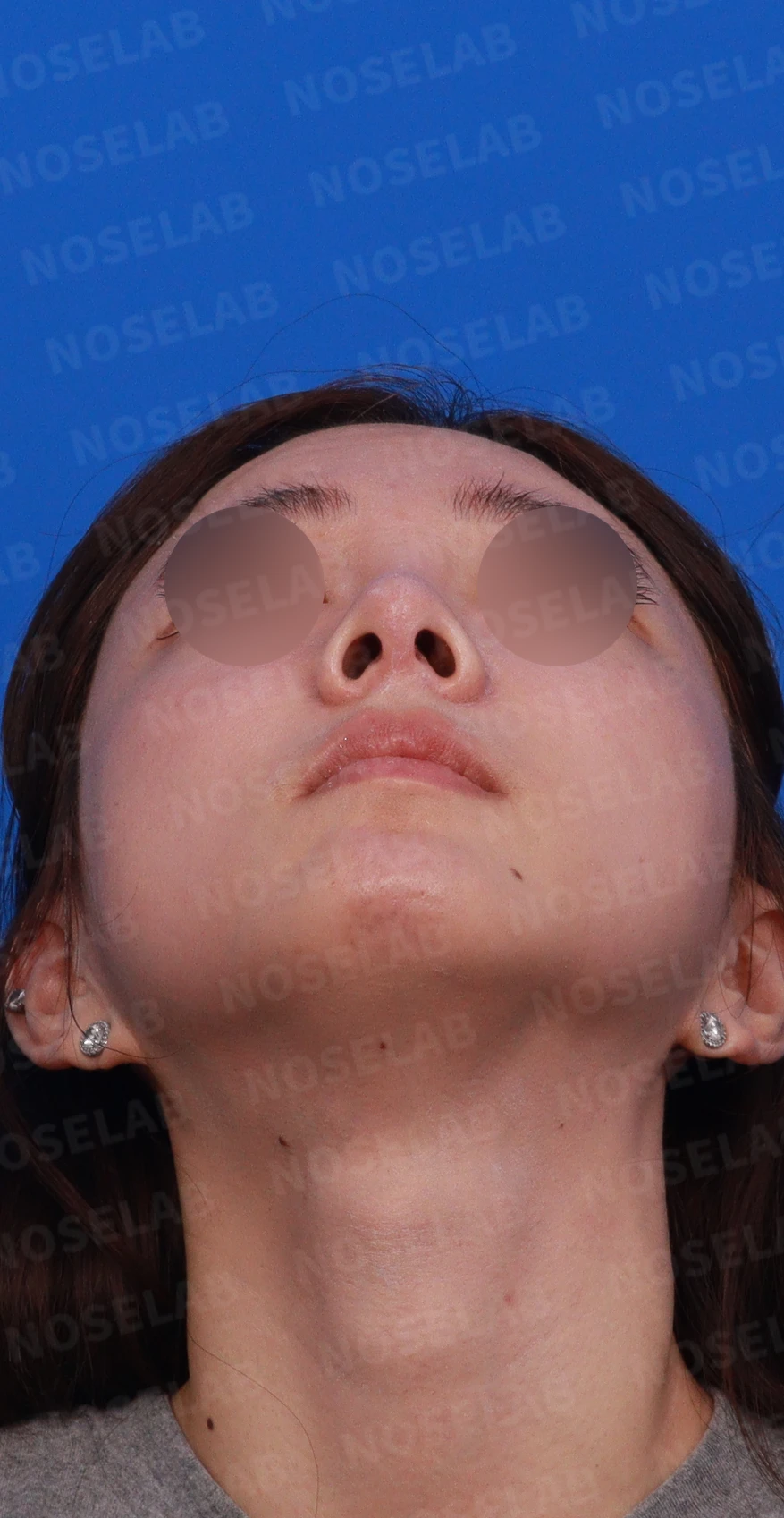
Design consultation: right oblique, profile, and nostril views.
💉 Patient requests
The patient's specific requests were as follows:
- Creating a refined nose line similar to Karina's style
- Sufficiently elevating the nasal tip and columella to achieve a three-dimensional contour
- Correcting the upturned nose and reducing nostril show
- Wanting an effect that makes the midface look shorter
- Achieving a natural yet feminine silhouette
🔧 Surgical plan and procedure
1. Complete removal of foreign material
- Removal of existing silicone implant and dermis
- Debridement of tissue affected by repeated filler injections
- Correction of the spreading in the glabella area
2. Partial septal reconstruction using autologous rib cartilage
- Establishing a stable support structure
- Adjustment of nasal tip height and angle
- Securing long-term stability
3. Nasal tip correction and columella elevation
- Forming a well-defined tip in Karina's style
- Sufficiently elevating the columella to establish a refined line
- Minimizing nostril show
4. Correction of nasolabial angle
- Improvement of upturned nose
- Making the midface appear shorter
- Improvement of profile silhouette
5. Refinement of the glabellar line
- Correcting the glabella that had widened from foreign material
- Forming a natural radix starting point
- Restoring overall balance
🌟 Surgical results
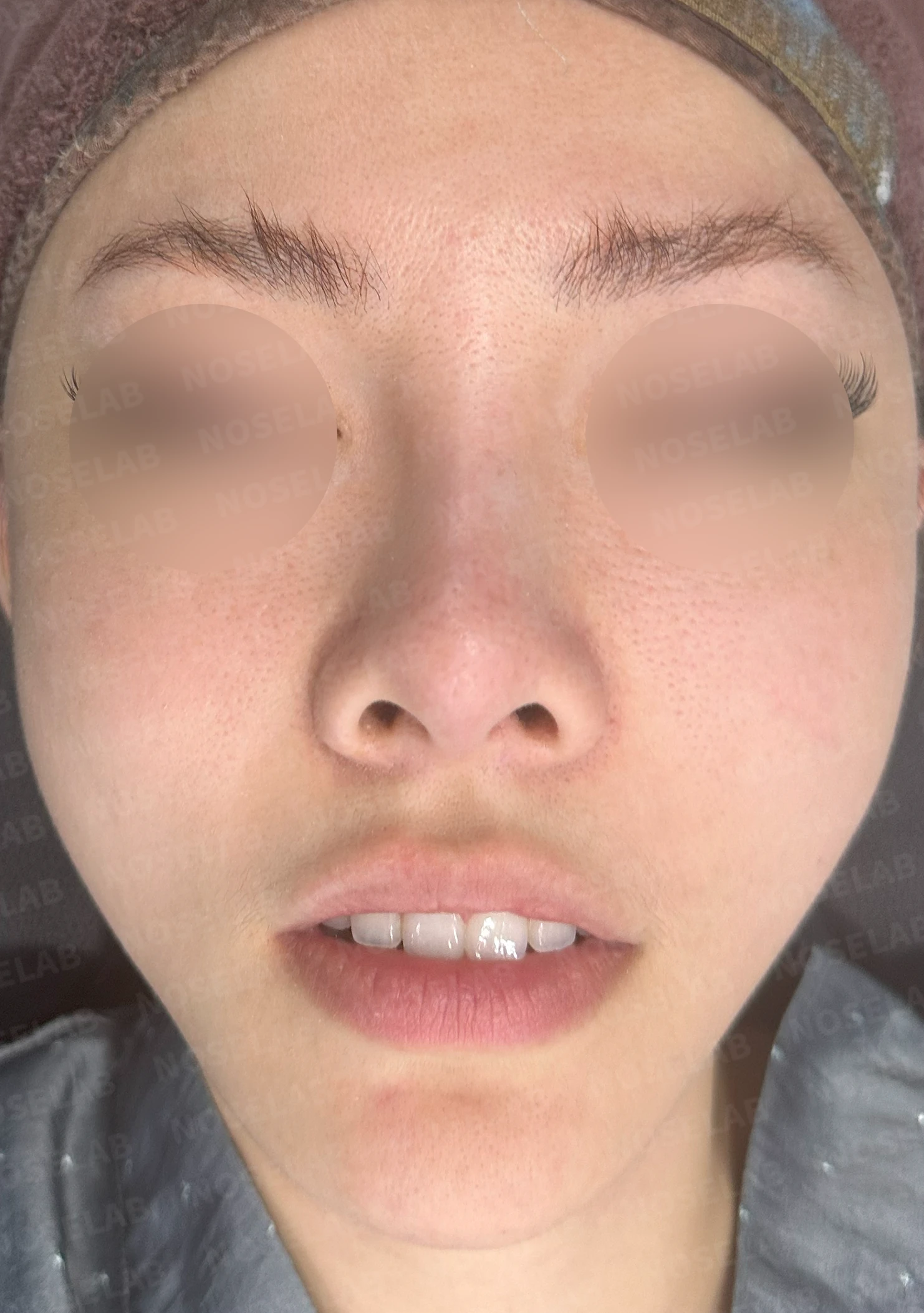
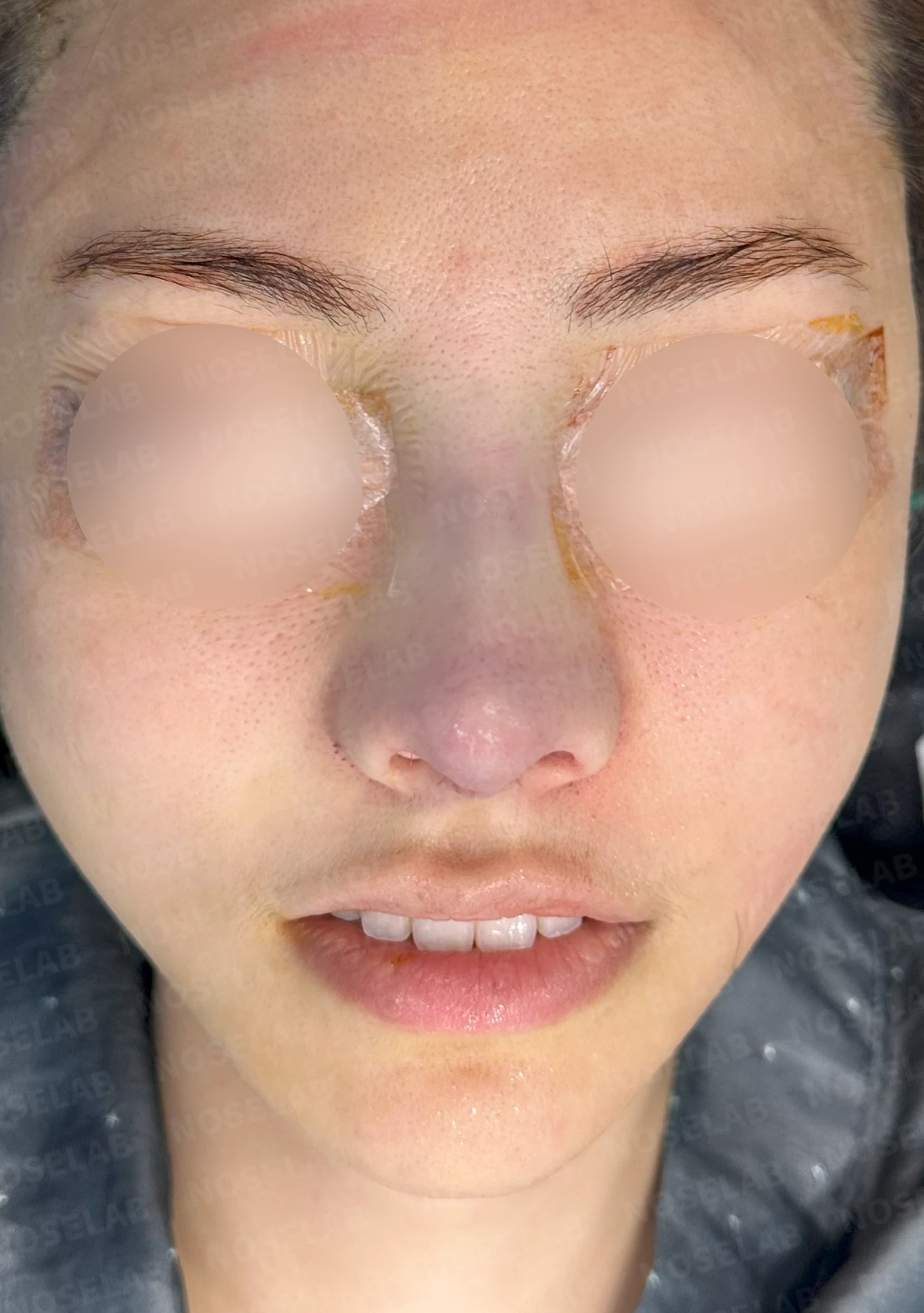
Before surgery / Day 0 immediately after surgery Photos taken immediately after surgery show swelling and may differ from the final result.
Front view changes
- The glabella, which had widened due to foreign material, has been naturally smoothed and refined
- The upturned nasal tip has been lowered to an appropriate angle
- The blunt tip has transitioned into a well-defined, refined contour
- Nostril show has been significantly reduced
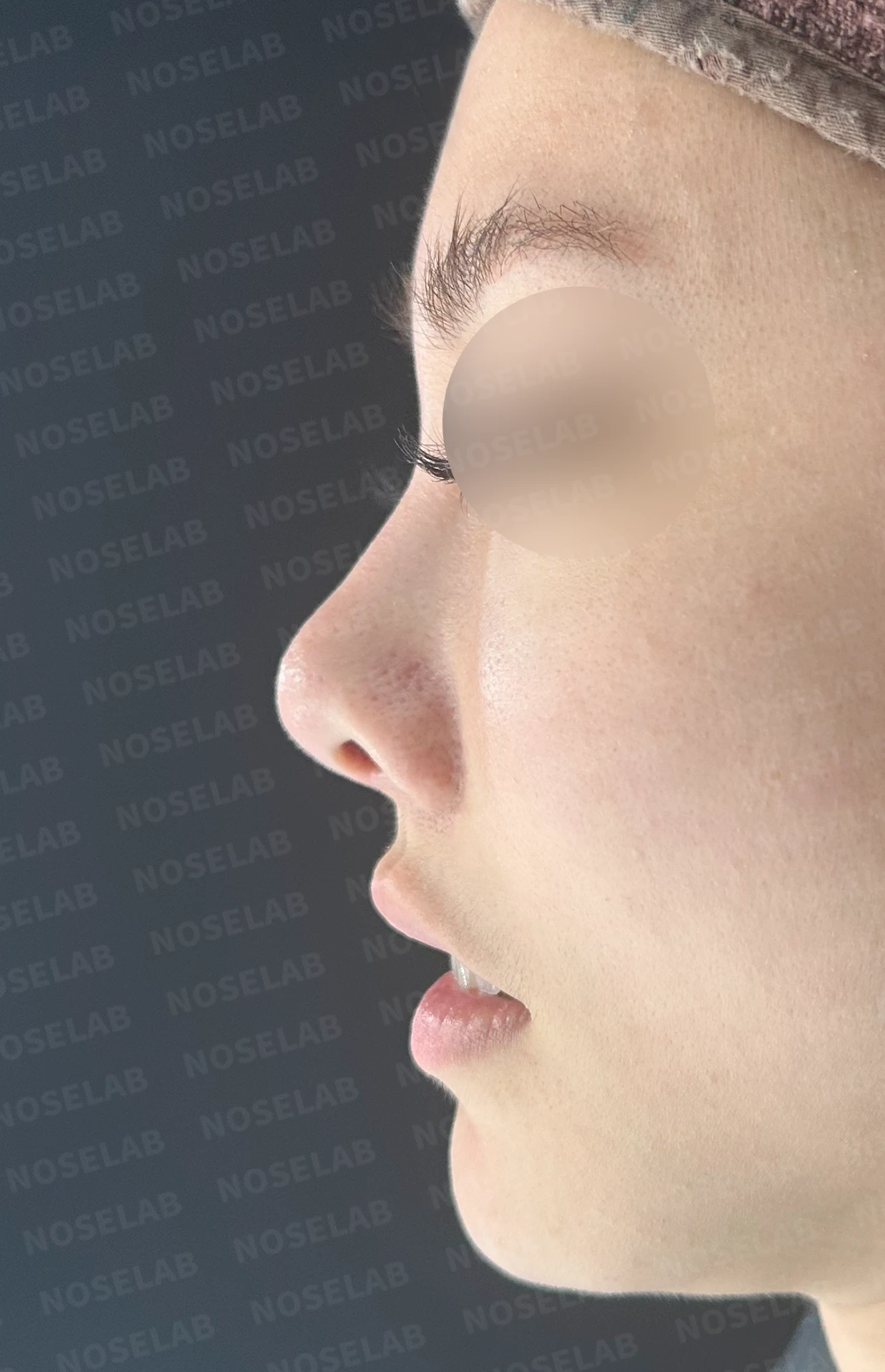
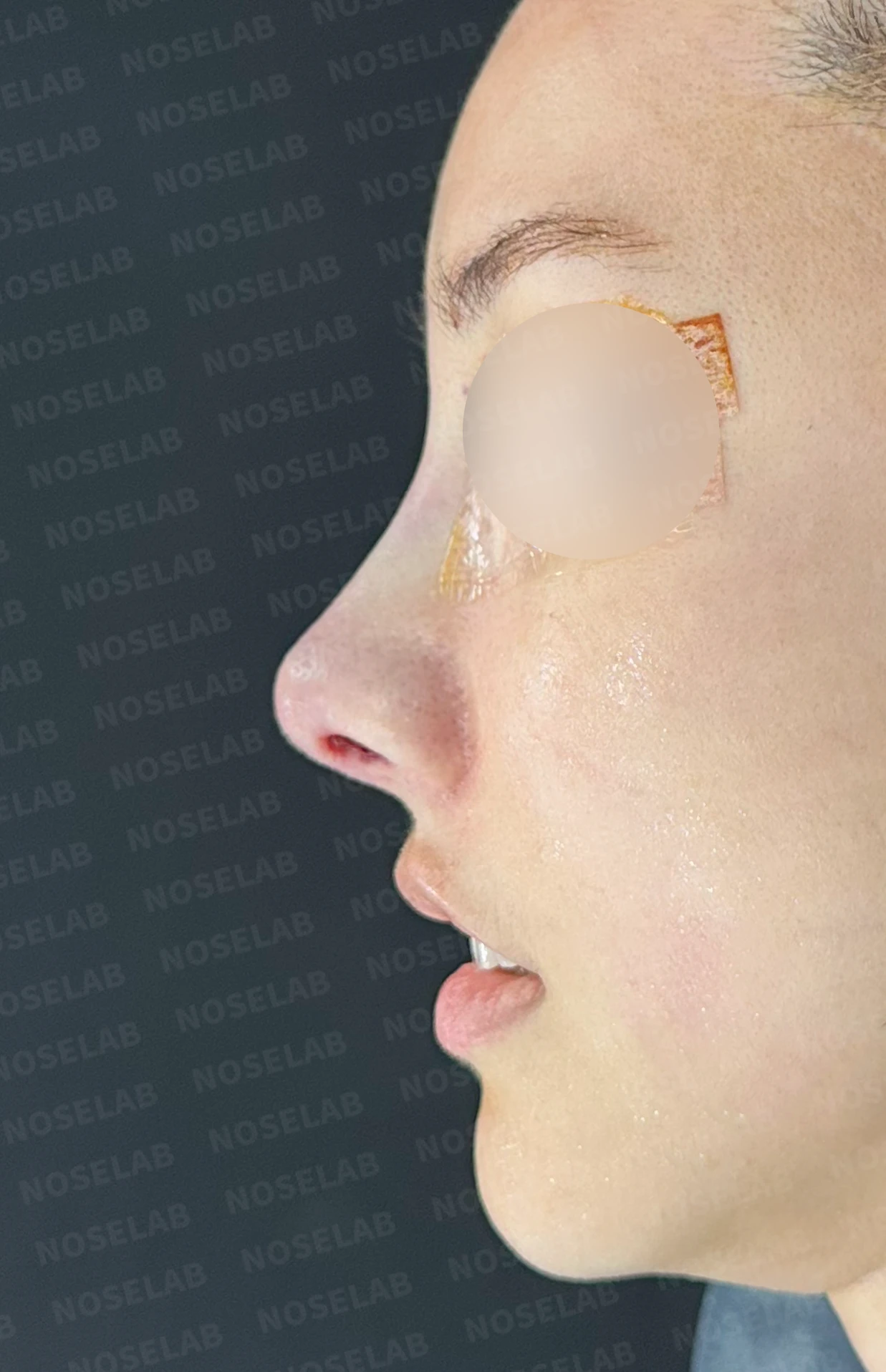
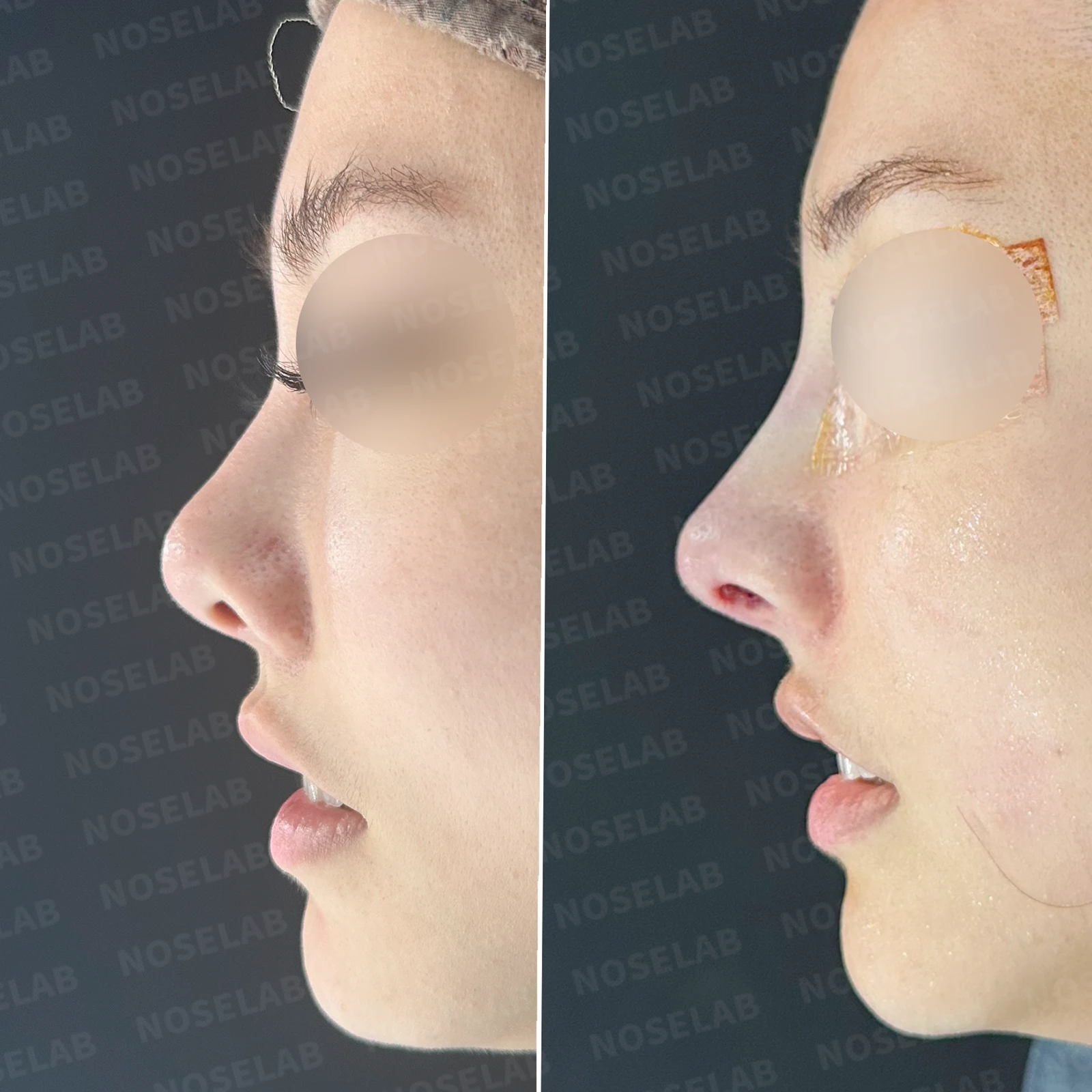
Before surgery / Day 0 immediately after surgery Photos taken immediately after surgery show swelling and may differ from the final result.
Profile view changes
- The upturned nose has been corrected to establish a natural angle
- The radix starting point has been adjusted to an appropriate height
- The nasolabial angle was corrected favorably, creating an effect that visually shortens the midface
- An overall three-dimensional and feminine line has been achieved
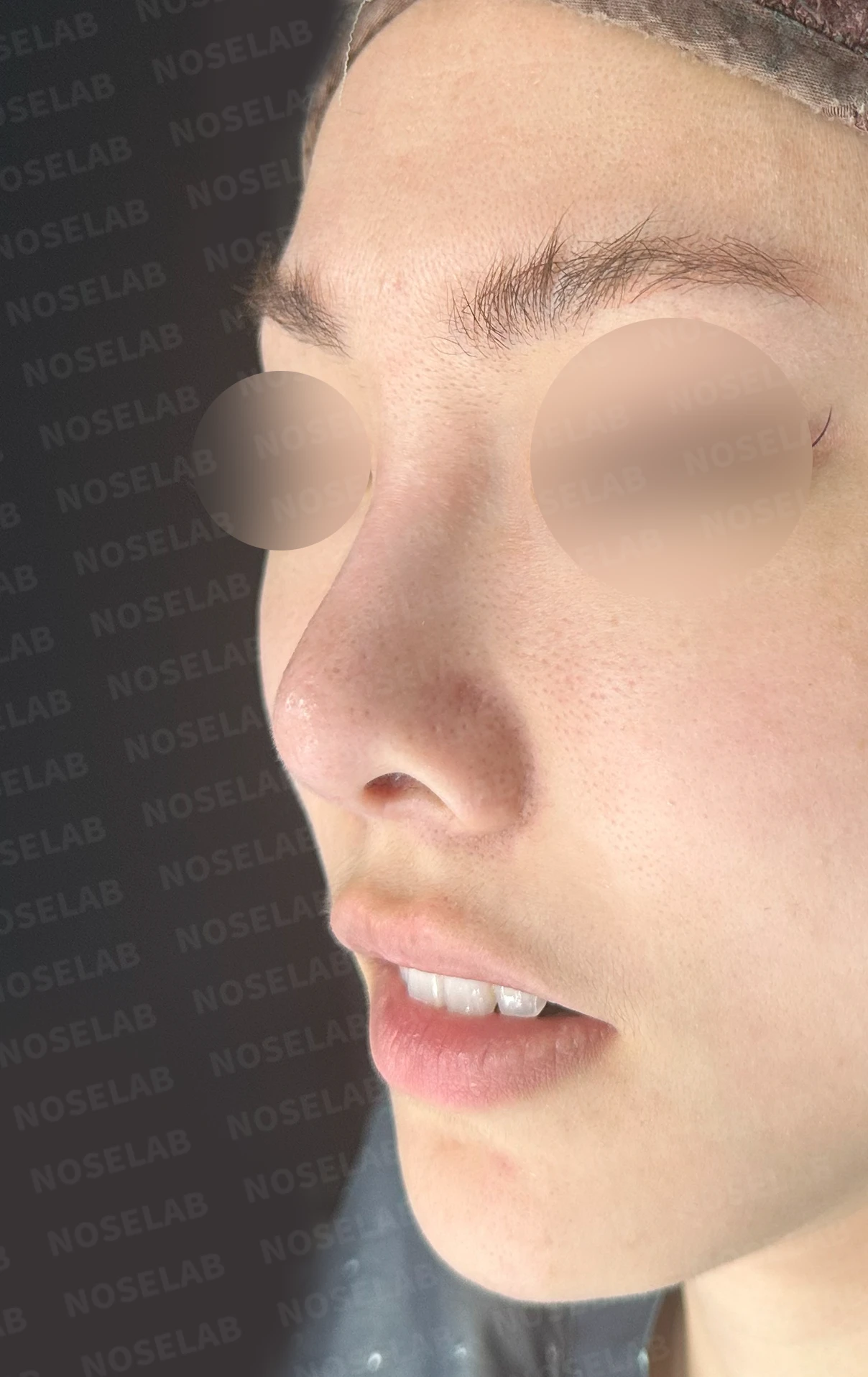
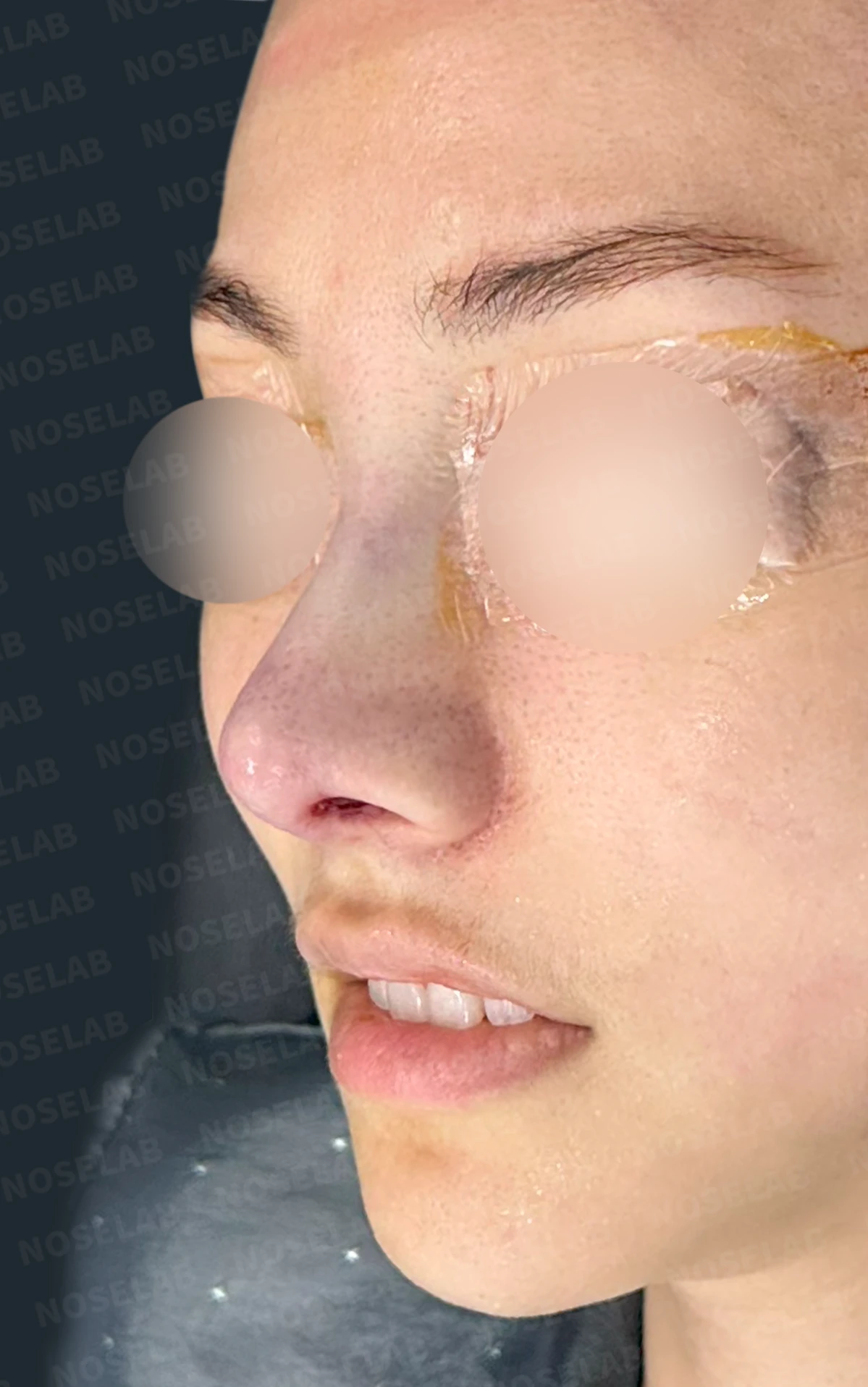
Before surgery / Day 0 immediately after surgery Photos taken immediately after surgery show swelling and may differ from the final result.
Overall change in impression
- A refined and striking nose line in Karina's style has been created
- Harmonic balance with the entire face
- A natural yet distinct silhouette
- A more feminine and elegant image
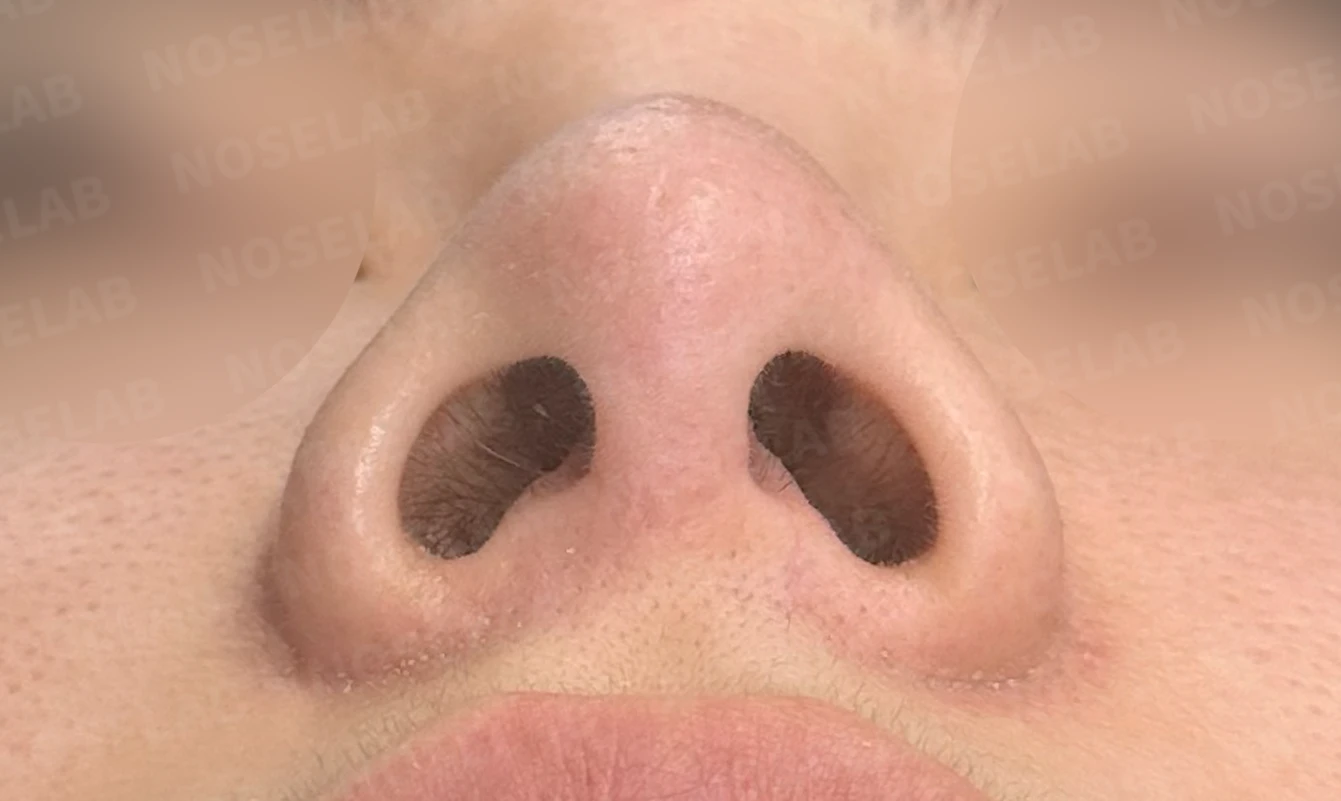
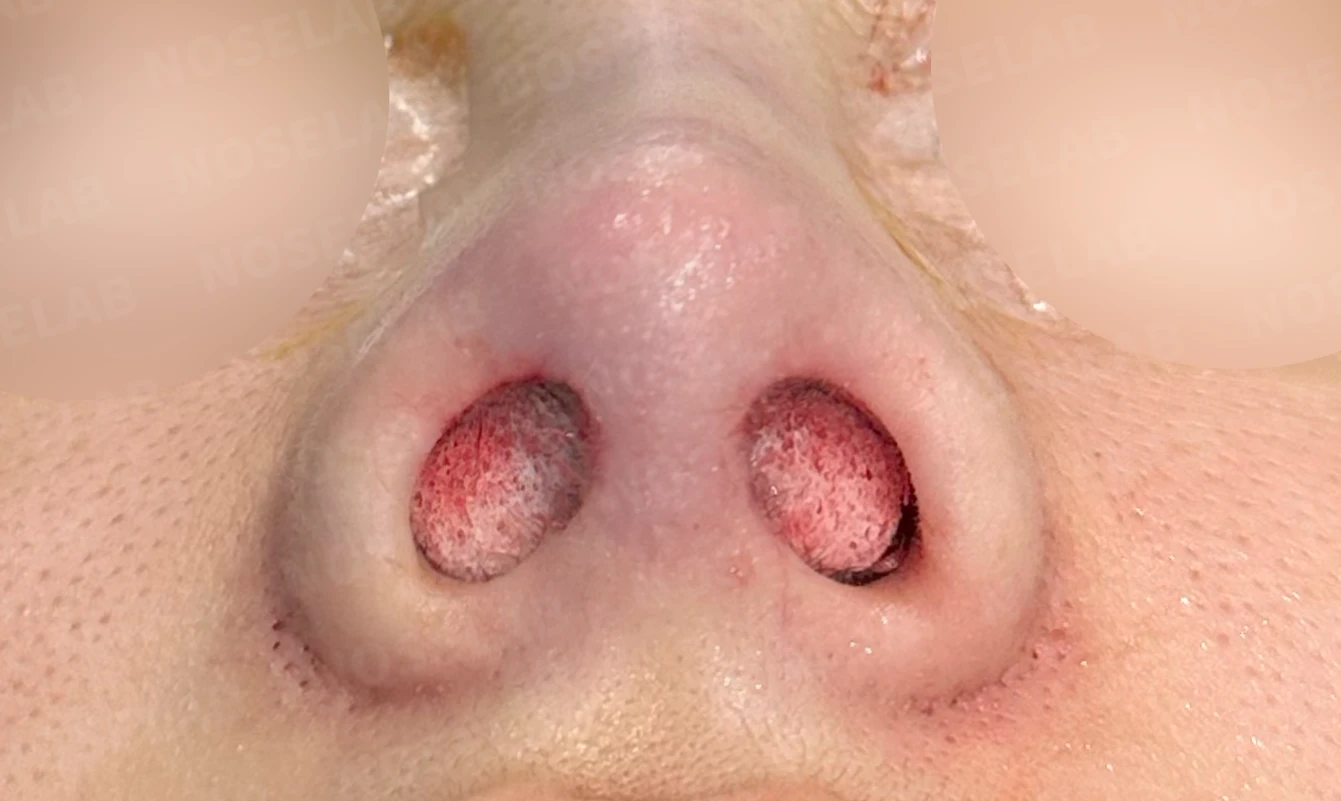
Before surgery / Day 0 immediately after surgery Photos taken immediately after surgery show swelling and may differ from the final result.
💡 Specialist opinion
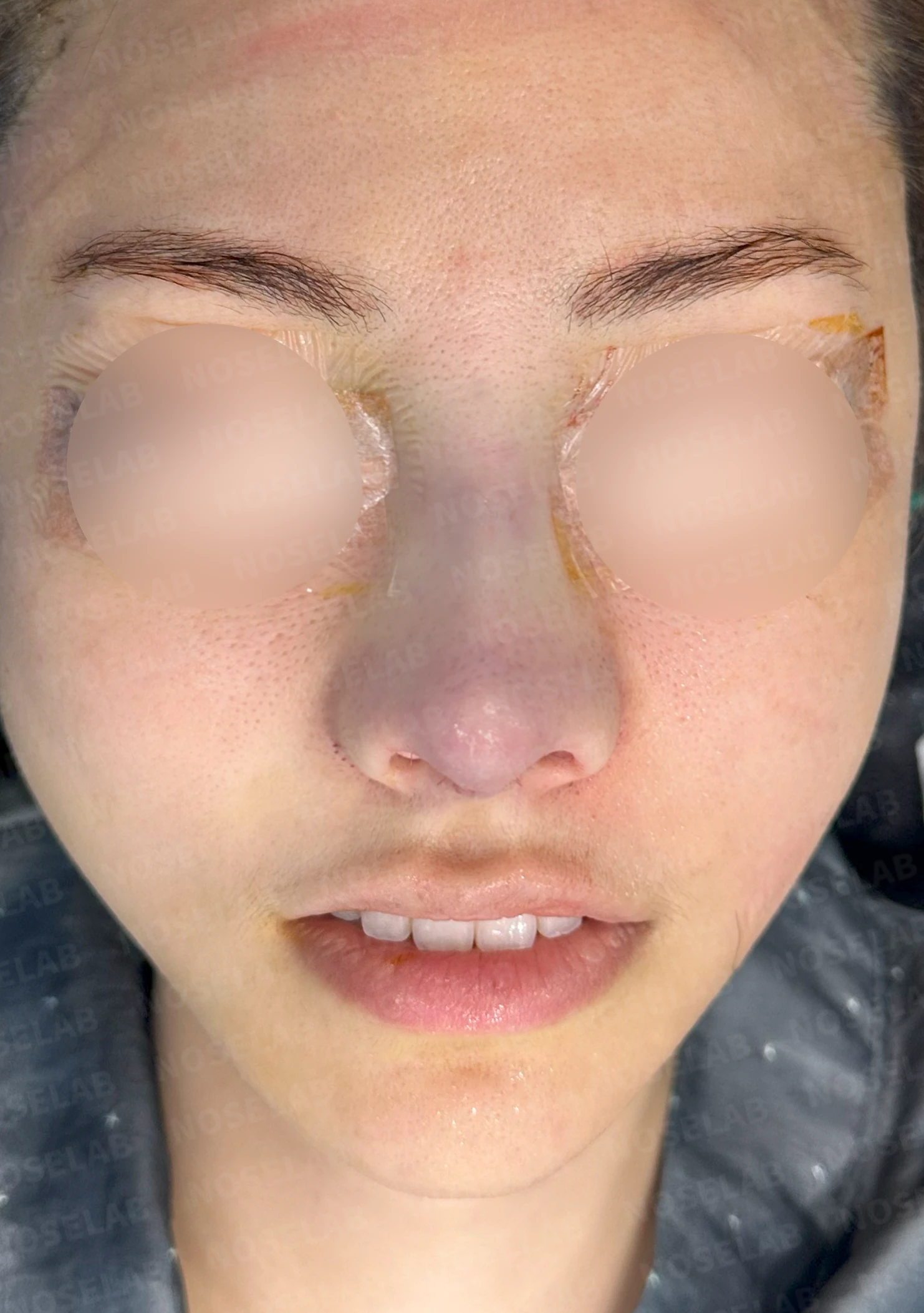
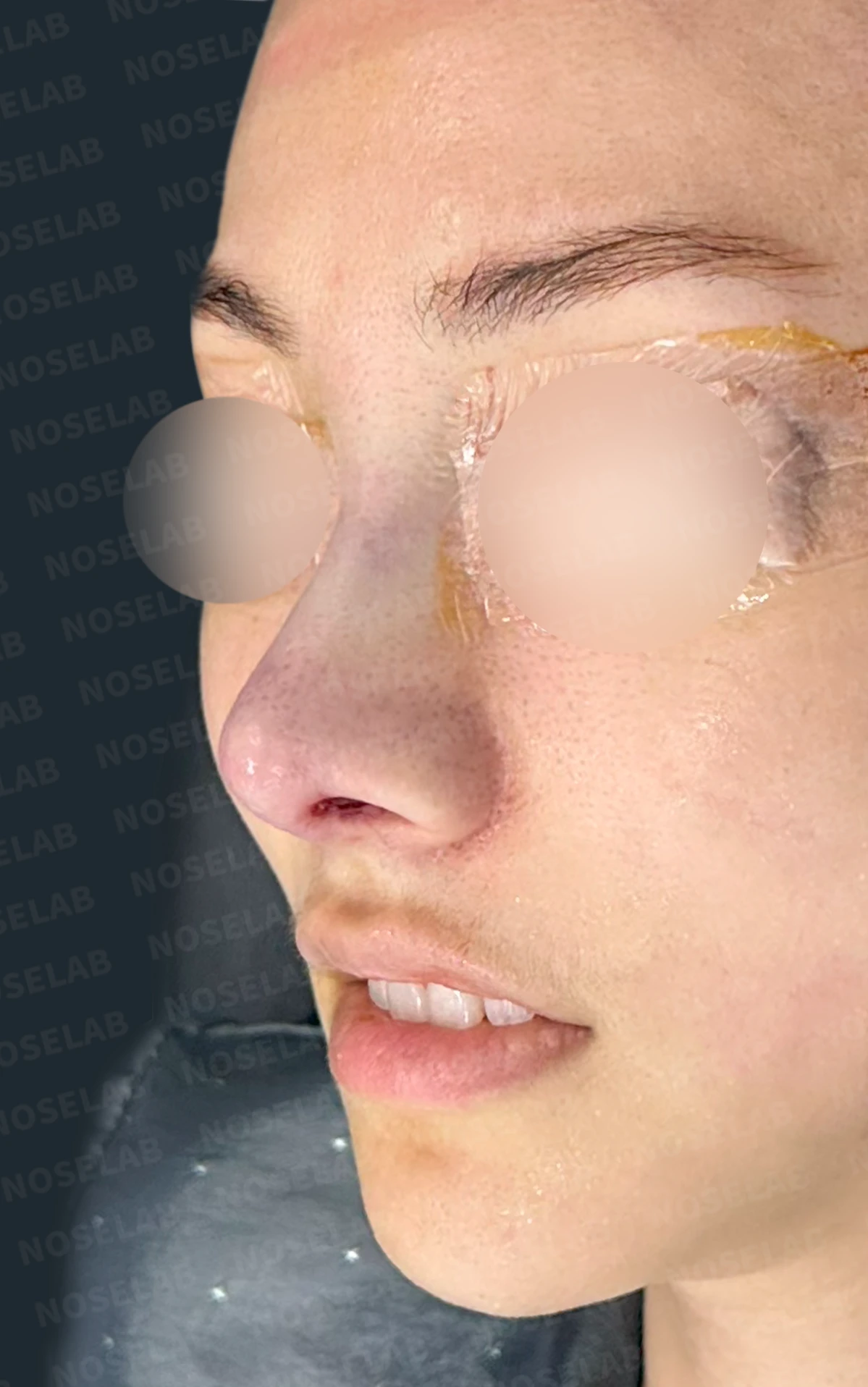
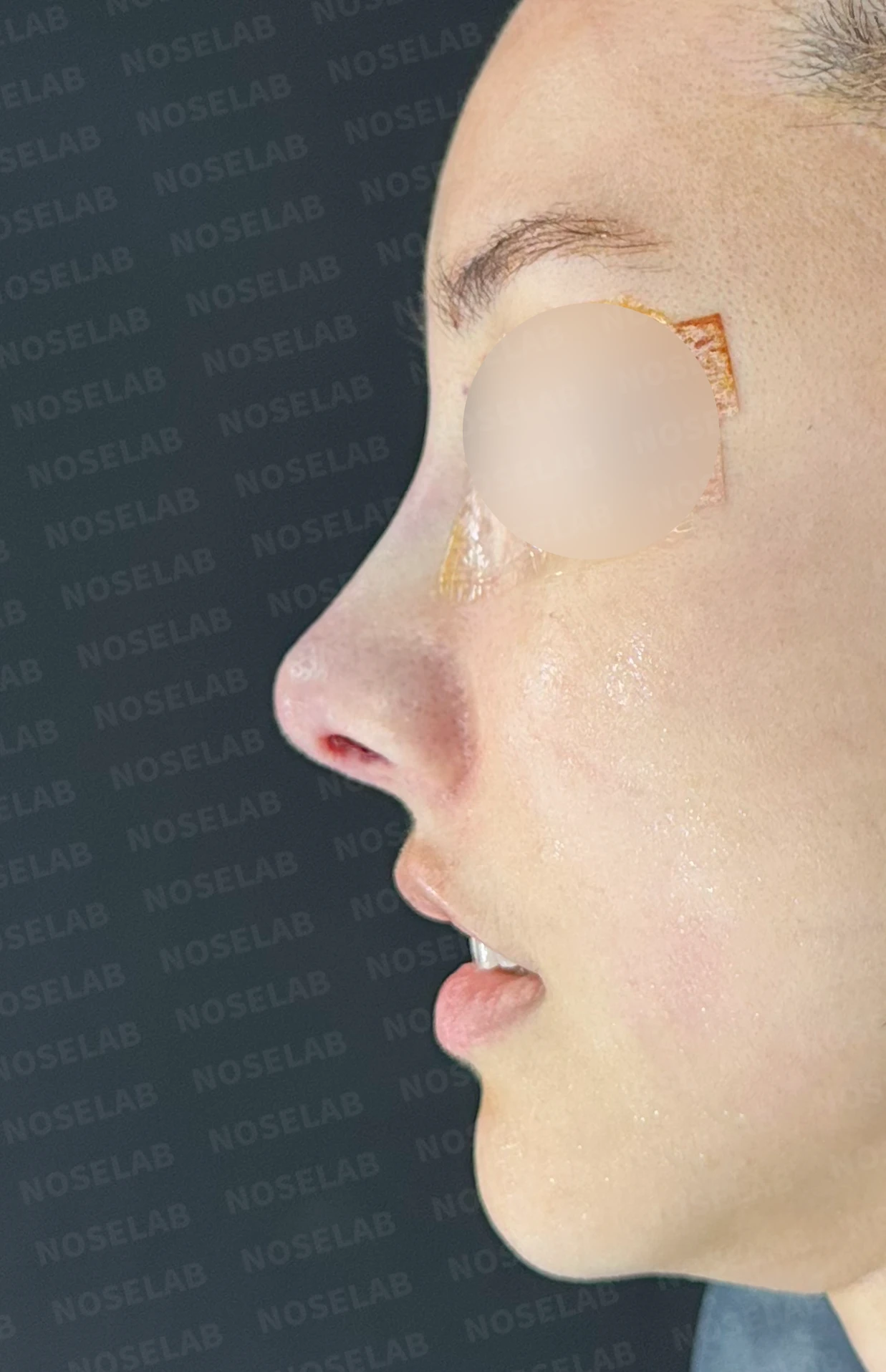
Immediately after surgery (day 0): front, oblique, and profile views. Immediate postoperative photos show swelling and may differ from the final result.
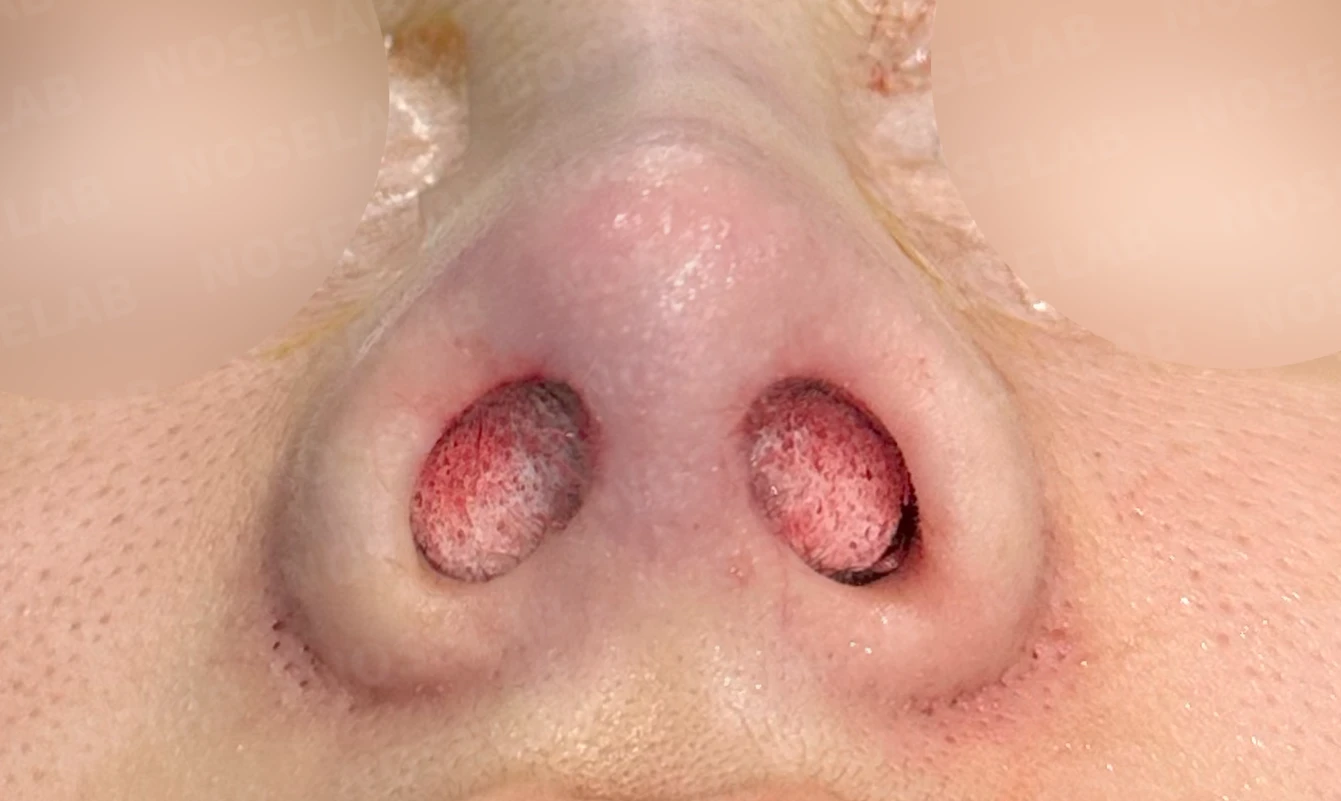
Immediately after surgery (day 0): nostril view. Immediate postoperative photos show swelling and may differ from the final result.
This was a high-difficulty revision rhinoplasty case where the tissue condition was complex due to multiple procedures and surgeries. Because we had to consider tissue deformity caused by repeated filler injections and foreign materials, along with a history of two-jaw surgery, a very meticulous approach was required.
Partial septal reconstruction using autologous rib cartilage was a suitable choice to obtain a stable result even in such complex circumstances. Using the patient's own tissue allowed us to create a natural shape without rejection reactions, supporting long-term structural stability.
In particular, the Karina-style nose the patient desired does not simply mean raising the height; the angle of the tip, the position of the columella, and the overall balance must all work in harmony. Through this surgery, we were able to correct the upturned nose while creating a refined line, faithfully reflecting the patient's goals.
Revision rhinoplasty requires more experience and skill than a primary procedure. This is because scar tissue, altered anatomy from previous surgeries, and the patient's psychological burden must all be addressed. NOSELAB prioritizes patient satisfaction even in these complex revision cases and strives to achieve the intended result.
This was Dr. Peter C. Kang. Thank you.
#closedrhinoplasty #closedrevisionrhinoplasty #upturnednosecorrection #karinanose #ribcartilagerhinoplasty #tipplasty #nasolabialanglecorrection #femalerhinoplasty #revisionrhinoplastybefore

Limitations and risks
When autologous rib cartilage is used, scarring and pain may remain at the donor site on the chest, and pneumothorax (pleural injury) can occur rarely. Over time, the grafted cartilage may warp or undergo partial resorption.
When revising after implant removal, contracture may progress again after removal, the nasal height and length may decrease, and staged surgery may be necessary depending on the skin condition.
When foreign materials such as injected fillers are removed and reconstructed, contracture may recur, nasal height and length may decrease, and staged surgery may be necessary depending on the skin condition.
When the septum is corrected at the same time, nasal obstruction may persist or recur, and in rare cases, septal perforation or changes in smell may occur.
Common potential risks include infection, bleeding, asymmetry, scarring, skin necrosis, and insufficient improvement; results vary depending on individual skin condition and previous surgical history.