English日本語简体中文
Skip to main content
Dr. Peter C. Kang's Rhinoplasty Stories
PrologueBlogMy thoughtsNasal obstructionSurgical journalSurgical photos
About the surgeon

Nasal foreign body, mesh, and thread removal cases

In records of foreign material removal from the nose, what was removed is the first piece of information to check. In some cases, photos in the original text are labeled specifically with mesh, artificial dermis, or cartilage fragments, while in others, they are described simply as nasal bridge foreign material without subdividing the material. Unnamed tissues are not assumed to be specific materials.

Cases where the structure was reconstructed using autologous rib cartilage or the septum was rebuilt after foreign material removal are also linked. The removed object and the subsequent surgery performed should be read separately. Especially in noses that have undergone multiple surgeries, the past history, the materials actually found, and the remaining structures are different pieces of information, so please review the photos and the surgical process descriptions together.

View before-and-after cases ↓Comprehensive rhinoplasty guide

Searching for surgical cases matching your criteria.
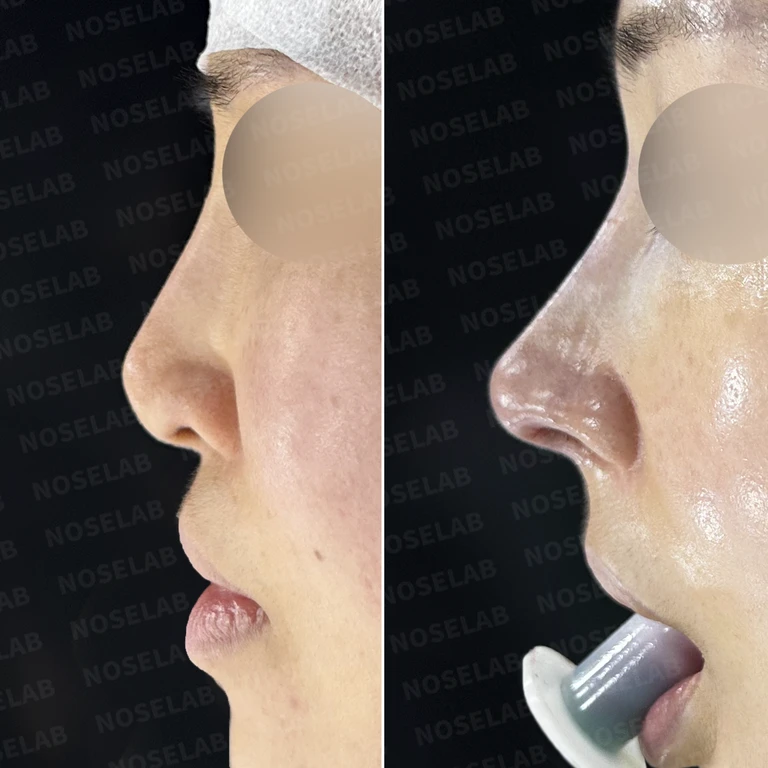
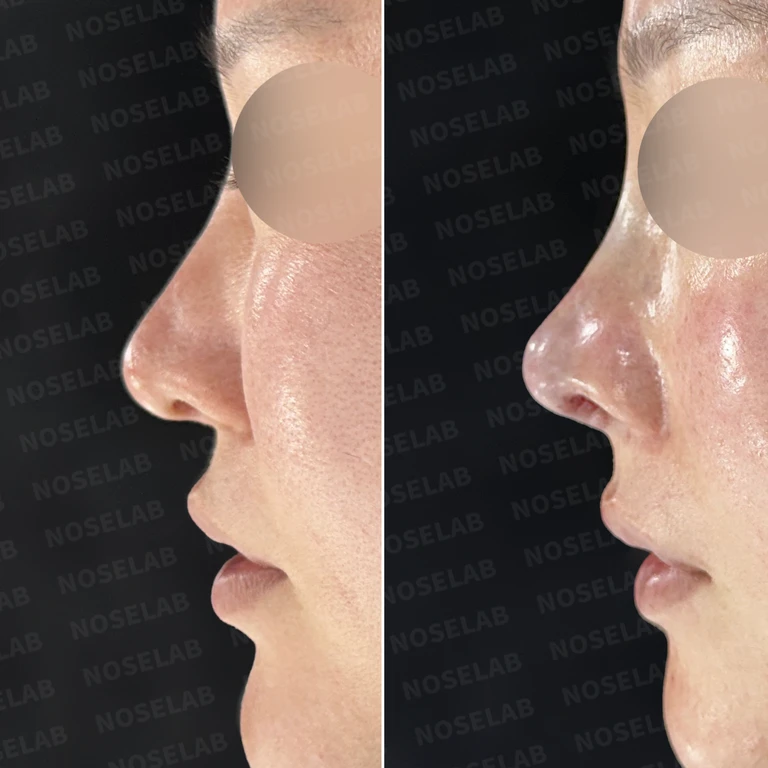
Why mesh remaining in the septum causes an upturned nose, and reconstruction after removal — Before-and-after comparison
Before-and-after comparison

Why mesh remaining in the septum causes an upturned nose, and reconstruction after removal

This is a case where mesh left in the septum after previous surgeries resulted in an upturned nose and excessive nostril show. All foreign material was removed, followed by septal reconstruction using autologous rib cartilage, replacement of the silicone implant, and reinforcement of the skin with acellular dermal matrix.

Performed or used in this surgery
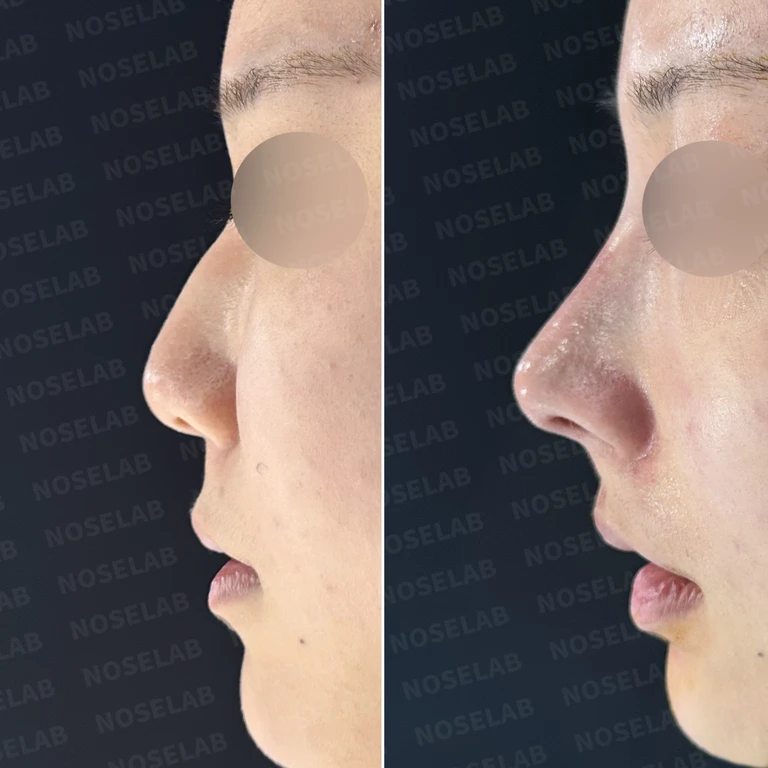
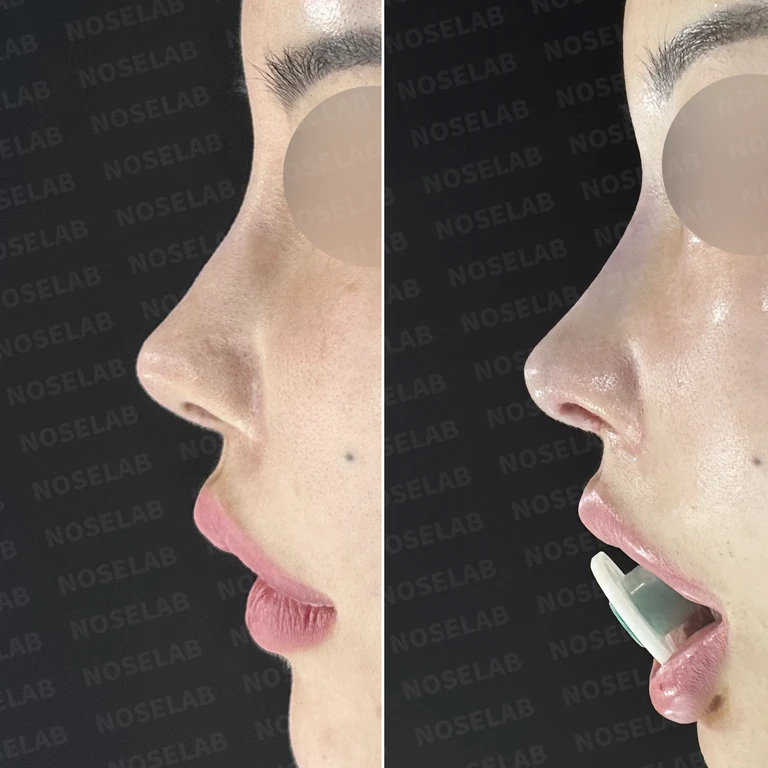
Why a nose operated on twice looks long and drooping, and how septal reconstruction using rib cartilage is performed — Before-and-after comparison
Before-and-after comparison

Why a nose operated on twice looks long and drooping, and how septal reconstruction using rib cartilage is performed

A revision rhinoplasty case where the septum was depleted due to excessive cartilage use in prior surgeries. The septum was reconstructed using autologous rib cartilage, a cartilage fragment on the bridge was removed, and silicone implant replacement was combined with osteotomy.

Performed or used in this surgery
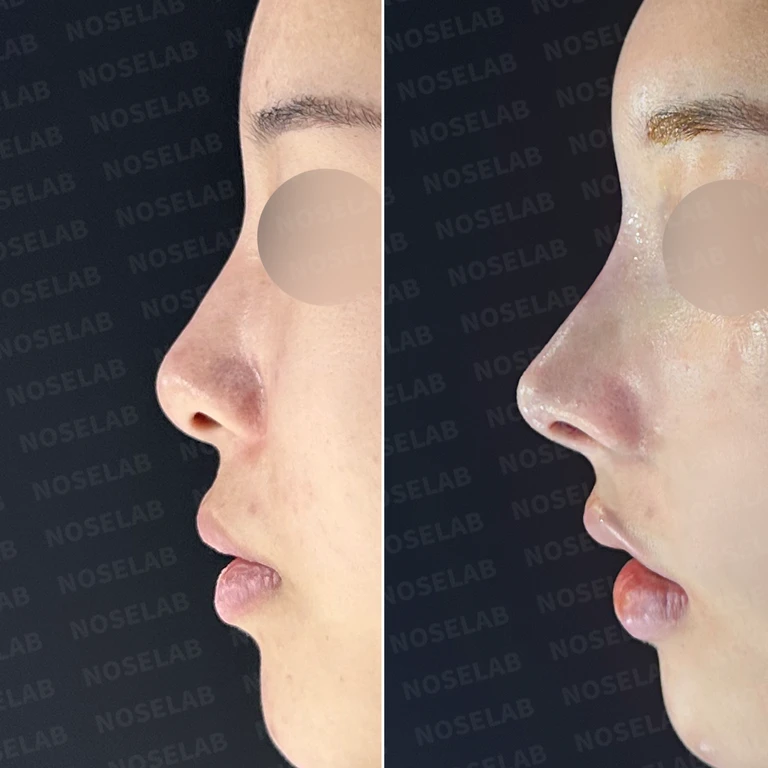
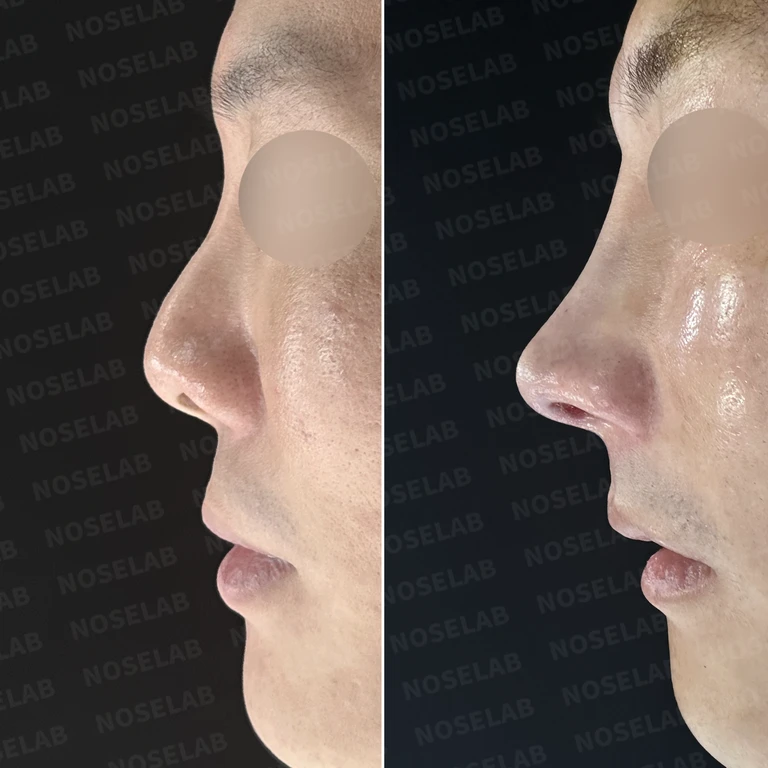
Why implants show through and nostrils look M-shaped, and how to reconstruct them — Before-and-after comparison
Before-and-after comparison

Why implants show through and nostrils look M-shaped, and how to reconstruct them

Implant show-through at the nasal tip and thinned skin were reinforced with donor dermis, and foreign substances were removed. The nasal tip was reconstructed using autologous rib cartilage, along with dragon nose correction and lateral osteotomy.

Performed or used in this surgery
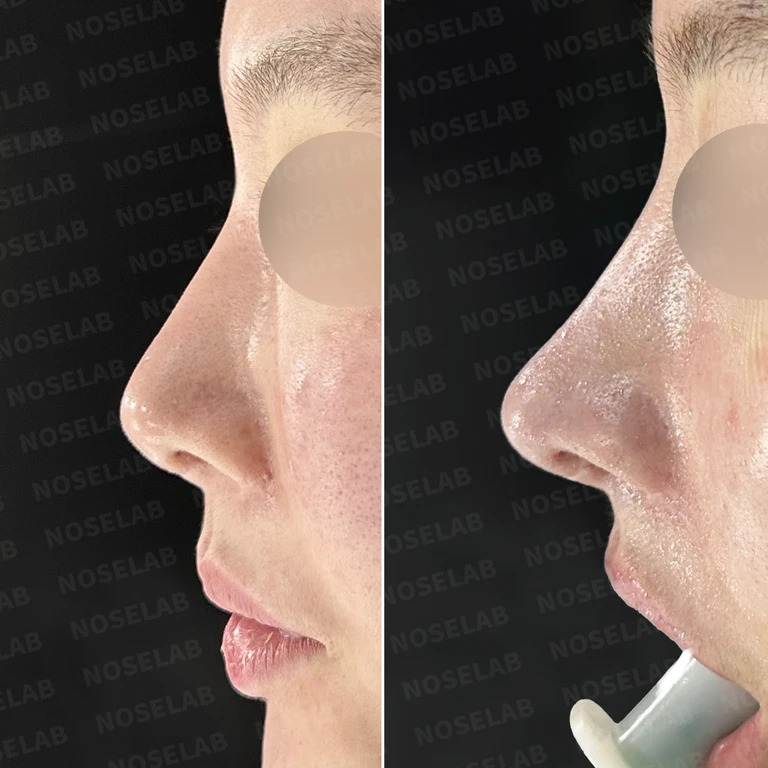
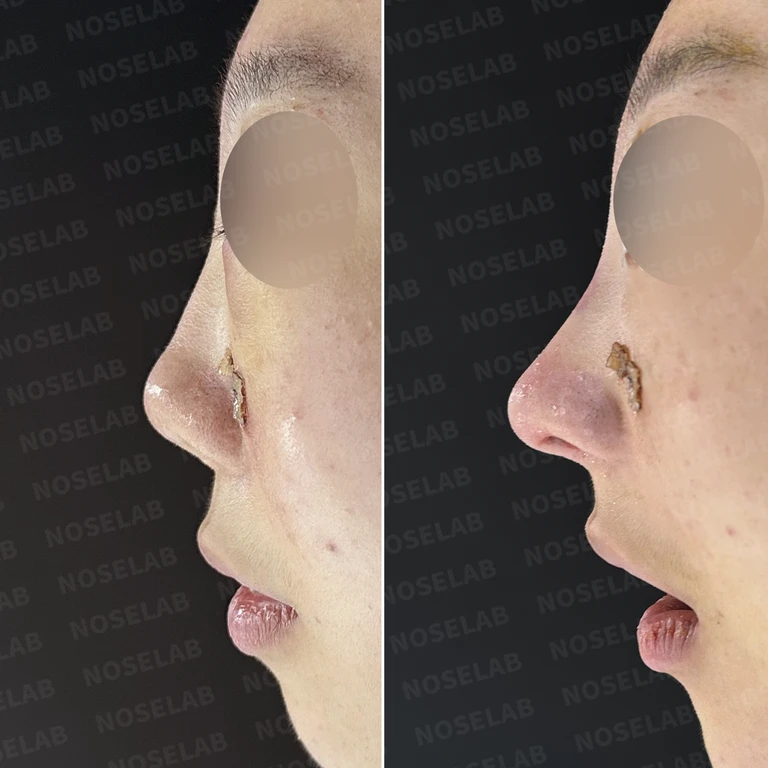
Why nasal filler cannot correct a drooping tip and dorsal hump, and the reconstruction method after removal — Before-and-after comparison
Before-and-after comparison

Why nasal filler cannot correct a drooping tip and dorsal hump, and the reconstruction method after removal

To resolve a persistent drooping tip and dorsal hump deformity after filler and PDO thread lifting, foreign material was removed, followed by nasal tip reconstruction using autologous rib cartilage, a silicone implant on the nasal bridge, and septoplasty.

Performed or used in this surgery
Why the nasal bridge looks wide and uneven, and how osteotomy and rib cartilage tip surgery are performed — Before-and-after comparison
Before-and-after comparison

Why the nasal bridge looks wide and uneven, and how osteotomy and rib cartilage tip surgery are performed

Foreign material was removed from the nasal bridge, and lateral osteotomy, a custom-carved silicone implant, and donor rib cartilage were used to eliminate the dorsal step-off, creating a slim, straight bridge line.

Performed or used in this surgery
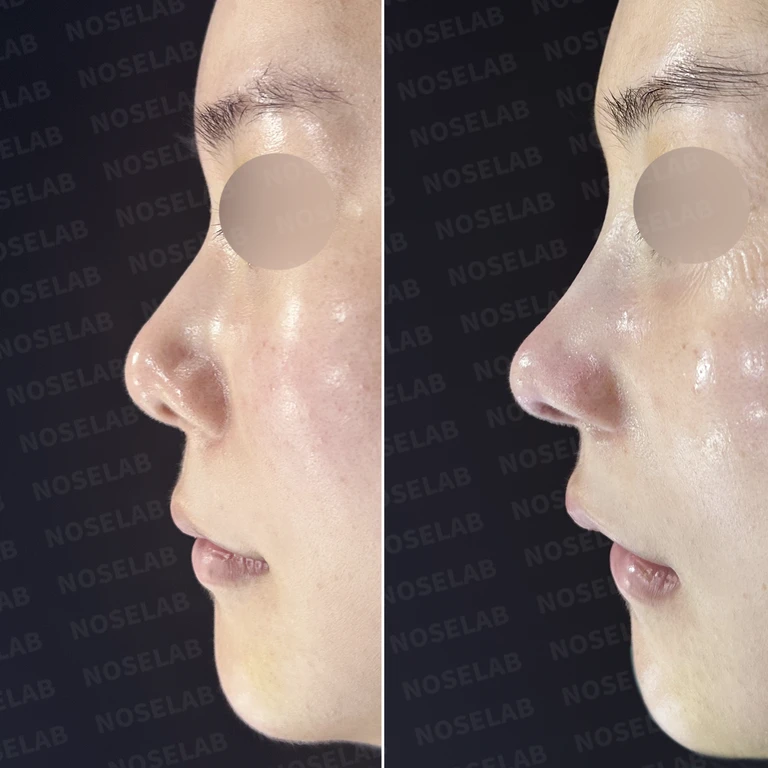
Why internal nasal structures collapse after multiple rhinoplasties and total reconstruction with rib cartilage — Before-and-after comparison
Before-and-after comparison

Why internal nasal structures collapse after multiple rhinoplasties and total reconstruction with rib cartilage

Following four prior rhinoplasties, septal and lower lateral cartilage defects and nasal bone erosion were addressed by treating a chronic foreign body reaction, performing total reconstruction with autologous rib cartilage, and placing a nostril skin graft.

Performed or used in this surgery
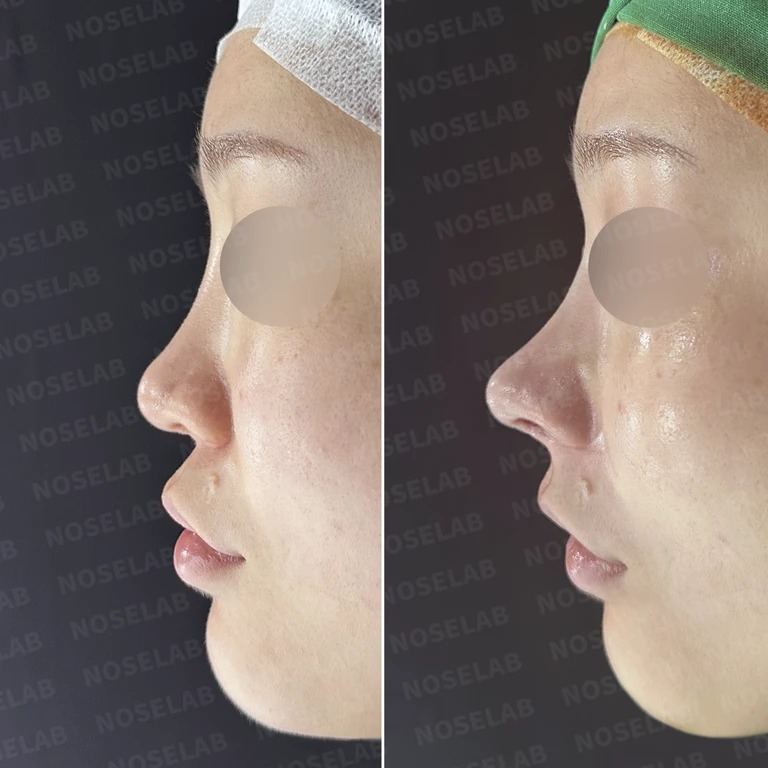
Contracted nose: How contracted tissue removal and autologous rib cartilage reconstruction are performed — Before-and-after comparison
Before-and-after comparison

Contracted nose: How contracted tissue removal and autologous rib cartilage reconstruction are performed

In a nose that became upturned and crooked due to contracture following implant surgery, fibrotic tissue was removed, the nasal tip was reconstructed with autologous rib cartilage, the columella was lowered, and the silicone implant was replaced.

Performed or used in this surgery
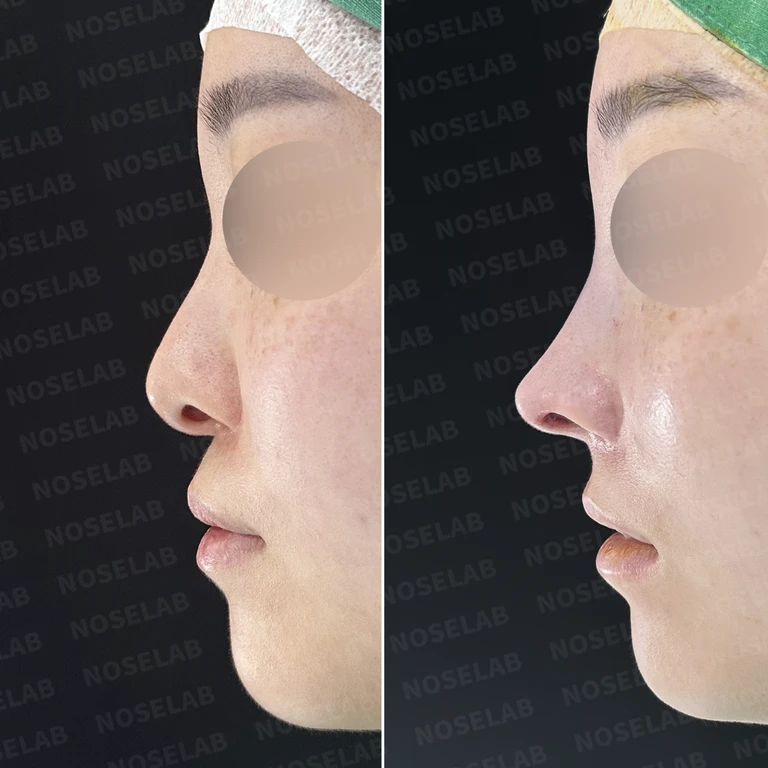
Why Medpor causes loss of the anterior septum: removal and autologous rib cartilage reconstruction — Before-and-after comparison
Before-and-after comparison

Why Medpor causes loss of the anterior septum: removal and autologous rib cartilage reconstruction

In a nose where the anterior septum was severely damaged by Medpor, foreign materials were removed, and septal reconstruction using autologous rib cartilage, silicone implant replacement, nasal sill reduction, and functional nasal surgery were performed.

Performed or used in this surgery
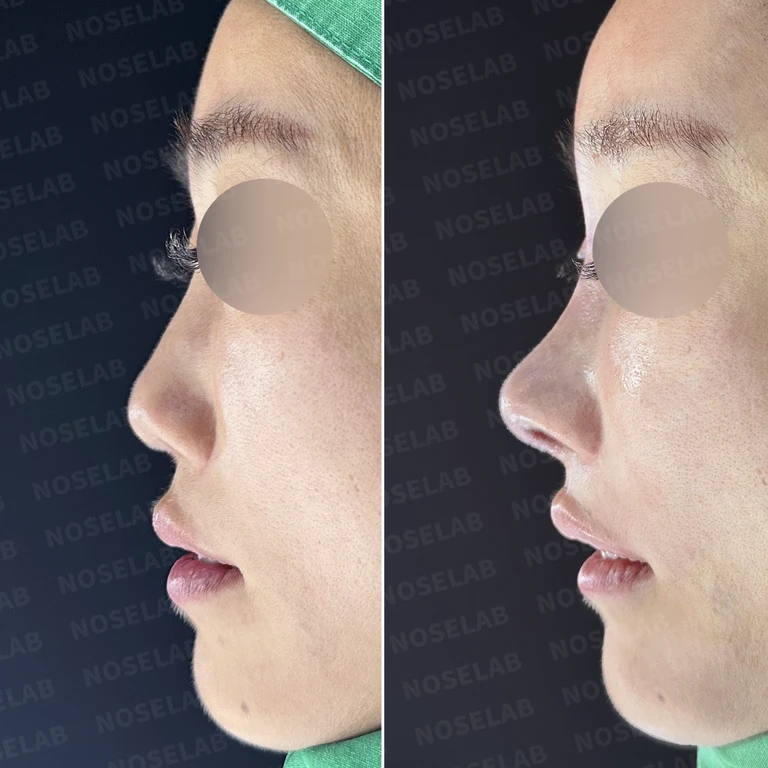
Why an upturned nose and unilaterally pinched nostril occur, and how implant-free reconstruction is performed — Before-and-after comparison
Before-and-after comparison

Why an upturned nose and unilaterally pinched nostril occur, and how implant-free reconstruction is performed

An upturned nose and pinched nostril caused by multiple prior surgeries were corrected after removing artificial dermis, performing implant-free bridge augmentation with donor rib cartilage and septal cartilage, and using a skin-cartilage composite graft on the right nostril.

Performed or used in this surgery
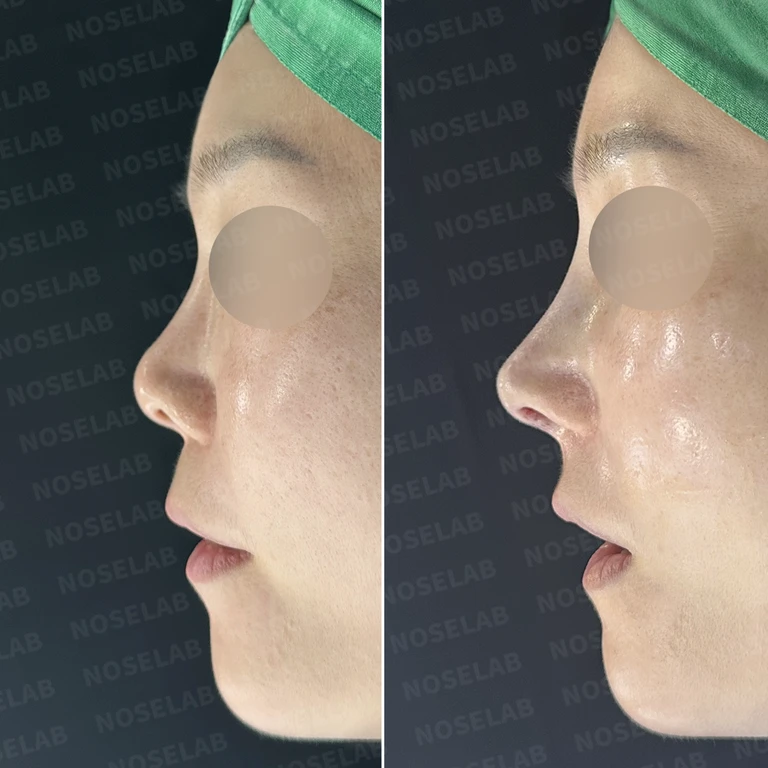
Why cartilage extrudes through the nasal mucosa and methods for restoration and reconstruction — Before-and-after comparison
Before-and-after comparison

Why cartilage extrudes through the nasal mucosa and methods for restoration and reconstruction

Cartilage protruding through the nasal mucosa was removed and the area restored with perichondrium, damaged lower lateral cartilage and a drooping tip were reconstructed using autologous rib cartilage, and the implant was replaced with customized silicone.

Performed or used in this surgery
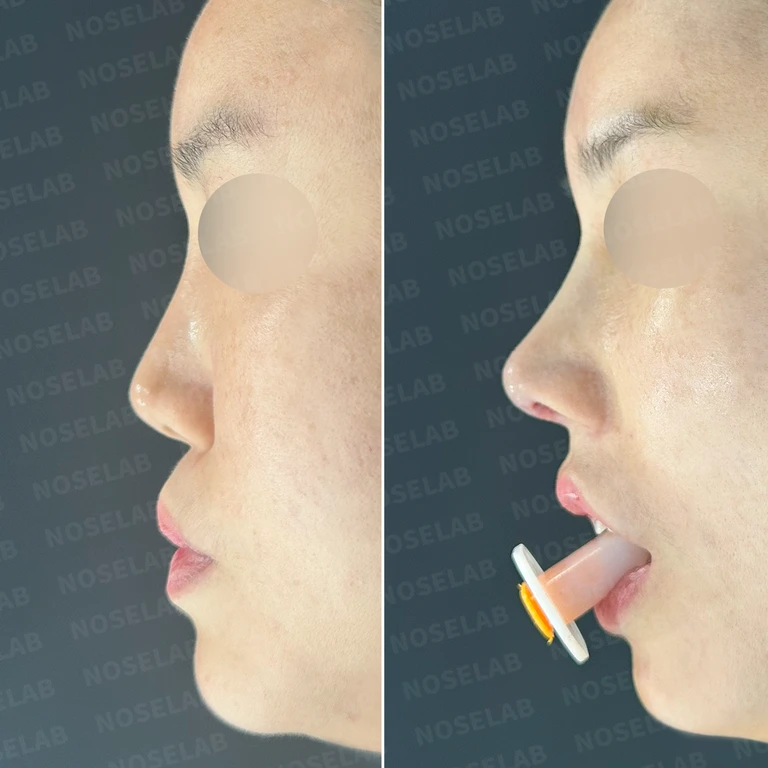
Why the columella droops and nostrils become visible: correcting a crooked nose and nostril asymmetry — Before-and-after comparison
Before-and-after comparison

Why the columella droops and nostrils become visible: correcting a crooked nose and nostril asymmetry

A case of a drooping columella, crooked nose, and nostril show following prior filler, Misko, and silicone rhinoplasty. Autologous rib cartilage reconstruction and alar rim grafts were performed after implant removal.

Performed or used in this surgery
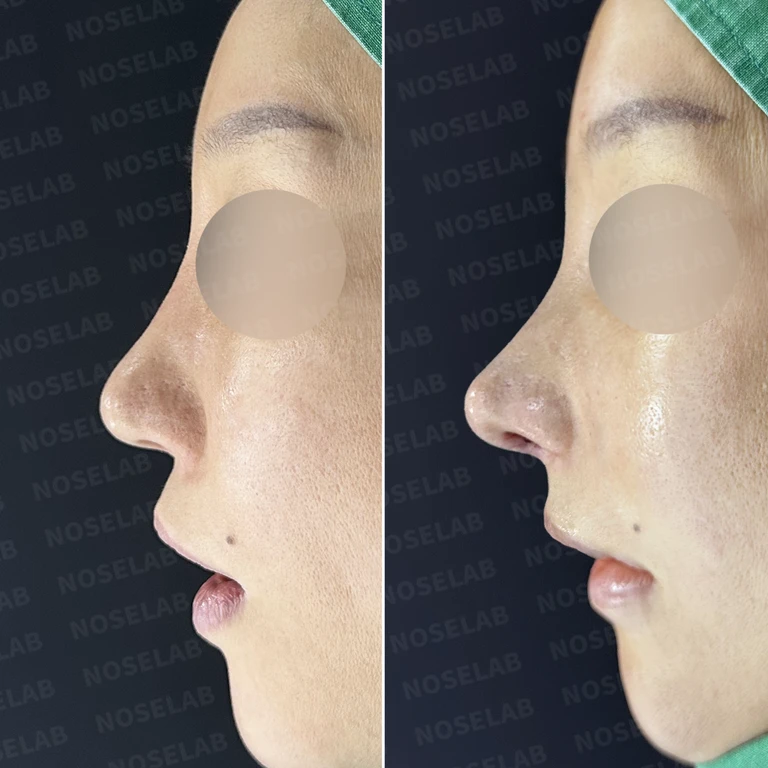
Foreign materials from illegal procedures in the nasal bridge: how to perform removal and total septal reconstruction — Before-and-after comparison
Before-and-after comparison

Foreign materials from illegal procedures in the nasal bridge: how to perform removal and total septal reconstruction

We removed foreign materials from illegal injections in the nasal bridge, completely reconstructed the cartilage-depleted septum using autologous rib cartilage, and performed dermal grafting on the thinned skin.

Performed or used in this surgery
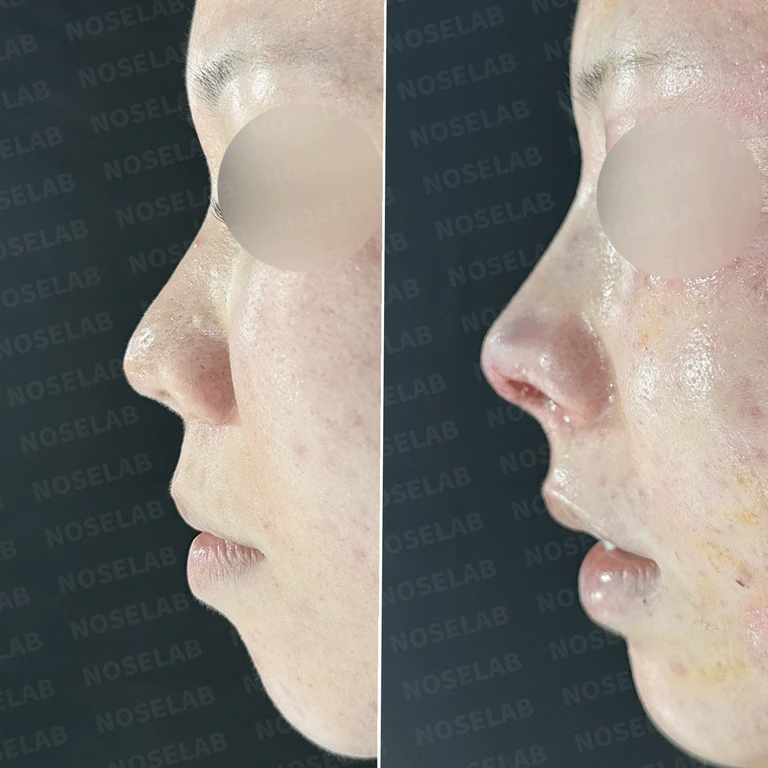
Why the nasal tip turns upward and nostril show increases years after rhinoplasty: Medpor removal and autologous dermis reconstruction — Before-and-after comparison
Before-and-after comparison

Why the nasal tip turns upward and nostril show increases years after rhinoplasty: Medpor removal and autologous dermis reconstruction

To resolve an upturned nose and nostril asymmetry resulting from surgery performed 13 years ago, adhered Medpor was carefully dissected and removed, and the septum was reconstructed using autologous dermis.

Performed or used in this surgery
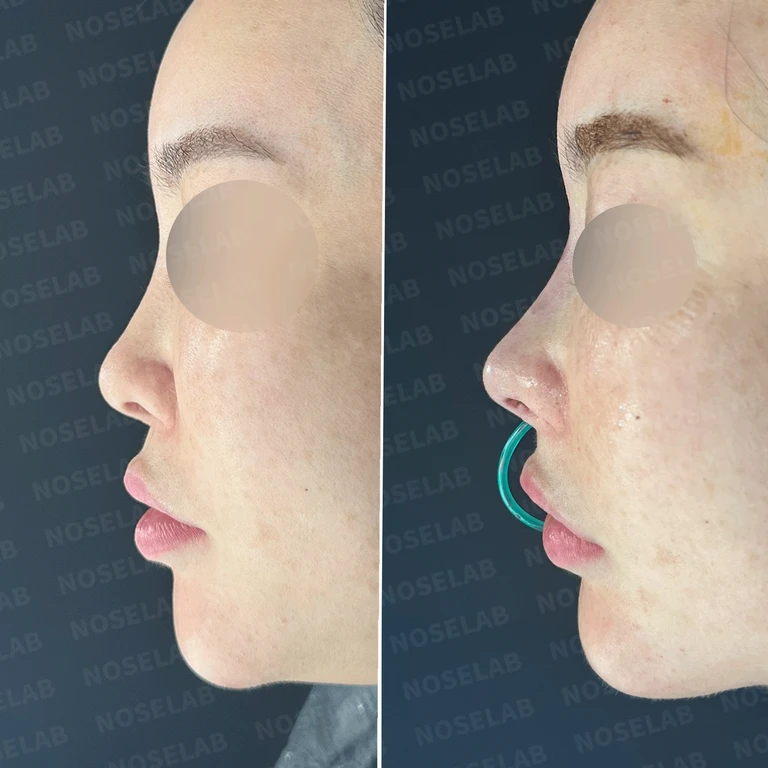
Why Medpor in the nose causes nasal obstruction, and how Medpor removal and septal reconstruction with autologous rib cartilage are performed — Before-and-after comparison
Before-and-after comparison

Why Medpor in the nose causes nasal obstruction, and how Medpor removal and septal reconstruction with autologous rib cartilage are performed

A septum weakened by Medpor inserted 10 years ago was completely removed and reconstructed using autologous rib cartilage, performed concurrently with septoplasty and inferior turbinate surgery.

Performed or used in this surgery
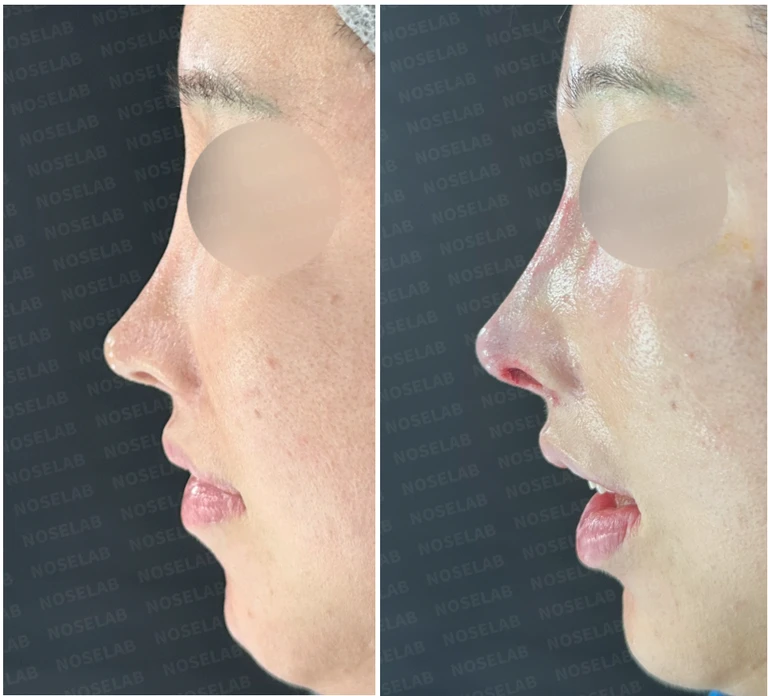
Why the septum collapses after multiple revision rhinoplasties, and how total reconstruction is performed with autologous rib cartilage — Before-and-after comparison
Before-and-after comparison

Why the septum collapses after multiple revision rhinoplasties, and how total reconstruction is performed with autologous rib cartilage

Cartilage penetrating the mucosa and a septal perforation after multiple surgeries were corrected through total reconstruction with autologous rib cartilage and repair of the perforation using ear perichondrium.

Performed or used in this surgery

Why a mass obstructing the nostril develops, and how to perform resection and reconstruction — Before-and-after comparison
Before-and-after comparison

Why a mass obstructing the nostril develops, and how to perform resection and reconstruction

This is a case where a chronic inflammatory mass that developed after repeated surgeries and obstructed the nostril was precisely resected, restoring breathing function and stabilizing the nasal tip structure.

Performed or used in this surgery

Why foreign material from illicit injections remains after removal and how to correct an upturned nasal tip — Before-and-after comparison
Before-and-after comparison

Why foreign material from illicit injections remains after removal and how to correct an upturned nasal tip

Due to residual foreign material from past illicit injections, an upturned nose and excessive nostril show persisted; the remaining foreign material was completely removed, and tip rhinoplasty using autologous rib cartilage was performed alongside radix adjustment.

Performed or used in this surgery

Why donor dermis absorbs after multiple revision surgeries and how to reconstruct the septum — Before-and-after comparison
Before-and-after comparison

Why donor dermis absorbs after multiple revision surgeries and how to reconstruct the septum

For a patient who experienced partial absorption of donor dermis on the nasal bridge and septal damage after multiple revision surgeries, the donor dermis was removed, the septum was reconstructed with autologous rib cartilage, and the skin was reinforced with retroauricular dermis.

Performed or used in this surgery

No search results found

Please try searching with different keywords.

Scroll to keep reading

1 / 4Next case

Common questions before reading the cases

Can I tell which material was removed just from the title foreign material removal?

It can be difficult to know the specific material from the title alone. In this collection, some photos describe removed mesh, artificial dermis, and donor rib cartilage fragments separately, while other records are labeled only as nasal bridge foreign material. To find the exact material, it is best to check what name is actually written in the intraoperative findings or photo descriptions.

Are there cases where septal reconstruction was performed together after removing foreign material?

Cases are presented where the septum had to be reconstructed from the beginning alongside the removal of foreign material from the nasal bridge. There are also records of performing autologous rib cartilage reconstruction and alar base adjustment together after removal. Reviewing the extent of the removal itself and the extent of reinforcing the remaining structure separately makes it easier to understand the process behind the changes before and after revision rhinoplasty.

Related topics to explore

MeshThreadsSeptal reconstructionIrrigation and capsulectomy

Surgical records referenced in this guide

  • Nasal correction considering philtrum length and alar asymmetry
  • Foreign materials from illegal procedures in the nasal bridge: how to perform removal and total septal reconstruction
  • How to remove mesh and reconstruct a contracted nose
Original article

Read more records

Planning a visit to Seoul?Prepare your consultation with the NOSELAB team.

International patient guideWhatsApp ↗
Dr. Peter C. Kang's Rhinoplasty Stories
Rhinoplasty guideCases by topicDr. Peter C. KangNaver Blog ↗
View original photo
Enlarged photo
WhatsAppChat with NOSELAB↗