Hello, I am Dr. Peter C. Kang.
Today, I would like to share a reconstruction case of a patient who visited our clinic suffering from complications caused by Medpor. Let us look at how this situation can be resolved safely and effectively.
🔍 Surgical history
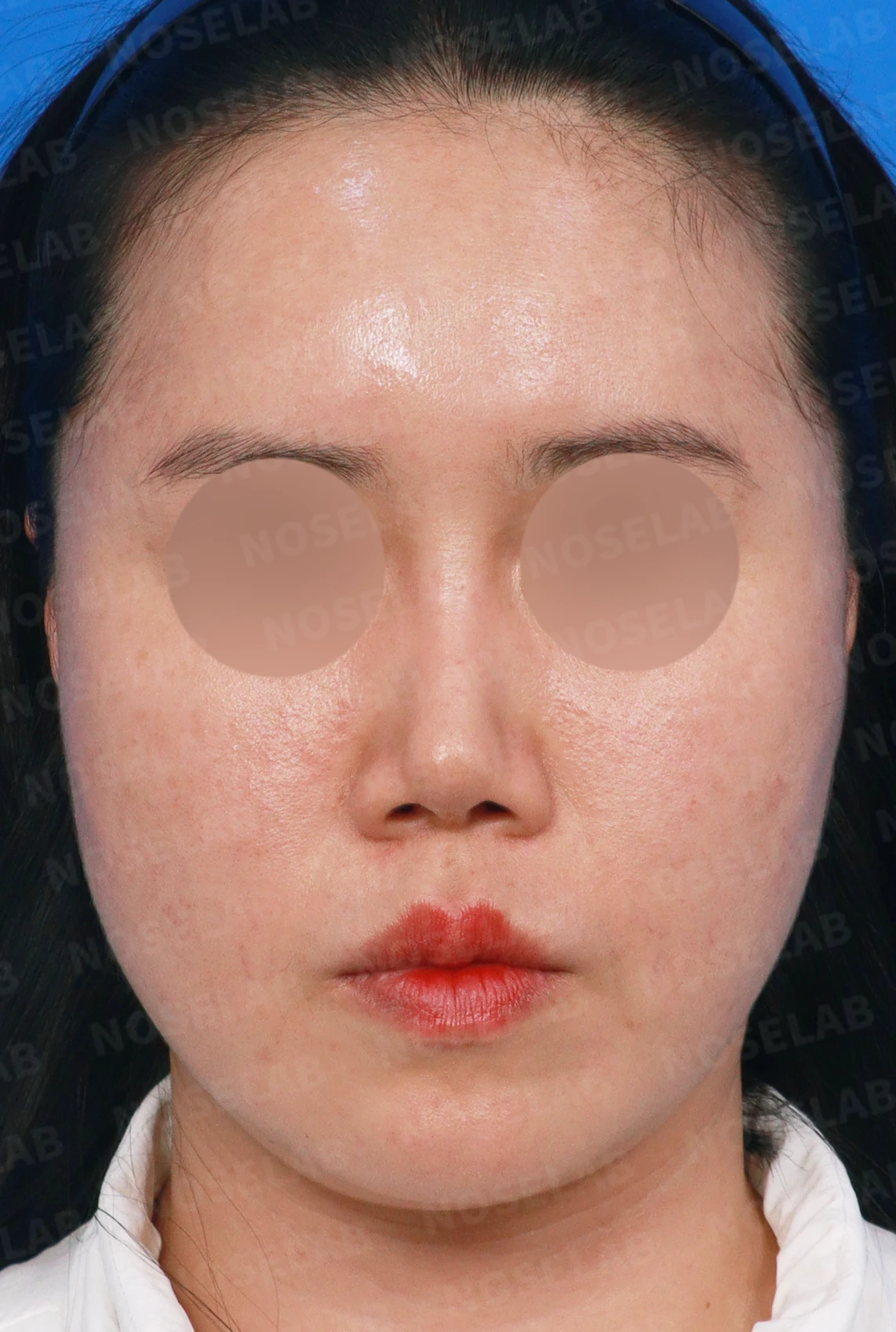
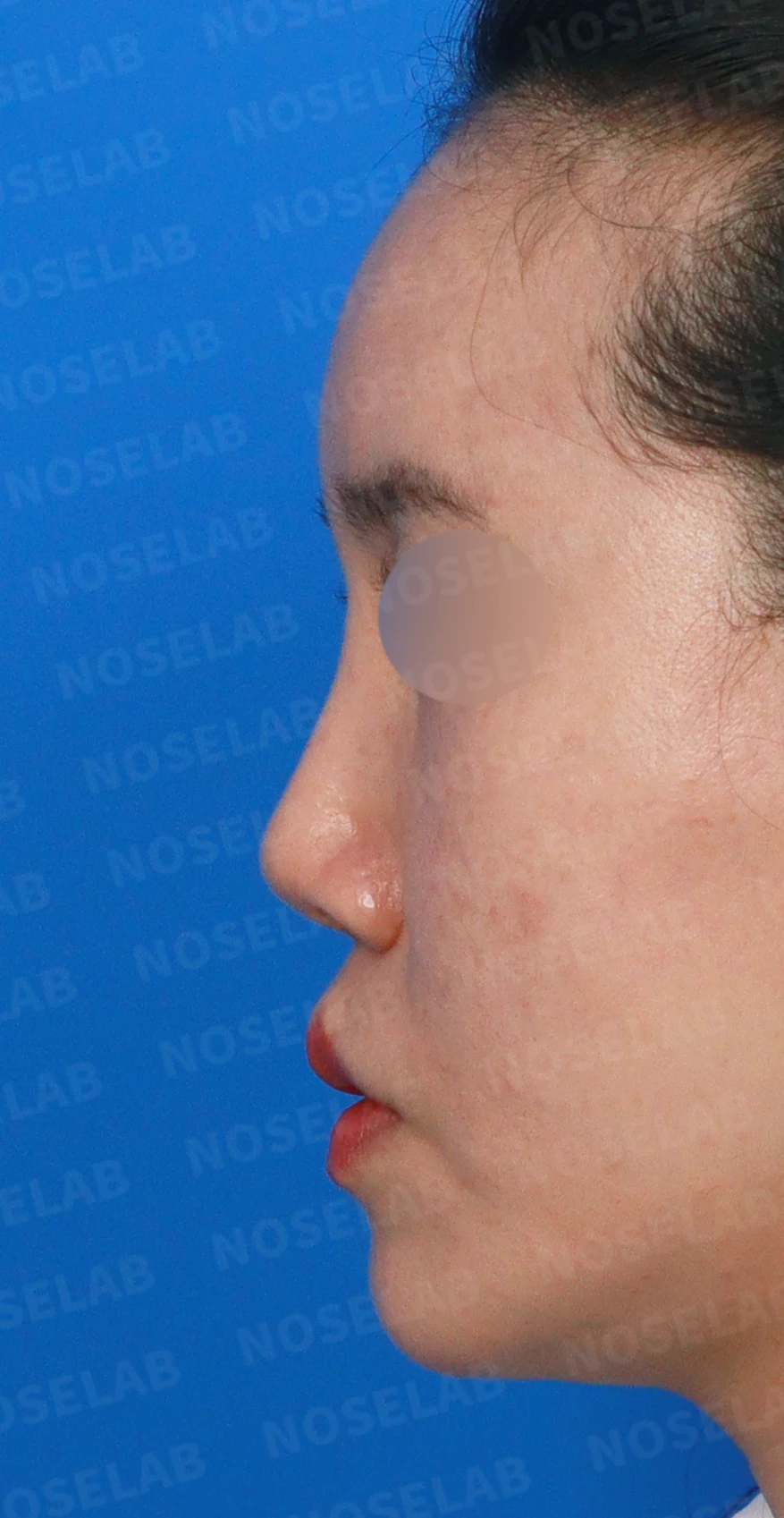
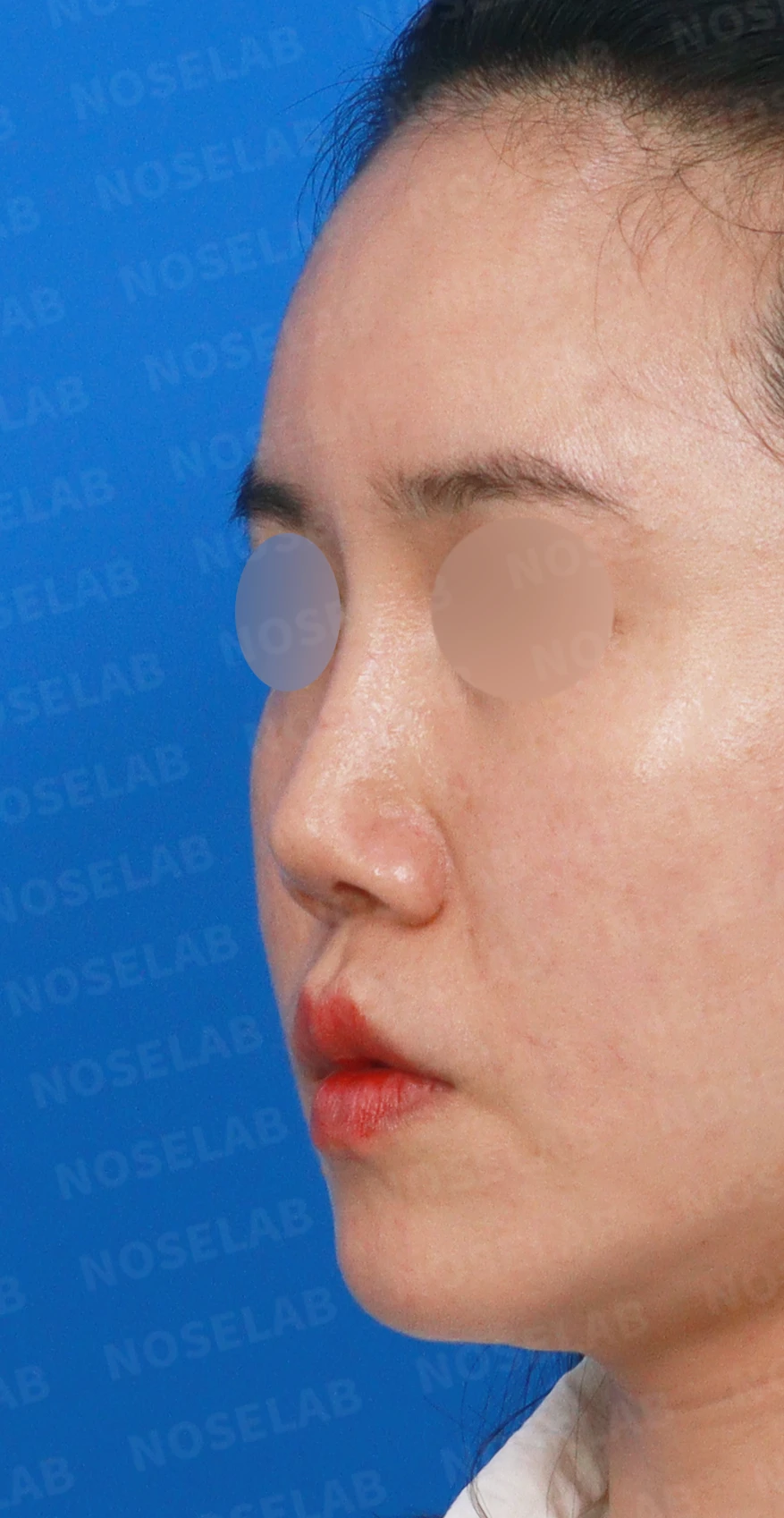
Front, left profile, and oblique views during design consultation.
Rhinoplasty 10 years ago using silicone implant and cartilage
Medpor used for septal extension
Current nasal obstruction symptoms (left > right), accompanied by rhinitis
Medpor is an artificial material; while it may seem convenient initially, it can cause various problems over time, so I personally do not recommend it.
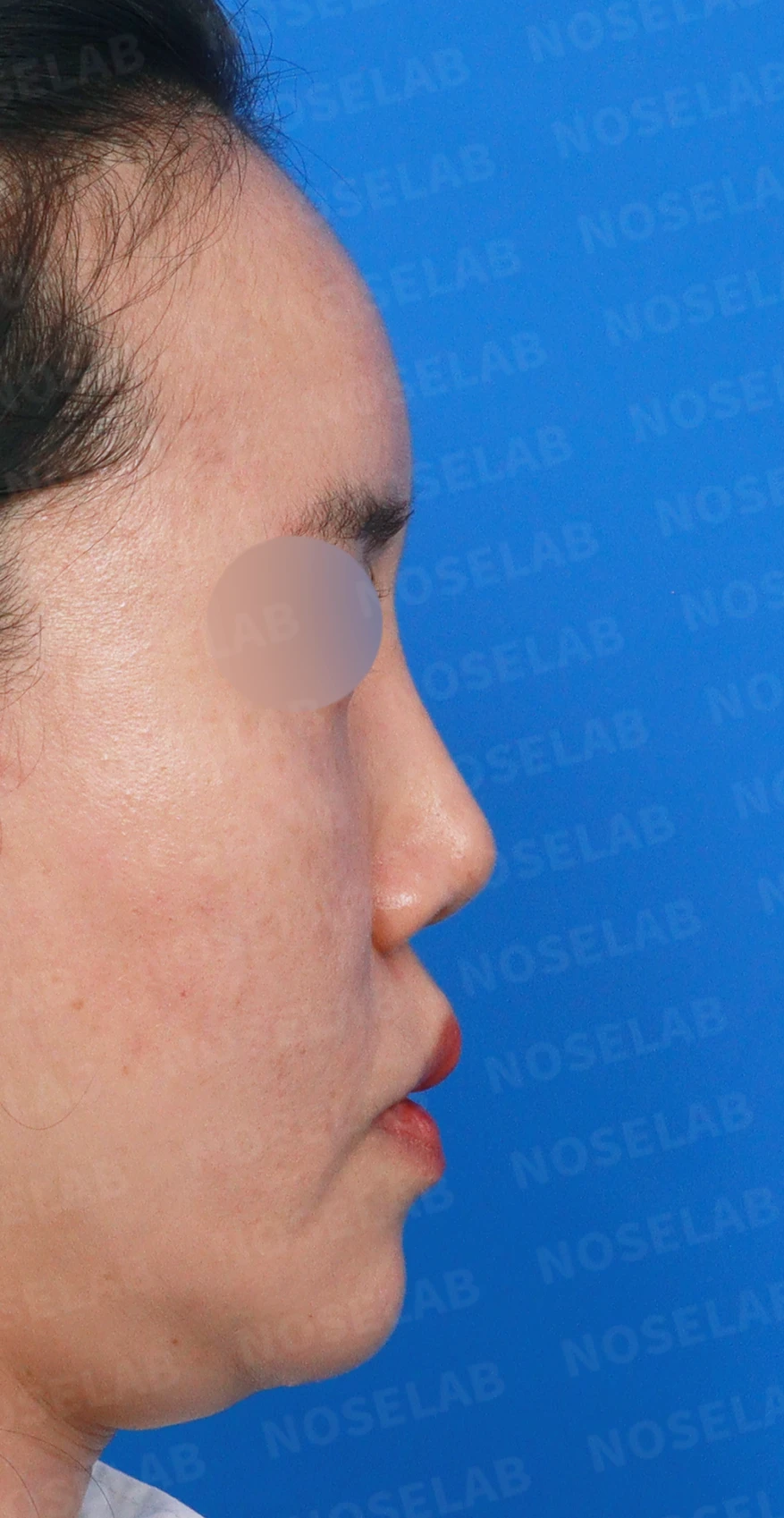
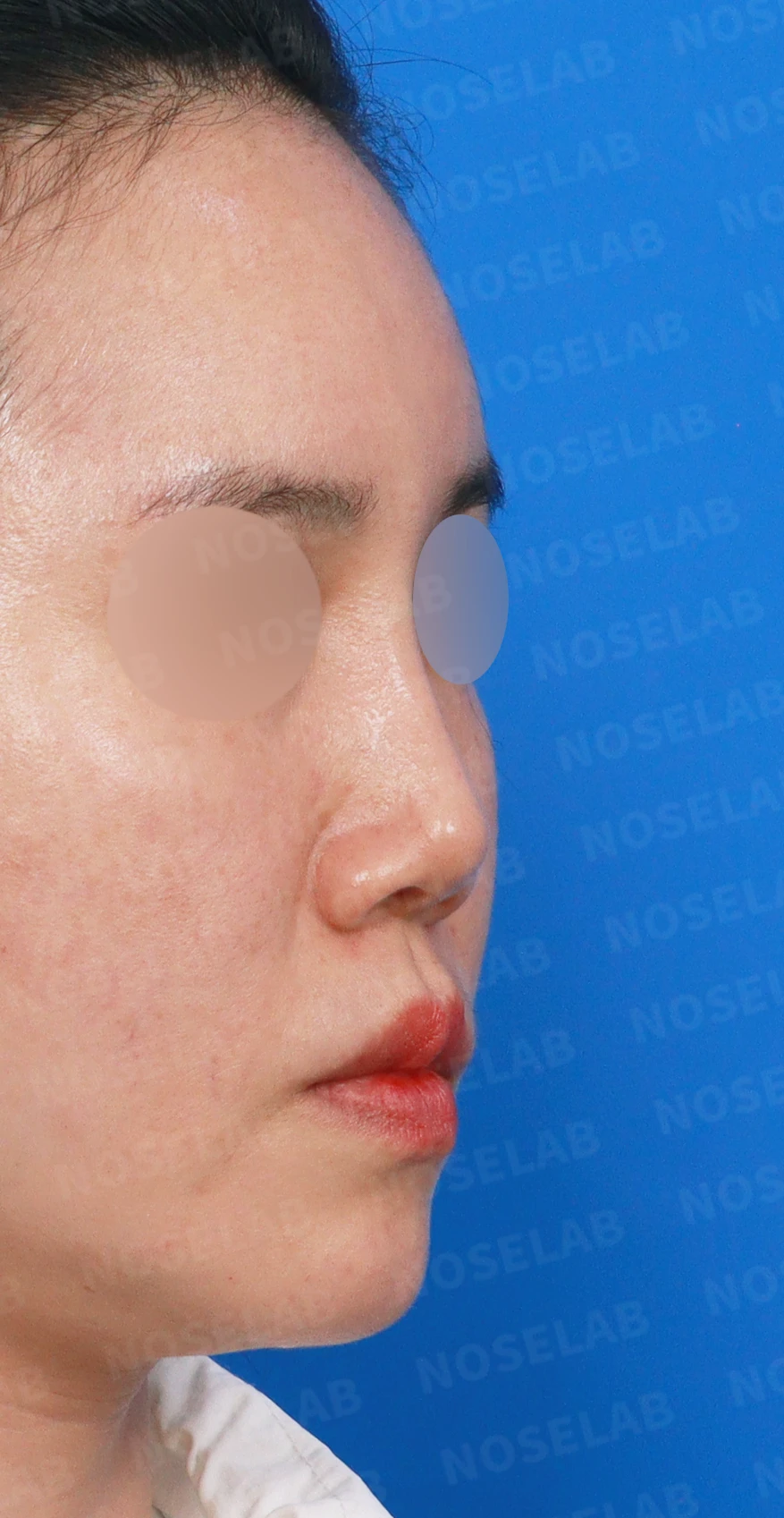
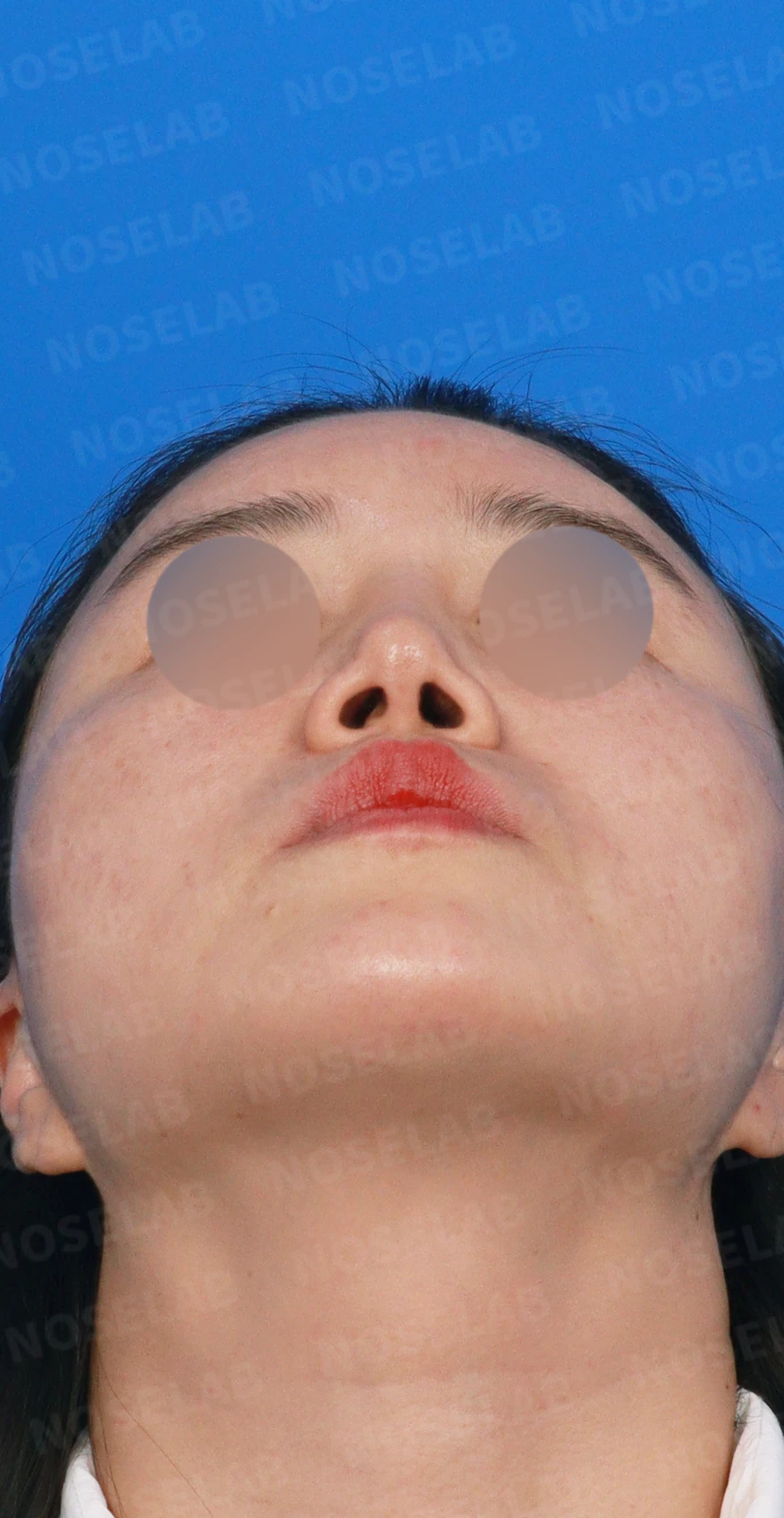
Right profile, oblique, and nostril views during design consultation.
💉 Patient requests
Wanted the columella to look natural
Wanted the mouth to appear less protruding
Wanted relief from the blocked nose
Requested naturally lowering the radix
These requests truly reflected how earnest the patient felt.
Surgical plan and procedure
Although the patient had undergone only one prior surgery, the structural situation was extremely complex.
1. Complete removal of Medpor
The septum was severely weakened due to excessive septal cartilage harvesting during the previous surgery
The septal condition was further worsened by Medpor
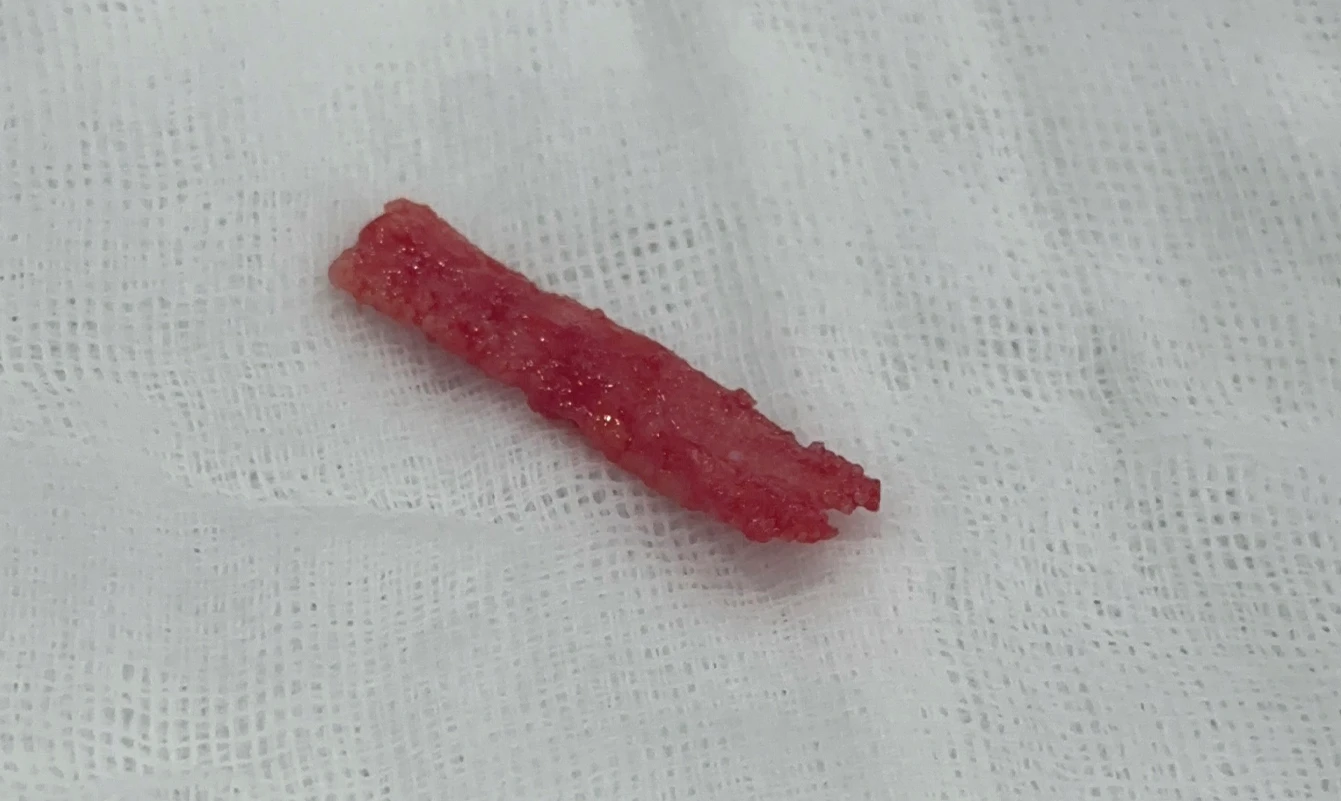
Photo of the removed foreign material
2. Septal reconstruction using autologous rib cartilage
Using biocompatible autologous tissue planned with safety in mind
Restoring structural stability of the septum
3. Lower lateral cartilage reconstruction
Almost no lower lateral cartilage remaining on either side
Comprehensive reconstruction using autologous cartilage
4. Functional improvement
Relieving nasal obstruction through septoplasty
Submucosal resection of the inferior turbinate using radiofrequency
5. Aesthetic improvement
Naturally adjusting the radix
Improvement of protruding mouth through nasolabial angle correction
🌟 Surgical results
The most crucial step, Medpor removal, was completed successfully, and a sturdy septum could be reconstructed using autologous rib cartilage.
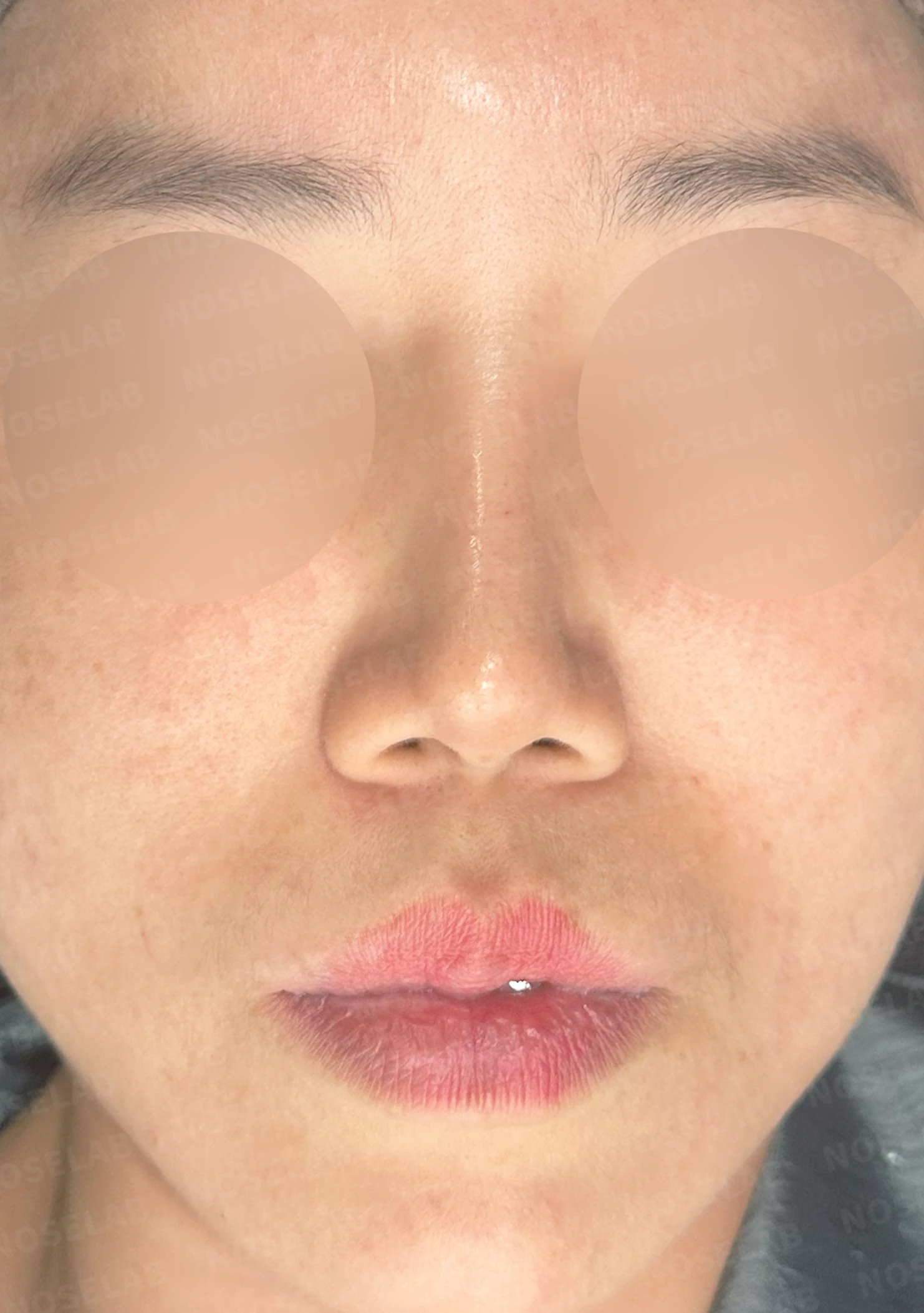
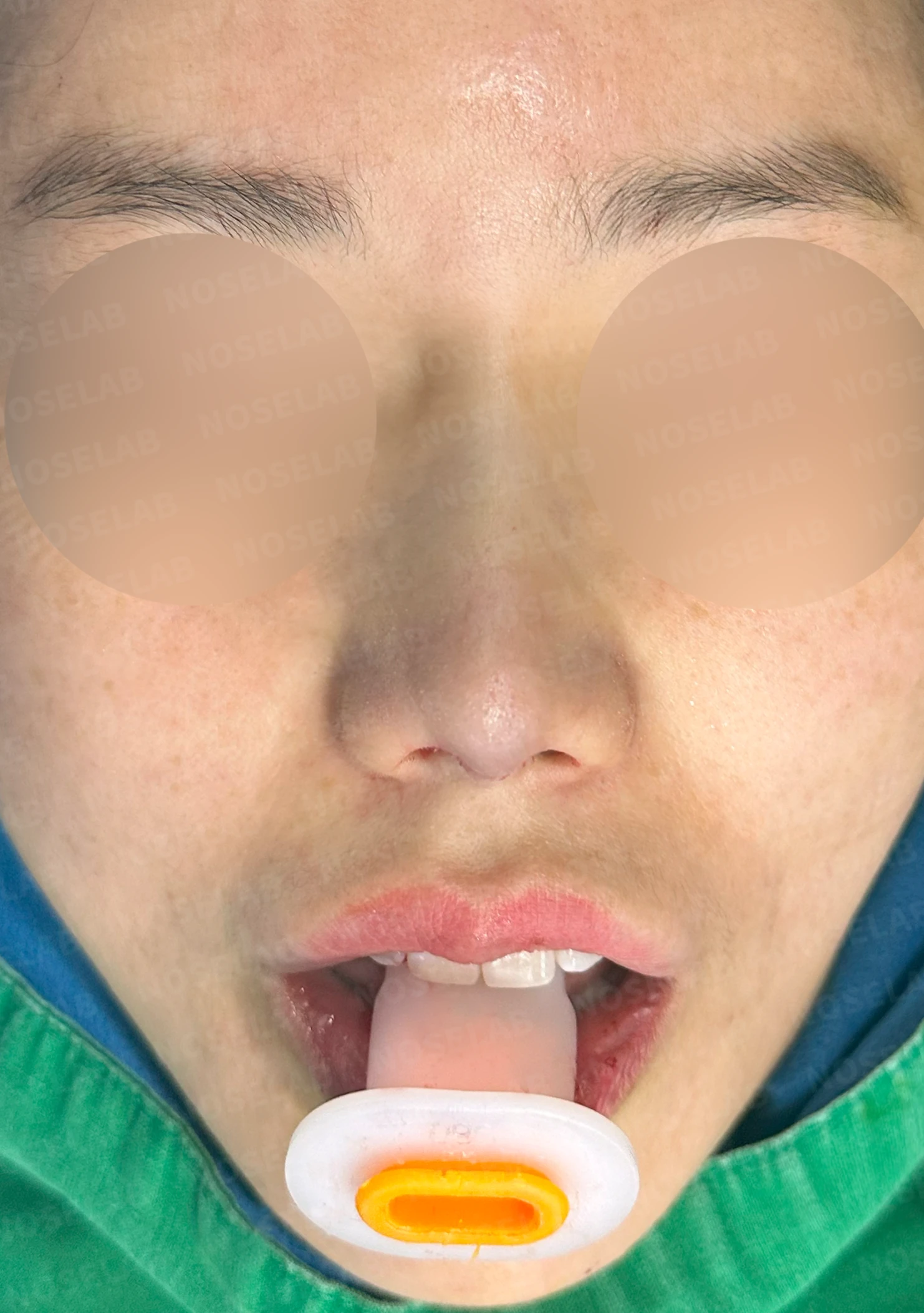
Before surgery / Day 0 immediately after surgery Photos taken immediately after surgery show swelling and may differ from the final result.
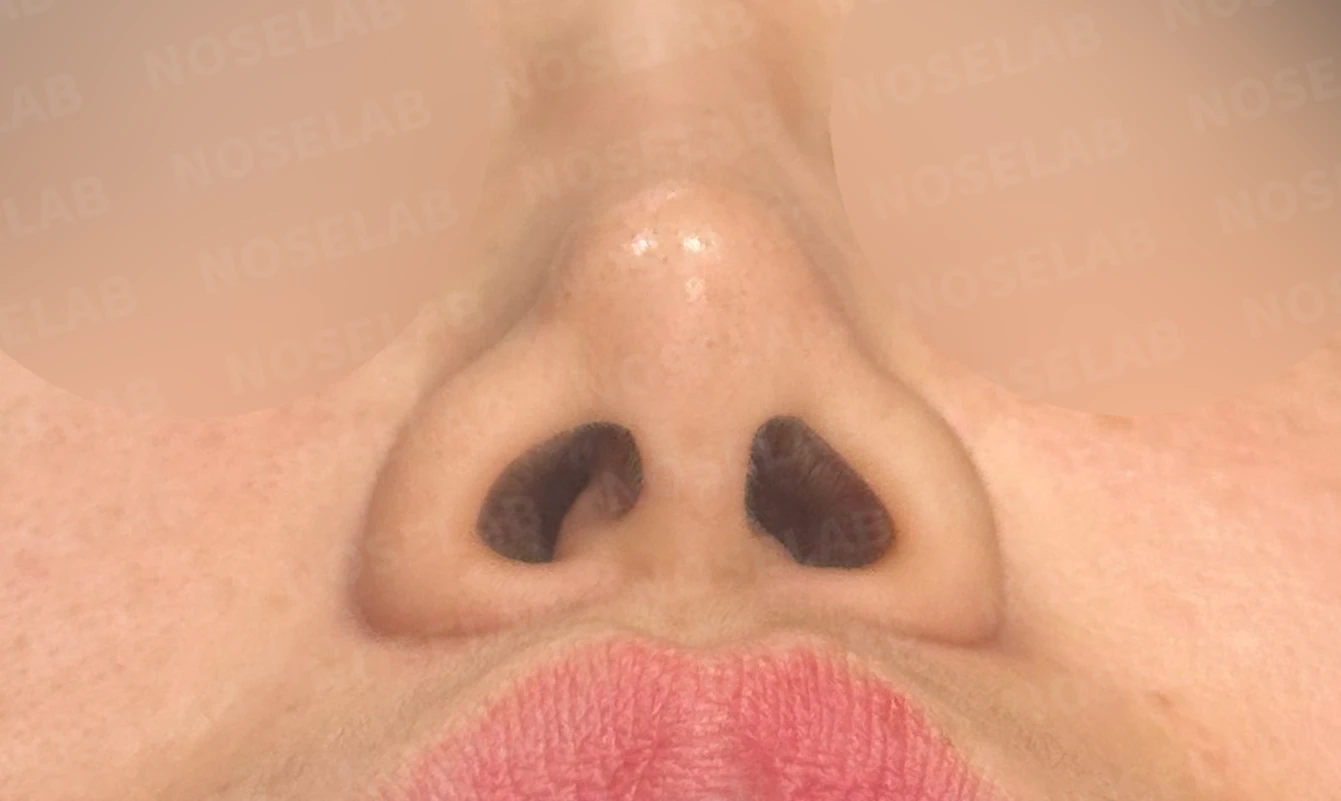
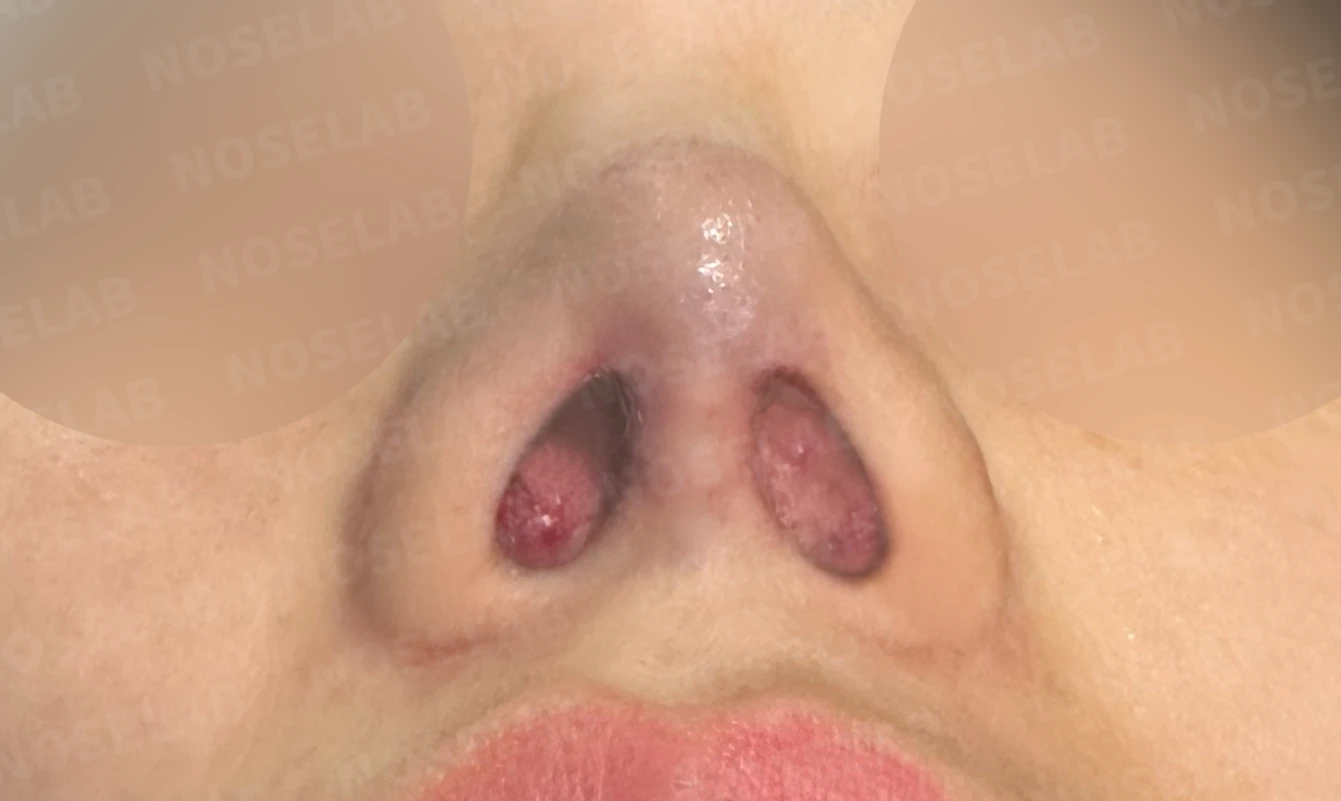
Before surgery / Day 0 immediately after surgery Photos taken immediately after surgery show swelling and may differ from the final result.
Functional improvement
Clear relief from the blocked nose
Significant alleviation of rhinitis symptoms
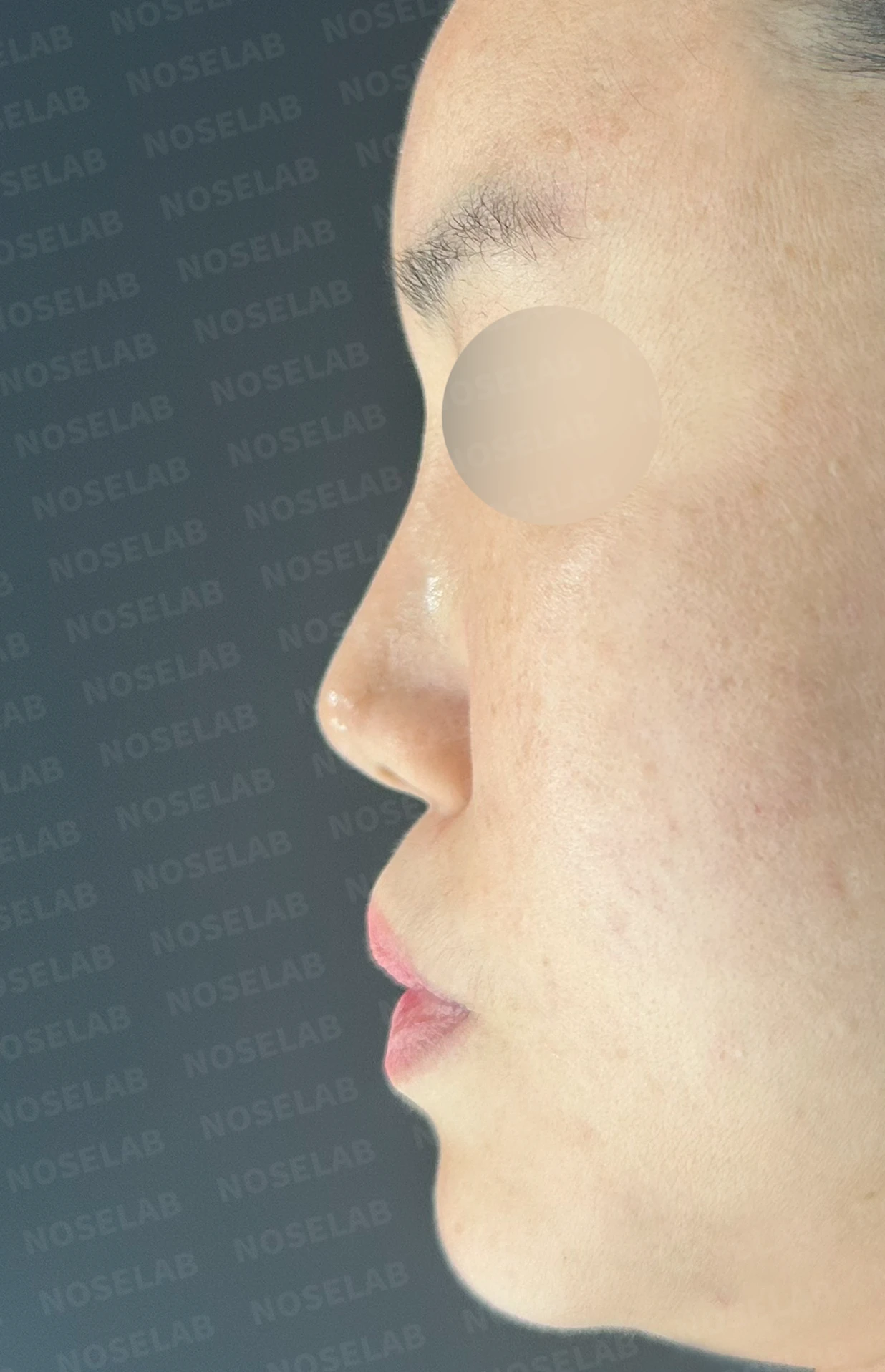
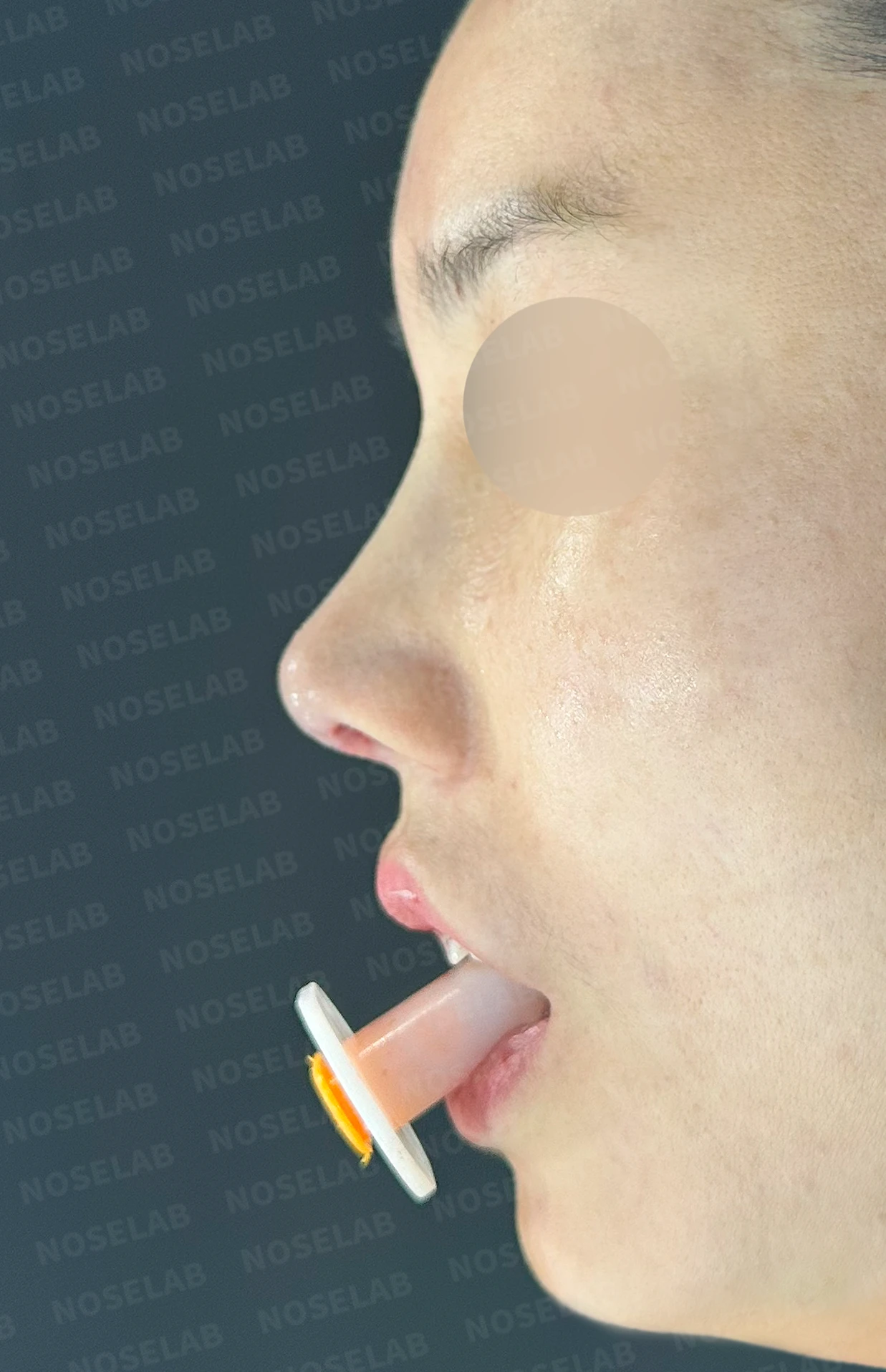
Before surgery / Day 0 immediately after surgery Photos taken immediately after surgery show swelling and may differ from the final result.
Aesthetic improvement
Achieved a natural columellar line
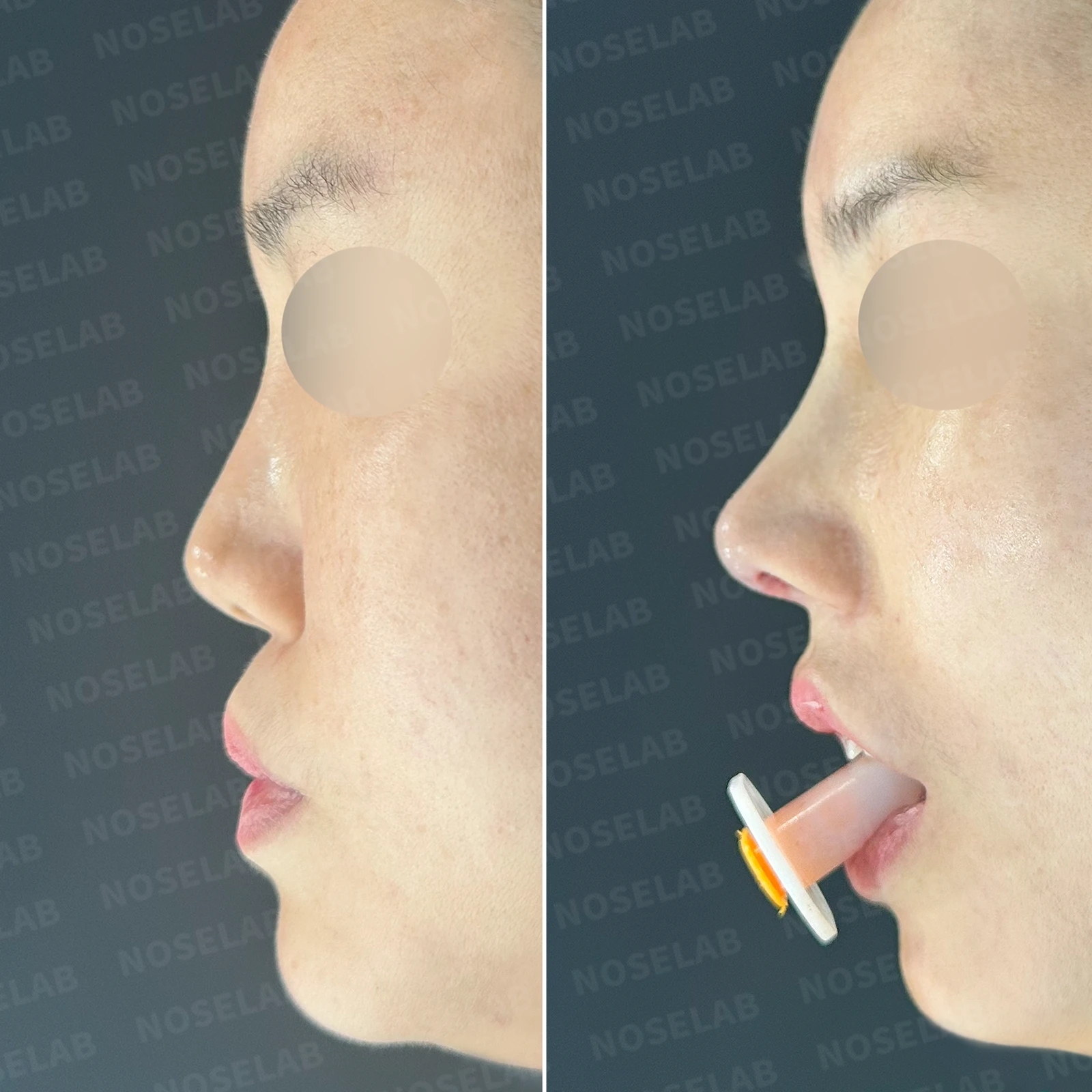
Improved overall facial balance by addressing the protruding mouth
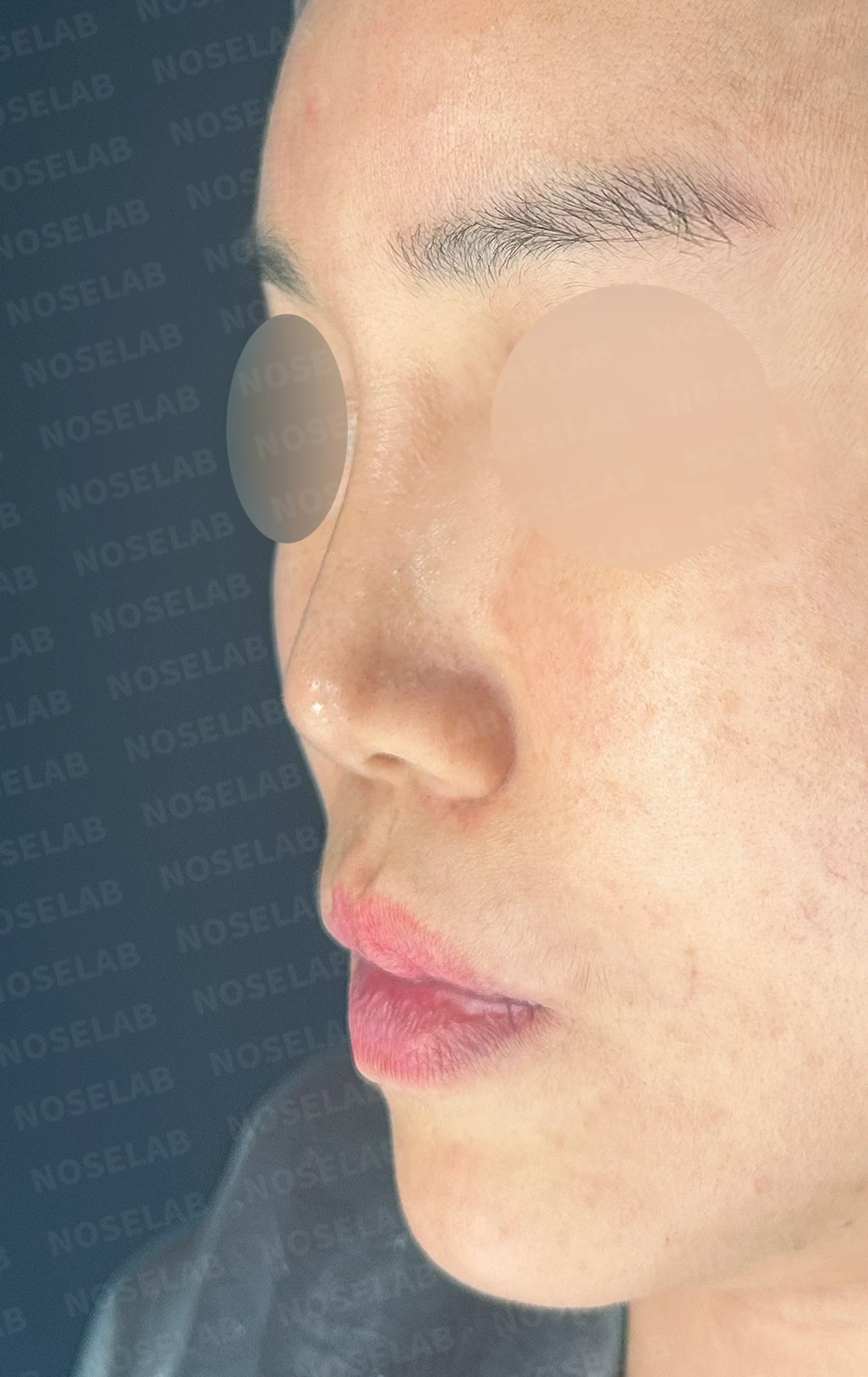
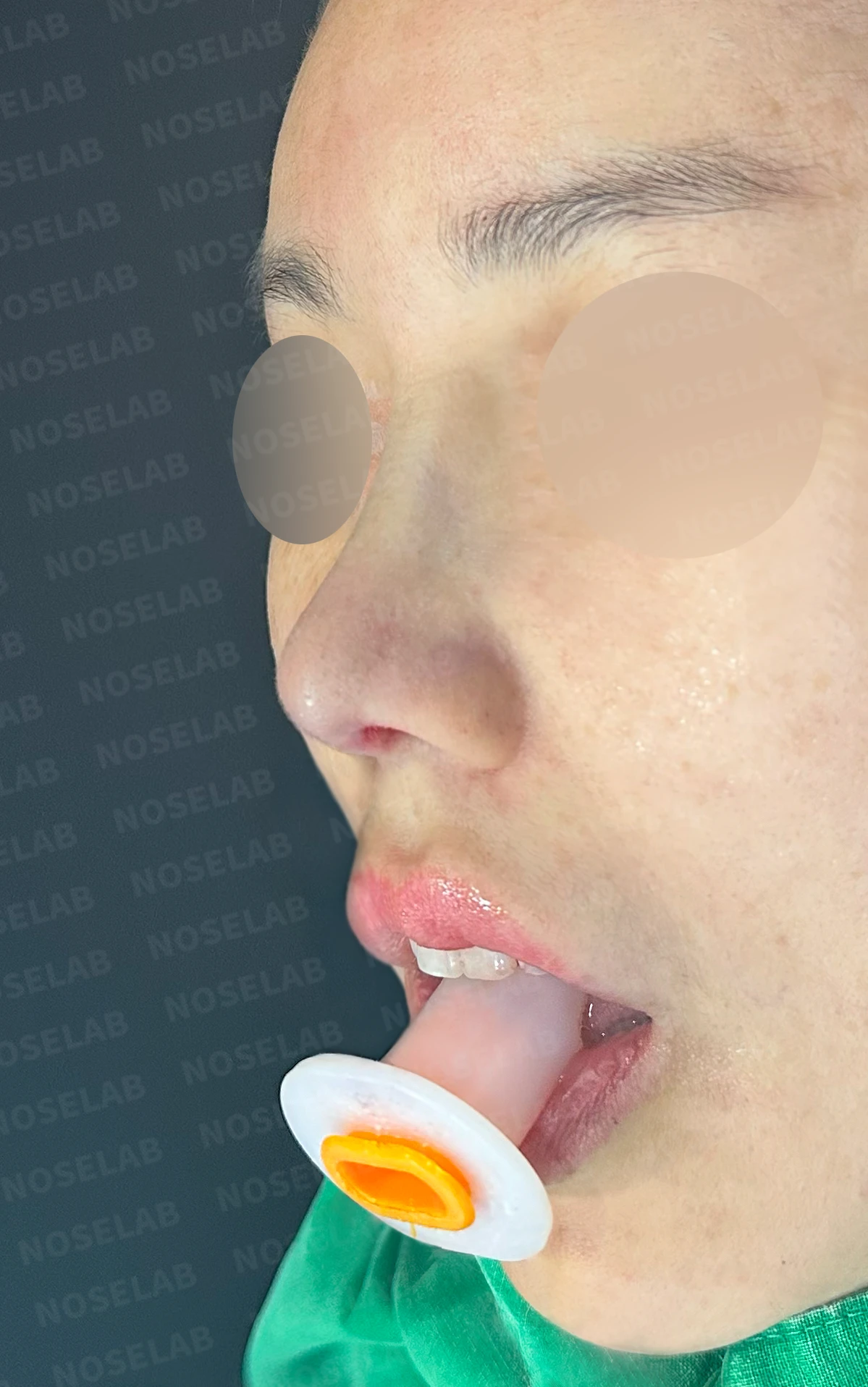
Before surgery / Day 0 immediately after surgery Photos taken immediately after surgery show swelling and may differ from the final result.
💡 Specialist opinion
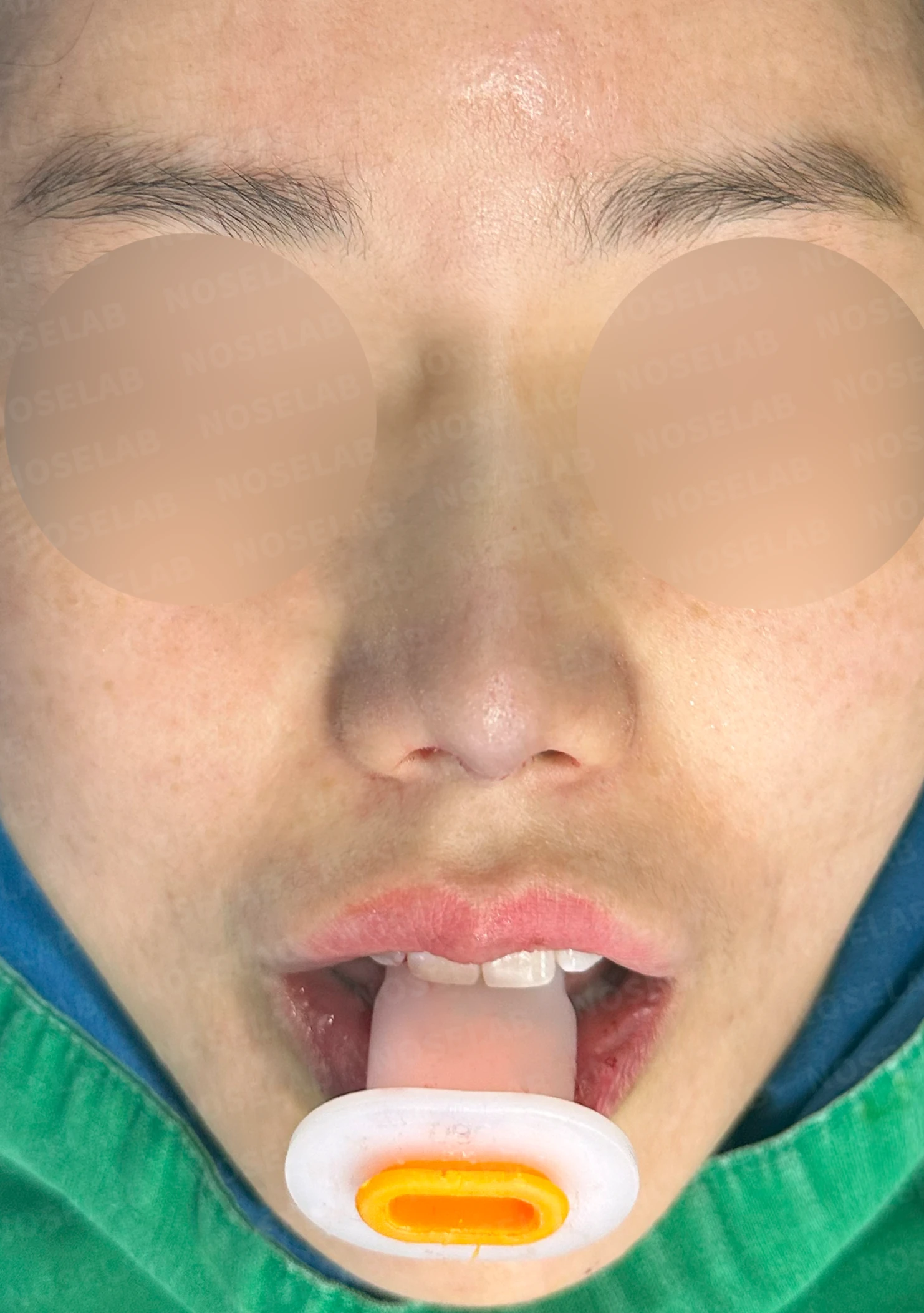
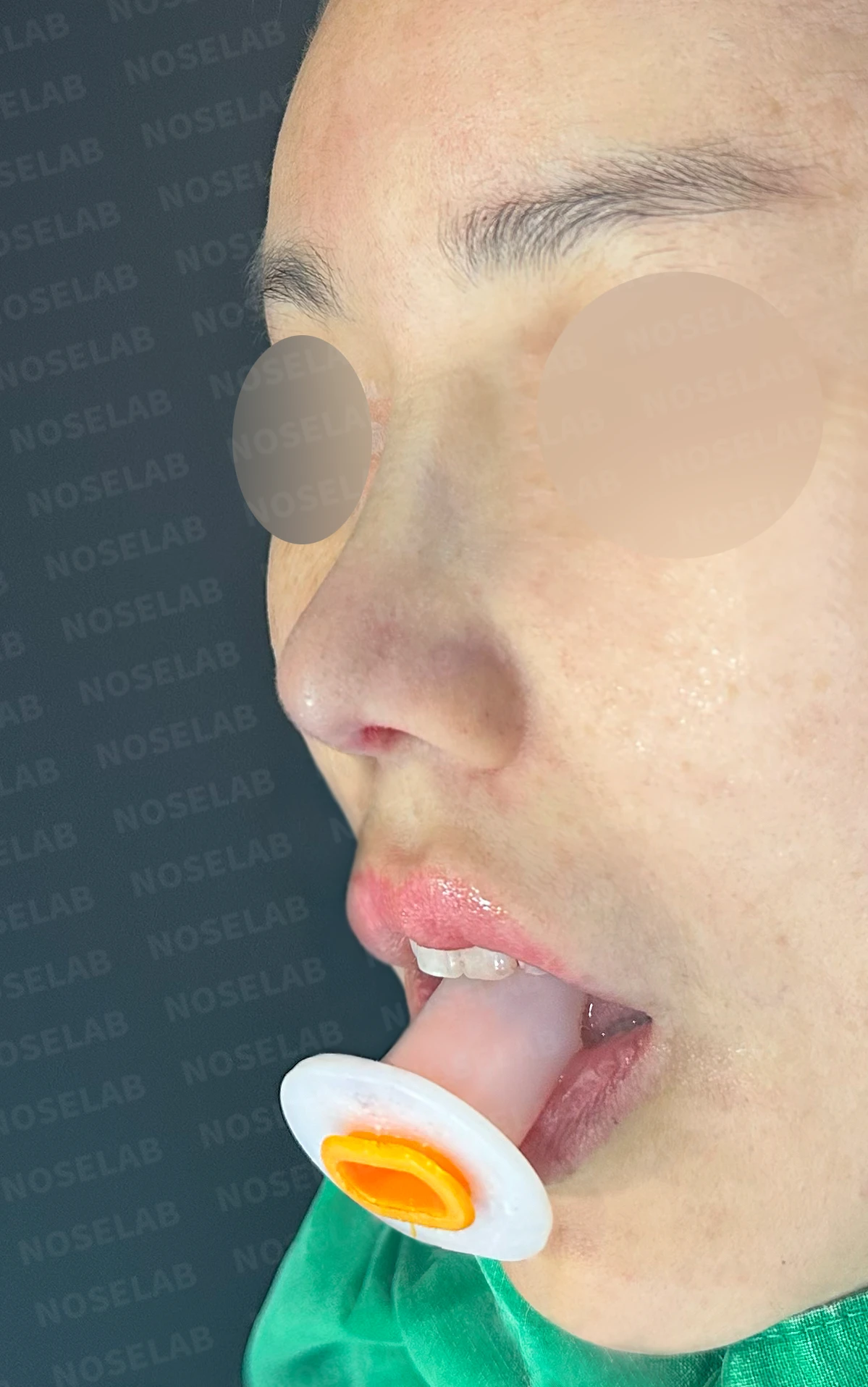
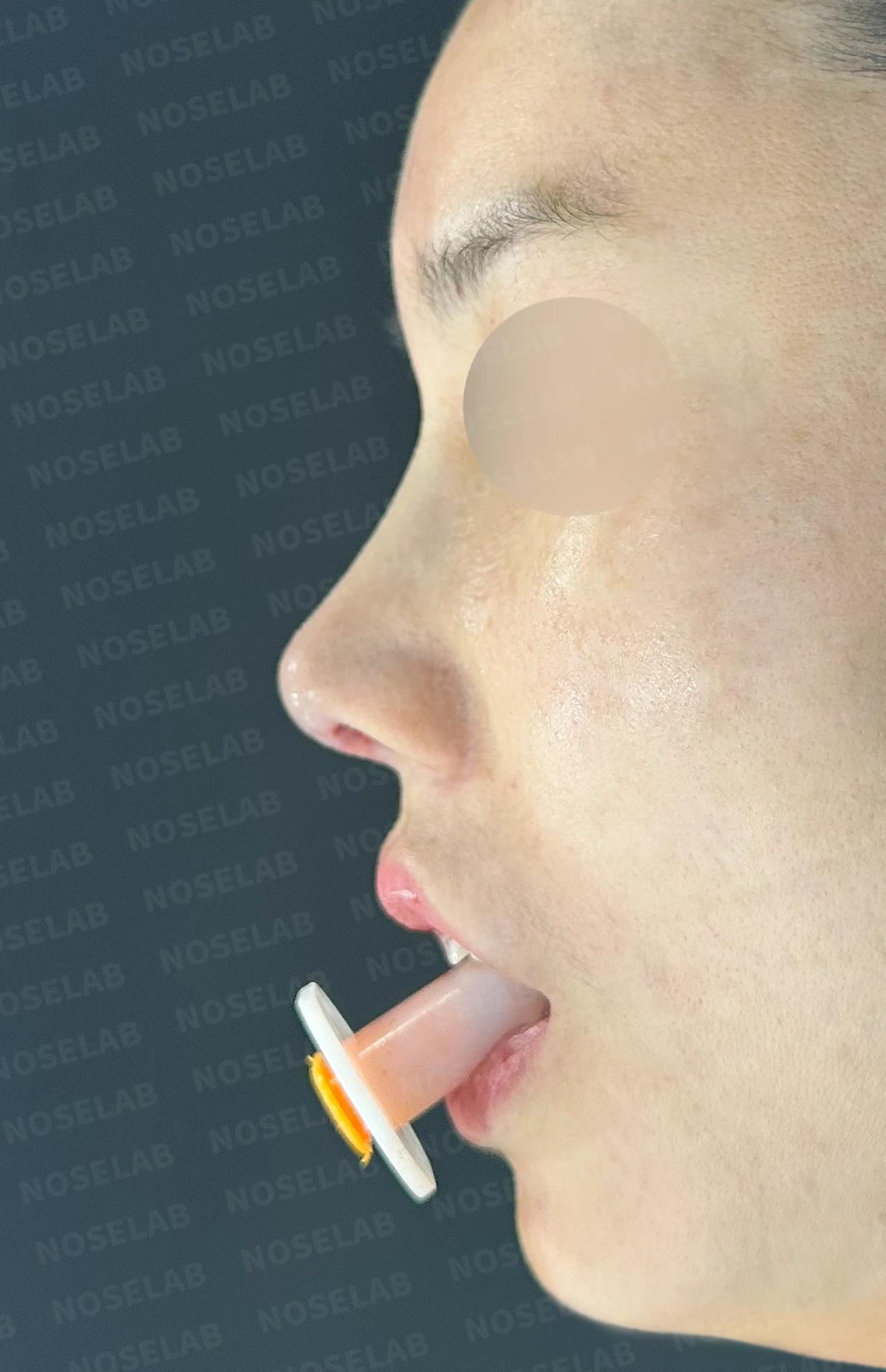
Front, oblique, and profile views on day 0 immediately after surgery. Photos taken immediately after surgery show swelling and may differ from the final result.
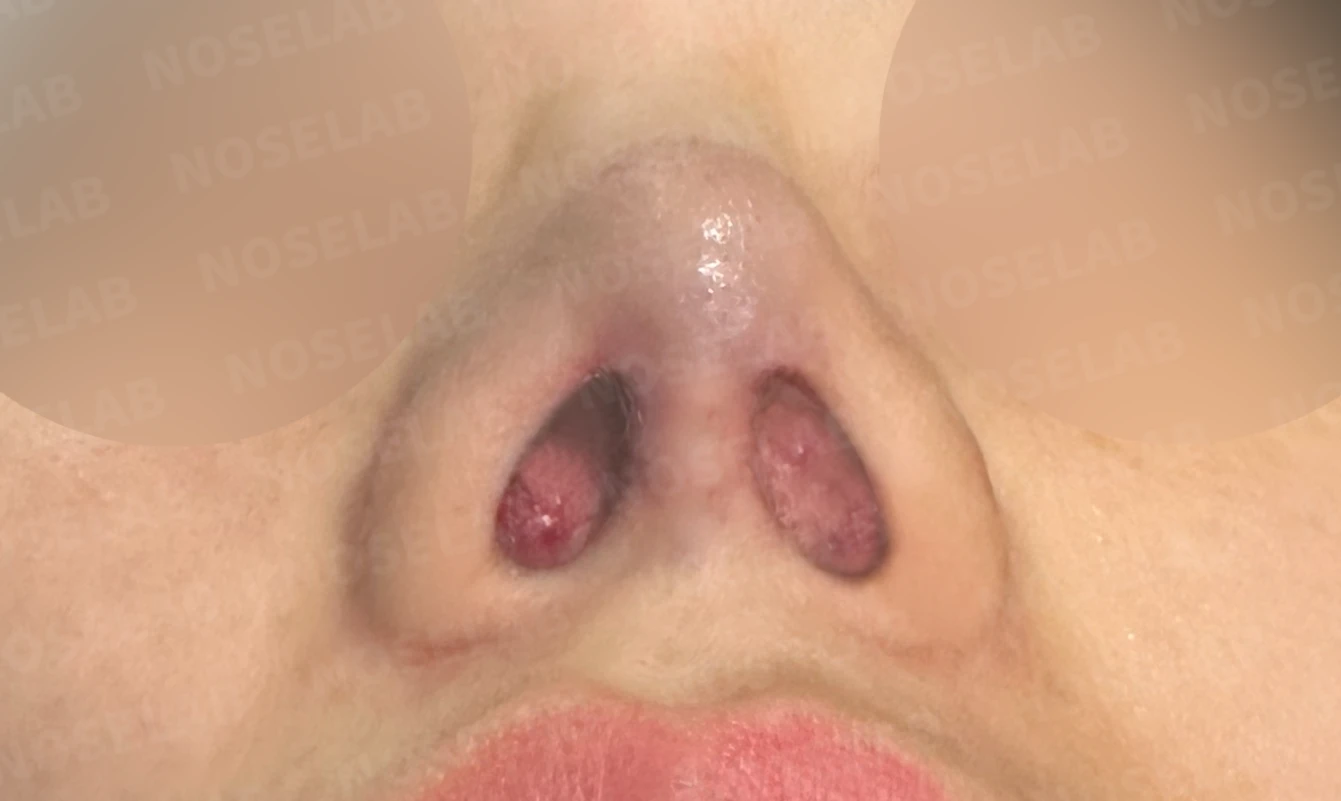
Nostril view on day 0 immediately after surgery. Photos taken immediately after surgery show swelling and may differ from the final result.
This case once again highlighted the limitations of artificial materials like Medpor. While Medpor may seem convenient initially, it can weaken surrounding tissues over time and cause various complications.
In particular, when used in a core nasal structure such as the septum, it can severely compromise the overall stability of the nose, requiring extreme caution. In such cases, reconstruction using autologous tissue may be the most suitable and reliable option.
Although harvesting autologous rib cartilage may cause slight discomfort, it offers excellent biocompatibility, does not resorb, and demonstrates the most stable results over the long term. In cases like this patient, where tissues have sustained significant damage from prior surgery, it is an even more essential choice.
I will continue to address these challenging reconstruction cases with safety and success. I hope this provides reassurance to those who are experiencing similar concerns.
This was Dr. Peter C. Kang. Thank you.
#MedporRemoval #SeptalReconstruction #AutologousRibCartilage #ClosedRhinoplasty #ClosedRevisionRhinoplasty #NasalObstructionRelief #ArtificialMaterialComplications

Limitations and risks
When autologous rib cartilage is used, scarring and pain may remain at the donor site on the chest, and pneumothorax (pleural injury) can occur rarely. Over time, the grafted cartilage may warp or undergo partial resorption.
When revising after implant removal, contracture may progress again after removal, the nasal height and length may decrease, and staged surgery may be necessary depending on the skin condition.
When the septum is corrected at the same time, nasal obstruction may persist or recur, and in rare cases, septal perforation or changes in smell may occur.
Common potential risks include infection, bleeding, asymmetry, scarring, skin necrosis, and insufficient improvement; results vary depending on individual skin condition and previous surgical history.