English日本語简体中文
Skip to main content
Dr. Peter C. Kang's Rhinoplasty Stories
PrologueBlogMy thoughtsNasal obstructionSurgical journalSurgical photos
About the surgeon

Revision rhinoplasty irrigation and capsule removal records

Irrigation and capsulectomy appear in descriptions of tissue conditions identified during revision rhinoplasty. Records include cases where serous fluid was observed, a bacterial culture was ordered, and irrigation and capsulectomy were performed, as well as cases where the capsule around an existing silicone implant and contracted tissue beneath the nasal tip were removed. Please read the intraoperative findings and final clinical assessments within the scope documented in each original post.

We also included cases where revision rhinoplasty using autologous rib cartilage was performed after irrigation, or where reconstruction of the septum and lower lateral (alar) cartilages was carried out concurrently. A note indicating that a capsule was removed does not mean every case represents the same state of infection. Distinguishing what tissues were identified and removed, what additional tests were ordered, and what subsequent procedures followed makes it easier to understand the sequence of revision surgery.

View before-and-after cases ↓Comprehensive rhinoplasty guide

Searching for surgical cases matching your criteria.
Why implant inflammation recurs, and how staged reconstruction with a resting period is performed — Before-and-after comparison
Before-and-after comparison

Why implant inflammation recurs, and how staged reconstruction with a resting period is performed

A case of staged nasal reconstruction for a nose damaged by recurrent implant inflammation. After foreign body removal, a 2-year resting period, and stem cell therapy, the structure was rebuilt using donor rib cartilage and an implant was inserted.

Performed or used in this surgery
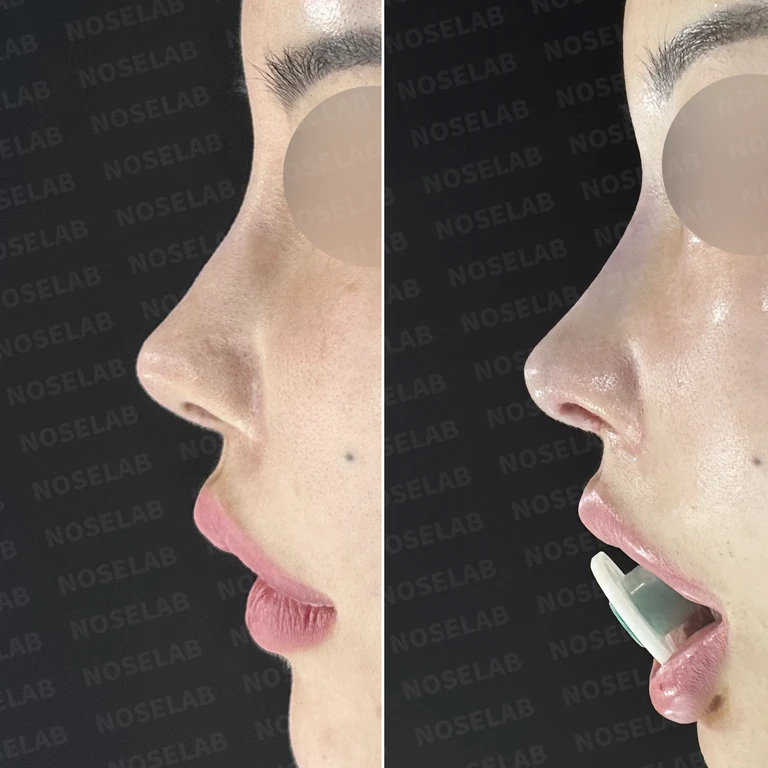
Why internal nasal structures collapse after multiple rhinoplasties and total reconstruction with rib cartilage — Before-and-after comparison
Before-and-after comparison

Why internal nasal structures collapse after multiple rhinoplasties and total reconstruction with rib cartilage

Following four prior rhinoplasties, septal and lower lateral cartilage defects and nasal bone erosion were addressed by treating a chronic foreign body reaction, performing total reconstruction with autologous rib cartilage, and placing a nostril skin graft.

Performed or used in this surgery

Contracted nose: How contracted tissue removal and autologous rib cartilage reconstruction are performed — Before-and-after comparison
Before-and-after comparison

Contracted nose: How contracted tissue removal and autologous rib cartilage reconstruction are performed

In a nose that became upturned and crooked due to contracture following implant surgery, fibrotic tissue was removed, the nasal tip was reconstructed with autologous rib cartilage, the columella was lowered, and the silicone implant was replaced.

Performed or used in this surgery
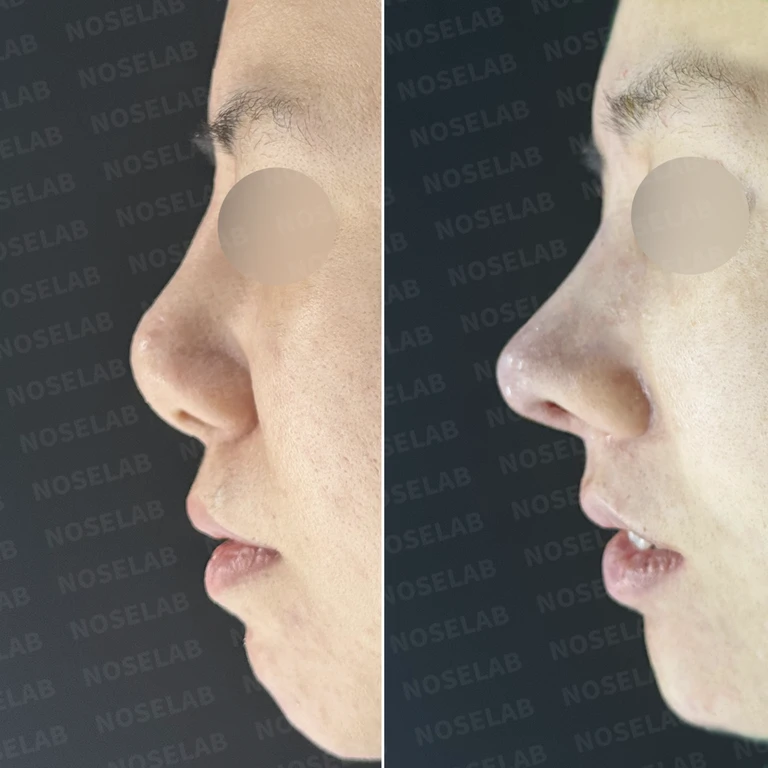
Contracture causing the nose to harden and shorten after previous surgery: why it occurs and how it is reconstructed — Before-and-after comparison
Before-and-after comparison

Contracture causing the nose to harden and shorten after previous surgery: why it occurs and how it is reconstructed

For capsular contracture, septal damage, and asymmetric nasal bones following previous surgery, the implant and capsule were removed, and septal reconstruction, lateral osteotomy, and nasal bridge augmentation with autologous rib cartilage were performed.

Performed or used in this surgery
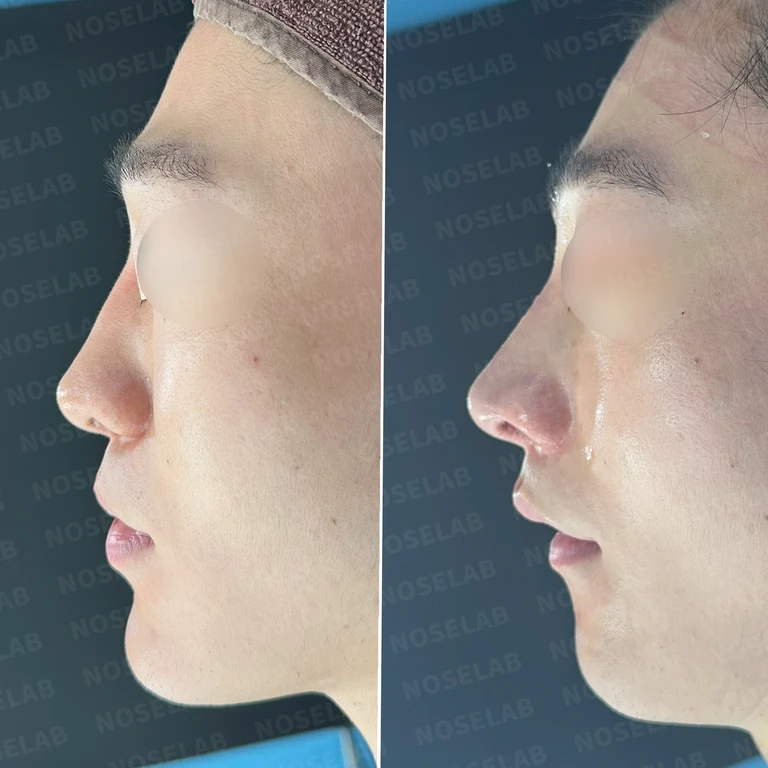
Scar tissue and nostril asymmetry after nasal fracture and repeated revision surgeries: reconstructive approaches — Before-and-after comparison
Before-and-after comparison

Scar tissue and nostril asymmetry after nasal fracture and repeated revision surgeries: reconstructive approaches

Following trauma and revision surgery, the patient presented with concerns over silicone implant complications, nostril asymmetry, and scar adhesions. After removing the implant, autologous rib cartilage reconstruction and septoplasty were performed.

Performed or used in this surgery
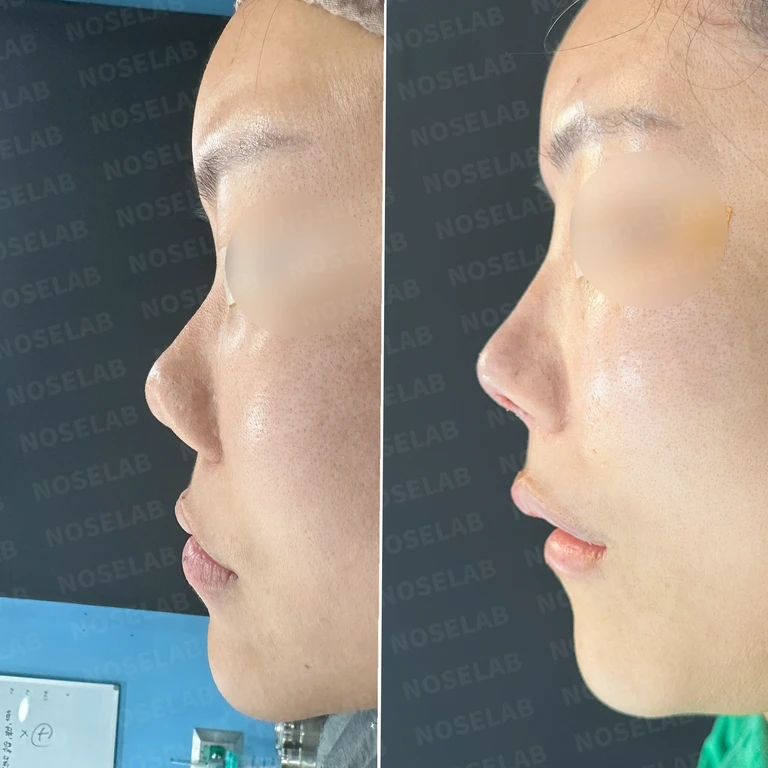
Why infection recurs after rhinoplasty: treatment of inflammation and staged reconstruction — Before-and-after comparison
Before-and-after comparison

Why infection recurs after rhinoplasty: treatment of inflammation and staged reconstruction

In a patient presenting with mucosal perforation and contracture deformity caused by implant infection, inflamed tissue was debrided and irrigated, followed by staged septal reconstruction.

Performed or used in this surgery
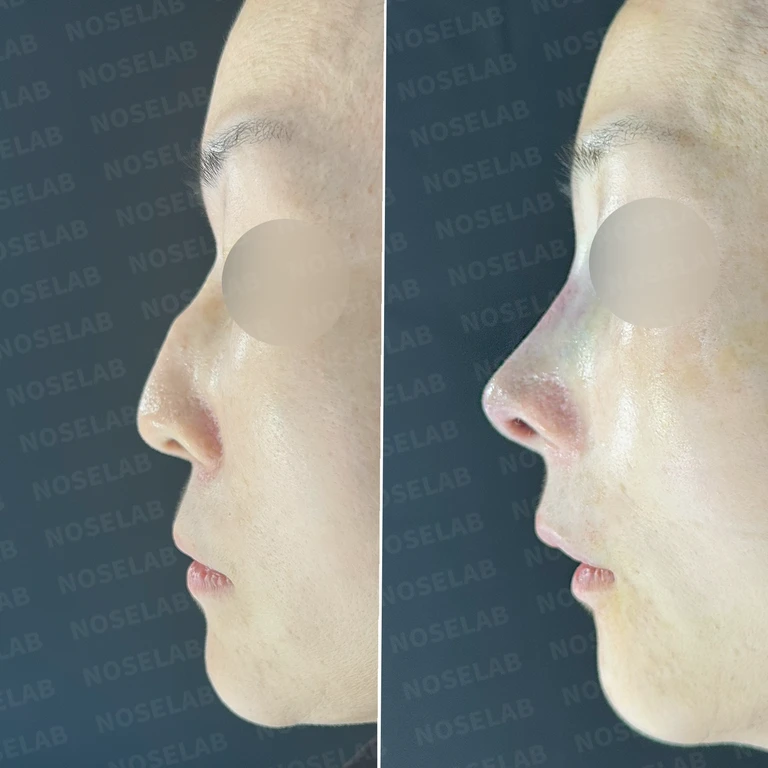
Why an old silicone implant capsule calcifies and causes a dorsal hump and crooked nose — Before-and-after comparison
Before-and-after comparison

Why an old silicone implant capsule calcifies and causes a dorsal hump and crooked nose

A case of complete reconstruction using autologous rib cartilage after removing an L-shaped silicone implant and its calcified capsule inserted 30 years ago, which had caused a dorsal hump and a crooked nose.

Performed or used in this surgery
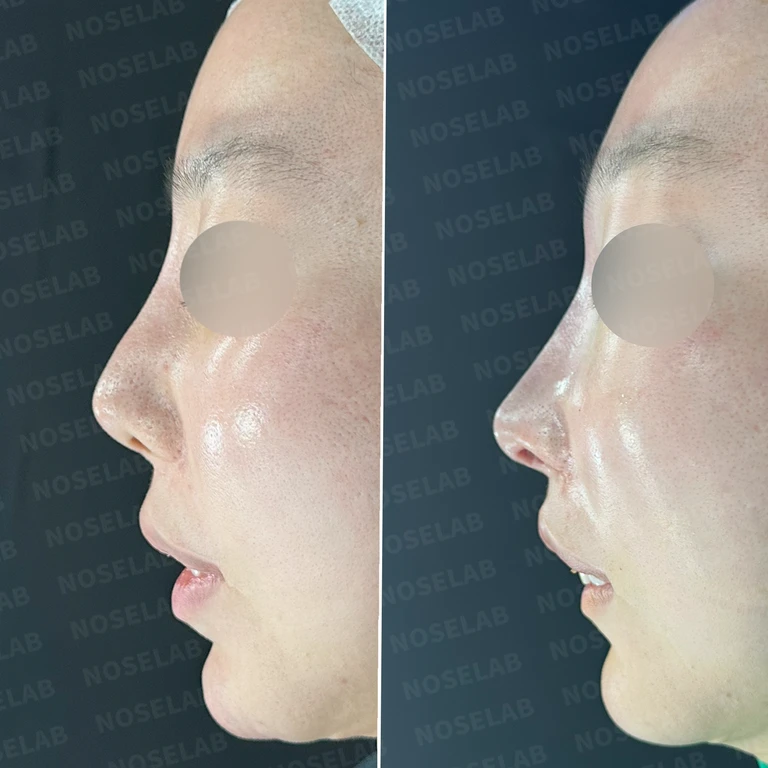
Chronic foreign body reaction causing a blunt, widened nasal bridge: causes and reconstruction methods — Before-and-after comparison
Before-and-after comparison

Chronic foreign body reaction causing a blunt, widened nasal bridge: causes and reconstruction methods

This is a revision rhinoplasty case in which a septum damaged from prior double jaw surgery and a chronic foreign body reaction in the nasal bridge were identified, followed by irrigation, capsule removal, and septal reconstruction using autologous rib cartilage.

Performed or used in this surgery
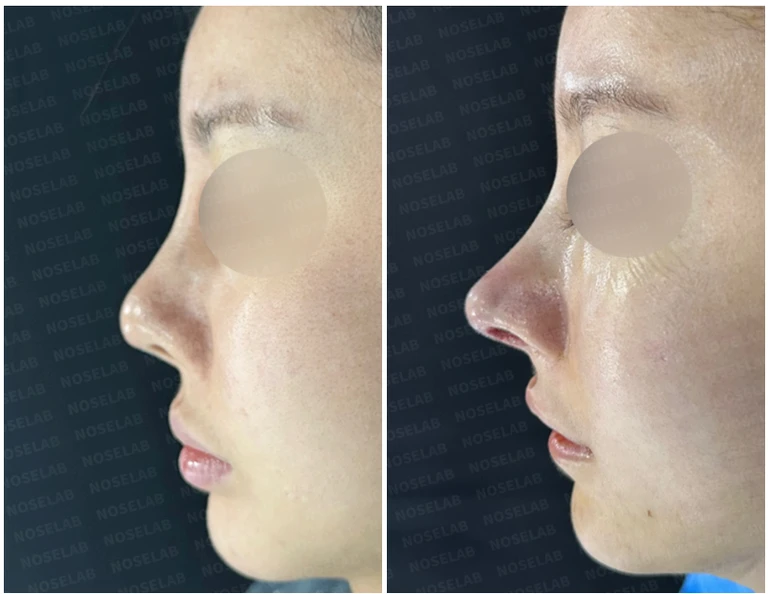
When a silicone implant is about to push through the nasal tip skin: why it happens and how to reconstruct it — Before-and-after comparison
Before-and-after comparison

When a silicone implant is about to push through the nasal tip skin: why it happens and how to reconstruct it

In an urgent condition where the silicone implant was on the verge of extruding just beneath the nasal tip skin, the implant was removed, and nasal tip reconstruction with autologous rib cartilage and dermal graft reinforcement was performed.

Performed or used in this surgery
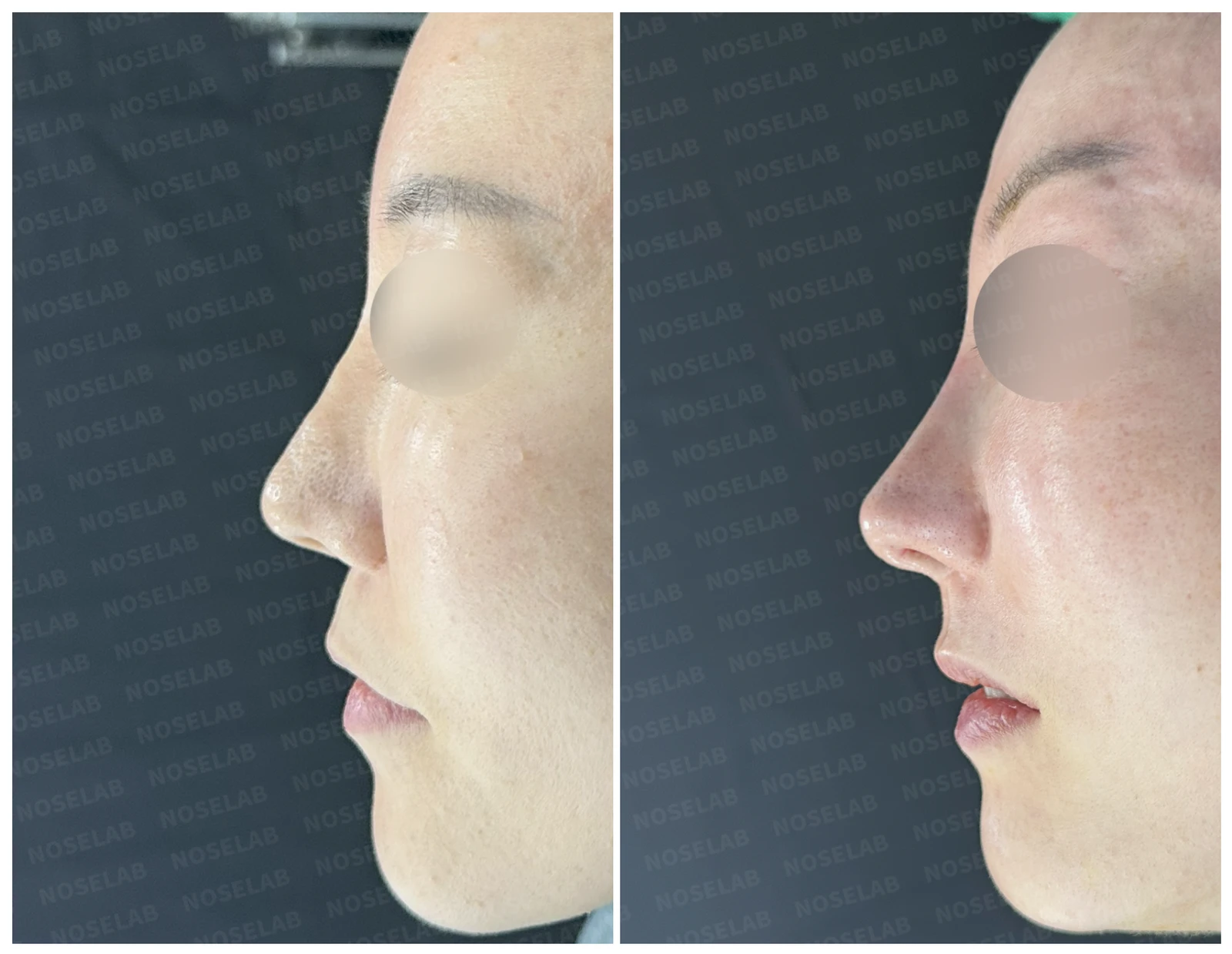
Why contracture and septal perforation occur after old Gore-Tex, and how reconstruction is performed — Before-and-after comparison
Before-and-after comparison

Why contracture and septal perforation occur after old Gore-Tex, and how reconstruction is performed

To resolve contracture, septal perforation, and cartilage loss that occurred after Gore-Tex surgery performed long ago, the septum was reconstructed using autologous rib cartilage and the perforation was closed.

Performed or used in this surgery
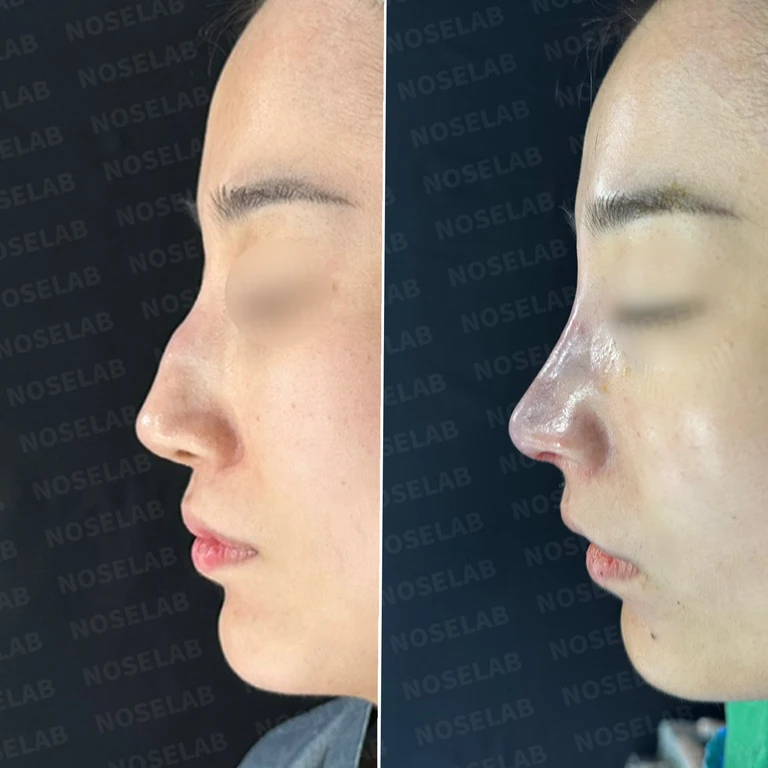
Why Medpor extrudes through the nasal mucosa, and how removal and reconstruction are performed — Before-and-after comparison
Before-and-after comparison

Why Medpor extrudes through the nasal mucosa, and how removal and reconstruction are performed

The extruded Medpor and damaged tissue protruding into the nasal cavity were removed, and the septum along with the missing lower lateral cartilage was reconstructed using autologous rib cartilage to treat asymmetry and inflammation.

Performed or used in this surgery
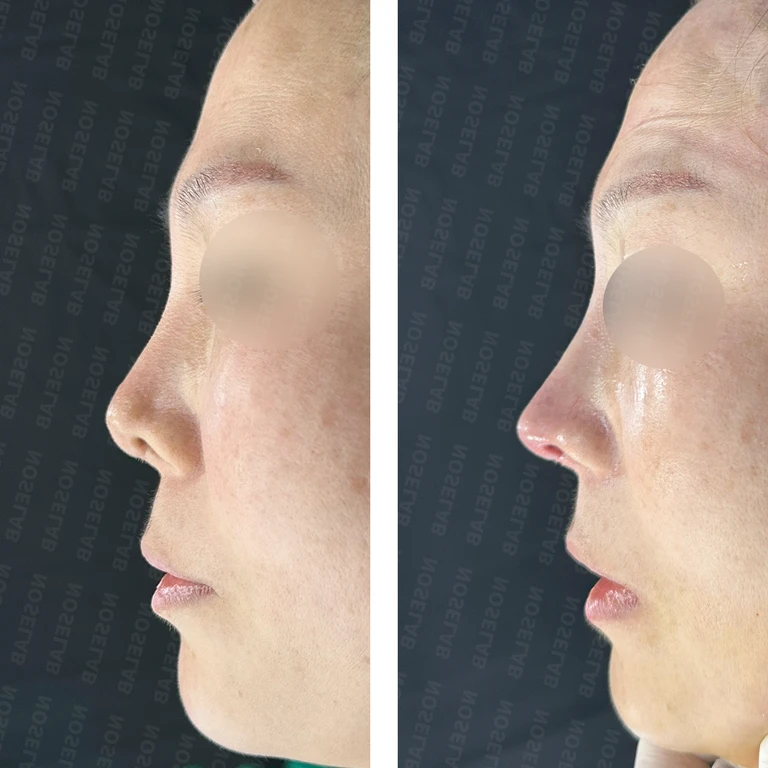
How to correct a contracted nose and inflammation caused by residual foreign material — Before-and-after comparison
Before-and-after comparison

How to correct a contracted nose and inflammation caused by residual foreign material

Contracture and septal defect developed due to residual mesh and a foreign body reaction from previous surgeries. We removed the remaining foreign material, reconstructed the septum using autologous rib cartilage, and performed a skin graft to the columella.

Performed or used in this surgery
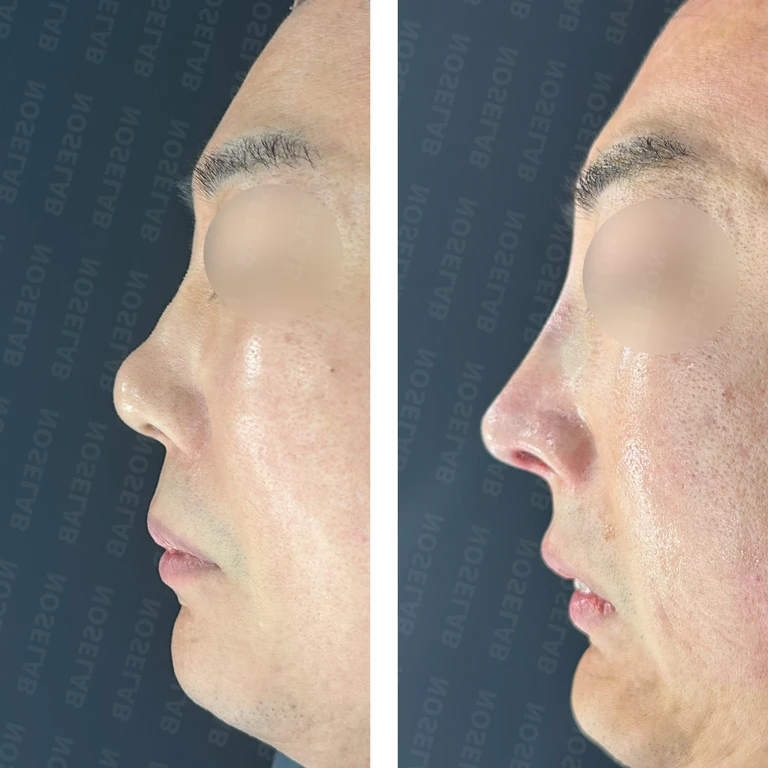
Revision rhinoplasty methods for asymmetry after dorsal hump reduction — Before-and-after comparison
Before-and-after comparison

Revision rhinoplasty methods for asymmetry after dorsal hump reduction

A case correcting keystone damage, saddle nose deformity, and nostril asymmetry caused by excessive dorsal hump removal, using lateral osteotomy and autologous rib cartilage septal reconstruction.

Performed or used in this surgery
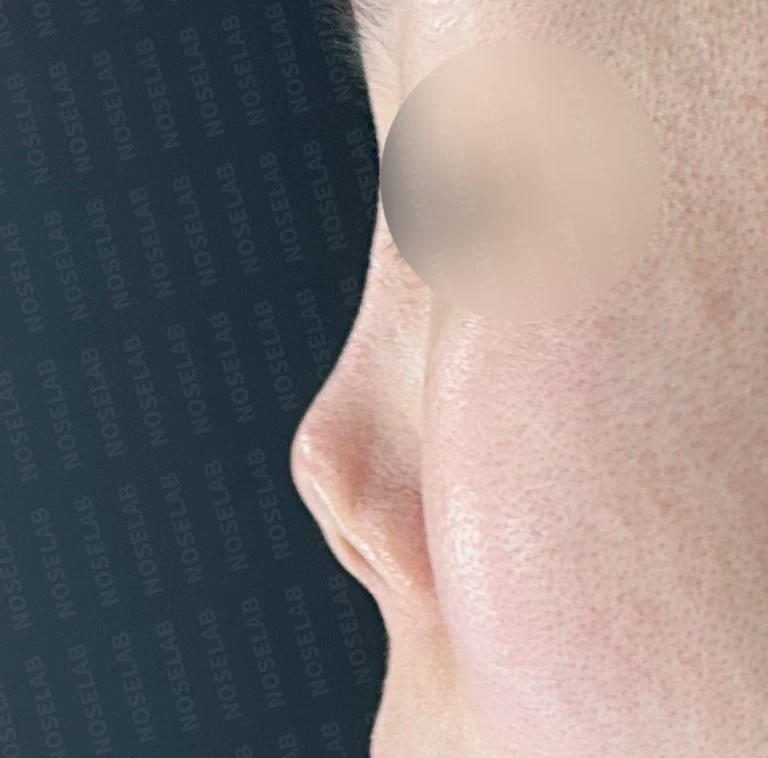
How to reconstruct an old contracted nose using autologous rib cartilage — Before-and-after comparison
Before-and-after comparison

How to reconstruct an old contracted nose using autologous rib cartilage

For a contracted nose deformity that developed long after silicone implant surgery, the implant capsule was removed and autologous rib cartilage was used to comprehensively reconstruct the septum, lower lateral cartilages, and nasal bridge.

Performed or used in this surgery
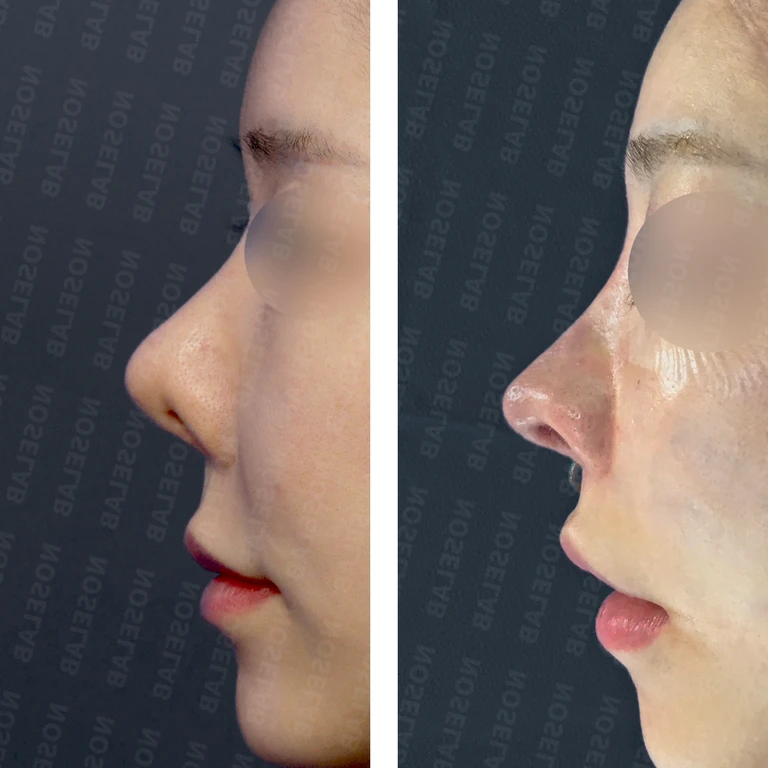
Supportive structures in a contracted nose and revision rhinoplasty using autologous rib cartilage — Before-and-after comparison
Before-and-after comparison

Supportive structures in a contracted nose and revision rhinoplasty using autologous rib cartilage

For a contracted nose and a sharply upturned nasal tip that developed after multiple surgeries, septal reconstruction with autologous rib cartilage, removal of inflammatory tissue from the nasal tip, and nostril lowering were performed.

Performed or used in this surgery
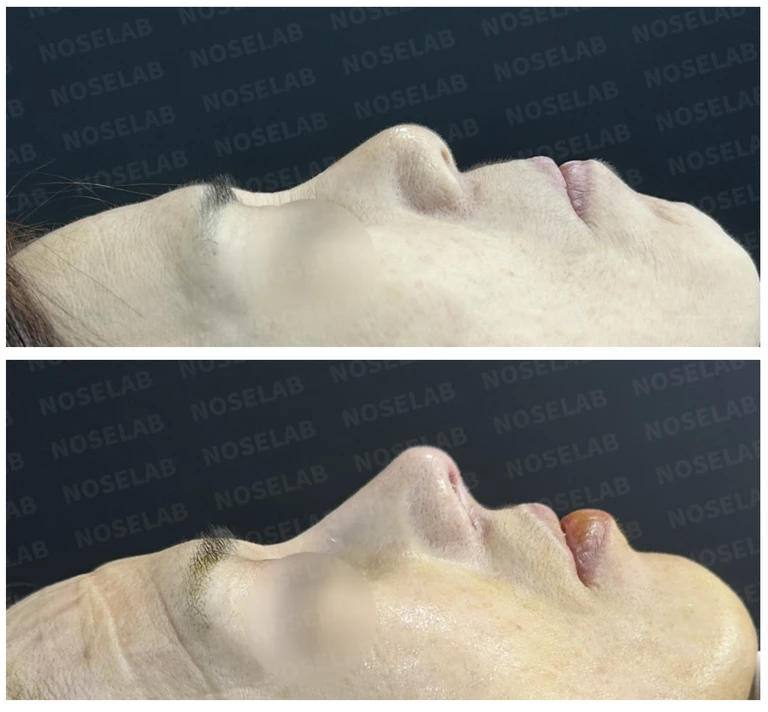
Nasal structure and correction methods for a bulbous, widened nose — Before-and-after comparison
Before-and-after comparison

Nasal structure and correction methods for a bulbous, widened nose

A case involving bridge pain, implant mobility, and a bulbous tip from a silicone implant placed 20 years ago. The previous implant and granulation tissue were removed, followed by septal extension using autologous rib cartilage and placement of a new implant.

Performed or used in this surgery
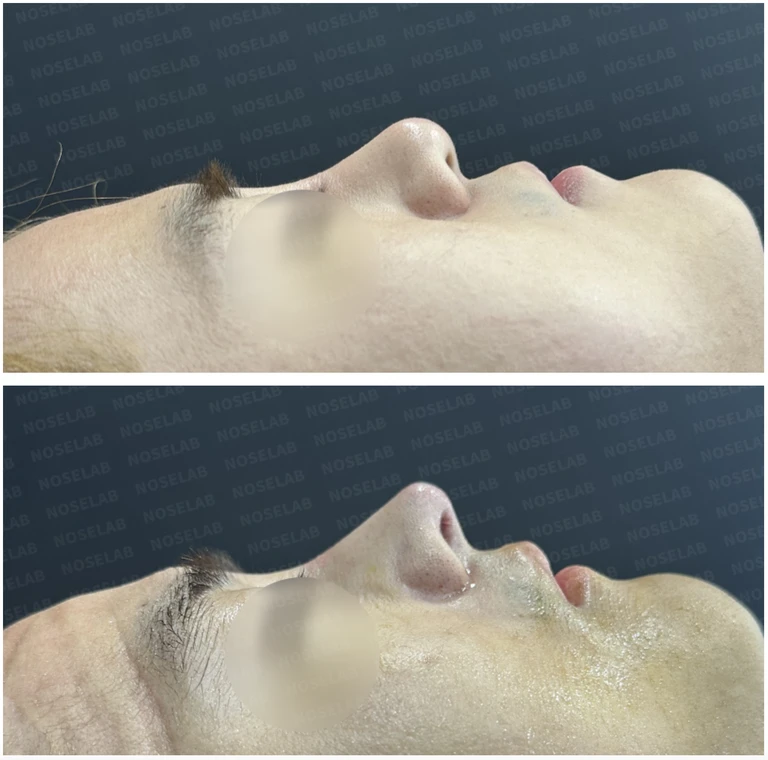
How to reconstruct the nose after silicone implant exposure and inflammation — Before-and-after comparison
Before-and-after comparison

How to reconstruct the nose after silicone implant exposure and inflammation

In a case presenting with silicone implant exposure accompanied by inflammatory granulation tissue, the existing implant and capsule were removed, and autologous rib cartilage was used to perform septal extension and reconstruct the lower lateral cartilage.

Performed or used in this surgery
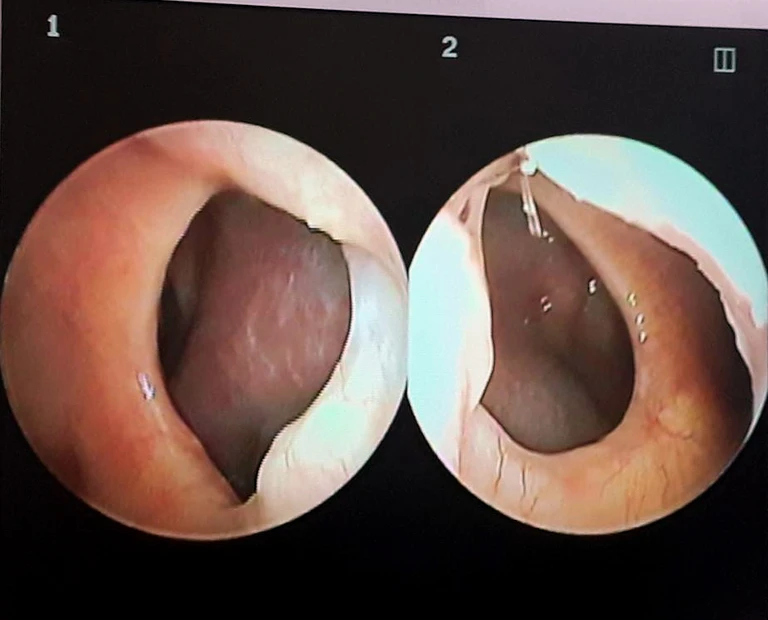
Surgical plan for revision rhinoplasty with septal perforation — Before-and-after comparison
Before-and-after comparison

Surgical plan for revision rhinoplasty with septal perforation

In a patient with a history of past surgeries, septal perforation, and saddle nose deformity, septal reconstruction and extension using autologous rib cartilage, alar lowering, and direct closure were performed via a closed approach.

Performed or used in this surgery

No search results found

Please try searching with different keywords.

Scroll to keep reading

1 / 2Next case

Common questions before reading the cases

Does a record of capsule removal mean every surgery was for an infection?

In one case, serous fluid was noted and submitted for bacterial culture, and the original record explains that irrigation and capsulectomy were performed after assessing it as a chronic foreign body reaction. Therefore, the step of capsule removal alone does not mean all cases involve the same infectious condition. It is important to distinguish the intraoperative findings from the surgeon's recorded assessment.

Are there cases where cartilage reconstruction was performed immediately after irrigation and capsulectomy?

There is a case where, after removing the capsule and contracted tissue, reconstruction was performed using autologous rib cartilage in a state where almost no septal cartilage remained. Reconstruction of the lower lateral (alar) cartilage is also documented in the same post. You can follow the actual sequence of procedures to see whether irrigation and capsulectomy constituted the entire surgery or were the initial step in reinforcing the remaining nasal framework.

Related topics to explore

Foreign body reactionContracted noseForeign material, mesh, and thread removalSeptal reconstruction

Surgical records referenced in this guide

  • Why internal nasal structures collapse after multiple rhinoplasties and total reconstruction with rib cartilage
  • How to reconstruct the nose after silicone implant exposure and inflammation
  • How to reconstruct an old contracted nose using autologous rib cartilage
Original article

Read more records

Planning a visit to Seoul?Prepare your consultation with the NOSELAB team.

International patient guideWhatsApp ↗
Dr. Peter C. Kang's Rhinoplasty Stories
Rhinoplasty guideCases by topicDr. Peter C. KangNaver Blog ↗
View original photo
Enlarged photo
WhatsAppChat with NOSELAB↗