Natural revision rhinoplasty for a dorsal hump and asymmetry correction:
Keys to a successful result
Hello, I am Dr. Peter C. Kang.
Today, I would like to share the case of a patient who visited our clinic concerned about structural problems and asymmetry that developed after dorsal hump surgery.
I wrote this article in the hope that it will be helpful to those considering revision rhinoplasty.
Surgical history and patient concerns
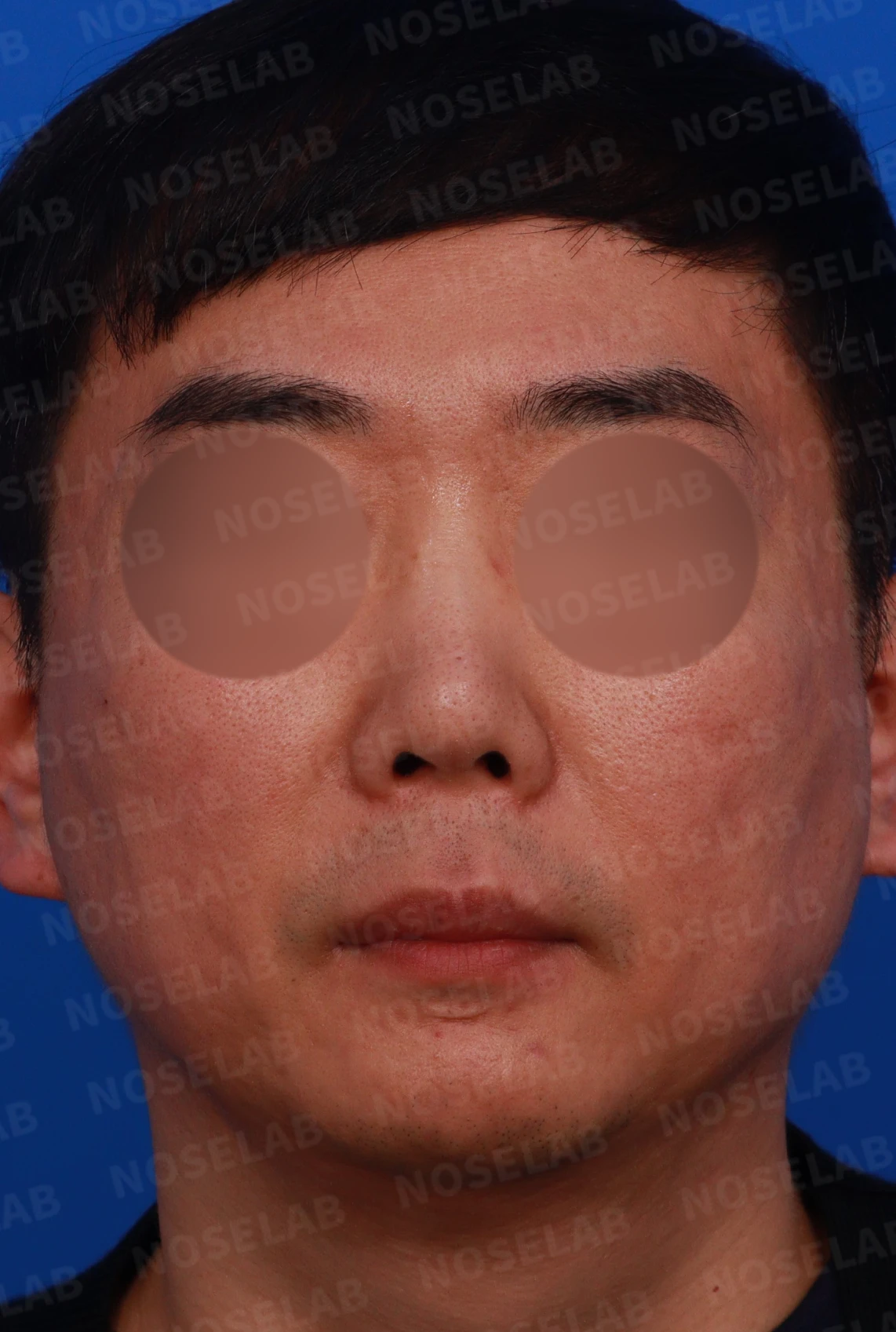
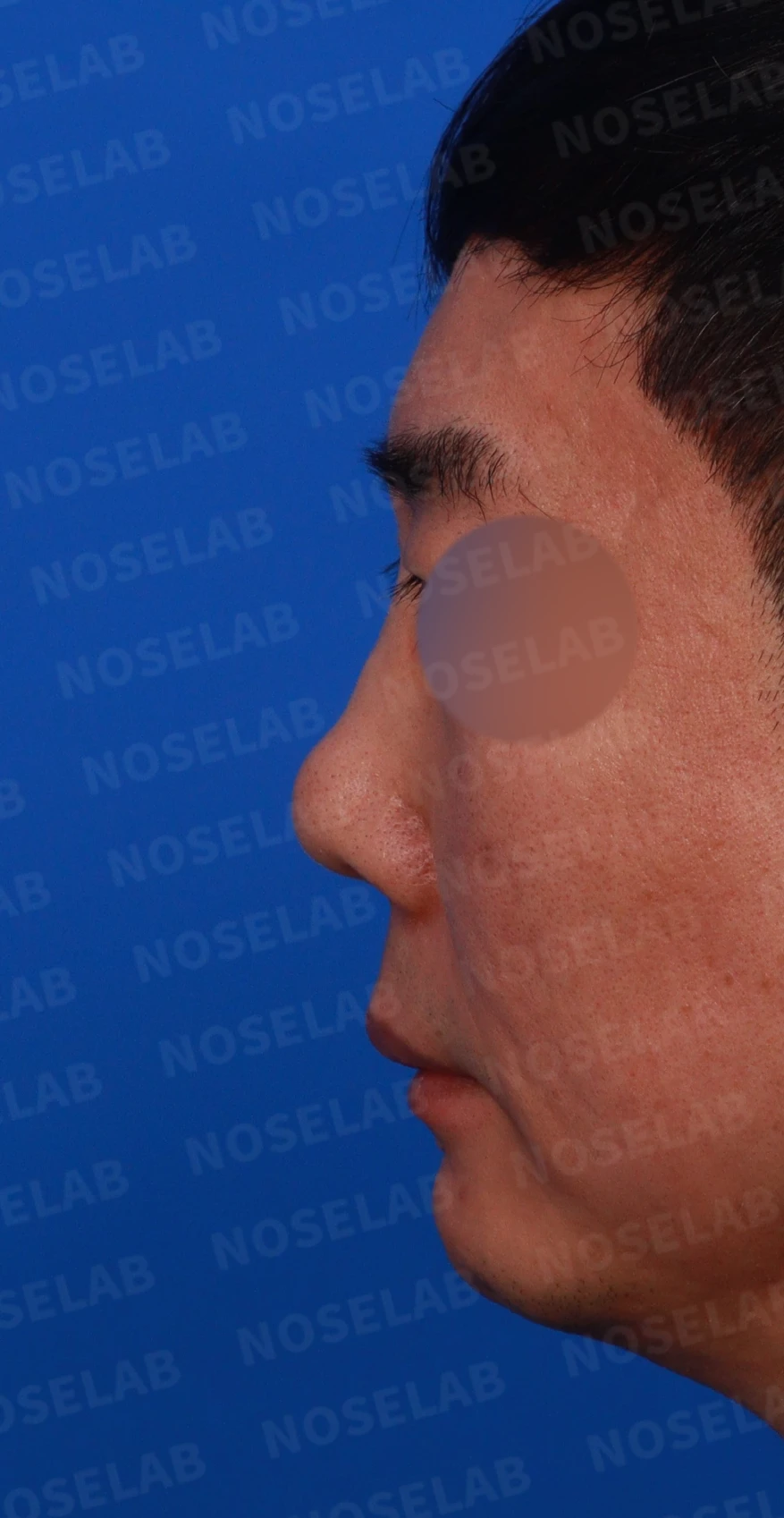
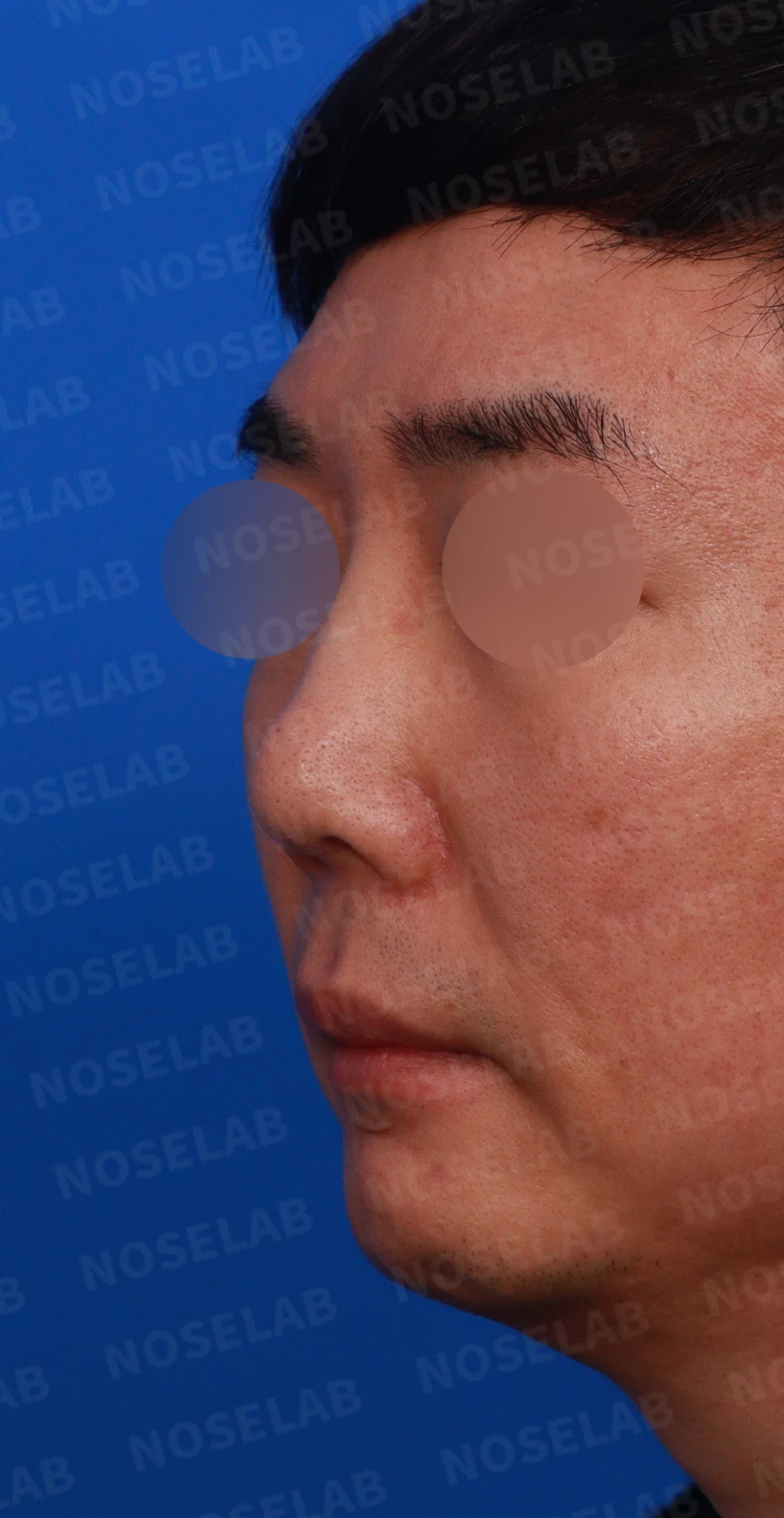
Front, left profile, and oblique views during design consultation
The patient underwent dorsal hump reduction, rhinitis surgery, and septoplasty for a deviated septum in 2017.
After surgery, the patient was deeply troubled by an uneven nasal bridge, worsened nostril asymmetry, and an upturned nose.
Above all, the patient strongly hoped this would be the final surgery.
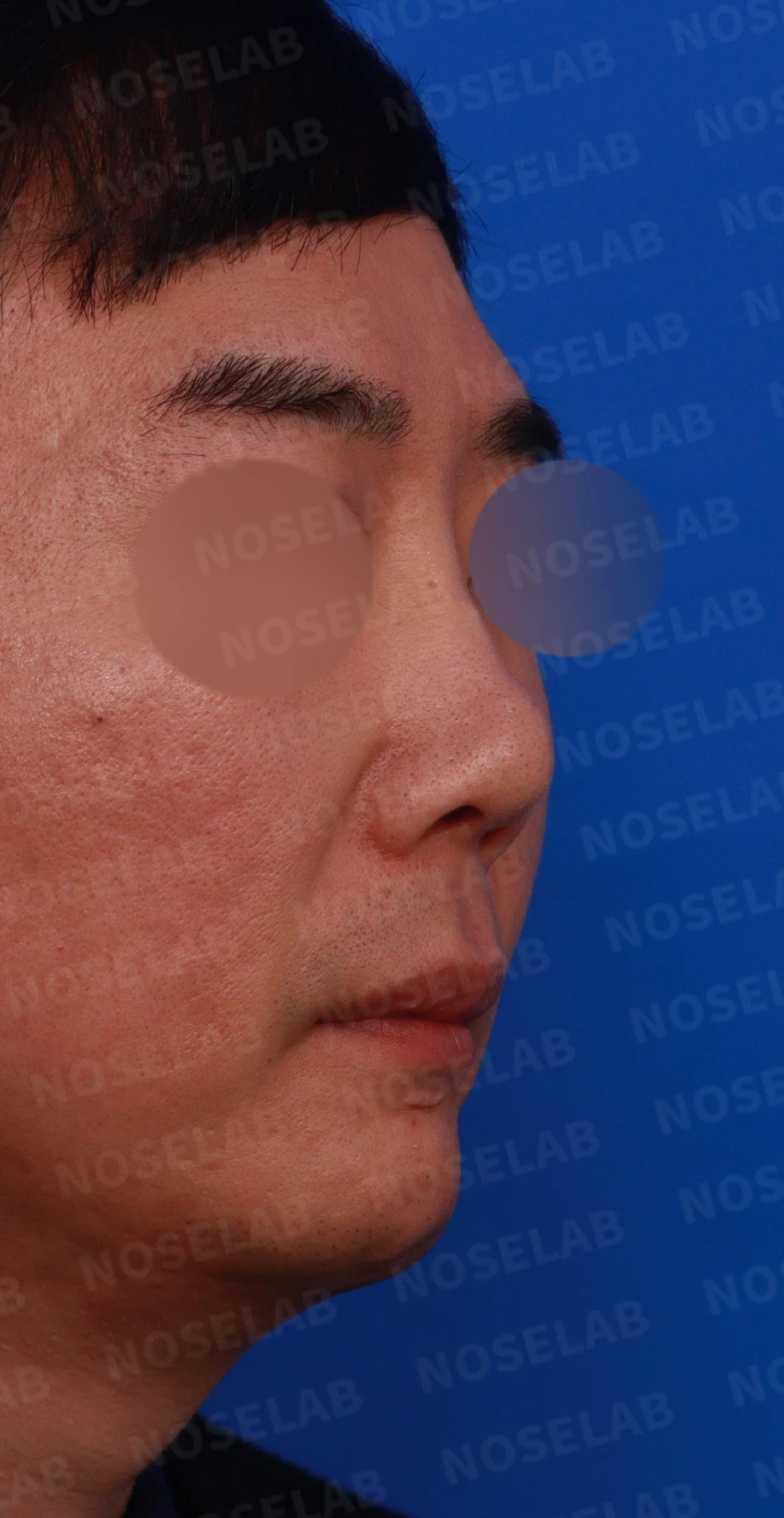
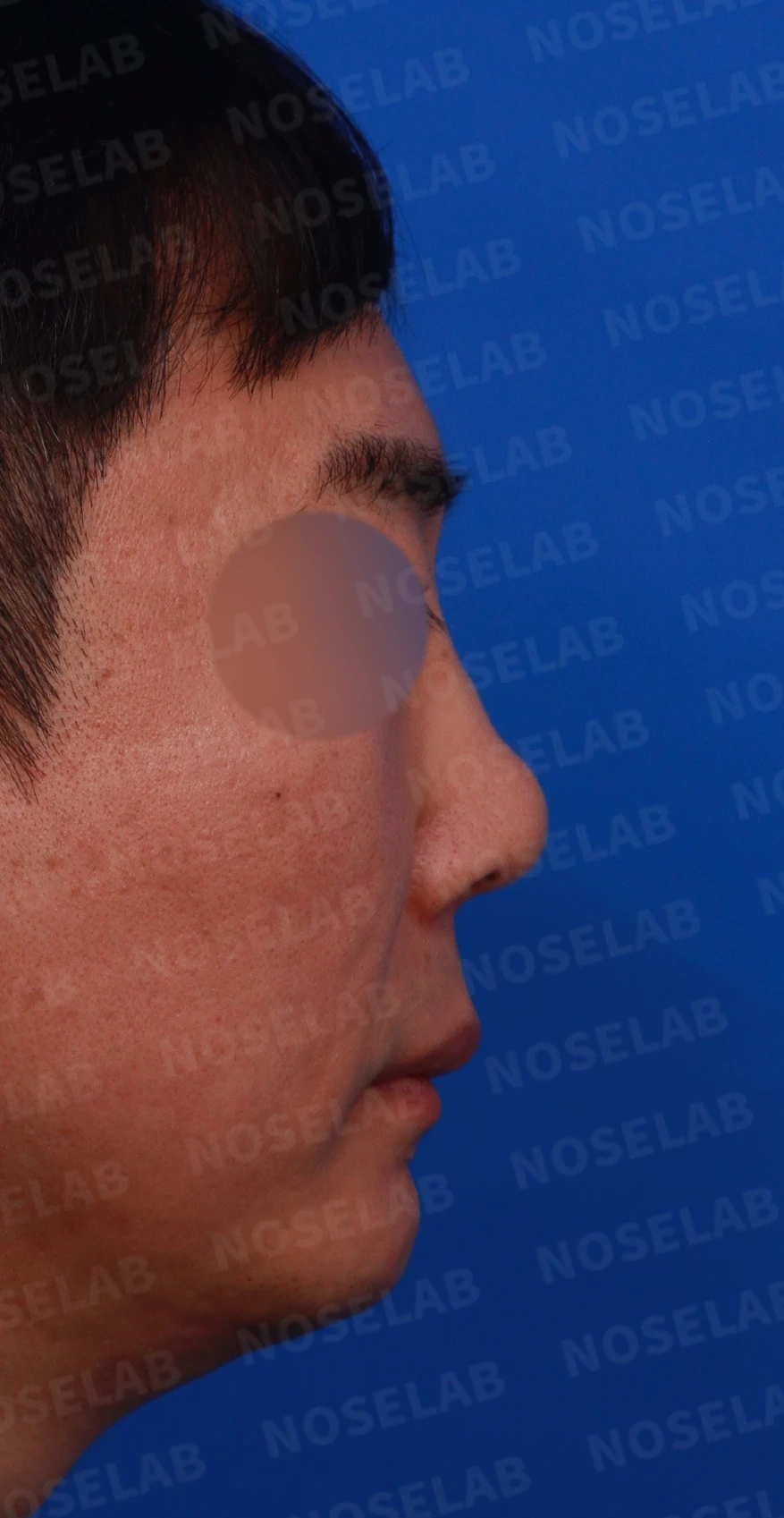
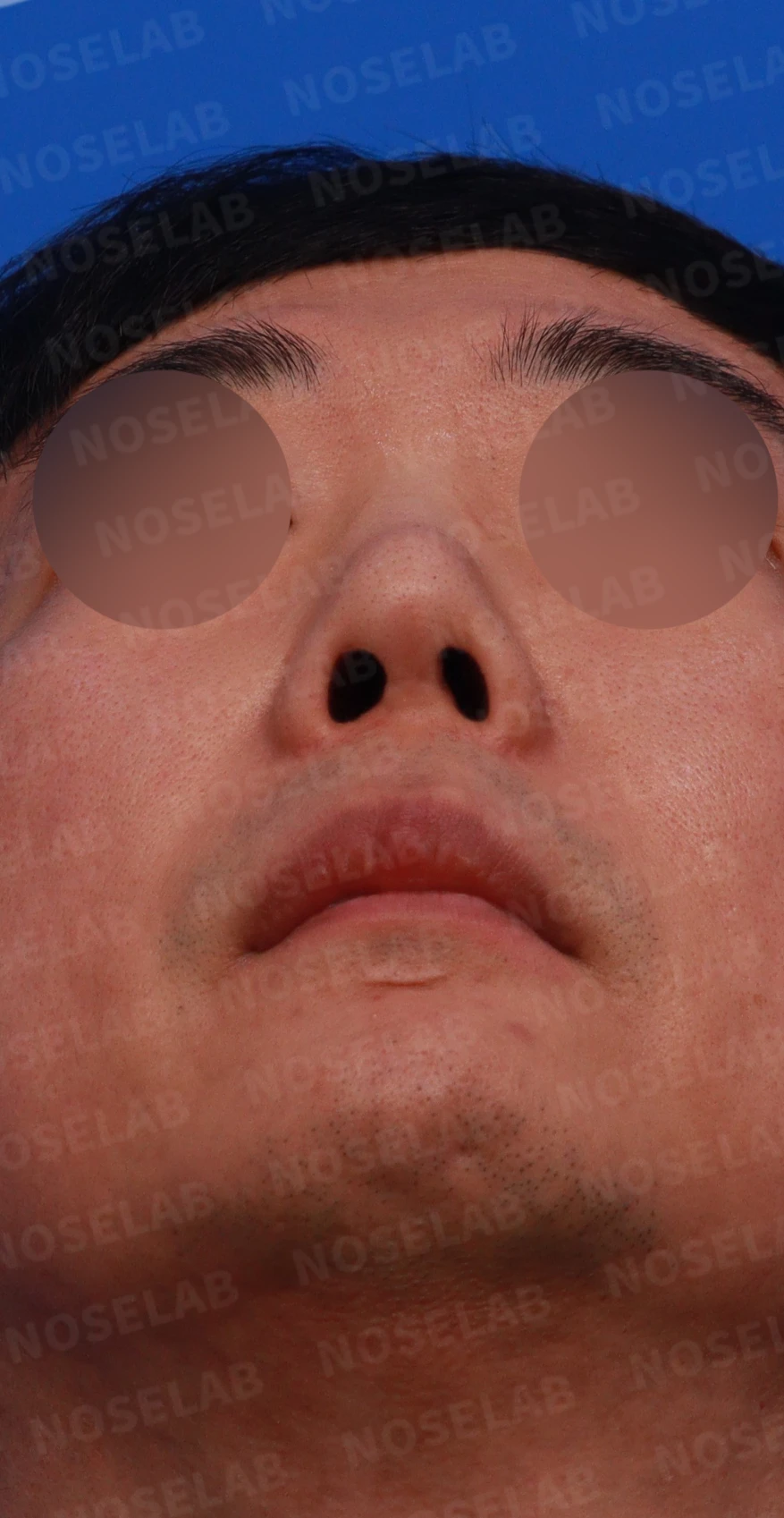
Design consultation: right oblique, profile, and basal (nostril) views.
Identifying problems and planning surgery
The main issues identified during surgery were as follows:
Crumpling of the anterior cartilage due to septal cartilage damage, resulting in leftward deviation of the columella
Nasal instability caused by excessive keystone resection during previous dorsal hump correction
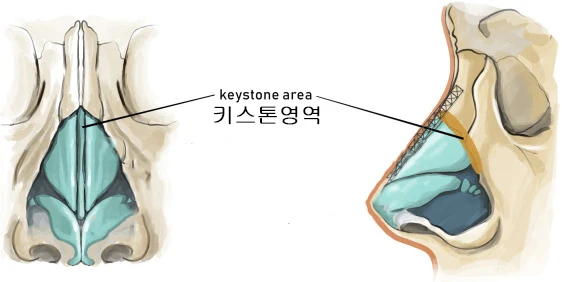
Keystone area
3. Saddle nose deformity resulting from septal cartilage damage
To address these issues, the following surgical plan was established:
Lateral osteotomy of the nasal bones was performed to correct the widened and crooked nose.
Autologous rib cartilage was grafted to the right side of the anterior nasal spine to reconstruct the septum and ensure structural stability.
To improve nostril asymmetry, the septal cartilage was shifted toward the right.
Scar tissue at the nasal tip was excised to achieve a smooth tip contour.
Keystone reconstruction was performed to restore overall stability to the nose.
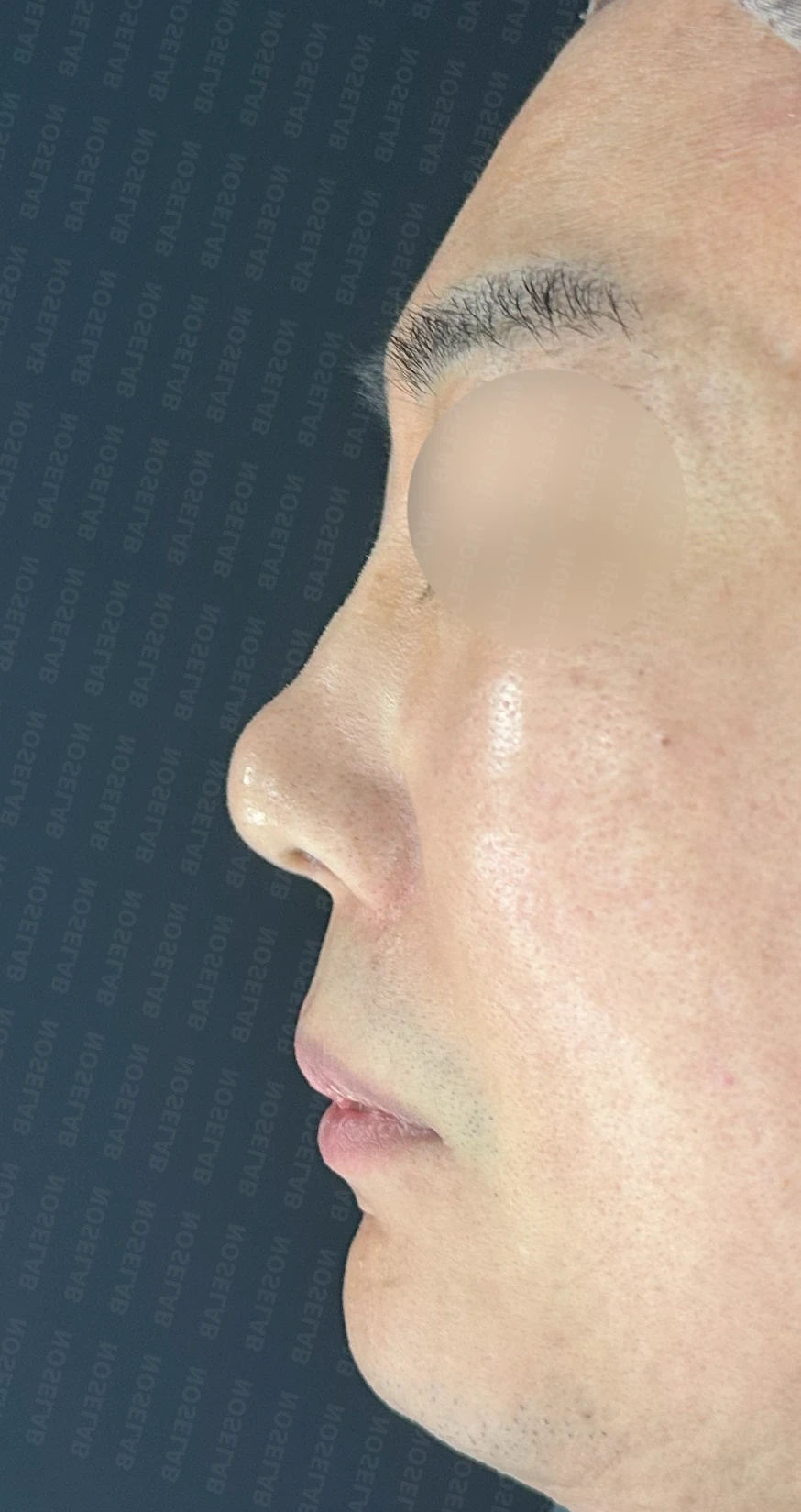
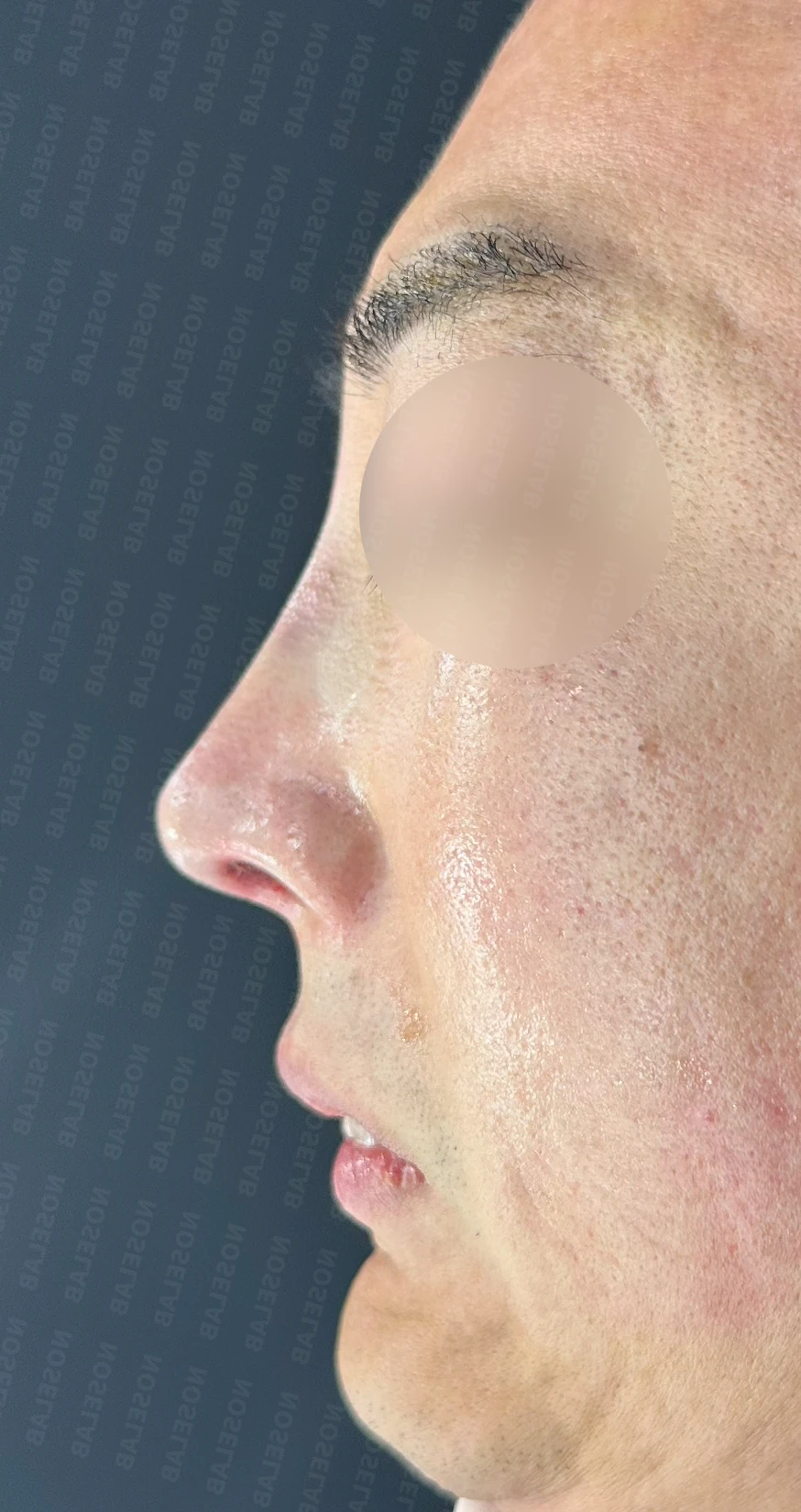
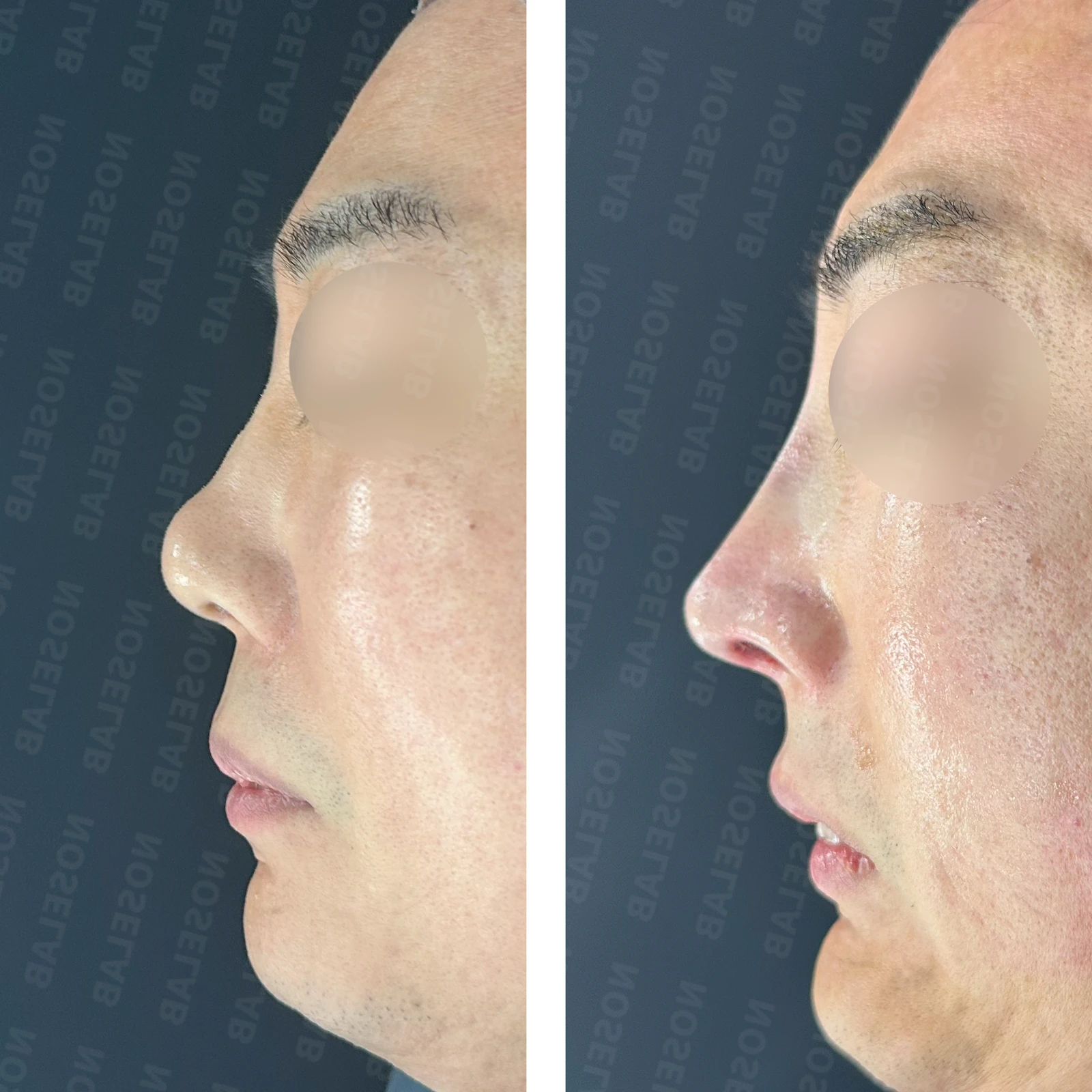
Before surgery / Day 0 immediately after surgery Photos taken immediately after surgery show swelling and may differ from the final result.
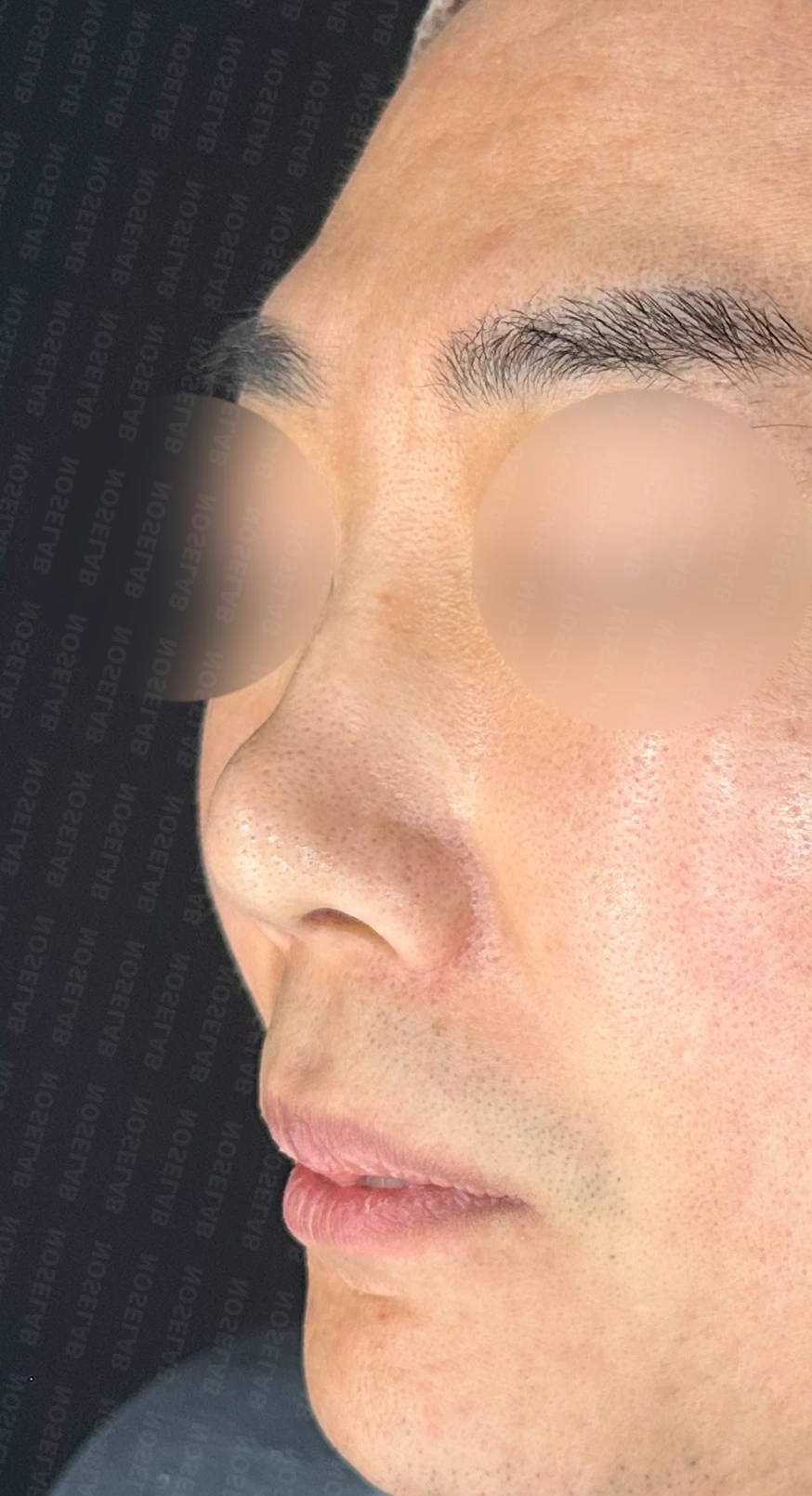
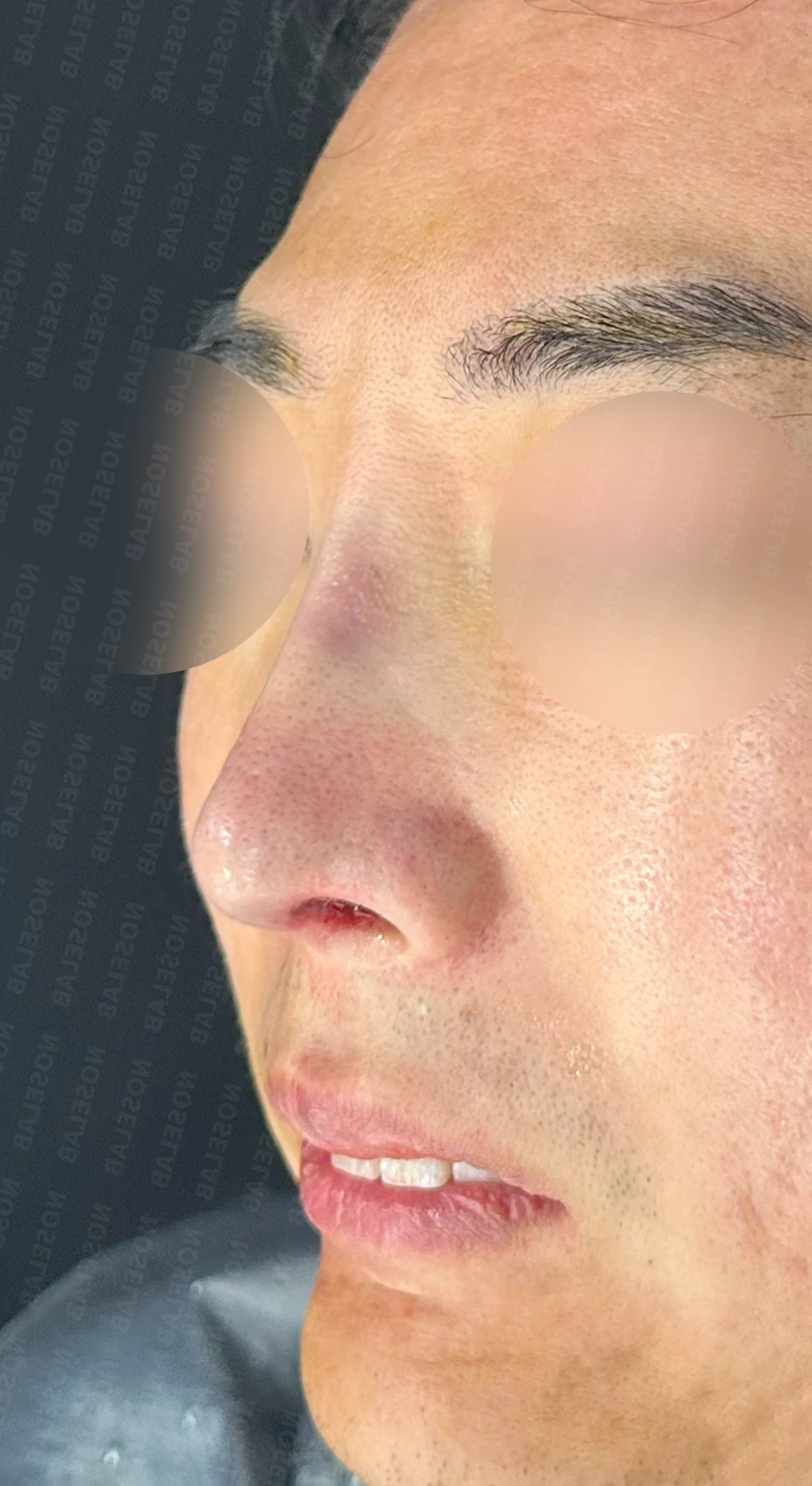
Before surgery / Day 0 immediately after surgery Photos taken immediately after surgery show swelling and may differ from the final result.
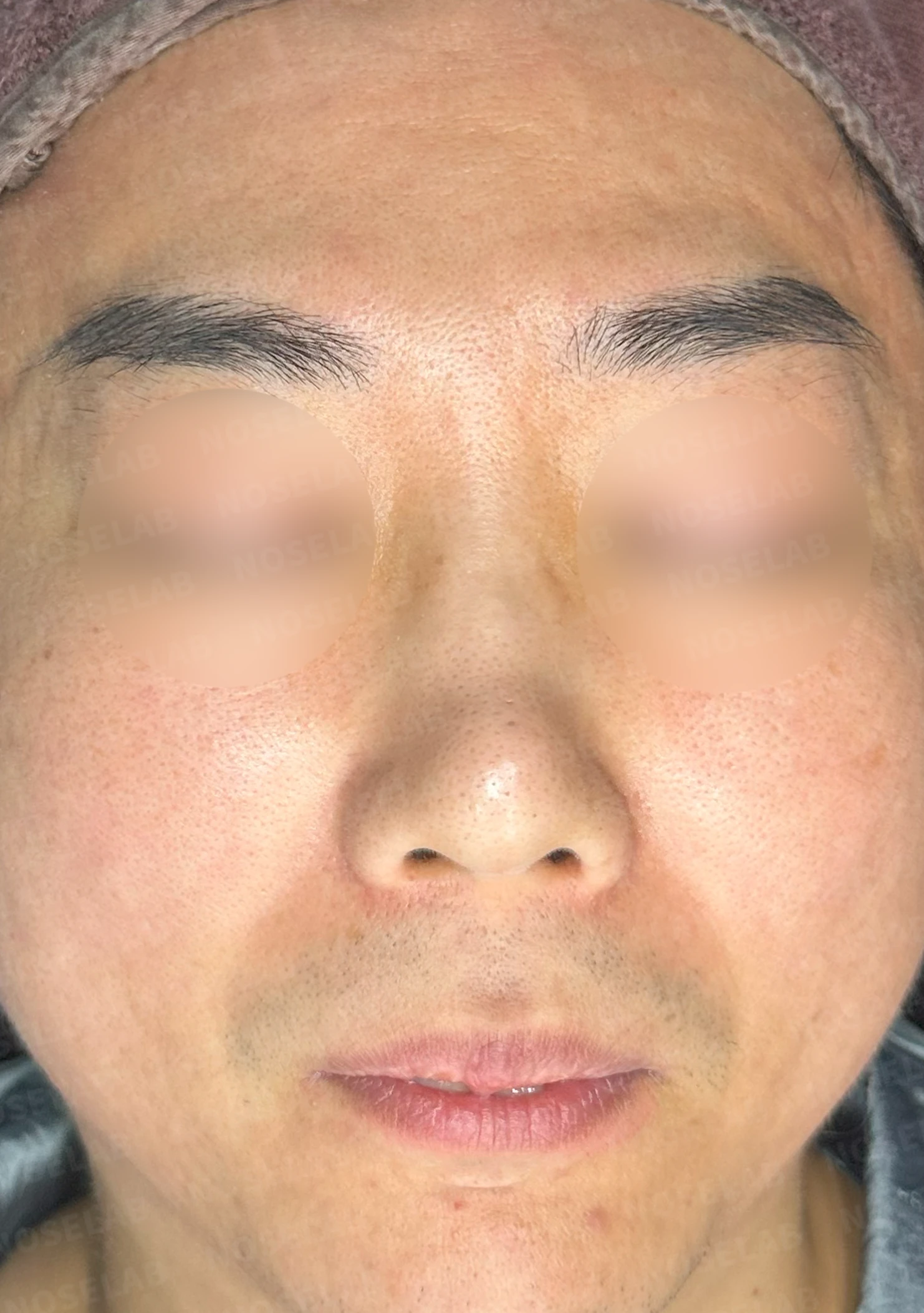
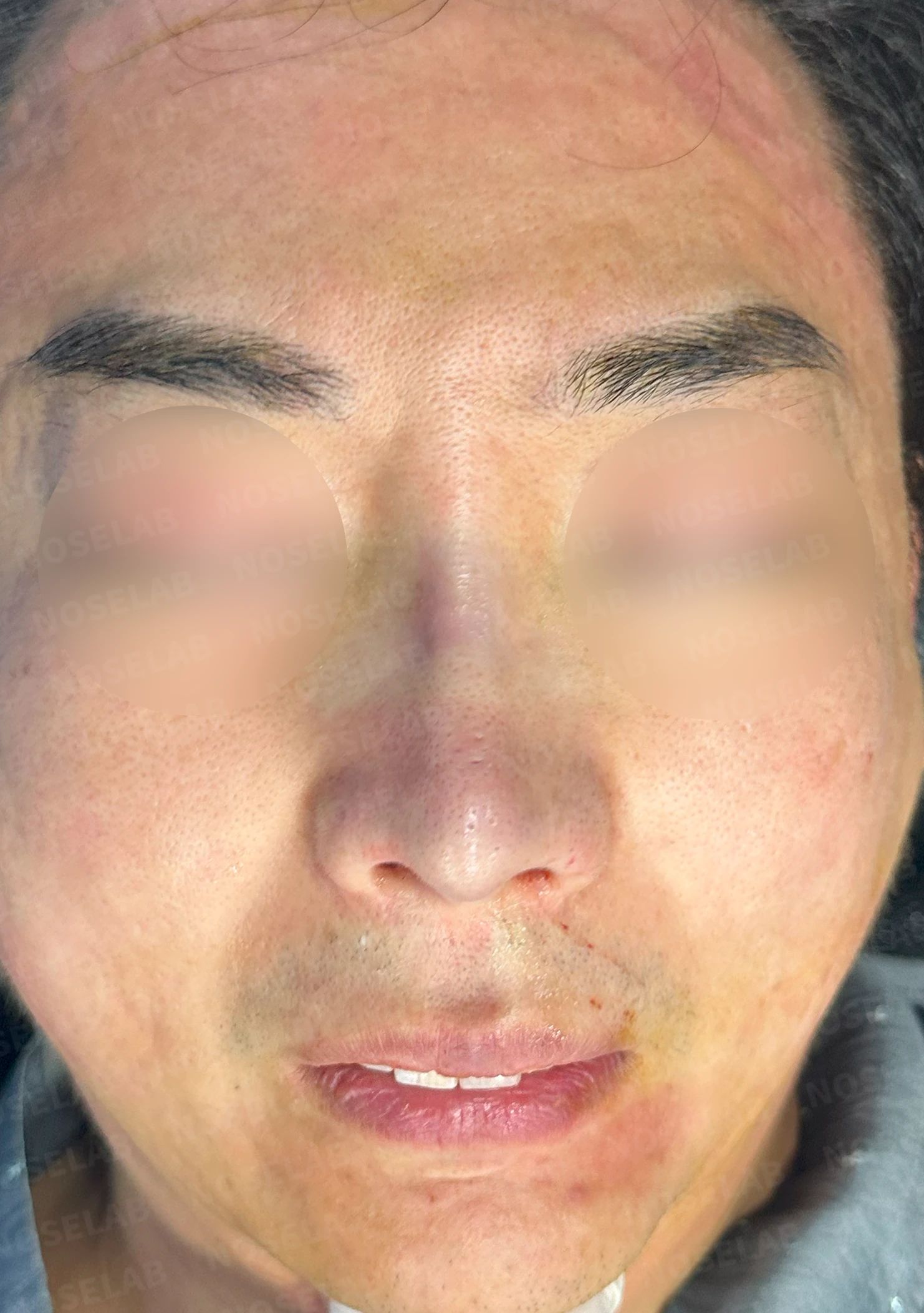
Before surgery / Day 0 immediately after surgery Photos taken immediately after surgery show swelling and may differ from the final result.
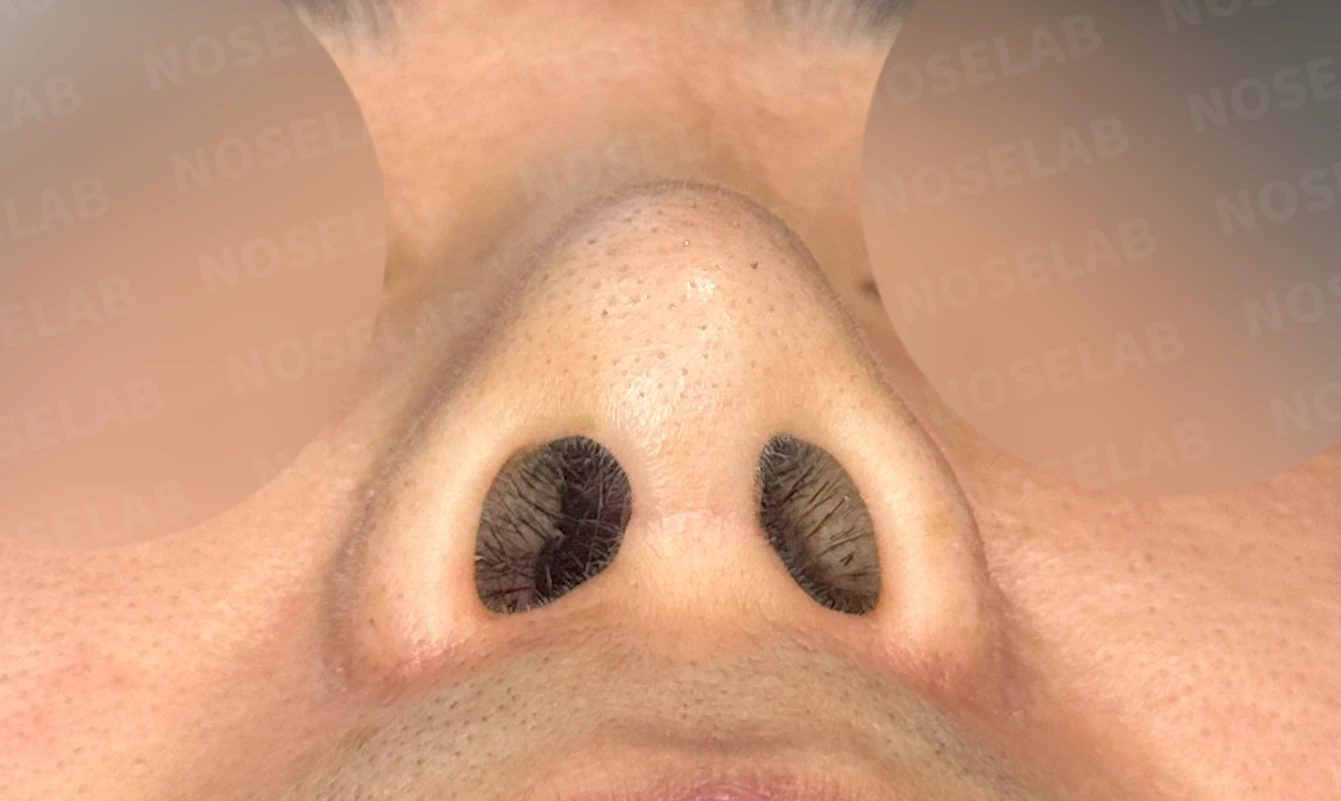
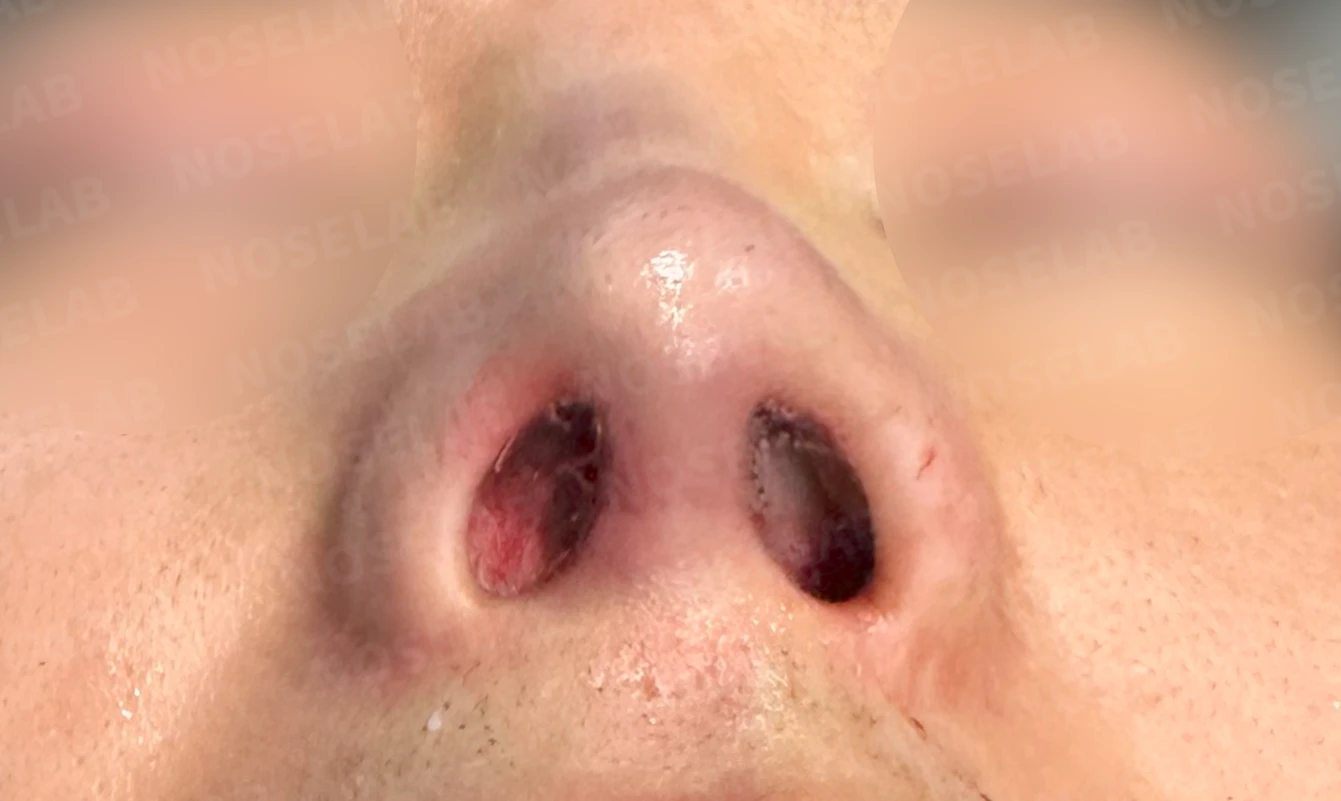
Before surgery / Day 0 immediately after surgery Photos taken immediately after surgery show swelling and may differ from the final result.
Surgical results and patient feedback
Noticeable changes were visible starting immediately after surgery on Day 0. Photos taken immediately after surgery show swelling and may differ from the final result.
On the front view, excessive nostril show was reduced, and the uneven areas along the nasal bridge were smoothed out.
On the profile view, the saddle nose deformity was corrected, improving the nasolabial angle, which subsequently made the protruding mouth appear less prominent.
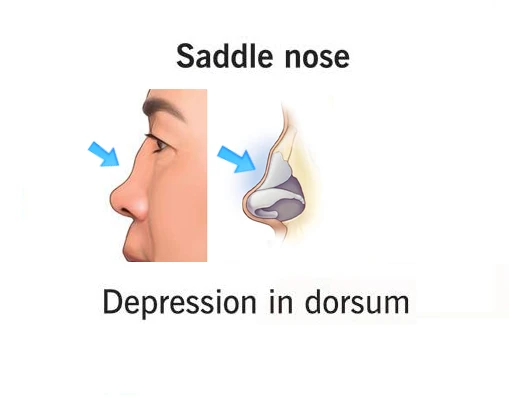
Photo of saddle nose deformity
A smooth bridge line was created, resulting in a more natural and balanced facial harmony.
In the basal nostril view, asymmetry improved markedly, and shifting the columella toward the right significantly enhanced overall facial balance.
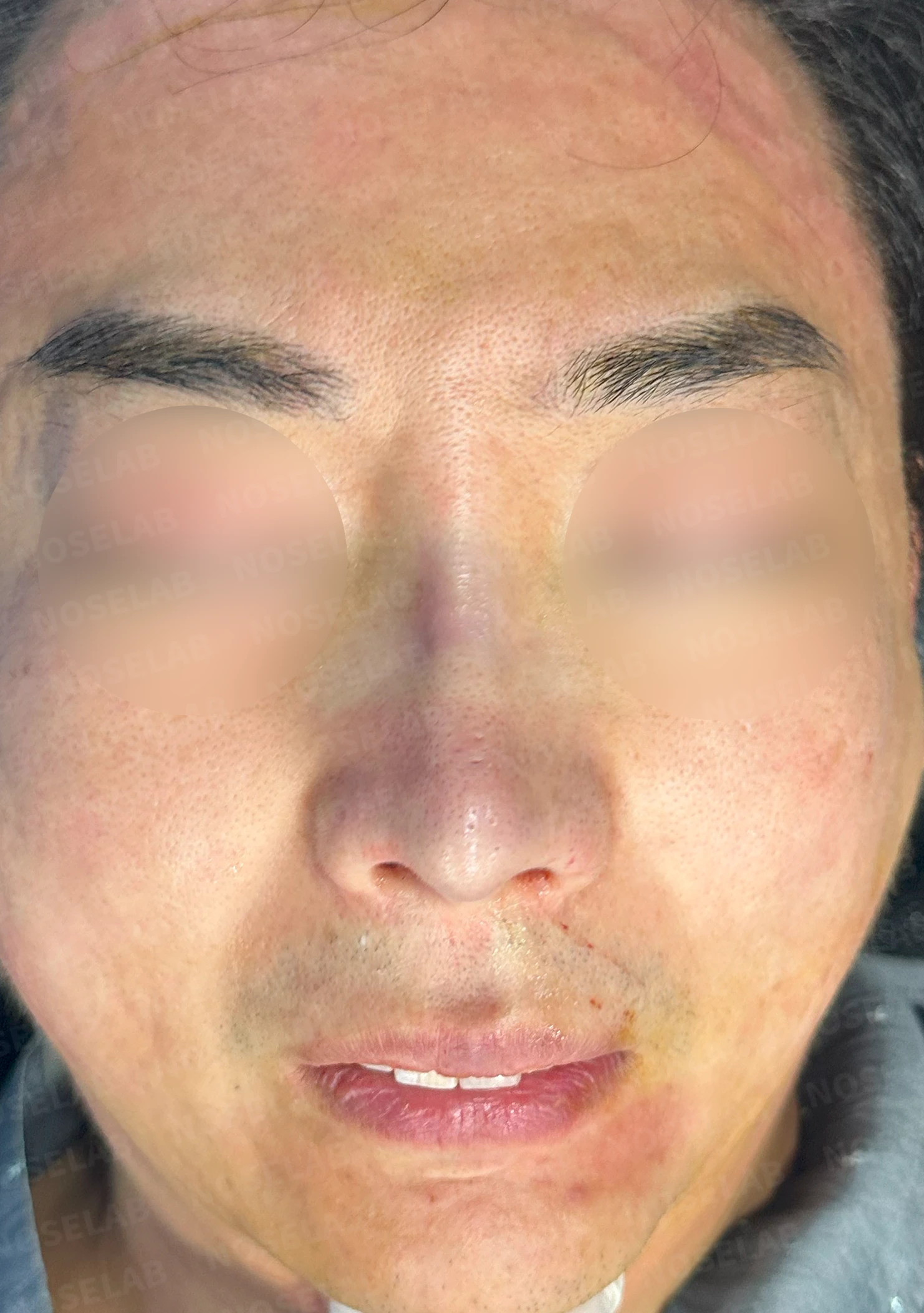
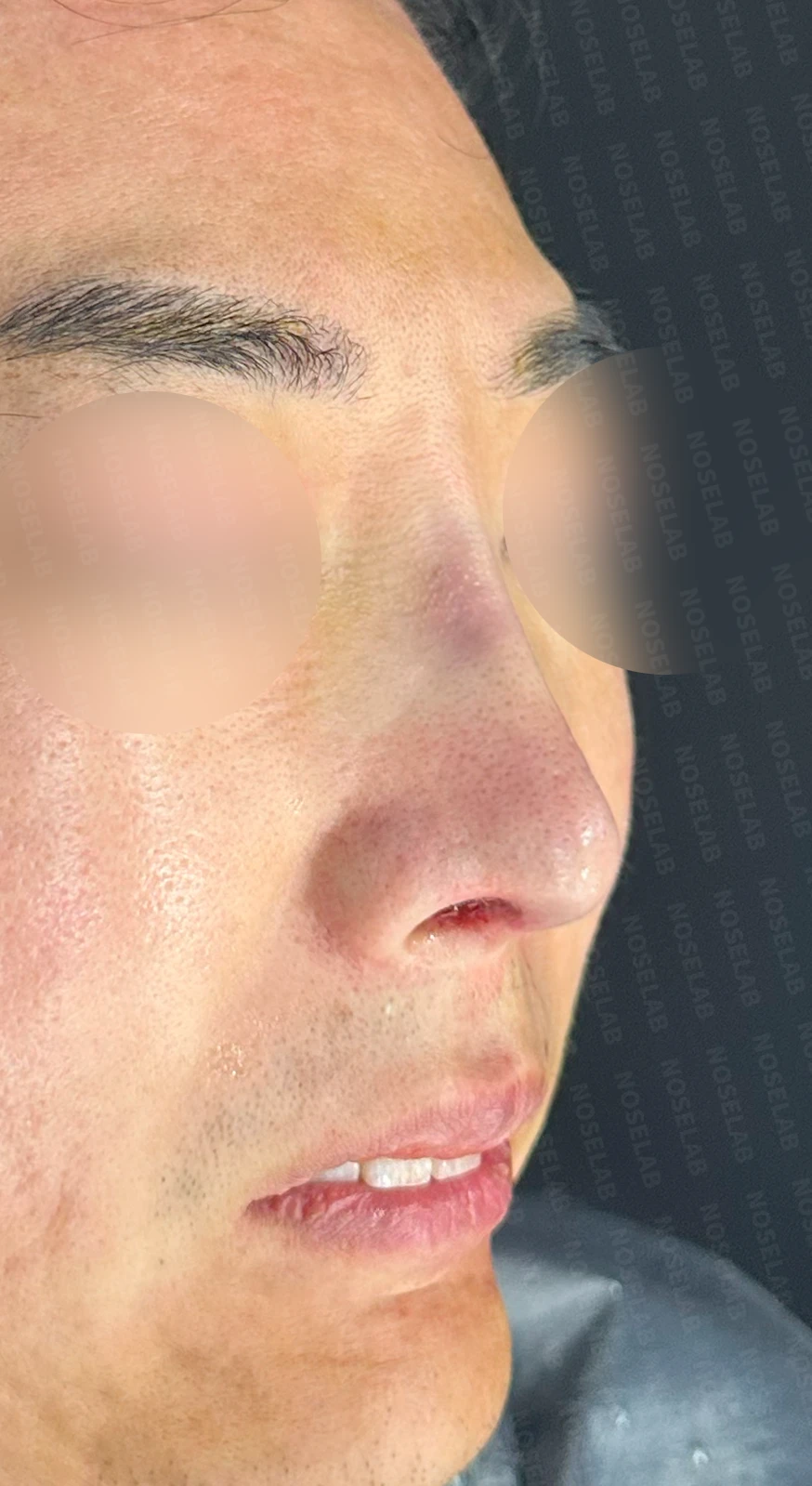
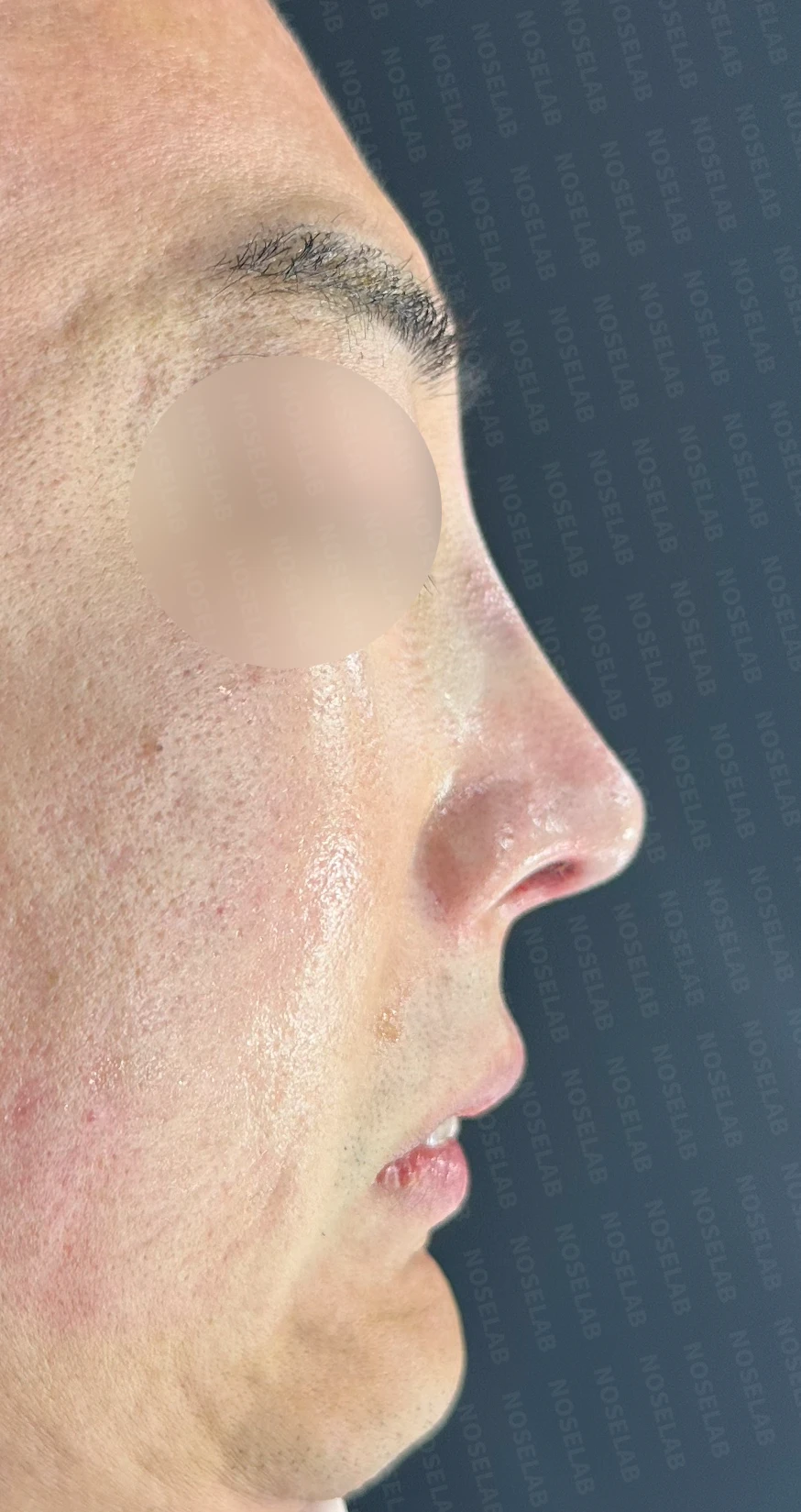
Front, oblique, and profile views on day 0 immediately after surgery Photos taken immediately after surgery show swelling and may differ from the final result.
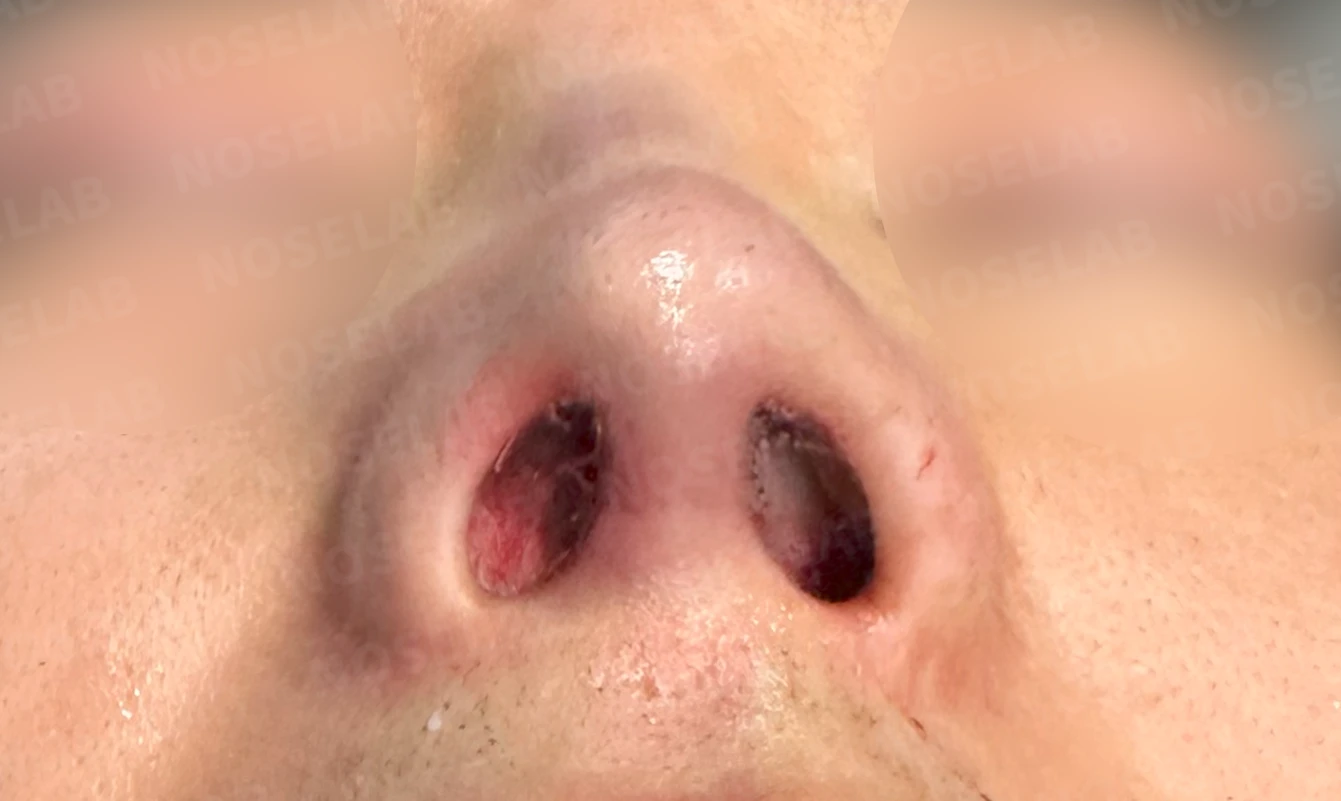
Nostril view on day 0 immediately after surgery Photos taken immediately after surgery show swelling and may differ from the final result.
Key considerations for revision dorsal hump rhinoplasty
Dorsal hump reduction requires a cautious approach. Over-resection can compromise normal nasal structures, leading to asymmetry and nasal obstruction.
In particular, damage to the keystone area compromises nasal stability and can cause future structural deformities.
Therefore, dorsal hump correction requires not just bone and cartilage reduction, but a comprehensive approach that reinforces deficient areas using necessary cartilage and grafts.
I will always do my best to deliver natural results with patient safety in mind.
Conclusion: Natural revision rhinoplasty for a dorsal hump, a well-planned choice
Revision dorsal hump surgery and asymmetry correction require a prudent, precise surgical approach.
Through personalized surgery tailored to individual facial proportions and functional requirements, I am committed to helping patients achieve a natural, refined nasal profile.
Experience dedicated expertise in natural dorsal hump correction and asymmetry improvement planned with safety in mind.
This was Dr. Peter C. Kang. Thank you.
Thank you.
#dorsalhumpcorrection #revisionrhinoplasty #asymmetrycorrection #saddlenosecorrection #septalreconstruction #rhinoplastyrevision #naturalnose #functionalnasalsurgery #rhinoplastyreview #upturnednosecorrection #bridgeline

Limitations and risks
When autologous rib cartilage is used, scarring and pain may remain at the donor site on the chest, and pneumothorax (pleural injury) can occur rarely. Over time, the grafted cartilage may warp or undergo partial resorption.
When the septum is corrected at the same time, nasal obstruction may persist or recur, and in rare cases, septal perforation or changes in smell may occur.
Common potential risks include infection, bleeding, asymmetry, scarring, skin necrosis, and insufficient improvement; results vary depending on individual skin condition and previous surgical history.