Hello, I am Dr. Peter C. Kang.
I would like to introduce the case of a patient whose dorsal hump and crooked nose, caused by calcification of the silicone capsule from surgery 30 years ago, were reconstructed using autologous rib cartilage.
📍Surgical history
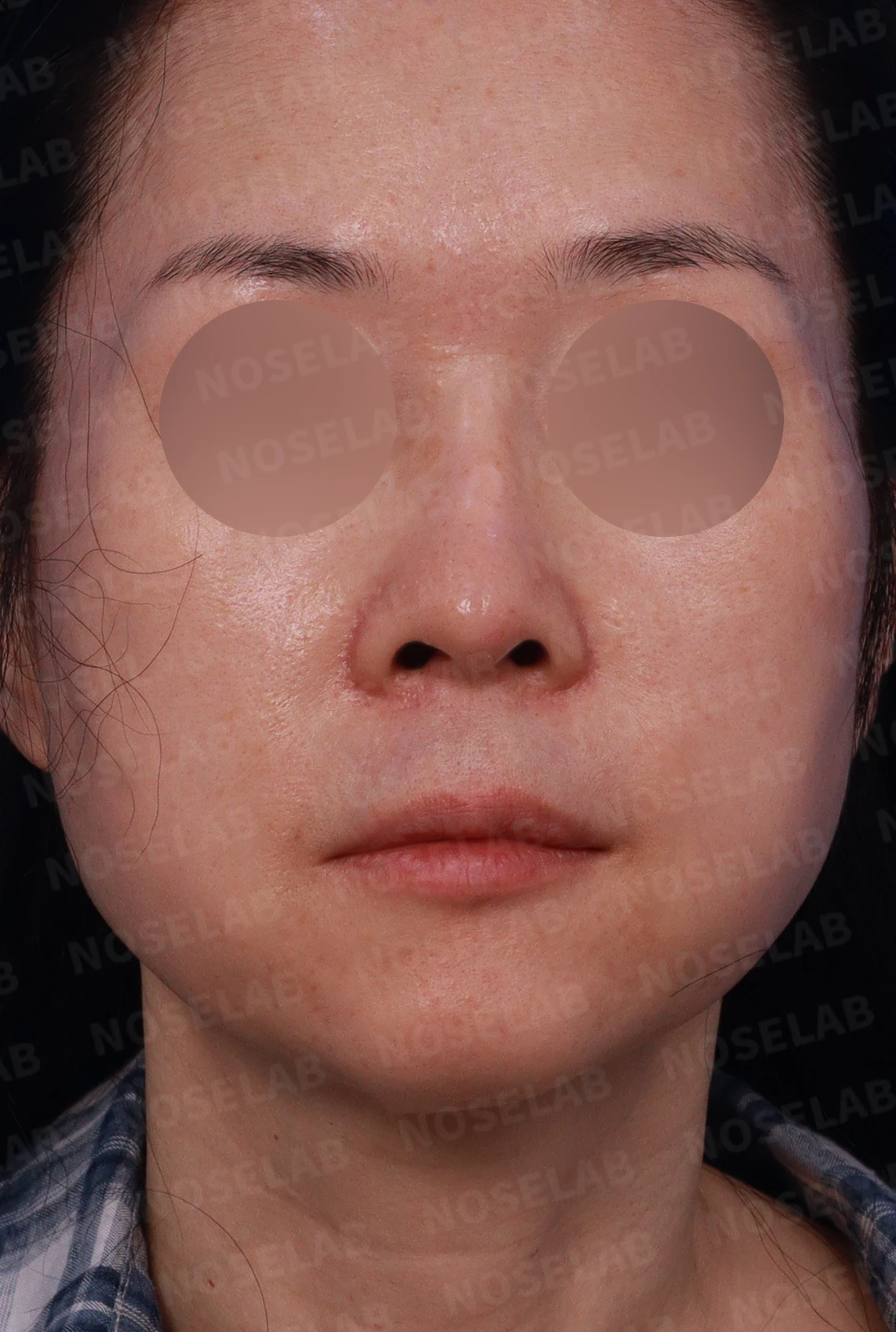
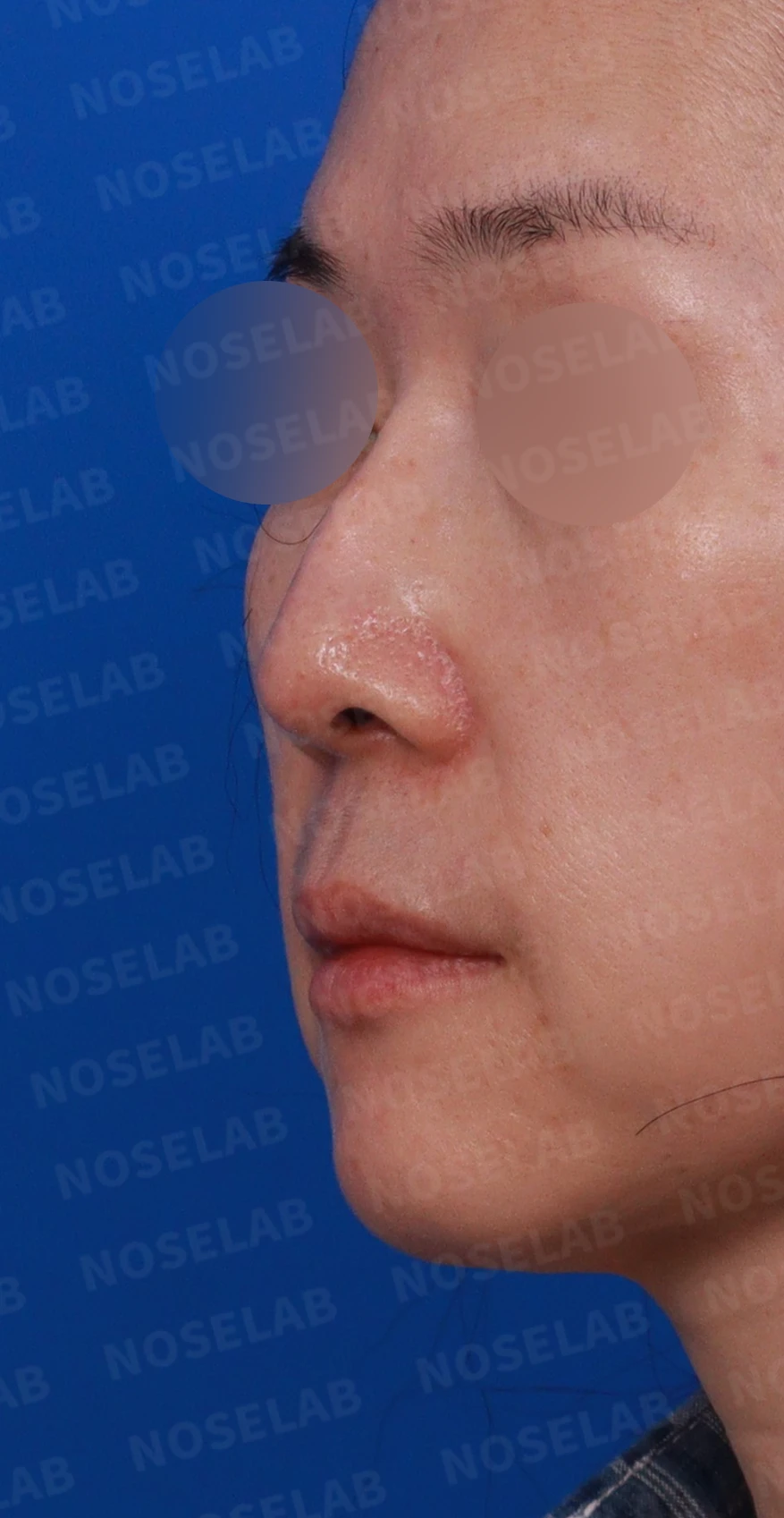
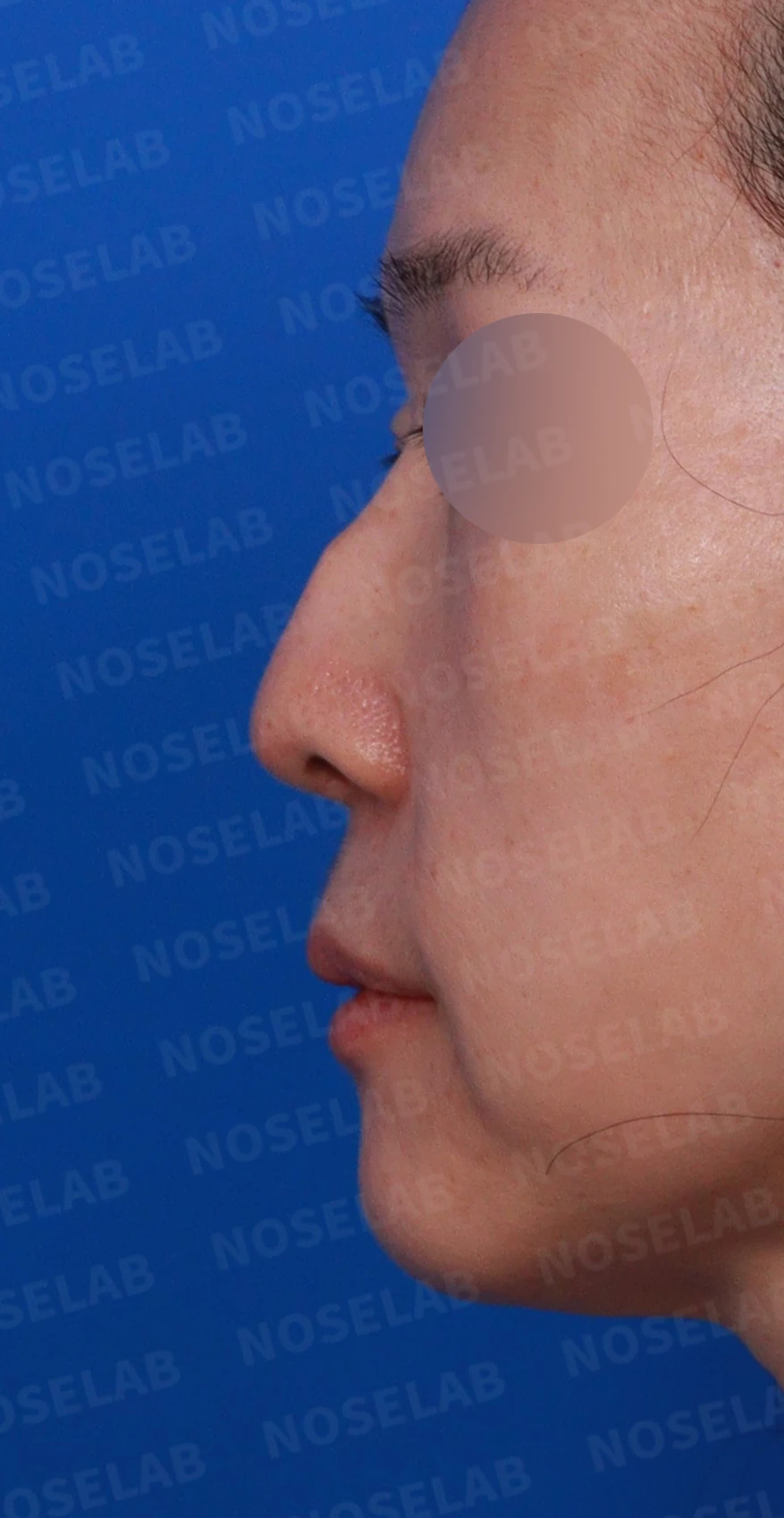
Design consultation: front, left oblique, and profile views.
1991
L-shaped silicone surgery
🔎 Initial consultation findings
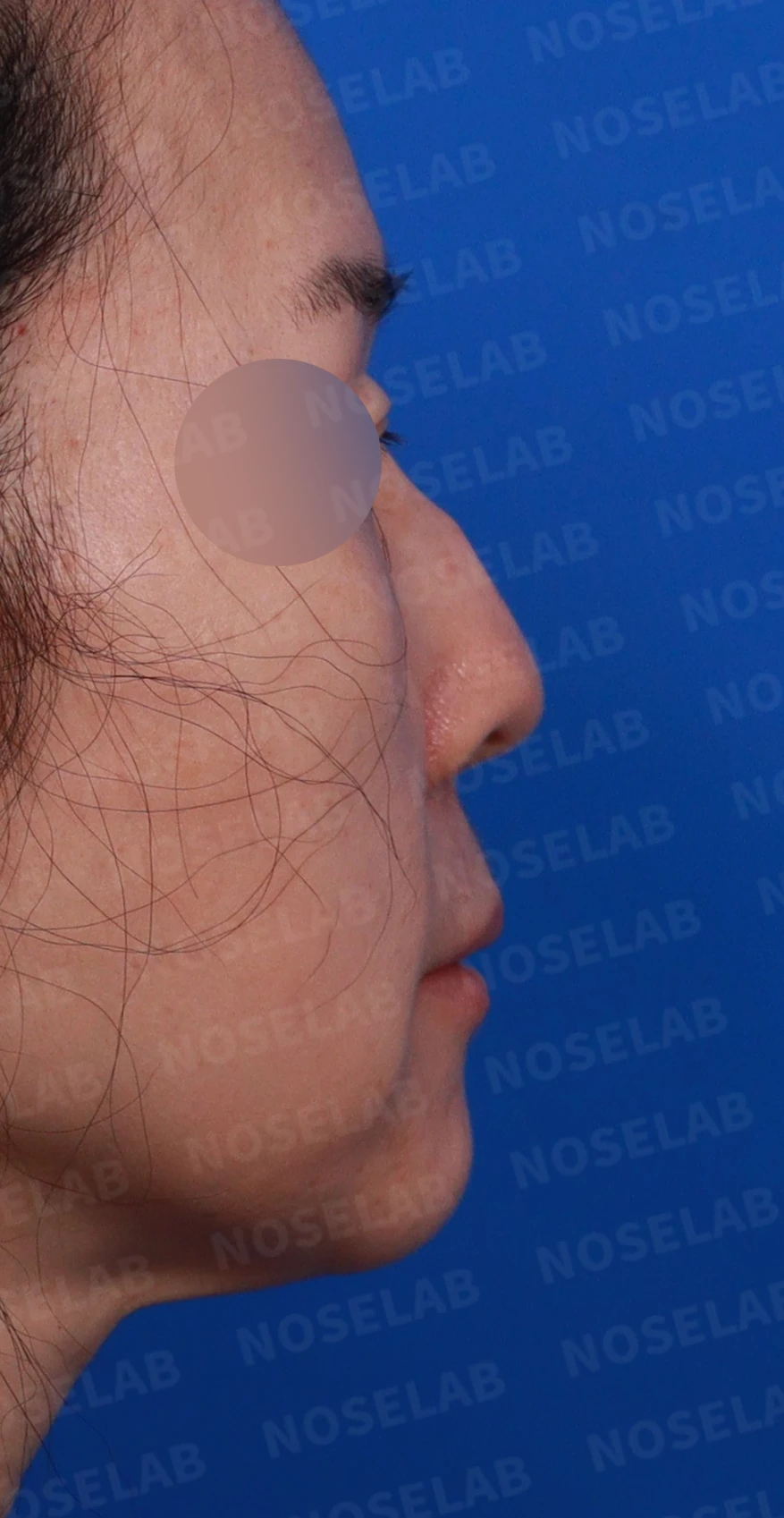
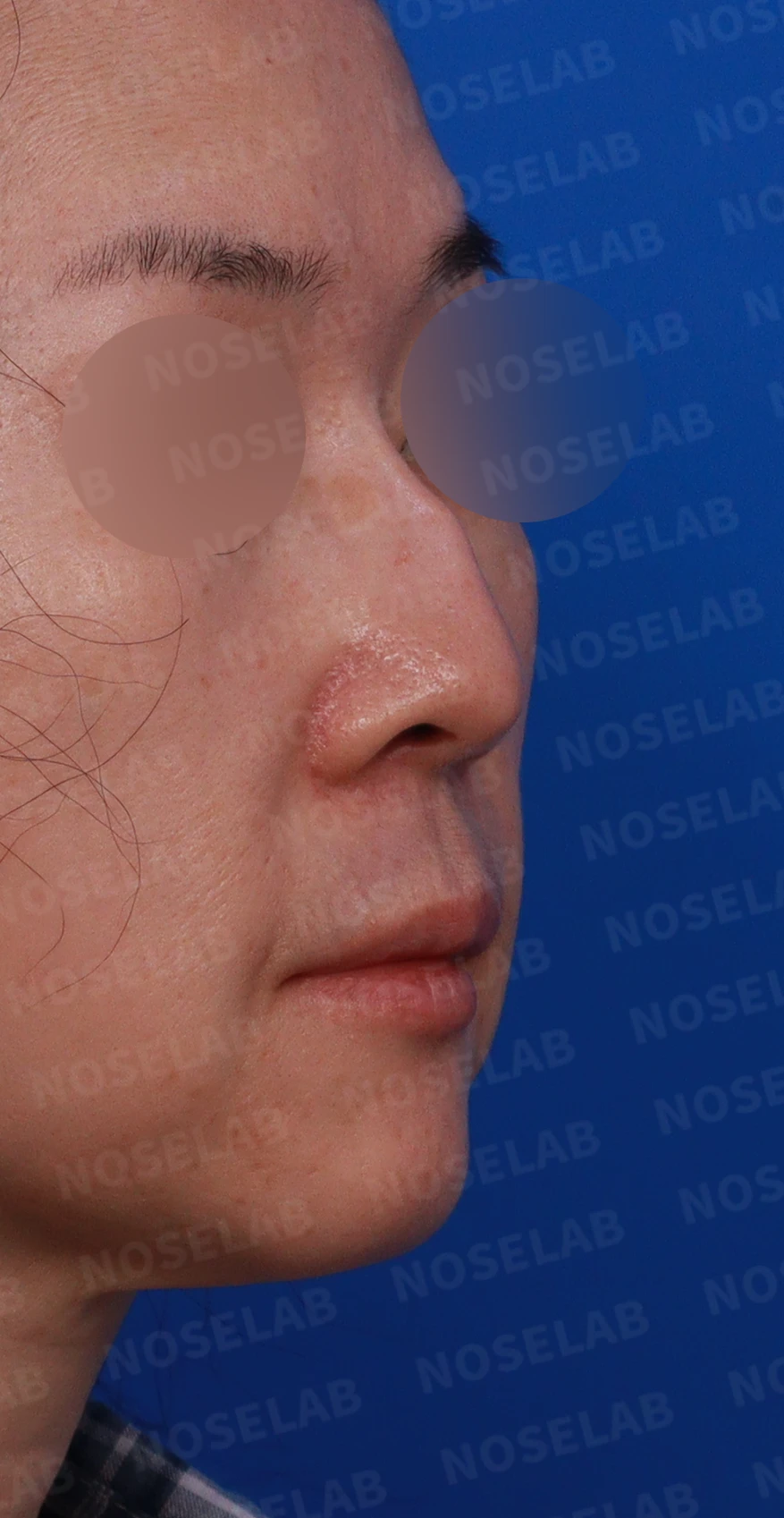
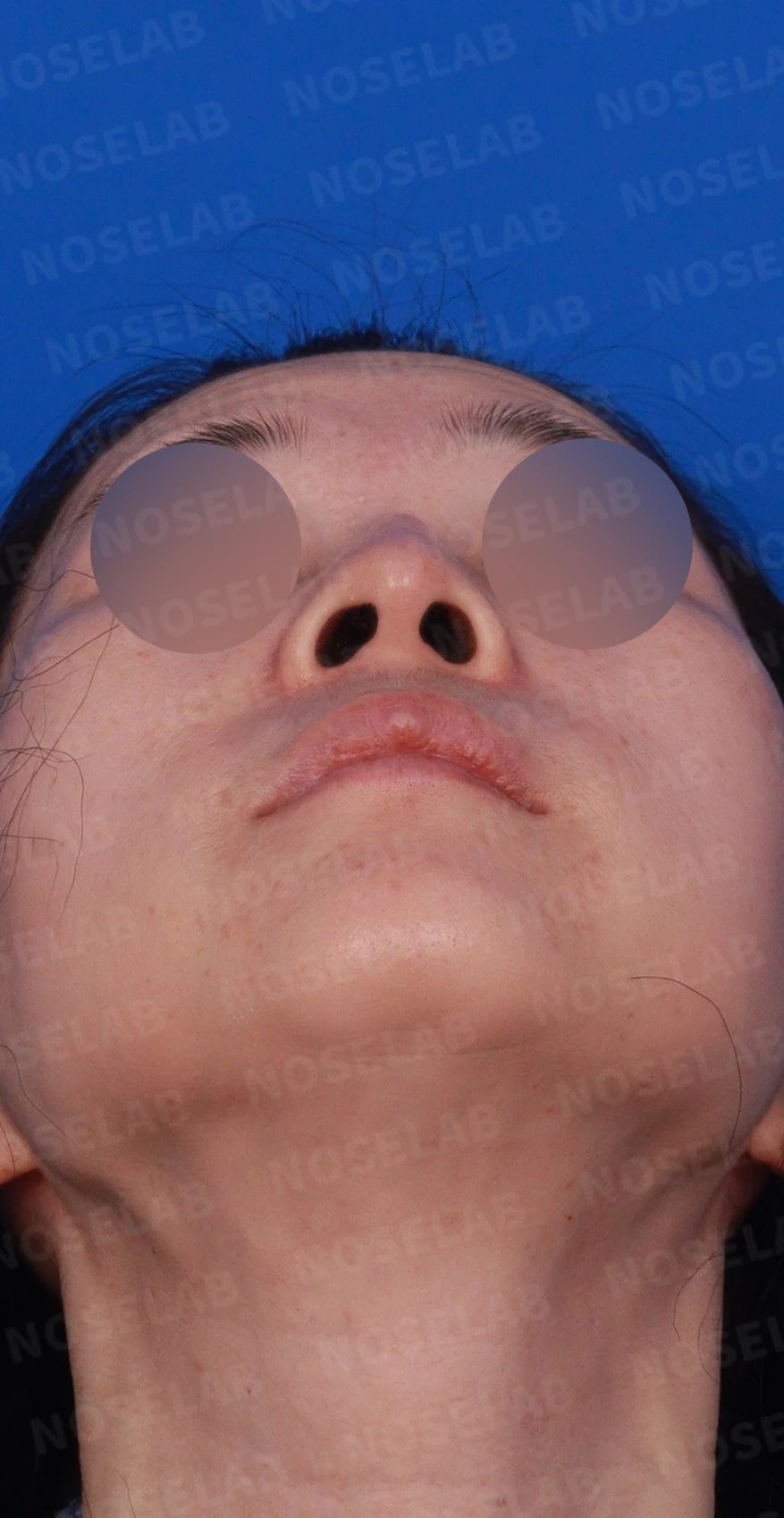
Design consultation: right profile, oblique, and nostril views.
Functional issues
Chronic rhinitis
Aesthetic concerns
Worsened dorsal hump due to silicone capsule calcification
Nose appearing crooked
Drooping tip
Overall unnatural appearance
Diagnosis of key issues
Calcification of the capsule around an L-shaped silicone implant over 30 years old
Dorsal hump formation due to the calcified capsule
Asymmetry and deformity of the overall nasal structure
Persistent tissue compression from the aged implant
Special notes
Tissue changes over a span of 30 years
Anticipated complex removal process due to the calcified capsule
✨ Patient's requests
Natural nose
Improvement of crooked nose
Dorsal hump reduction
Natural yet refined look
Surgical procedure details
Key objective: removal of the calcified capsule
Complete removal of the 30-year-old L-shaped silicone implant
Meticulous removal of the calcified capsule
Debridement of damaged surrounding tissue
Establishing a clean surgical field
Structural reconstruction
Full reconstruction using autologous rib cartilage
Elevating the drooping nasal tip
Complete correction of the dorsal hump
Crooked nose correction
Improvement in shape
Achieving a natural yet refined look
A contour harmonious with the patient's face
Balanced height without being excessive
Refined tip shape
Functional improvement
Relief of breathing discomfort caused by rhinitis
✅ Surgical results
Functional improvement
Marked relief of rhinitis symptoms
Restoration of smooth breathing function
Front view
Crooked nose completely corrected
Natural bridge line
Balanced overall facial proportions
Dorsal hump cleanly resolved
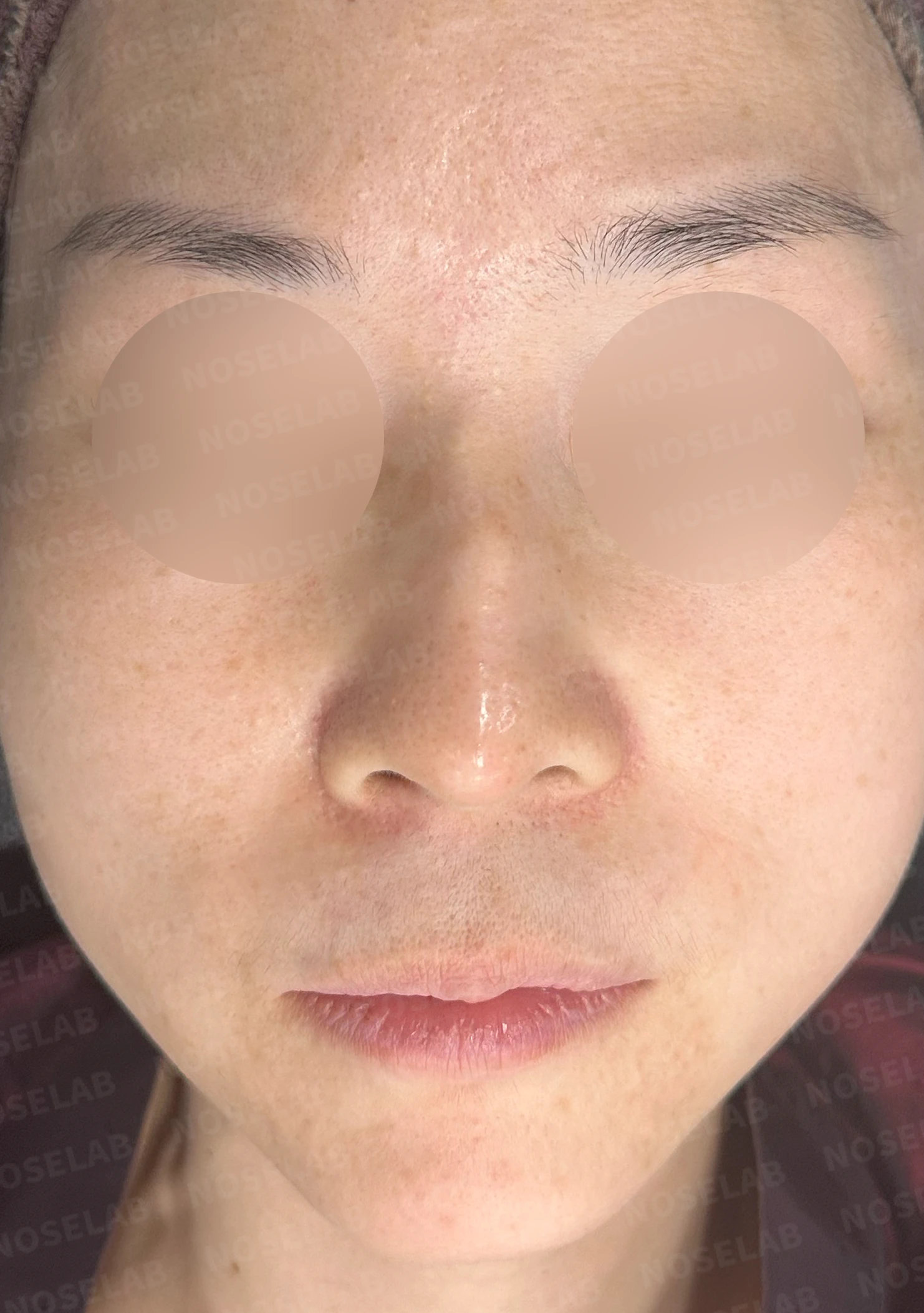
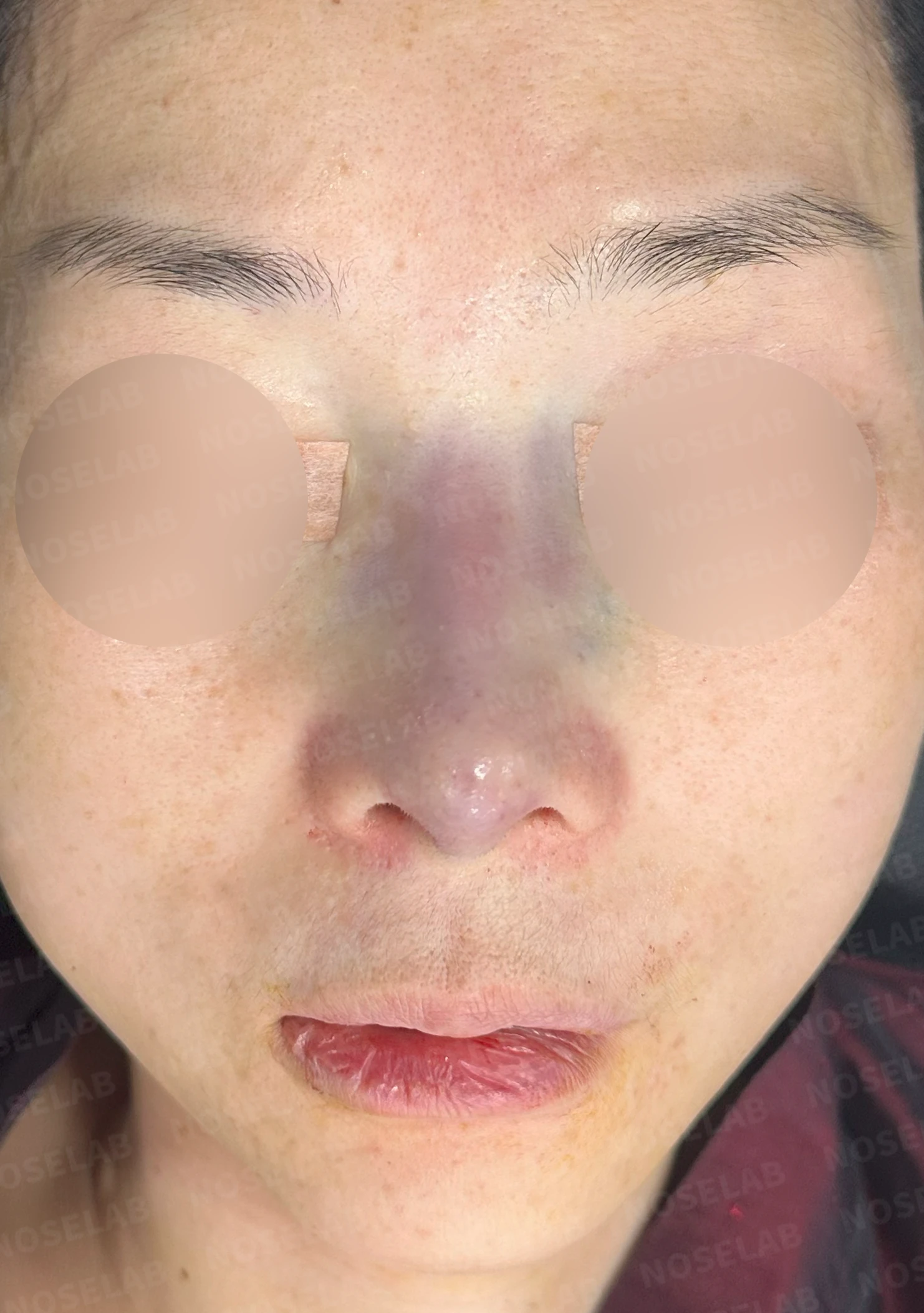
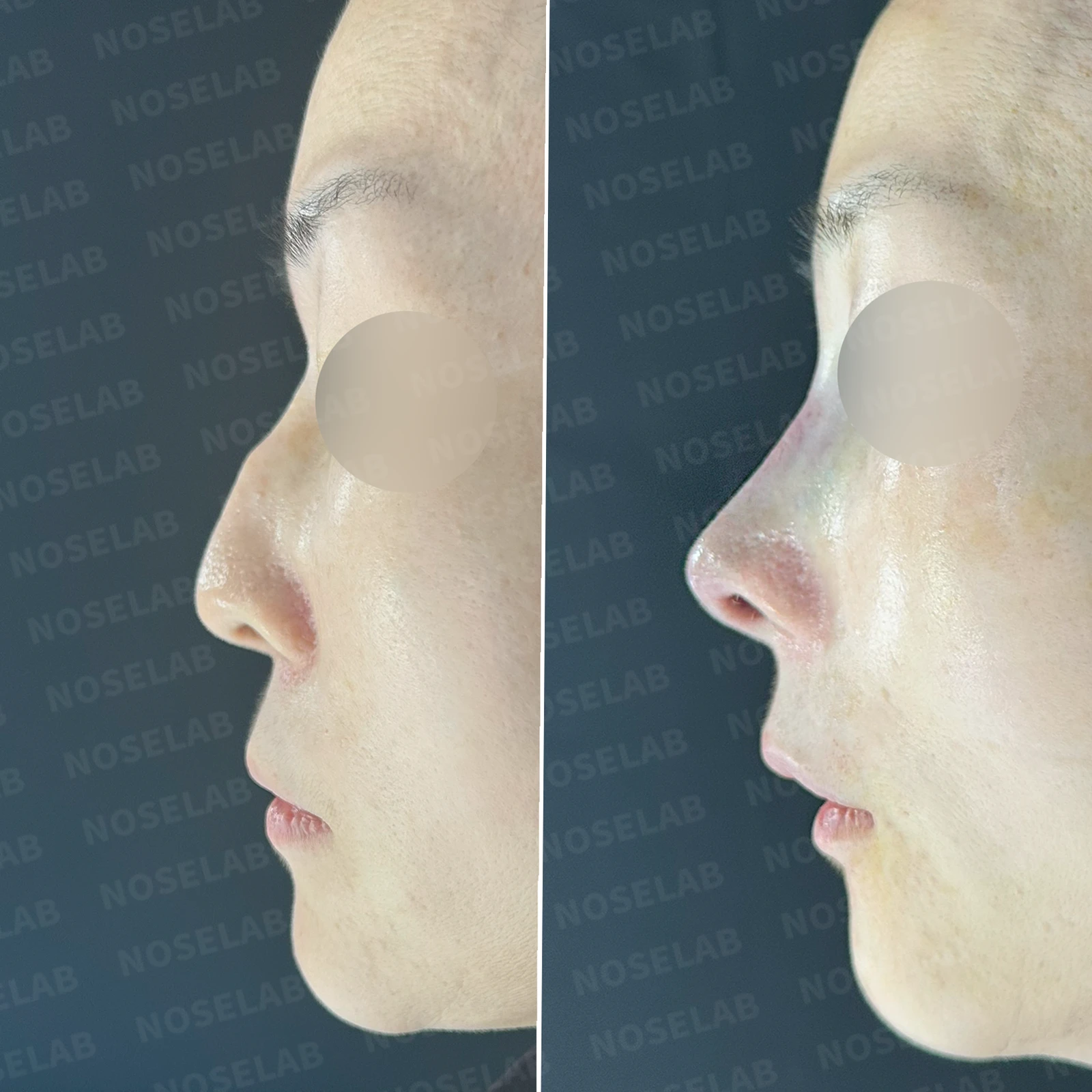
Before surgery / Day 0 immediately after surgery Photos taken immediately after surgery show swelling and may differ from the final result.
Profile view
Elevated, well-defined nasal tip
Smooth and refined nasal line
Natural hump correction
Harmonious facial profile
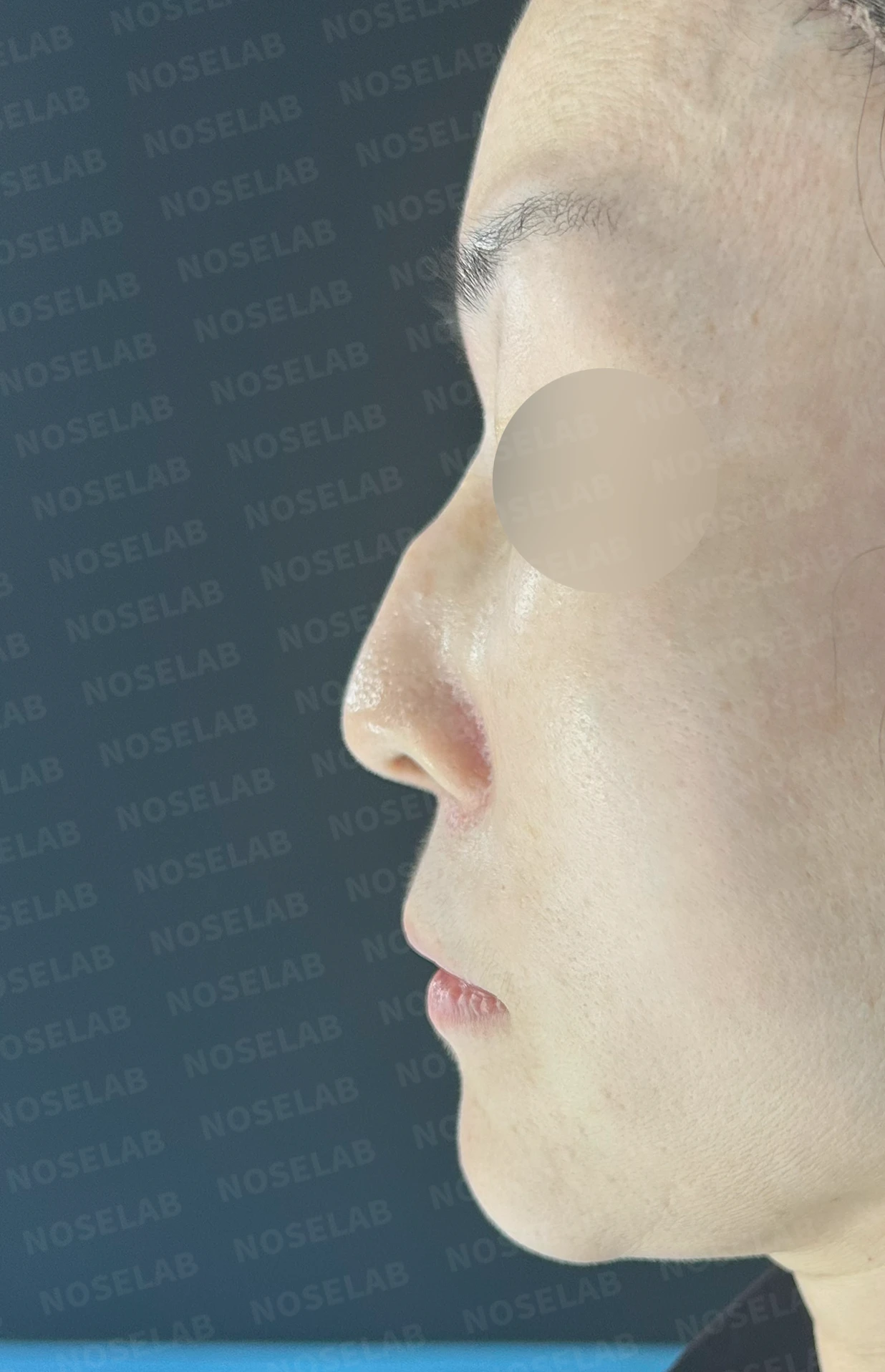
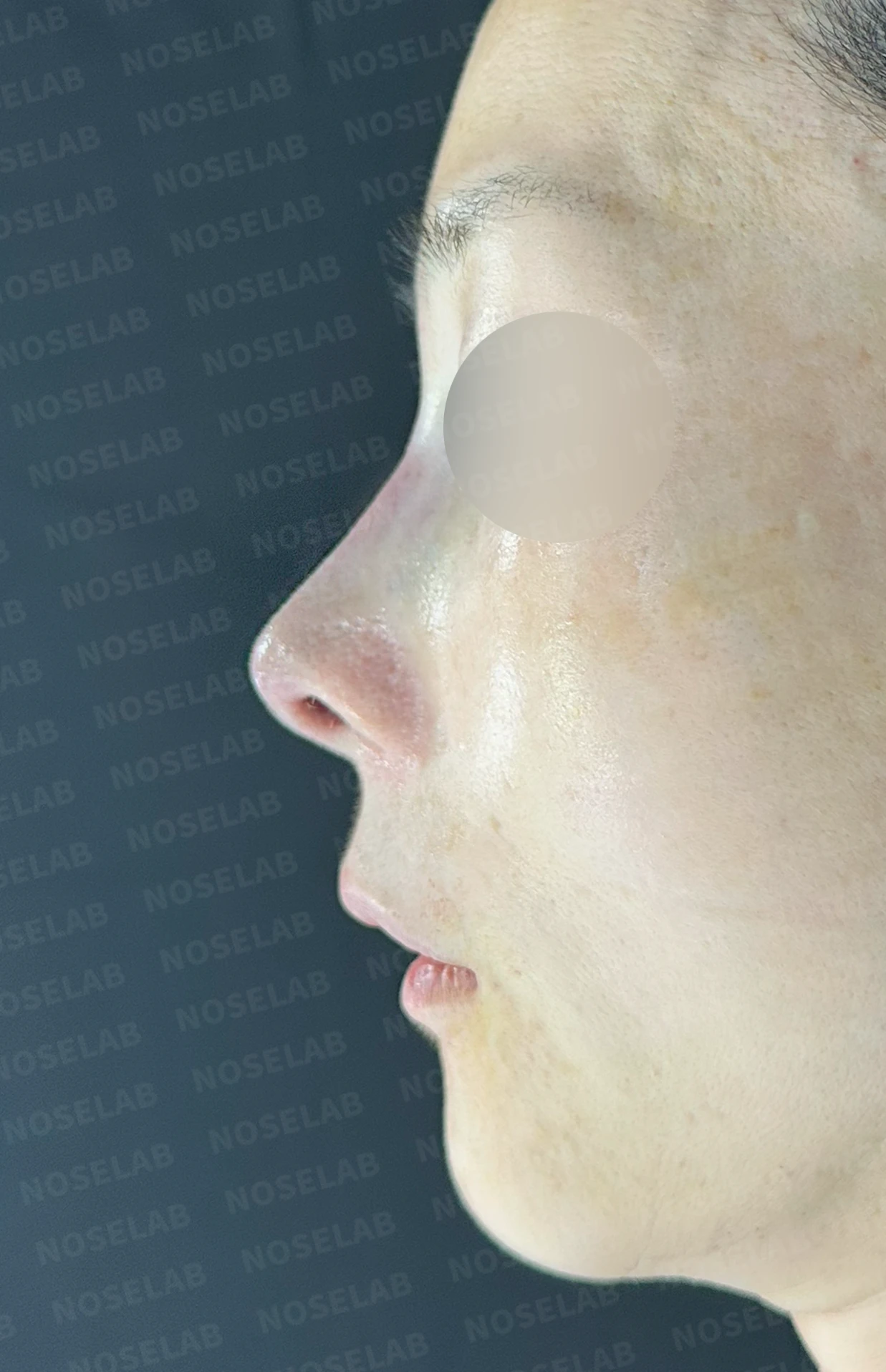
Before surgery / Day 0 immediately after surgery Photos taken immediately after surgery show swelling and may differ from the final result.
Overall changes
Naturally defined, prominent nose
Complete resolution of a 30-year-old problem
Youthful and sophisticated appearance
Ideal nasal shape desired by the patient
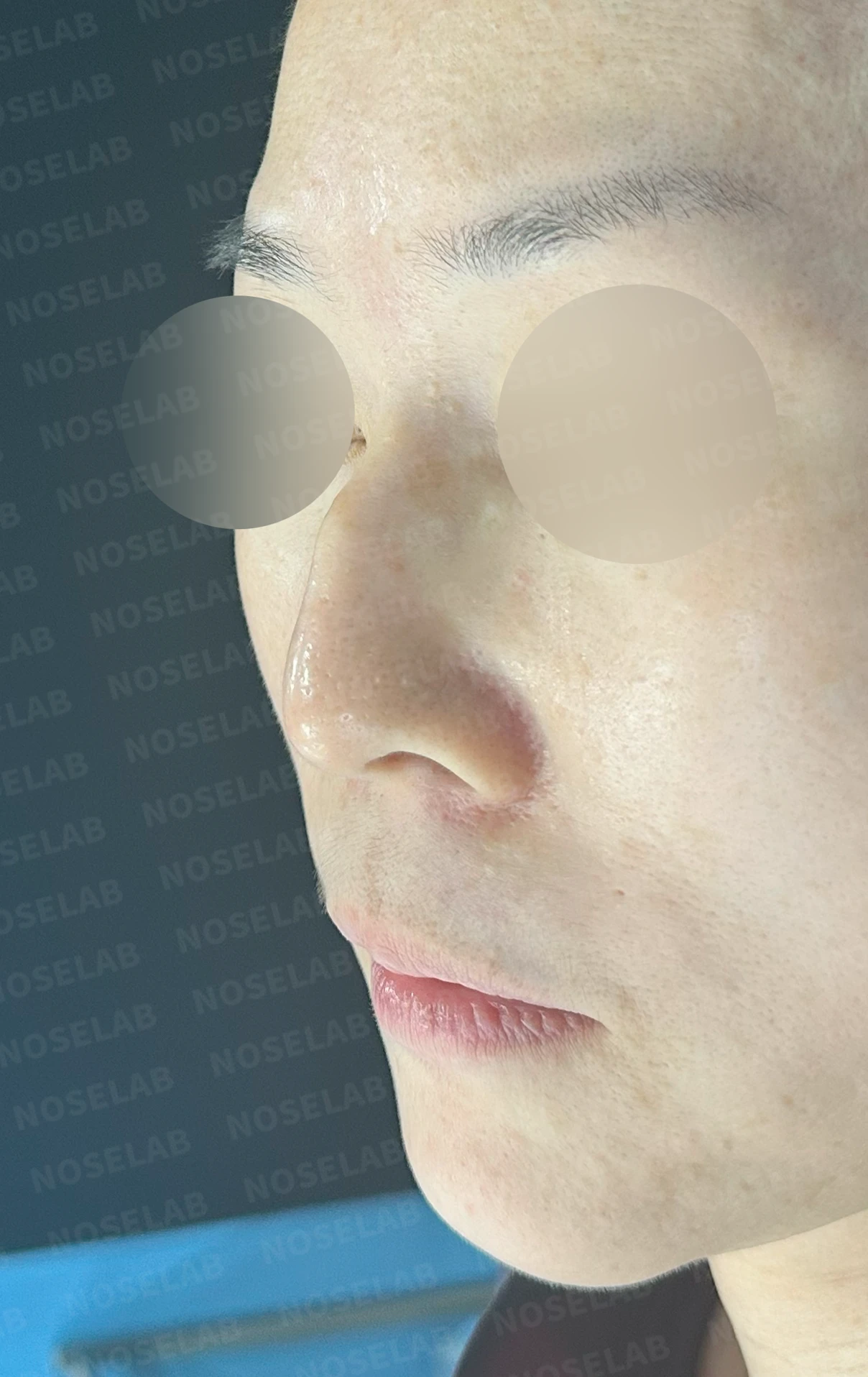
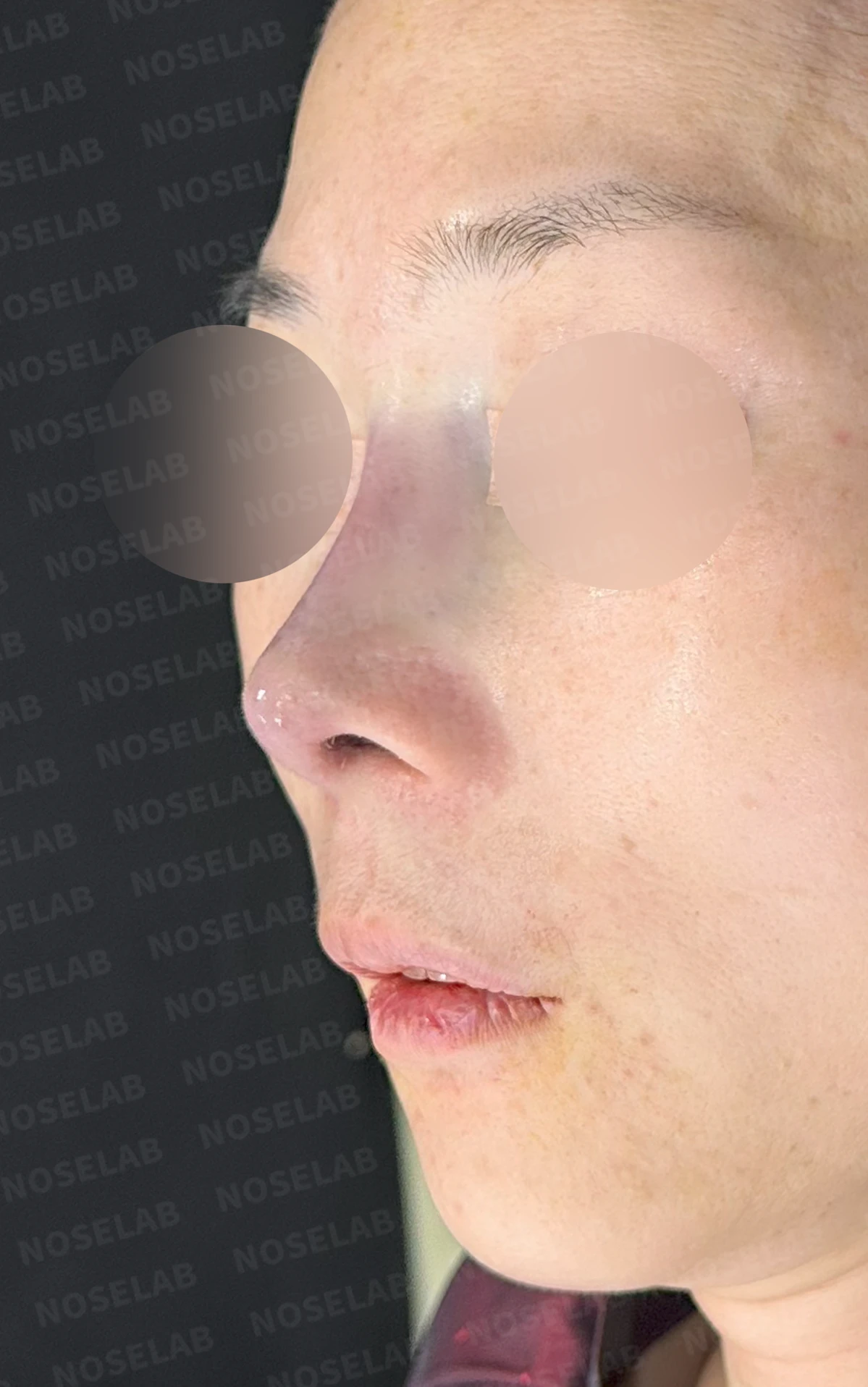
Before surgery / Day 0 immediately after surgery Photos taken immediately after surgery show swelling and may differ from the final result.
Long-term stability
Long-term stability using autologous rib cartilage
Eliminated risk of recurrent capsule calcification
Adaptation to natural aging
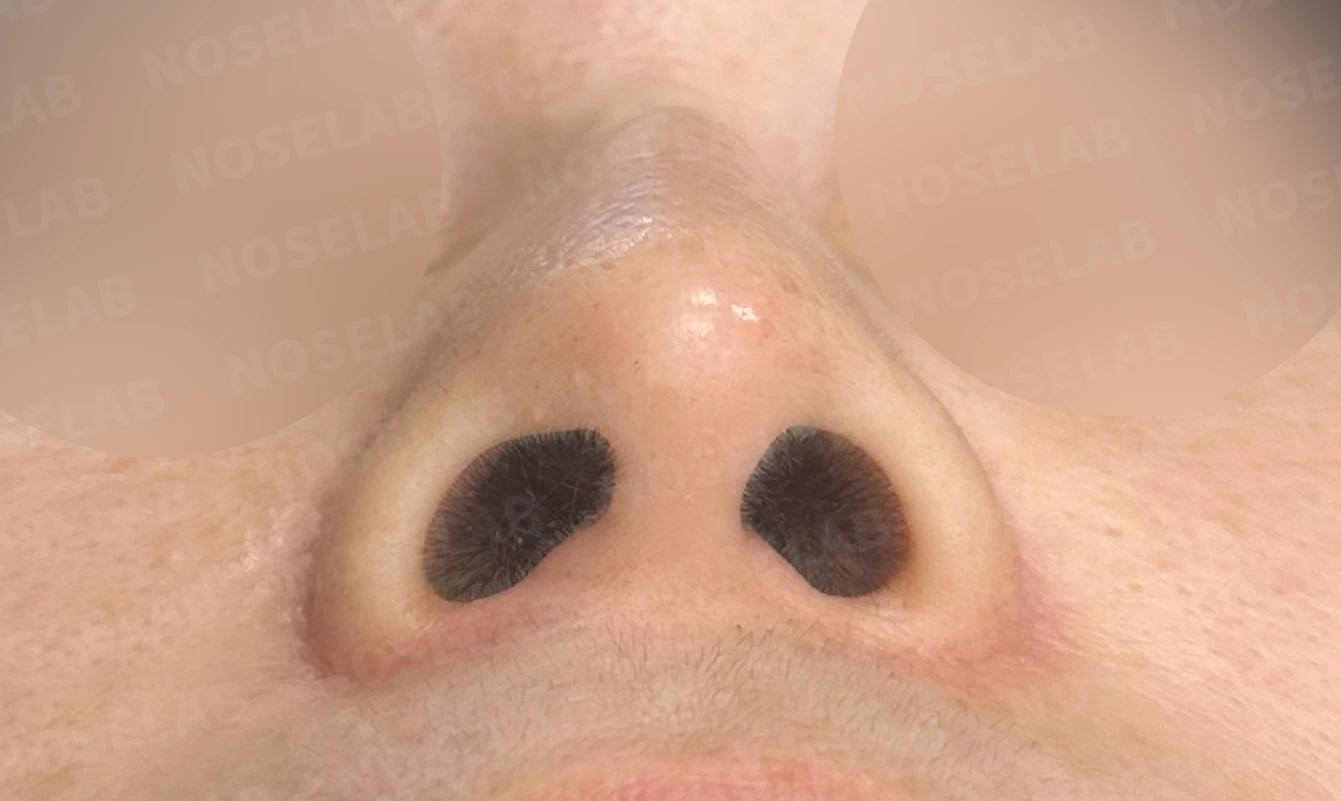
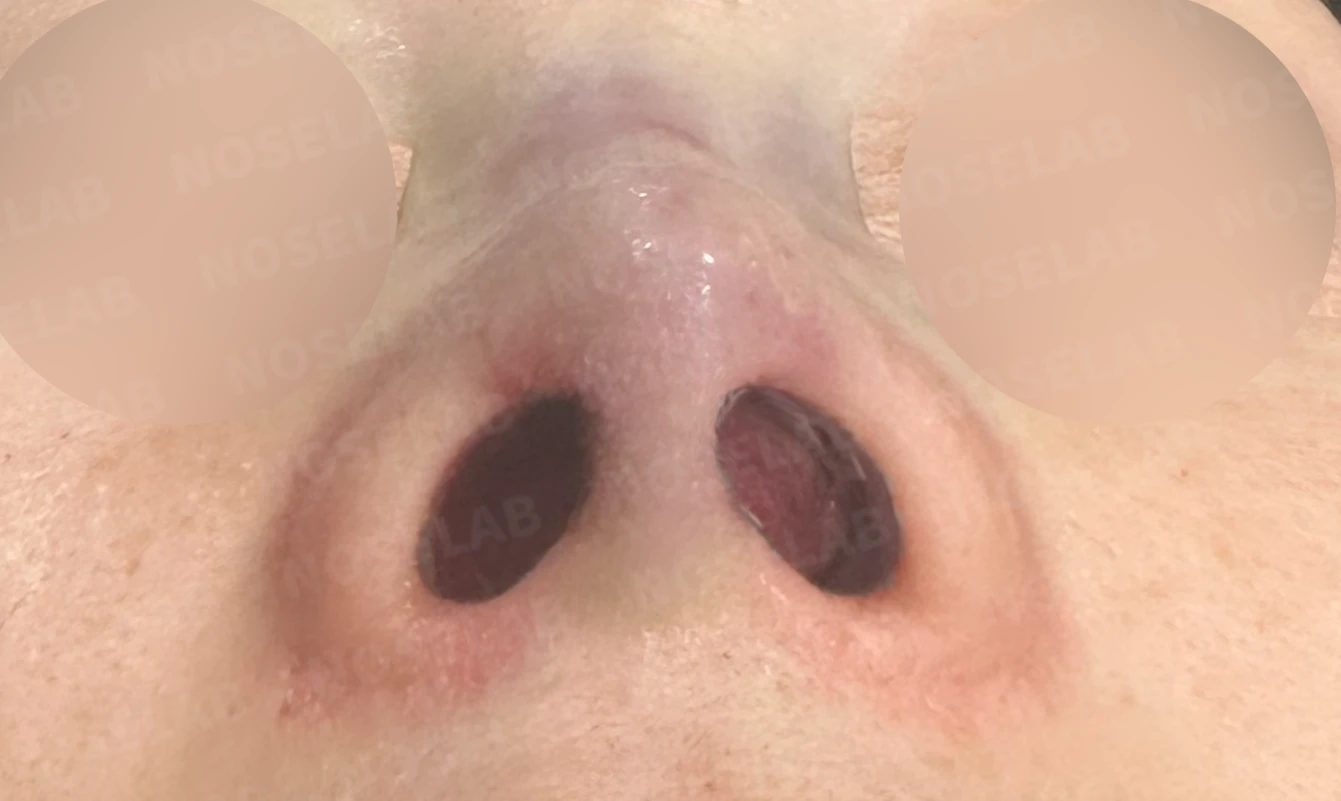
Before surgery / Day 0 immediately after surgery Photos taken immediately after surgery show swelling and may differ from the final result.
👨⚕️ Specialist's assessment
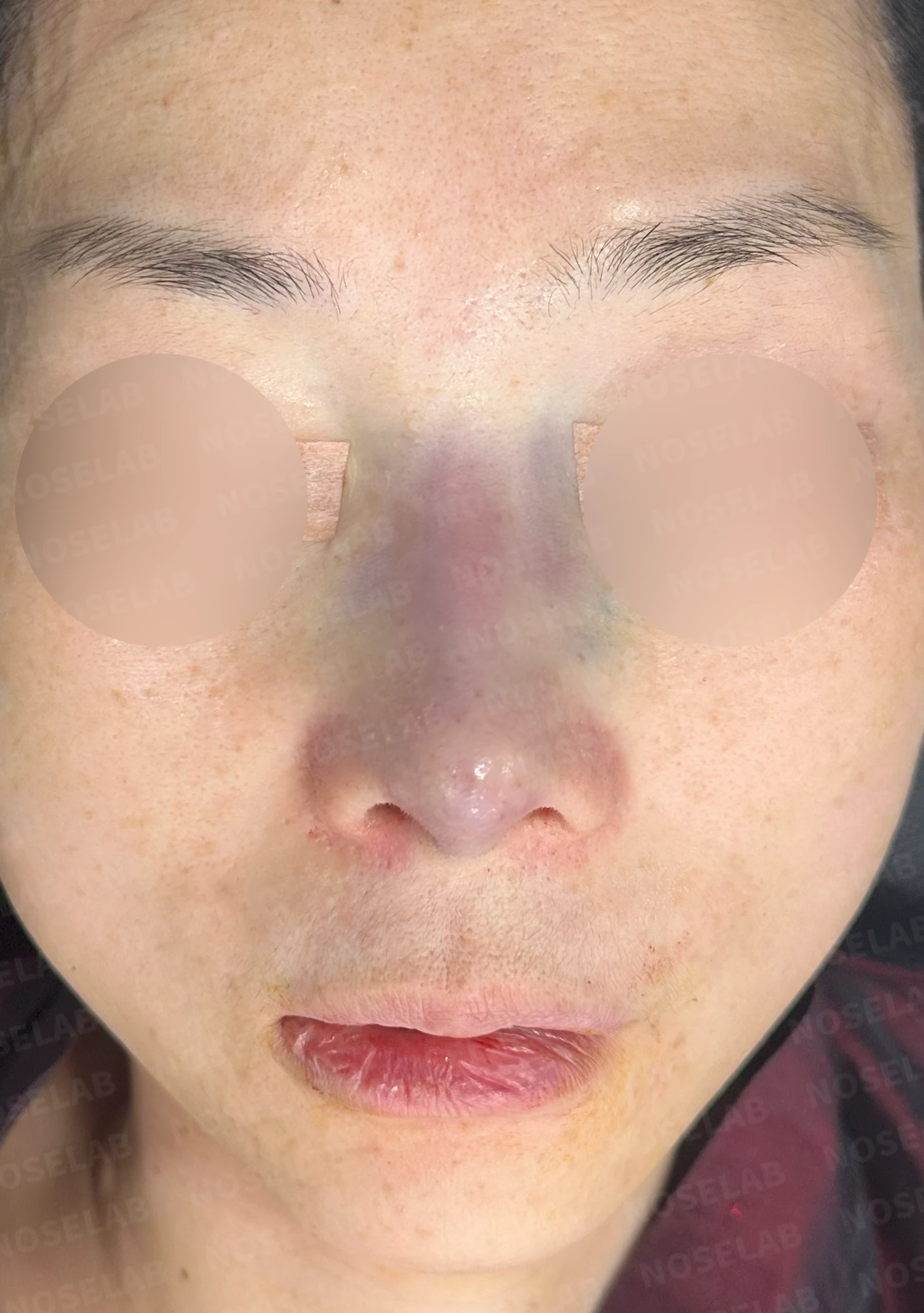
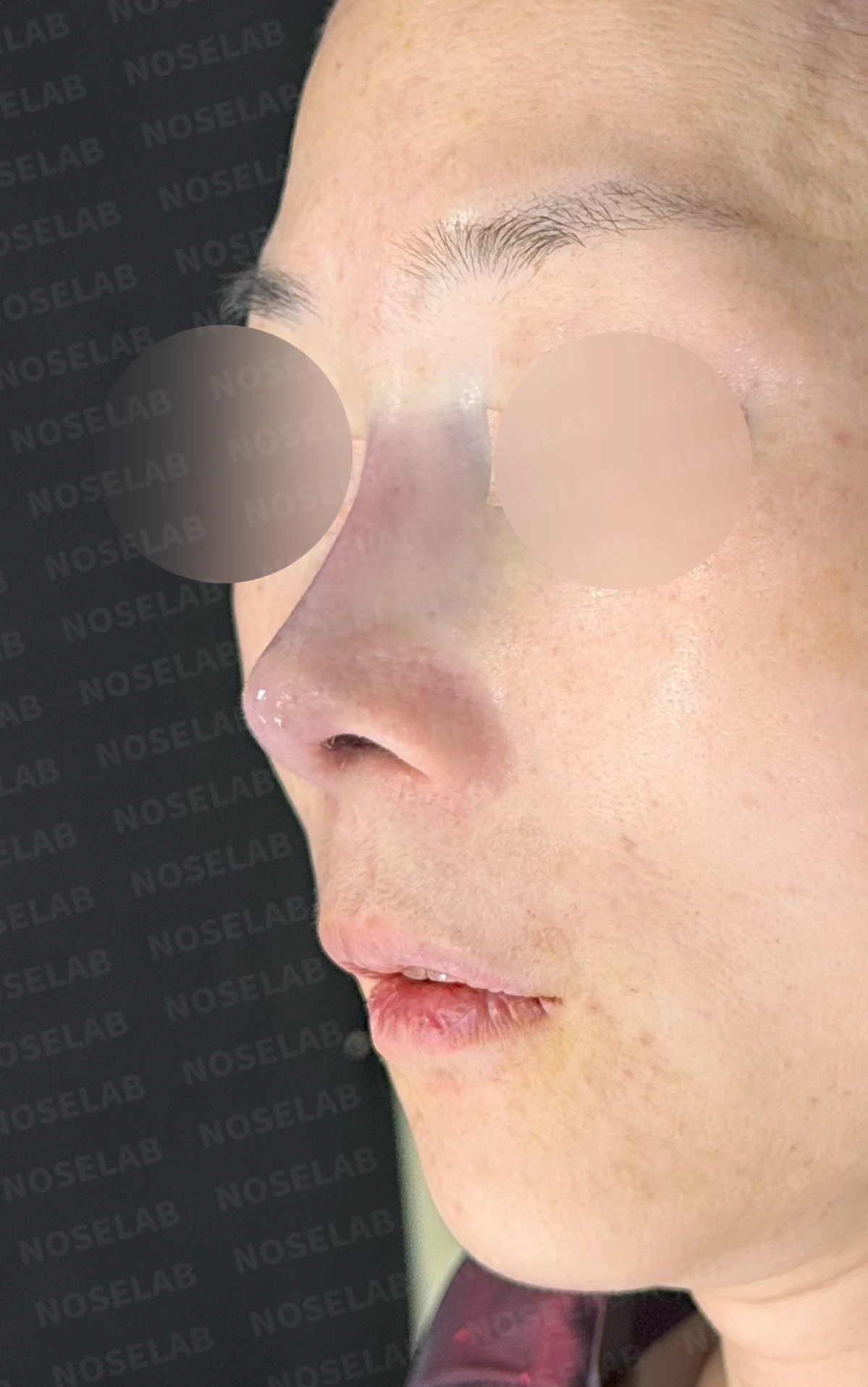
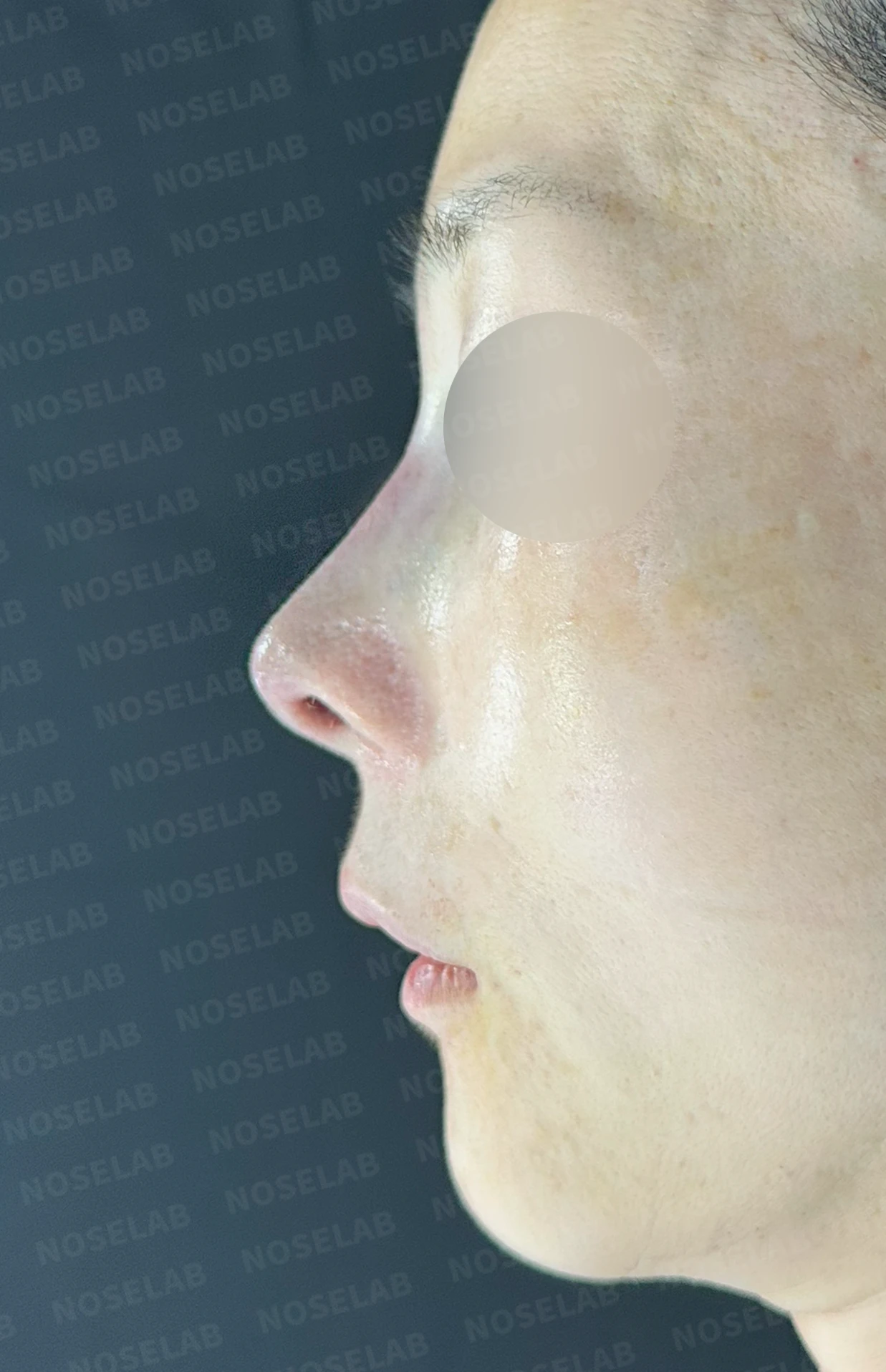
Immediately after surgery (day 0): front, oblique, and profile views. Immediate postoperative photos show swelling and may differ from the final result.
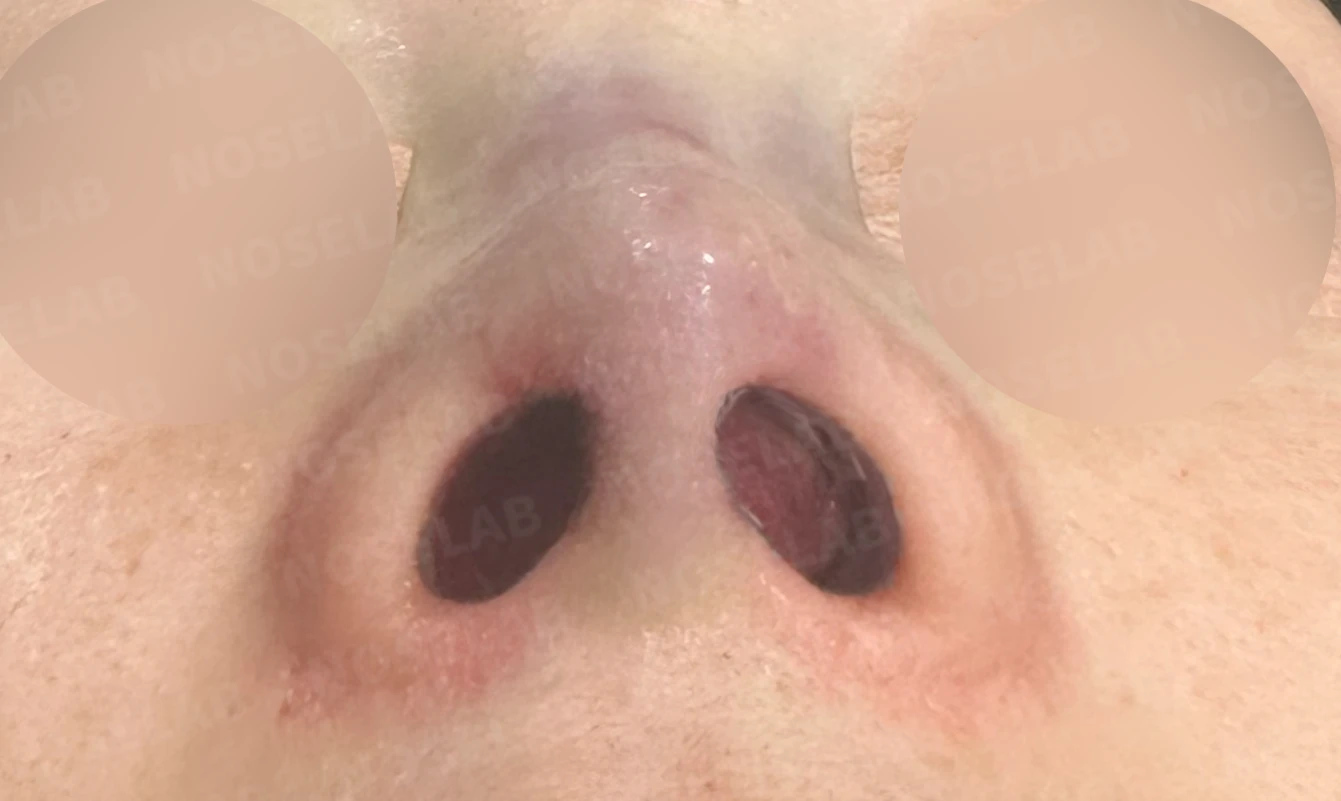
Nostril view on day 0 immediately after surgery. Photos taken immediately after surgery show swelling and may differ from the final result.
This case was a complex revision rhinoplasty addressing long-term complications from an L-shaped silicone implant placed 30 years ago. In particular, it was a very unique presentation where the capsule formed around the silicone had calcified, worsening the dorsal hump and causing the nose to appear crooked.
After a silicone implant is inserted into the body, a capsule naturally forms around it over time. In most cases, this capsule does not cause major problems; however, over the course of 30 years, calcification of the capsule occurred in this patient.
As the calcified capsule hardened, it protruded in the form of a dorsal hump, while also affecting the overall symmetry of the nose and giving it a crooked appearance. This was not an issue that could be resolved simply by removing the implant; it required a complex procedure to meticulously remove the calcified capsule as well.
The most crucial step in surgery was completely removing the 30-year-old L-shaped silicone implant and the calcified capsule. Dissecting an implant and capsule that have been integrated with surrounding tissue for decades demands highly delicate technique, ensuring thorough removal while minimizing trauma to adjacent tissues.
After removal, the compromised structure had to be reconstructed. Using autologous rib cartilage, the drooping nasal tip was elevated and projected, and the dorsal hump was fully corrected to achieve the natural yet refined look the patient wanted.
The greatest advantage of autologous rib cartilage is that, because it is the patient's own tissue, there is minimal risk of rejection or foreign body capsule formation. In addition, it provides robust structural support, which supports a stable result over the long term.
Because the patient had rhinitis, functional improvements were addressed simultaneously.
As a result, the issues that had persisted for 30 years were addressed at their root. The dorsal hump caused by the calcified capsule was completely eliminated, the crooked nose was naturally aligned, and the drooping tip was elevated to create the natural and refined nasal contour the patient had hoped for.
This case demonstrated that even long-term complications from aged implants can be thoroughly resolved through accurate diagnosis and systematic reconstruction. The patient was very pleased that concerns lasting for 30 years were resolved through this single surgery.
This was Dr. Peter C. Kang. Thank you.
Thank you.
#closedrhinoplasty #siliconeremoval #autologousribcartilage #capsulecalcification #dorsalhumpcorrection #crookednosecorrection

Limitations and risks
When autologous rib cartilage is used, scarring and pain may remain at the donor site on the chest, and pneumothorax (pleural injury) can occur rarely. Over time, the grafted cartilage may warp or undergo partial resorption.
When revising after implant removal, contracture may progress again after removal, the nasal height and length may decrease, and staged surgery may be necessary depending on the skin condition.
Common potential risks include infection, bleeding, asymmetry, scarring, skin necrosis, and insufficient improvement; results vary depending on individual skin condition and previous surgical history.