Hello, I am Dr. Peter C. Kang.
Today, I would like to introduce a revision rhinoplasty case of a patient who desired a slim and prominent nasal appearance.
🔍 Surgical history
This was the patient's first rhinoplasty.
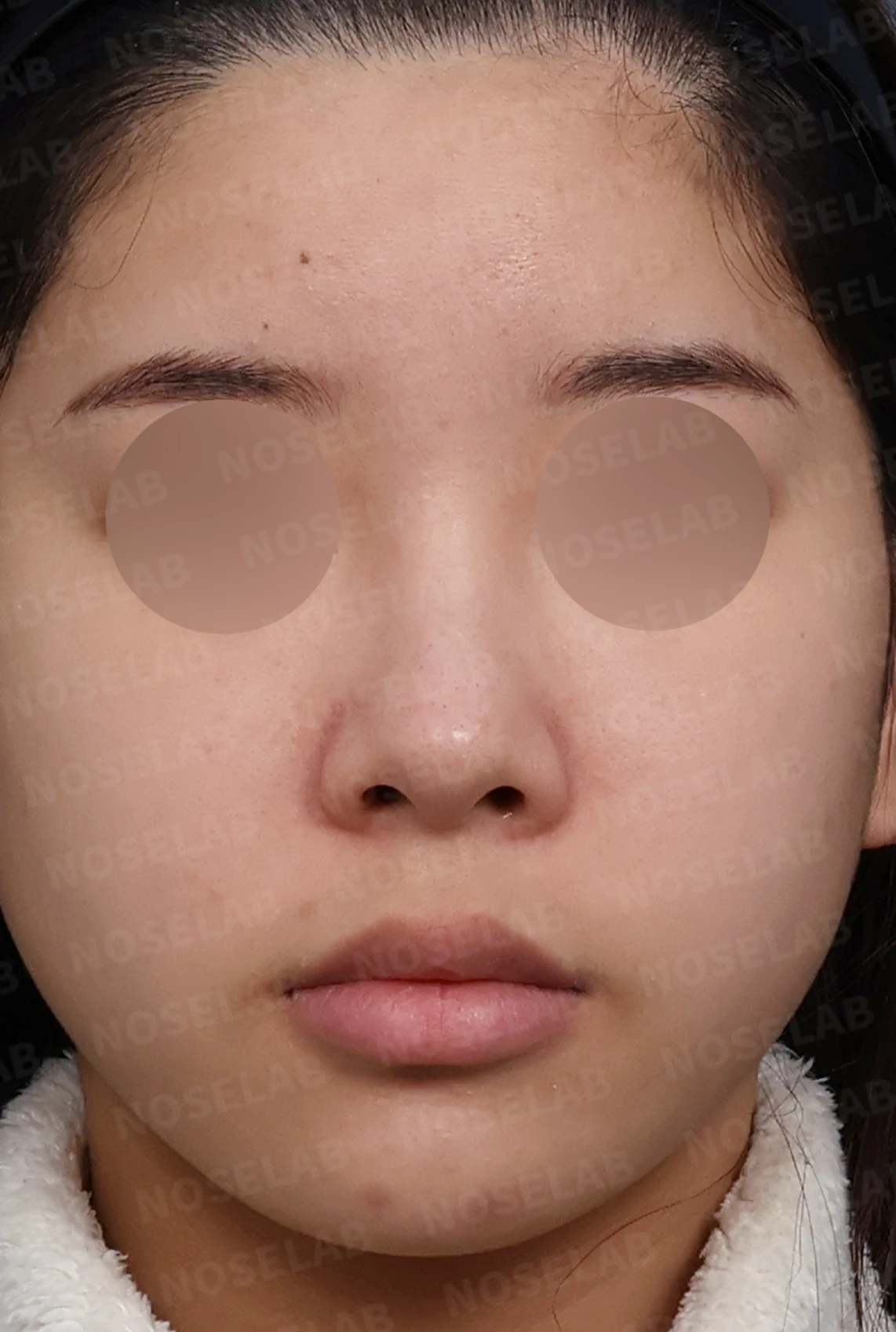
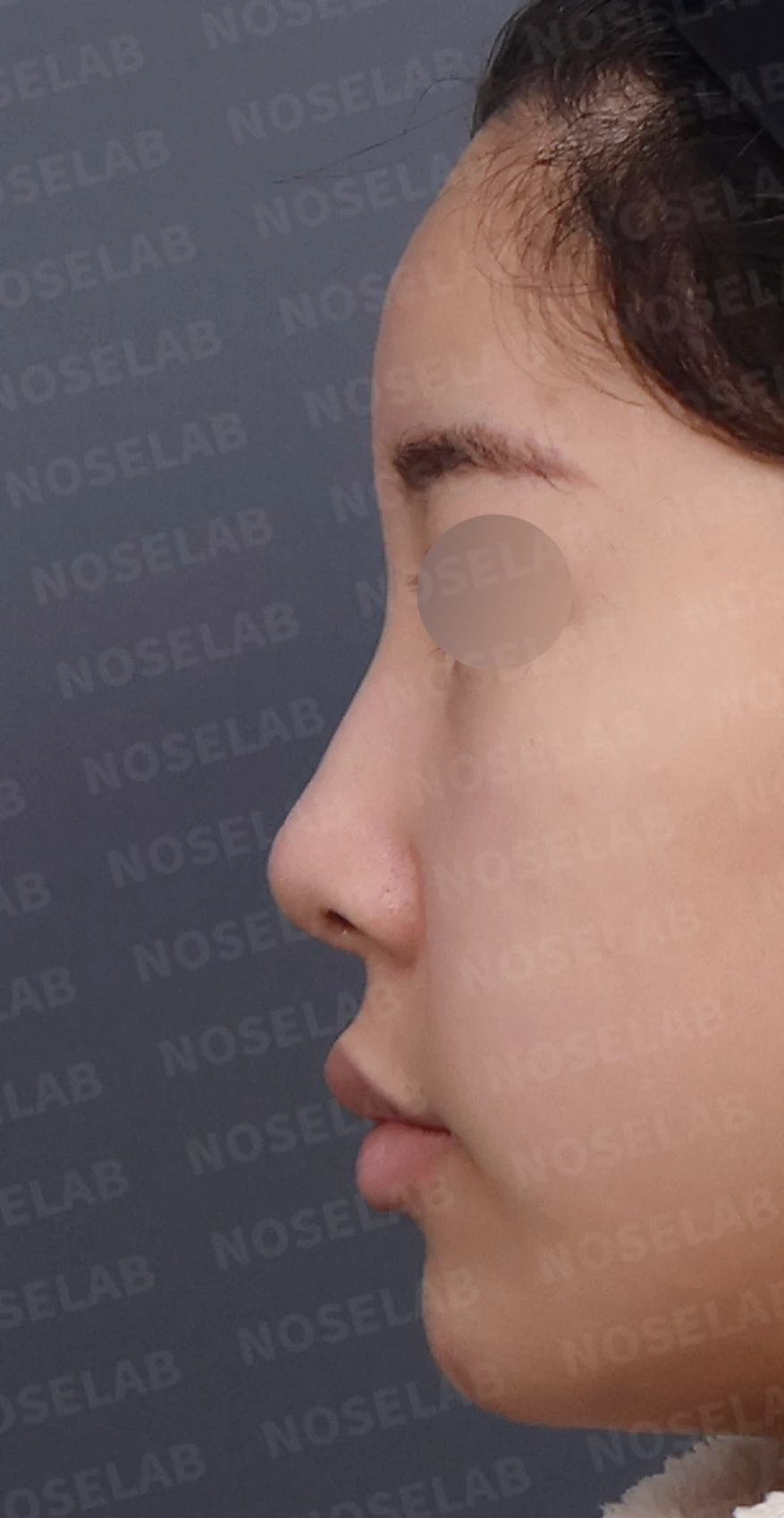
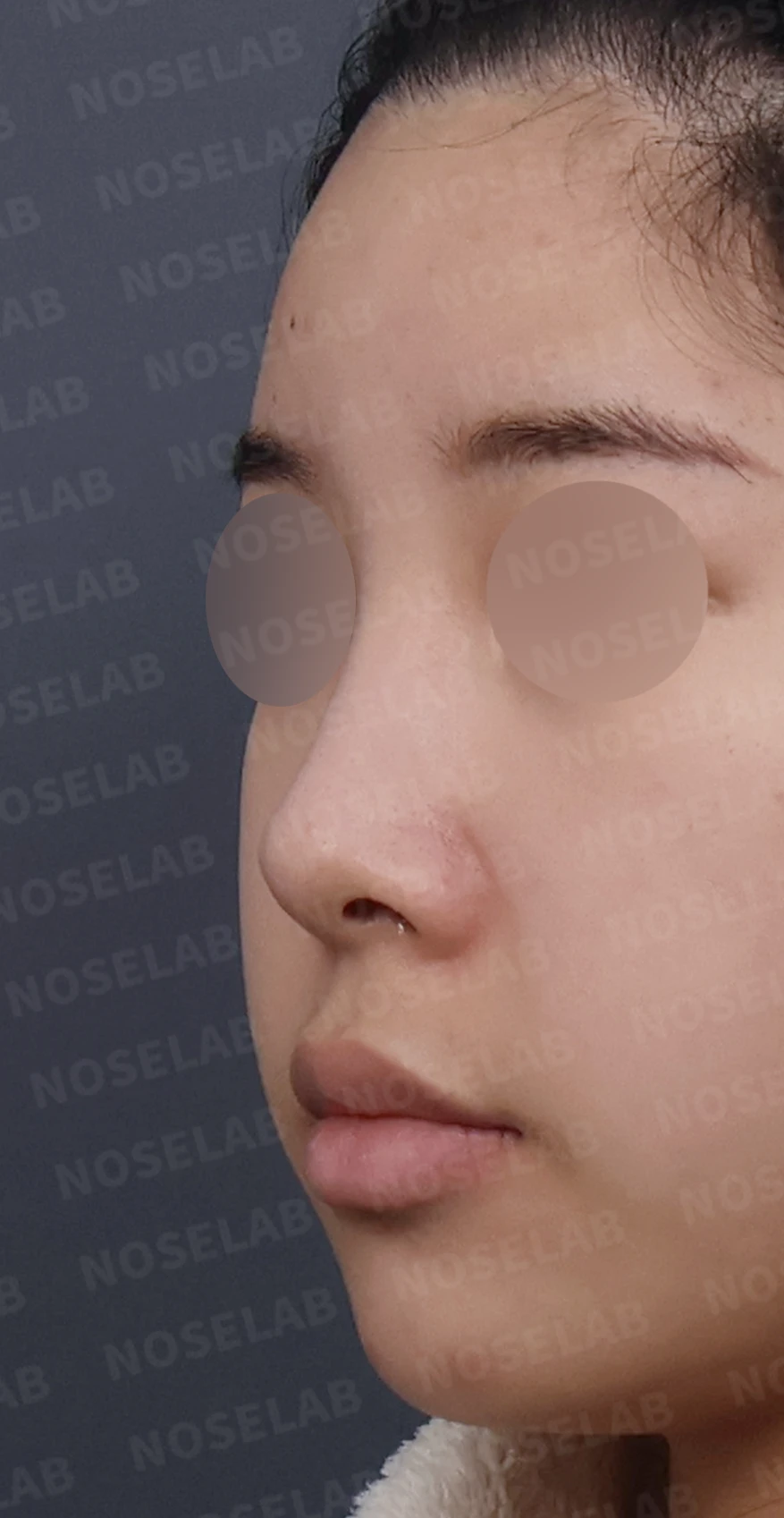
Front, left profile, and oblique views during design consultation.
💉 Patient requests
When the patient visited our clinic for consultation, the requests were as follows:
A nasal bridge line closer to straight than a straight bridge line
Desires overall nasal height augmentation
Desire to eliminate the dorsal step-off
A slim and sleek nasal bridge
Preventing an upturned look
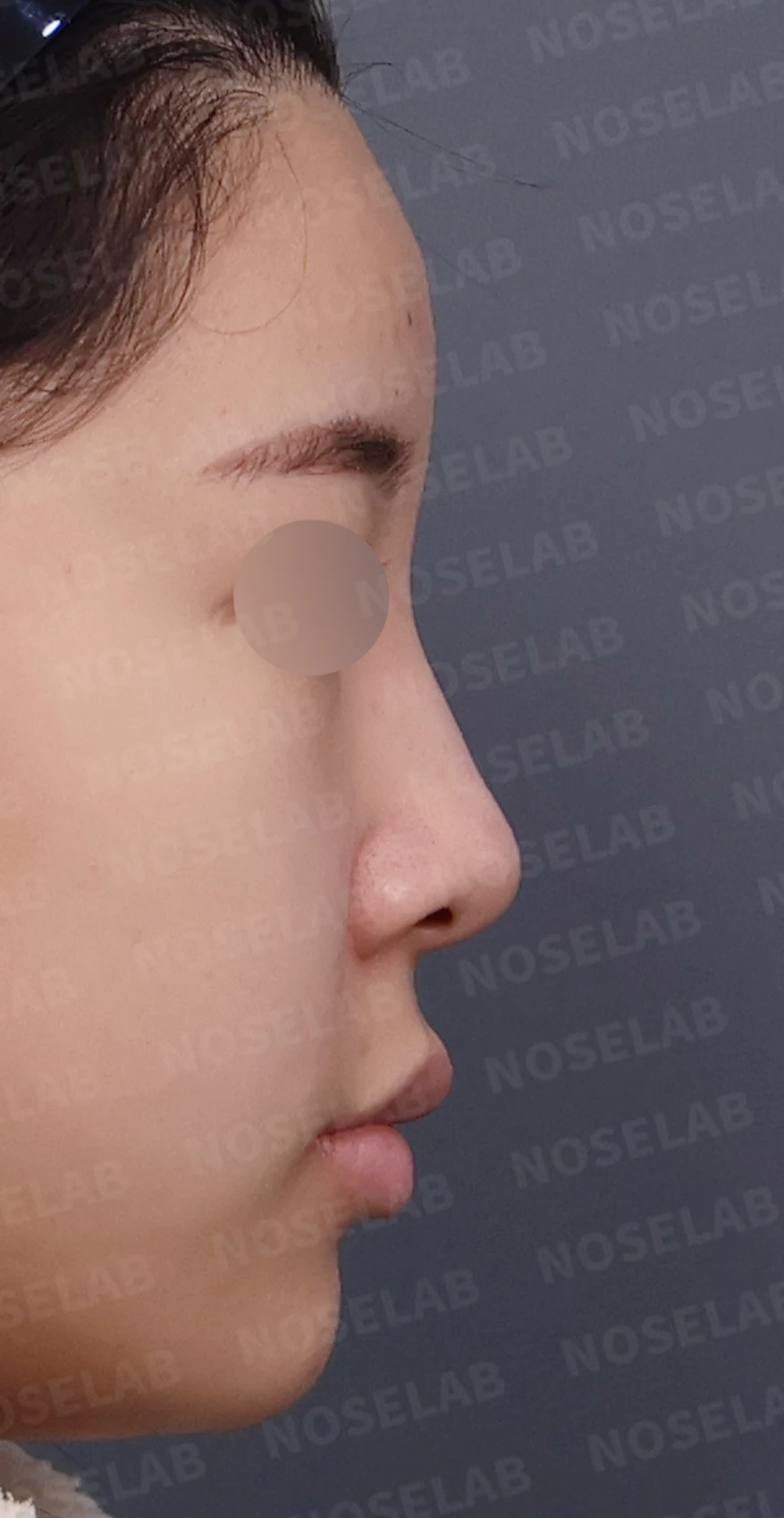
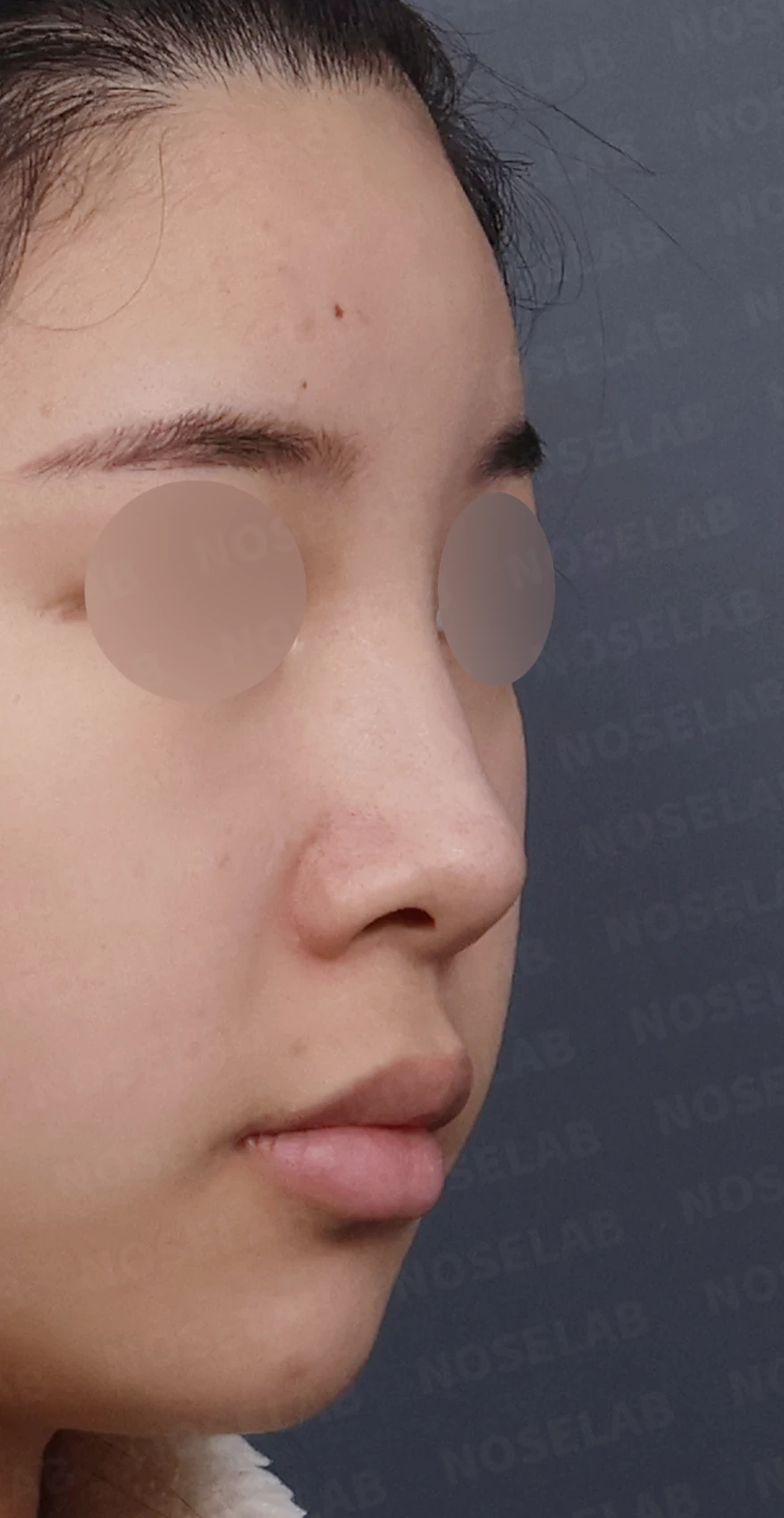
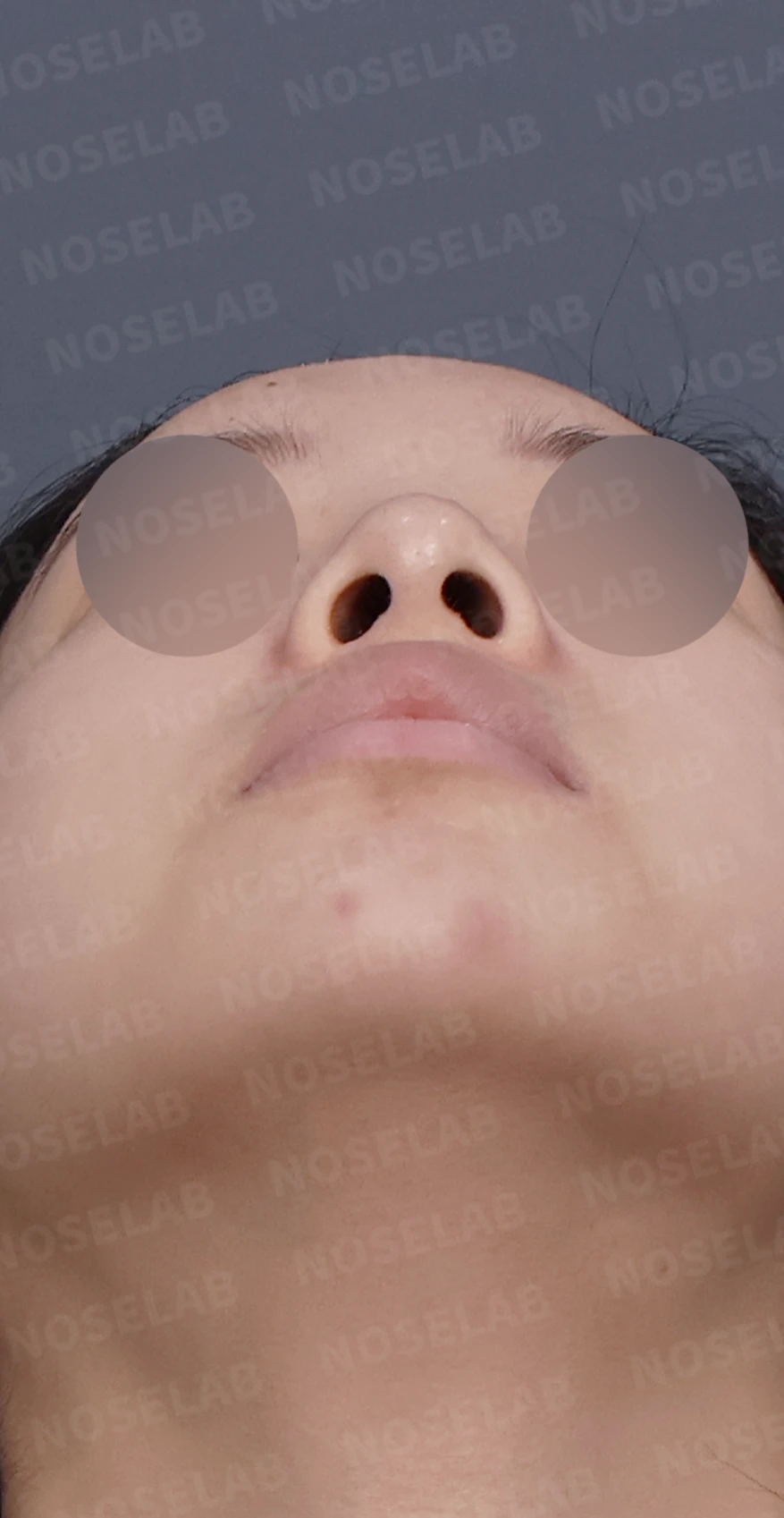
Right profile, oblique, and nostril views during design consultation.
🔧 Surgical plan and procedure
After analyzing the patient's requests and current condition, a comprehensive surgical plan was established.
1. Removal of foreign material from the nasal bridge
Complete removal of foreign material previously in the nasal bridge
Preparing a clean field for placing the new implant
2. Nasal tip surgery using donor rib cartilage
Using donor rib cartilage together with a portion of septal cartilage
Elevating the nasal tip cleanly for a defined, dramatic contour
Long-term shape maintained with stable structural support
3. Lateral osteotomy
Bringing the nasal bones inward to form a sleek nasal bridge line
Achieving the slim nasal bridge desired by the patient
Helps improve the dorsal step-off
4. Custom carving of the silicone implant
Silicone implant precisely carved to fit the patient's nasal bone contours
Detailed sculpting to match the nasal bone contours narrowed through osteotomy
Achieving a smooth, nearly straight nasal bridge line
5. Nasolabial angle correction
Adjustment of the angle between the nose and the lips
A natural tip angle that does not look upturned
Refined profile silhouette achieved
🌟 Surgical results
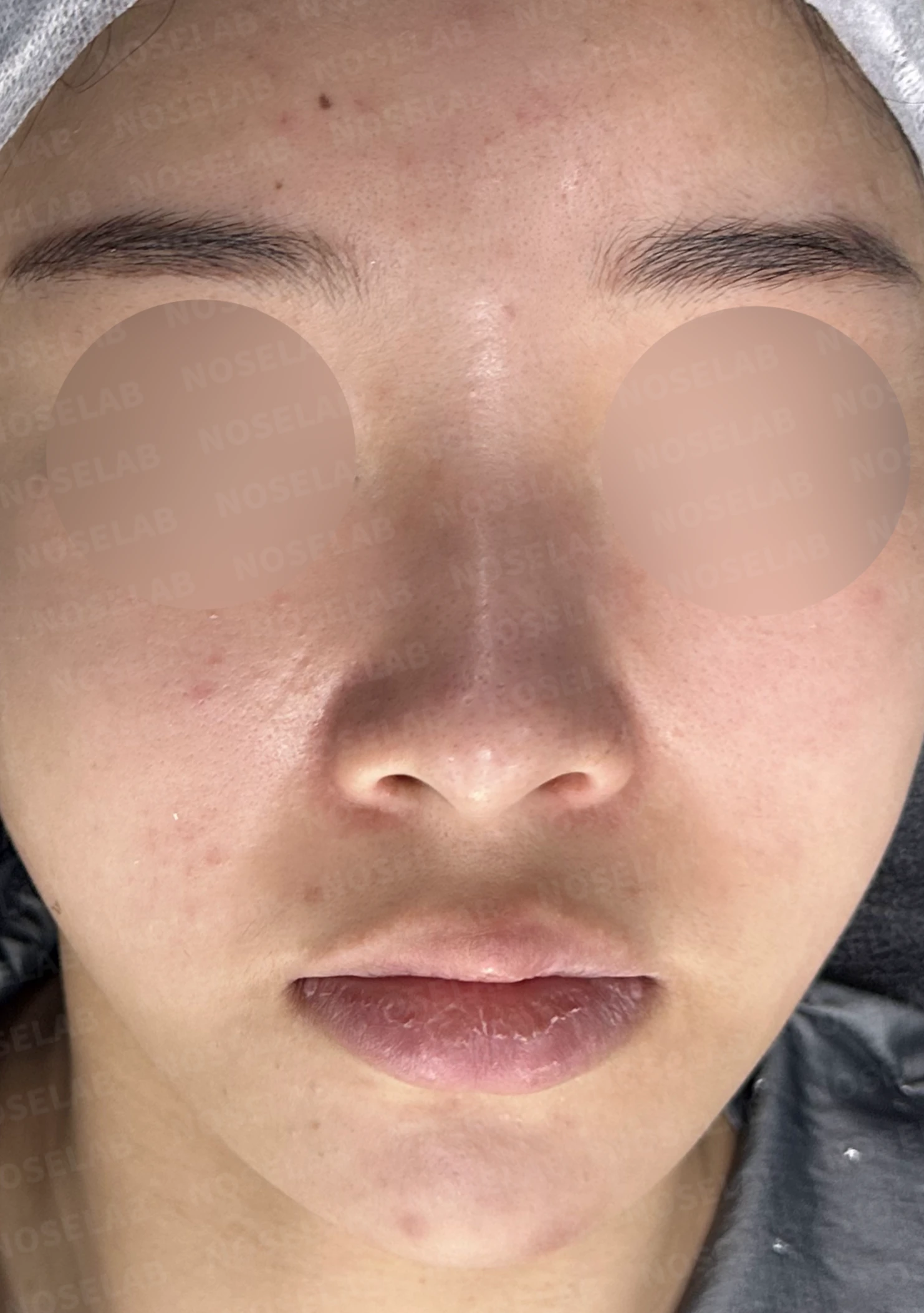
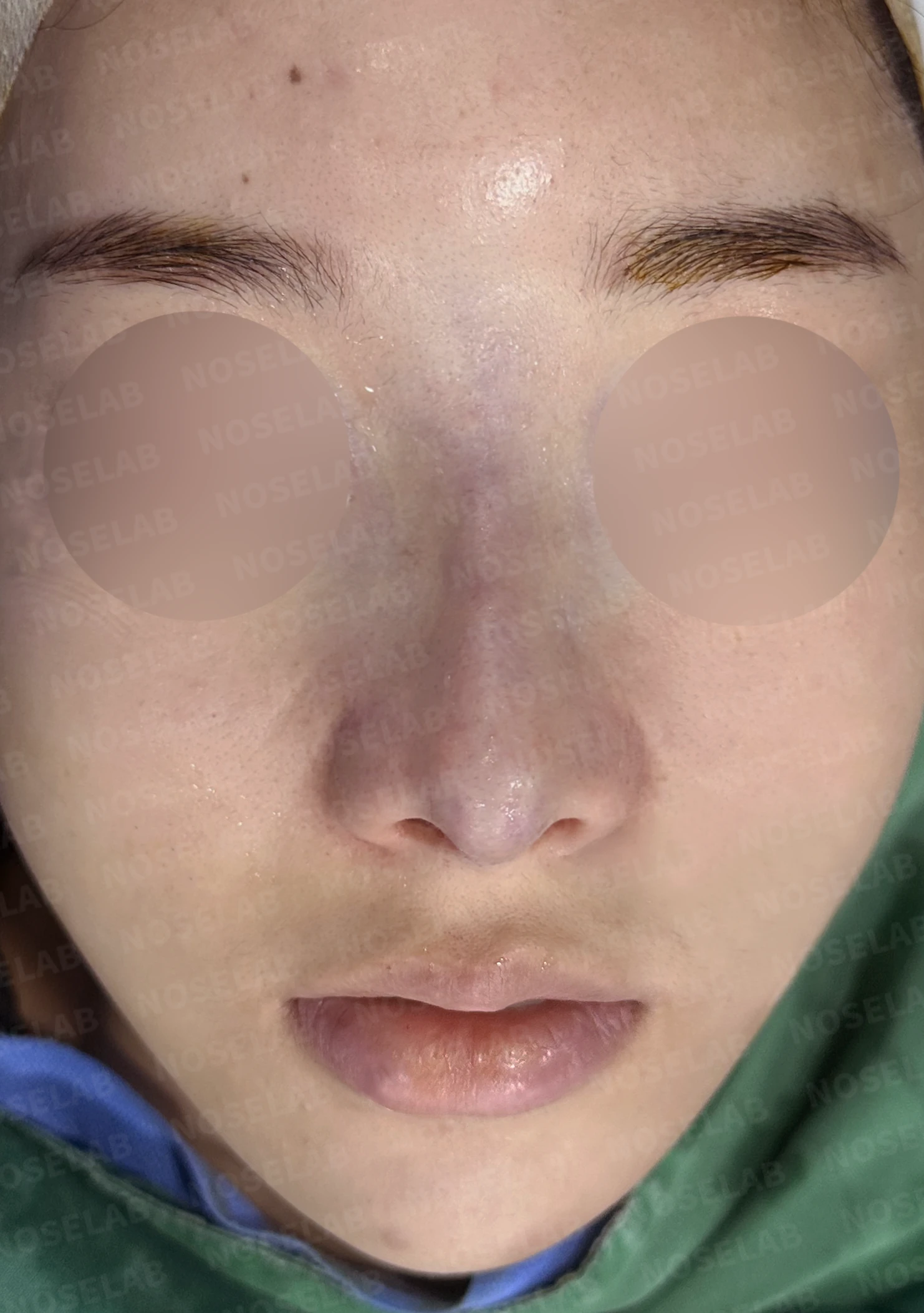
Before surgery / Day 0 immediately after surgery Photos taken immediately after surgery show swelling and may differ from the final result.
Front view changes:
The nasal bridge is refined to be slim and sleek
Overall refined and glamorous impression
The dorsal step-off is smoothed out
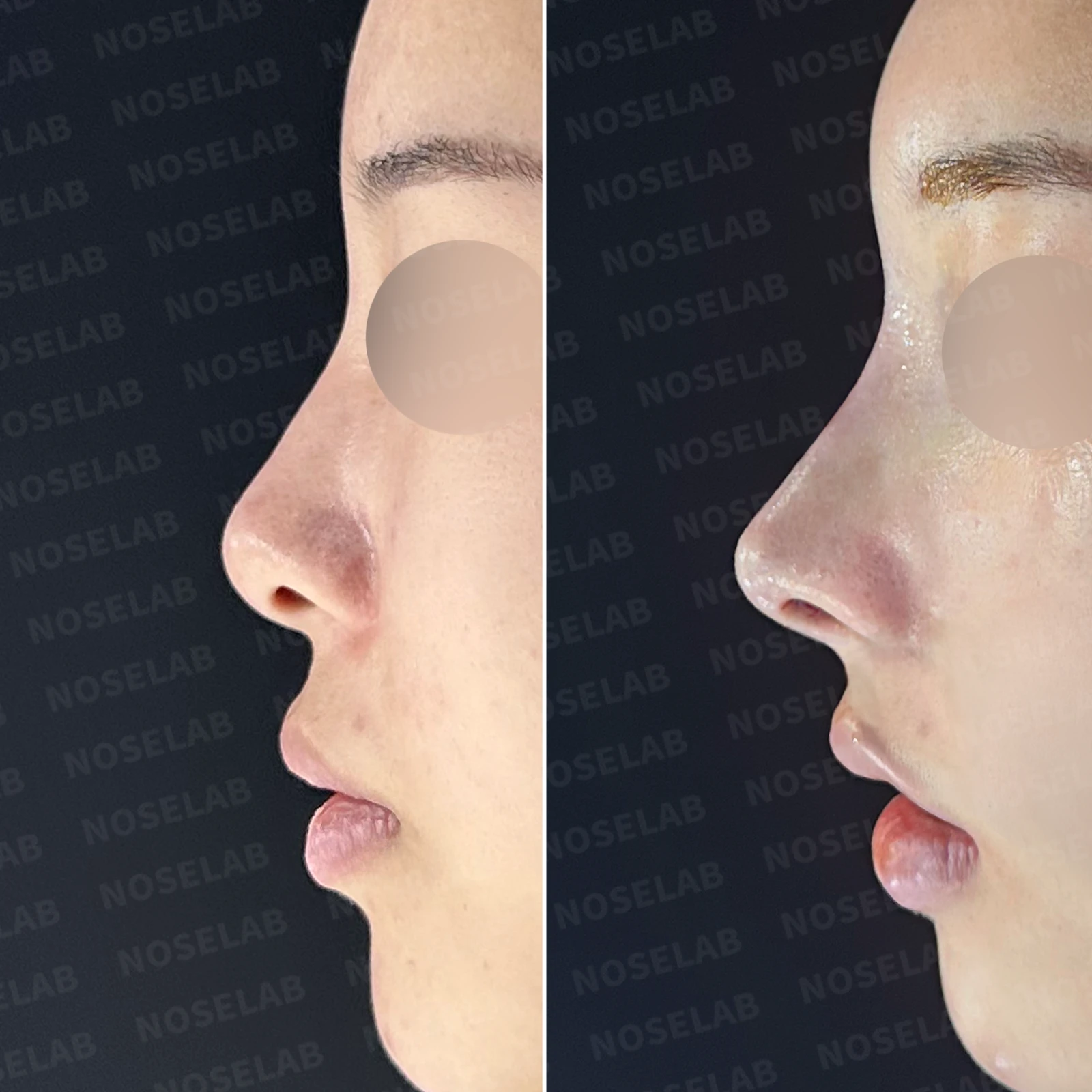
Before surgery / Day 0 immediately after surgery Photos taken immediately after surgery show swelling and may differ from the final result.
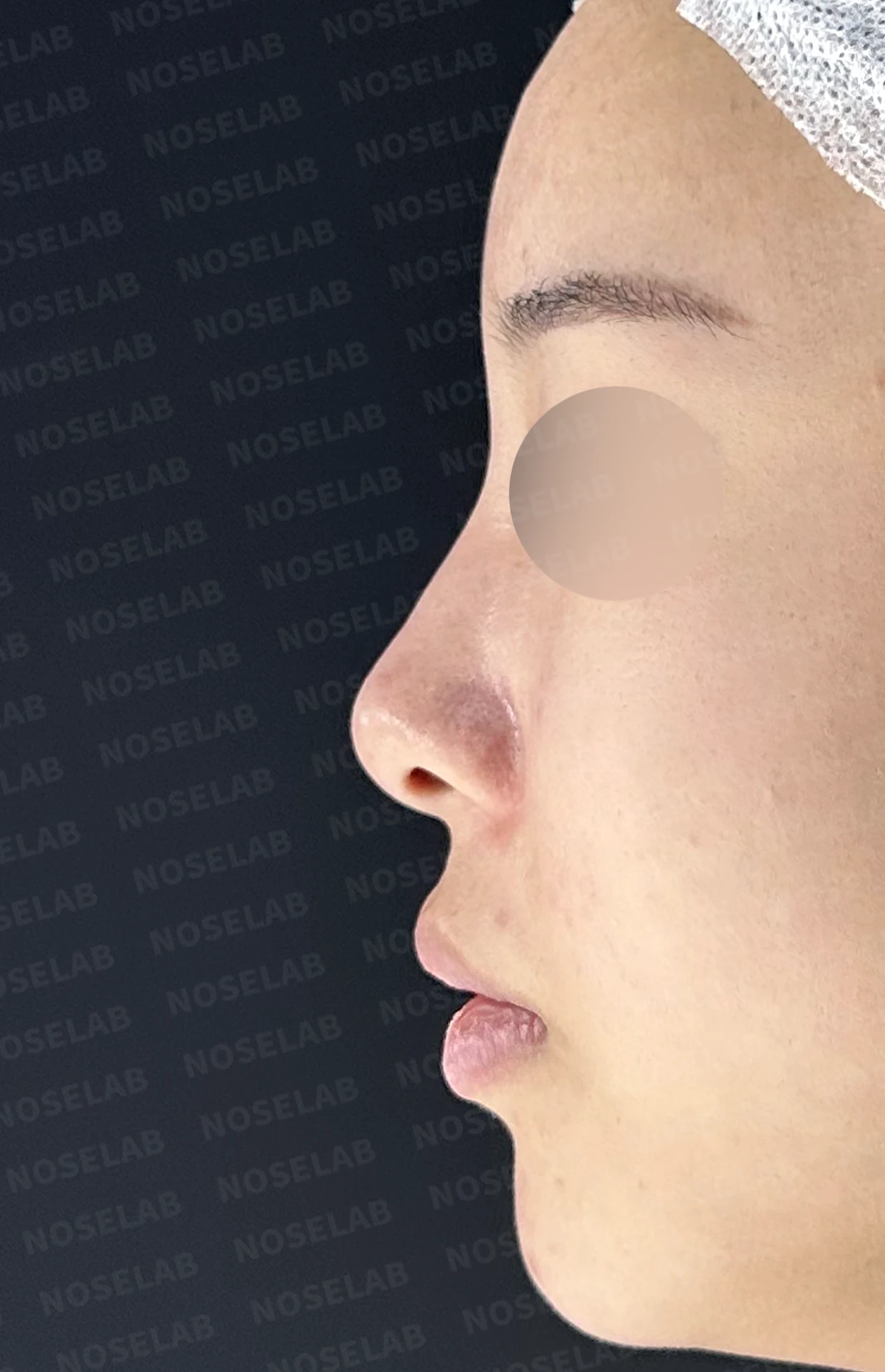
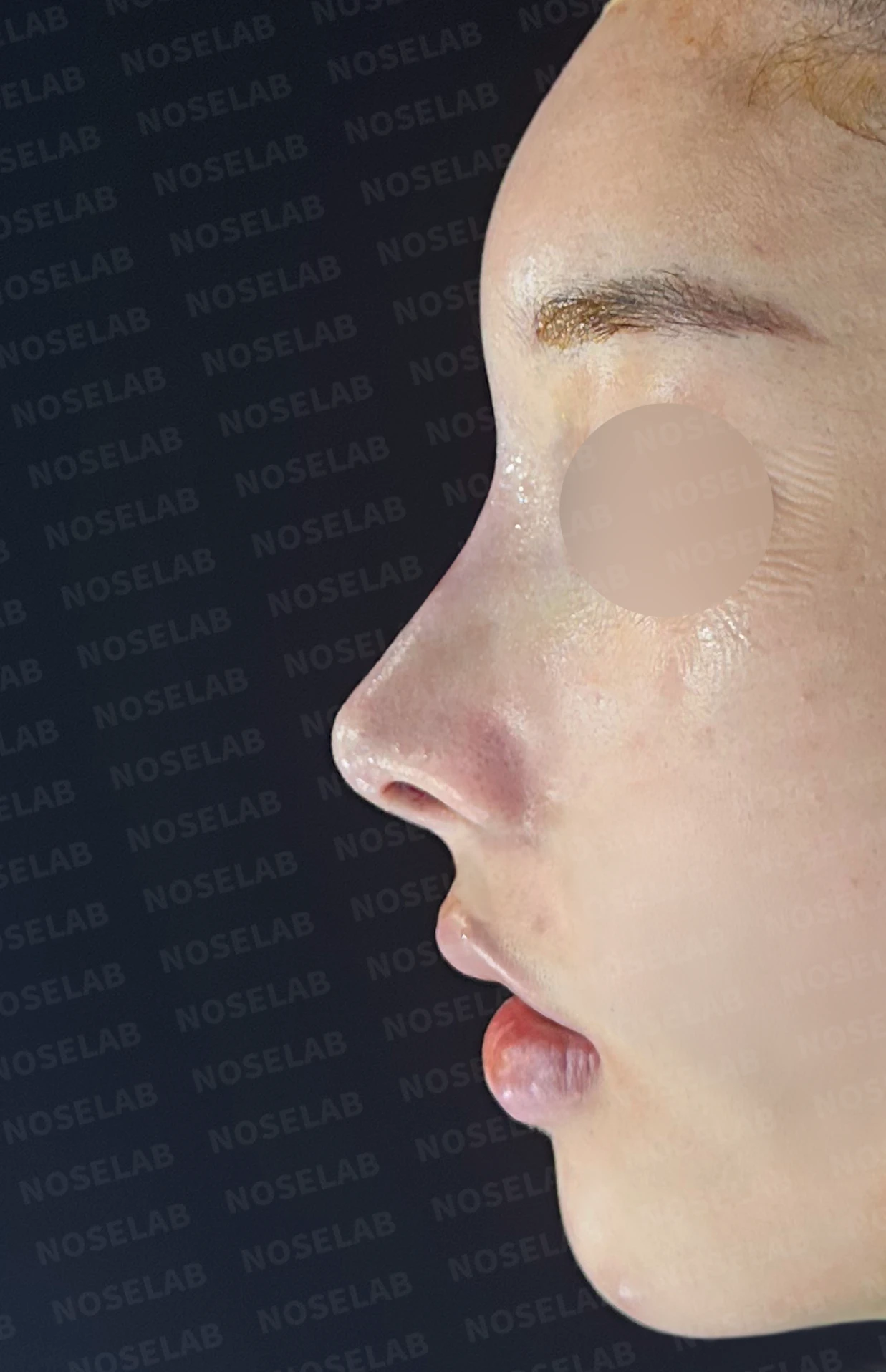
Profile view changes:
Achieved a nearly straight nasal bridge line
Nasal tip elevated cleanly and prominently
A natural angle that does not look upturned
A refined profile through nasolabial angle correction
Before surgery / Day 0 immediately after surgery Photos taken immediately after surgery show swelling and may differ from the final result.
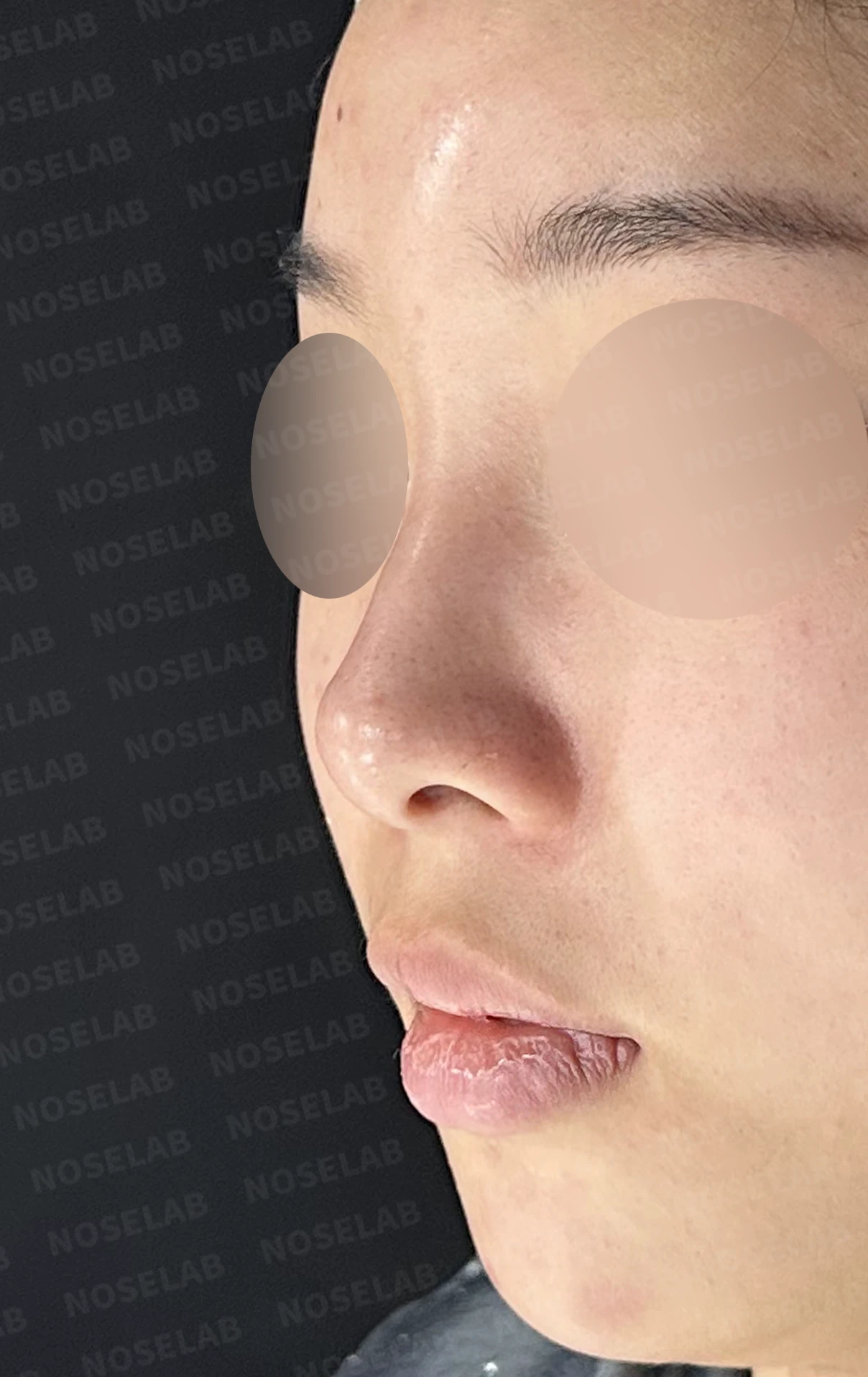
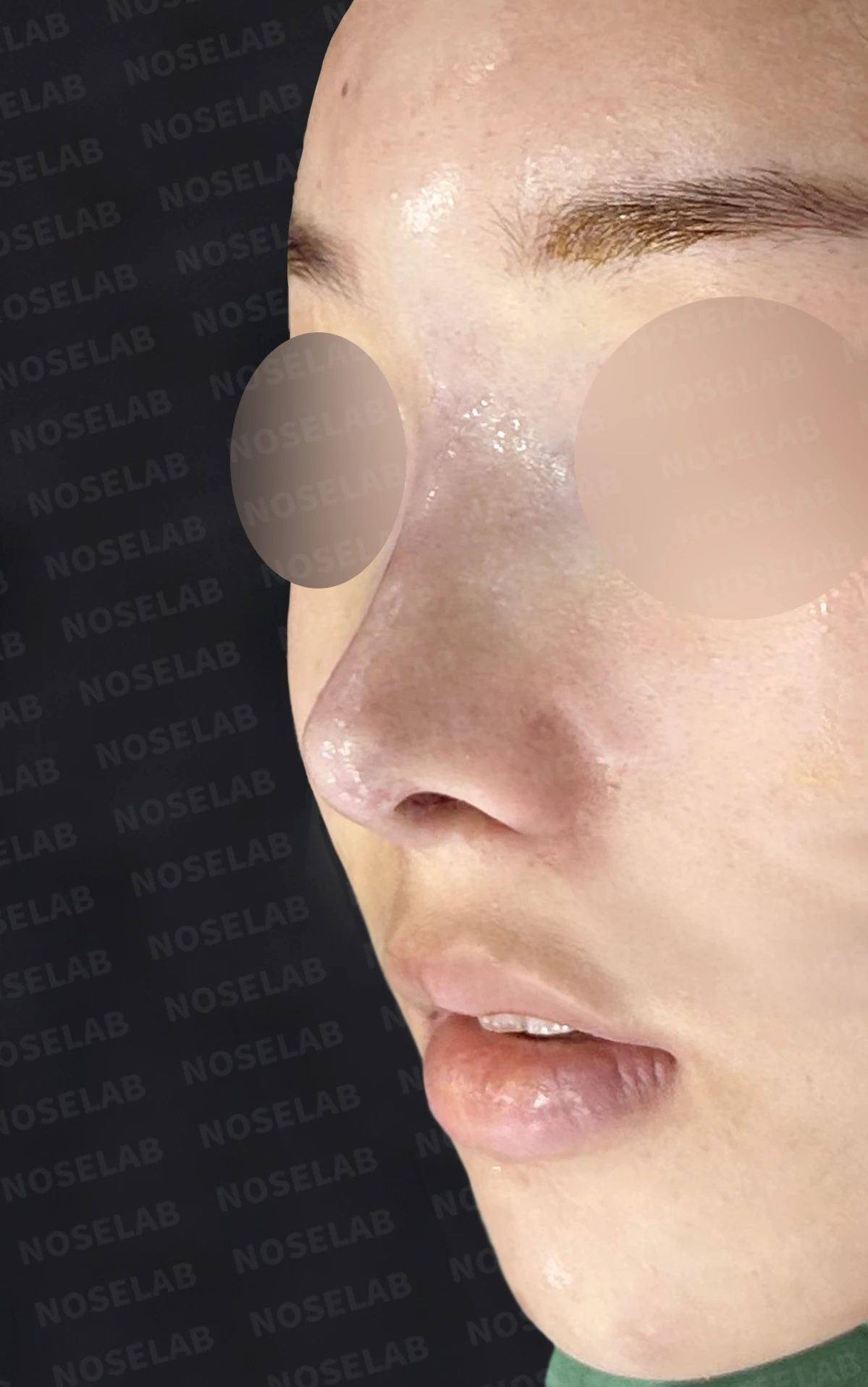
Overall changes:
Overall nasal height is increased
Achieved a slim, prominent nasal appearance
Harmonious balance with the face
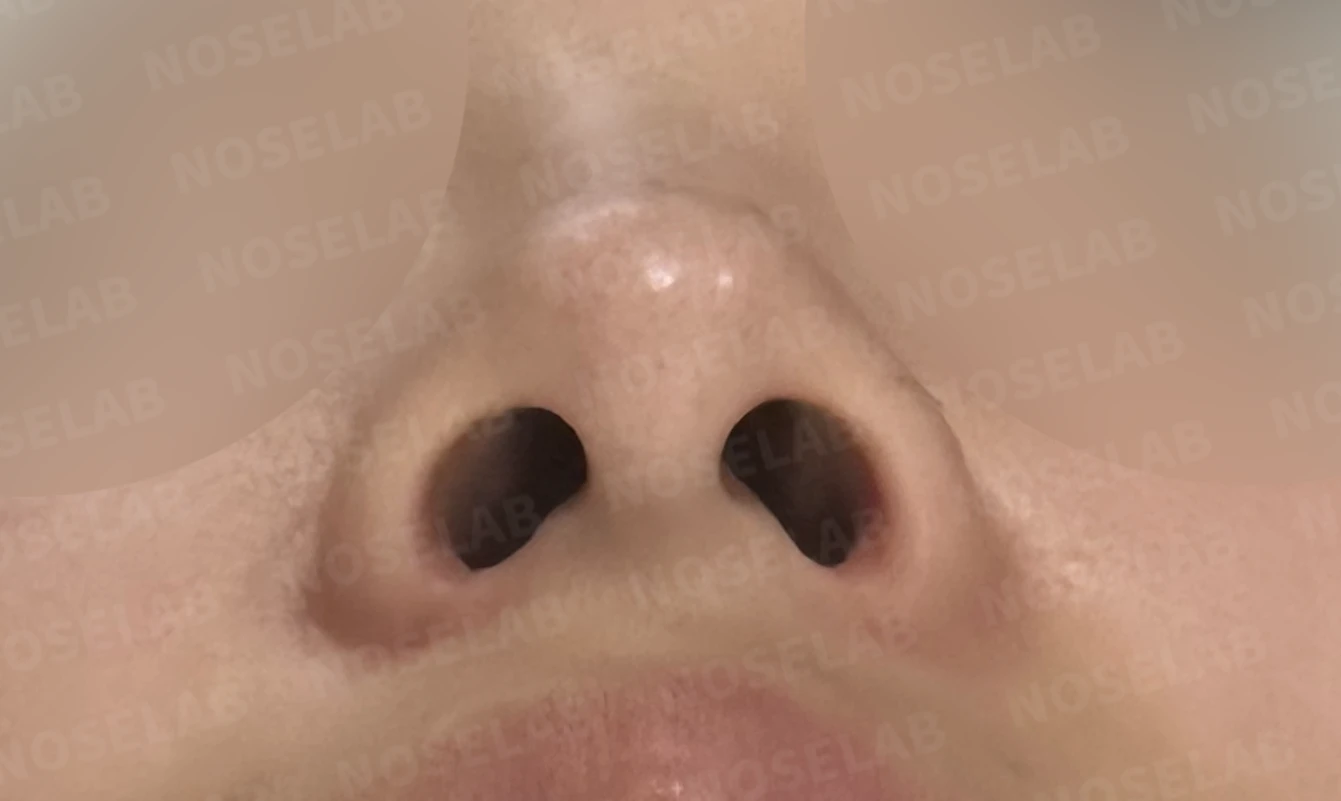
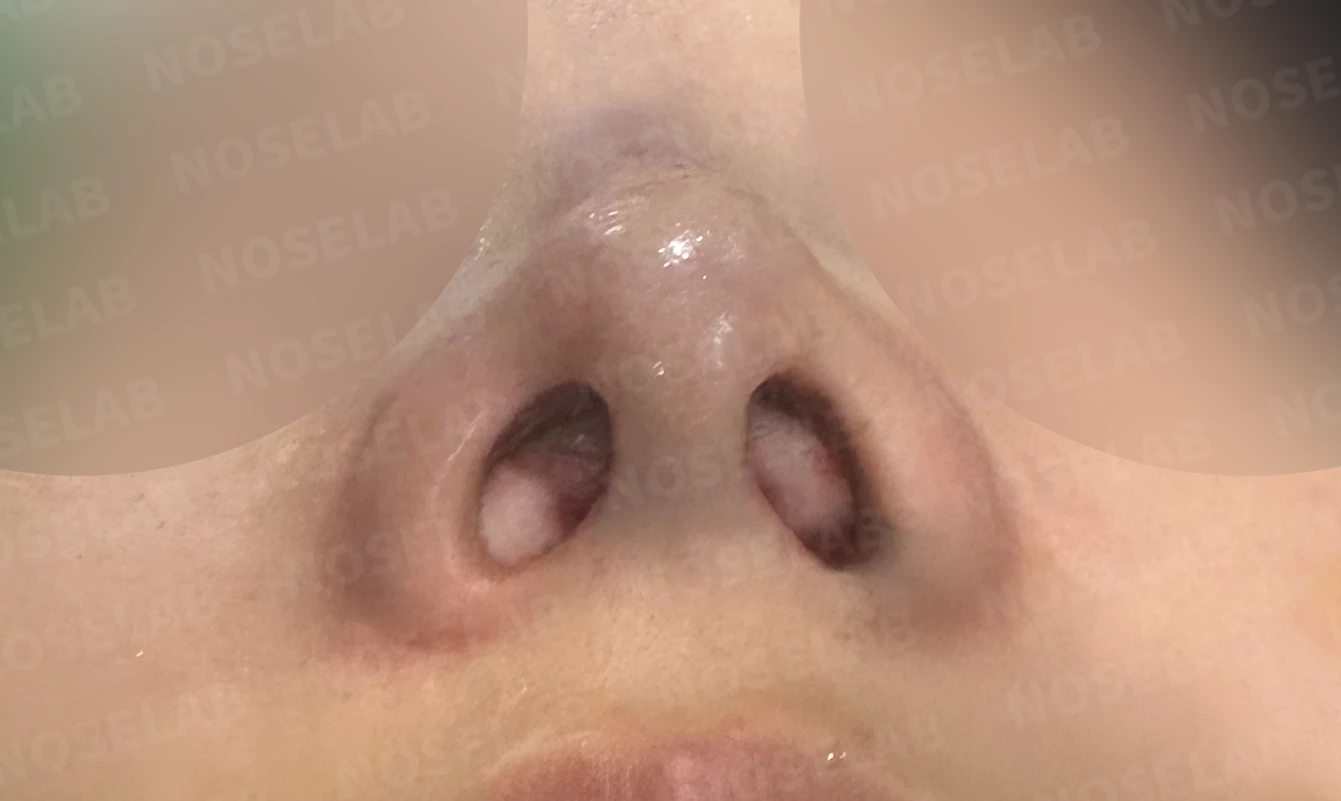
Before surgery / Day 0 immediately after surgery Photos taken immediately after surgery show swelling and may differ from the final result.
💡 Specialist opinion
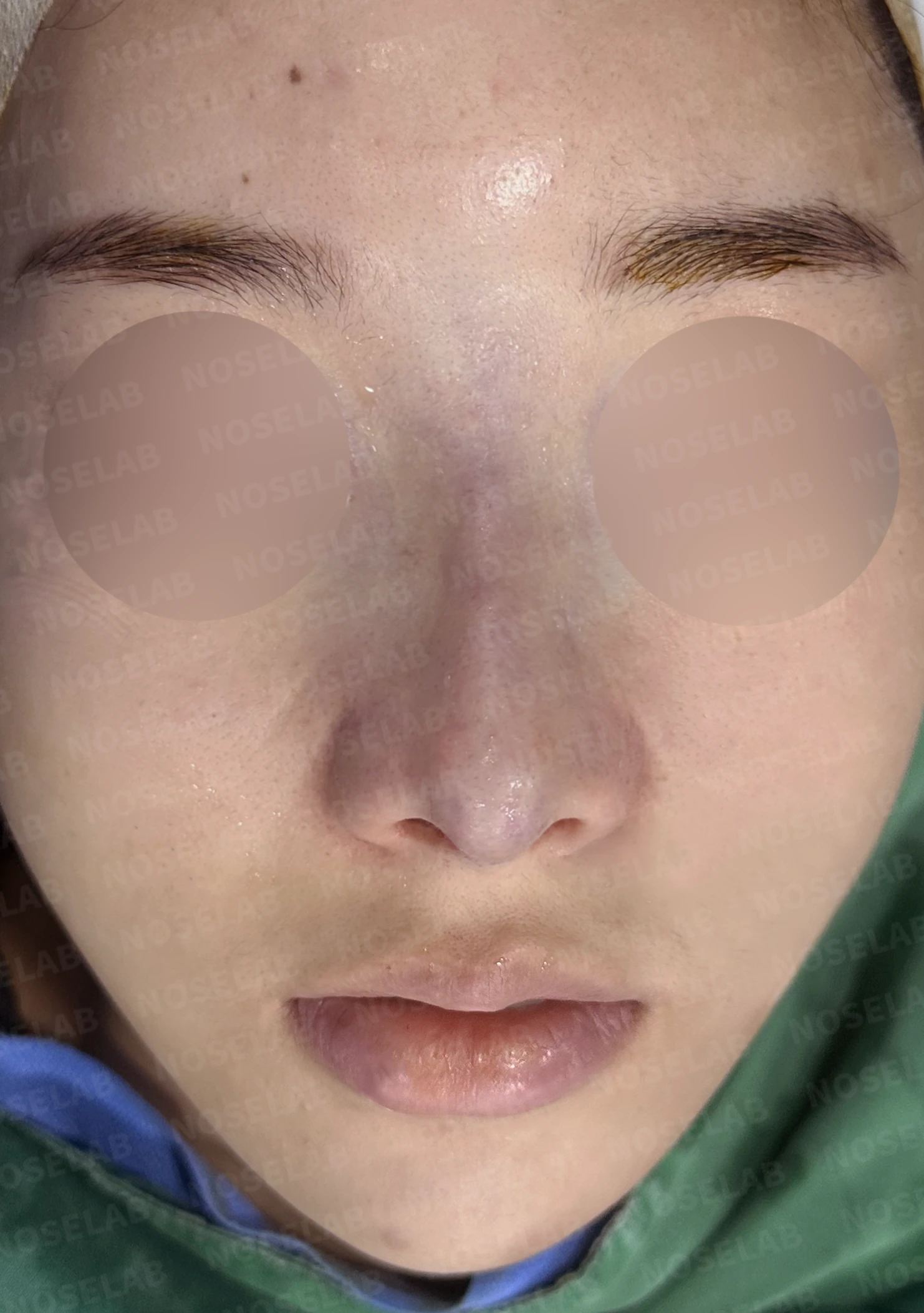
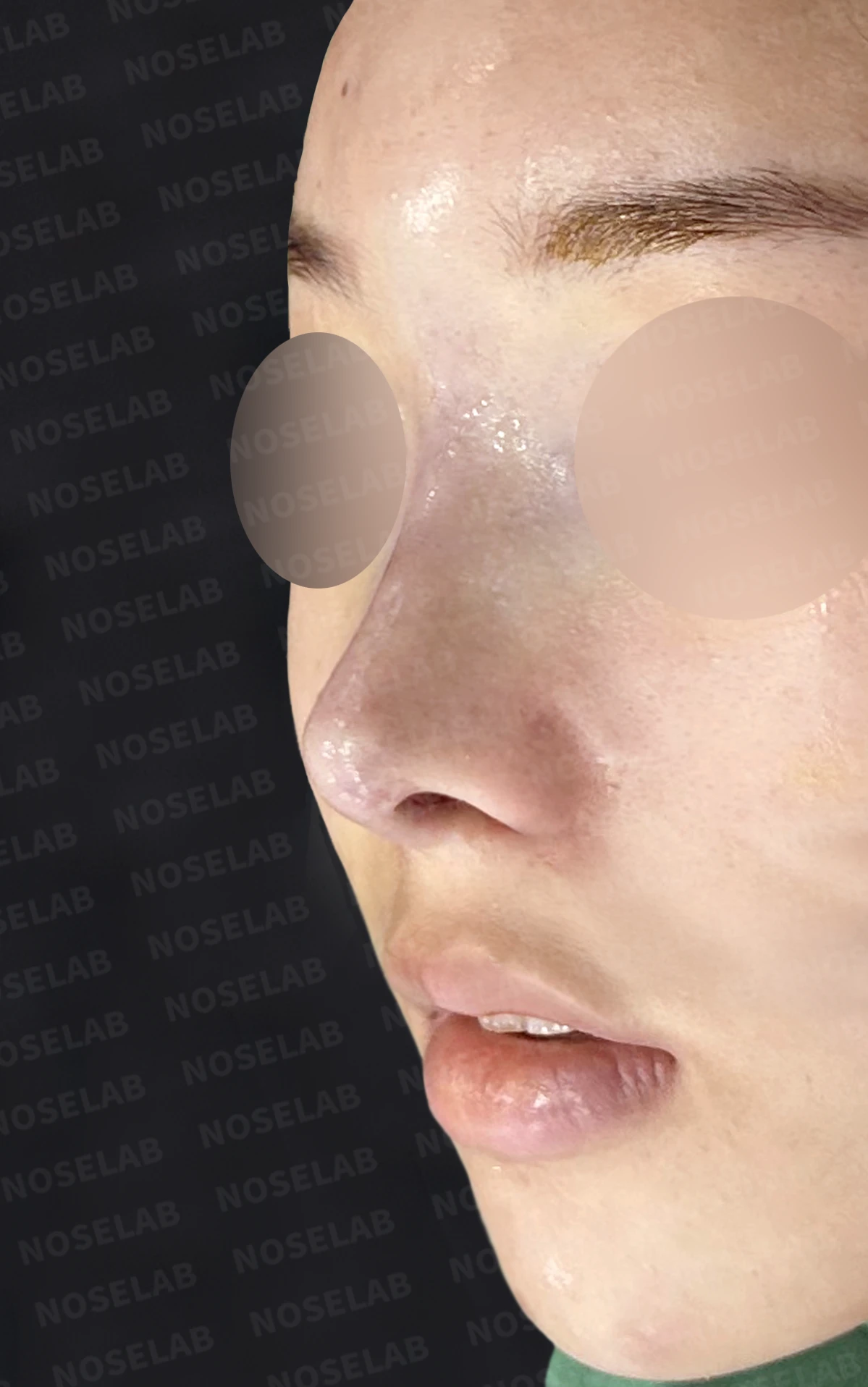
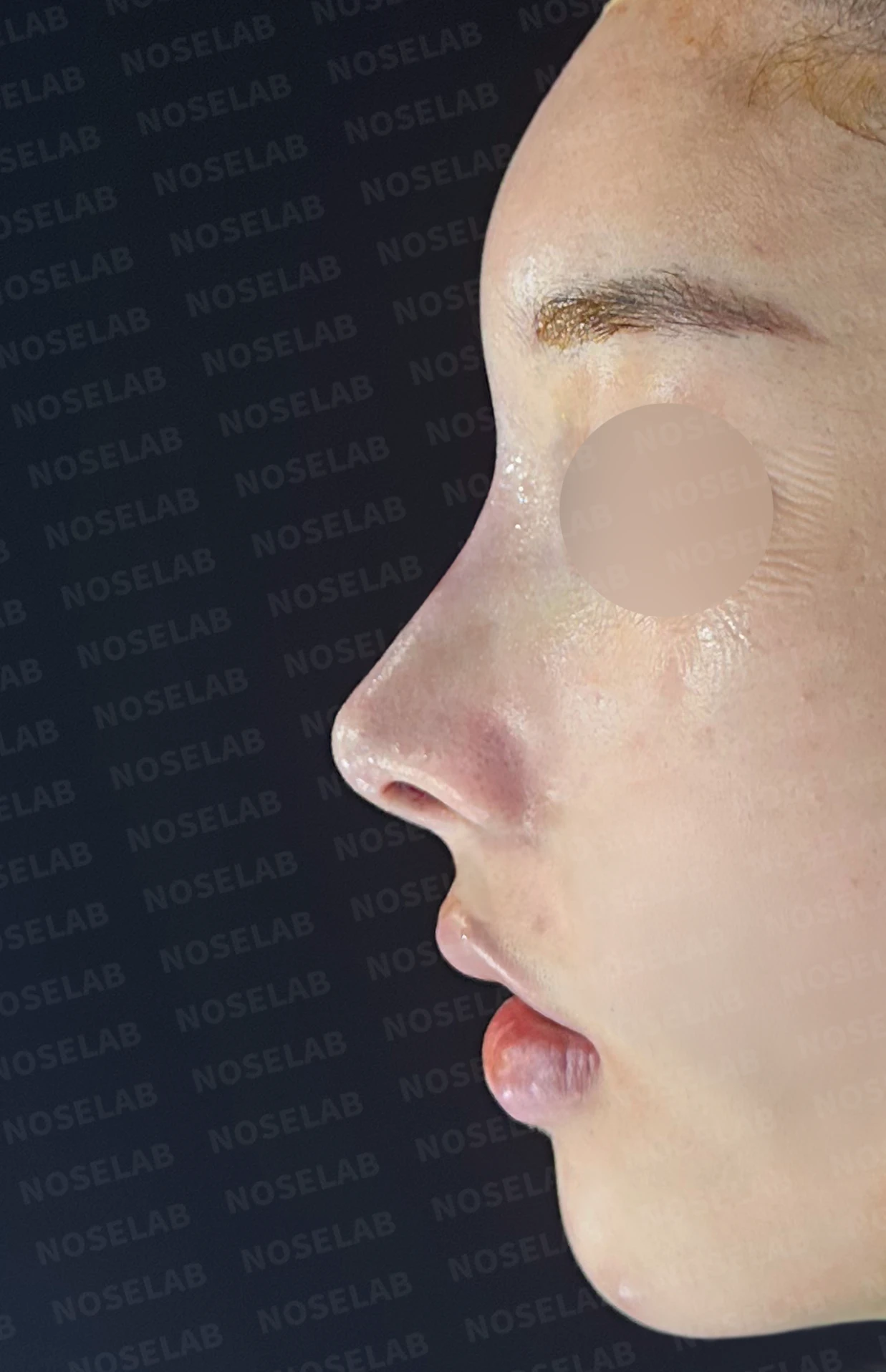
Front, oblique, and profile views on day 0 immediately after surgery. Photos taken immediately after surgery show swelling and may differ from the final result.
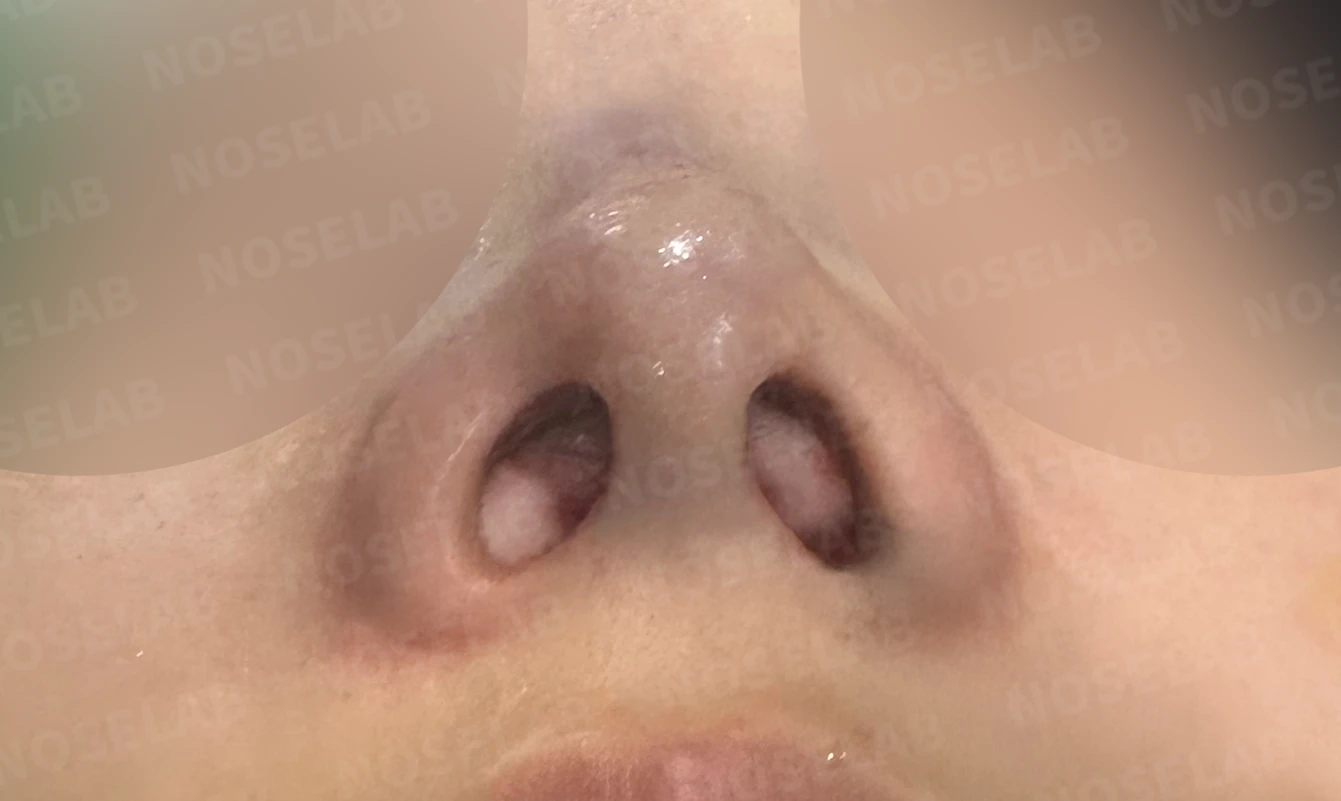
Nostril view on day 0 immediately after surgery. Photos taken immediately after surgery show swelling and may differ from the final result.
To create a slim and prominent look, it is important to secure bridge height while reducing bridge width. In this surgery, lateral osteotomy was performed to narrow the nasal bones into a sleek nasal bridge line, and the silicone implant was meticulously carved to fit the nasal bone contour, creating a smooth nasal bridge.
For the nasal tip, donor rib cartilage was used alongside a portion of septal cartilage to elevate and project it. Donor rib cartilage can be a suitable alternative for patients hesitant about harvesting autologous rib cartilage, and combining it with septal cartilage helps provide even more stable support.
Nasolabial angle correction was also performed to create the nearly straight nasal bridge line and non-upturned tip angle requested by the patient. The most essential aspect of rhinoplasty is accurately realizing the desired look while maintaining balance with the facial features.
I will continue to provide customized surgical care tailored to each patient. I hope this case helps those with similar concerns. This has been Dr. Peter C. Kang, Medical Director. Thank you.
#closedrhinoplasty #closedrevisionrhinoplasty #donorribcartilagerhinoplasty #lateralosteotomy #slimnasalbridge #prominentnose #nasalbridgeaugmentation #nasolabialanglecorrection #nasaltipsurgery

Limitations and risks
When autologous rib cartilage is used, scarring and pain may remain at the donor site on the chest, and pneumothorax (pleural injury) can occur rarely. Over time, the grafted cartilage may warp or undergo partial resorption.
When using donor rib cartilage, long-term follow-up is necessary because the grafted cartilage may resorb or warp.
When foreign materials such as injected fillers are removed and reconstructed, contracture may recur, nasal height and length may decrease, and staged surgery may be necessary depending on the skin condition.
When the septum is corrected at the same time, nasal obstruction may persist or recur, and in rare cases, septal perforation or changes in smell may occur.
Common potential risks include infection, bleeding, asymmetry, scarring, skin necrosis, and insufficient improvement; results vary depending on individual skin condition and previous surgical history.