Hello, I am Dr. Peter C. Kang.
Today, I would like to introduce the case of a patient with a very complex surgical history. Having gone through multiple revision surgeries, the patient endured a great deal of hardship, and I was truly pleased that we were finally able to achieve a satisfying result.
🔍 Surgical history
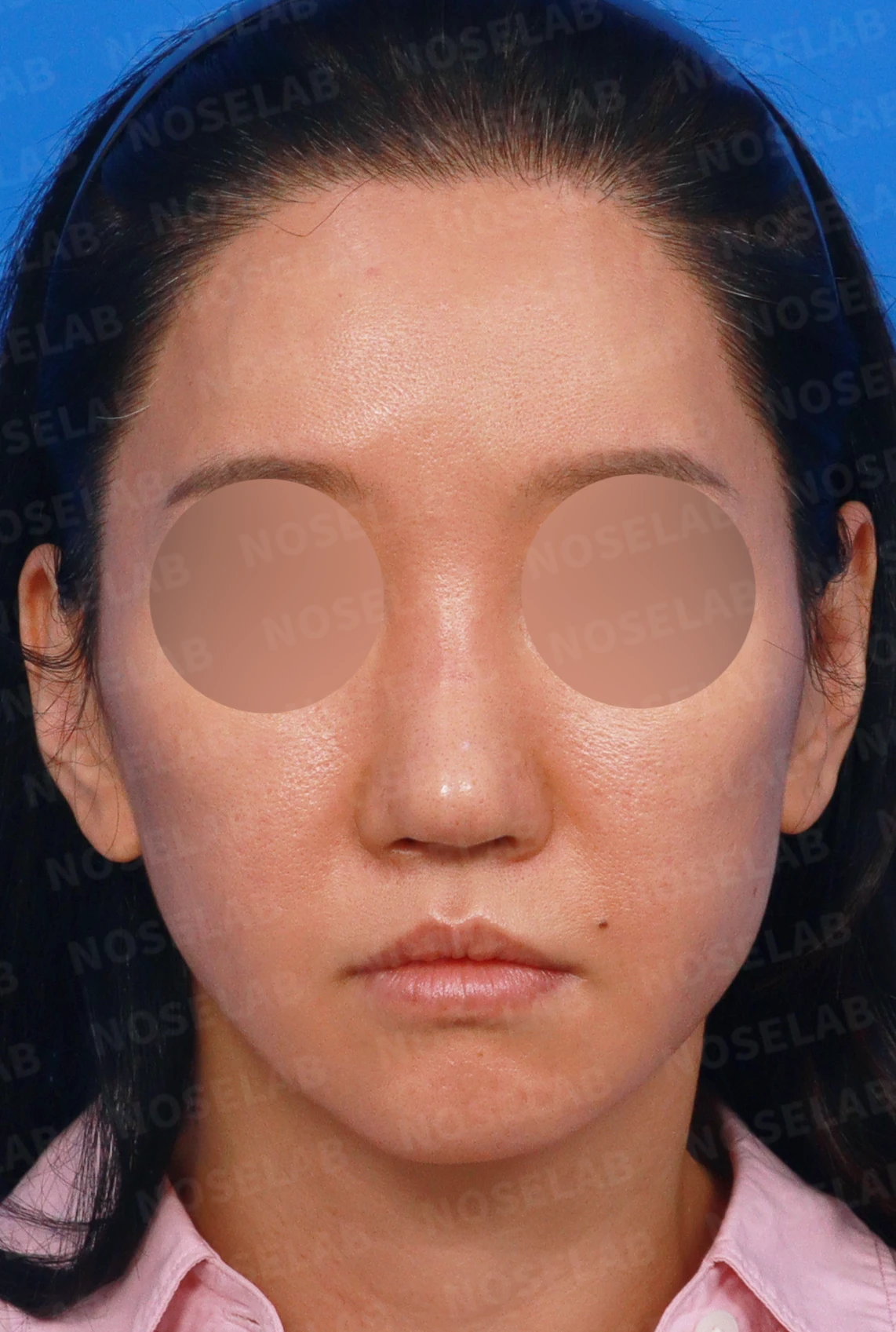
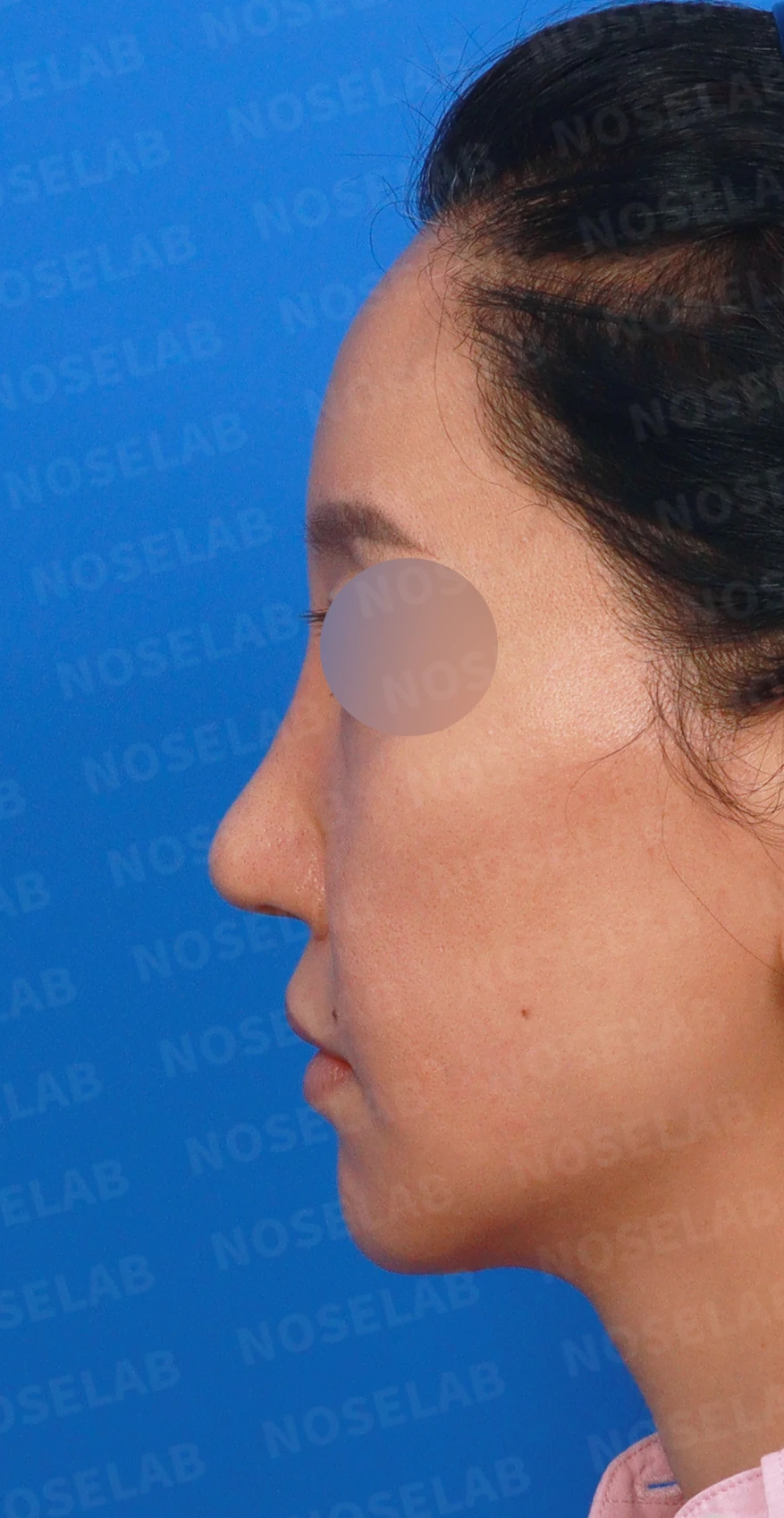
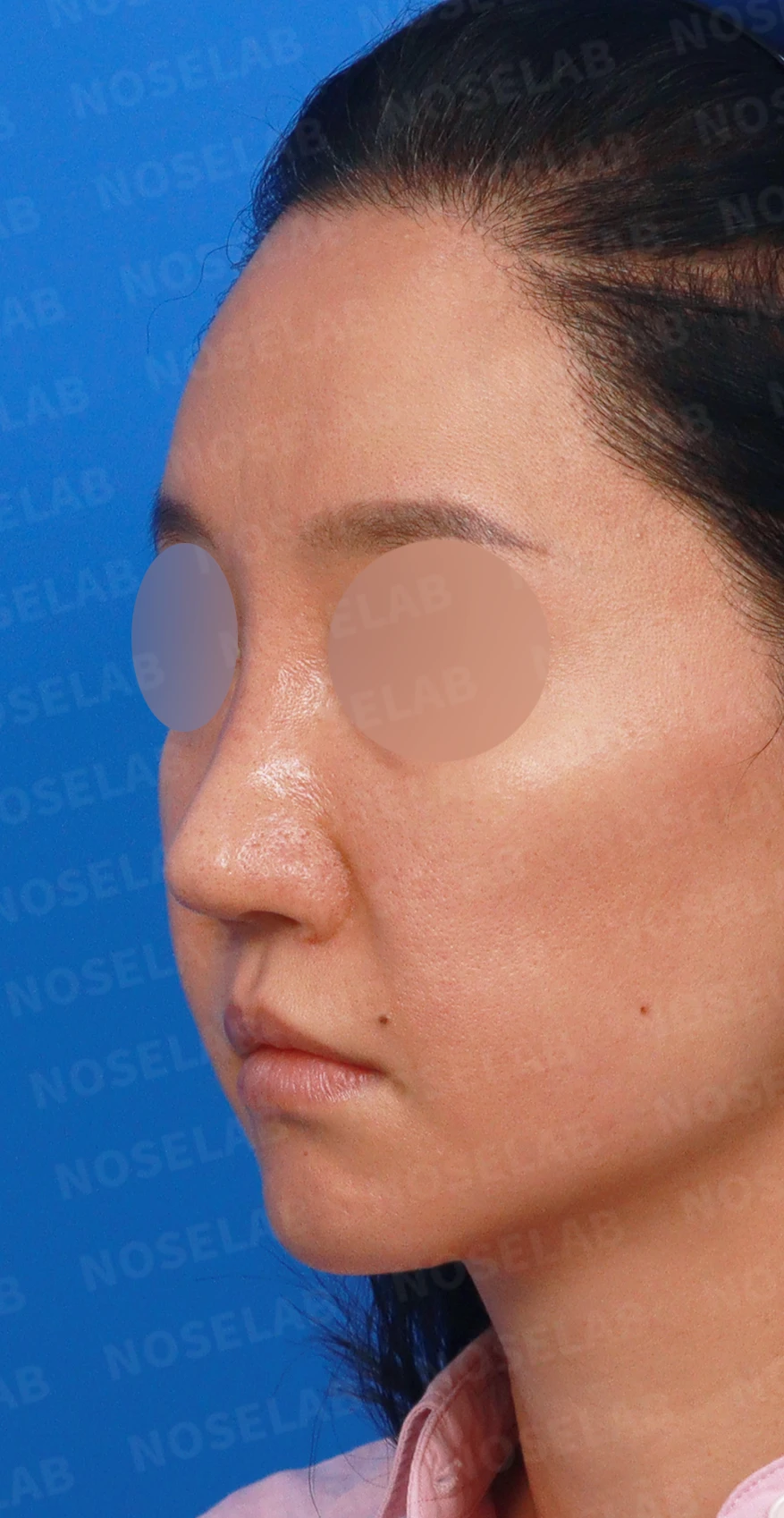
Front, left profile, and oblique views during design consultation.
It was indeed a surgical journey spanning a long period.
19 years ago: First surgery to correct an arrow nose
10 years later: Second surgery for design adjustment • Gore-Tex implant used → Inflammation developed 5 years later
3 years ago: Implant removal
2 years ago: Revision rhinoplasty with silicone implant + donor dermis
1 year ago: Revision rhinoplasty and columella reconstruction
5 months ago: Another revision rhinoplasty
Preoperative status: Septal perforation present, requiring endoscopic evaluation
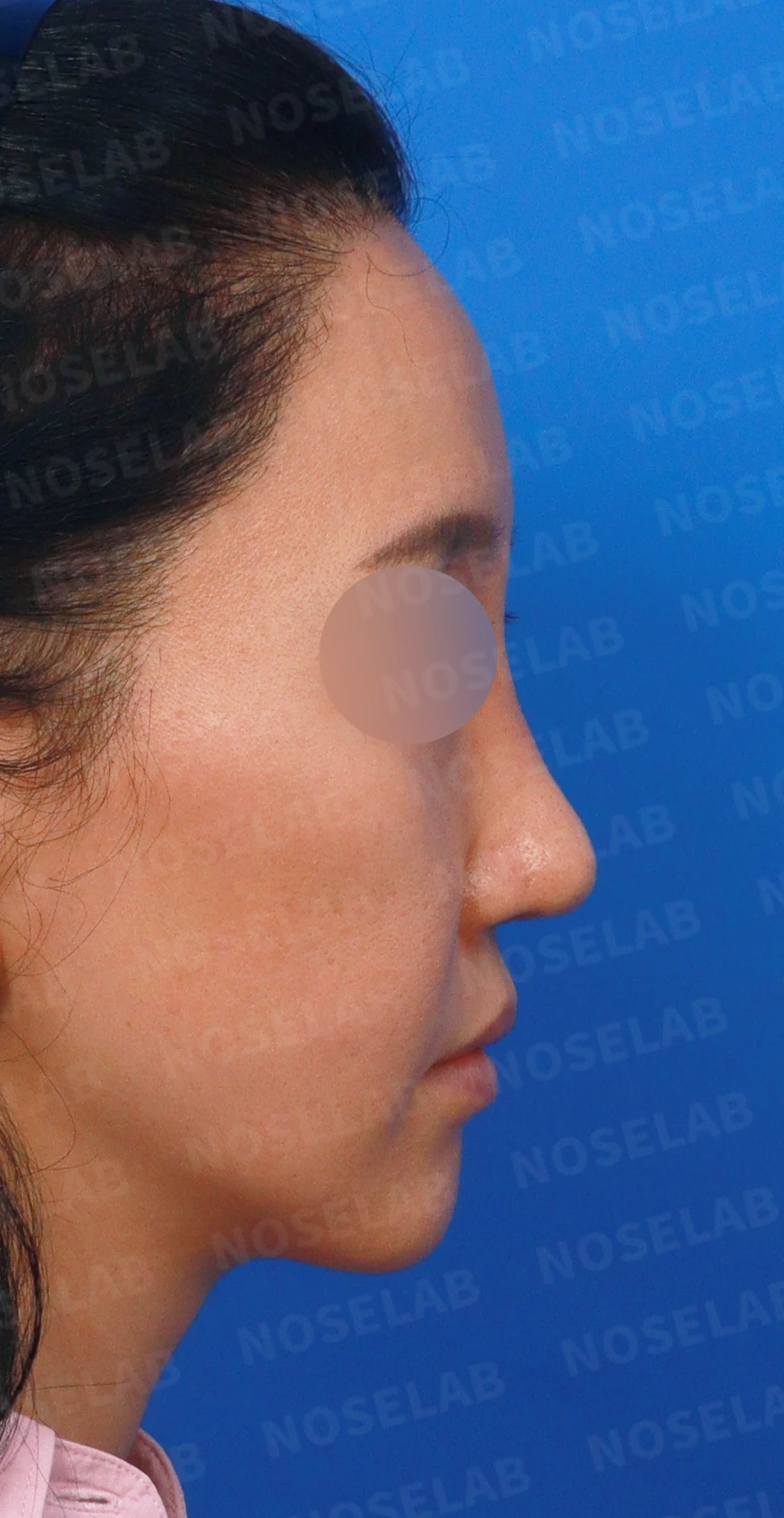
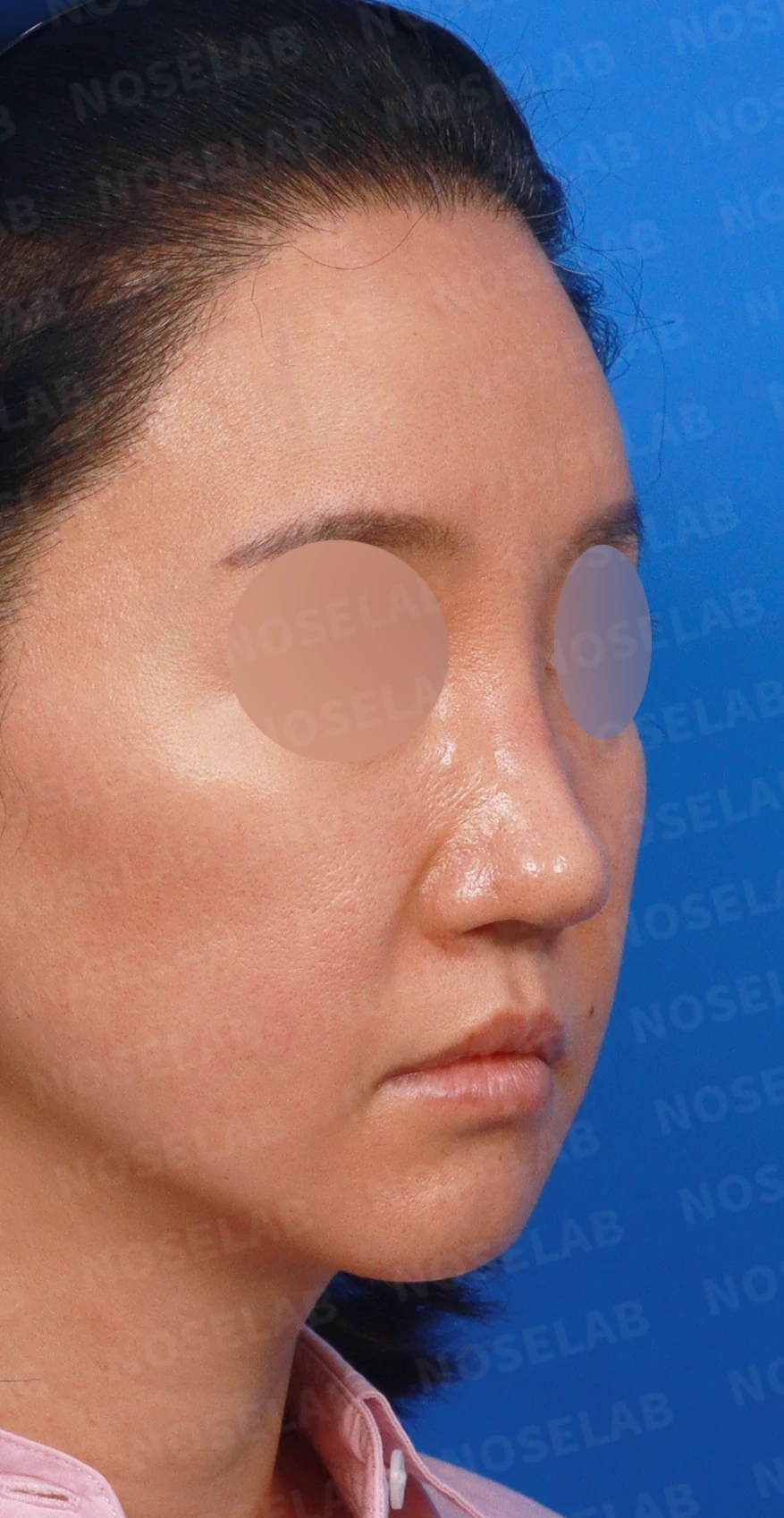
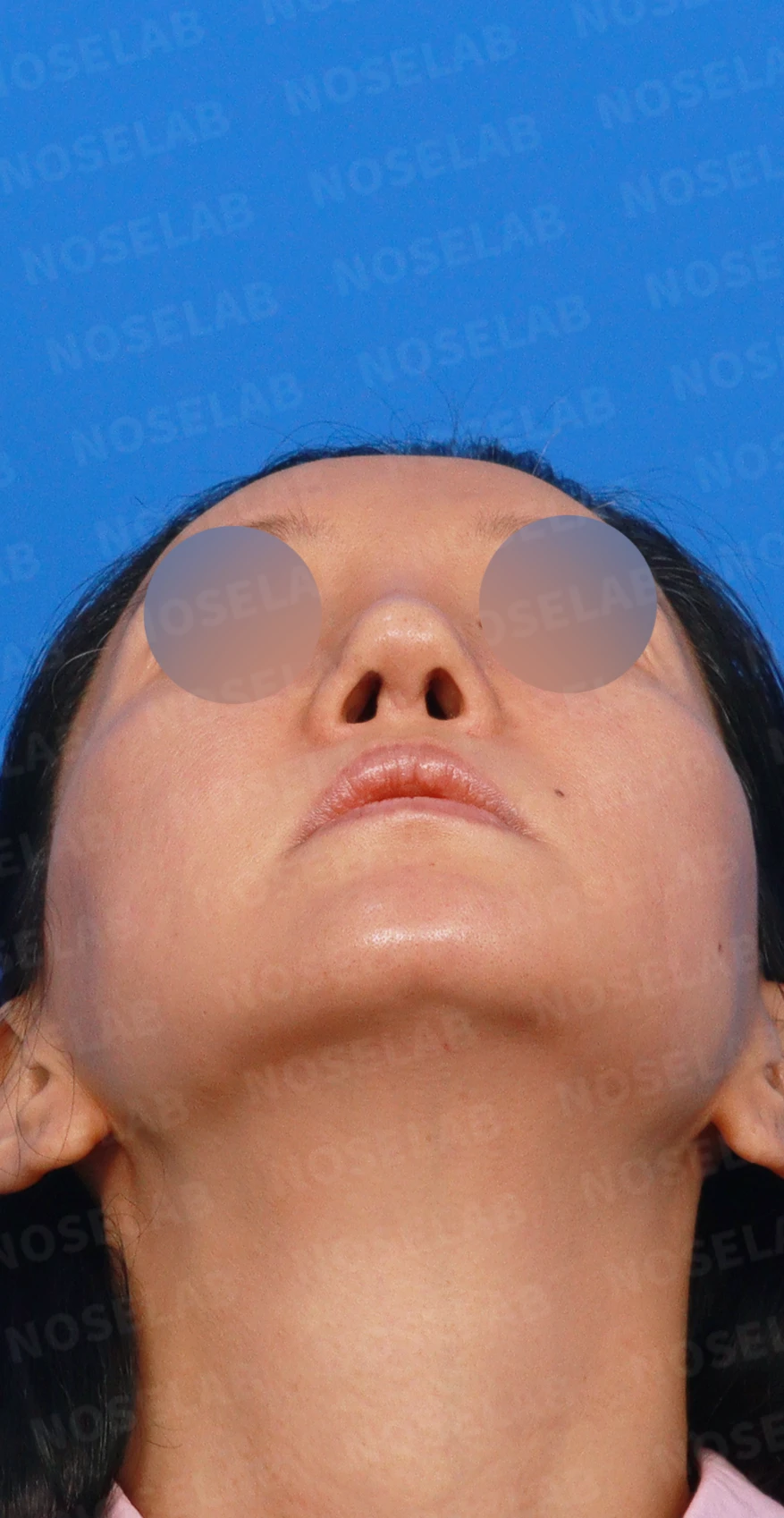
Right profile, oblique, and nostril views during design consultation.
💉 Patient requests
Having undergone so many surgeries, the patient's requests were truly earnest.
Above all, a natural nasal shape
Improvement of the retracted columella
Resolution of the implant/cartilage extruding inside the nose
A stable result without further problems
🔧 Surgical plan and procedure
This type of case was very challenging, as almost no native septal cartilage remained.
Main surgical procedures:
1. Complete septal reconstruction
Total reconstruction of the septum using autologous rib cartilage
Complete restoration of the missing cartilage structure
2. Removal of extruded material and mucosal restoration
Removal of cartilage fragments from previous surgery protruding through the right mucosa
Meticulous repair of the damaged mucosa
3. Treatment of septal perforation
Identification of a 7 mm perforation
Closure of the perforation using ear perichondrium
4. Reconstruction of lower lateral cartilages
Bilateral loss of lower lateral cartilages
Complete reconstruction with autologous rib cartilage
5. Dorsal height adjustment
Considering the condition of the mucosa, instead of a silicone implant,
A safe approach using only autologous rib cartilage
※ Notable point: In this type of case, to minimize the risk of inflammation, all areas were operated on using only autologous rib cartilage.
Surgical outcome
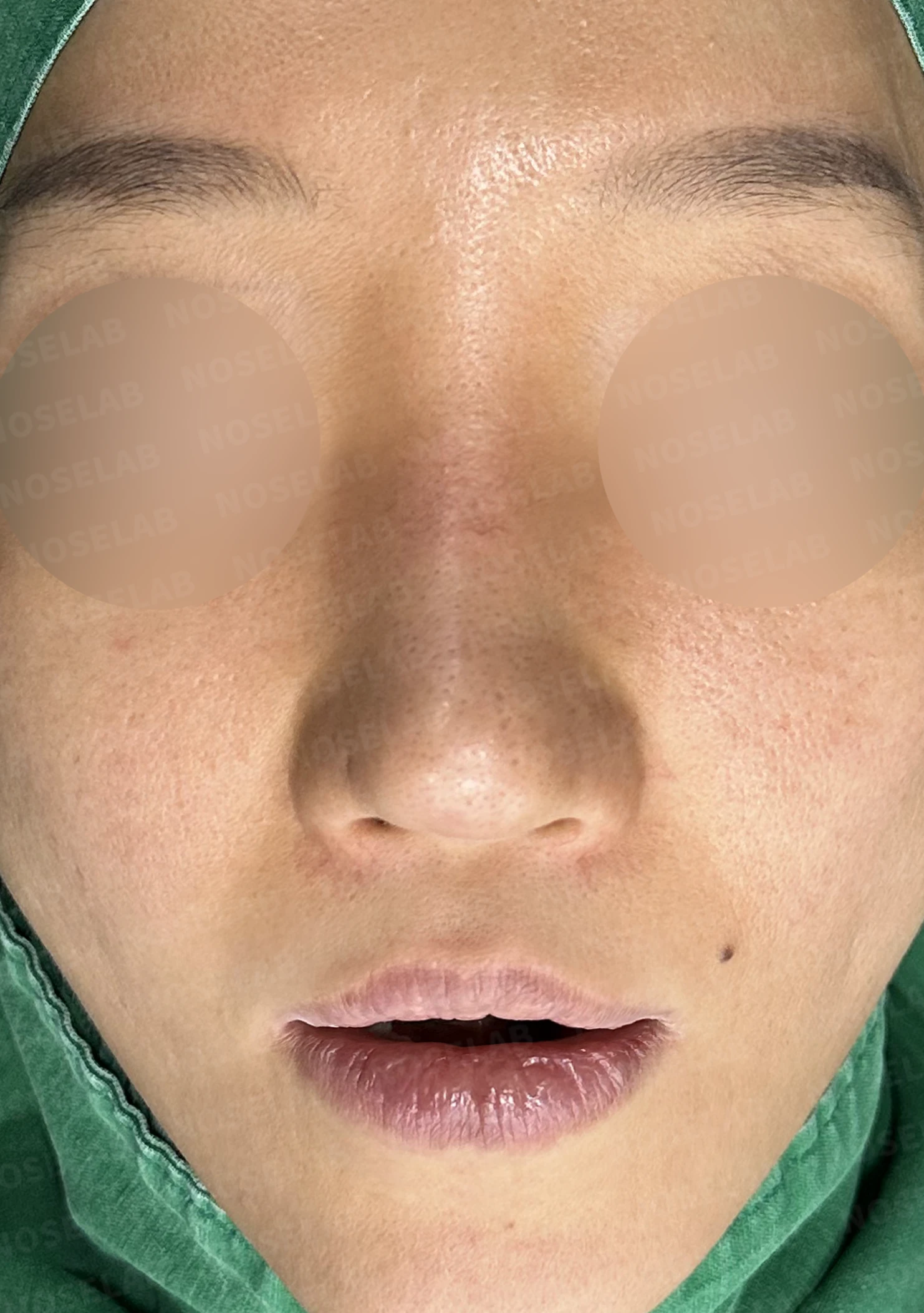
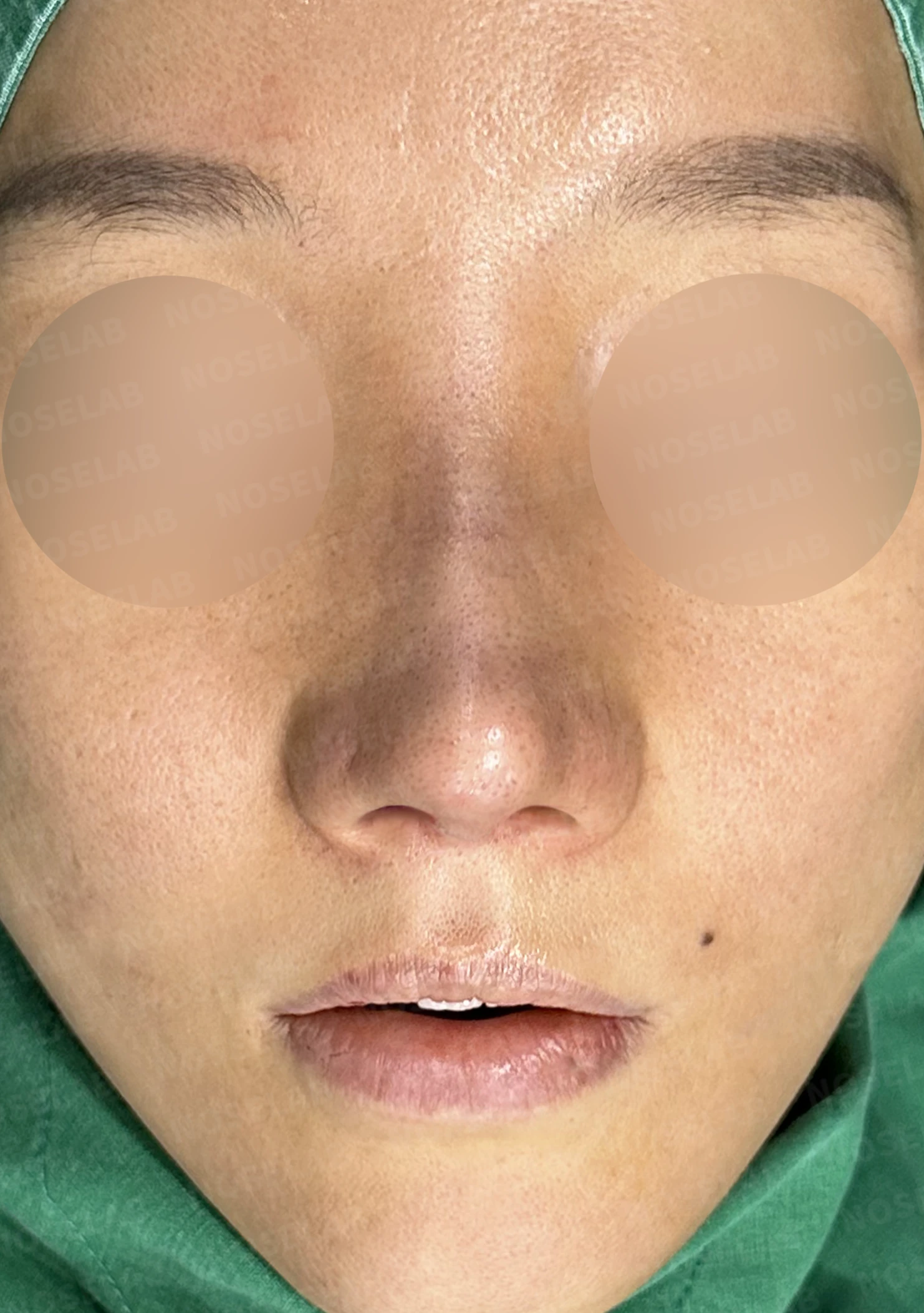
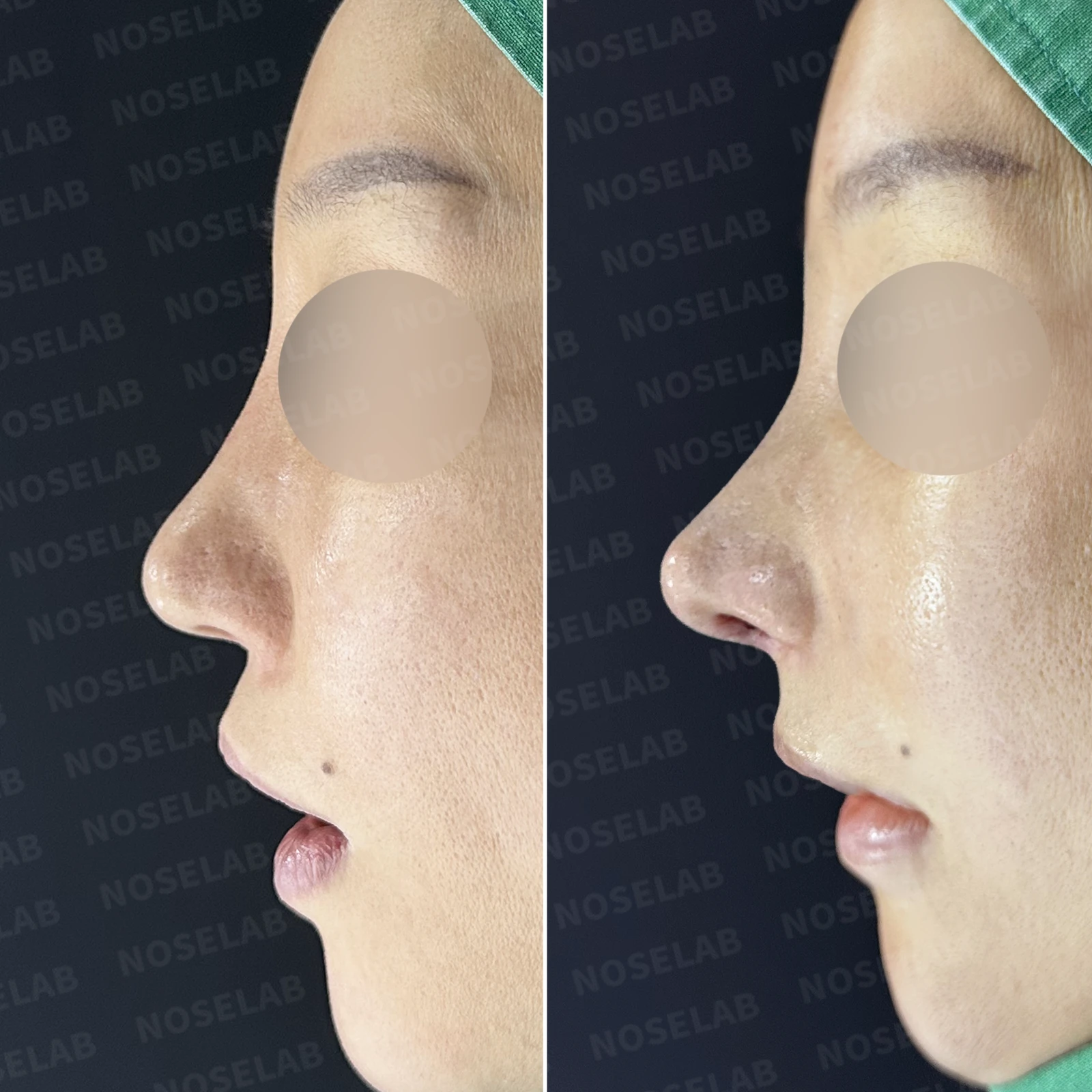
Before surgery / Day 0 immediately after surgery Photos taken immediately after surgery show swelling and may differ from the final result.
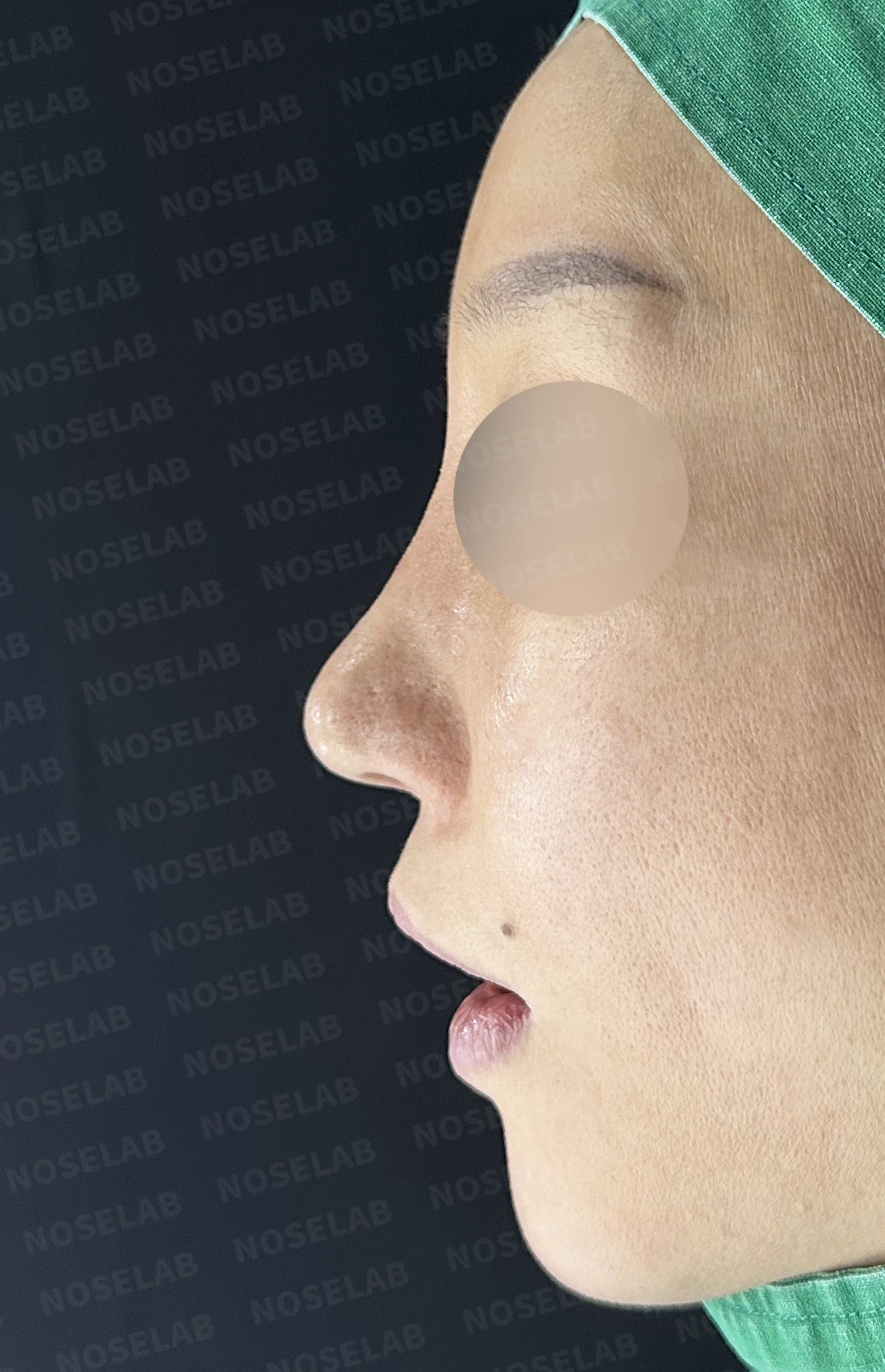
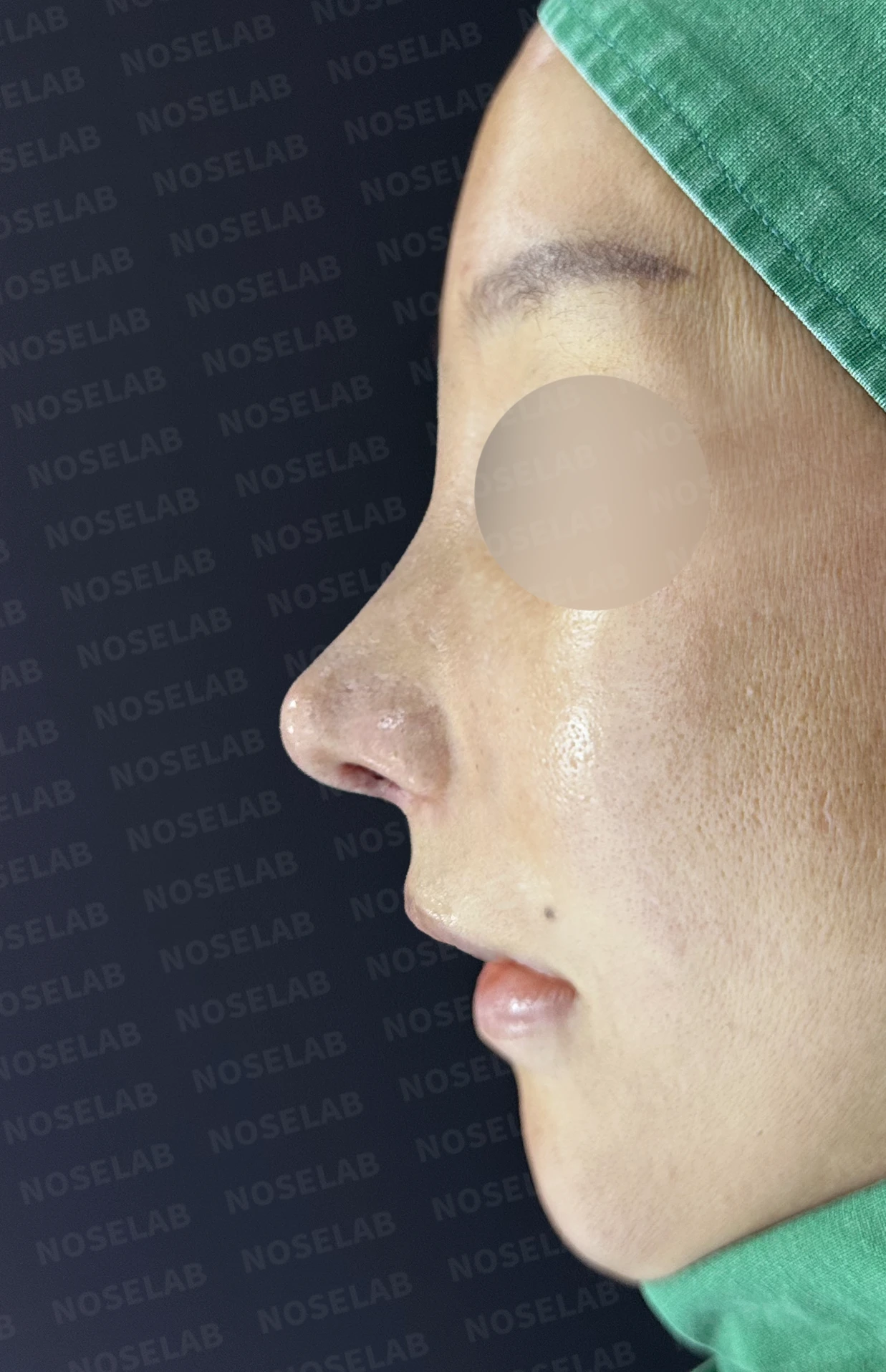
Before surgery / Day 0 immediately after surgery Photos taken immediately after surgery show swelling and may differ from the final result.
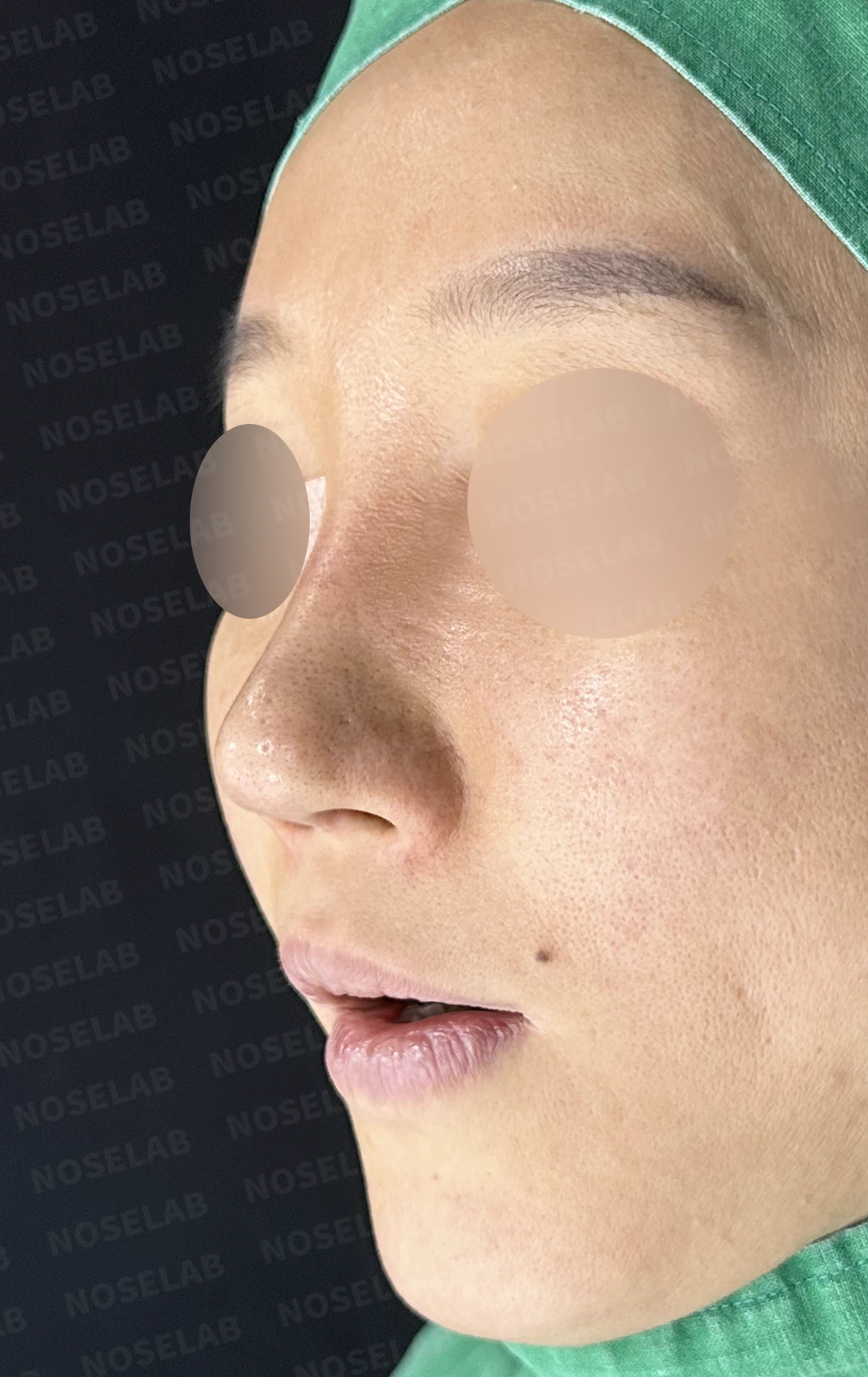
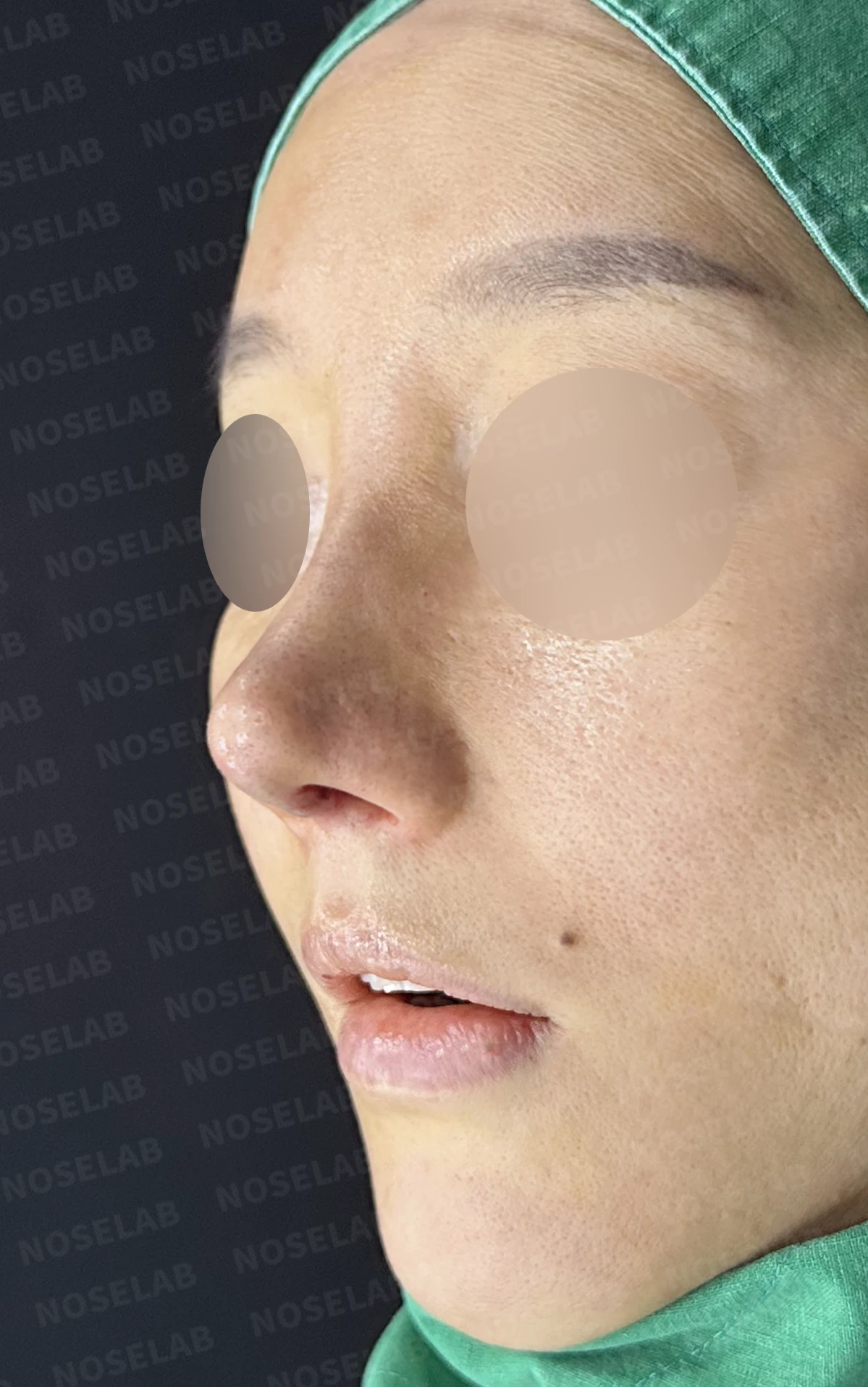
Before surgery / Day 0 immediately after surgery Photos taken immediately after surgery show swelling and may differ from the final result.
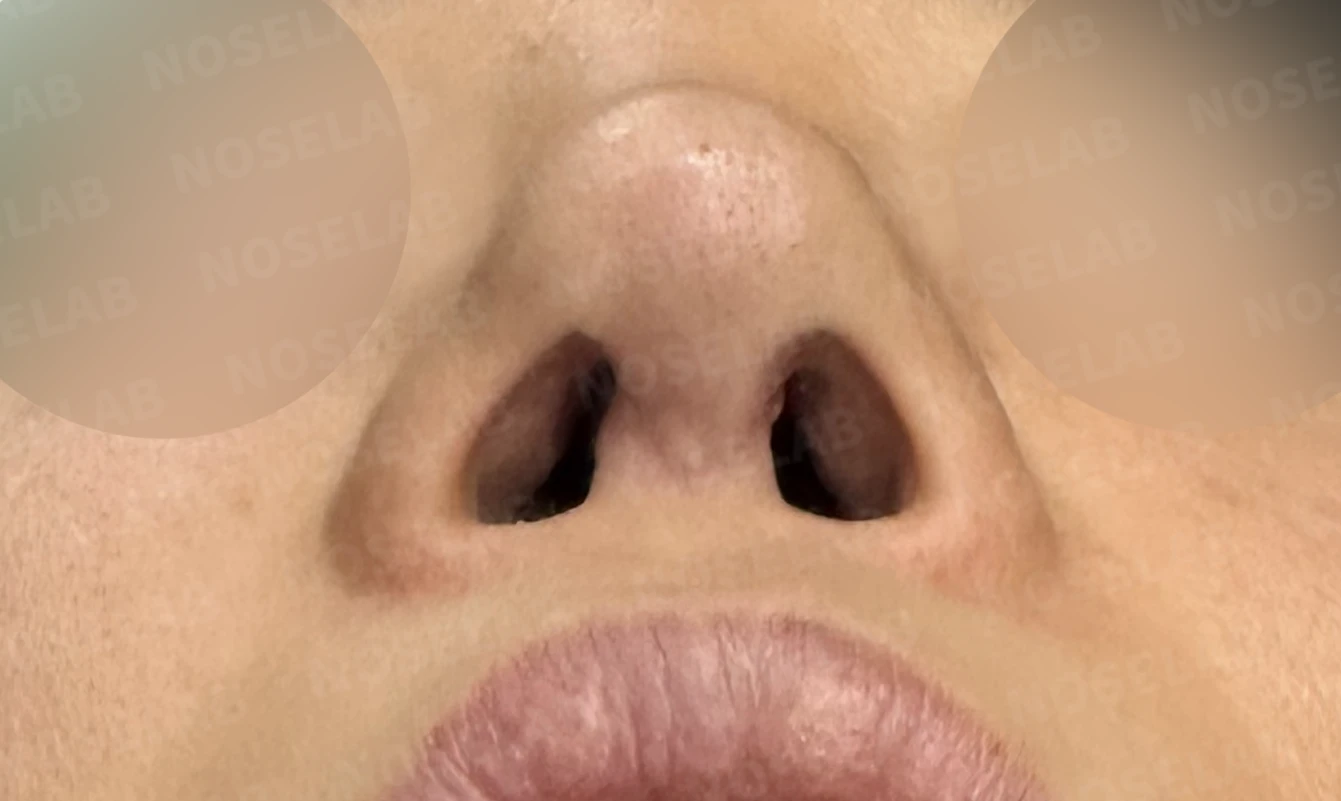
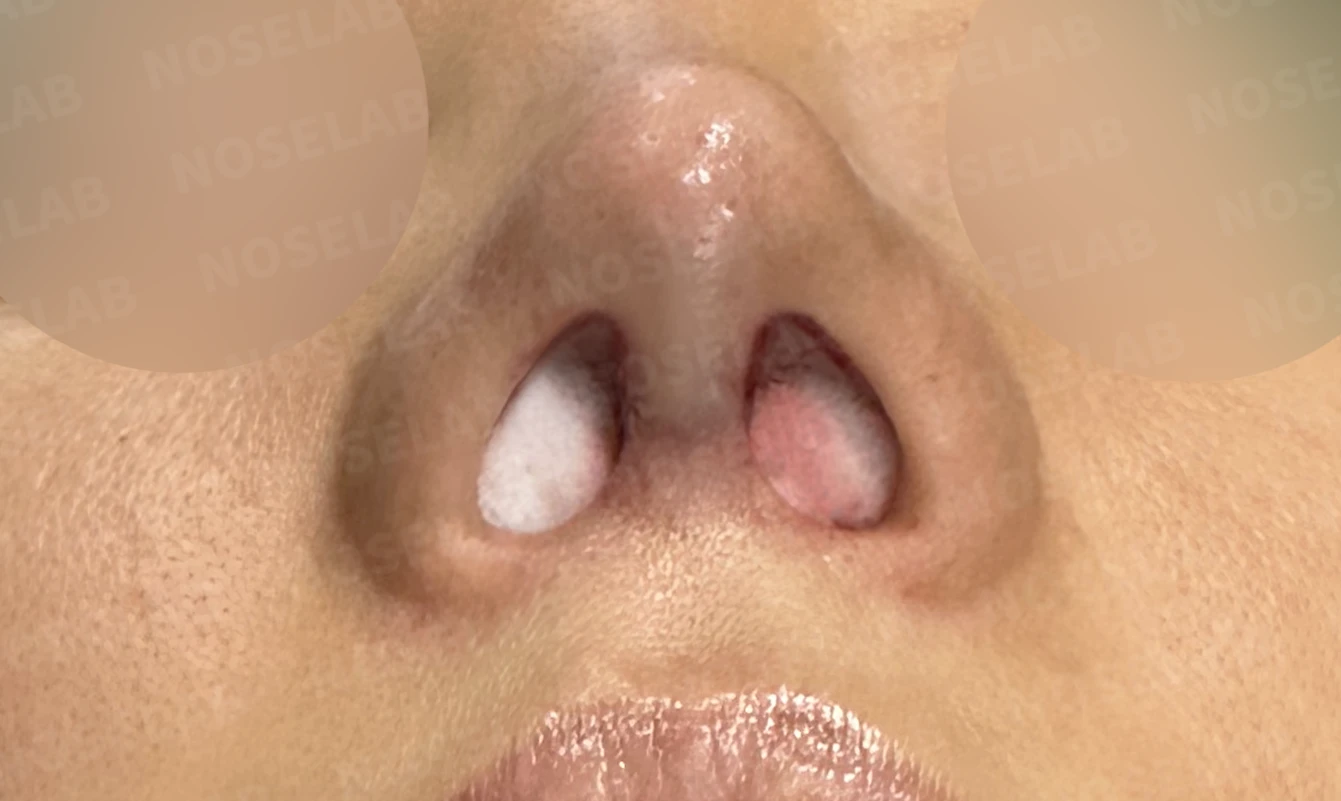
Before surgery / Day 0 immediately after surgery Photos taken immediately after surgery show swelling and may differ from the final result.
At the end of this long and complex journey, a truly satisfying result was achieved.
Areas improved:
Achievement of a natural and aesthetically pleasing nasal line
Appropriate shortening of an excessively long nose
Refinement of a blunt nasal tip
Correction of nostril asymmetry
Natural restoration of the retracted columella
I felt deeply rewarded when the patient told me immediately after surgery, "It finally feels like my own nose."
💡 Specialist opinion
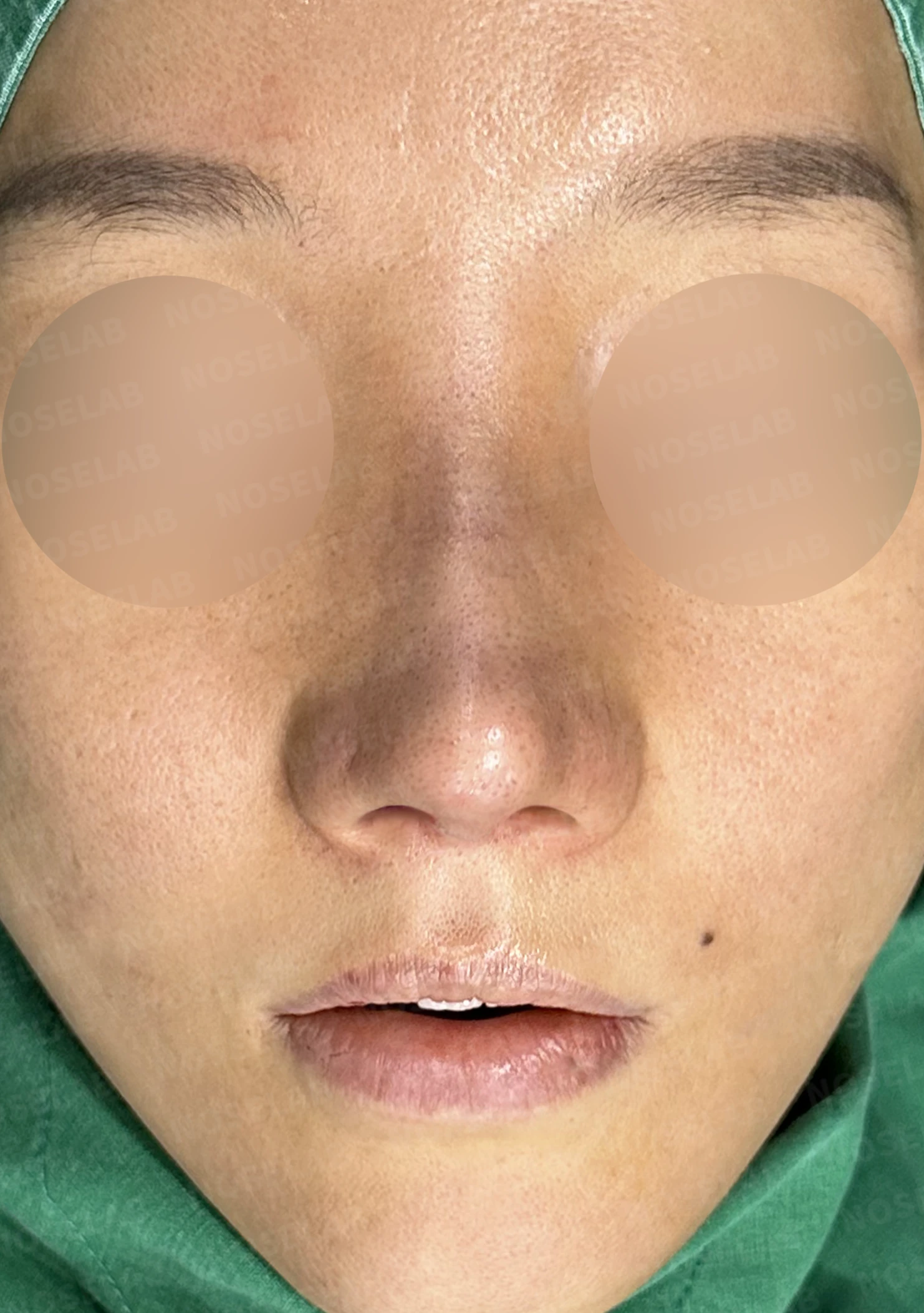
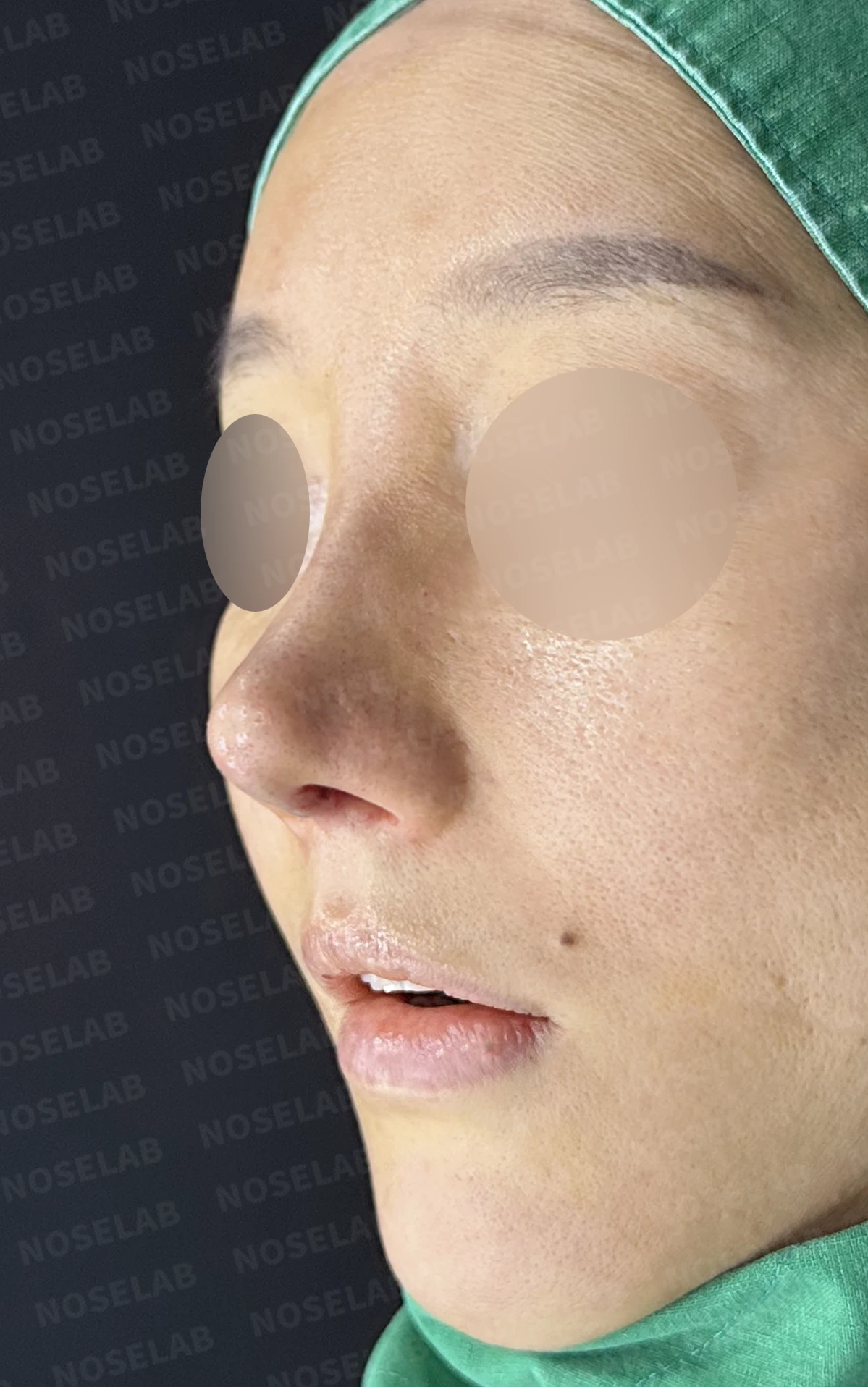
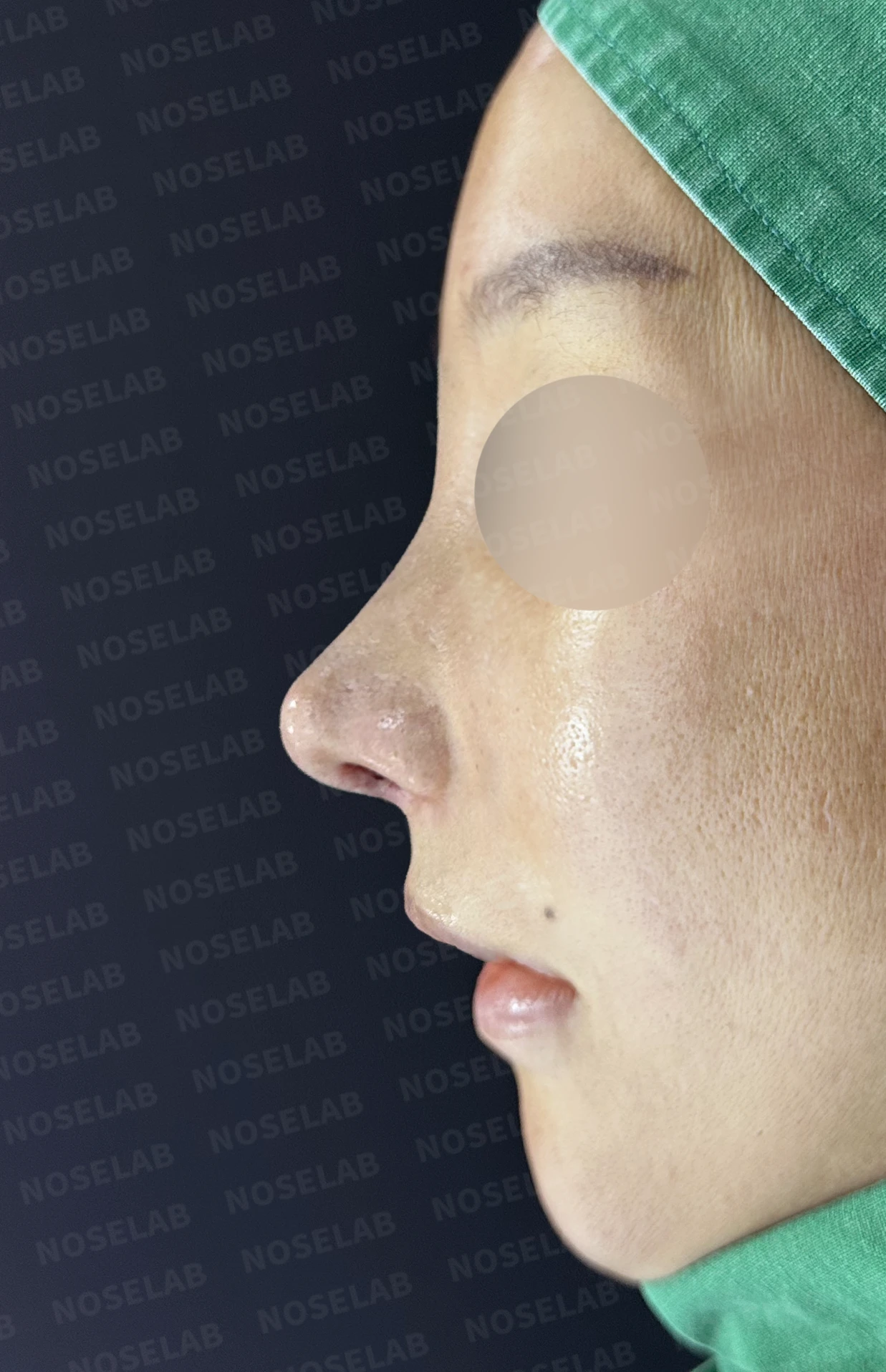
Front, oblique, and profile views on day 0 immediately after surgery. Photos taken immediately after surgery show swelling and may differ from the final result.
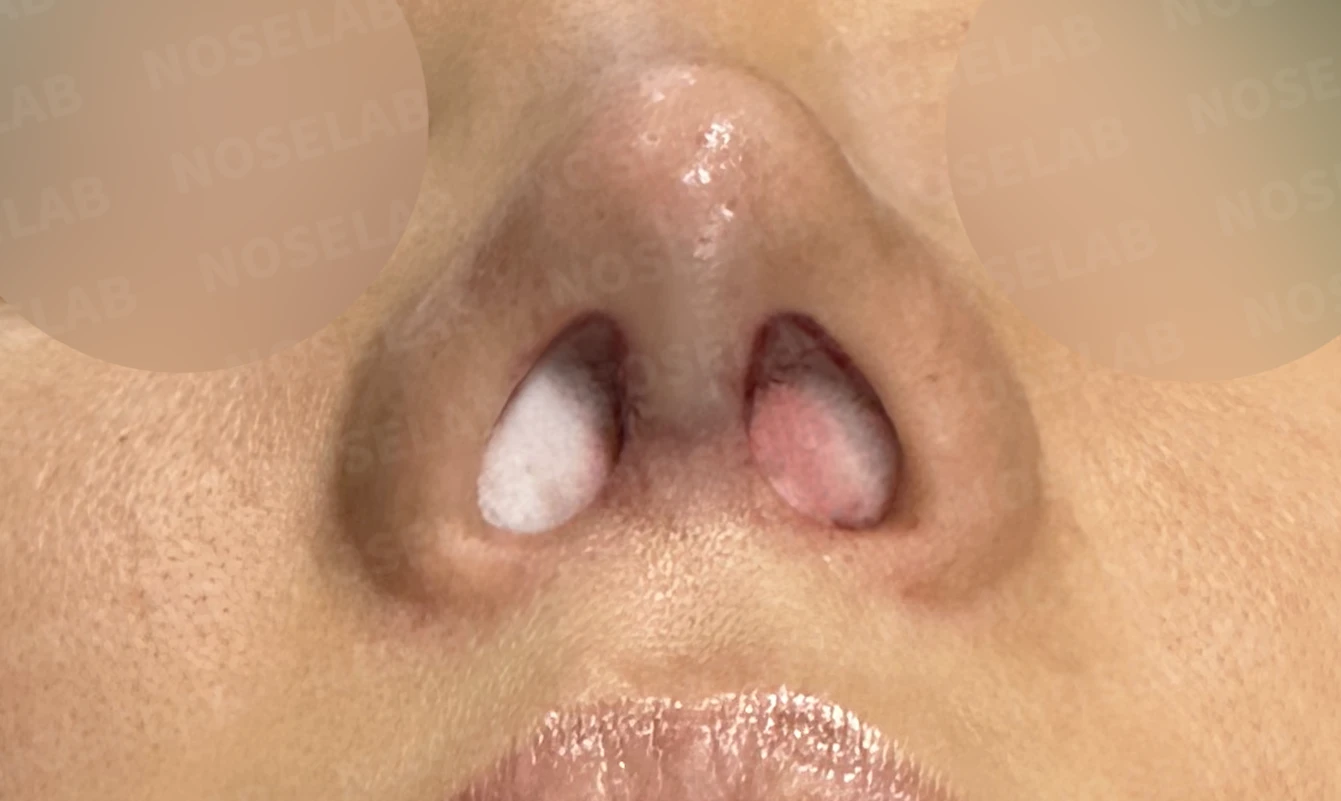
Nostril view on day 0 immediately after surgery. Photos taken immediately after surgery show swelling and may differ from the final result.
Handling such a complex revision case allowed me to reaffirm several key principles.
The challenges of revision rhinoplasty:
When normal tissue is severely damaged from multiple surgeries, a straightforward approach is not possible. In particular, when almost no septal cartilage remains
and the lower lateral cartilages are also lost, comprehensive reconstruction is essential.
The importance of autologous tissue:
For patients with a history of inflammation, autologous tissue must be prioritized over artificial implants. Even if it makes the surgery more complex, it is a necessary choice for long-term stability.
Precise diagnosis and planning:
Identifying the septal perforation in advance through preoperative endoscopy and incorporating it into the surgical plan was key to success. Only with such thorough preparation can unexpected complications be prevented.
Even in such difficult cases, we do not give up and strive for the intended result. I hope this case brings hope to those facing similar concerns.
This was Dr. Peter C. Kang. Thank you.
#closedrhinoplasty #closedrevisionrhinoplasty #autologousribcartilage #septalreconstruction #alarreconstruction #revisionspecialist #revisionrhinoplasty

Limitations and risks
When autologous rib cartilage is used, scarring and pain may remain at the donor site on the chest, and pneumothorax (pleural injury) can occur rarely. Over time, the grafted cartilage may warp or undergo partial resorption.
When revising after implant removal, contracture may progress again after removal, the nasal height and length may decrease, and staged surgery may be necessary depending on the skin condition.
When the septum is corrected at the same time, nasal obstruction may persist or recur, and in rare cases, septal perforation or changes in smell may occur.
Common potential risks include infection, bleeding, asymmetry, scarring, skin necrosis, and insufficient improvement; results vary depending on individual skin condition and previous surgical history.