English日本語简体中文
Skip to main content
Dr. Peter C. Kang's Rhinoplasty Stories
PrologueBlogMy thoughtsNasal obstructionSurgical journalSurgical photos
About the surgeon

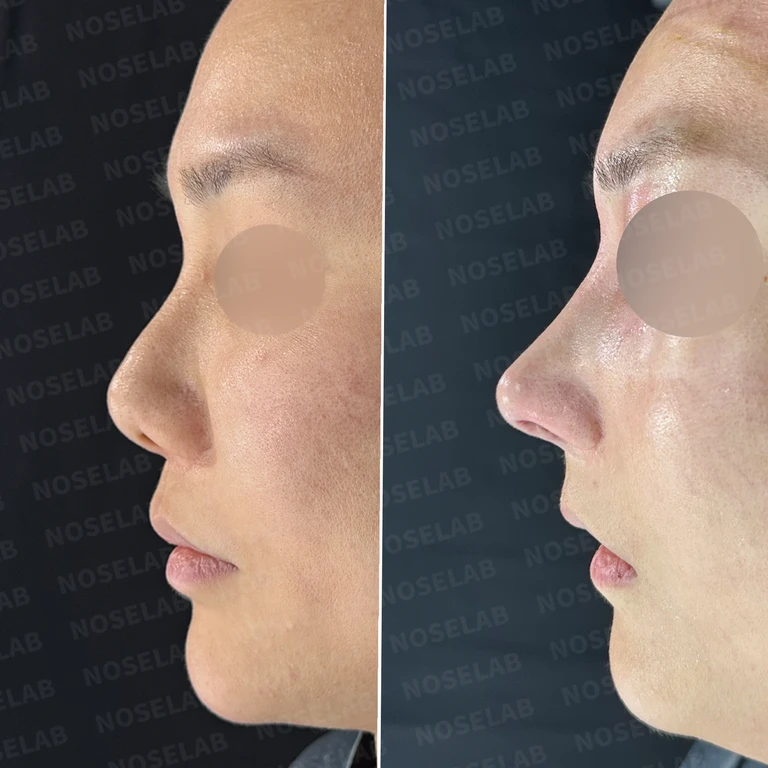
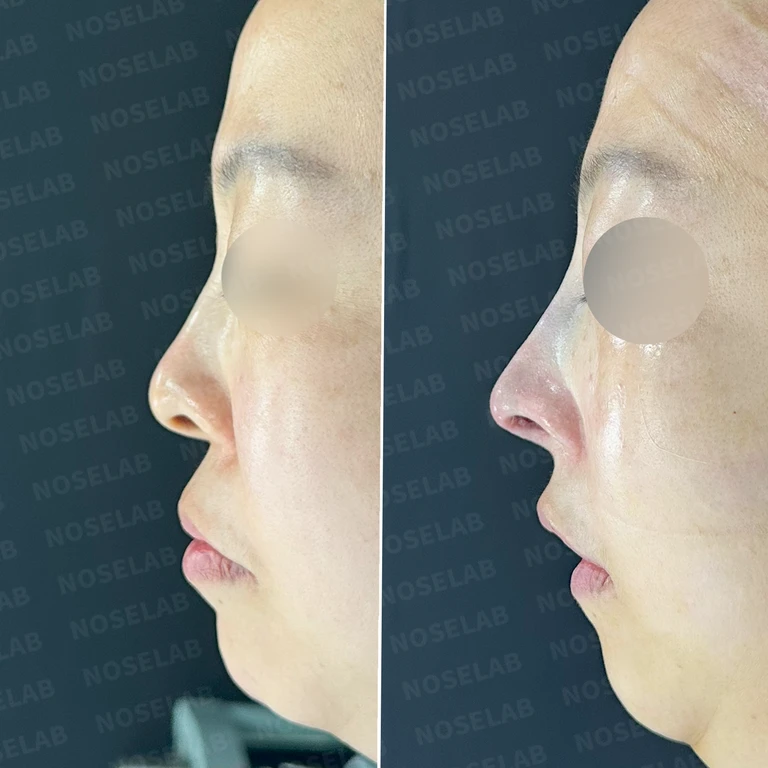
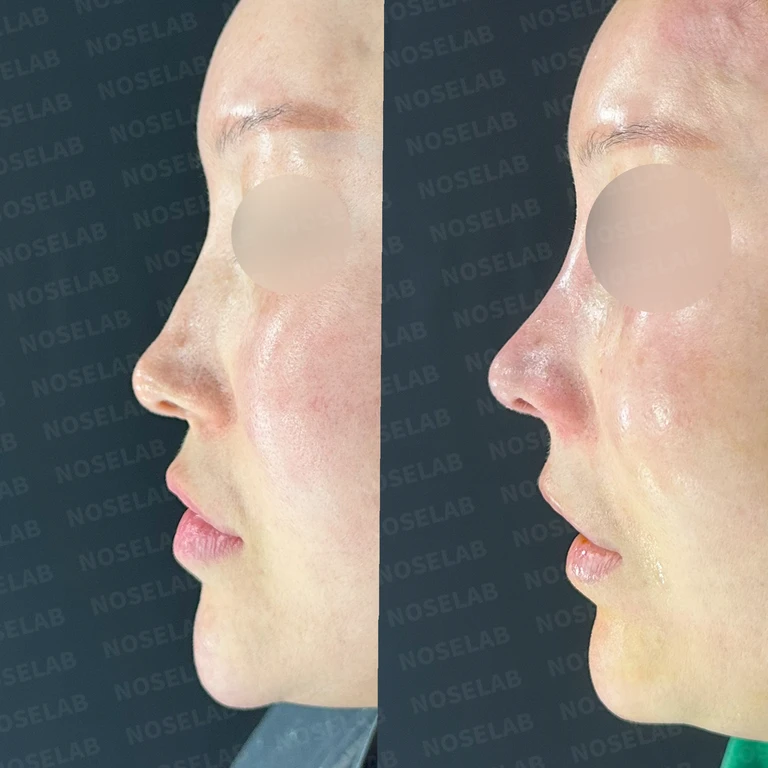
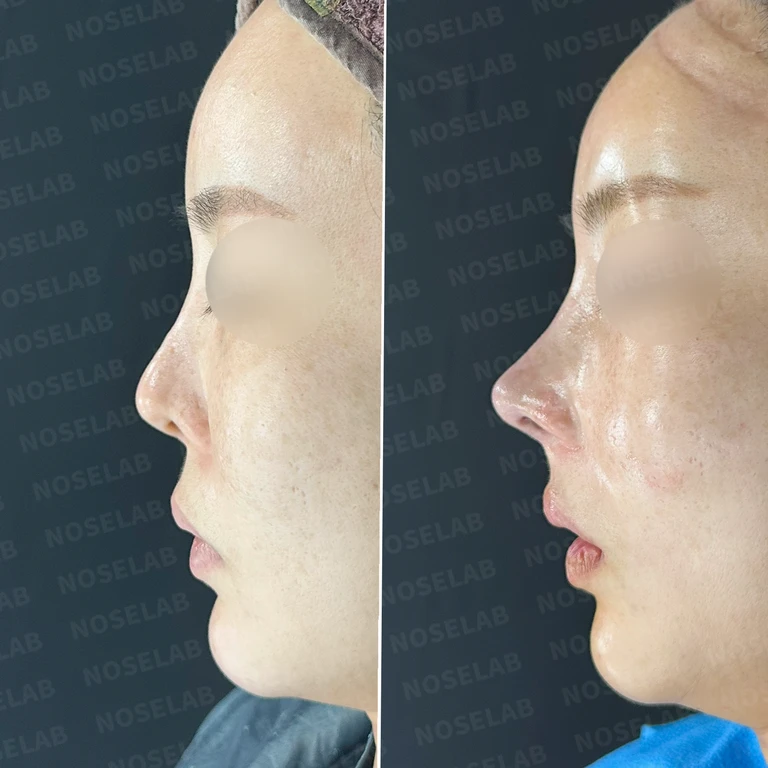
Alar lowering and alar cartilage correction cases

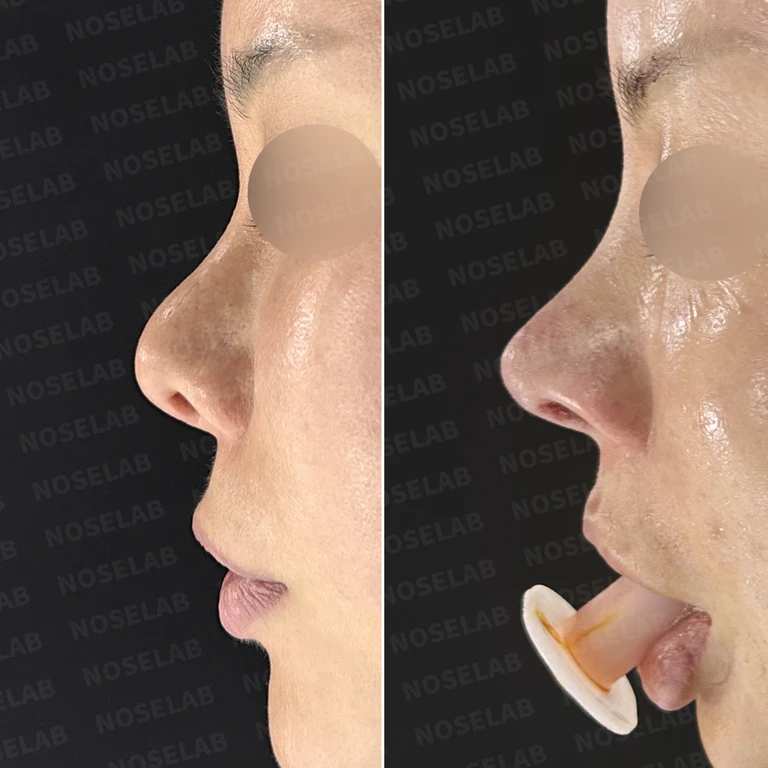
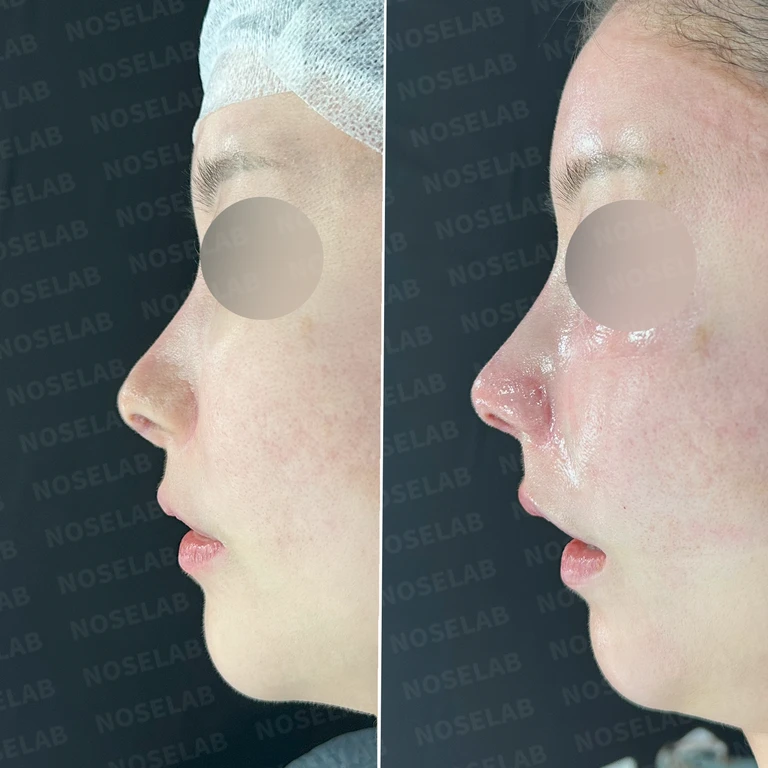
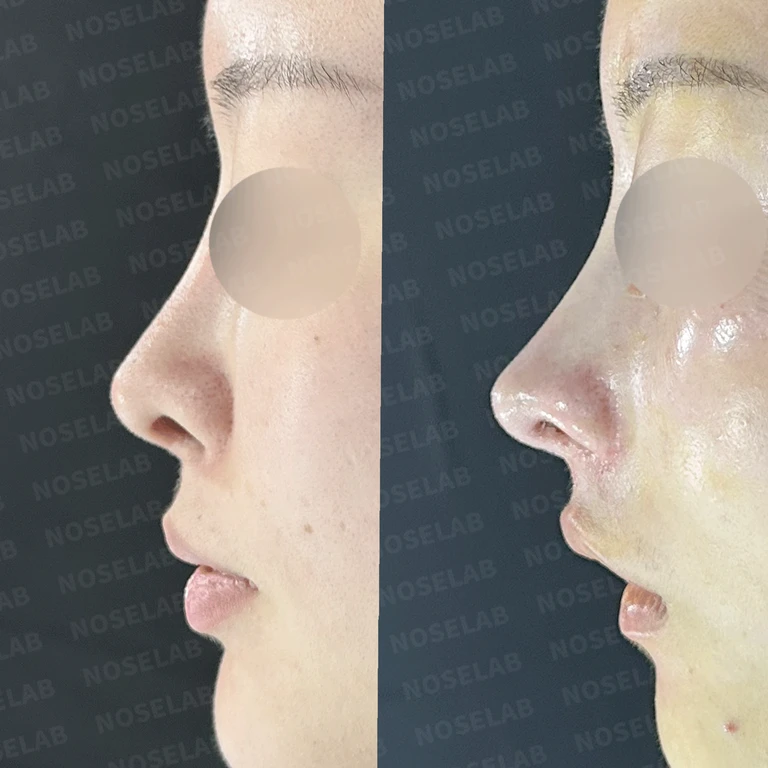
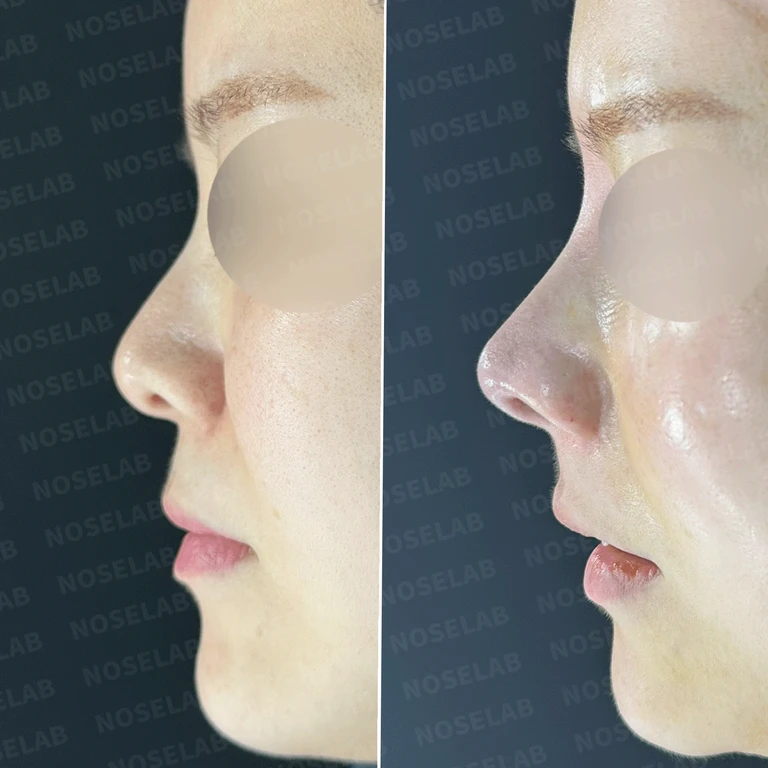
Alar rim lowering cases help examine both the degree of frontal nostril show and the contour of the alae. In one surgical record, ear cartilage was grafted to the anterior aspect of the right alar rim, while the left lower lateral cartilage was repositioned. This demonstrates a case where different techniques were applied to each nostril in the same patient.

Other records describe reconstructing the lower lateral cartilage before repositioning it, or performing cartilage grafting and skin grafting simultaneously. Therefore, alar rim lowering cannot be viewed as relying on a single material or a single technique. Take time to see how the frontal view, nostril asymmetry seen from the base view, and the condition of the nasal tip and alae correspond throughout the original case notes.

View before-and-after cases ↓Comprehensive rhinoplasty guide

Searching for surgical cases matching your criteria.
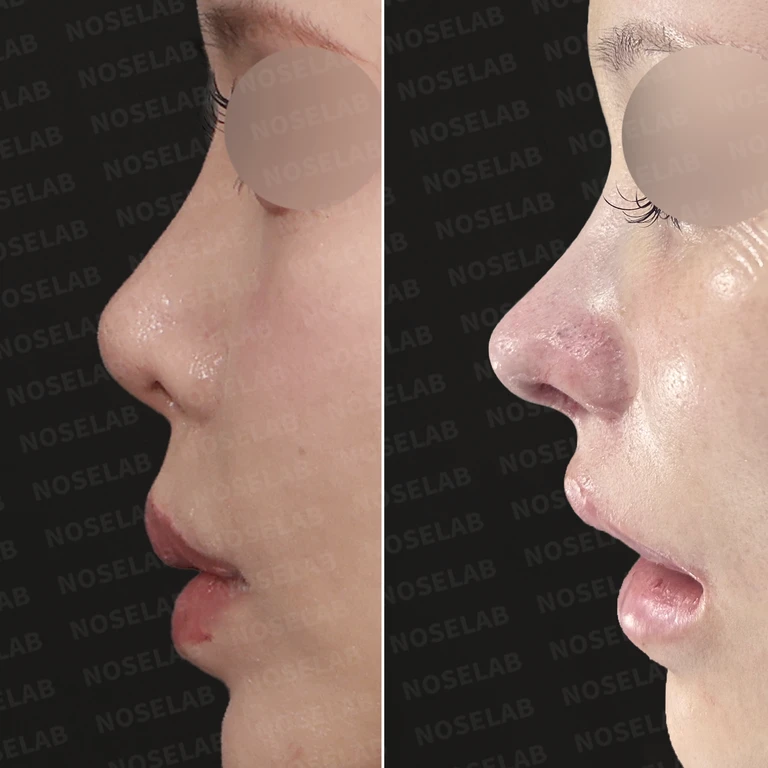
Why rib cartilage reconstruction is needed when the septum is weak, even in primary rhinoplasty — Before-and-after comparison
Before-and-after comparison

Why rib cartilage reconstruction is needed when the septum is weak, even in primary rhinoplasty

A case of correcting a short, upturned nasal tip and a pinched nostril caused by congenital septal cartilage weakness. Autologous rib cartilage was used to reconstruct the septum and lower lateral cartilage, combined with lowering the nostril rim and lateral osteotomy.

Performed or used in this surgery
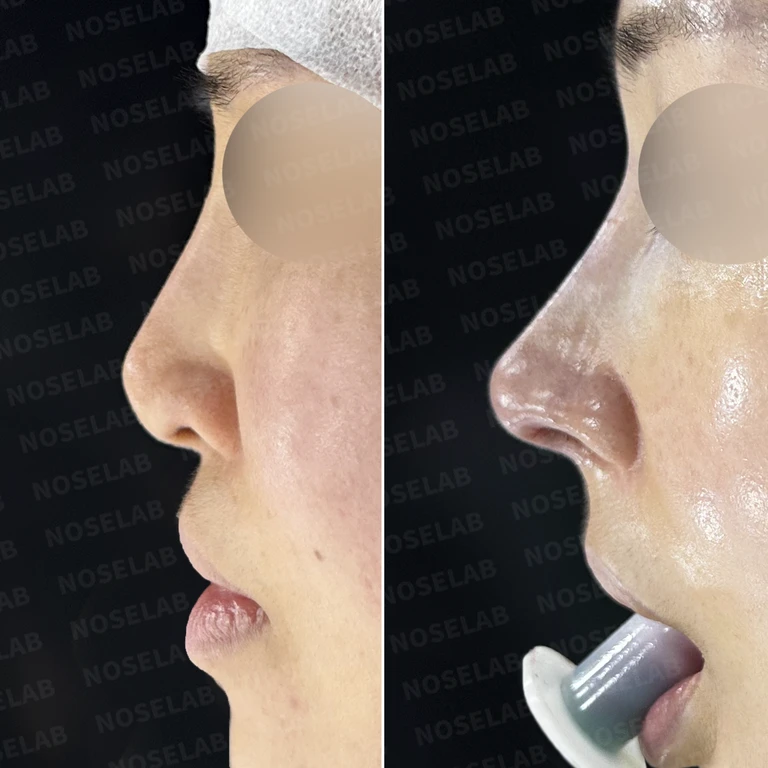
Why implants show through and nostrils look M-shaped, and how to reconstruct them — Before-and-after comparison
Before-and-after comparison

Why implants show through and nostrils look M-shaped, and how to reconstruct them

Implant show-through at the nasal tip and thinned skin were reinforced with donor dermis, and foreign substances were removed. The nasal tip was reconstructed using autologous rib cartilage, along with dragon nose correction and lateral osteotomy.

Performed or used in this surgery
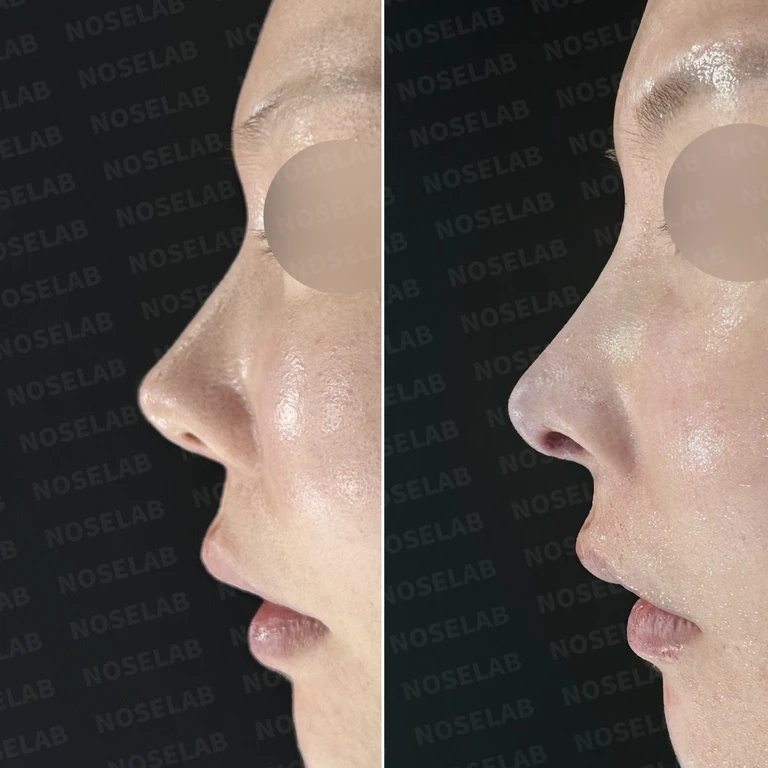
Why the nasal tip can remain upturned after revision rhinoplasty, and when donor rib cartilage is used — Before-and-after comparison
Before-and-after comparison

Why the nasal tip can remain upturned after revision rhinoplasty, and when donor rib cartilage is used

An upturned and deviated nose, accompanied by hesitation toward autologous rib cartilage due to past pneumothorax, was improved without implants using donor rib cartilage, recycled previous rib cartilage, nasal bone rasping, and nasolabial angle correction.

Performed or used in this surgery

Why the nasal tip turns upward when the septum is lost, and how to reconstruct the septum with autologous rib cartilage — Before-and-after comparison
Before-and-after comparison

Why the nasal tip turns upward when the septum is lost, and how to reconstruct the septum with autologous rib cartilage

Septal support lost in previous surgeries was reconstructed with autologous rib cartilage, and pinched alae and depressed nasal bridge areas were reinforced to correct an upturned nasal tip and nostril show.

Performed or used in this surgery

Why the columella retracts and the alar rim looks pinched after rhinoplasty, and how autologous rib cartilage reconstruction is performed — Before-and-after comparison
Before-and-after comparison

Why the columella retracts and the alar rim looks pinched after rhinoplasty, and how autologous rib cartilage reconstruction is performed

In a patient presenting with columellar retraction and a pinched right alar rim following rhinoplasty with silicone and donor rib cartilage, the existing materials were removed and reconstruction of the septum and alar cartilage was performed using autologous rib cartilage.

Performed or used in this surgery

Why one nostril shows more from the front and how to reconstruct the nasal tip — Before-and-after comparison
Before-and-after comparison

Why one nostril shows more from the front and how to reconstruct the nasal tip

To correct nasal tip deformity and asymmetrical nostril show, the nasal tip was supported with donor rib cartilage and septal cartilage, accompanied by right alar rim lowering and a customized silicone implant placement.

Performed or used in this surgery

Why an upturned nose and unilaterally pinched nostril occur, and how implant-free reconstruction is performed — Before-and-after comparison
Before-and-after comparison

Why an upturned nose and unilaterally pinched nostril occur, and how implant-free reconstruction is performed

An upturned nose and pinched nostril caused by multiple prior surgeries were corrected after removing artificial dermis, performing implant-free bridge augmentation with donor rib cartilage and septal cartilage, and using a skin-cartilage composite graft on the right nostril.

Performed or used in this surgery

Changes caused by semi-permanent bridge filler and septal reconstruction after removal — Before-and-after comparison
Before-and-after comparison

Changes caused by semi-permanent bridge filler and septal reconstruction after removal

For Artecoll semi-permanent filler on the nasal bridge, a damaged septum, an upturned nasal tip, and nostril asymmetry, foreign material was completely removed, followed by septal reconstruction using autologous rib cartilage and alar rim lowering.

Performed or used in this surgery

Contracture causing the nose to harden and shorten after previous surgery: why it occurs and how it is reconstructed — Before-and-after comparison
Before-and-after comparison

Contracture causing the nose to harden and shorten after previous surgery: why it occurs and how it is reconstructed

For capsular contracture, septal damage, and asymmetric nasal bones following previous surgery, the implant and capsule were removed, and septal reconstruction, lateral osteotomy, and nasal bridge augmentation with autologous rib cartilage were performed.

Performed or used in this surgery

Why an autologous dermal graft absorbs, leading to a widened bridge and upturned nose, and how to correct it — Before-and-after comparison
Before-and-after comparison

Why an autologous dermal graft absorbs, leading to a widened bridge and upturned nose, and how to correct it

A case of an upturned nose and widened bridge caused by dermal graft absorption. After removing nasal filler placed 2 years ago, a straight bridge line was established through septal extension, alar rim lowering, and correction of the depressed dorsum.

Performed or used in this surgery

Why the columella droops and nostrils become visible: correcting a crooked nose and nostril asymmetry — Before-and-after comparison
Before-and-after comparison

Why the columella droops and nostrils become visible: correcting a crooked nose and nostril asymmetry

A case of a drooping columella, crooked nose, and nostril show following prior filler, Misko, and silicone rhinoplasty. Autologous rib cartilage reconstruction and alar rim grafts were performed after implant removal.

Performed or used in this surgery

Slight lack of height and subtle asymmetry remaining after rhinoplasty: Why they occur and how they are refined — Before-and-after comparison
Before-and-after comparison

Slight lack of height and subtle asymmetry remaining after rhinoplasty: Why they occur and how they are refined

After a stable primary surgery, reinforcement using autologous rib cartilage, septal reconstruction, and nasolabial angle correction were performed to add height and correct subtle bilateral asymmetry.

Performed or used in this surgery
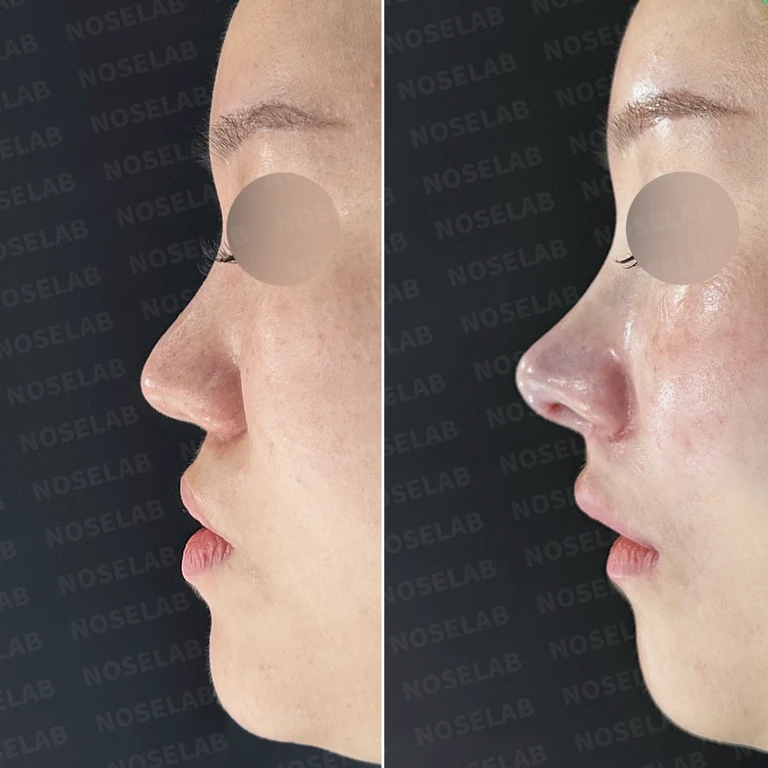
Why the nasal bridge looks artificial and the nose becomes upturned, and how to reconstruct it — Before-and-after comparison
Before-and-after comparison

Why the nasal bridge looks artificial and the nose becomes upturned, and how to reconstruct it

After surgery with a silicone implant and donor rib cartilage, a chalk-like nasal bridge and excessive nostril show occurred. A natural line was reconstructed through septal extension using autologous rib cartilage and alar rim lowering.

Performed or used in this surgery
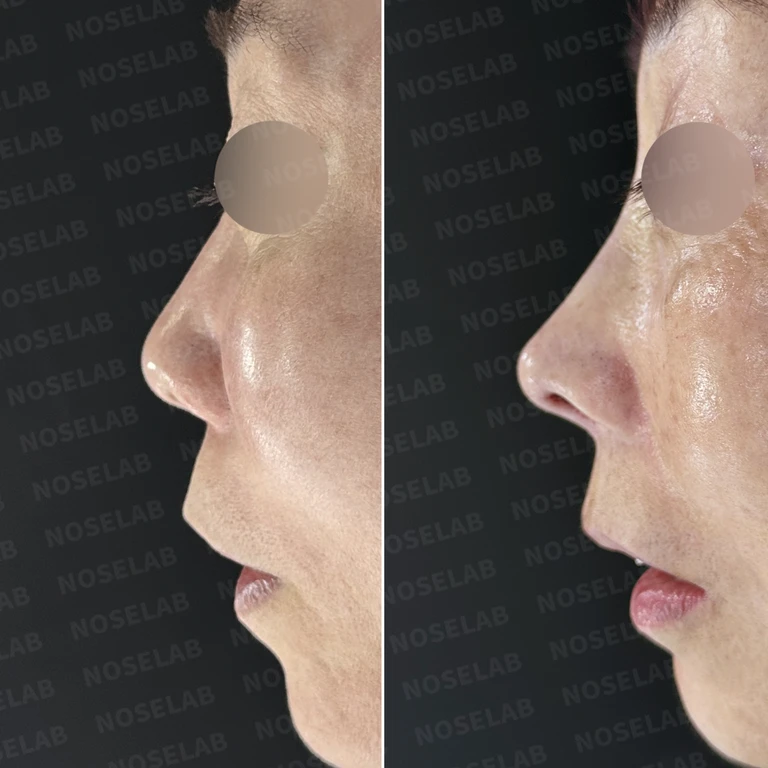
Why rib cartilage calcification must be evaluated in advance and correction methods for crooked and short noses — Before-and-after comparison
Before-and-after comparison

Why rib cartilage calcification must be evaluated in advance and correction methods for crooked and short noses

After evaluating calcification in the autologous rib cartilage, the 8th rib cartilage was harvested to correct a crooked nose, short nose, and nostril show, while an inferior turbinate reduction was performed concurrently to improve breathing function.

Performed or used in this surgery
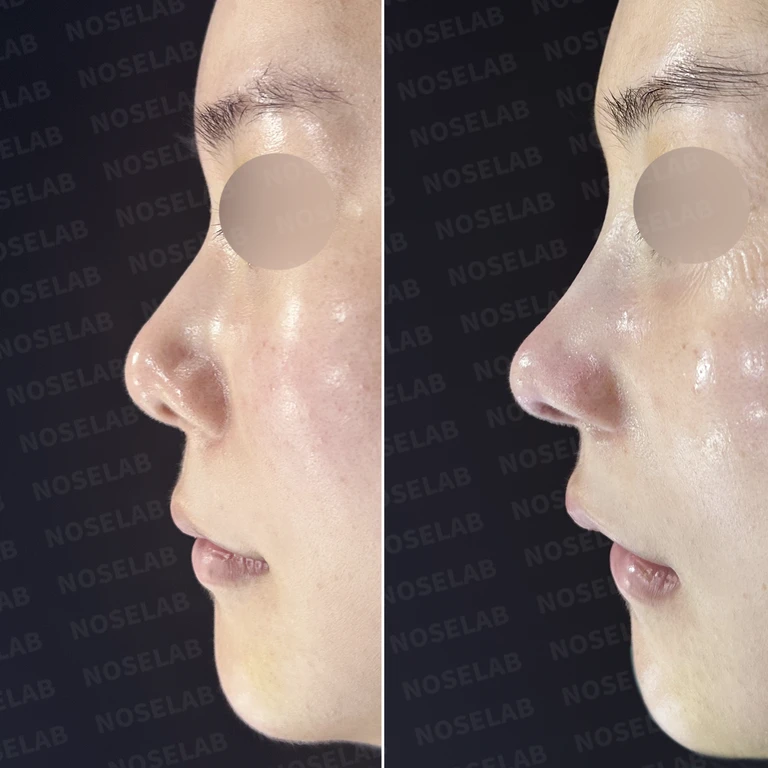
Why nostril asymmetry and an upturned tip remain after alar reduction and how to correct them — Before-and-after comparison
Before-and-after comparison

Why nostril asymmetry and an upturned tip remain after alar reduction and how to correct them

A revision rhinoplasty case where nostril asymmetry, an upturned nasal tip, and an implant step-off visible after alar reduction were corrected through structural reconstruction with autologous rib cartilage, silicone implant replacement, and nasolabial angle correction.

Performed or used in this surgery
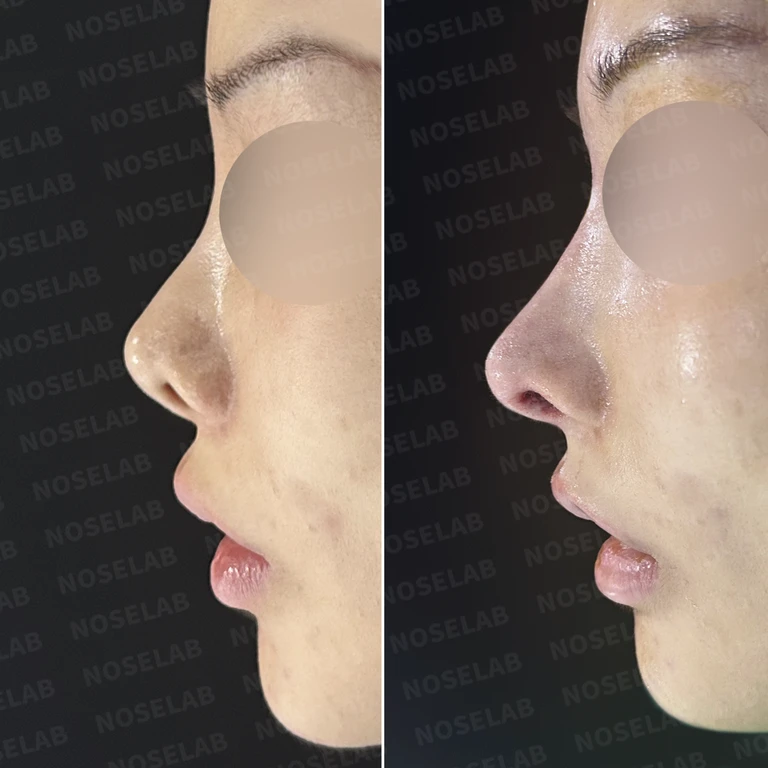
Why nostrils show excessively in an upturned nose, and how to correct nasal tip position — Before-and-after comparison
Before-and-after comparison

Why nostrils show excessively in an upturned nose, and how to correct nasal tip position

A clinical case improving excessive nostril show, a wide nasal bridge, and an upturned nose deformity through lower lateral cartilage repositioning, nasal tip repositioning, dorsal hump rasping, and inferior turbinate resection.

Performed or used in this surgery
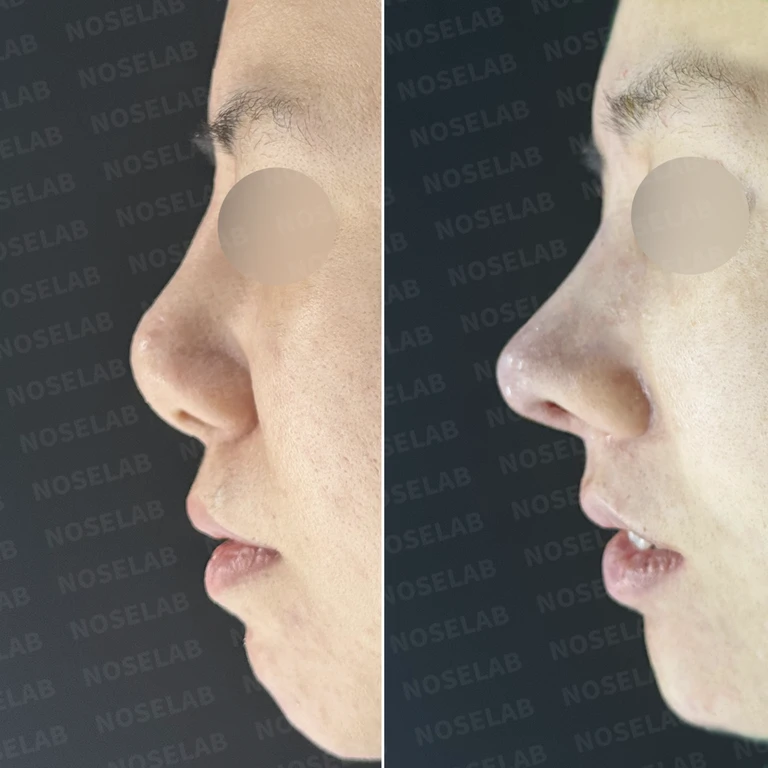
Why long-standing contracted noses and crooked noses occur together, and how reconstruction is performed — Before-and-after comparison
Before-and-after comparison

Why long-standing contracted noses and crooked noses occur together, and how reconstruction is performed

A case correcting a contracted nose, crooked nose, and pinched nostrils that developed after repeated surgeries, using silicone implant and scar tissue removal, nasal tip reconstruction with autologous rib cartilage, alar reconstruction with ear cartilage, and dermal grafting.

Performed or used in this surgery
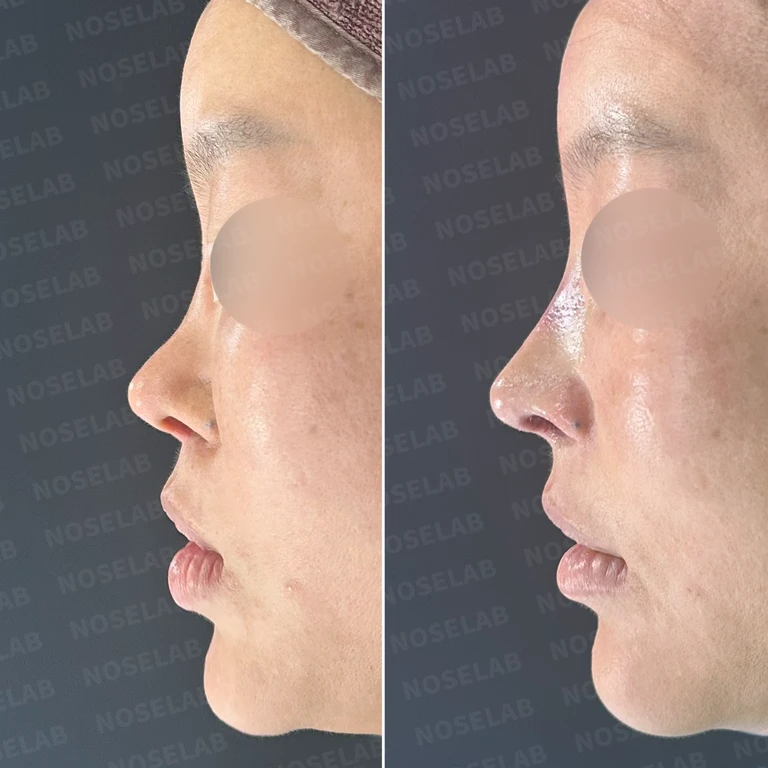
Why nostrils appear triangular in an upturned nose, and how to correct nostril shape — Before-and-after comparison
Before-and-after comparison

Why nostrils appear triangular in an upturned nose, and how to correct nostril shape

To address an upturned nose, excessive nostril show, and a high radix resulting from multiple rhinoplasty procedures over an extended period, nostril-lowering surgery with composite cartilage and skin grafting was performed alongside functional nasal surgery.

Performed or used in this surgery
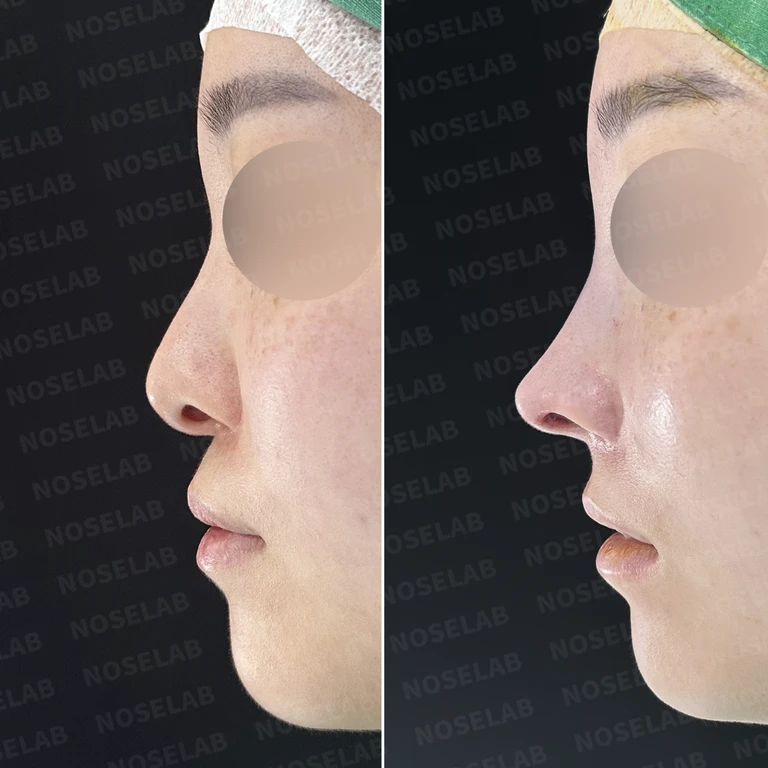
No search results found

Please try searching with different keywords.

Scroll to keep reading

1 / 3Next case

Common questions before reading the cases

Is the same surgical technique applied to both sides during alar rim lowering?

One case record notes that alar rim lowering was performed by grafting ear cartilage on the right side and repositioning the lower lateral cartilage on the left side. It documents that the shape and the technique used differed for each side. When reviewing asymmetry correction cases, rather than assuming the same technique was used on both sides, it is helpful to cross-reference the surgical descriptions with the photos of each side.

Are there cases where both cartilage and skin grafts were used for alar rim lowering?

There are records where cartilage and skin grafts were performed simultaneously to reshape the nostrils. Other articles show cases where a pinched alar appearance was corrected by repositioning the reconstructed lower lateral cartilage. Because the tissues requiring augmentation vary by patient, it is essential to look beyond the term alar rim lowering and review the preoperative condition alongside the specific techniques performed.

Related topics to explore

Excessive nostril showRetracted or pinched alaeNostril asymmetryEar cartilage

Surgical records referenced in this guide

  • How to plan nostril lowering (alar rim grafting) in an upturned nose
  • How to correct an upturned nose and nostril show together
  • Why nostrils appear triangular in an upturned nose, and how to correct nostril shape
Original article

Read more records

Planning a visit to Seoul?Prepare your consultation with the NOSELAB team.

International patient guideWhatsApp ↗
Dr. Peter C. Kang's Rhinoplasty Stories
Rhinoplasty guideCases by topicDr. Peter C. KangNaver Blog ↗
View original photo
Enlarged photo
WhatsAppChat with NOSELAB↗