Hello, I am Dr. Peter C. Kang.
Today, I will introduce a case where asymmetry and an upturned nose resulting from prior alar reduction surgery were corrected.
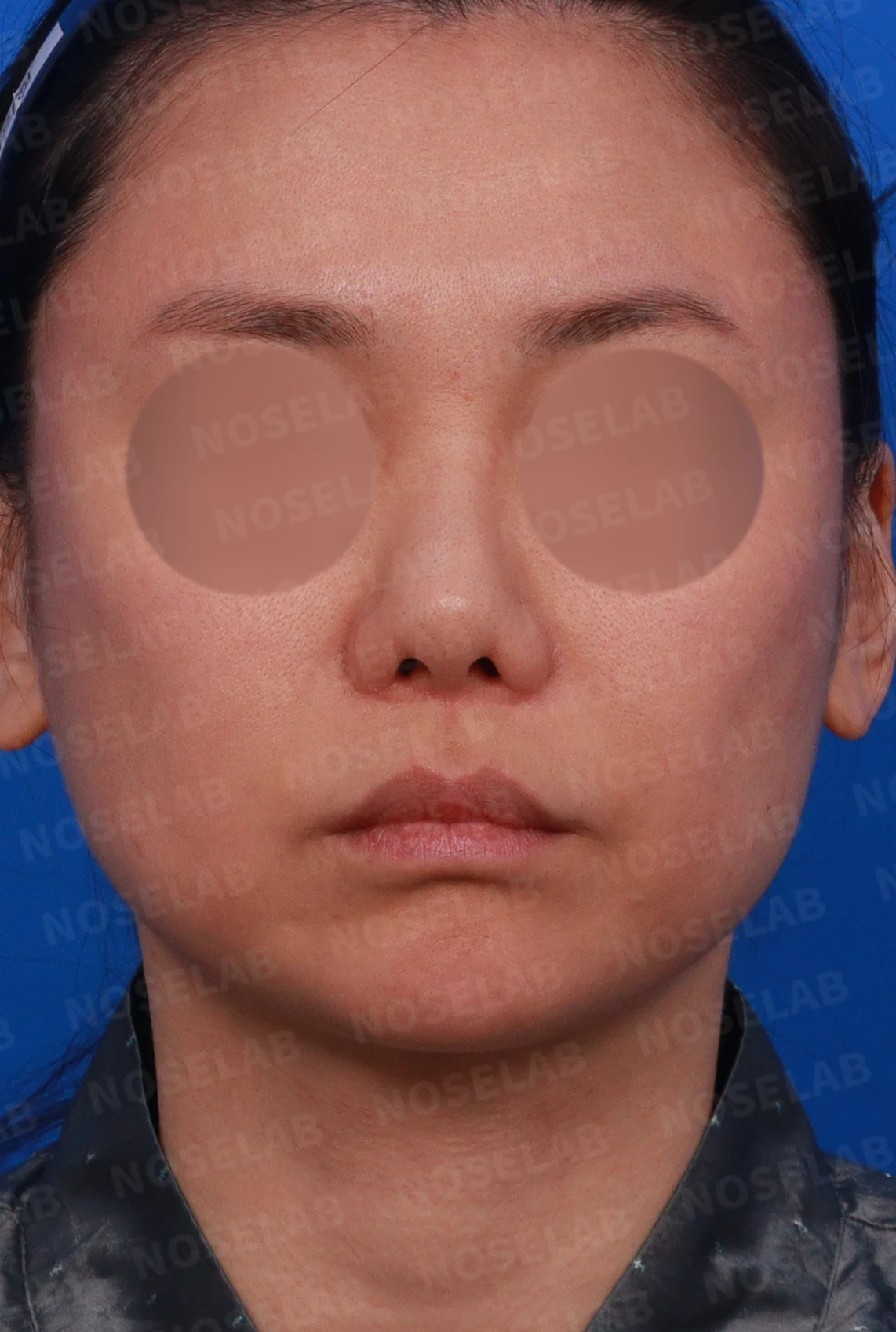
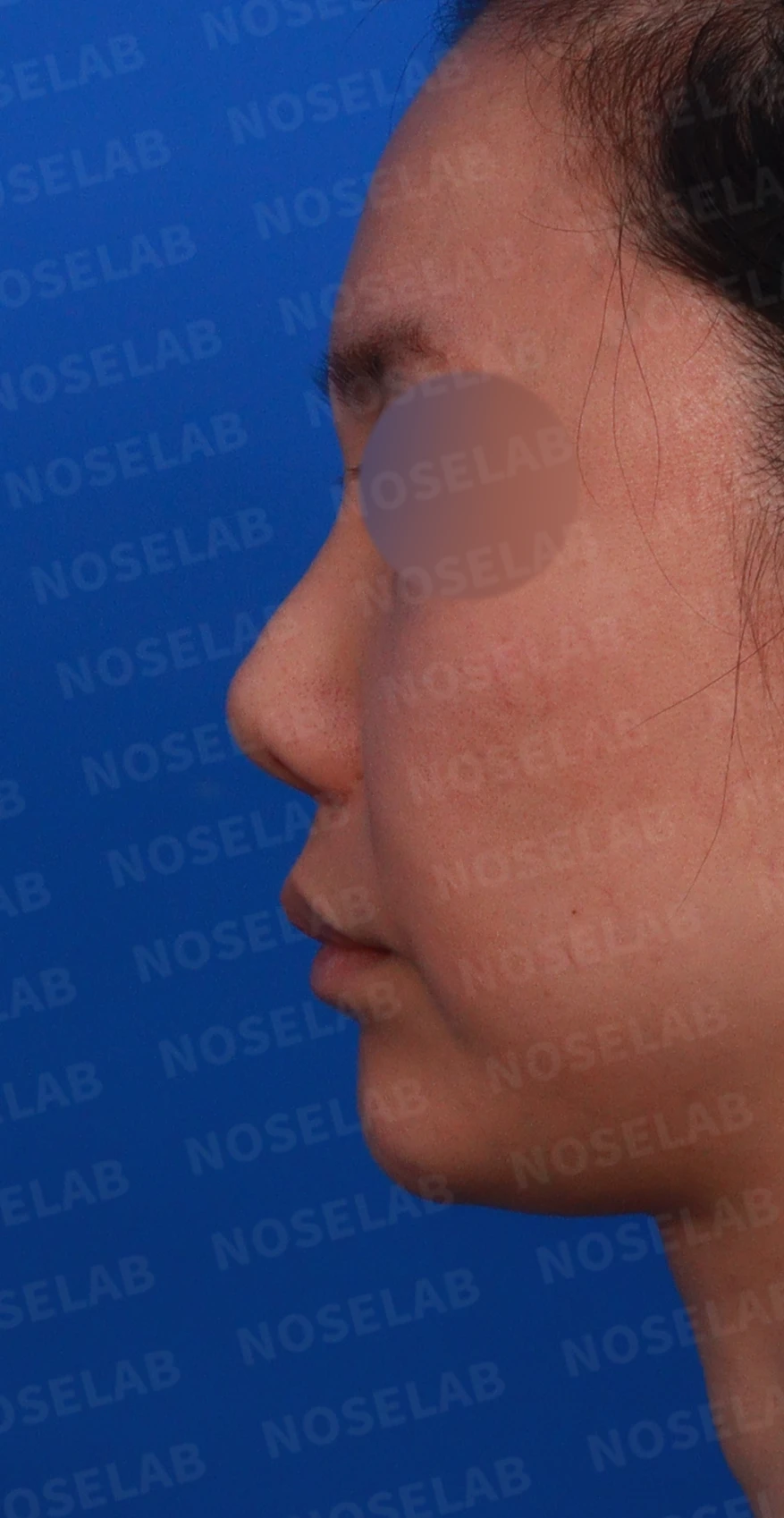
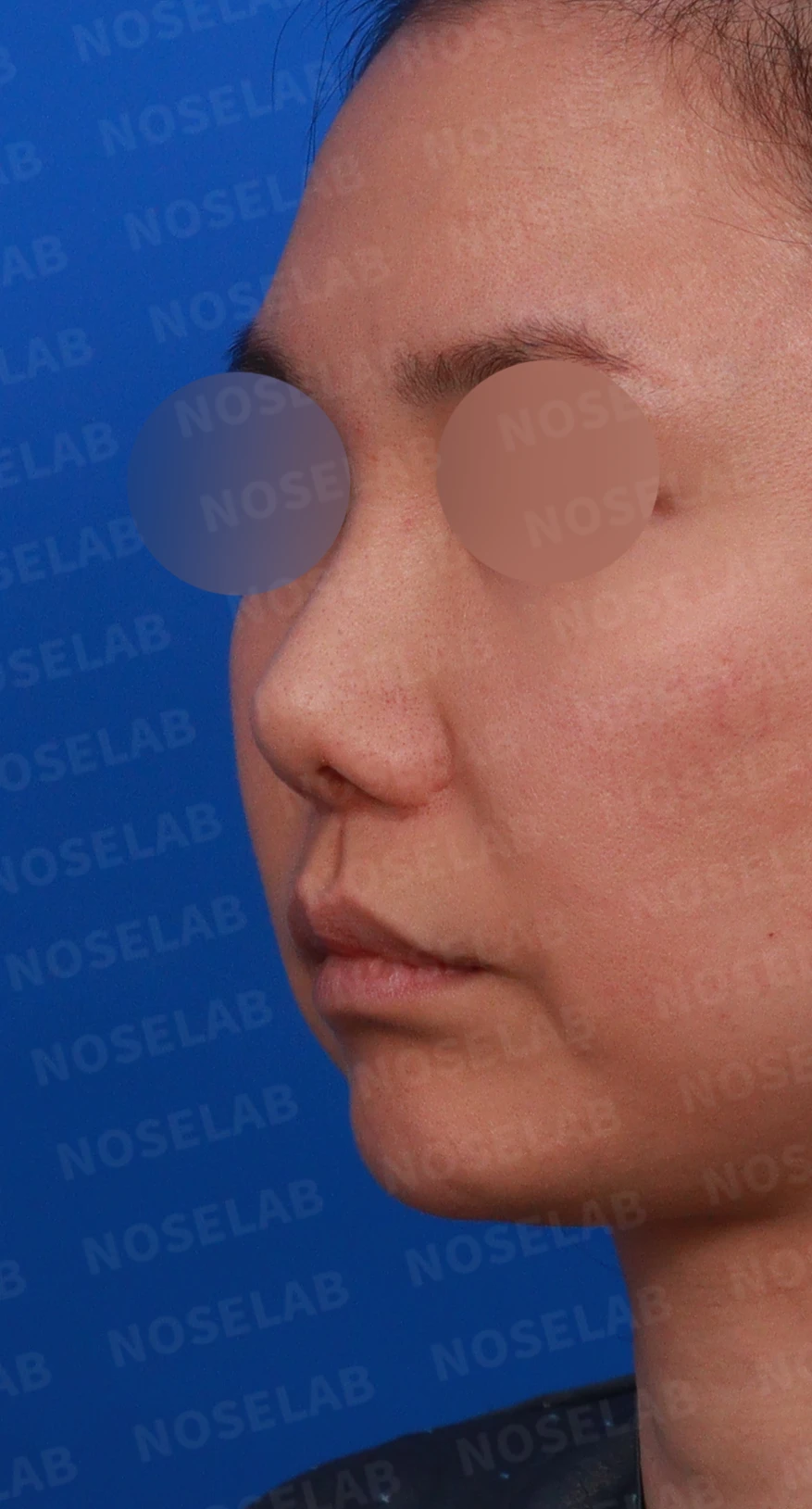
Front, left profile, and oblique views during design consultation
📍 Surgical history
2014: Deviated septum + rhinitis + silicone implant + septal cartilage surgery (followed by tip revision)
2015: Nasal bridge + nasal tip + philtrum filler injection (dissolved after 3 years)
2018: Alar reduction surgery
2021: Philtrum reduction surgery
🔎 Initial consultation findings
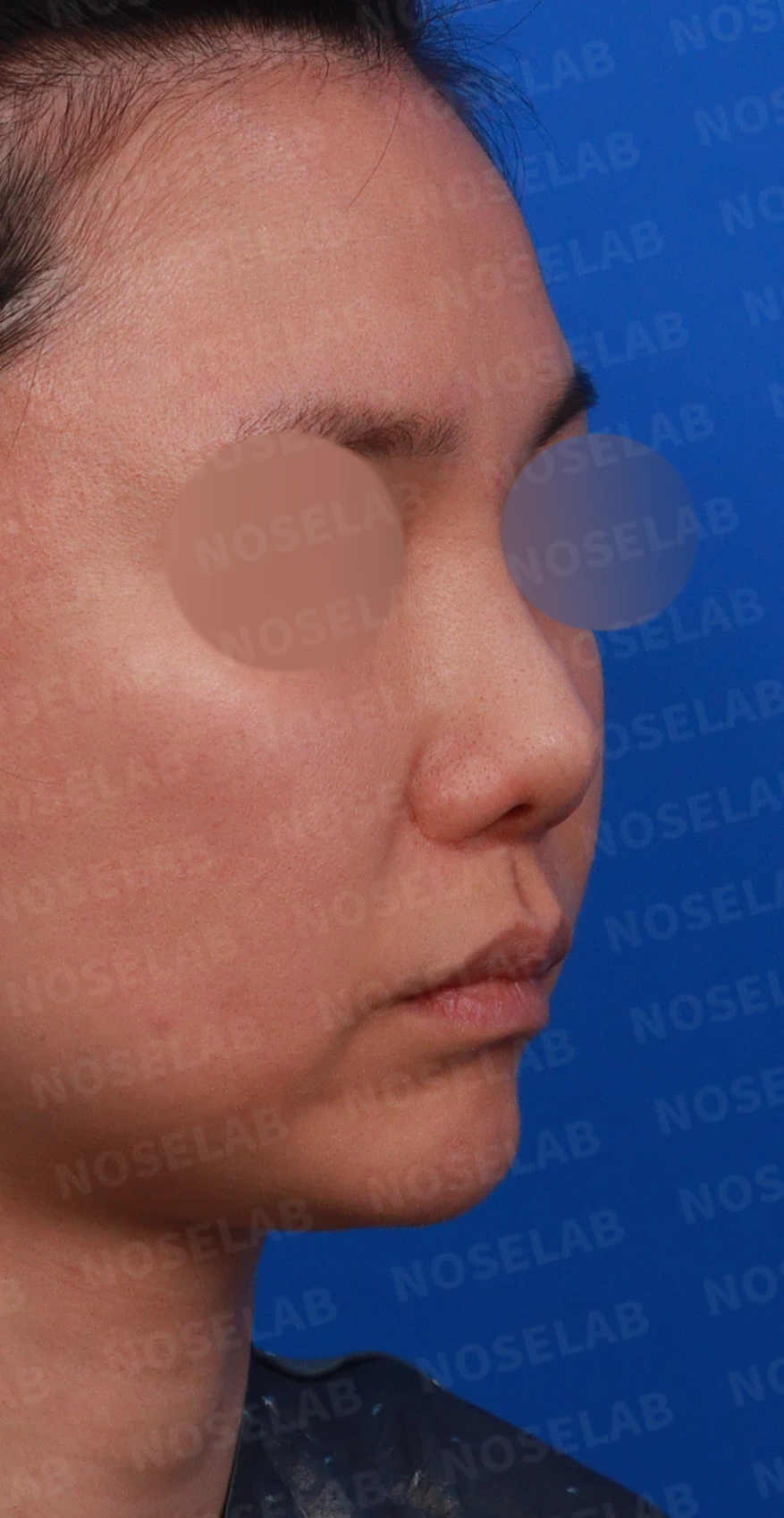
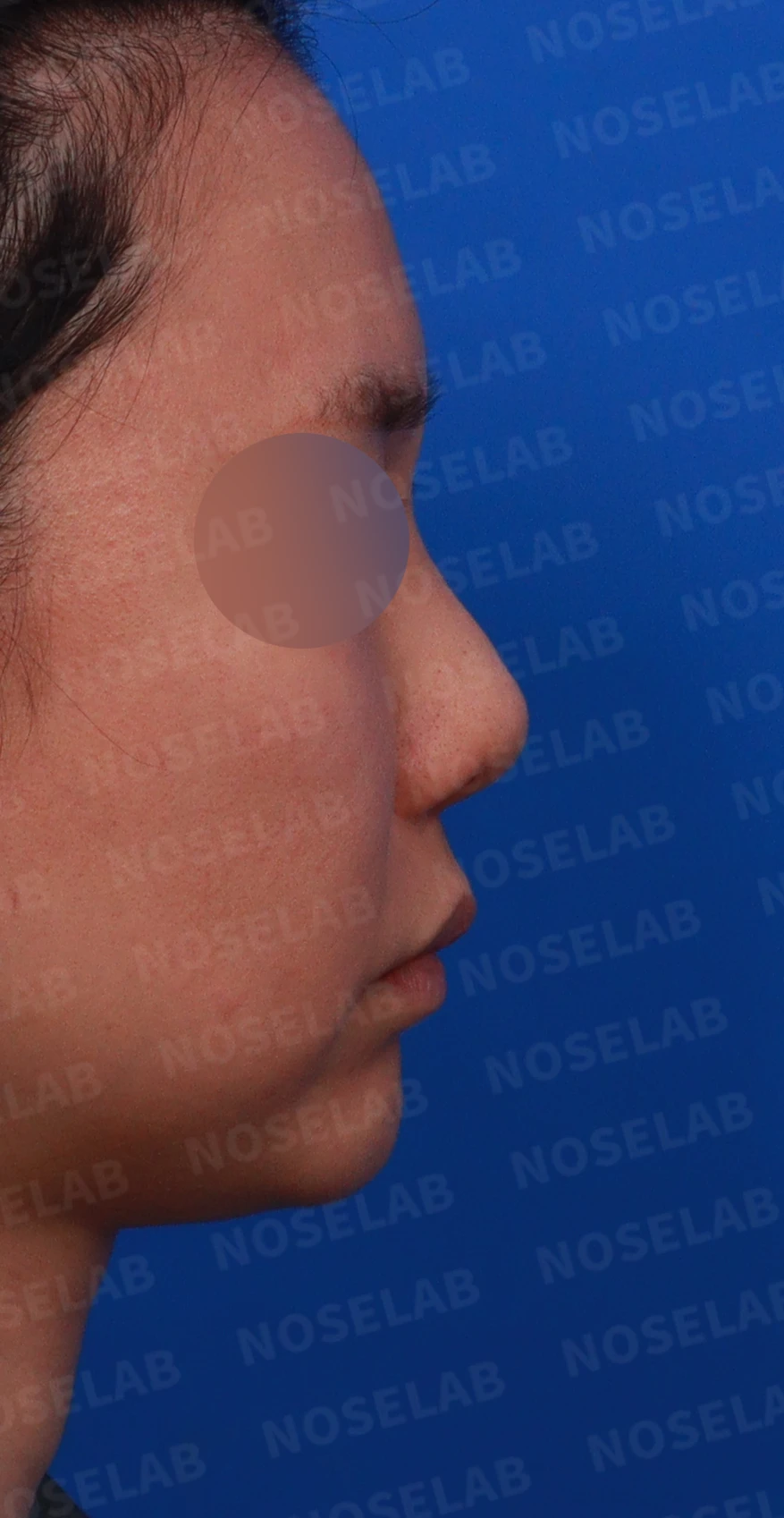
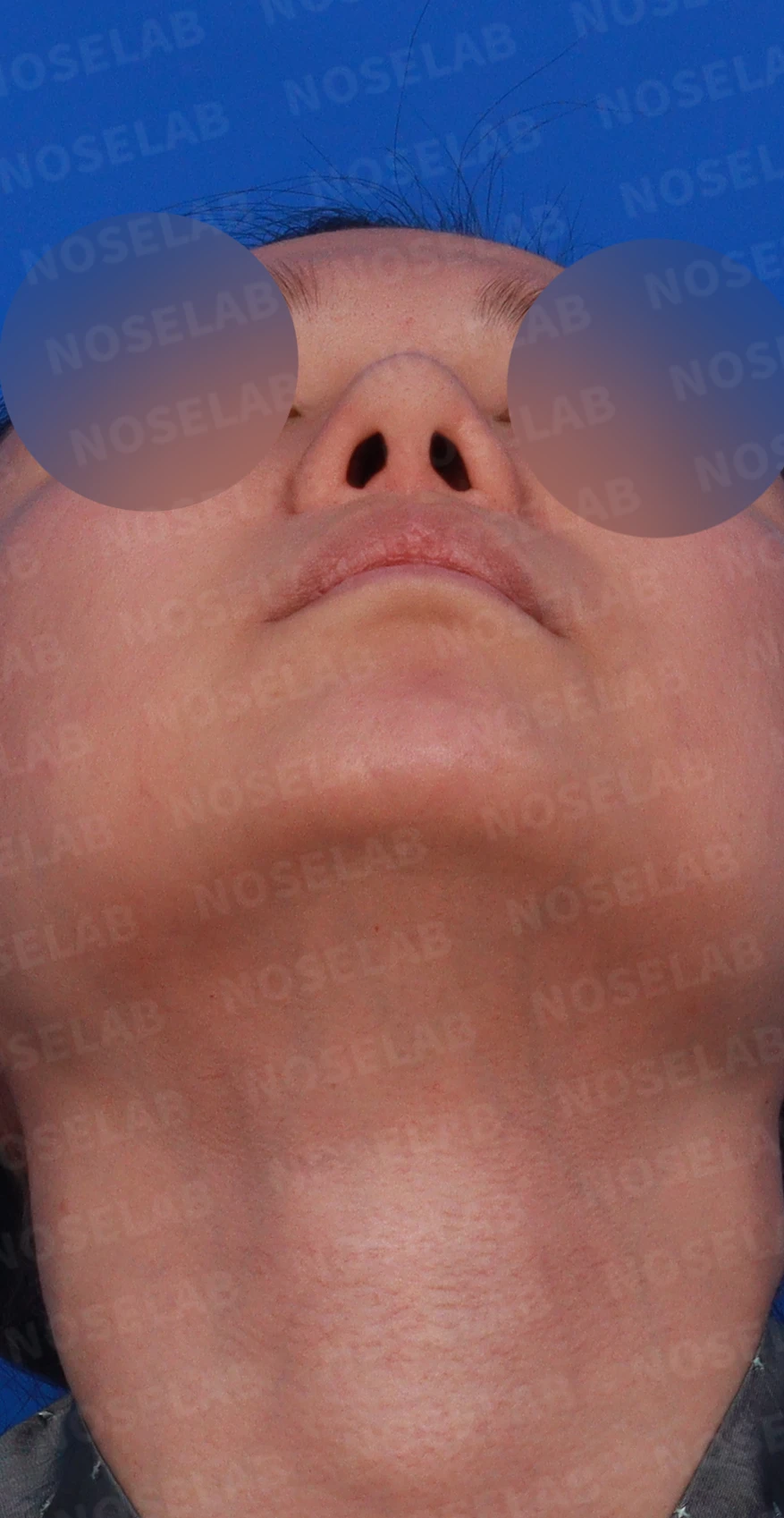
Design consultation: right oblique, profile, and basal (nostril) views.
Front view
Blunt nose
Nose appearing crooked
Nostril asymmetry
2. Profile view
Upturned nasal tip
Protruding mouth findings
Irregular nasal bridge
Appearance of a dorsal hump
3. Oblique view
Protruding mouth findings
Upturned nasal tip
Bulbous nasal tip
4. Nostril view
Nostril asymmetry caused by alar reduction surgery
Distinct scarring around the alar region
ℹ️ Special notes
Rhinitis present
Narrow right nasal cavity
✨ Patient's requests
Improvement of drooping alae
Correction of the silicone implant step-off
Correction of deviated nose
Improvement in nostril shape
Improvement of alar contour
Improvement of the nasolabial angle contour
Inquiry regarding scar improvement from reduction surgery (not recommended due to the risk of worsening scars with additional incisions)
💉 Surgical procedure details
Structural improvement
Reconstruction using autologous rib cartilage
Correction of crooked nose
Correction of the step-off by replacing with a new silicone implant
2. Shape improvement
Refining a blunt nasal tip
Improvement in nostril shape
Repositioning of the drooping alae
3. Detailed adjustments
Improvement of alar contour
Correction of the nasolabial angle
Adjustment of the nasal tip position to make scars less visible
✅ Surgical results
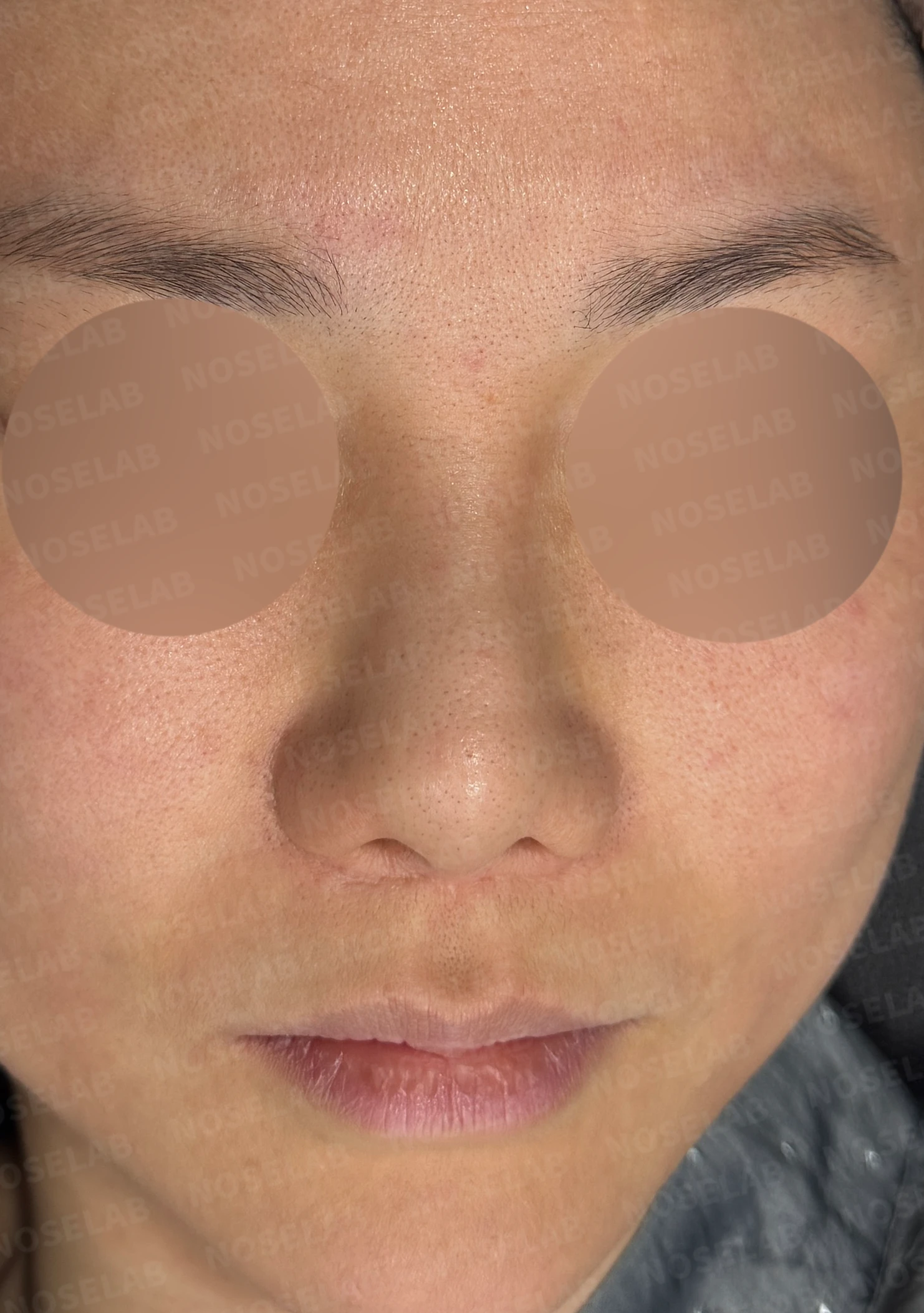
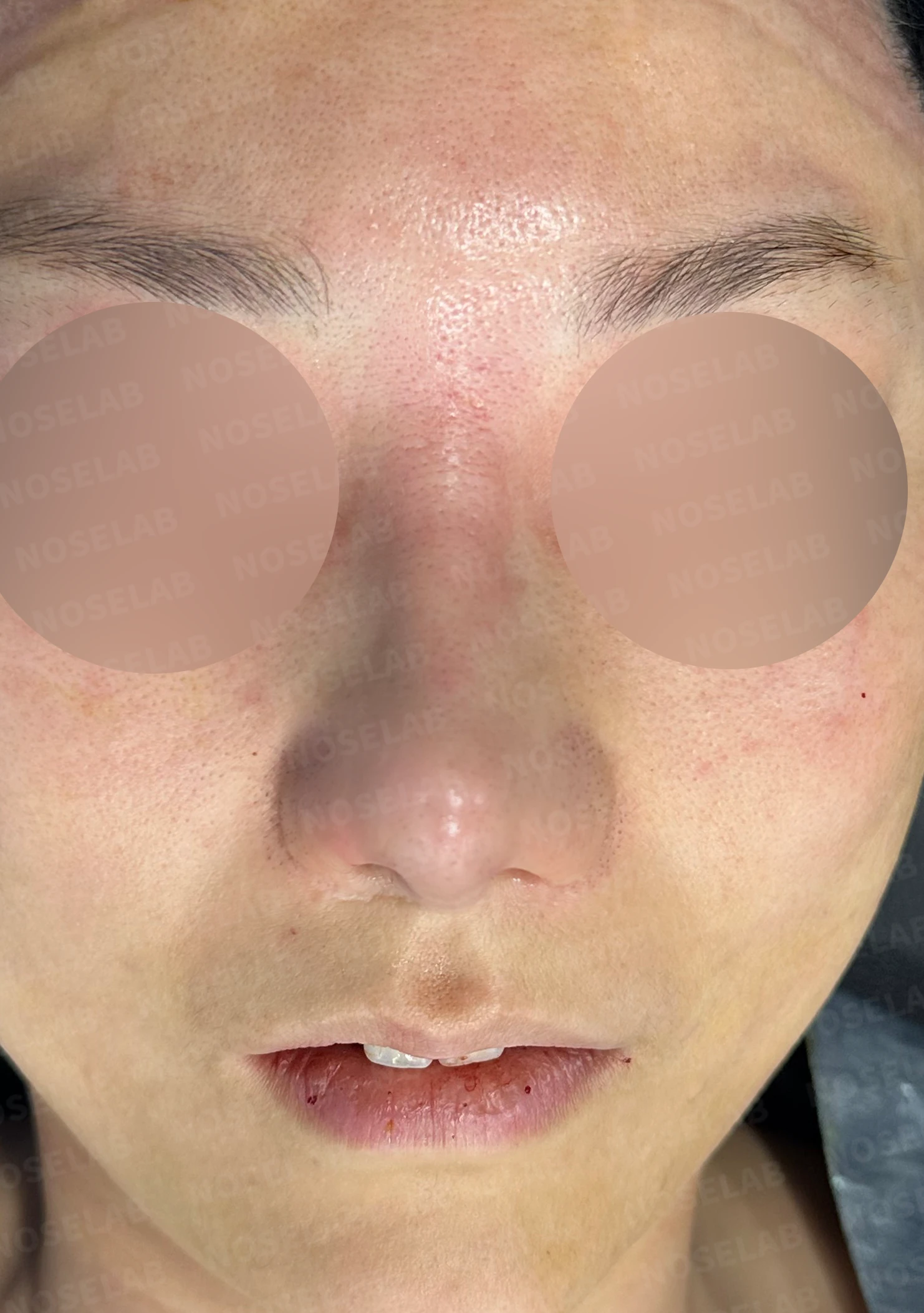
Before surgery / Day 0 immediately after surgery Photos taken immediately after surgery show swelling and may differ from the final result.
Front view
Improvement of crooked nose
Balanced nostrils
Refined nasal shape
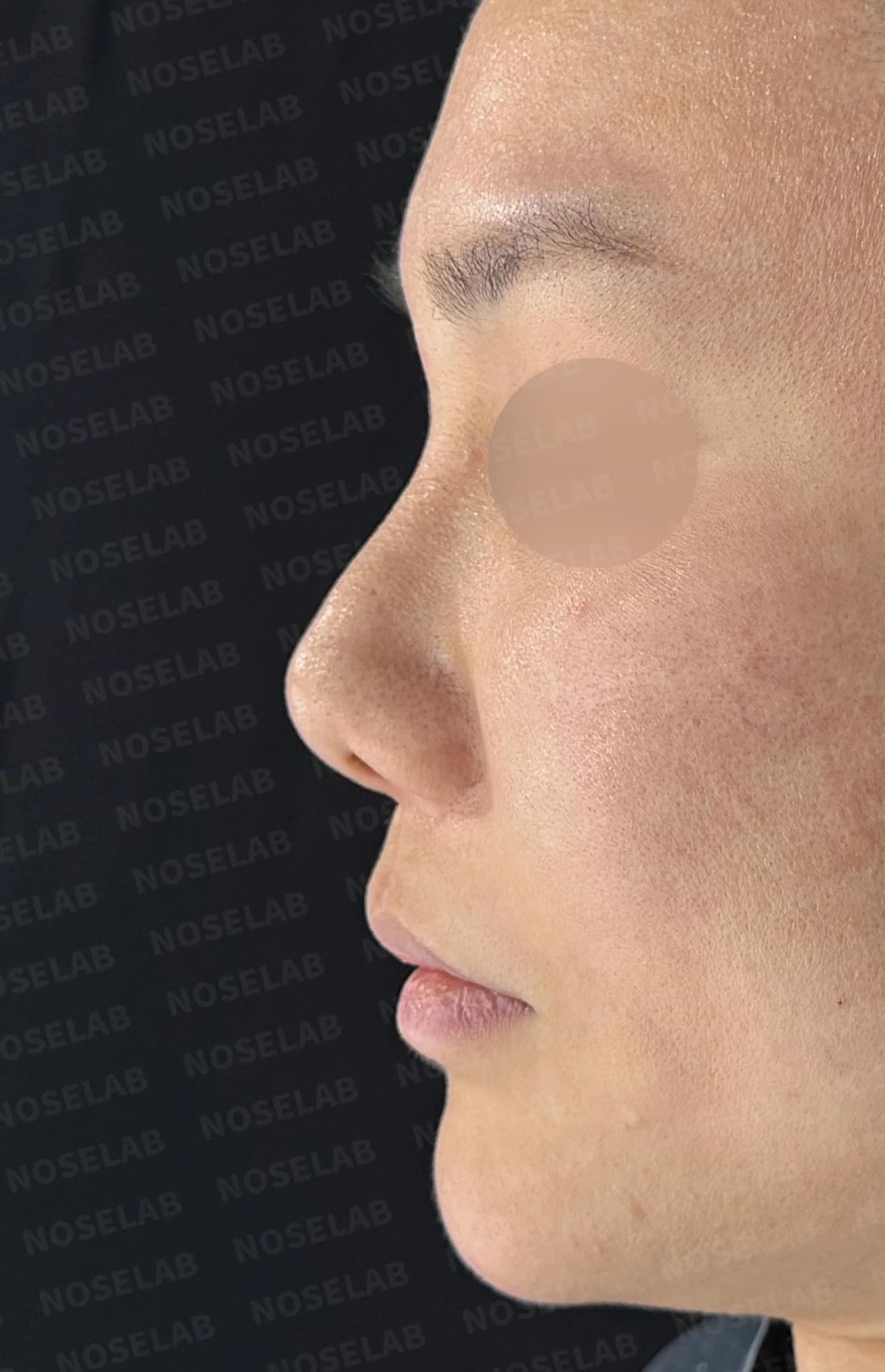
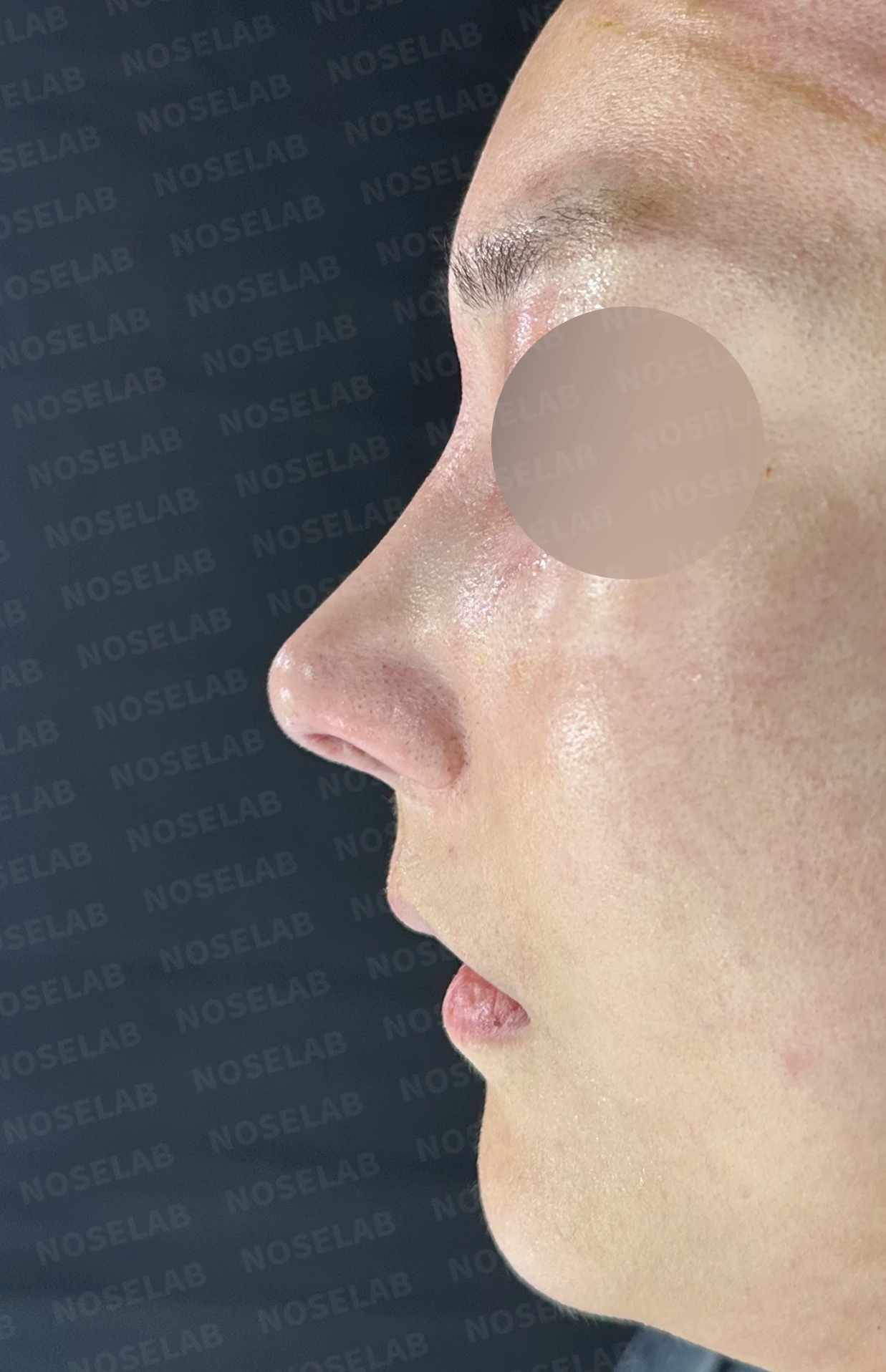
Before surgery / Day 0 immediately after surgery Photos taken immediately after surgery show swelling and may differ from the final result.
2. Profile view
Properly adjusted nasal tip position
Smooth dorsal line
Improved appearance of protruding mouth
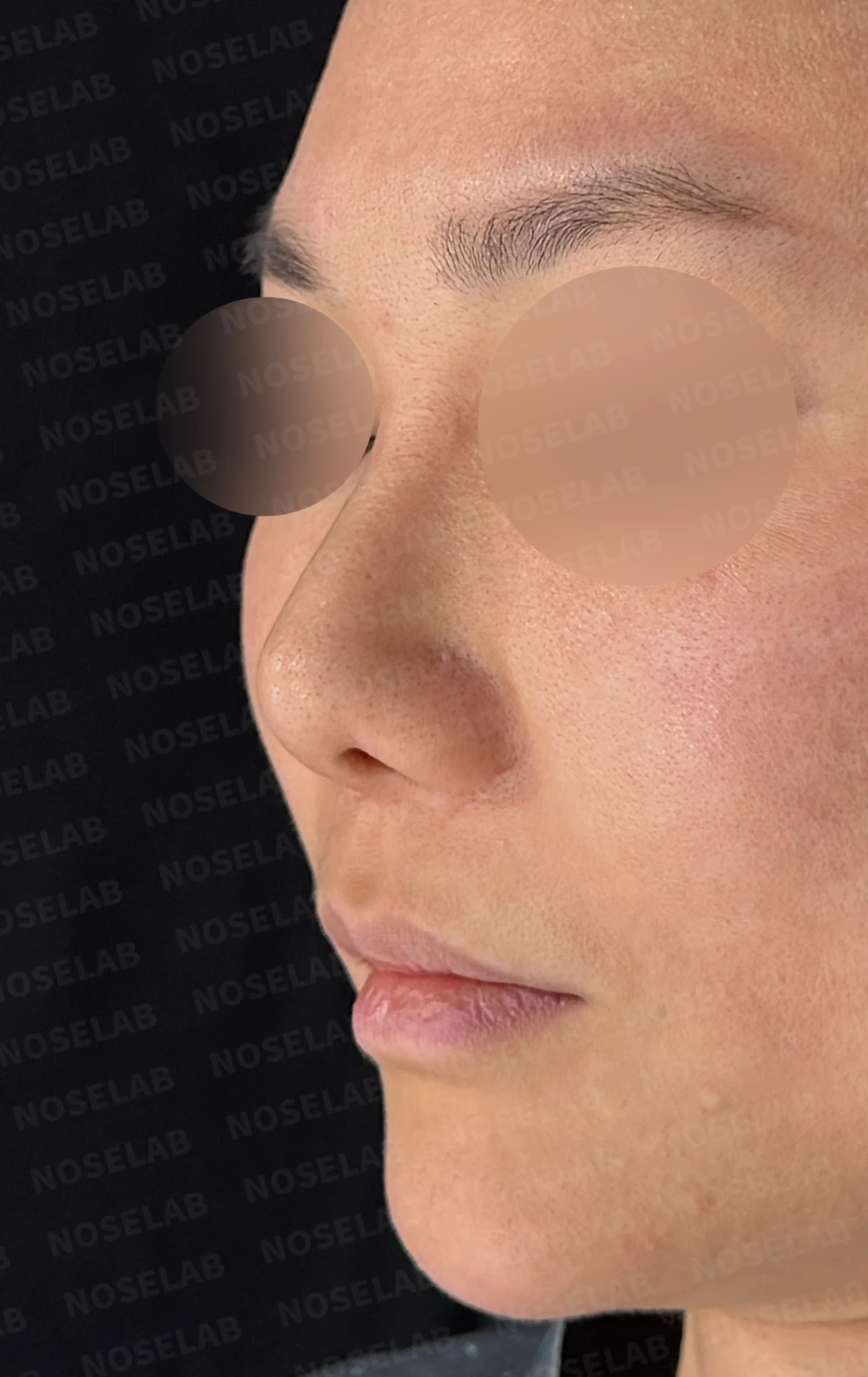
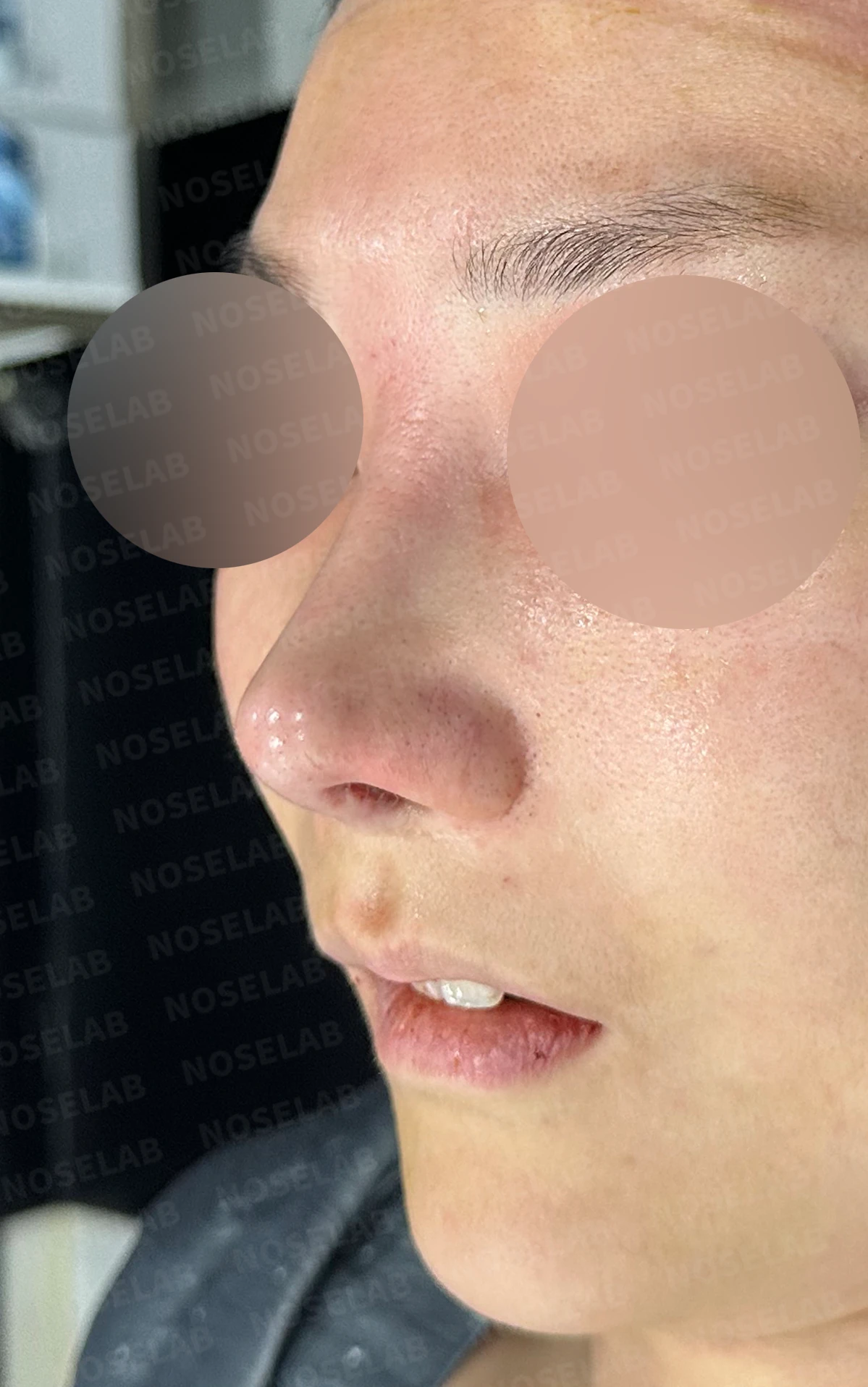
Before surgery / Day 0 immediately after surgery Photos taken immediately after surgery show swelling and may differ from the final result.
3. Nostrils
Improved nostril symmetry
Adjusted alar contour
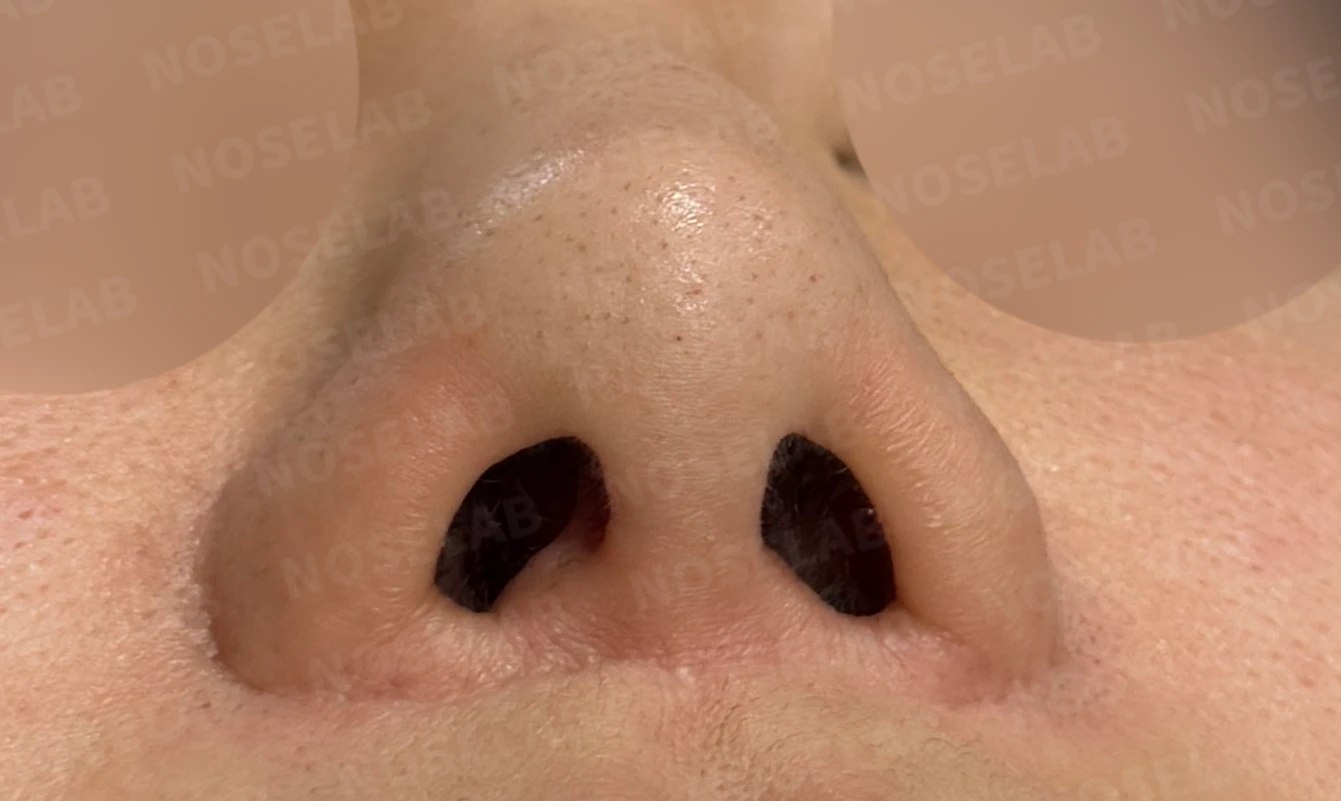
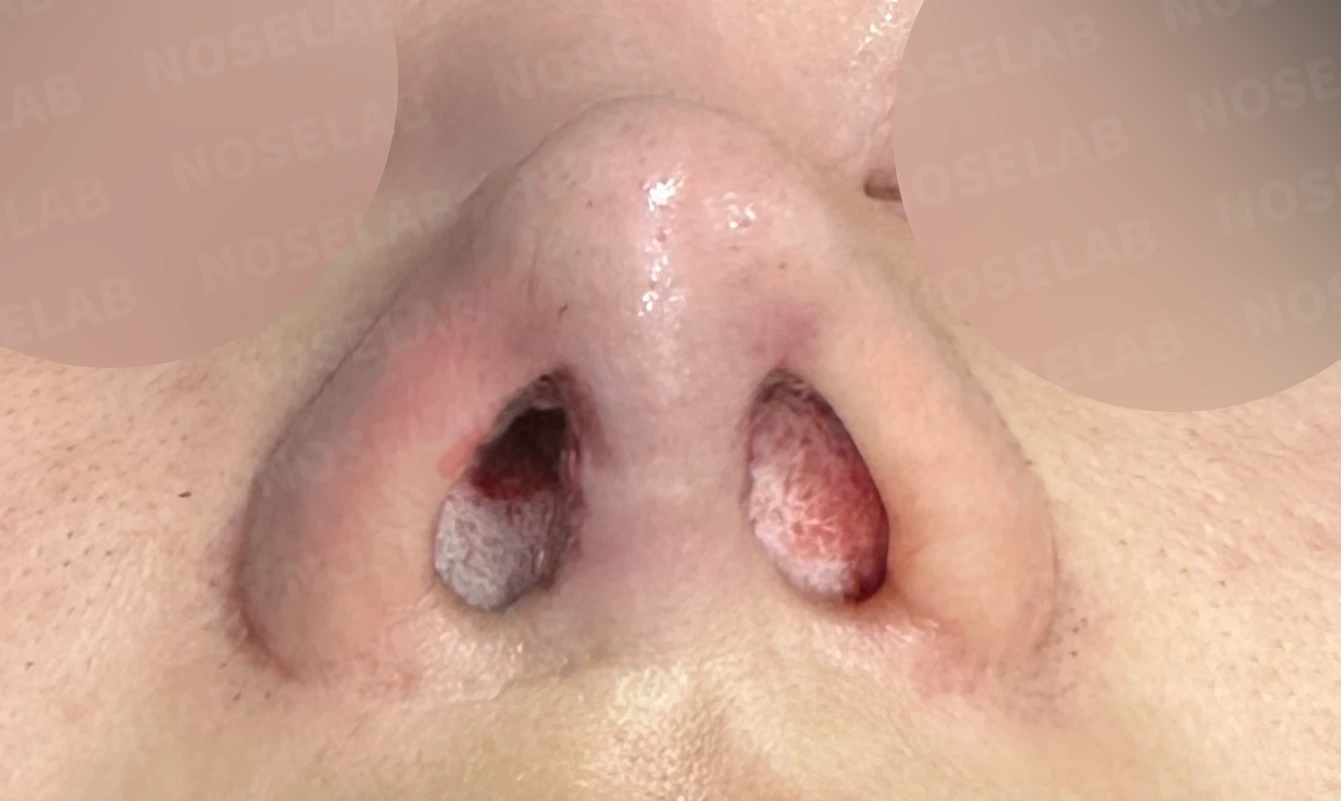
Before surgery / Day 0 immediately after surgery Photos taken immediately after surgery show swelling and may differ from the final result.
👨⚕️ Specialist's assessment
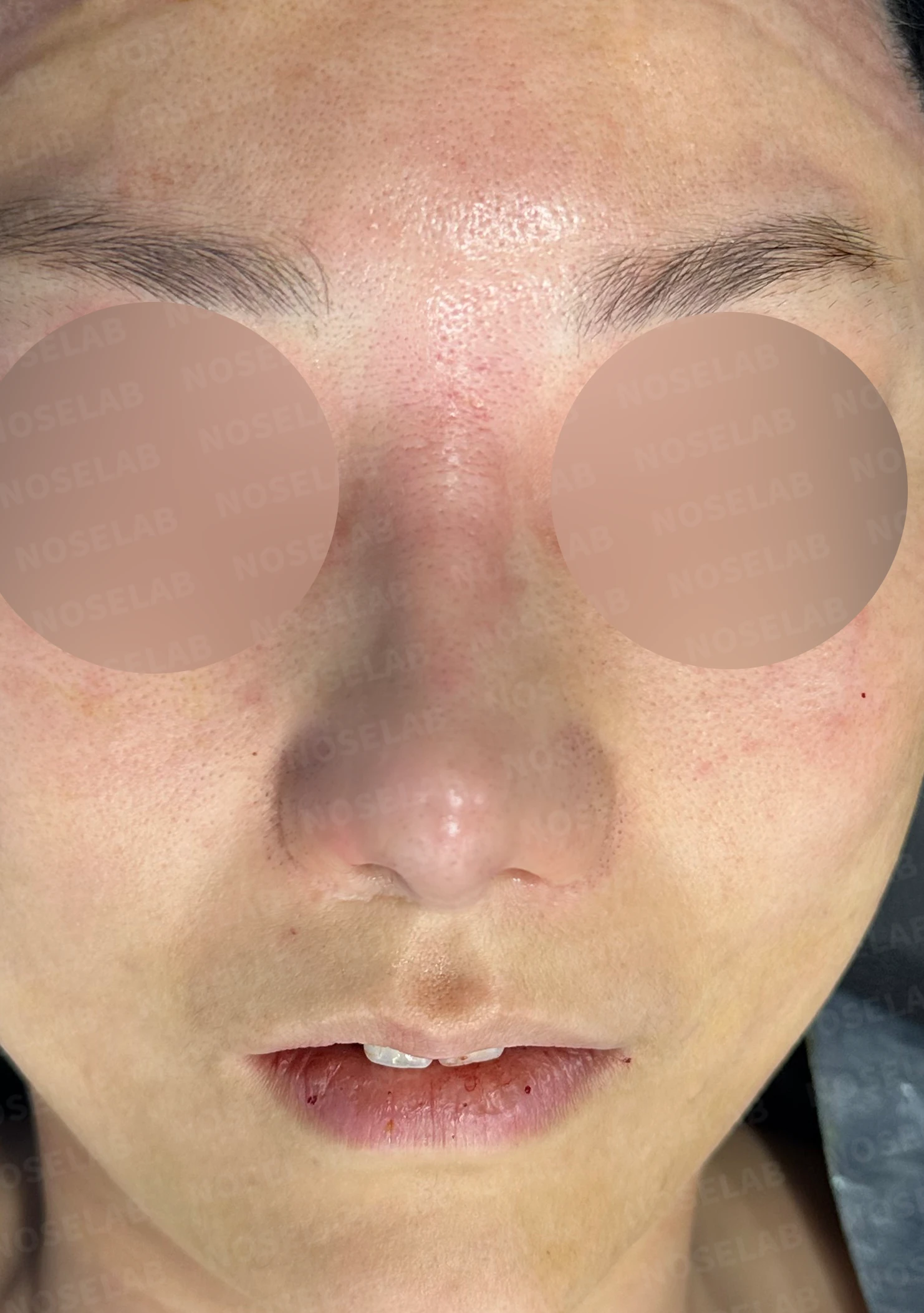
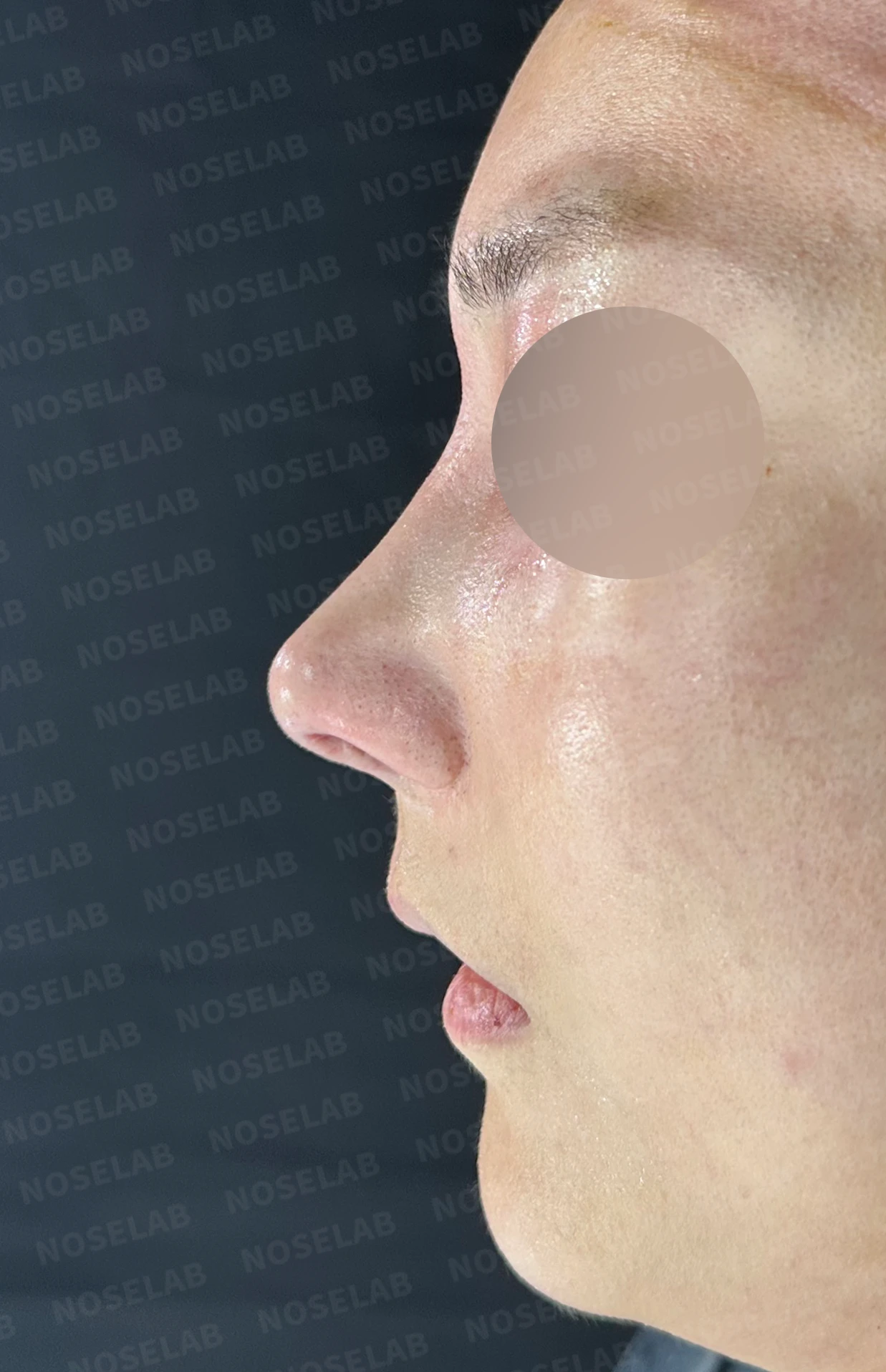
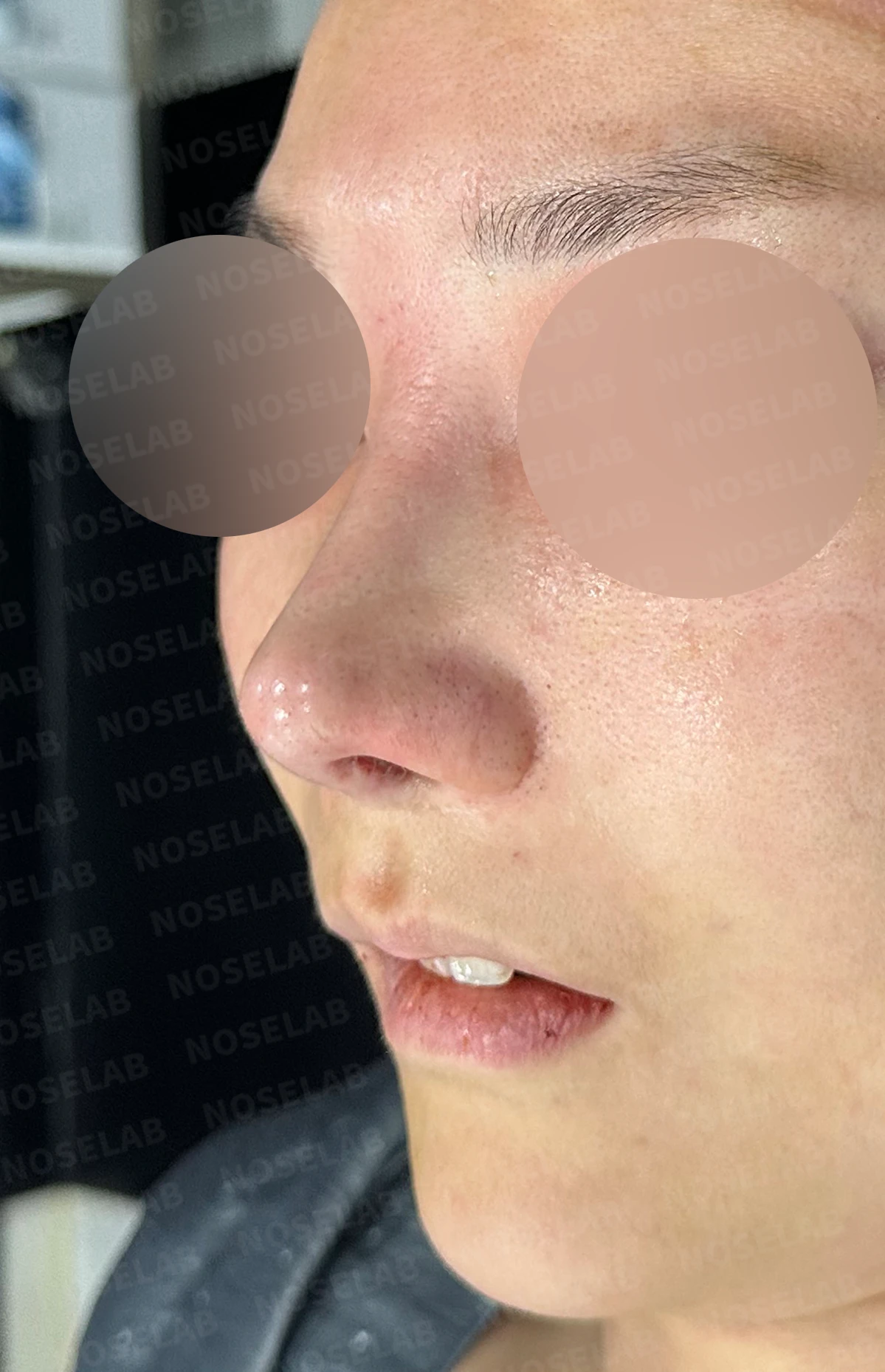
Front, profile, and oblique views immediately after surgery on day 0 Photos taken immediately after surgery show swelling and may differ from the final result.
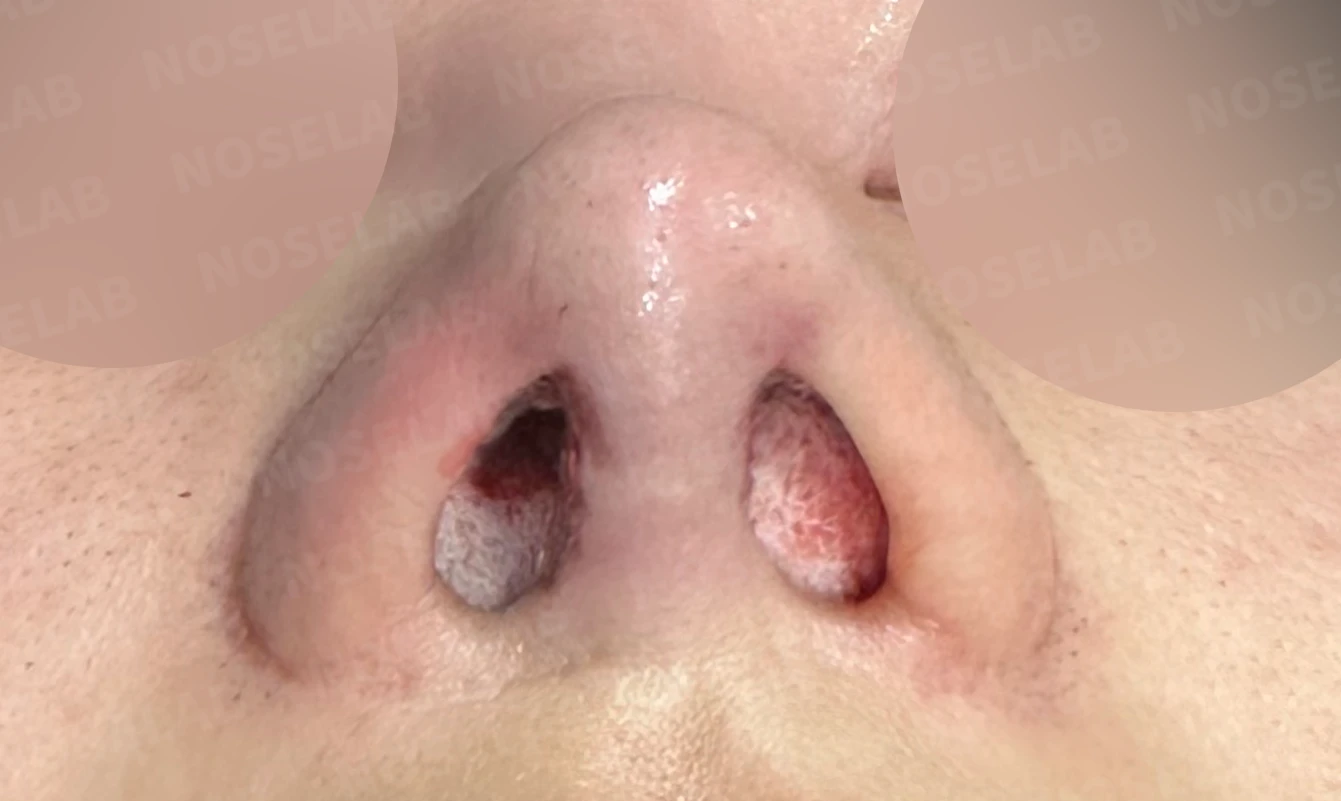
Nostril view on day 0 immediately after surgery Photos taken immediately after surgery show swelling and may differ from the final result.
This case involved a history of multiple procedures, including alar reduction and philtrum reduction. In particular, correcting the asymmetry and prominent scars caused by the prior alar reduction was the main priority.
The patient inquired about scar revision, but I advised against it because additional incisions could make the scars more noticeable. Instead, the approach focused on making the existing scars as unobtrusive and natural as possible.
Through structural reconstruction using autologous rib cartilage, the crooked nose and upturned tip were corrected. Replacing the silicone implant resolved the step-off, and adjusting the nasolabial angle achieved overall facial harmony. Functional improvements were also accomplished, addressing both the narrow right nasal cavity and underlying rhinitis symptoms.
This was Dr. Peter C. Kang. Thank you.
Thank you.
#closedrhinoplasty #revisionrhinoplasty #alarreduction #upturnednosecorrection #customrhinoplasty

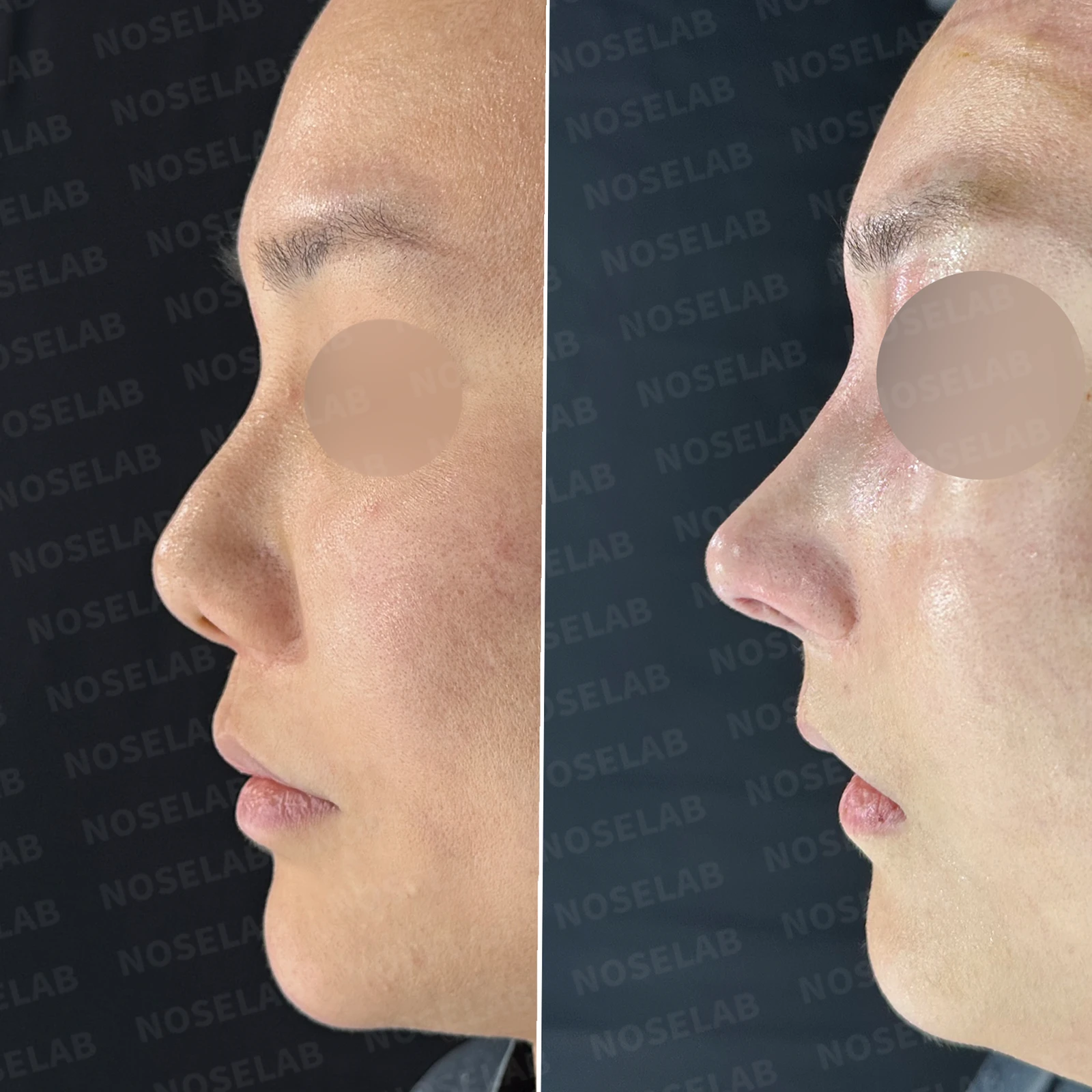
Limitations and risks
When autologous rib cartilage is used, scarring and pain may remain at the donor site on the chest, and pneumothorax (pleural injury) can occur rarely. Over time, the grafted cartilage may warp or undergo partial resorption.
When the septum is corrected at the same time, nasal obstruction may persist or recur, and in rare cases, septal perforation or changes in smell may occur.
Common potential risks include infection, bleeding, asymmetry, scarring, skin necrosis, and insufficient improvement; results vary depending on individual skin condition and previous surgical history.