Hello, I am Dr. Peter C. Kang.
Today, I will introduce a case where a patient troubled by semi-permanent bridge filler (Artecoll), an upturned nose, and septal damage underwent reconstruction using autologous rib cartilage planned with safety in mind.
🔍 Surgical history
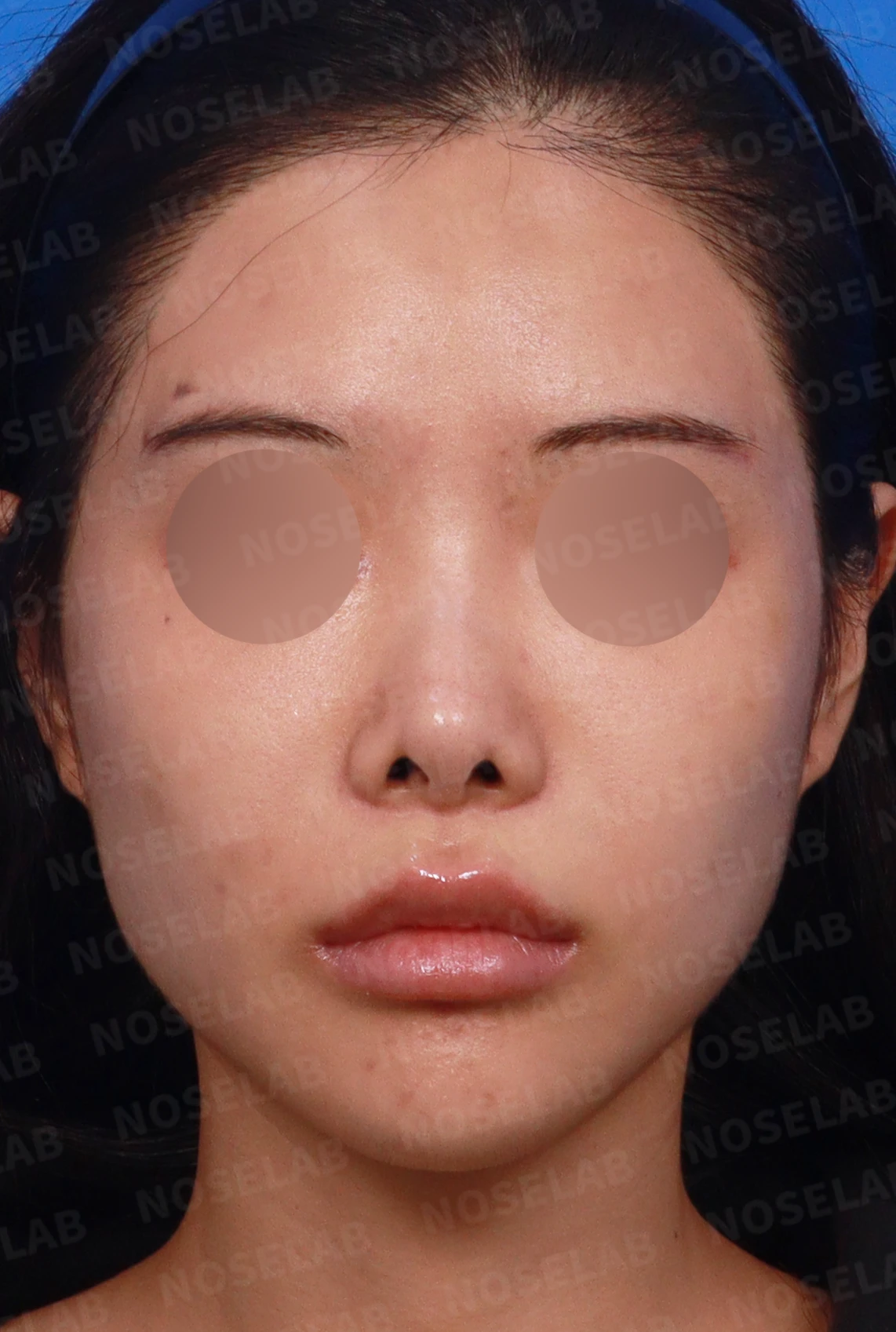
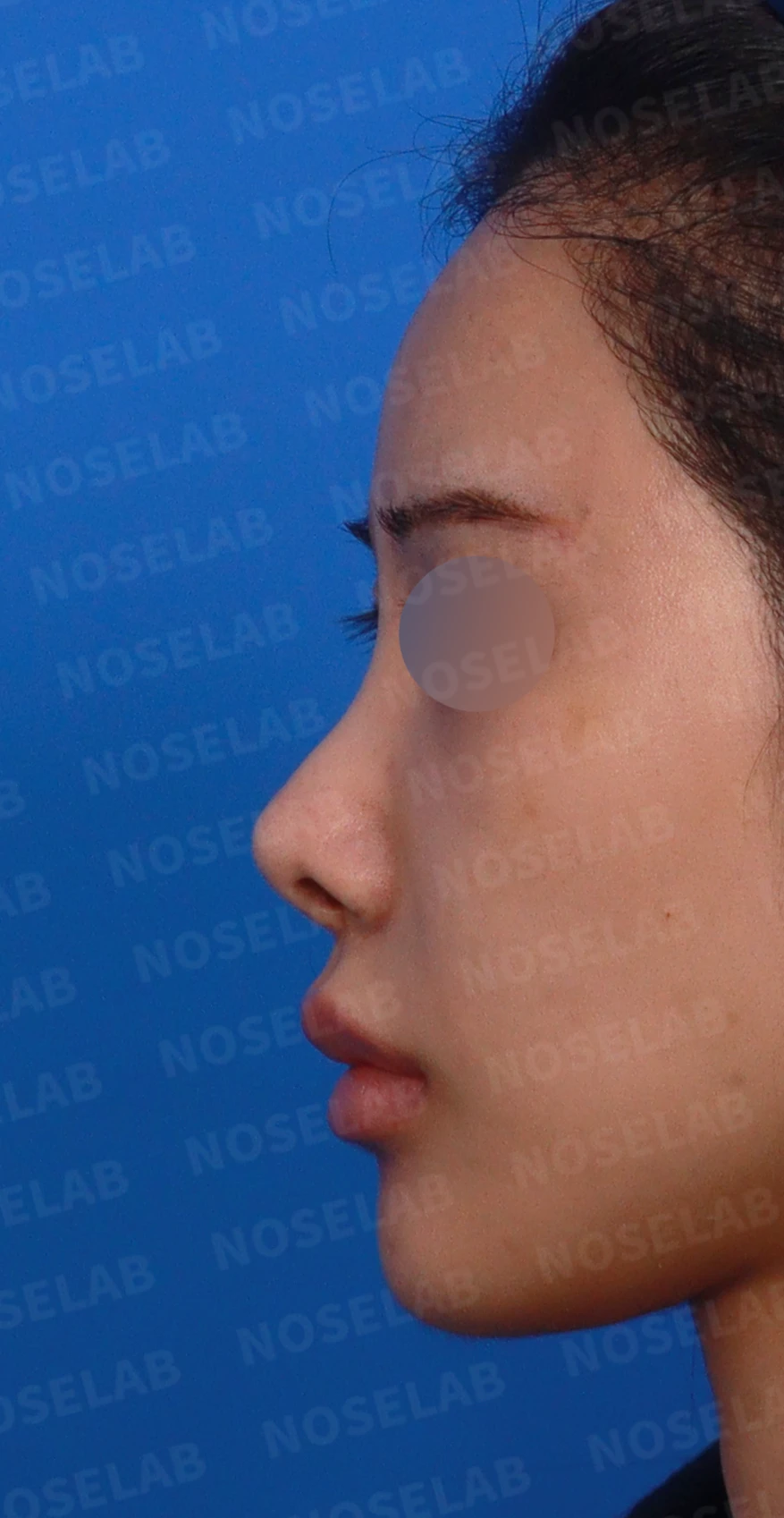
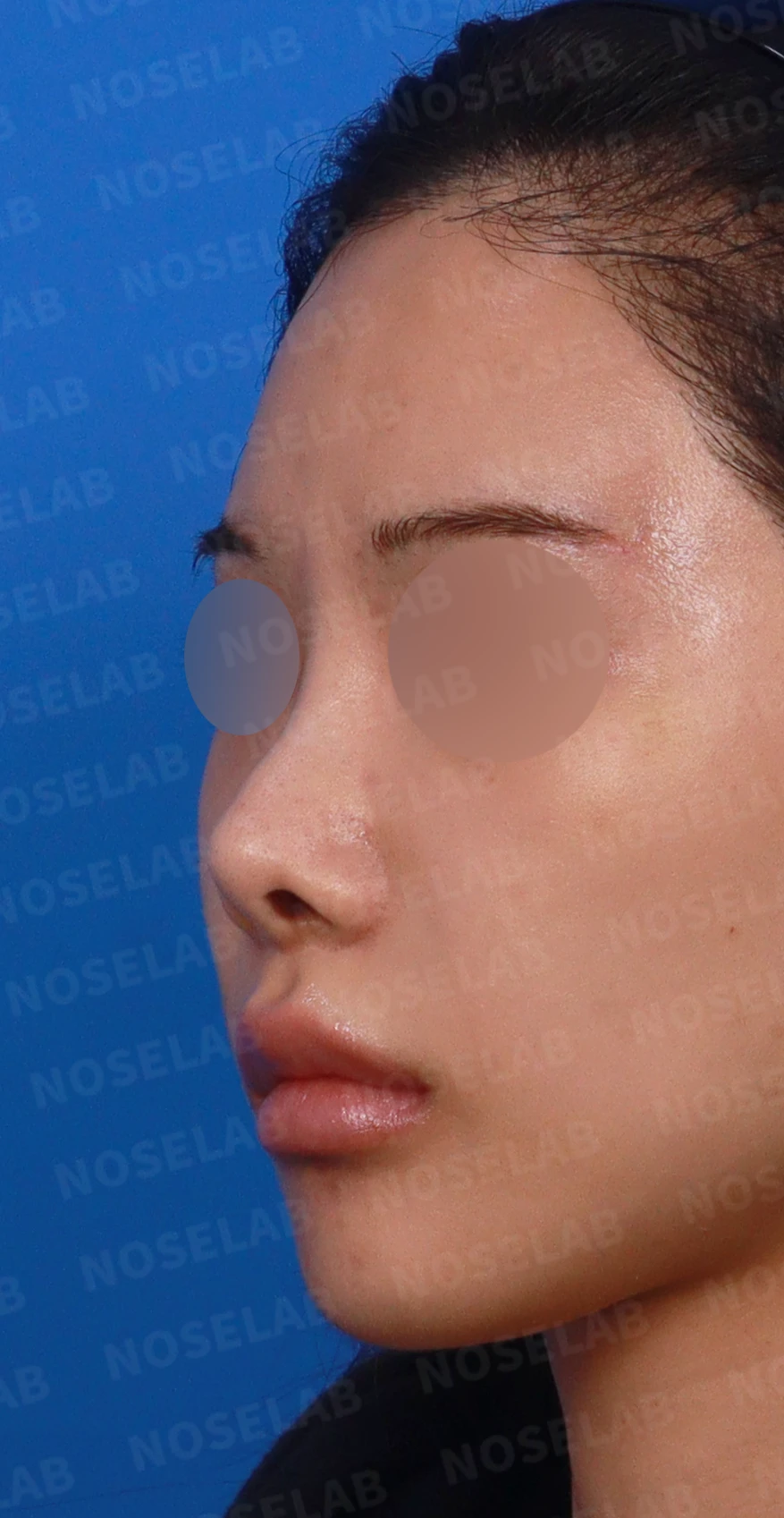
Front, left profile, and oblique views during design consultation.
Past history:
Severe septal damage from previous surgery
Main concerns:
Semi-permanent bridge filler (Artecoll)
Upturned nasal tip
Severe septal damage
Nostril asymmetry
Nasal obstruction caused by a deviated septum and rhinitis
💉 Patient requests
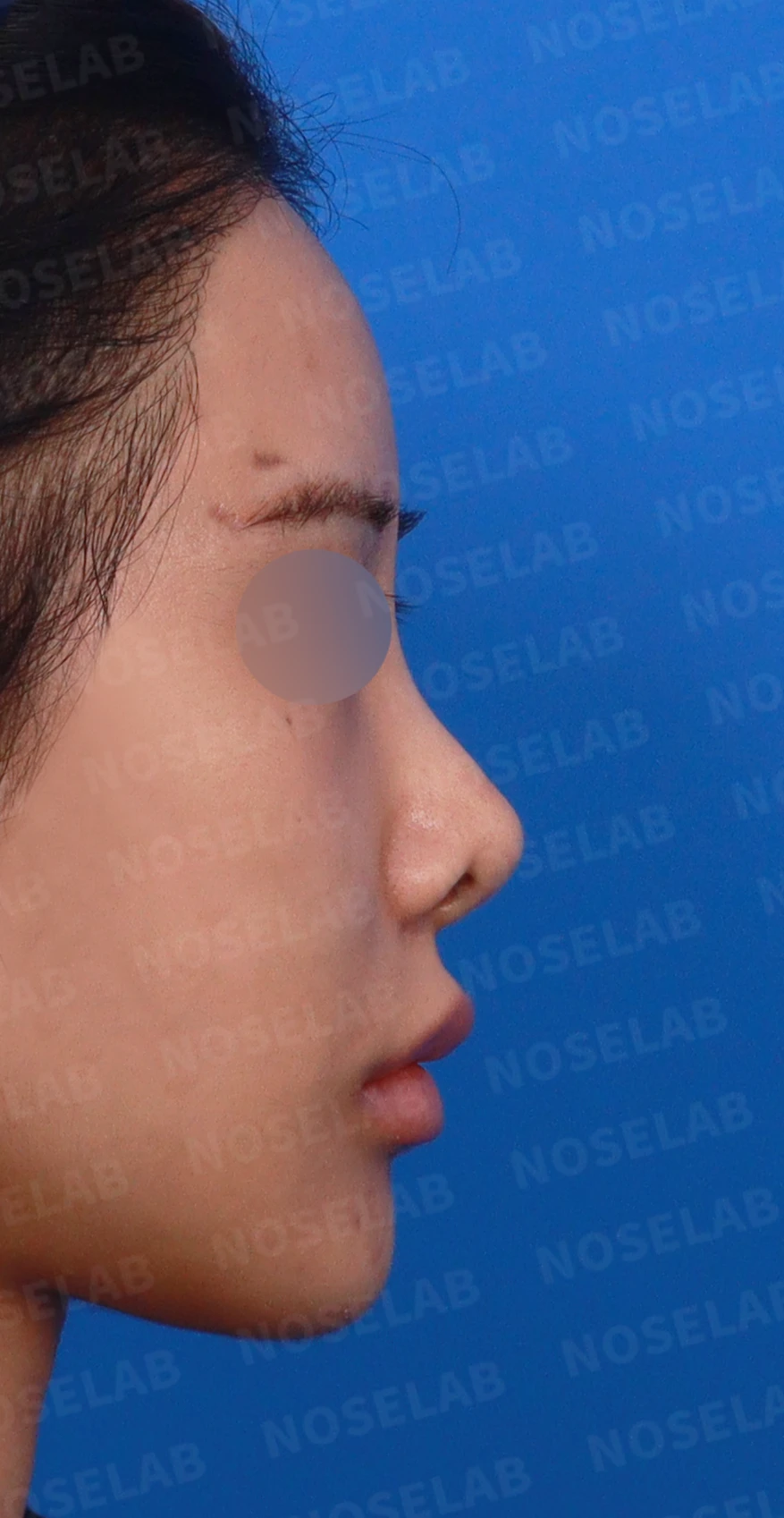
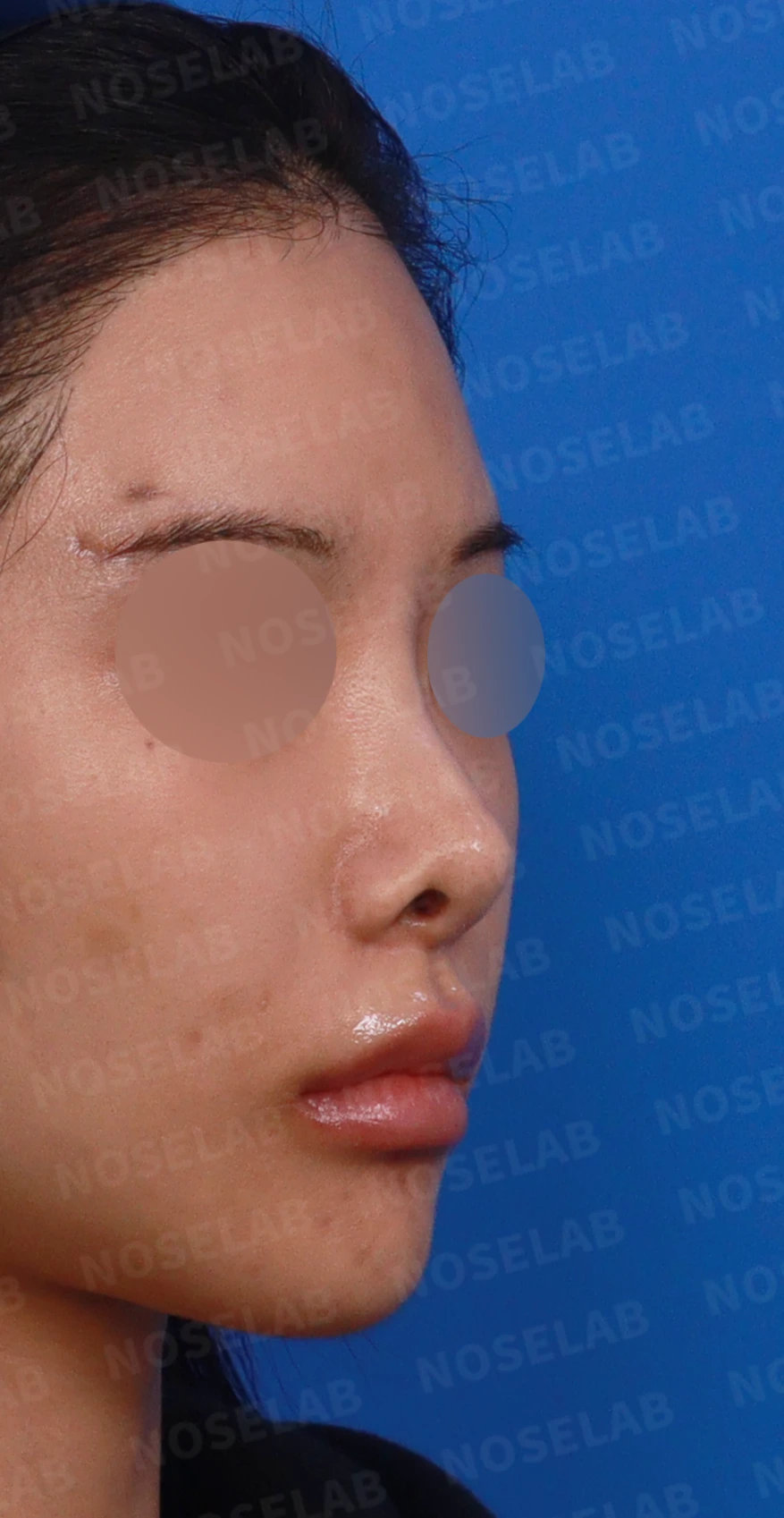
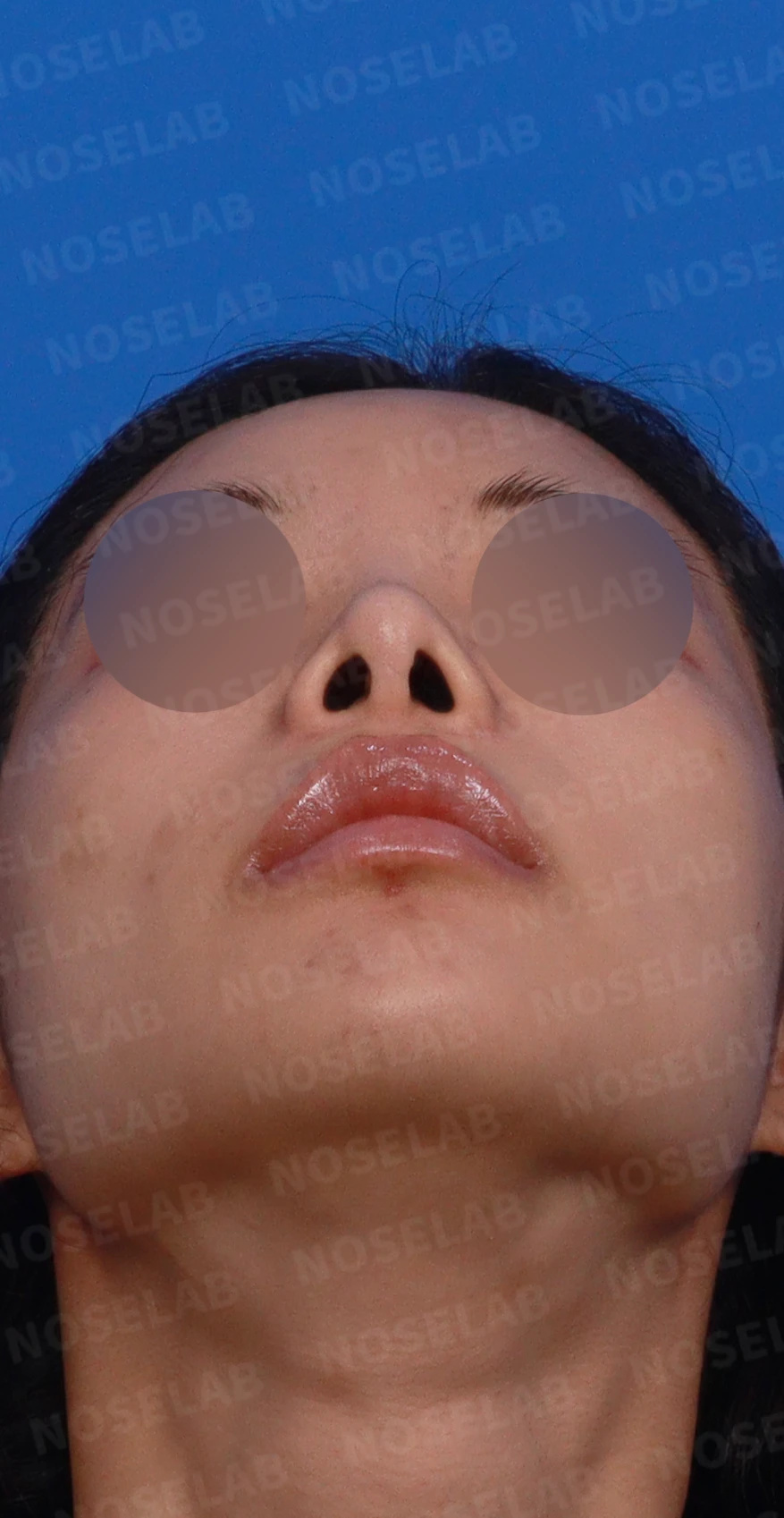
Right profile, oblique, and nostril views during design consultation.
Safe removal of semi-permanent filler
Improvement of upturned nose
Functional recovery through septal reconstruction
Correction of nostril asymmetry
Improvement of nasal obstruction
🔧 Surgical plan and procedure
1. Complete removal of semi-permanent filler (Artecoll)
The semi-permanent filler Artecoll on the nasal bridge was removed. Because semi-permanent filler can cause inflammation or deformity over time, it was completely removed to establish a clean foundation.
2. Resolving asymmetry with alar rim lowering
The retracted nostril was lowered to secure symmetry. Frontal balance was significantly improved.
3. Septal reconstruction with autologous rib cartilage
The septum was severely damaged from previous surgery. Using autologous rib cartilage, the septum was sturdily reconstructed. The central support was restored, enabling stable support for the nasal tip.
4. Correction of the upturned nasal tip
Using autologous rib cartilage, the upturned nasal tip was naturally lowered and corrected to an appropriate height. A balanced shape matching facial proportions was created.
5. Treatment of deviated septum and rhinitis
The deviated septum was straightened, and the nasal airway swollen from rhinitis was opened to restore breathing. Daily life becomes more comfortable.
🌟 Surgical results
Securing a clean base through complete removal of semi-permanent filler (Artecoll)
Resolving asymmetry with alar rim lowering
Securing stable support through autologous rib cartilage septal reconstruction
Naturally correcting the upturned nasal tip
Breathing restored by treating septal deviation and rhinitis
Achieving an overall balanced and natural nose
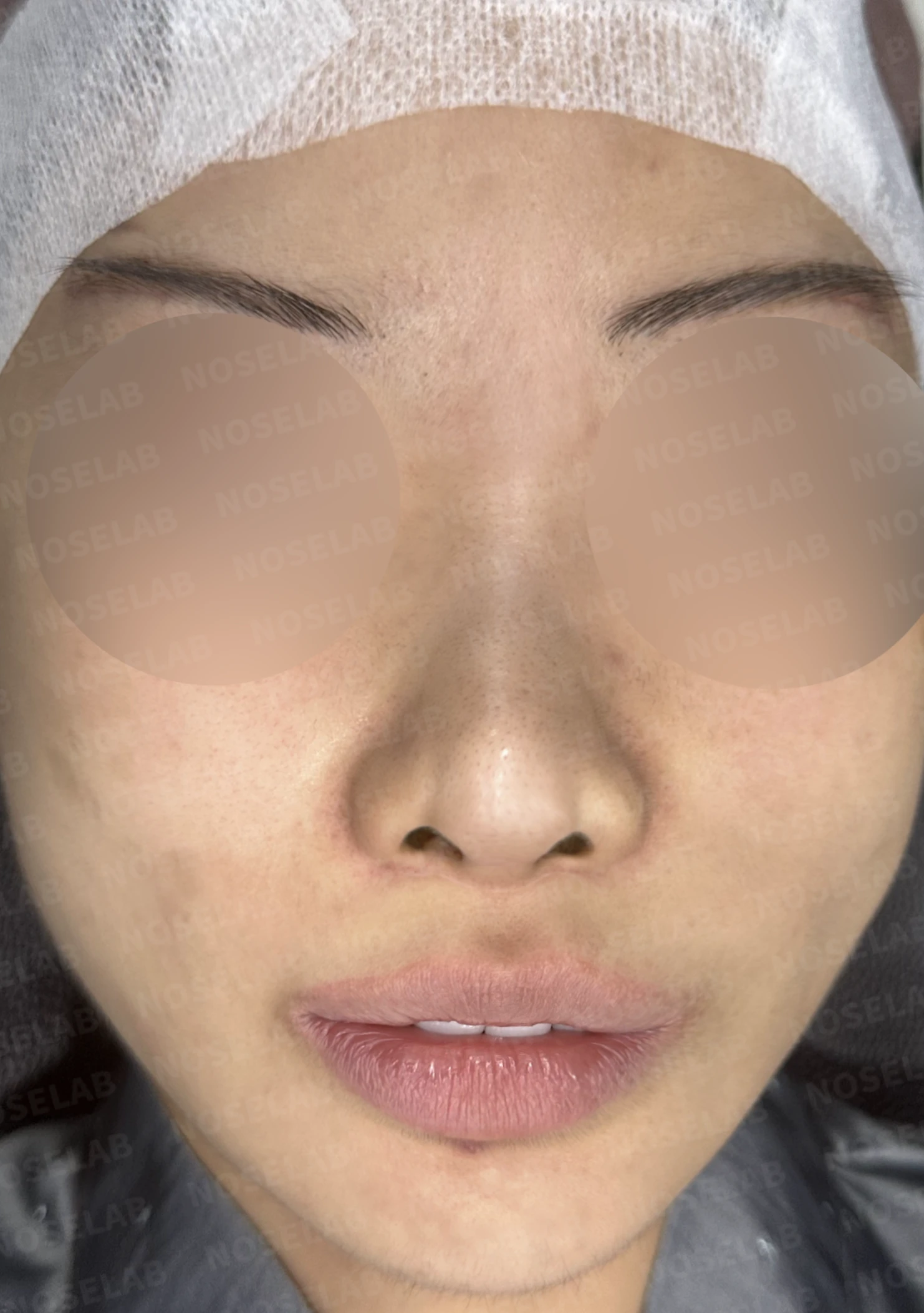
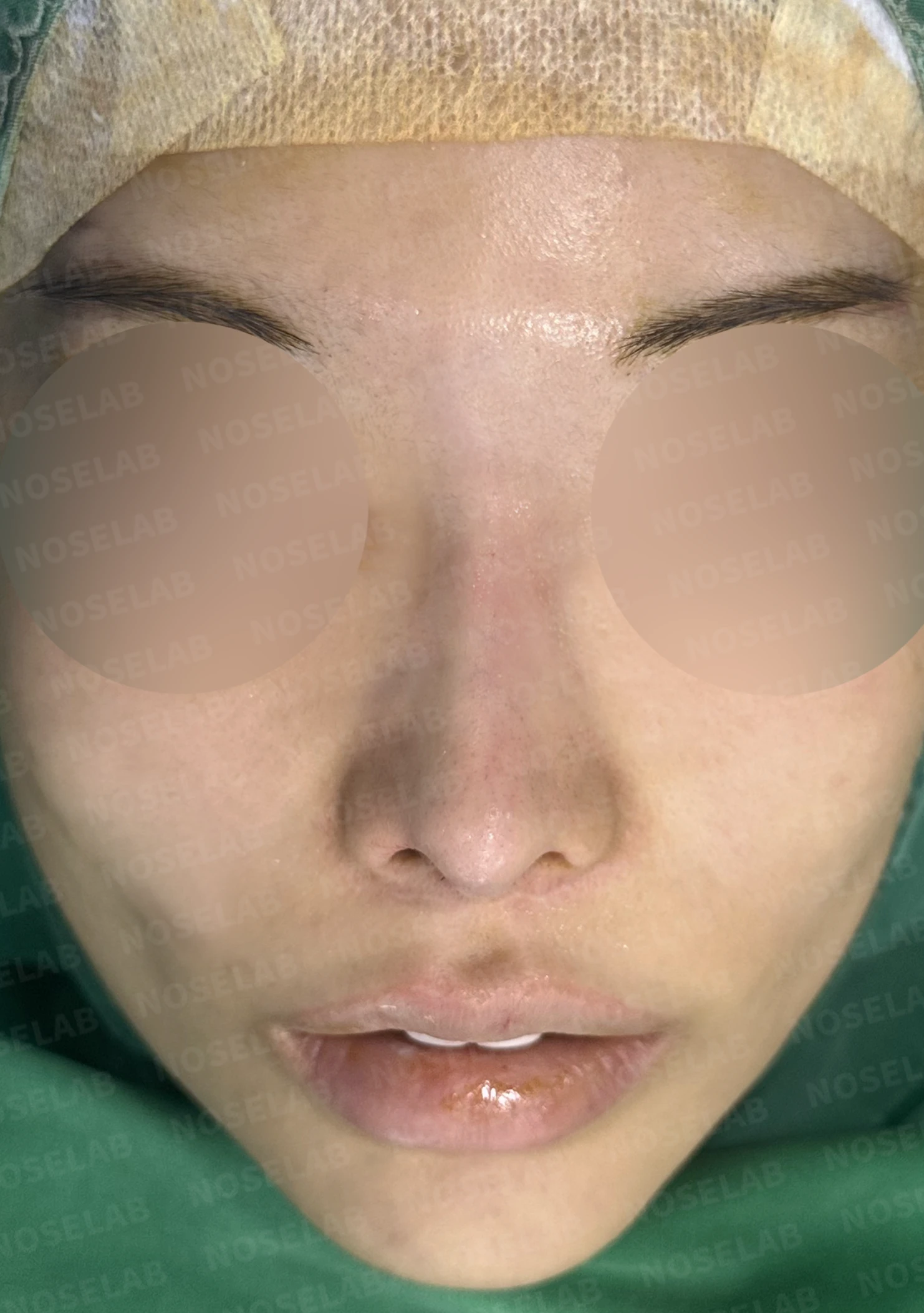
Before surgery / Day 0 immediately after surgery Photos taken immediately after surgery show swelling and may differ from the final result.
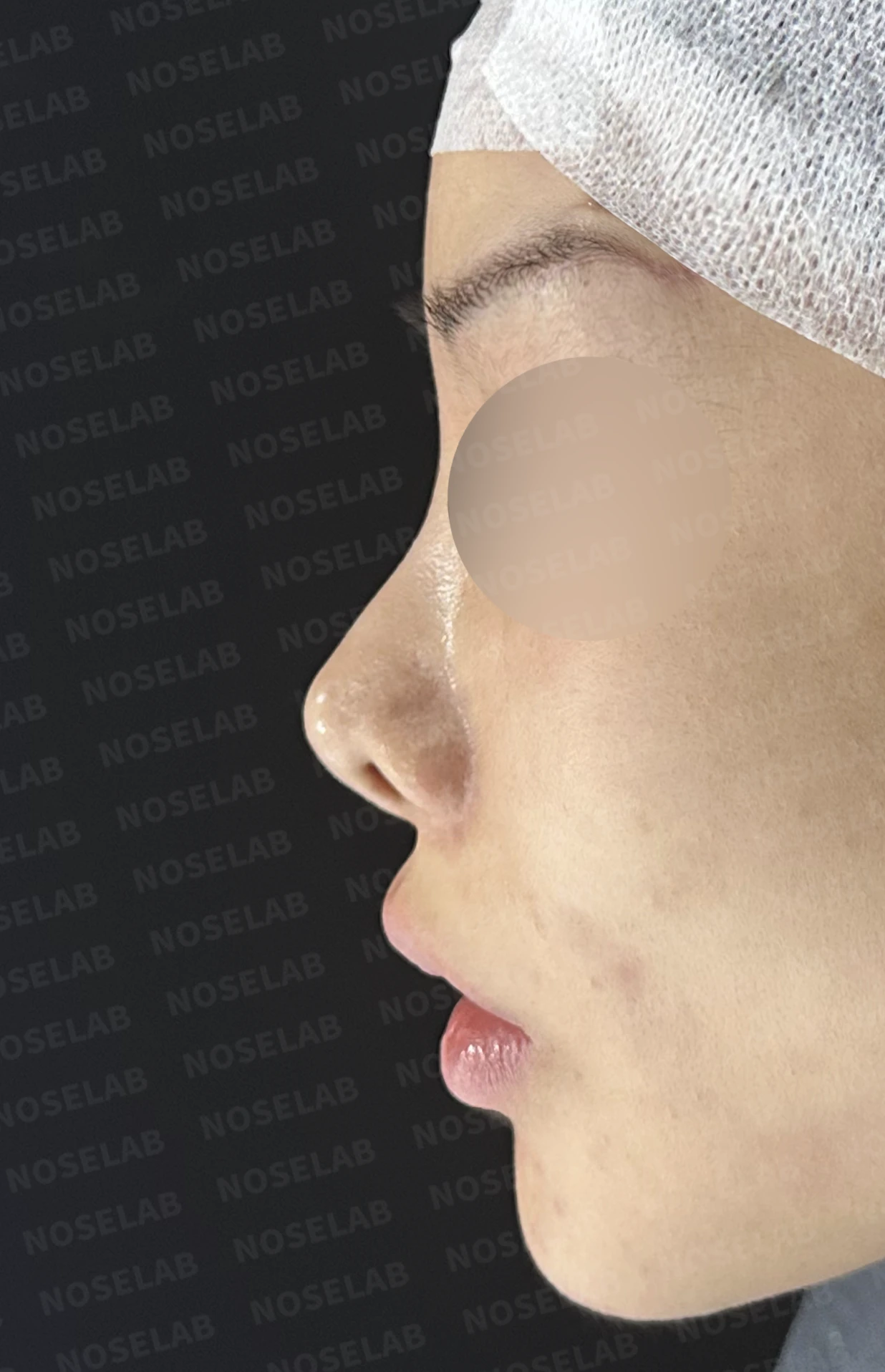
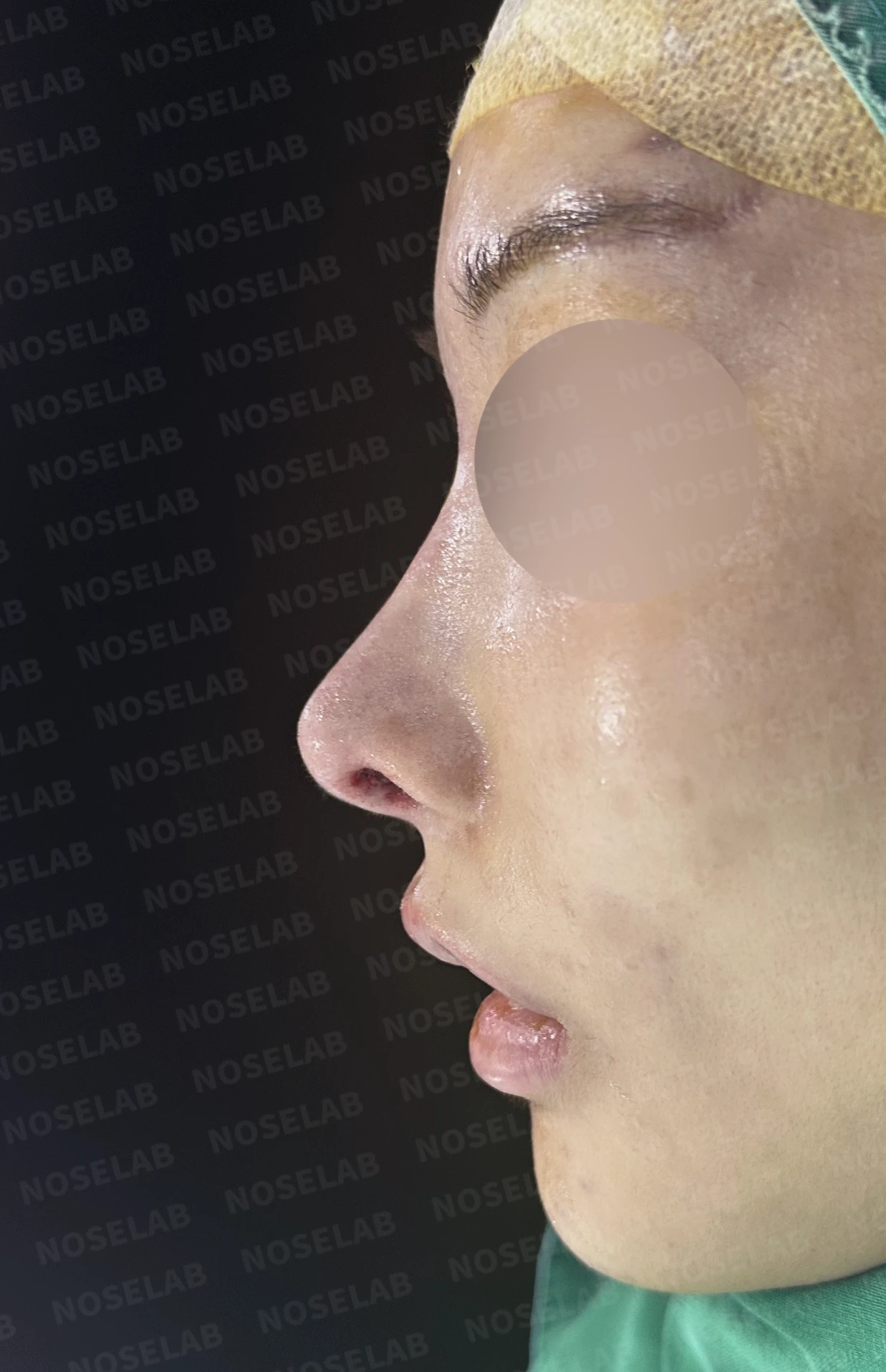
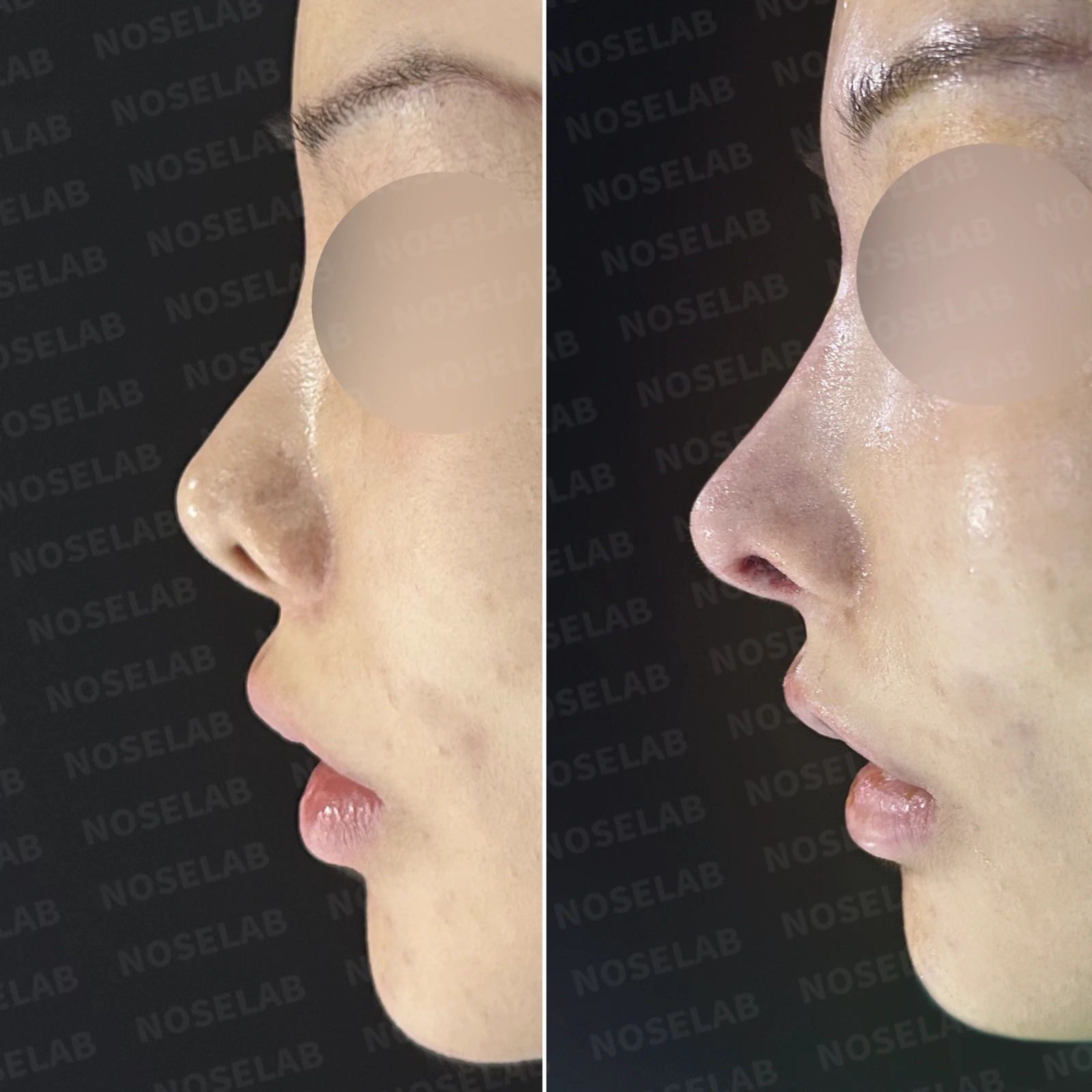
Before surgery / Day 0 immediately after surgery Photos taken immediately after surgery show swelling and may differ from the final result.
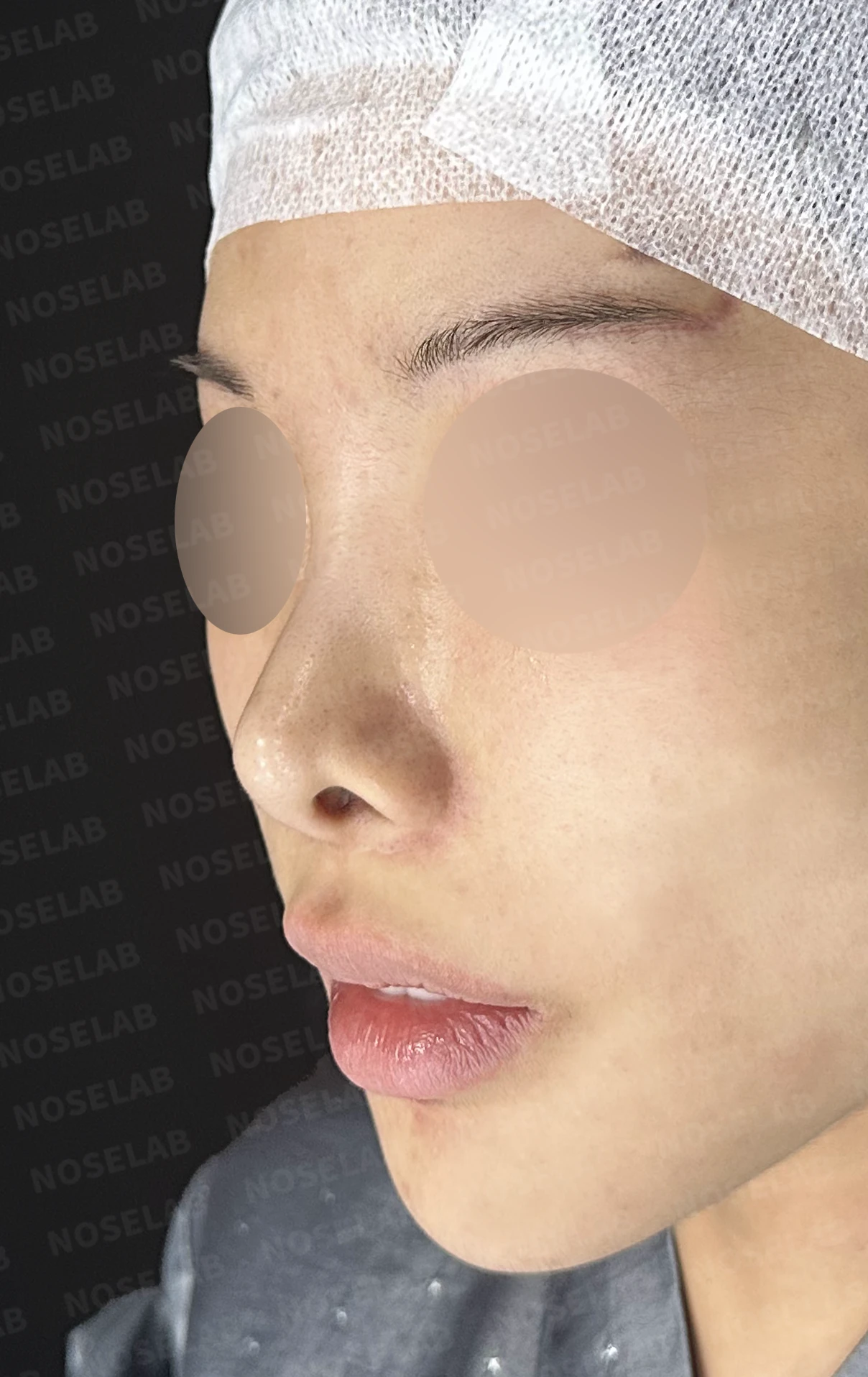
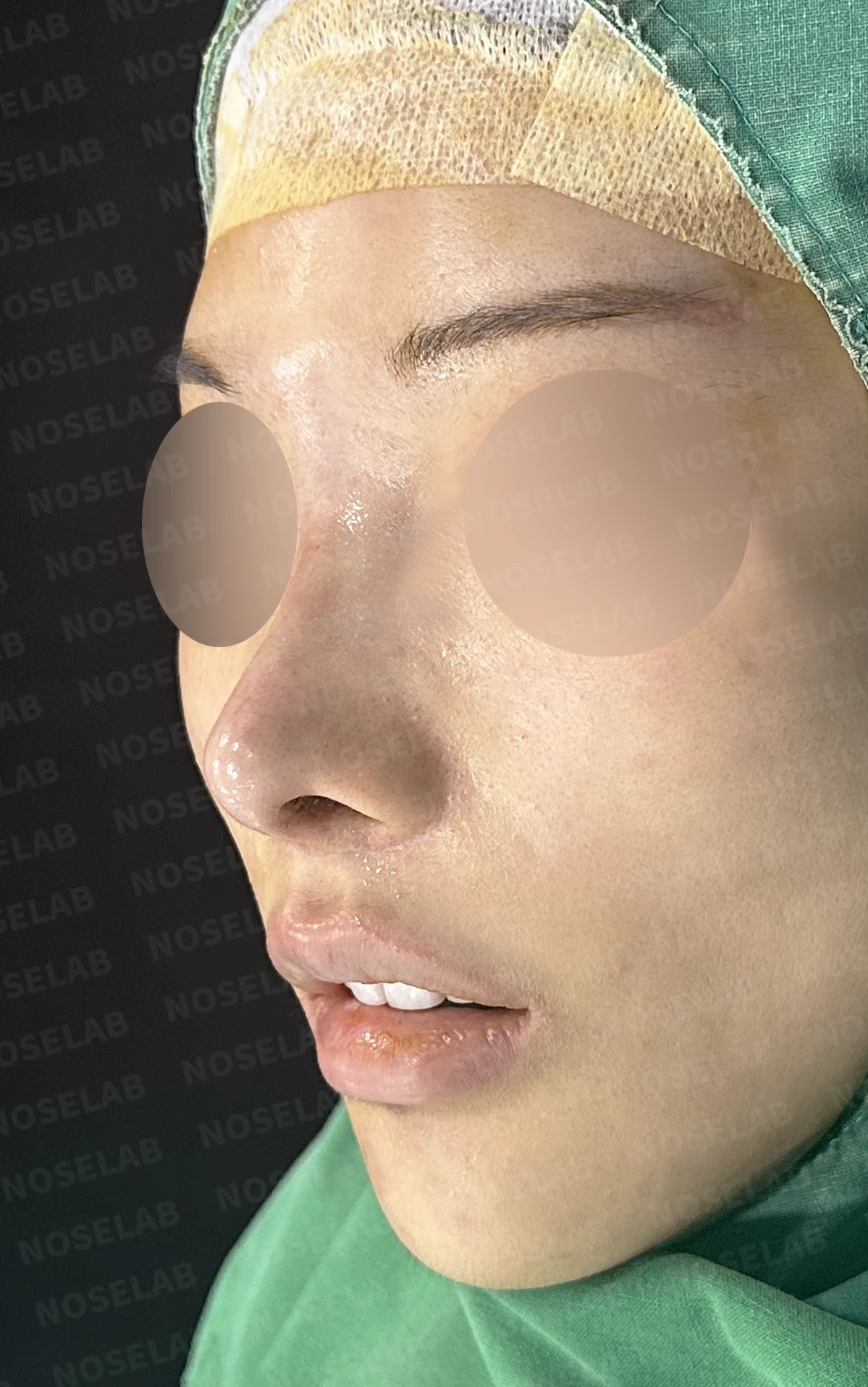
Before surgery / Day 0 immediately after surgery Photos taken immediately after surgery show swelling and may differ from the final result.
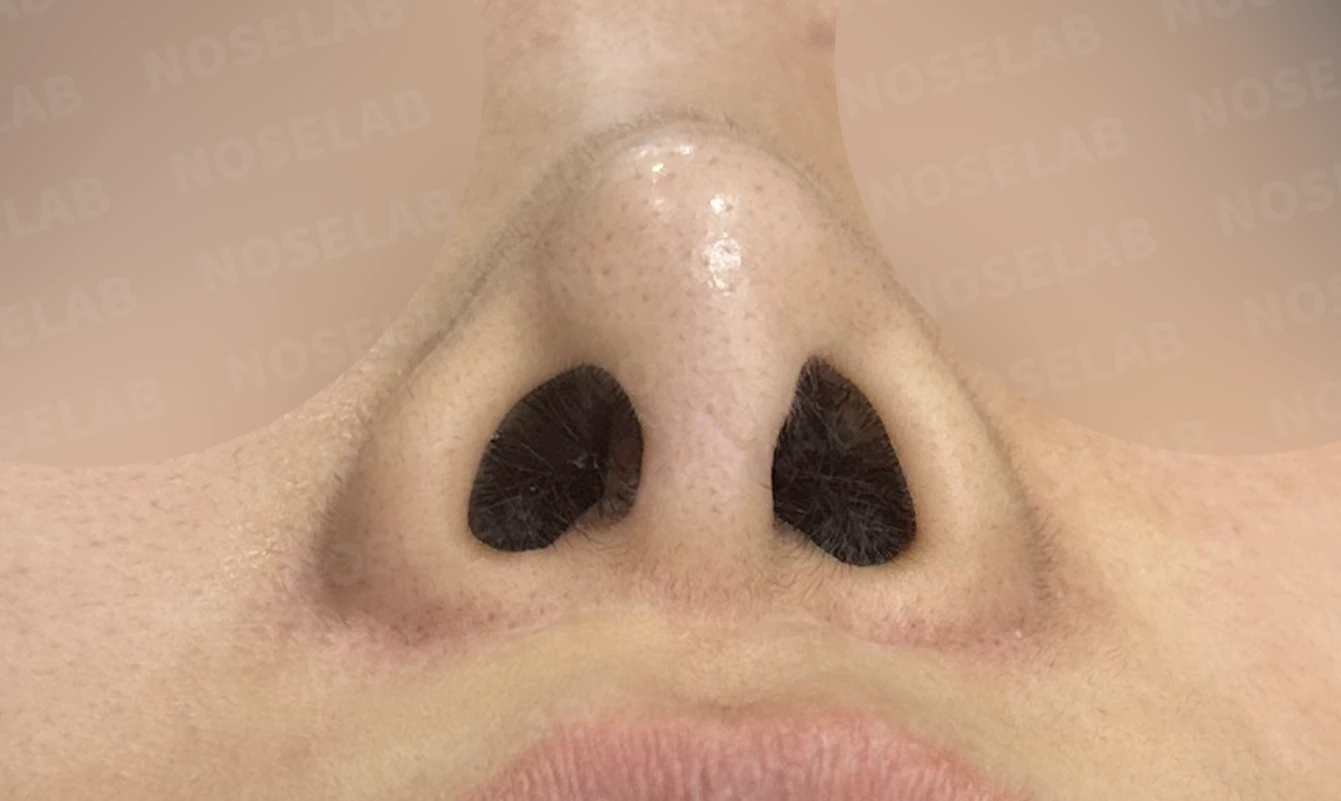
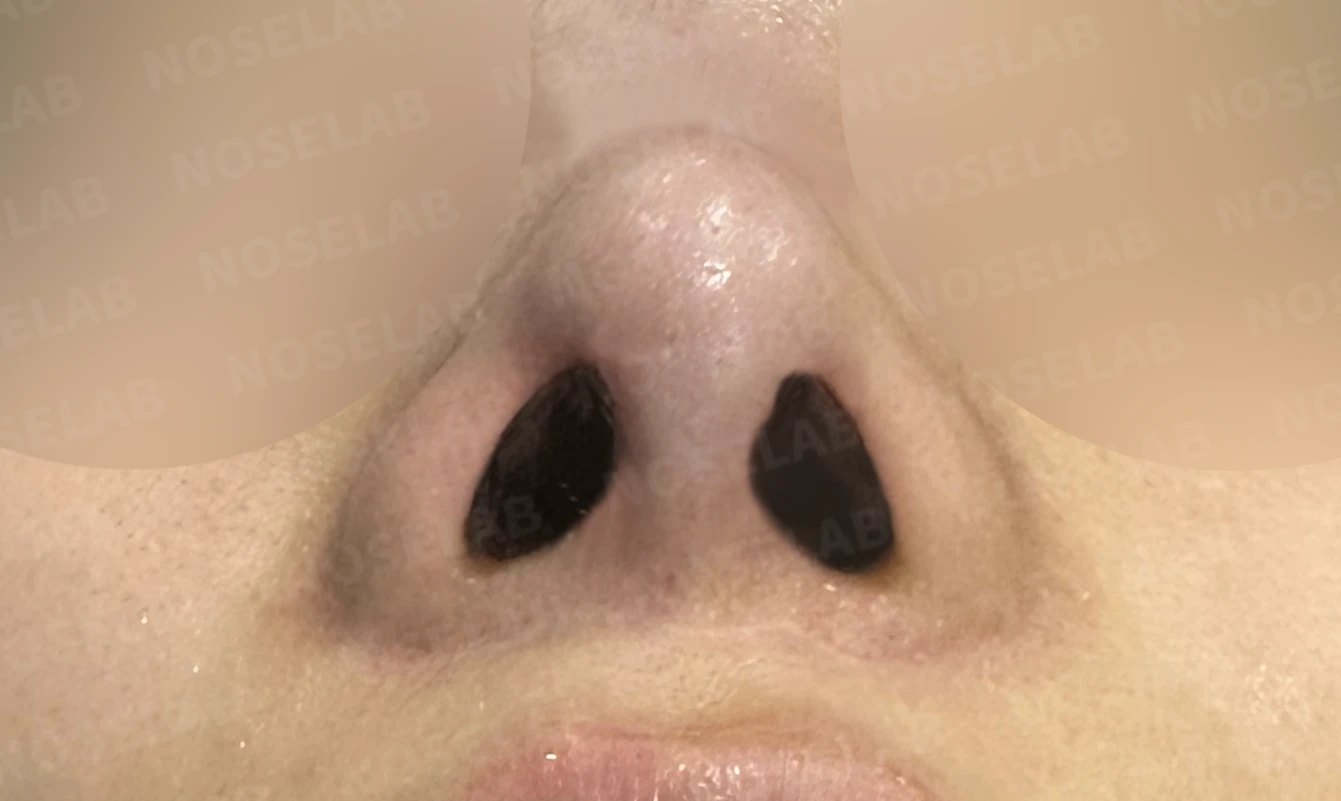
Before surgery / Day 0 immediately after surgery Photos taken immediately after surgery show swelling and may differ from the final result.
💡 Specialist opinion
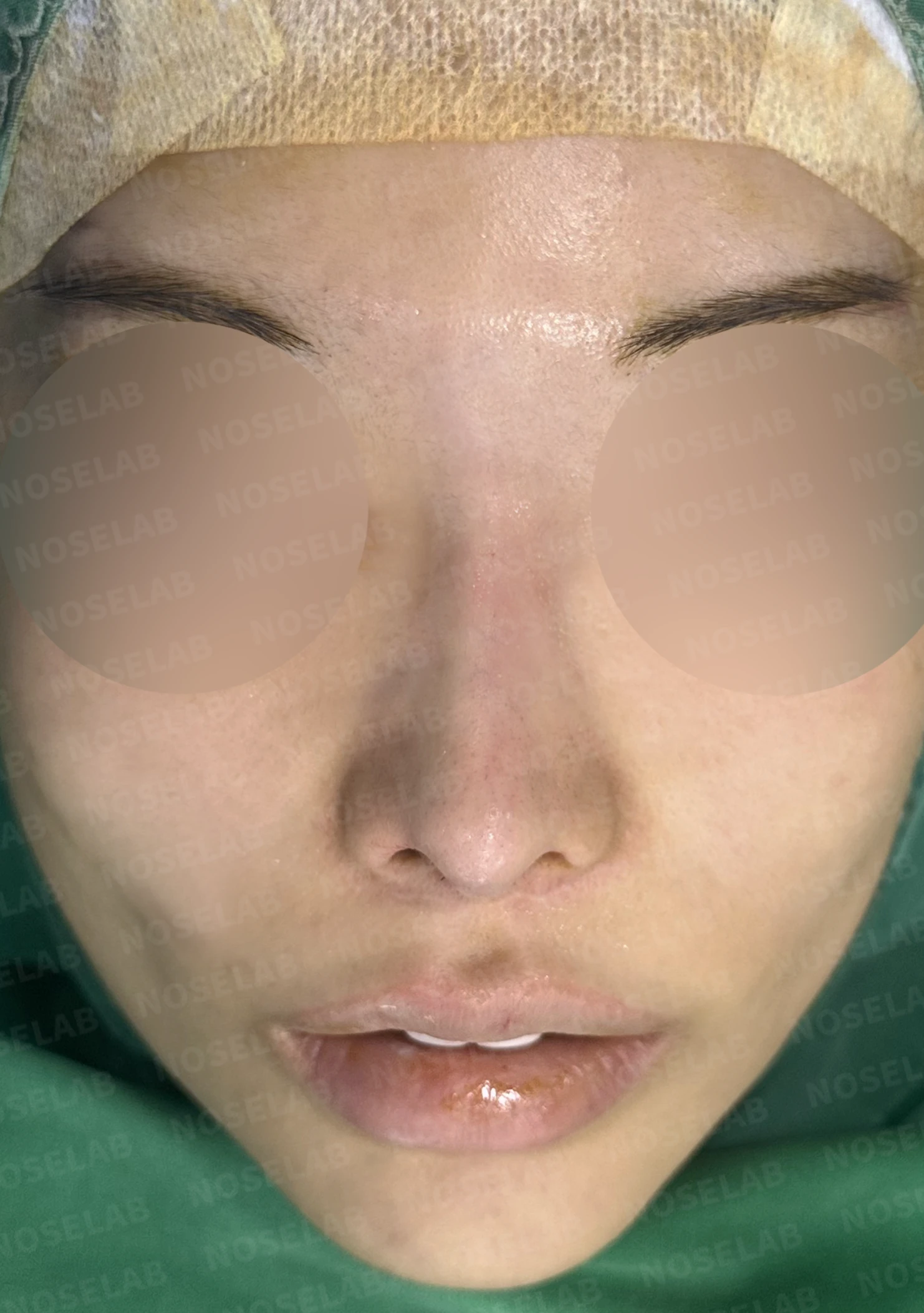
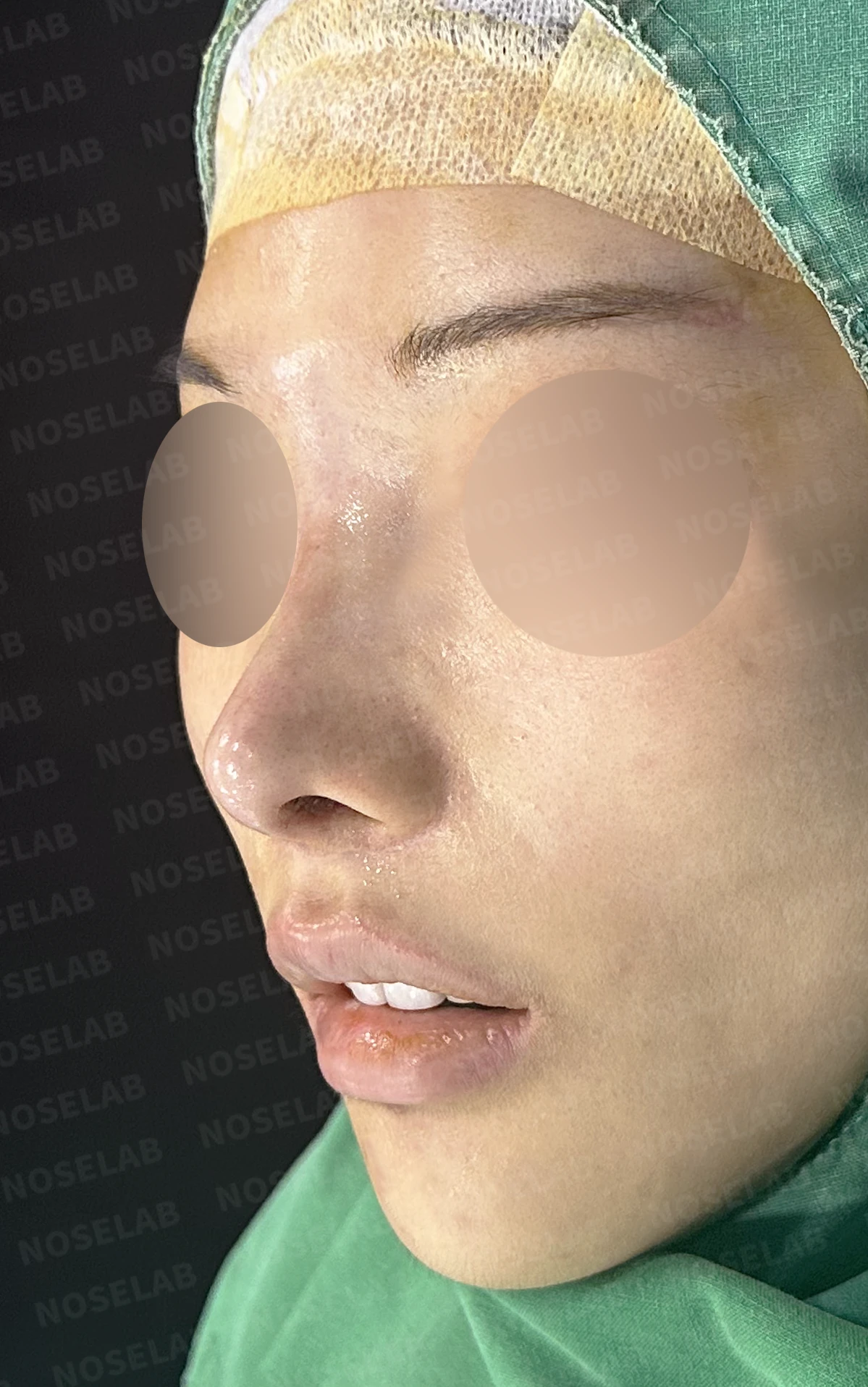
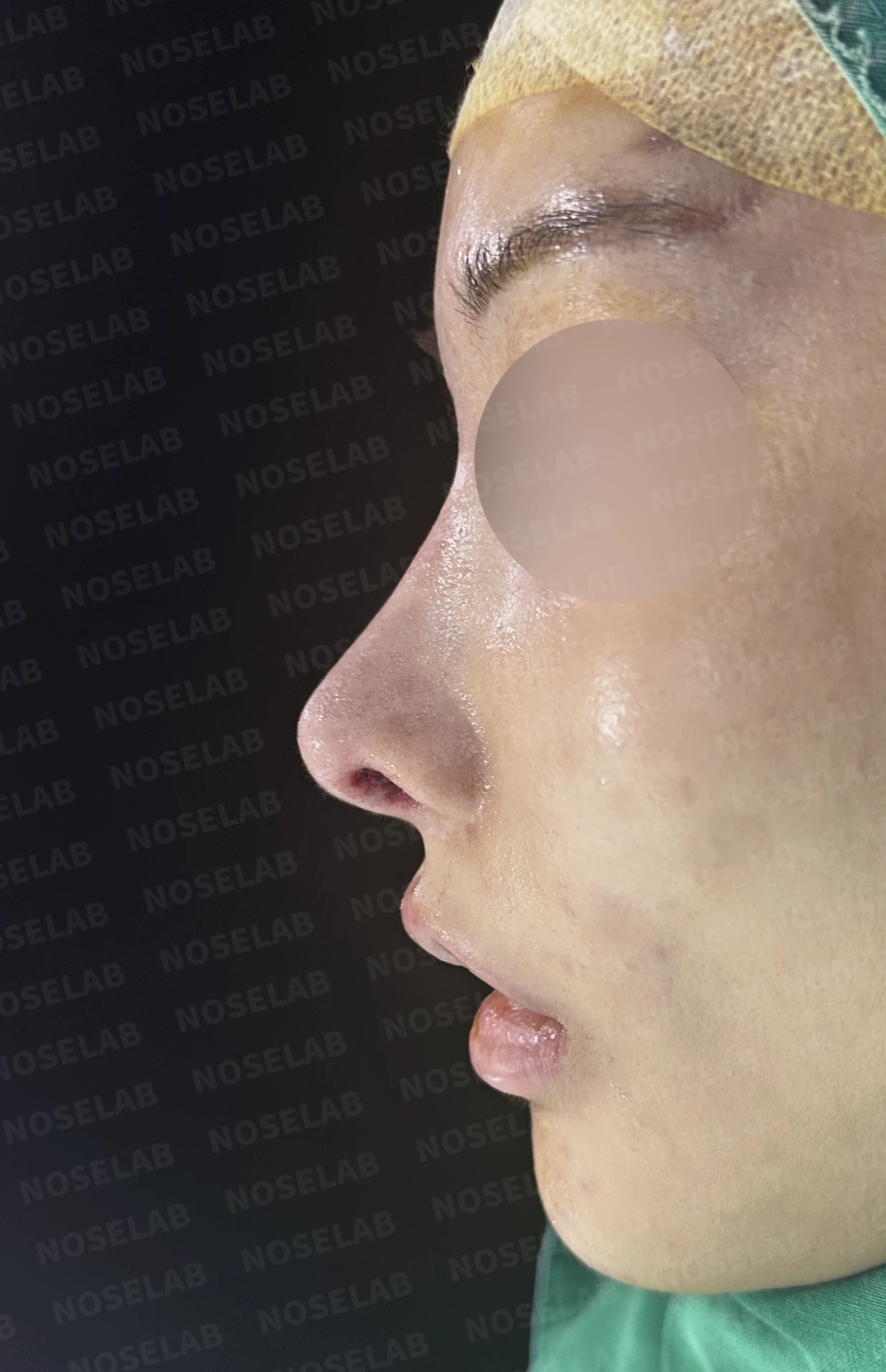
Front, oblique, and profile views on day 0 immediately after surgery. Photos taken immediately after surgery show swelling and may differ from the final result.
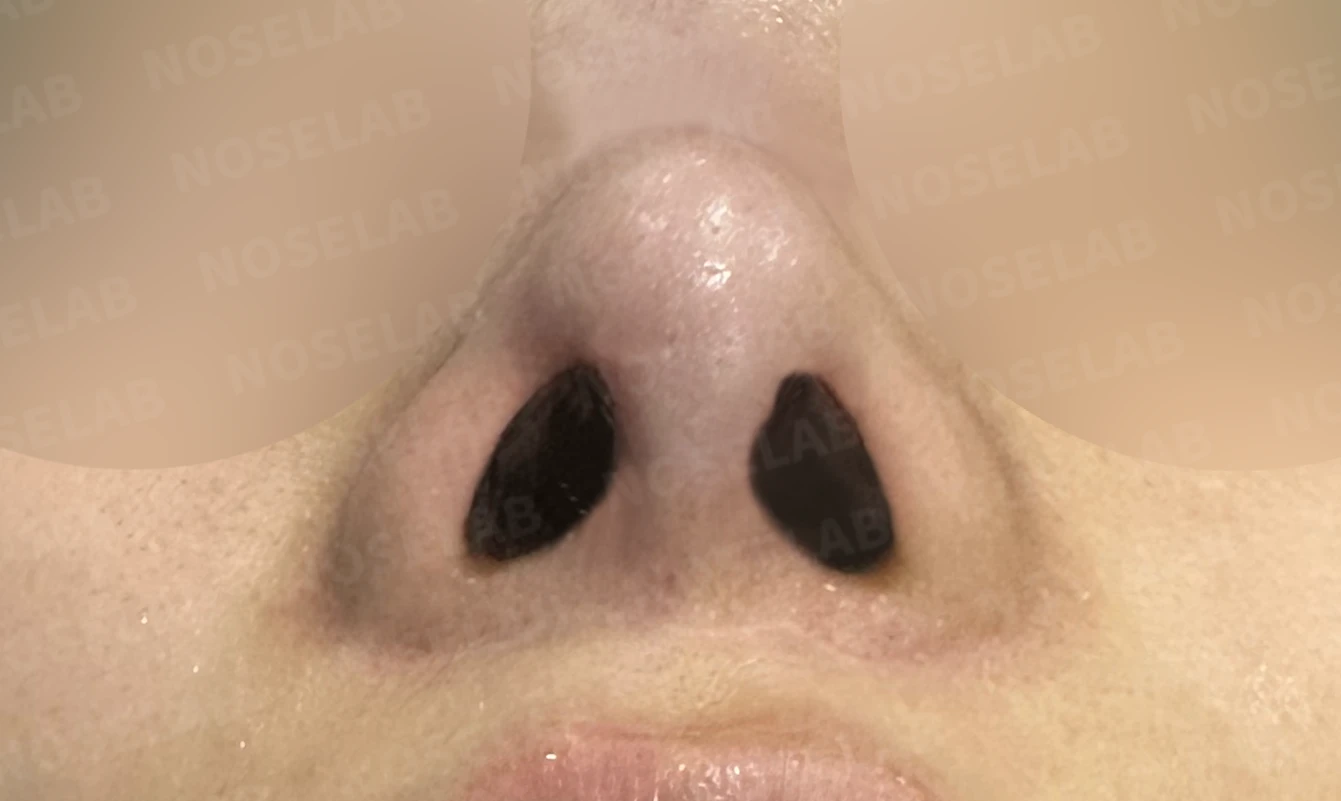
Nostril view on day 0 immediately after surgery. Photos taken immediately after surgery show swelling and may differ from the final result.
This was a complex case requiring the careful removal of semi-permanent filler alongside reconstruction of a severely damaged septum.
Risks of semi-permanent filler
Over time, semi-permanent filler (Artecoll) can cause issues such as inflammation, deformity, and migration. Completely removing it to create a clean environment is the first step in revision rhinoplasty planned with safety in mind.
Importance of septal reconstruction
When the septum is severely damaged, support for the nasal tip weakens and breathing can become difficult. Reconstructing it with autologous rib cartilage firmly restores the central structure. Because it is the patient's own tissue, there is no foreign body reaction, and it remains stable over the long term.
Correction of an upturned nasal tip
An upturned nasal tip can look immature and creates an unsettled impression due to excessive nostril show. Lowering it appropriately with autologous rib cartilage creates a mature and natural appearance. Performing this alongside septal reconstruction also secures structural support, supporting a stable result.
Simultaneous functional and cosmetic improvement
A deviated septum and rhinitis are major causes of nasal obstruction. Treating them concurrently with cosmetic rhinoplasty allows all concerns to be addressed in a single recovery period.
We will continue to do our best as a specialized revision clinic to address serious issues such as semi-permanent fillers with care and produce natural results. This has been Dr. Peter C. Kang, Medical Director. Thank you.
#closedrhinoplasty #closedrevisionrhinoplasty #semipermanentfillerremoval #artecollremoval #upturnednosecorrection #autologousribcartilage #septalreconstruction #nasalfunctionalimprovement #revisionspecialist

Limitations and risks
When autologous rib cartilage is used, scarring and pain may remain at the donor site on the chest, and pneumothorax (pleural injury) can occur rarely. Over time, the grafted cartilage may warp or undergo partial resorption.
When foreign materials such as injected fillers are removed and reconstructed, contracture may recur, nasal height and length may decrease, and staged surgery may be necessary depending on the skin condition.
When the septum is corrected at the same time, nasal obstruction may persist or recur, and in rare cases, septal perforation or changes in smell may occur.
Common potential risks include infection, bleeding, asymmetry, scarring, skin necrosis, and insufficient improvement; results vary depending on individual skin condition and previous surgical history.