Hello, this is Dr. Peter C. Kang, medical director.
Today, I would like to introduce a case where a crooked nose, a short nose, and excessive nostril show were corrected using autologous rib cartilage.
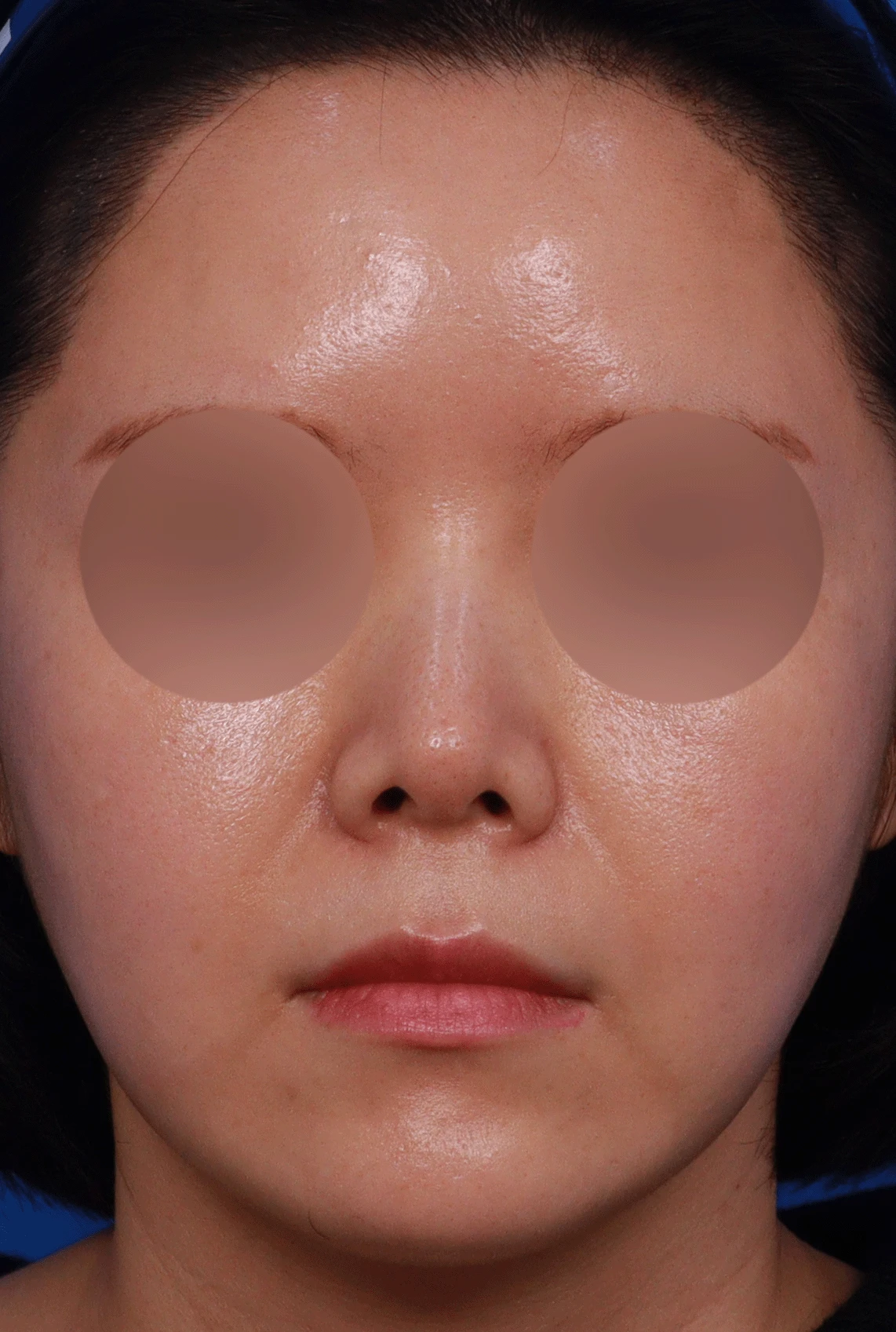
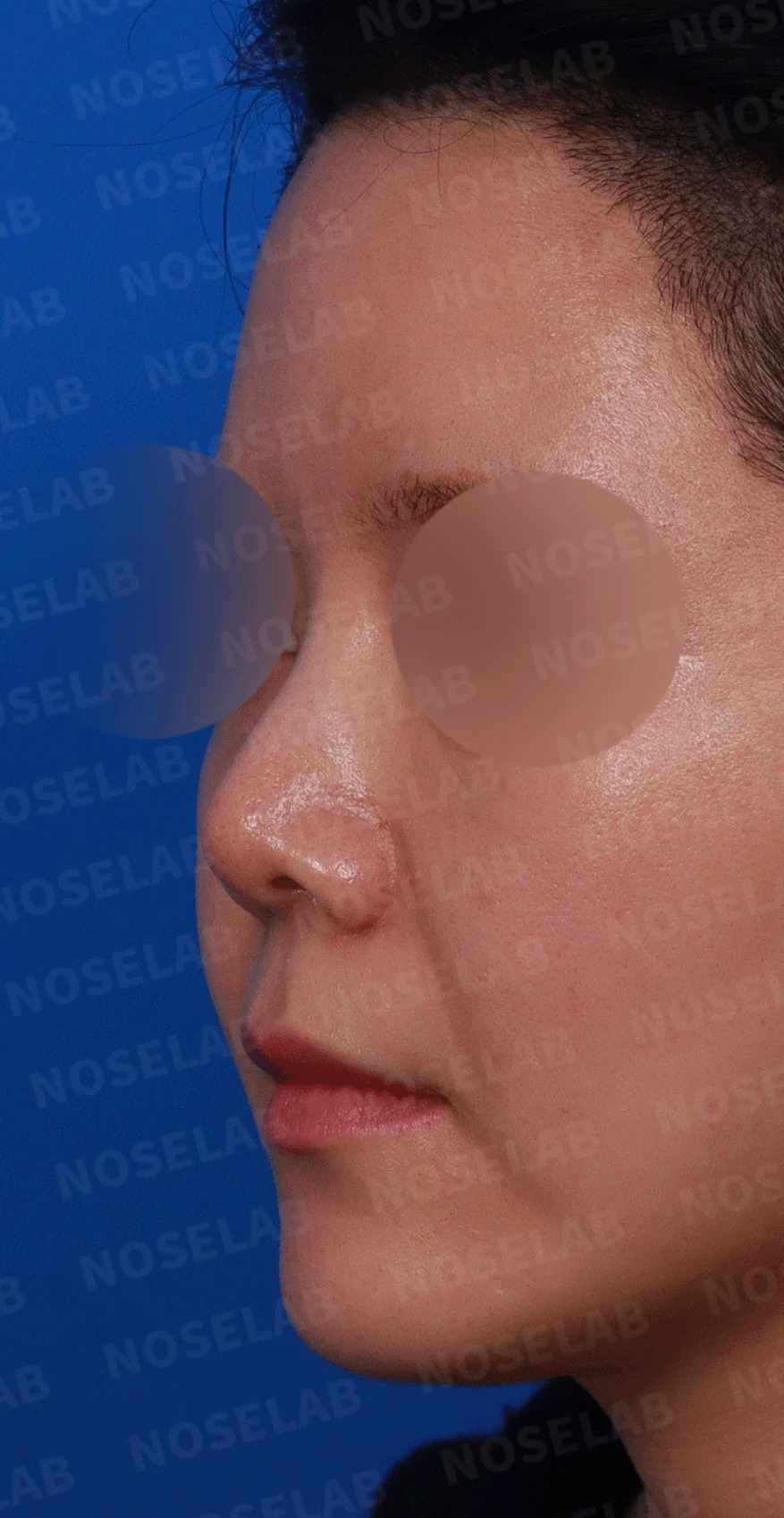
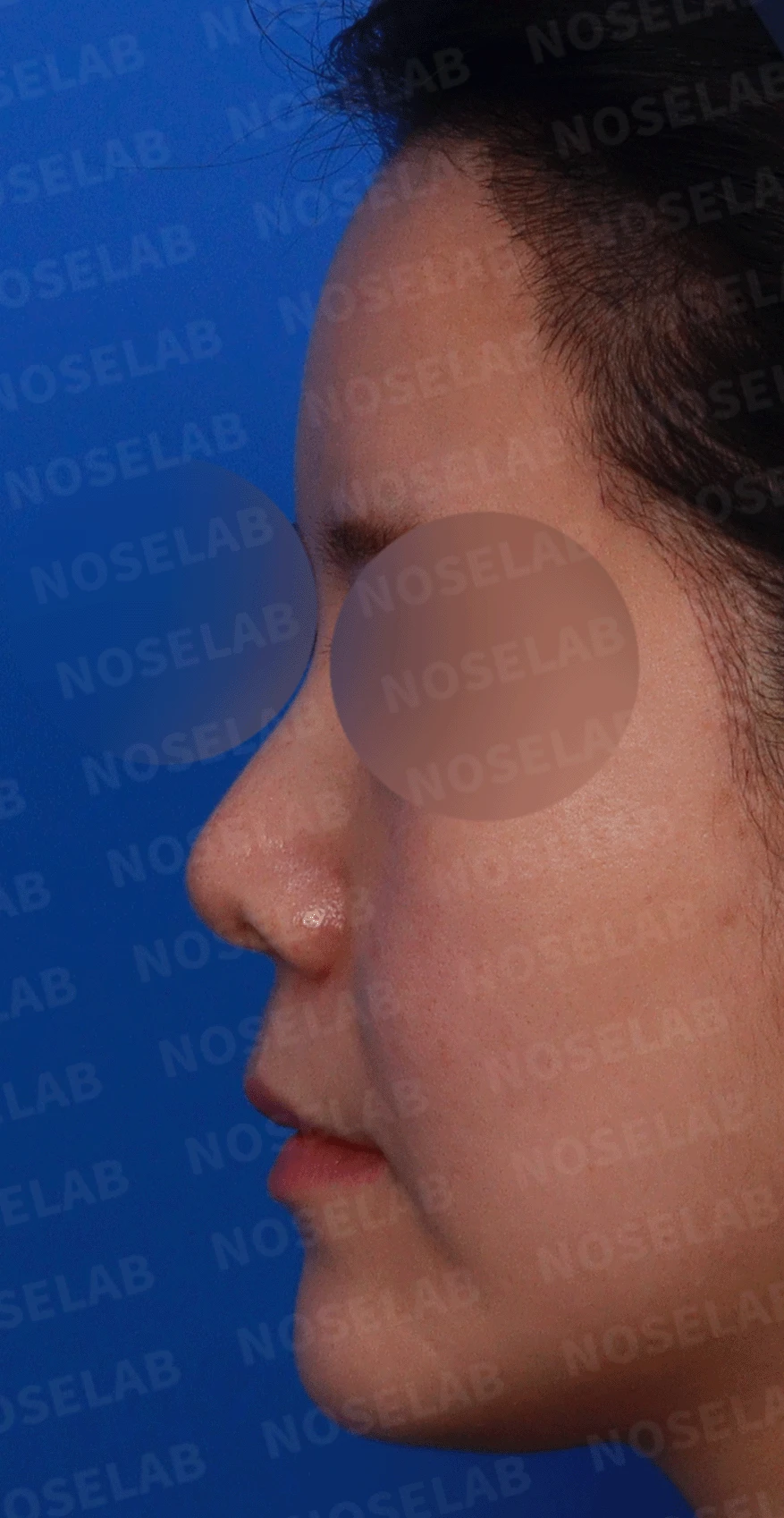
Design consultation: front, left profile, and oblique views
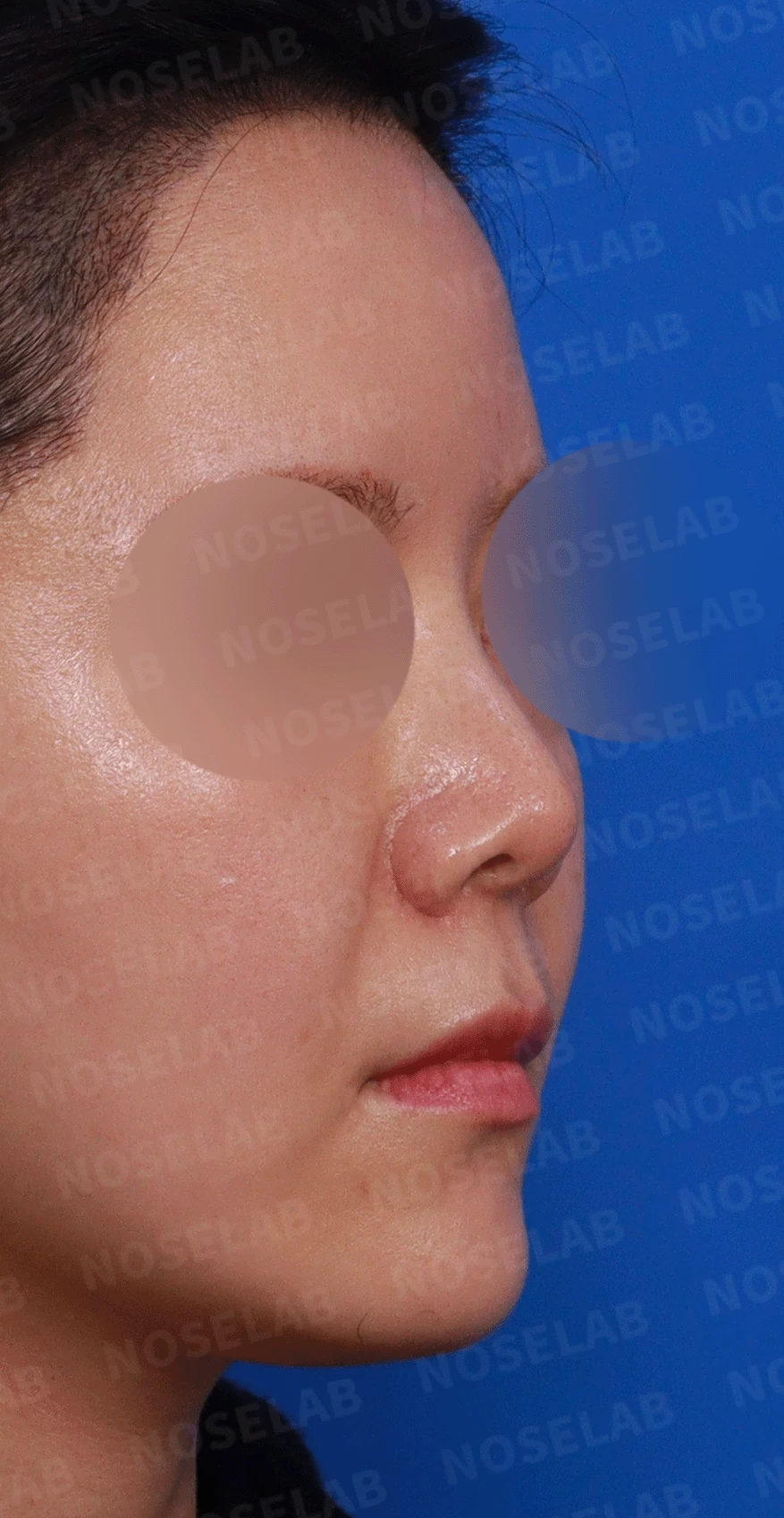
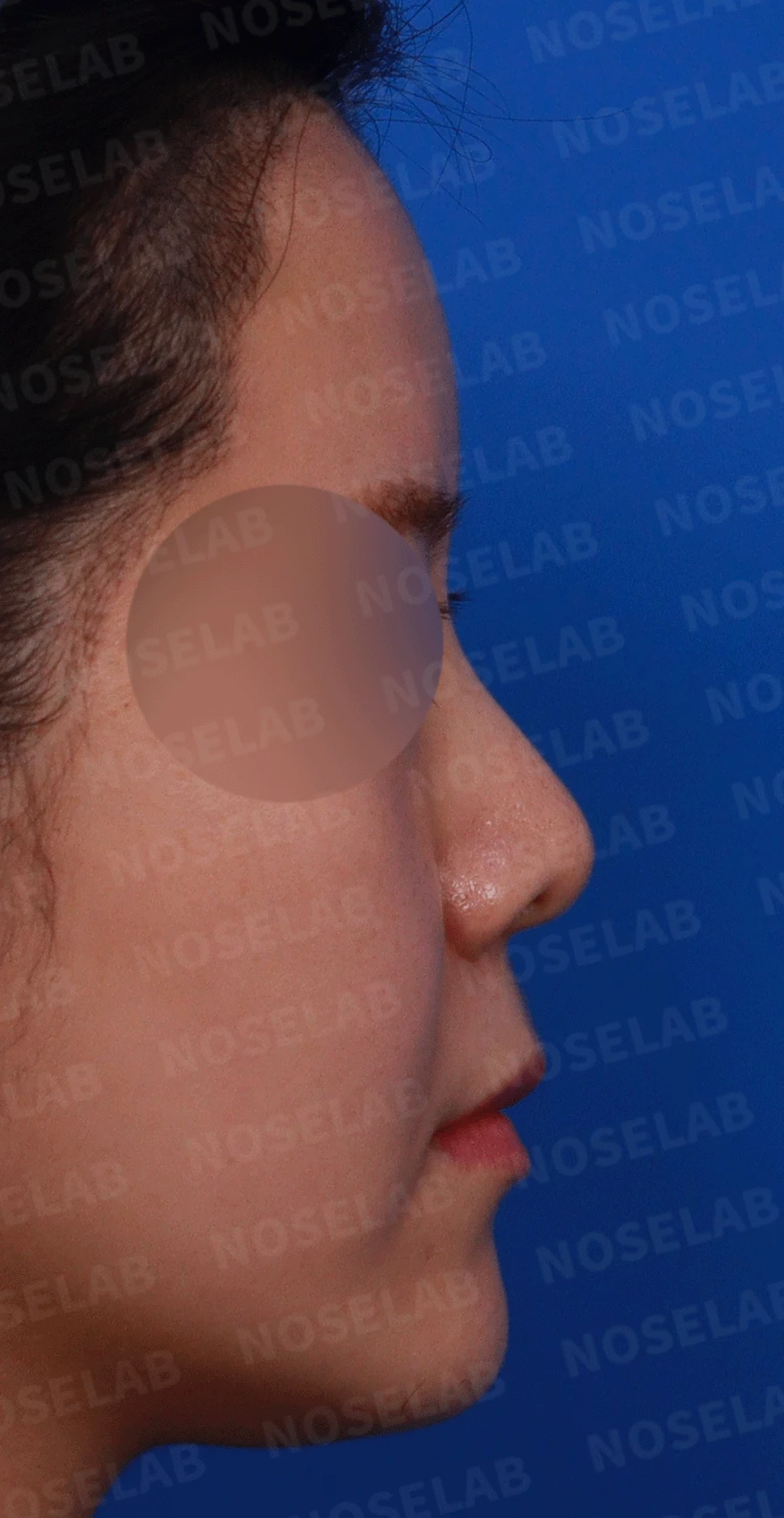
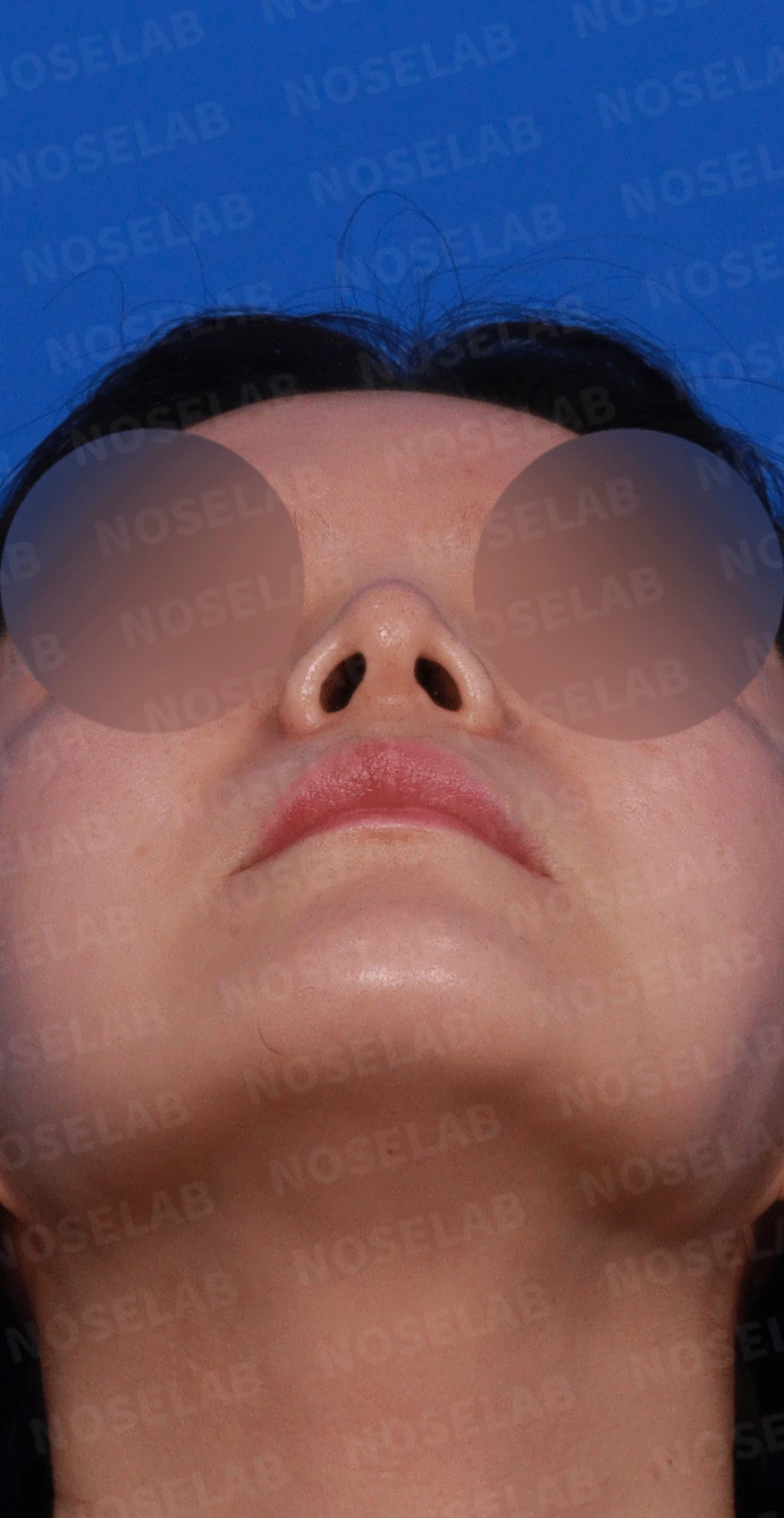
Design consultation right profile, oblique, and nostril views
📍 Surgical history
15 years ago: silicone implant + ear cartilage surgery
🔎 Initial consultation findings
Functional issues
Rhinitis symptoms
Front view
Deviated nose
Excessive nostril show
Bulbous nasal shape
Profile view
Short nose
Upturned nose
Drooping nasal tip
High radix
✨ Patient's requests
Correction of crooked nose
Improving the length of a short nose
Improvement of drooping tip
Correction of upturned nose
Lowering the glabella radix
Improving a blunt tip shape
💉 Surgical procedure details
Special notes
Partial calcification of autologous rib cartilage confirmed on preoperative chest X-ray
Selective harvest of the right 8th rib cartilage with minimal calcification
Structural improvement
Reinforcing nasal framework using autologous rib cartilage
Repositioning nasal framework to correct a crooked nose
Septal extension to lengthen a short nose
Alar lowering performed to improve excessive nostril show
Concurrent surgery to improve rhinitis
Improvement in shape
Lowered glabella radix
Correction of upturned nose
Improvement of bulbous nasal tip
Nasal lengthening
✅ Surgical results
Functional improvement
Inferior turbinates reduced
Rhinitis symptoms expected to be relieved
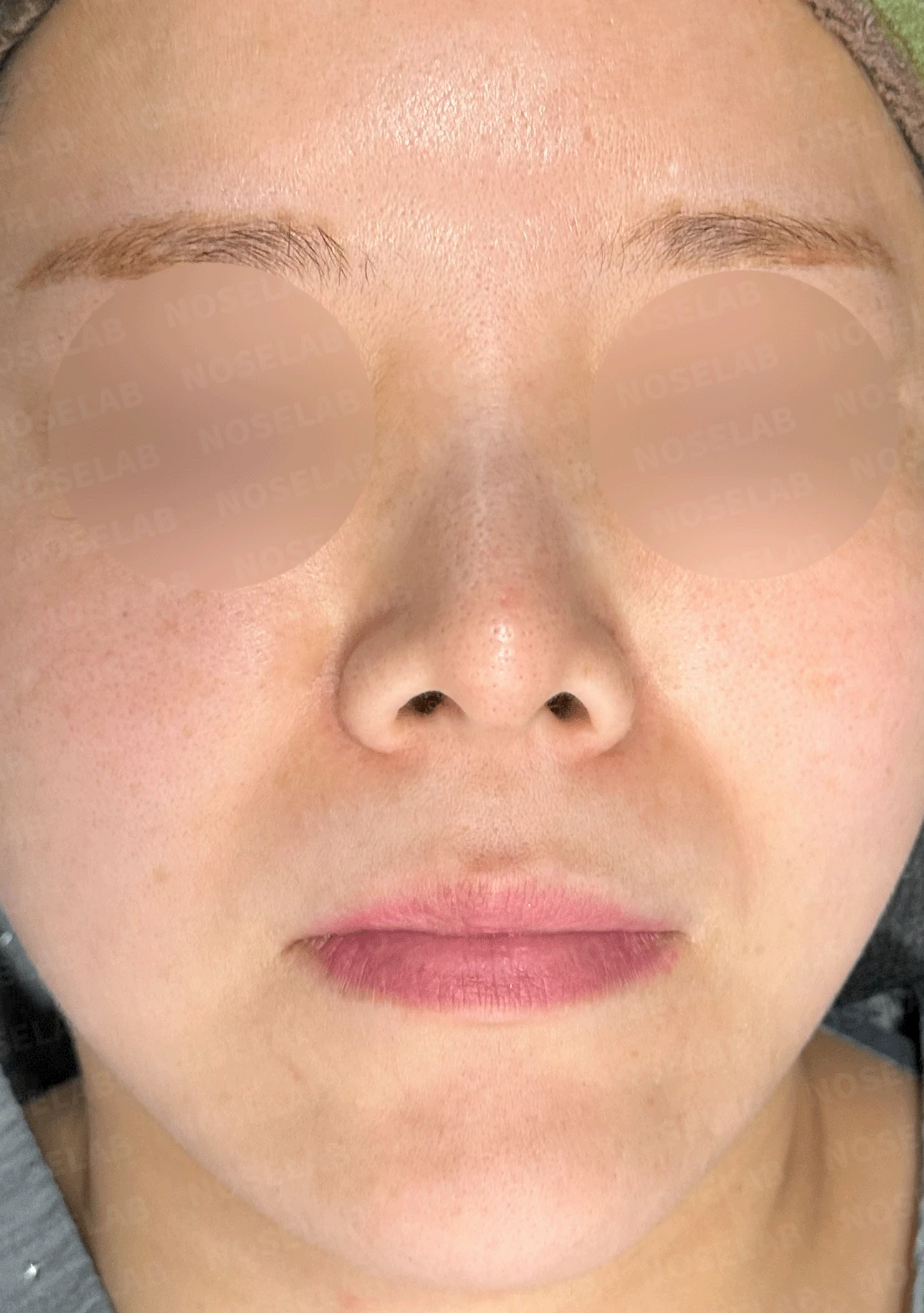
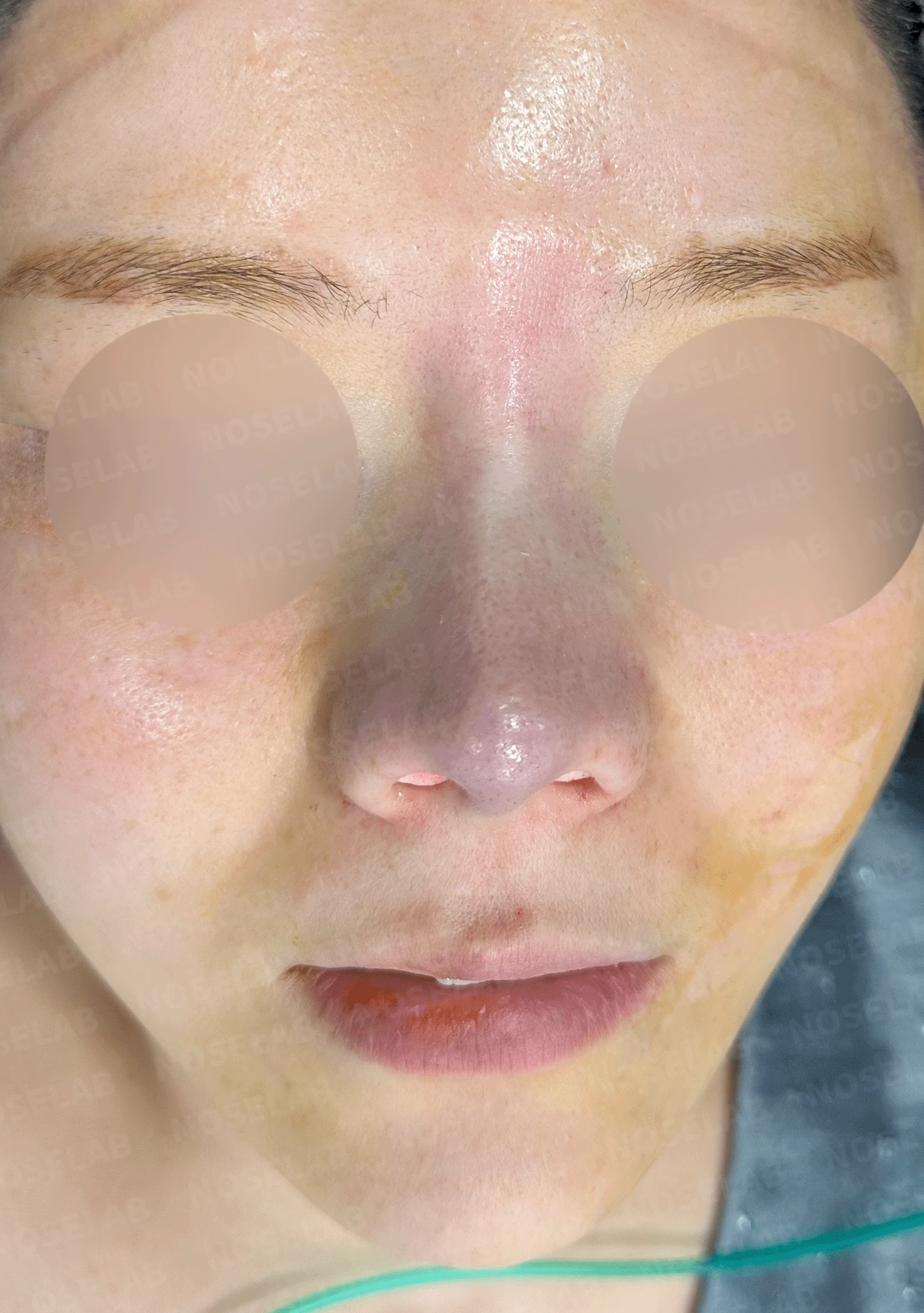
Before surgery / Day 0 immediately after surgery Photos taken immediately after surgery show swelling and may differ from the final result.
Front view
Correction of deviated nose
Reduction of nostril show
Natural nasal shape
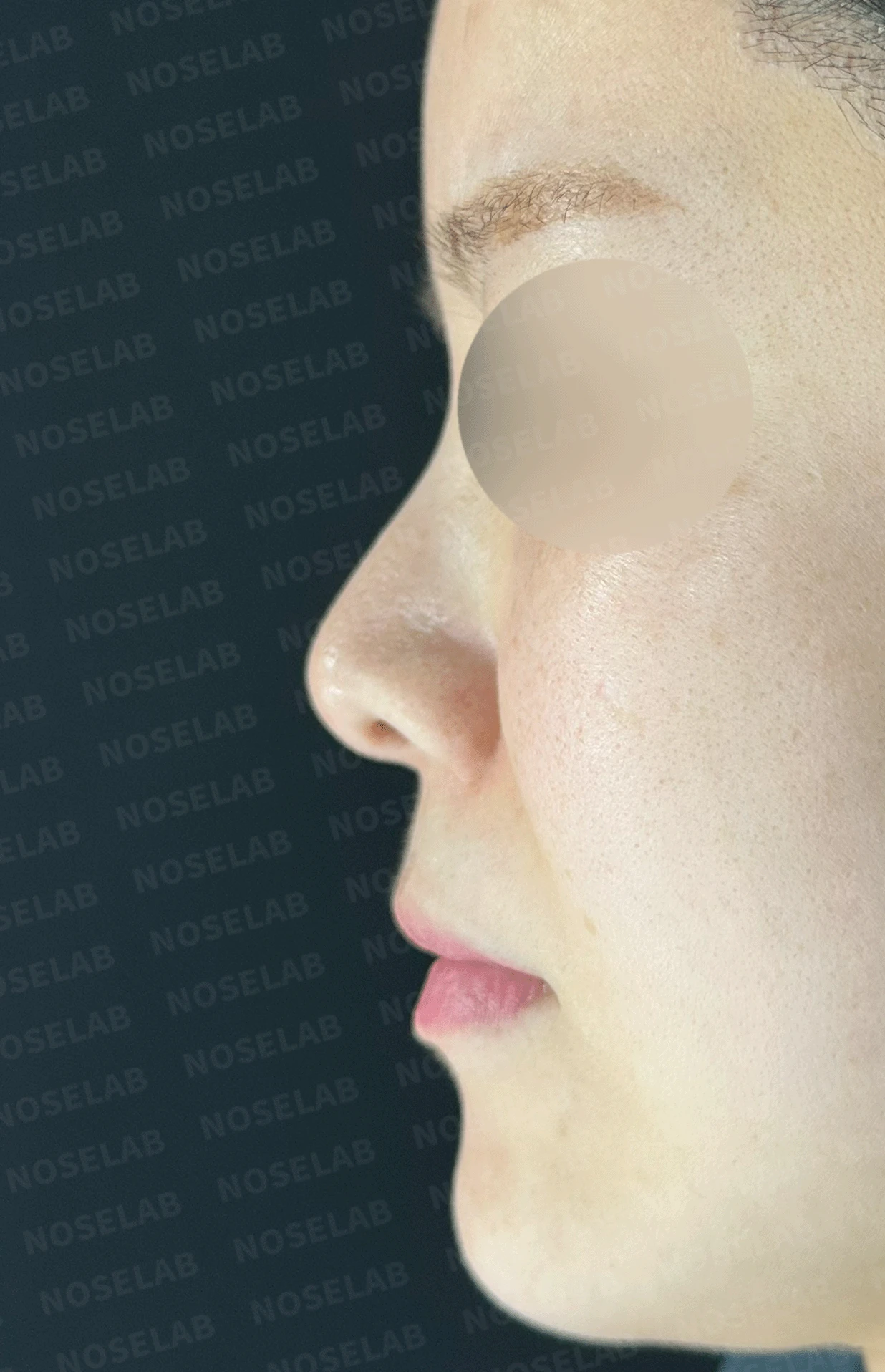
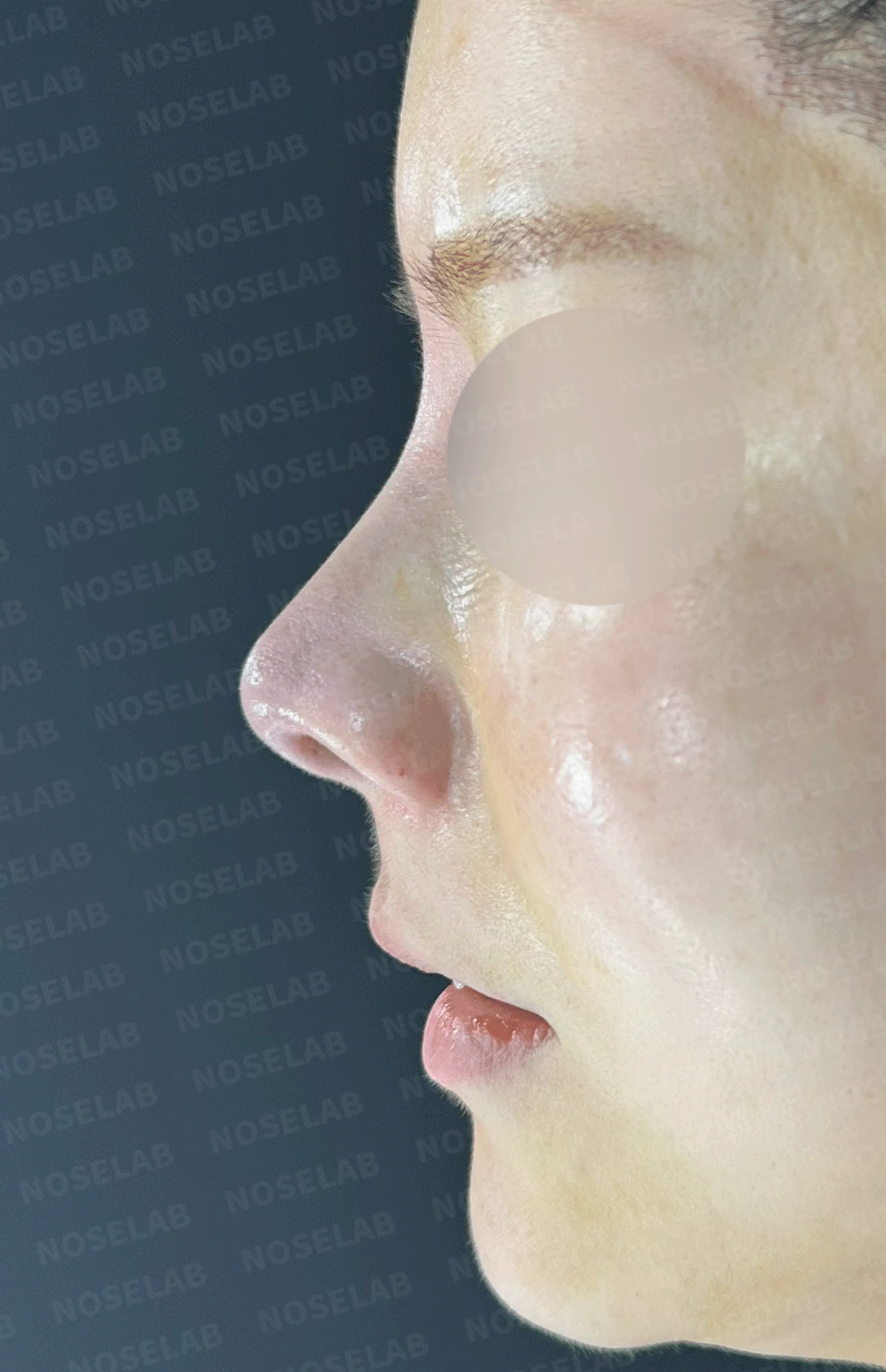
Before surgery / Day 0 immediately after surgery Photos taken immediately after surgery show swelling and may differ from the final result.
Profile view
Appropriately lengthened nasal length
Improvement of upturned nose
Correction of a drooping tip
Lowered glabella radix
Improved nasolabial angle
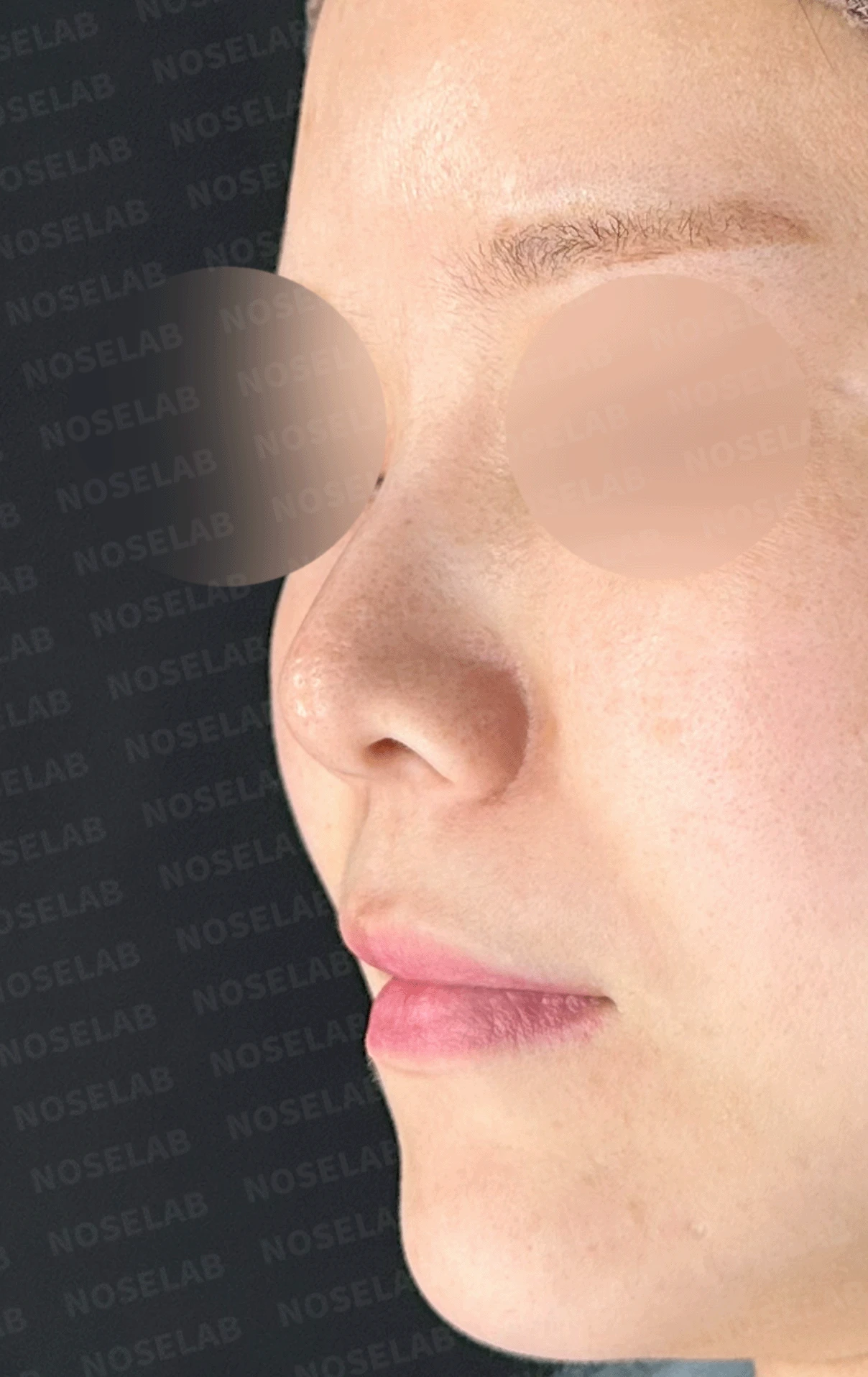
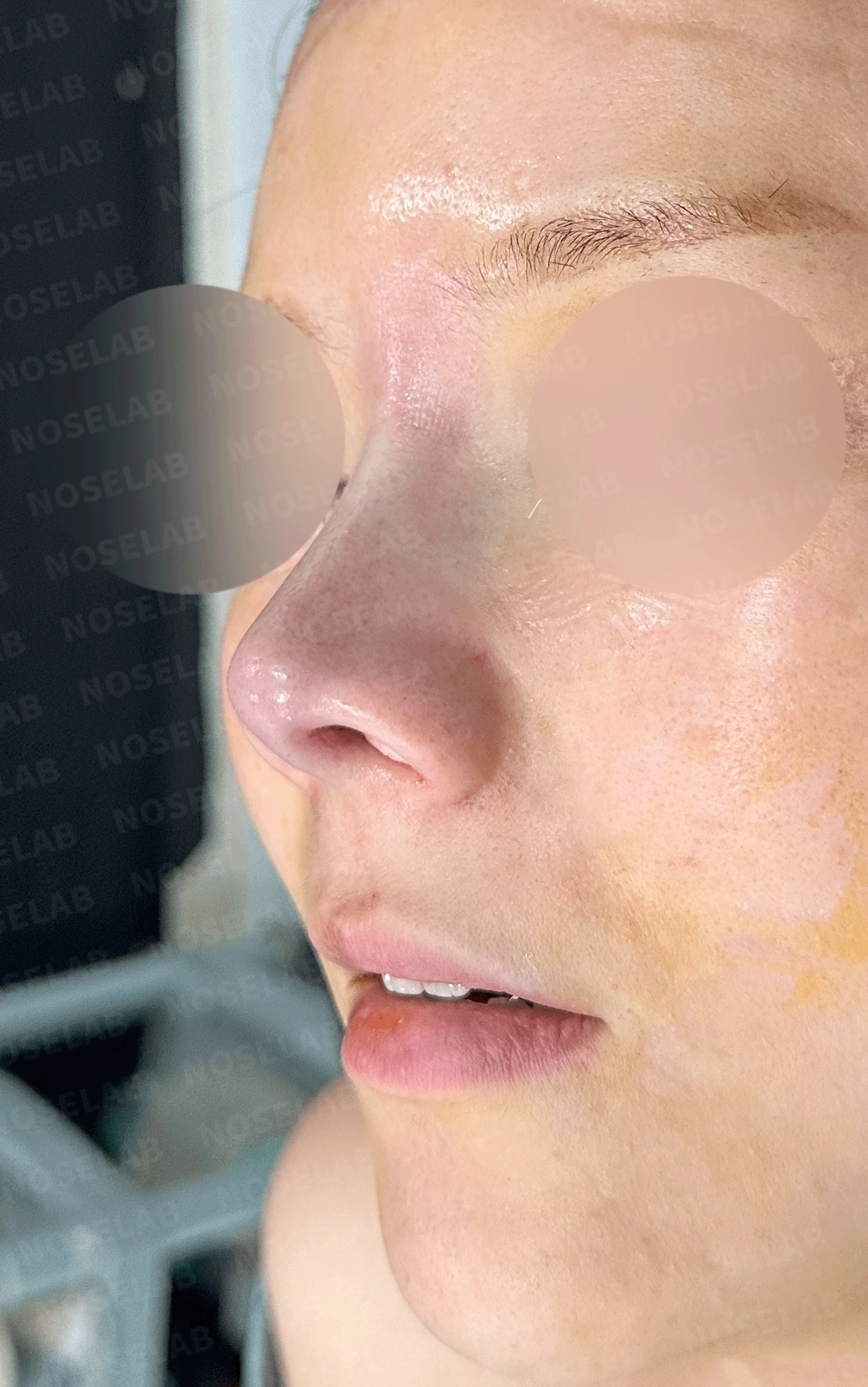
Before surgery / Day 0 immediately after surgery Photos taken immediately after surgery show swelling and may differ from the final result.
Nostrils
Improvement of nostril asymmetry
Balanced nostril shape
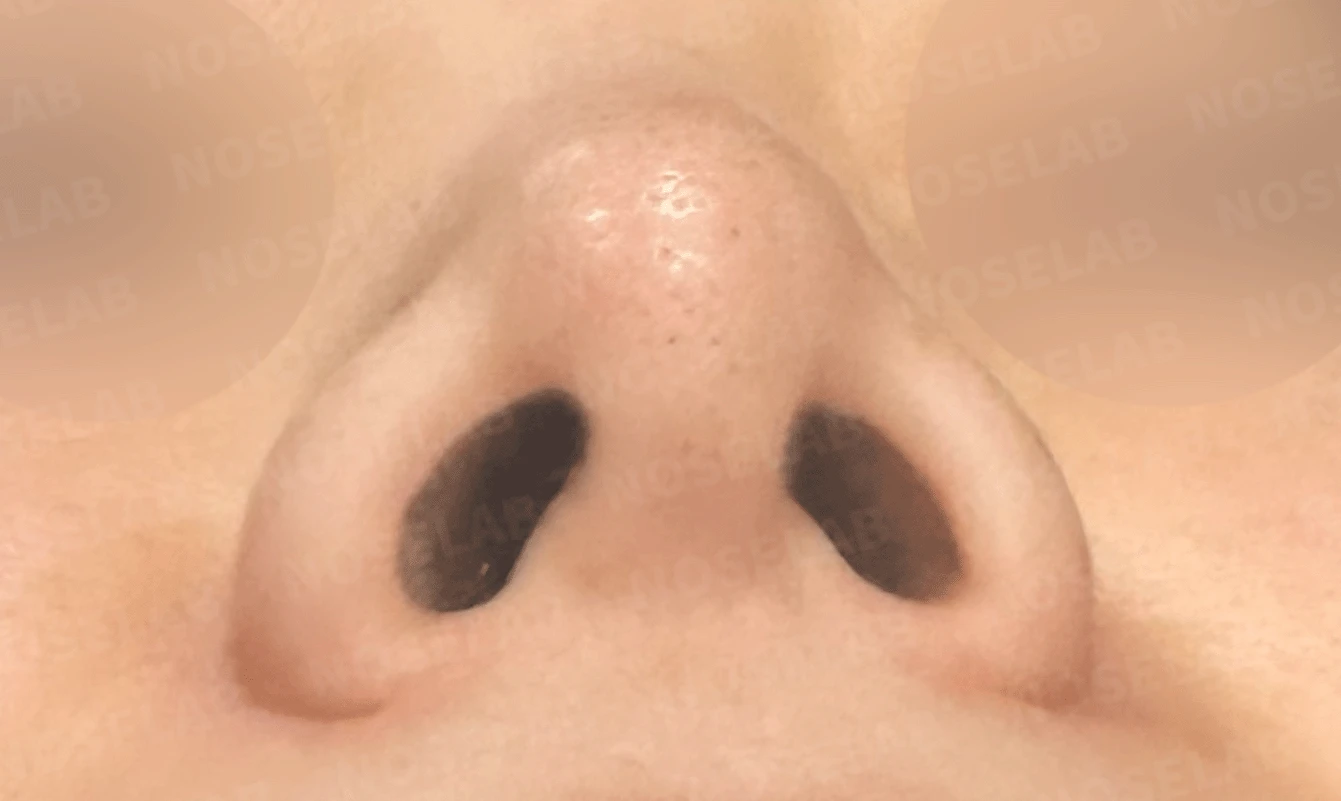
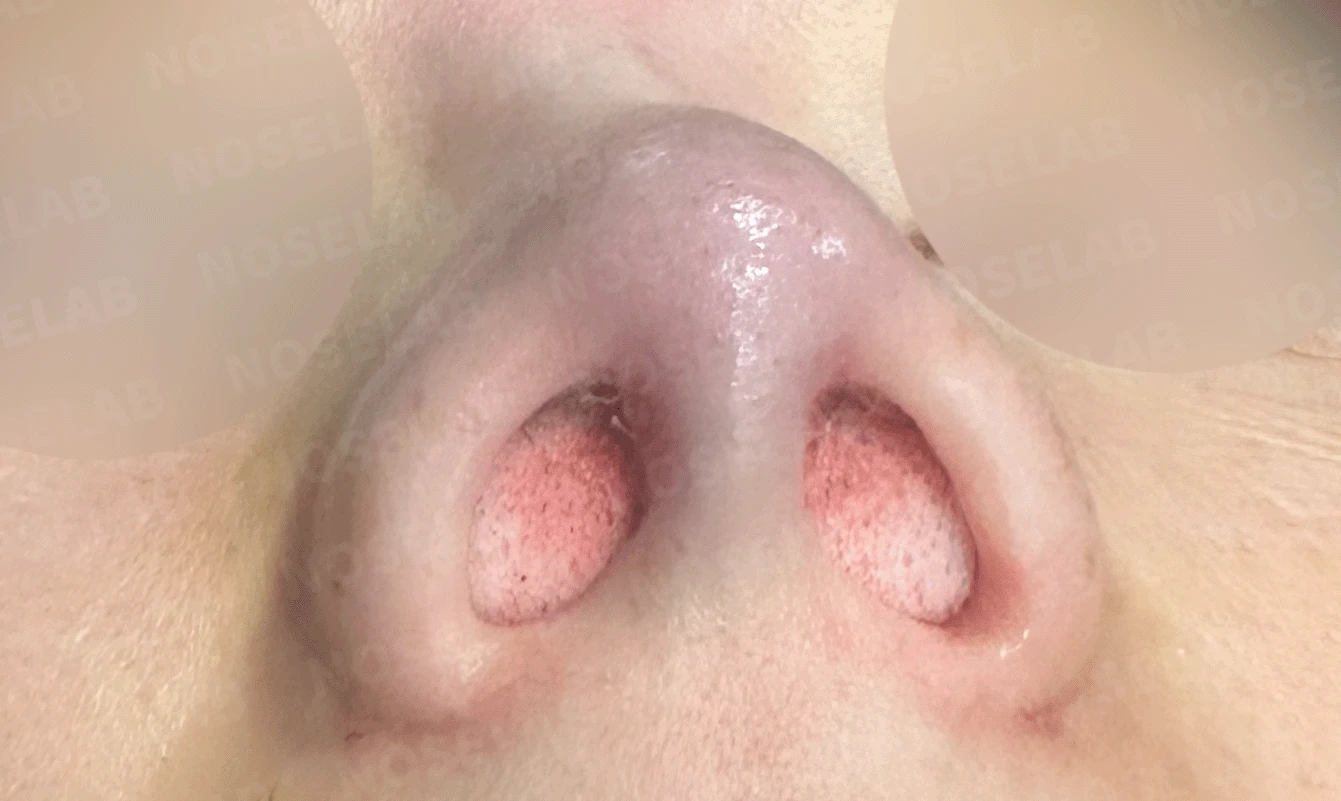
Before surgery / Day 0 immediately after surgery Photos taken immediately after surgery show swelling and may differ from the final result.
👨⚕️ Specialist's assessment
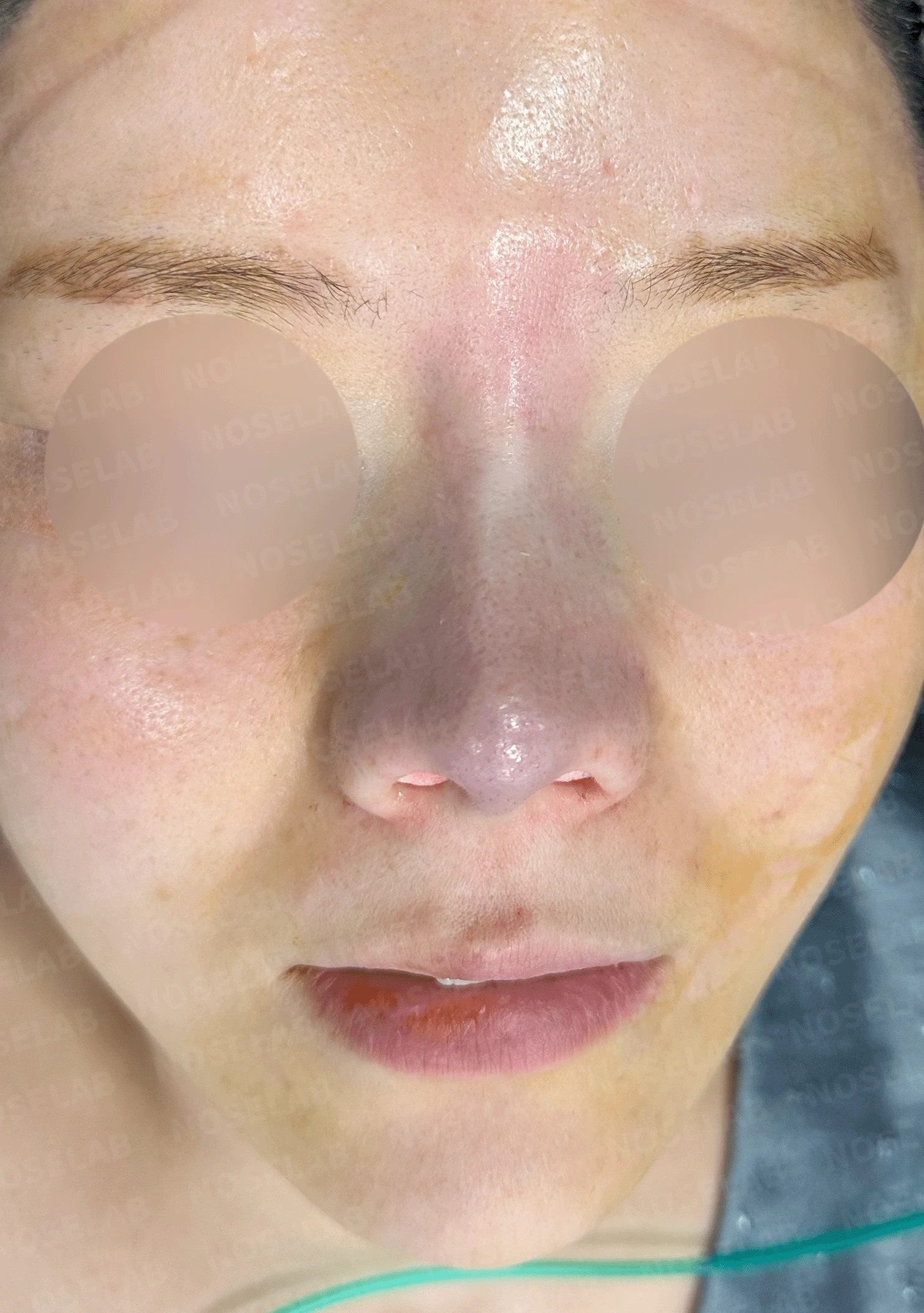
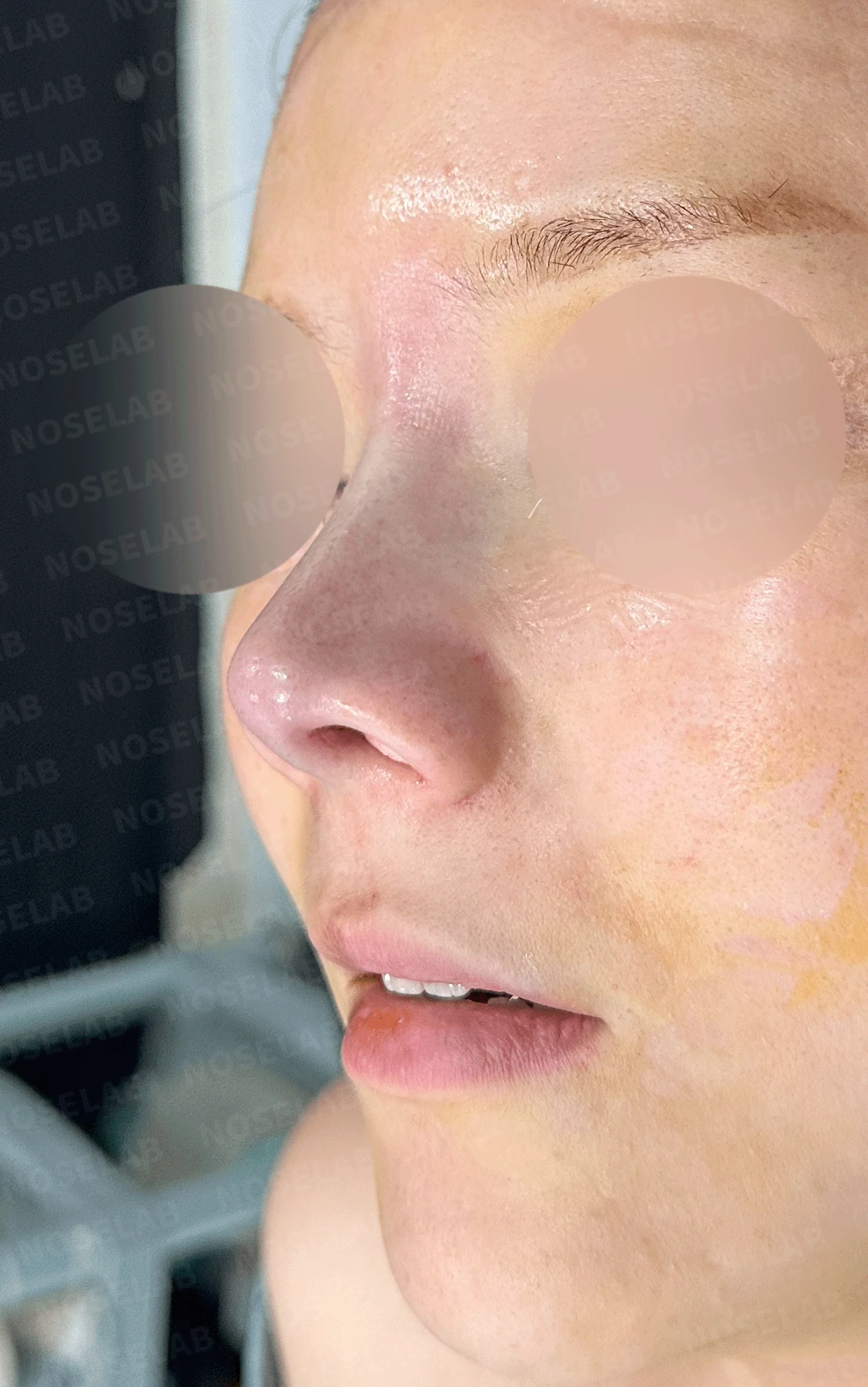
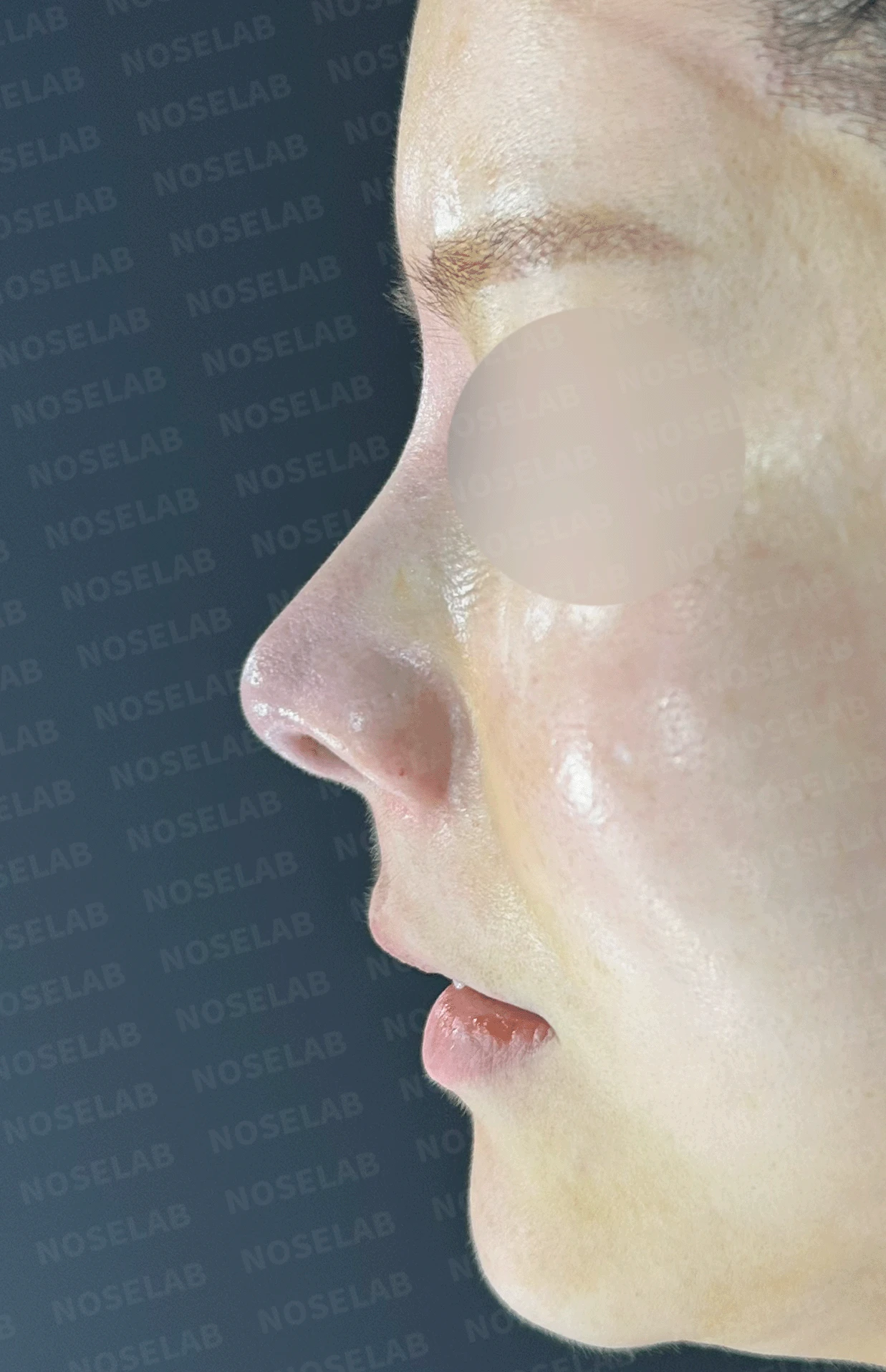
Immediately after surgery (day 0): front, profile, and oblique views Immediate postoperative photos show swelling and may differ from the final result.
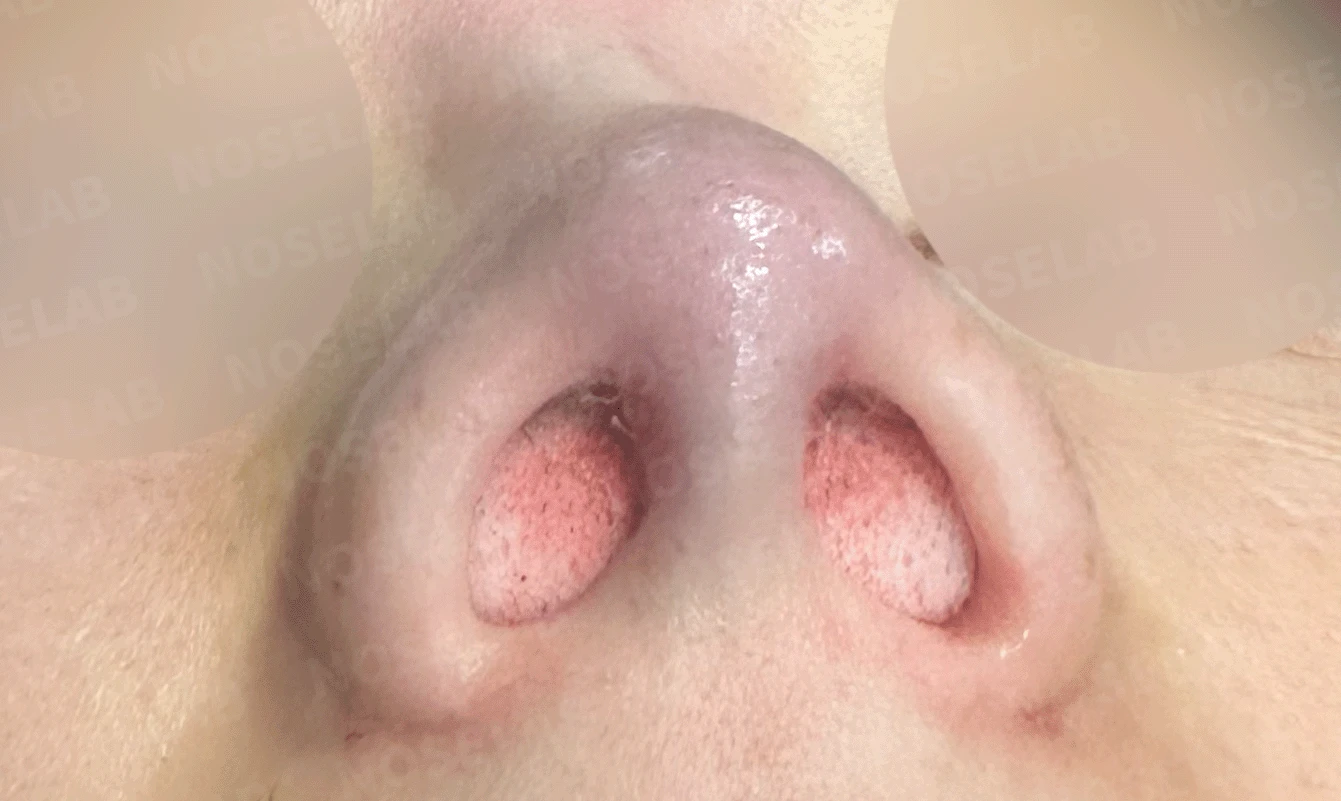
Nostril view on day 0 immediately after surgery Photos taken immediately after surgery show swelling and may differ from the final result.
This patient had undergone surgery with a silicone implant and ear cartilage 15 years ago, and presented with complex concerns including a crooked nose, short nose, drooping tip, upturned nose, and excessive nostril show.
A particularly notable aspect of this case was that calcification of the autologous rib cartilage was observed on preoperative chest X-rays, leading to the selective harvest of the right 8th rib cartilage, which showed the least progression of calcification. This was a critical step in supporting a stable result over the long term. Harvesting rib cartilage with progressive calcification carries the risk of complications such as pneumothorax, and in severe cases of calcification, cartilage harvesting may not be possible. Therefore, it is essential to check the degree of calcification in advance and plan the surgery with safety in mind.
The crooked nose was corrected through structural reconstruction using autologous rib cartilage, and septal extension was performed to correct the short nose and drooping tip. In particular, excessive nostril show was addressed through alar lowering, effectively minimizing visible nostrils from the front view.
In addition, the upturned nasal shape and high radix starting point were naturally refined through meticulous adjustments to the nasal structures, and the blunt nasal tip was reshaped with greater definition to establish a harmonious nasal line. For the patient's rhinitis symptoms, a functional procedure was performed concurrently to improve respiratory airflow.
Through the selective harvest of autologous rib cartilage with minimal calcification and a comprehensive approach to complex nasal problems, we were able to address the patient's concerns while supporting a stable result over time.
This has been Dr. Peter C. Kang, medical director.
Thank you.
#closedrhinoplasty #crookednosecorrection #shortnosecorrection #autologousribcartilage #customrhinoplasty

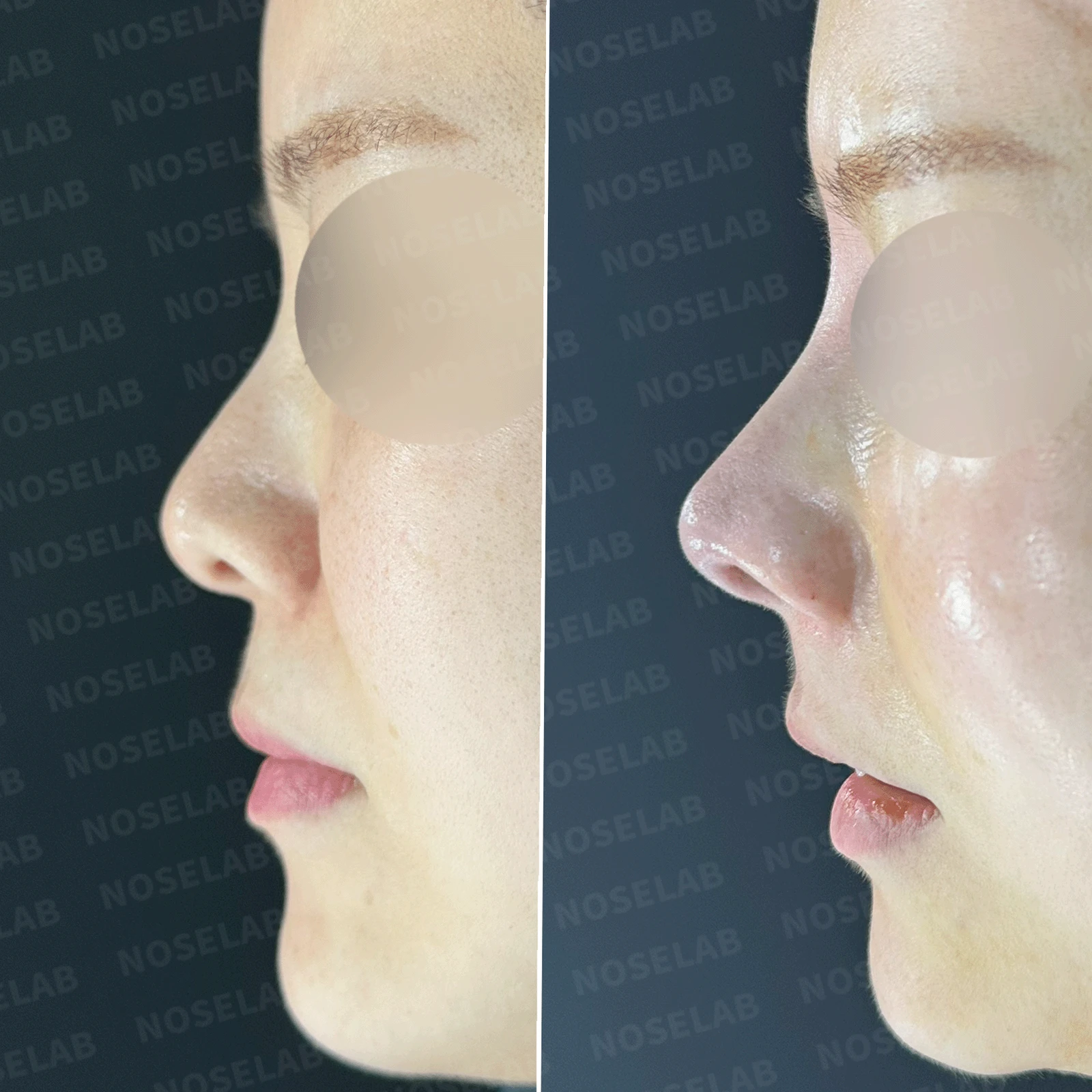
Limitations and risks
When autologous rib cartilage is used, scarring and pain may remain at the donor site on the chest, and pneumothorax (pleural injury) can occur rarely. Over time, the grafted cartilage may warp or undergo partial resorption.
When the septum is corrected at the same time, nasal obstruction may persist or recur, and in rare cases, septal perforation or changes in smell may occur.
Common potential risks include infection, bleeding, asymmetry, scarring, skin necrosis, and insufficient improvement; results vary depending on individual skin condition and previous surgical history.