Hello, this is Dr. Peter C. Kang, medical director.
Today, I would like to introduce a complex revision rhinoplasty case of a patient who had various functional and aesthetic concerns, including post-nasal drip, a drooping tip, a rounded nasal tip, and columellar width.
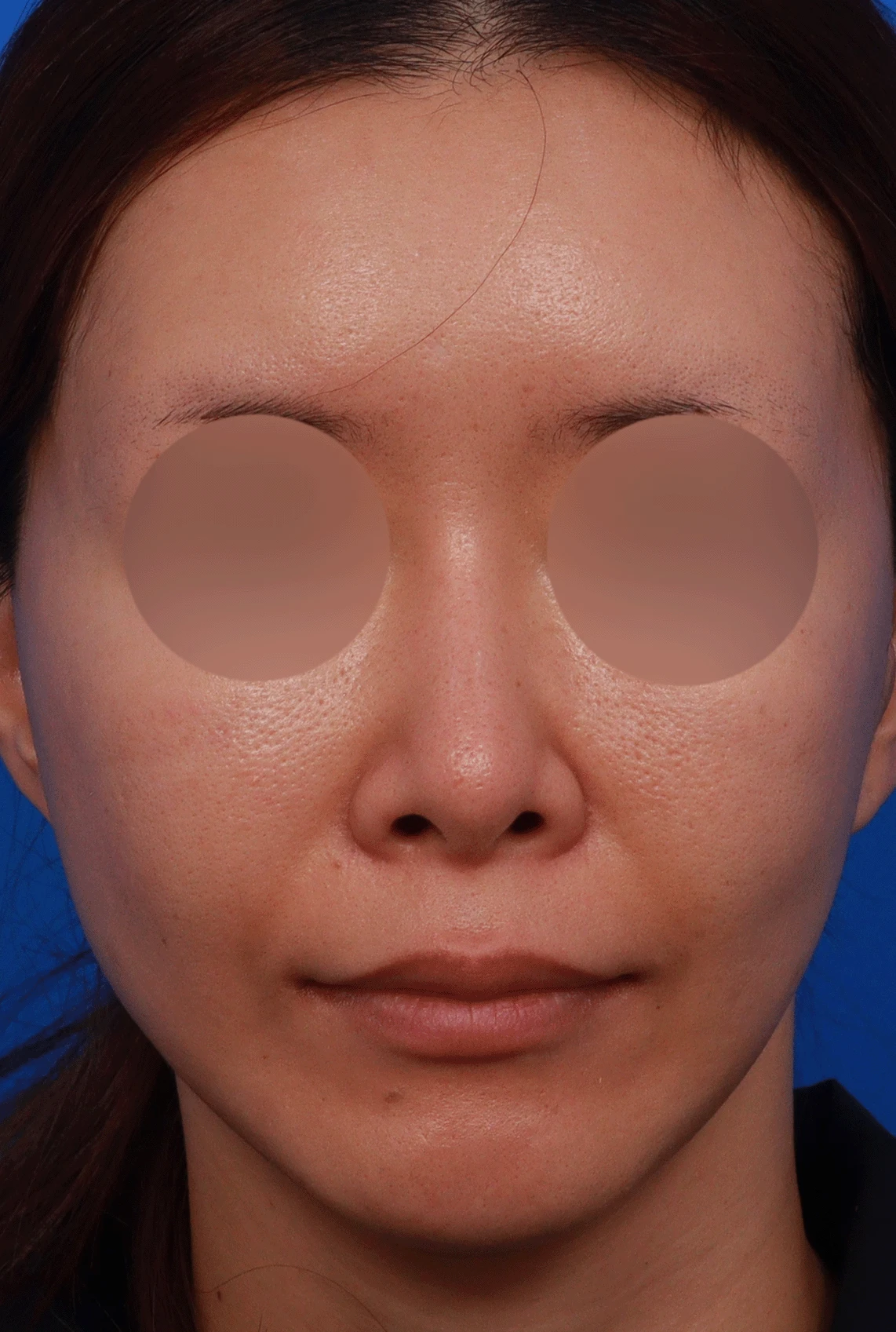
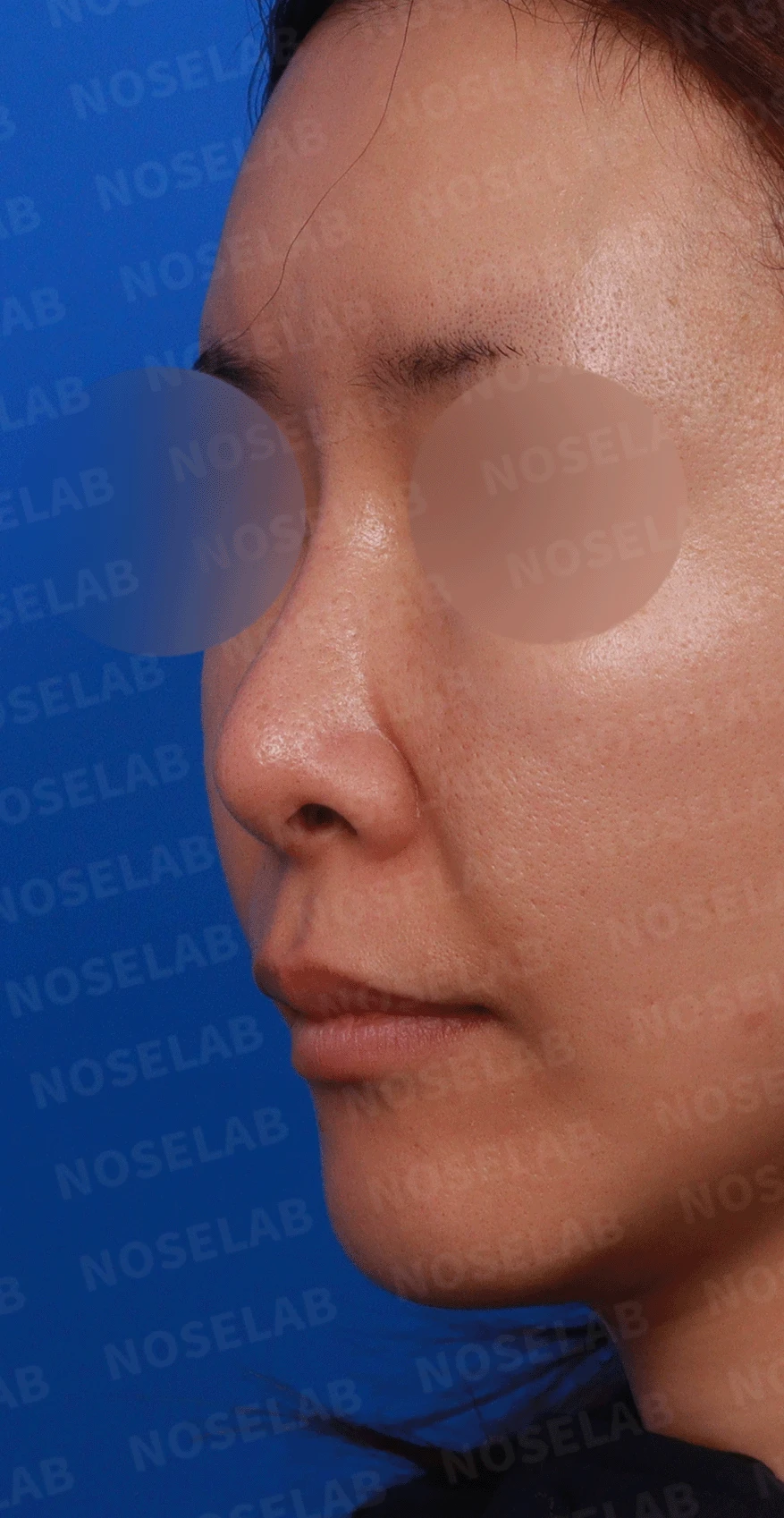
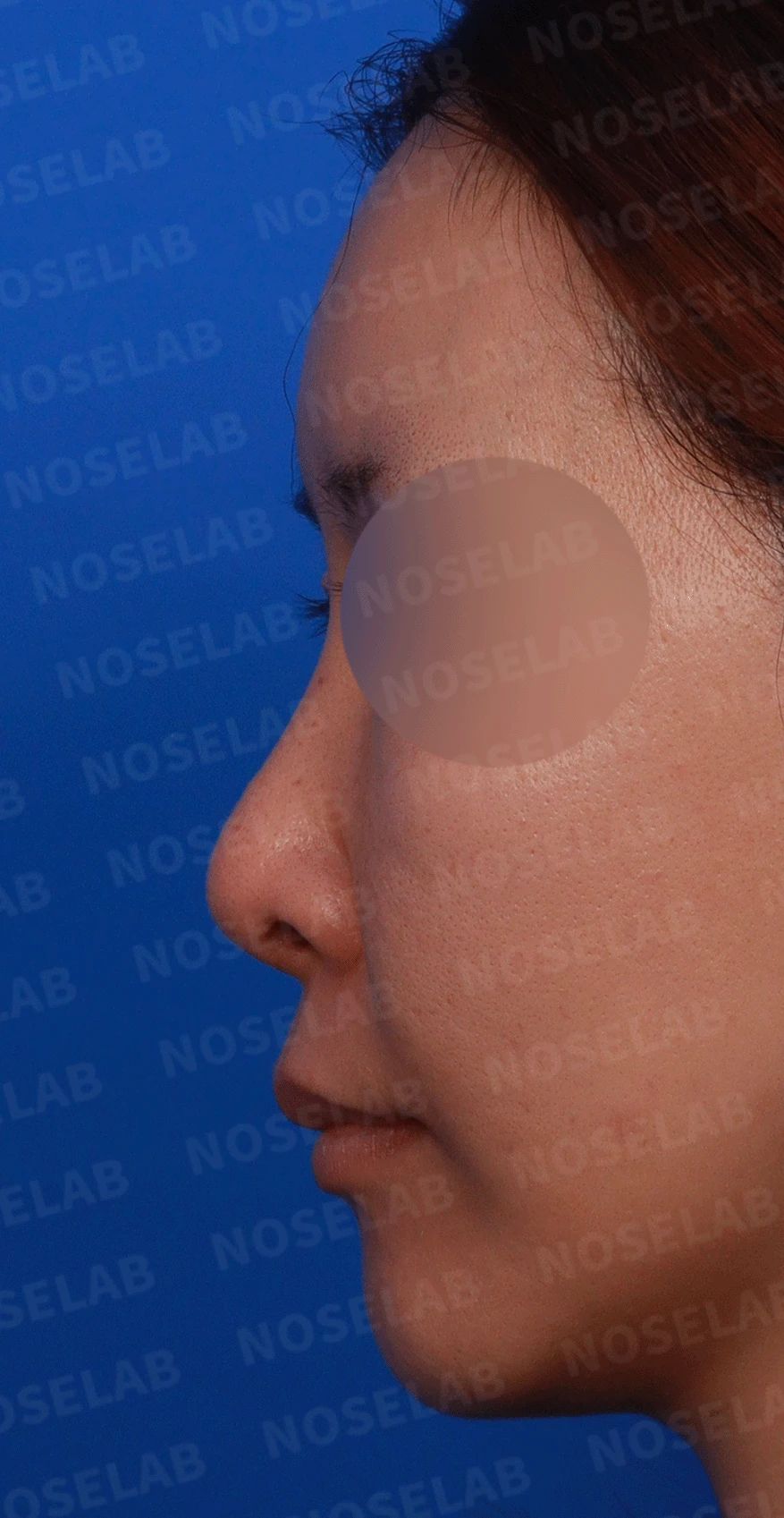
Design consultation front, left profile, and oblique views
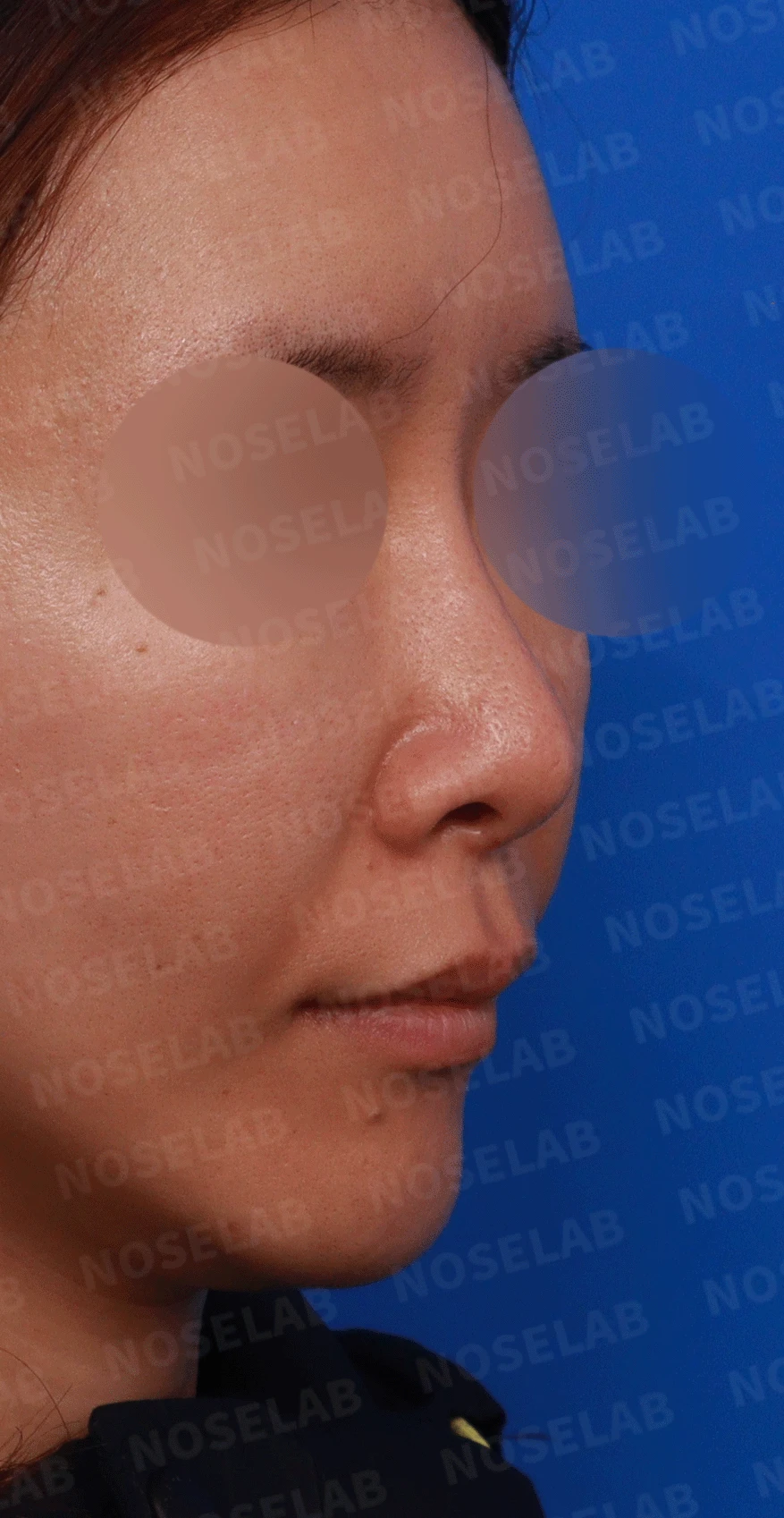
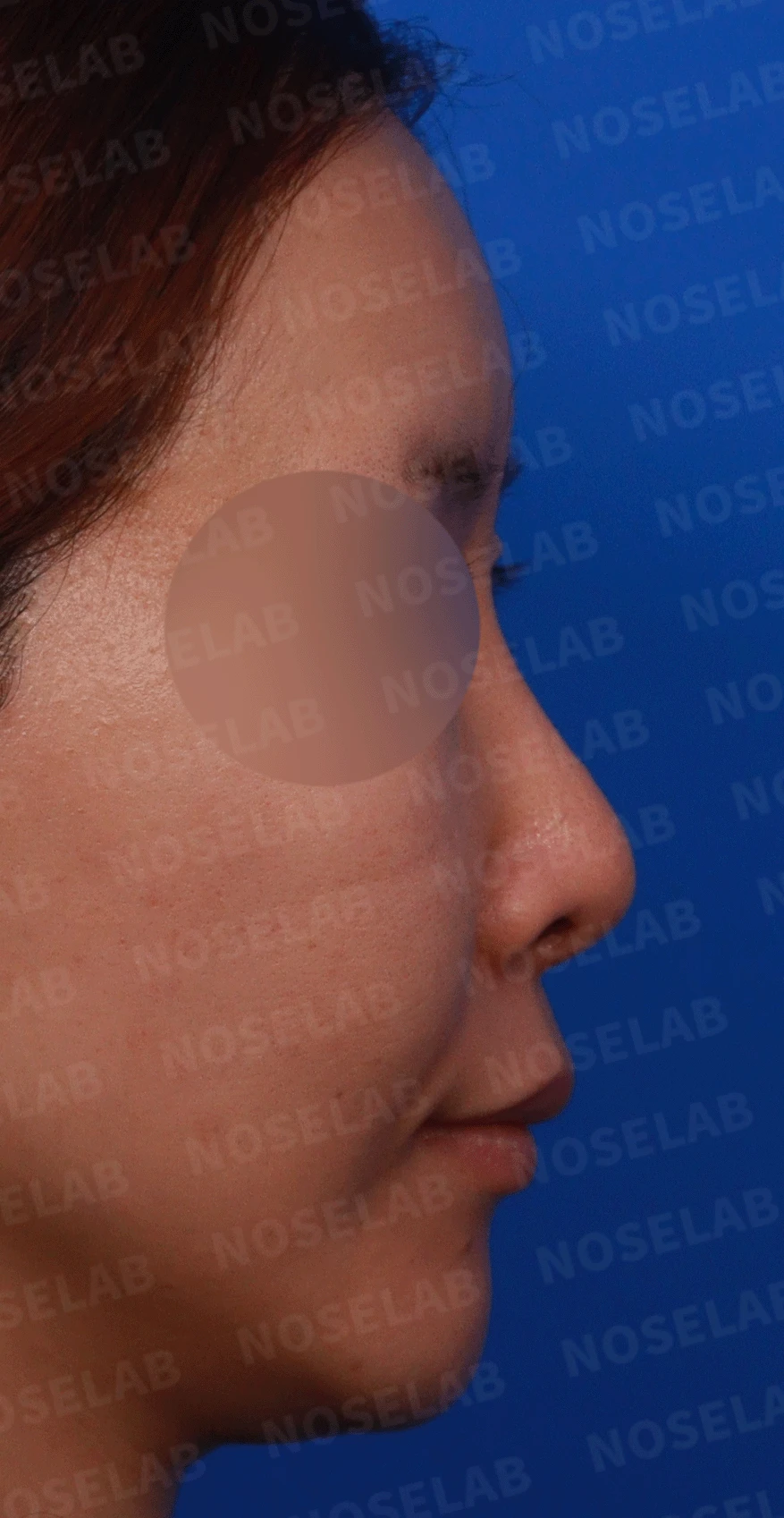
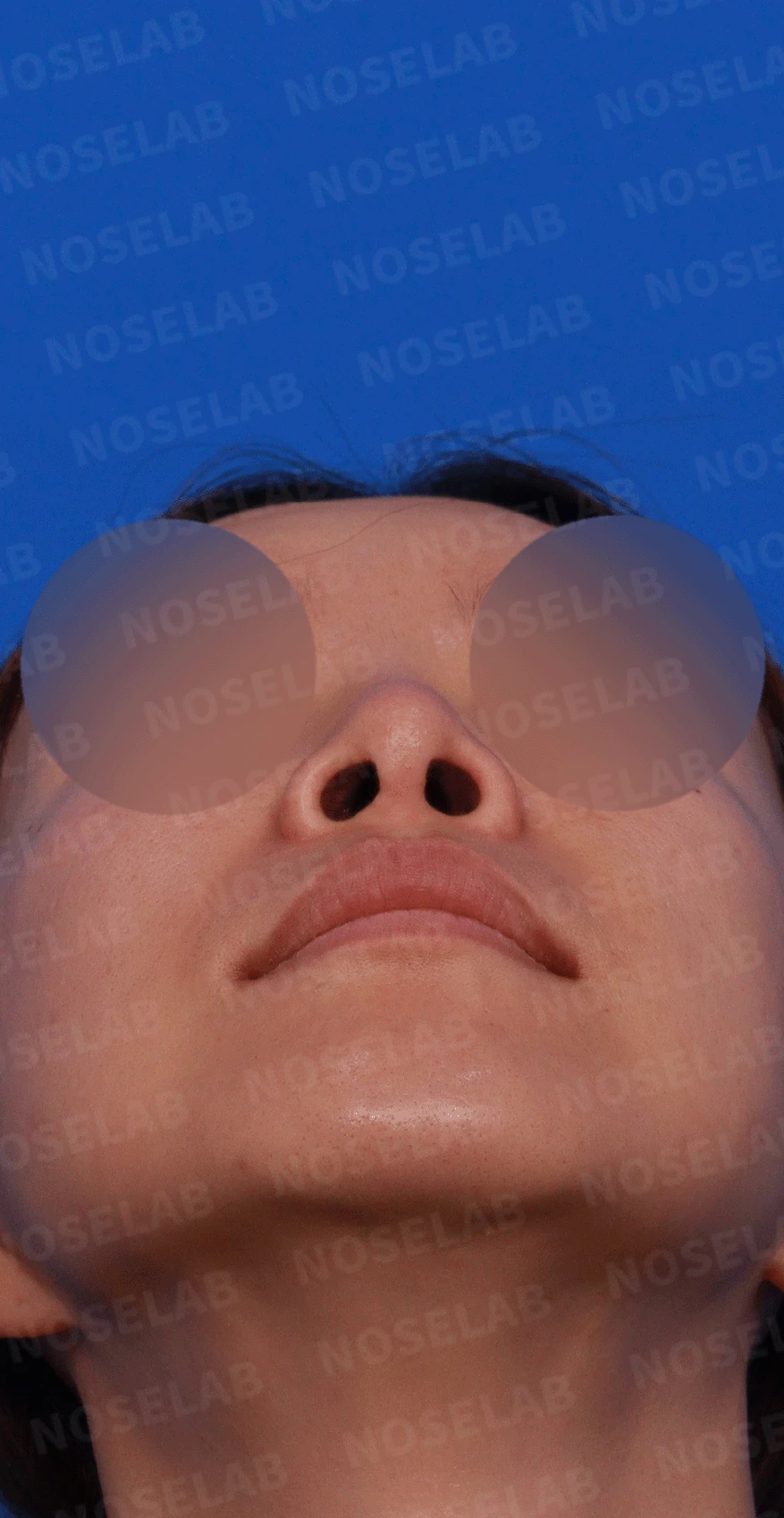
Design consultation right profile, oblique, and nostril views
📍 Surgical history
10 years ago: Nasal filler procedure (previously dissolved)
11 years ago: Septal cartilage and silicone implant surgery
6 months ago: Additional ear cartilage grafting surgery
🔎 Initial consultation findings
Functional issues
Post-nasal drip symptoms (sensation of drainage down the throat)
Breathing discomfort
Front view
Crooked-looking nasal line
Wide-looking alae
Flared-looking nasal tip
Narrow columellar width
Nostril asymmetry
Excessive nostril show
Profile view
Drooping nasal tip
High radix
Philtrum appears long
Wide nasolabial angle
Nostrils
Nostril asymmetry
Columella tilted to the left
✨ Patient's requests
Reduction of nostril show
Improvement of the flared-looking nasal tip
Reduction in alar size
Lowering the glabella radix
Improvement in nostril shape
Improvement so the philtrum does not appear long
💉 Surgical procedure details
Structural improvement
Septal extension using autologous cartilage
Repositioning of existing nasal structures
Correction of the nasolabial angle
Two procedures to improve nasal function (septal and turbinate surgery)
Improvement in shape
Improvement of balance through alar reduction
Lowered glabella radix
Refinement of the nasal tip shape
Optimization of philtrum length
✅ Surgical results
Functional improvement
Improvement of post-nasal drip symptoms
Improvement of nasal obstruction
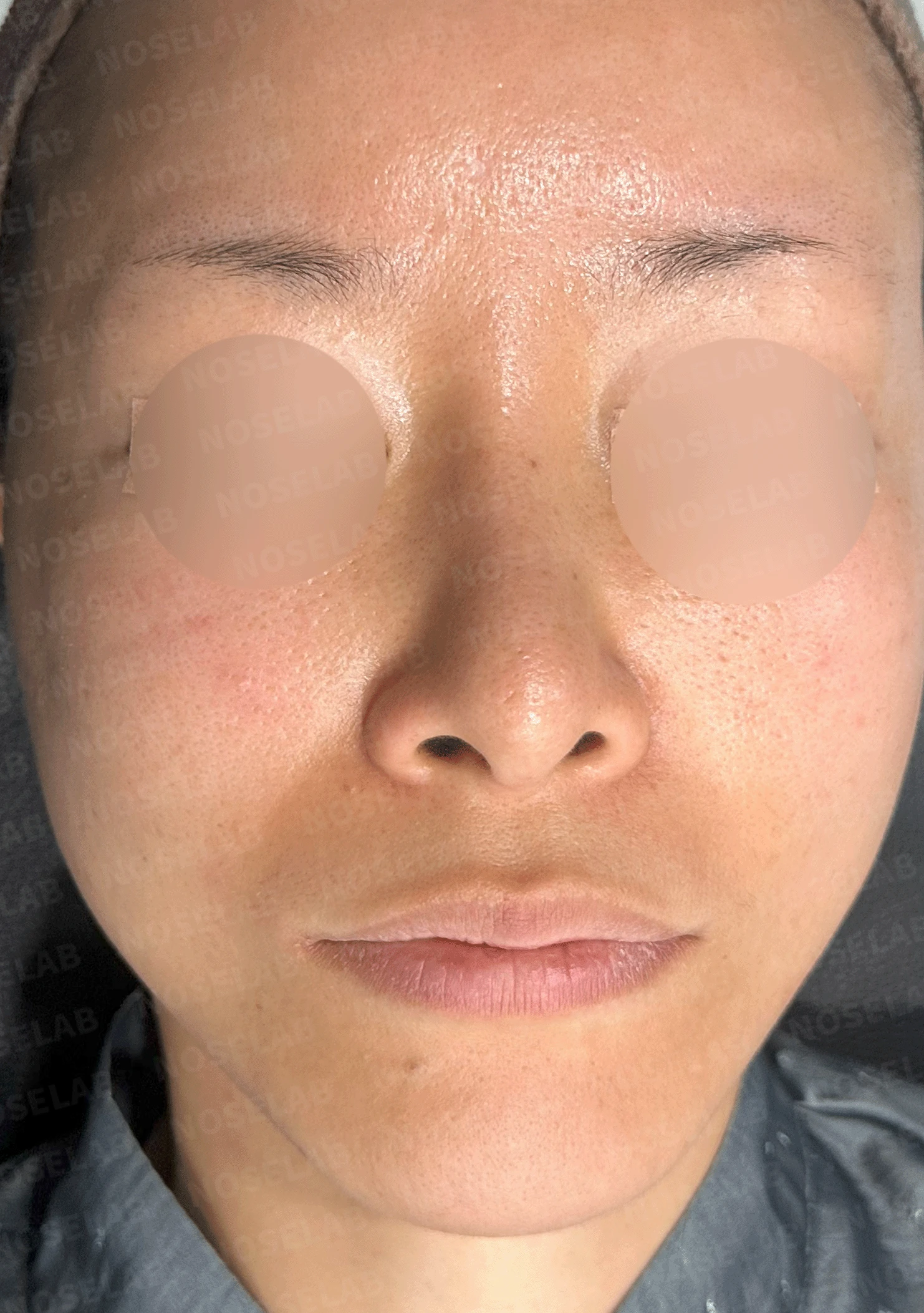
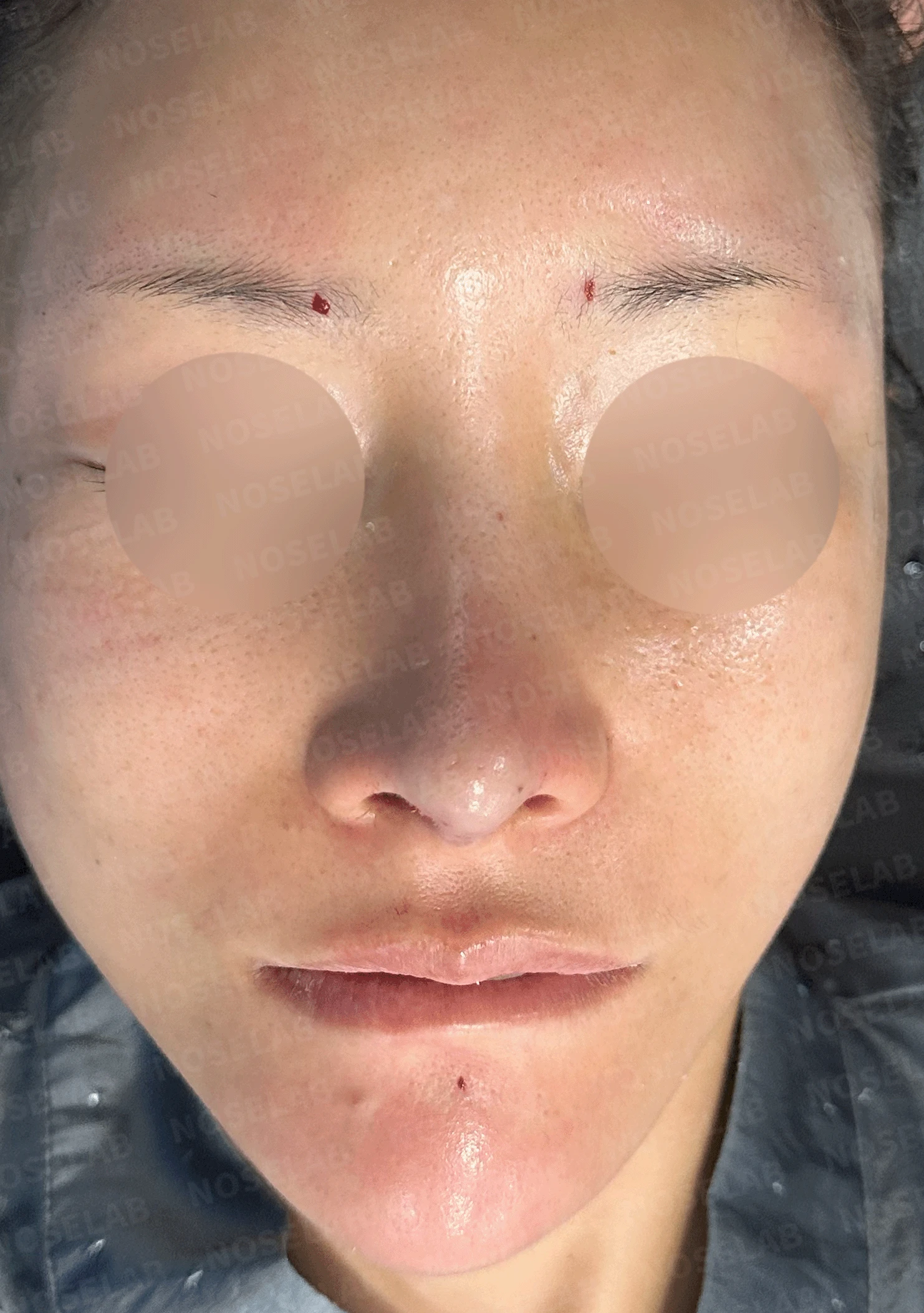
Before surgery / Day 0 immediately after surgery Photos taken immediately after surgery show swelling and may differ from the final result.
Front view
Correction of the crooked-looking nasal line
Improvement in nasal tip shape
Widened columella width
Reduced nostril show
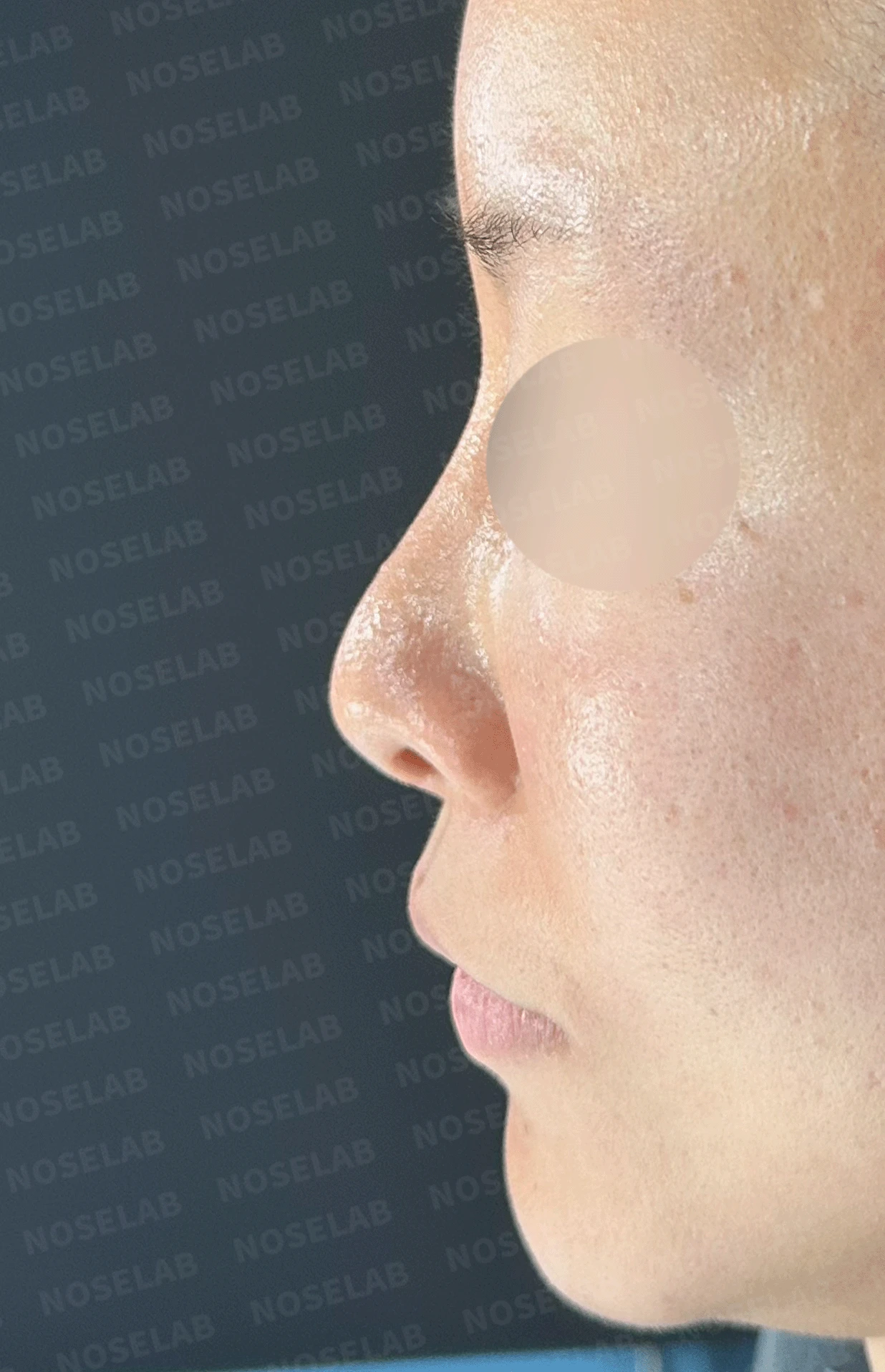
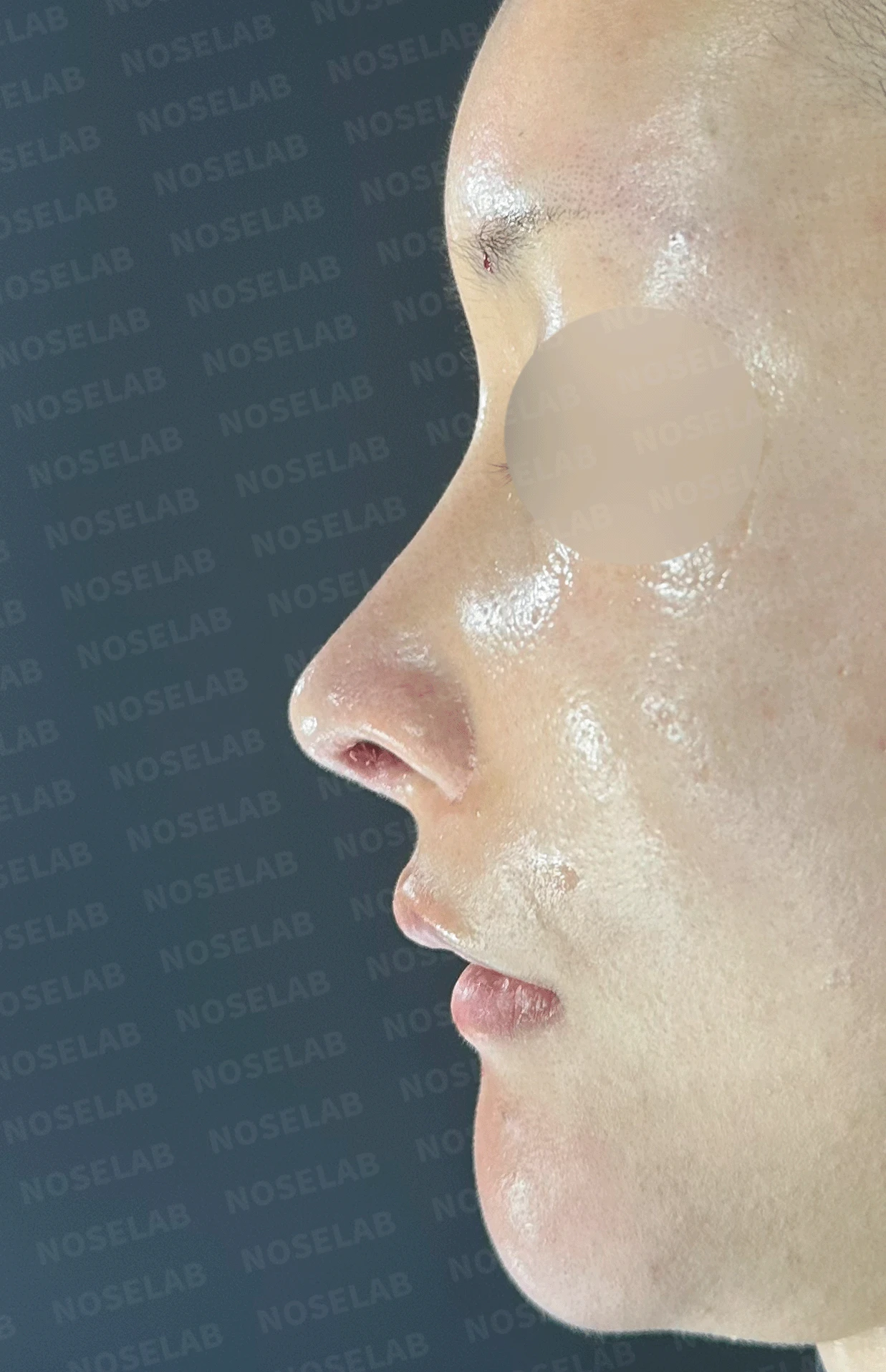
Before surgery / Day 0 immediately after surgery Photos taken immediately after surgery show swelling and may differ from the final result.
Profile view
Correction of the drooping tip
Balanced nasal line
Lowered glabella radix
Improved philtrum length
Appropriate nasolabial angle
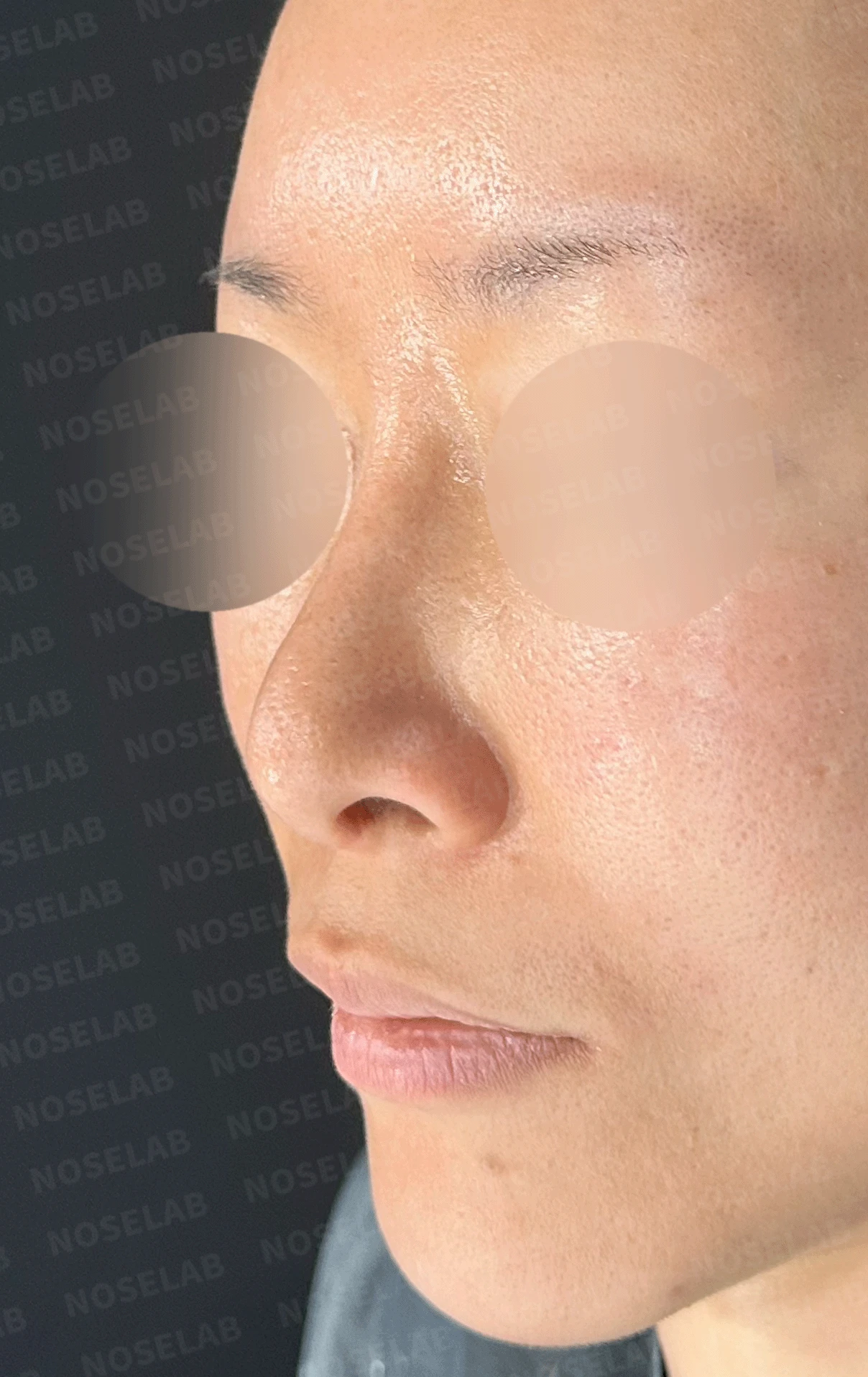
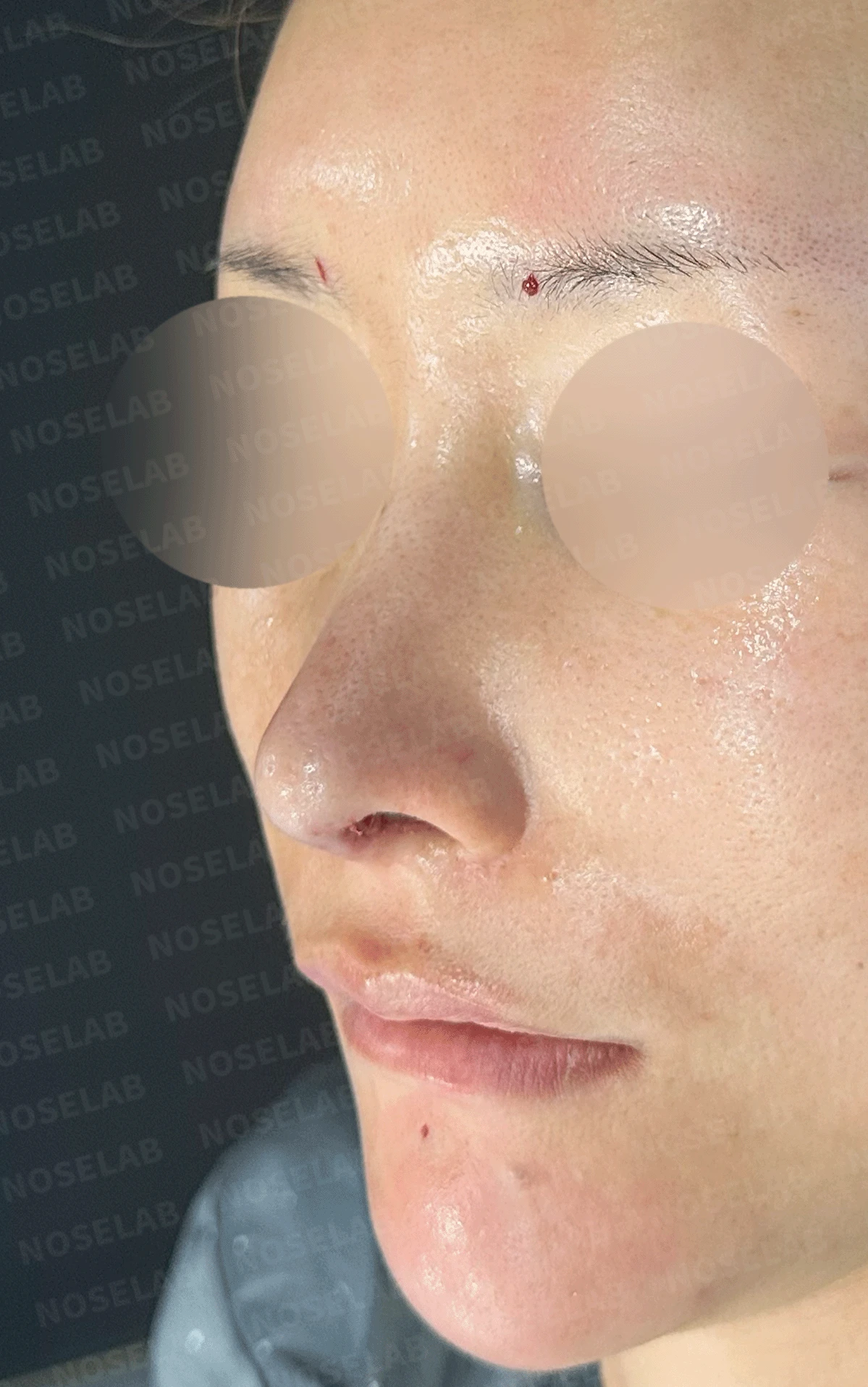
Before surgery / Day 0 immediately after surgery Photos taken immediately after surgery show swelling and may differ from the final result.
Nostrils
Balanced nostril shape
Improvement of nostril asymmetry
Improvement of the tilted columella
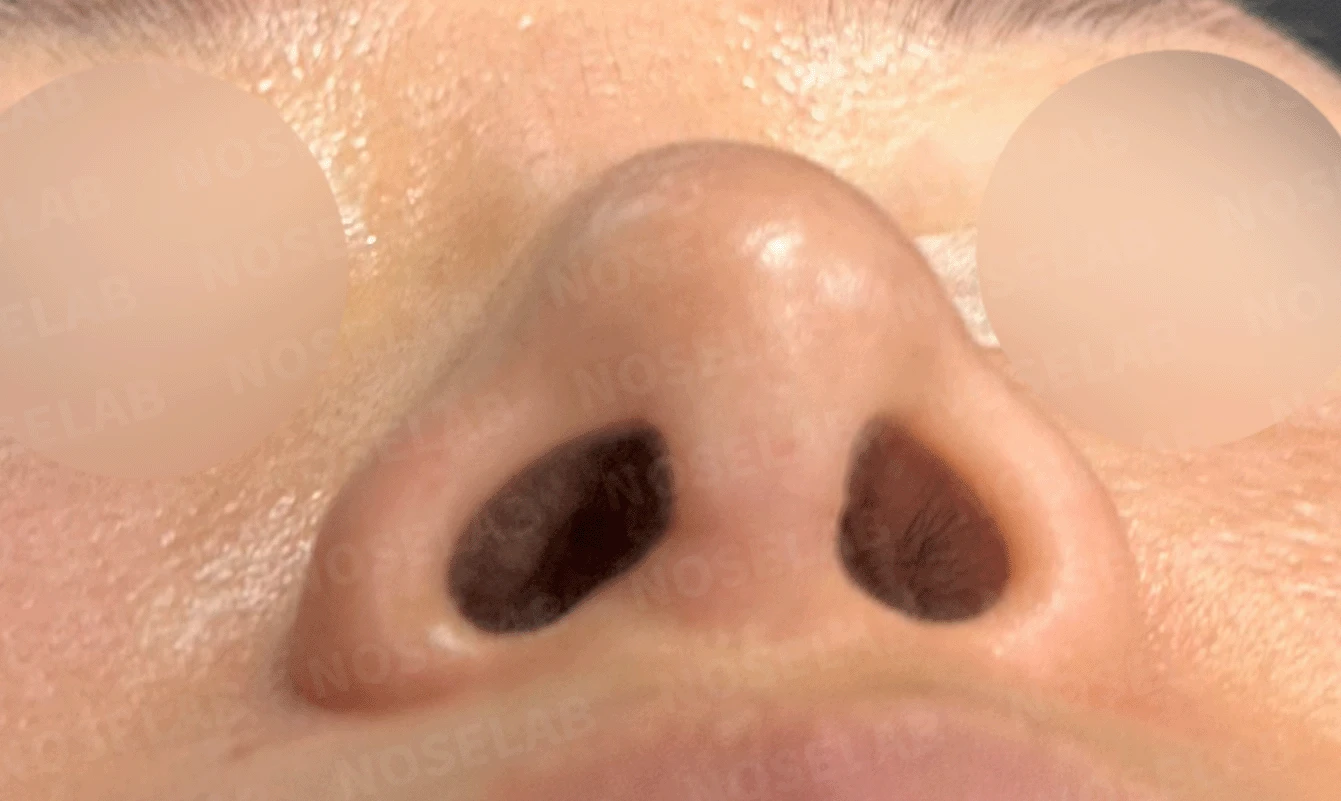
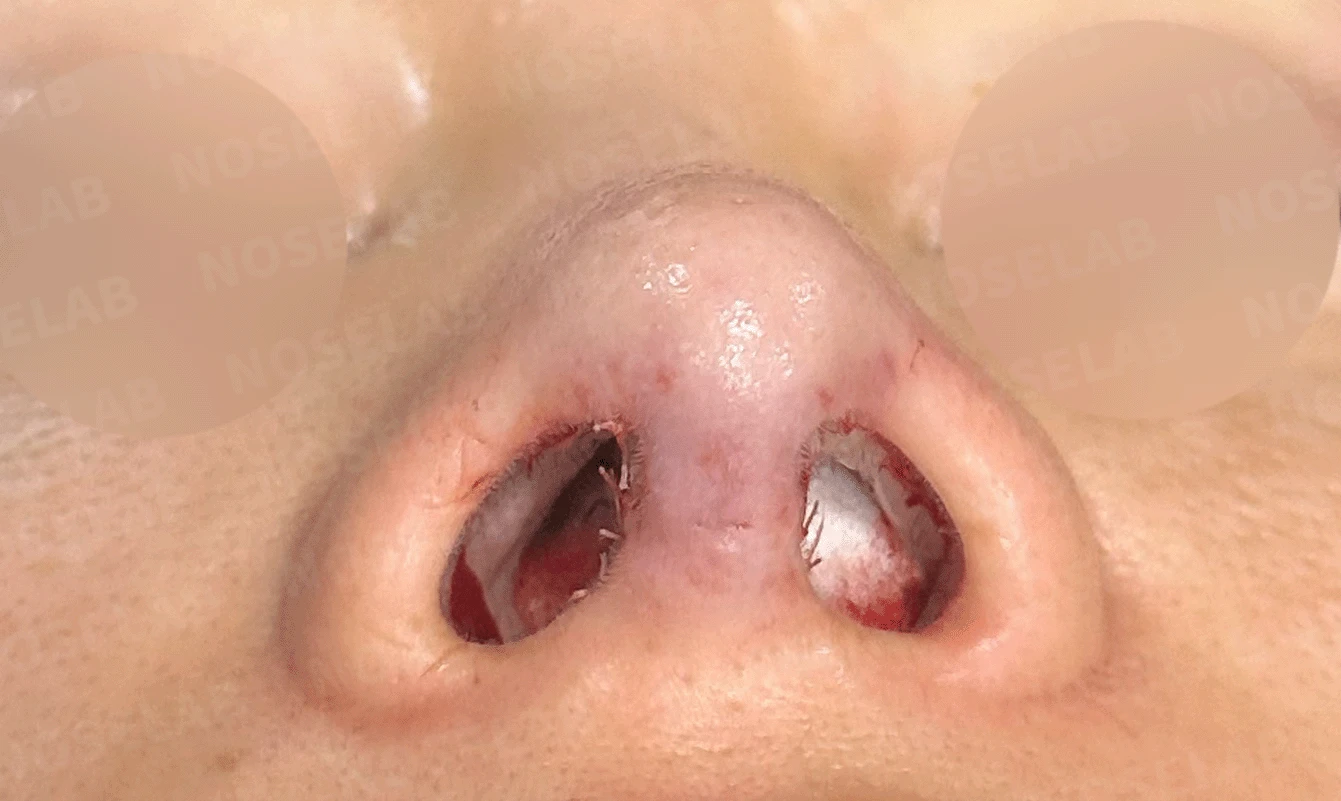
Before surgery / Day 0 immediately after surgery Photos taken immediately after surgery show swelling and may differ from the final result.
👨⚕️ Specialist's assessment
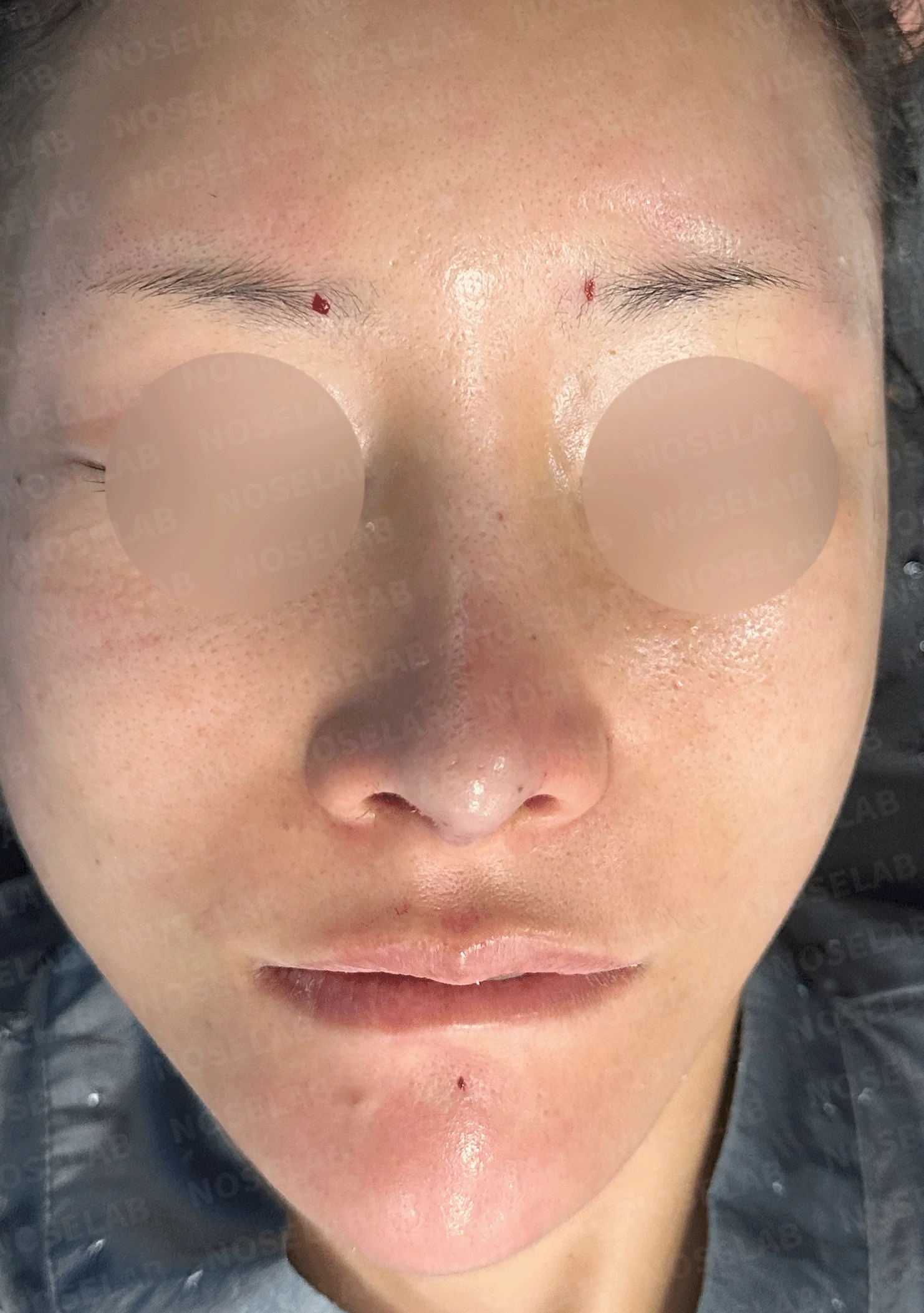
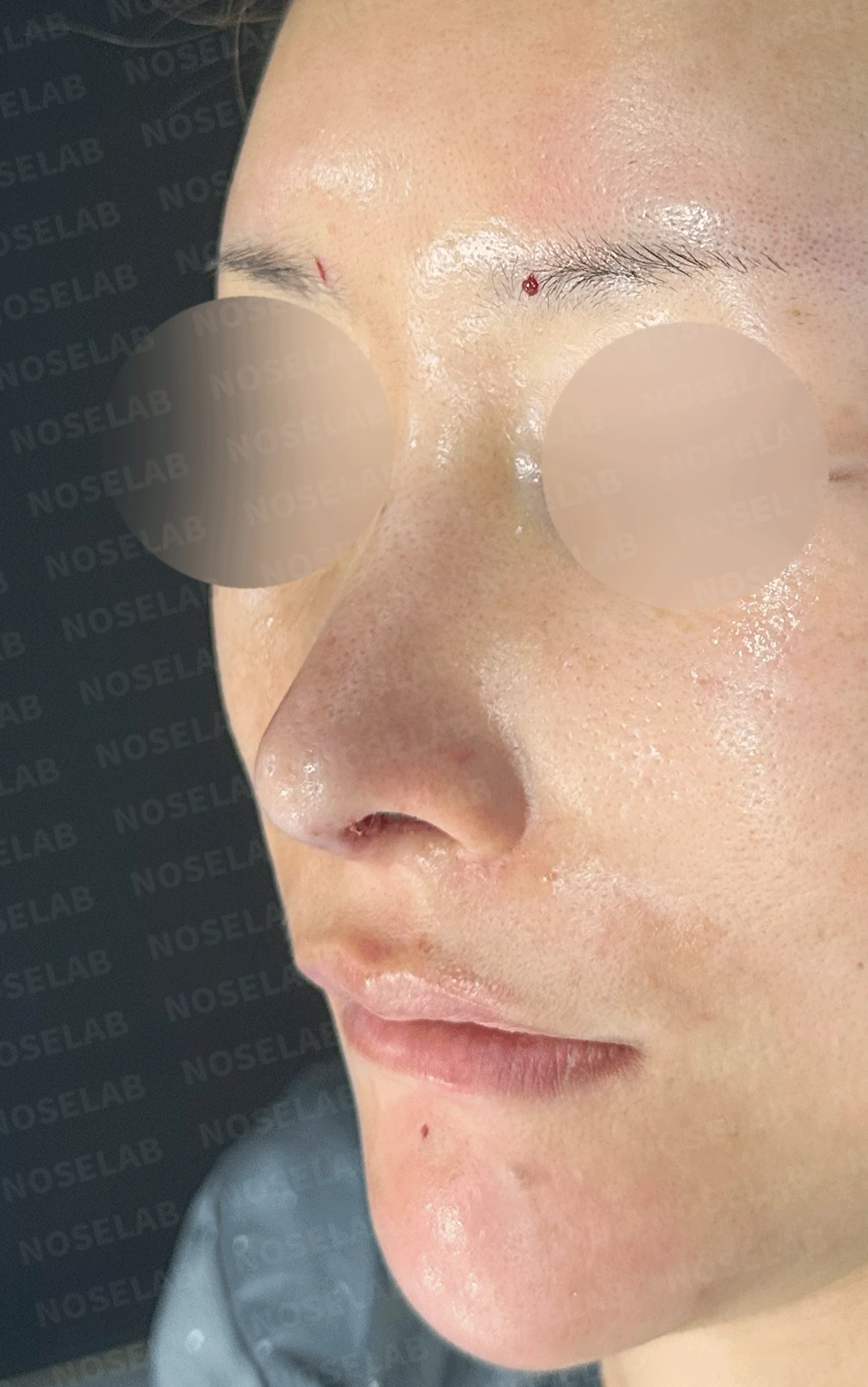
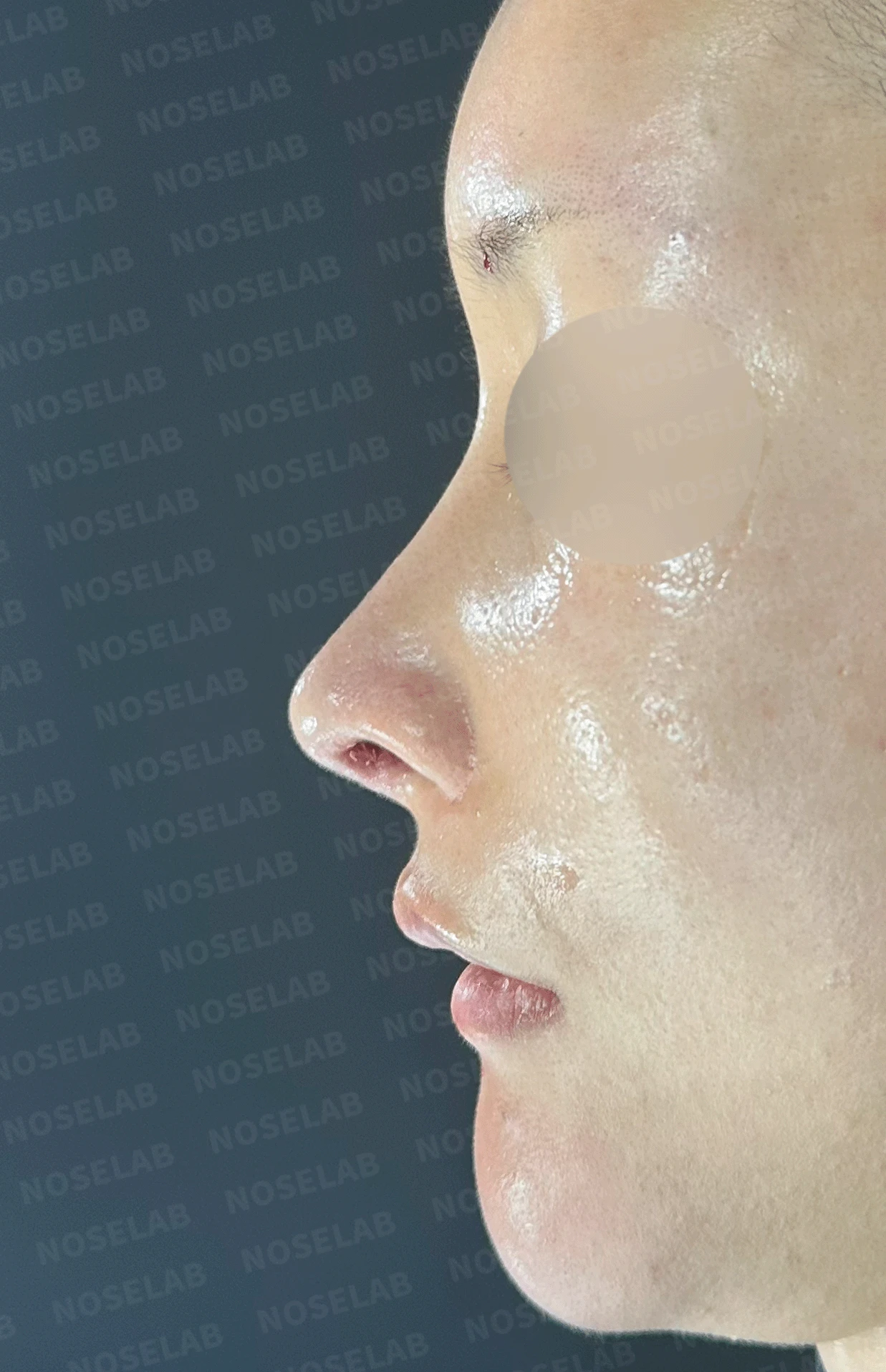
Day 0 immediately after surgery: front, profile, and oblique viewsImmediate postoperative photos show swelling and may differ from the final outcome.
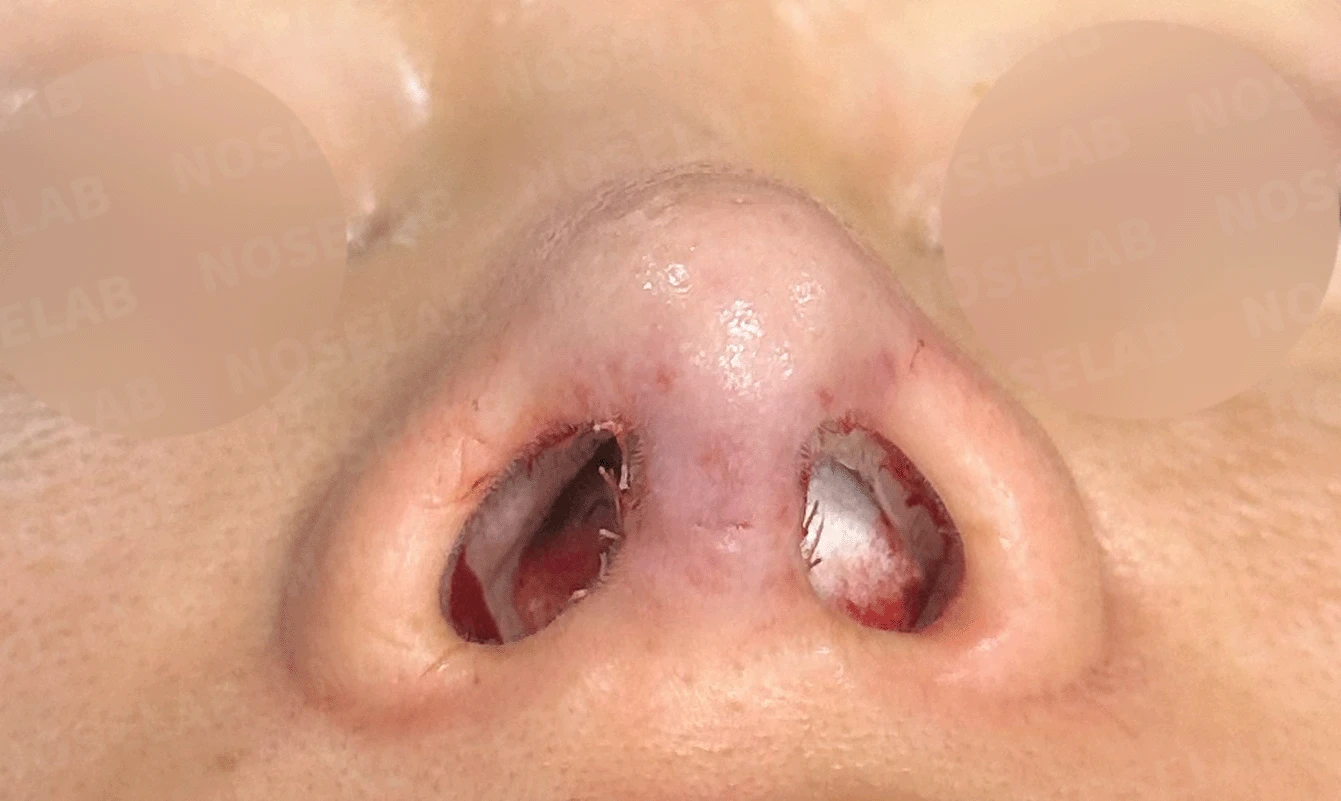
Nostril view on day 0 immediately after surgery Photos taken immediately after surgery show swelling and may differ from the final result.
This patient had a history of multiple surgeries and presented with complex issues accompanied by post-nasal drip (the sensation of secretions draining down the throat). It was an intricate case requiring aesthetic refinement in multiple areas, such as a drooping tip, a flared-looking nasal tip, a narrow columella width, alar size, and nostril show, alongside functional post-nasal drip symptoms.
To address these multifaceted issues, a septal extension using autologous cartilage was performed to correct the drooping tip, and the tilted columella was straightened to secure a stable supportive framework. In particular, widening the columellar width helped enhance the stability of the nasal tip and reduce nostril show.
The flared-looking nasal tip was refined into a more defined shape through precise repositioning of the cartilages. Furthermore, in accordance with the patient's requests, the radix was lowered and the nasolabial angle was adjusted, thereby improving the appearance of an elongated philtrum.
From a functional standpoint, septal surgery and inferior turbinate surgery (rhinitis surgery) were performed together to address the post-nasal drip, effectively relieving the uncomfortable sensation of drainage down the throat. Through this combined functional and aesthetic approach, a harmonious outcome reflecting the patient's diverse concerns was achieved.
This has been Dr. Peter C. Kang, medical director.
Thank you.
#closedrhinoplasty #revisionrhinoplasty #postnasaldripimprovement #columellawidening #customrhinoplasty

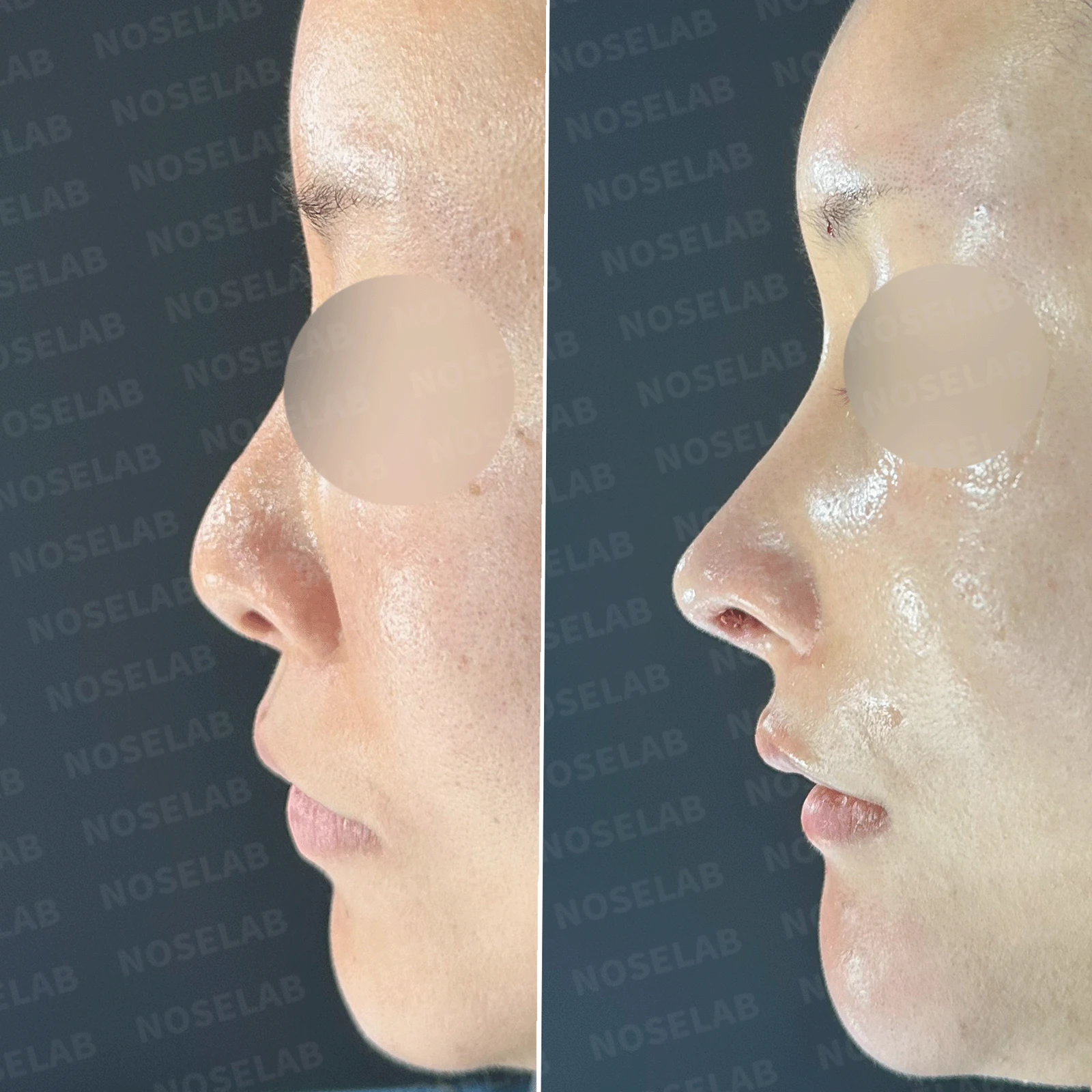
Limitations and risks
When the septum is corrected at the same time, nasal obstruction may persist or recur, and in rare cases, septal perforation or changes in smell may occur.
Common potential risks include infection, bleeding, asymmetry, scarring, skin necrosis, and insufficient improvement; results vary depending on individual skin condition and previous surgical history.