Hello, I am Dr. Peter C. Kang.
Today, I would like to introduce the case of a patient who achieved a satisfactory result after a primary surgery at our clinic, but decided to undergo revision rhinoplasty to gain a bit more height and correct bilateral asymmetry.
📍Surgical history
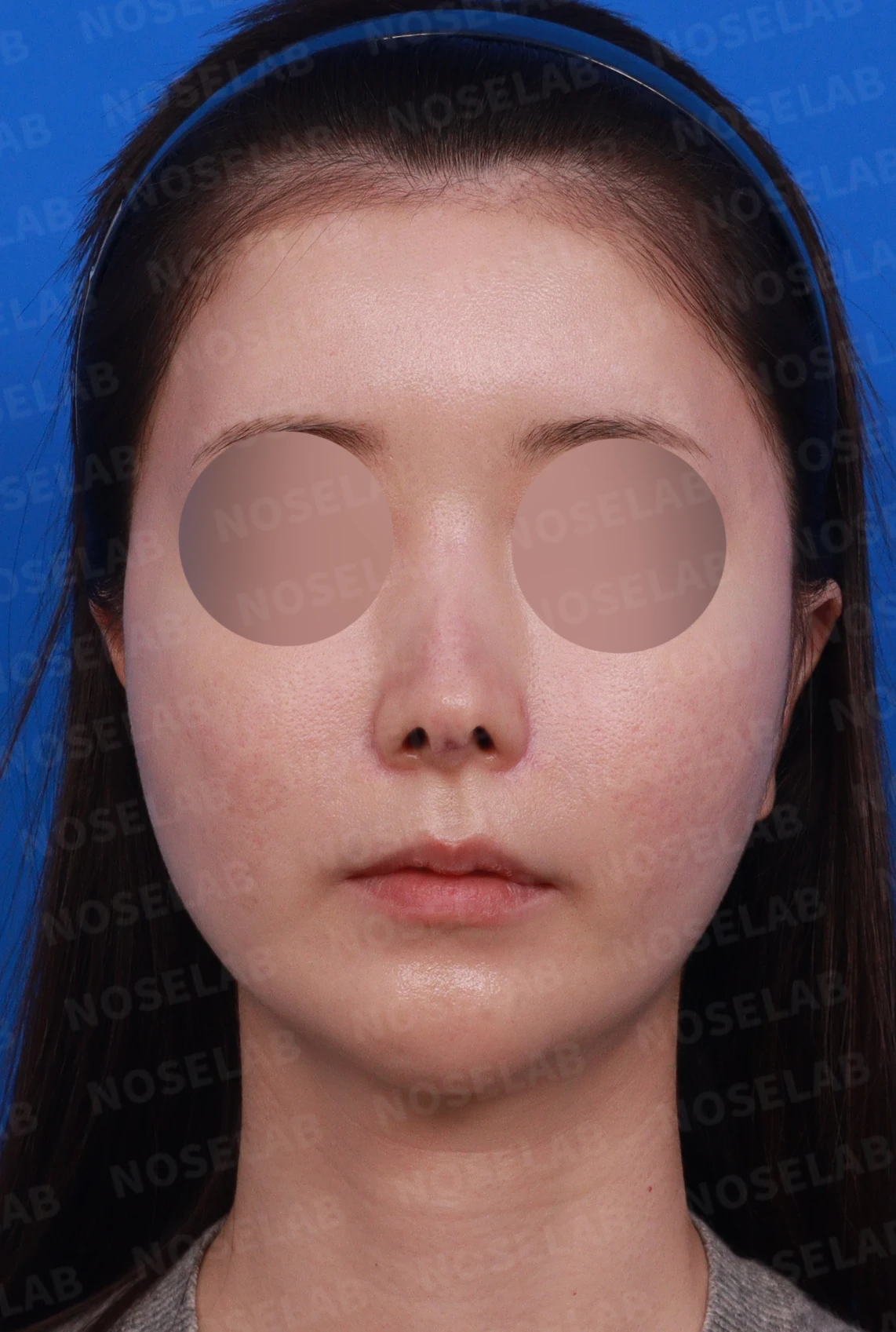
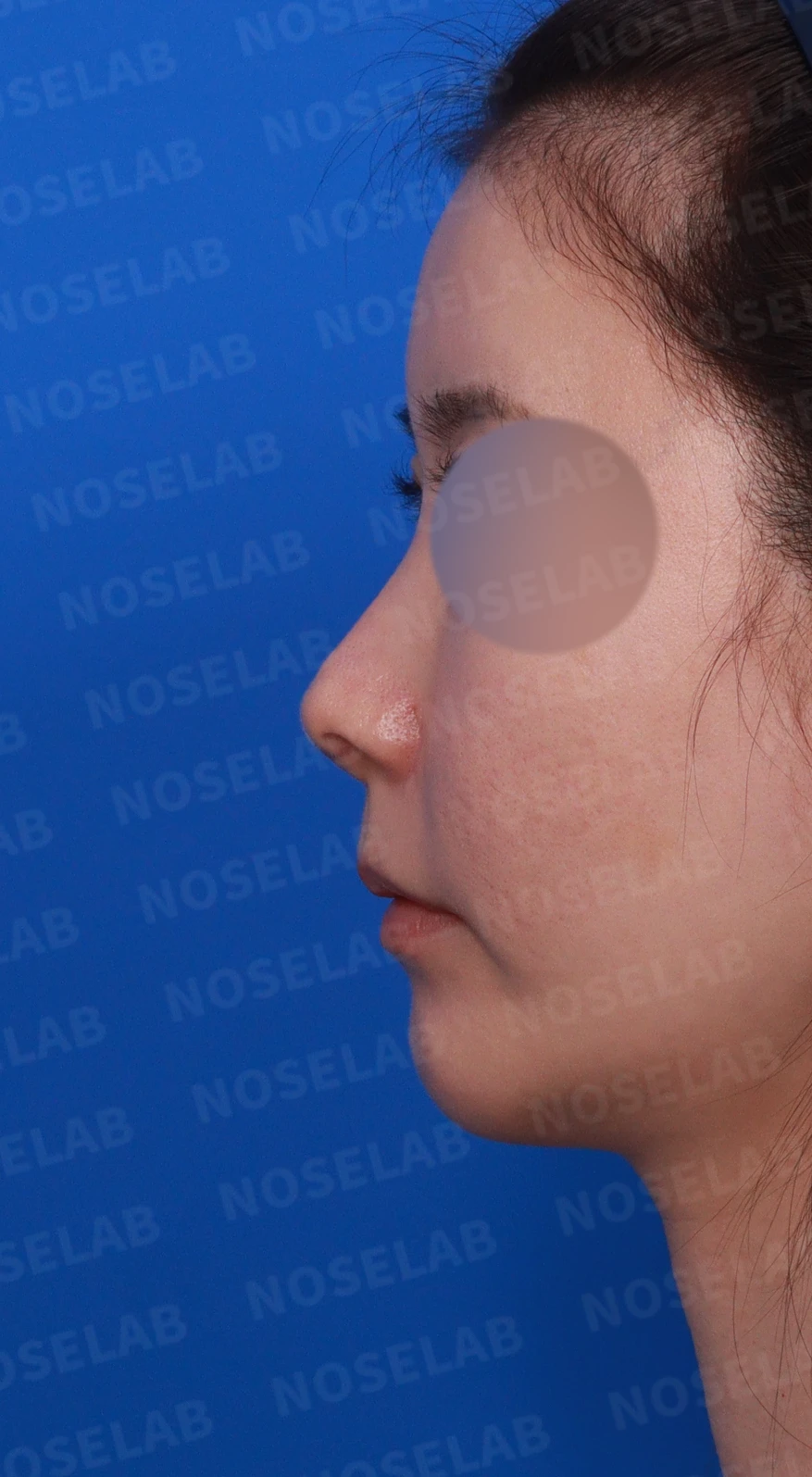
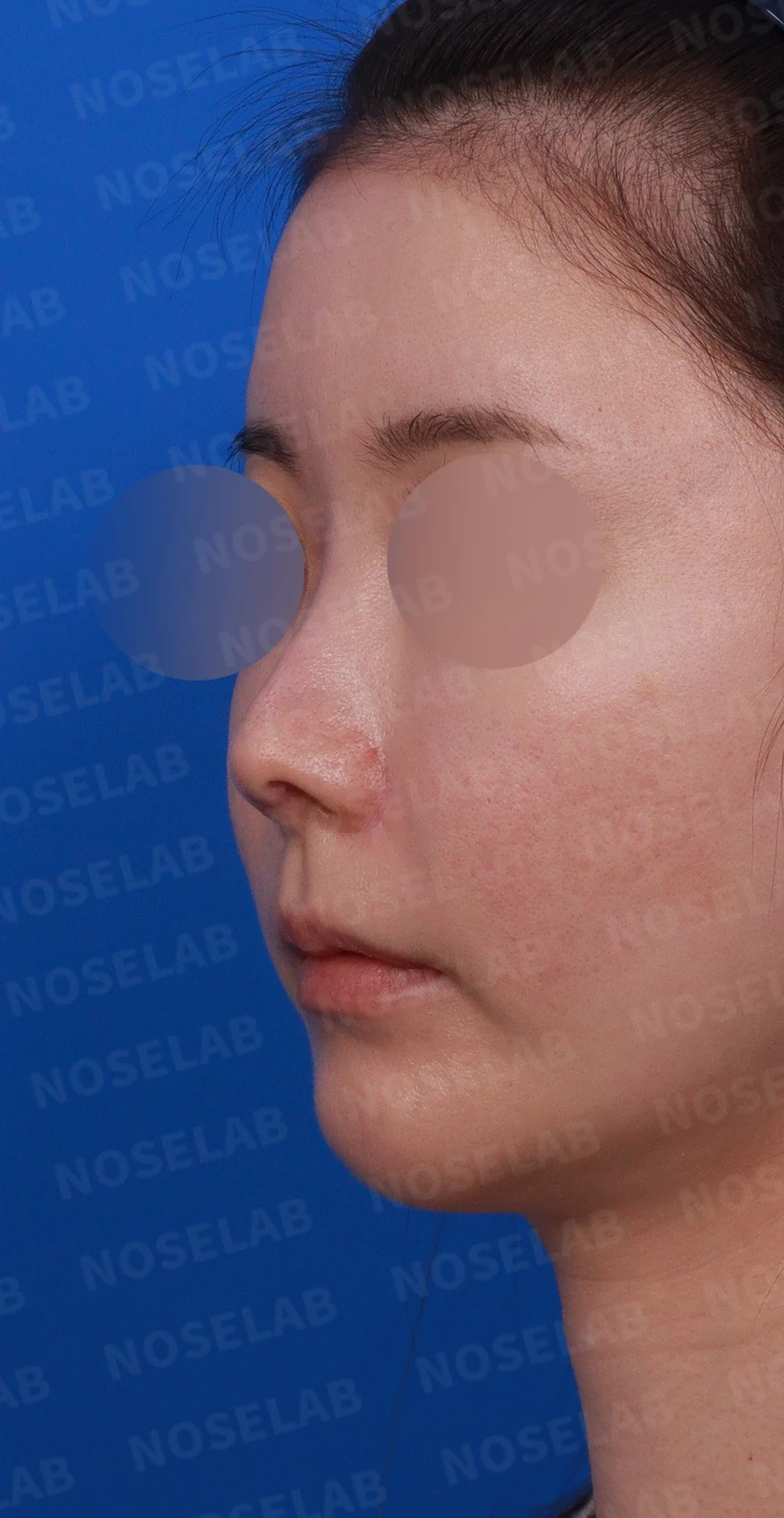
Design consultation: front, left profile, and oblique views.
Primary surgery
First surgery at our clinic
Overall favorable outcome
Current surgery
Touch-up revision to add height and correct asymmetry
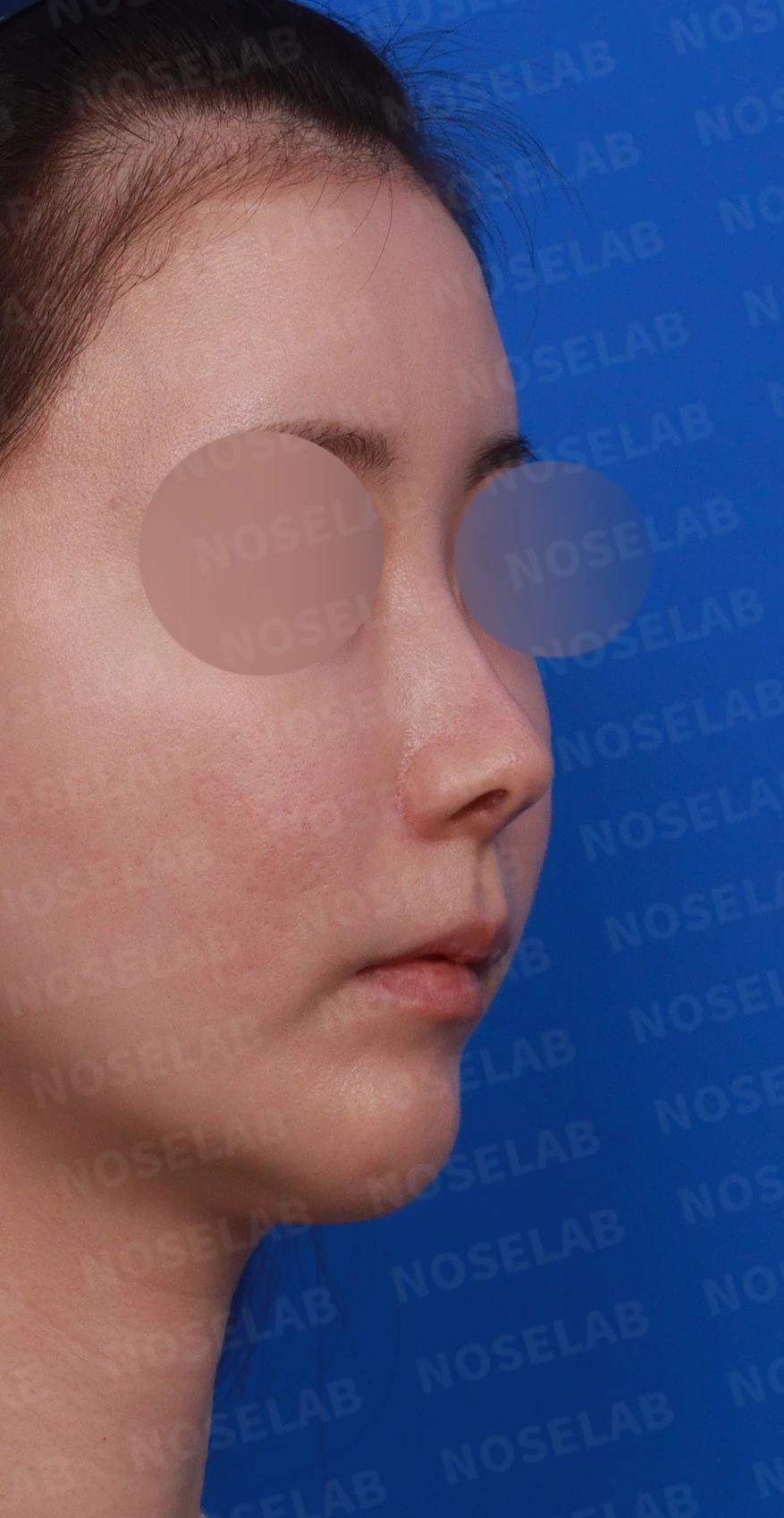
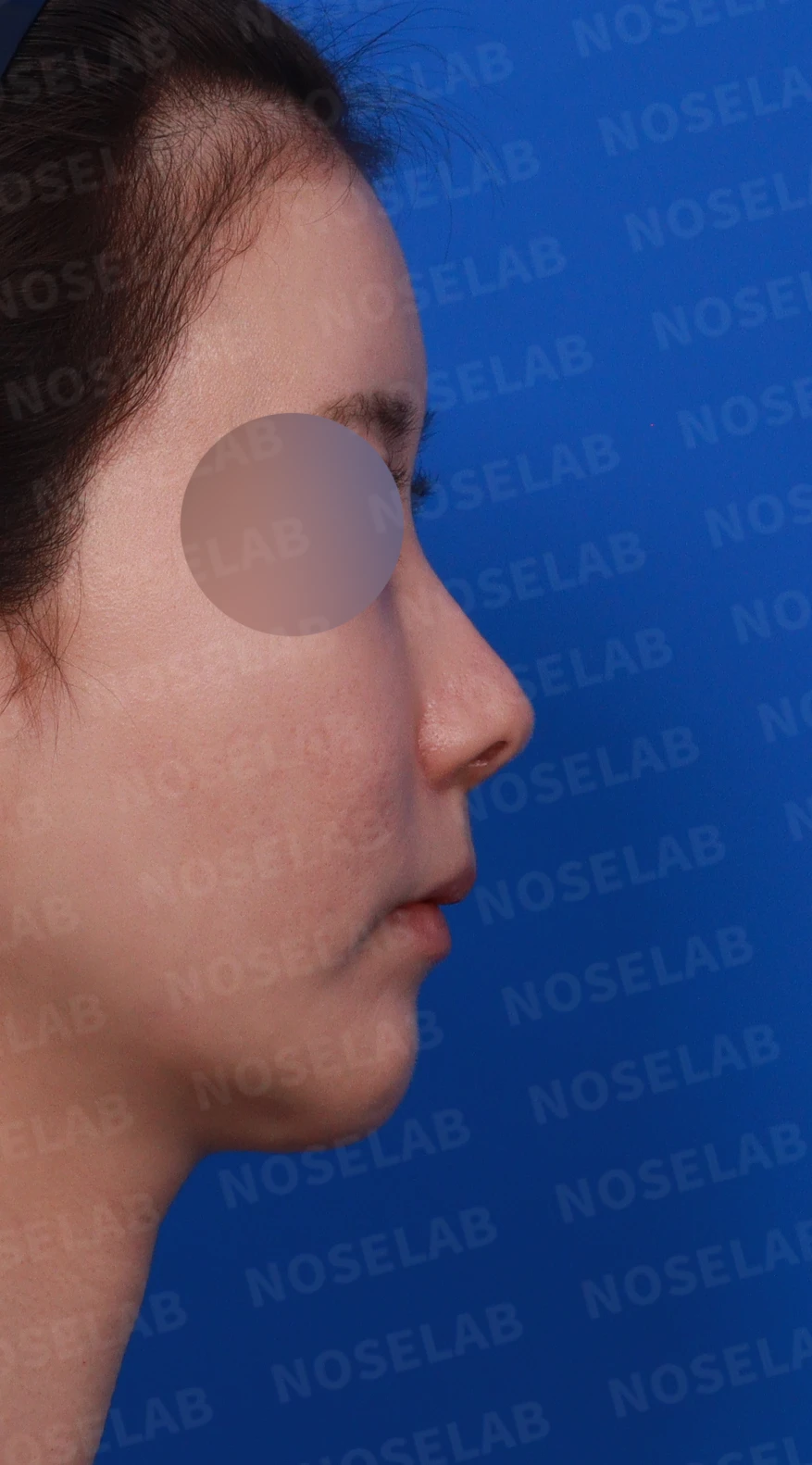
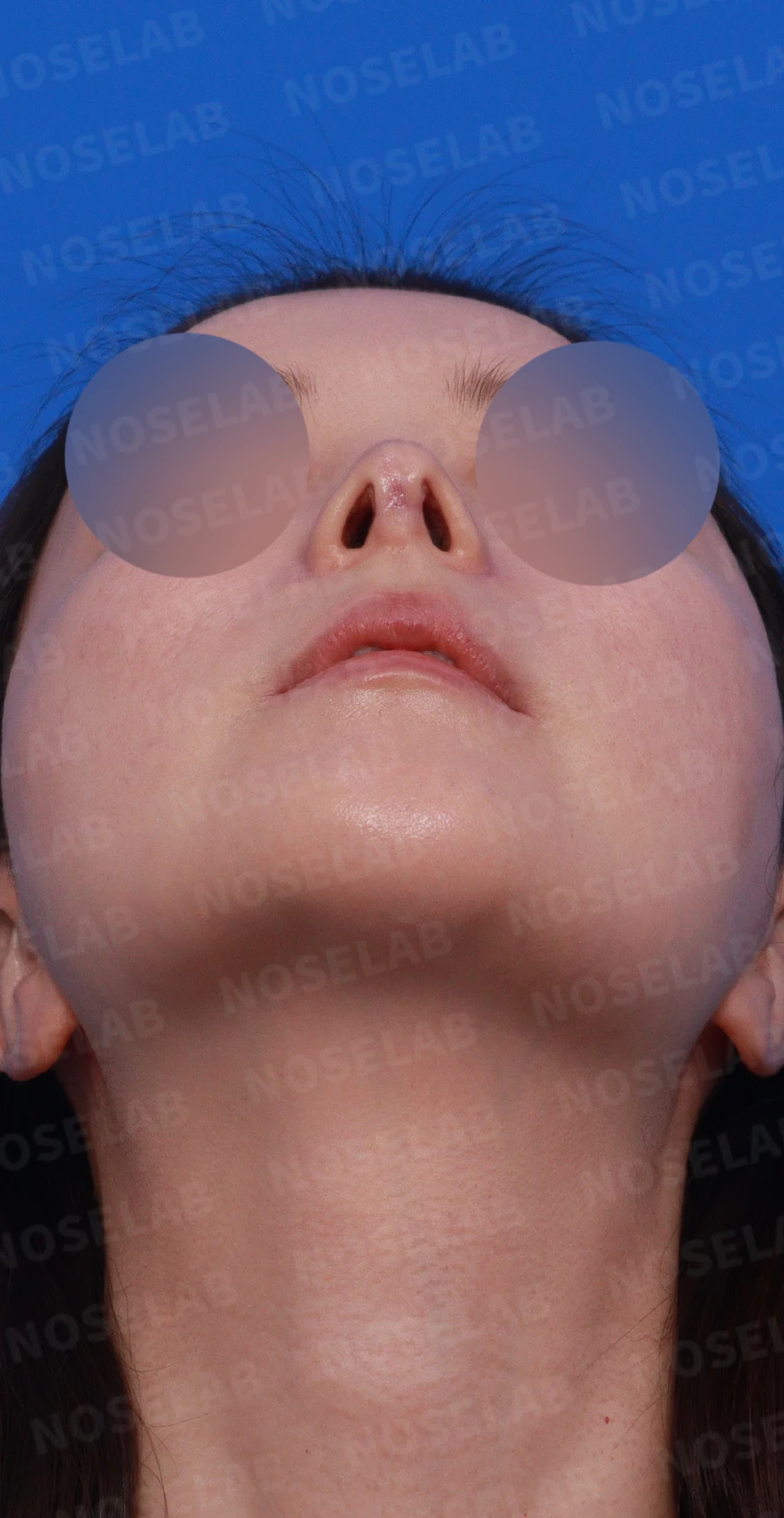
Design consultation: right oblique, profile, and nostril views.
🔎 Initial consultation findings
Patient information
High satisfaction with the primary surgery outcome
Desire for further refinement
Desired refinements
A slightly higher bridge and tip than the current state
Correction of subtle asymmetry
Pursuit of better symmetry
Current status
Basic structural stability achieved through the primary surgery
Overall good nasal contour
Only a slight lack of height and subtle asymmetry present
✨ Patient's requests
A slightly higher nose
Improved bilateral symmetry
Natural yet refined results
💉 Surgical procedure details
Autologous rib cartilage reconstruction
Reinforcement over the existing structure
Precise adjustment to the patient's desired height
Maintaining a stable framework
Septal reconstruction
Correction of subtle asymmetry
Precise alignment of the midline
Reinforcing structural stability
Correction of the nasolabial angle
Readjustment of the nasolabial angle to match the elevated nose
Achieving an ideal angle
Improving overall balance
Alar lowering
Adjustment of nostril show corresponding to the elevated nose
Natural alar positioning
Improving frontal aesthetics
Skin graft
Skin reinforcement in necessary areas
Maintaining a natural exterior appearance
Achieving a smooth surface contour
Stem cell therapy
Promoting rapid recovery
Facilitating tissue regeneration
Achieving the intended result
✅ Surgical results
Front view
Better bilateral symmetry
Balanced height
Balanced alae
Refined nasal tip
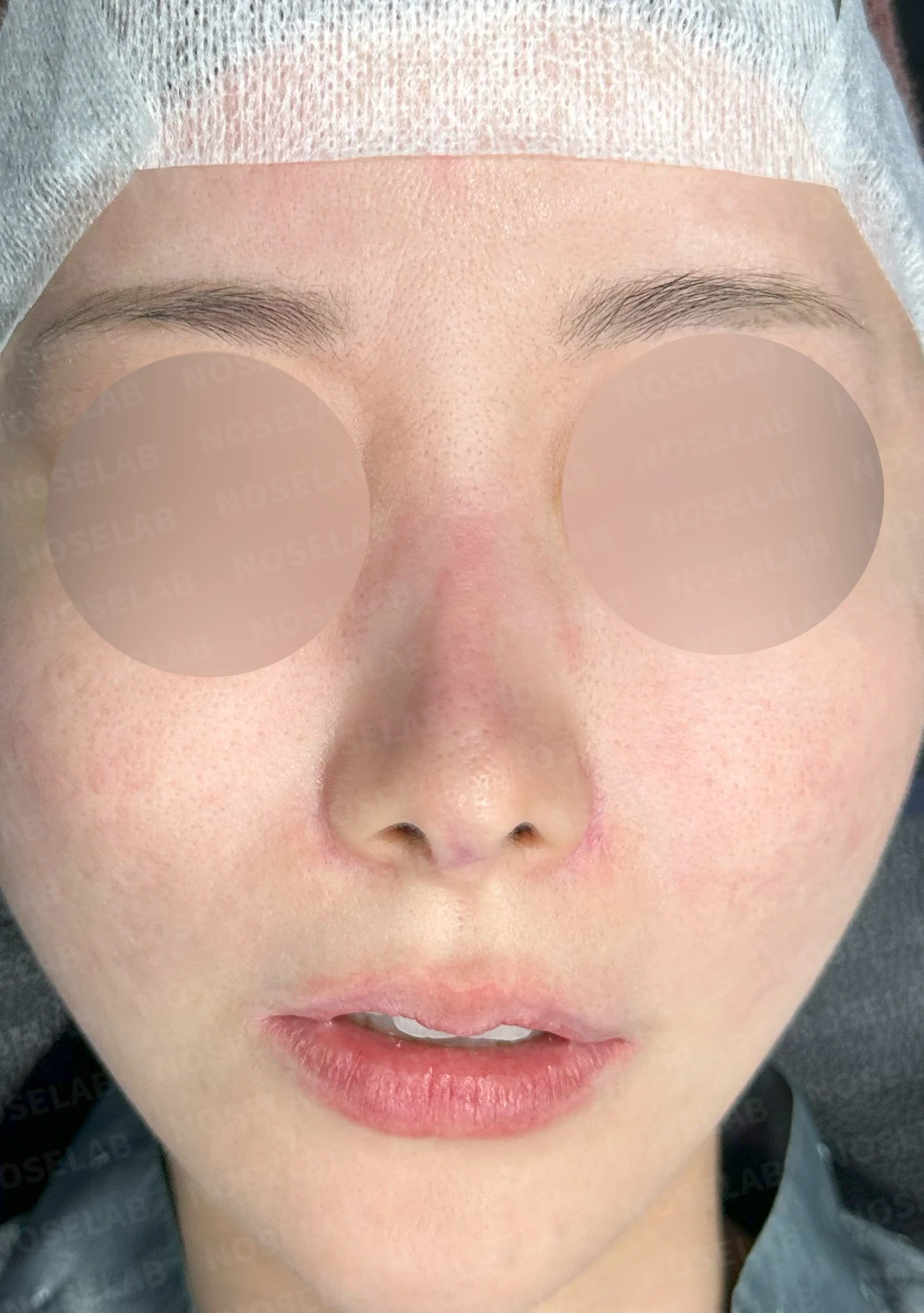
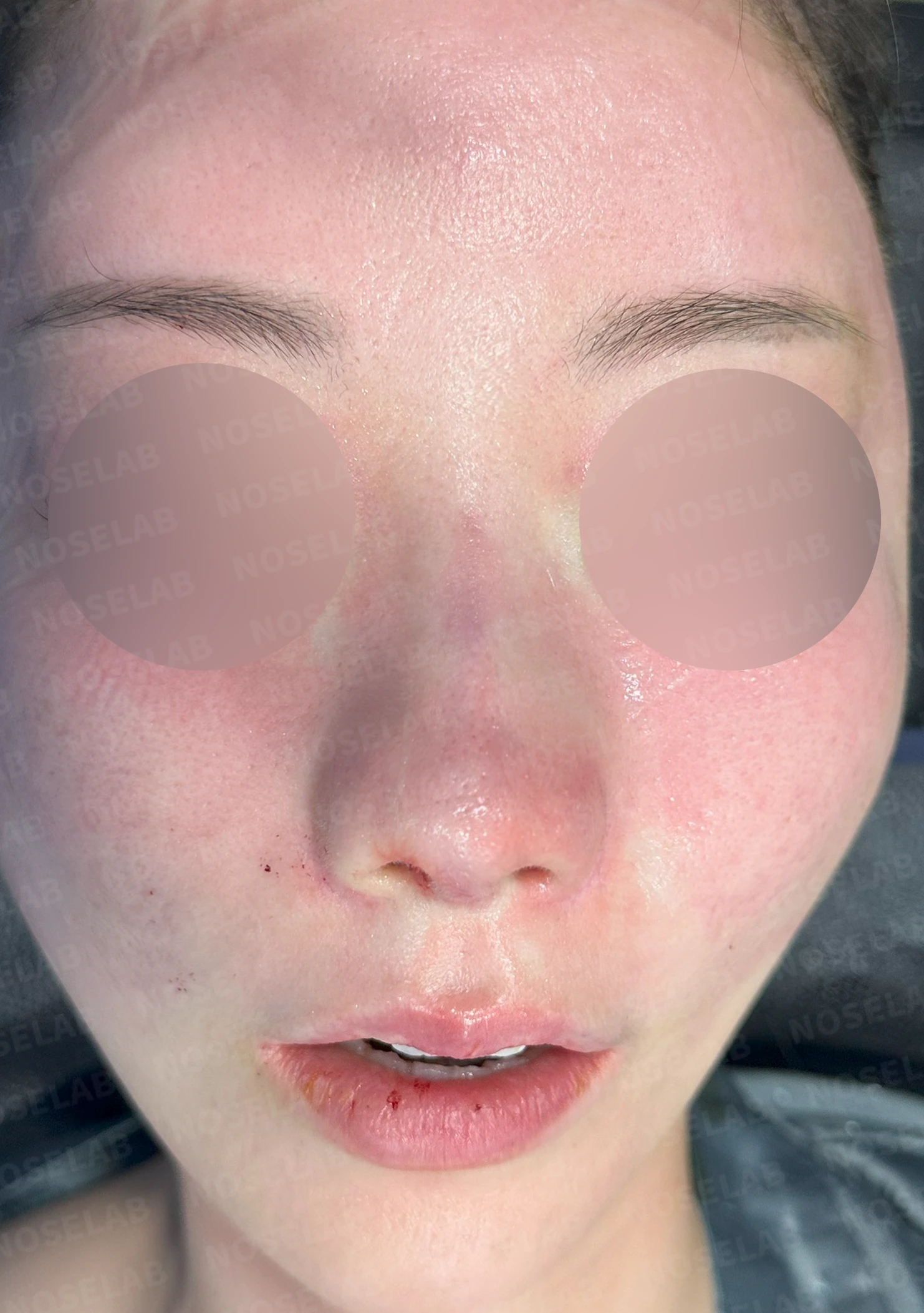
Before surgery / Day 0 immediately after surgery Photos taken immediately after surgery show swelling and may differ from the final result.
Profile view
Elevated and refined profile
Natural nasal contour
Ideal nasolabial angle
Harmonious facial lines
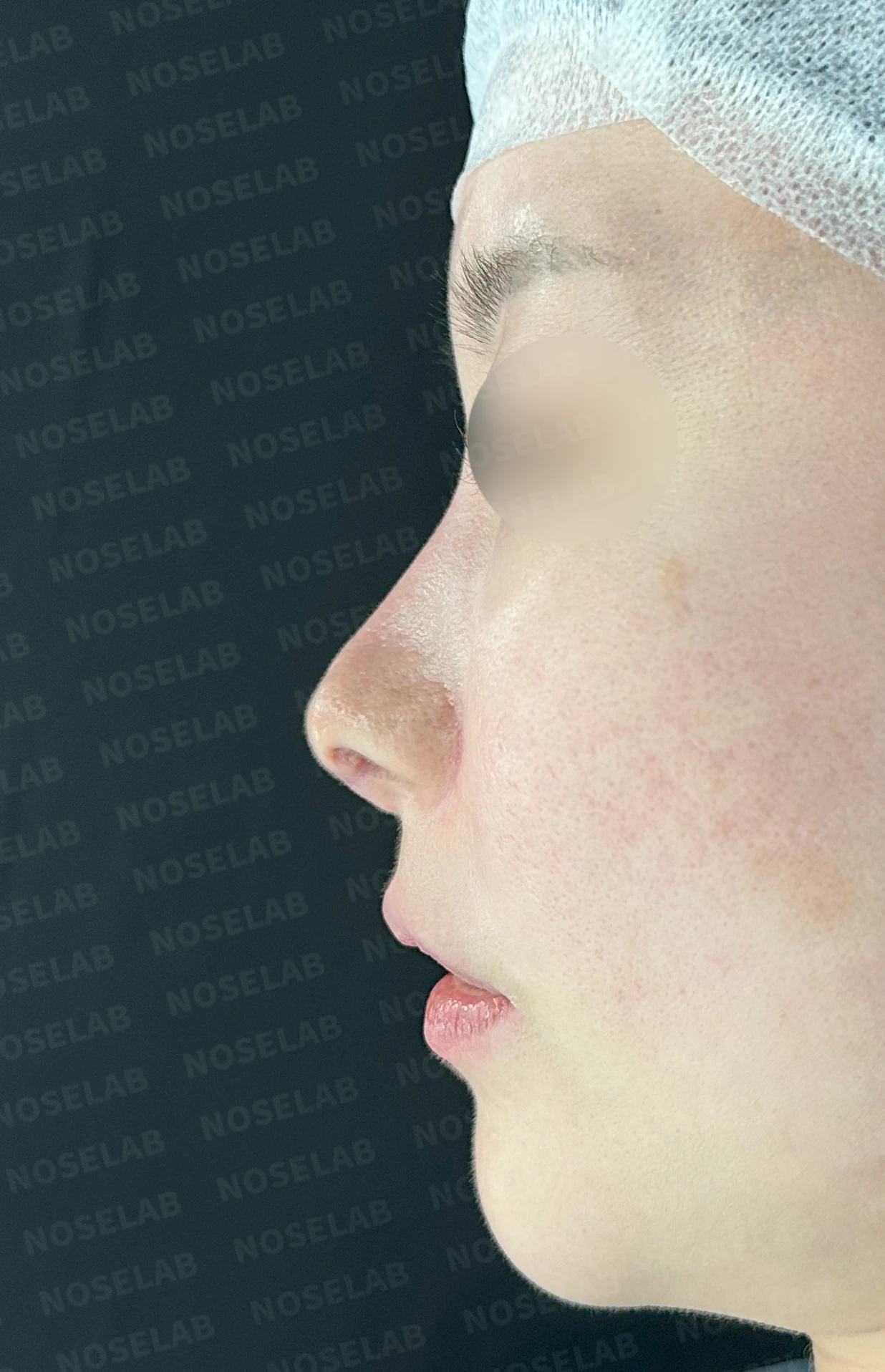
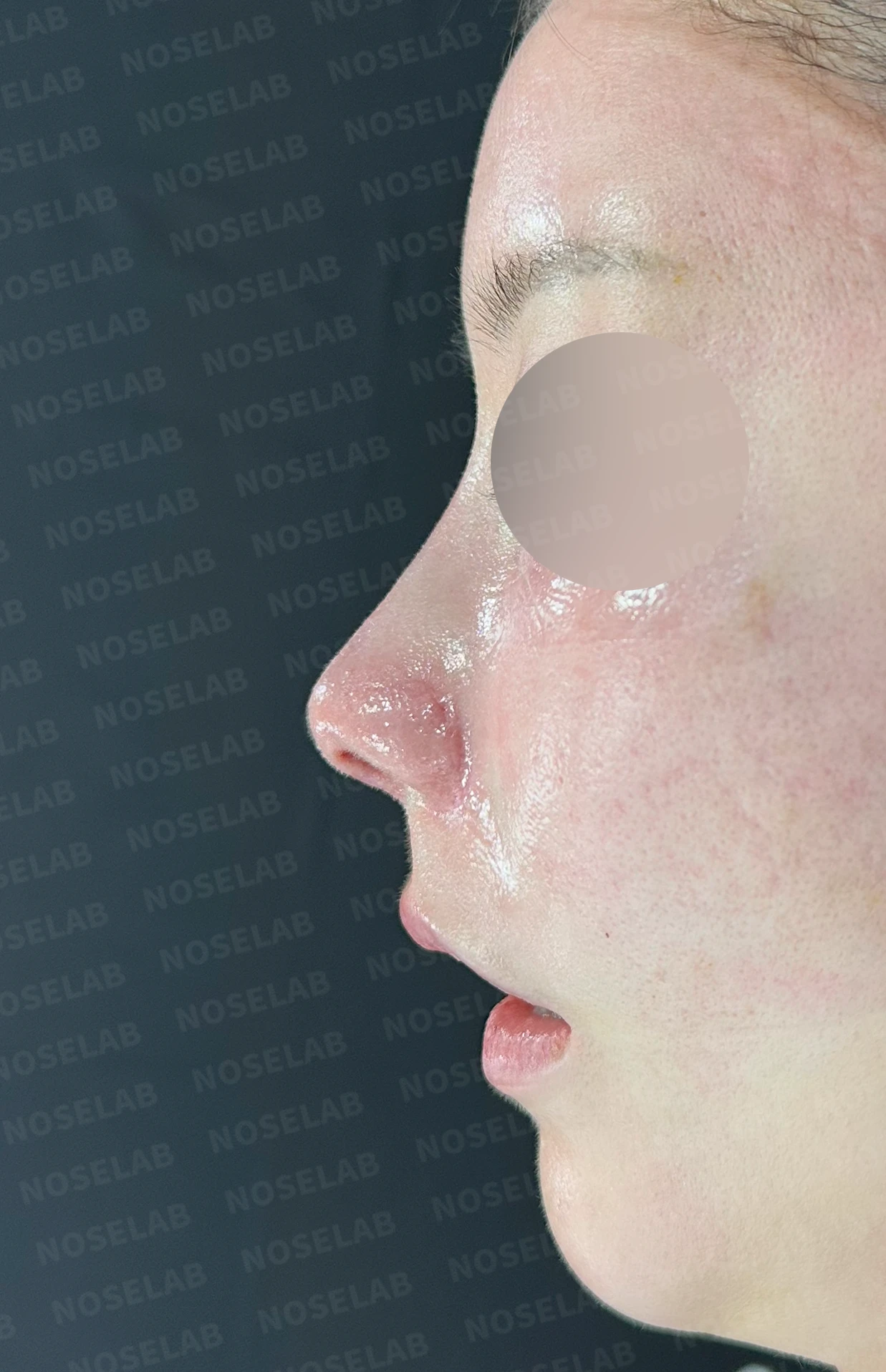
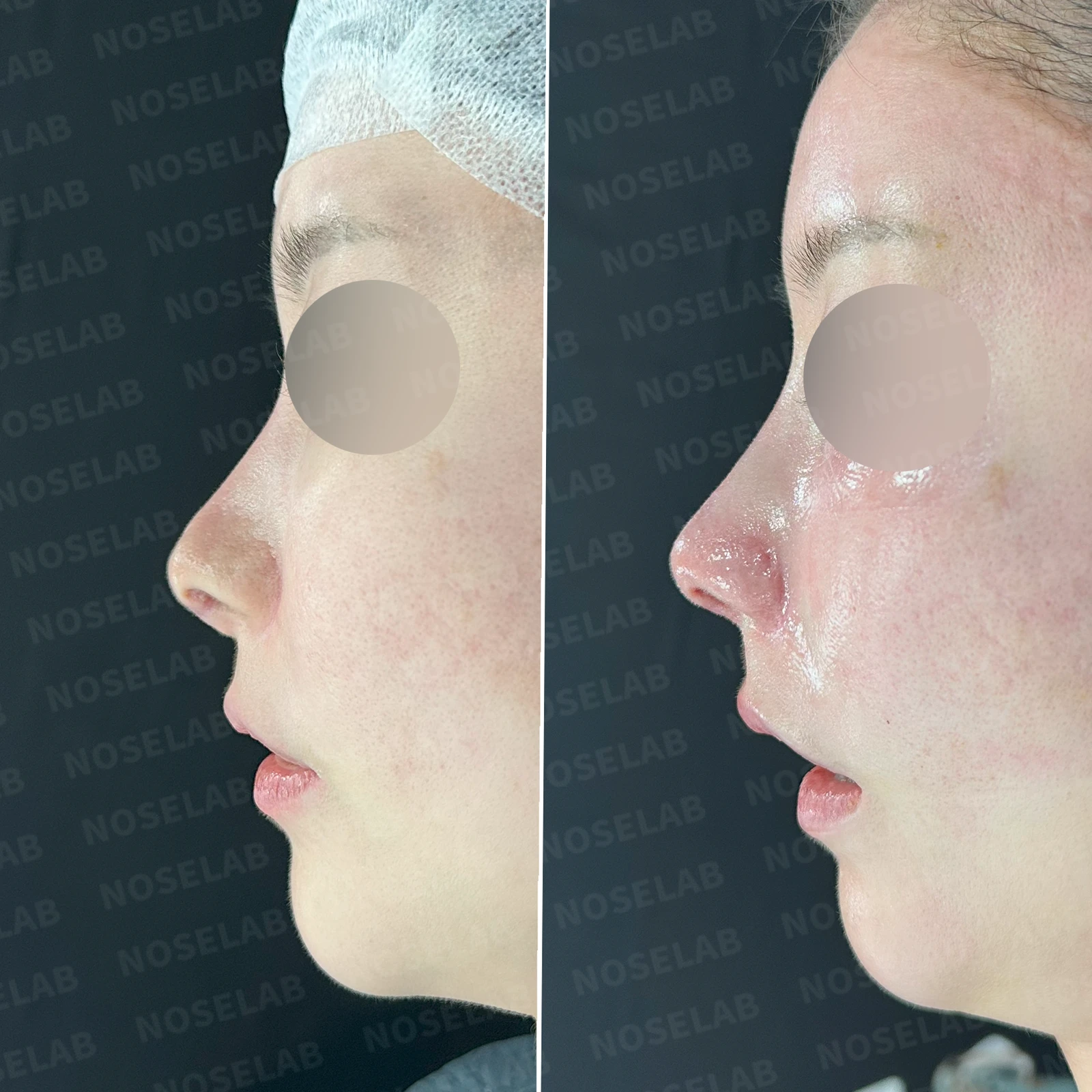
Before surgery / Day 0 immediately after surgery Photos taken immediately after surgery show swelling and may differ from the final result.
Asymmetry correction
Achieving better bilateral symmetry
Precise midline alignment
Balanced nasal shape
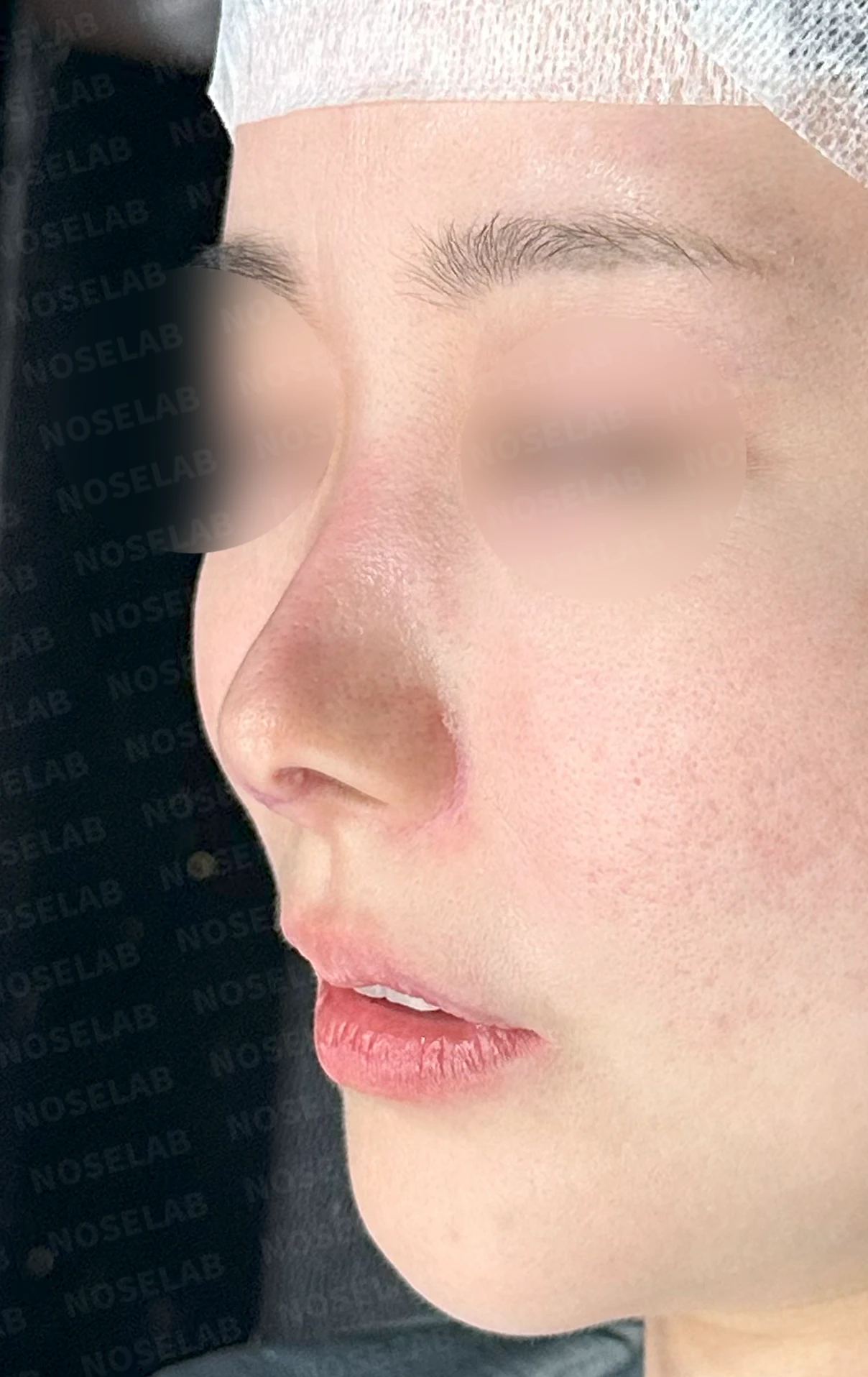
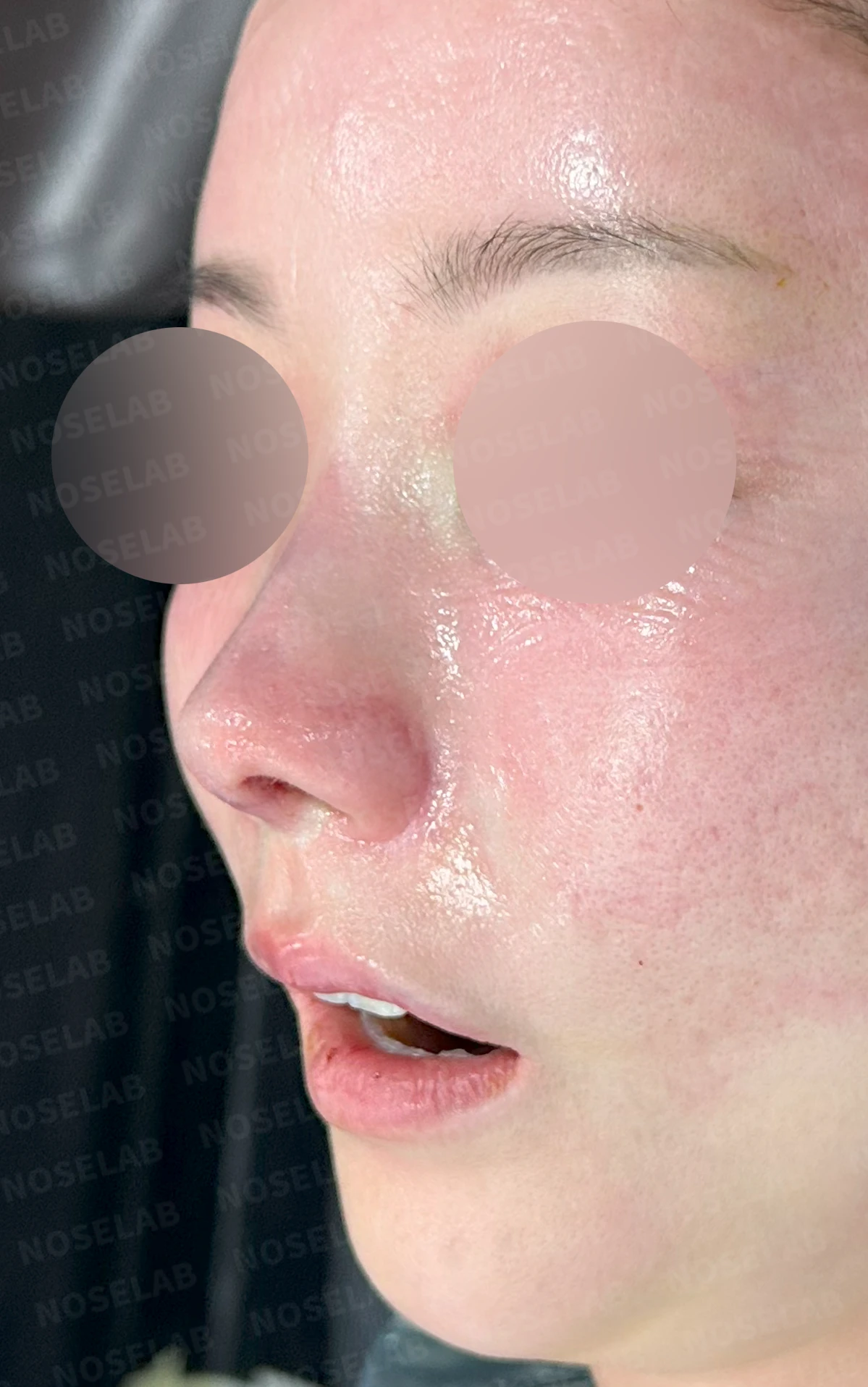
Before surgery / Day 0 immediately after surgery Photos taken immediately after surgery show swelling and may differ from the final result.
Height enhancement
Achieving the patient's desired height
A natural yet defined nose
Harmonious balance with the face
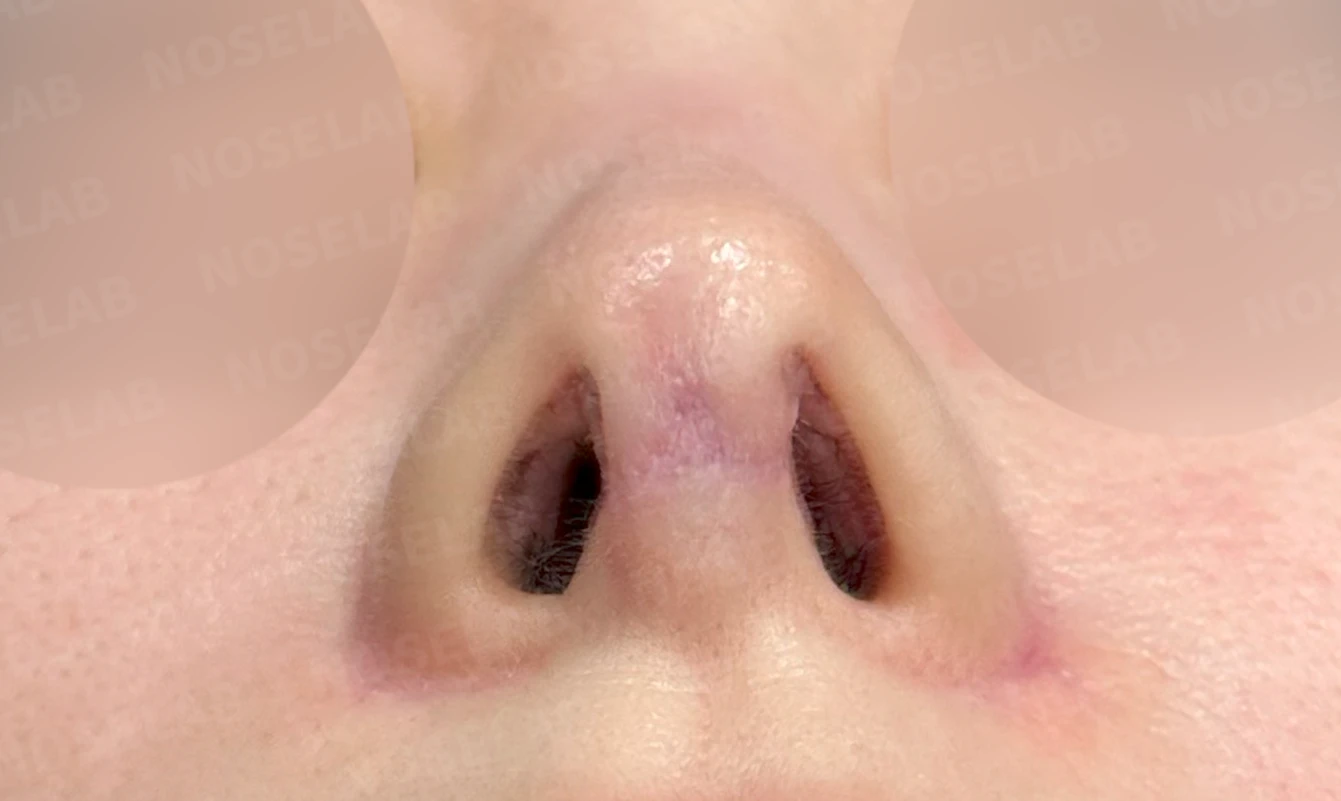
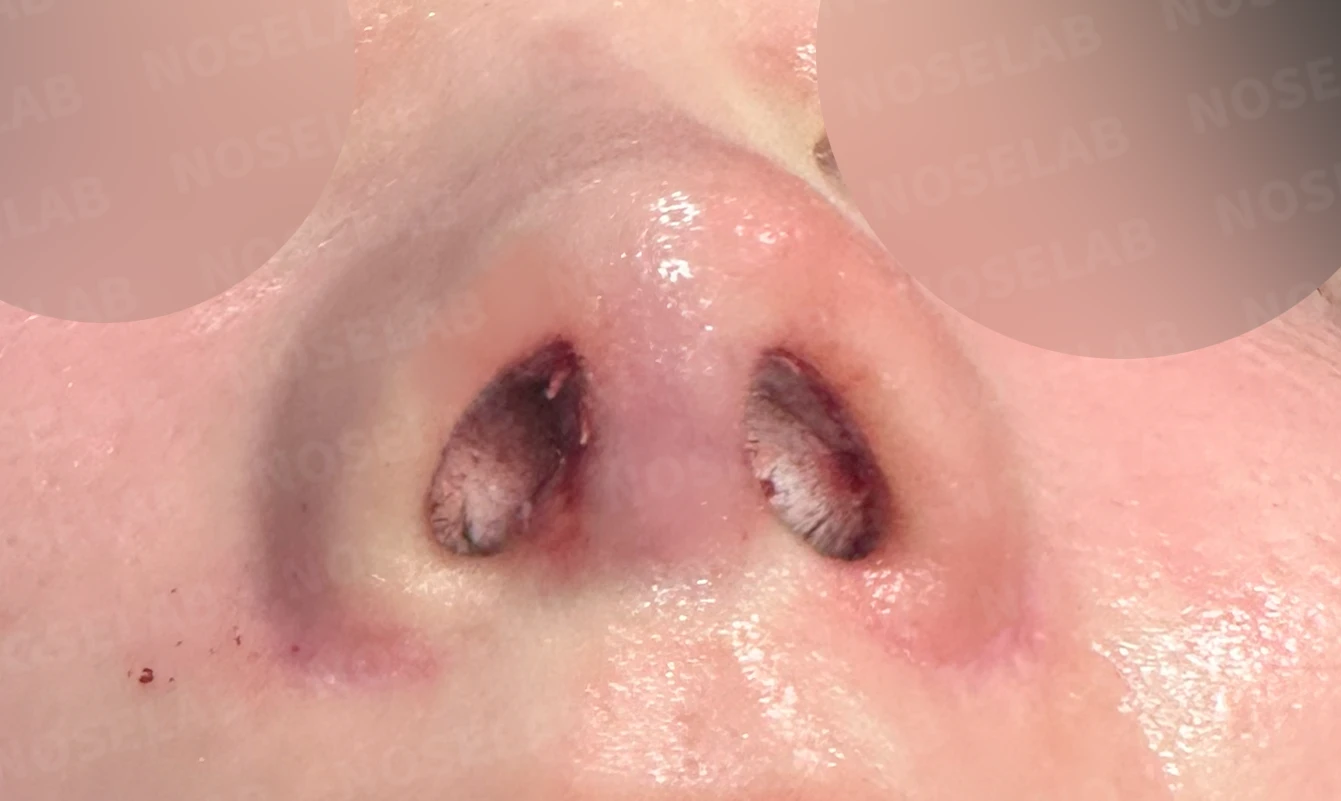
Before surgery / Day 0 immediately after surgery Photos taken immediately after surgery show swelling and may differ from the final result.
Overall improvement
An upgraded outcome compared to the primary surgery
Polished and refined impression
High patient satisfaction
👨⚕️ Specialist's assessment
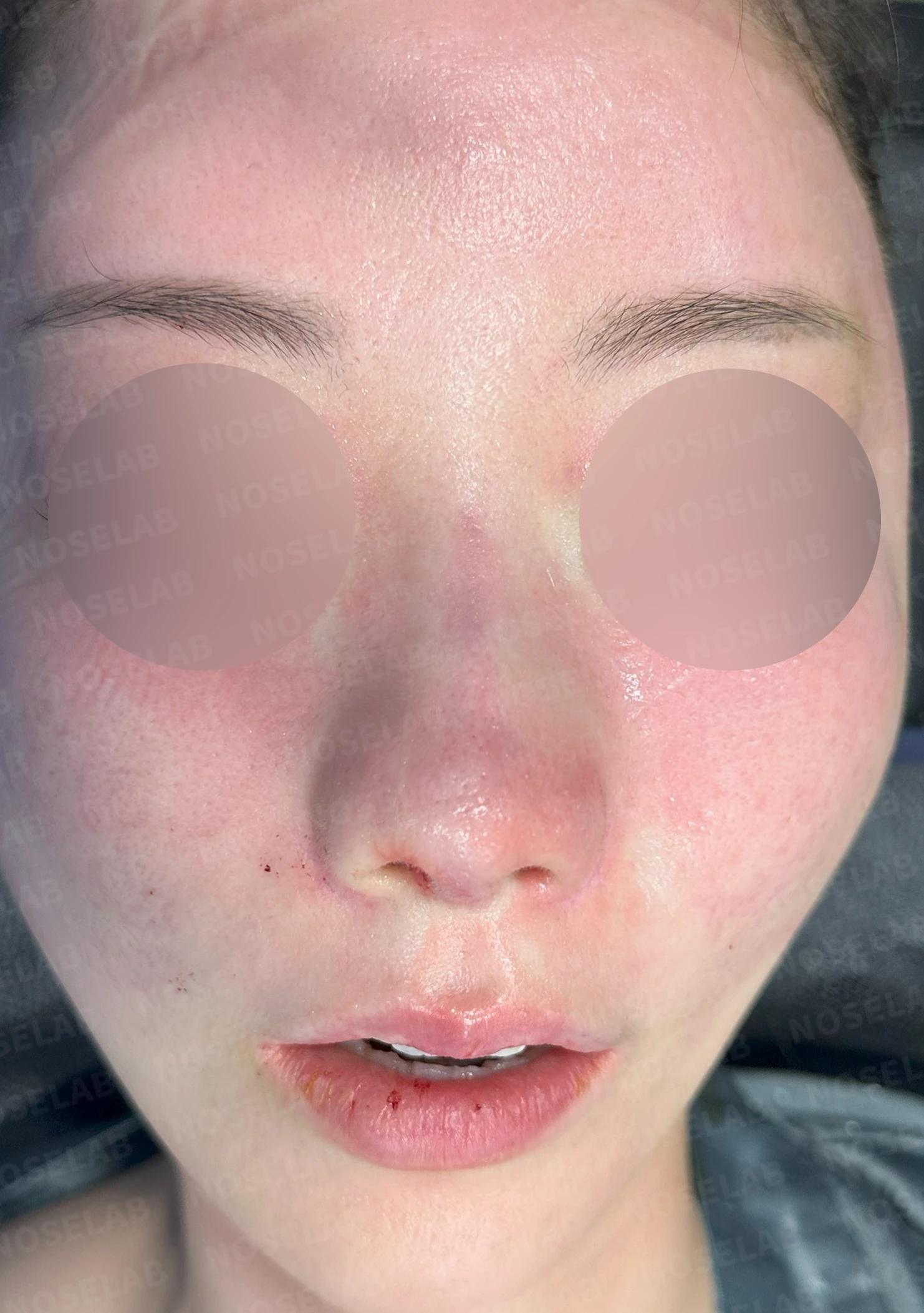
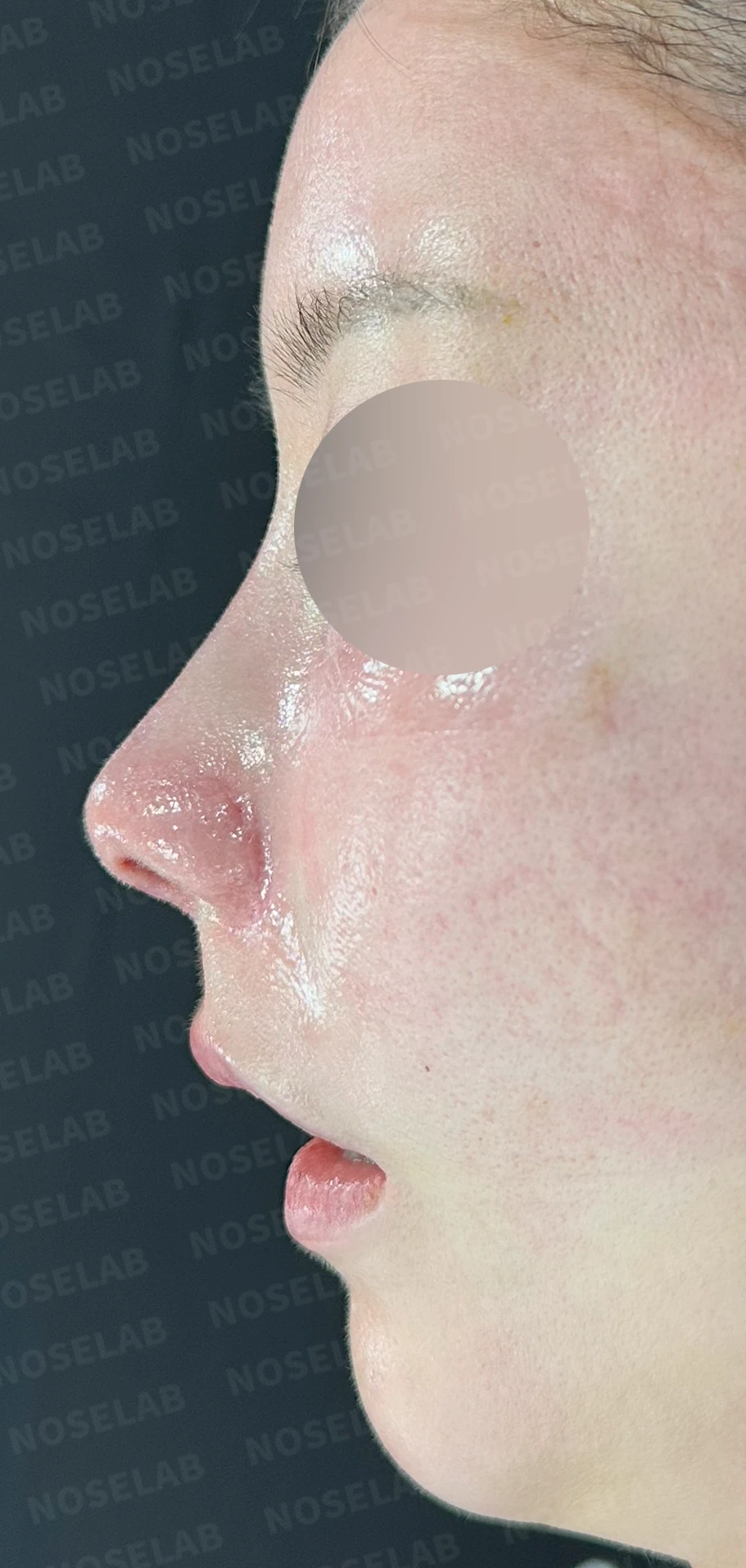
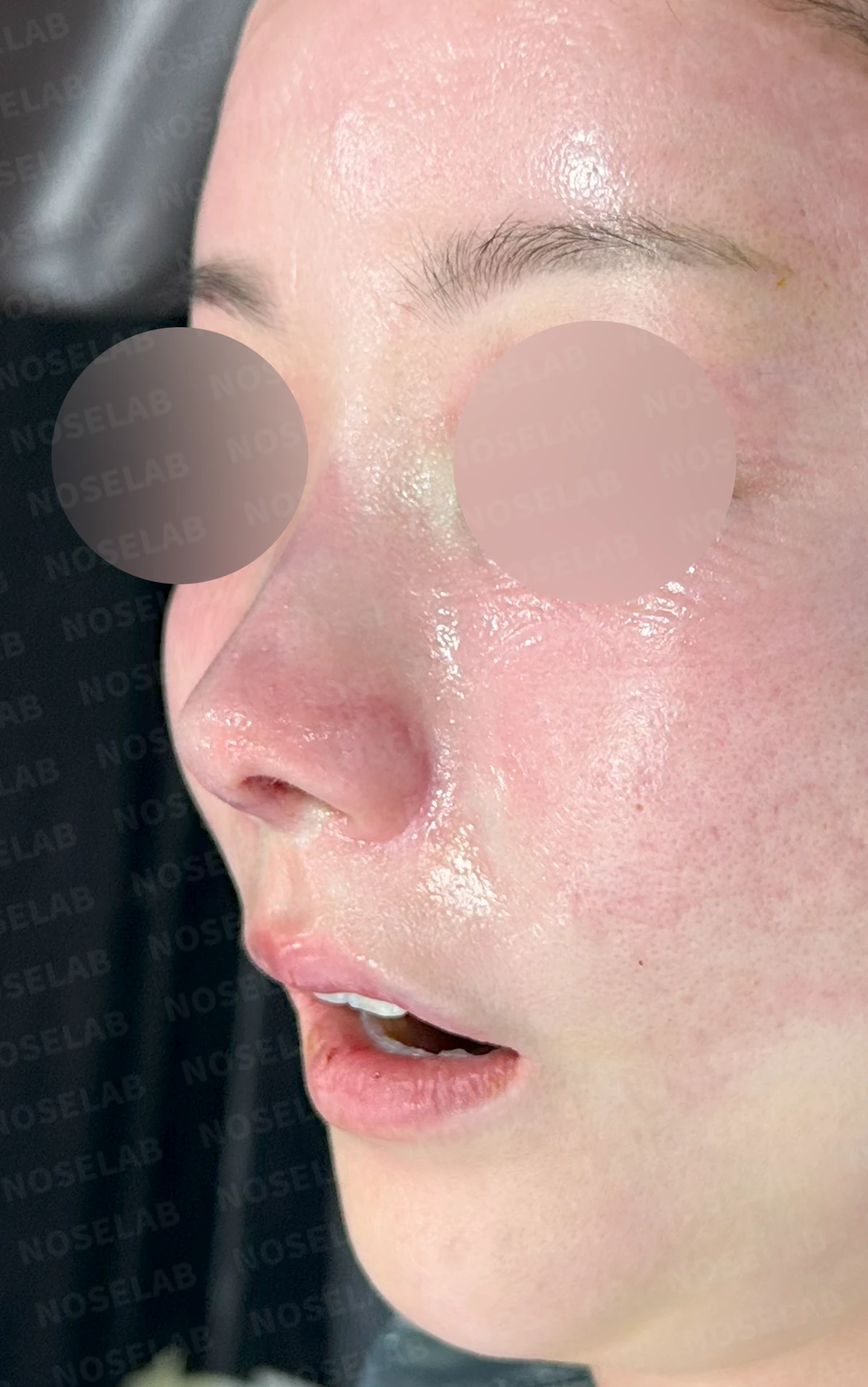
Immediately after surgery (day 0): front, profile, and oblique views. Immediate postoperative photos show swelling and may differ from the final result.
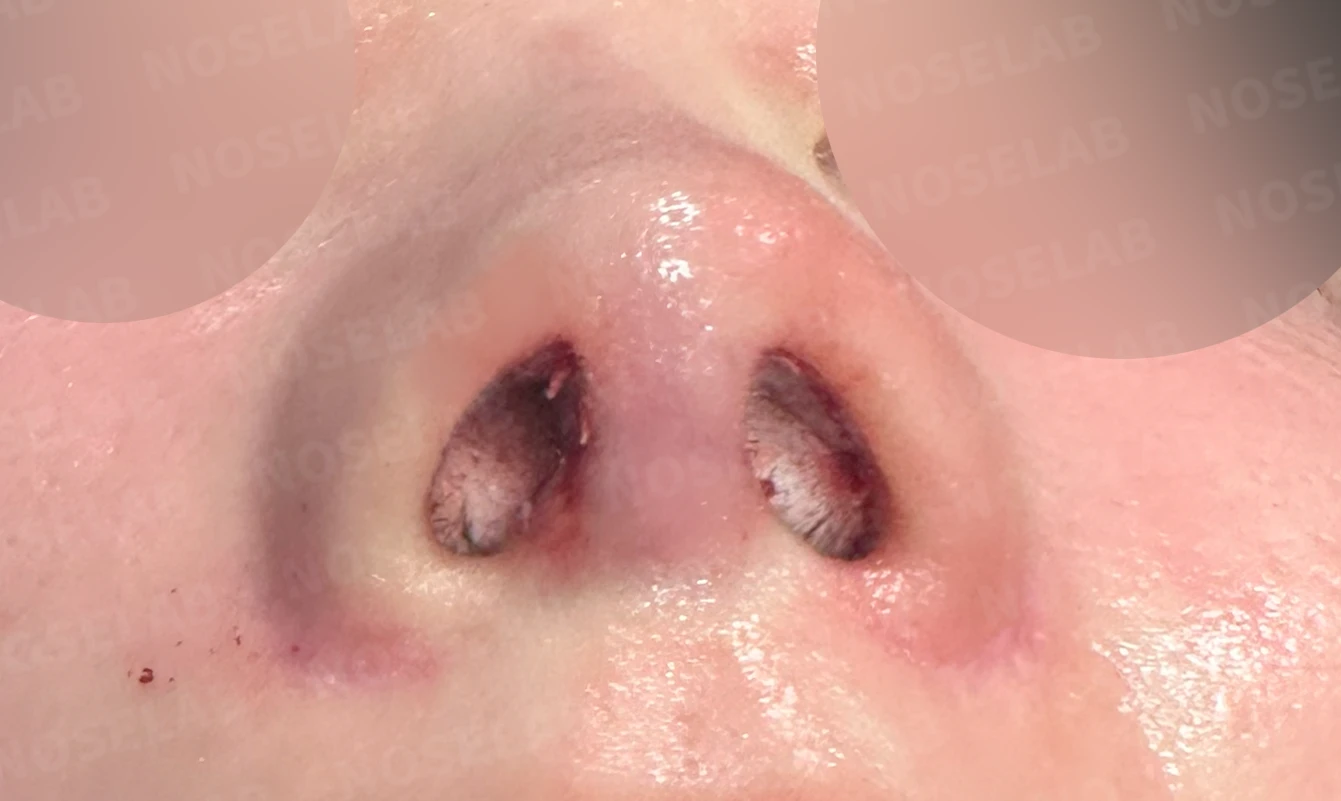
Nostril view on day 0 immediately after surgery. Photos taken immediately after surgery show swelling and may differ from the final result.
This was a case of a patient who underwent a primary surgery at our clinic and achieved a good result, but sought further refinement for an even better outcome. Because the basic nasal framework was already stable, we were able to focus entirely on the patient's specific requests.
While the patient was generally satisfied with their current nasal height, they hoped for a slightly higher profile. This was not simply a matter of adding height, but a process of finding the most balanced height in harmony with the overall facial proportions. By incorporating additional autologous rib cartilage, we achieved a stable and natural increase in height.
Subtle bilateral asymmetry is a concern shared by many patients. Although it had improved to some degree in the primary surgery, the patient desired better symmetry. Through septal reconstruction and precise adjustments, we were able to achieve balanced symmetry between the left and right sides.
The defining characteristic of this surgery was fine-tuning. Refining an already good outcome into an even better one often demands more delicate technique than the initial surgery. The key was to produce clear, distinct improvement without overcorrection.
Combining stem cell therapy was another important choice. In revision cases, rapid tissue recovery and stabilization are critical, and stem cell therapy helped create a favorable environment for healing.
Nasolabial angle correction and nostril lowering were performed to rebalance the entire nasal structure with the newly elevated height. Simply raising the height can cause nostrils to look more exposed or unnatural, making comprehensive adjustments across every element essential.
As a result, we were able to address all the patient's goals: an appropriately elevated nose, improved bilateral symmetry, and an overall refined impression.
This case serves as a prime example of how delicate, focused adjustments can build on an already favorable result to fulfill a patient's subtle aesthetic preferences. Meeting the patient's high expectations and achieving these refined results made it a very rewarding case.
This was Dr. Peter C. Kang. Thank you.
#closedrhinoplasty #revisionrhinoplasty #autologousribcartilage #nasalheightcorrection #asymmetrycorrection #stemcelltherapy #precisionrhinoplasty #symmetricrhinoplasty #touchuprevision

Limitations and risks
When autologous rib cartilage is used, scarring and pain may remain at the donor site on the chest, and pneumothorax (pleural injury) can occur rarely. Over time, the grafted cartilage may warp or undergo partial resorption.
When the septum is corrected at the same time, nasal obstruction may persist or recur, and in rare cases, septal perforation or changes in smell may occur.
Common potential risks include infection, bleeding, asymmetry, scarring, skin necrosis, and insufficient improvement; results vary depending on individual skin condition and previous surgical history.