Hello, I am Dr. Peter C. Kang.
Today, I will share the case of a patient who sought correction for an upturned nose and nostril concerns after multiple previous nasal surgeries.
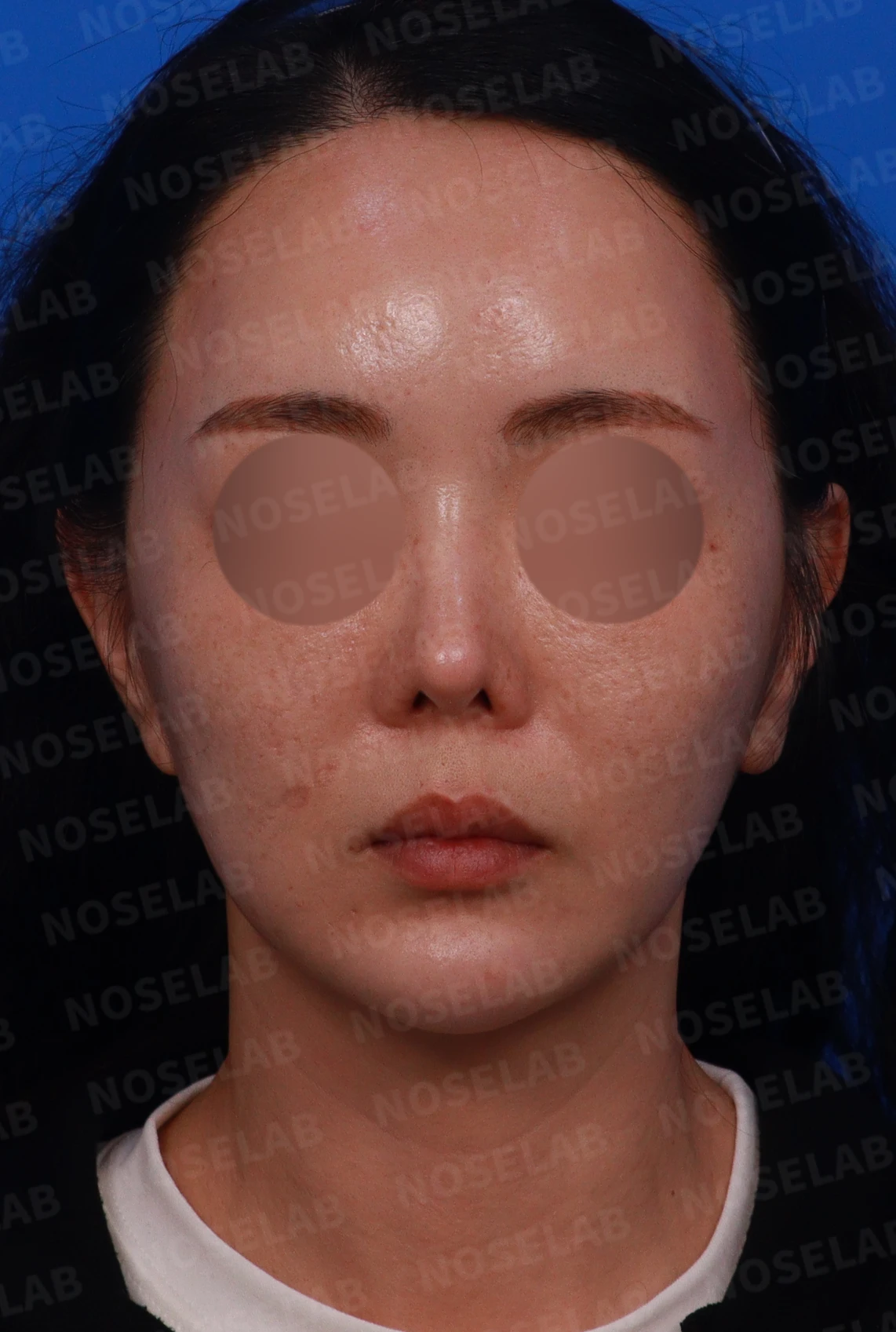
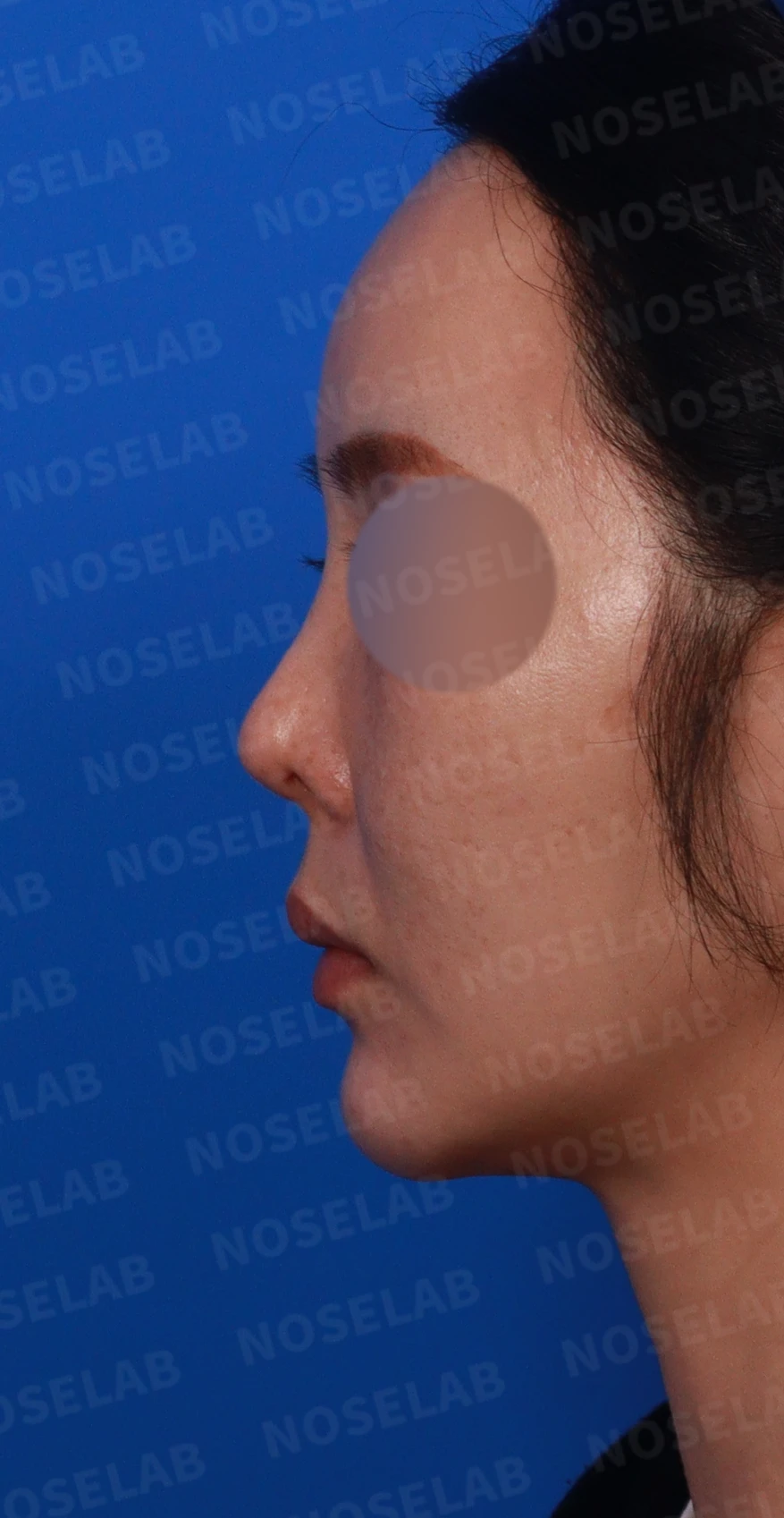
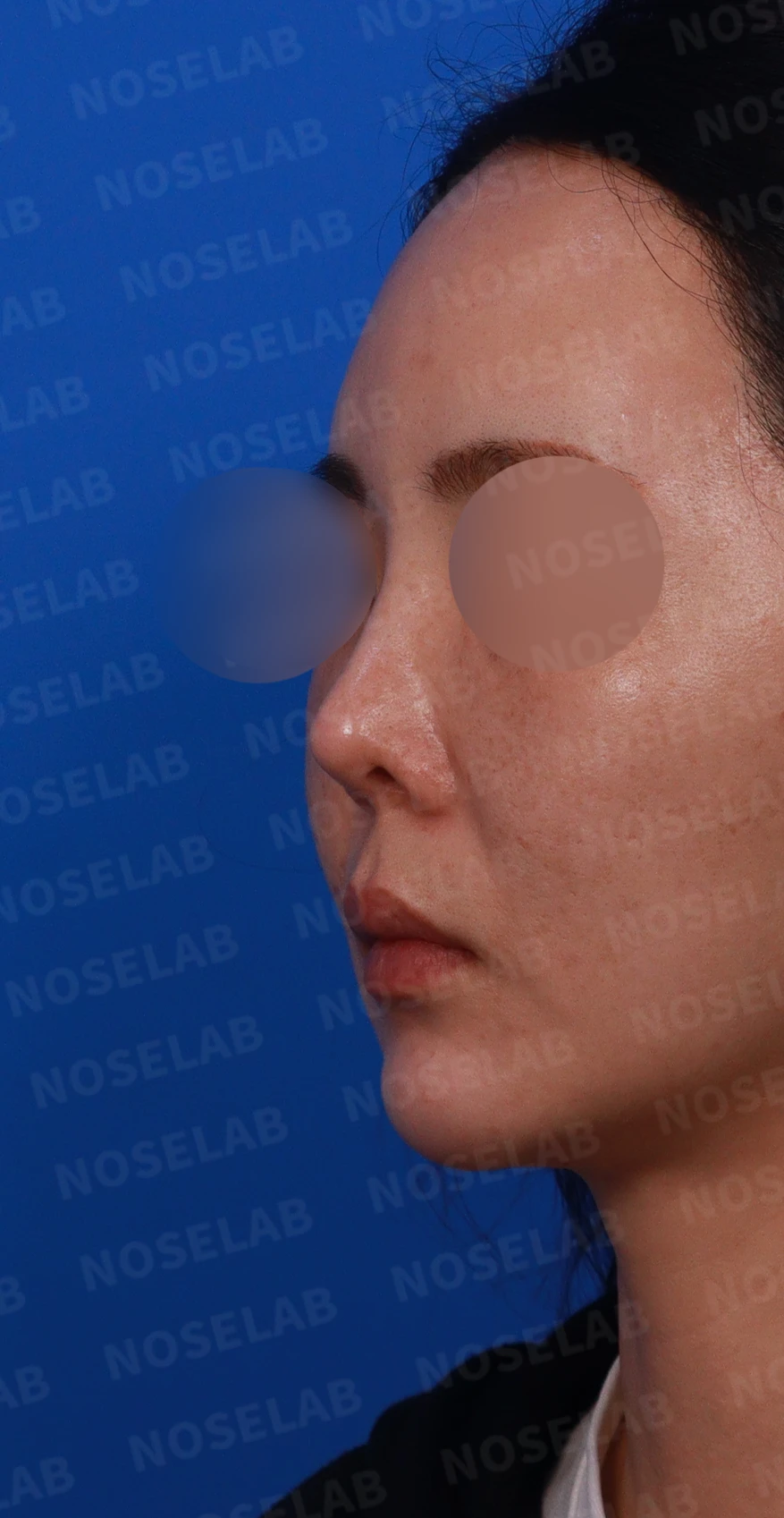
Front, left profile, and oblique views during design consultation
📍 Surgical history
13 years ago: Nose filler procedure
13 years ago: Silicone implant + ear cartilage surgery (after dissolving the nose filler)
6 years ago: Revision rhinoplasty for an upturned nose and nasal obstruction (silicone implant + ear cartilage)
5 years ago: Revision rhinoplasty due to swelling of the nasal bridge
🔎 Initial consultation findings
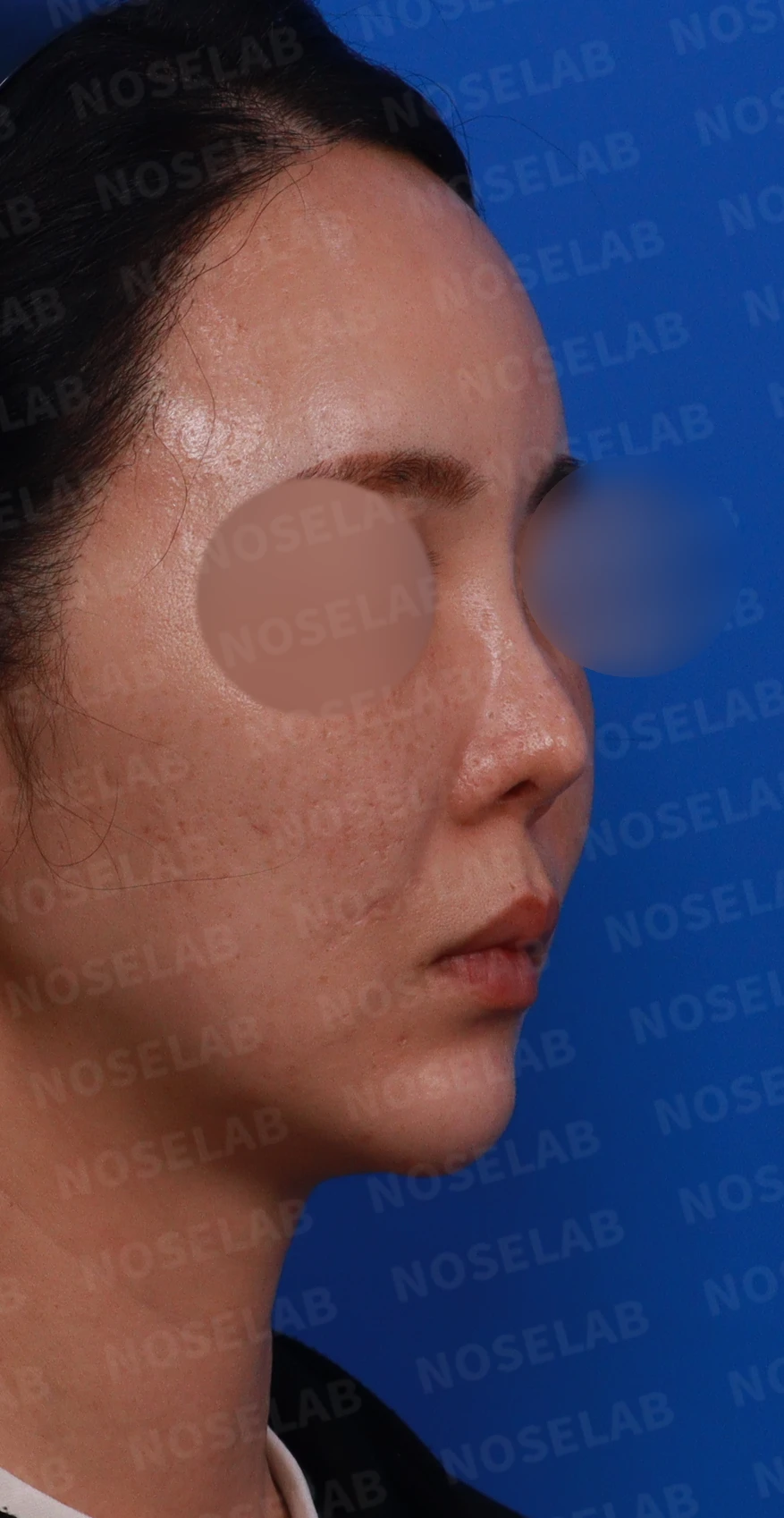
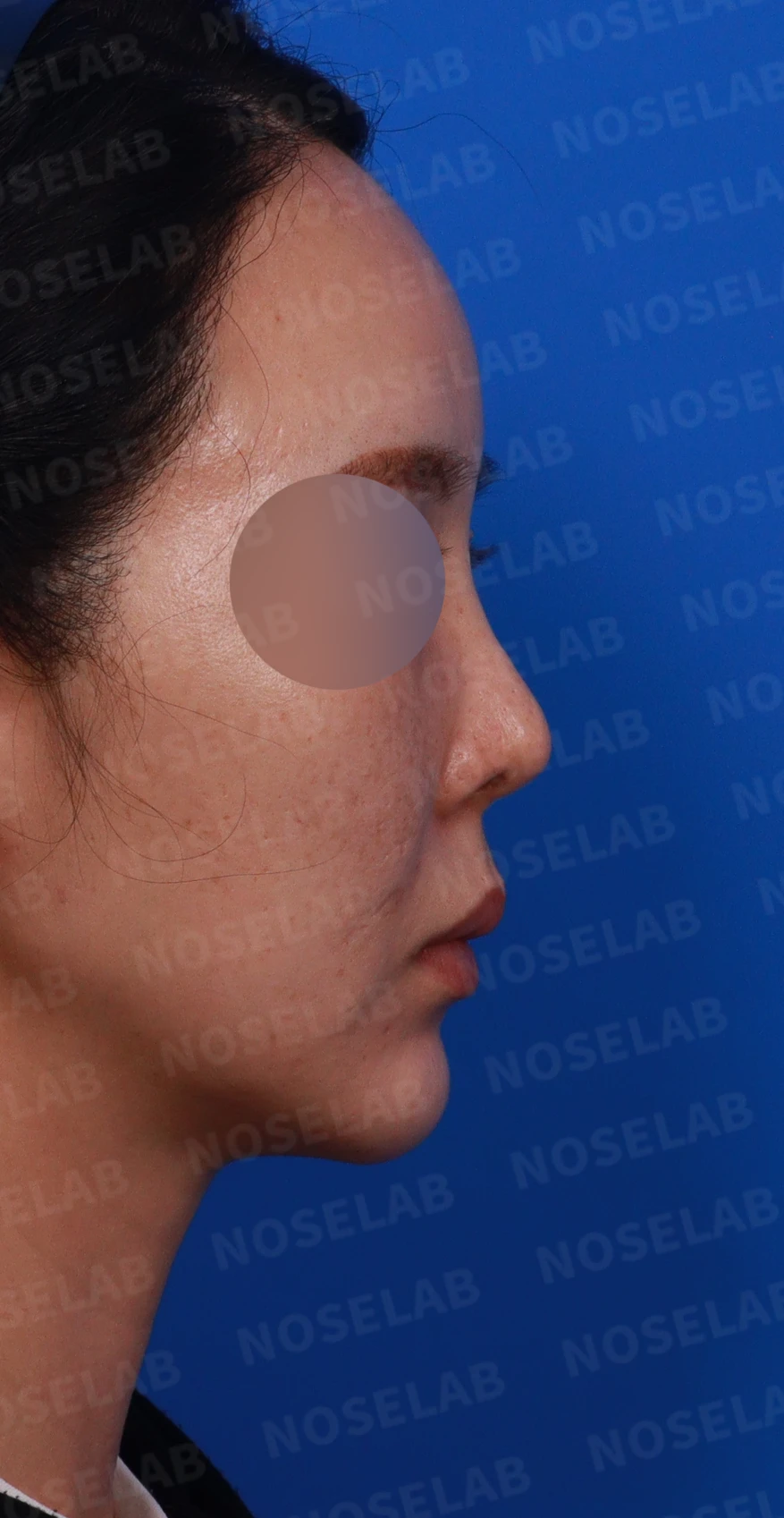
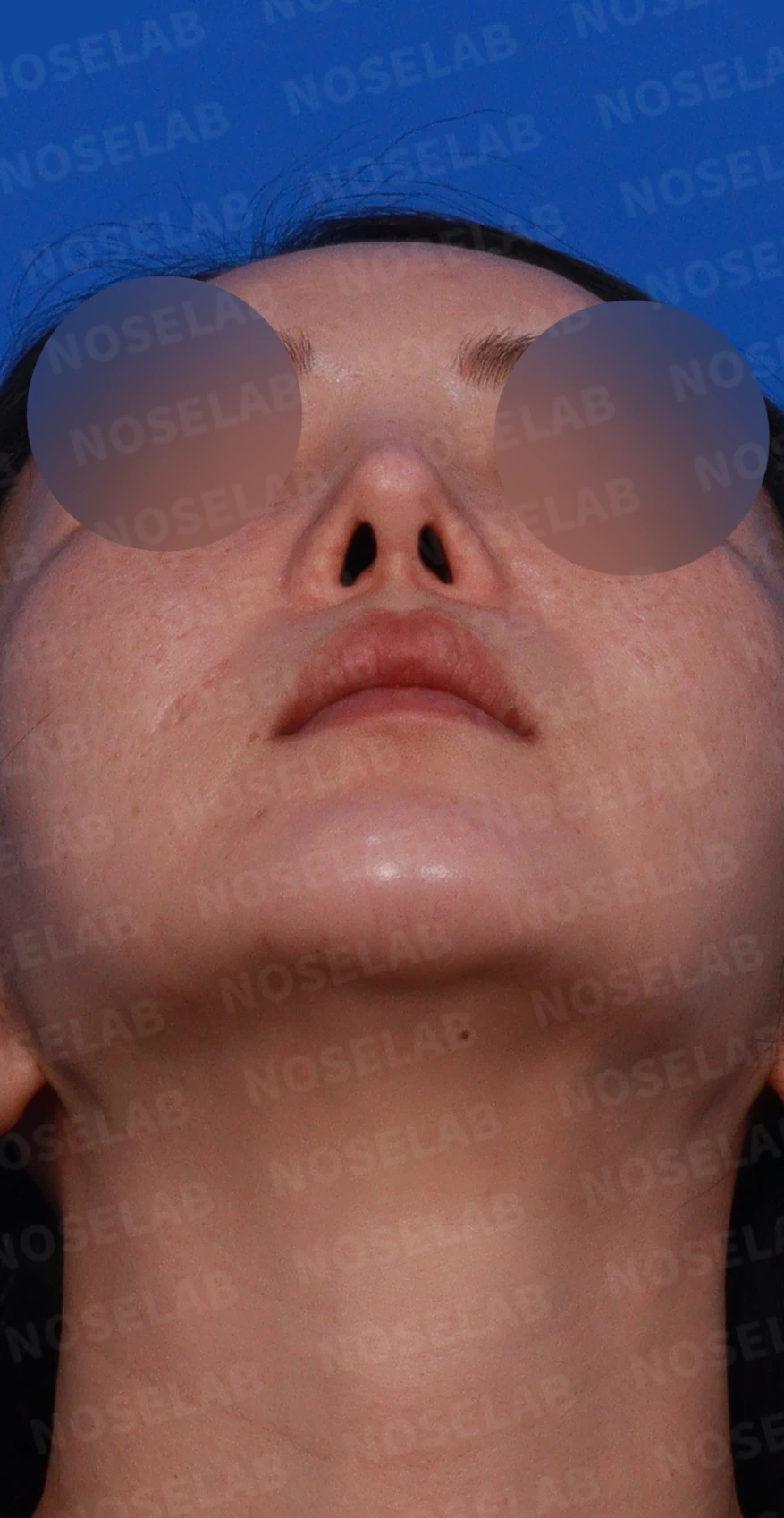
Design consultation: right oblique, profile, and basal (nostril) views
Functional issues
Alternating nasal obstruction
Rhinorrhea (runny nose) symptoms
Difficulty breathing
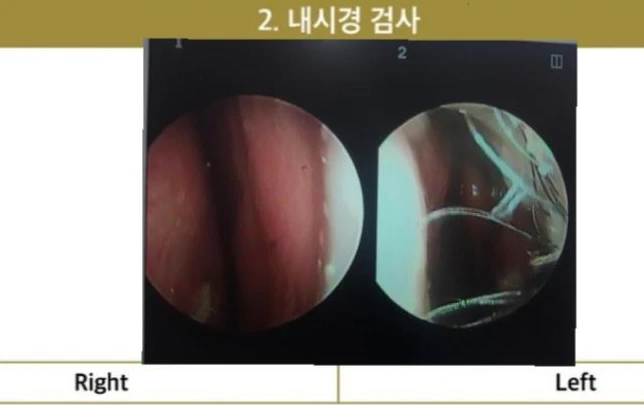
Nasal endoscopy photo
2. Aesthetic and structural concerns
Upturned nose
Significant triangular nostril show with asymmetry
High radix
✨ Patient's requests
Improvement of upturned nose
Improvement in nostril shape
Lowering the radix
💉 Surgical procedure details
Nostril improvement
Structural stabilization using cartilage grafts
Improvement of nostril shape through skin grafting
Upturned nose correction combined with adjusting nostril visibility
2. Correction of the upturned nose
Lowering the radix
Stabilization of the overall nasal profile
Appropriate height adjustment
3. Functional improvement
Septoplasty
Treatment for hypertrophic rhinitis
Improvement of nasal obstruction
✅ Surgical results
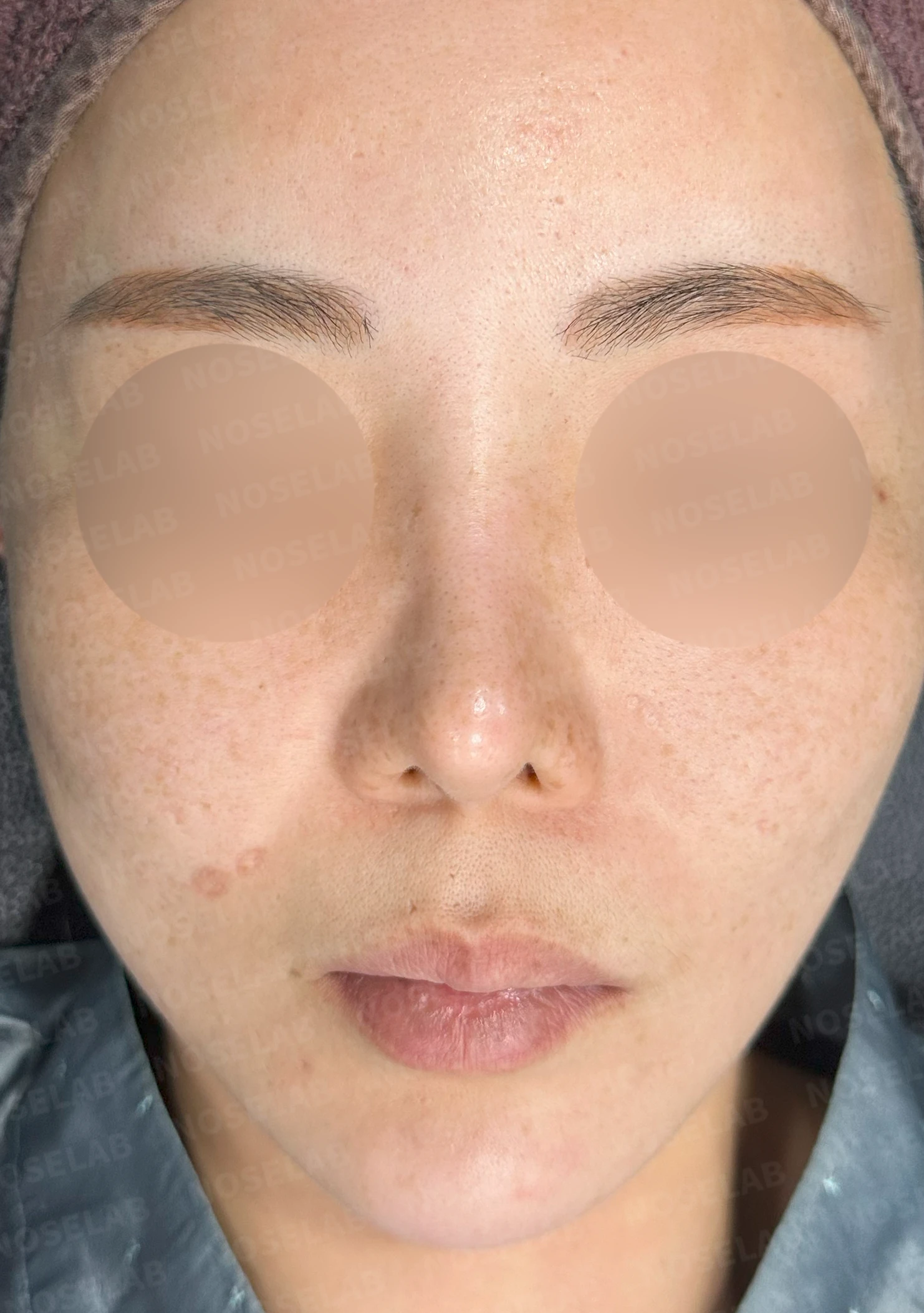
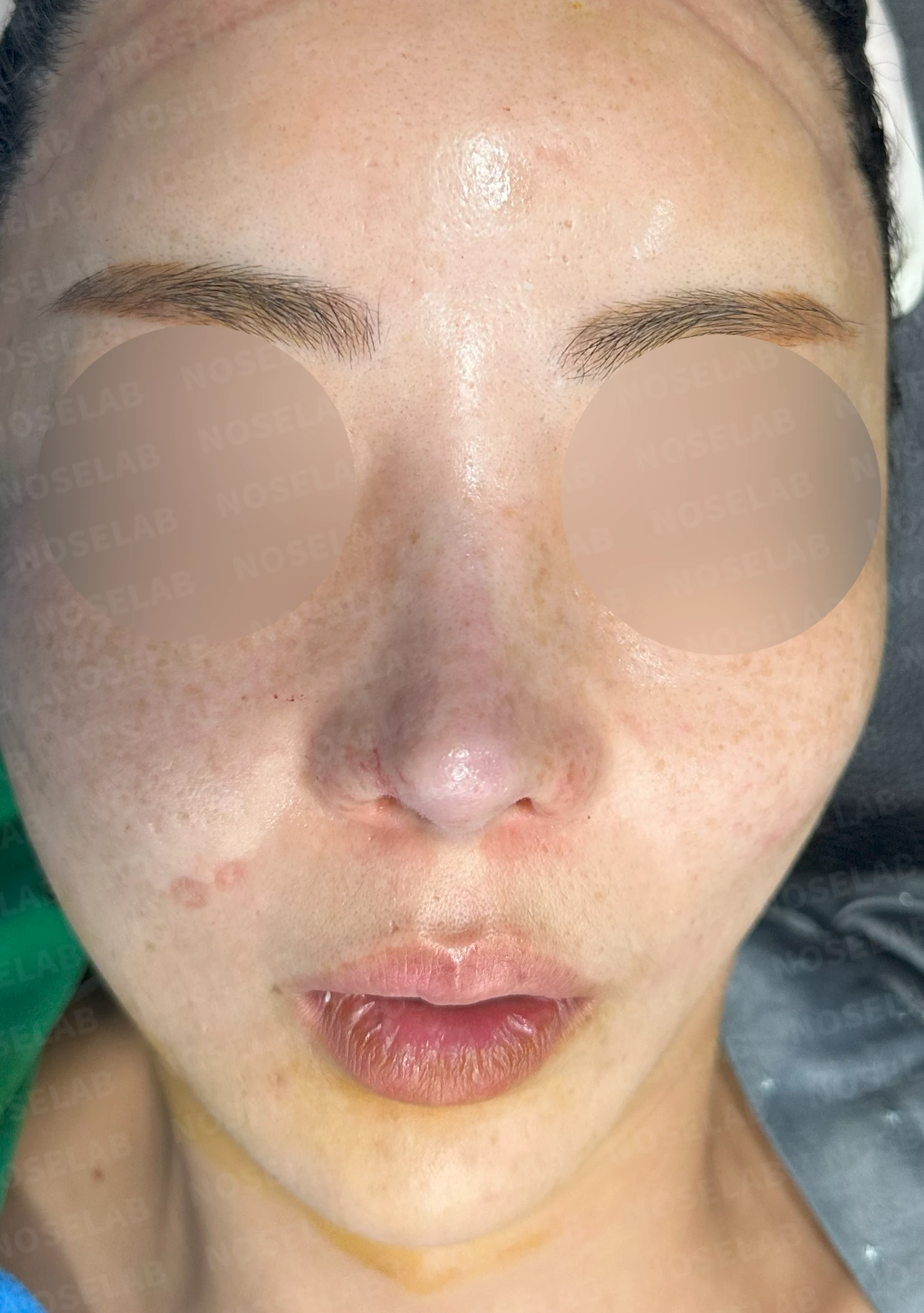
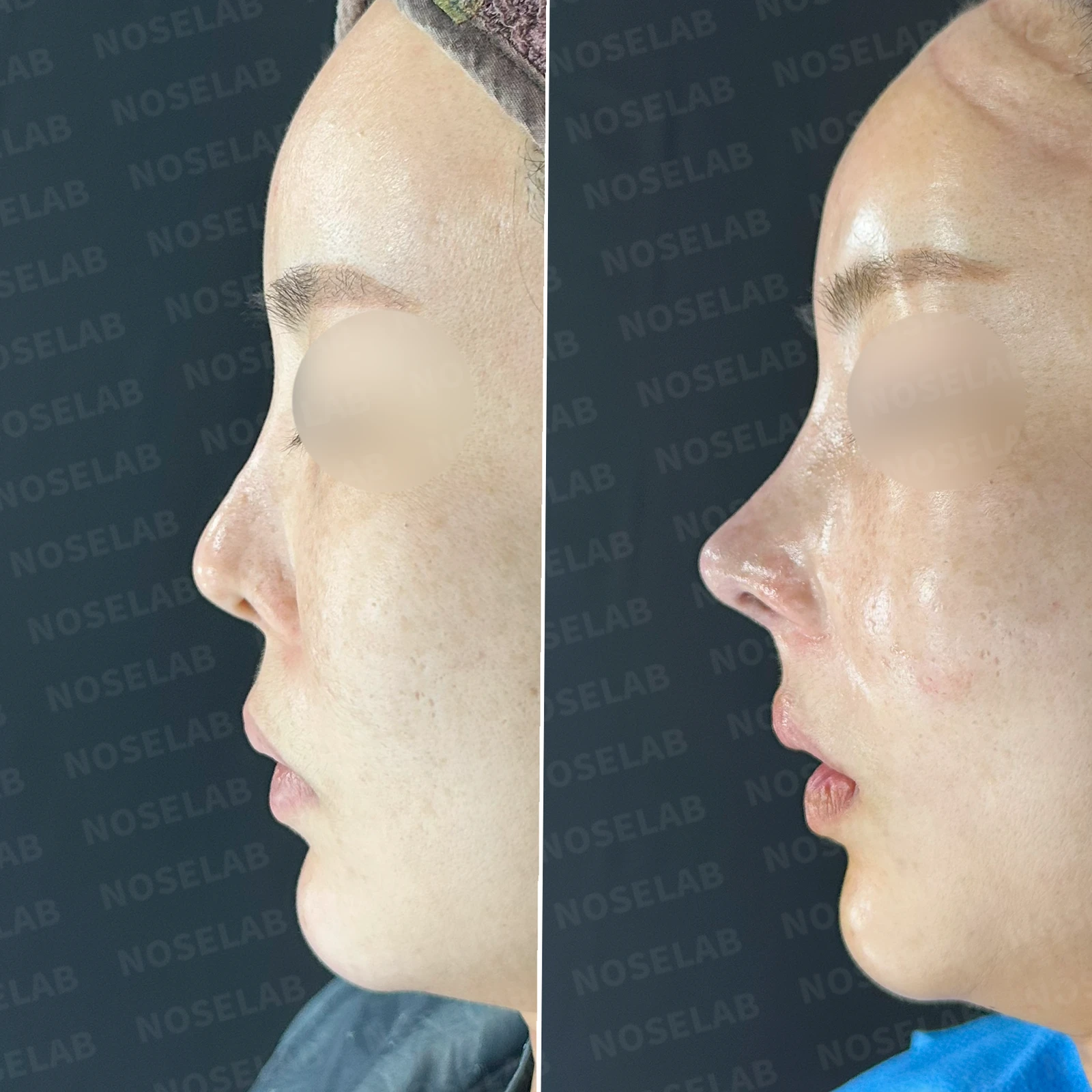
Before surgery / Day 0 immediately after surgery Photos taken immediately after surgery show swelling and may differ from the final result.
Front view
Improved nostril show and asymmetry
Natural nostril shape
Balanced overall structure
Natural appearance between the eyebrows (glabella)
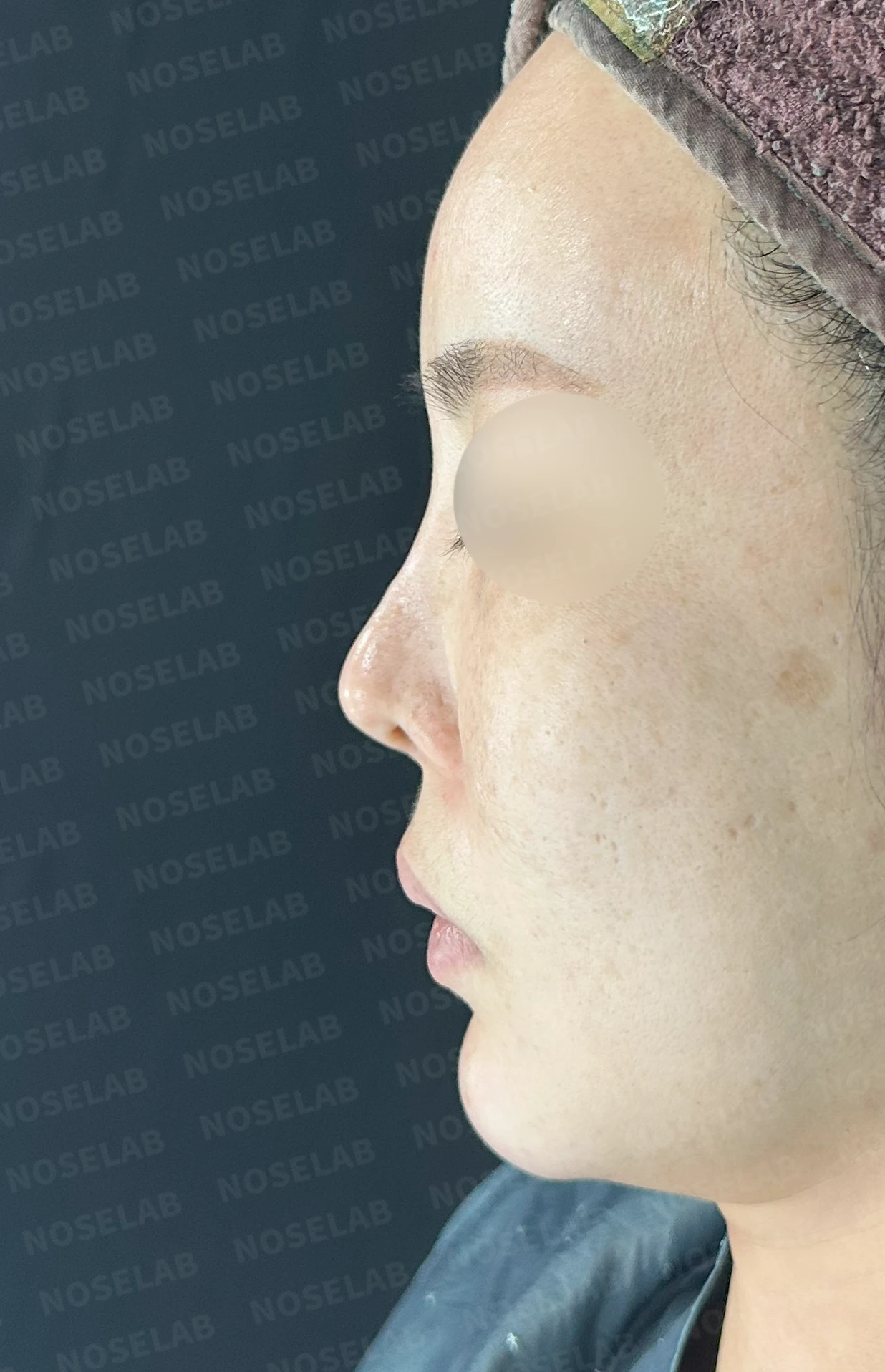
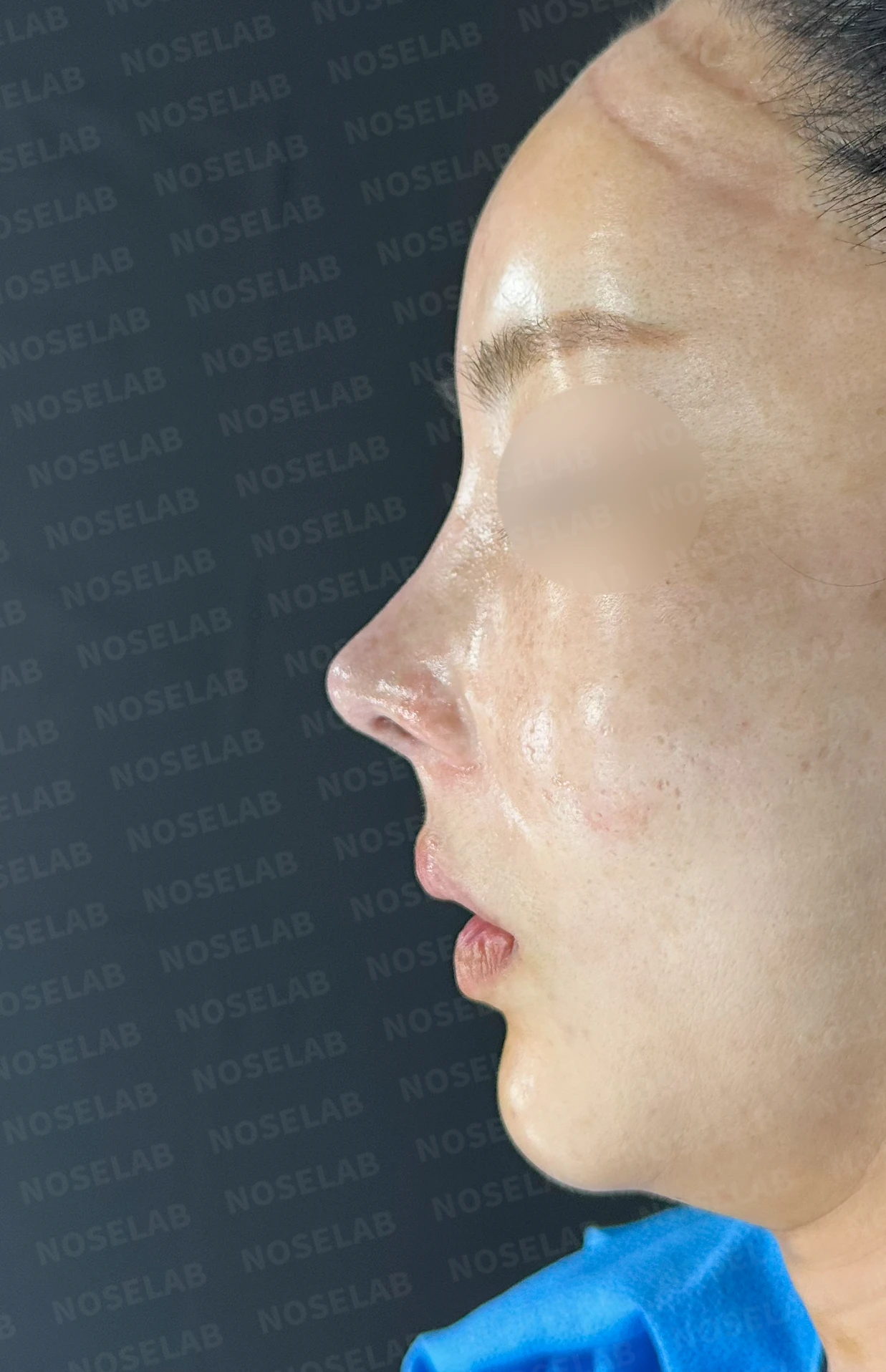
Before surgery / Day 0 immediately after surgery Photos taken immediately after surgery show swelling and may differ from the final result.
2. Profile view
Radix adjusted for a more natural transition
Correction of the upturned nose
Straight bridge line
Corrected nasolabial angle
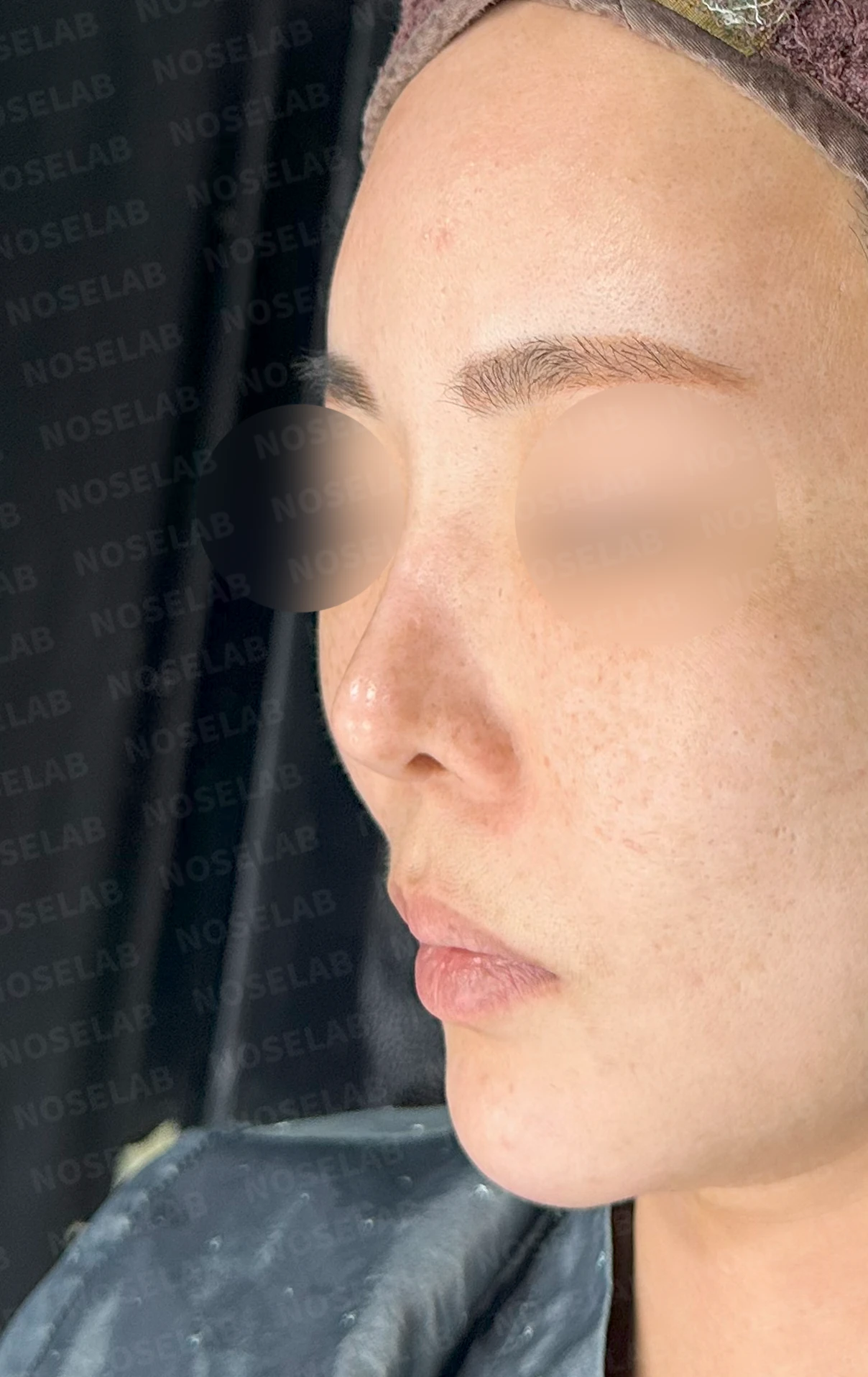
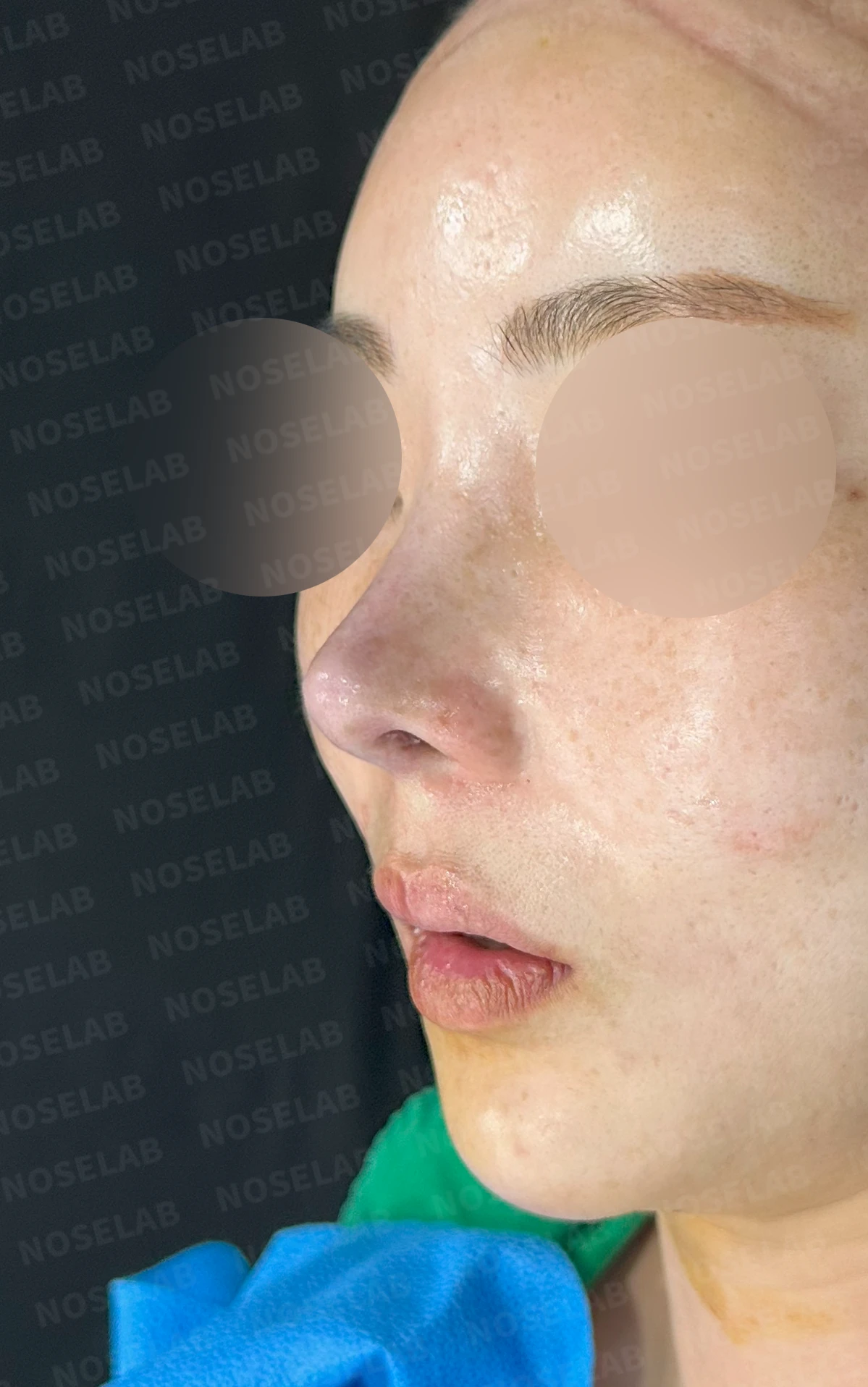
Before surgery / Day 0 immediately after surgery Photos taken immediately after surgery show swelling and may differ from the final result.
3. Function
Improvement of nasal obstruction
Expected improvement in runny nose symptoms
Stable septal framework
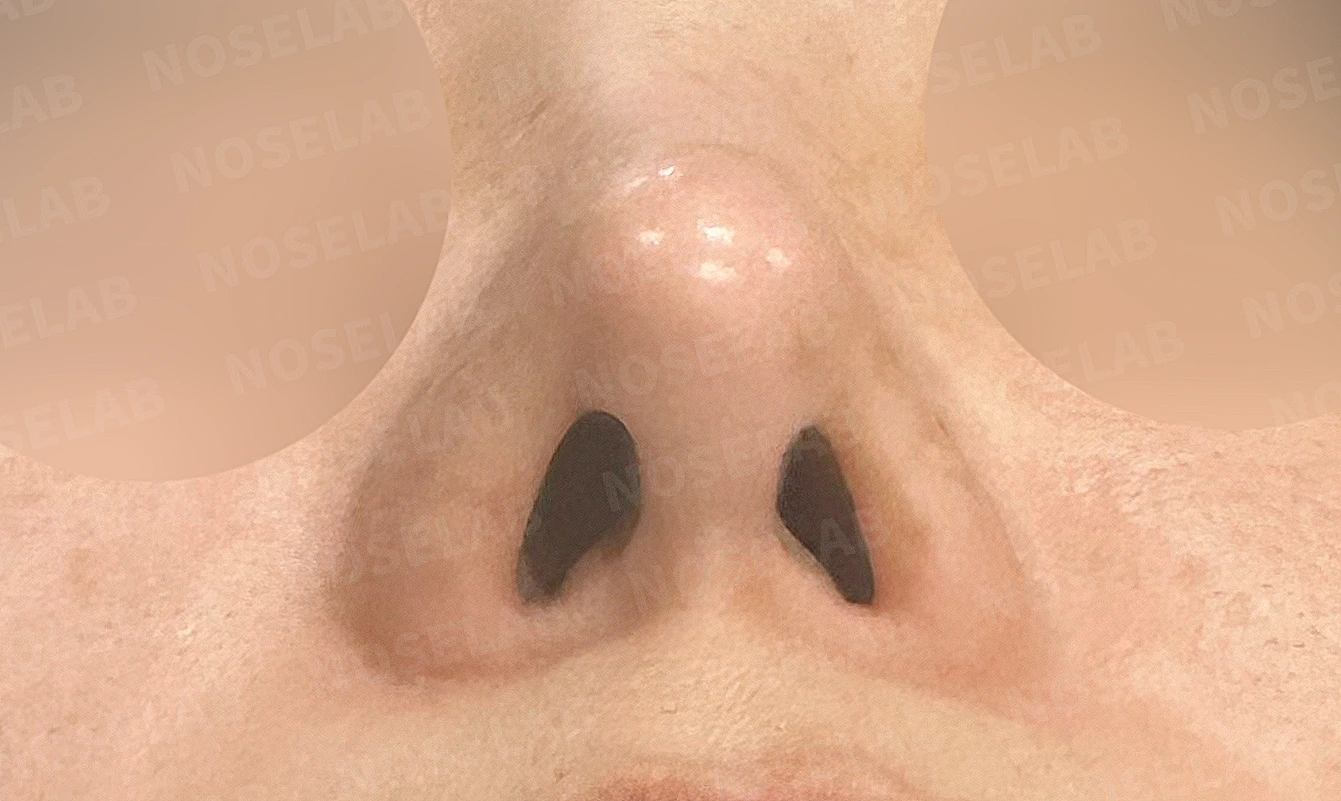
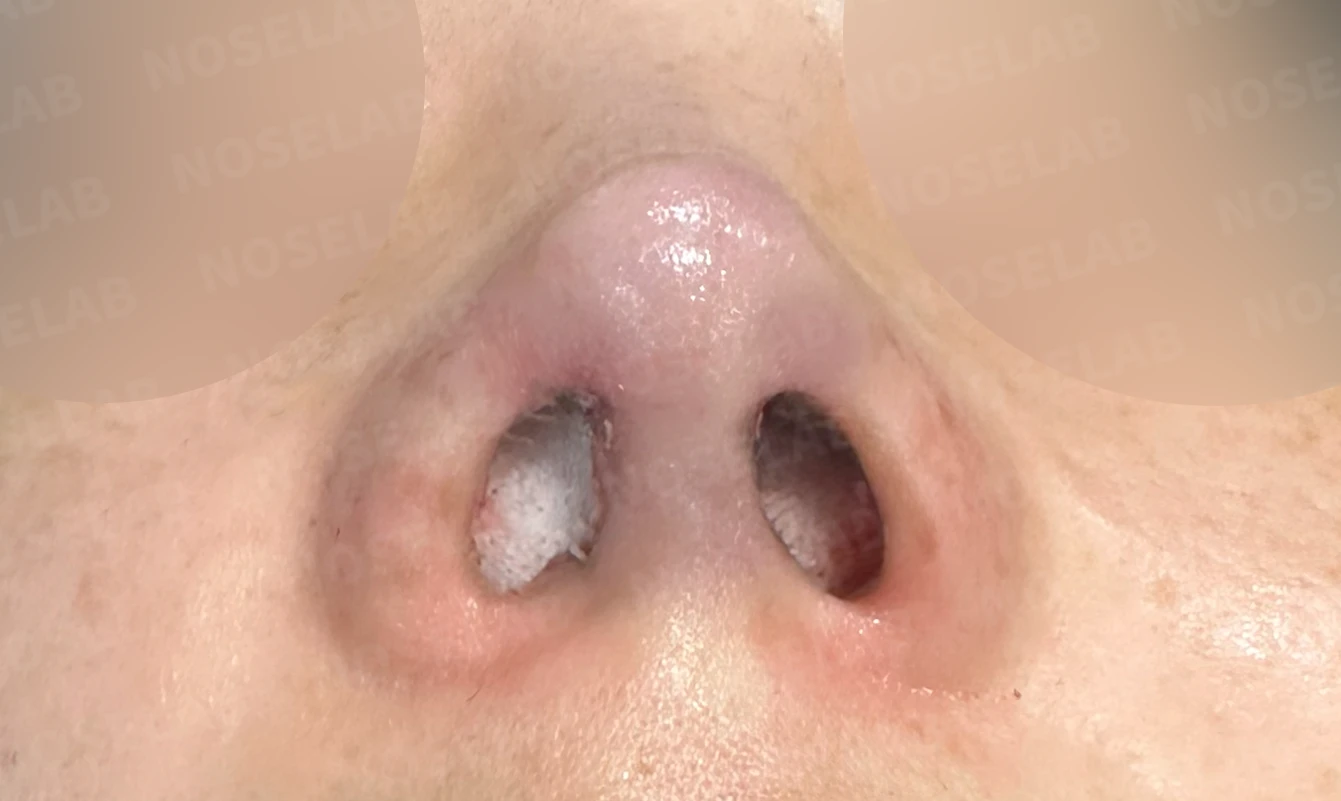
Before surgery / Day 0 immediately after surgery Photos taken immediately after surgery show swelling and may differ from the final result.
👨⚕️ Specialist's assessment
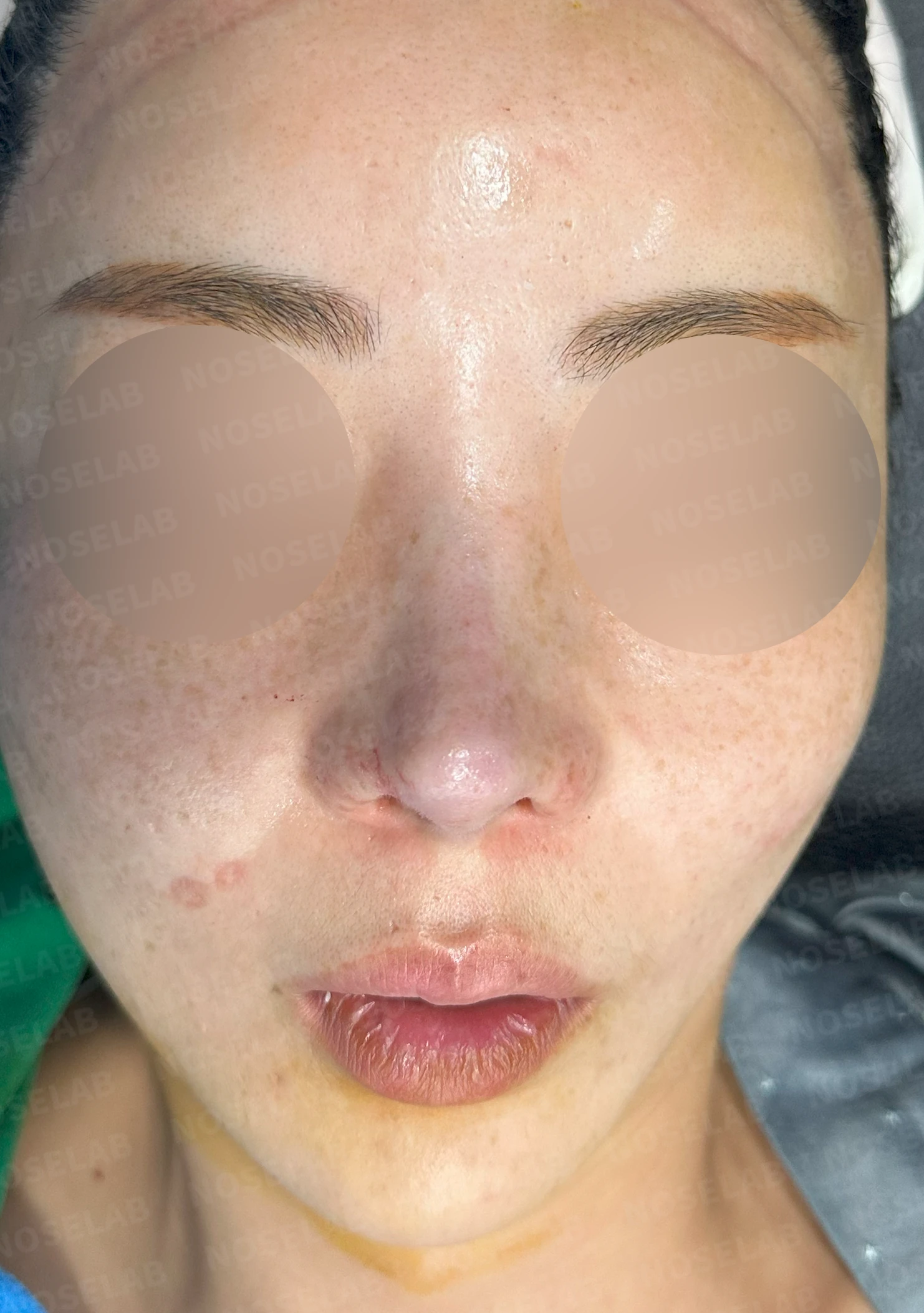
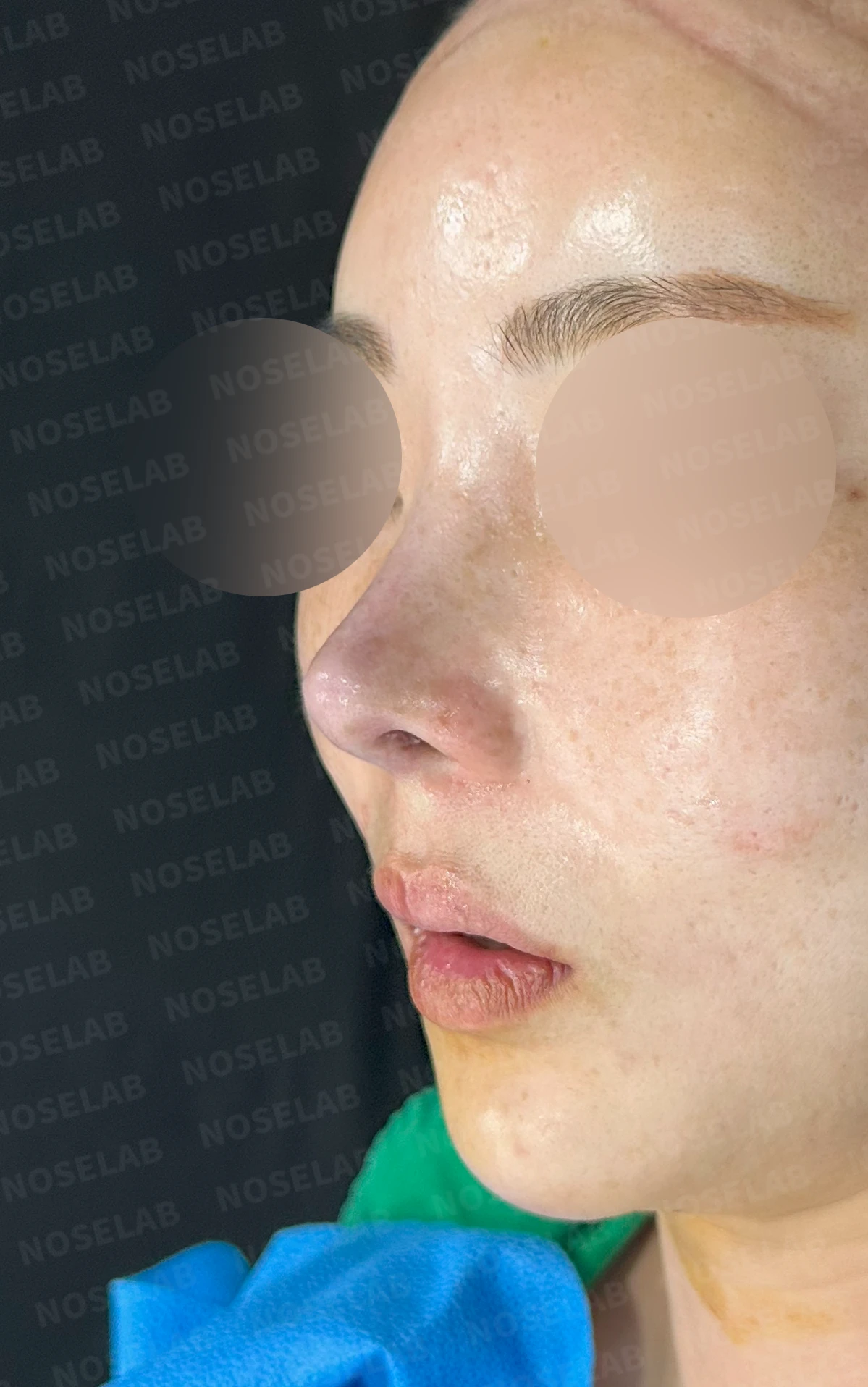
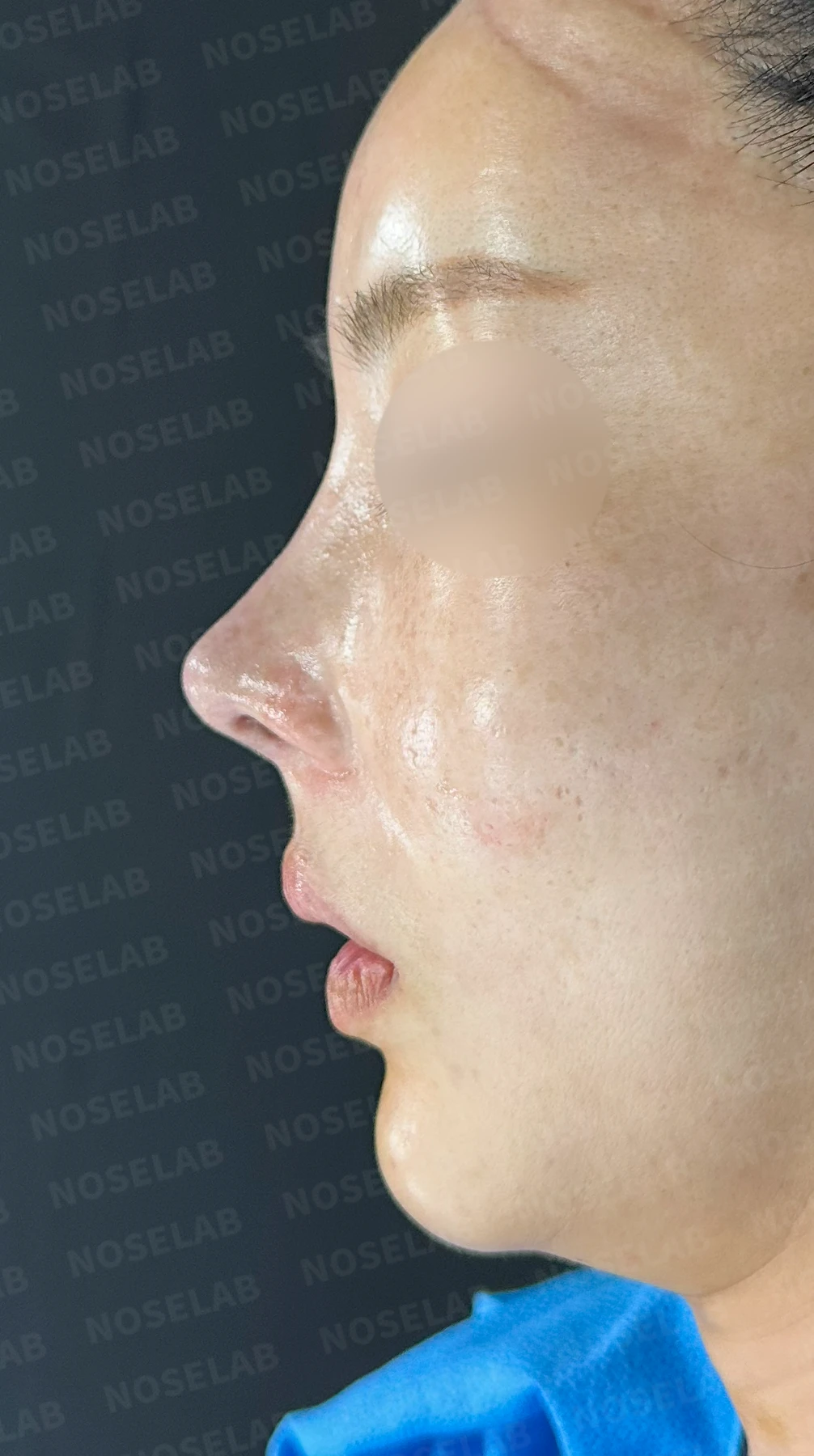
Front, oblique, and profile views on day 0 immediately after surgery Photos taken immediately after surgery show swelling and may differ from the final result.
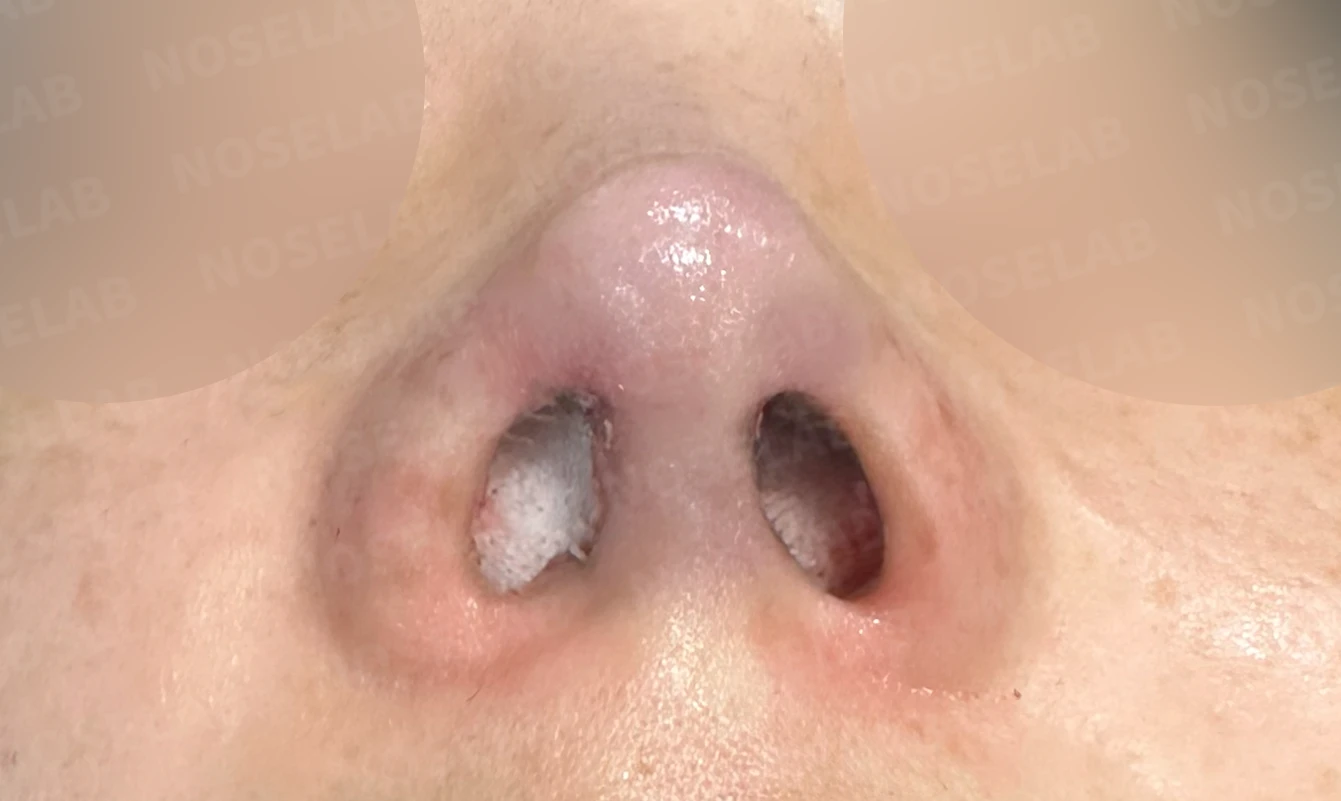
Nostril view on day 0 immediately after surgery Photos taken immediately after surgery show swelling and may differ from the final result.
This was the case of a patient who had undergone multiple nasal surgeries over a long period of 13 years. In particular, excessive triangular nostril show on the frontal view and an upturned nose were the primary areas targeted for improvement.
To refine the shape of the nostrils, nostril-lowering surgery was performed using cartilage and skin grafts simultaneously. This helped cover the nostrils naturally and stabilized the nasal tip contour. In addition, correcting the upturned nose and lowering the radix enhanced profile balance.
Taking into account internal anatomical changes from previous surgeries, a meticulous approach was taken to maintain structural stability. On the functional side, septoplasty and rhinitis treatment helped relieve breathing difficulties.
This was Dr. Peter C. Kang. Thank you.
Thank you.
#closedrhinoplasty #revisionrhinoplasty #upturnednosecorrection #nostrilcorrection #customrhinoplasty

Limitations and risks
When the septum is corrected at the same time, nasal obstruction may persist or recur, and in rare cases, septal perforation or changes in smell may occur.
Common potential risks include infection, bleeding, asymmetry, scarring, skin necrosis, and insufficient improvement; results vary depending on individual skin condition and previous surgical history.