English日本語简体中文
Skip to main content
Dr. Peter C. Kang's Rhinoplasty Stories
PrologueBlogMy thoughtsNasal obstructionSurgical journalSurgical photos
About the surgeon

Nasal implant exchange and silicone revision rhinoplasty

Implant replacement cases involve more than simply swapping out old material for new. Some cases analyze both the malposition of an existing implant and the weakening of the nasal tip support structure, proceeding with replacement and donor rib cartilage reinforcement simultaneously. The materials for the nasal bridge and the cartilage supporting the nasal tip are explained as separate surgical components.

We have also gathered cases where a new silicone implant was designed to match the patient's desired bridge and tip line, as well as cases where silicone replacement addressed step-offs alongside autologous rib cartilage reconstruction. Rather than looking only at changes in height, observe how the position of the existing implant and surrounding structures were modified. Even within the same replacement procedure, the context differs depending on the accompanying reconstruction performed.

View before-and-after cases ↓Comprehensive rhinoplasty guide

Searching for surgical cases matching your criteria.
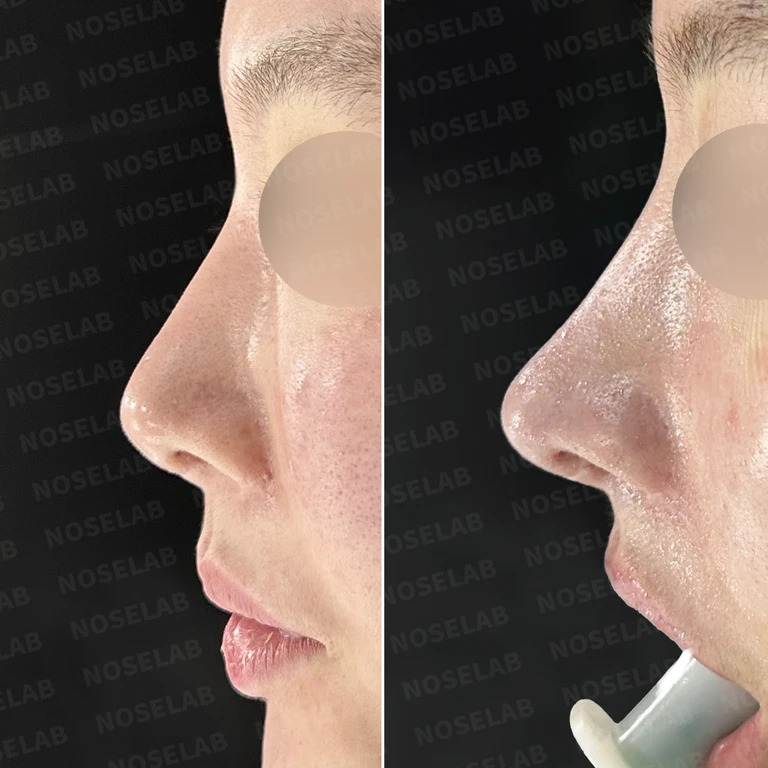
Key considerations when revising ear cartilage rhinoplasty with autologous rib cartilage — Before-and-after comparison
Before-and-after comparison

Key considerations when revising ear cartilage rhinoplasty with autologous rib cartilage

A case of a patient seeking a slimmer line after a previous rhinoplasty. Nasal tip reconstruction with autologous rib cartilage, nasal bridge implant replacement with lowering of the radix, nasal sill reduction, and full-face autologous fat grafting were performed together.

Performed or used in this surgery
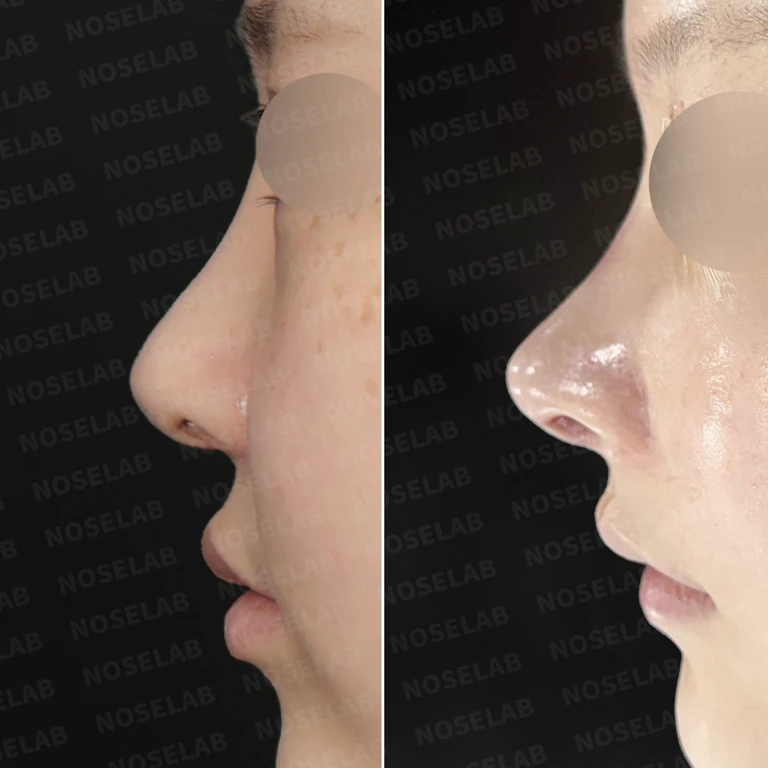
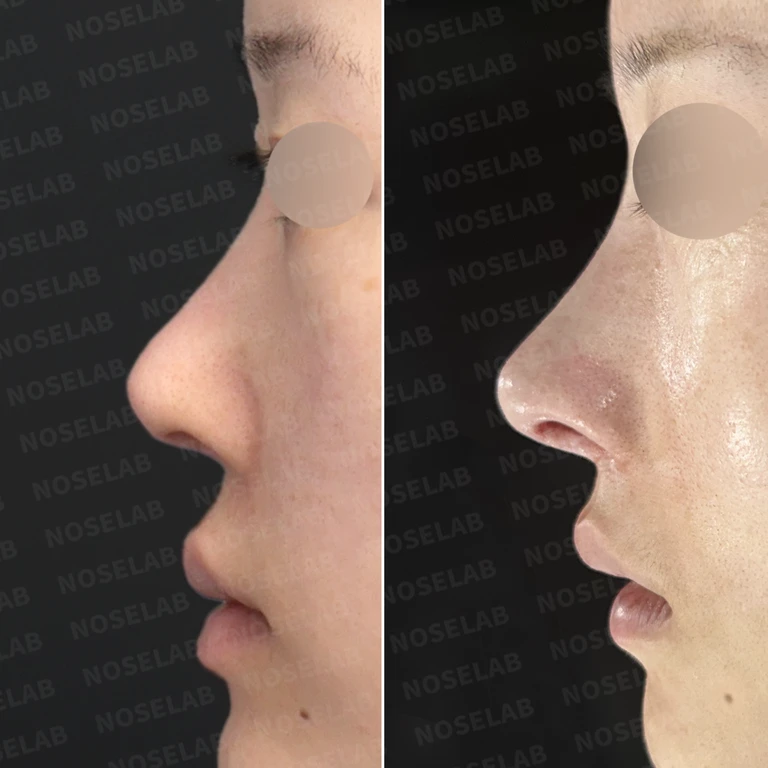
Why noses deviate and bulbous tips persist after double jaw surgery, and how rib cartilage septal reconstruction is performed — Before-and-after comparison
Before-and-after comparison

Why noses deviate and bulbous tips persist after double jaw surgery, and how rib cartilage septal reconstruction is performed

This is a case of septal damage, a deviated nasal bridge, a bulbous nose, and nasal obstruction following double jaw surgery and two prior rhinoplasties. Autologous rib cartilage septal reconstruction, cartilage repositioning, lateral osteotomy, and functional nasal surgery were performed.

Performed or used in this surgery
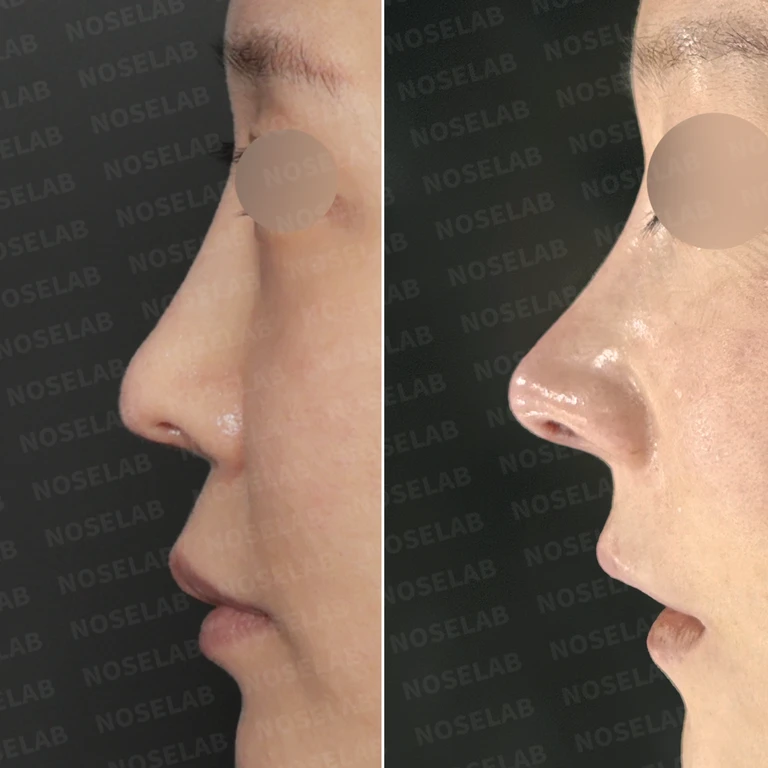
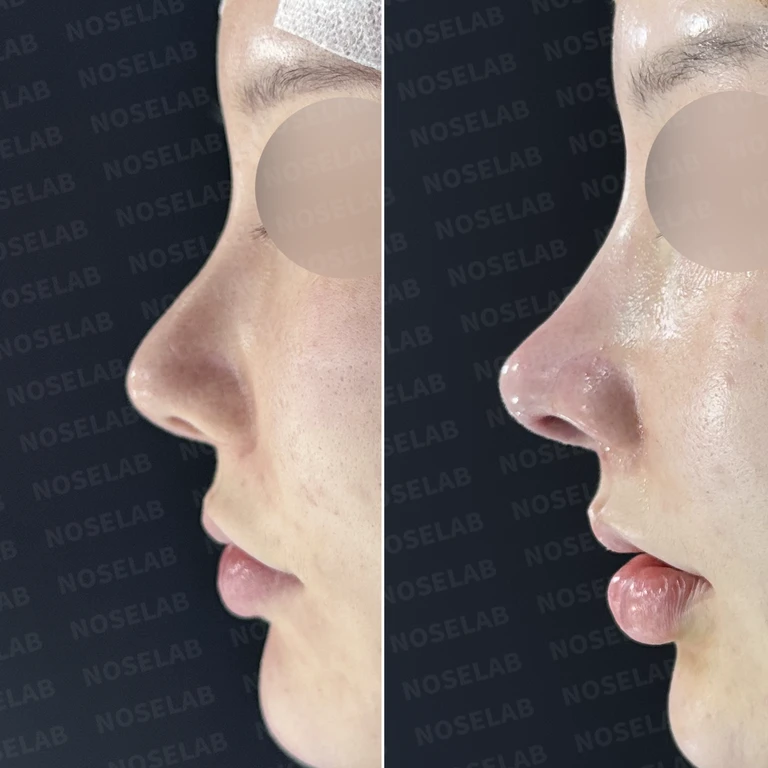
Why mesh remaining in the septum causes an upturned nose, and reconstruction after removal — Before-and-after comparison
Before-and-after comparison

Why mesh remaining in the septum causes an upturned nose, and reconstruction after removal

This is a case where mesh left in the septum after previous surgeries resulted in an upturned nose and excessive nostril show. All foreign material was removed, followed by septal reconstruction using autologous rib cartilage, replacement of the silicone implant, and reinforcement of the skin with acellular dermal matrix.

Performed or used in this surgery
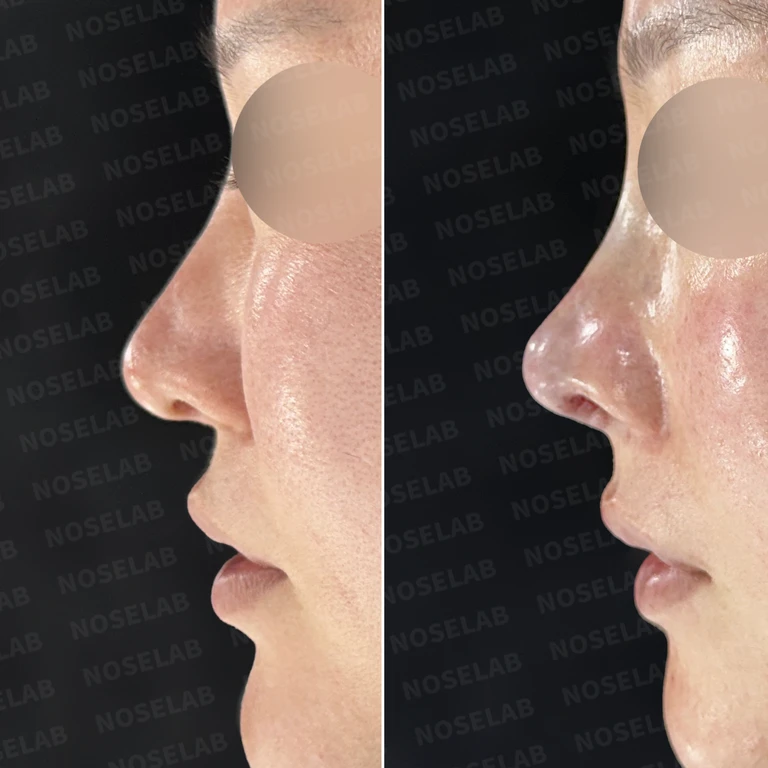
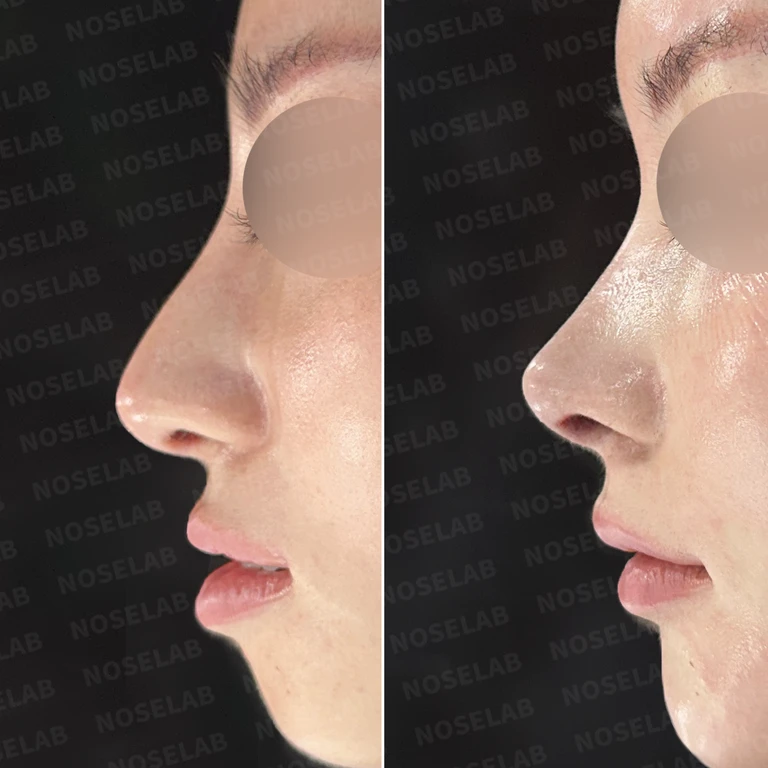
Why a nose becomes upturned and the columella retracts after repeated revisions, and how to reconstruct the septum — Before-and-after comparison
Before-and-after comparison

Why a nose becomes upturned and the columella retracts after repeated revisions, and how to reconstruct the septum

A case where damage from previous surgeries led to collapse of the anterior septum and nostril asymmetry. The septum was reconstructed using autologous rib cartilage, followed by nasal tip rhinoplasty with donor rib cartilage and implant replacement.

Performed or used in this surgery
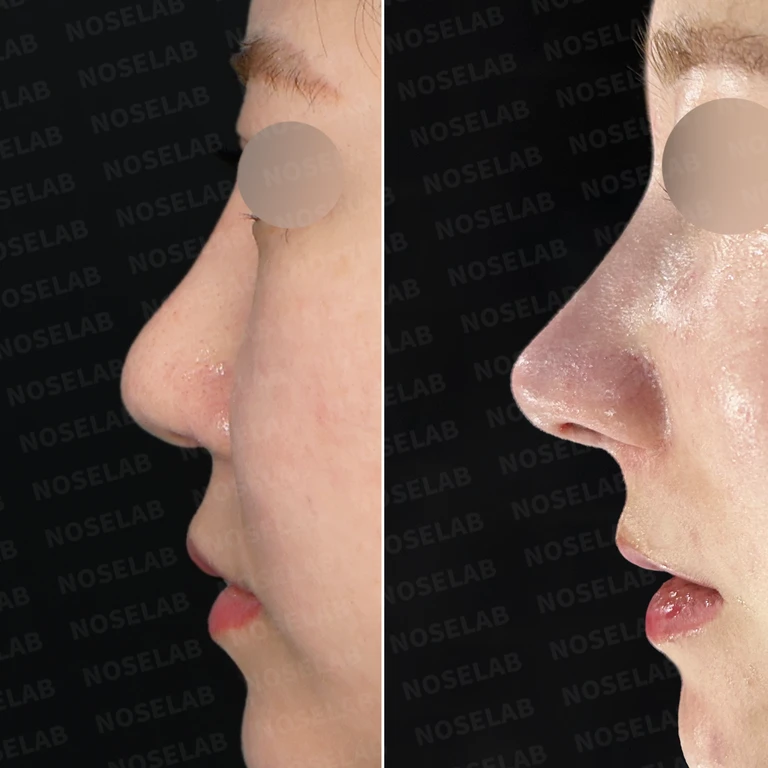
Why a operated nose deviates and nostrils become asymmetric after physical trauma, and how septal reconstruction is performed — Before-and-after comparison
Before-and-after comparison

Why a operated nose deviates and nostrils become asymmetric after physical trauma, and how septal reconstruction is performed

A case where post-surgical trauma caused a septal tear, resulting in a crooked nose and nostril asymmetry. Septal reconstruction was performed using autologous rib cartilage, along with realigning the columellar central axis and replacing the implant.

Performed or used in this surgery
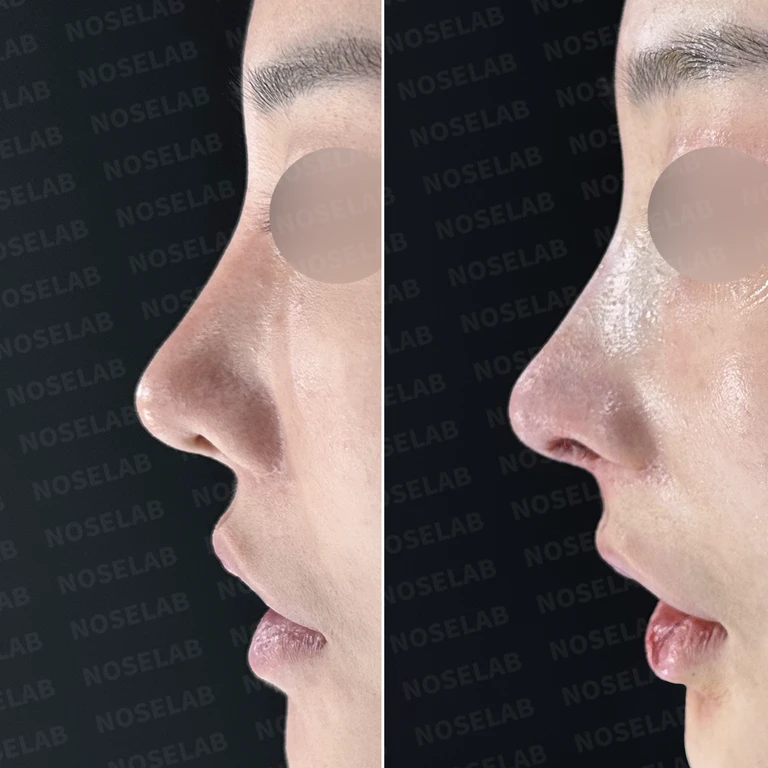
Why nasal tip skin depresses and implants show through after inflammation, and how to reconstruct it — Before-and-after comparison
Before-and-after comparison

Why nasal tip skin depresses and implants show through after inflammation, and how to reconstruct it

A case where repeated surgeries and inflammation led to depressed nasal tip skin and implant show-through. The damaged skin was revised, dermal and cartilage grafts were placed, the septum was reinforced with autologous rib cartilage, and the implant was replaced.

Performed or used in this surgery
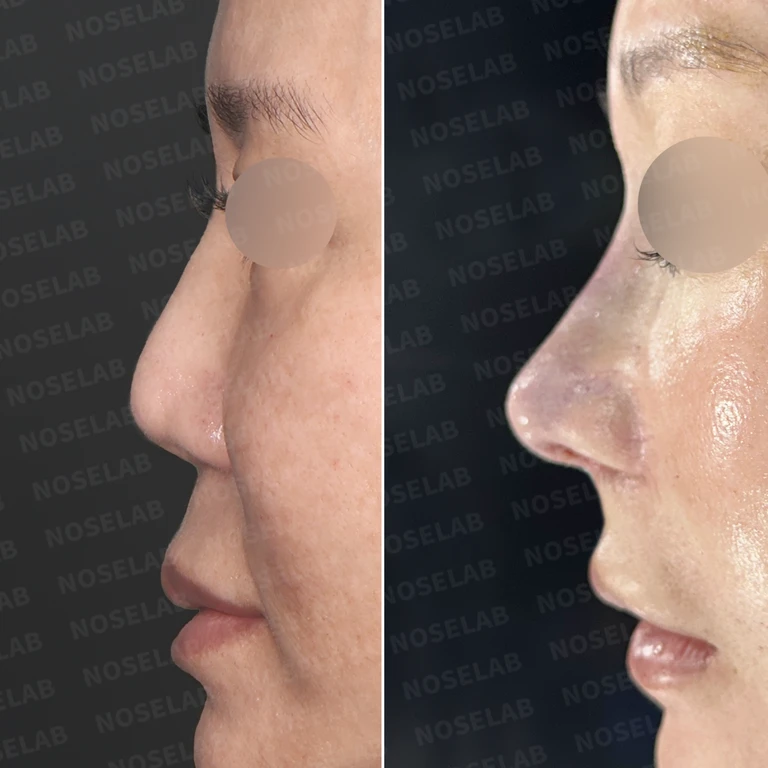
Why a nose operated on twice looks long and drooping, and how septal reconstruction using rib cartilage is performed — Before-and-after comparison
Before-and-after comparison

Why a nose operated on twice looks long and drooping, and how septal reconstruction using rib cartilage is performed

A revision rhinoplasty case where the septum was depleted due to excessive cartilage use in prior surgeries. The septum was reconstructed using autologous rib cartilage, a cartilage fragment on the bridge was removed, and silicone implant replacement was combined with osteotomy.

Performed or used in this surgery
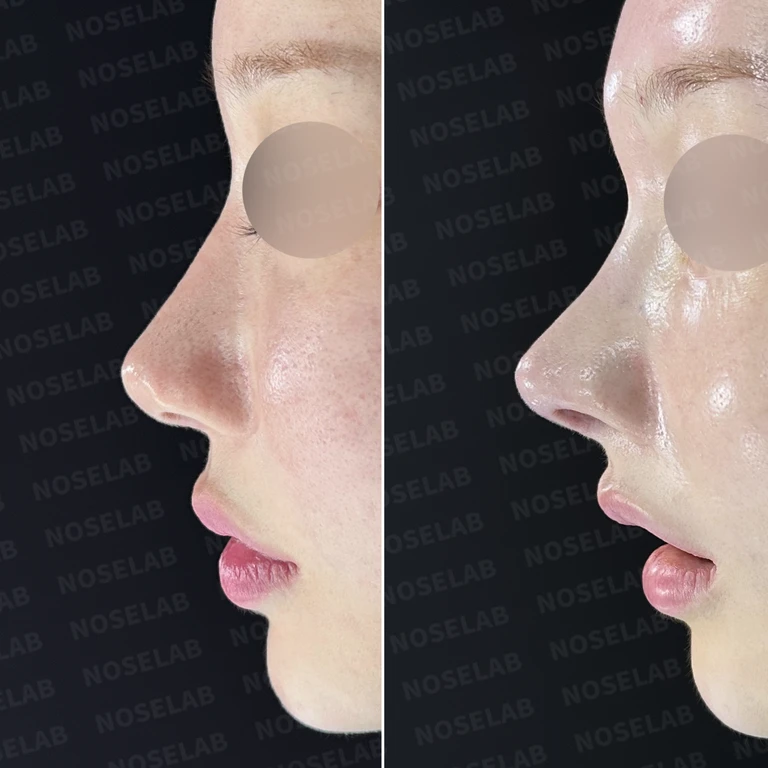
Changes that occur when an implant is positioned high and deviated: methods for replacement and bulbous tip correction — Before-and-after comparison
Before-and-after comparison

Changes that occur when an implant is positioned high and deviated: methods for replacement and bulbous tip correction

A high, deviated silicone implant was replaced to lower the radix, and septal extension was performed using donor rib cartilage. Partial soft tissue resection, cartilage tie, and rhinitis surgery addressed the bulbous tip and nasal obstruction.

Performed or used in this surgery
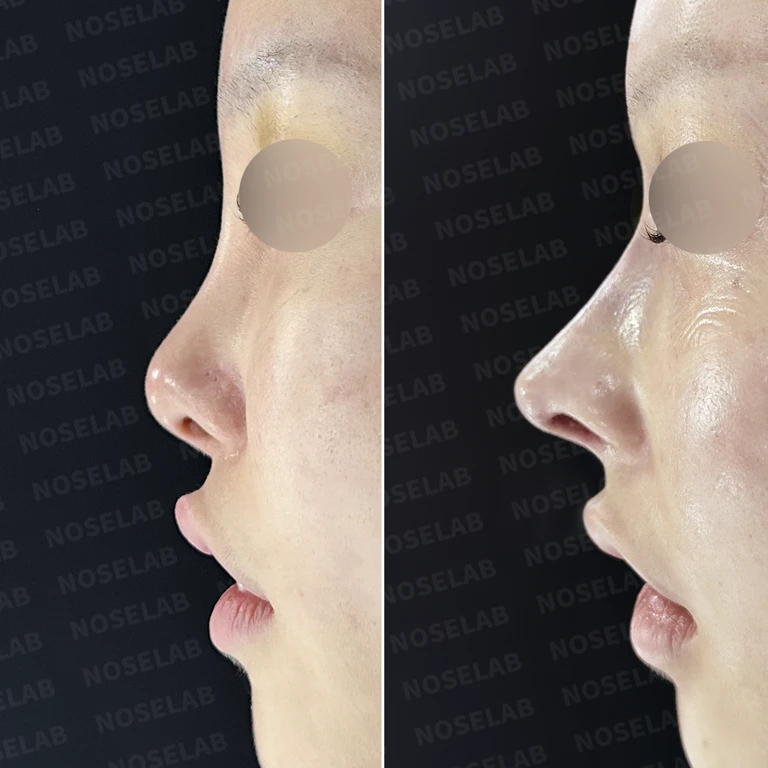
Why a multiply operated nose deviates and develops a widened tip, and how cartilage is reconstructed — Before-and-after comparison
Before-and-after comparison

Why a multiply operated nose deviates and develops a widened tip, and how cartilage is reconstructed

Following three prior procedures, a deviated nose caused by septal damage and a missing right lower lateral cartilage was restored through autologous rib cartilage structural reconstruction, silicone implant replacement, nasolabial angle correction, and rhinitis surgery.

Performed or used in this surgery
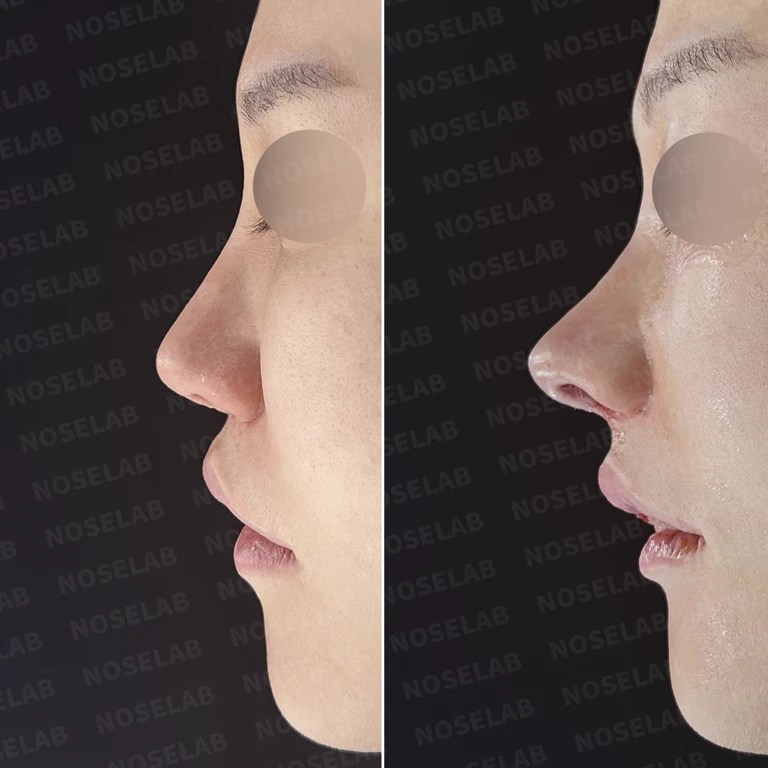
Why the nasal bridge becomes uneven after rhinoplasty, and how septal reconstruction using rib cartilage is performed — Before-and-after comparison
Before-and-after comparison

Why the nasal bridge becomes uneven after rhinoplasty, and how septal reconstruction using rib cartilage is performed

An uneven nasal bridge, damaged septal cartilage, and nasal obstruction were corrected by removing the existing silicone implant and filler, followed by autologous rib cartilage reconstruction, re-insertion of a customized silicone implant, and septoplasty with inferior turbinoplasty.

Performed or used in this surgery
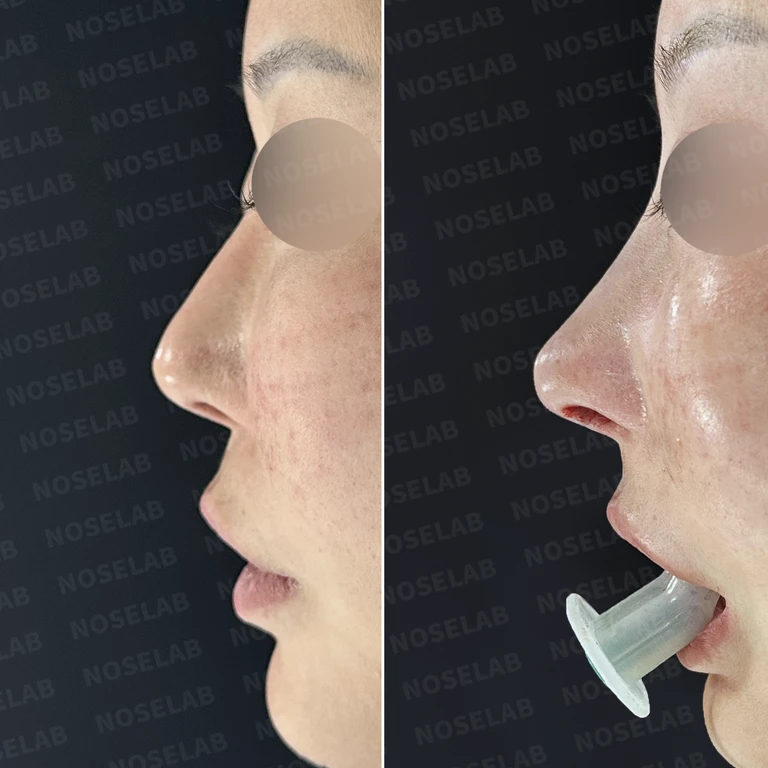
Why nasal tip skin thins after multiple surgeries: autologous dermis reinforcement and reconstruction methods — Before-and-after comparison
Before-and-after comparison

Why nasal tip skin thins after multiple surgeries: autologous dermis reinforcement and reconstruction methods

We removed previous foreign materials and implants, reconstructed the nasal tip using autologous rib cartilage, reinforced the thinned skin with autologous dermis, recarved a silicone implant, and performed fat grafting between the eyebrows.

Performed or used in this surgery
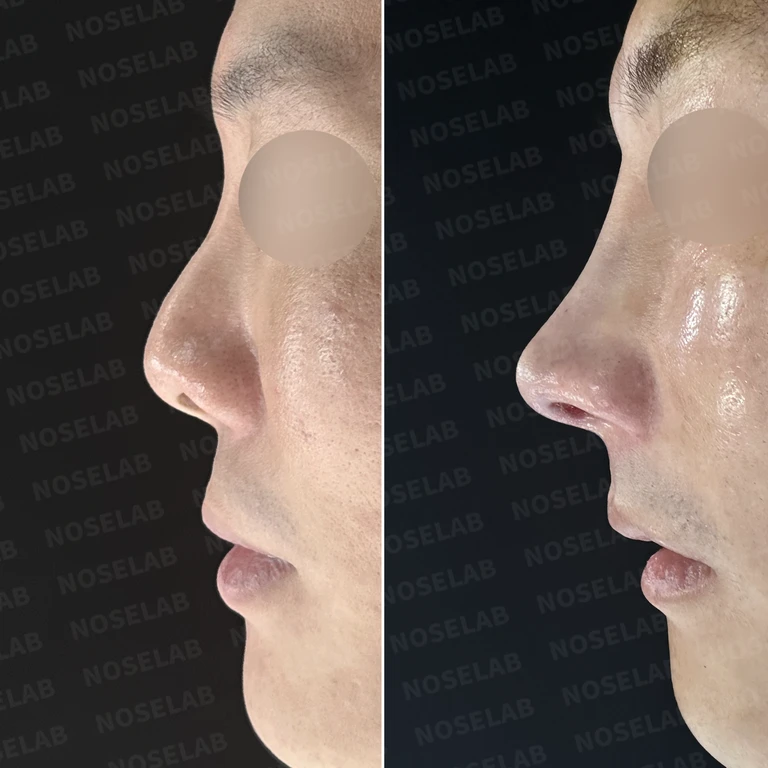
Why a high radix makes the nose look artificial: septal reconstruction and radix correction methods — Before-and-after comparison
Before-and-after comparison

Why a high radix makes the nose look artificial: septal reconstruction and radix correction methods

A deviated septum and an excessively high radix resulting from a previous surgery were precisely corrected using donor rib cartilage septal reconstruction, silicone implant replacement, osteotomy, and inferior turbinate reduction.

Performed or used in this surgery
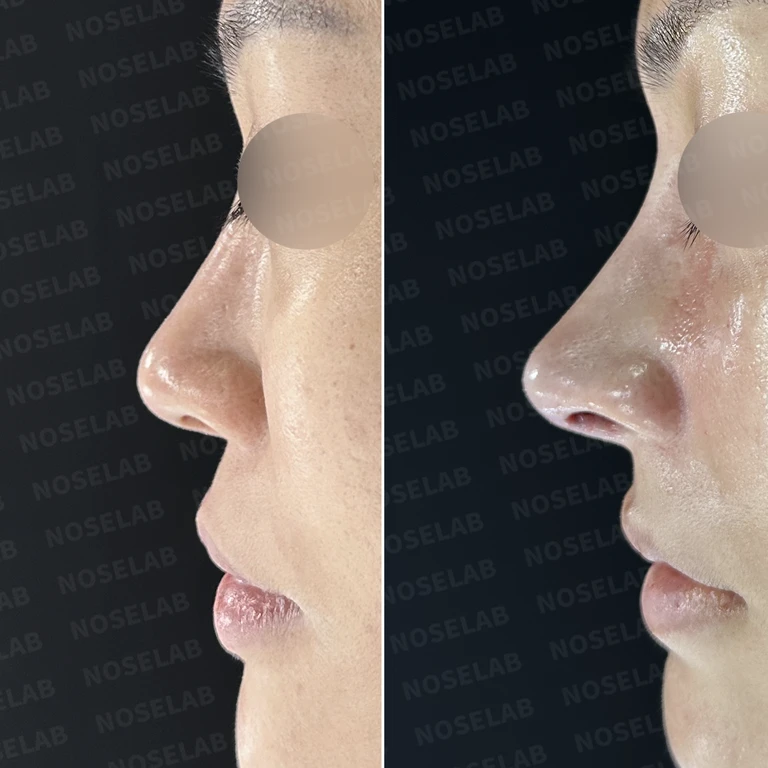
Why the nostrils look severely uneven on both sides: cartilage reconstruction and skin graft correction — Before-and-after comparison
Before-and-after comparison

Why the nostrils look severely uneven on both sides: cartilage reconstruction and skin graft correction

Congenital asymmetry, along with a residual crooked nose and nostril asymmetry from a previous rhinoplasty, was stabilized using lower lateral cartilage reconstruction, internal nostril skin grafting (free composite graft), and septal reconstruction.

Performed or used in this surgery
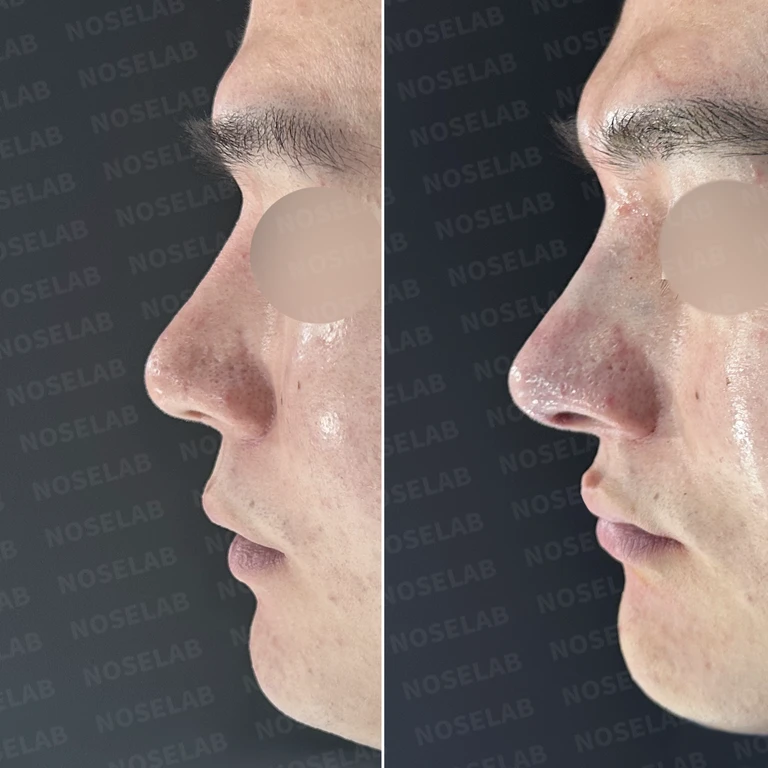
Why nasal obstruction worsens after rhinoplasty: How septal reconstruction and osteotomy reversal are performed — Before-and-after comparison
Before-and-after comparison

Why nasal obstruction worsens after rhinoplasty: How septal reconstruction and osteotomy reversal are performed

Nostril asymmetry, over-osteotomy, and a collapsed septum resulting from prior alar reduction were corrected using a skin graft, osteotomy reversal, septal reinforcement with autologous rib cartilage, and rhinitis surgery.

Performed or used in this surgery
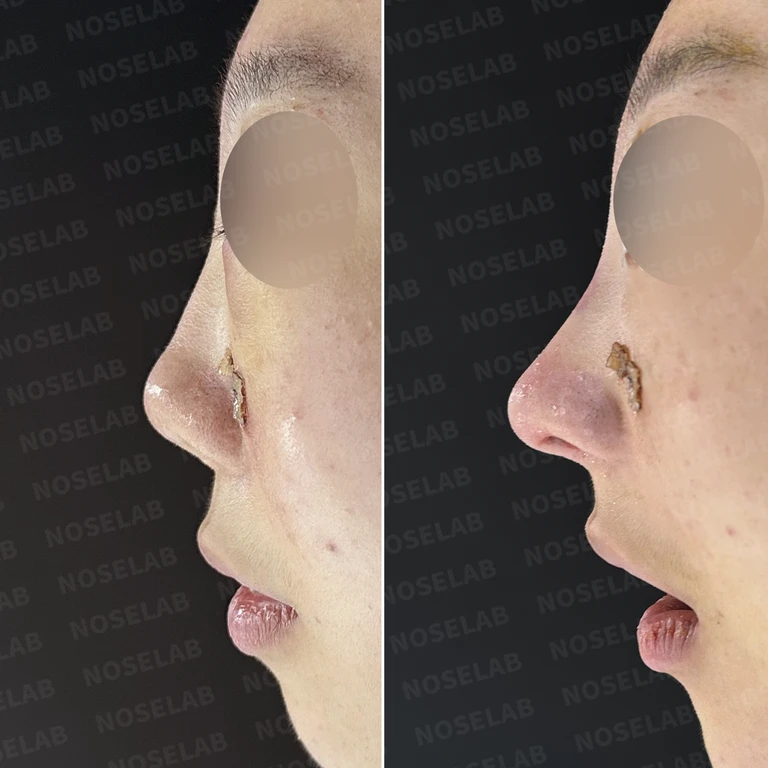
Contracted nose: How contracted tissue removal and autologous rib cartilage reconstruction are performed — Before-and-after comparison
Before-and-after comparison

Contracted nose: How contracted tissue removal and autologous rib cartilage reconstruction are performed

In a nose that became upturned and crooked due to contracture following implant surgery, fibrotic tissue was removed, the nasal tip was reconstructed with autologous rib cartilage, the columella was lowered, and the silicone implant was replaced.

Performed or used in this surgery

Why nasal tip support weakens in an aged implant nose and septal extension reconstruction methods — Before-and-after comparison
Before-and-after comparison

Why nasal tip support weakens in an aged implant nose and septal extension reconstruction methods

To reinforce nasal tip support weakened after a previous silicone and ear cartilage surgery, the silicone implant was customized and replaced, and a stable nasal line was established using septal extension with autologous rib cartilage.

Performed or used in this surgery

What sets the limit when you want a higher nasal bridge: 3D custom implant and autologous rib cartilage tip support — Before-and-after comparison
Before-and-after comparison

What sets the limit when you want a higher nasal bridge: 3D custom implant and autologous rib cartilage tip support

To improve the nasal bridge and glabella height in balance with prominent brow bones, the existing implant was removed, and a 3D custom implant, autologous rib cartilage tip support, and nasolabial angle correction were performed.

Performed or used in this surgery

Why Medpor causes loss of the anterior septum: removal and autologous rib cartilage reconstruction — Before-and-after comparison
Before-and-after comparison

Why Medpor causes loss of the anterior septum: removal and autologous rib cartilage reconstruction

In a nose where the anterior septum was severely damaged by Medpor, foreign materials were removed, and septal reconstruction using autologous rib cartilage, silicone implant replacement, nasal sill reduction, and functional nasal surgery were performed.

Performed or used in this surgery

No search results found

Please try searching with different keywords.

Scroll to keep reading

1 / 3Next case

Common questions before reading the cases

How can I tell whether only the implant was replaced or if nasal tip surgery was also performed?

You can understand this by reading the actual procedures divided into the nasal bridge and the nasal tip. One record explains both implant replacement and structural reinforcement using donor rib cartilage, while another distinguishes between autologous rib cartilage reconstruction and silicone replacement. It is important not to assume that every tip change seen in before-and-after photos is the result of implant replacement alone.

Are there cases where the nasal bridge line was adjusted while replacing the implant?

There are cases where, after removing the existing implant, a new silicone implant was carved and placed to match the transition between the bridge and tip desired by the patient. There are also records where silicone replacement resolved a step-off along the bridge alongside other reconstruction procedures. You can see which areas were modified and how by reading the patient's requests together with the actual surgical details.

Related topics to explore

Implant removalSilicone implantImplant migration and deviationTip reconstruction and structural reinforcement

Surgical records referenced in this guide

  • Changes that occur when an implant is positioned high and deviated: methods for replacement and bulbous tip correction
  • Why a nose becomes upturned and the columella retracts after repeated revisions, and how to reconstruct the septum
  • Why nostril asymmetry and an upturned tip remain after alar reduction and how to correct them
Original article

Read more records

Planning a visit to Seoul?Prepare your consultation with the NOSELAB team.

International patient guideWhatsApp ↗
Dr. Peter C. Kang's Rhinoplasty Stories
Rhinoplasty guideCases by topicDr. Peter C. KangNaver Blog ↗
View original photo
Enlarged photo
WhatsAppChat with NOSELAB↗