Hello, I am Dr. Peter C. Kang.
Today, I would like to share the case of an international patient who desired a more feminine, slimmer nasal line after a previous rhinoplasty and underwent revision rhinoplasty using autologous rib cartilage combined with facial autologous fat grafting.
🔍 Surgical history
About 1 year ago, the patient underwent rhinoplasty using ear cartilage and septal cartilage. As time passed after the surgery, the patient desired a more delicate, feminine nasal line and decided to undergo revision rhinoplasty.
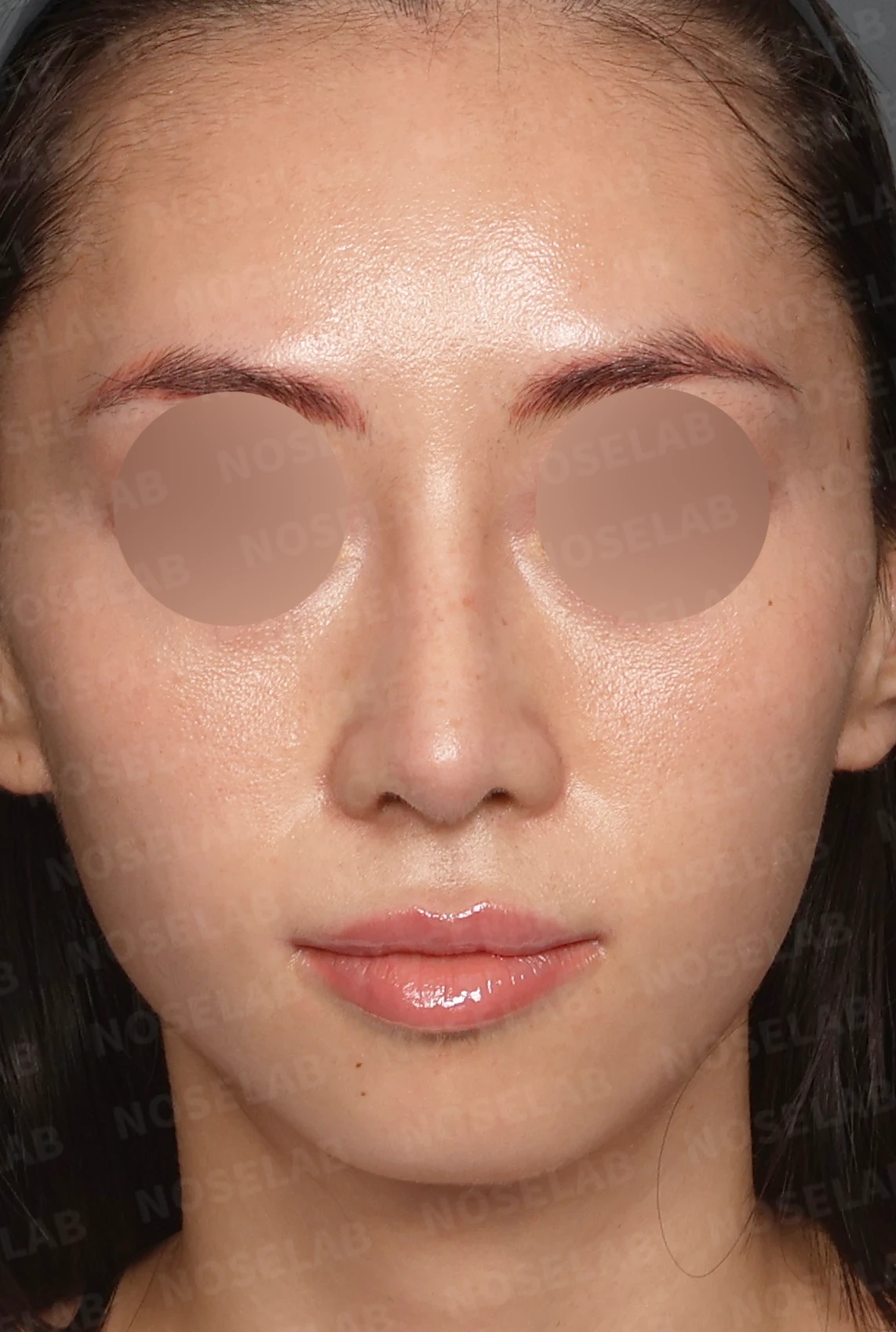
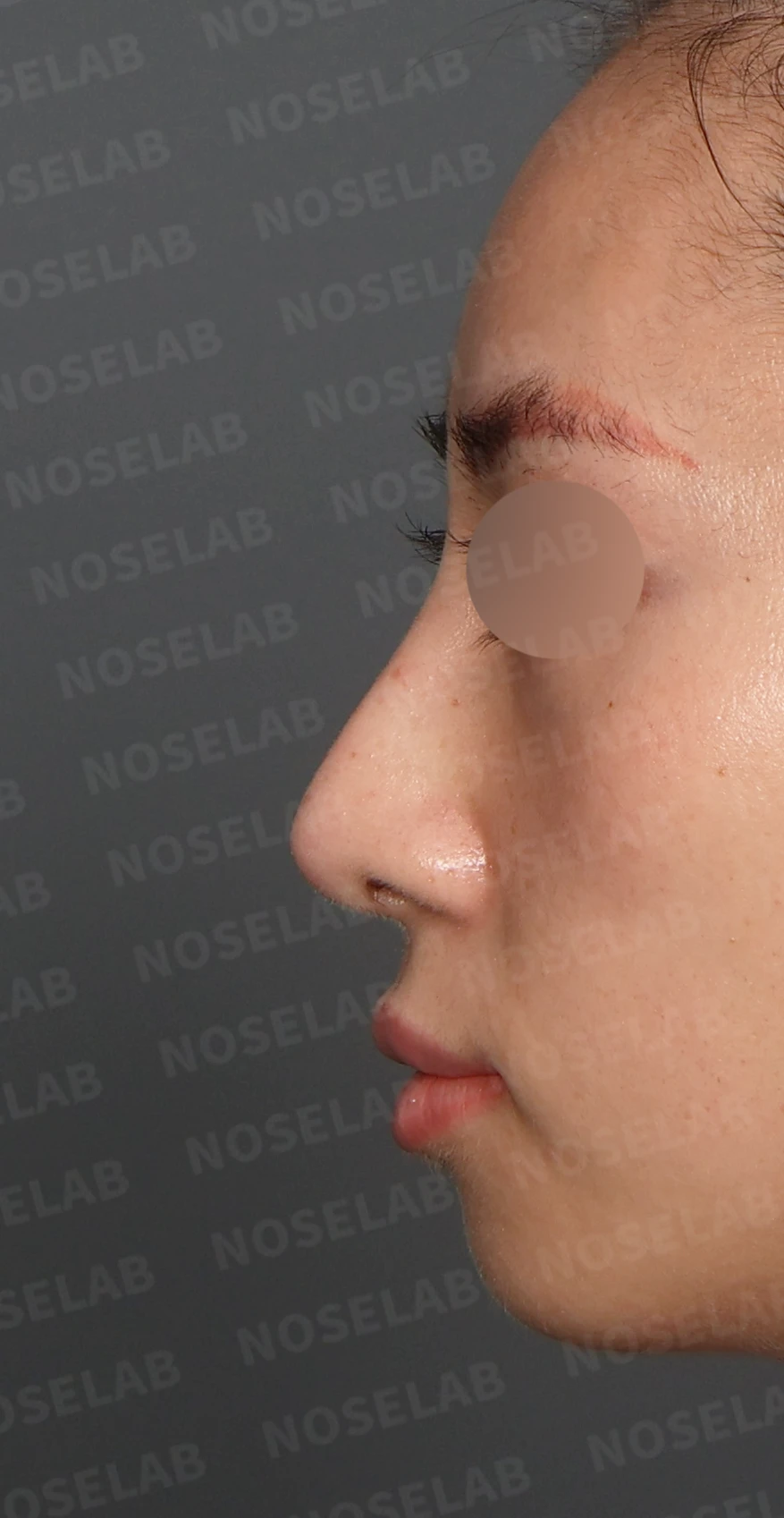
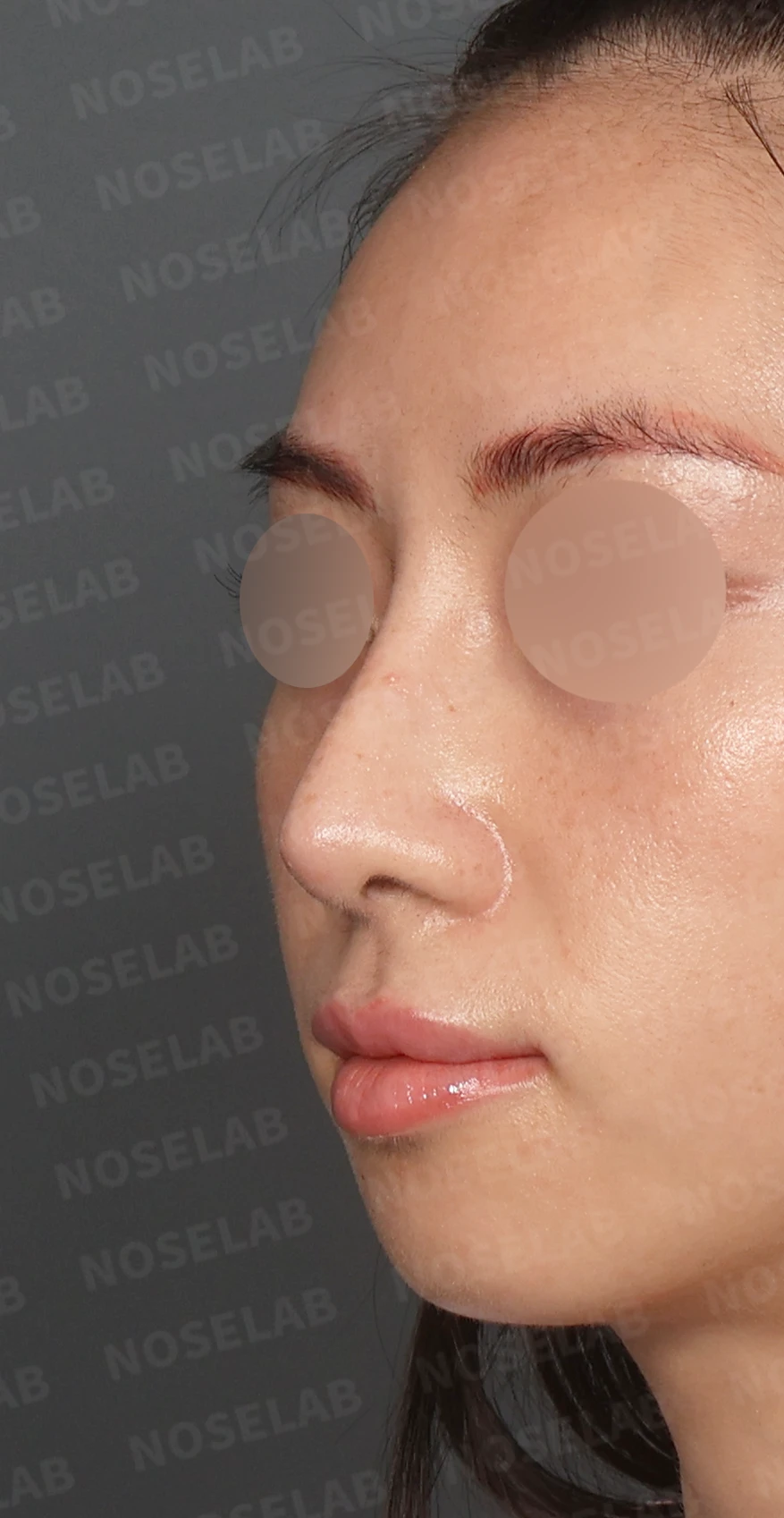
Design consultation photos: front, left profile, and oblique views.
💉 Patient requests
Lowering the radix to create a more natural line
Refining the nasal bridge to be slightly slimmer and more slender
Refining the nasal tip and alae to look slimmer and neater
Creating an overall more feminine, delicate impression
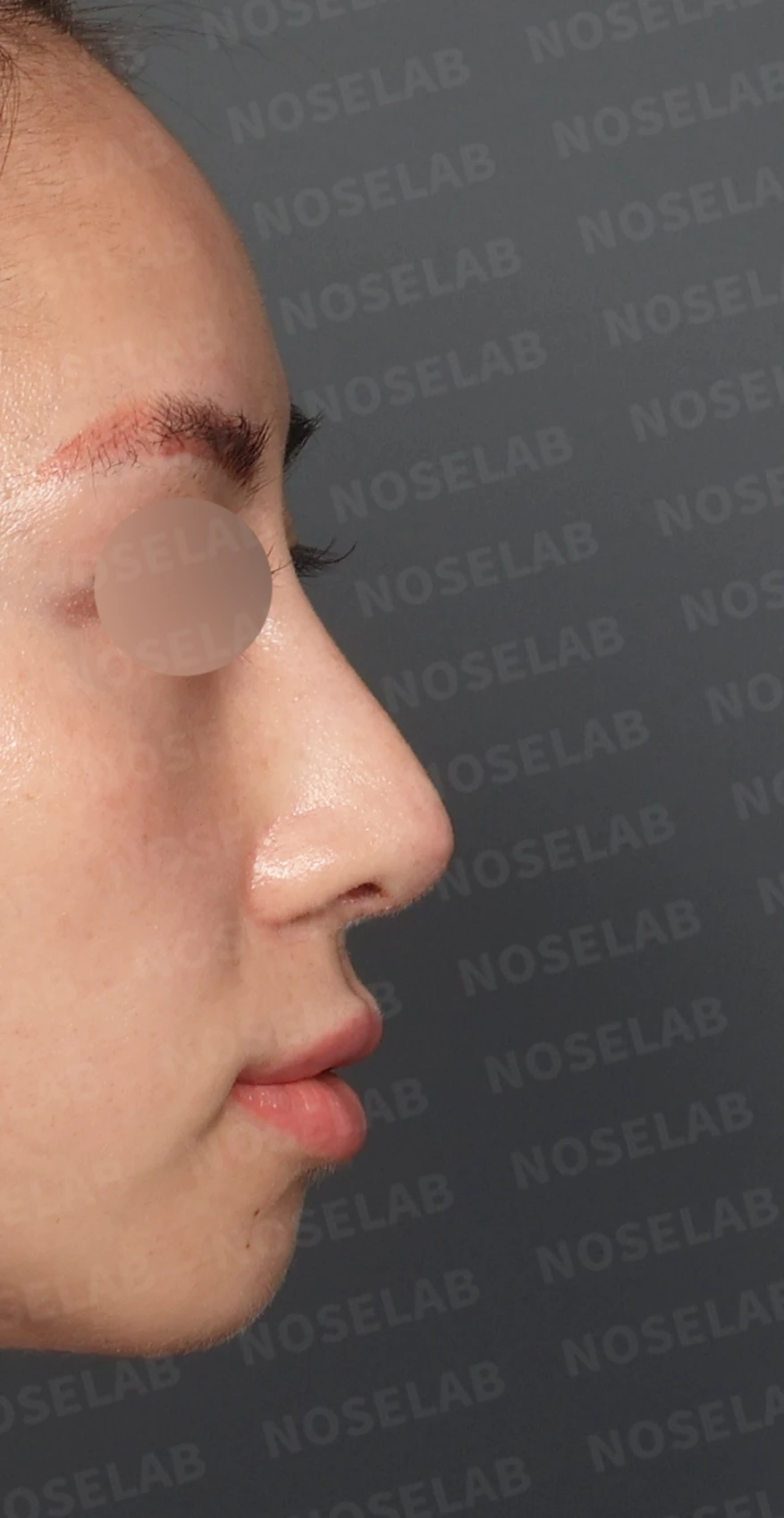
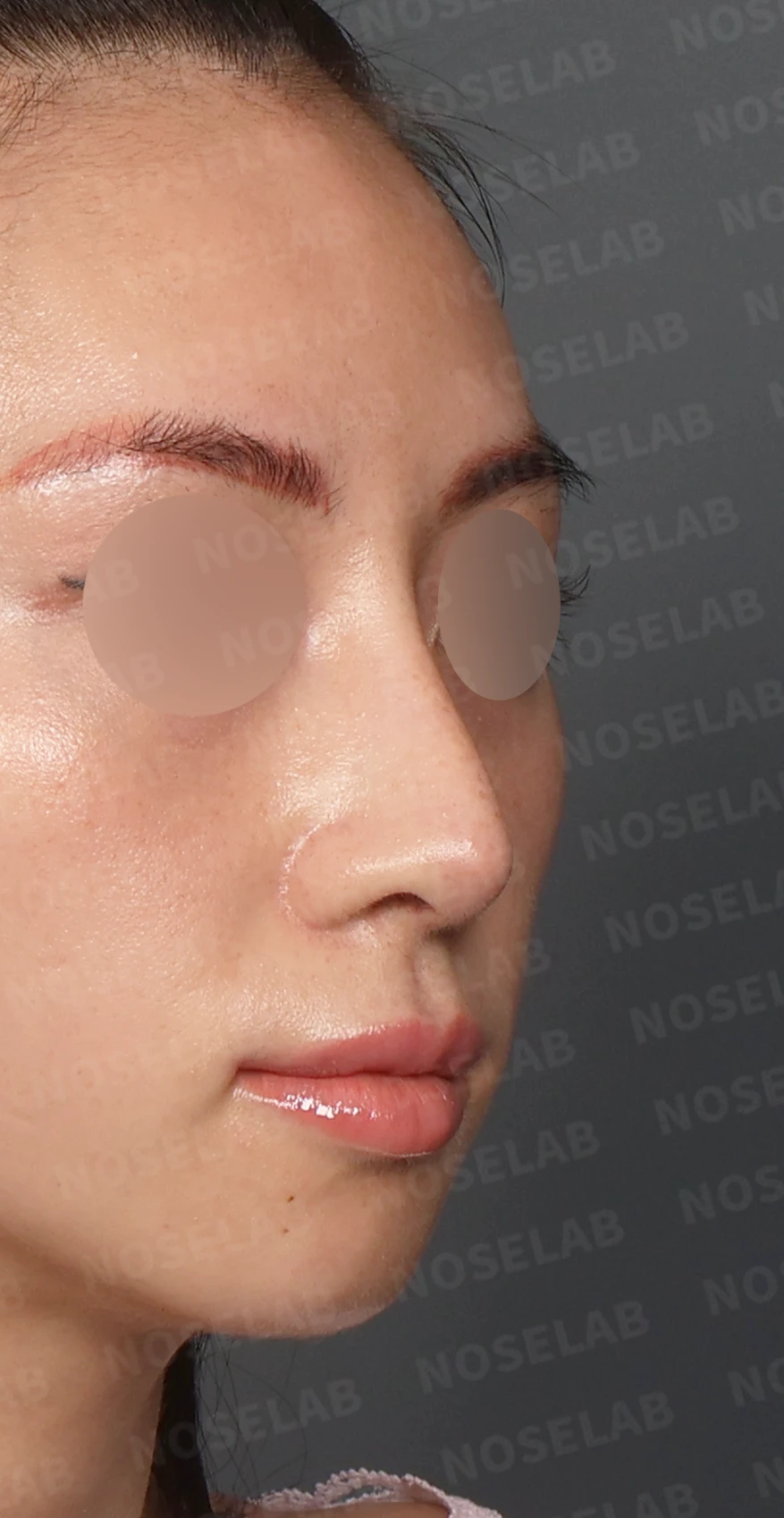
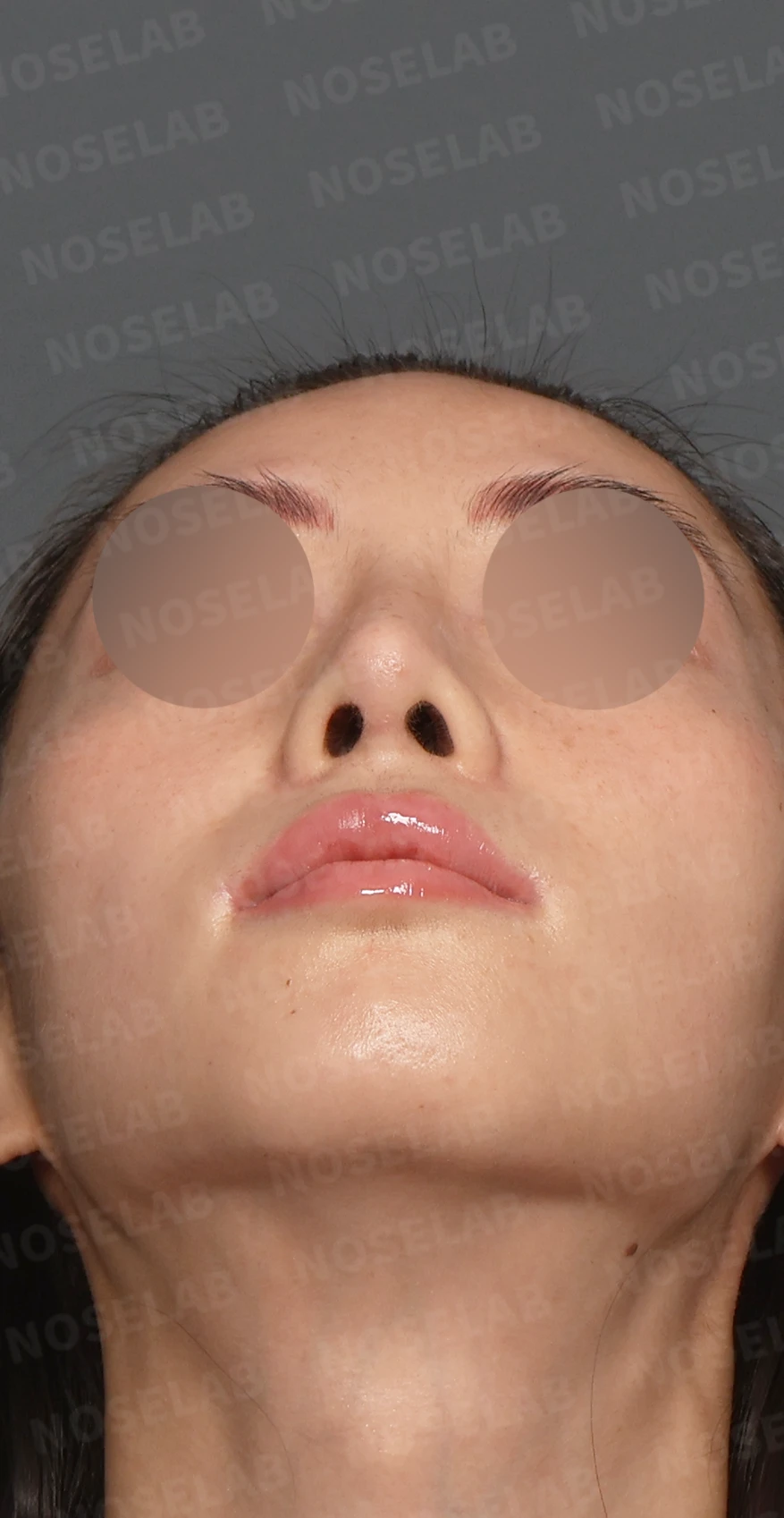
Design consultation photos: right profile, oblique, and nostril views.
🔧 Surgical plan and procedure
1. Nasal tip reconstruction and nasolabial angle correction using autologous rib cartilage
While reinforcing the support of the existing tip cartilage, autologous rib cartilage was used to adjust the orientation of the nasal tip so it would appear more projected and shorter. The nasolabial angle, which is the angle between the nasal tip and upper lip, was also corrected to create an overall softer, feminine impression.
2. Nasal bridge implant replacement and adjustment of the radix
After removing the existing nasal bridge implant, a new implant was precisely carved to match the contours of the nose and reinserted. In particular, the radix was lowered to ensure a more natural transition between the eyes and the nose.
3. Nasal sill reduction
To reduce the wide appearance of the alae and nasal sill, the nasal sill was delicately reduced. This resulted in a slimmer, neater alar line.
4. Autologous fat grafting (full face)
Autologous fat was grafted across the entire face to create a more feminine, lively impression. Skin elasticity and volume improved naturally, giving the overall facial contour a much softer feel.
🌟 Surgical results
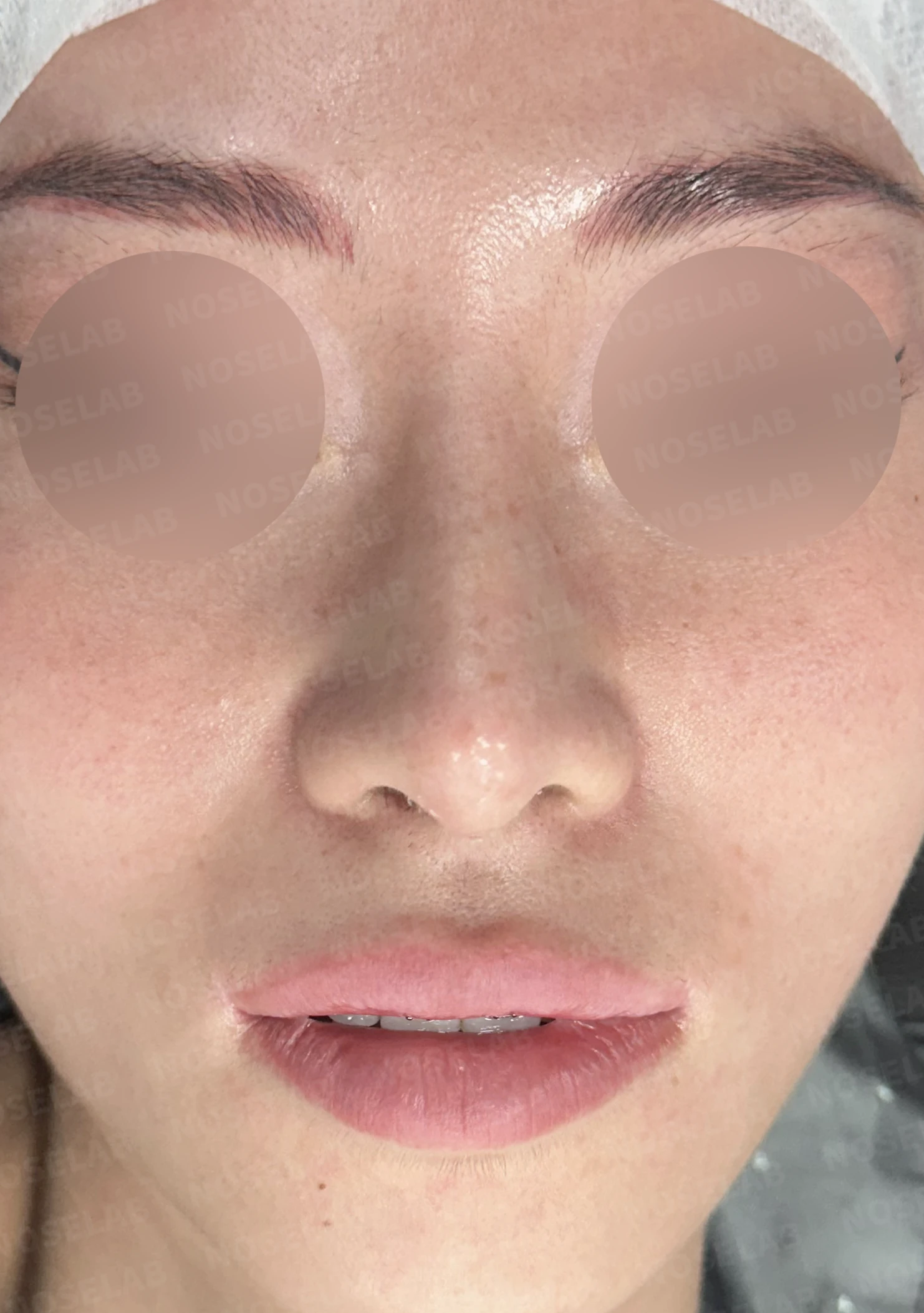
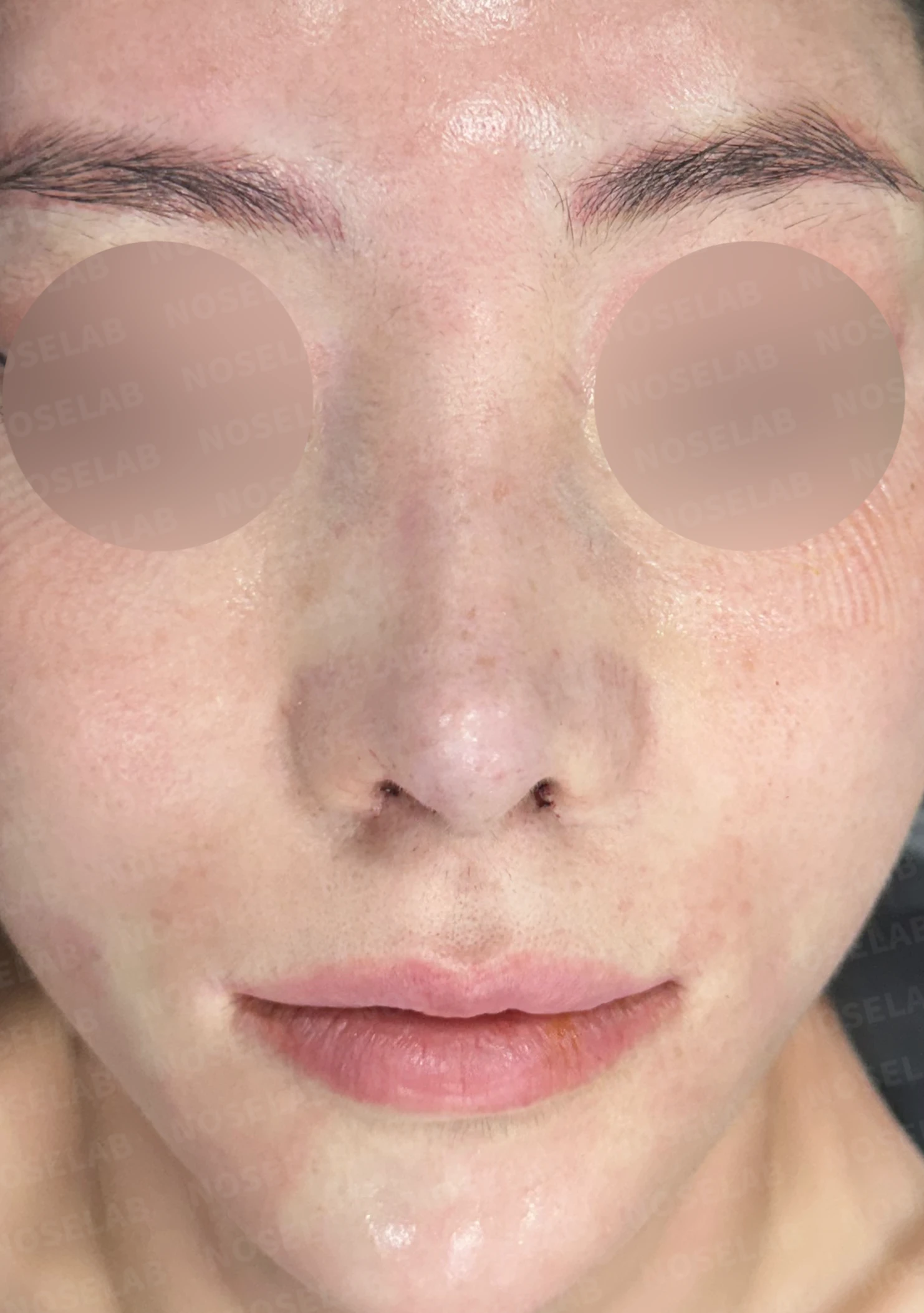
Before surgery / Day 0 immediately after surgery Photos taken immediately after surgery show swelling and may differ from the final result.
Front view changes
The alae and nasal sill were neatly slimmed, giving the entire nose a slender appearance.
Facial autologous fat grafting added natural volume to the cheeks and forehead.
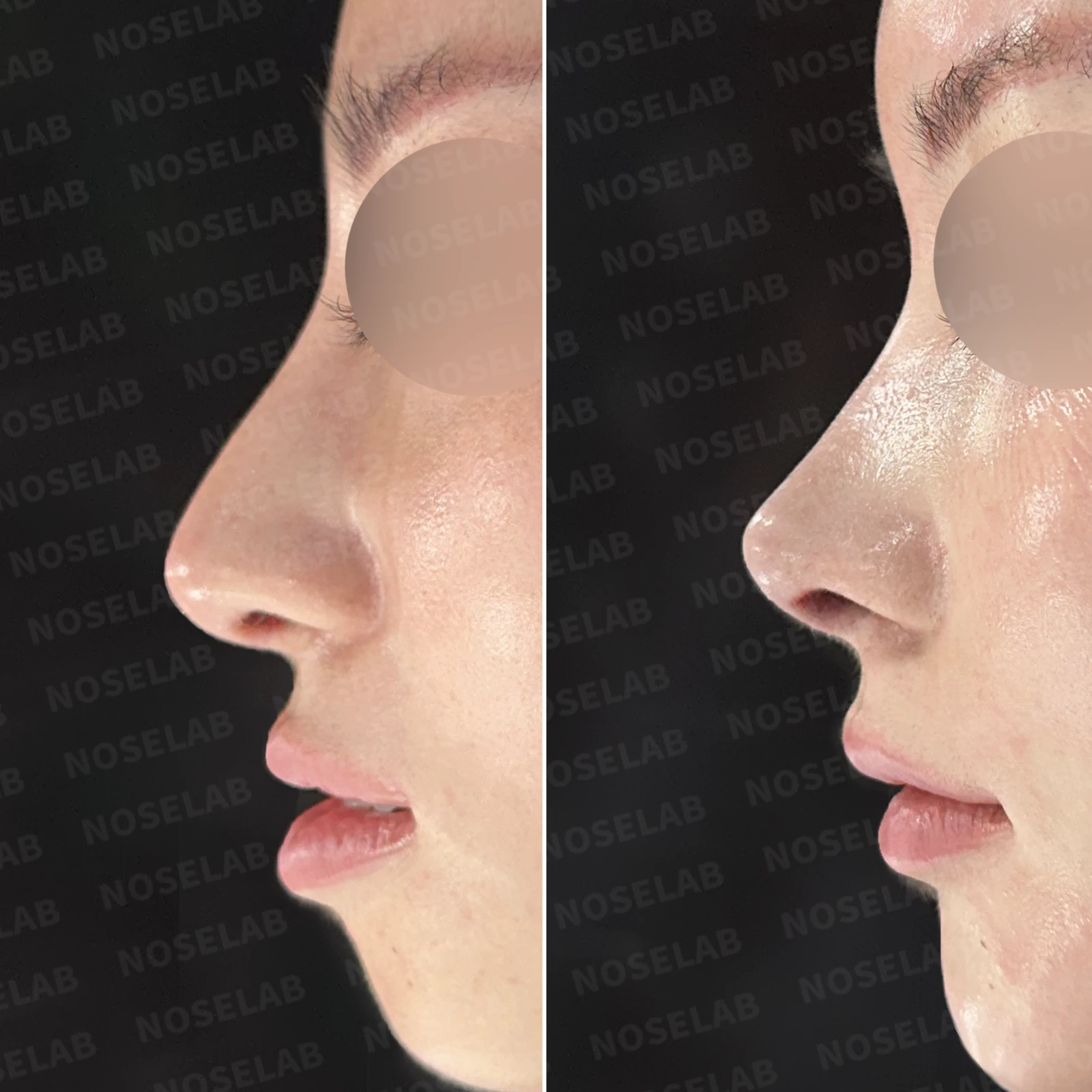
Before surgery / Day 0 immediately after surgery Photos taken immediately after surgery show swelling and may differ from the final result.
Profile view changes
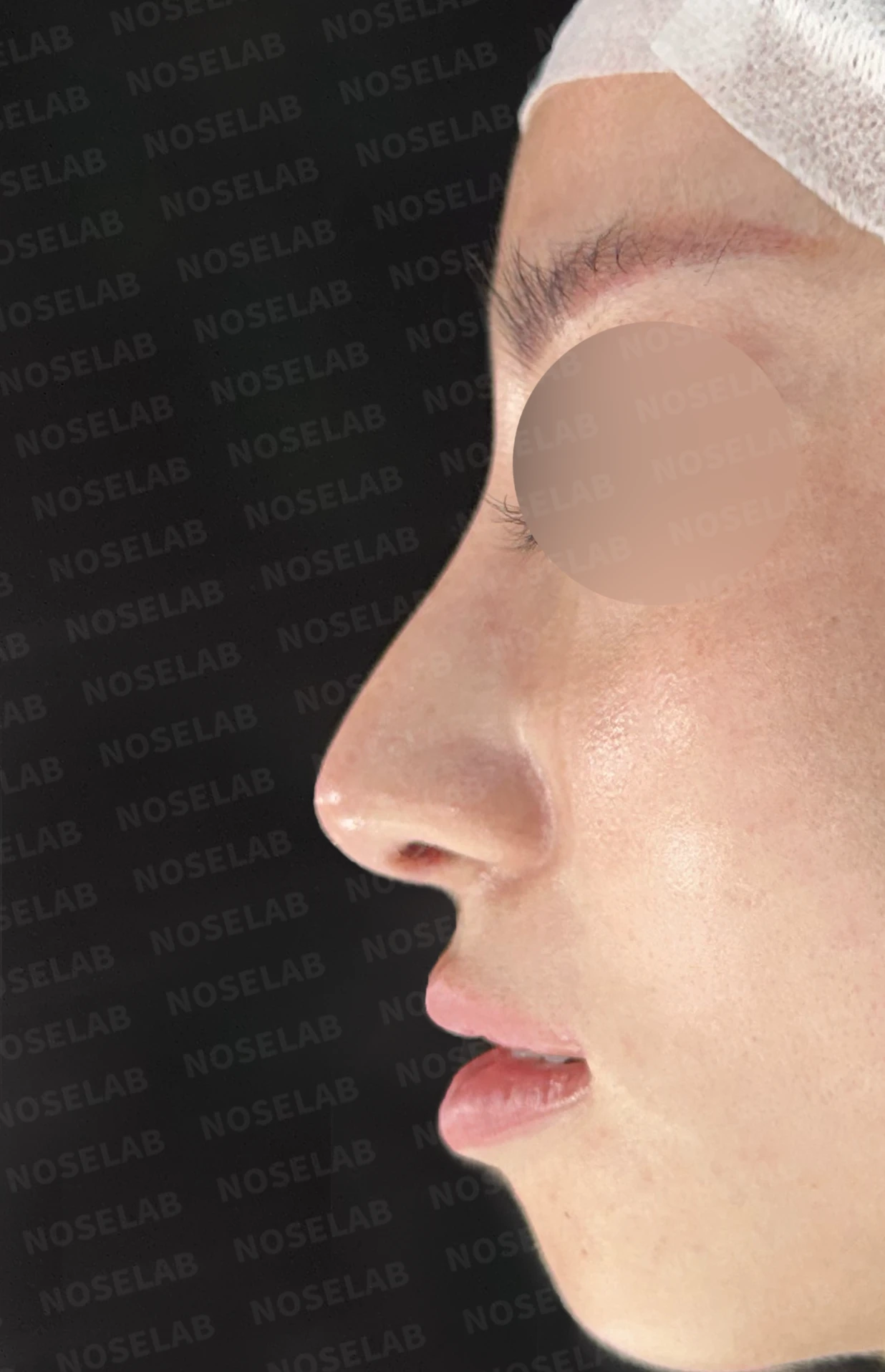
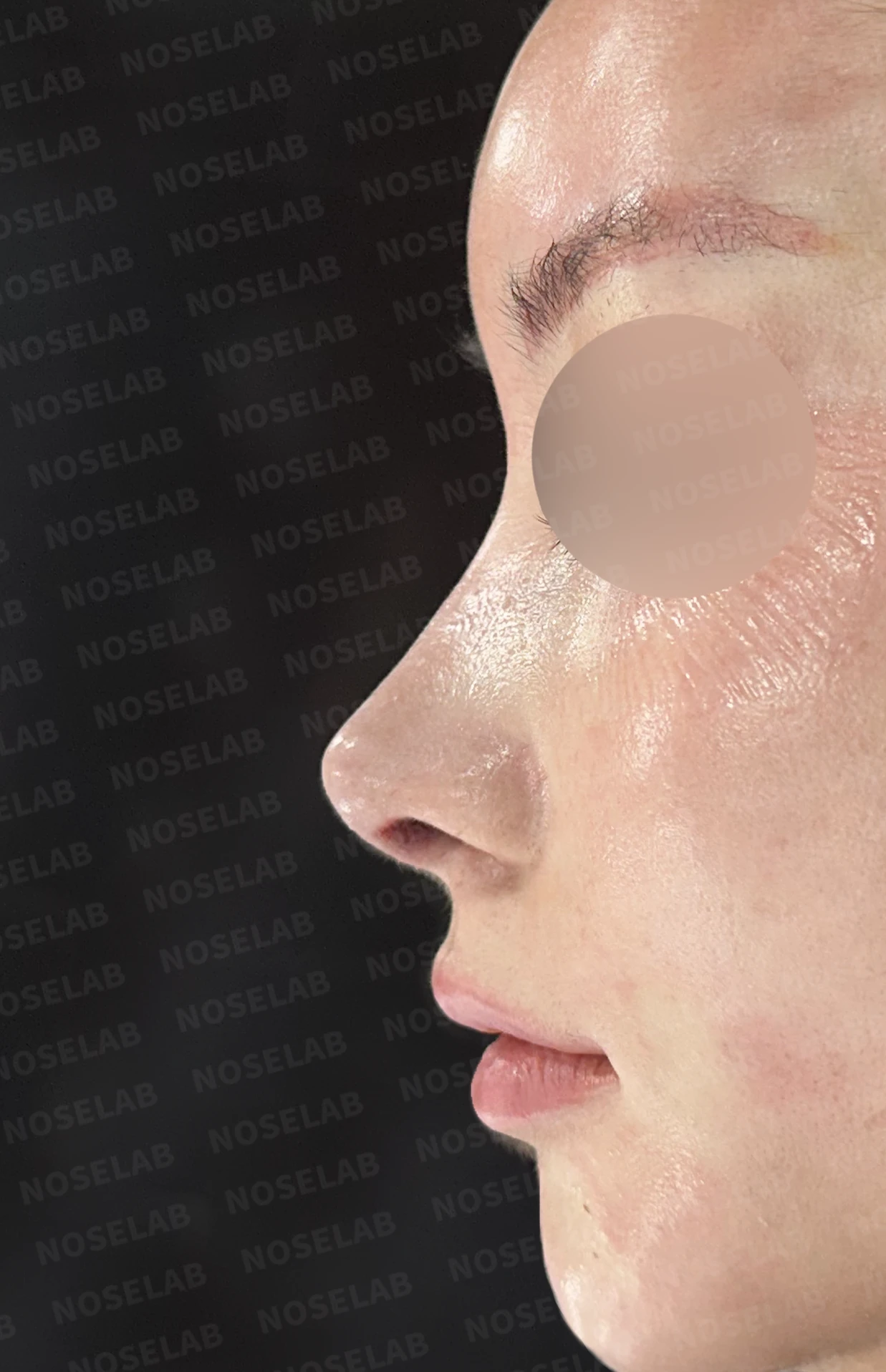
The lowered radix created a natural transition line between the forehead and nose.
Correction of the nasolabial angle brought the angle between the nasal tip and upper lip into feminine harmony.
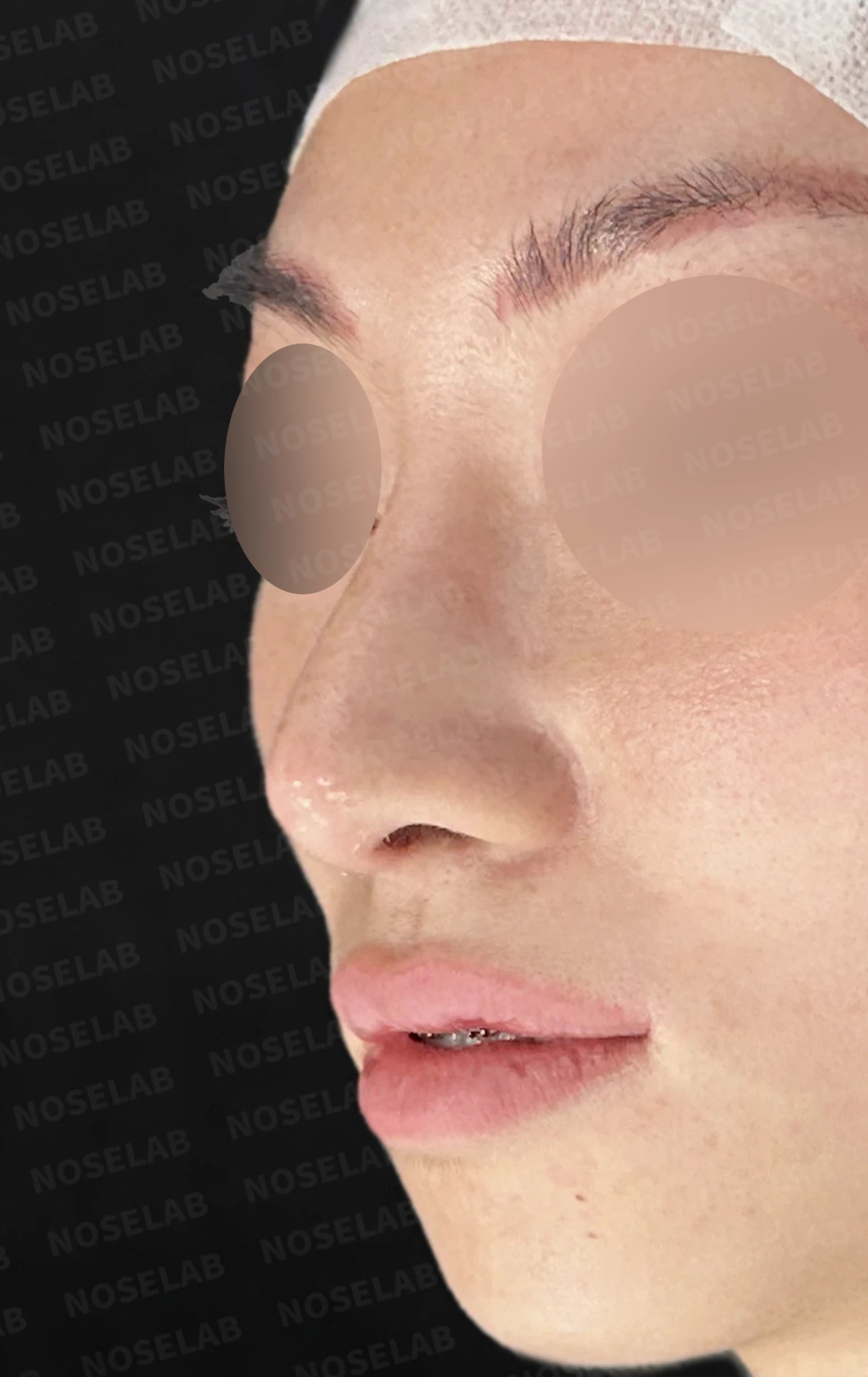
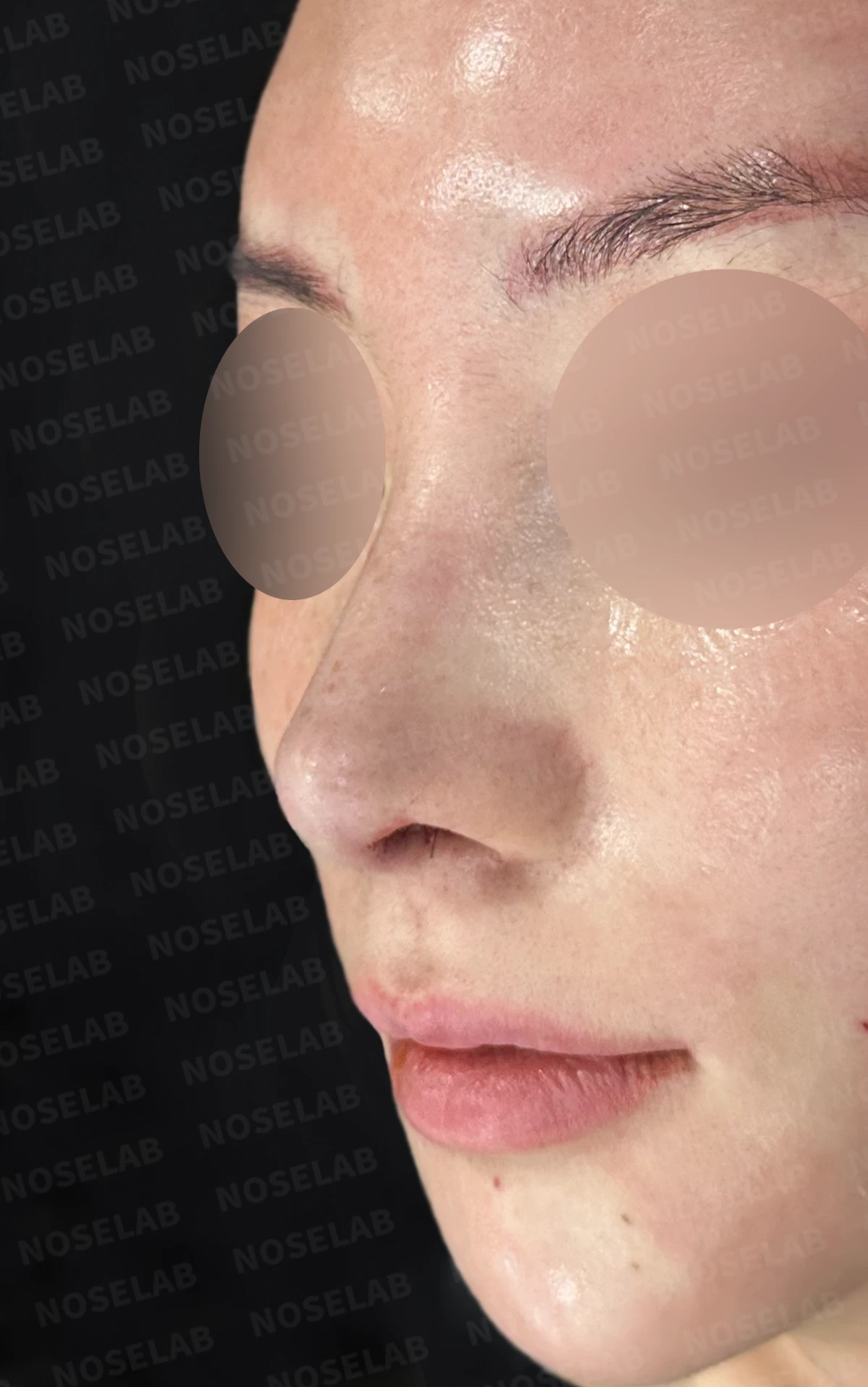
Before surgery / Day 0 immediately after surgery Photos taken immediately after surgery show swelling and may differ from the final result.
Overall change in impression
The facial features were refined to appear more delicate and feminine than before.
Thanks to the autologous fat grafting, skin texture improved and the entire face gained vitality.
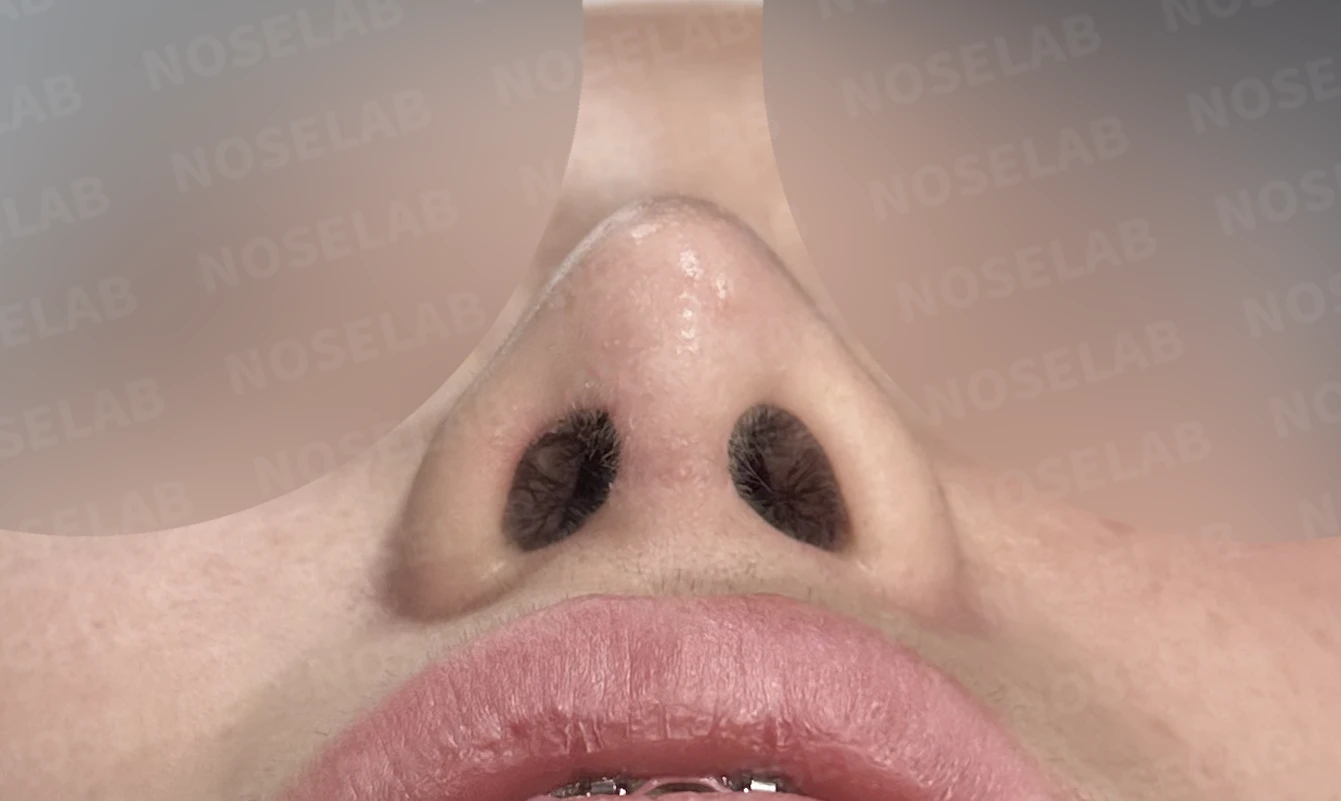
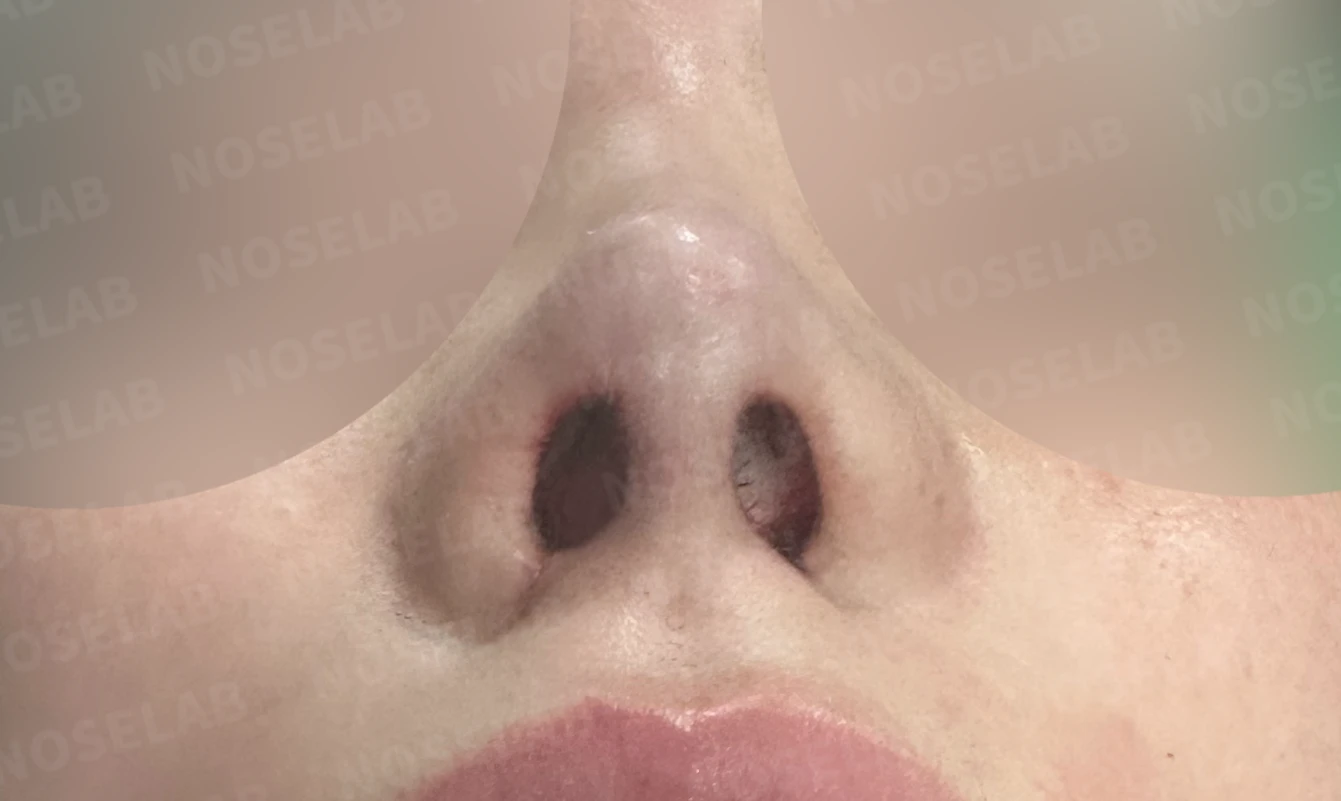
Before surgery / Day 0 immediately after surgery Photos taken immediately after surgery show swelling and may differ from the final result.
💡 Specialist opinion
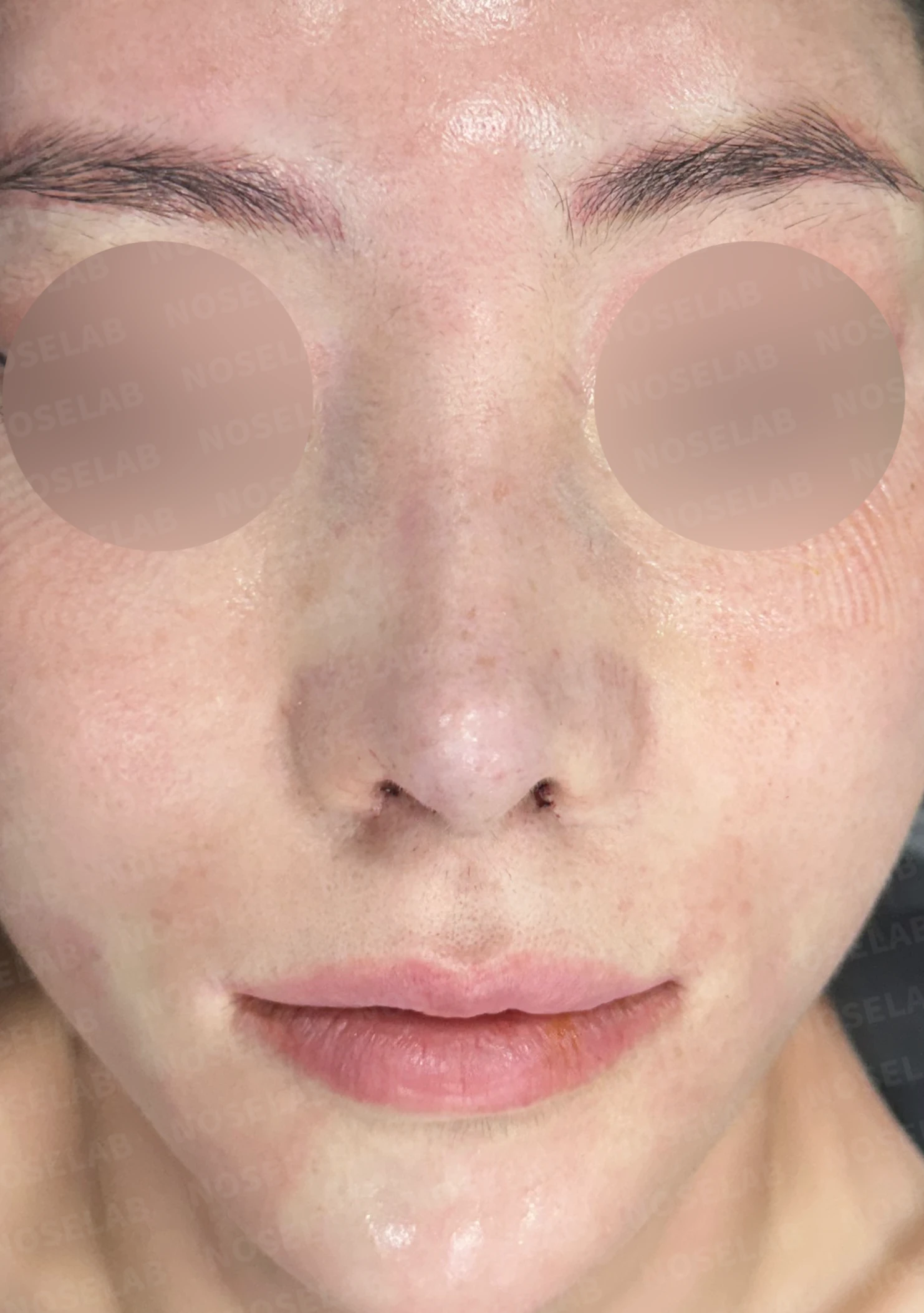
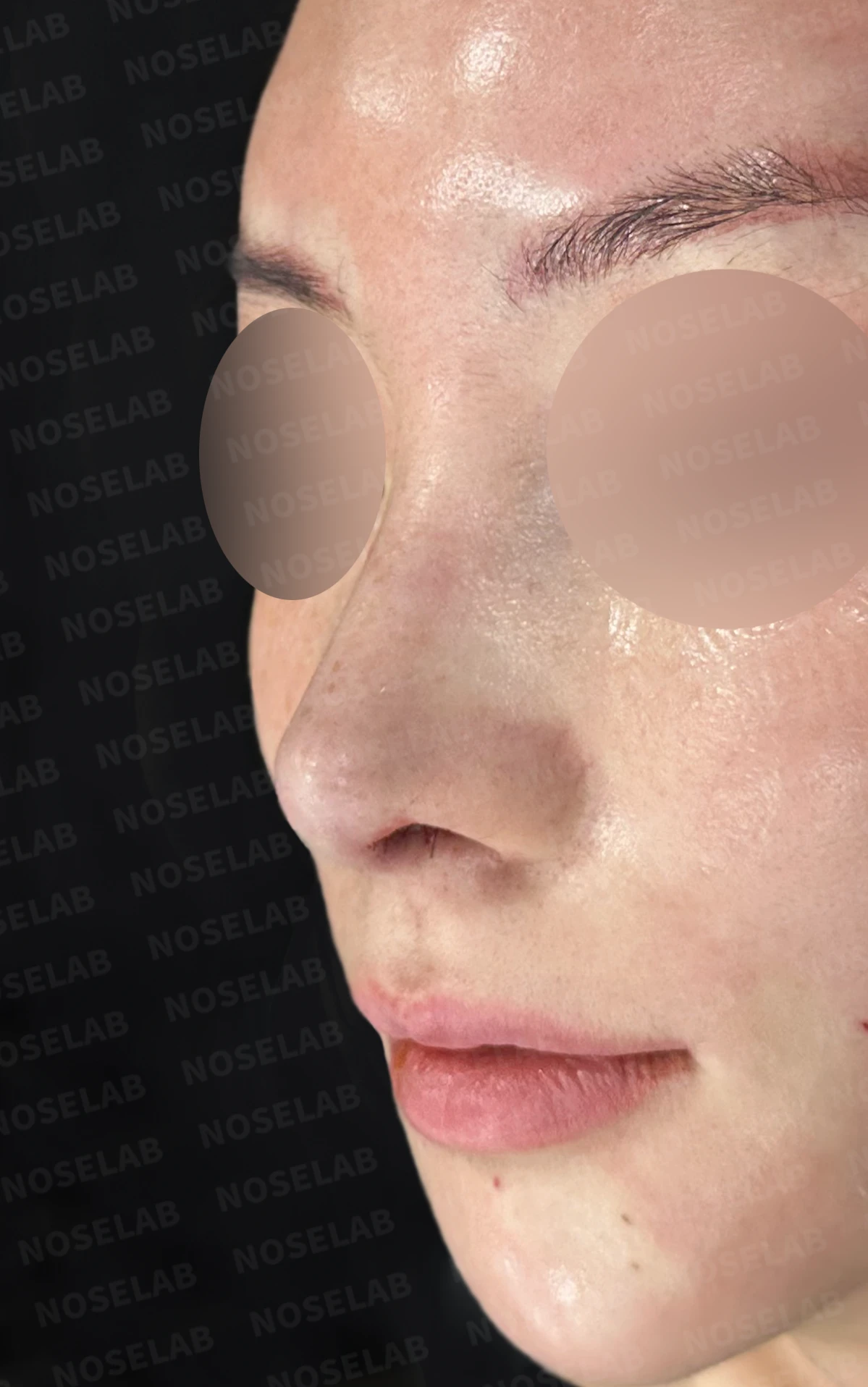
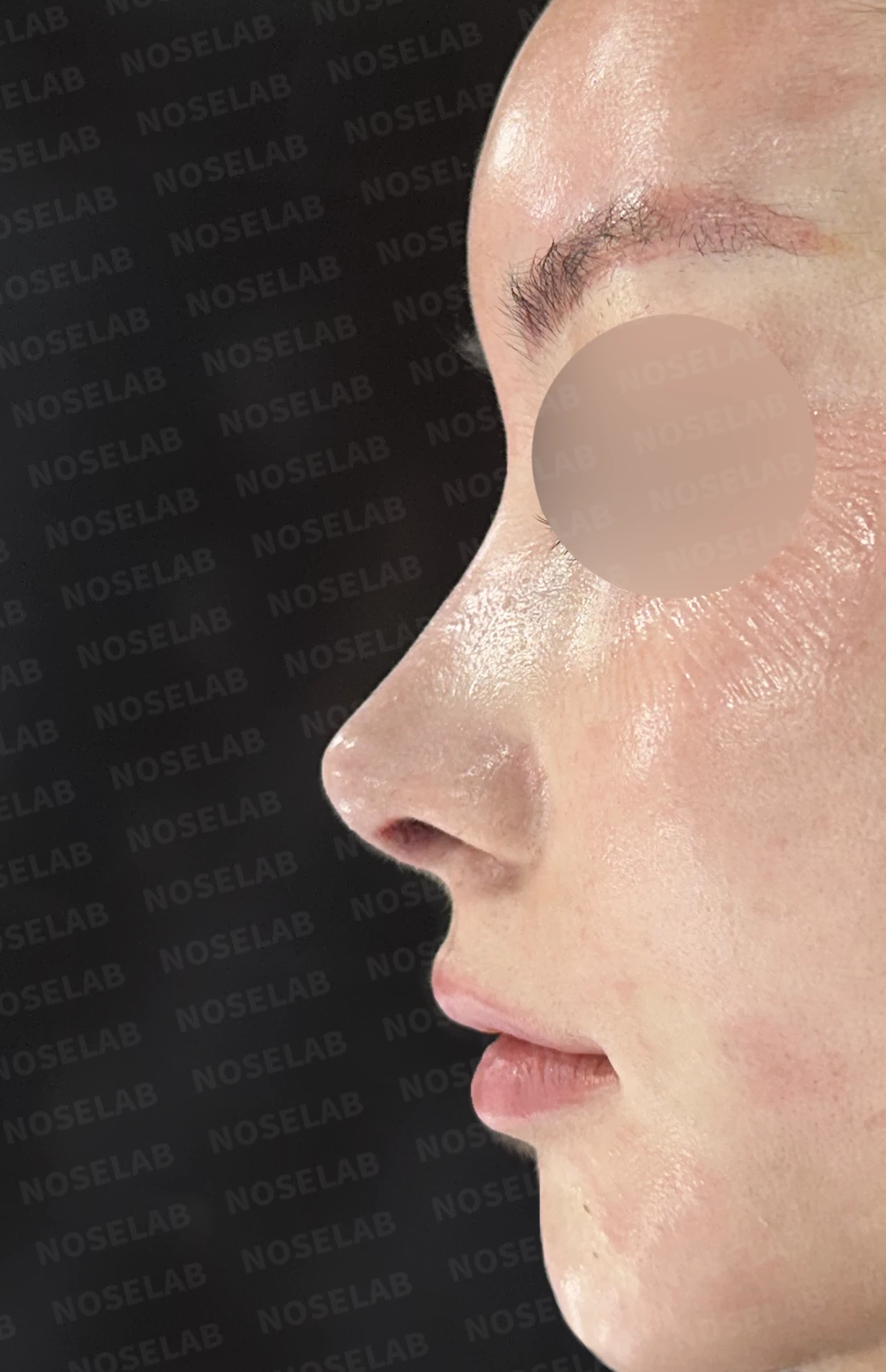
Photos taken immediately after surgery on day 0: front, oblique, and profile views. Photos taken immediately after surgery show swelling and may differ from the final result.
Beyond simple adjustment of the nasal line, this surgery required a comprehensive approach that considered the harmony between the nose and the entire face. Using autologous rib cartilage provides stronger support than ear cartilage or septal cartilage, making it advantageous for precisely designing the orientation and height of the nasal tip. By combining nasal sill reduction and nasolabial angle correction, a balanced improvement was achieved in both profile and front views.
In addition, performing facial autologous fat grafting together allows the rhinoplasty result to blend naturally within the context of the entire face. If only the nose changes, it may look awkward relative to other features; however, when volume and skin condition improve together, a more harmonious result can be expected. For patients seeking a more delicate, feminine transformation, this comprehensive approach can be helpful.
This was Dr. Peter C. Kang. Thank you.
#closedrhinoplasty #closedrevisionrhinoplasty #revisionrhinoplasty #autologousribcartilagerhinoplasty #tiprhinoplasty #alarreduction #nasalsillreduction #nasolabialanglecorrection #autologousfatgrafting #internationalpatientrhinoplasty

Limitations and risks
When autologous rib cartilage is used, scarring and pain may remain at the donor site on the chest, and pneumothorax (pleural injury) can occur rarely. Over time, the grafted cartilage may warp or undergo partial resorption.
When revising after implant removal, contracture may progress again after removal, the nasal height and length may decrease, and staged surgery may be necessary depending on the skin condition.
When the septum is corrected at the same time, nasal obstruction may persist or recur, and in rare cases, septal perforation or changes in smell may occur.
Common potential risks include infection, bleeding, asymmetry, scarring, skin necrosis, and insufficient improvement; results vary depending on individual skin condition and previous surgical history.