Hello, I am Dr. Peter C. Kang.
Today, I would like to share the case of a patient who visited our clinic after developing severe nasal obstruction and nostril asymmetry following a prior rhinoplasty.
🔍 Surgical history
Prior rhinoplasty
Nostril asymmetry resulting from alar reduction
Worsened nasal obstruction symptoms
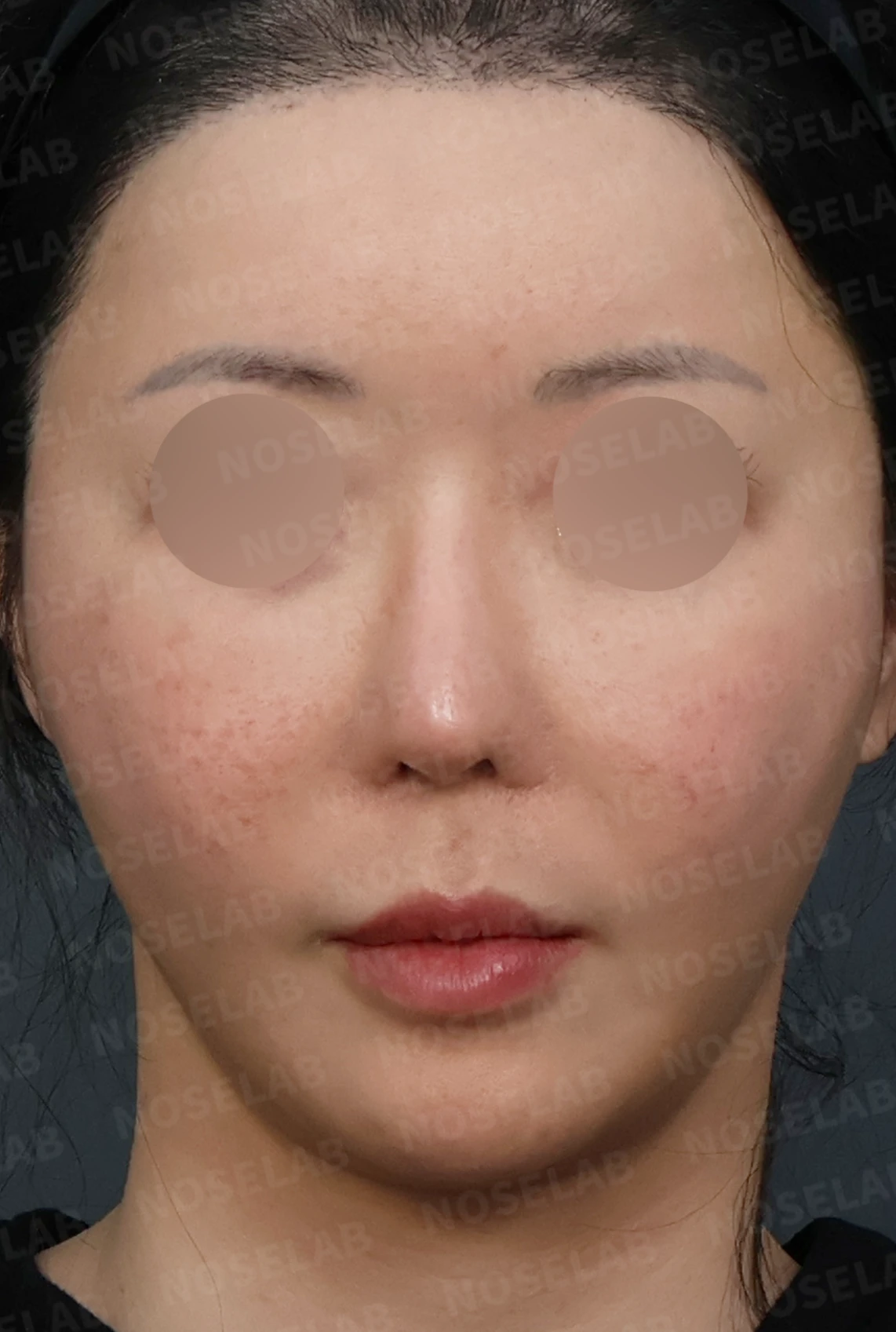
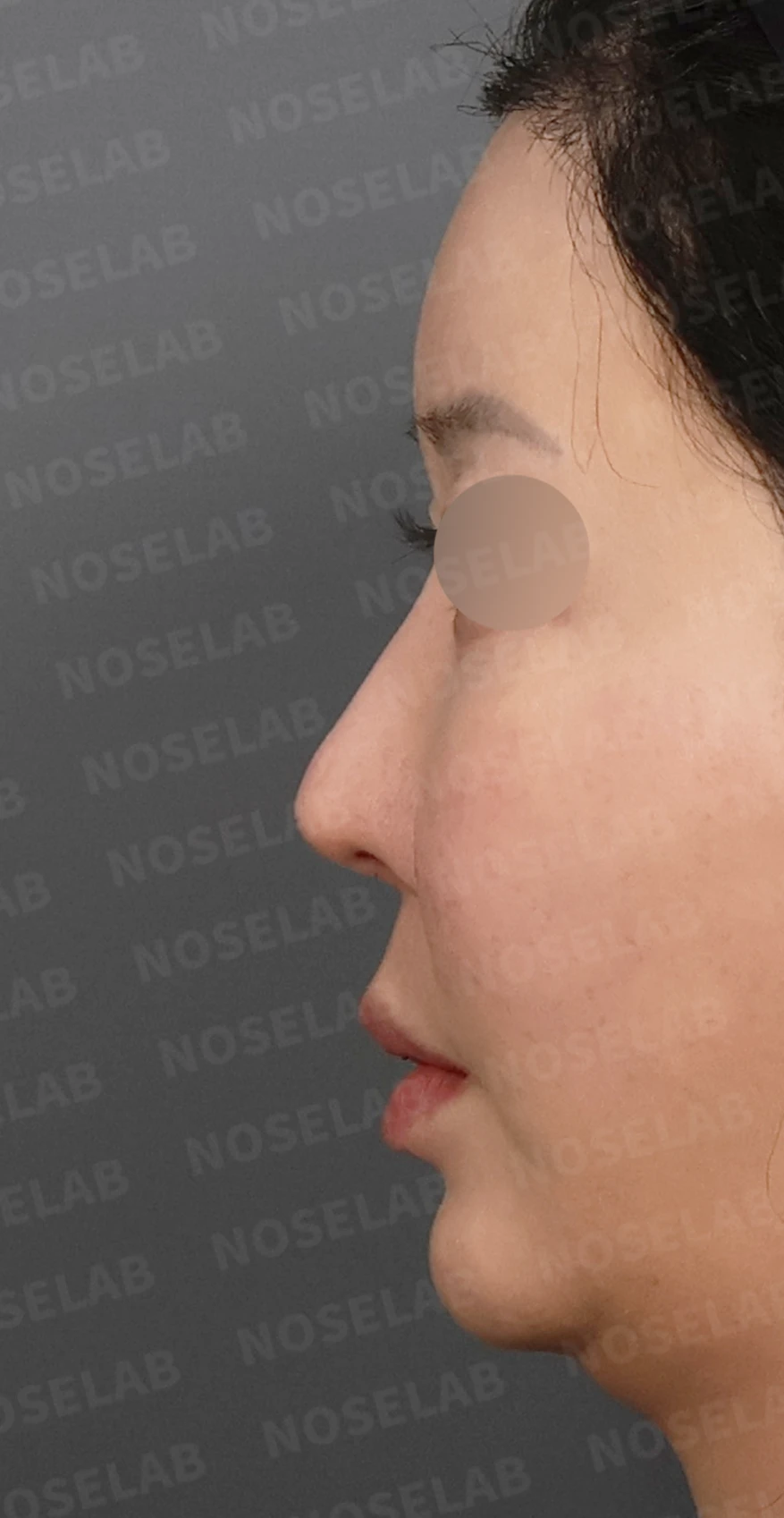
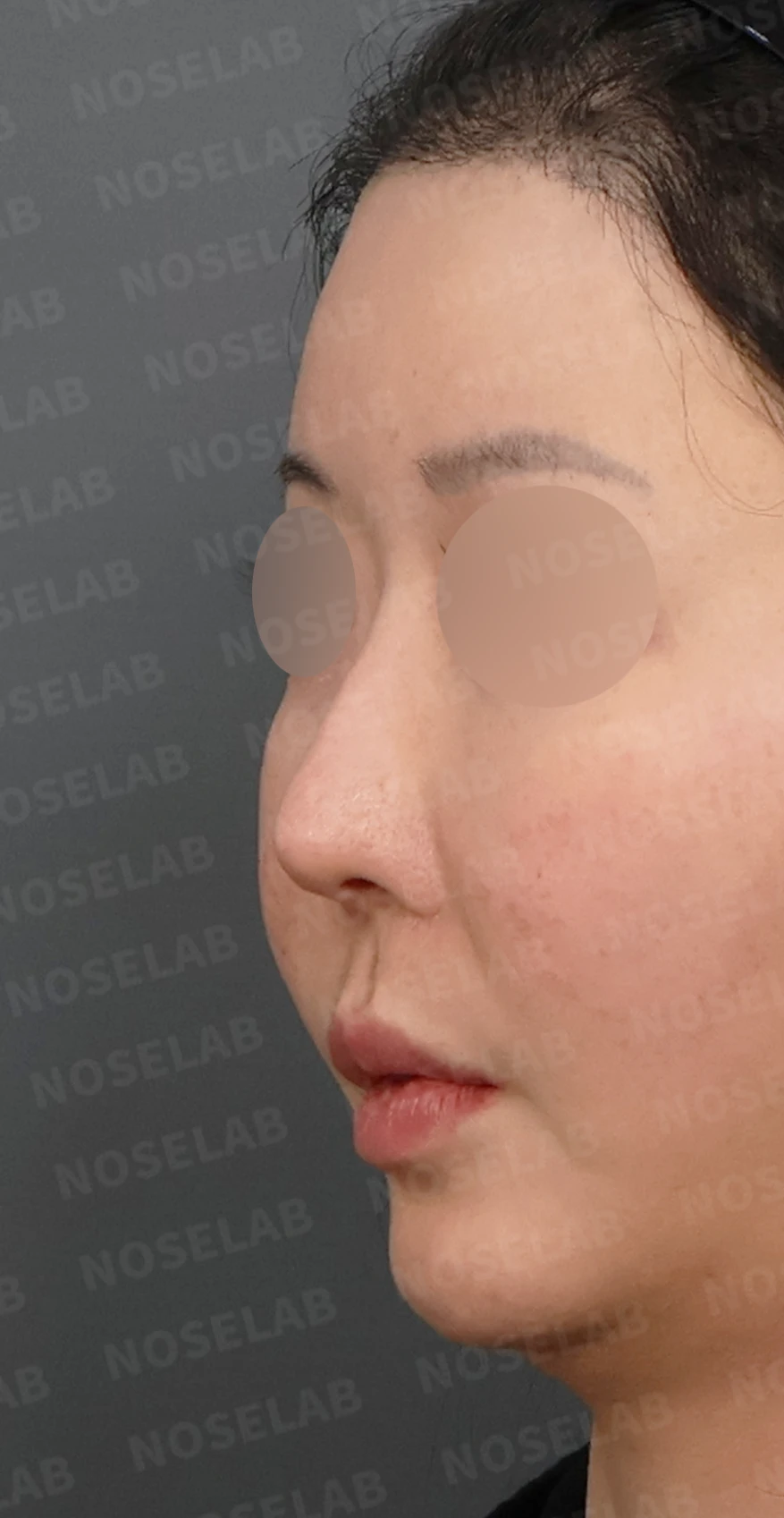
Front, left profile, and oblique views during design consultation.
💉 Patient requests
Relief of worsening nasal obstruction after rhinoplasty
Correction of nostril asymmetry caused by alar reduction
Simultaneous resolution of functional and cosmetic concerns
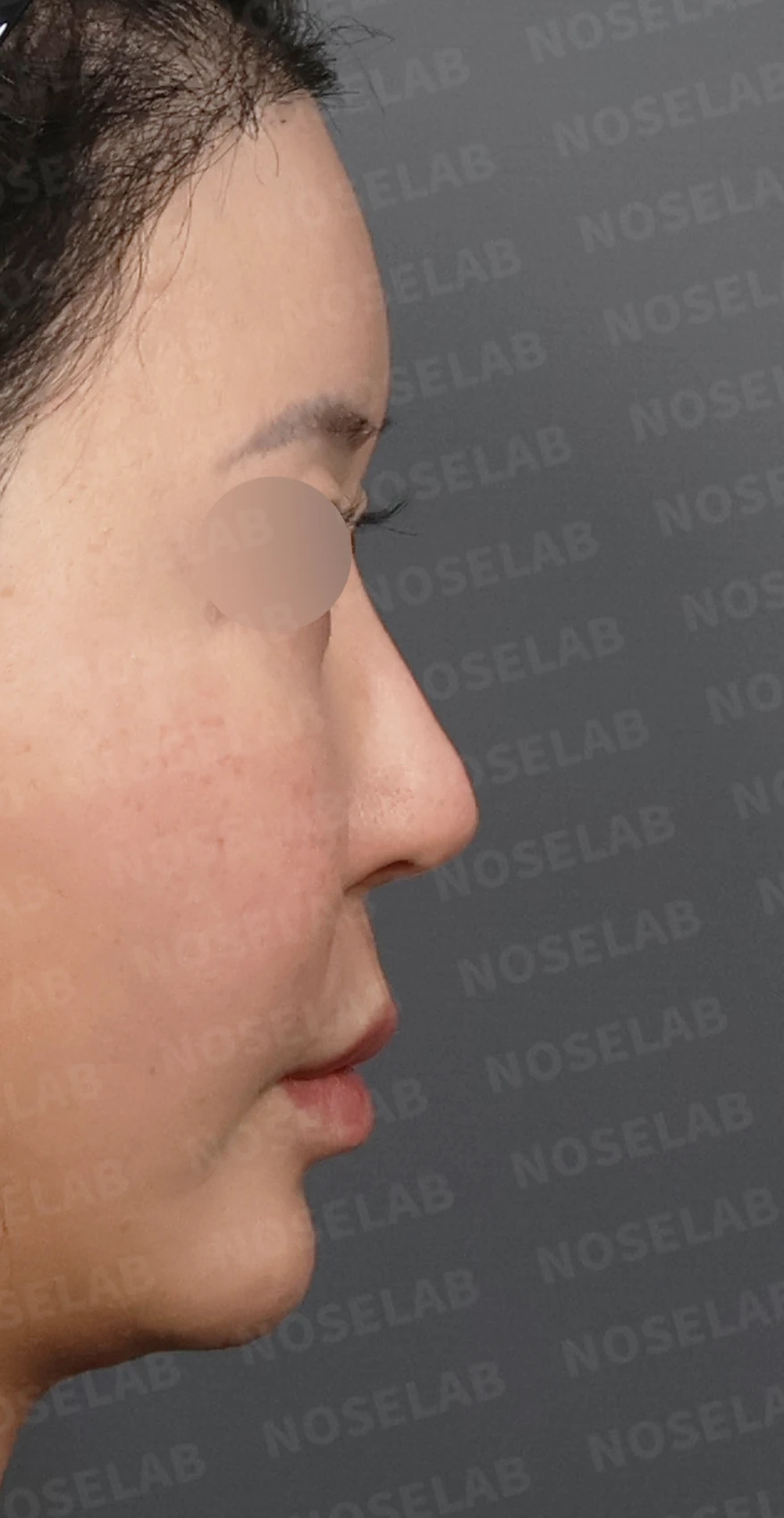
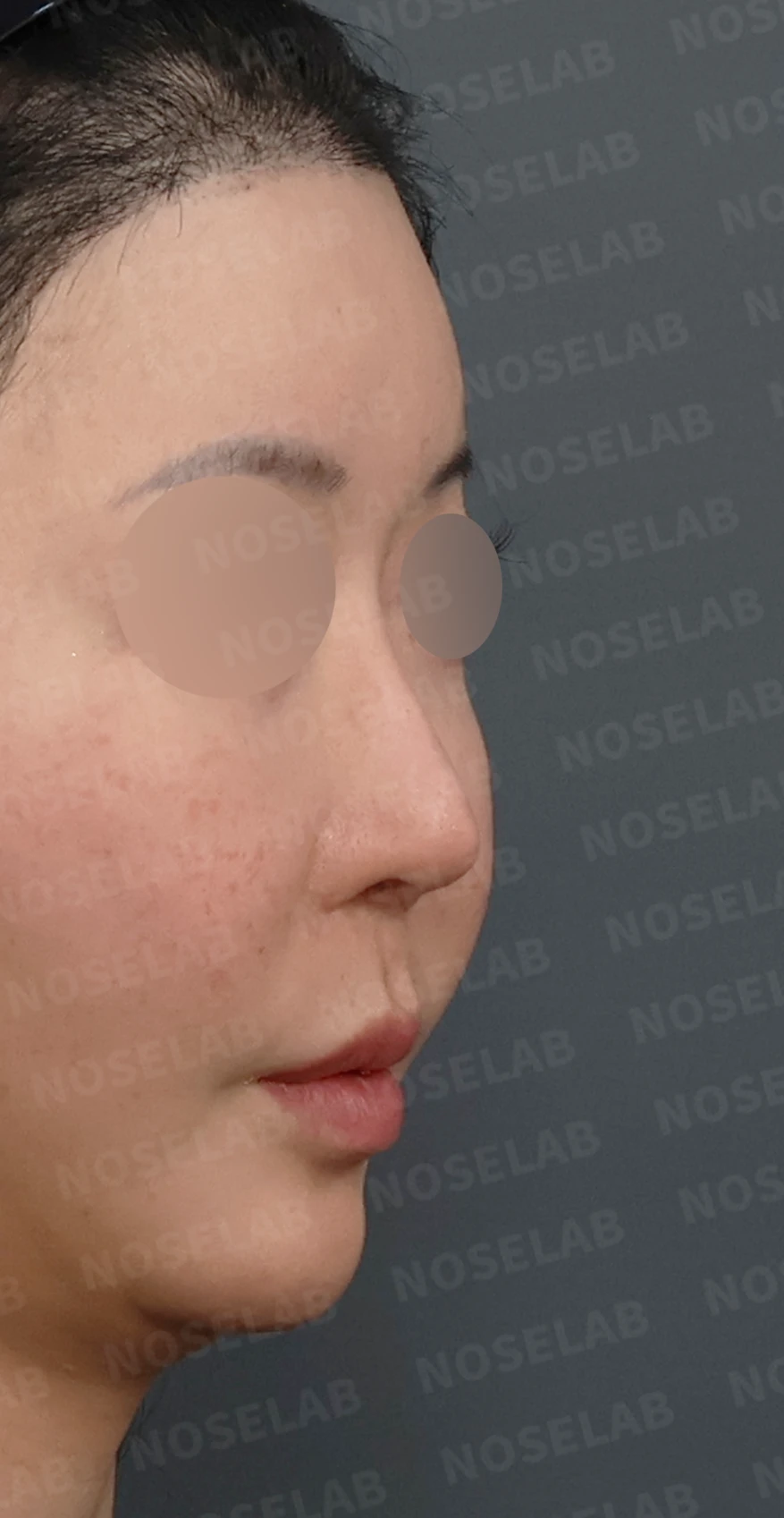
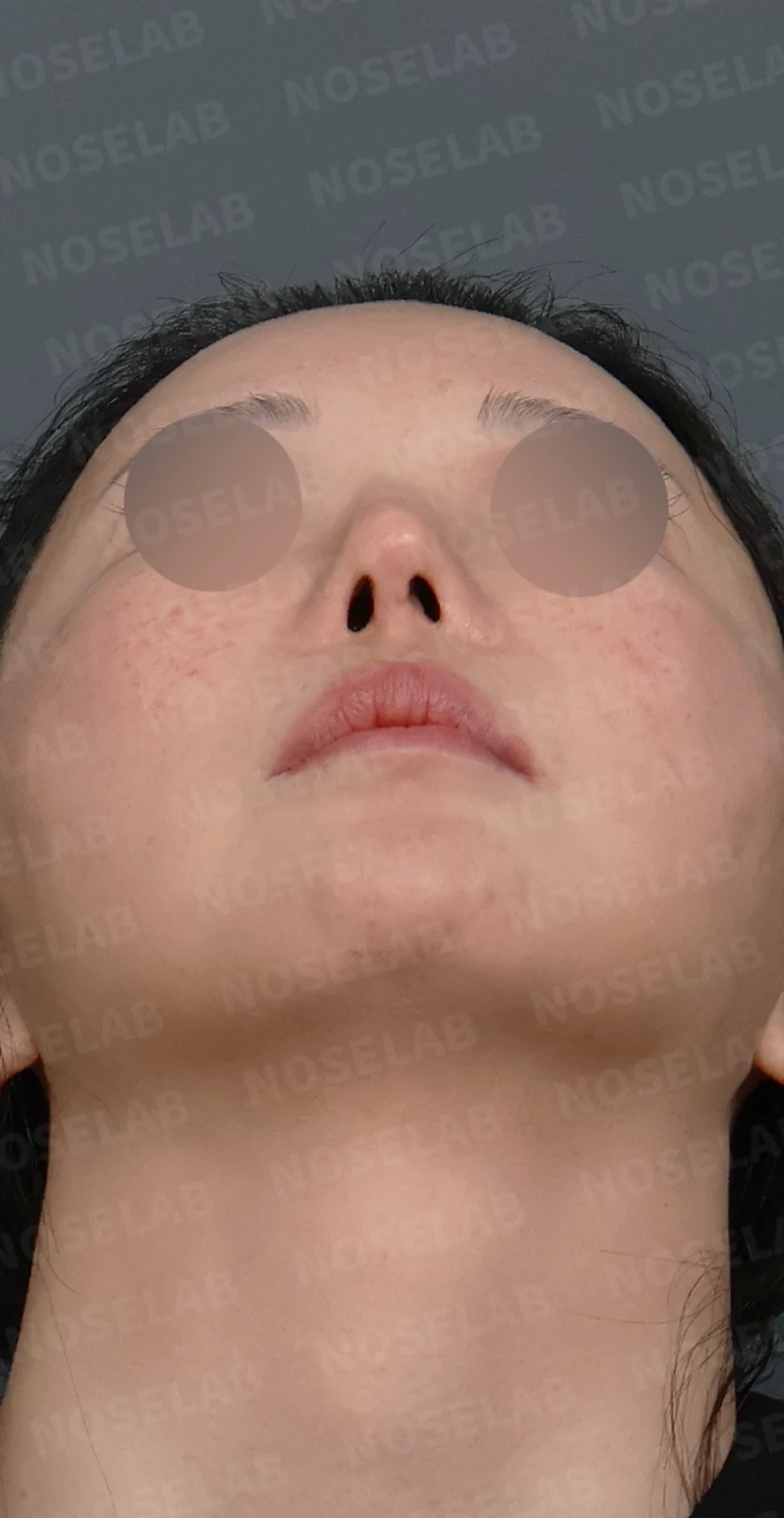
Right profile, oblique, and nostril views during design consultation.
🔧 Surgical plan and procedure
1. Skin graft to correct nostril asymmetry
Performed a skin graft on the left nostril wing (ala)
Improved asymmetry caused by alar reduction
2. Restoration of previous osteotomy
Restoration of the excessively narrowed nasal dorsum from over-osteotomy
Restored a natural dorsal line through osteotomy reversal
3. Septal reconstruction
Mobilized the septum, which had completely collapsed to the left, toward the right
Refixed the septum to establish structural stability
Sturdily reinforced the existing septum using autologous rib cartilage
4. Implant exchange
Removal of existing silicone implant
Customized and placed a new silicone implant to fit the nasal bone
5. Functional surgery
Correction of deviated septum
Performed rhinitis surgery simultaneously
Addressing the root cause of nasal obstruction
🌟 Surgical results
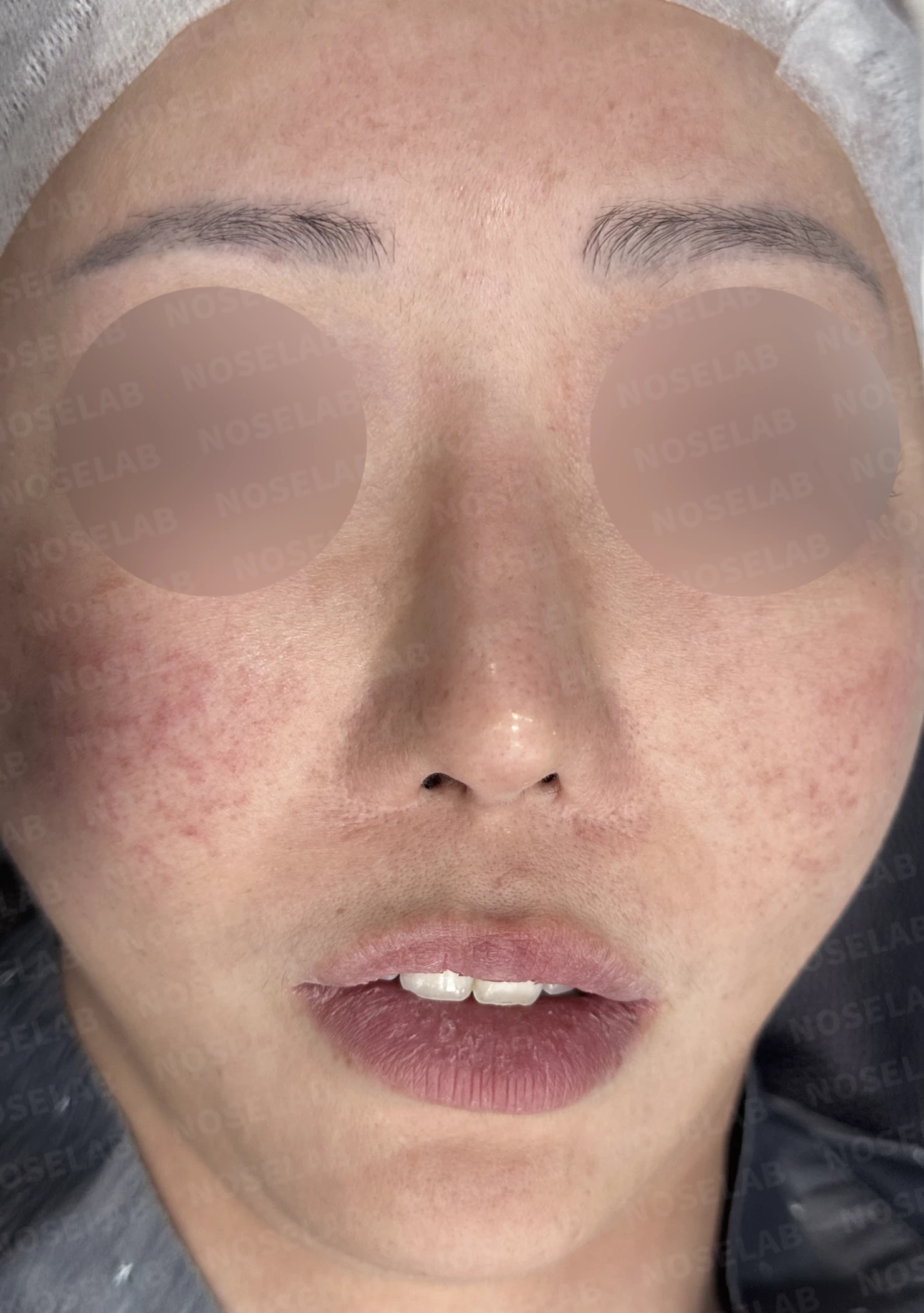
Before surgery / Day 0 immediately after surgery Photos taken immediately after surgery show swelling and may differ from the final result.
Cosmetic improvements:
Correction of nostril asymmetry
Naturally restored the narrowed nasal dorsum
Improvement in the overall nasal line
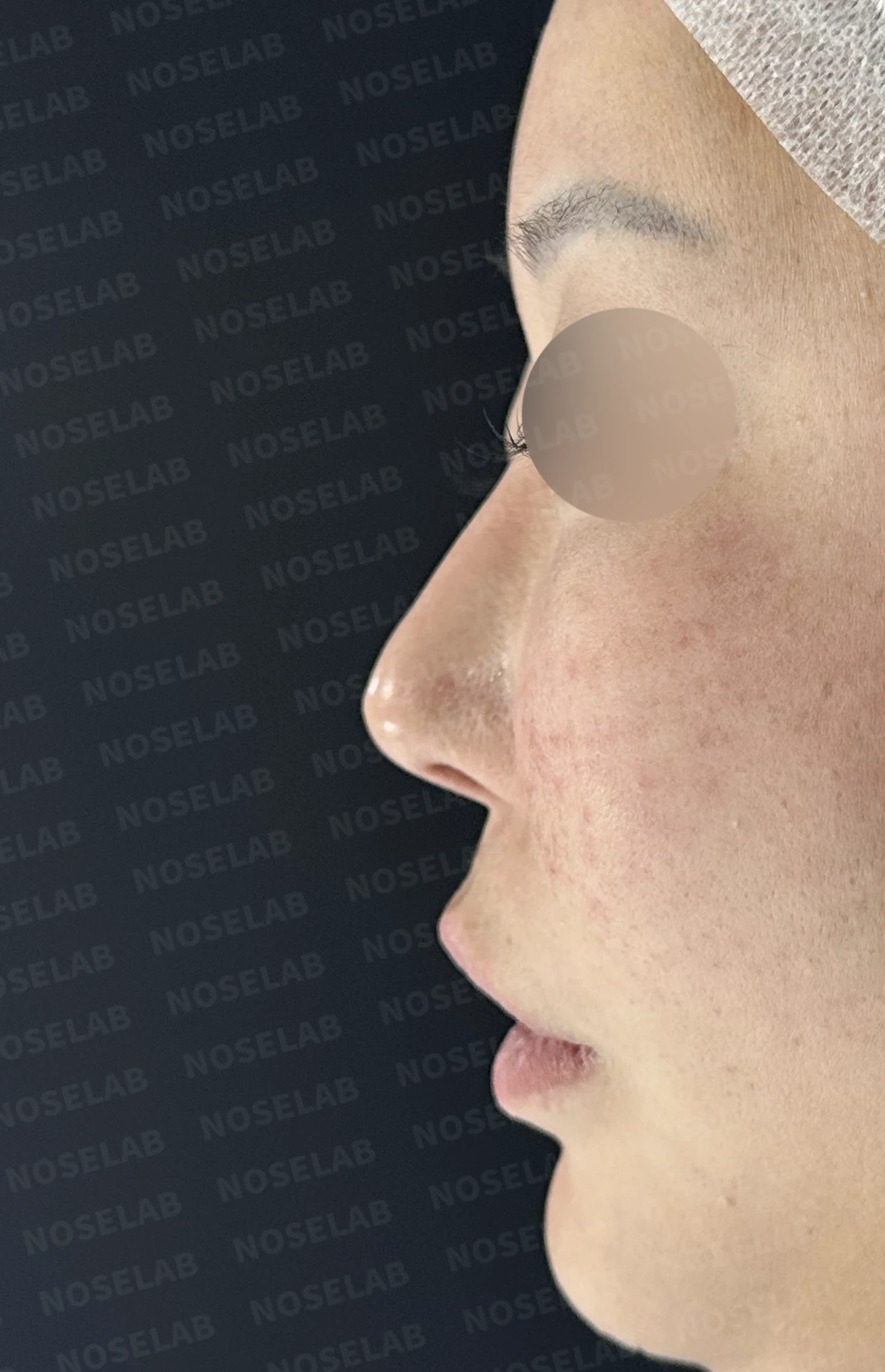
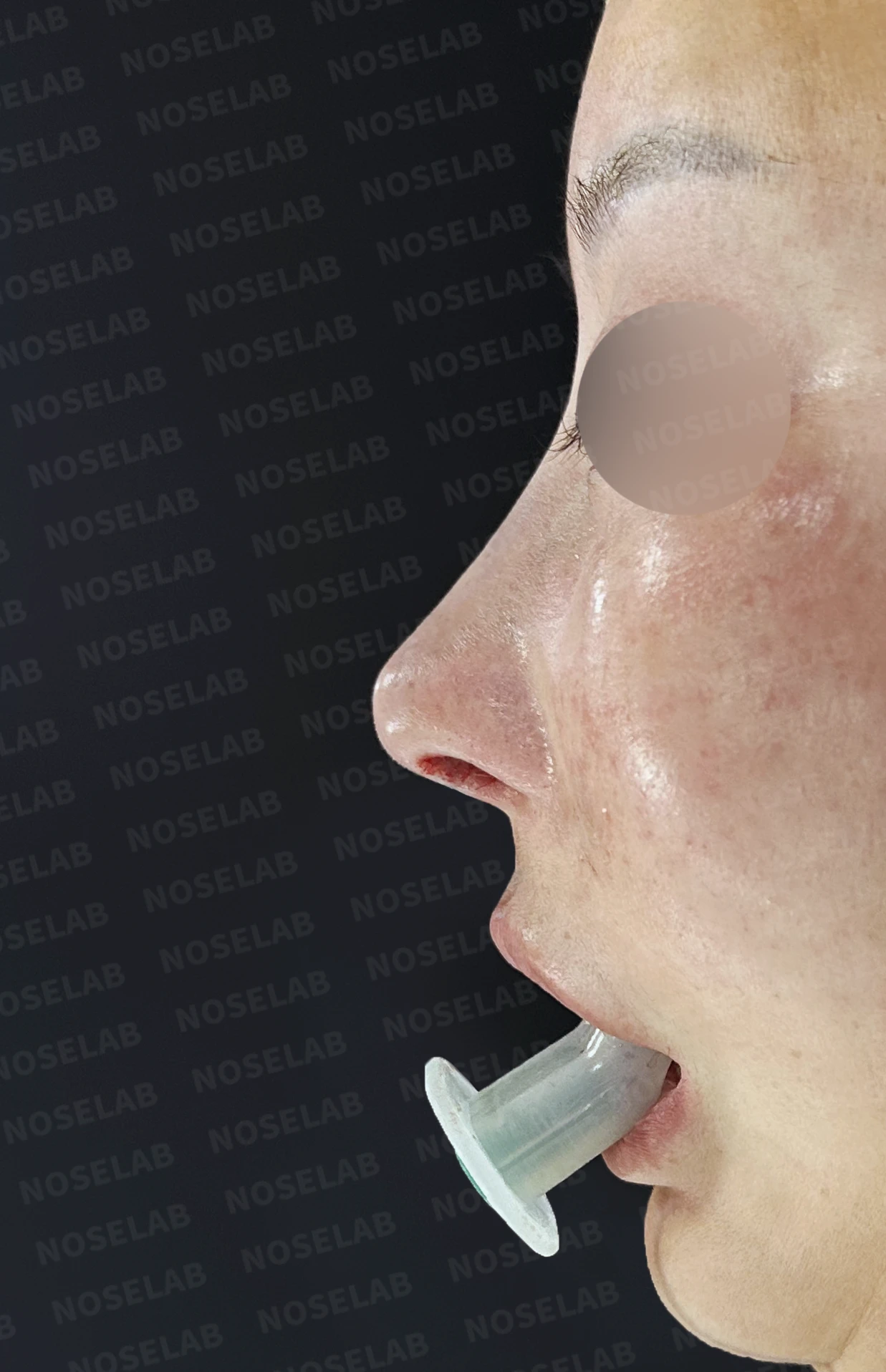
Before surgery / Day 0 immediately after surgery Photos taken immediately after surgery show swelling and may differ from the final result.
Functional improvement:
Relief of nasal obstruction symptoms
Restored breathing function through correction of the deviated septum
Improvement in chronic nasal obstruction through rhinitis surgery
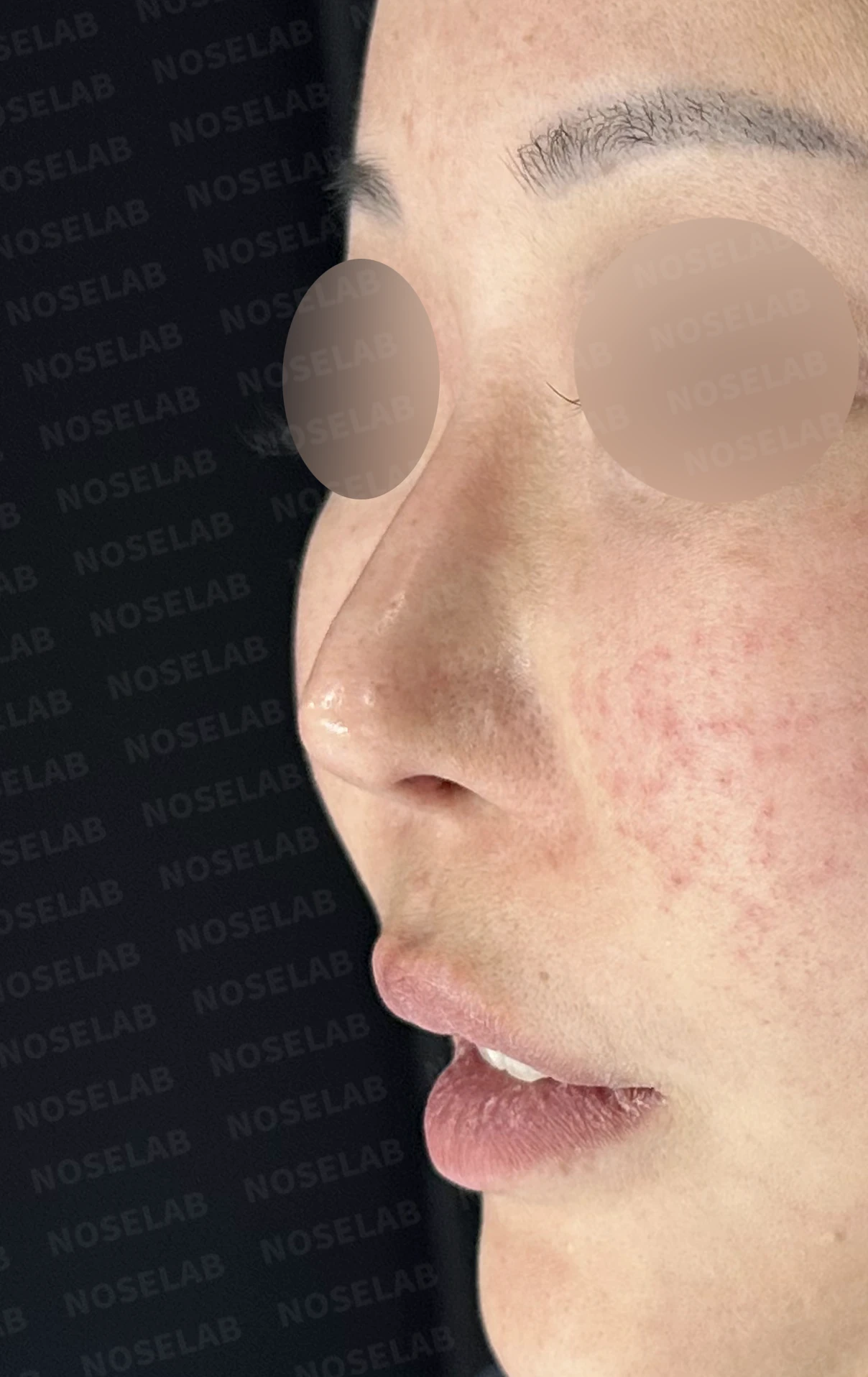
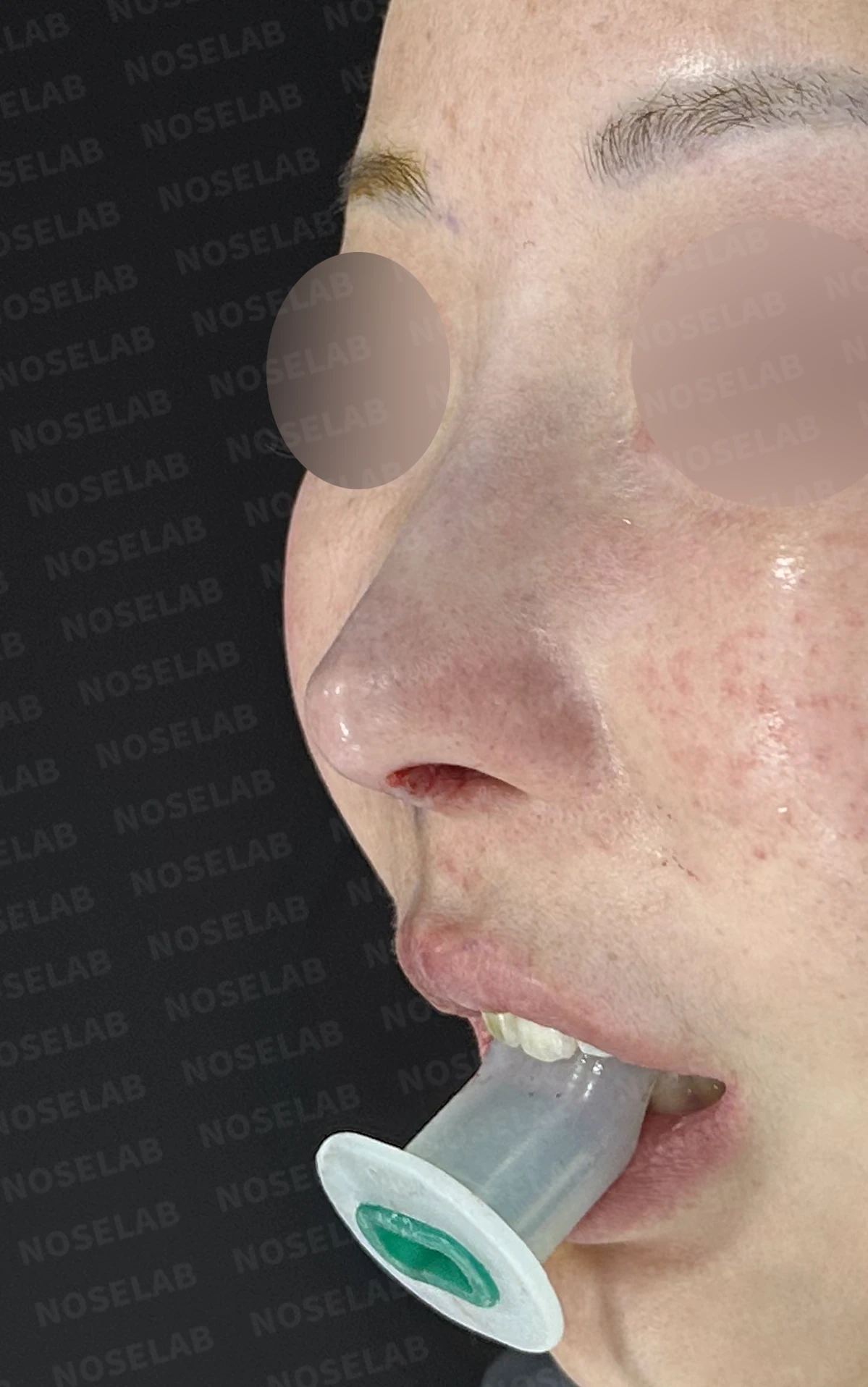
Before surgery / Day 0 immediately after surgery Photos taken immediately after surgery show swelling and may differ from the final result.
Structural stability:
Secured long-term structural stability by reinforcing the septum with autologous rib cartilage
Maintained a sturdy nasal framework after revision surgery
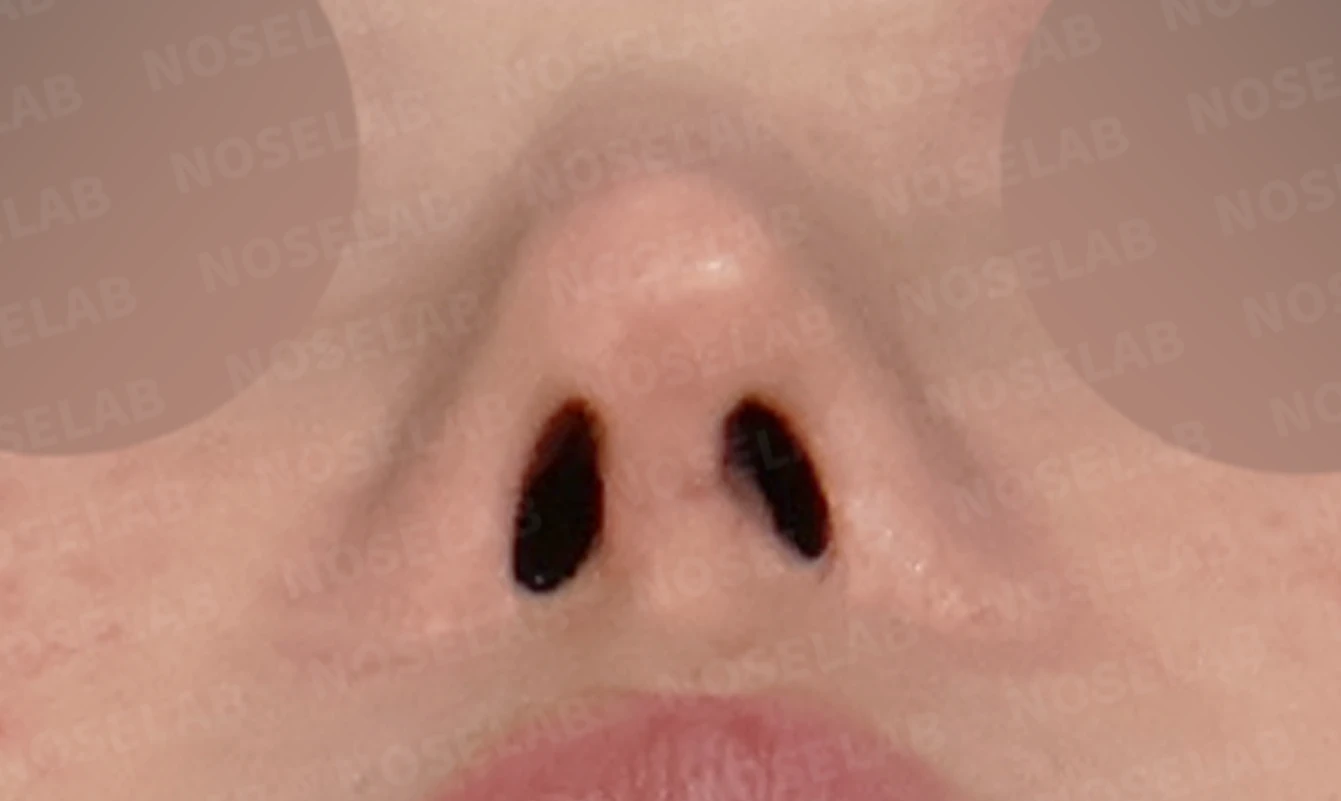
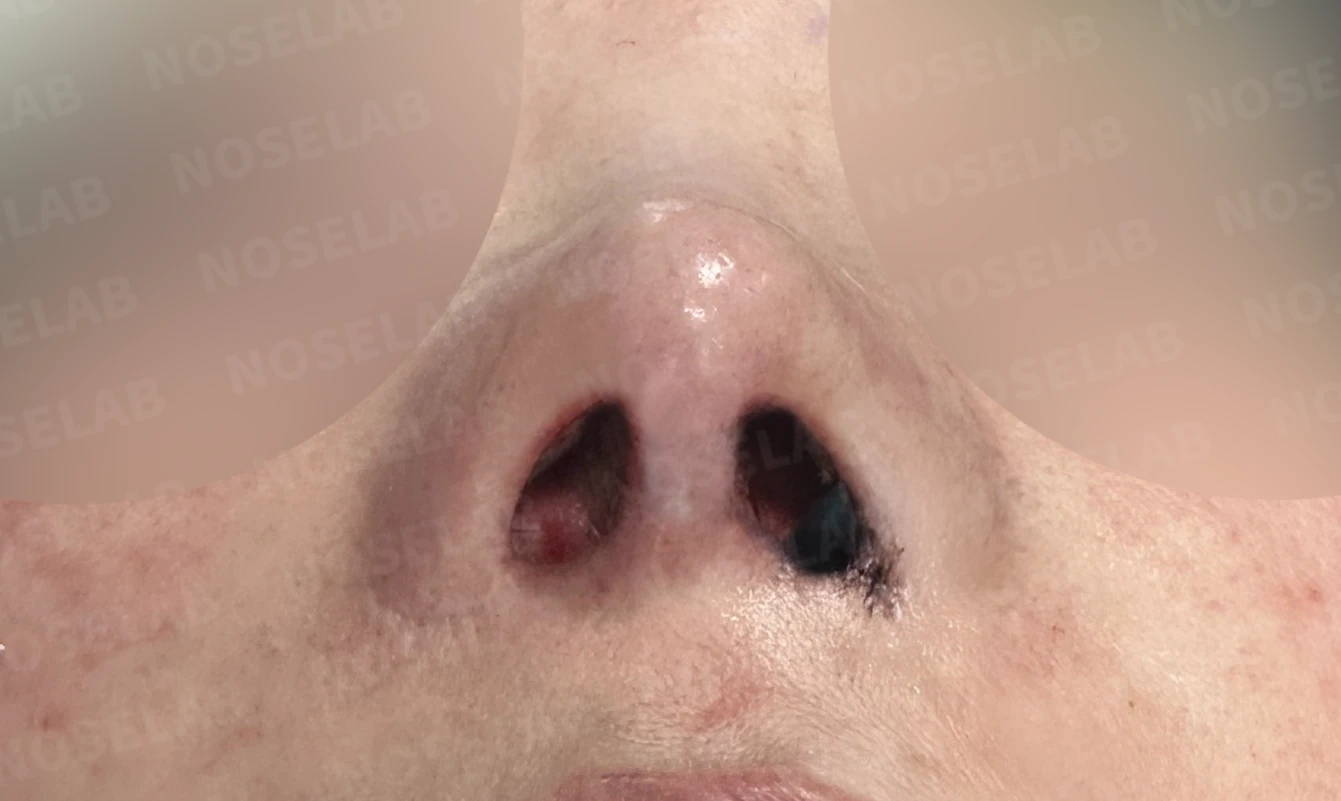
Before surgery / Day 0 immediately after surgery Photos taken immediately after surgery show swelling and may differ from the final result.
💡 Specialist opinion
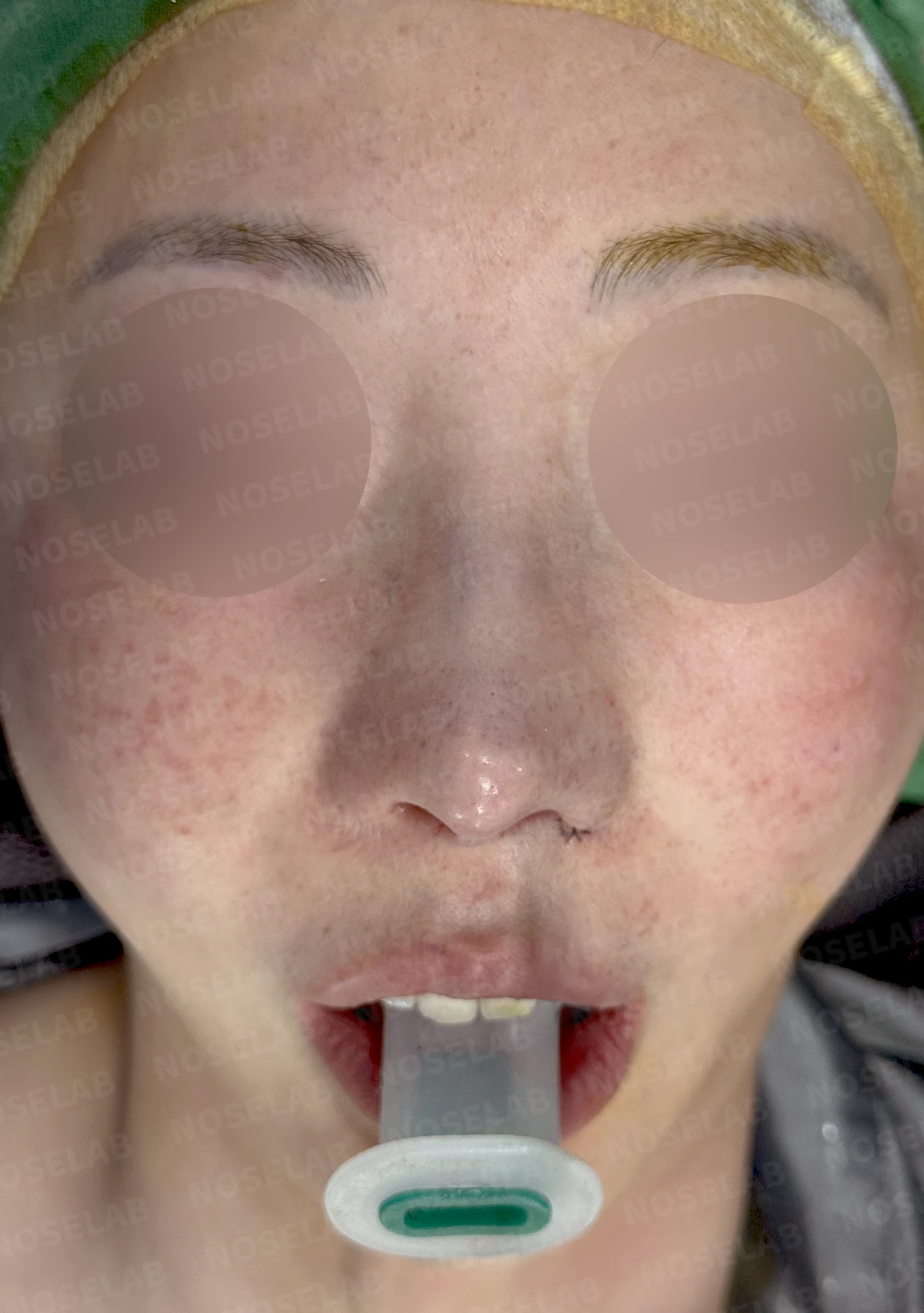
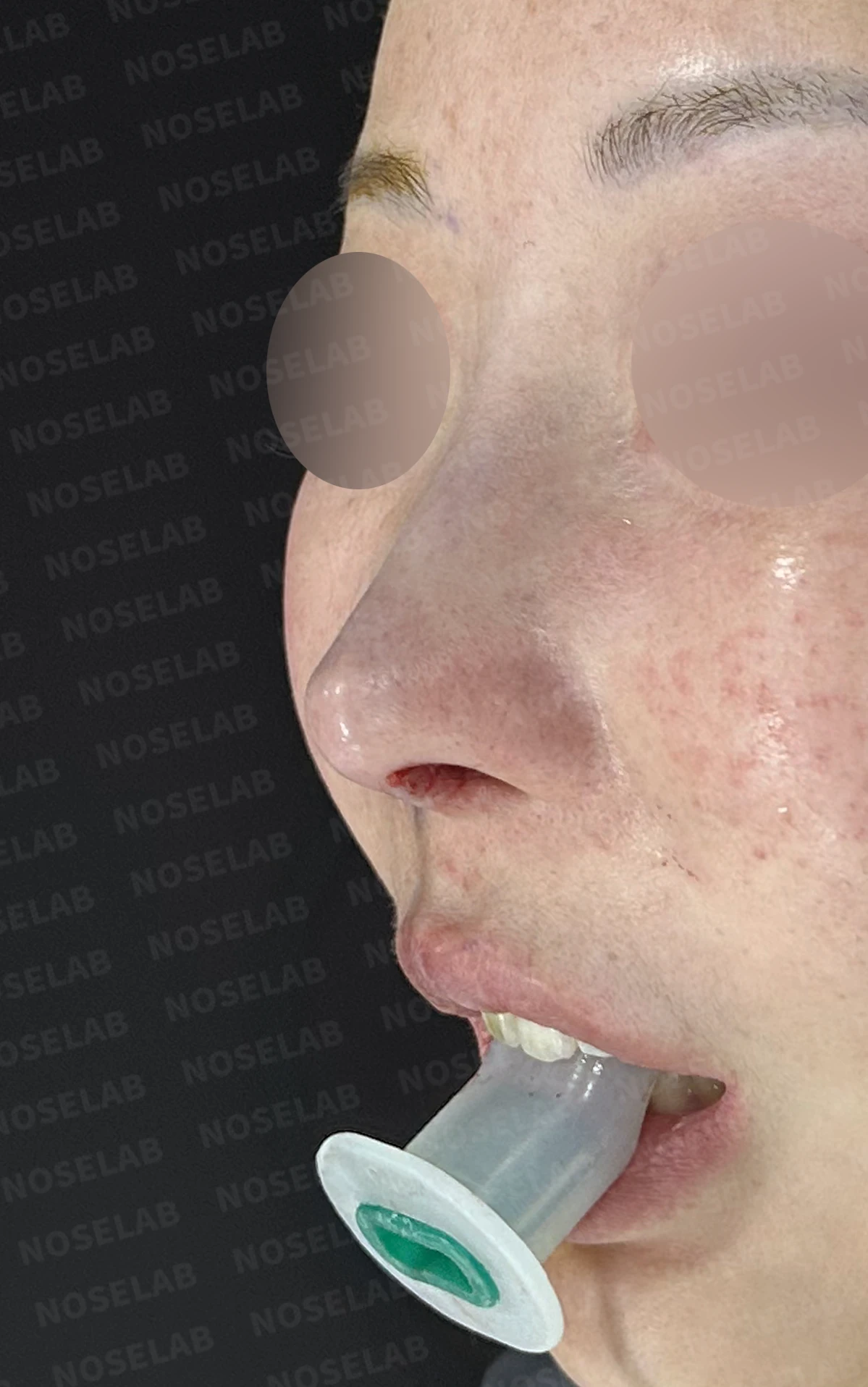
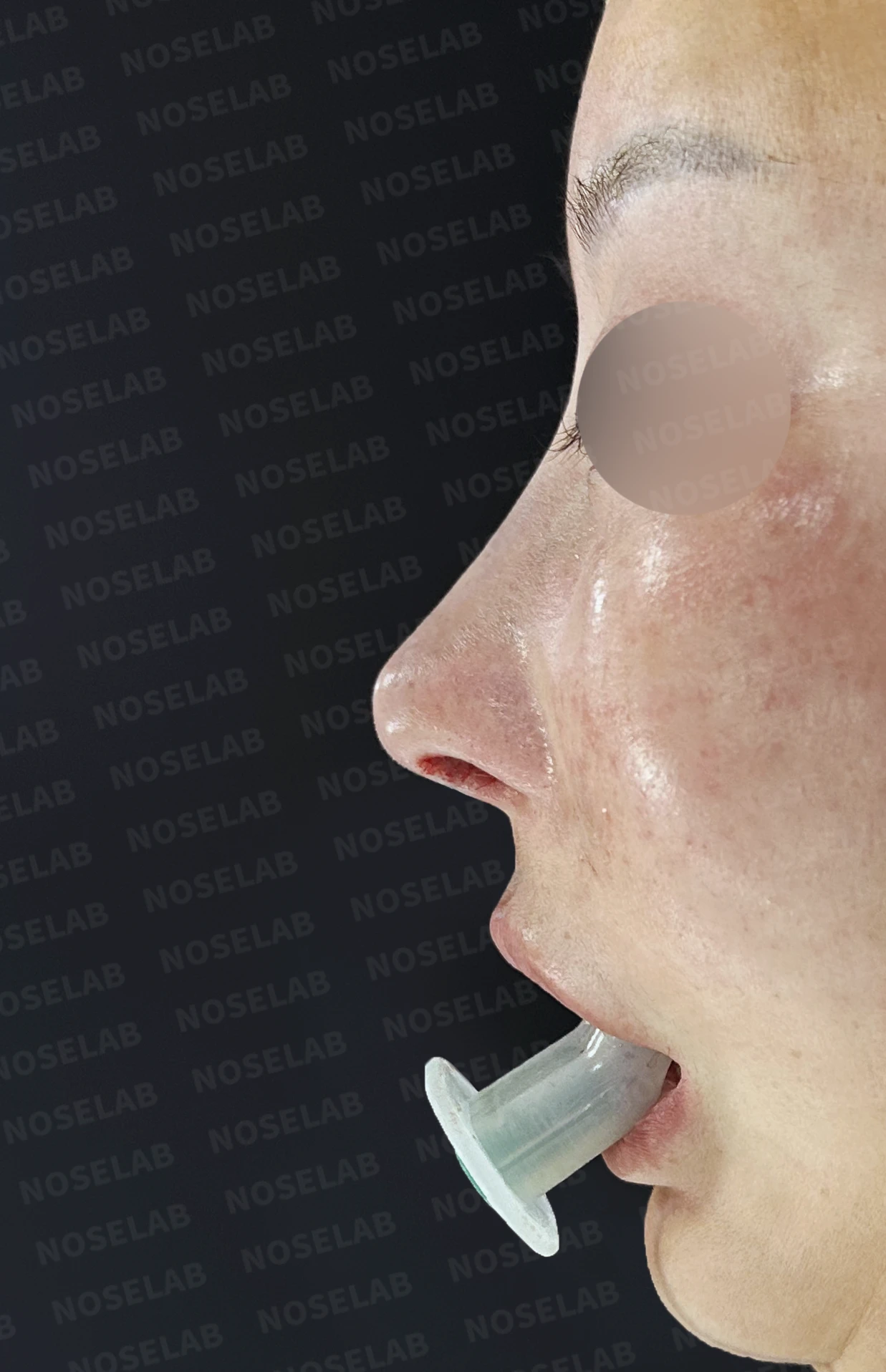
Front, oblique, and profile views on day 0 immediately after surgery. Photos taken immediately after surgery show swelling and may differ from the final result.
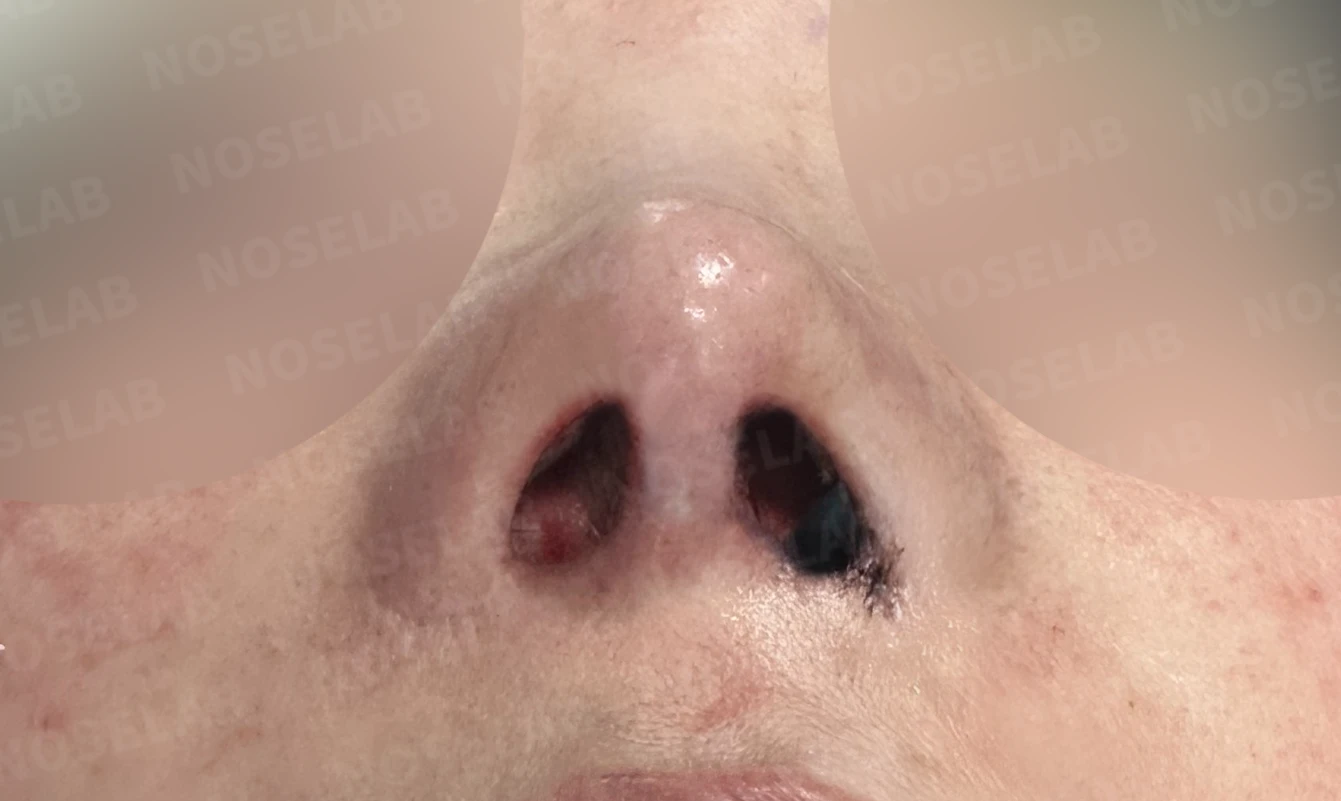
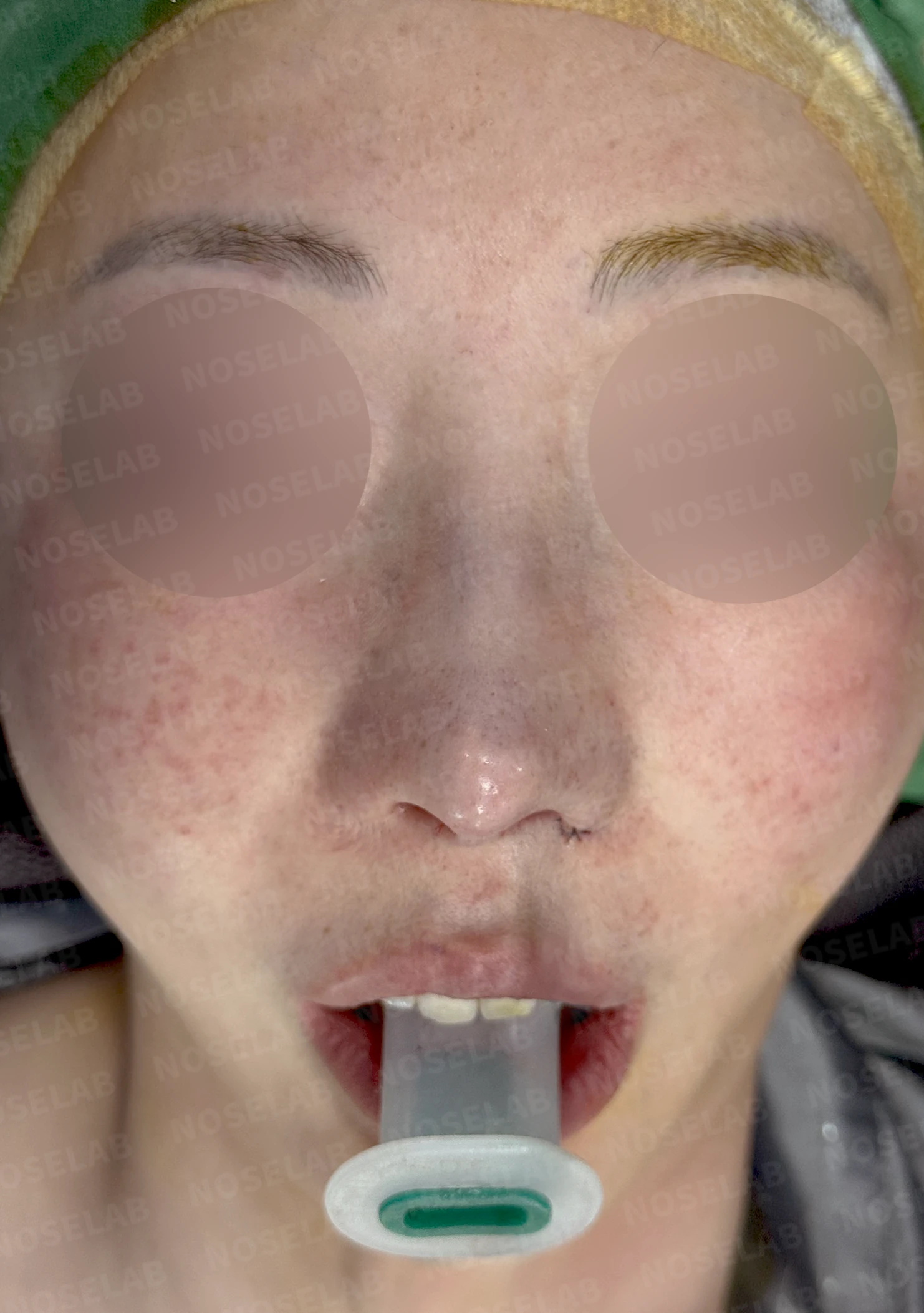
Nostril view on day 0 immediately after surgery. Photos taken immediately after surgery show swelling and may differ from the final result.
Nasal obstruction and asymmetry developing after rhinoplasty cannot be resolved through superficial aesthetic corrections alone. In cases like this, where severe septal damage and complex structural issues coexist, a systematic approach that addresses both function and appearance simultaneously is essential.
Septal reconstruction, in particular, demands high-level surgical expertise. Mobilizing a collapsed septum back into position and reinforcing it with autologous rib cartilage must be supported by an accurate understanding of anatomy and extensive surgical experience.
In addition, restoring over-osteotomized nasal bones and correcting nostril asymmetry with skin grafting require meticulous planning and delicate technique. Through this procedure, the patient was able to address both the long-standing nasal obstruction and asymmetry in a single surgery. I hope this case provides helpful insight for those experiencing similar concerns.
This was Dr. Peter C. Kang. Thank you.
#septalreconstruction #nasalobstructionrelief #nostrilasymmetry #deviatednosecorrection #autologousribcartilage #osteotomyreversal #deviatedseptum #rhinitissurgery #revisionrhinoplasty #closedrhinoplasty #closedrevisionrhinoplasty

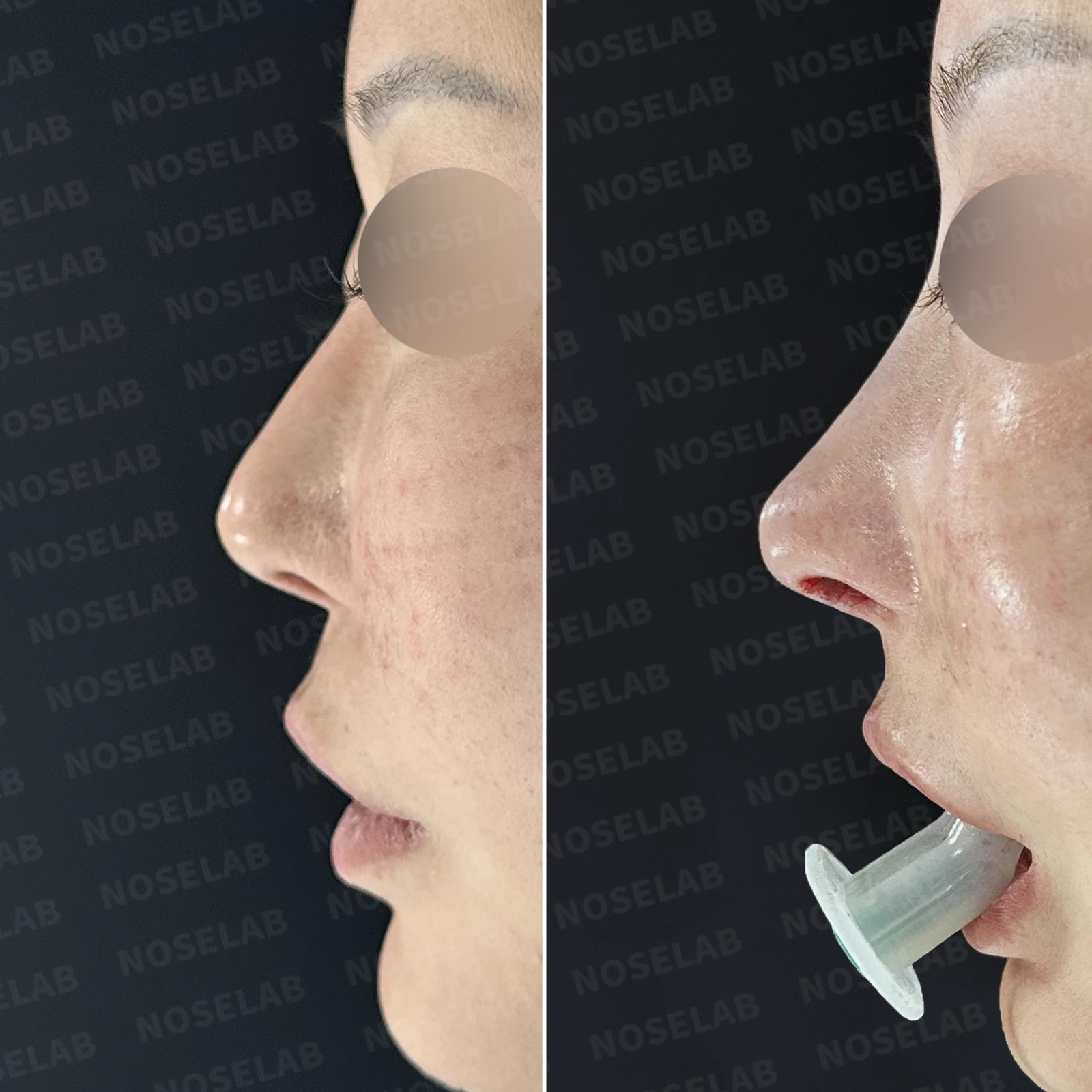
Limitations and risks
When autologous rib cartilage is used, scarring and pain may remain at the donor site on the chest, and pneumothorax (pleural injury) can occur rarely. Over time, the grafted cartilage may warp or undergo partial resorption.
When revising after implant removal, contracture may progress again after removal, the nasal height and length may decrease, and staged surgery may be necessary depending on the skin condition.
When the septum is corrected at the same time, nasal obstruction may persist or recur, and in rare cases, septal perforation or changes in smell may occur.
Common potential risks include infection, bleeding, asymmetry, scarring, skin necrosis, and insufficient improvement; results vary depending on individual skin condition and previous surgical history.