English日本語简体中文
Skip to main content
Dr. Peter C. Kang's Rhinoplasty Stories
PrologueBlogMy thoughtsNasal obstructionSurgical journalSurgical photos
About the surgeon

Noses with shifted or displaced implants: clinical records of positional changes

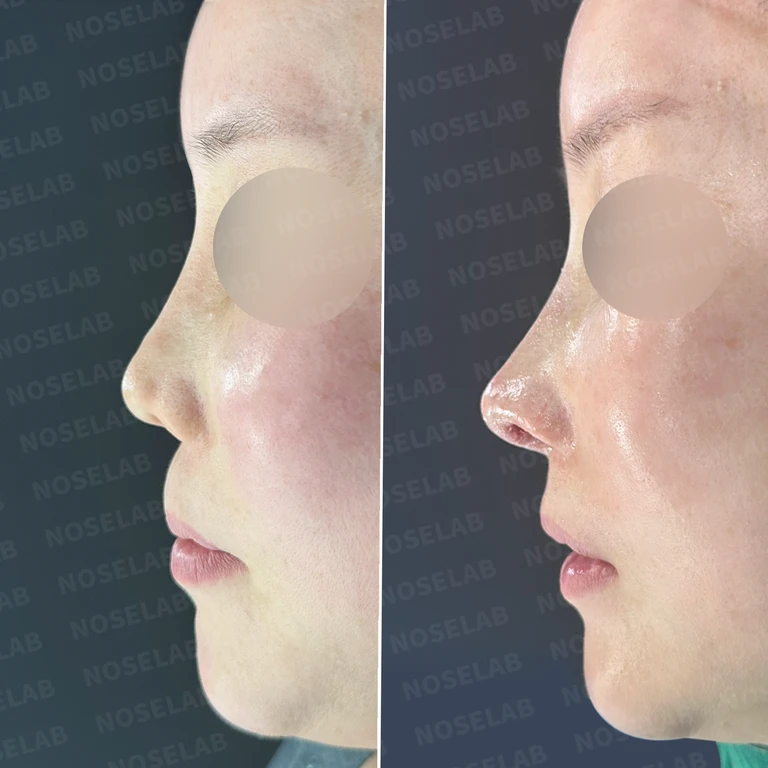
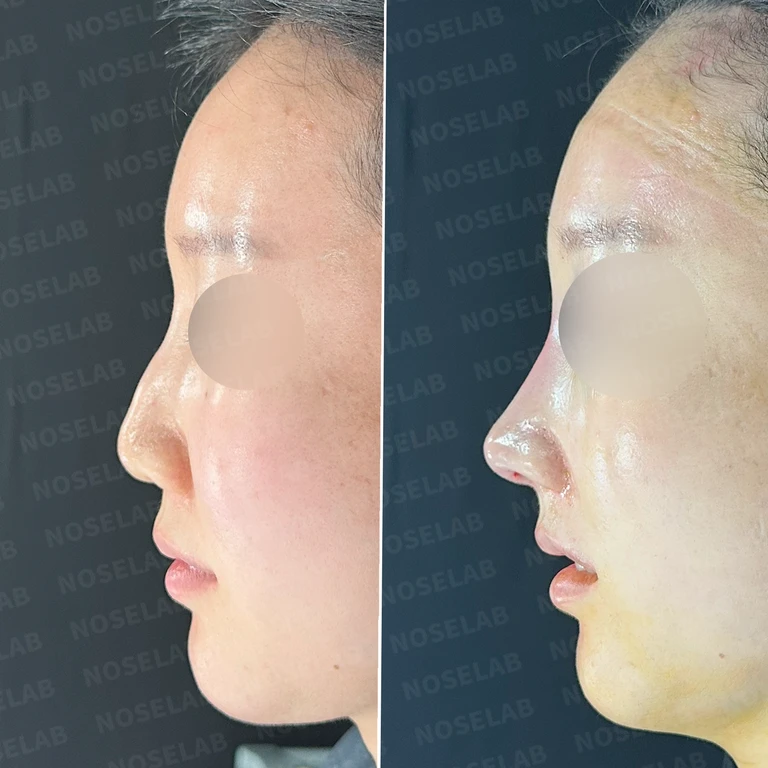
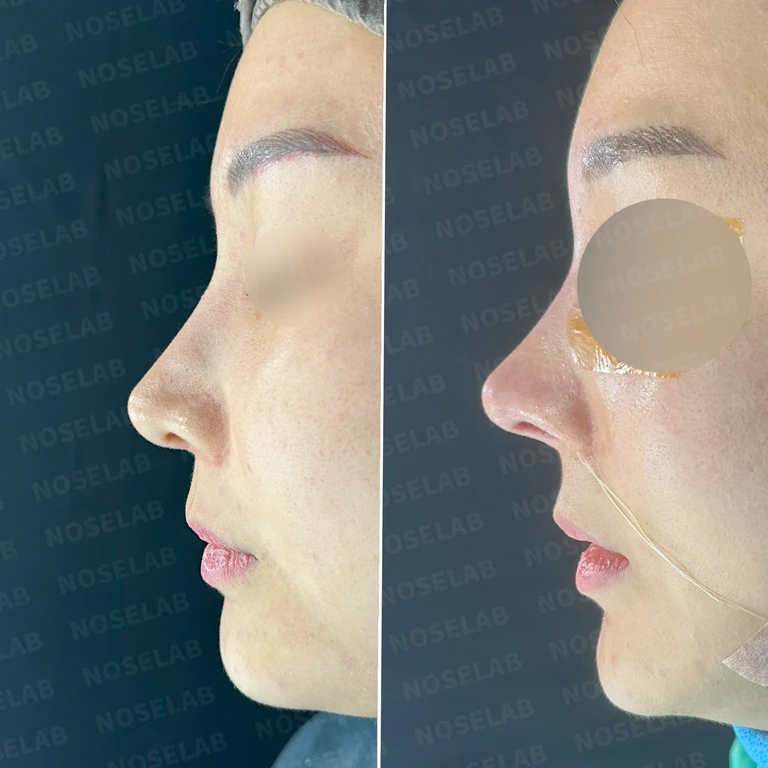
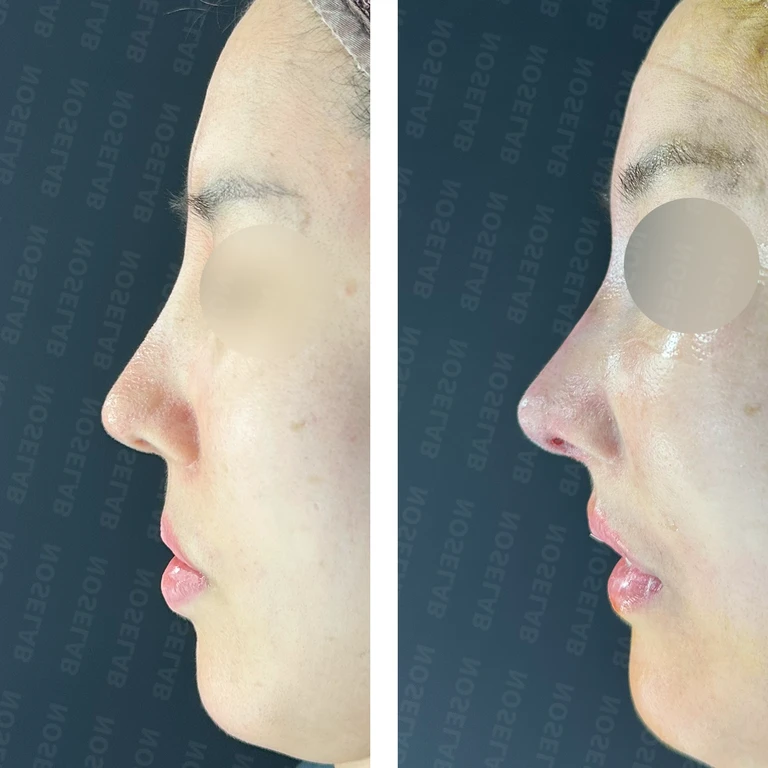
We have compiled cases where positional changes of implants were documented among patient concerns about a crooked nose. The original case records include instances where a silicone implant shifted to one side, as well as a case where an implant in the nasal bridge descended toward the columella alongside documented chronic foreign body reactions. Even within the same category of implant problems, lateral deviation and downward migration were described differently.

This collection does not presume that all nasal deviation is caused by implant displacement. You can review the actual positions of materials noted during examinations and intraoperative findings, the areas contacting skin or mucosa, and the condition of surrounding tissues observed at the time. Beyond the fact that materials were removed or replaced, compare how positional changes were documented in relation to the nasal tip and columella.

View before-and-after cases ↓Comprehensive rhinoplasty guide

Searching for surgical cases matching your criteria.
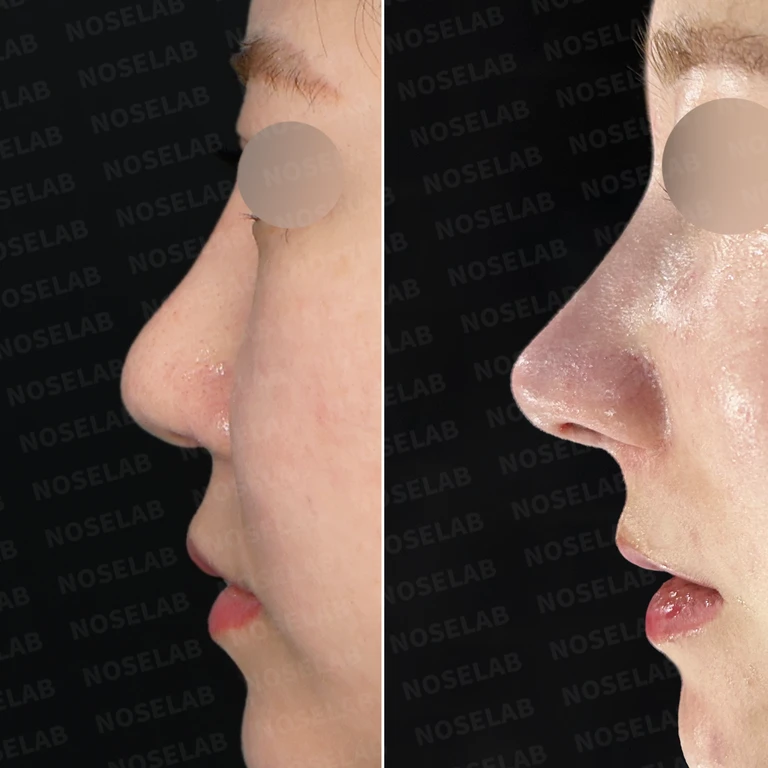
Why noses deviate and bulbous tips persist after double jaw surgery, and how rib cartilage septal reconstruction is performed — Before-and-after comparison
Before-and-after comparison

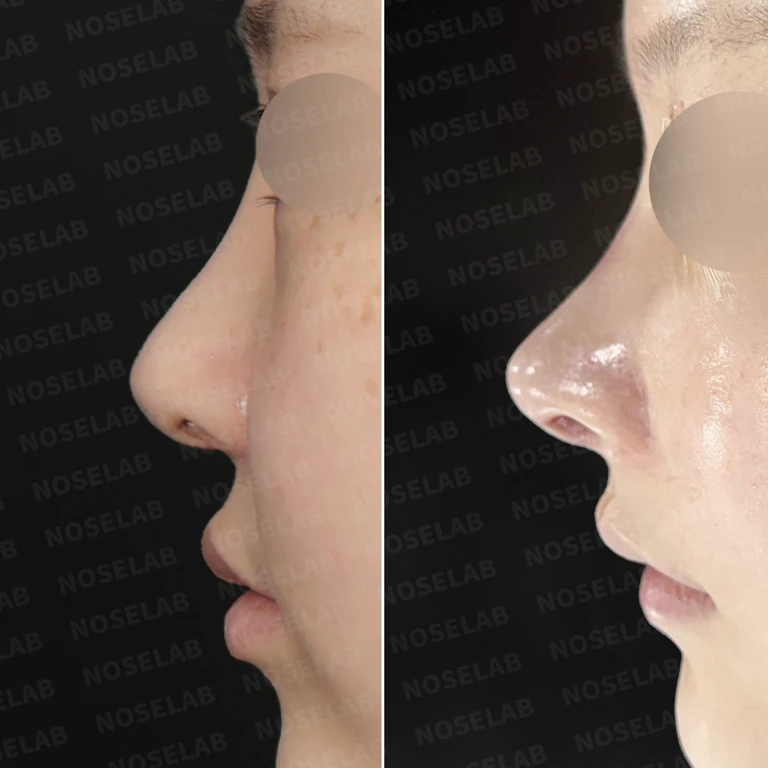
Why noses deviate and bulbous tips persist after double jaw surgery, and how rib cartilage septal reconstruction is performed

This is a case of septal damage, a deviated nasal bridge, a bulbous nose, and nasal obstruction following double jaw surgery and two prior rhinoplasties. Autologous rib cartilage septal reconstruction, cartilage repositioning, lateral osteotomy, and functional nasal surgery were performed.

Preoperative condition
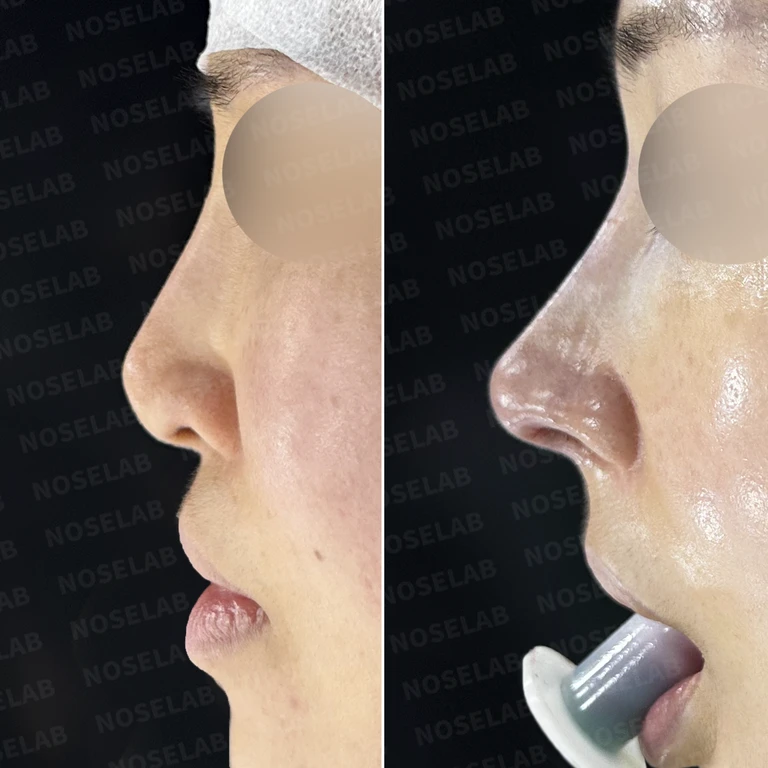
Why noses become short and upturned after multiple revision surgeries, and methods for reconstruction — Before-and-after comparison
Before-and-after comparison

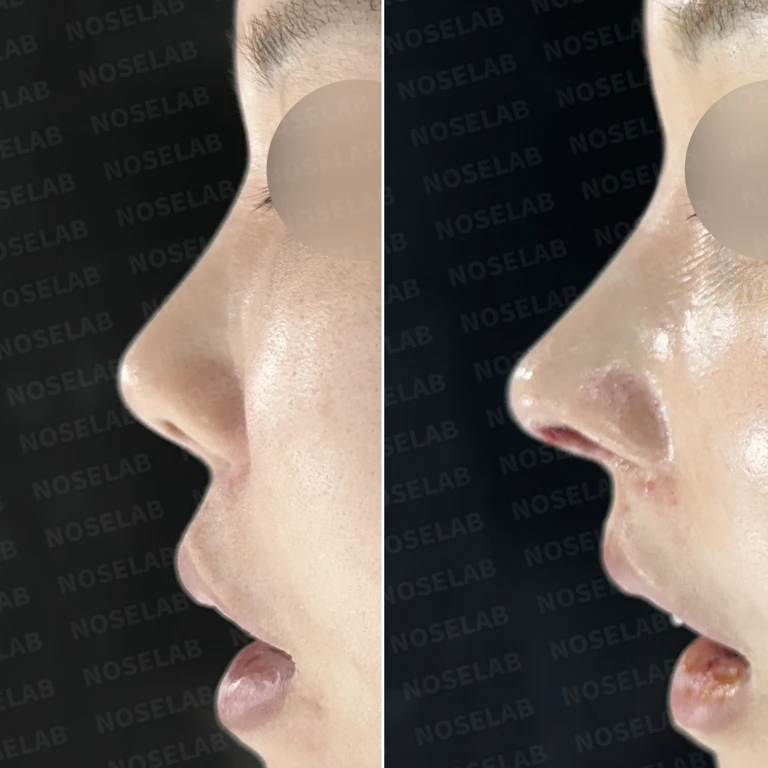
Why noses become short and upturned after multiple revision surgeries, and methods for reconstruction

A case correcting an upturned nasal tip caused by loss of the septum from repeated revision surgeries. Autologous rib cartilage septal reconstruction, nasal mucosal advancement flap, silicone implant adjustment, and rhinitis surgery were performed concurrently.

Previous surgeries and procedures

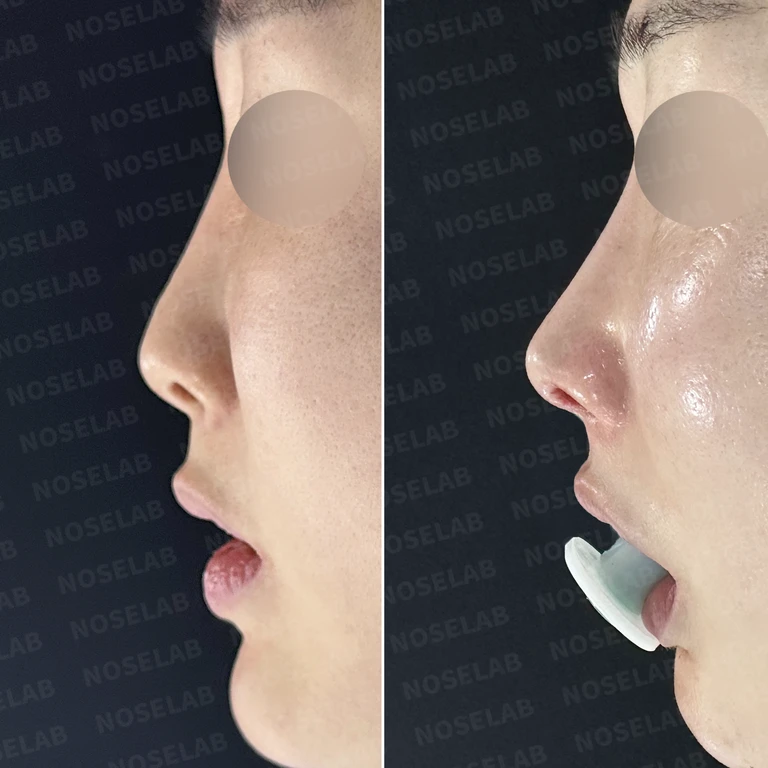
Changes that occur when an implant is positioned high and deviated: methods for replacement and bulbous tip correction — Before-and-after comparison
Before-and-after comparison

Changes that occur when an implant is positioned high and deviated: methods for replacement and bulbous tip correction

A high, deviated silicone implant was replaced to lower the radix, and septal extension was performed using donor rib cartilage. Partial soft tissue resection, cartilage tie, and rhinitis surgery addressed the bulbous tip and nasal obstruction.

Preoperative condition

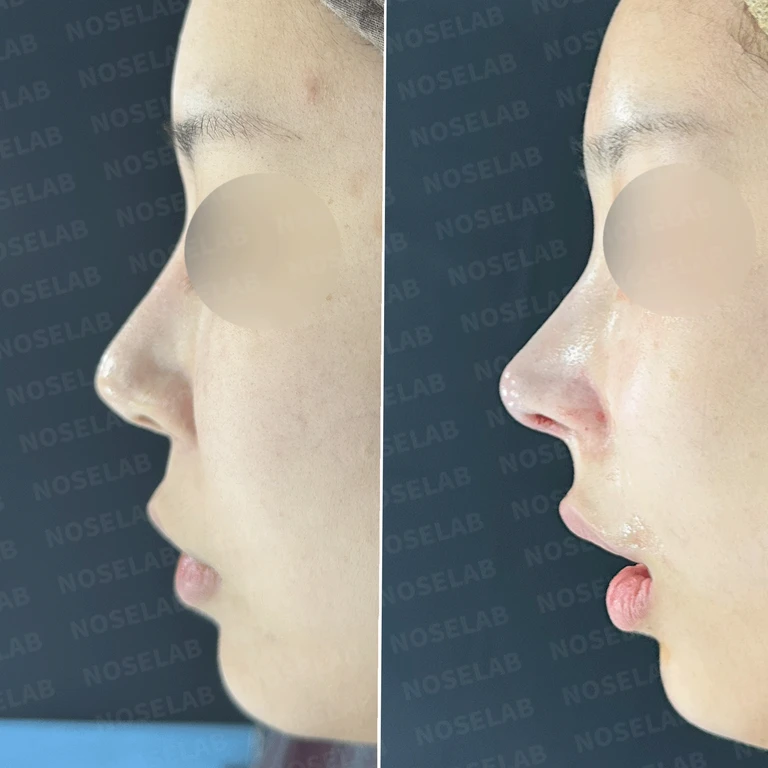
Why implants show through and nostrils look M-shaped, and how to reconstruct them — Before-and-after comparison
Before-and-after comparison

Why implants show through and nostrils look M-shaped, and how to reconstruct them

Implant show-through at the nasal tip and thinned skin were reinforced with donor dermis, and foreign substances were removed. The nasal tip was reconstructed using autologous rib cartilage, along with dragon nose correction and lateral osteotomy.

Preoperative condition

Why silicone implants deviate and make the nose look long: implant replacement and rib cartilage reconstruction — Before-and-after comparison
Before-and-after comparison

Why silicone implants deviate and make the nose look long: implant replacement and rib cartilage reconstruction

Silicone implant deviation, excessive nostril show, and a high radix were corrected by removing the previous implant, reconstructing the nasal tip with autologous rib cartilage, placing a customized implant, and adjusting the nasolabial angle.

Previous surgeries and procedures

Why cartilage shows through after multiple rhinoplasties and how to restore the mucosa and structure — Before-and-after comparison
Before-and-after comparison

Why cartilage shows through after multiple rhinoplasties and how to restore the mucosa and structure

A case where autologous rib cartilage was used to reinforce soft tissue, reconstruct nasal structure, and perform functional surgery to improve mucosal thinning, lateral cartilage show-through, and nostril asymmetry resulting from repeated surgeries.

Previous surgeries and procedures

Why a paranasal implant migrates into the nasal cavity causing breathing obstruction, and how to reconstruct it — Before-and-after comparison
Before-and-after comparison

Why a paranasal implant migrates into the nasal cavity causing breathing obstruction, and how to reconstruct it

We removed an old paranasal implant that had migrated into the nasal cavity and obstructed breathing, and completely reconstructed the damaged septum and lower lateral cartilages using autologous rib cartilage, improving both breathing function and nasal appearance.

Preoperative condition

Why nostril asymmetry and a drooping tip develop: reconstruction combining different cartilages — Before-and-after comparison
Before-and-after comparison

Why nostril asymmetry and a drooping tip develop: reconstruction combining different cartilages

To correct congenital nostril asymmetry and a drooping nasal tip, residual filler and foreign material were removed, and septal extension was performed using both donor rib cartilage and septal cartilage.

Preoperative condition

Why the nose looks crooked and the columella tilts to one side, and how to correct it — Before-and-after comparison
Before-and-after comparison

Why the nose looks crooked and the columella tilts to one side, and how to correct it

A mobile silicone implant, a tilted columella, and a crooked nasal bridge were corrected through the removal of the existing implant and foreign material, lateral osteotomy, and septal reinforcement using autologous rib cartilage.

Preoperative condition

Revision rhinoplasty methods for correcting both a long nose and asymmetry — Before-and-after comparison
Before-and-after comparison

Revision rhinoplasty methods for correcting both a long nose and asymmetry

A nasal tip that had become long and sharp from multiple surgeries, along with nostril asymmetry, was corrected using glabella bone rasping, autologous rib cartilage extension, and composite skin graft nostril lowering.

Previous surgeries and procedures

How to correct a crooked nose and nostril asymmetry together — Before-and-after comparison
Before-and-after comparison

How to correct a crooked nose and nostril asymmetry together

This is a case of a crooked nose, nostril asymmetry, and depressive dimpling from scar adhesions following repeated surgeries and alar reduction. Nasal reconstruction using autologous rib cartilage and implant replacement were planned, and changes achieved through columellar repositioning and lower lateral cartilage rearrangement were documented.

Preoperative condition
Nasal structure and correction methods for a bulbous, widened nose — Before-and-after comparison
Before-and-after comparison

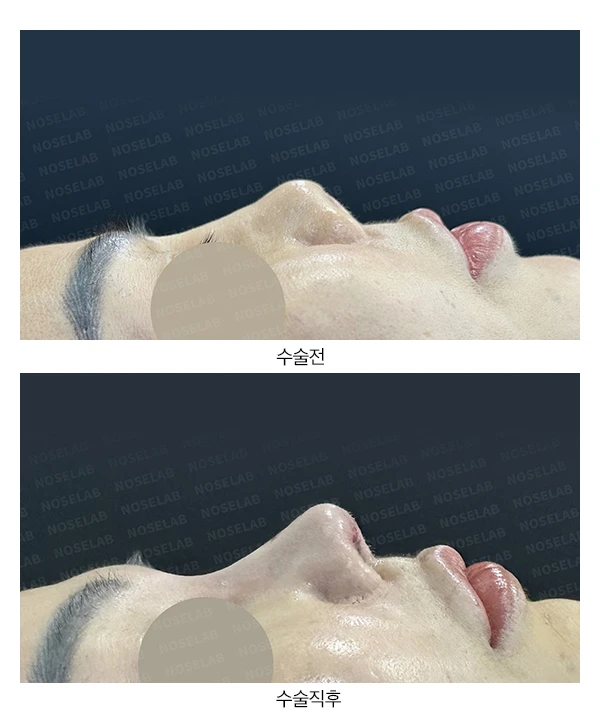
Nasal structure and correction methods for a bulbous, widened nose

A case involving bridge pain, implant mobility, and a bulbous tip from a silicone implant placed 20 years ago. The previous implant and granulation tissue were removed, followed by septal extension using autologous rib cartilage and placement of a new implant.

Preoperative condition

Revision rhinoplasty for nostril asymmetry and a flared nose — Before-and-after comparison
Before-and-after comparison

Revision rhinoplasty for nostril asymmetry and a flared nose

Following a history of double-jaw surgery and rhinoplasty, the anterior nasal spine had been resected, resulting in nostril asymmetry and nasal obstruction. The septum and lower lateral cartilages were reconstructed using autologous rib cartilage, along with silicone implant exchange and nasal sill reduction.

Preoperative condition

How to improve a wide, spread nose and correct nostril asymmetry — Before-and-after comparison
Before-and-after comparison

How to improve a wide, spread nose and correct nostril asymmetry

In this case, a 3D CT scan confirmed that the existing silicone implant was shifted to the left side of the nasal bone. We planned osteotomies, septal extension, and cartilage repositioning, verified the implant position during surgery, and documented the postoperative changes in the nasal bridge and columella.

Preoperative condition

Reconstruction methods for a nose contracted after multiple surgeries — Before-and-after comparison
Before-and-after comparison

Reconstruction methods for a nose contracted after multiple surgeries

In a severe contracted nose that developed after a history of 27 surgeries and fat graft procedures, the protruding silicone implant and degenerated tissue were removed, and the septum and structural support were reconstructed using autologous rib cartilage.

Preoperative condition

Revision rhinoplasty with autologous rib cartilage for bulbous tip, crooked nose, and nostril asymmetry — Before-and-after comparison
Before-and-after comparison

Revision rhinoplasty with autologous rib cartilage for bulbous tip, crooked nose, and nostril asymmetry

This is a case of a bulbous nose with thick skin, scar tissue in the nasal tip, and an implant deviated to the right. Removal of scar tissue, reconstruction and repositioning of the lower lateral (alar) cartilage, and nasal tip plasty using autologous rib cartilage were performed, with lateral osteotomy planned.

Preoperative condition
Foreign body removal and autologous rib cartilage revision rhinoplasty for chronic foreign body reaction and a long nose — Before-and-after comparison
Before-and-after comparison

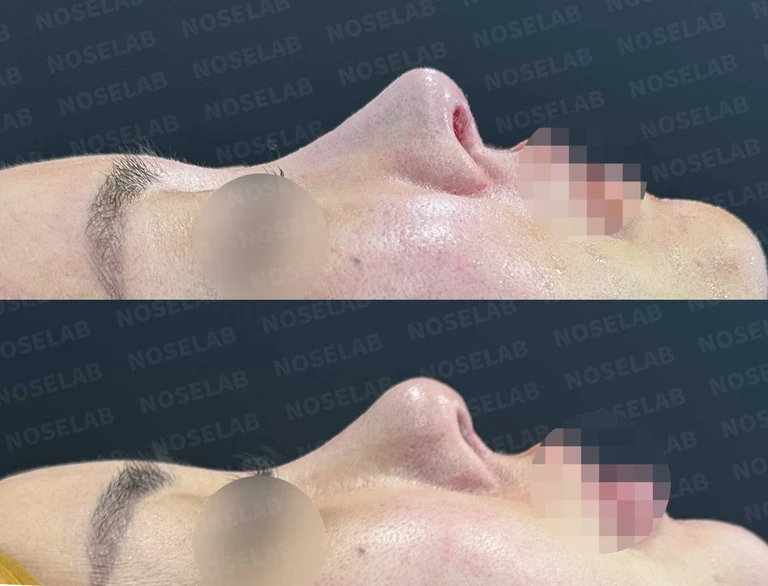
Foreign body removal and autologous rib cartilage revision rhinoplasty for chronic foreign body reaction and a long nose

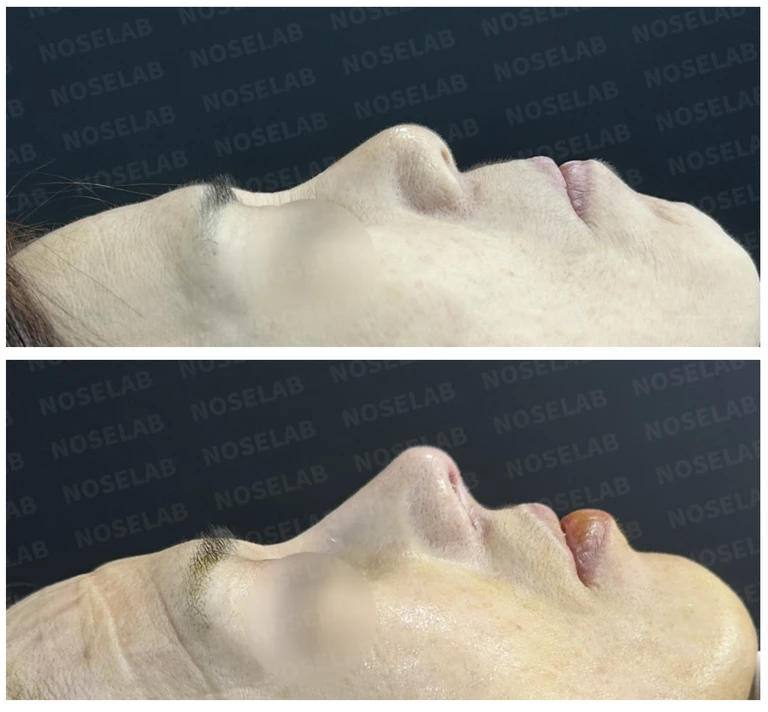
This is a case where a silicone implant shifted almost to the point of extruding through the columella due to a chronic foreign body reaction. The silicone implant, granulation tissue, and glabella filler were removed, and the depleted septum from previous surgery was reconstructed using autologous rib cartilage.

Preoperative condition
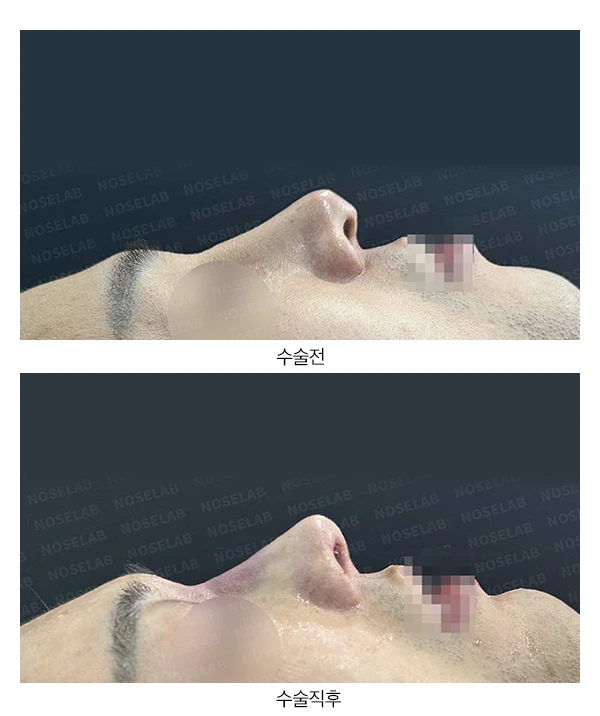
Revision rhinoplasty for a crooked nose with a blunt, drooping tip, and correction of the nasolabial angle — Before-and-after comparison
Before-and-after comparison

Revision rhinoplasty for a crooked nose with a blunt, drooping tip, and correction of the nasolabial angle

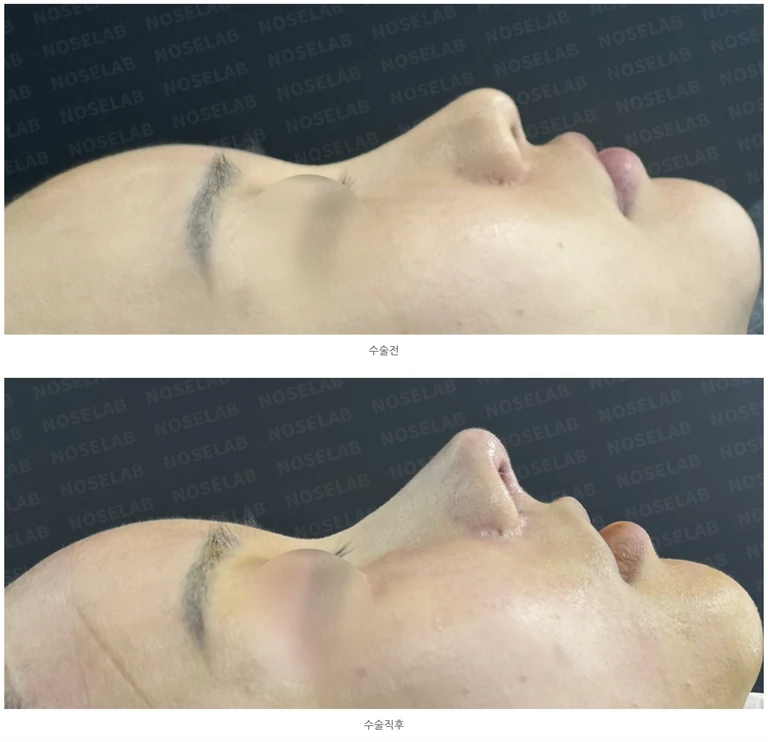
This is a case where the silicone implant was shifted to the right, along with nasal bone asymmetry and a drooping nasal tip. Here, I document the planning process for lateral osteotomy and septal extension using donor rib cartilage, along with photos taken immediately after surgery.

Preoperative condition
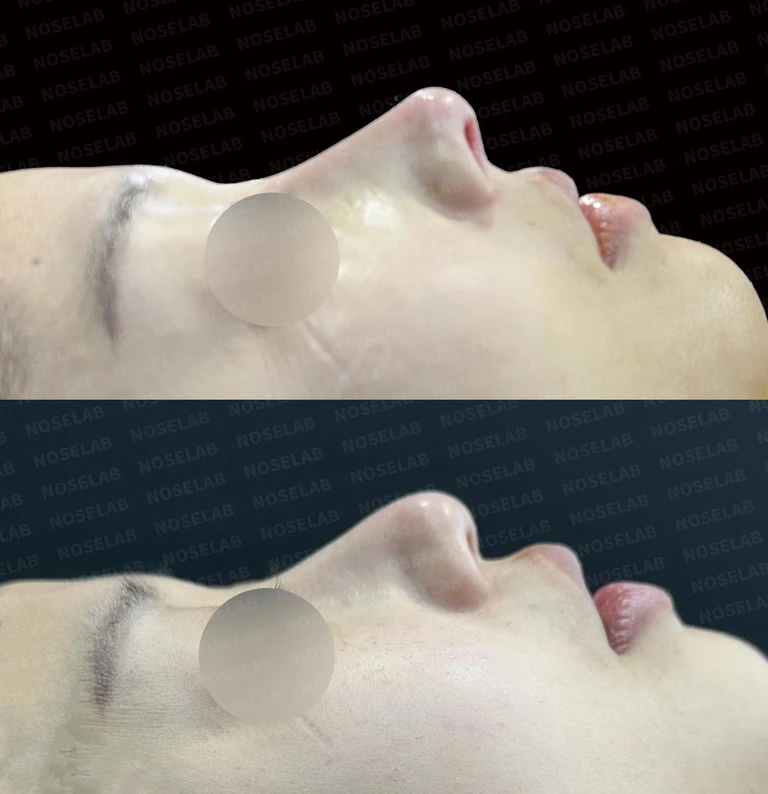
No search results found

Please try searching with different keywords.

Scroll to keep reading

Common questions before reading the cases

Do you distinguish between cases where the implant shifted laterally and cases where it migrated downward?

Yes. One article addresses a crooked nose where the silicone implant shifted to one side, while another describes a case where a bridge implant migrated toward the columella. Another record documents findings where a piece of silicone was pushed down toward the nasal tip. Rather than assuming the direction of displacement based solely on external crookedness, you can compare them according to the actual positions documented in the clinical records.

Should the condition of the skin also be reviewed in cases of displaced implants?

In the presented case records, positional and surface findings are documented together. A case where the implant migrated toward the columella describes red skin with sharply palpable silicone, while another case describes compromised skin at the nasal tip. Rather than confusing these two observations as the same stage, it is advisable to examine the implant position alongside the cutaneous and mucosal findings in each specific article.

Related topics to explore

Crooked noseForeign body reactionImplant and cartilage exposureImplant replacement

Surgical records referenced in this guide

  • Revision rhinoplasty for a crooked nose with a blunt, drooping tip, and correction of the nasolabial angle
  • Foreign body removal and autologous rib cartilage revision rhinoplasty for chronic foreign body reaction and a long nose
  • Reconstruction methods for a nose contracted after multiple surgeries
Original article

Read more records

Planning a visit to Seoul?Prepare your consultation with the NOSELAB team.

International patient guideWhatsApp ↗
Dr. Peter C. Kang's Rhinoplasty Stories
Rhinoplasty guideCases by topicDr. Peter C. KangNaver Blog ↗
View original photo
Enlarged photo
WhatsAppChat with NOSELAB↗