English日本語简体中文
Skip to main content
Dr. Peter C. Kang's Rhinoplasty Stories
PrologueBlogMy thoughtsNasal obstructionSurgical journalSurgical photos
About the surgeon

Cases of implant and cartilage exposure: records of the skin and mucosa

Implant show-through and actual exposure through the skin or mucosa are distinct conditions to differentiate in this list. The original records include cases where the nasal tip skin opened and a fragment of silicone was pushed downward, where silicone exposure was identified beneath granulation tissue, and where cartilage broke through the nasal mucosa.

Here, we look separately at the exposed site, the material, and any associated inflammation or tissue damage. In cases of cartilage exposure, records describe removing the cartilage and grafting perichondrium to reconstruct the mucosa. Records that simply mention thin skin or a palpable implant are not described as actual exposure, and states of impending exposure are linked under a separate topic.

View before-and-after cases ↓Comprehensive rhinoplasty guide

Searching for surgical cases matching your criteria.
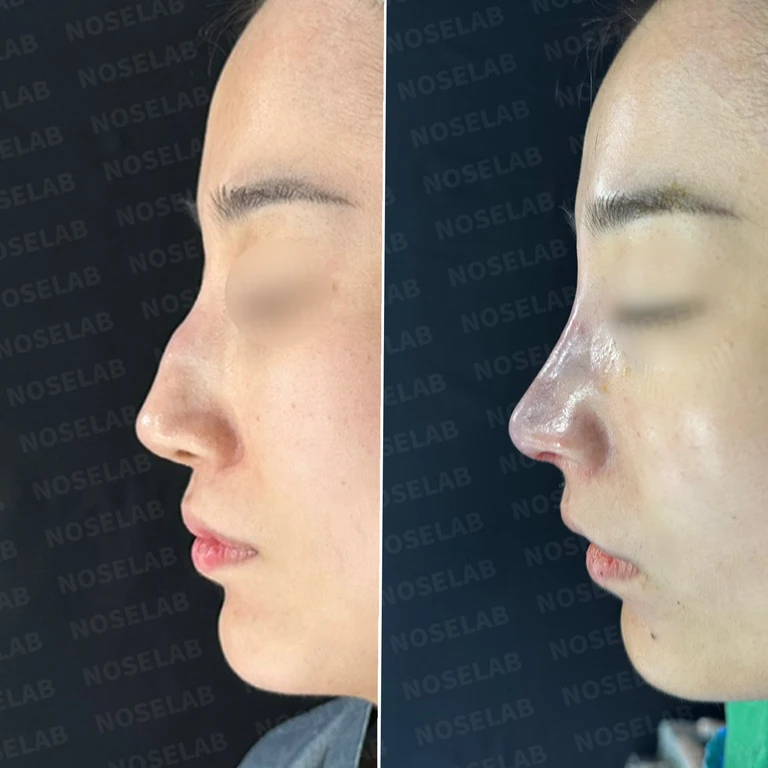
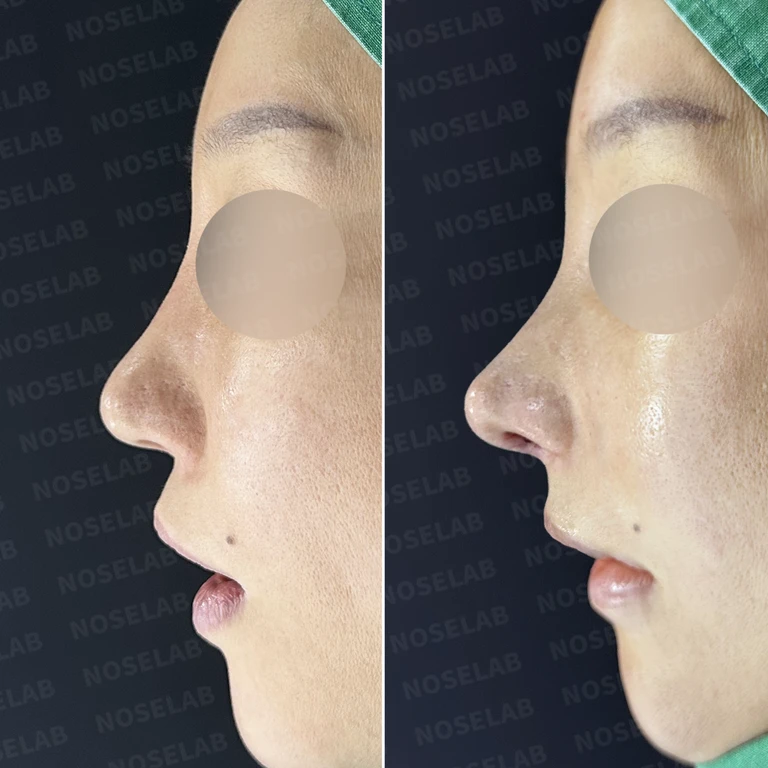
Why cartilage extrudes through the nasal mucosa and methods for restoration and reconstruction — Before-and-after comparison
Before-and-after comparison

Why cartilage extrudes through the nasal mucosa and methods for restoration and reconstruction

Cartilage protruding through the nasal mucosa was removed and the area restored with perichondrium, damaged lower lateral cartilage and a drooping tip were reconstructed using autologous rib cartilage, and the implant was replaced with customized silicone.

Preoperative condition · Postoperative record
Why the septum collapses after multiple revision rhinoplasties, and how total reconstruction is performed with autologous rib cartilage — Before-and-after comparison
Before-and-after comparison

Why the septum collapses after multiple revision rhinoplasties, and how total reconstruction is performed with autologous rib cartilage

Cartilage penetrating the mucosa and a septal perforation after multiple surgeries were corrected through total reconstruction with autologous rib cartilage and repair of the perforation using ear perichondrium.

Preoperative condition

Why Medpor extrudes through the nasal mucosa, and how removal and reconstruction are performed — Before-and-after comparison
Before-and-after comparison

Why Medpor extrudes through the nasal mucosa, and how removal and reconstruction are performed

The extruded Medpor and damaged tissue protruding into the nasal cavity were removed, and the septum along with the missing lower lateral cartilage was reconstructed using autologous rib cartilage to treat asymmetry and inflammation.

Preoperative condition

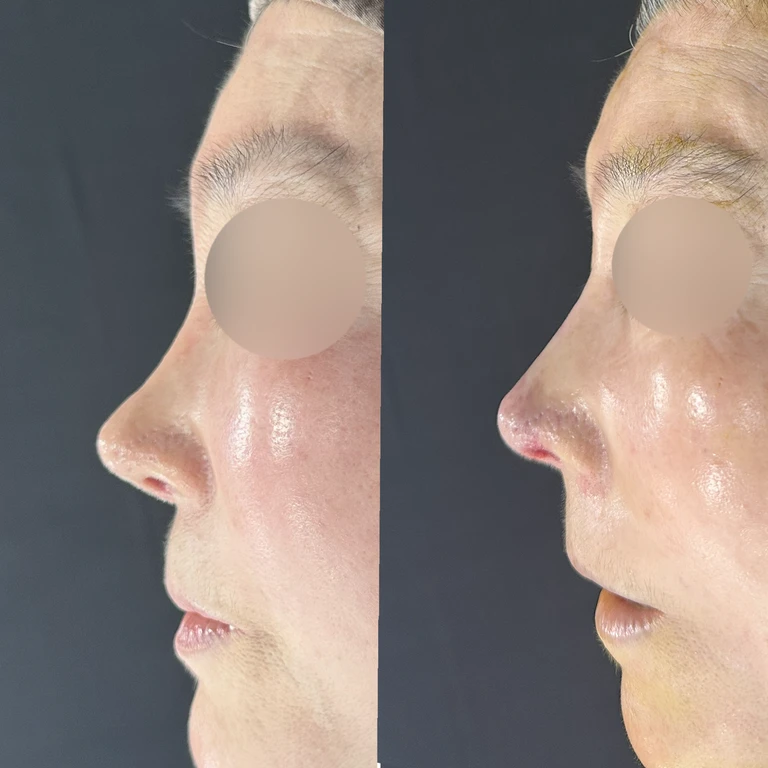
Aged nasal implants and nasal pain: key points to evaluate in revision rhinoplasty — Before-and-after comparison
Before-and-after comparison

Aged nasal implants and nasal pain: key points to evaluate in revision rhinoplasty

A case in an older patient with a 50-year history of repeated surgeries, nasal pain, and a crooked nose deformity, where the previous cartilage causing the pain was removed and the nose was reconstructed using donor rib cartilage.

Previous surgeries and procedures

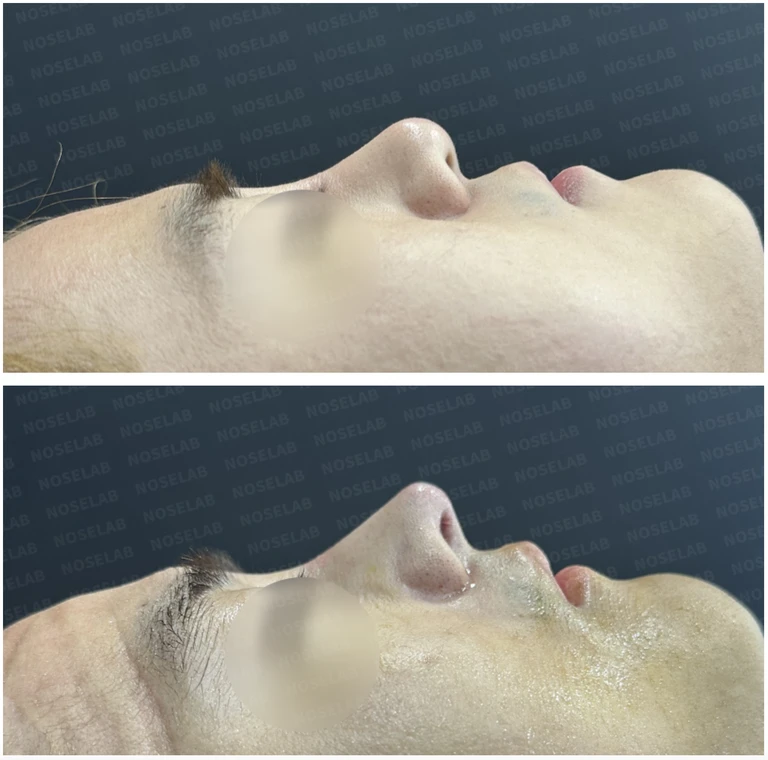
How to reconstruct the nose after silicone implant exposure and inflammation — Before-and-after comparison
Before-and-after comparison

How to reconstruct the nose after silicone implant exposure and inflammation

In a case presenting with silicone implant exposure accompanied by inflammatory granulation tissue, the existing implant and capsule were removed, and autologous rib cartilage was used to perform septal extension and reconstruct the lower lateral cartilage.

Preoperative condition

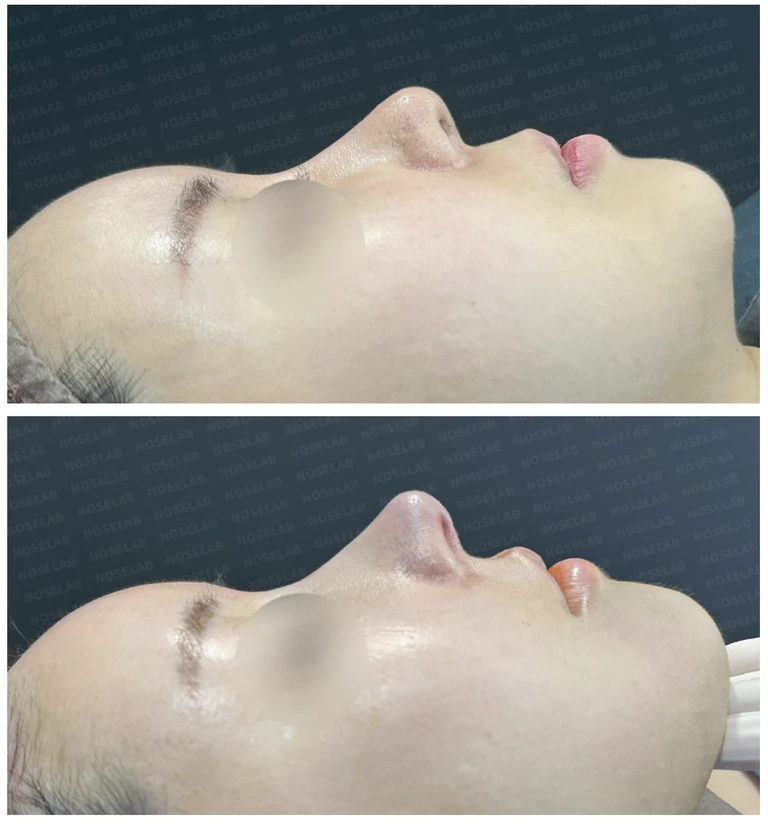
Reconstruction method for an upturned and crooked nose after repeated surgeries — Before-and-after comparison
Before-and-after comparison

Reconstruction method for an upturned and crooked nose after repeated surgeries

Following multiple rhinoplasties, the patient presented with an upturned nasal tip, septal damage, protruding columellar cartilage, and nasal obstruction. Tip reconstruction using autologous rib cartilage, septoplasty, and submucosal resection of the inferior turbinate were performed through a closed approach.

Preoperative condition

Reconstruction methods for a nose contracted after multiple surgeries — Before-and-after comparison
Before-and-after comparison

Reconstruction methods for a nose contracted after multiple surgeries

In a severe contracted nose that developed after a history of 27 surgeries and fat graft procedures, the protruding silicone implant and degenerated tissue were removed, and the septum and structural support were reconstructed using autologous rib cartilage.

Preoperative condition

No search results found

Please try searching with different keywords.

Scroll to keep reading

Common questions before reading the cases

How do you distinguish silicone show-through from actual exposure?

We check the descriptions in the original record regarding whether the skin or mucosa has opened and whether the material has emerged to the outside. One case noted that the nasal tip skin was opened by about 0.5 mm, while another clearly specified silicone exposure beneath granulation tissue. Merely stating that the material shows through beneath the skin cannot be equated with these conditions, which is why the two topics are separated.

Are there also cases covering internal nasal cartilage exposure?

Yes, there are. One original record notes that cartilage penetrating the right nasal mucosa was removed and the mucosa was reconstructed with a perichondrial graft. Unlike issues occurring on the external nasal tip skin, this case explains an exposure site on the internal nasal mucosa. You can review not only the type of material, but also the location of exposure and what tissue was reconstructed after removal.

Related topics to explore

Implant show-through and palpabilityInflammation and infectionThin nasal skin

Surgical records referenced in this guide

  • Reconstruction methods for a nose contracted after multiple surgeries
  • How to reconstruct the nose after silicone implant exposure and inflammation
  • Why cartilage extrudes through the nasal mucosa and methods for restoration and reconstruction
Original article

Read more records

Planning a visit to Seoul?Prepare your consultation with the NOSELAB team.

International patient guideWhatsApp ↗
Dr. Peter C. Kang's Rhinoplasty Stories
Rhinoplasty guideCases by topicDr. Peter C. KangNaver Blog ↗
View original photo
Enlarged photo
WhatsAppChat with NOSELAB↗