Hello, I am Dr. Peter C. Kang.
Today, I would like to introduce a unique case involving an older patient with a 50-year surgical history.
I will explain in detail the surgical plan, structured with safety in mind considering underlying medical conditions, and the operative process.
🔍 Underlying conditions and medications
Arrhythmia
Hyperthyroidism
Hyperlipidemia
Currently taking blood pressure and thyroid medications
💉 Surgical history
50 years ago: L-shaped silicone implant (implant extruded through the columella after bumping into a door)
30 years ago: silicone implant surgery
3 to 4 years ago: silicone implant, ear cartilage, and septal cartilage surgery
🔧 The patient's requests
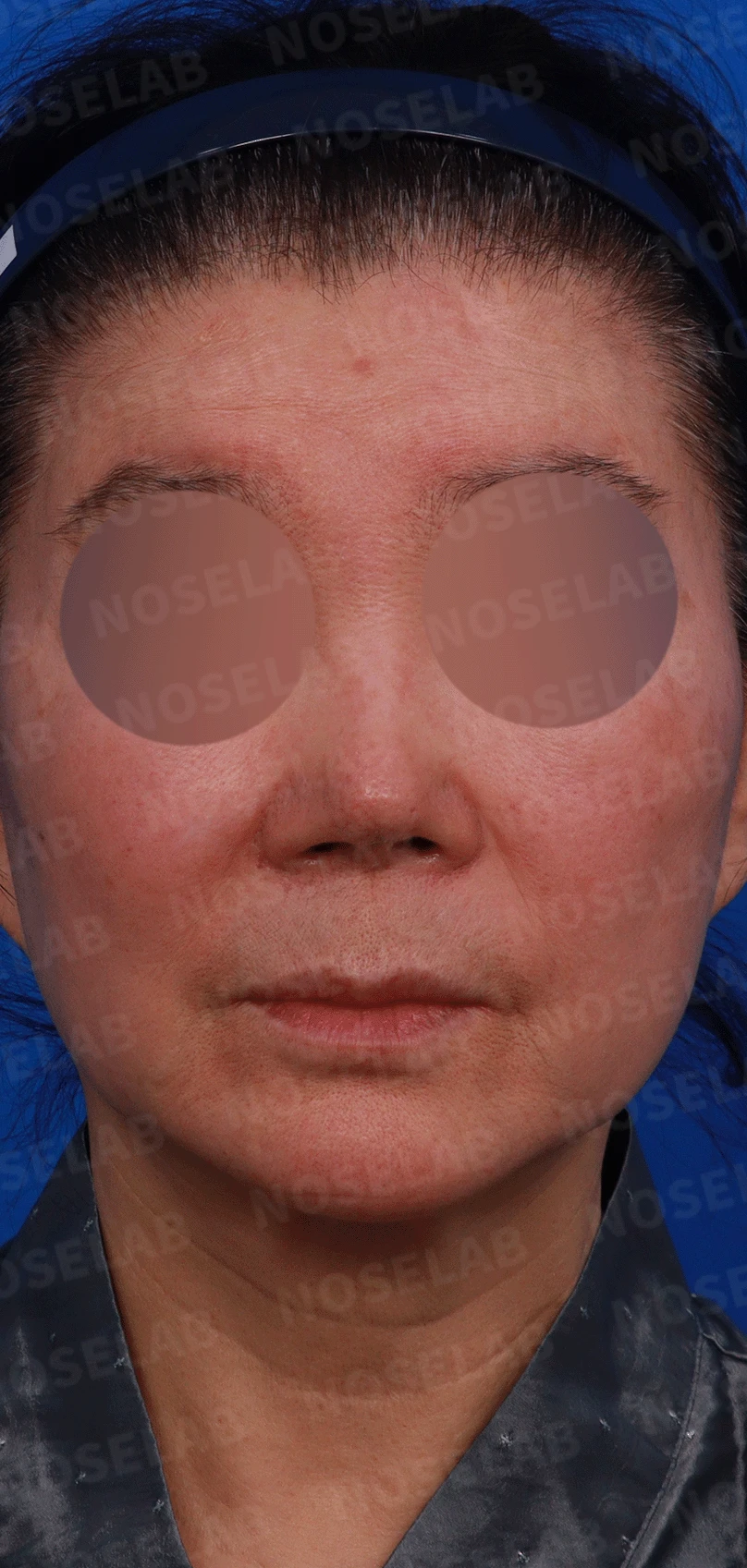
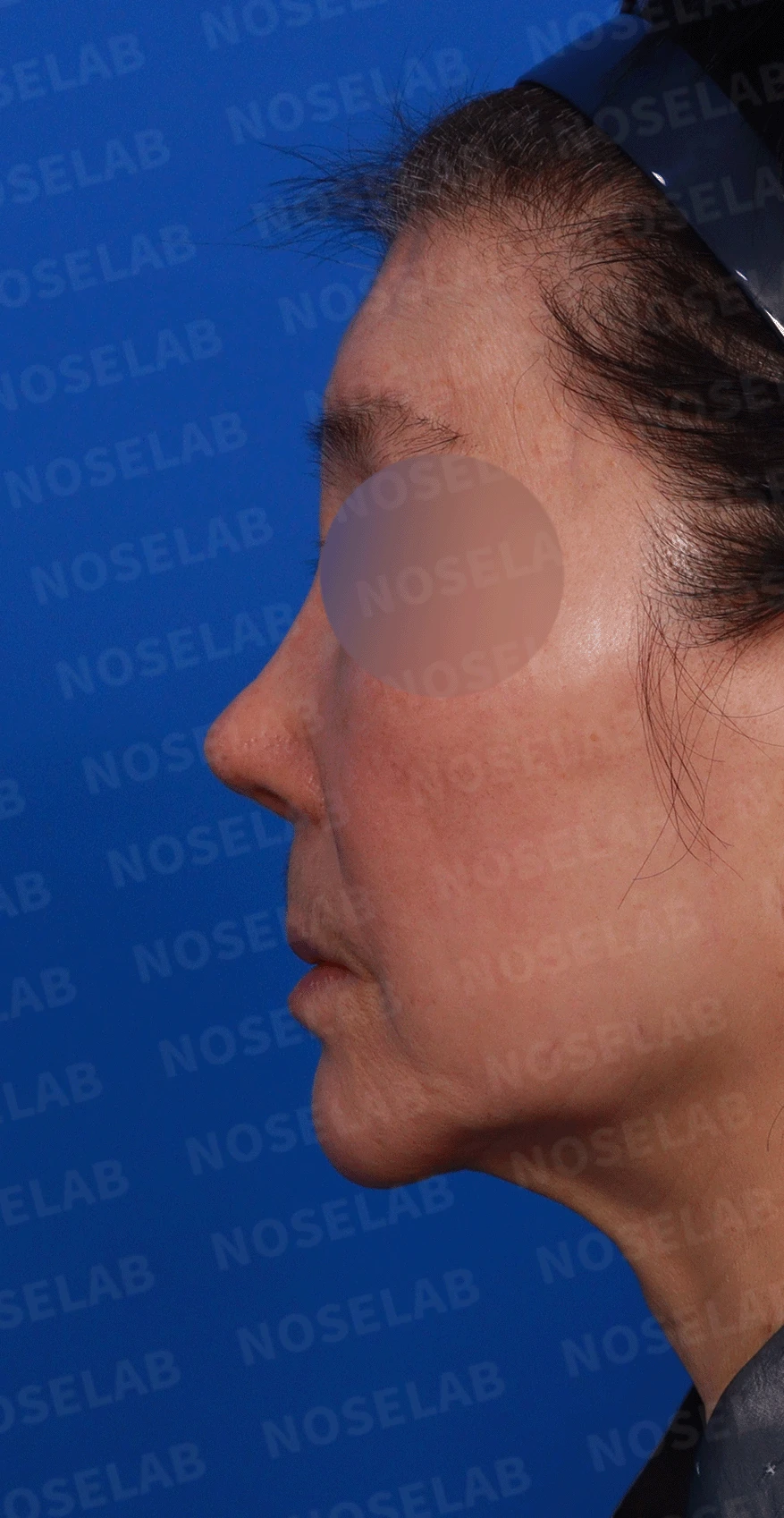
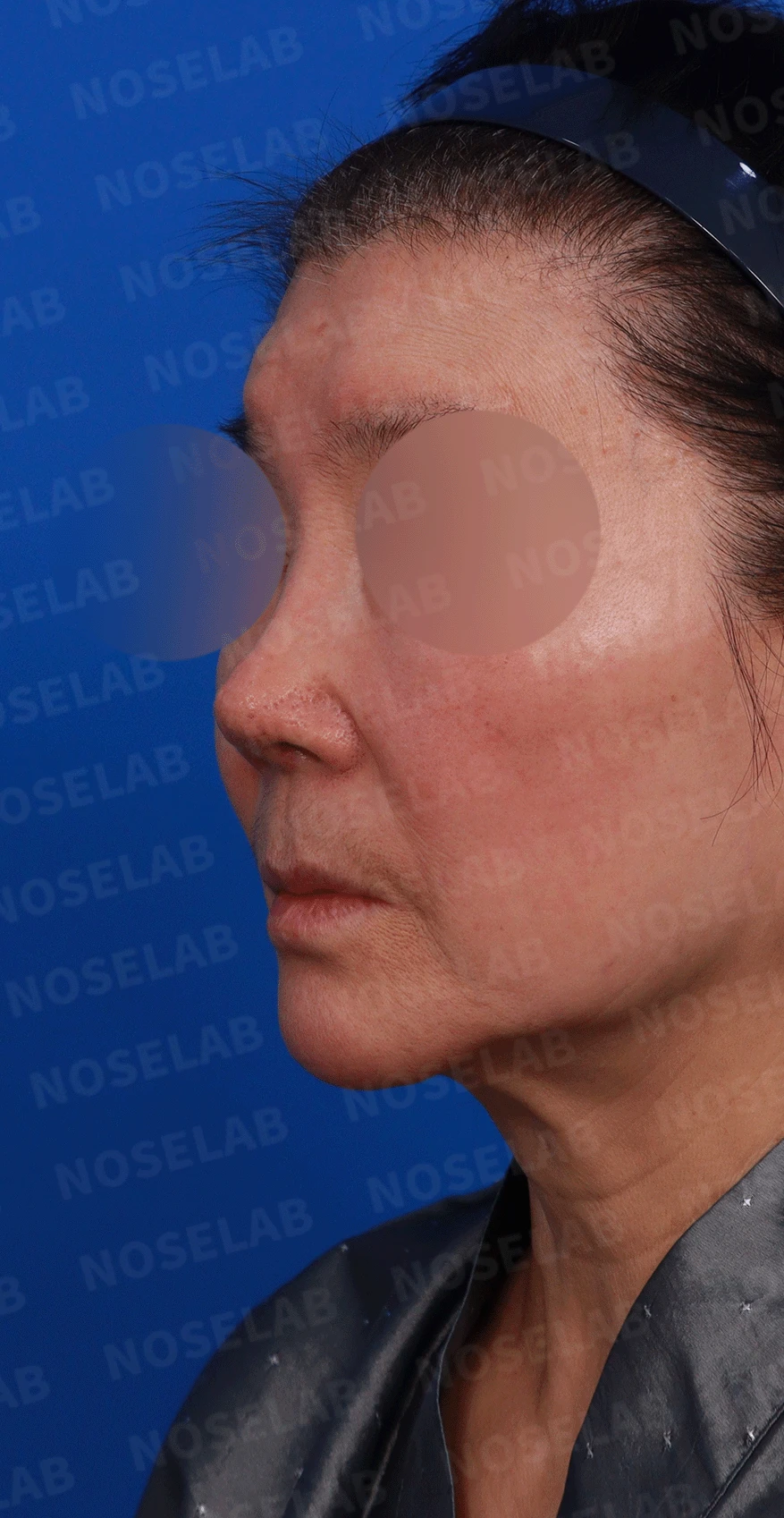
Front, left profile, and oblique views during design consultation.
High and straight nasal bridge
A line with balanced volume
Harmony with the overall face
Relief of pain in the left nostril
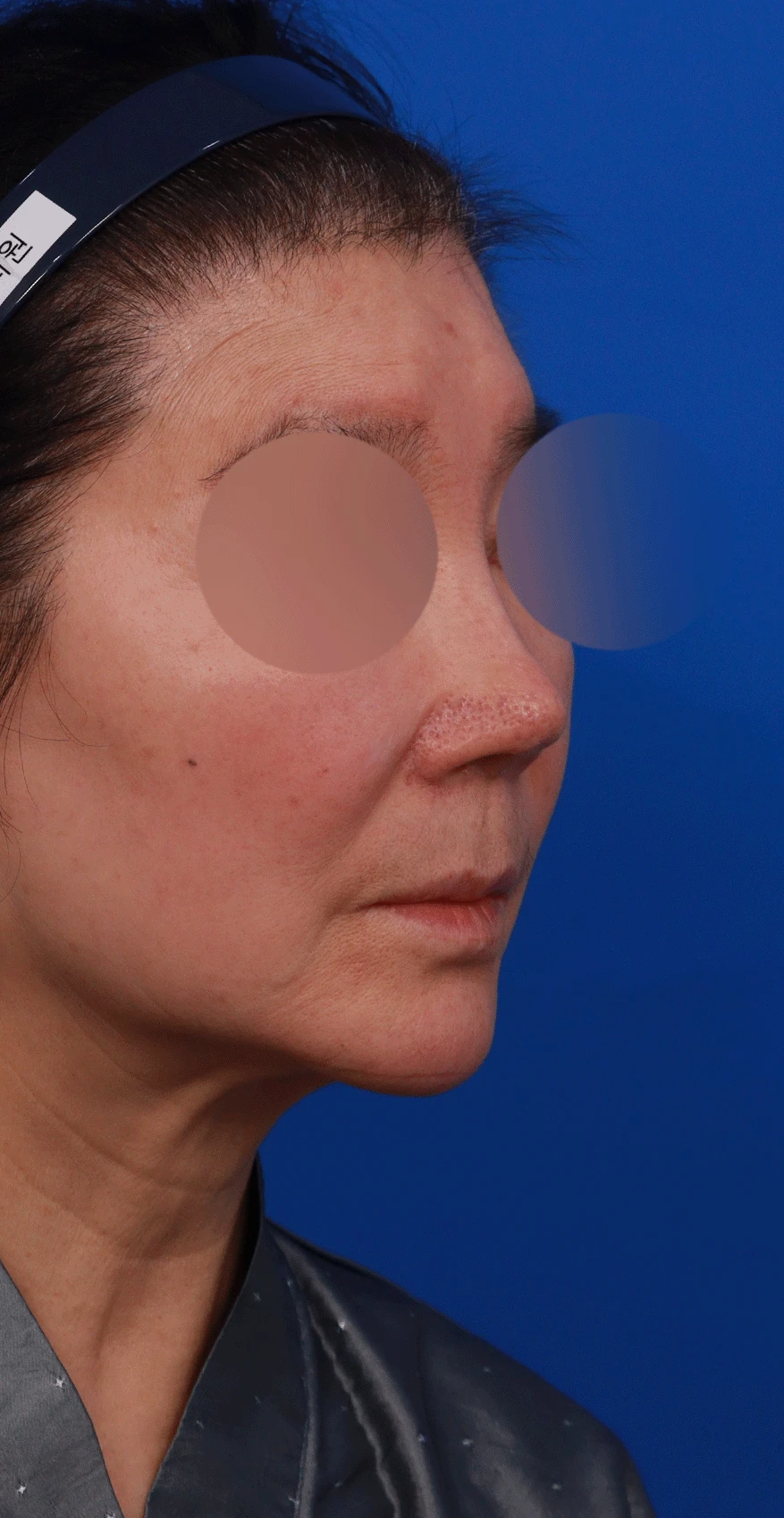
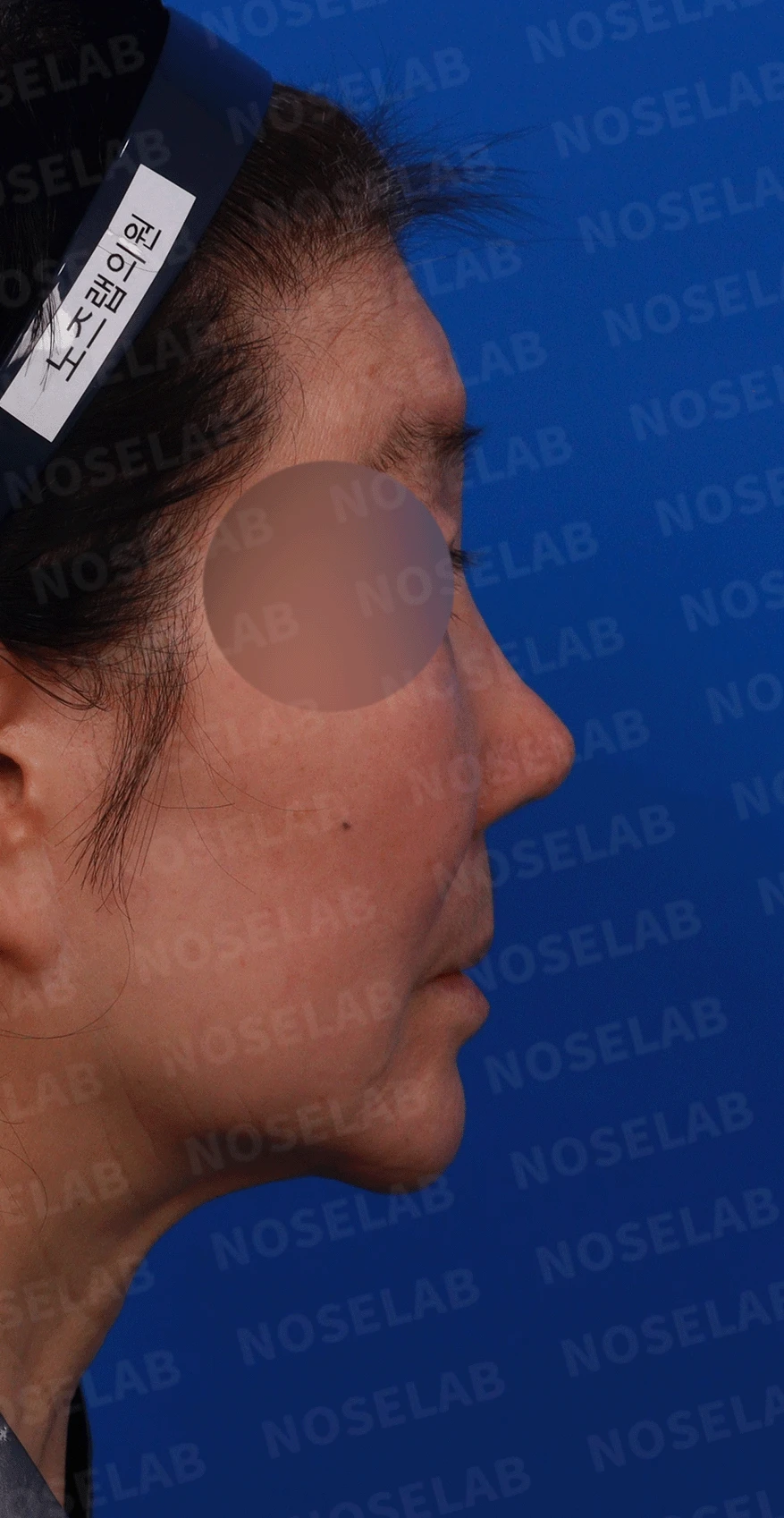
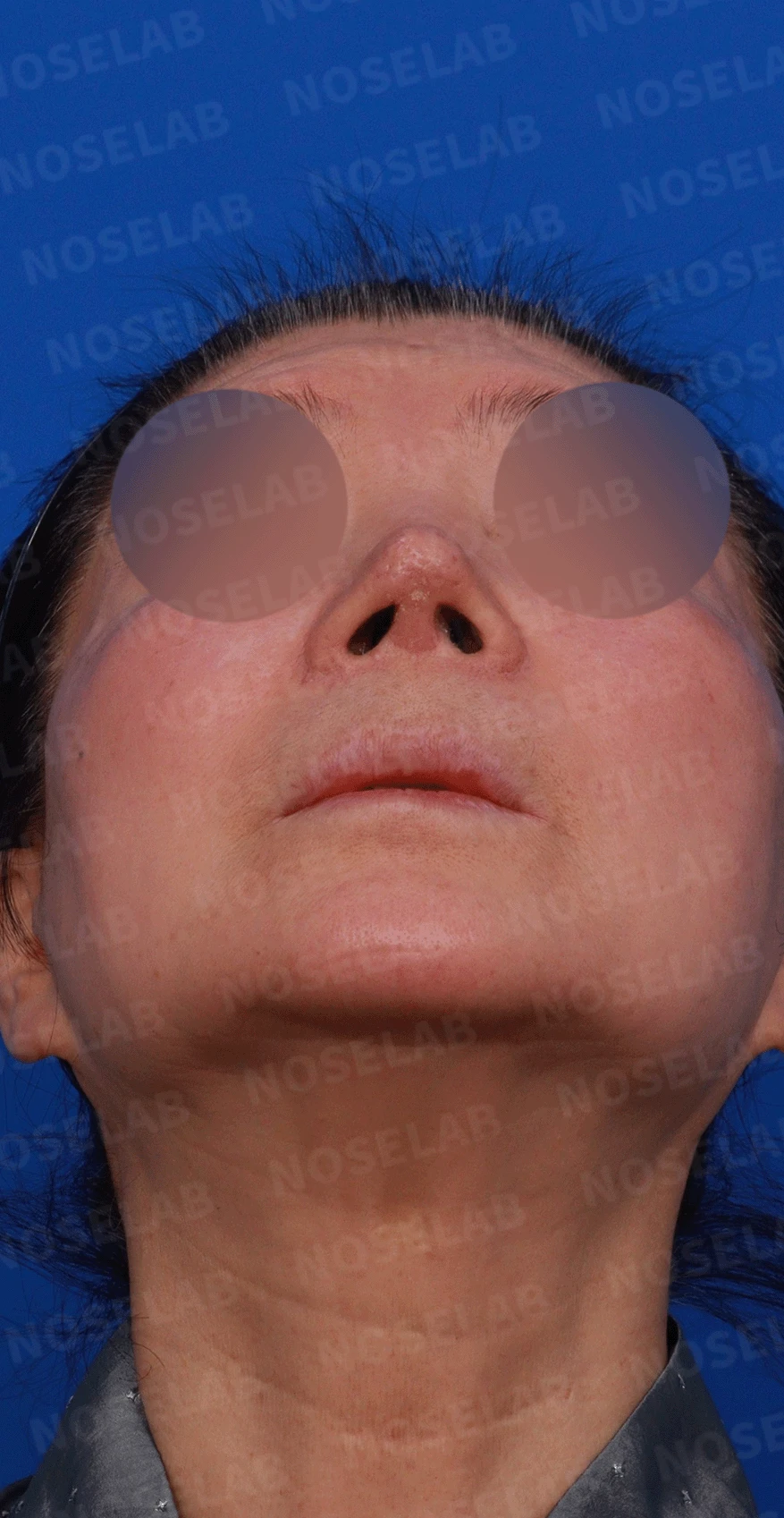
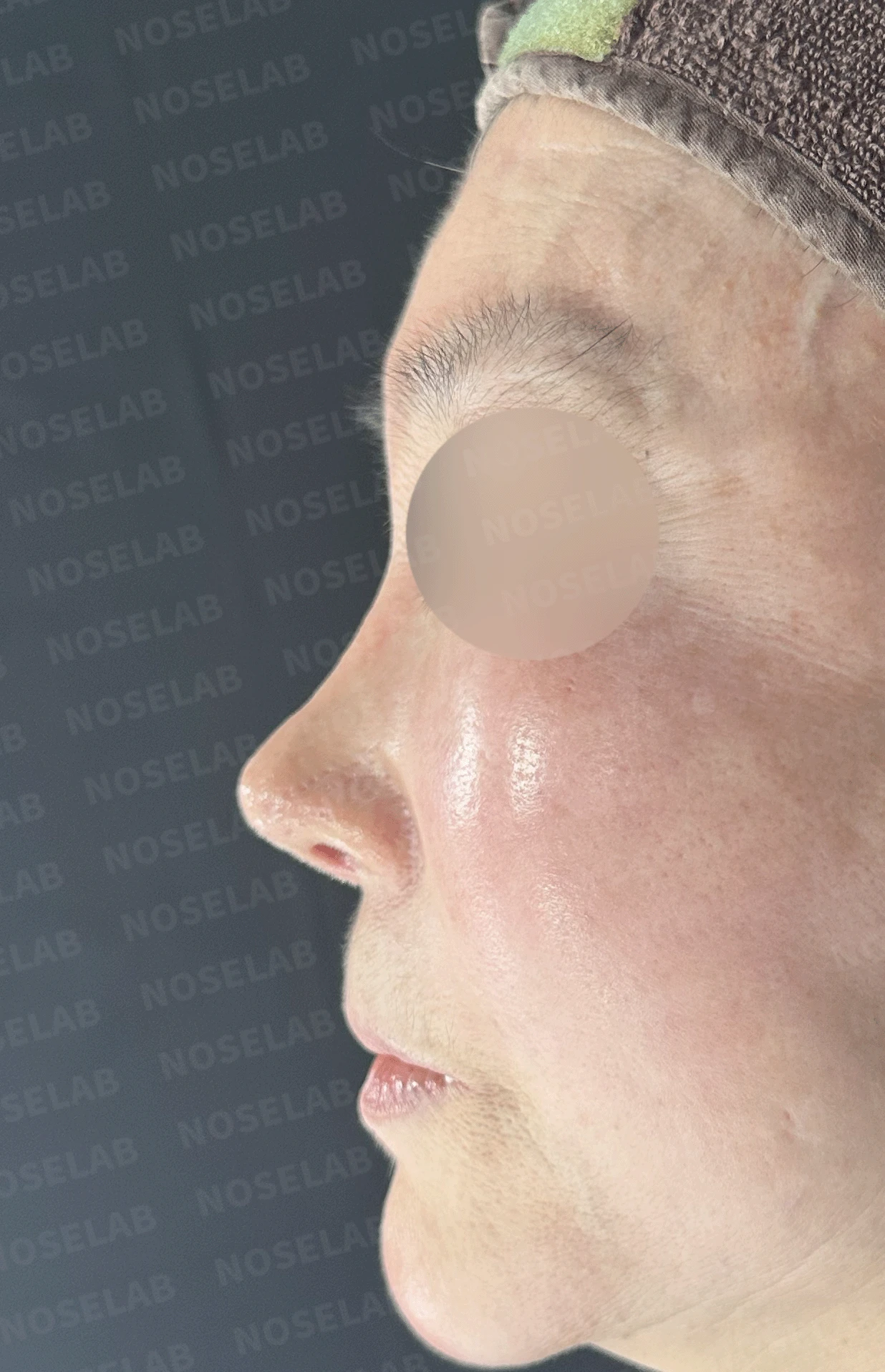
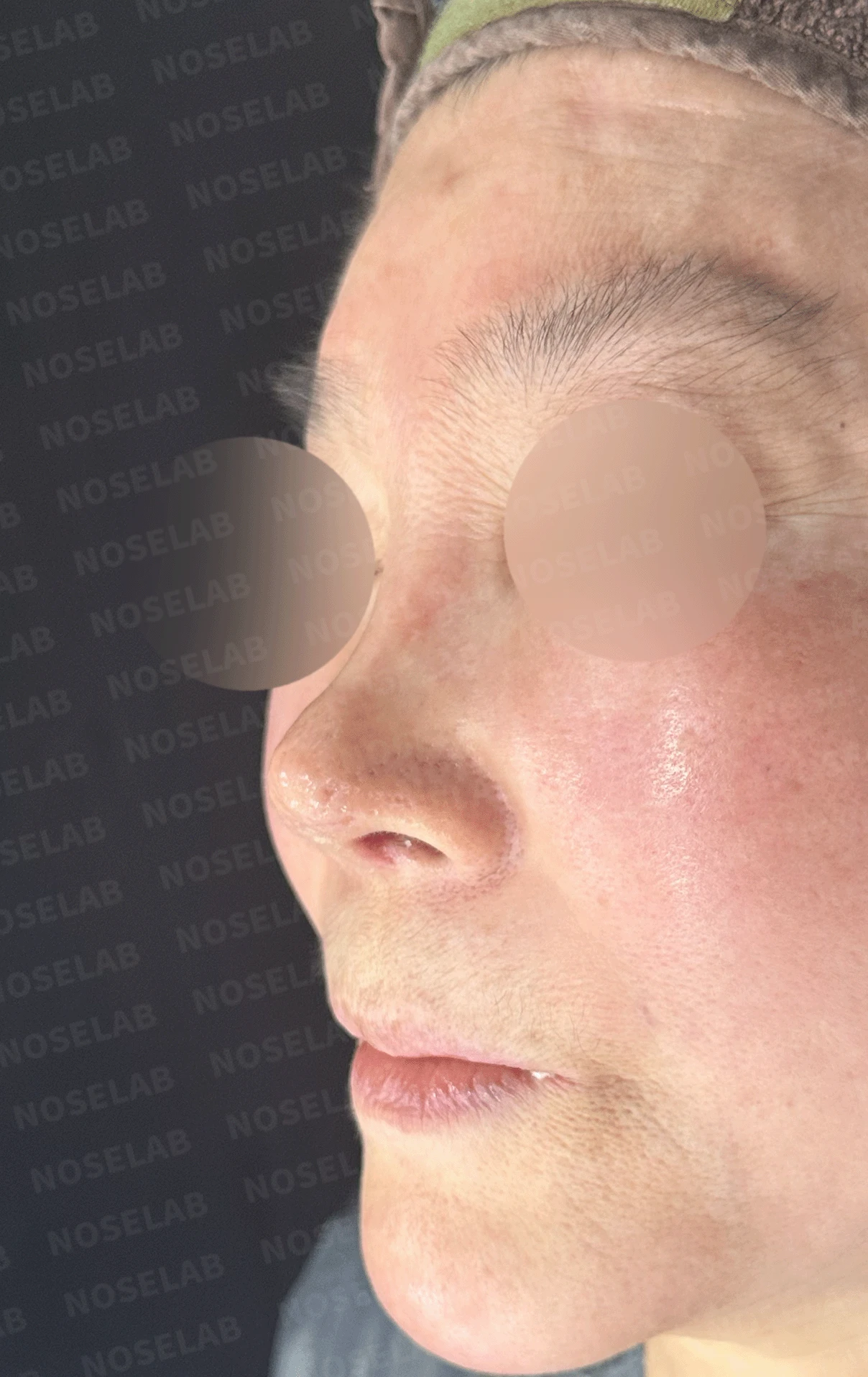
Design consultation: right oblique, profile, and basal (nostril) views.
💉 Preoperative condition
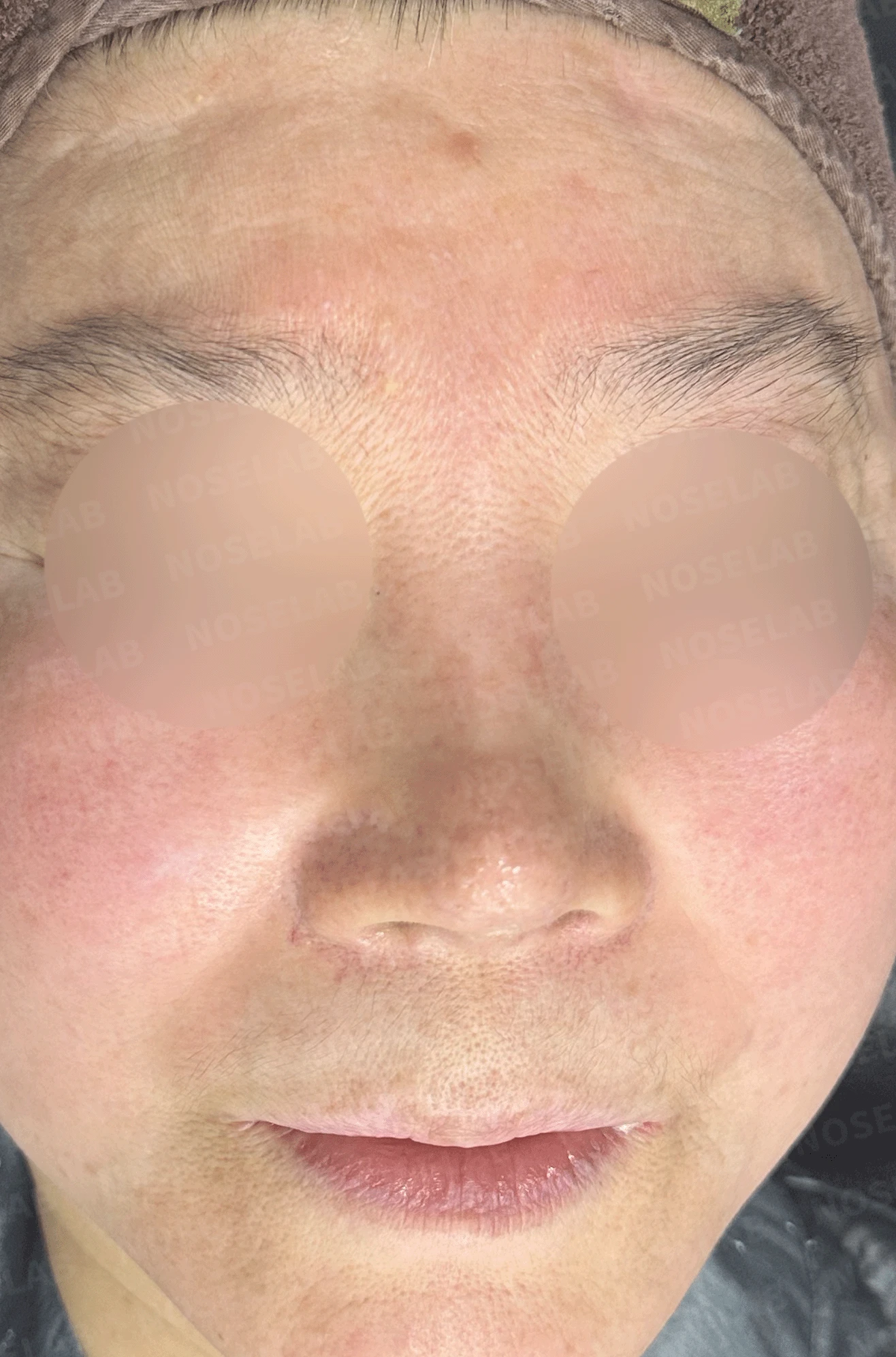
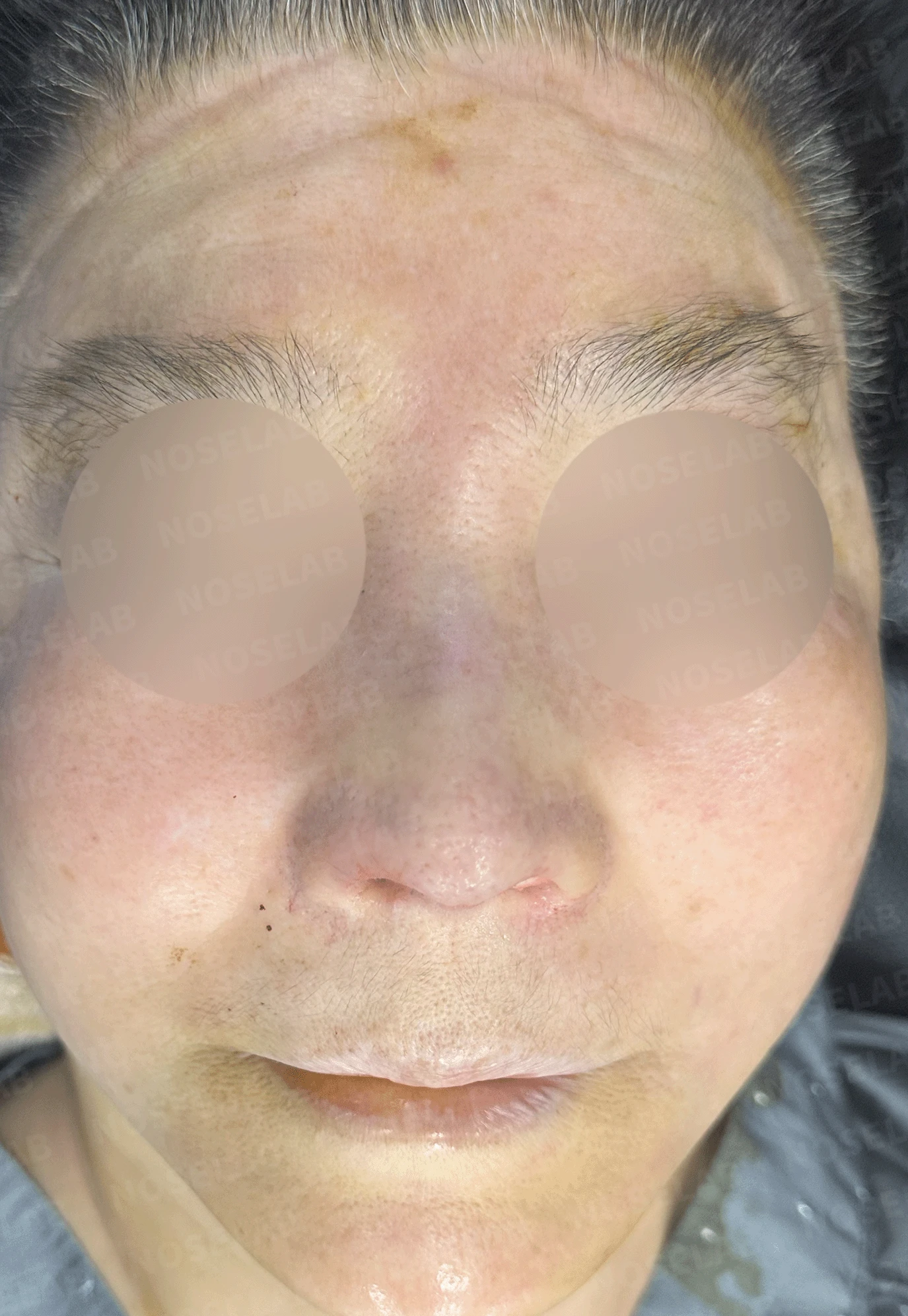
Before surgery / Day 0 immediately after surgery Photos taken immediately after surgery show swelling and may differ from the final result.
Front view
Pointed nasal tip
Nostril asymmetry
Nose deviated to the left
Uneven nasal bridge
Before surgery / Day 0 immediately after surgery Photos taken immediately after surgery show swelling and may differ from the final result.
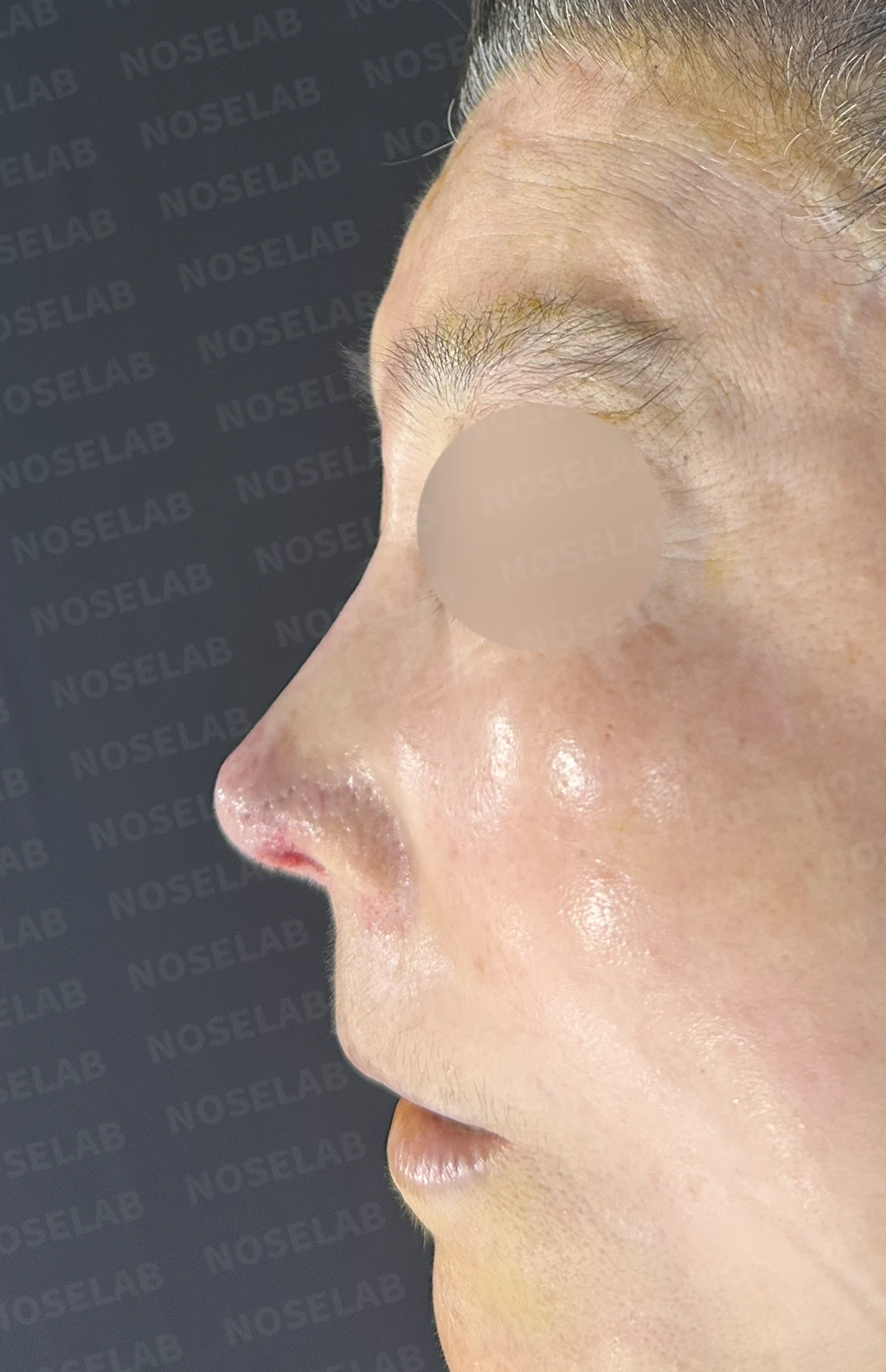
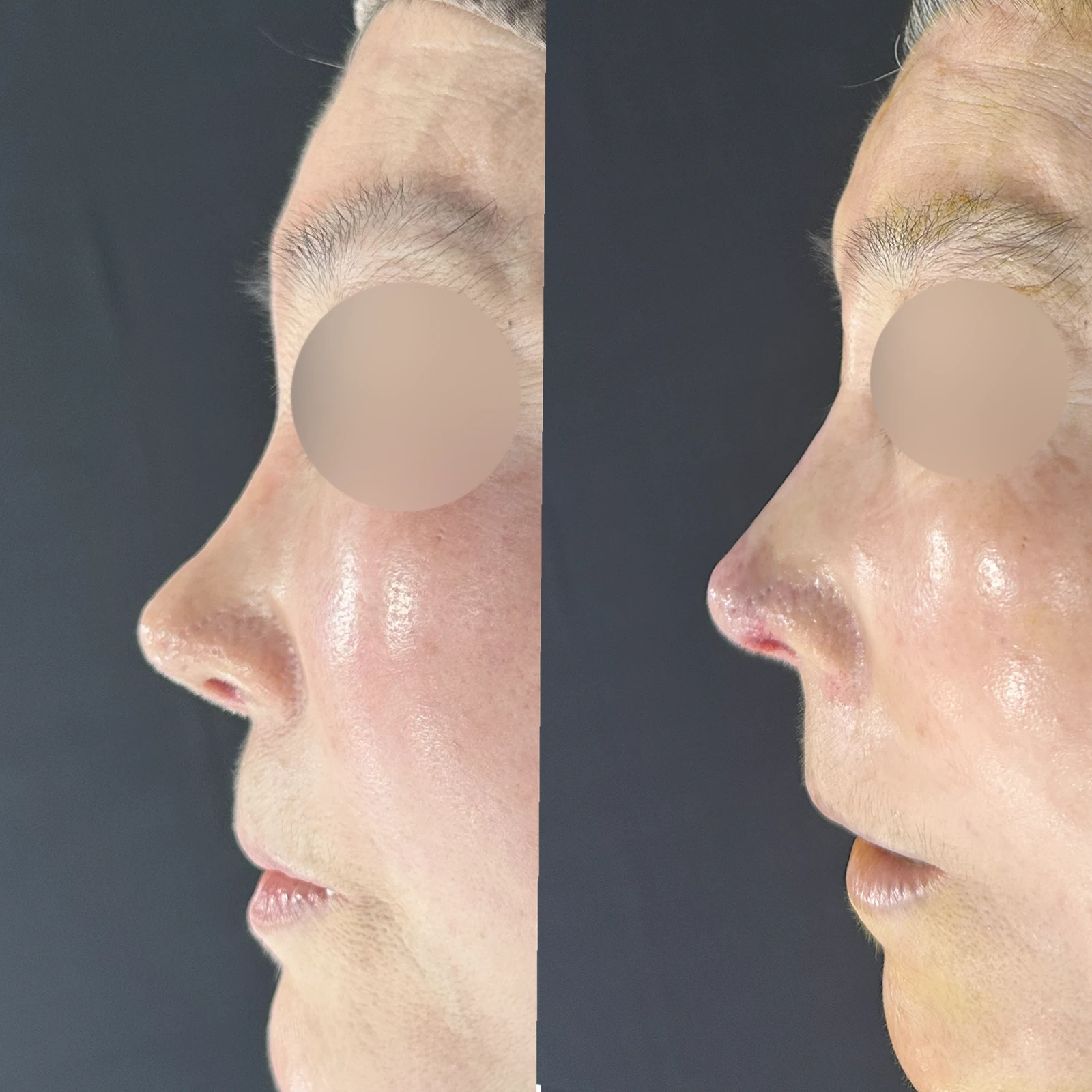
2. Profile view
Pointed nasal tip
Unnatural nasal dorsum line
Upturned nose
Protruding mouth findings
Long philtrum
Before surgery / Day 0 immediately after surgery Photos taken immediately after surgery show swelling and may differ from the final result.
3. Nostrils
Left-right asymmetry
Columella tilted to the left
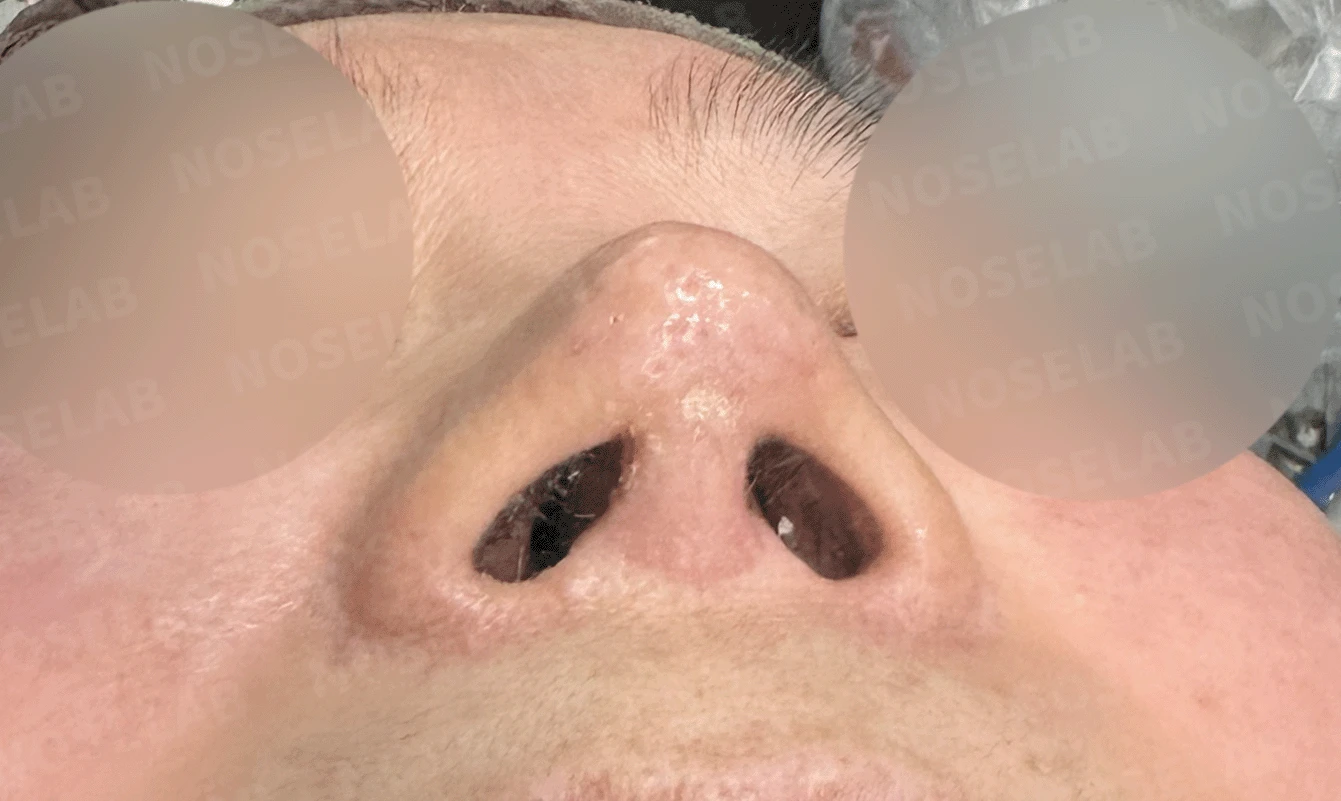
Before surgery / Day 0 immediately after surgery Photos taken immediately after surgery show swelling and may differ from the final result.
🔧 Surgical plan and considerations
Taking advanced age and underlying conditions into account:
Donor rib cartilage chosen to minimize operative time
Performed under the supervision of a board-certified anesthesiologist
Safety prioritized above all
💉 Intraoperative findings
Contrary to the documented surgical history, donor rib cartilage had been placed in the nasal tip, and the site where this donor rib cartilage was anchored to the septal cartilage matched the exact area where the patient reported pain, confirming it as the source of discomfort. Therefore, I removed the existing cartilage and secured new donor rib cartilage in an alternative position.
🌟 Surgical results
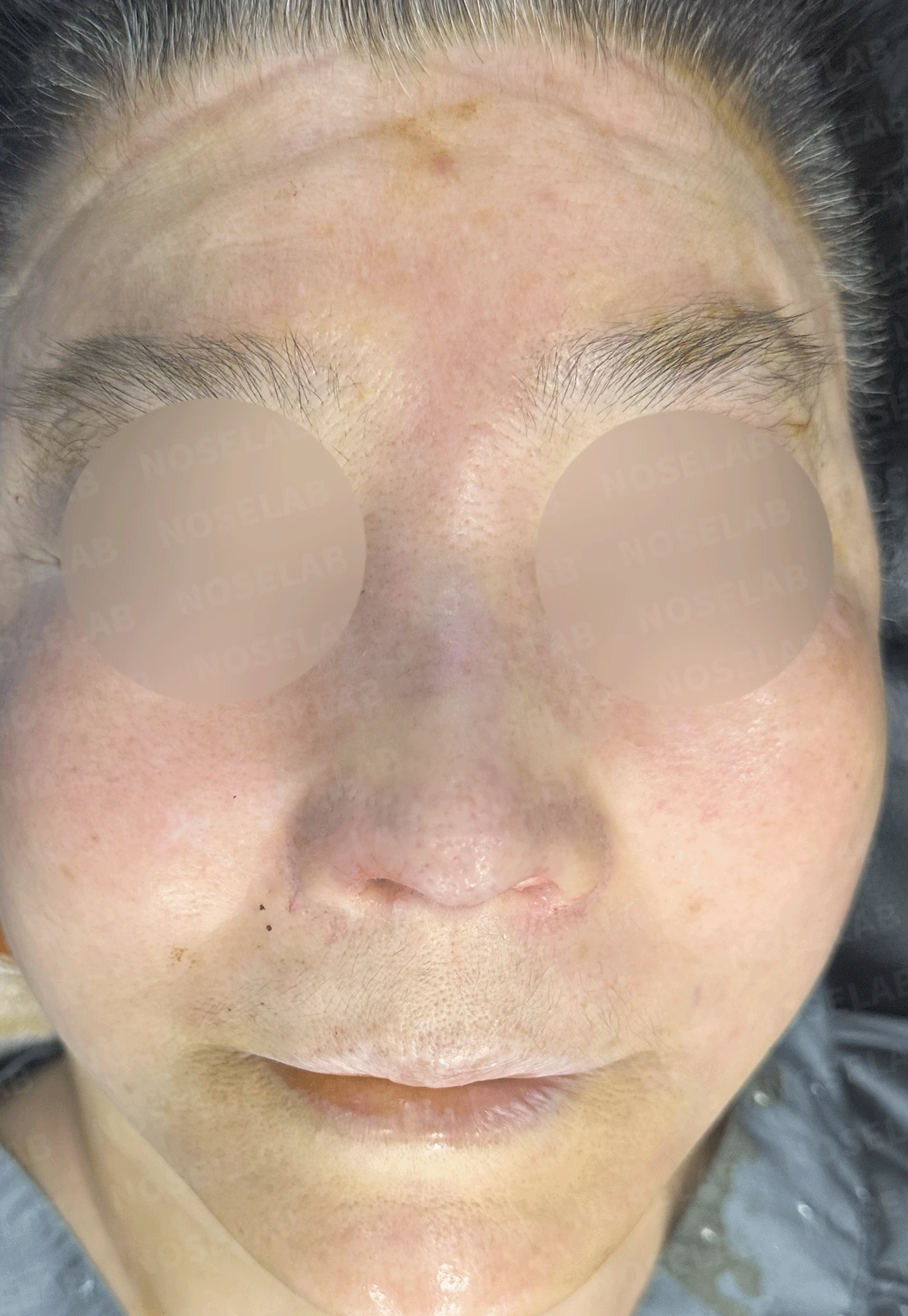
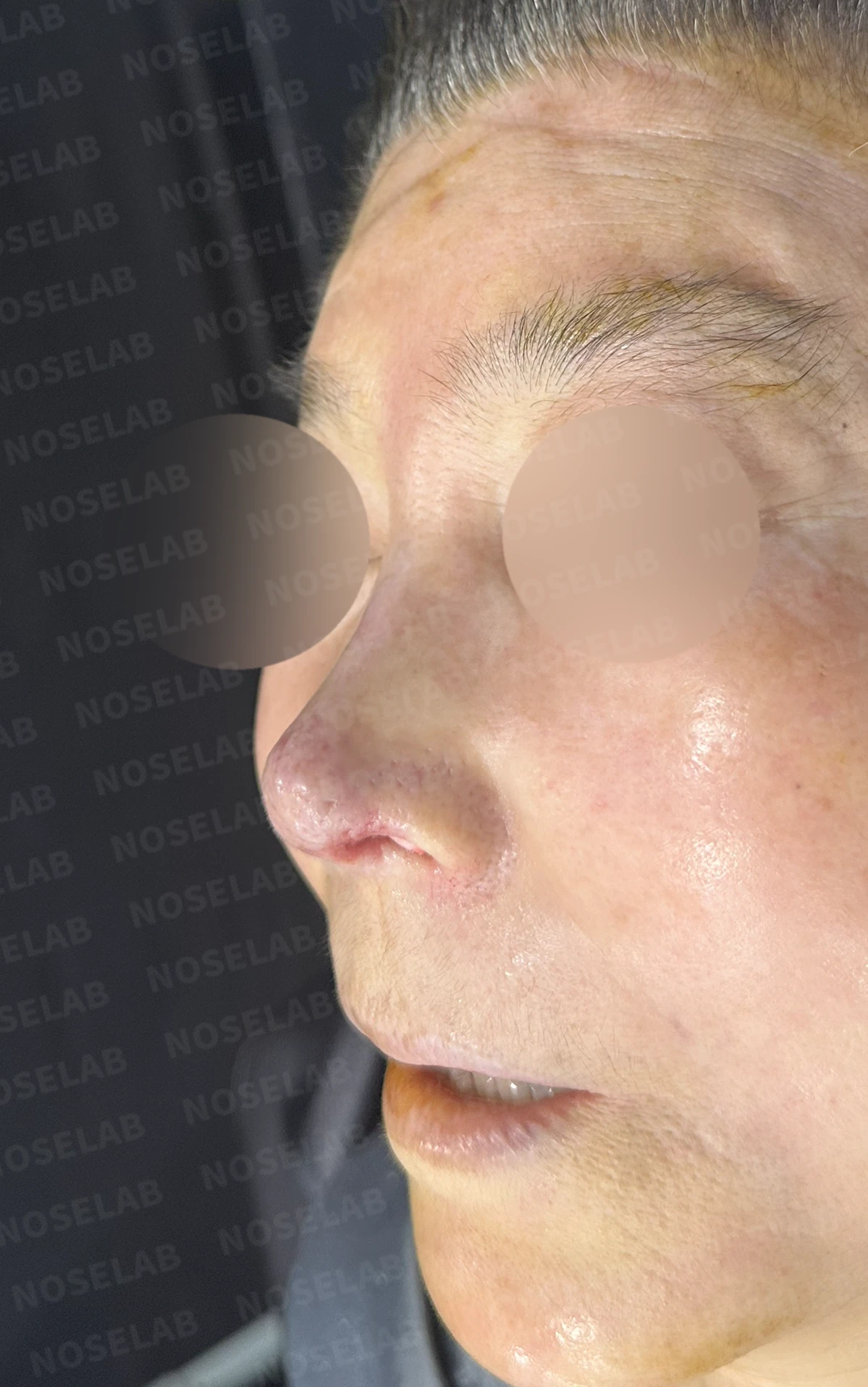
Front, profile, and oblique views taken immediately after surgery (day 0).Immediate postoperative photos show swelling and may differ from the final result.
Front view improvement
Natural volume
Improved nostril asymmetry
Corrected deviation
2. Profile view improvement
Improvement of upturned nose
Rounded nasal tip
Natural nasolabial angle
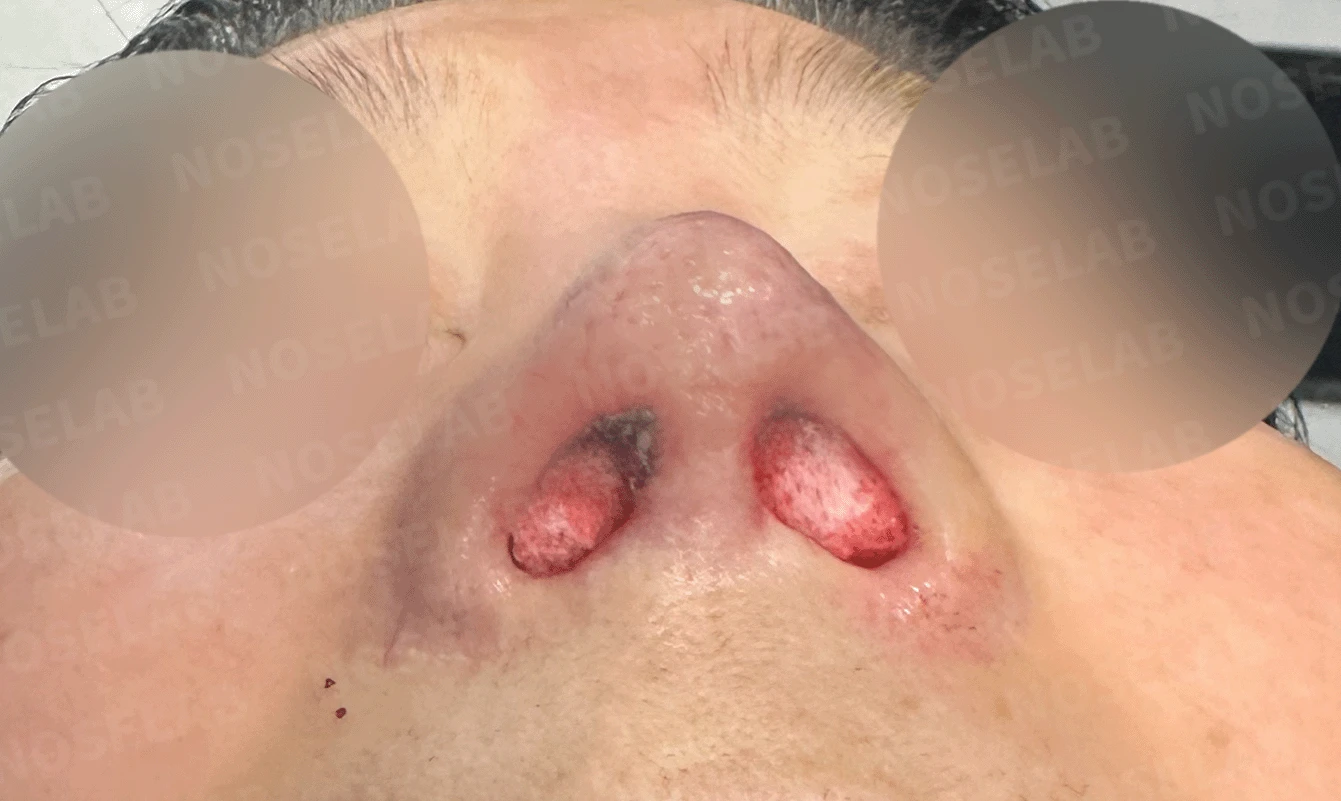
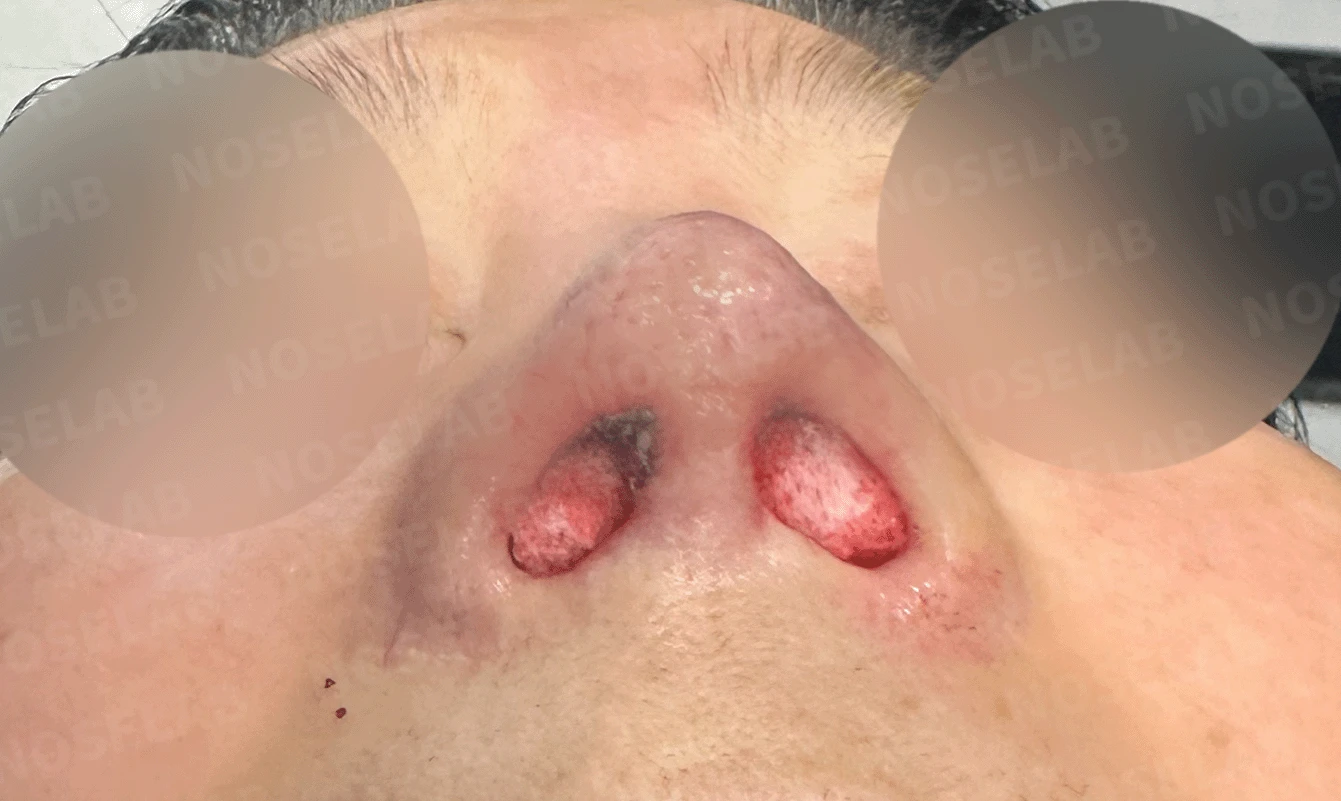
Nostril view on day 0 immediately after surgery. Photos taken immediately after surgery show swelling and may differ from the final result.
3. Nostril improvement
Improvement of asymmetry
Straight columella
💡 Specialist opinion
In this era of the 100-year life expectancy, rhinoplasty among older adults is increasing. However, because older patients carry anesthesia-related risks, surgery must be performed with an anesthesiologist present to support safety.
In this case as well, we established a surgical plan designed with safety in mind, carefully considering the patient's underlying conditions and age, and achieved a satisfactory outcome by addressing the patient's requests.
I will continue to do my best to deliver safe and satisfying outcomes for patients of all ages.
This was Dr. Peter C. Kang. Thank you.
Thank you.
#closedrhinoplasty #revisionrhinoplasty #geriatricrhinoplasty #nasalpainrelief #rhinoplastysafety #customrhinoplasty #straightbridgeline #revisionrhinoplastysurgery

Limitations and risks
When using donor rib cartilage, long-term follow-up is necessary because the grafted cartilage may resorb or warp.
When the septum is corrected at the same time, nasal obstruction may persist or recur, and in rare cases, septal perforation or changes in smell may occur.
Common potential risks include infection, bleeding, asymmetry, scarring, skin necrosis, and insufficient improvement; results vary depending on individual skin condition and previous surgical history.