Hello, I am Dr. Peter C. Kang.
Today, I would like to introduce the case of a patient who resolved complex issues stemming from multiple previous surgeries and revisions through reconstruction with autologous rib cartilage.
📍 Surgical history
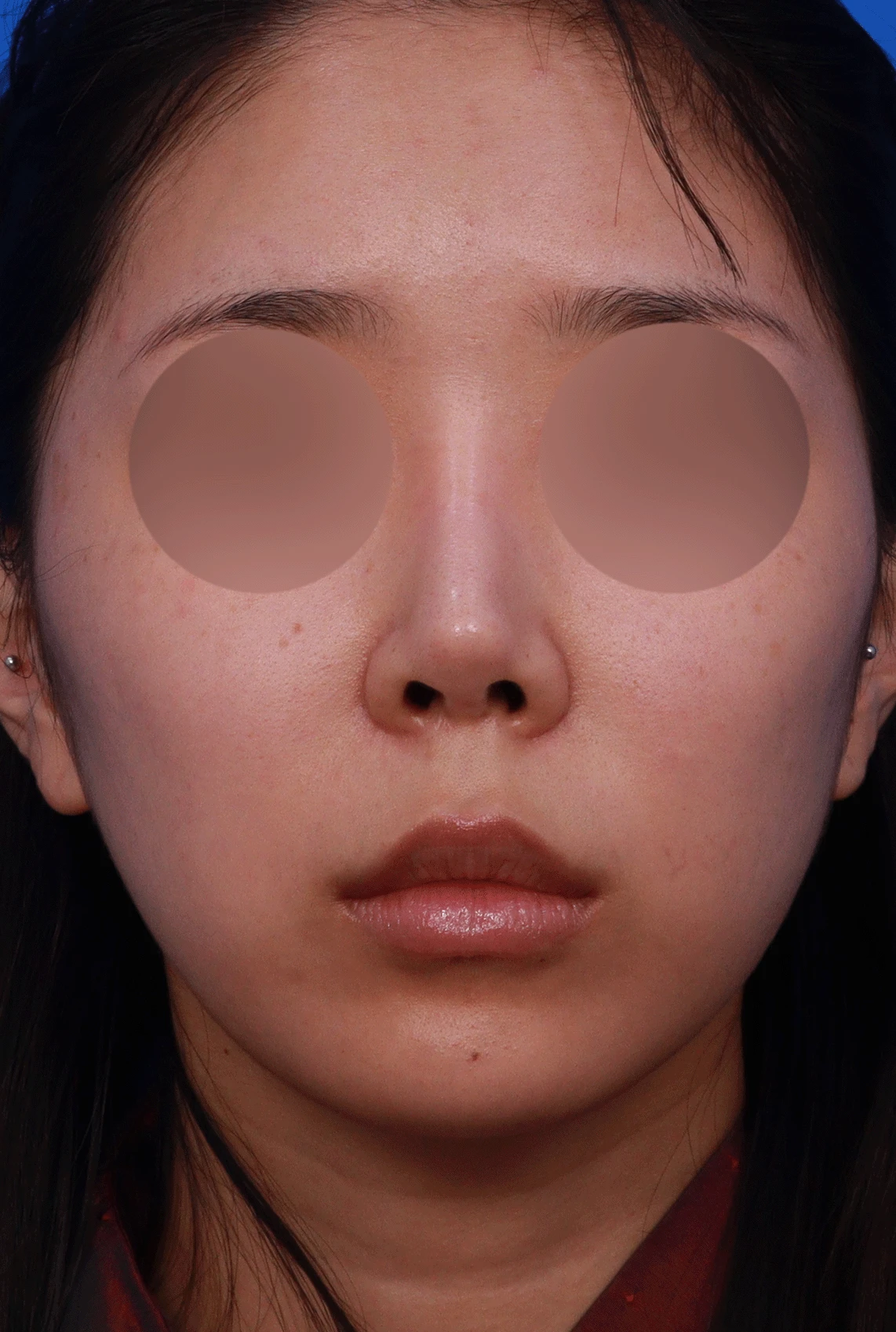
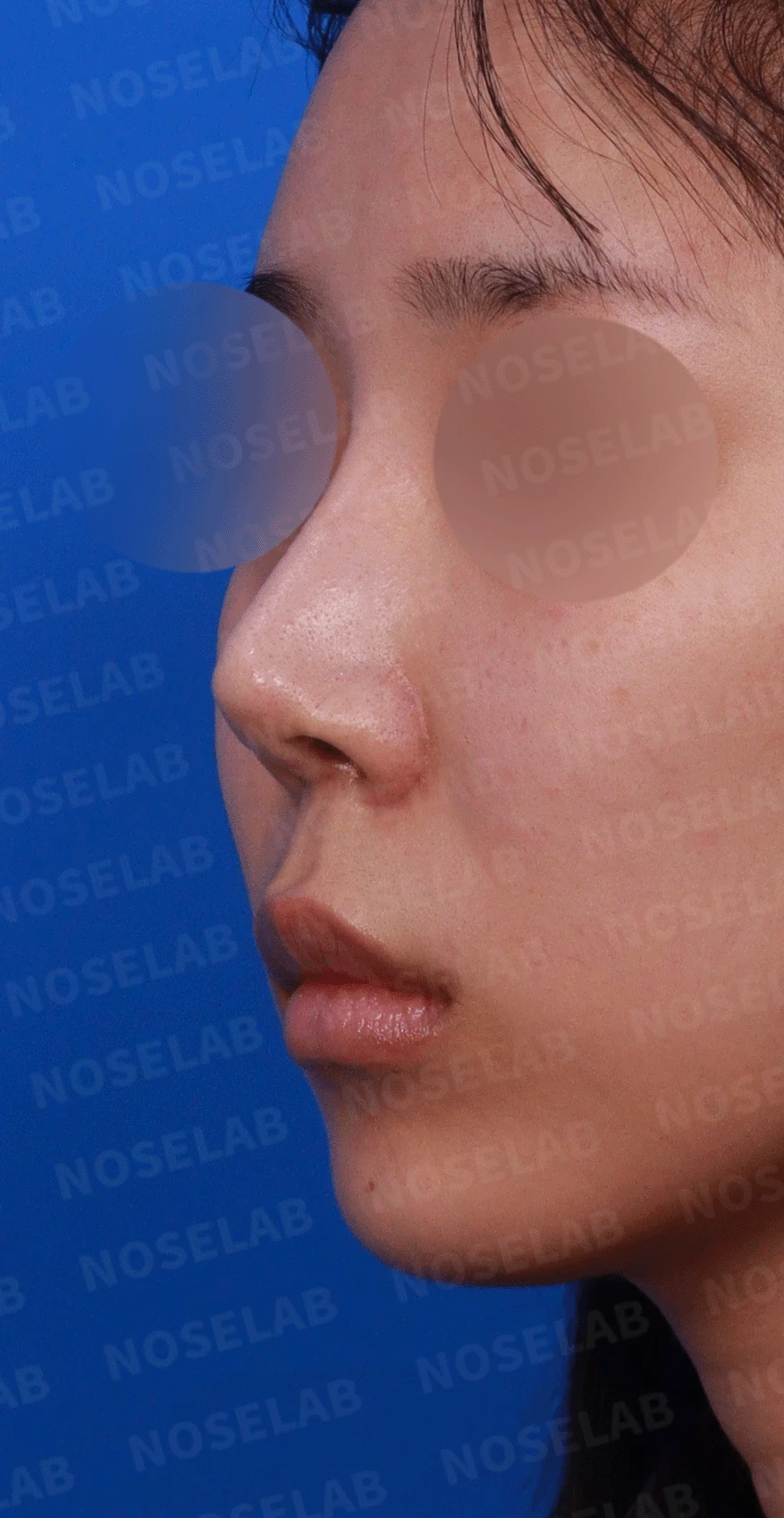
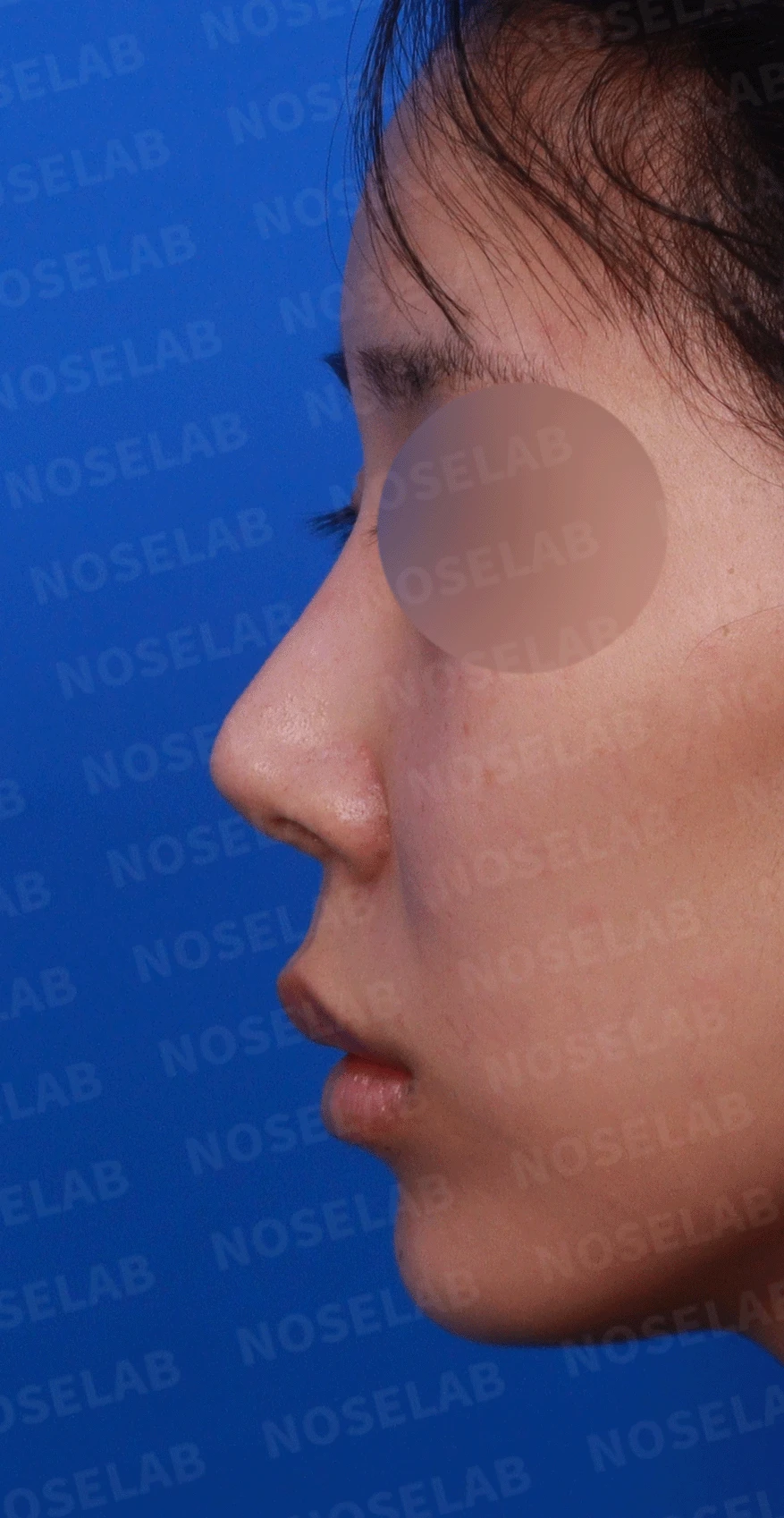
Design consultation: front, left oblique, and profile views.
5 years ago
Septal cartilage + ear cartilage + silicone implant
Outcome: Drooping nasal tip
3 to 4 years ago
Donor rib cartilage + silicone implant + ear cartilage + alar reduction
Outcome: Silicone implant mobility occurred
Afterward
Revision surgery 6 months later
Second revision surgery 6 months later
🔎 Initial consultation findings
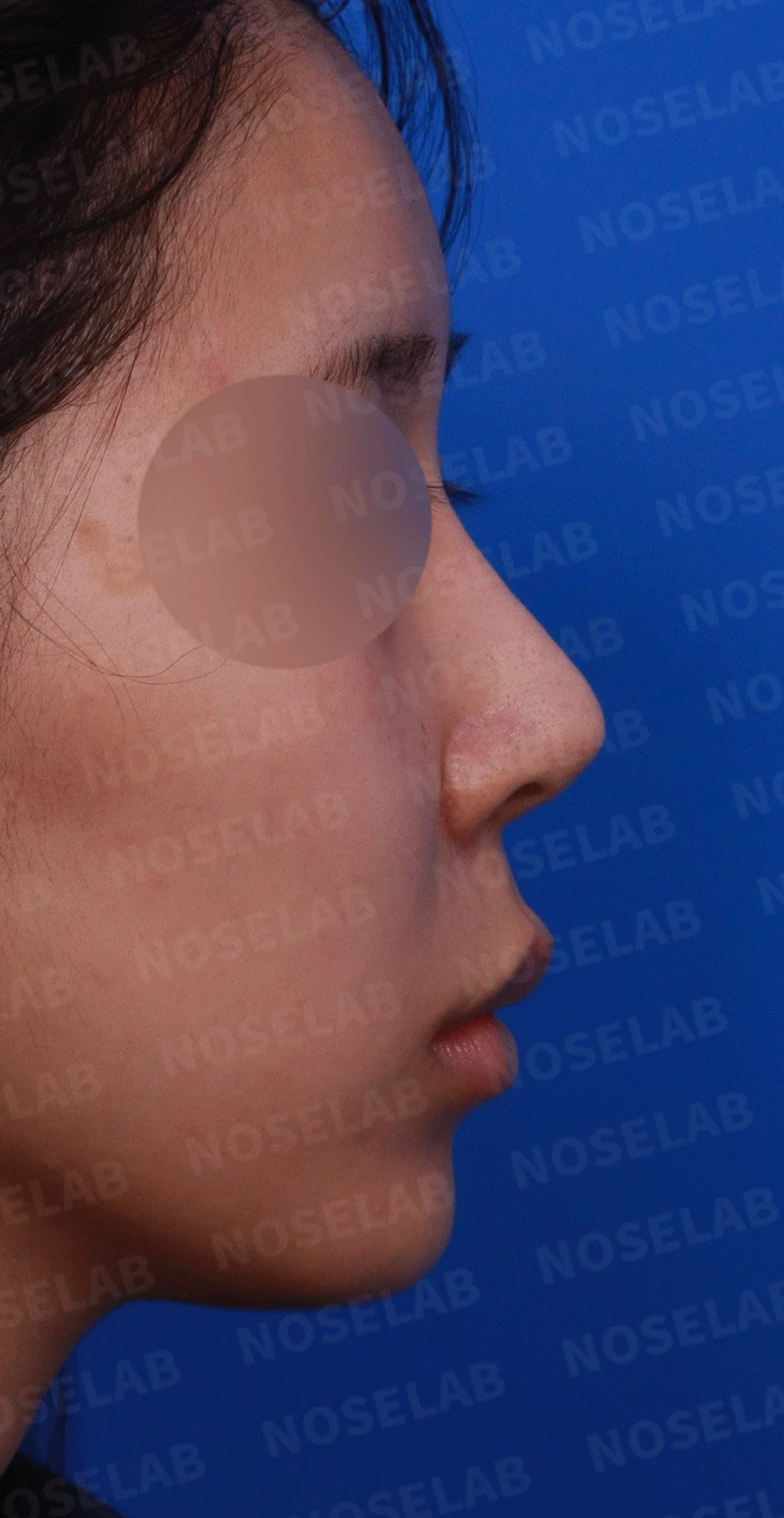
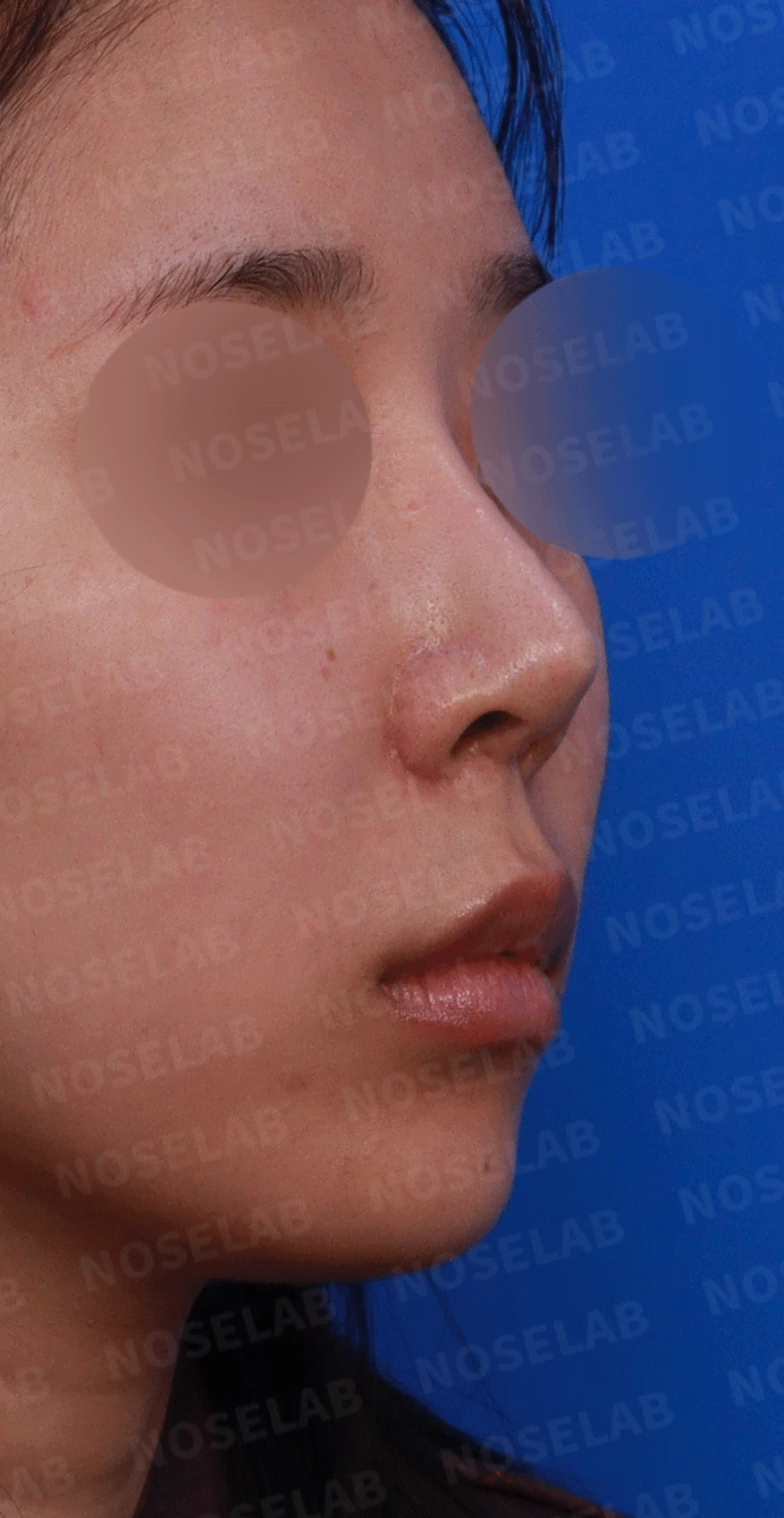
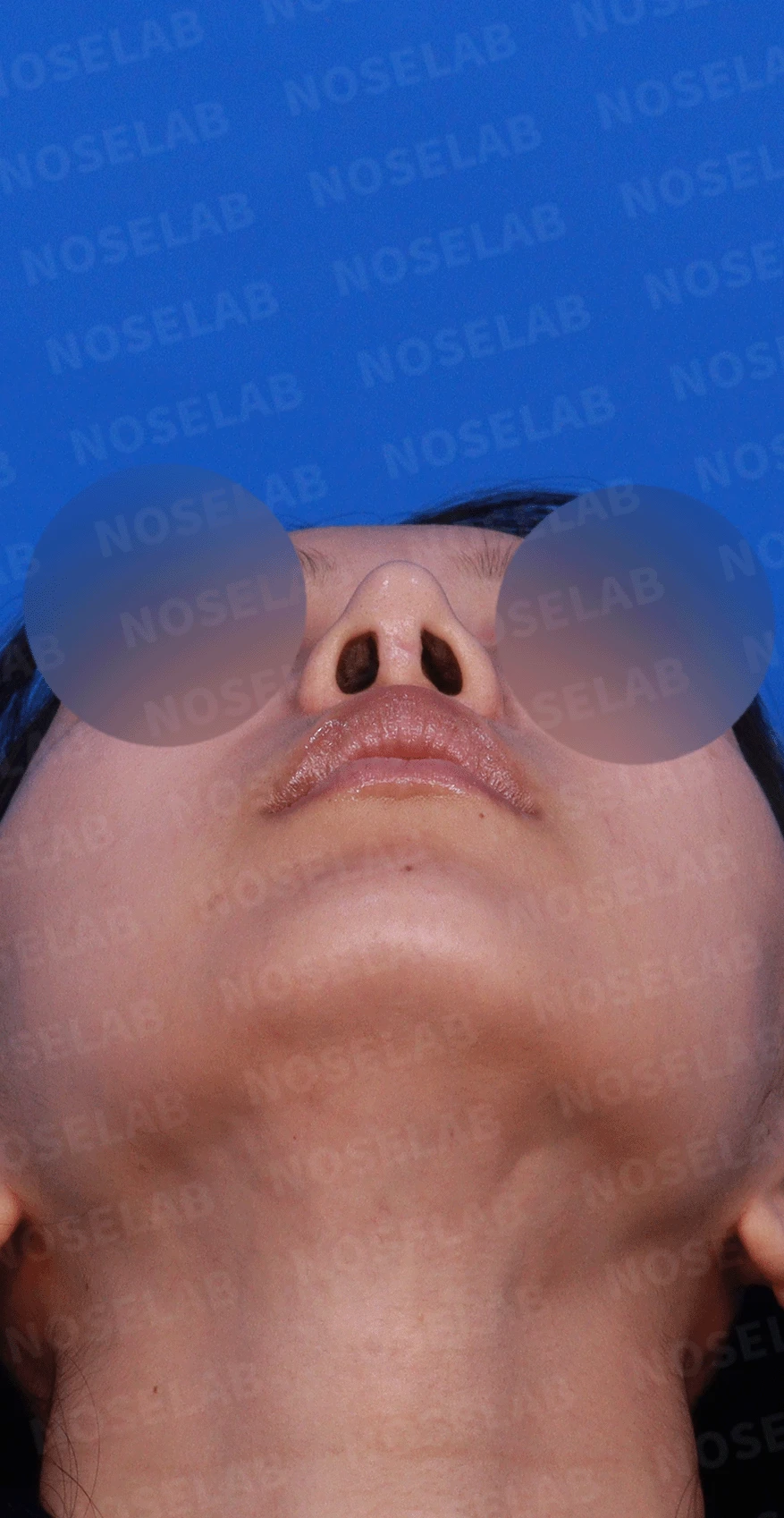
Design consultation: right profile, oblique, and nostril views.
Functional issues
Chronic nasal obstruction
Rhinitis symptoms
Impaired respiratory function
Damage from multiple surgeries
Thinned mucosal state
Lateral cartilage show-through (nasal tip)
Nostril asymmetry
Overall tissue damage
Aesthetic concerns
Philtrum appears long
Low nasal tip relative to nasal bridge height
Overall nasal proportion imbalance
Special notes
Tissue fatigue from multiple surgeries and revisions
Decreased healing capacity due to mucosal damage
Complex structural problems
✨ Patient's requests
Recovery of mucosal damage
Correction of lateral cartilage show-through
Correction of nostril asymmetry
Making the philtrum appear shorter
Desire to elevate the tip even if lowering the bridge
💉 Surgical procedure details
Mucosal and tissue restoration
Reinforcing thinned mucosa
Promoting regeneration of damaged tissue
Establish a stable healing environment
Resolving cartilage show-through
Complete correction of lateral cartilage show-through
Restoring nasal tip skin thickness
Achieving a natural tip shape
Structural reconstruction
Full reconstruction using autologous rib cartilage
Appropriately adjusting nasal bridge height
Improving overall proportions by elevating the nasal tip
Asymmetry correction
Precise correction of nostril asymmetry
Balanced nasal contours
Achieving natural symmetry
Proportion adjustment
Visually shortening the philtrum through nasolabial angle correction
Harmonious proportion between bridge and tip
Balanced harmony with the entire face
Functional improvement
Fundamentally resolving nasal obstruction with septoplasty
Improving rhinitis with inferior turbinate surgery
✅ Surgical results
Functional improvement
Complete relief of nasal obstruction
Marked relief of rhinitis symptoms
Restoration of smooth breathing function
Improvement in tissue condition
Restoration of mucosal thickness
Complete resolution of lateral cartilage show-through
Establishing a healthy internal nasal environment
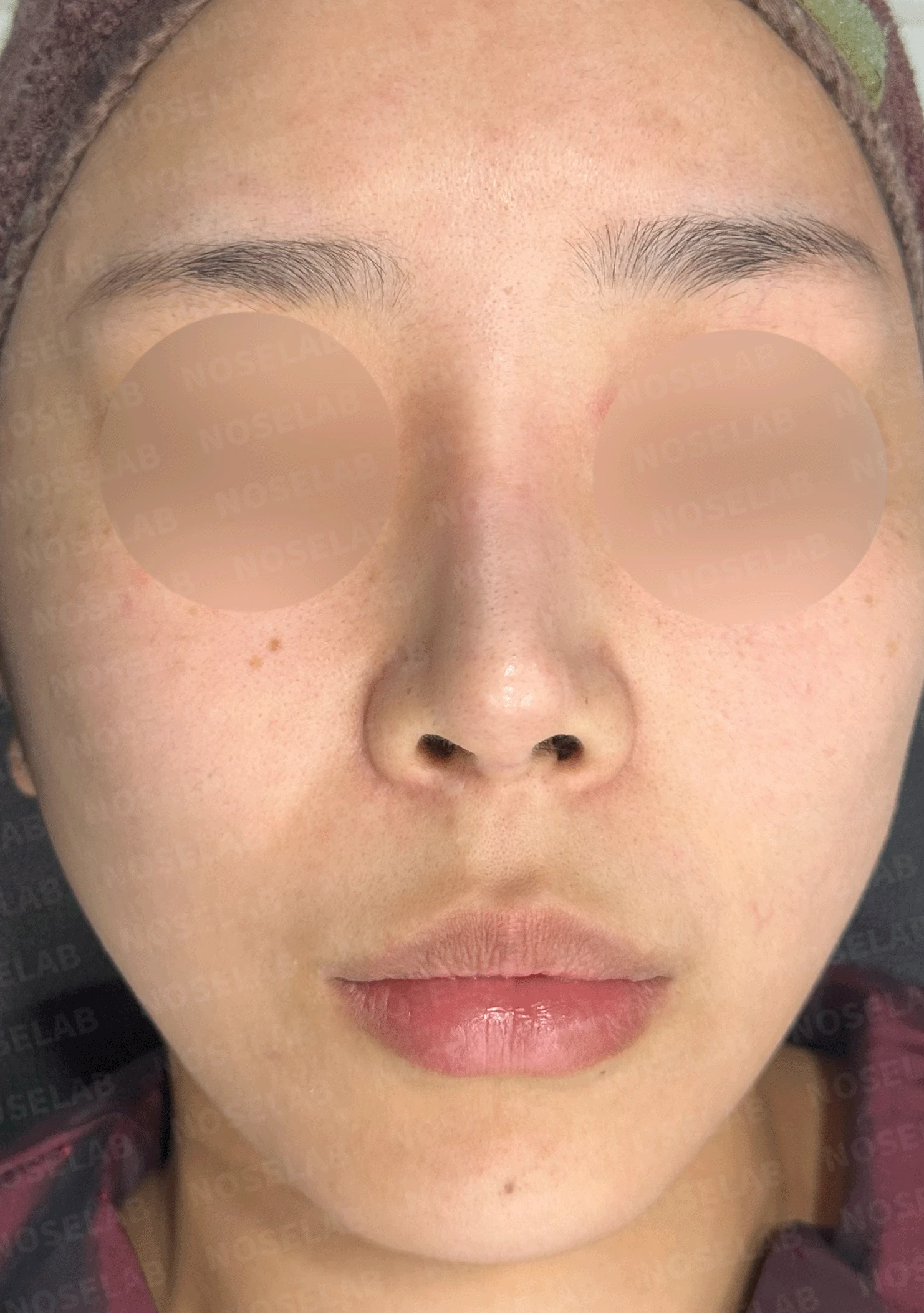
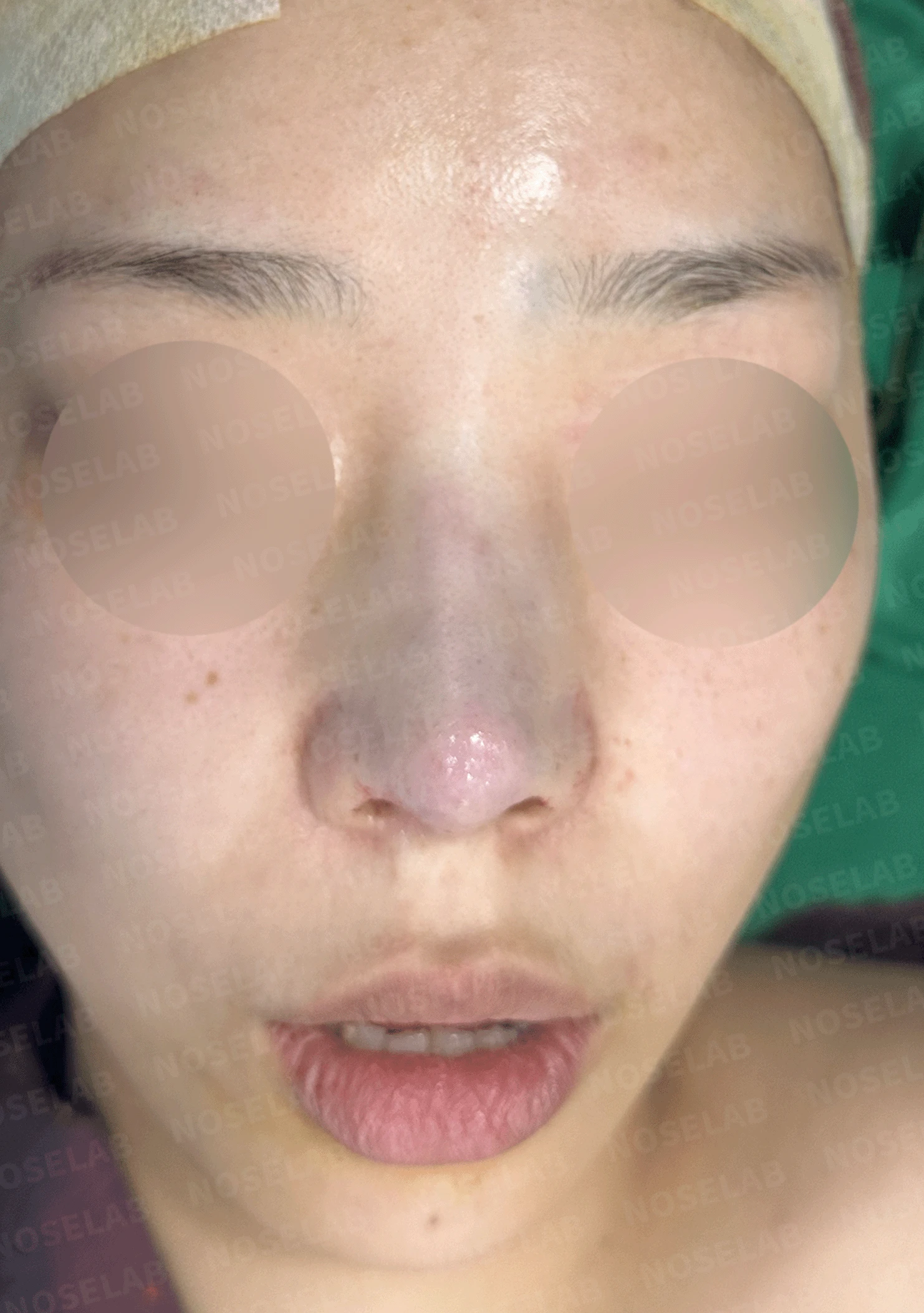
Before surgery / Day 0 immediately after surgery Photos taken immediately after surgery show swelling and may differ from the final result.
Front view
Corrected nostril asymmetry
Natural nasal tip shape
A clean nasal tip without cartilage show-through
Balanced overall facial proportions
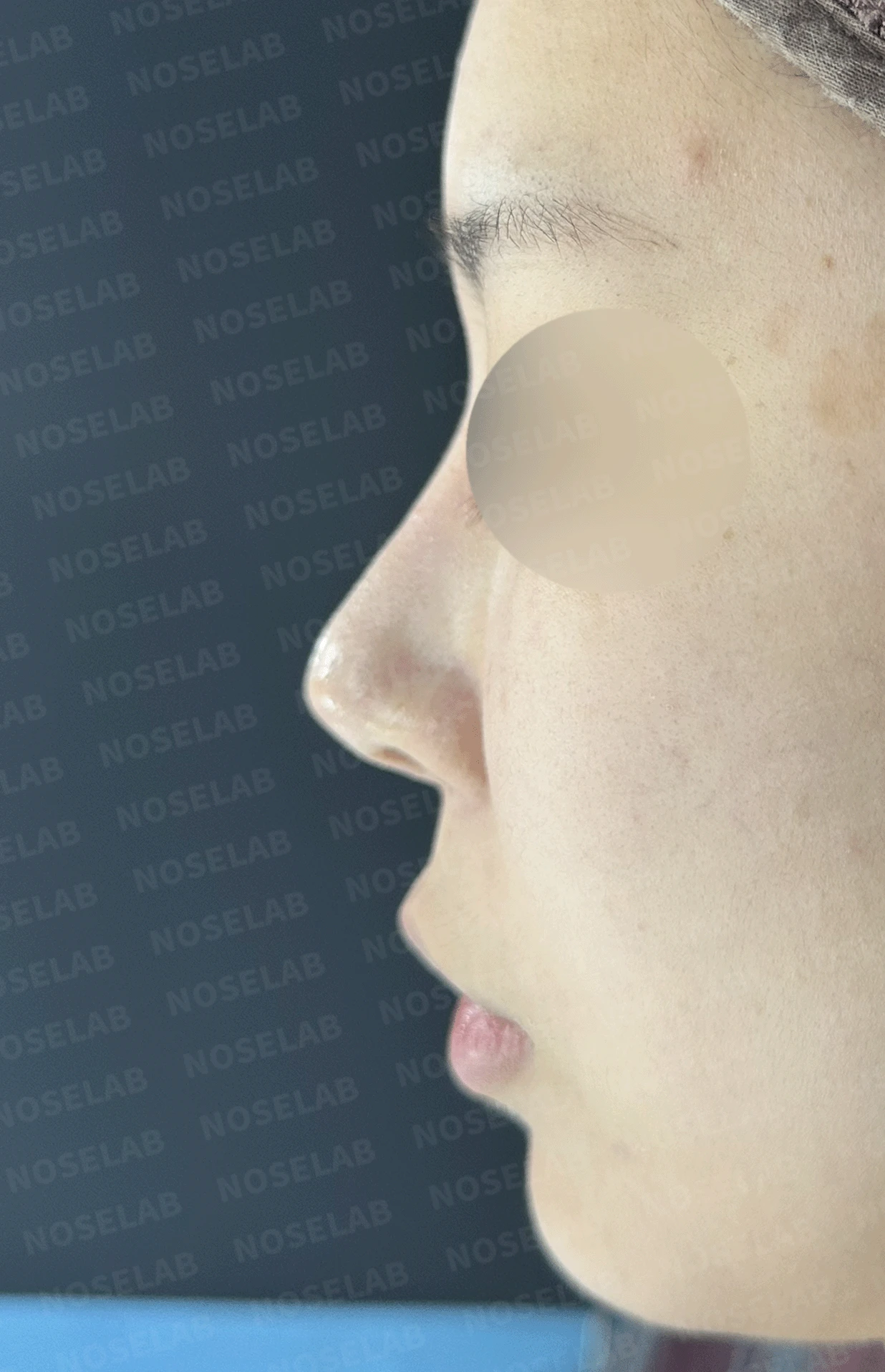
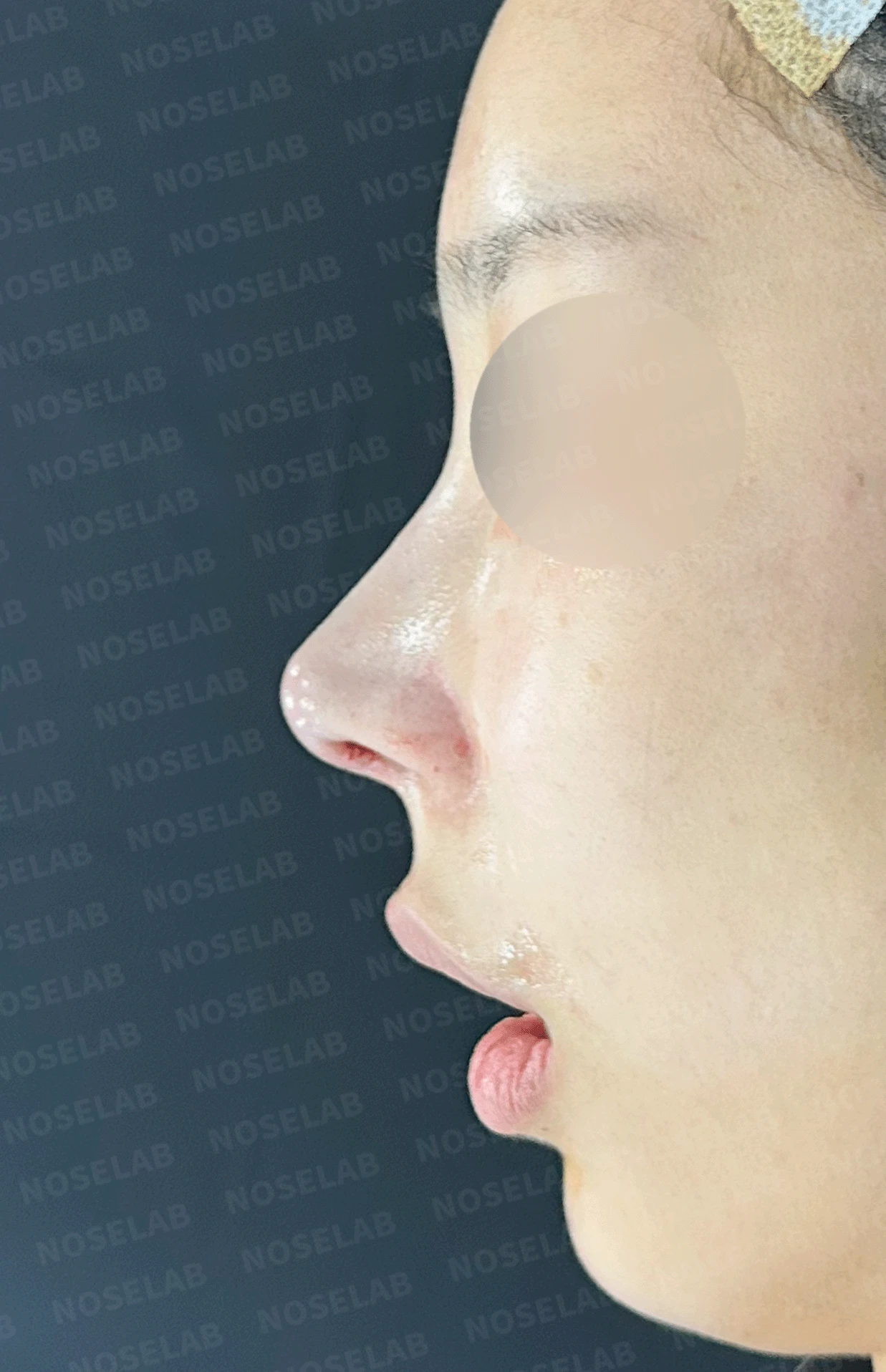
Before surgery / Day 0 immediately after surgery Photos taken immediately after surgery show swelling and may differ from the final result.
Profile view
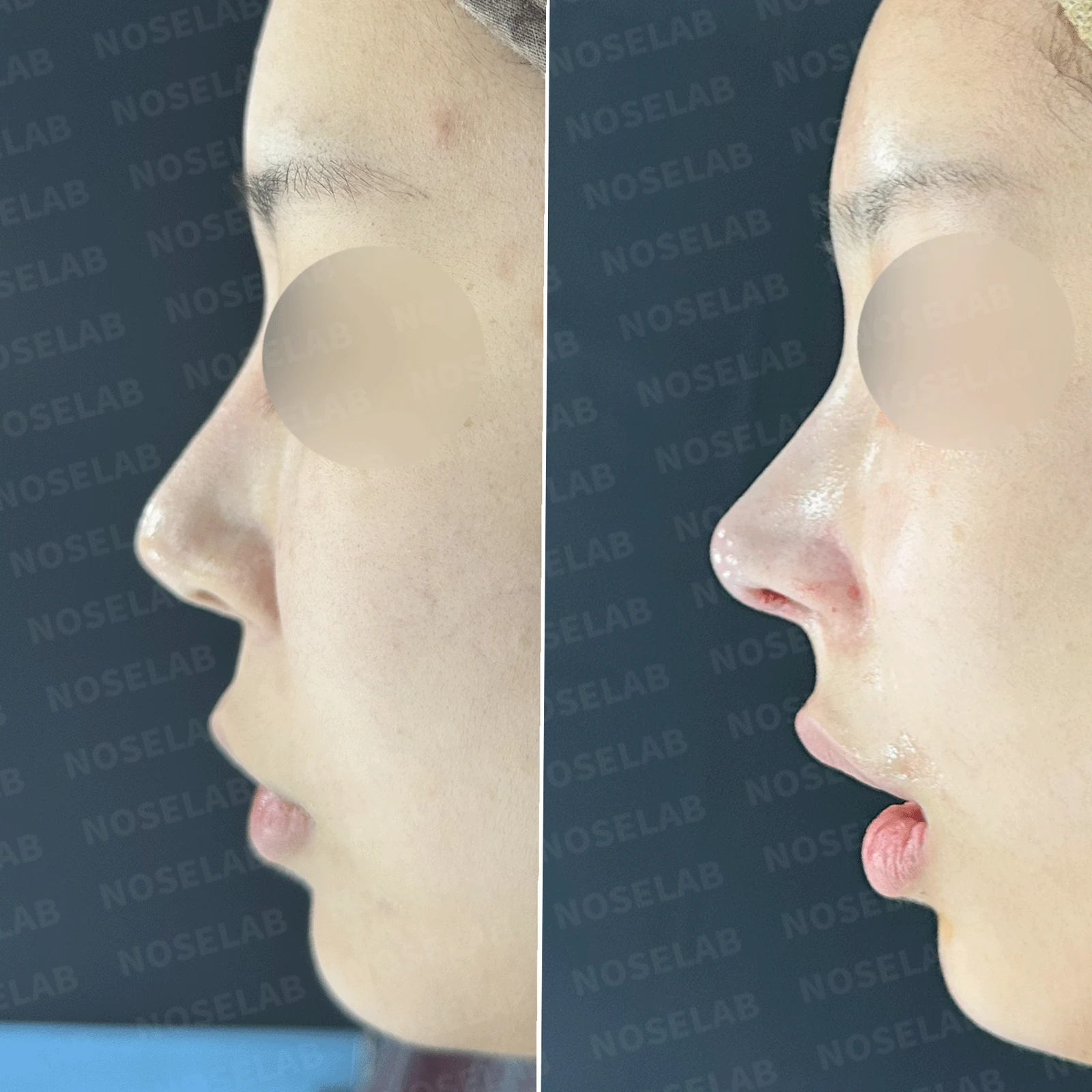
Appropriately adjusted nasal bridge height
Improved proportions with an elevated nasal tip
Visual shortening effect on the philtrum
Harmonious facial profile
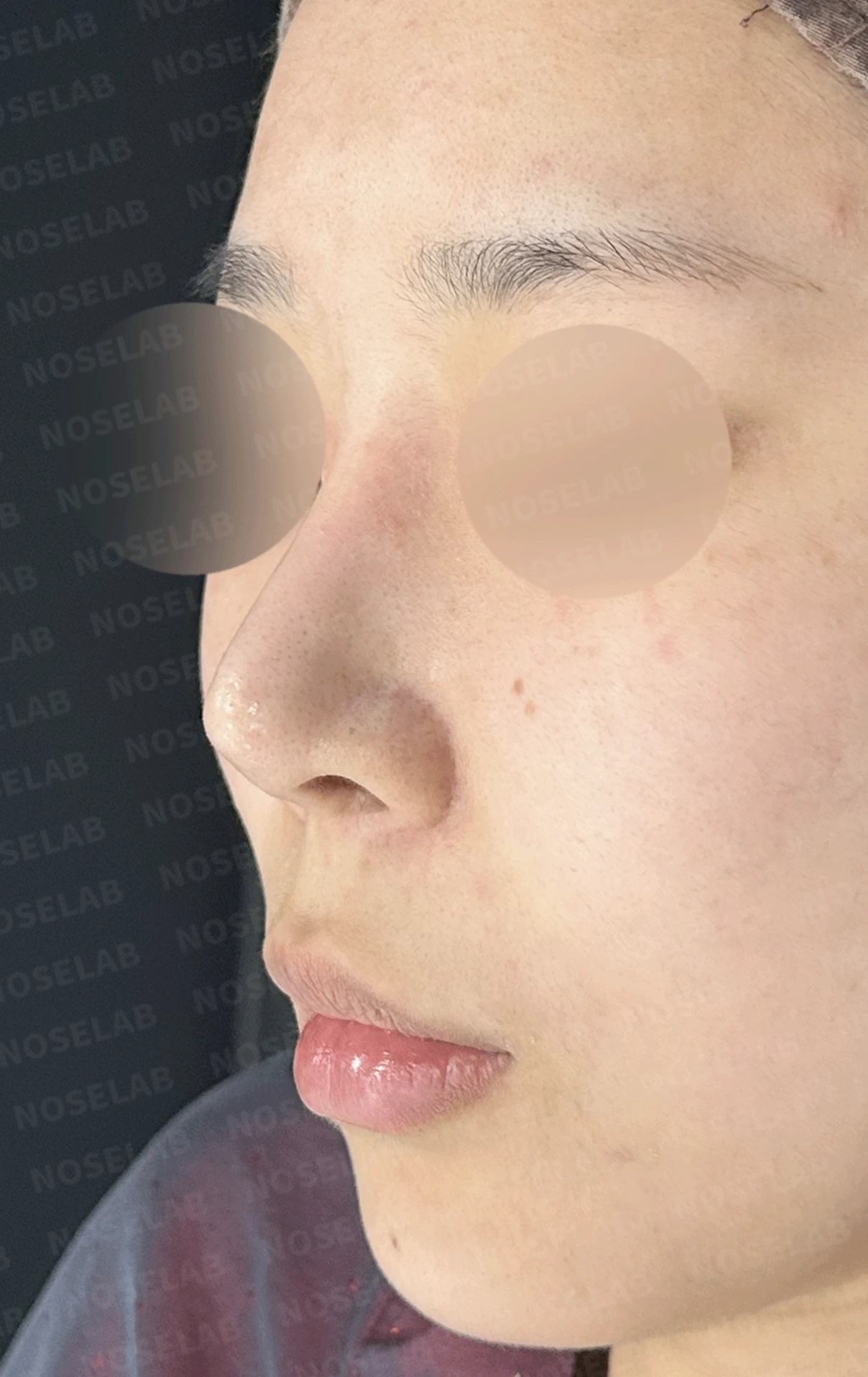
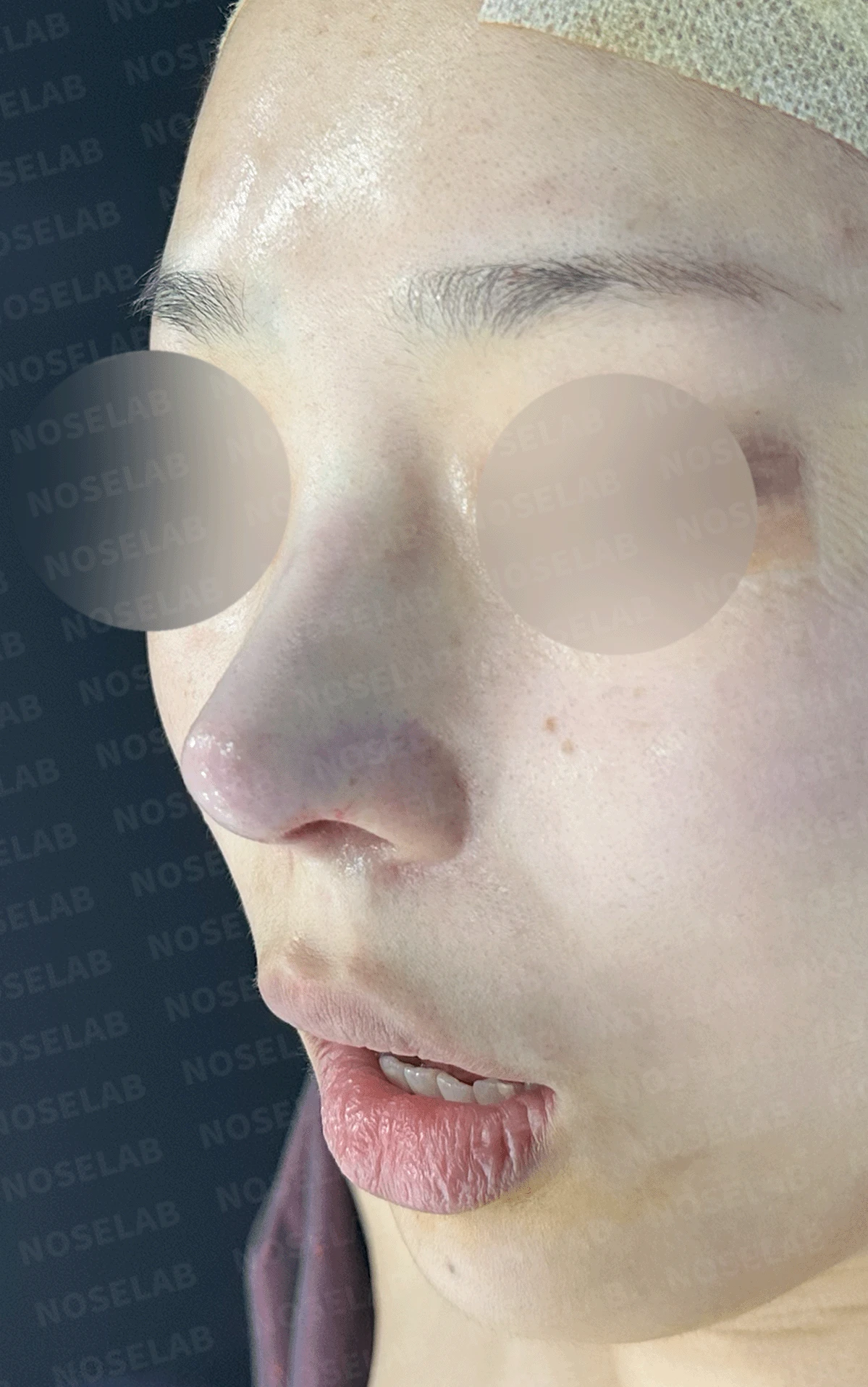
Before surgery / Day 0 immediately after surgery Photos taken immediately after surgery show swelling and may differ from the final result.
Overall changes
Resolution of complications from multiple surgeries
The desired aesthetic proportions requested by the patient
A healthy and natural-looking nose
Long-term stable outcome
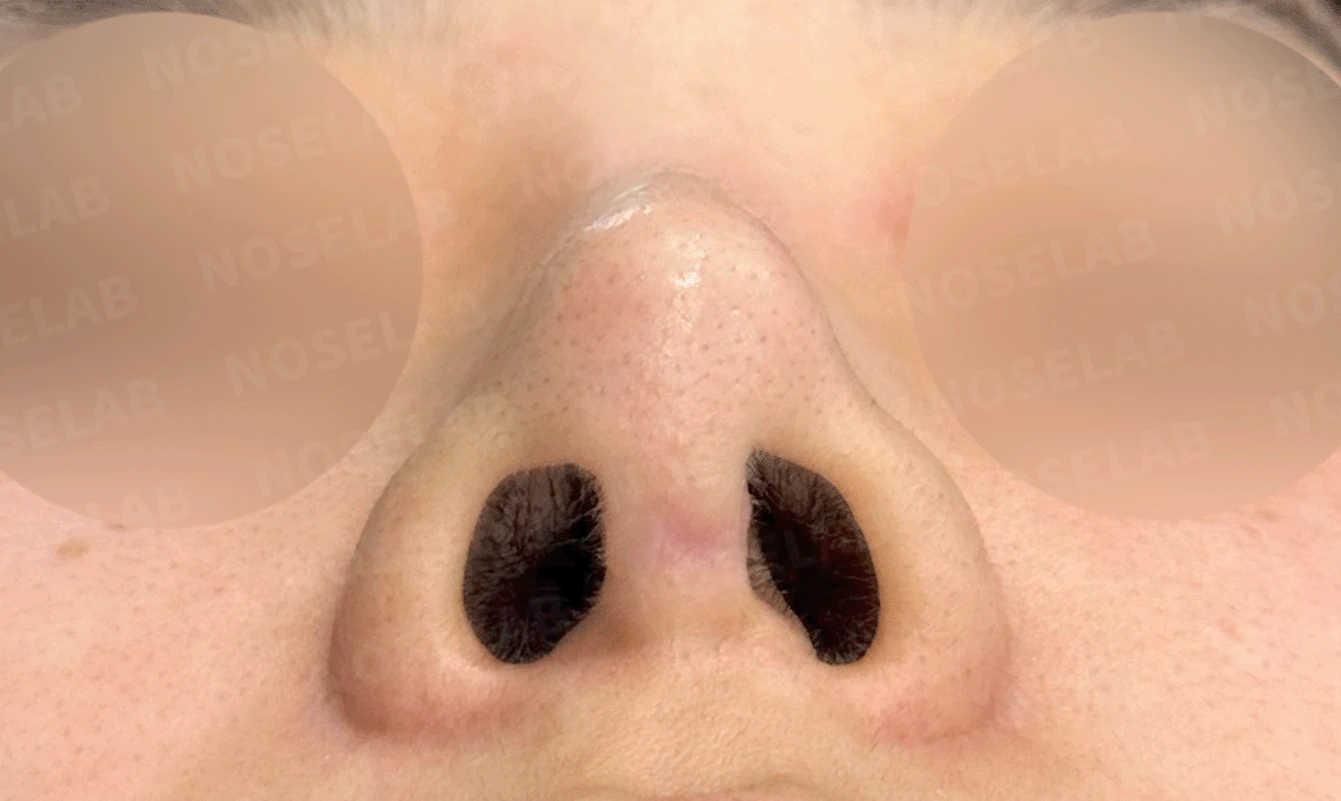
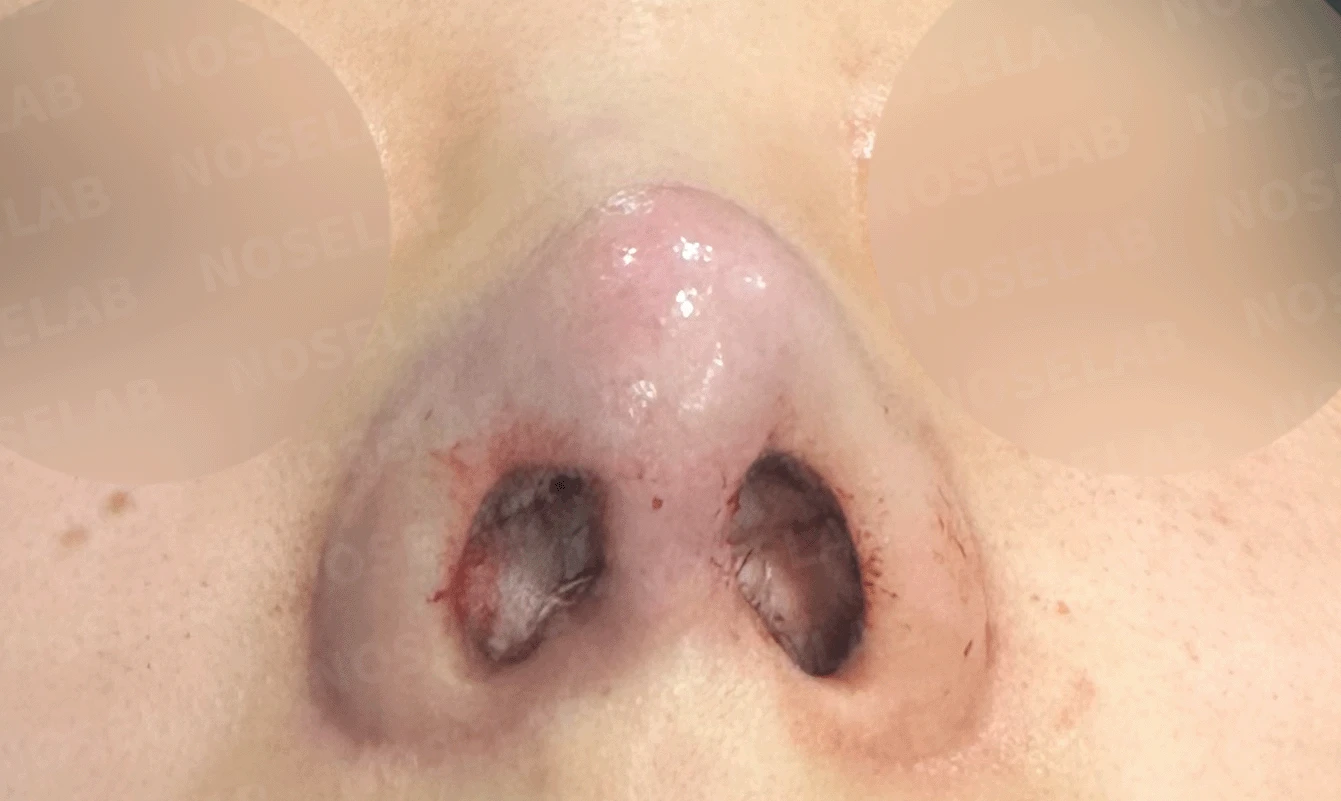
Before surgery / Day 0 immediately after surgery Photos taken immediately after surgery show swelling and may differ from the final result.
Long-term stability
Long-term stability using autologous rib cartilage
Minimizing re-injury risks through mucosal recovery
Lasting and natural results
👨⚕️ Specialist's assessment
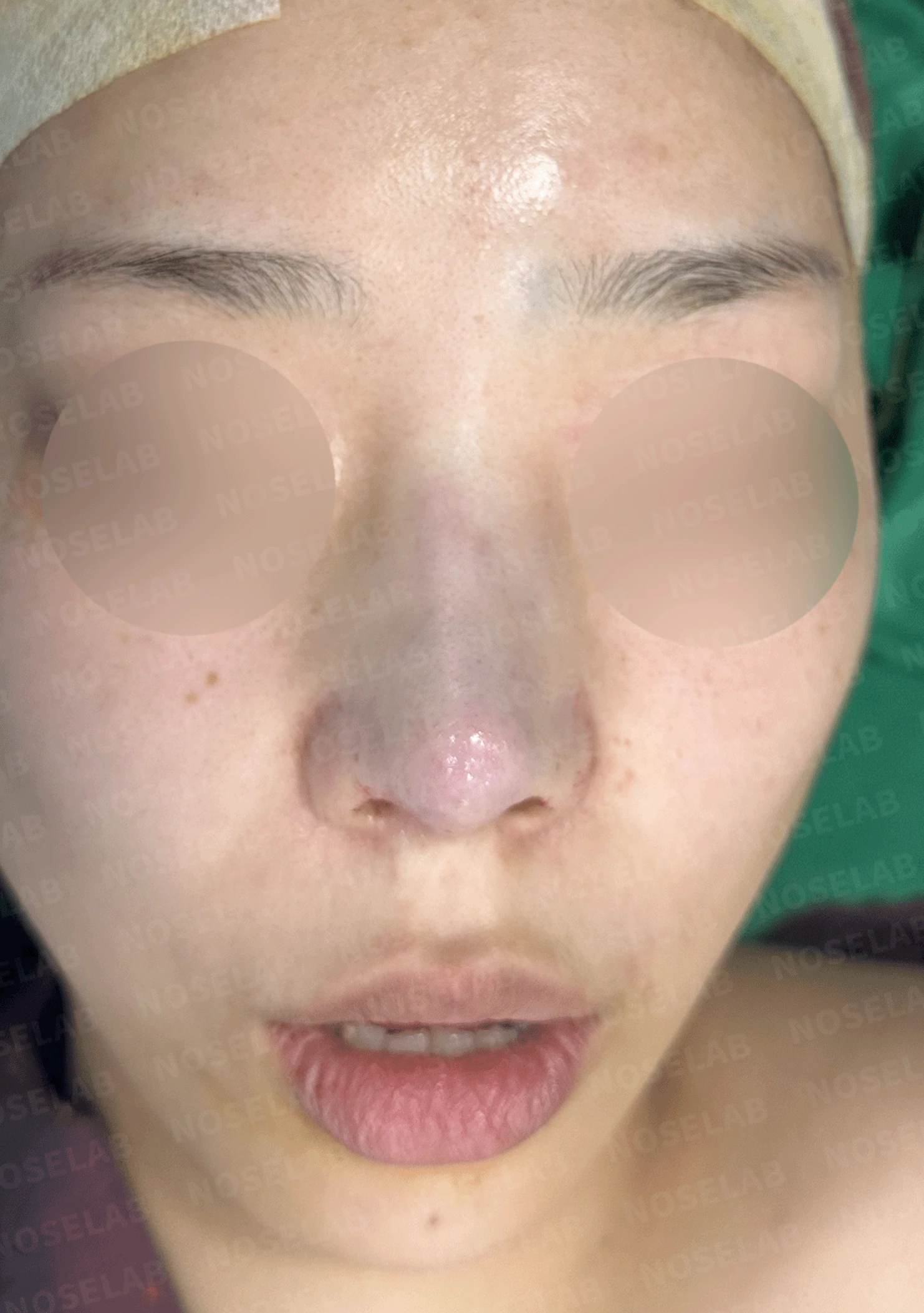
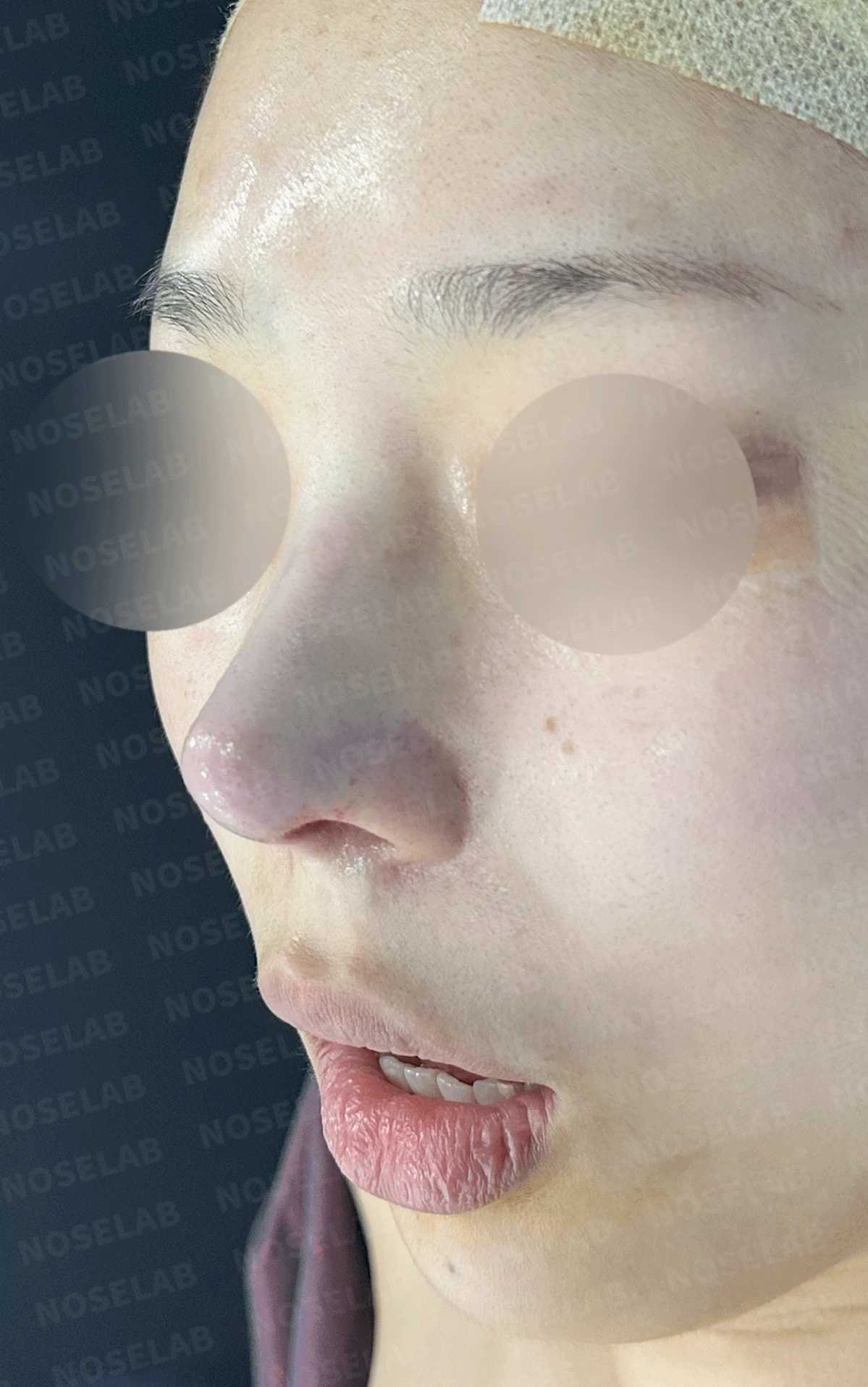
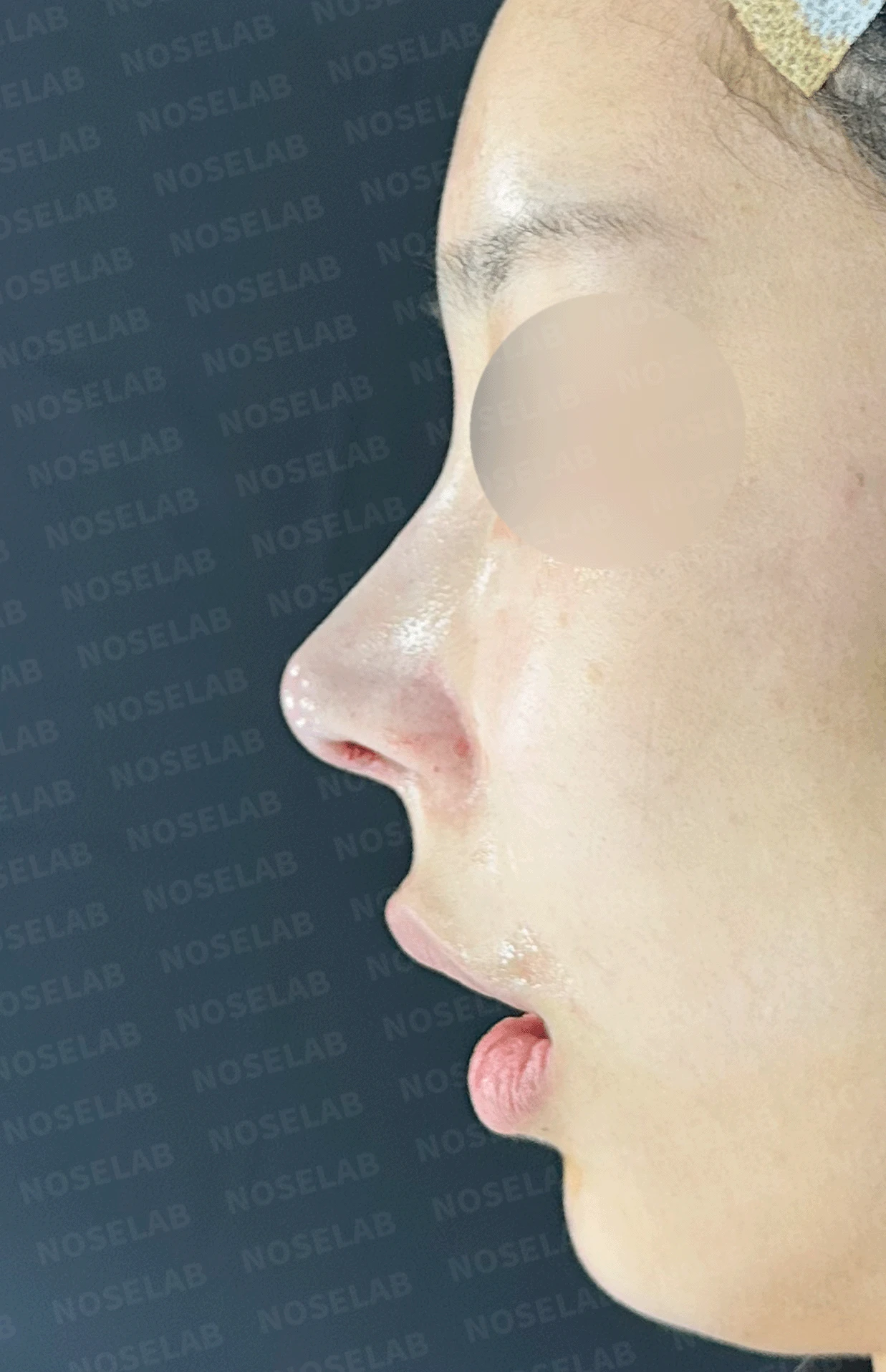
Immediately after surgery (day 0): front, profile, and oblique views. Immediate postoperative photos show swelling and may differ from the final result.
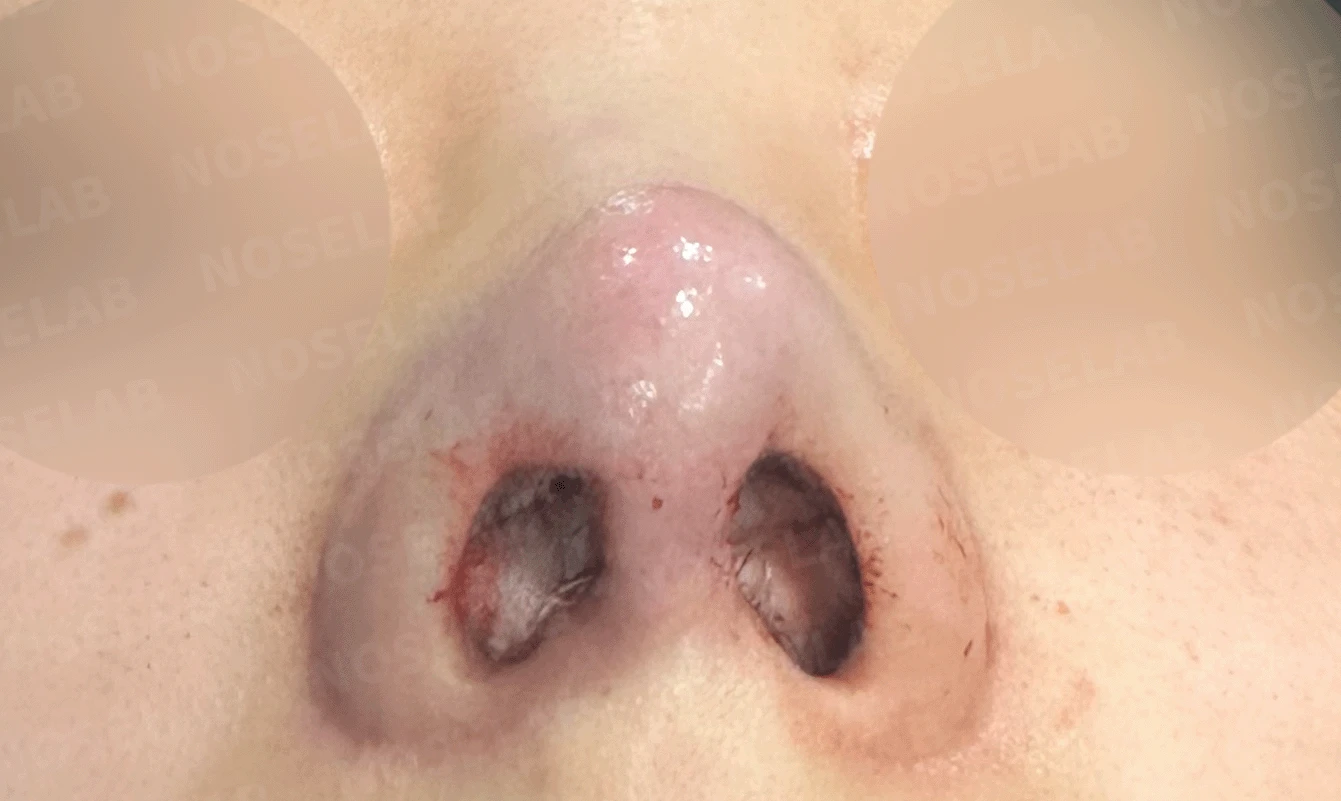
Nostril view on day 0 immediately after surgery. Photos taken immediately after surgery show swelling and may differ from the final result.
This was a complex case requiring the resolution of multiple issues accumulated over 5 years of repeated surgeries and revisions. In particular, mucosal thinning and lateral cartilage show-through are typical side effects of excessive surgical interventions, necessitating a very careful approach.
The most significant concern for the patient was the thinning of the internal nasal mucosa due to multiple procedures. When the mucosa thins, it becomes vulnerable to external trauma, potentially causing dryness or bleeding, and most importantly, cartilage show-through becomes cosmetically prominent.
Cartilage show-through occurs when the overlying skin and mucosa of the nasal tip thin, allowing the underlying cartilage structure to become visible externally. This is not solely an aesthetic issue; it can also increase the long-term risk of skin breakdown or infection, making it an essential concern to address.
The patient's specific request to elevate the tip even if the bridge had to be lowered was technically demanding. Generally, the bridge and tip form a continuous structure, meaning changes to one component inherently affect the other. Resolving this required meticulous planning and delicate technique.
In this reconstruction using autologous rib cartilage, the core objectives were reinforcing the thinned mucosa, resolving the lateral cartilage show-through, and delivering the proportions desired by the patient. Securing sufficient soft tissue thickness at the nasal tip was essential to prevent visible cartilage while forming a natural tip shape.
Correcting nostril asymmetry was another vital step. The asymmetry resulting from previous operations was precisely adjusted to restore bilateral balance.
Through nasolabial angle correction, a visual shortening effect on the philtrum was achieved, fulfilling the patient's request. Concurrently, the bridge height was adjusted appropriately while elevating the tip to realize balanced proportions.
The most crucial priority was restoring damaged tissue. Deliberate surgical techniques and careful recovery management were applied to allow tissues stressed by repeated surgeries to heal healthily.
As a result, all complications stemming from multiple surgeries over 5 years were addressed successfully. The mucosa recovered, lateral cartilage show-through resolved, and the desired proportions and shape were achieved, leaving the patient very satisfied.
This case demonstrates that even complicated and challenging revision cases can be resolved thoroughly through precise diagnosis and a systematic treatment plan.
This was Dr. Peter C. Kang. Thank you.
Thank you.
#closedrhinoplasty #revisionrhinoplasty #autologousribcartilage #cartilageshowthrough #mucosalrestoration #nostrilasymmetrycorrection #customrhinoplasty

Limitations and risks
When autologous rib cartilage is used, scarring and pain may remain at the donor site on the chest, and pneumothorax (pleural injury) can occur rarely. Over time, the grafted cartilage may warp or undergo partial resorption.
When using donor rib cartilage, long-term follow-up is necessary because the grafted cartilage may resorb or warp.
When the septum is corrected at the same time, nasal obstruction may persist or recur, and in rare cases, septal perforation or changes in smell may occur.
Common potential risks include infection, bleeding, asymmetry, scarring, skin necrosis, and insufficient improvement; results vary depending on individual skin condition and previous surgical history.