Hello, this is Dr. Peter C. Kang, medical director.
Today, I would like to introduce a revision rhinoplasty case of a patient who was troubled by nostril asymmetry and a drooping tip.
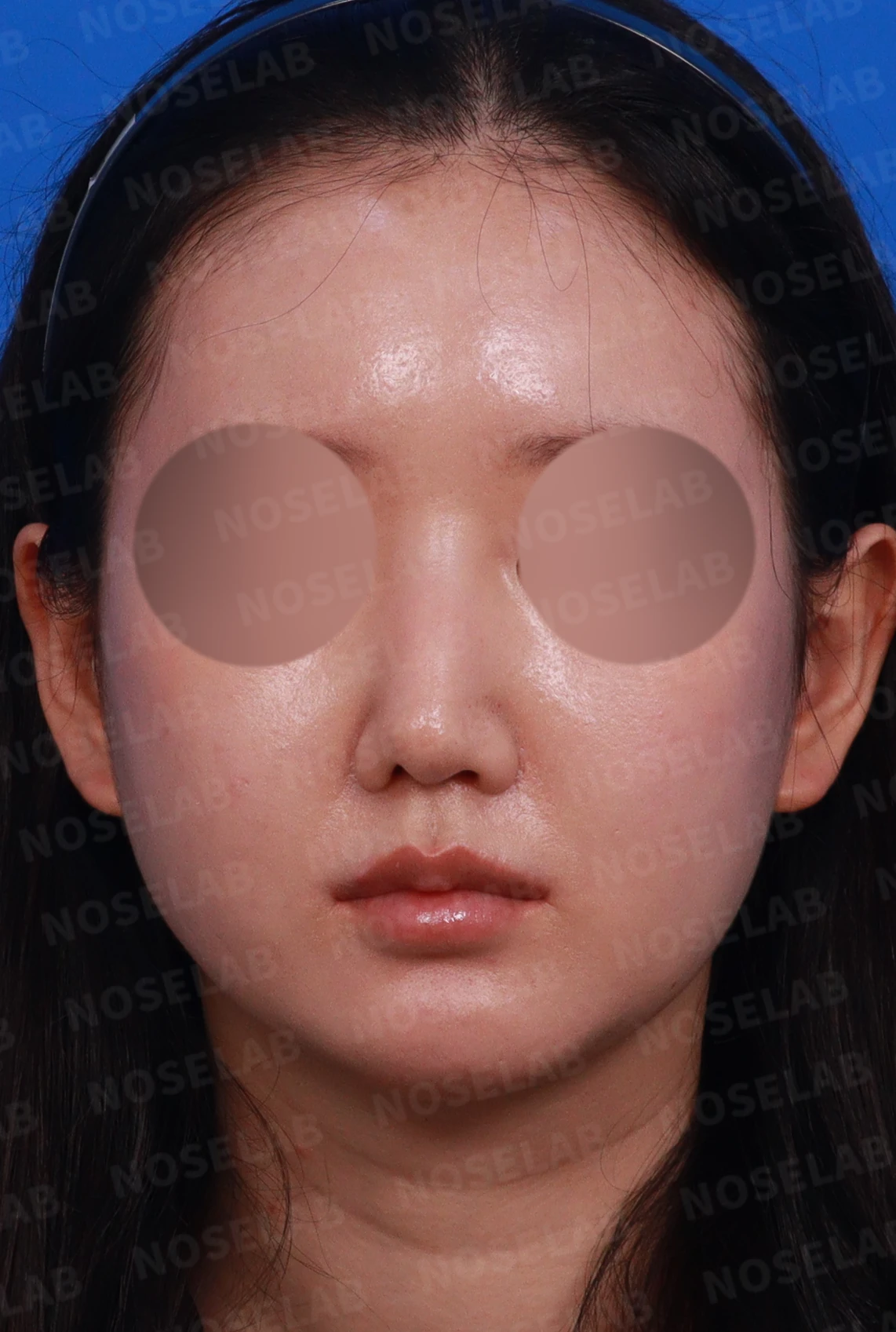
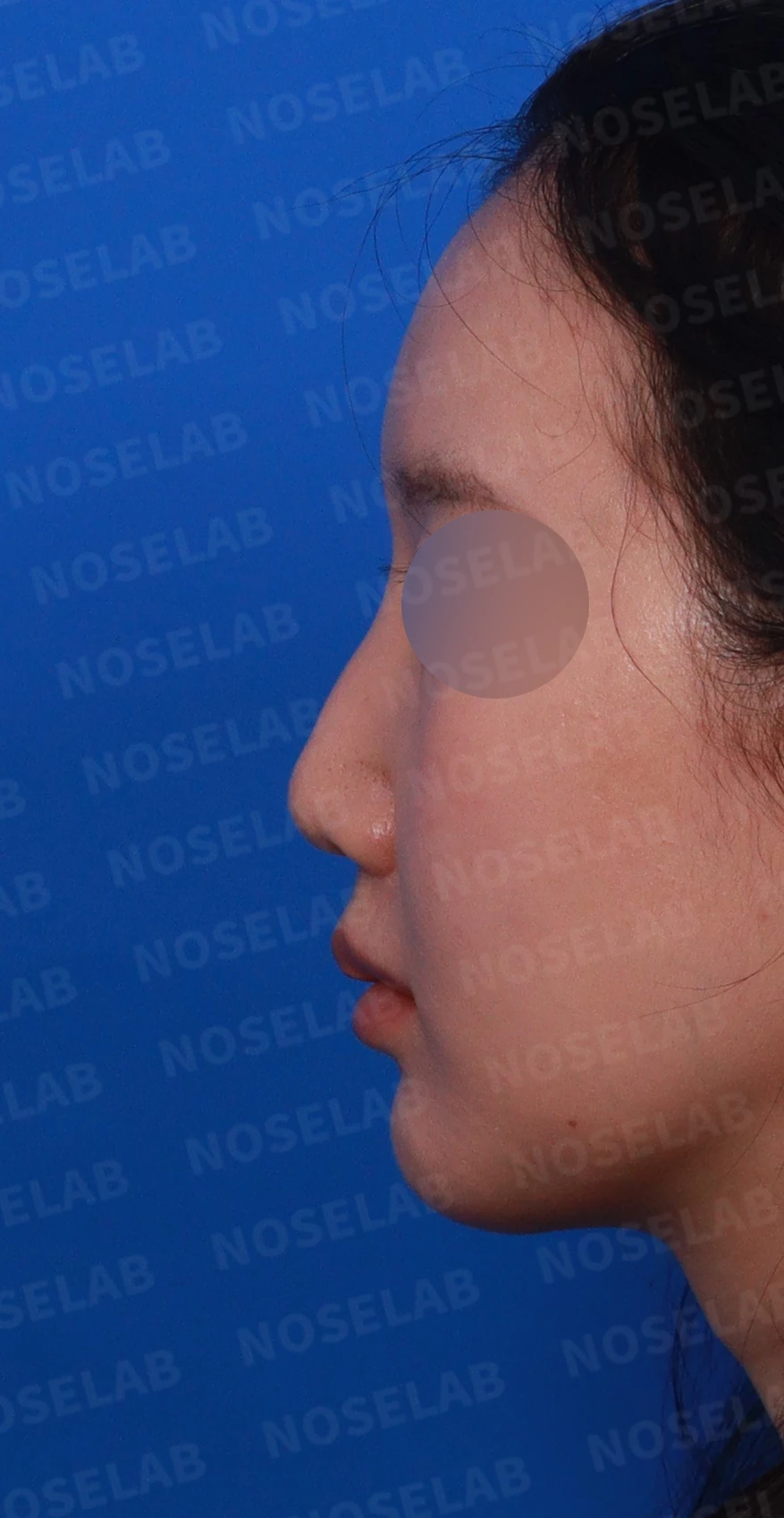
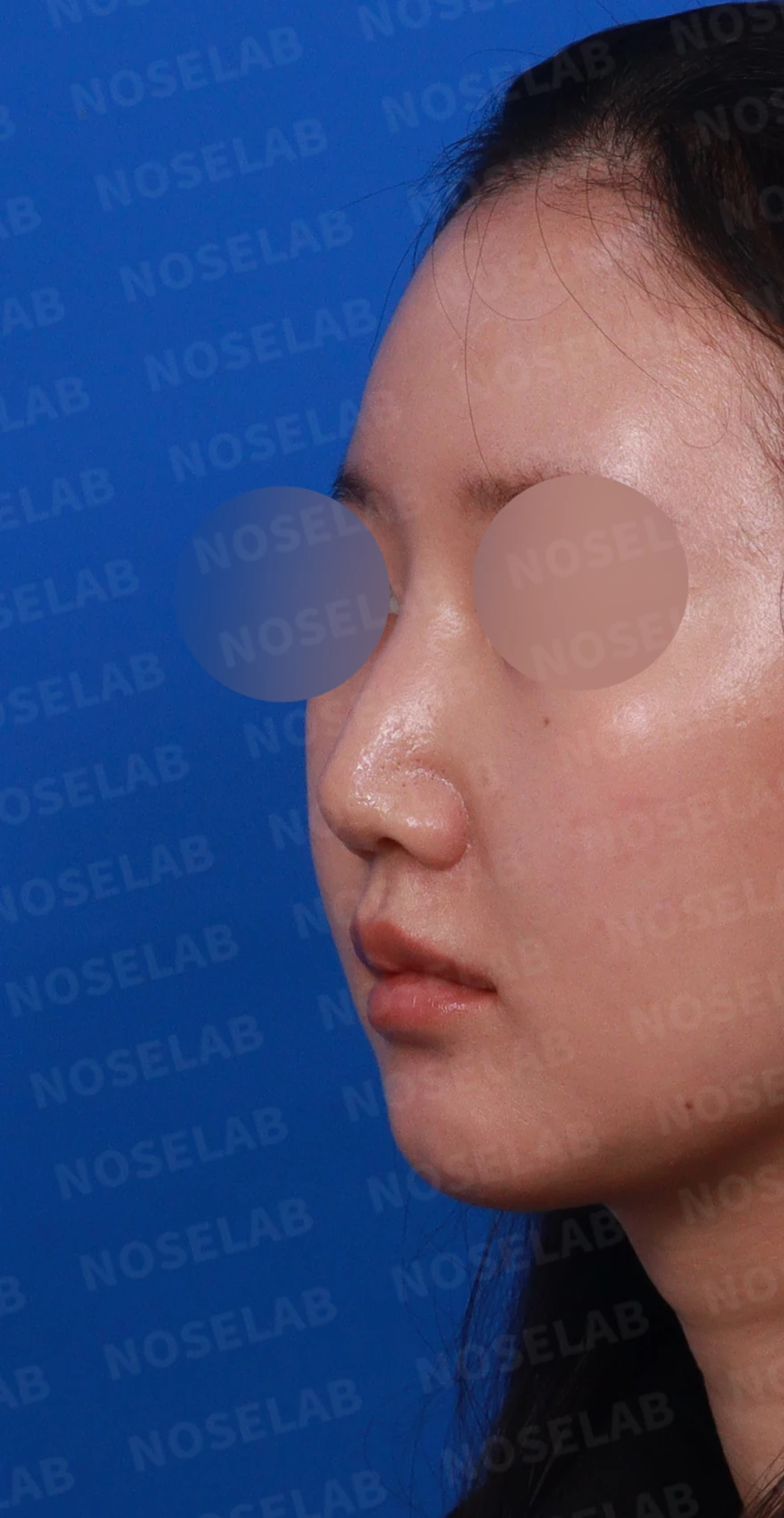
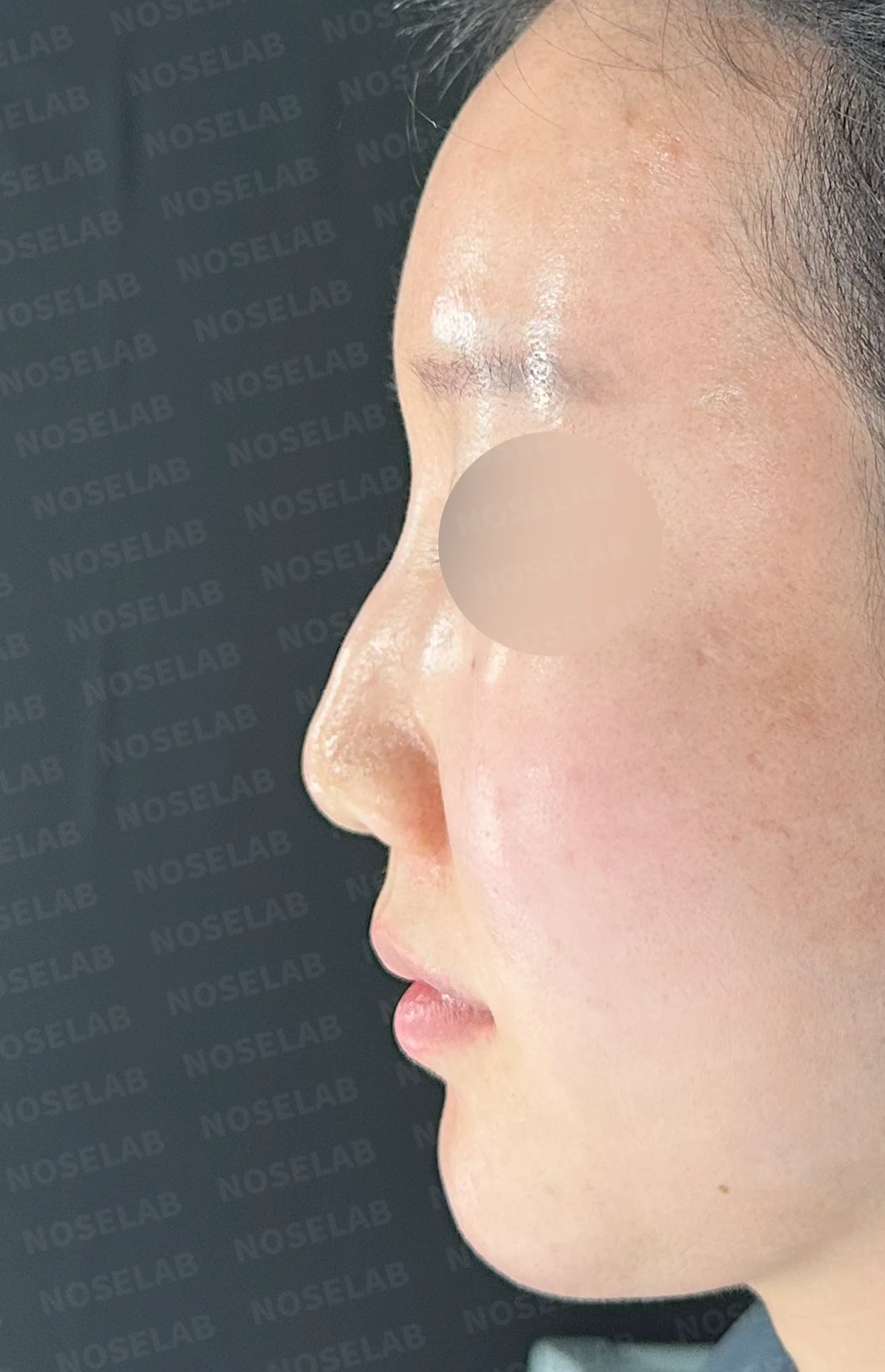
Front, left profile, and oblique views during design consultation
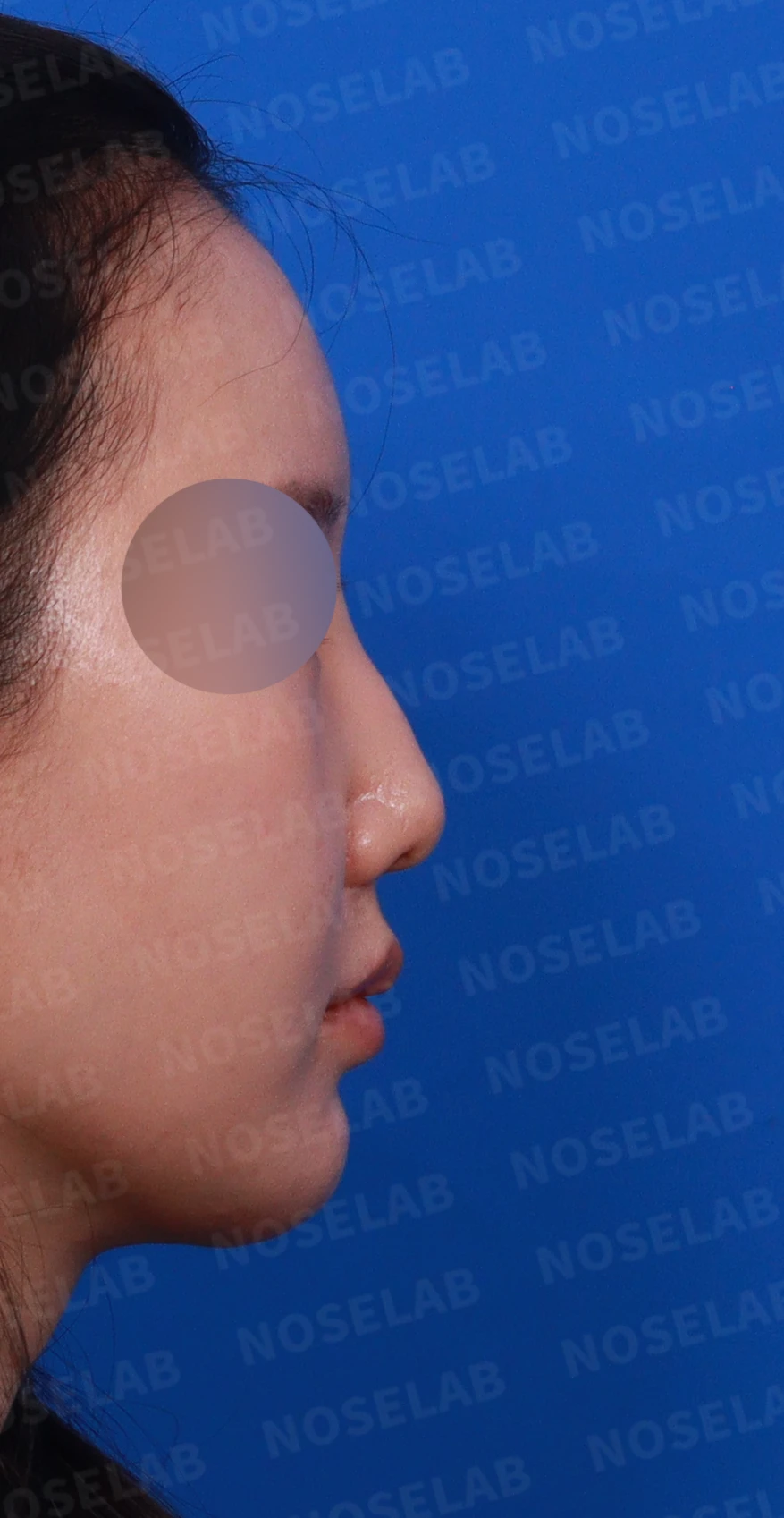
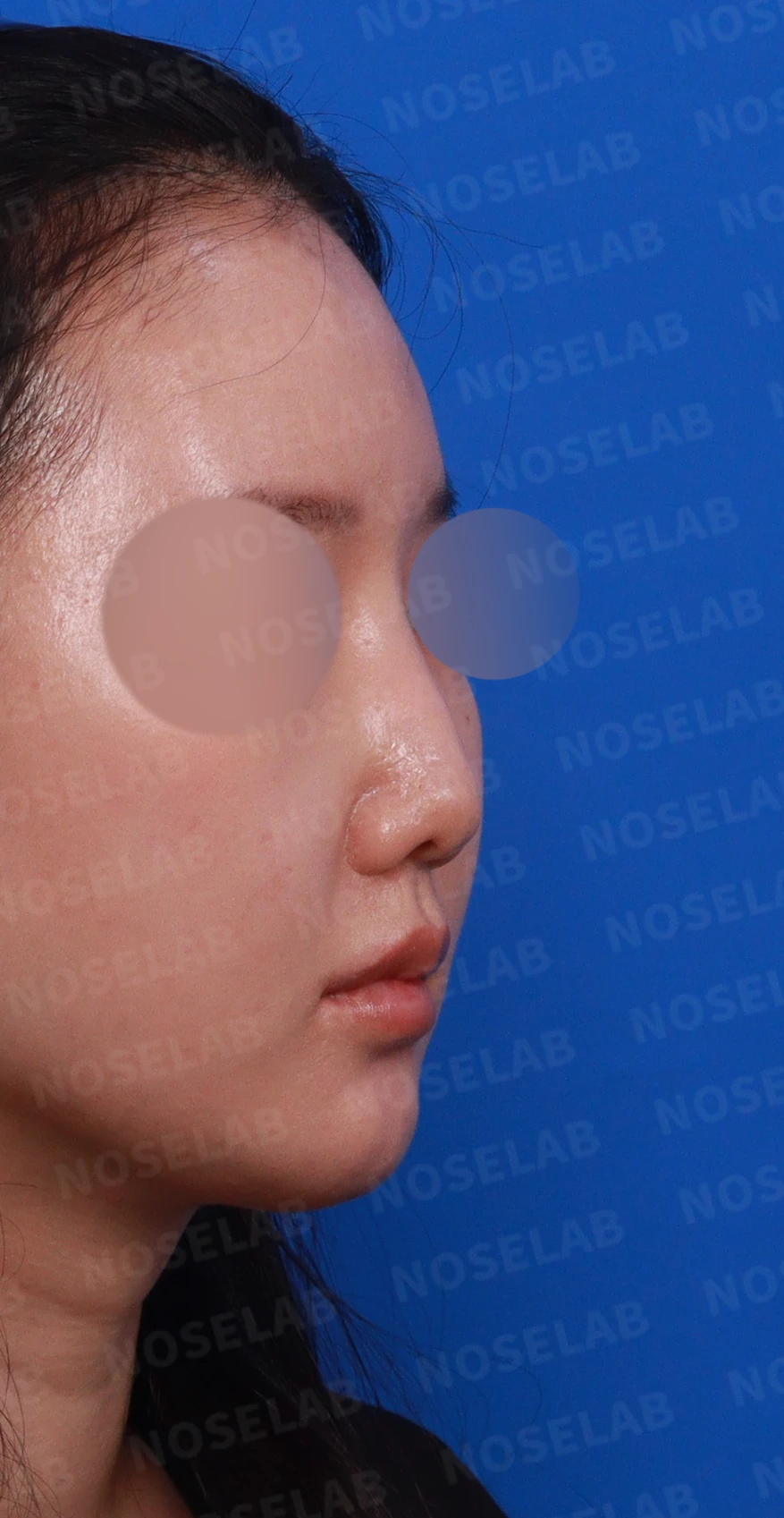
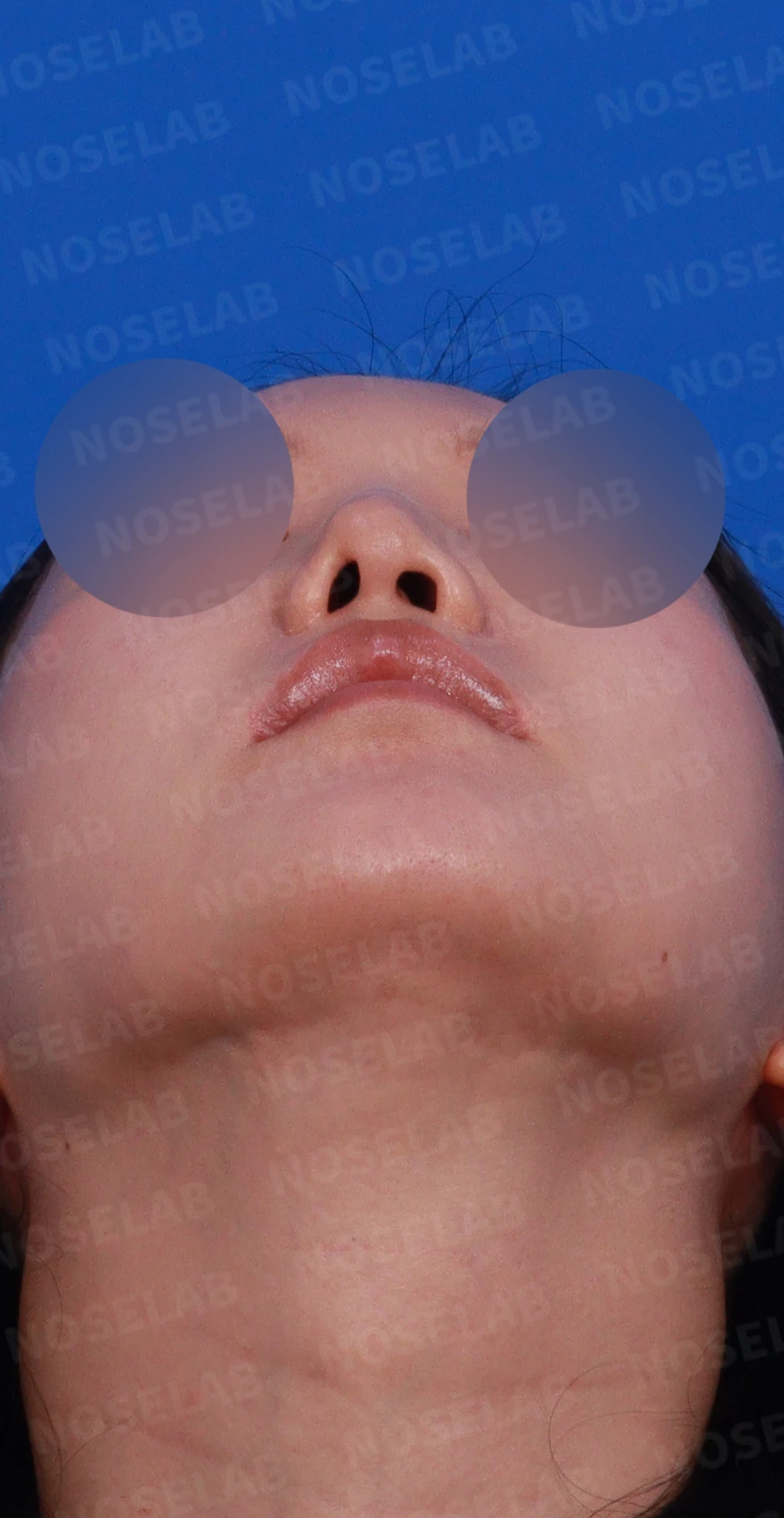
Right profile, oblique, and nostril views during design consultation
📍 Surgical history
10 years ago: Hiko thread lift procedure
7 years ago: Pearl rhinoplasty (silicone implant in the nasal tip)
6 years ago: Silicone implant removal surgery
1 year ago: Nasal filler injection (never dissolved)
🔎 Initial consultation findings
Characteristics
Congenital nostril asymmetry
Drooping nasal tip
Traces from the silicone implant that had shifted to the right
Residual filler
✨ Patient's requests
Correction of nostril asymmetry (the most concerning issue)
Improvement of drooping tip
Natural shape without sharp points
Improvement without significantly changing the patient's current appearance
Reluctance to use autologous rib cartilage
💉 Surgical procedure details
Structural improvement
Septal extension using both donor rib cartilage and autologous cartilage (septal cartilage)
Combination with autologous cartilage to minimize shape changes caused by donor rib cartilage resorption
Complete removal of existing filler
Removal of residual foreign material from previous procedures
Correction of the nasolabial angle
Improvement in shape
Correction of nostril asymmetry (within the limitations of congenital alar asymmetry)
Elevation of the drooping tip
Creating a natural nasal profile line
Considering overall harmony
✅ Surgical results
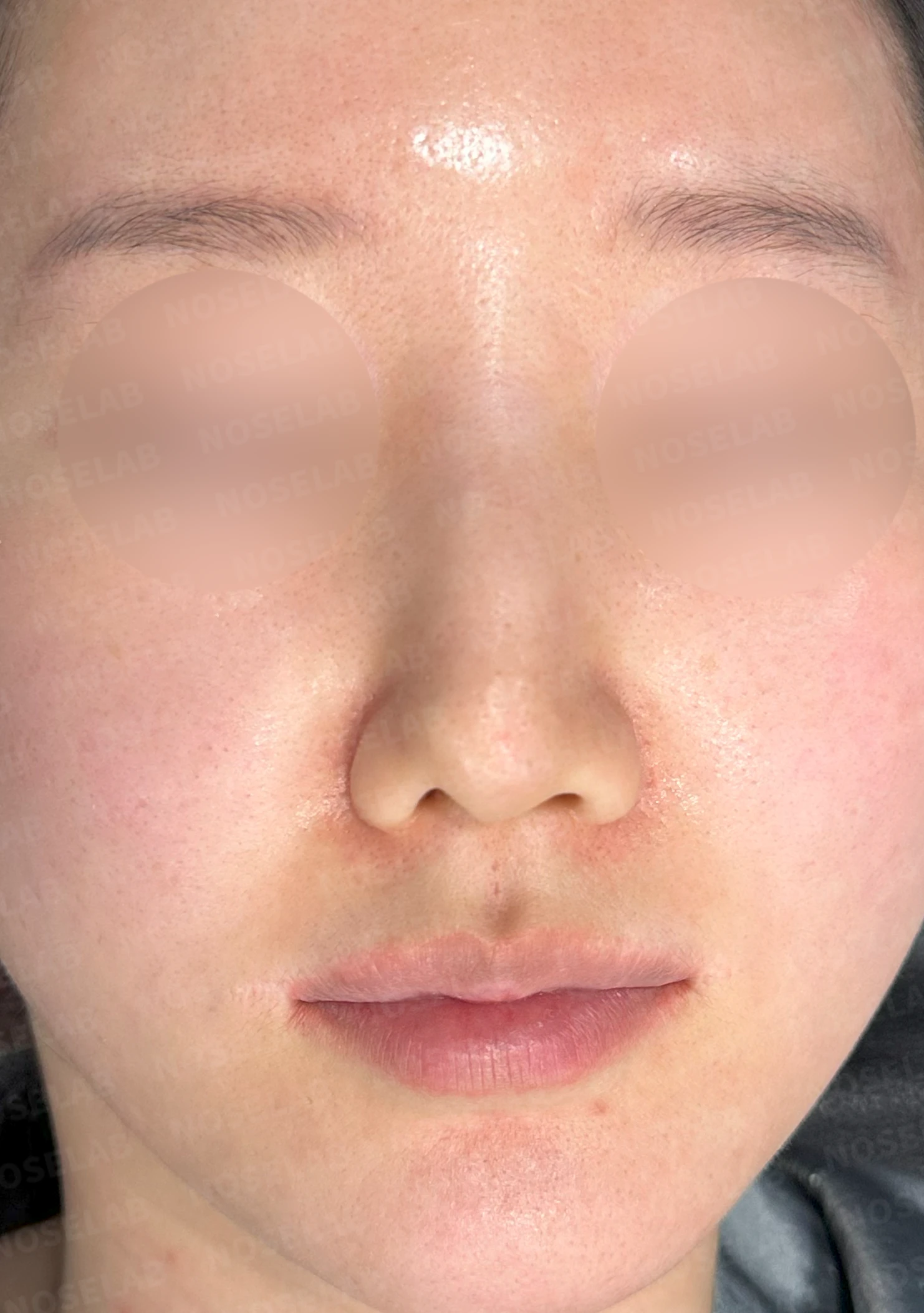
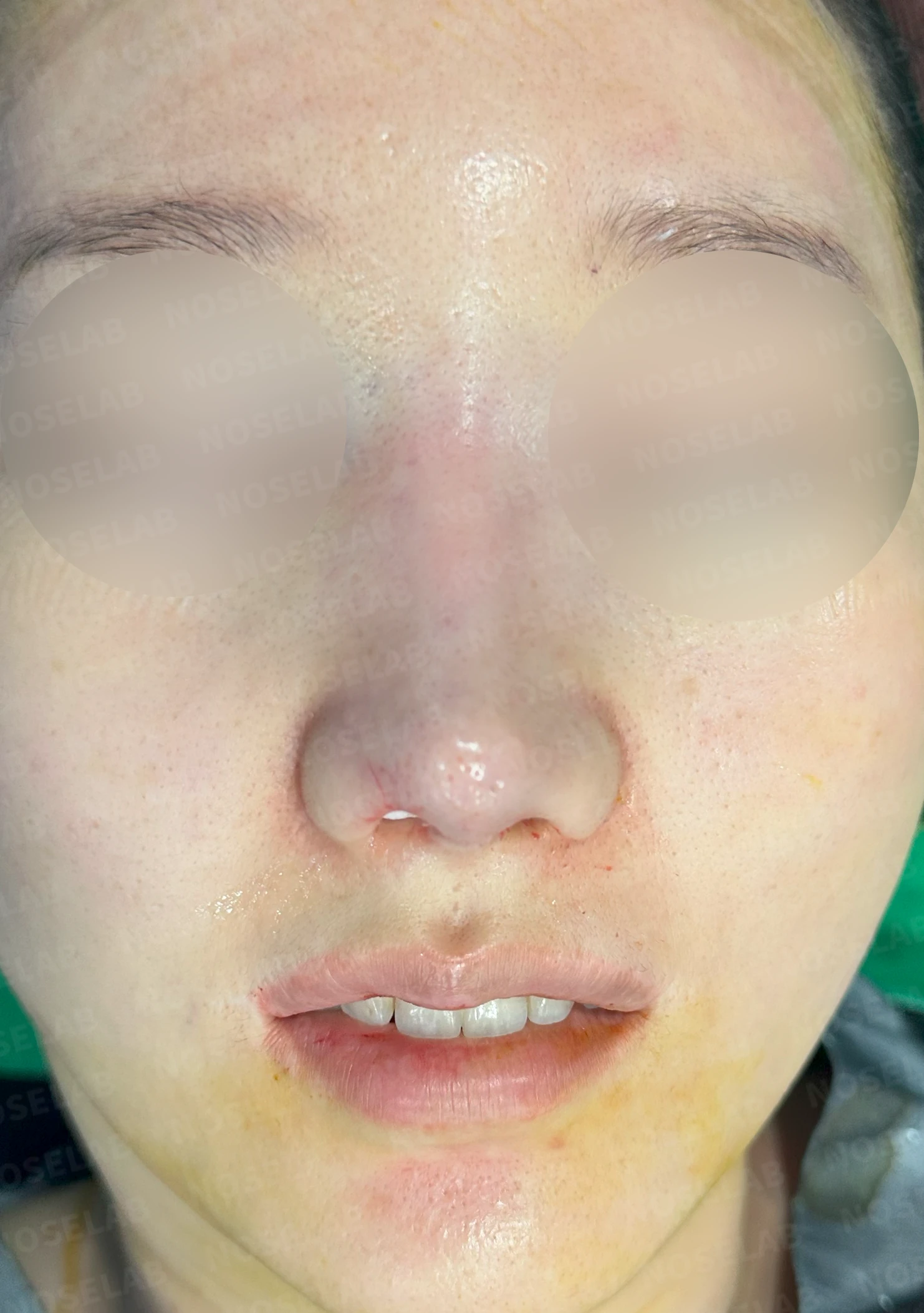
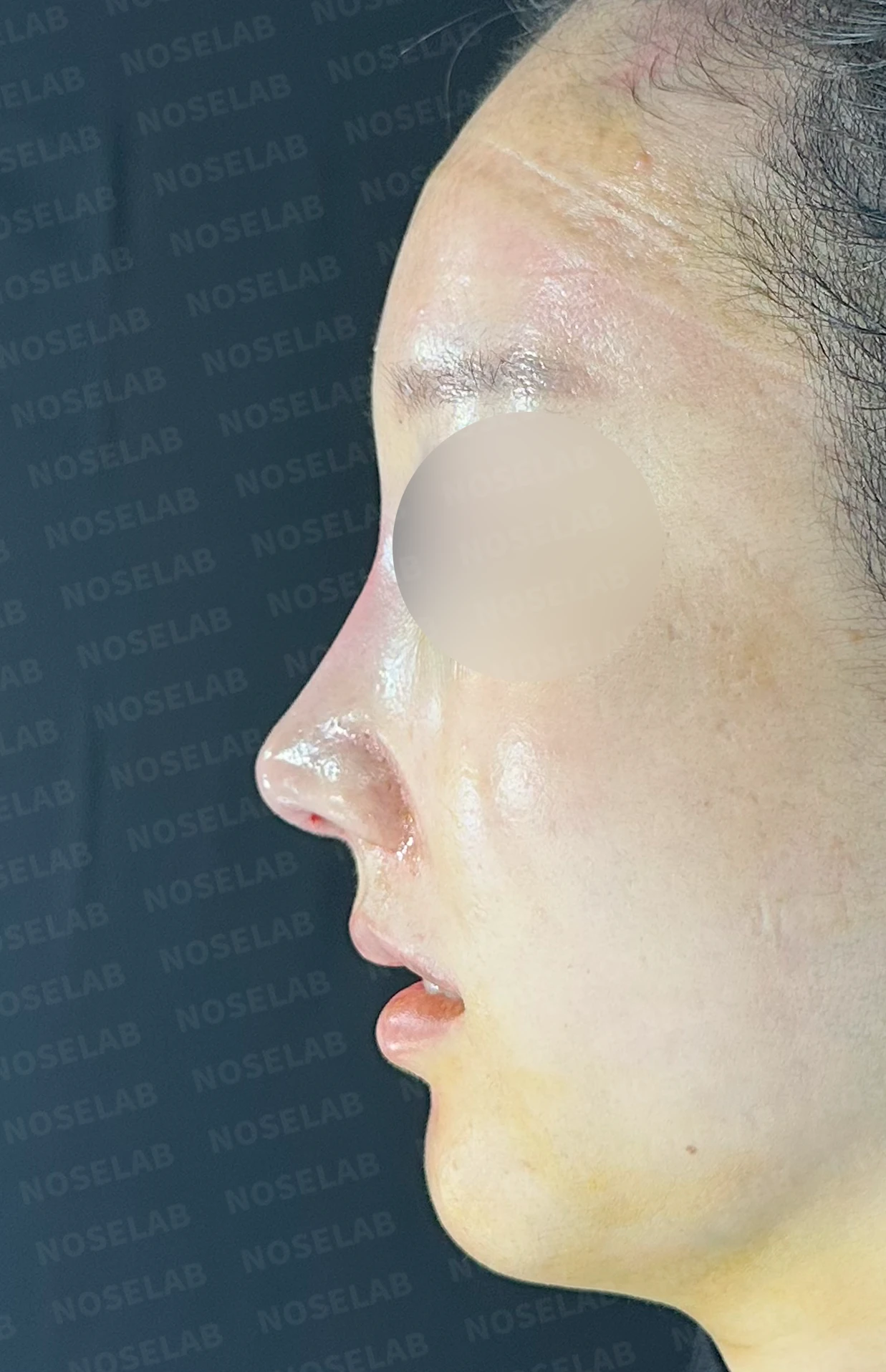
Before surgery / Day 0 immediately after surgery Photos taken immediately after surgery show swelling and may differ from the final result.
Front view
Naturally improved nostril asymmetry
Balanced nasal shape
Maintaining an appropriate balance of nose size
Overall natural impression
Before surgery / Day 0 immediately after surgery Photos taken immediately after surgery show swelling and may differ from the final result.
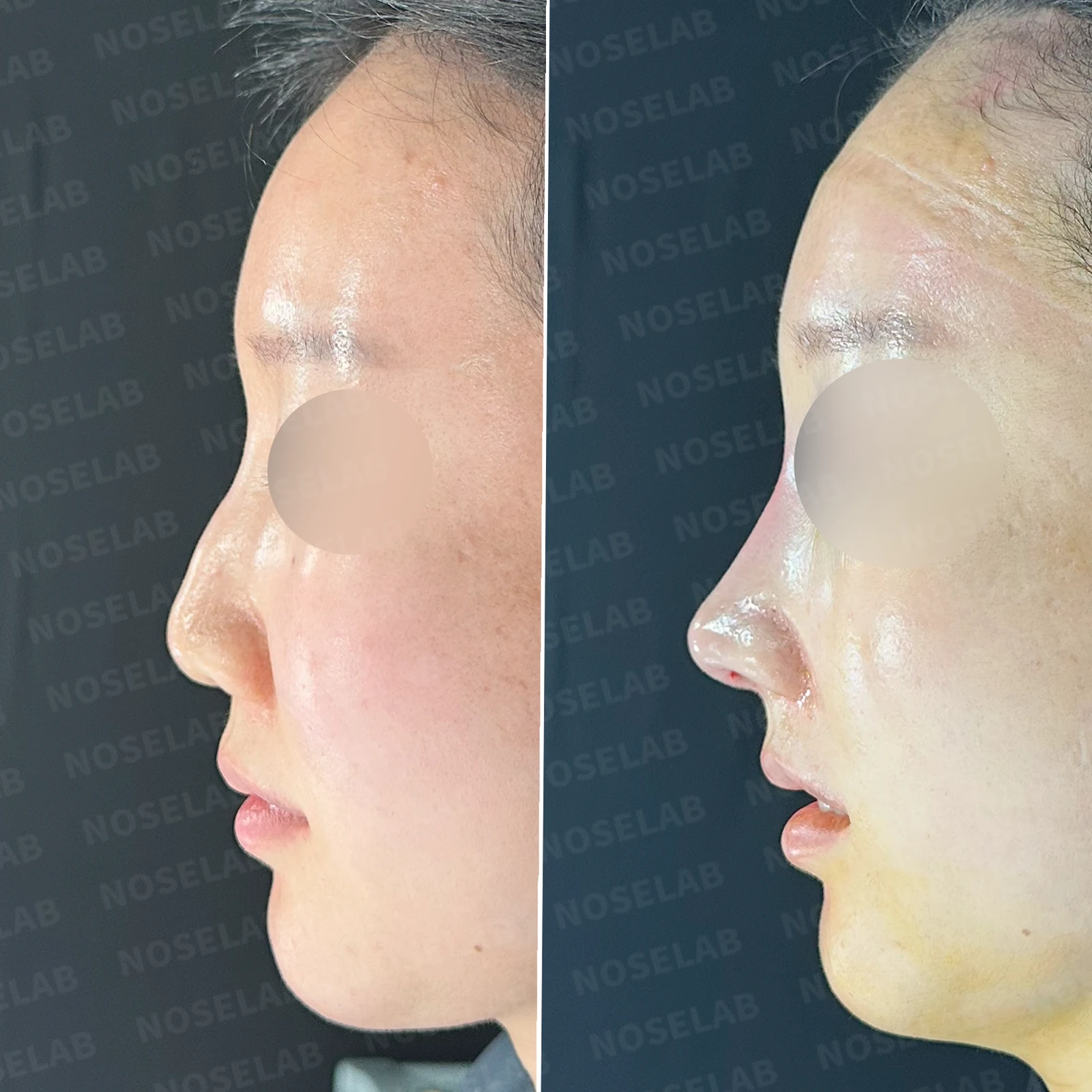
Profile view
Improved tip position
Adequate nasal height
Natural nasolabial angle
Natural nasal tip that is not pointed
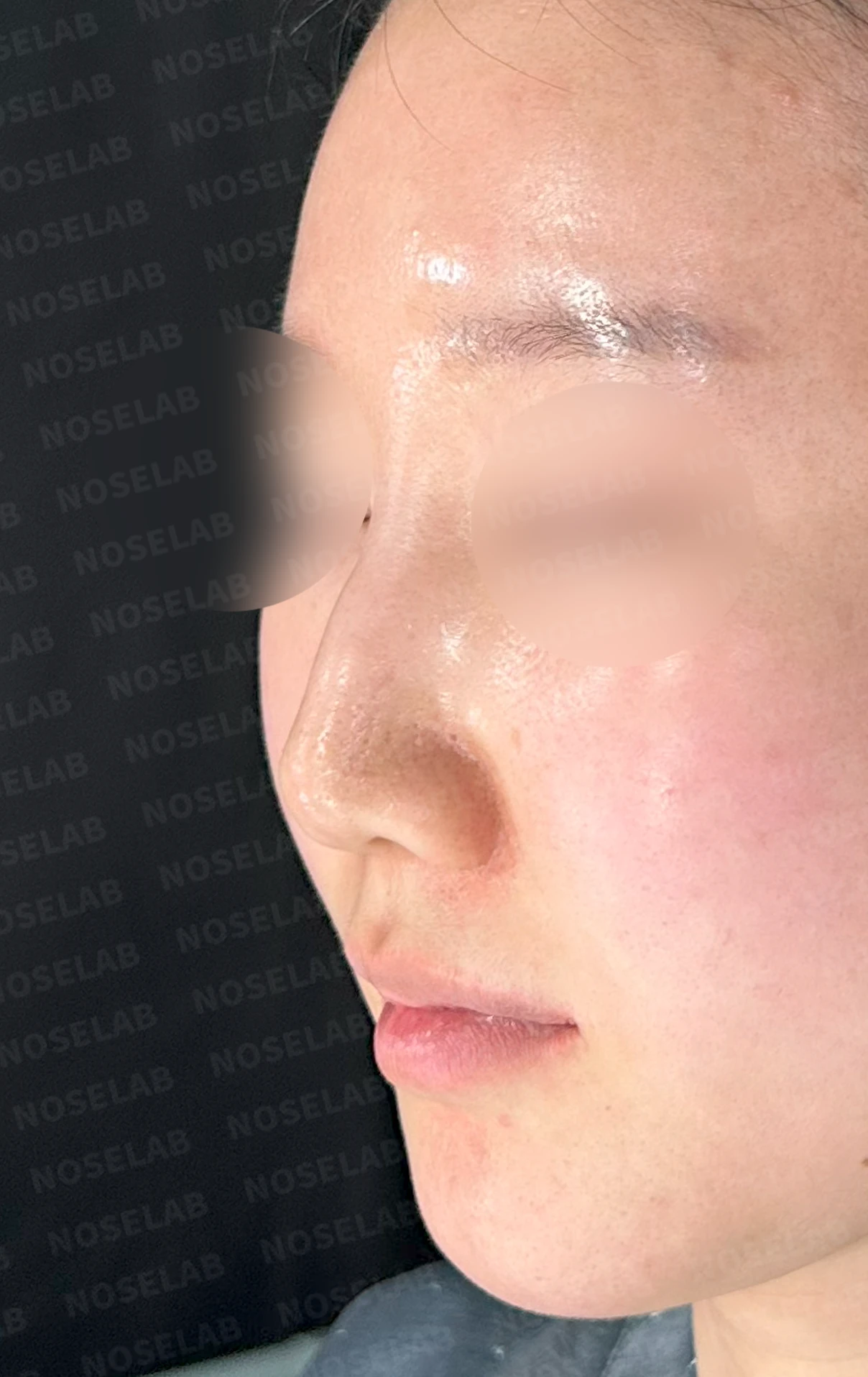
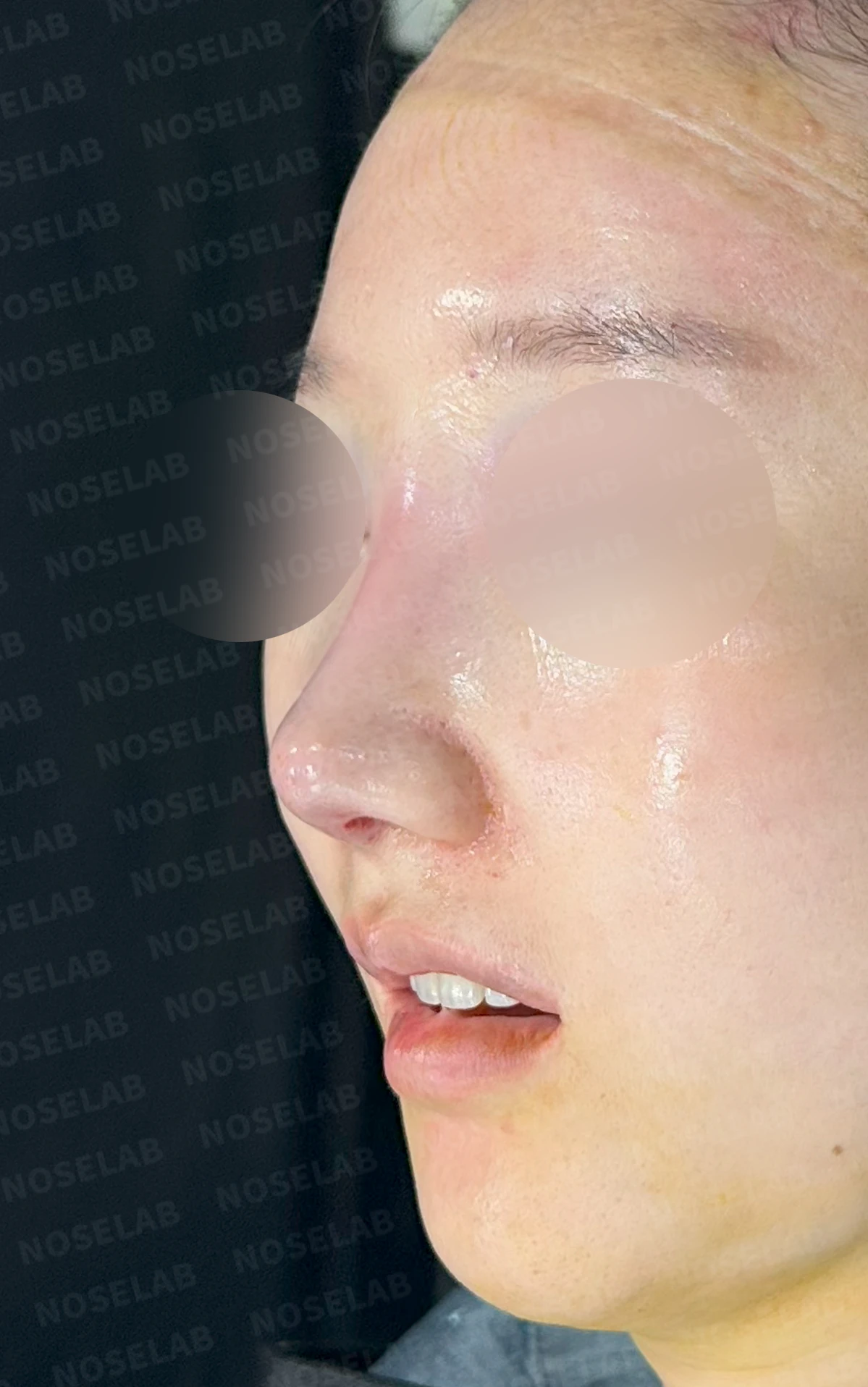
Before surgery / Day 0 immediately after surgery Photos taken immediately after surgery show swelling and may differ from the final result.
Nostrils
Nostril symmetry improved as much as possible within congenital limitations
Balanced nostril shape
Stable tip support structure
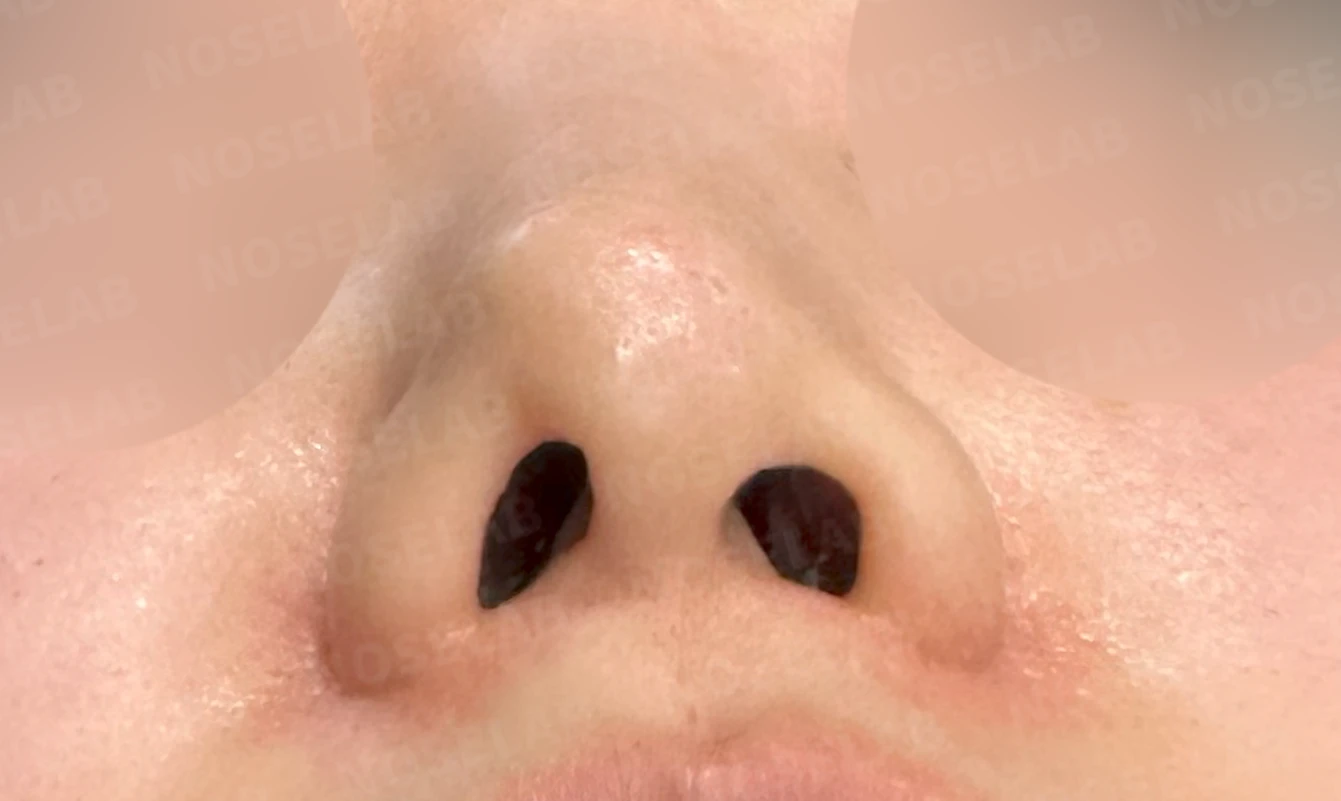
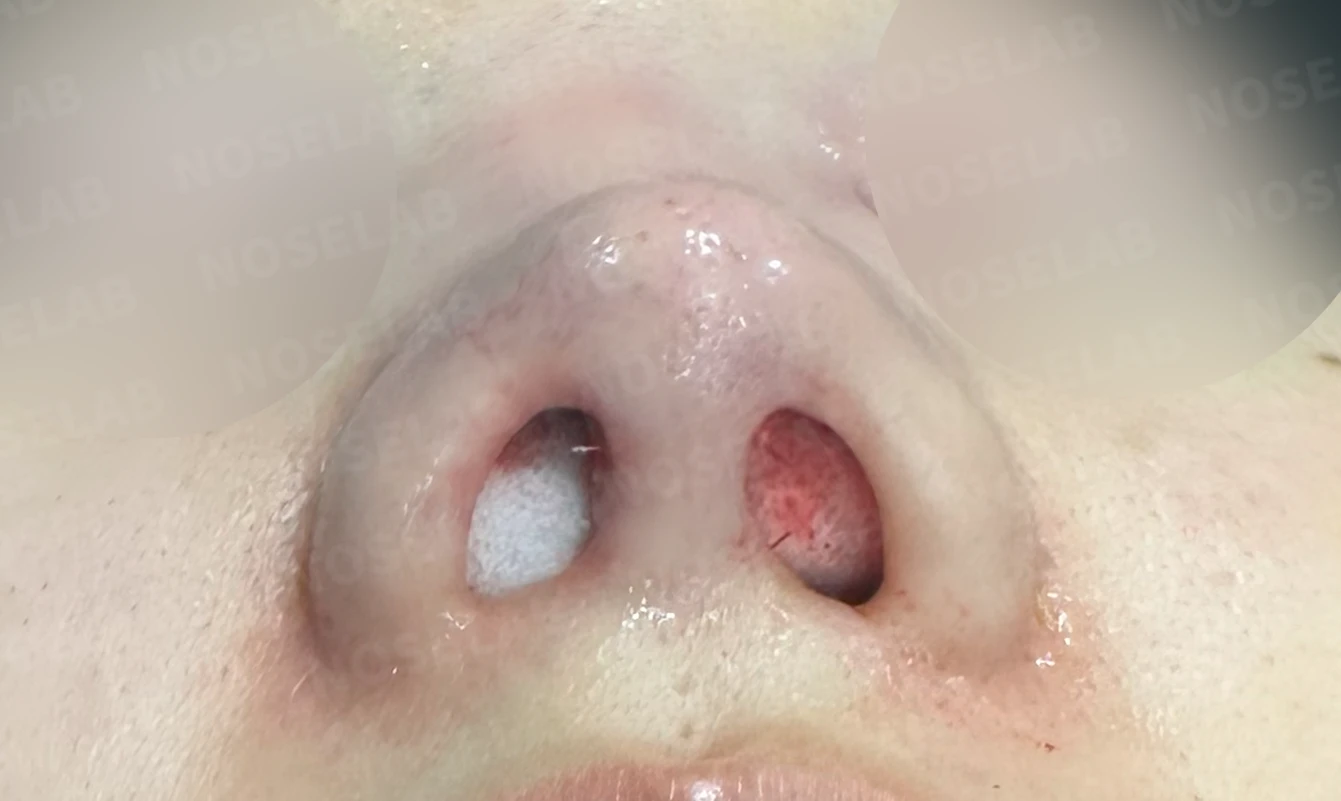
Before surgery / Day 0 immediately after surgery Photos taken immediately after surgery show swelling and may differ from the final result.
👨⚕️ Specialist's assessment
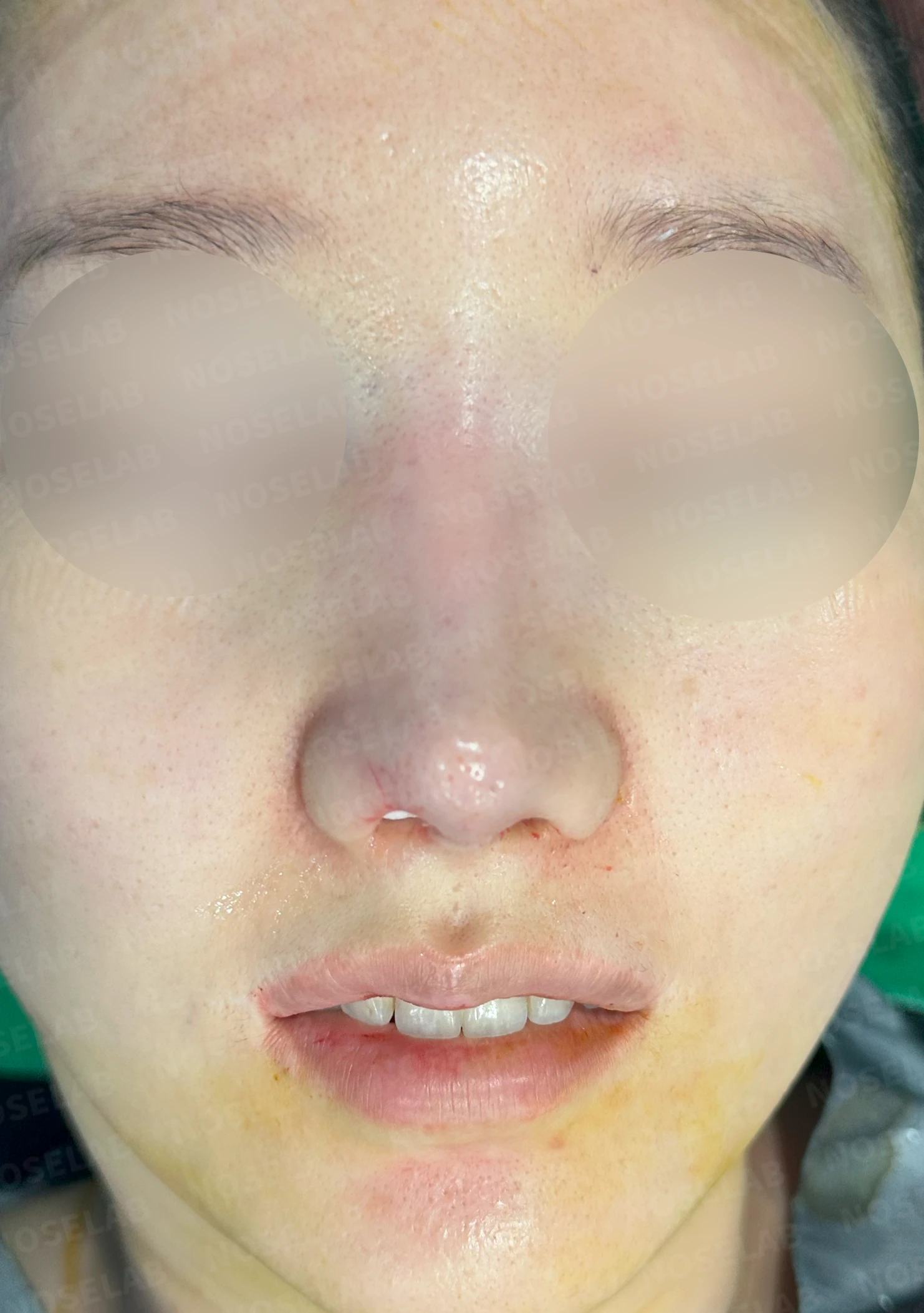
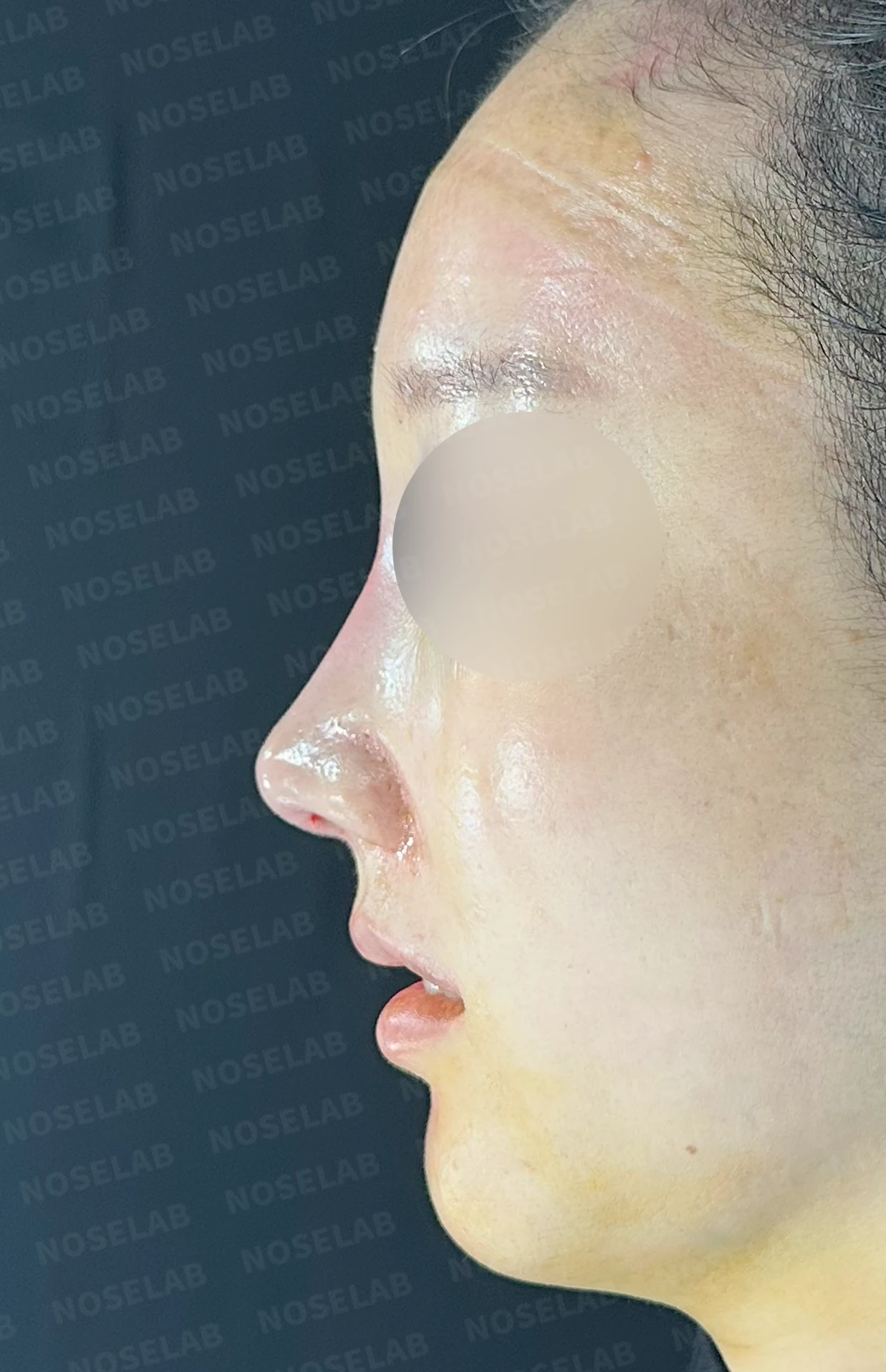
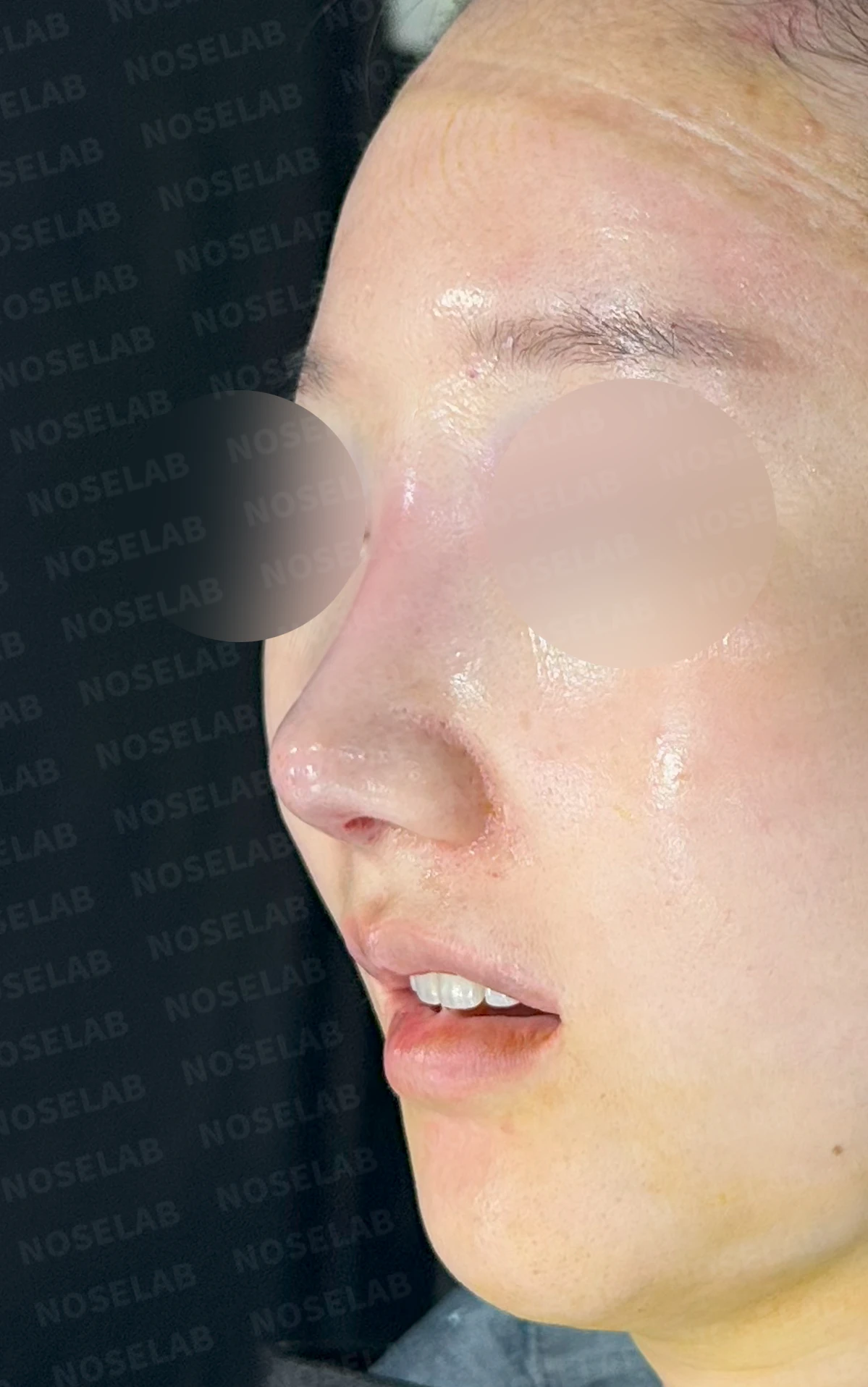
Front, profile, and oblique views immediately after surgery on day 0 Photos taken immediately after surgery show swelling and may differ from the final result.
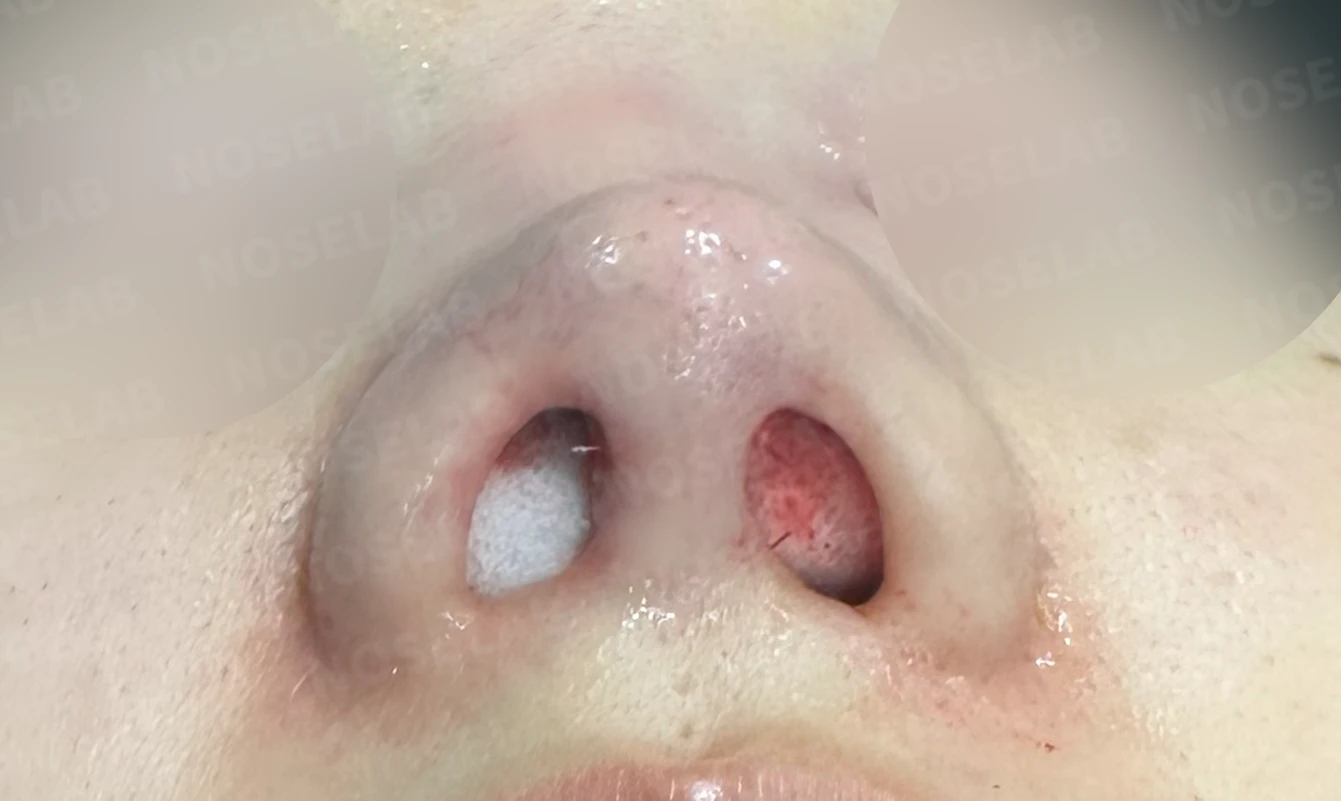
Base view immediately after surgery (Day 0) Immediate postoperative photos show swelling and may differ from the final result.
This was a complex case involving nostril asymmetry, a drooping tip, and a history of multiple procedures and surgeries. The nostril asymmetry, which was the patient's greatest concern, stemmed from congenital alar asymmetry. Although there were limitations to complete correction, the focus was placed on achieving the most natural improvement possible.
Considering that the nose was not large, the drooping tip was effectively corrected without excessively elevating the tip.
Although the patient was reluctant to use autologous rib cartilage, donor rib cartilage was combined with the patient's own septal cartilage to build a sturdy support structure for a stable result. In particular, autologous cartilage was used together with donor rib cartilage to minimize potential shape deformities caused by resorption that can occur when using donor rib cartilage alone. Residual filler and traces from the previous silicone implant were completely removed, and the nasolabial angle was corrected to achieve a natural profile line.
In accordance with the patient's wish to avoid a drastic change in image, the areas of concern were effectively improved, resulting in a natural and harmonious outcome. This was a meaningful case where optimal balance and harmony of the nasal contours were achieved within the limitations of congenital nostril asymmetry.
This has been Dr. Peter C. Kang, medical director.
Thank you.
#closedrhinoplasty #revisionrhinoplasty #nostrilasymmetrycorrection #droopingtipcorrection #donorribcartilage #customrhinoplasty

Limitations and risks
When autologous rib cartilage is used, scarring and pain may remain at the donor site on the chest, and pneumothorax (pleural injury) can occur rarely. Over time, the grafted cartilage may warp or undergo partial resorption.
When using donor rib cartilage, long-term follow-up is necessary because the grafted cartilage may resorb or warp.
When revising after implant removal, contracture may progress again after removal, the nasal height and length may decrease, and staged surgery may be necessary depending on the skin condition.
When foreign materials such as injected fillers are removed and reconstructed, contracture may recur, nasal height and length may decrease, and staged surgery may be necessary depending on the skin condition.
When the septum is corrected at the same time, nasal obstruction may persist or recur, and in rare cases, septal perforation or changes in smell may occur.
Common potential risks include infection, bleeding, asymmetry, scarring, skin necrosis, and insufficient improvement; results vary depending on individual skin condition and previous surgical history.