Hello, I am Dr. Peter C. Kang.
Today, I would like to share a revision rhinoplasty case of a patient who suffered side effects and asymmetry caused by foreign materials (threads, filler).
Through this case, let us examine the importance of natural rhinoplasty planned with safety in mind.
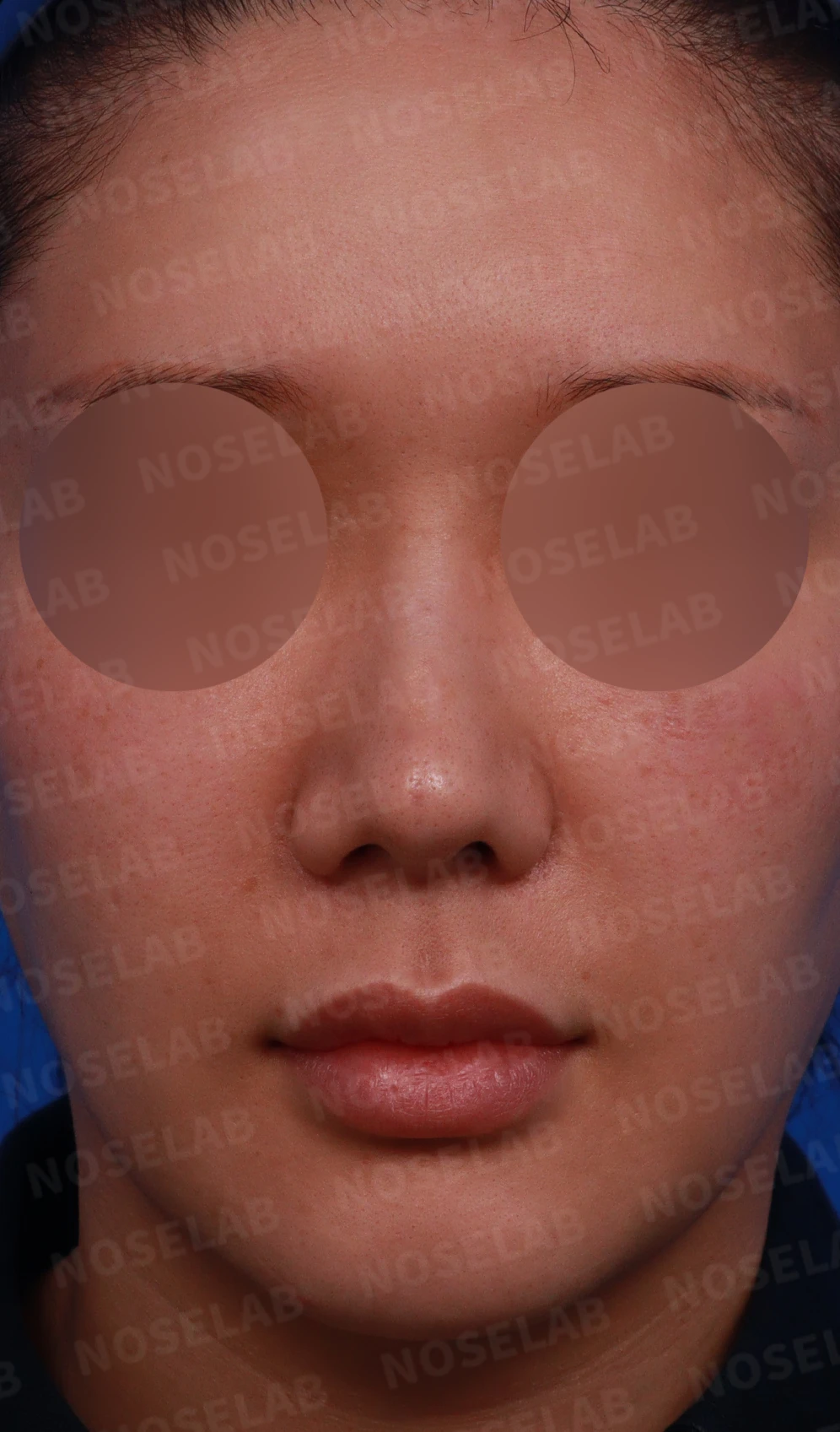
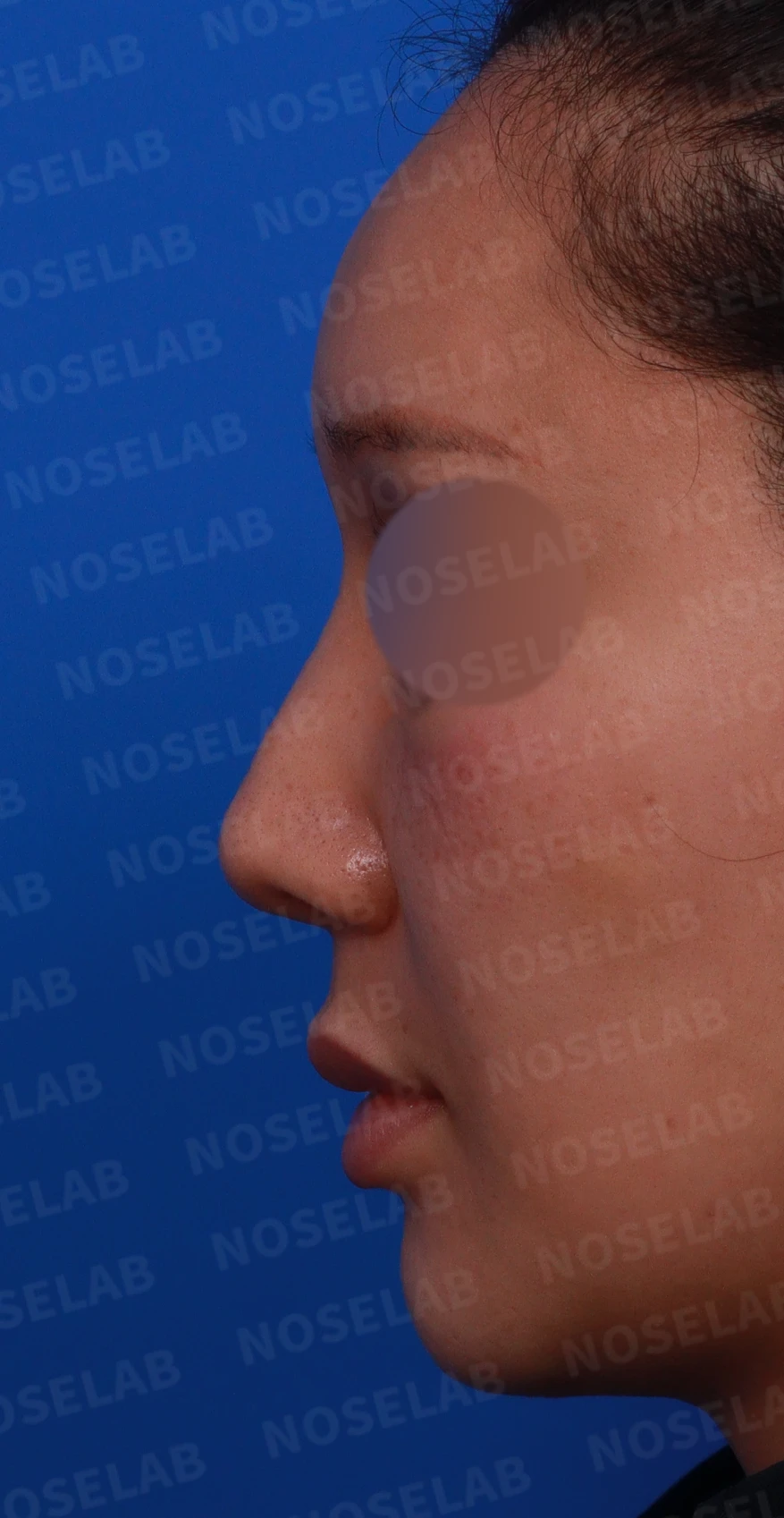
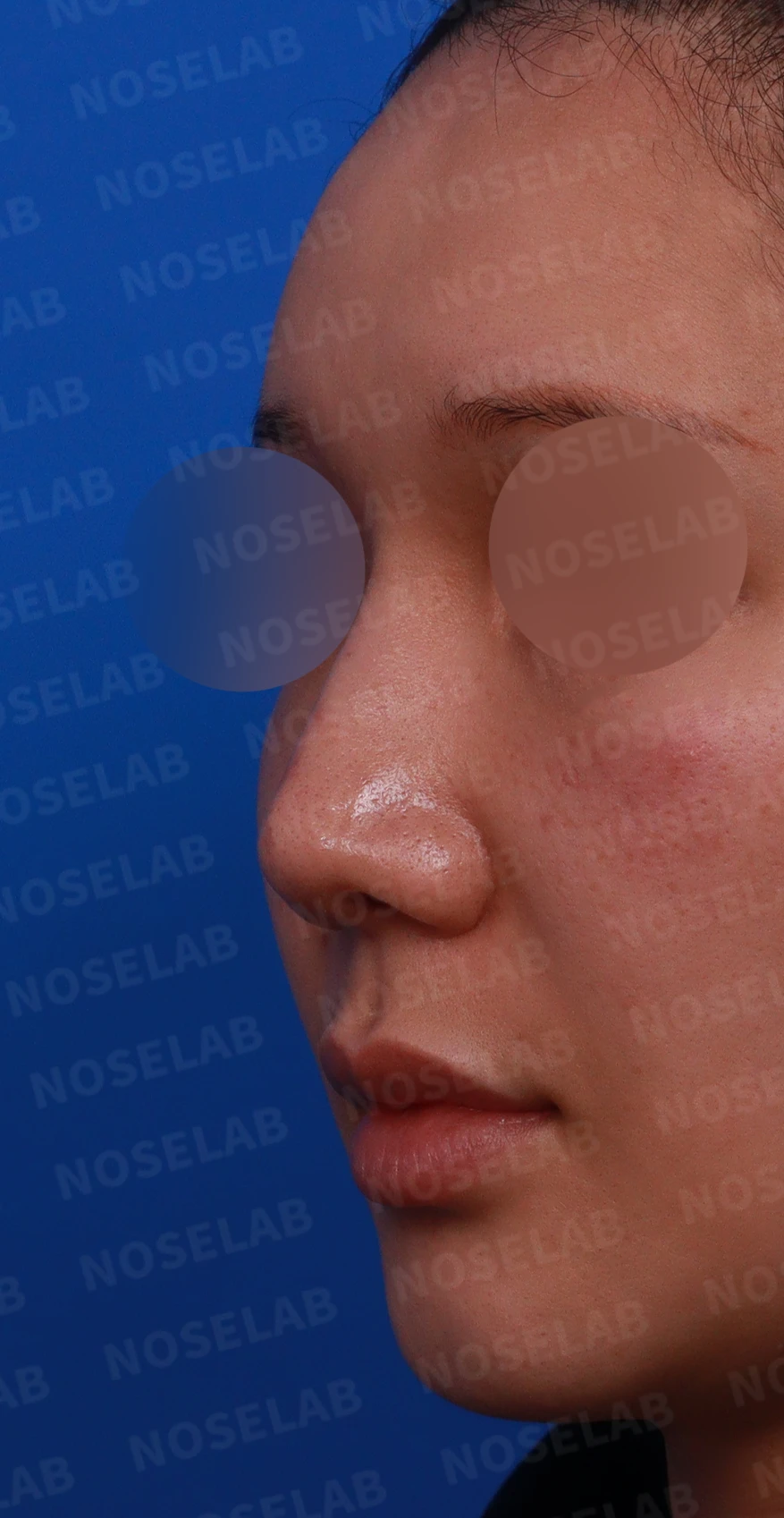
Front, left profile, and oblique views during design consultation
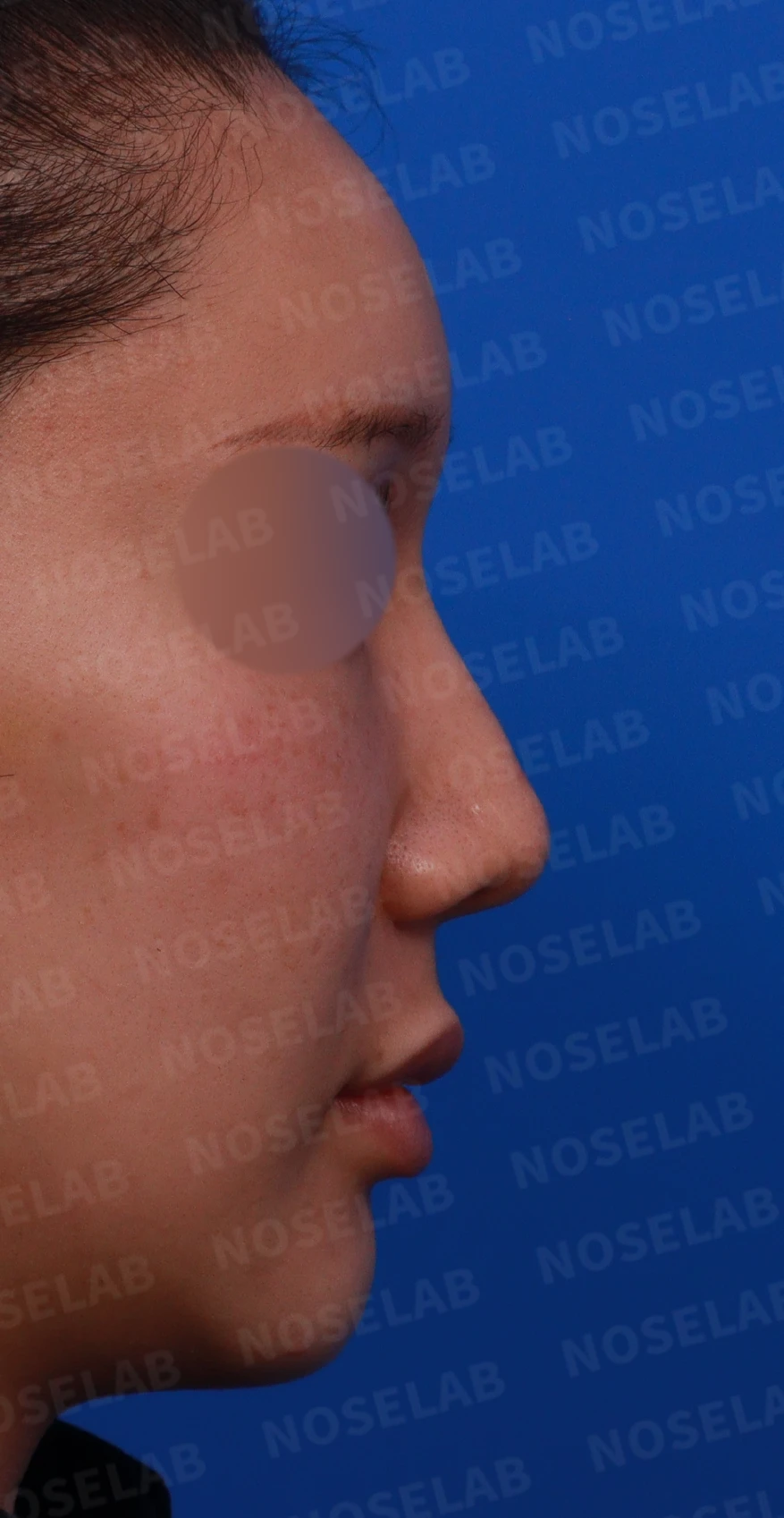
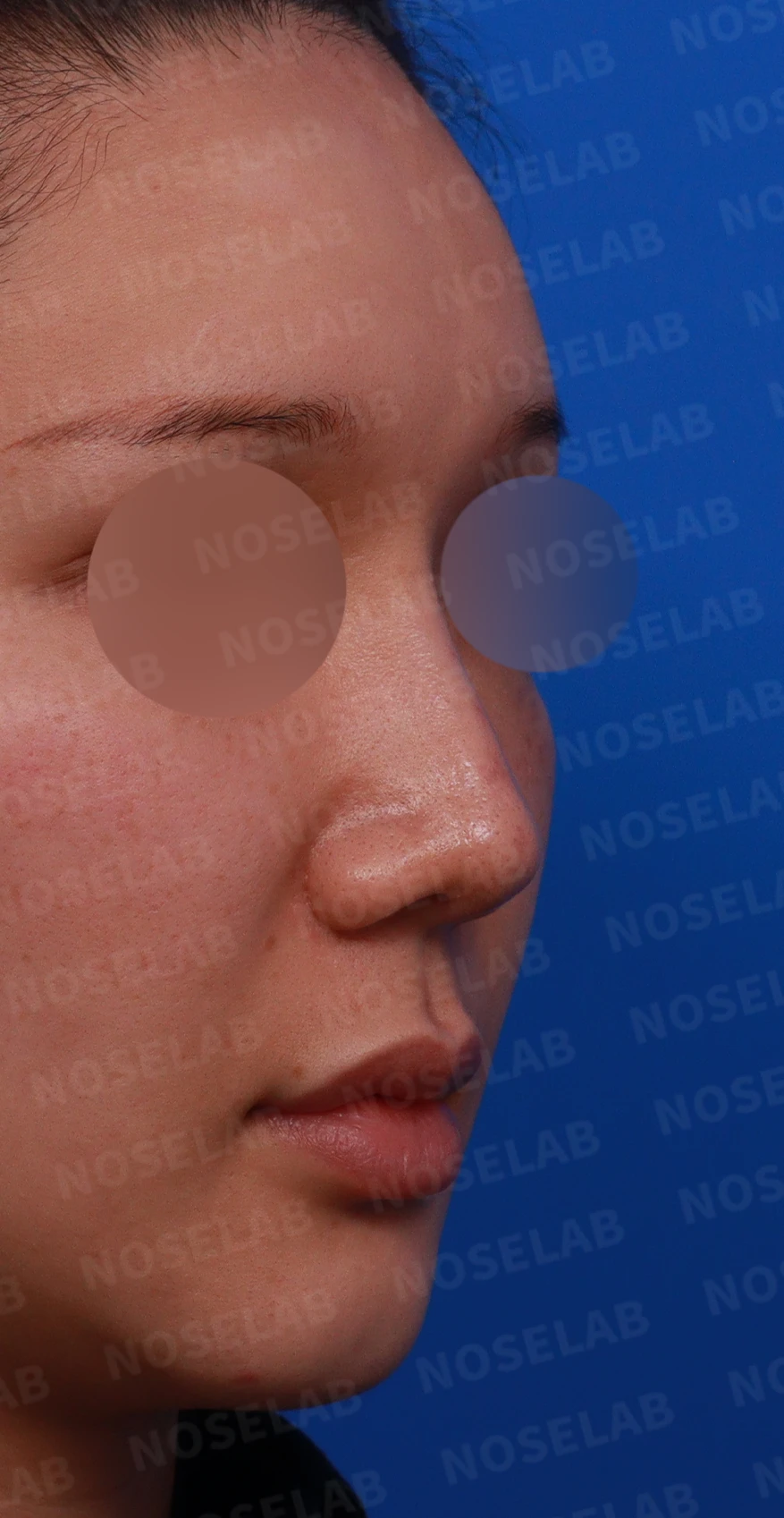
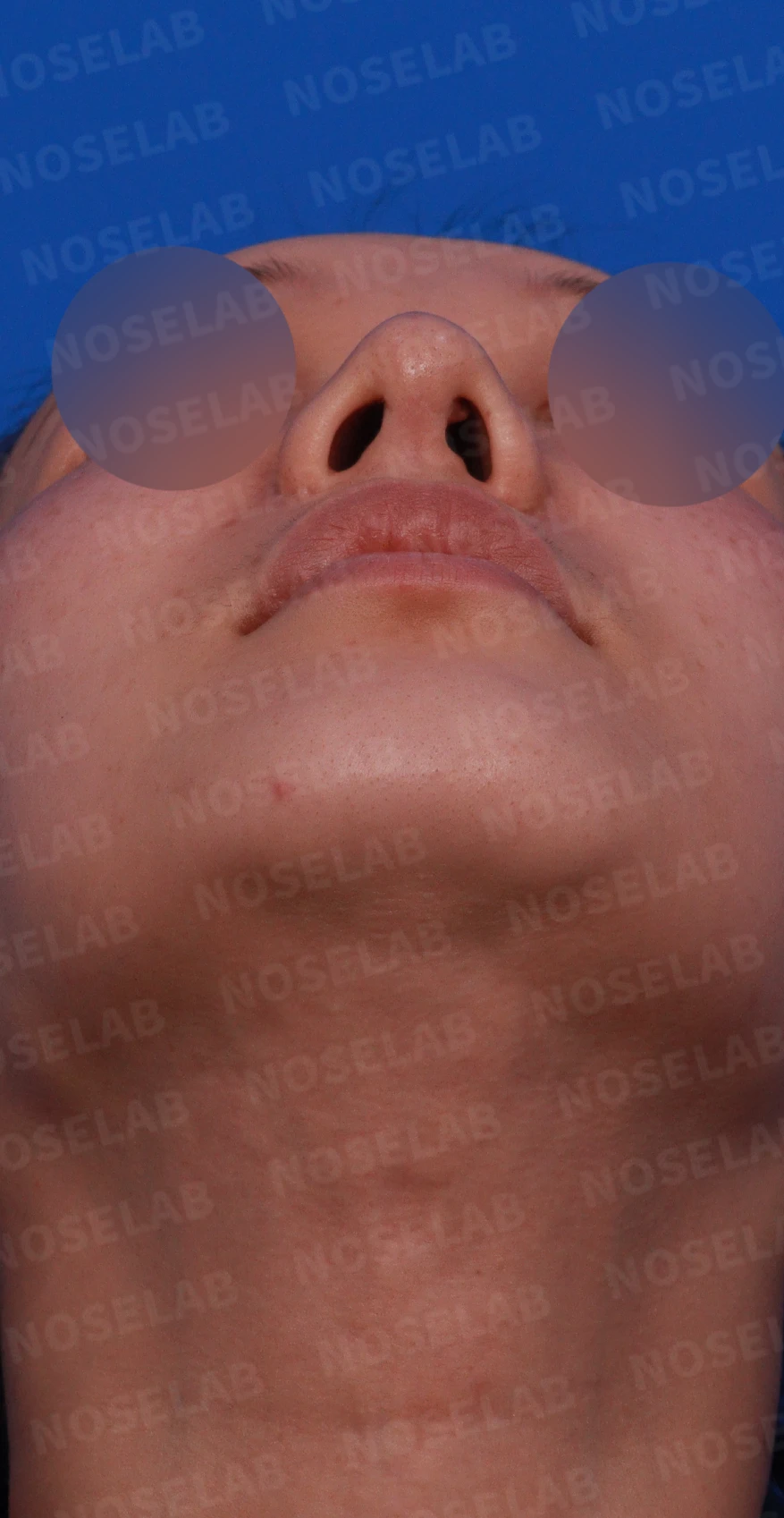
Right profile, oblique, and nostril views during design consultation
🔍 Patient information and surgical history
33 years old / Female
Surgical history:
15 years ago: Ear cartilage + silicone implant + alar reduction
1 year ago, 1 month ago: Nasal filler (columella) + threads (nasal bridge), total of 2 times
📊 Patient goals
Correction of areas that appear unnaturally high
Creating a straight bridge line
Correction of protruding cartilage in the left nasal mucosa area
Correction of deviated nose
💉 Preoperative analysis
Front view: Nasal bridge deviation, bulbous nasal tip, asymmetry
Profile view: High radix starting point, drooping tip, irregular nasal bridge
Nostril view: Asymmetry, columella tilted to the left, protruding cartilage inside the left nostril
🔧 Surgical plan
Complete removal of all foreign materials inside the nose
Septal extension using septal cartilage and donor rib cartilage
Lower lateral cartilage repositioning and suturing
Left alar reconstruction (anticipated potential damage)
Removal of foreign materials from the nasal bridge and replacement with a new silicone implant featuring a lowered radix starting point
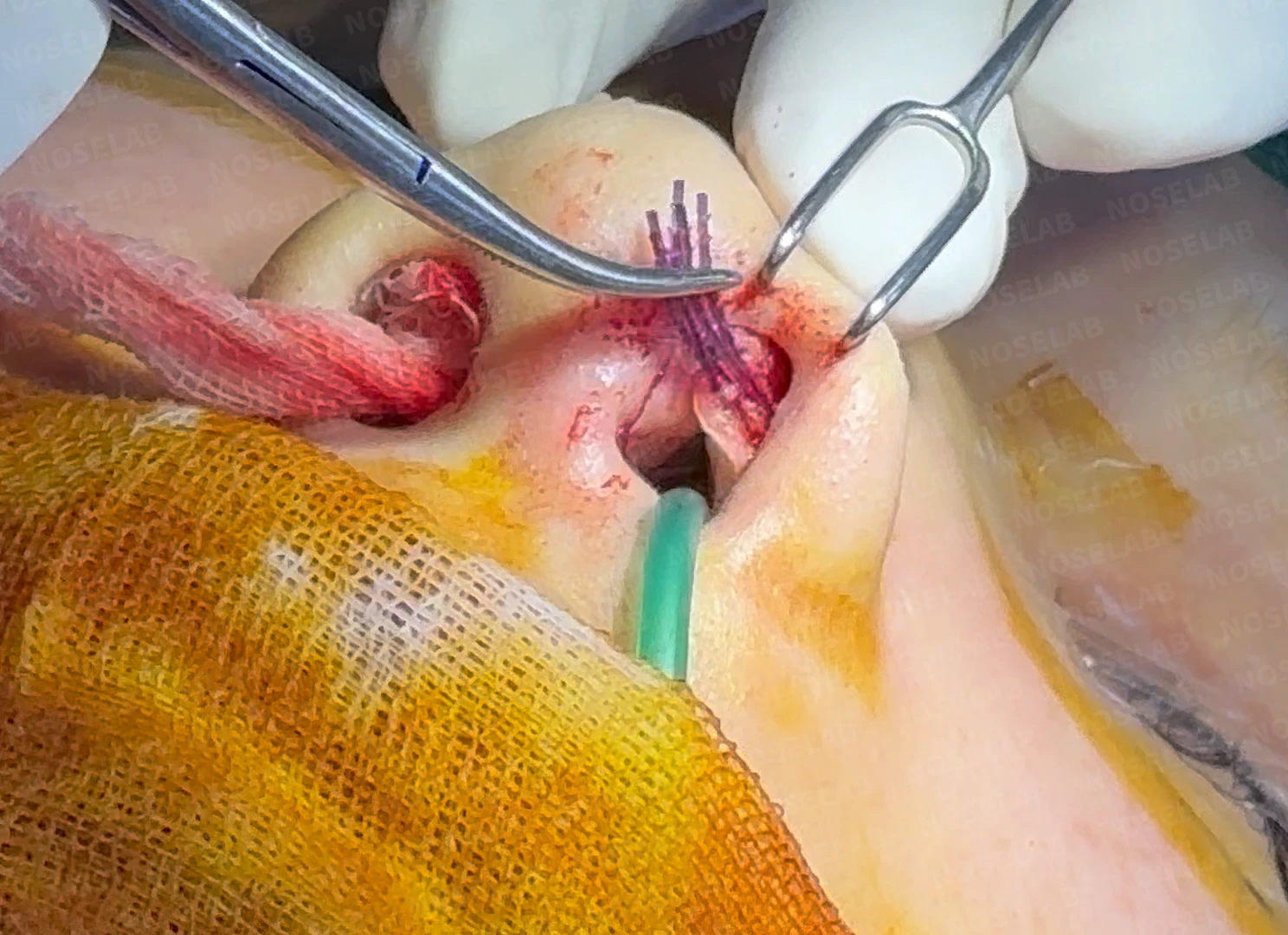
Removal of threads embedded in the alae
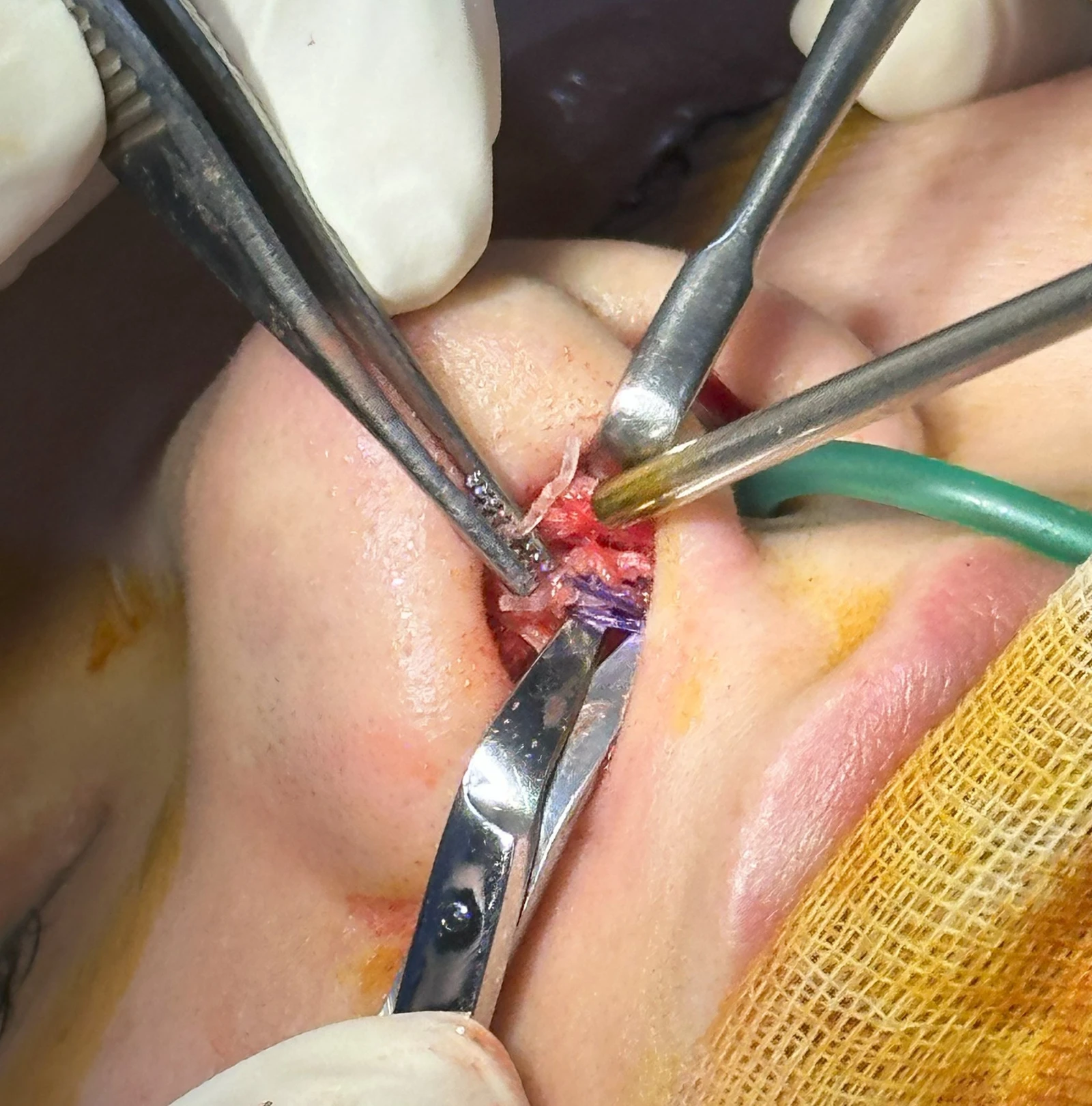
Removal of threads embedded in the columella
🌟 Surgical results
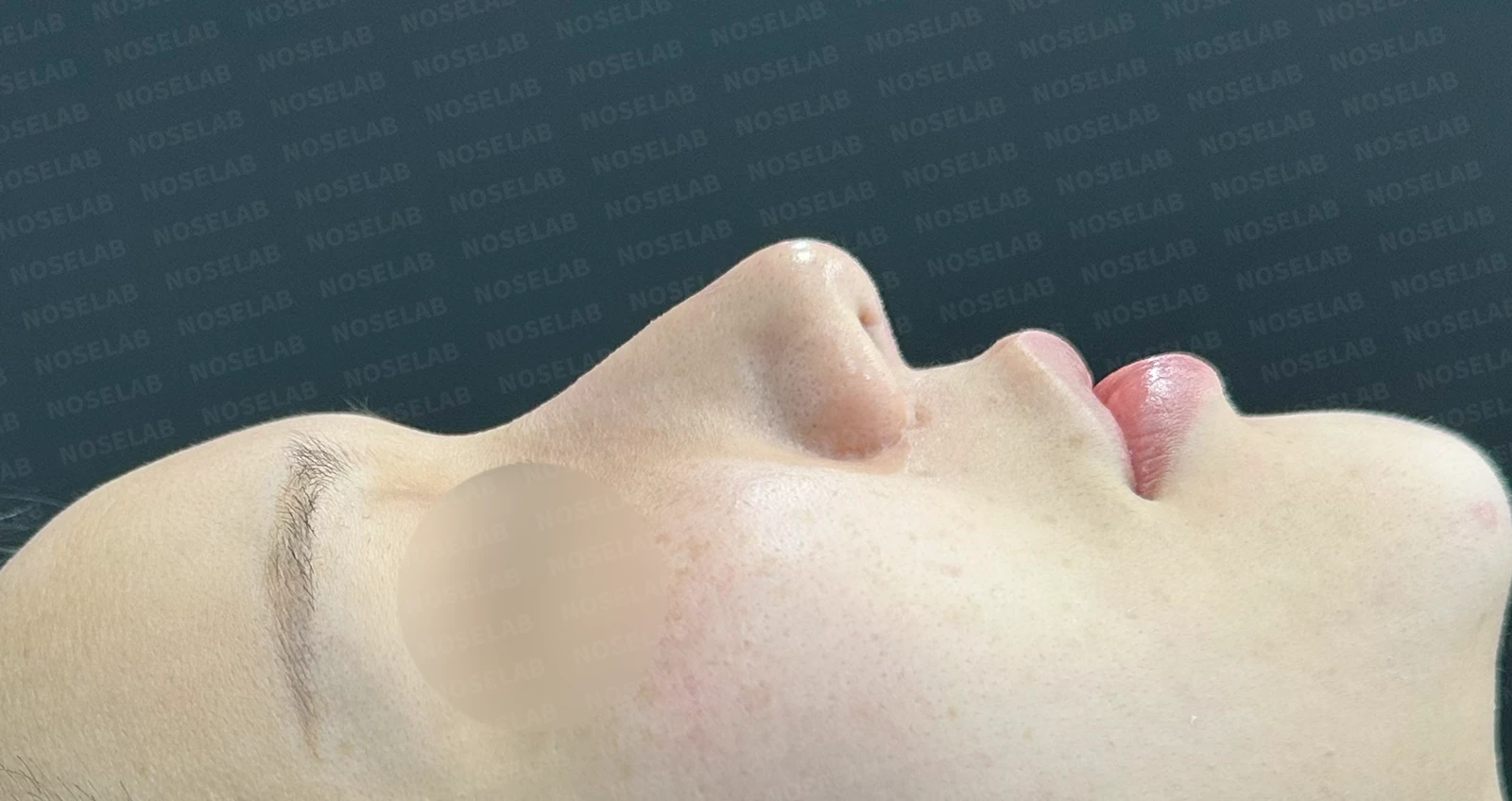
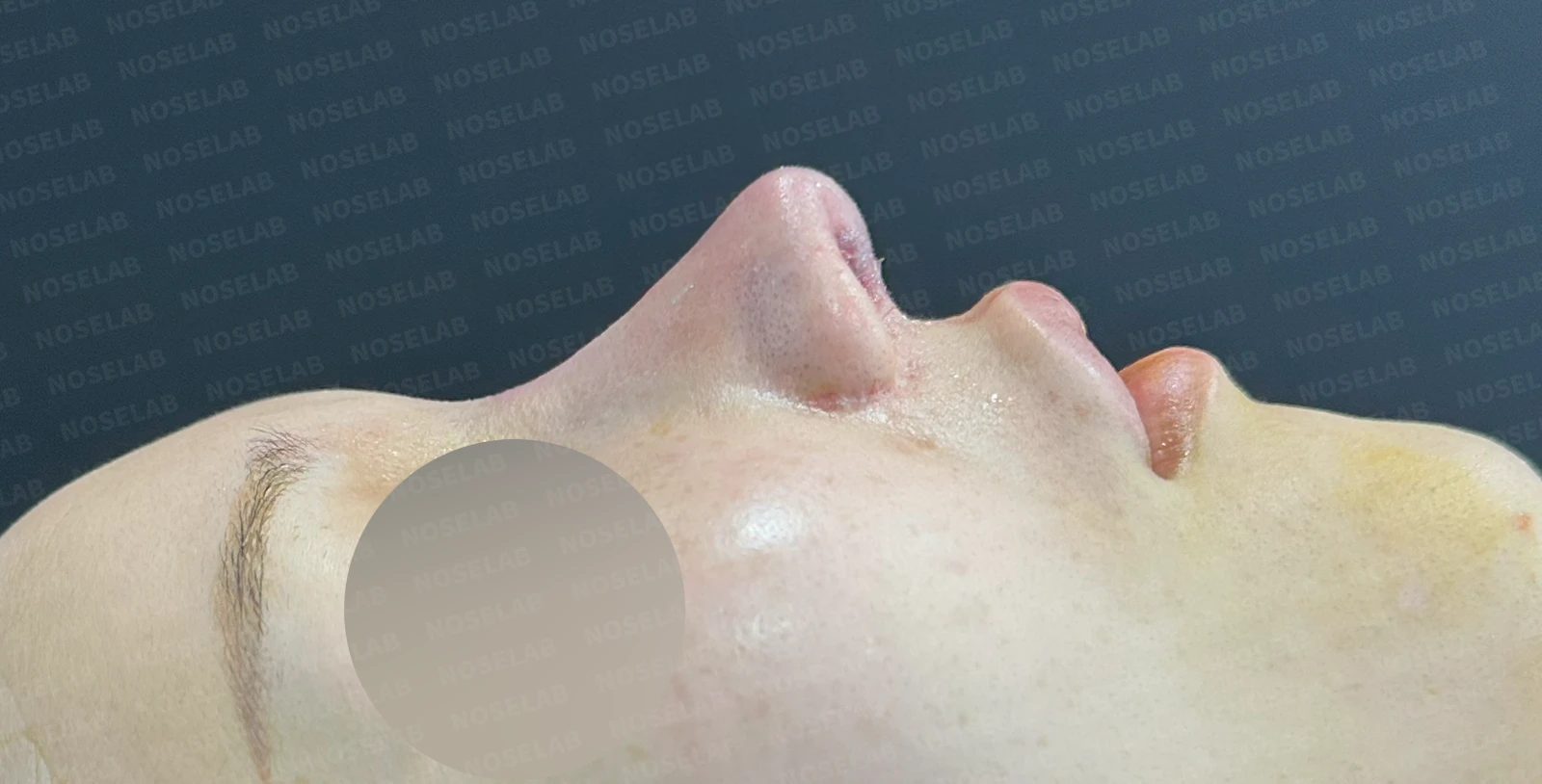
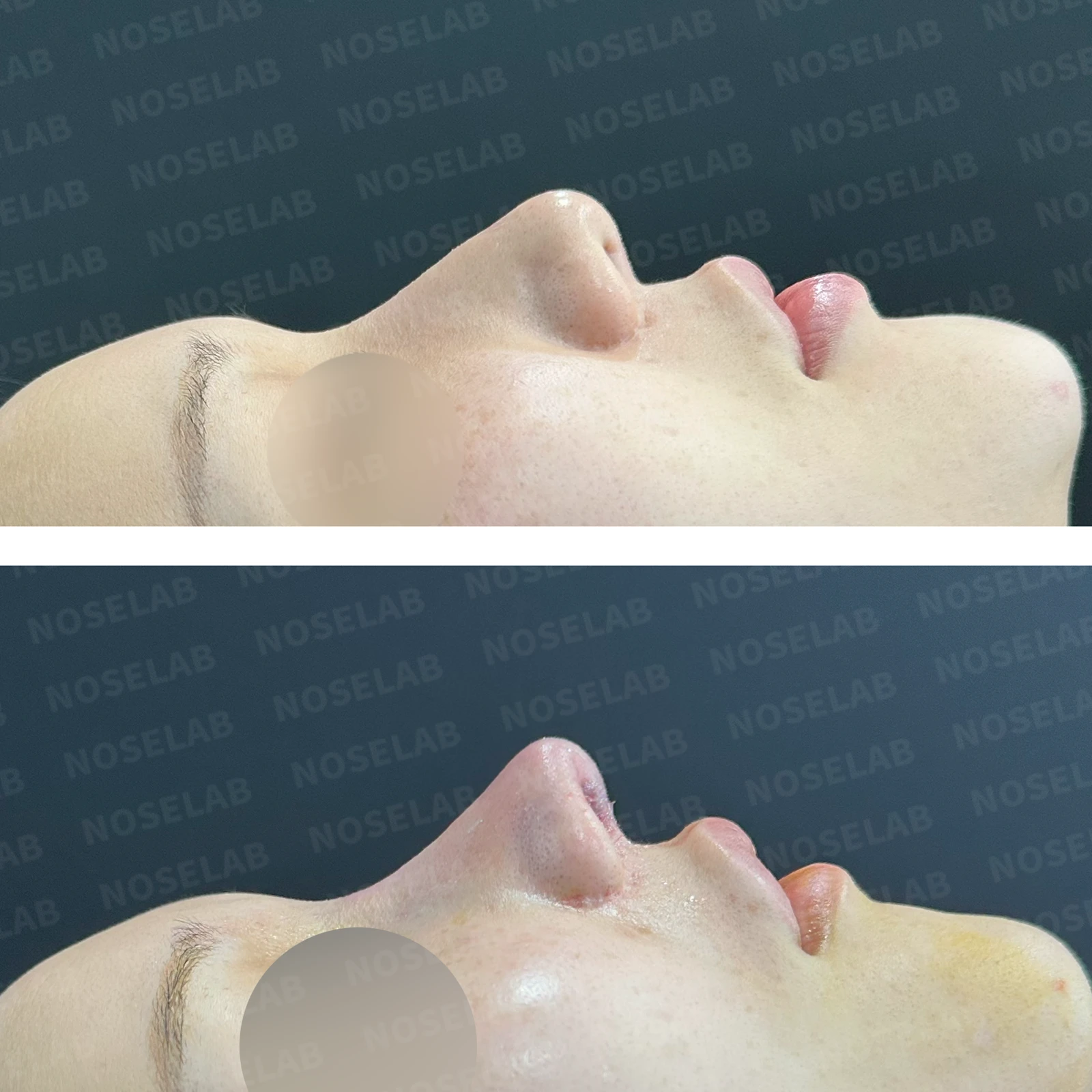
Before surgery / Day 0 immediately after surgery Photos taken immediately after surgery show swelling and may differ from the final result.
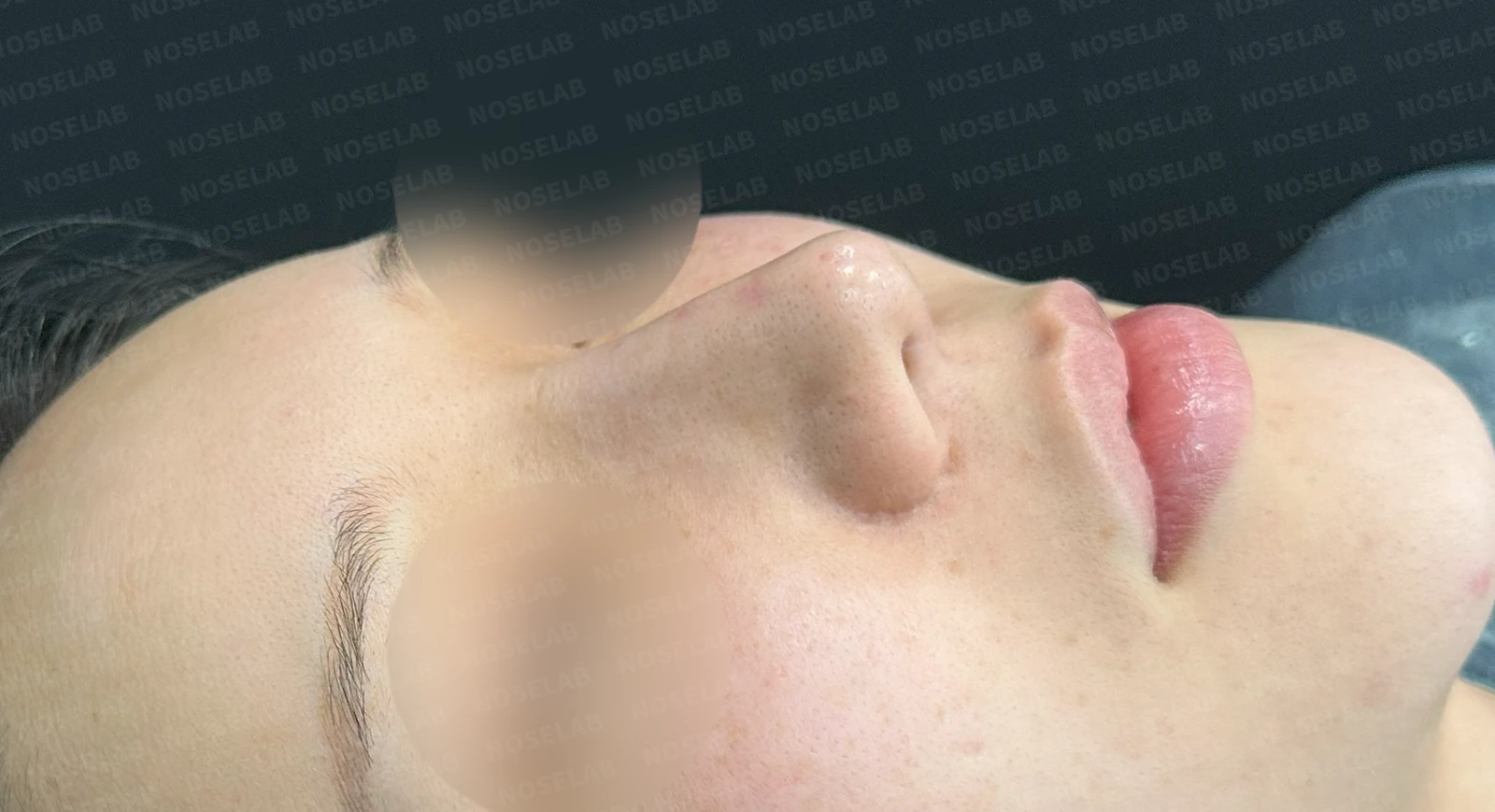
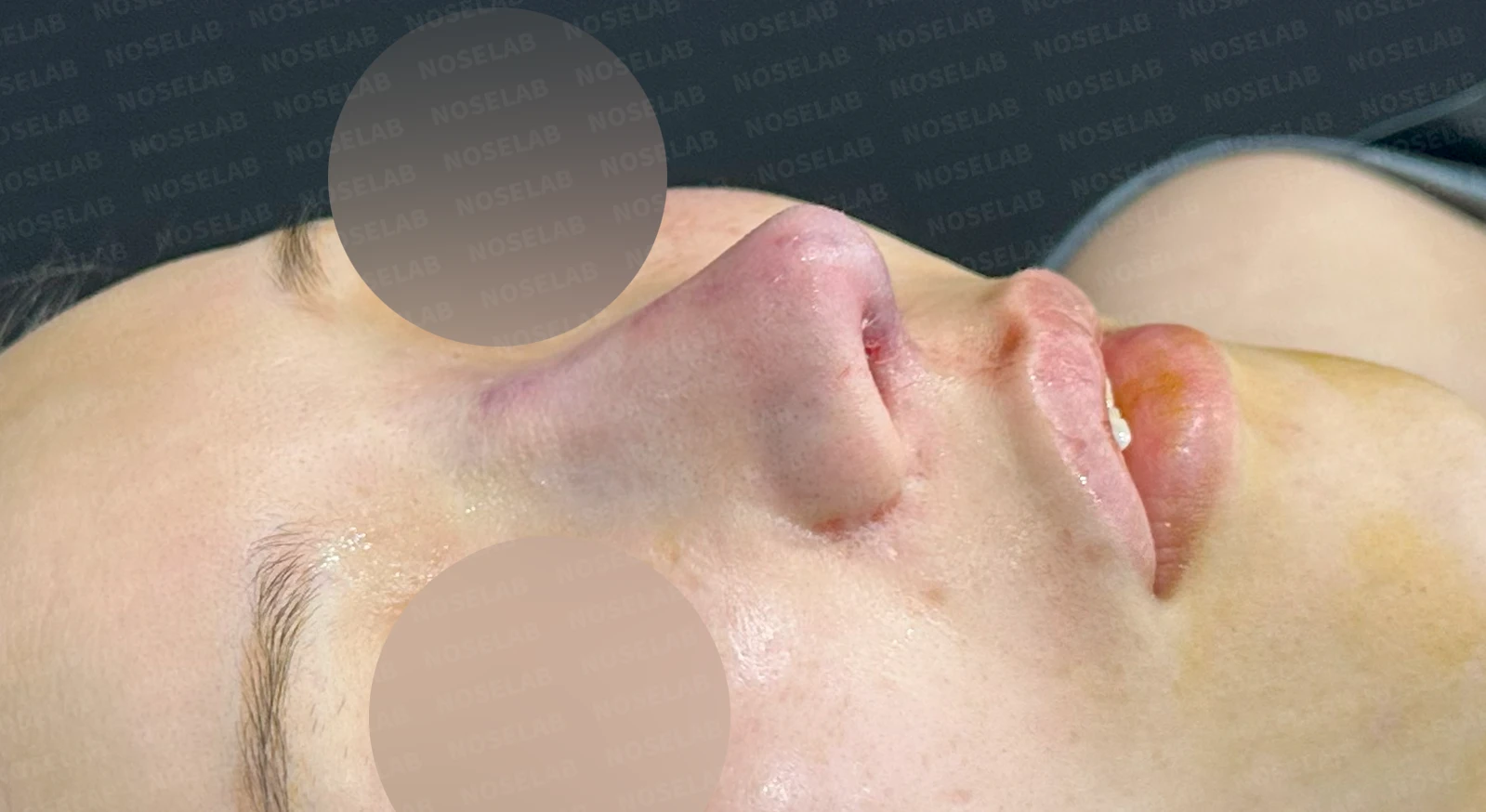
Before surgery / Day 0 immediately after surgery Photos taken immediately after surgery show swelling and may differ from the final result.
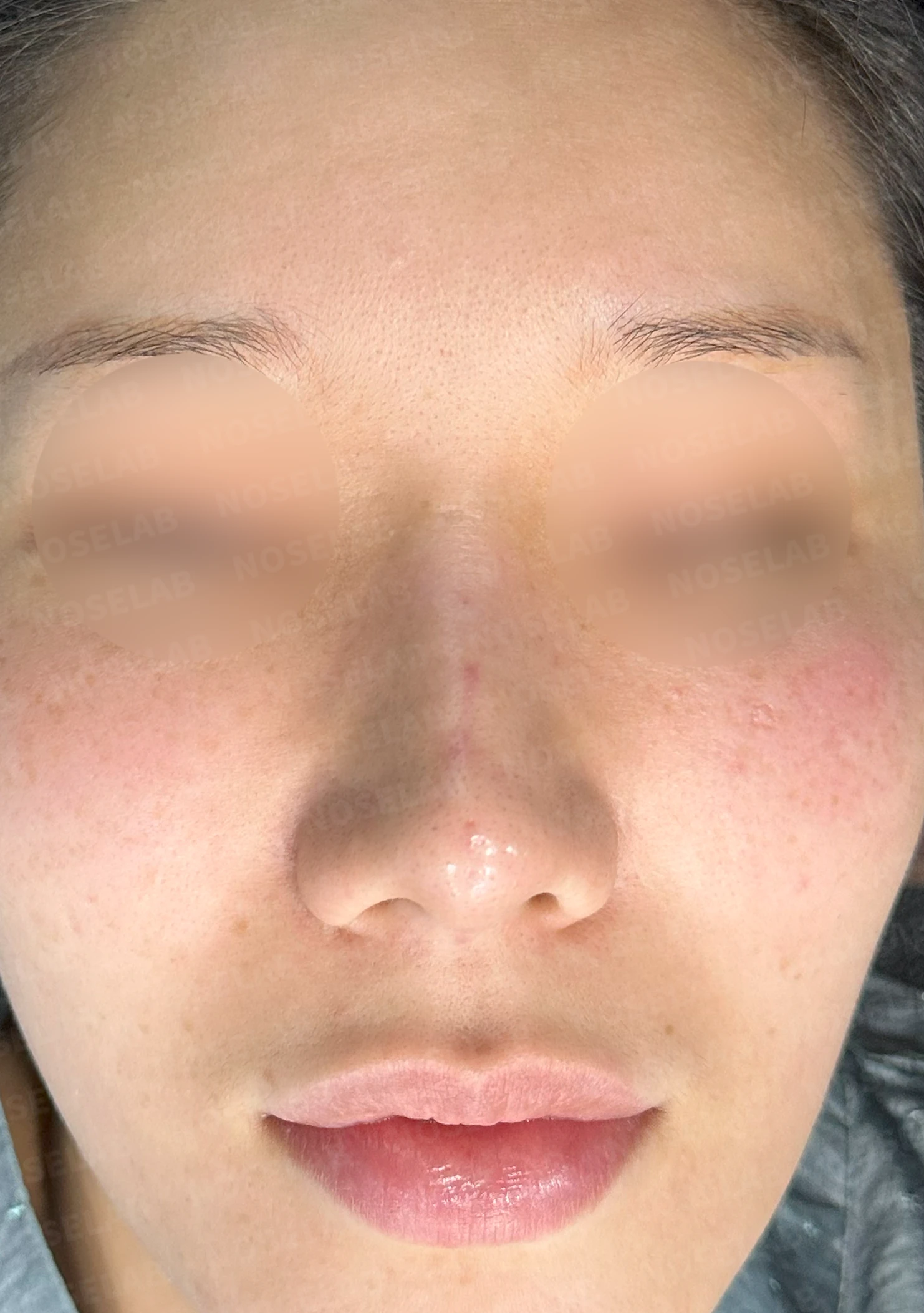
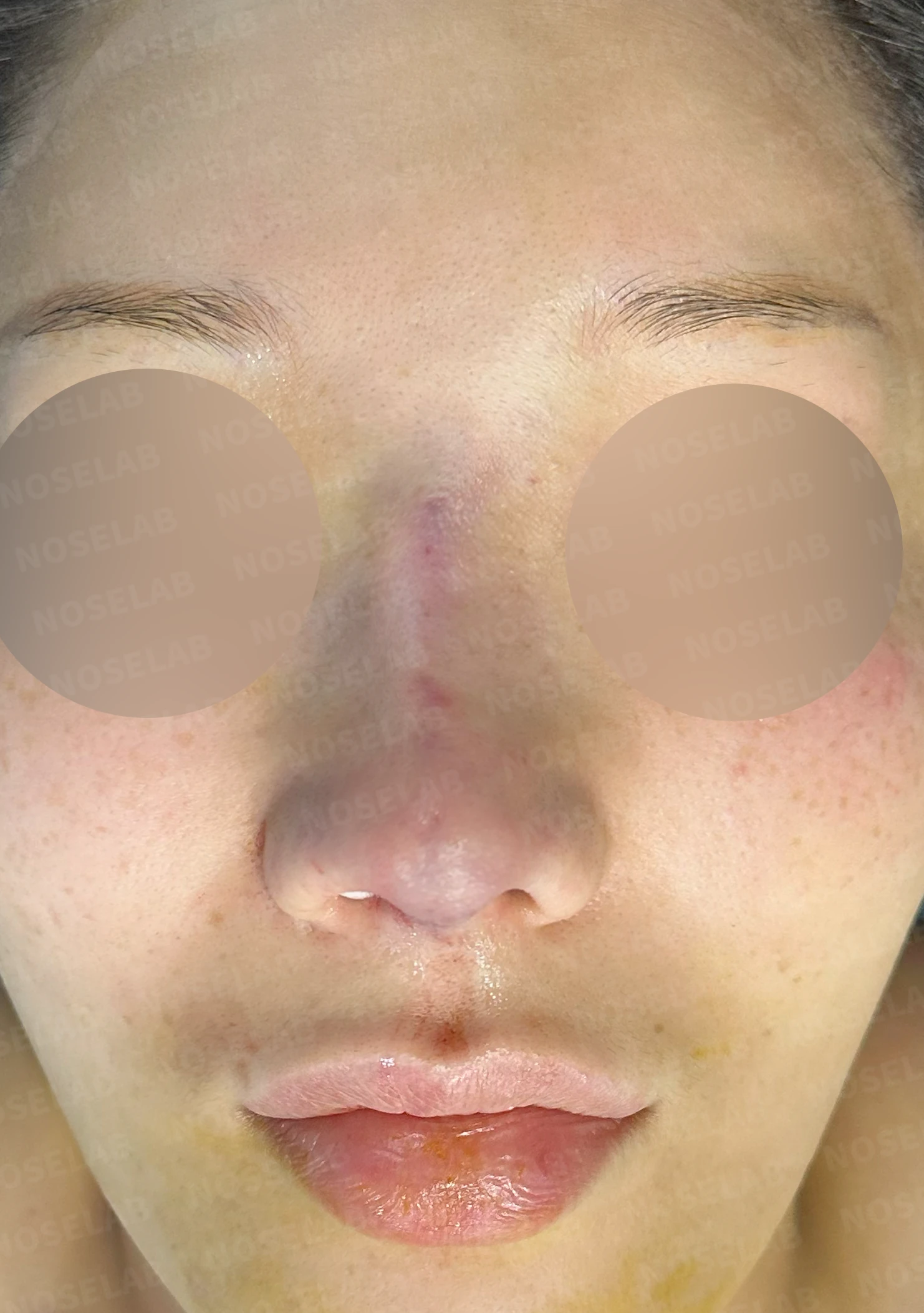
Before surgery / Day 0 immediately after surgery Photos taken immediately after surgery show swelling and may differ from the final result.
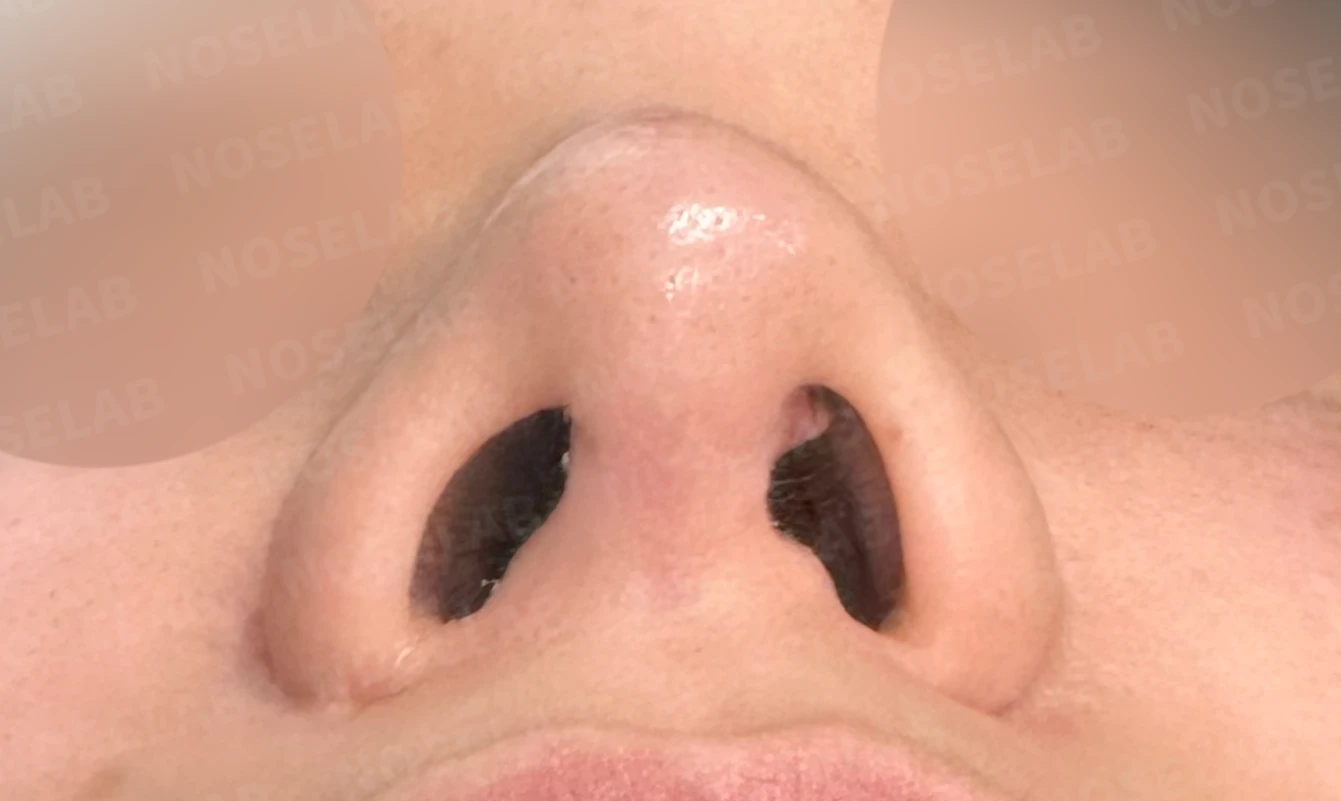
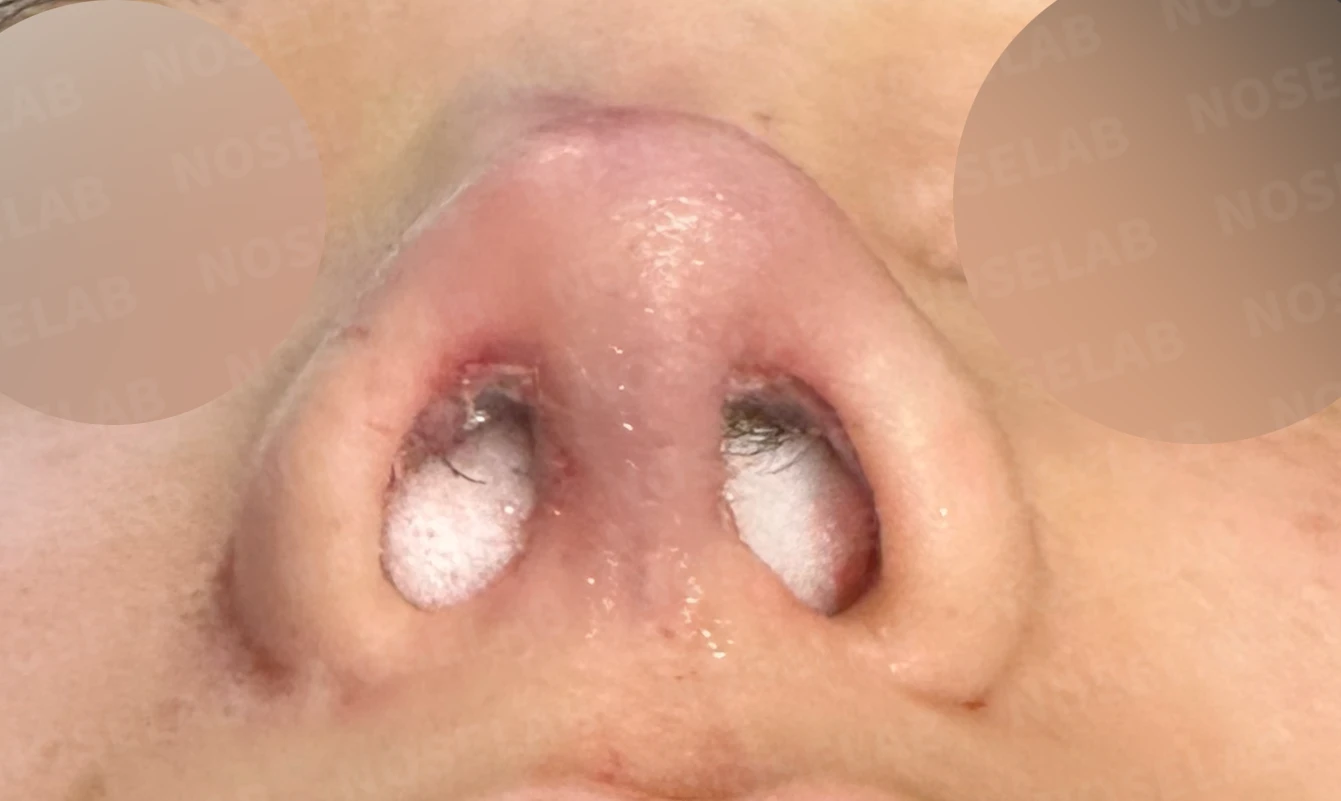
Before surgery / Day 0 immediately after surgery Photos taken immediately after surgery show swelling and may differ from the final result.
Front view: Deviation corrected, bulbous and wide nasal tip improved, asymmetry improved
Profile view: Lowered starting point, irregular nasal bridge smoothed, nasal tip projection improved
Nostril view: Asymmetry improved, tilted columella straightened, protruding cartilage inside the left nostril corrected
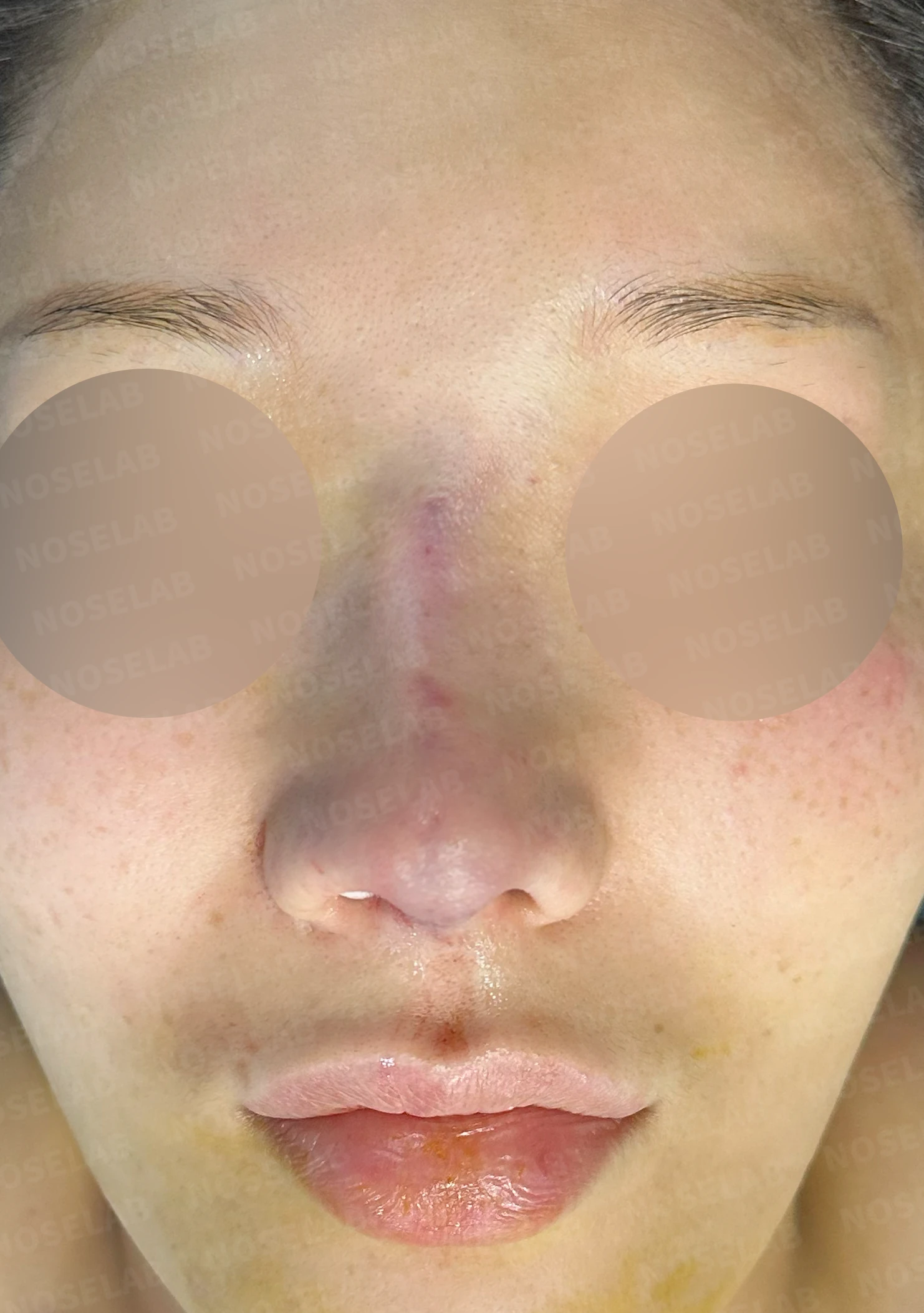
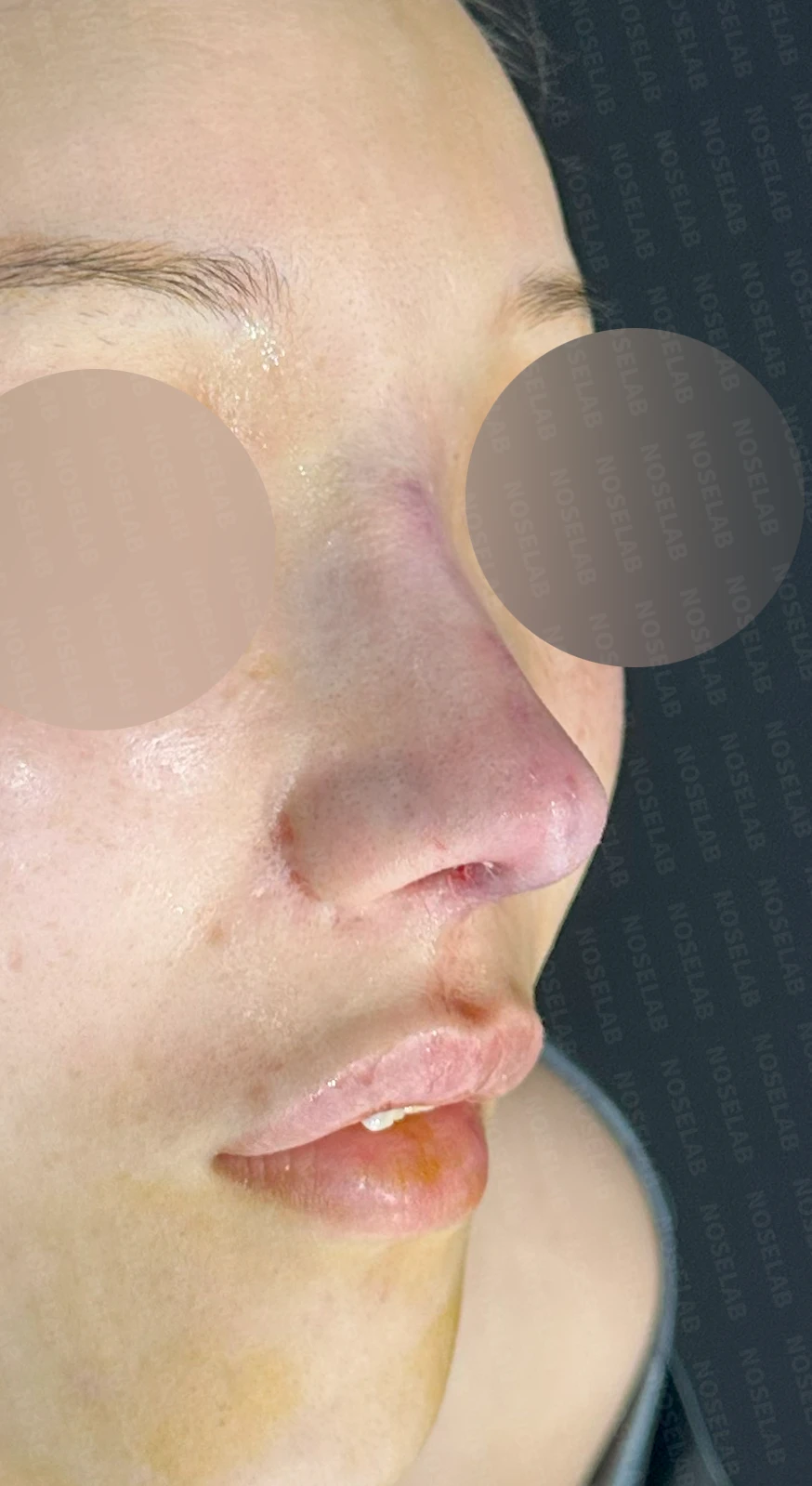
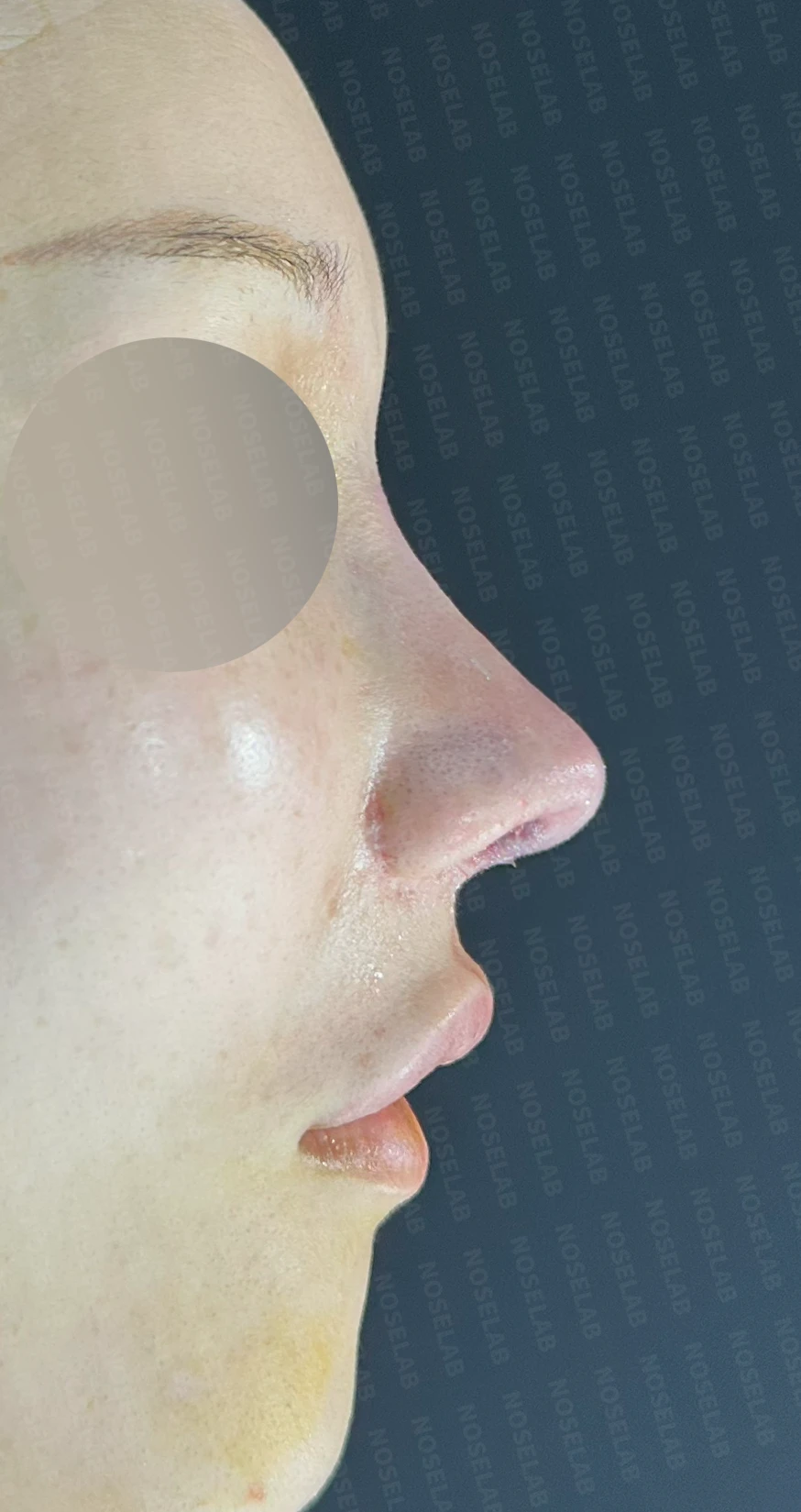
Front, oblique, and profile views immediately after surgery on day 0. Photos taken immediately after surgery show swelling and may differ from the final result.
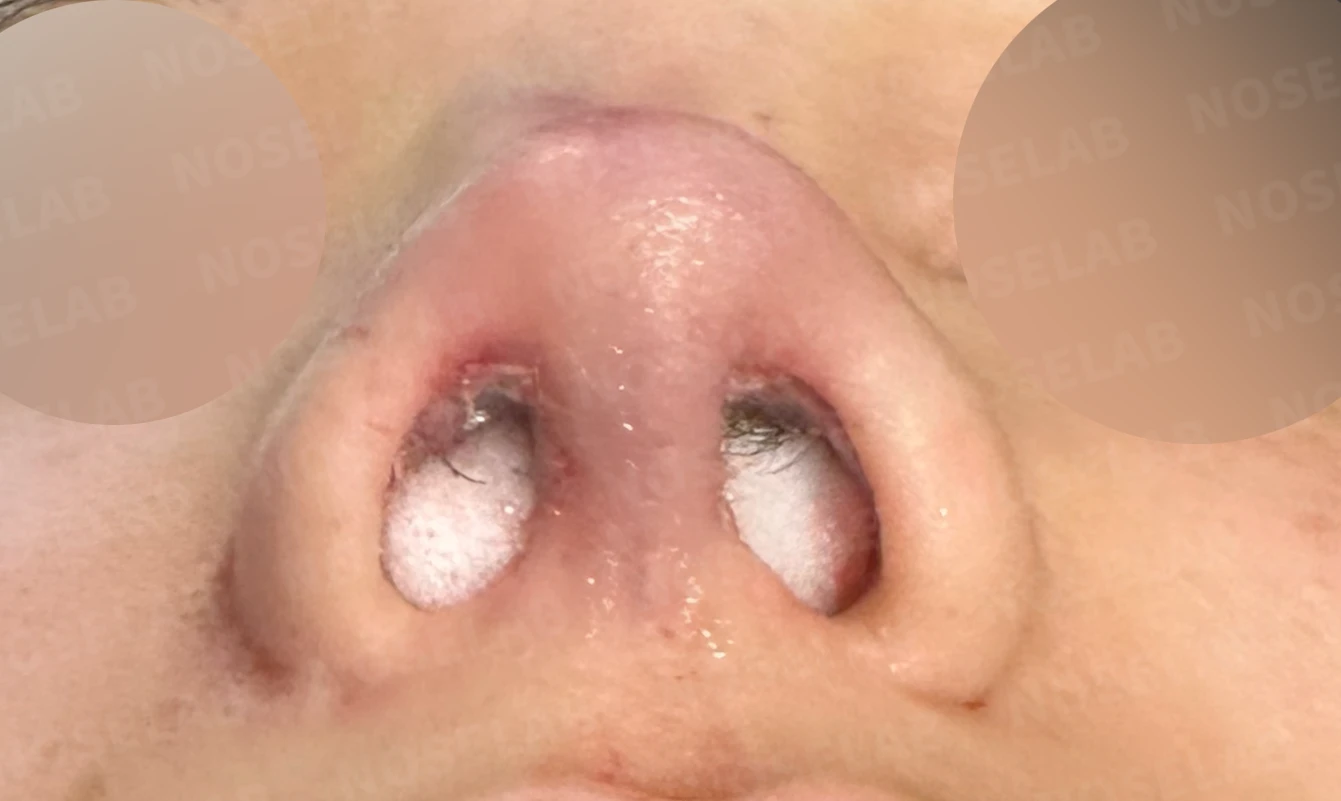
Nostril view immediately after surgery (day 0) Photos taken immediately after surgery show swelling and may differ from the final result.
💡 Closing remarks
Placing excessive foreign materials into the nose can lead to several risks:
Increased risk of inflammation
Higher incidence of contracture
Risk of damaging normal cartilage during thread insertion
Deformity of nasal shape caused by inflammation
Filler and thread procedures should only be used for temporary effects, as repeated procedures can lead to serious problems. Ultimately, receiving a personalized rhinoplasty procedure planned with safety in mind and tailored to the individual may be the most suitable option.
We always prioritize patient safety and satisfaction above all else. If you are considering rhinoplasty, we recommend consulting with a specialist to choose the approach that is best suited to you.
If you have any questions, please feel free to leave a comment. I will do my best to answer thoroughly.
This was Dr. Peter C. Kang. Thank you.
Thank you.
#closedrhinoplasty #revisionrhinoplasty #threadremoval #fillerremoval #foreignmaterialremoval #customrhinoplasty #naturalnose #nasalbridgecorrection #tiprhinoplasty #asymmetrycorrection #rhinoplastysafety #nasalfillersideeffects #siliconeimplantremoval

Limitations and risks
When using donor rib cartilage, long-term follow-up is necessary because the grafted cartilage may resorb or warp.
When revising after implant removal, contracture may progress again after removal, the nasal height and length may decrease, and staged surgery may be necessary depending on the skin condition.
When foreign materials such as injected fillers are removed and reconstructed, contracture may recur, nasal height and length may decrease, and staged surgery may be necessary depending on the skin condition.
When the septum is corrected at the same time, nasal obstruction may persist or recur, and in rare cases, septal perforation or changes in smell may occur.
Common potential risks include infection, bleeding, asymmetry, scarring, skin necrosis, and insufficient improvement; results vary depending on individual skin condition and previous surgical history.