English日本語简体中文
Skip to main content
Dr. Peter C. Kang's Rhinoplasty Stories
PrologueBlogMy thoughtsNasal obstructionSurgical journalSurgical photos
About the surgeon

Revision rhinoplasty involving artificial dermis and donor dermis

Articles regarding artificial dermis and allogeneic dermis include both surgeries where skin was newly reinforced and revision surgeries where prior materials were removed. Records describing very thin skin reinforced with artificial dermis and scar tissue refer to current use, whereas sentences describing the condition following previous donor dermis grafting refer to past surgical history.

You can also read about cases where the material was found to be partially absorbed, or where existing artificial dermis was removed and replaced with autologous tissue. The grouping of materials on this page does not mean that all products share the same properties or healing courses. Please review the specific material names, surgical timing, and reinforced areas noted in the original records to find cases matching your situation.

View before-and-after cases ↓Comprehensive rhinoplasty guide

Searching for surgical cases matching your criteria.
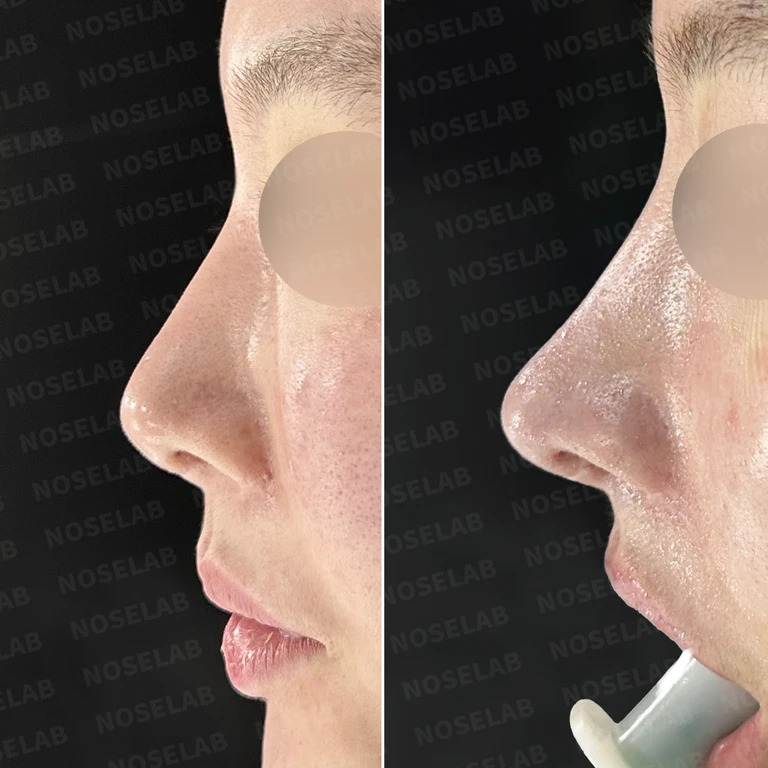
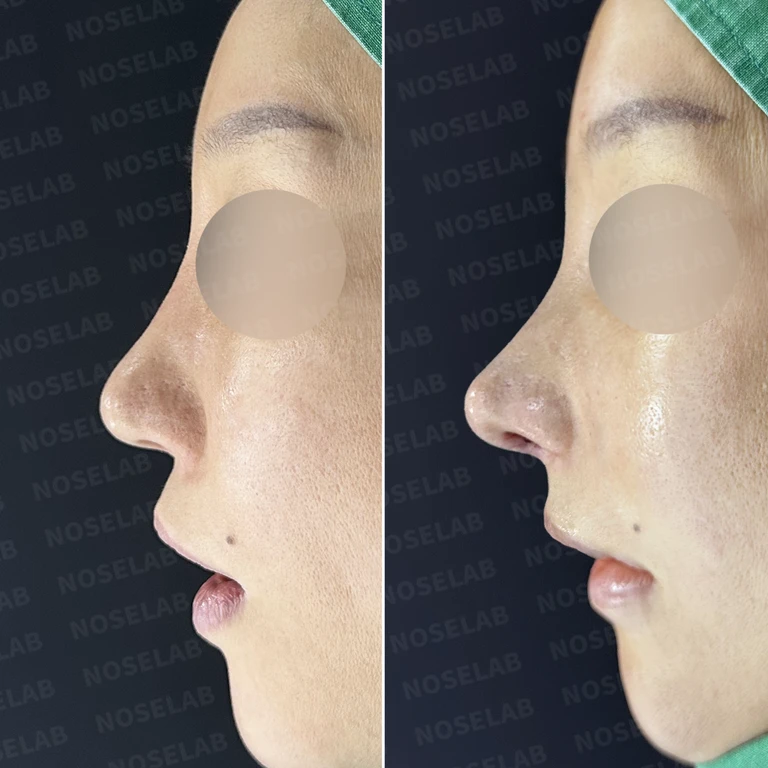
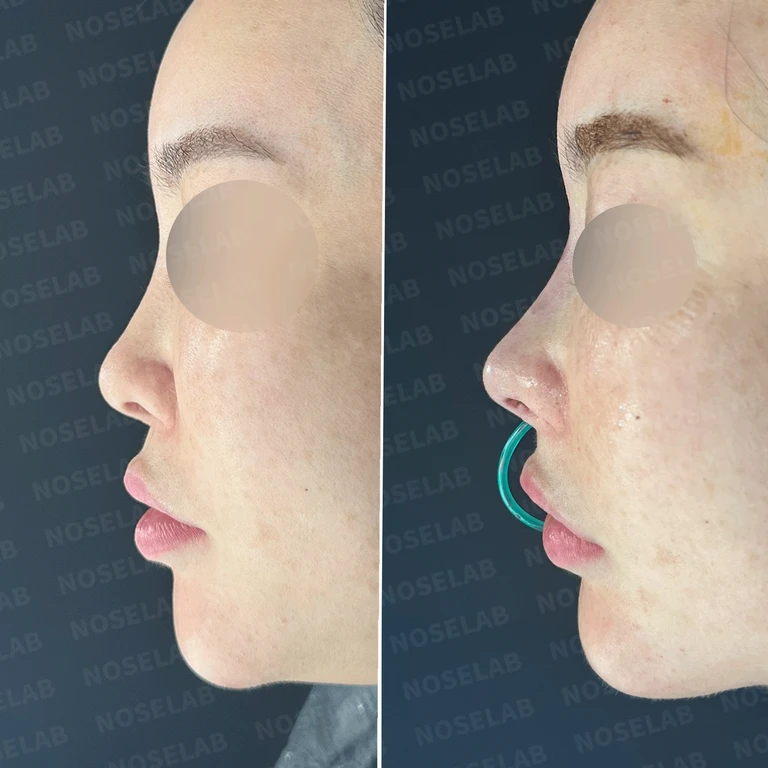
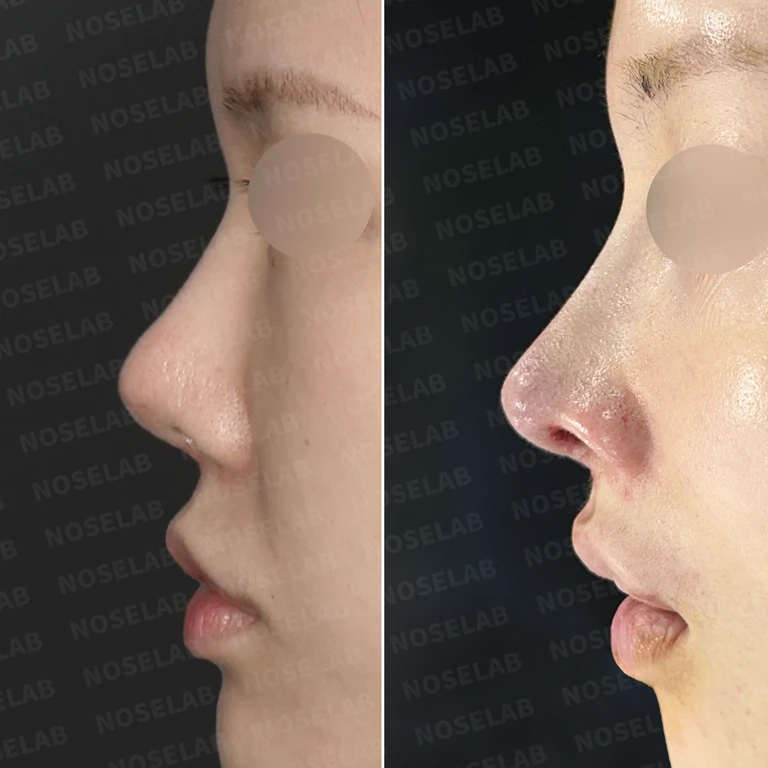
Why an implant is palpable and visible through the nasal tip: rib cartilage reconstruction and dermis reinforcement — Before-and-after comparison
Before-and-after comparison

Why an implant is palpable and visible through the nasal tip: rib cartilage reconstruction and dermis reinforcement

A case where a silicone implant became palpable, the nasal tip skin thinned, and asymmetry developed after a previous rhinoplasty. The implant was removed, the nasal tip and septum were reconstructed using sliced autologous rib cartilage, and artificial dermis was used for reinforcement.

Performed or used in this surgery
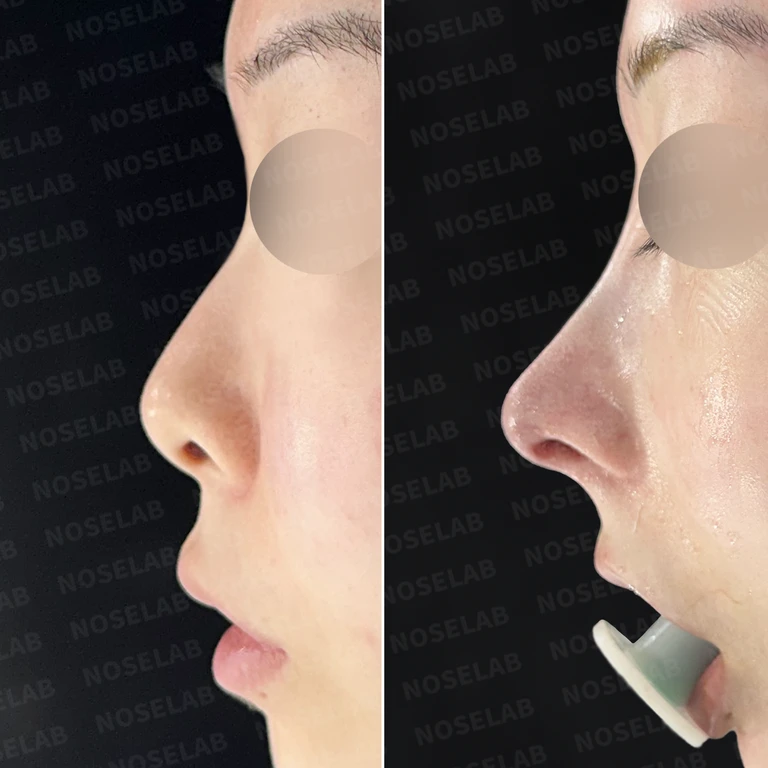
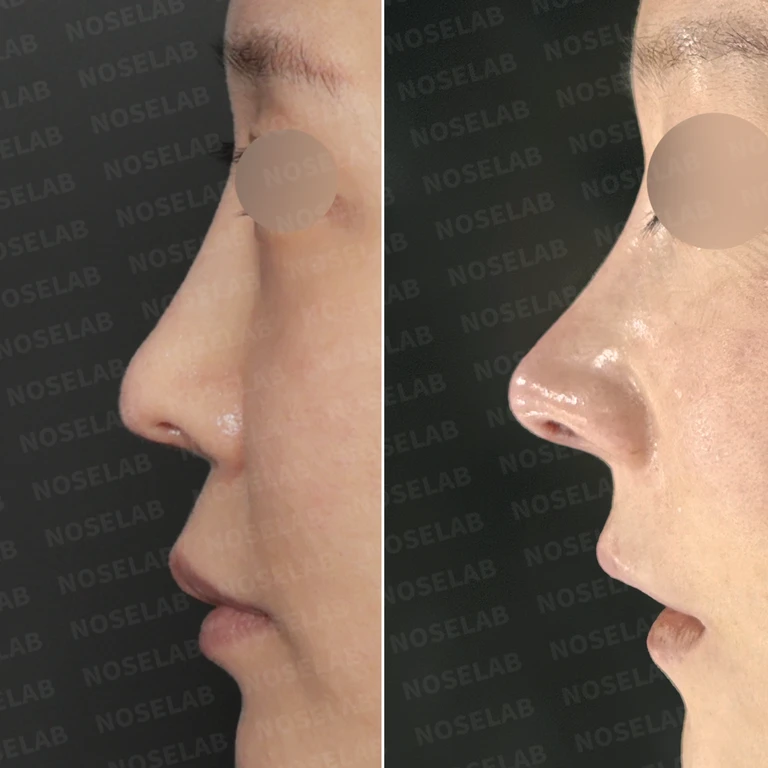
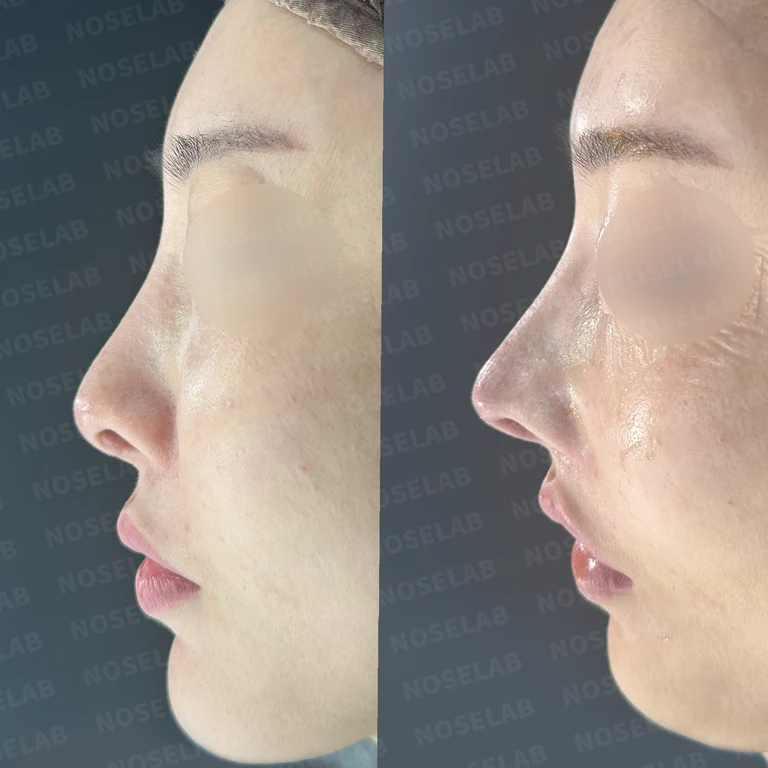
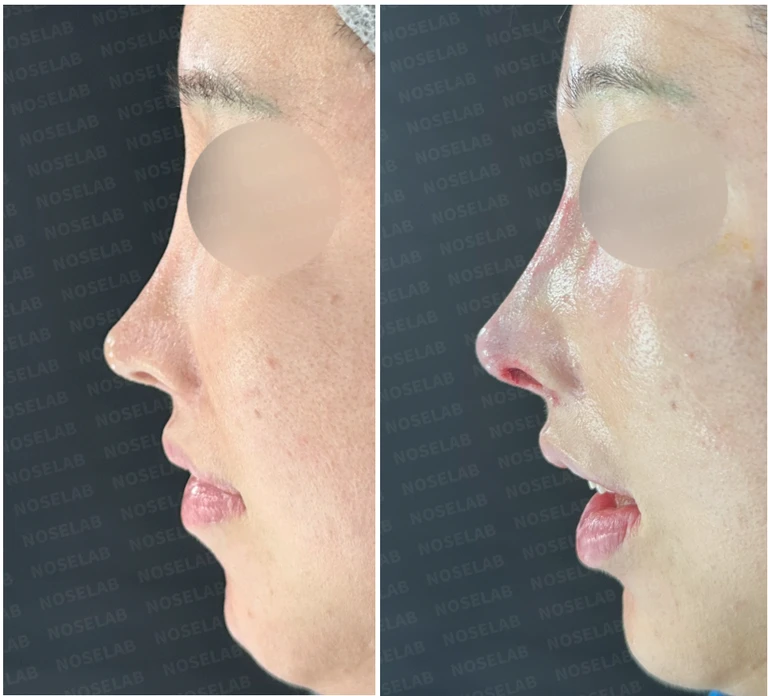
Why implants alone should not be placed in a small, low nose and nasal tip support structure — Before-and-after comparison
Before-and-after comparison

Why implants alone should not be placed in a small, low nose and nasal tip support structure

A primary rhinoplasty case involving a small, low nose and an upturned tip causing excessive nostril show. Using a closed approach, septal reconstruction with autologous rib cartilage, nasolabial angle correction, artificial dermis skin reinforcement, and a silicone implant were performed.

Performed or used in this surgery
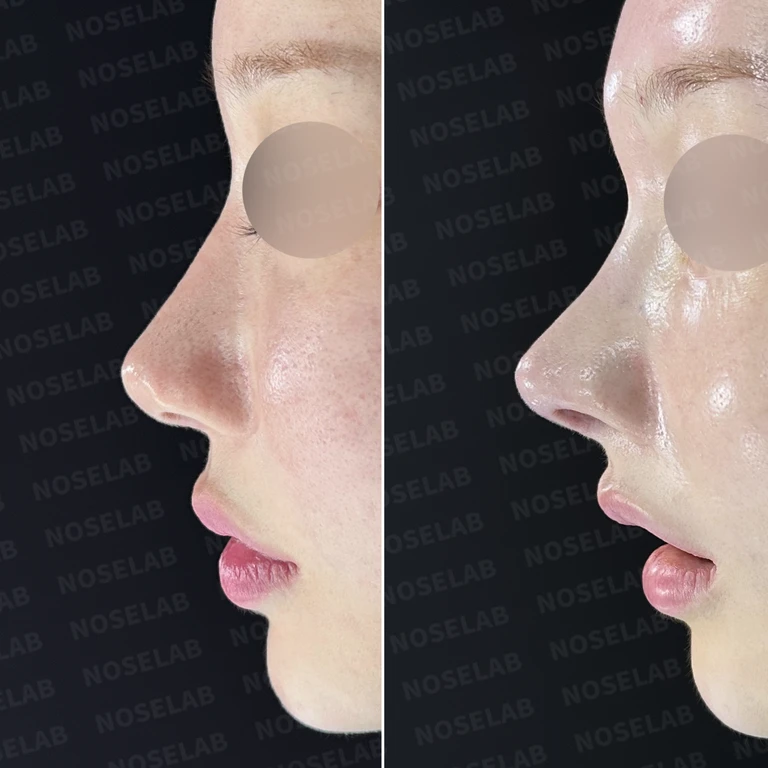
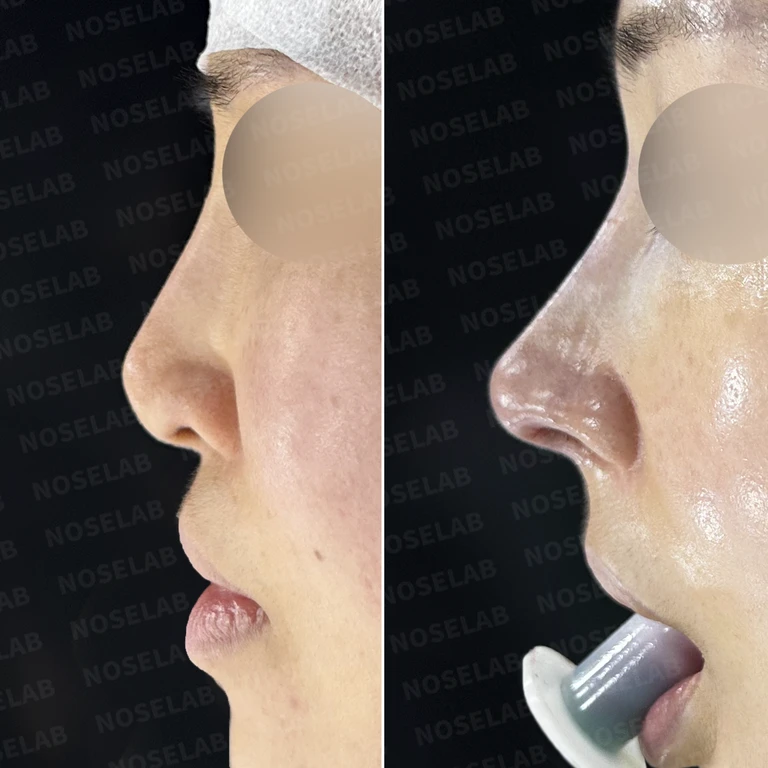
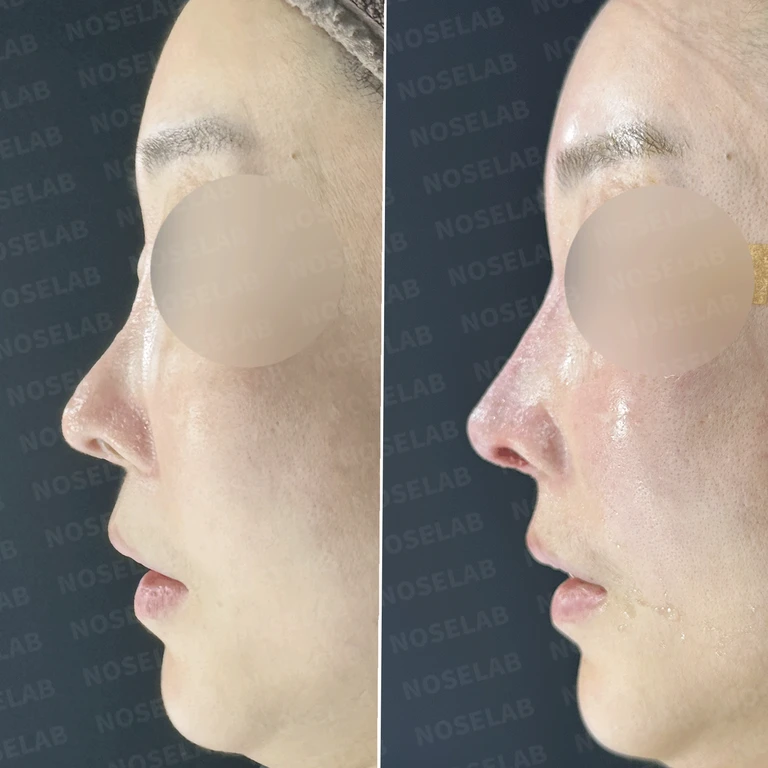
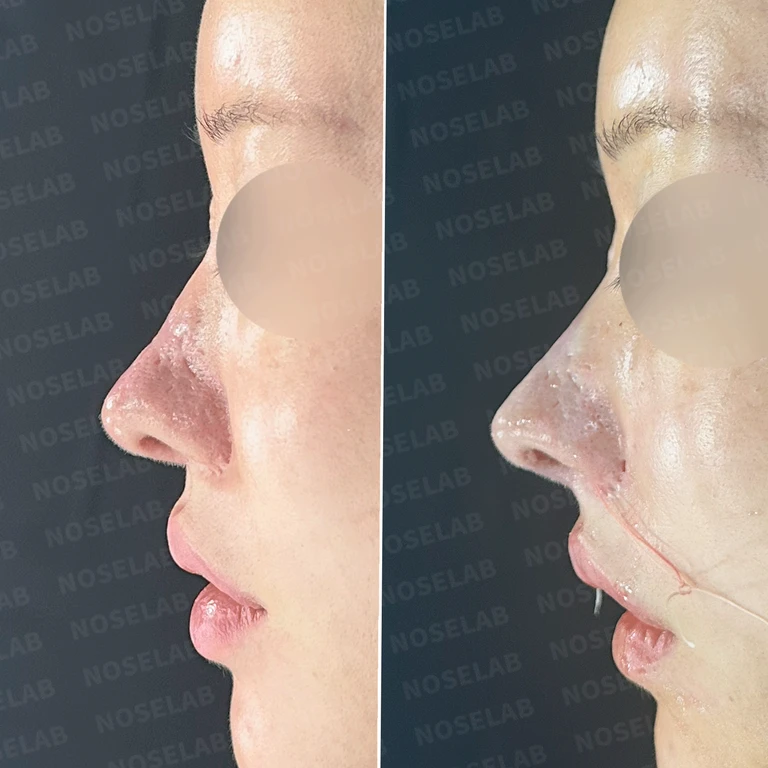
Why mesh remaining in the septum causes an upturned nose, and reconstruction after removal — Before-and-after comparison
Before-and-after comparison

Why mesh remaining in the septum causes an upturned nose, and reconstruction after removal

This is a case where mesh left in the septum after previous surgeries resulted in an upturned nose and excessive nostril show. All foreign material was removed, followed by septal reconstruction using autologous rib cartilage, replacement of the silicone implant, and reinforcement of the skin with acellular dermal matrix.

Performed or used in this surgery
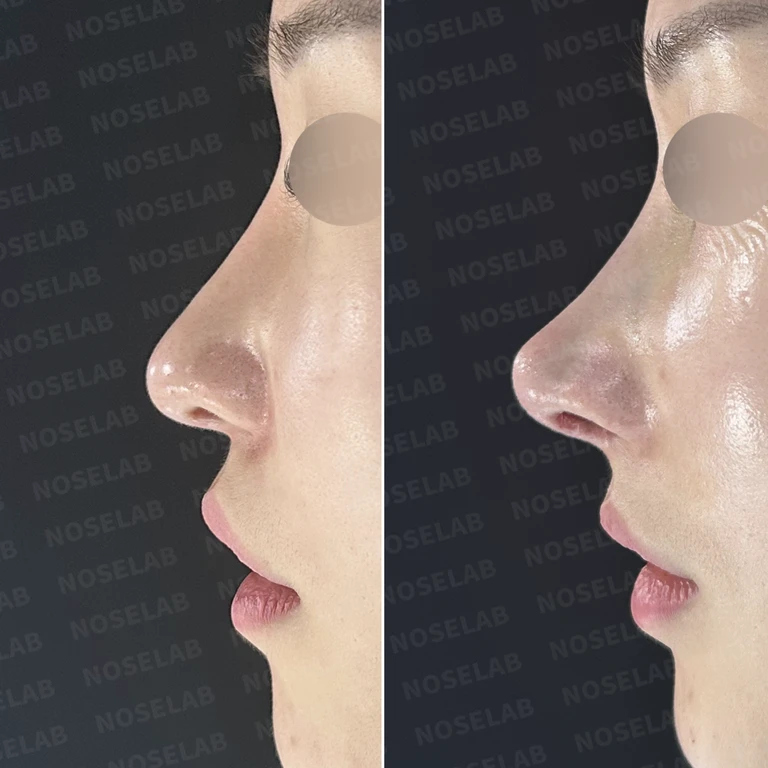
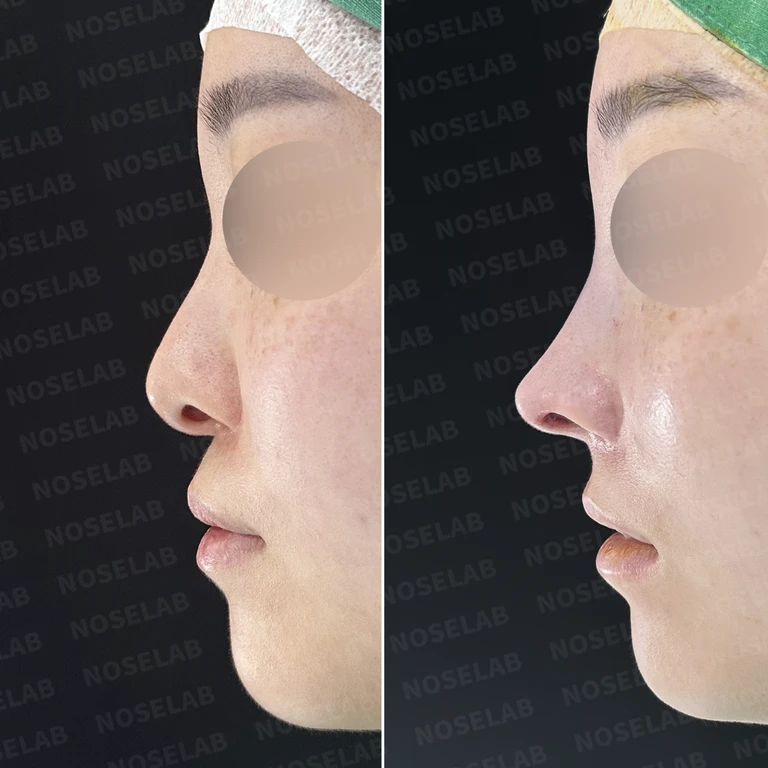
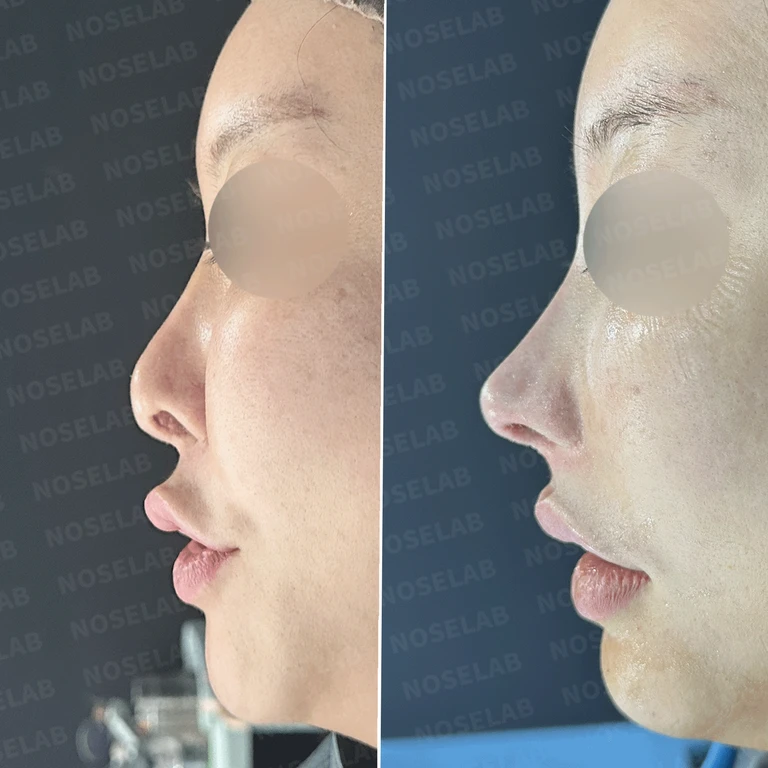
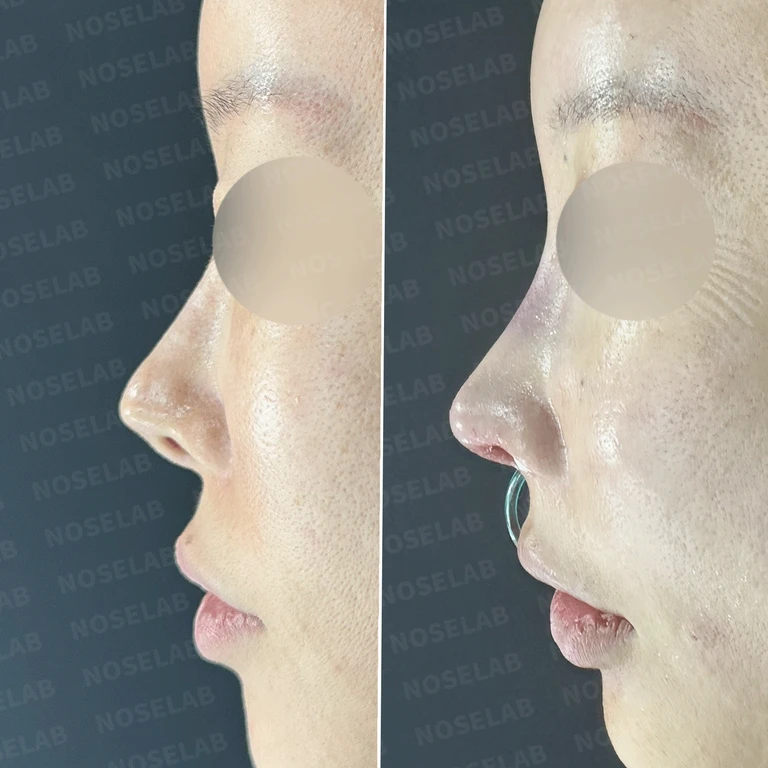
Why nasal tip skin depresses and implants show through after inflammation, and how to reconstruct it — Before-and-after comparison
Before-and-after comparison

Why nasal tip skin depresses and implants show through after inflammation, and how to reconstruct it

A case where repeated surgeries and inflammation led to depressed nasal tip skin and implant show-through. The damaged skin was revised, dermal and cartilage grafts were placed, the septum was reinforced with autologous rib cartilage, and the implant was replaced.

Previous surgeries and procedures

Why implants show through and nostrils look M-shaped, and how to reconstruct them — Before-and-after comparison
Before-and-after comparison

Why implants show through and nostrils look M-shaped, and how to reconstruct them

Implant show-through at the nasal tip and thinned skin were reinforced with donor dermis, and foreign substances were removed. The nasal tip was reconstructed using autologous rib cartilage, along with dragon nose correction and lateral osteotomy.

Performed or used in this surgery
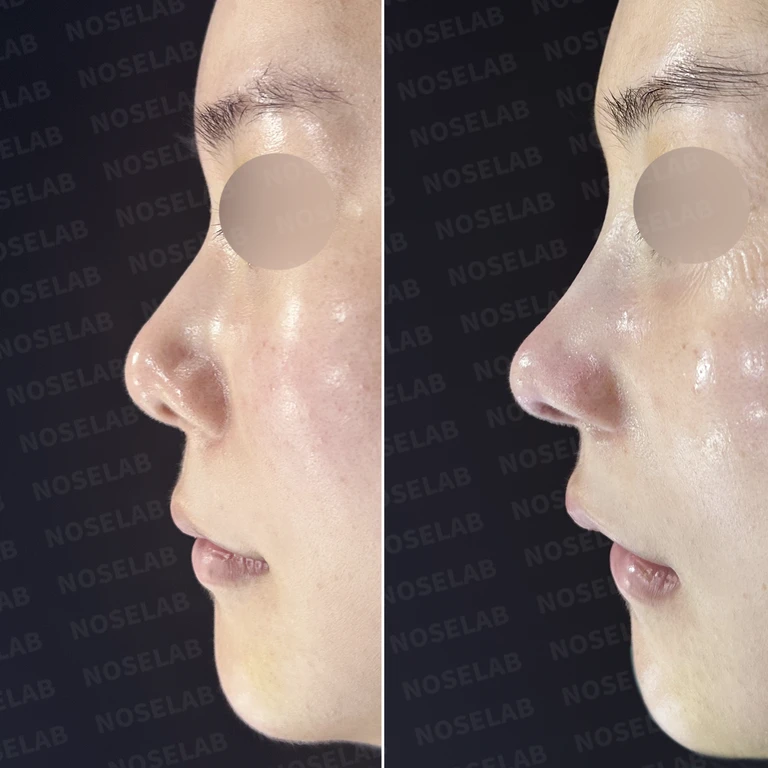
Why nasal tip skin thins after multiple surgeries: autologous dermis reinforcement and reconstruction methods — Before-and-after comparison
Before-and-after comparison

Why nasal tip skin thins after multiple surgeries: autologous dermis reinforcement and reconstruction methods

We removed previous foreign materials and implants, reconstructed the nasal tip using autologous rib cartilage, reinforced the thinned skin with autologous dermis, recarved a silicone implant, and performed fat grafting between the eyebrows.

Previous surgeries and procedures · Removed in this surgery

Noses with an arrow nose and bulbous tip: why we start with septal reconstruction — Before-and-after comparison
Before-and-after comparison

Noses with an arrow nose and bulbous tip: why we start with septal reconstruction

A clinical case in which a septum damaged from two previous surgeries and chronic nasal obstruction were restored using autologous rib cartilage reconstruction, septoplasty, rhinitis surgery, and bulbous tip correction.

Previous surgeries and procedures

Why an upturned nose and unilaterally pinched nostril occur, and how implant-free reconstruction is performed — Before-and-after comparison
Before-and-after comparison

Why an upturned nose and unilaterally pinched nostril occur, and how implant-free reconstruction is performed

An upturned nose and pinched nostril caused by multiple prior surgeries were corrected after removing artificial dermis, performing implant-free bridge augmentation with donor rib cartilage and septal cartilage, and using a skin-cartilage composite graft on the right nostril.

Previous surgeries and procedures · Removed in this surgery

Why artificial dermis on the nasal bridge can remain as a dorsal hump and how it is reconstructed after removal — Before-and-after comparison
Before-and-after comparison

Why artificial dermis on the nasal bridge can remain as a dorsal hump and how it is reconstructed after removal

In a case where residual artificial dermis from a previous procedure formed a dorsal hump and weakened the septal support, the artificial dermis was dissected and removed, lateral osteotomy and dorsal hump reduction were performed, the nasal tip was reconstructed using autologous rib cartilage, and the silicone implant was replaced.

Previous surgeries and procedures · Removed in this surgery

Why the columella droops and nostrils become visible: correcting a crooked nose and nostril asymmetry — Before-and-after comparison
Before-and-after comparison

Why the columella droops and nostrils become visible: correcting a crooked nose and nostril asymmetry

A case of a drooping columella, crooked nose, and nostril show following prior filler, Misko, and silicone rhinoplasty. Autologous rib cartilage reconstruction and alar rim grafts were performed after implant removal.

Previous surgeries and procedures · Removed in this surgery

Why the septum collapses after multiple revision rhinoplasties, and how total reconstruction is performed with autologous rib cartilage — Before-and-after comparison
Before-and-after comparison

Why the septum collapses after multiple revision rhinoplasties, and how total reconstruction is performed with autologous rib cartilage

Cartilage penetrating the mucosa and a septal perforation after multiple surgeries were corrected through total reconstruction with autologous rib cartilage and repair of the perforation using ear perichondrium.

Previous surgeries and procedures

Why inflammation recurs after rhinoplasty and how to reconstruct using only autologous tissue — Before-and-after comparison
Before-and-after comparison

Why inflammation recurs after rhinoplasty and how to reconstruct using only autologous tissue

Persistent tip inflammation, deviation, and nasal symptoms following repeated surgeries were resolved by removing previous foreign materials and performing septal reconstruction with autologous rib cartilage alongside functional nasal surgery.

Previous surgeries and procedures

Why saddle nose and nasal valve stenosis occur after repeated revision rhinoplasty, and how total reconstruction is performed — Before-and-after comparison
Before-and-after comparison

Why saddle nose and nasal valve stenosis occur after repeated revision rhinoplasty, and how total reconstruction is performed

This is a case where the nasal bones, septum, and keystone area were damaged after repeated surgeries, causing nasal obstruction due to nasal valve stenosis. Autologous rib cartilage was used to reconstruct the nasal support structure and nasal valve, while correcting bridge depression and asymmetry.

Previous surgeries and procedures

Why the nasal tip shows through after dermal graft surgery and how to reconstruct it with autologous rib cartilage — Before-and-after comparison
Before-and-after comparison

Why the nasal tip shows through after dermal graft surgery and how to reconstruct it with autologous rib cartilage

A case where donor dermis previously placed on the nasal dorsum caused tip show-through and made the midface appear elongated; all donor dermis was completely removed, autologous rib cartilage reconstruction was performed, and stem cell therapy was combined.

Previous surgeries and procedures · Removed in this surgery

Why foreign material from illicit injections remains after removal and how to correct an upturned nasal tip — Before-and-after comparison
Before-and-after comparison

Why foreign material from illicit injections remains after removal and how to correct an upturned nasal tip

Due to residual foreign material from past illicit injections, an upturned nose and excessive nostril show persisted; the remaining foreign material was completely removed, and tip rhinoplasty using autologous rib cartilage was performed alongside radix adjustment.

Previous surgeries and procedures

Why donor dermis absorbs after multiple revision surgeries and how to reconstruct the septum — Before-and-after comparison
Before-and-after comparison

Why donor dermis absorbs after multiple revision surgeries and how to reconstruct the septum

For a patient who experienced partial absorption of donor dermis on the nasal bridge and septal damage after multiple revision surgeries, the donor dermis was removed, the septum was reconstructed with autologous rib cartilage, and the skin was reinforced with retroauricular dermis.

Previous surgeries and procedures · Removed in this surgery

Changes following nasal bridge skin necrosis after rhinoplasty and how reconstruction is performed — Before-and-after comparison
Before-and-after comparison

Changes following nasal bridge skin necrosis after rhinoplasty and how reconstruction is performed

In a case with signs of nasal bridge skin necrosis and alar asymmetry after multiple rhinoplasties, the nasal bridge and nostril shape were reconstructed using autologous rib cartilage grafting, alar repositioning, and growth factor application.

Previous surgeries and procedures

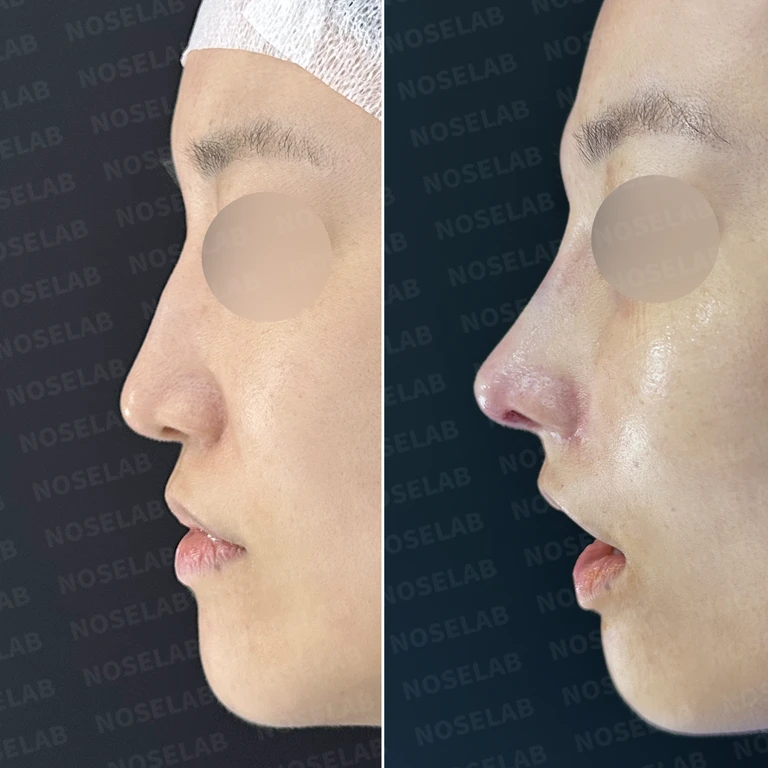
Why nasal tip cartilage shows through the skin and turns upward: reinforcement and reconstruction methods — Before-and-after comparison
Before-and-after comparison

Why nasal tip cartilage shows through the skin and turns upward: reinforcement and reconstruction methods

For a patient presenting with visible nasal tip cartilage and an upturned nose following previous surgery with a silicone implant and ear cartilage, we performed silicone implant removal, septal extension using autologous rib cartilage, fat grafting, and skin reinforcement with donor dermis.

Performed or used in this surgery
No search results found

Please try searching with different keywords.

Scroll to keep reading

1 / 2Next case

Common questions before reading the cases

Why are cases of artificial dermis placement and removal grouped together?

Because these records are organized around the material itself. One case may use artificial dermis to reinforce thin skin, while another involves removing existing artificial dermis and replacing it with autologous tissue. Since the surgical goals differ, distinguishing between current use, past history, and removal status will help prevent confusing these opposing procedures.

Can the exact product be determined from terms like artificial dermis or allogeneic dermis alone?

You should check whether the specific product or tissue type is clearly stated in the original text. The archive includes articles using different terms, such as artificial dermis or donor dermis, and some records do not specify a product name. It is important not to assume they represent the results or evaluations of the same product simply because the material names sound similar.

Related topics to explore

Autologous dermisUnspecified dermal reinforcement materialSkin and soft tissue reinforcementImplant show-through and palpability

Surgical records referenced in this guide

  • Correcting asymmetry and function in a small, upturned nose with thin skin
  • Why donor dermis absorbs after multiple revision surgeries and how to reconstruct the septum
  • Why the nasal tip shows through after dermal graft surgery and how to reconstruct it with autologous rib cartilage
Original article

Read more records

Planning a visit to Seoul?Prepare your consultation with the NOSELAB team.

International patient guideWhatsApp ↗
Dr. Peter C. Kang's Rhinoplasty Stories
Rhinoplasty guideCases by topicDr. Peter C. KangNaver Blog ↗
View original photo
Enlarged photo
WhatsAppChat with NOSELAB↗