Hello, I am Dr. Peter C. Kang.
Today, I would like to share the case of a patient who was troubled by an upturned nose and nostril asymmetry.
This case provides helpful insight for those with small noses and thin nasal skin.
1. Preoperative design consultation
The patient had undergone rhinoplasty 15 years earlier using a silicone implant and ear cartilage, but remained dissatisfied with the outcome. The main concerns included:
- Excessive nostril show and asymmetry
- The nose deviated to the left
- An uneven, irregular bridge line
- Desire to improve the appearance of a protruding mouth
- Nasal obstruction symptoms
Let us analyze the patient's preoperative condition in detail:
Front view:
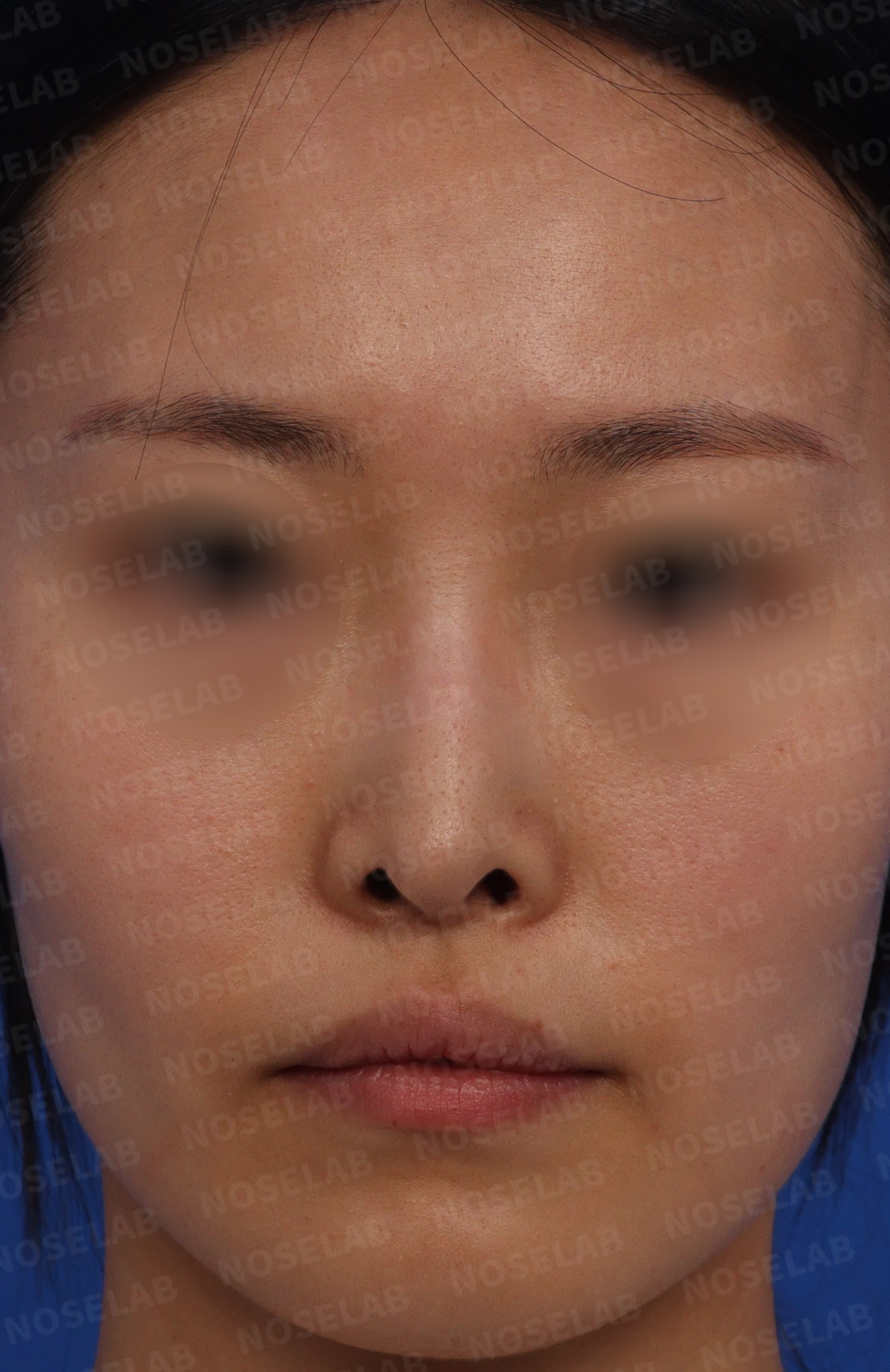
Front view
- The nasal tip appeared deviated to the right
- The right nostril looked pinched, with excessive nostril show and noticeable asymmetry
- A high radix made the overall small nose look excessively long
Profile view:
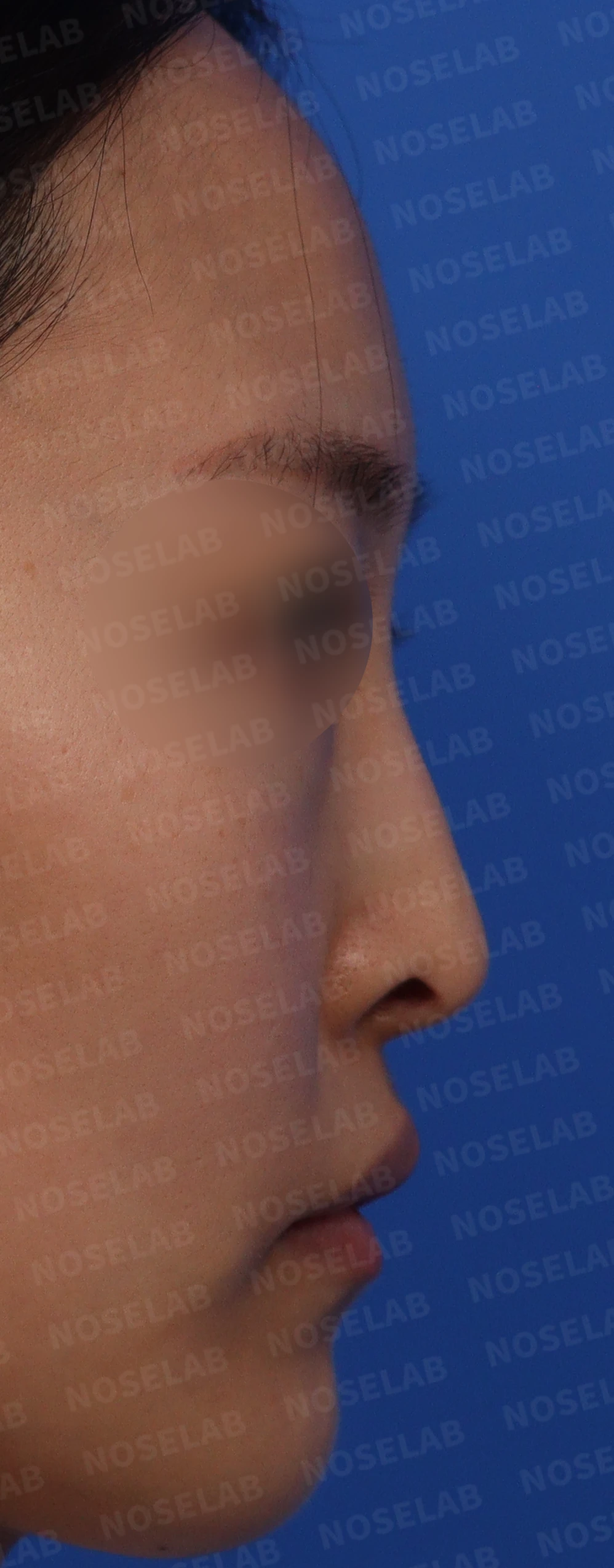
Profile view
- The nasal tip appears drooping
- The bridge was bumpy and uneven
- Excessive nostril show from the profile view
- The radix is high
Oblique view:
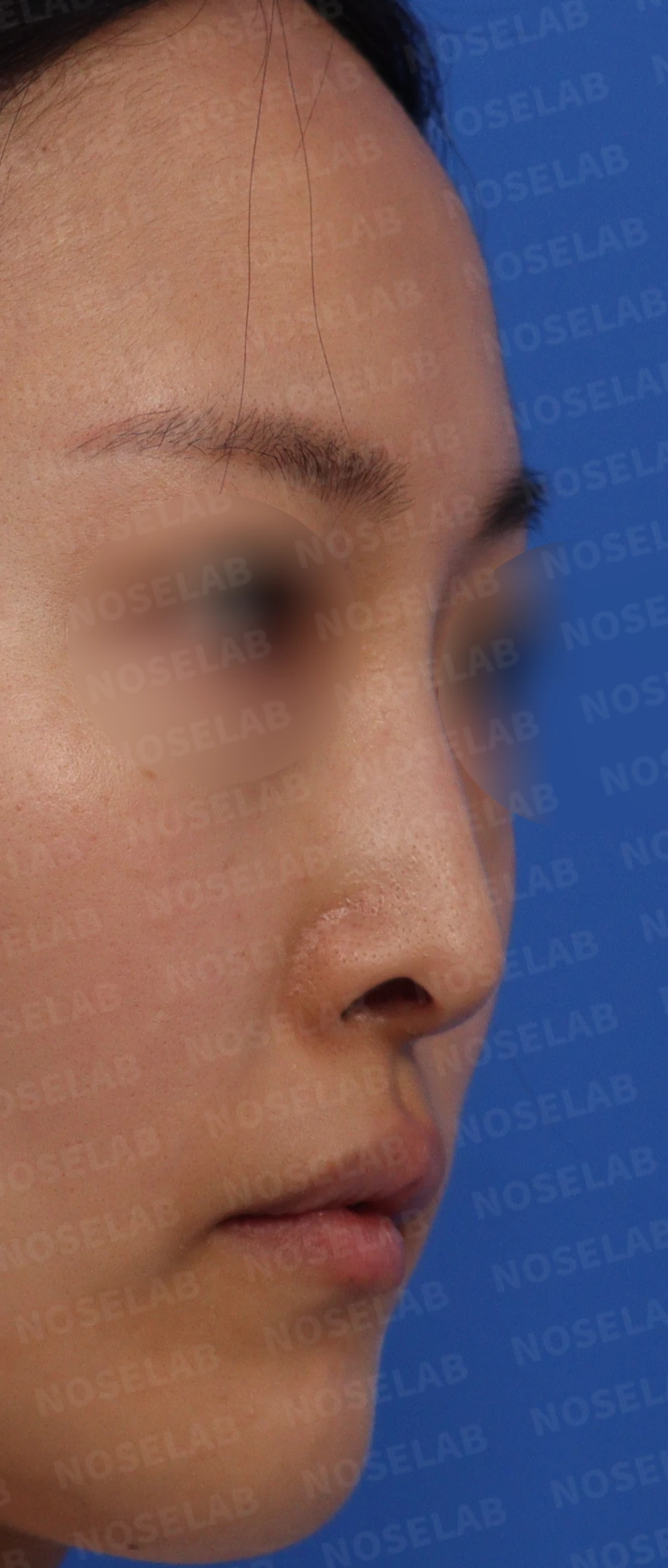
Oblique view
- An elongated nasal appearance
- The radix is high
Nostrils:
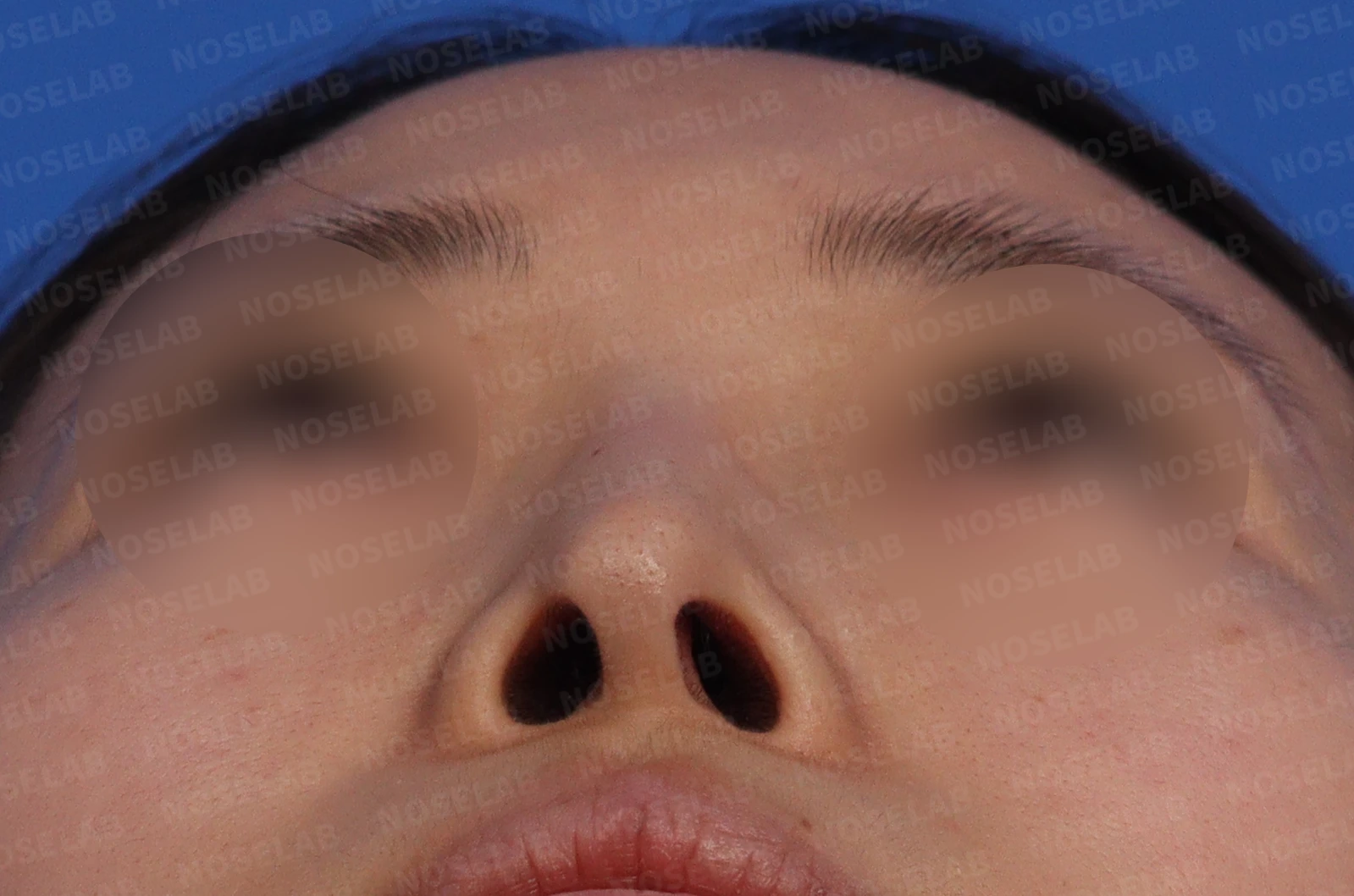
Basal (nostril) view
- The nasal tip shifted toward the right
- The columella tilted toward the right
- Severe nostril asymmetry
Of particular importance was that the patient's nasal skin was very thin and small, which significantly elevated the complexity of the operation.
2. Surgical plan
Taking into account the patient's condition and requests, the following surgical plan was established:
a) Septoplasty to relieve nasal obstruction
b) Submucosal resection of the inferior turbinates using radiofrequency
c) Septal reconstruction using autologous rib cartilage
d) Nasal tip correction and alar reinforcement
e) Alar rim elongation
f) Bridge correction (considering a non-implant approach or silicone implant placement)
g) Correction of the nasolabial angle
3. Surgical procedure
The following procedures were performed using a closed approach:
a) Septal reconstruction and realignment:
- Intraoperatively, the septal cartilage was found to be extremely thin and bent sharply to the left.
- The septal cartilage was completely freed from the maxillary crest and reconstructed securely using autologous rib cartilage.
- In the process, septoplasty was performed simultaneously to relieve nasal obstruction.
b) Nasal tip and alar correction:
- The nasal tip was firmly derotated downward using autologous rib cartilage.
- The alae were reinforced to carry out alar rim elongation.
c) Soft tissue reinforcement:
- To overcome the challenges of very thin and small skin envelope, the soft tissue was thoroughly reinforced using artificial dermis and scar tissue harvested from inside the nose.
- The width of the grafted cartilage was broadened to prevent cartilage show-through as much as possible.
d) Nasal bridge correction:
- The bridge was adjusted to an appropriate height based on the skin envelope elasticity of the tip.
e) Inferior turbinate reduction:
- Radiofrequency-assisted submucosal resection of the inferior turbinates was performed to further relieve nasal obstruction.
4. Comparison of before-and-after photos
Comparing photos taken immediately after surgery on day 0 shows the following improvements: Photos taken immediately after surgery show swelling and may differ from the final result.
Front view:
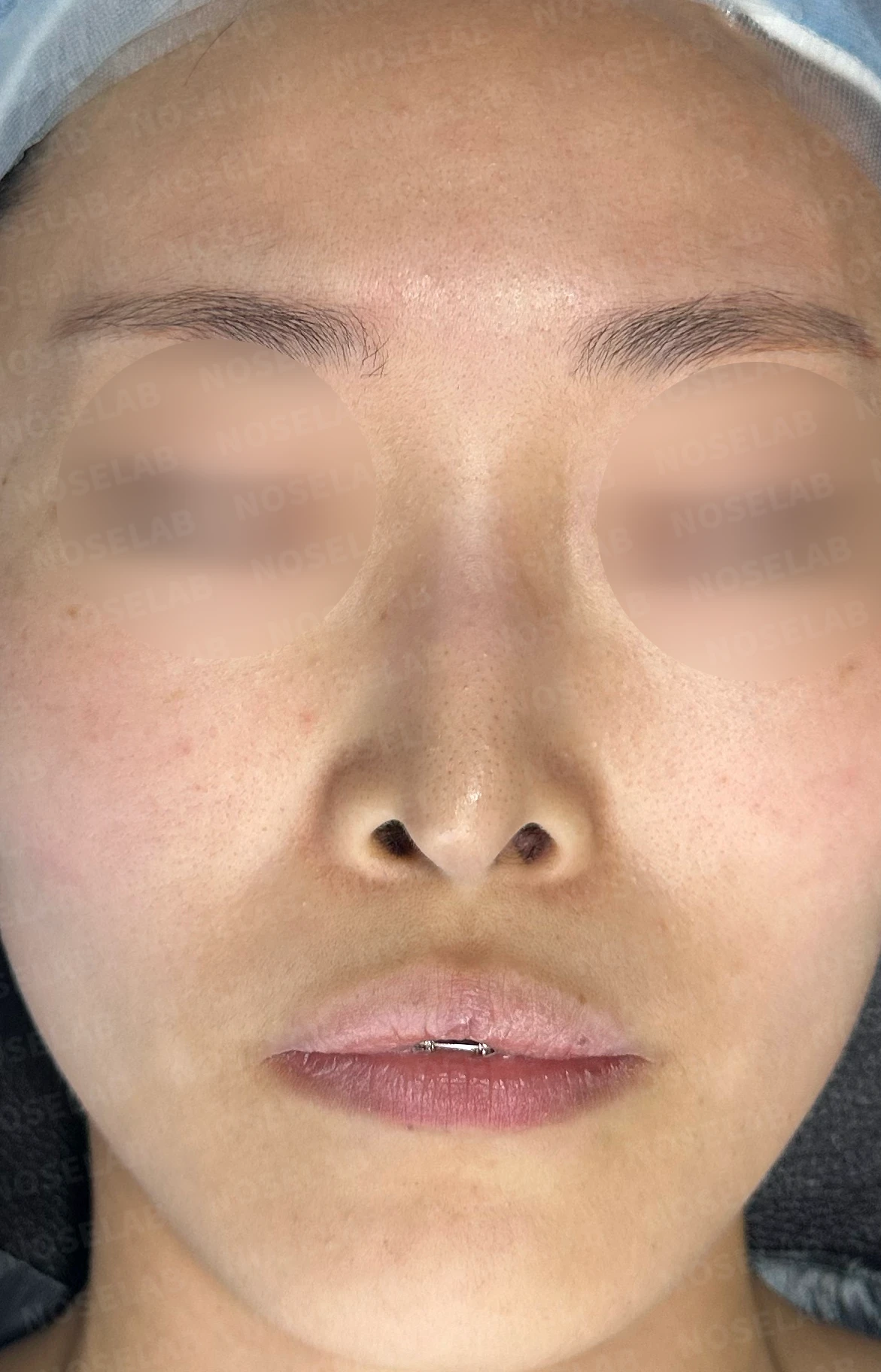
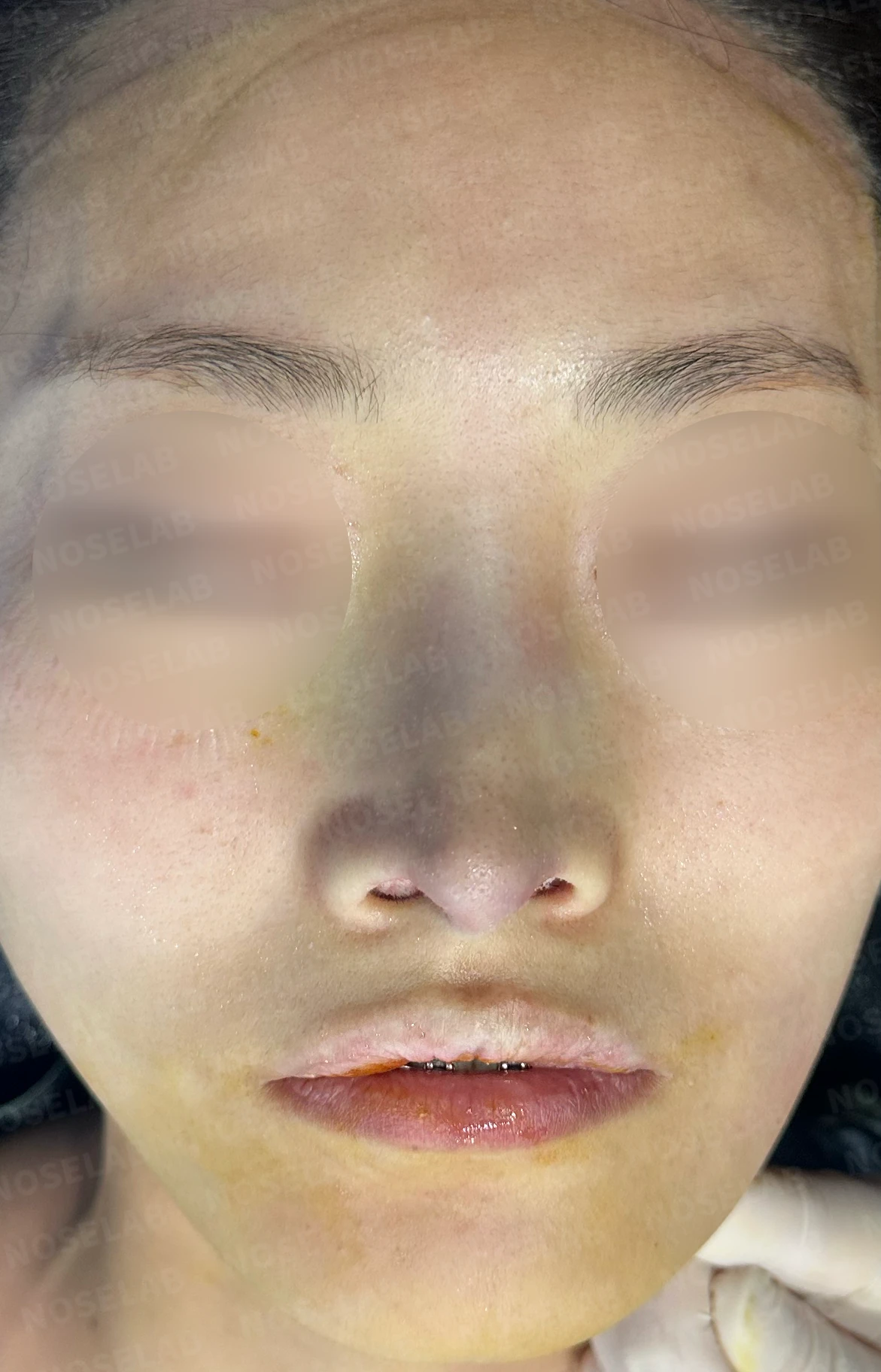
Before surgery / Day 0 immediately after surgery Photos taken immediately after surgery show swelling and may differ from the final result.
- The nasal tip, which had been deviated to the right, was straightened.
- Nostril asymmetry was significantly improved, and excessive nostril show was naturally reduced.
- The excessively high radix was lowered, balancing the perceived length of the nose.
Profile view:
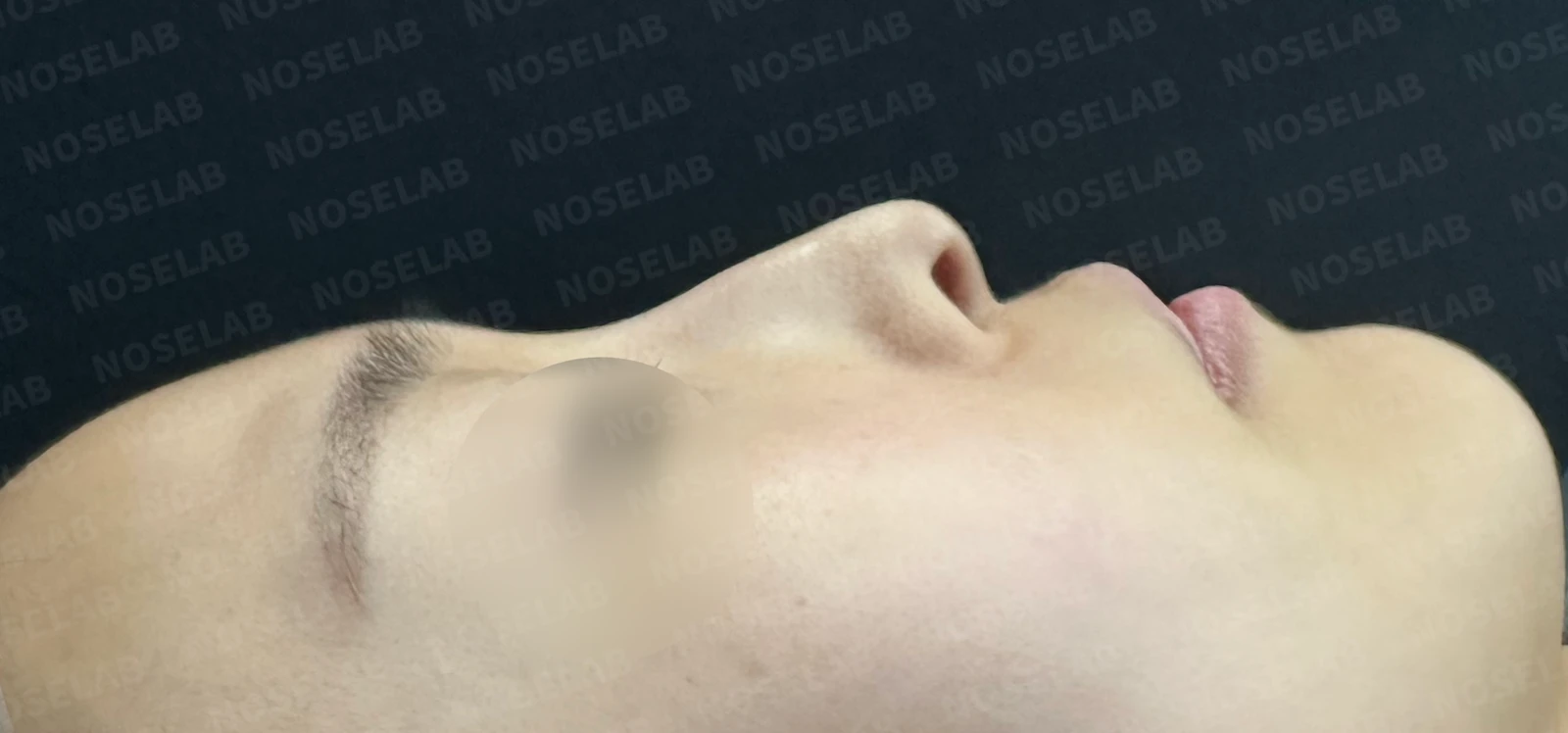
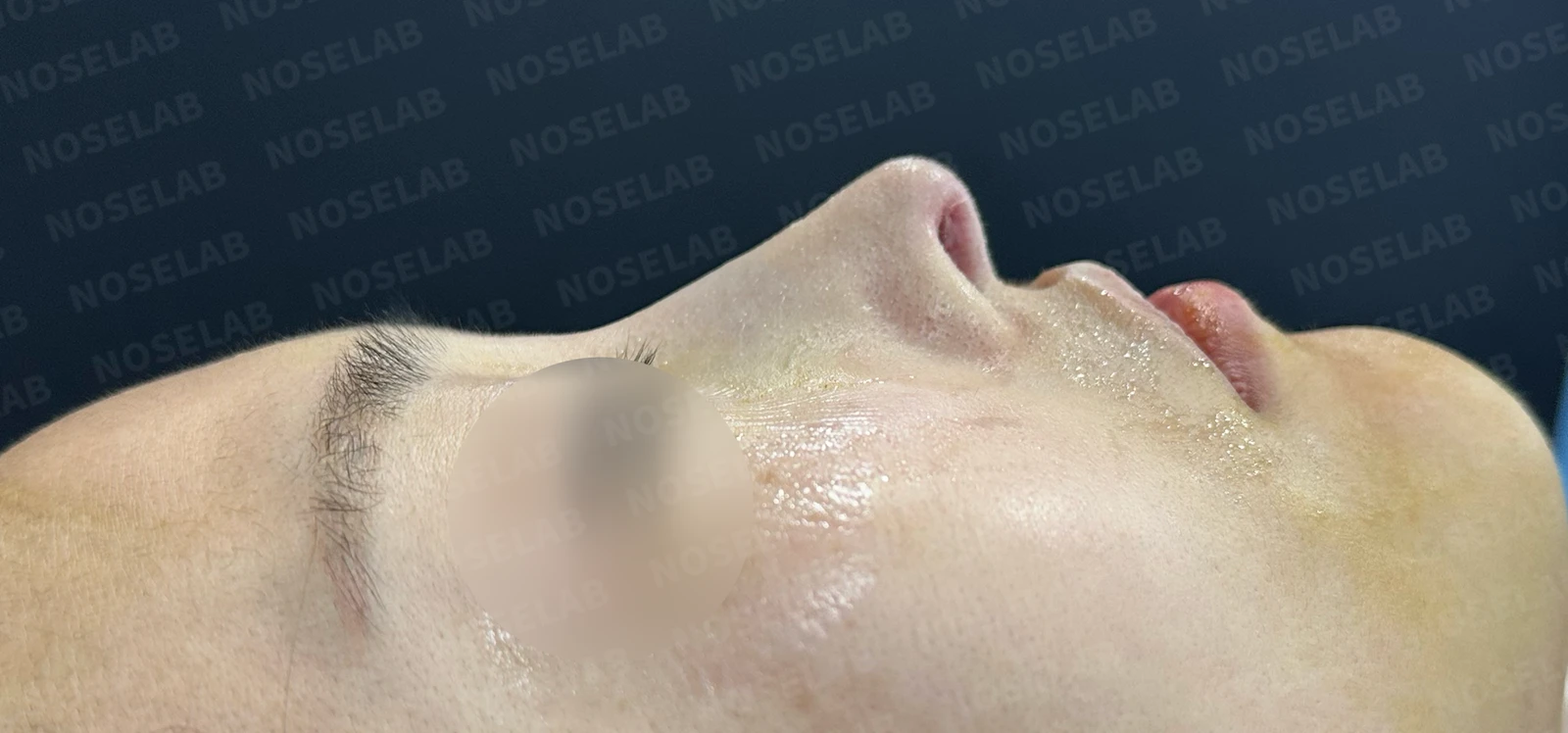
Before surgery / Day 0 immediately after surgery Photos taken immediately after surgery show swelling and may differ from the final result.
- The drooping nasal tip was appropriately elevated, improving the overall profile.
- The irregular nasal bridge was corrected smoothly.
- Excessive nostril show visible on the profile view was naturally concealed.
Oblique view:
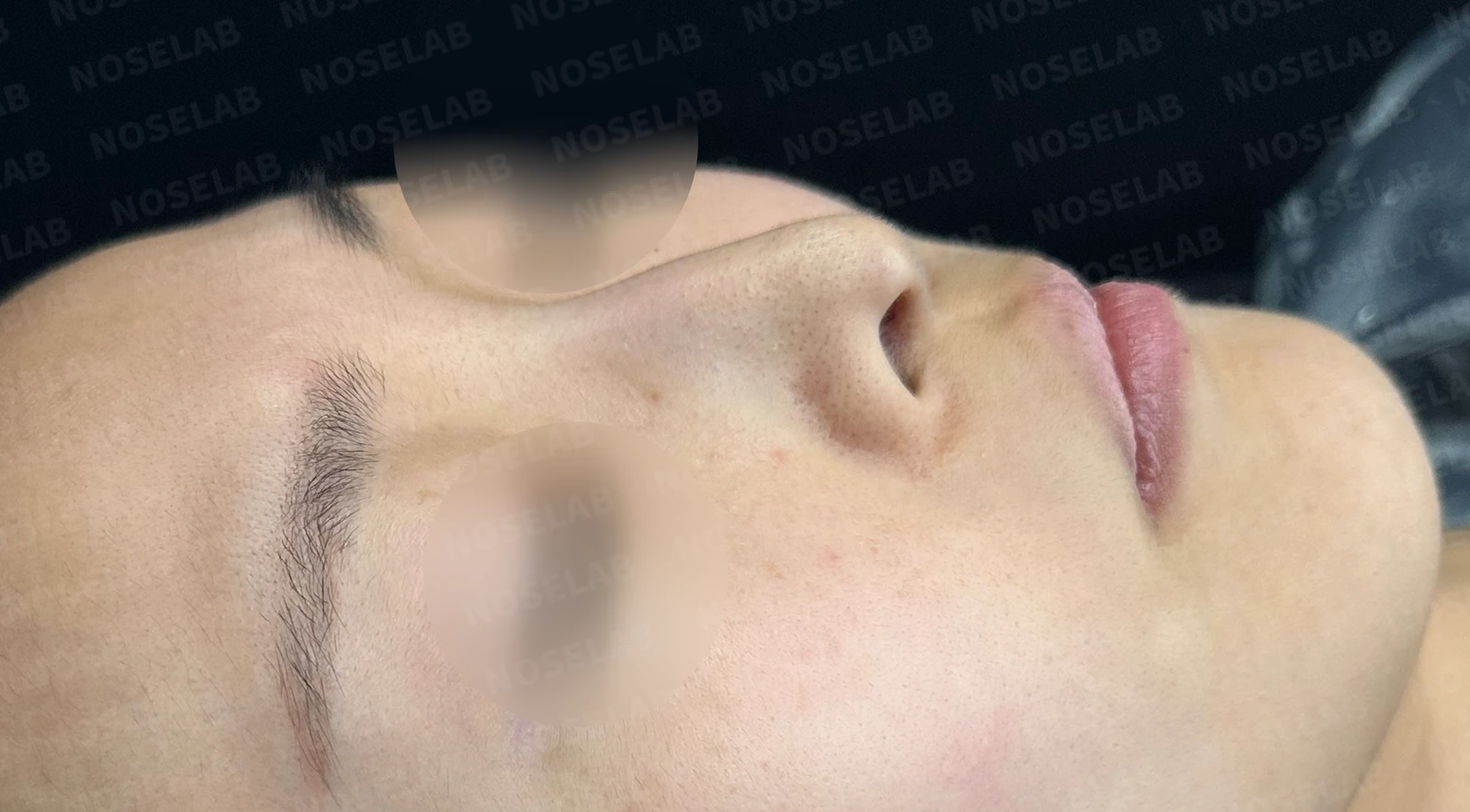
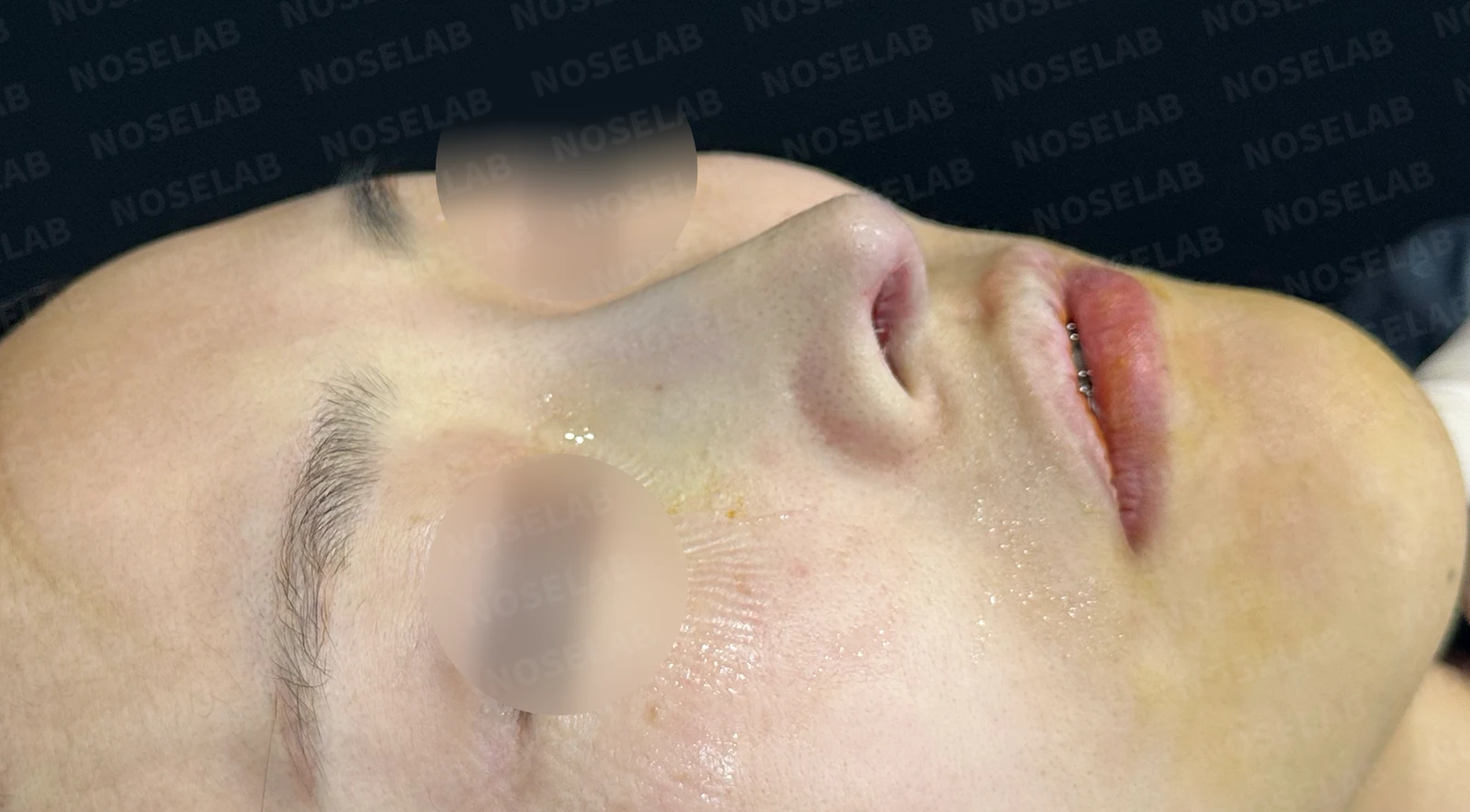
Before surgery / Day 0 immediately after surgery Photos taken immediately after surgery show swelling and may differ from the final result.
- The radix starting point was lowered.
- The impression of a dorsal hump was resolved.
- A more natural nasolabial angle visually softened the appearance of a protruding mouth.
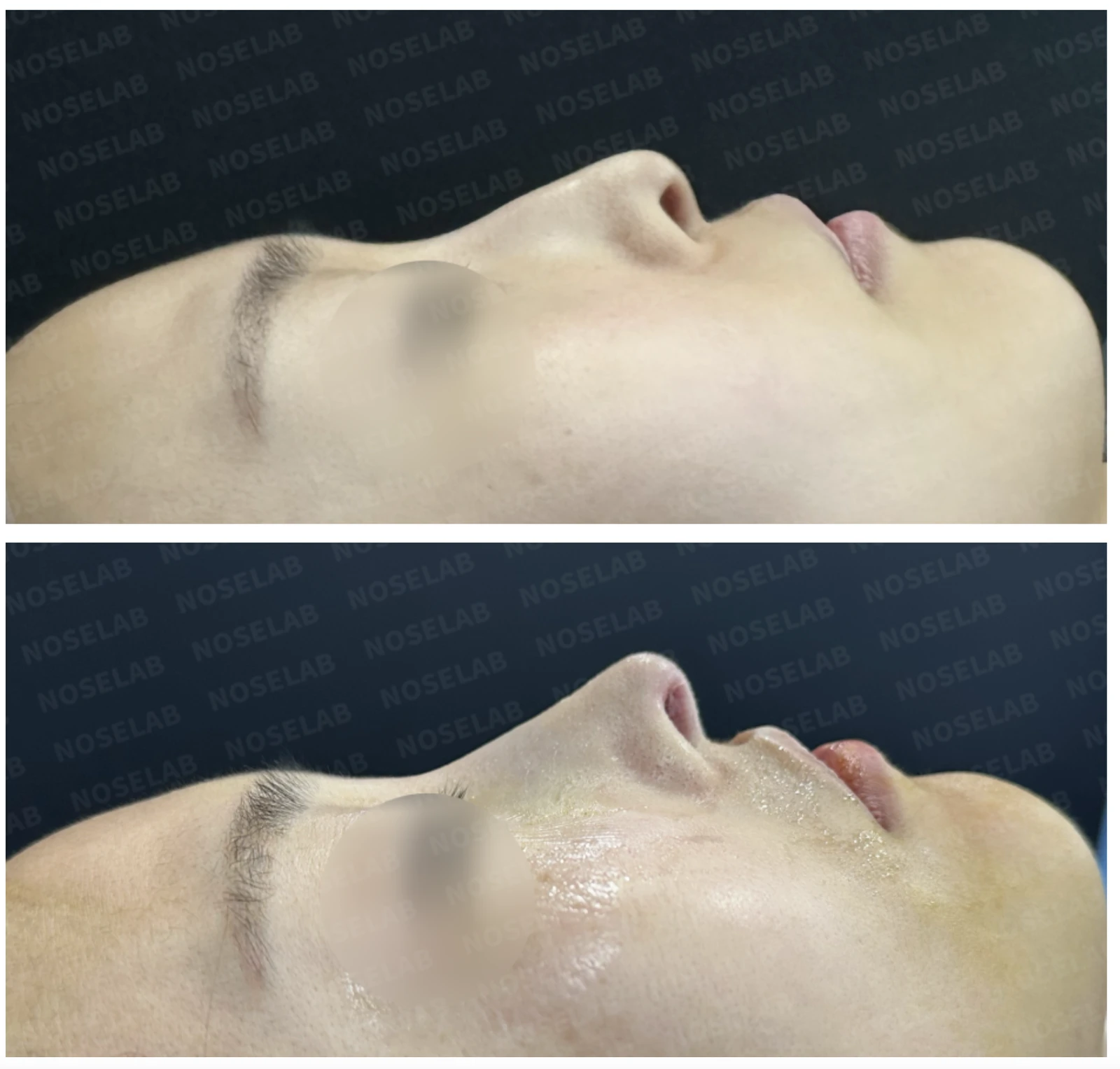
Nostrils:
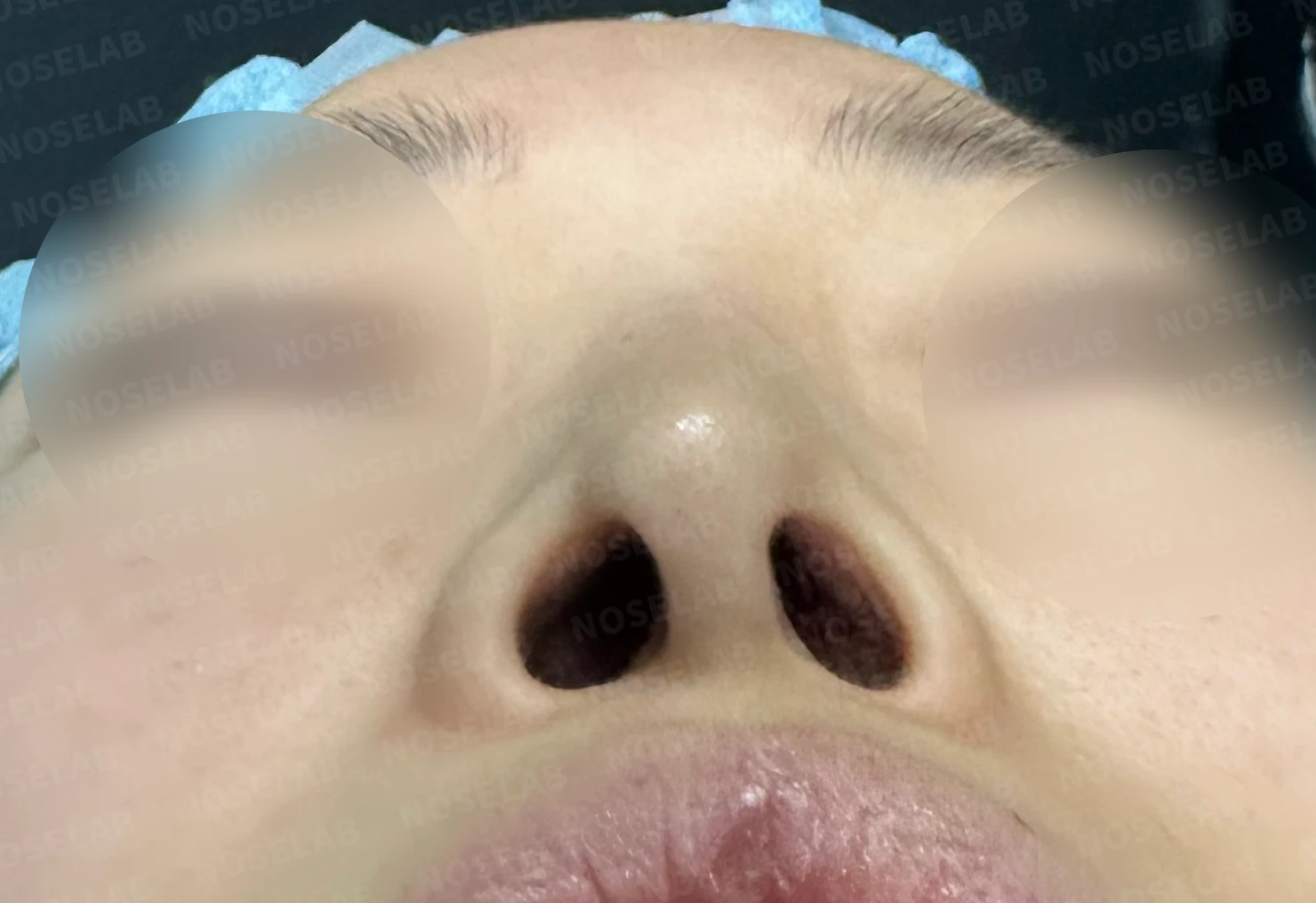
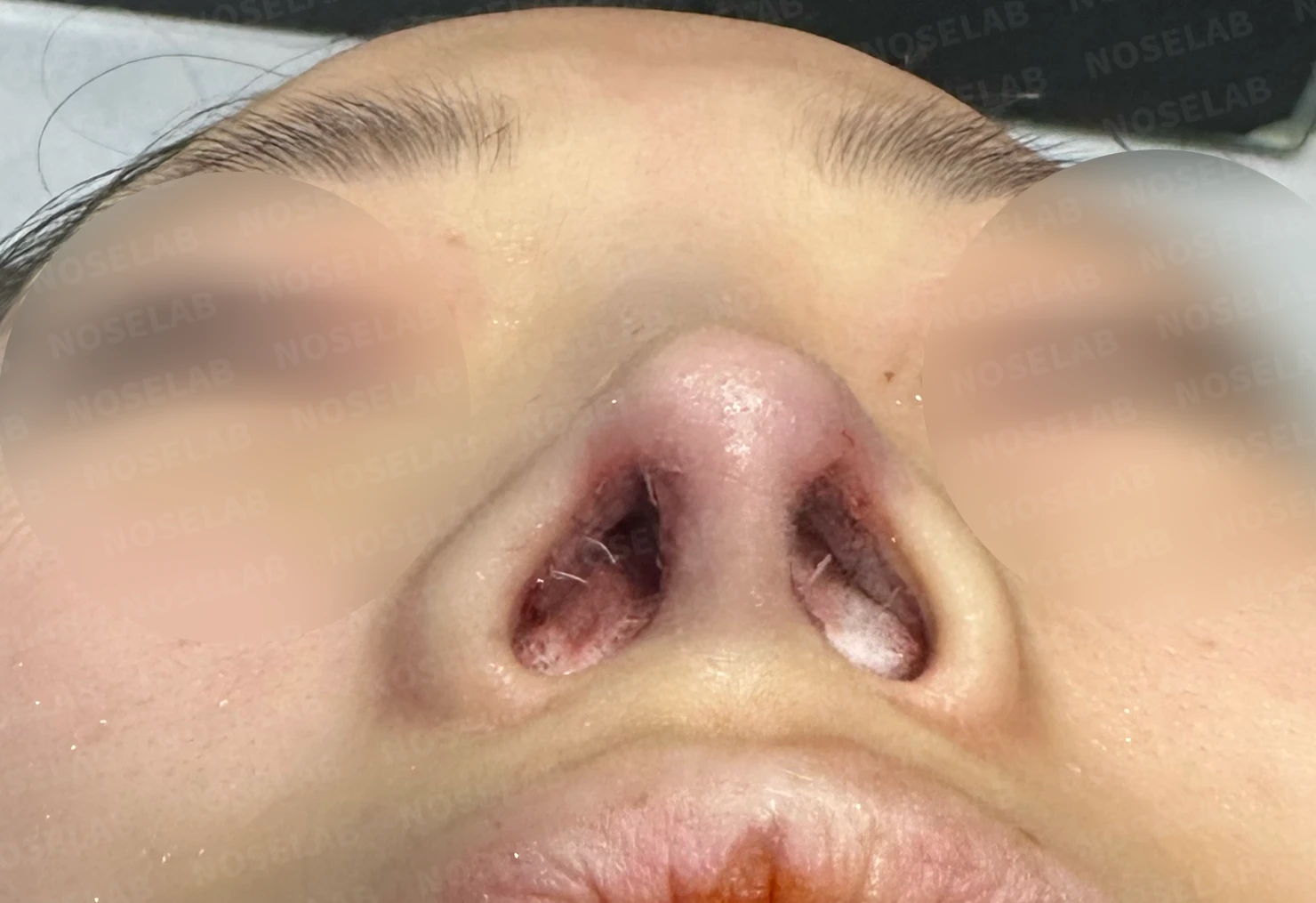
Before surgery / Day 0 immediately after surgery Photos taken immediately after surgery show swelling and may differ from the final result.
- The nasal tip, shifted to the right, was repositioned to the midline.
- The rightward tilt of the columella was corrected.
- Nostril asymmetry showed noticeable improvement.
5. Photos immediately after surgery on day 0 Photos taken immediately after surgery show swelling and may differ from the final result.
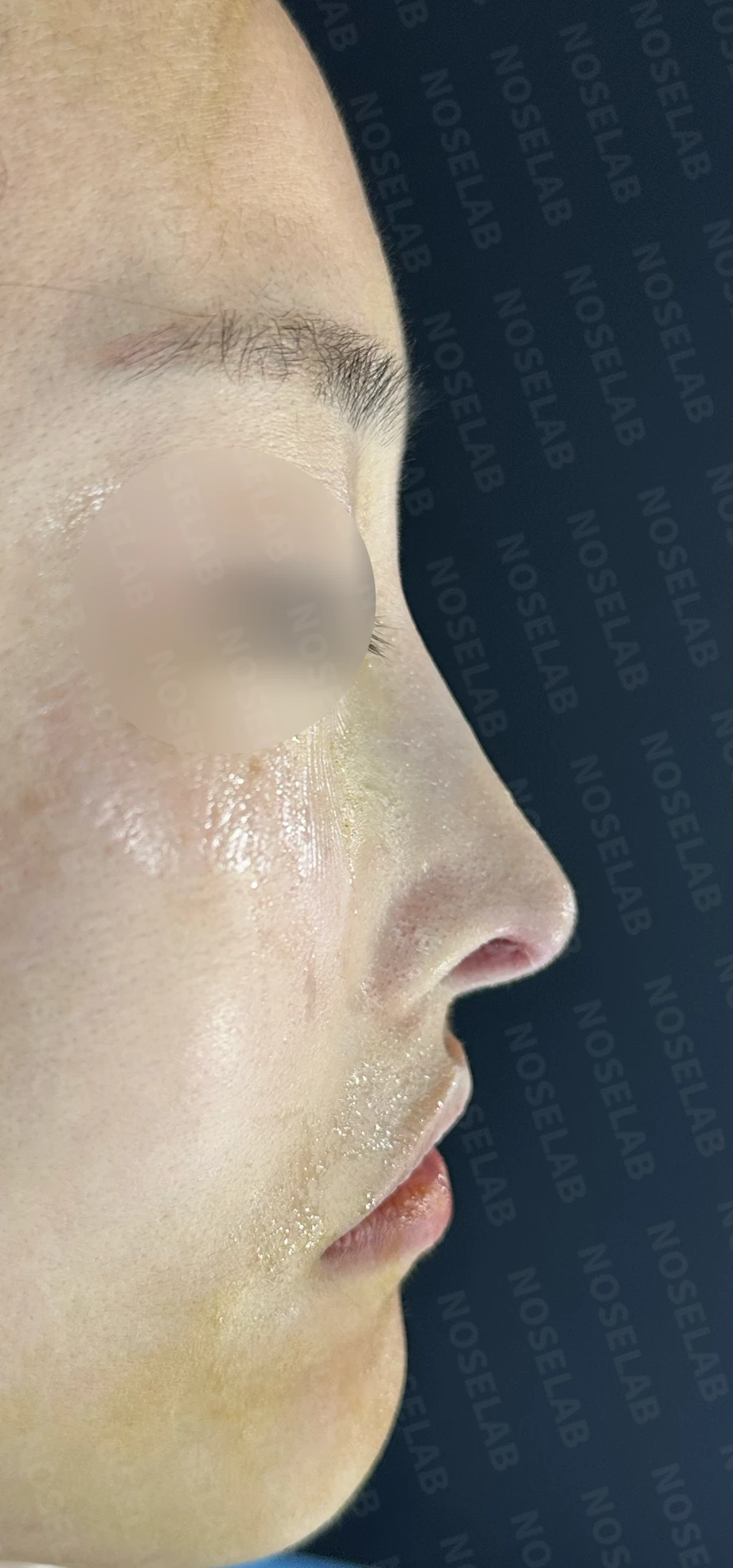
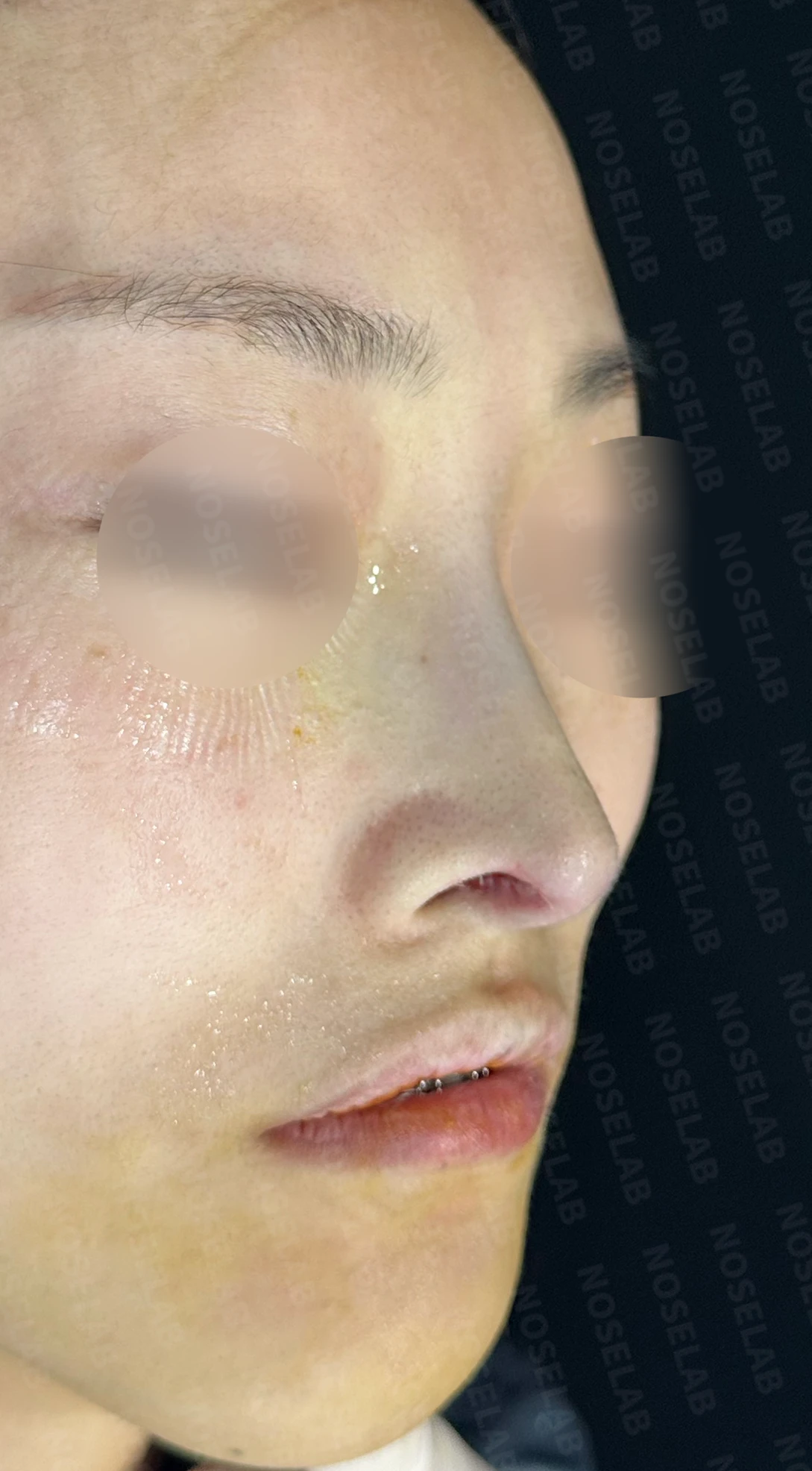
Profile, oblique, and front views immediately after surgery (Day 0) Immediate postoperative photos show swelling and may differ from the final healed result.
Basal (nostril) view immediately after surgery (Day 0)Immediate postoperative photos show swelling and may differ from the final result.
6. Overall evaluation
This case addressed complex structural issues in a patient with very thin, scarce nasal skin. Key points of note include:
1. Septal reconstruction: Structural stability was restored by fully reconstructing the severely deformed septum using autologous rib cartilage.
2. Skin reinforcement: To prevent cartilage visibility under thin skin, soft tissue coverage was reinforced using artificial dermis and internal scar tissue, contributing significantly to a natural contour.
3. Alar rim elongation: Alar rim elongation addressed excessive nostril show, reducing visibility while preserving a natural contour.
4. Functional improvement: Nasal obstruction was alleviated with septoplasty and inferior turbinate reduction, addressing functional well-being alongside cosmetic refinement.
The primary challenge in this surgery was the thin, tight skin envelope. Under such conditions, cartilage show-through or limited skin stretch can make achieving a natural outcome difficult. However, through appropriate soft tissue reinforcement and meticulous cartilage sculpting, these challenges were successfully managed.
7. Conclusion
I hope this case offers reassurance to patients concerned about an upturned nose, nostril asymmetry, and thin nasal skin. Rhinoplasty involves more than altering shape; it requires a comprehensive approach tailored to individual facial anatomy and tissue conditions.
In revision rhinoplasty in particular, complex variables such as deformities and scar tissue from prior operations must be accounted for. Careful evaluation and planning by an experienced specialist are essential.
Drawing on anatomical knowledge and extensive surgical experience as a board-certified otolaryngologist, I provide surgical plans tailored to each individual patient. Through a comprehensive approach that considers both functional and cosmetic improvement, I strive to create a beautiful and healthy nose.
I will be with you every step of the way to achieve a beautiful and healthy nose.
This was Dr. Peter C. Kang. Thank you.
Thank you.
#rhinoplasty #upturnednosecorrection #nostrilasymmetrycorrection #smallnoserhinoplasty #thinskincosmeticsurgery #septalreconstruction #autologousribcartilagegraft #closedrhinoplasty #revisionrhinoplasty #ENTspecialistrhinoplasty #alarrimelongation #nasalobstructionrelief #nasalbridgecorrection #tipplasty

Limitations and risks
When autologous rib cartilage is used, scarring and pain may remain at the donor site on the chest, and pneumothorax (pleural injury) can occur rarely. Over time, the grafted cartilage may warp or undergo partial resorption.
When the septum is corrected at the same time, nasal obstruction may persist or recur, and in rare cases, septal perforation or changes in smell may occur.
Common potential risks include infection, bleeding, asymmetry, scarring, skin necrosis, and insufficient improvement; results vary depending on individual skin condition and previous surgical history.