Hello, I am Dr. Peter C. Kang.
Today, I would like to share the case of a patient who underwent autologous rib cartilage reconstruction combined with stem cell therapy to resolve nasal tip show-through caused by donor dermis and improve midface length.
📍Surgical history
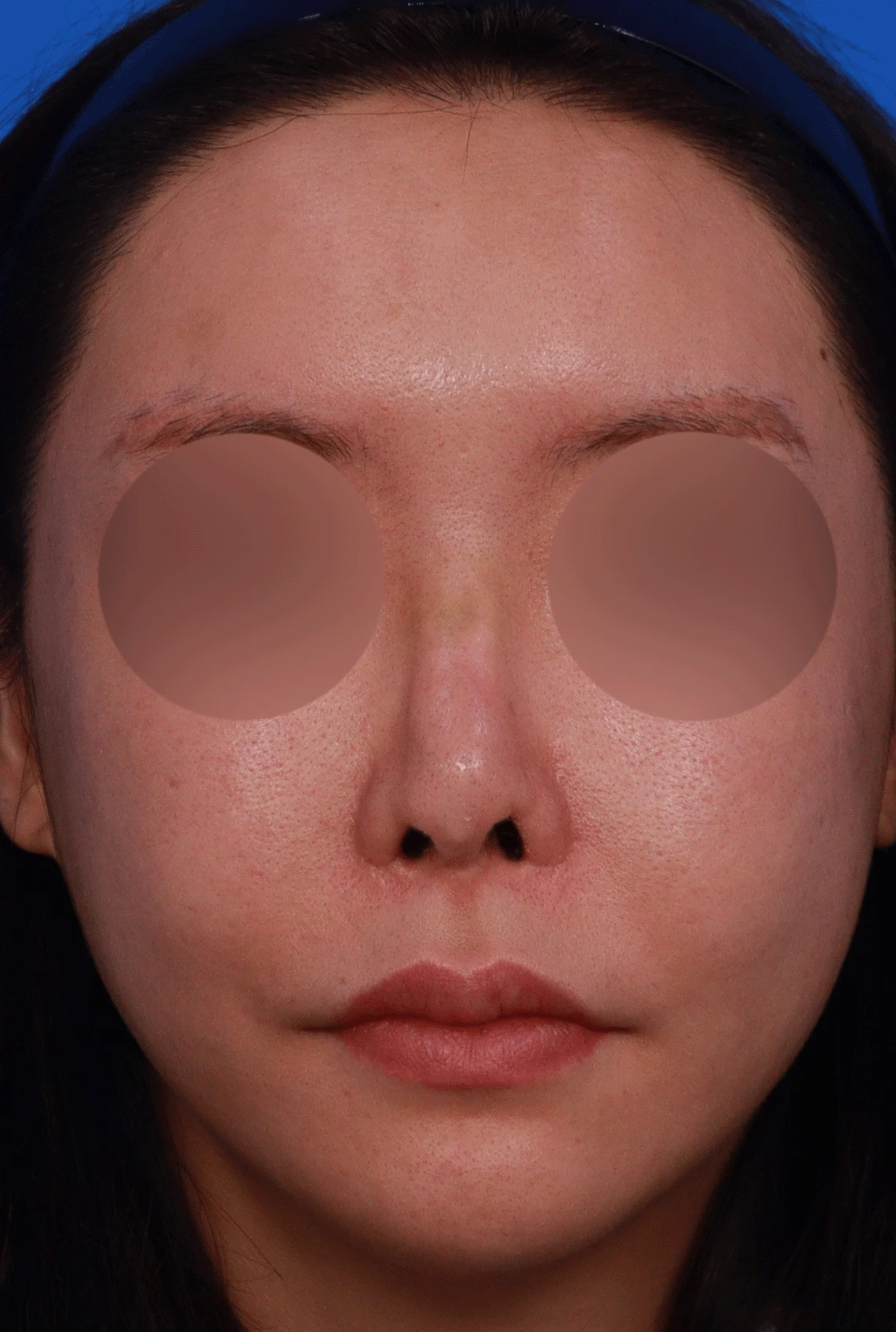
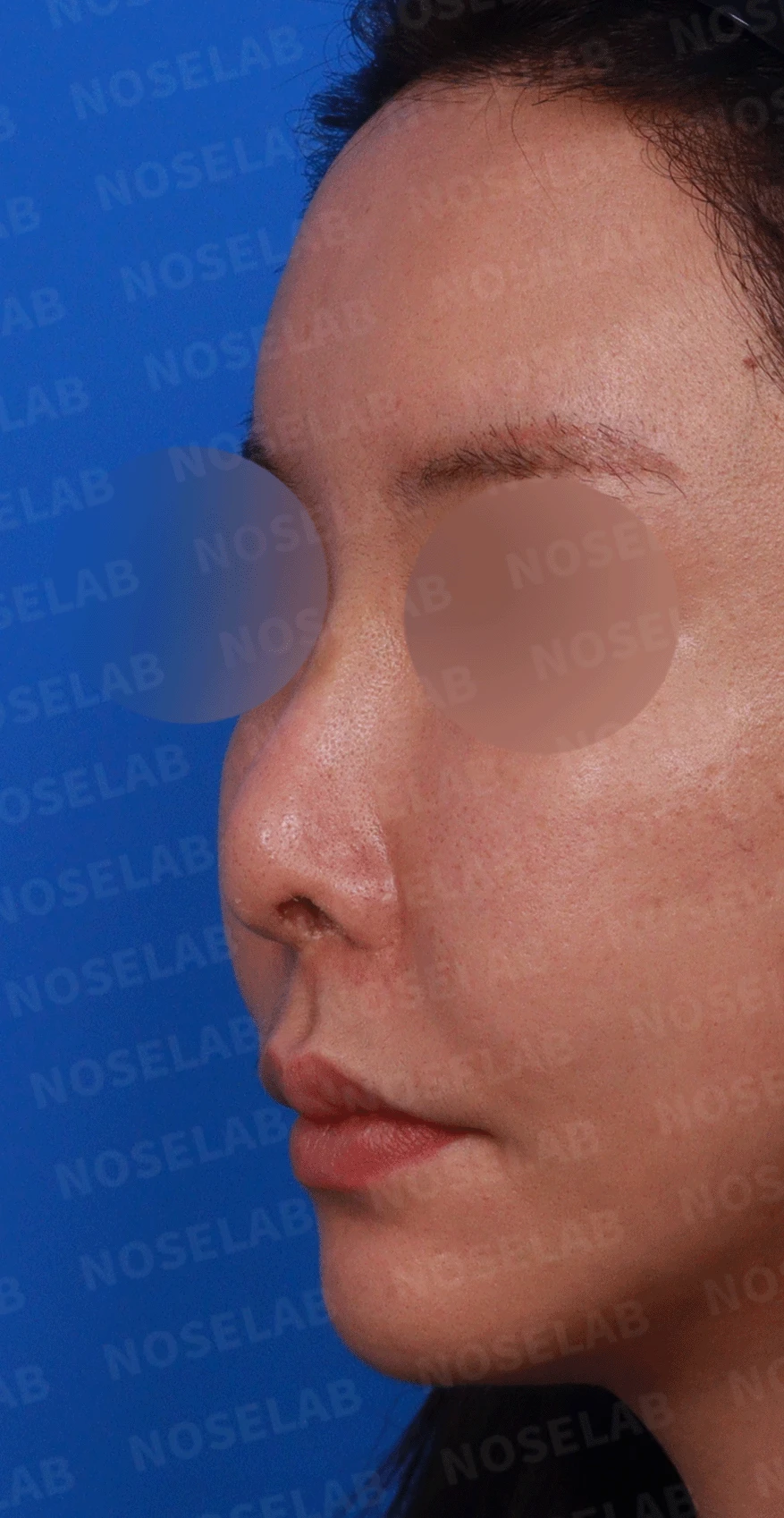
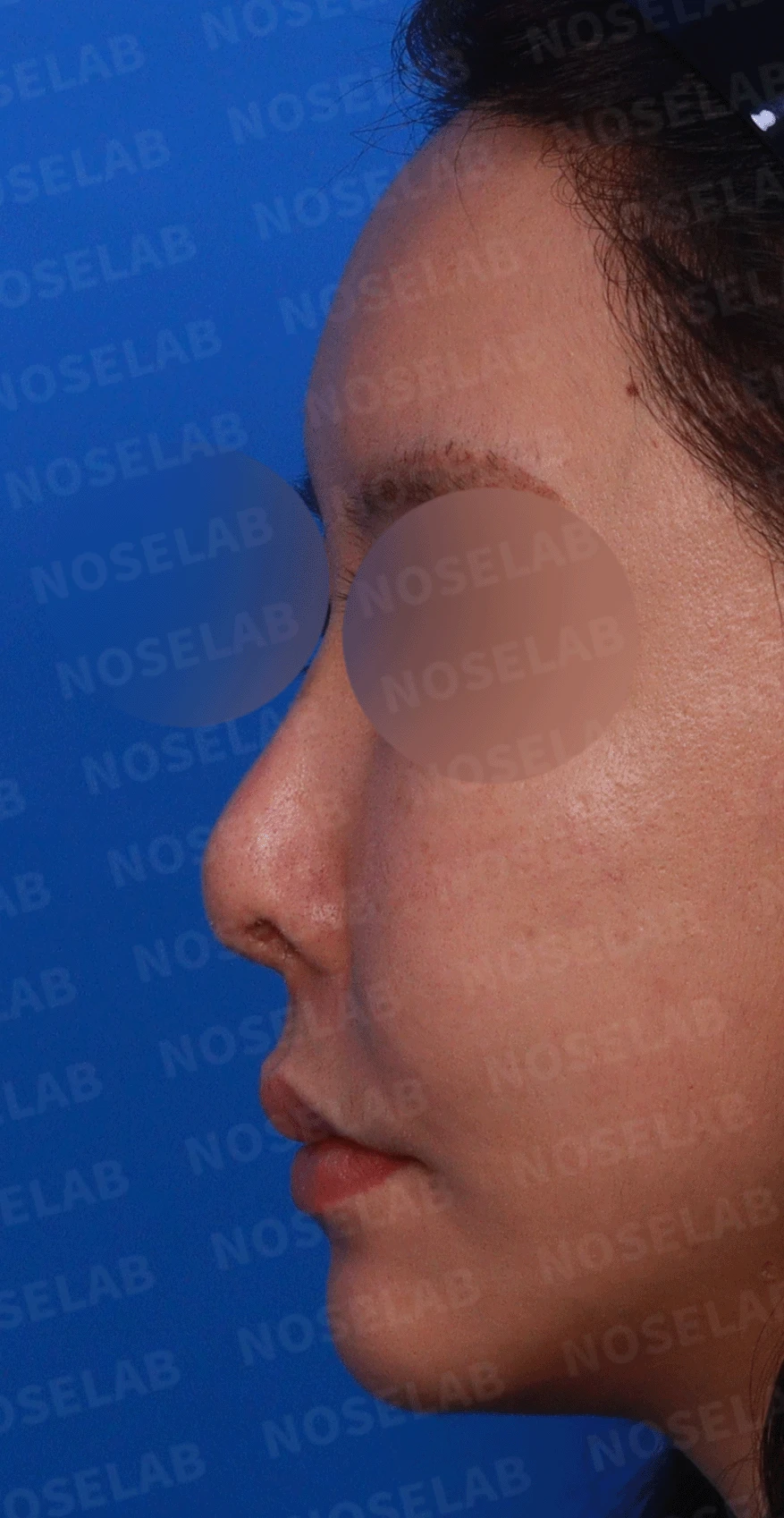
Design consultation: front, left oblique, and profile views.
12 years ago
Nasal filler injection → dissolved
7 years ago
Silicone implant + ear cartilage + autologous rib cartilage
2 years ago
Autologous rib cartilage + ear cartilage + donor dermis + alar reduction + nostril elongation
🔎 Initial consultation findings
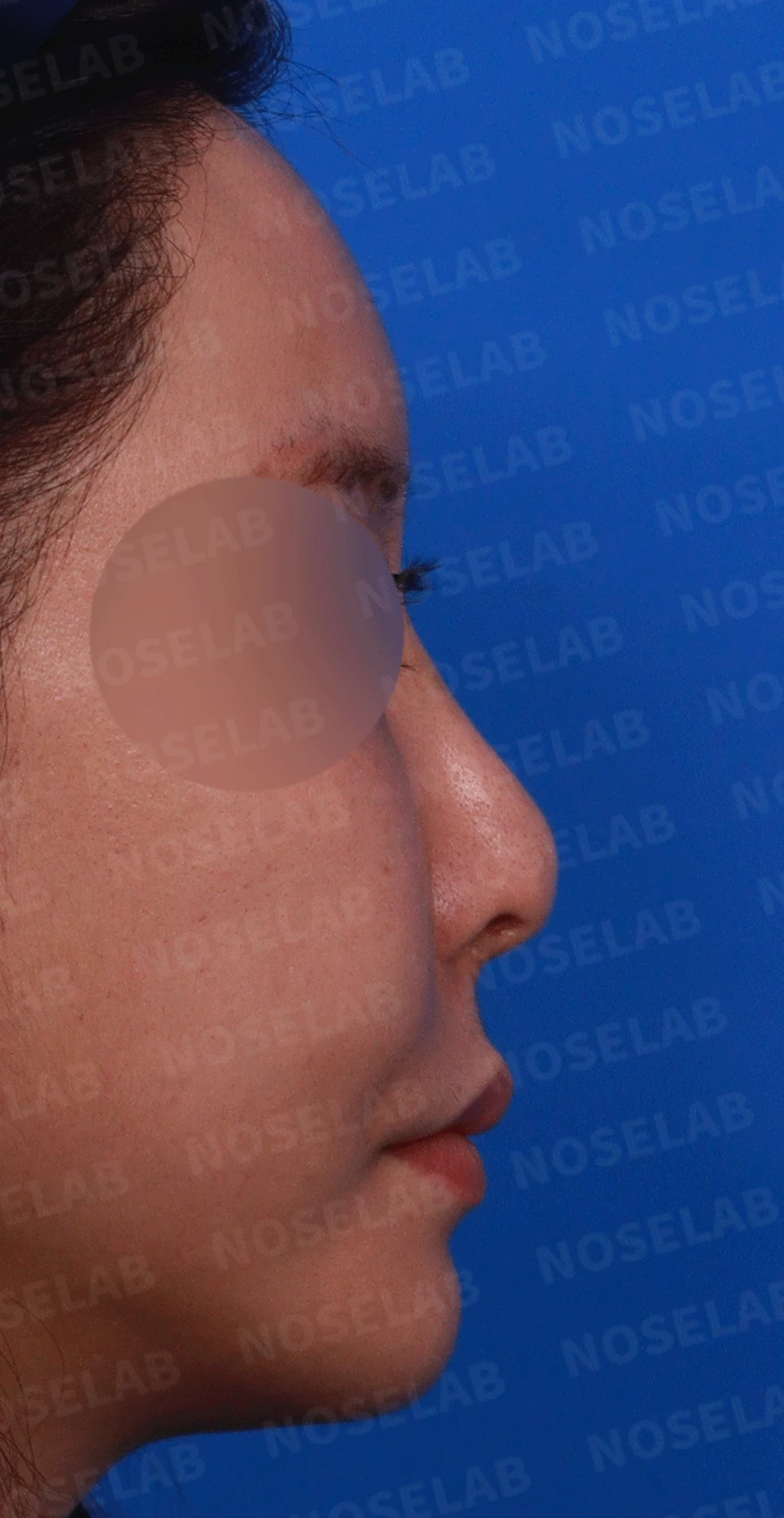
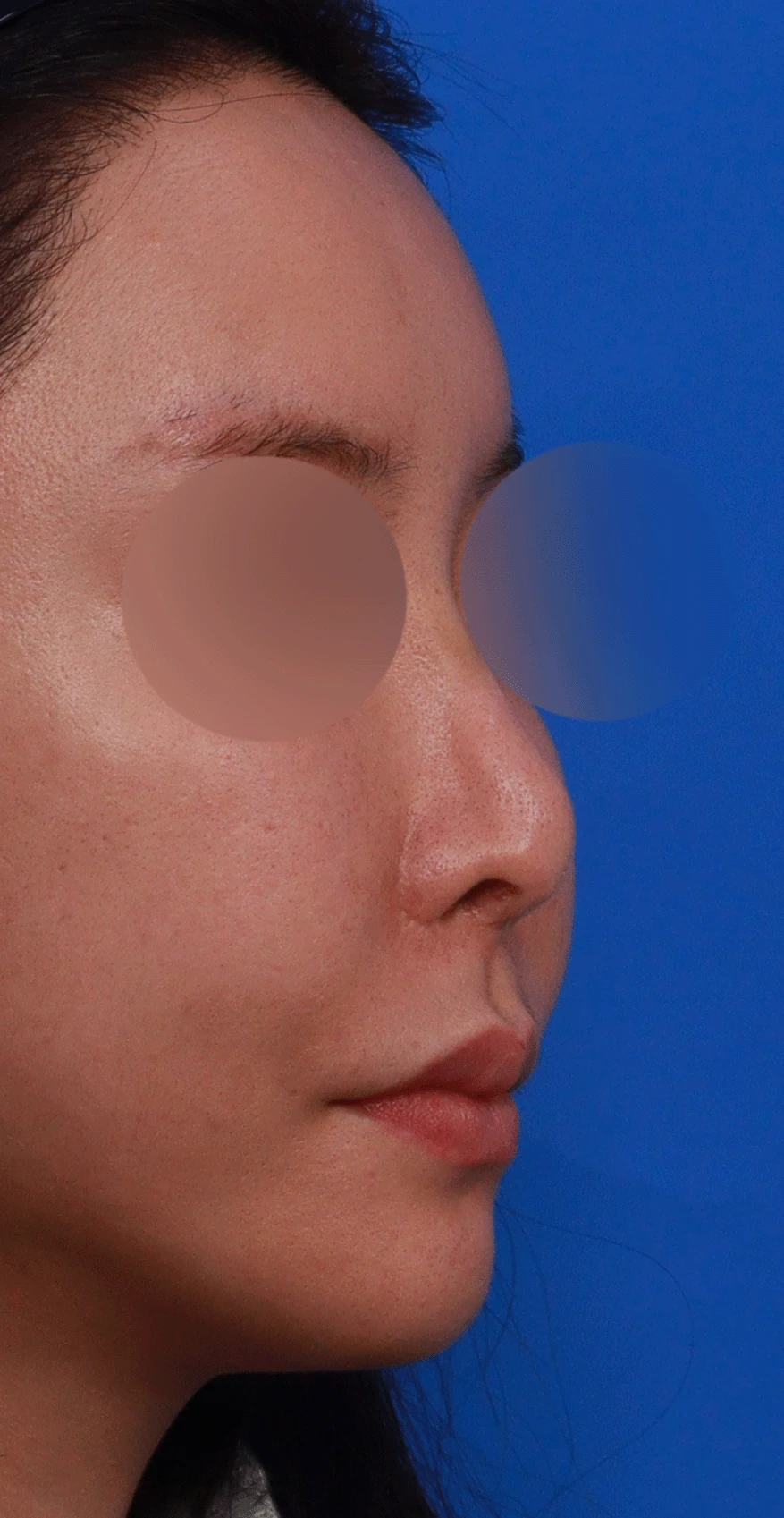
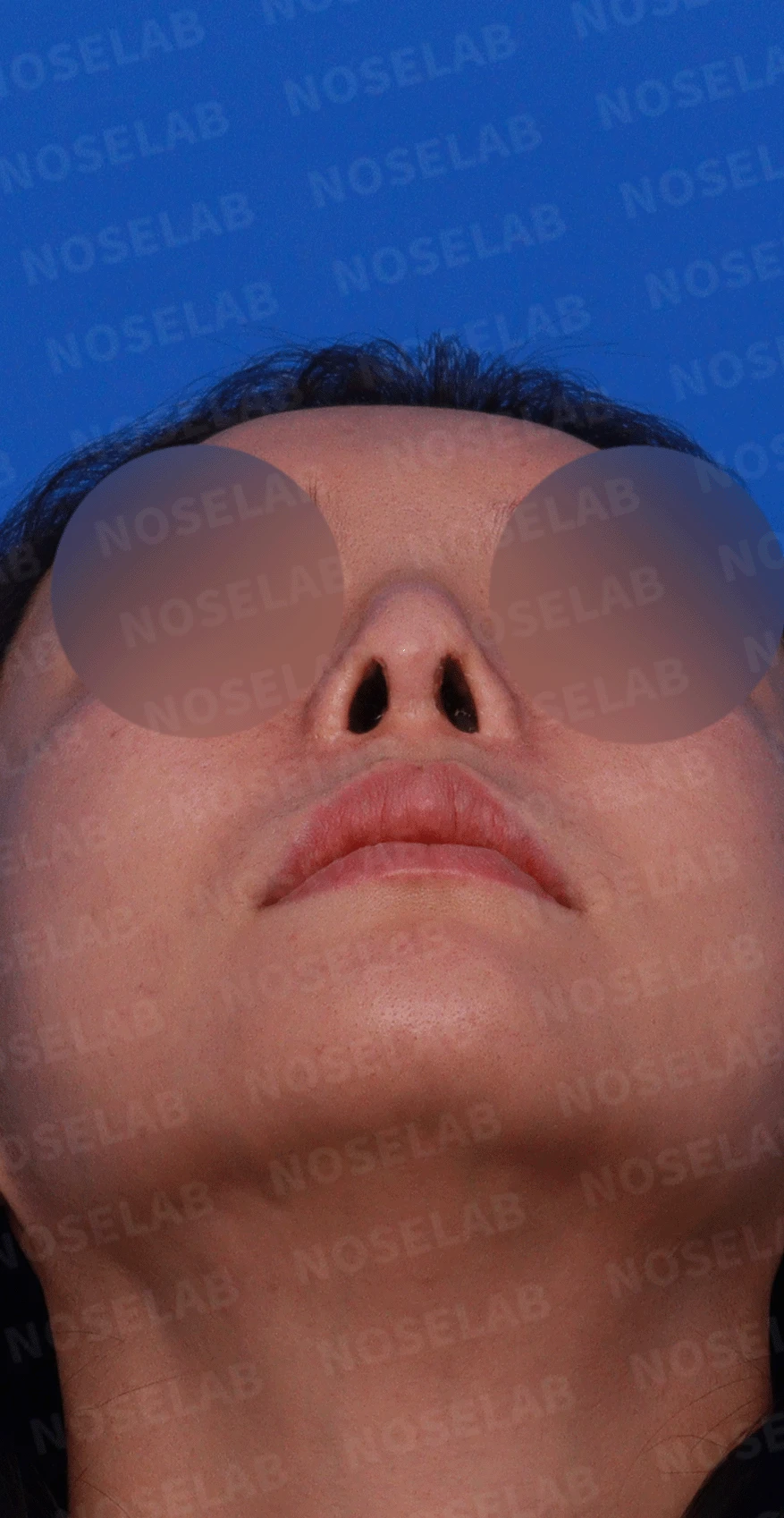
Design consultation: right profile, oblique, and nostril views.
Patient information
Allergies: Psoriasis allergy, hyaluronidase allergy
Primary concerns
Nasal tip show-through (caused by donor dermis)
Long-appearing midface
Current nose lacks definition and projection
Unnatural appearance from donor dermis on the nasal dorsum
Issues related to donor dermis
Thinning and show-through at the nasal tip caused by donor dermis on the dorsum
Unnatural surface contour of the nose
Concerns regarding long-term stability
Special notes
Special precautions required during surgery due to psoriasis and hyaluronidase allergies
Tissue changes from multiple previous surgeries
High expectations for a well-defined result
✨ Patient's requests
Complete resolution of nasal tip show-through
To make the midface appear shorter
Achieving a well-defined nasal profile
Natural yet distinct result
💉 Surgical procedure details
Complete removal of donor dermis
Complete removal of donor dermis used on the nasal dorsum
Resolving the root cause of nasal tip show-through
Establishing a clean surgical field
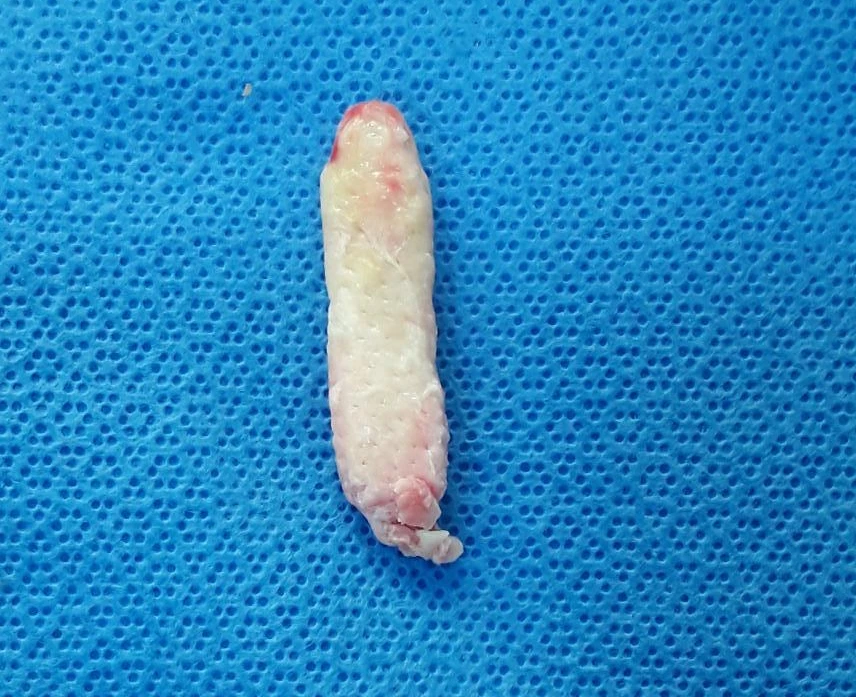
Photo of the removed dorsal donor dermis
Structural reconstruction
Full reconstruction using autologous rib cartilage
Securing adequate tissue thickness to prevent nasal tip show-through
Achieving a well-defined yet natural nasal line
Midface improvement
Visually shortening the midface through nasolabial angle correction
Improving facial proportions by elevating the nasal tip
Enhancing overall facial balance
Specialized treatment - stem cell therapy
3 postoperative stem cell therapy sessions administered
Promoting regeneration of damaged tissue
Accelerating recovery speed and optimizing results
Surgery planned with allergy considerations
Selection of surgical materials considering psoriasis allergy
Surgical planning considering hyaluronidase allergy
Application of a specialized postoperative care protocol
✅ Surgical results
Complete resolution of nasal tip show-through
Complete resolution of tip thinning and transparency by removing donor dermis
Restoration of natural nasal tip thickness
Healthy and natural tip shape
Front view
Prominent, refined nasal contour
Natural nasal tip shape
Improved surface contour following donor dermis removal
Balanced overall facial proportions
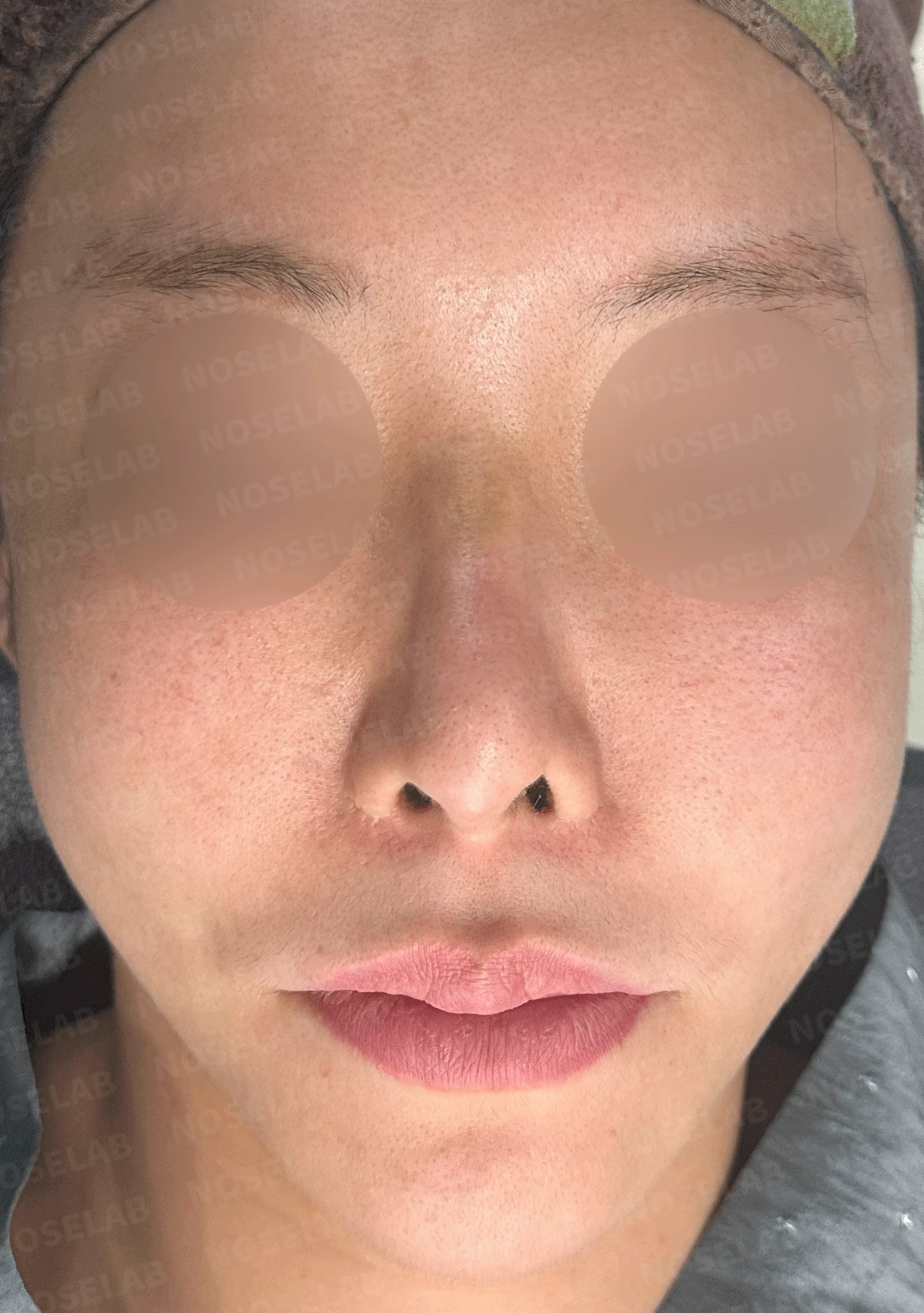
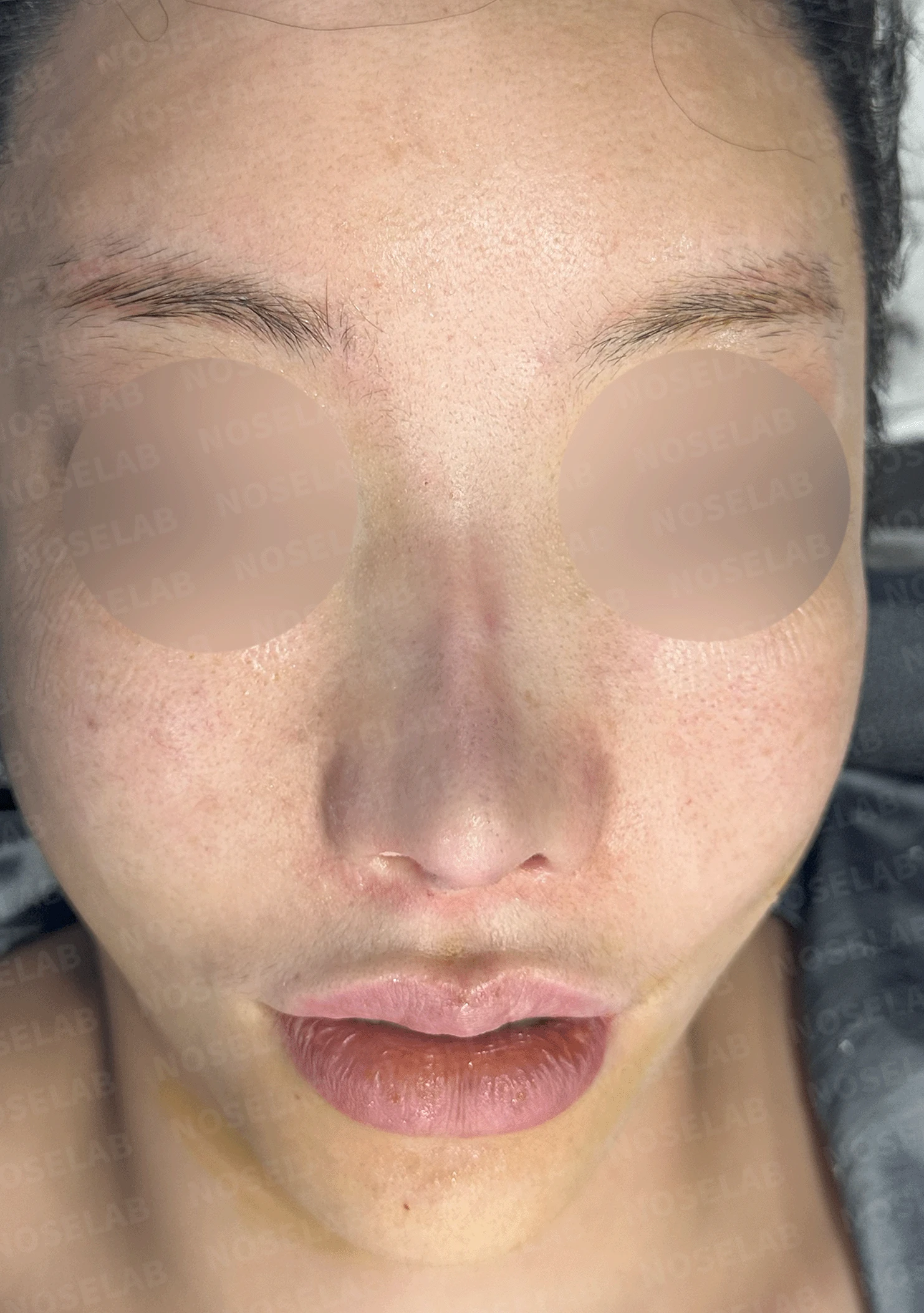
Before surgery / Day 0 immediately after surgery Photos taken immediately after surgery show swelling and may differ from the final result.
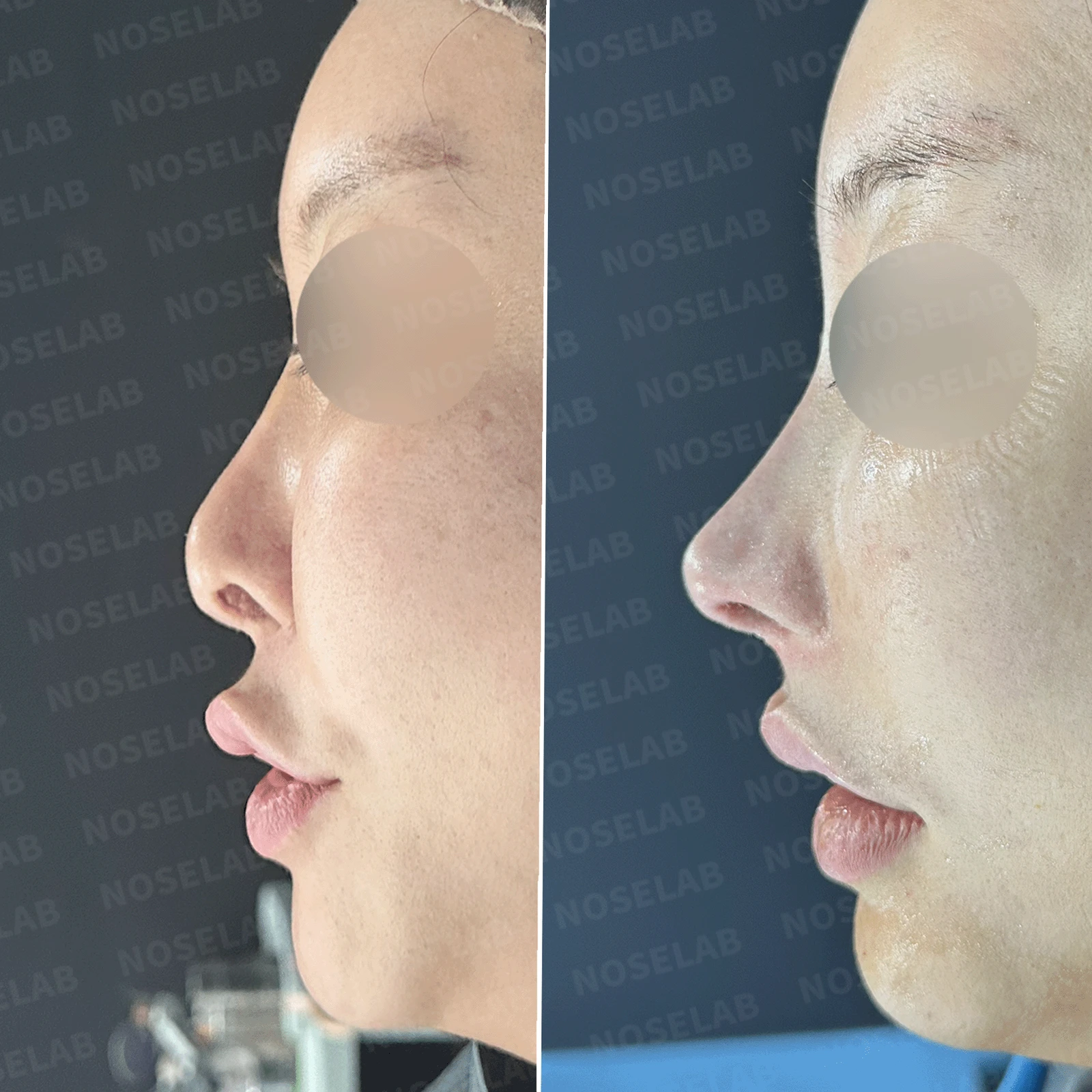
Profile view
Refined and well-defined nasal profile
Effect of a visually shorter midface
Natural nasolabial angle
Balanced overall facial profile
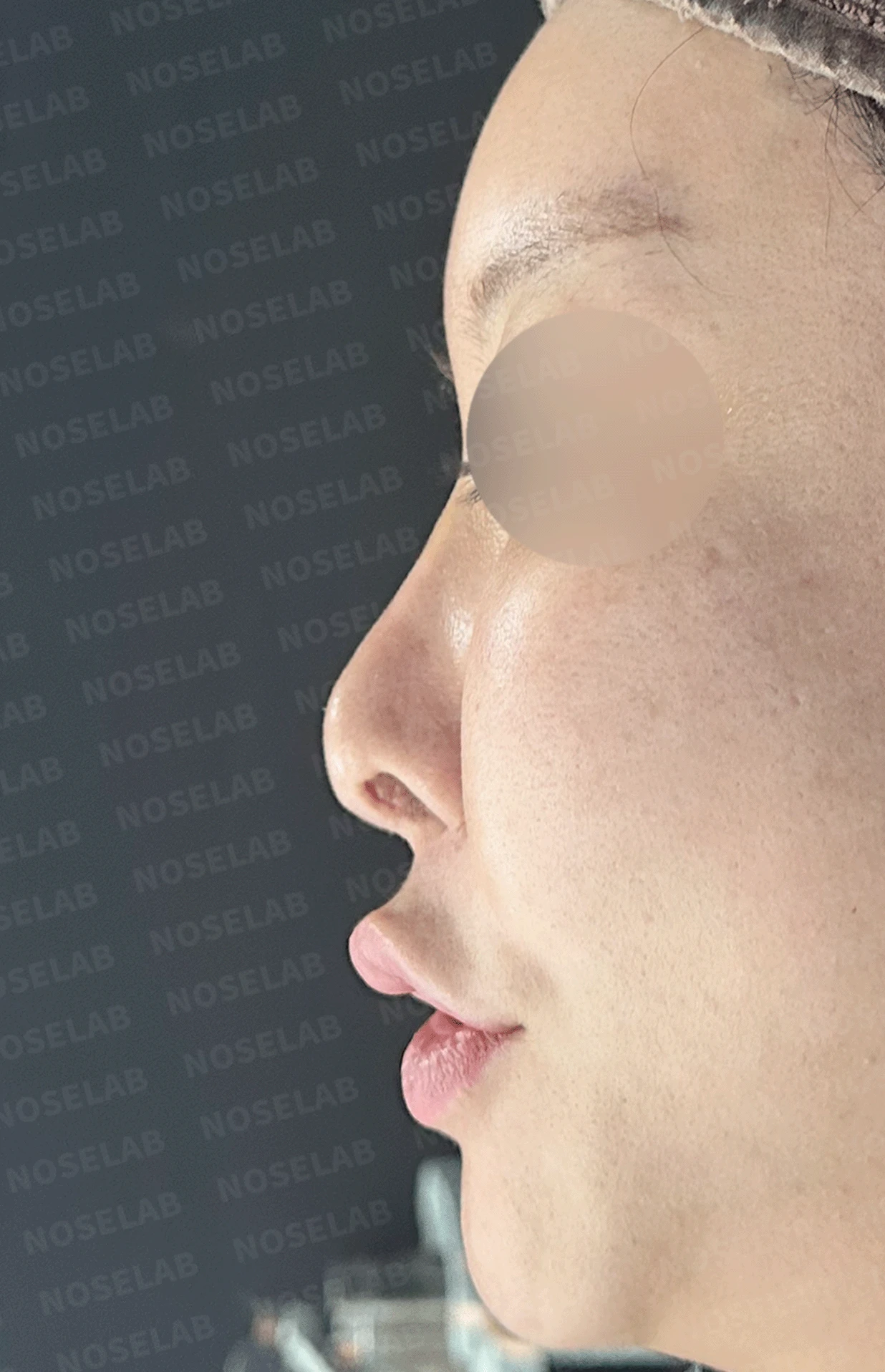
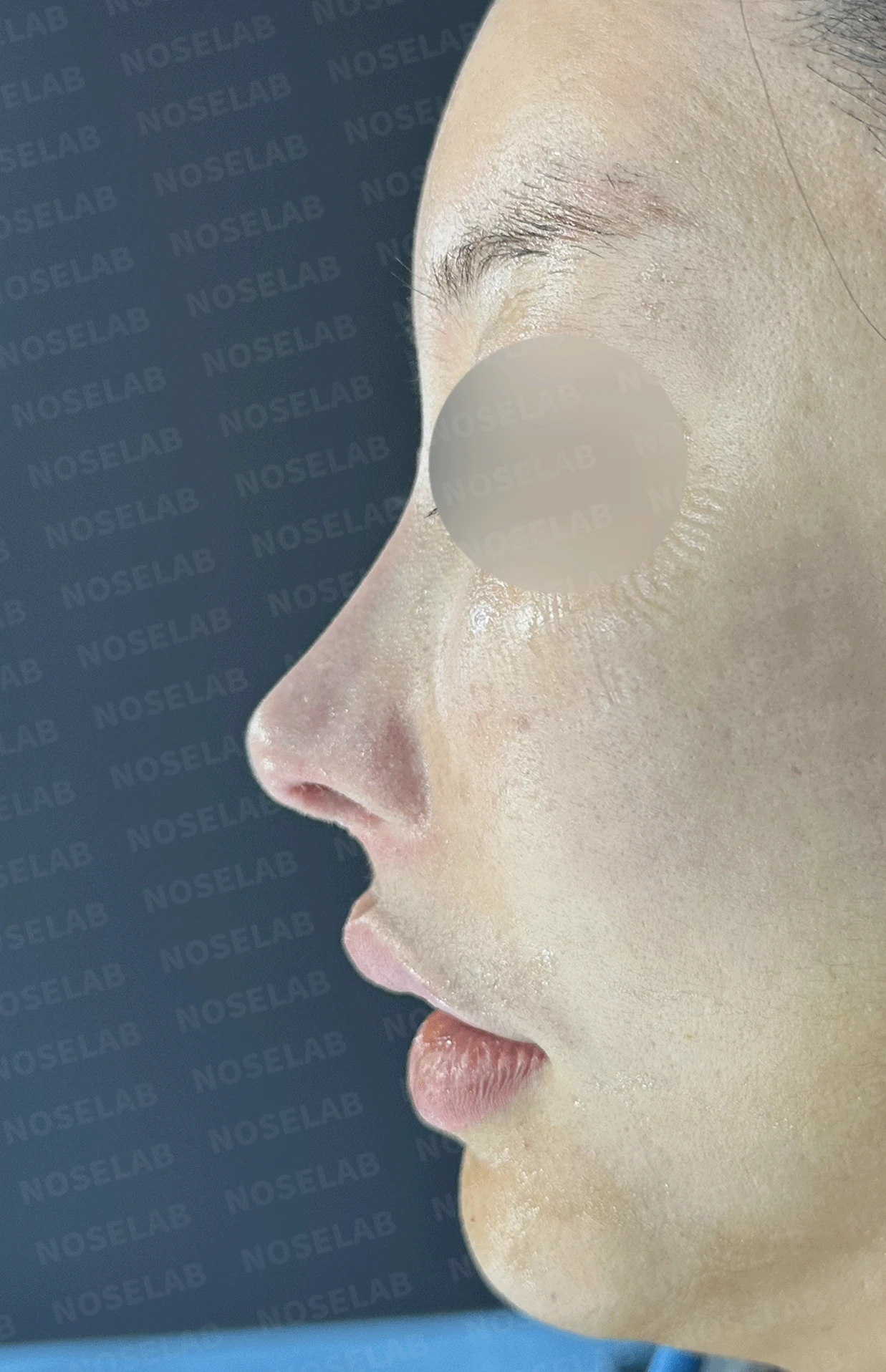
Before surgery / Day 0 immediately after surgery Photos taken immediately after surgery show swelling and may differ from the final result.
Midface improvement
Visual midface shortening effect through nasolabial angle correction
Overall facial proportion improvement via tip elevation
Refined and balanced facial appearance
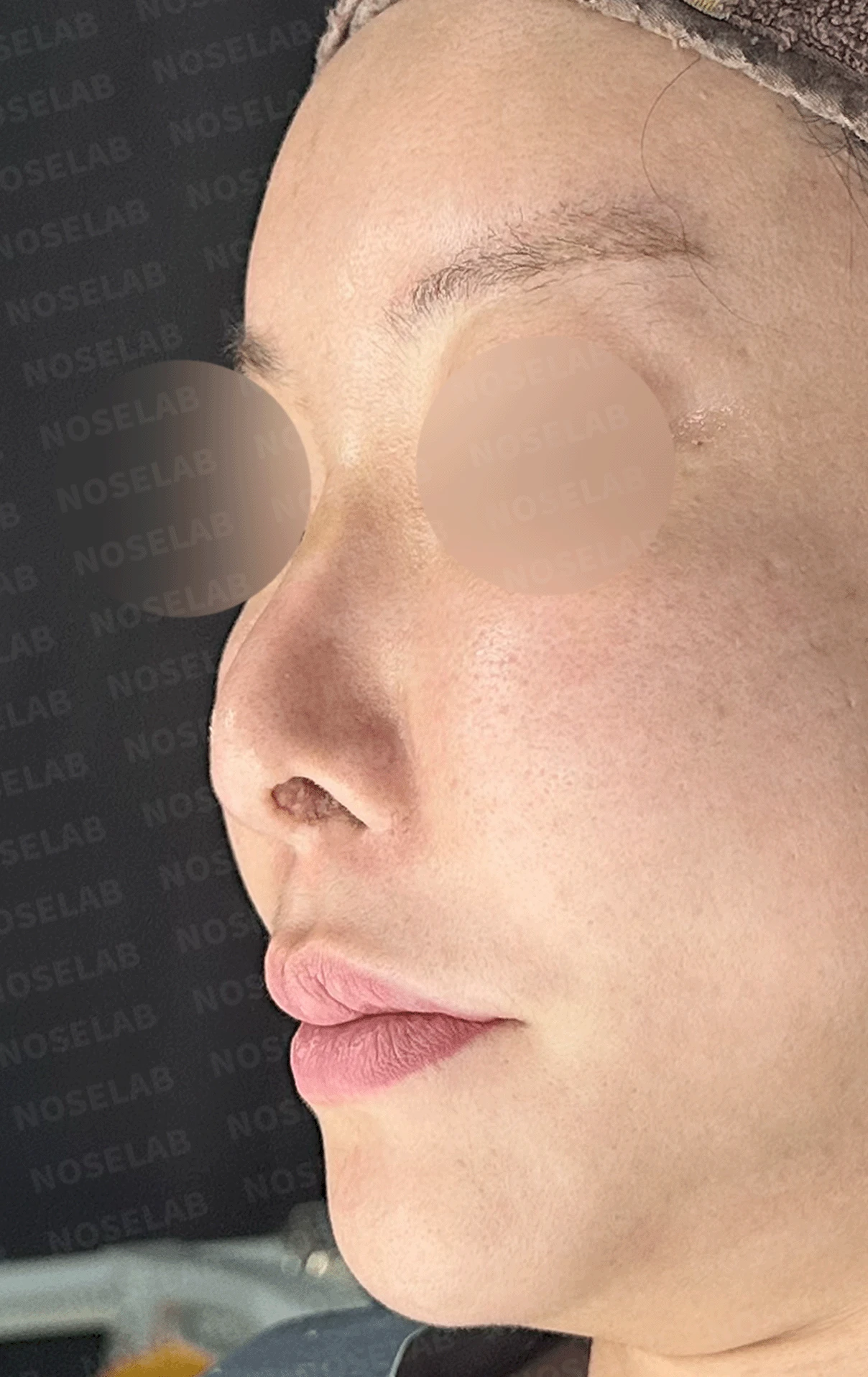
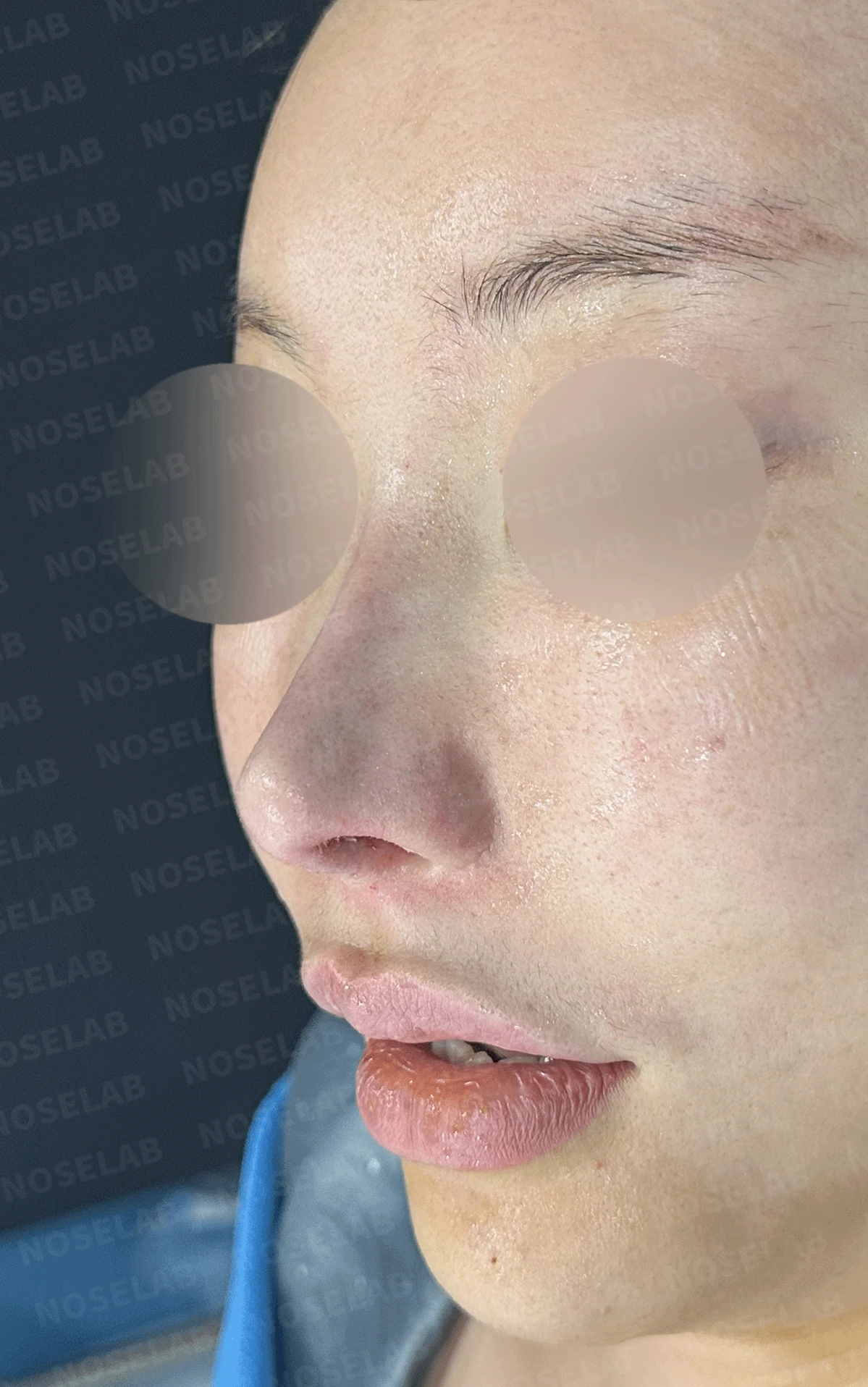
Before surgery / Day 0 immediately after surgery Photos taken immediately after surgery show swelling and may differ from the final result.
Outcomes of specialized care
Safe recovery with psoriasis allergy accounted for
Surgery completed without hyaluronidase allergy complications
Tailored postoperative care based on individual medical characteristics
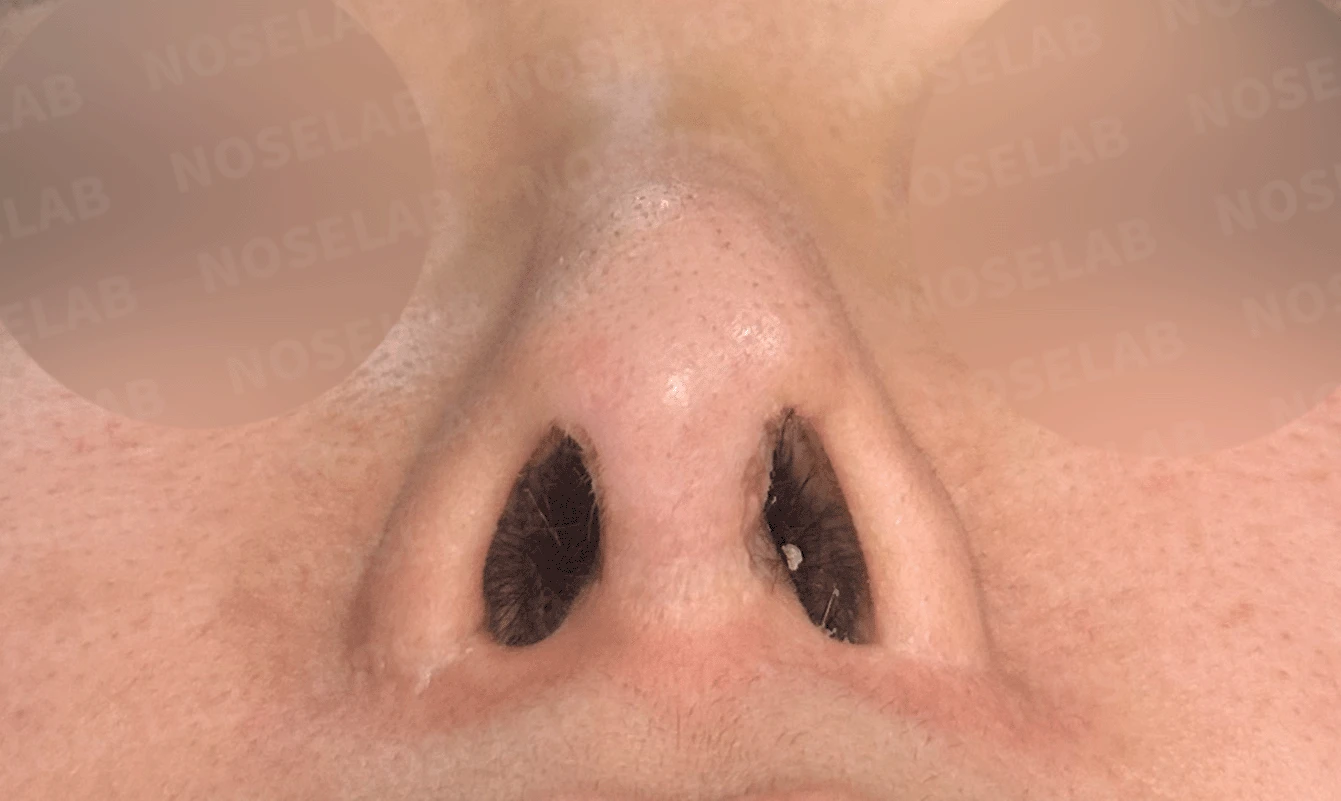
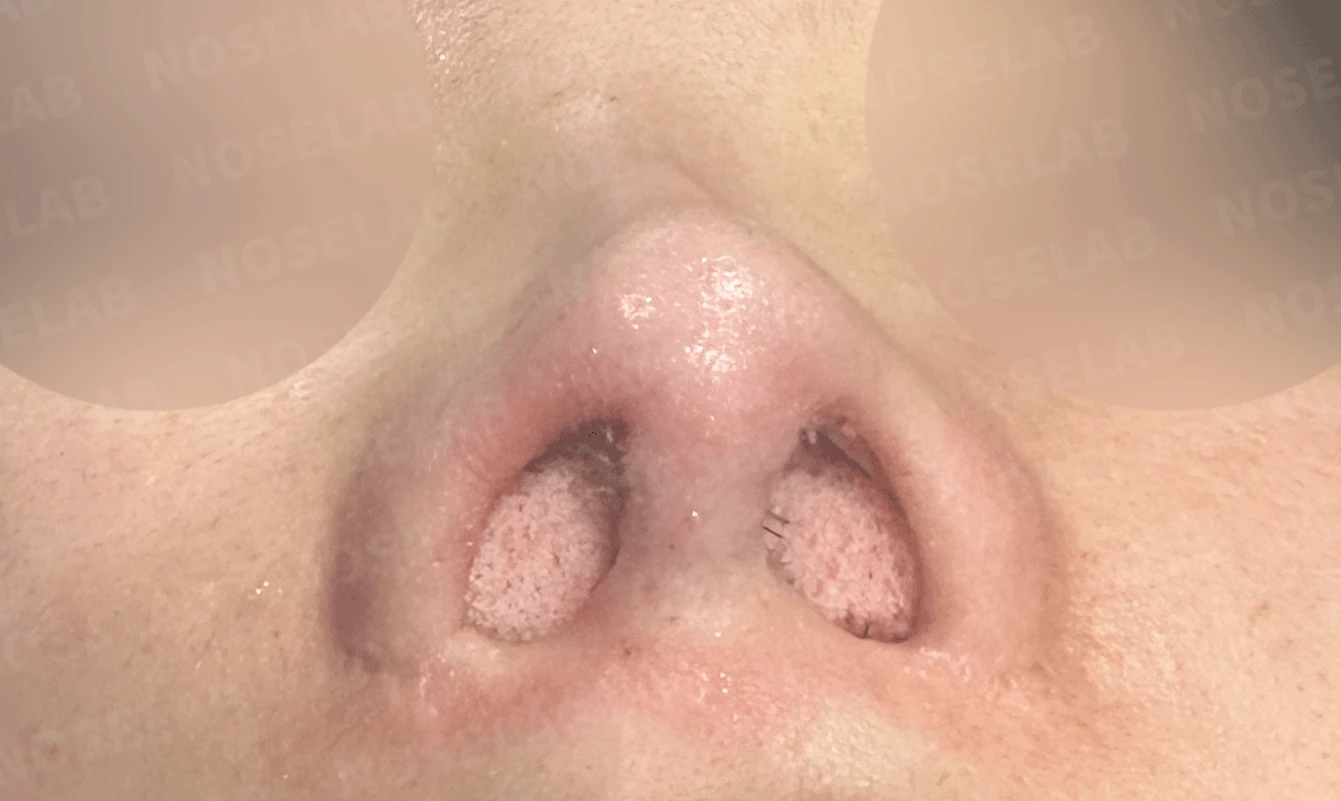
Before surgery / Day 0 immediately after surgery Photos taken immediately after surgery show swelling and may differ from the final result.
Effects of stem cell therapy
Faster recovery rate
Stimulation of tissue regeneration
Optimized surgical outcome
Securing long-term stability
👨⚕️ Specialist's assessment
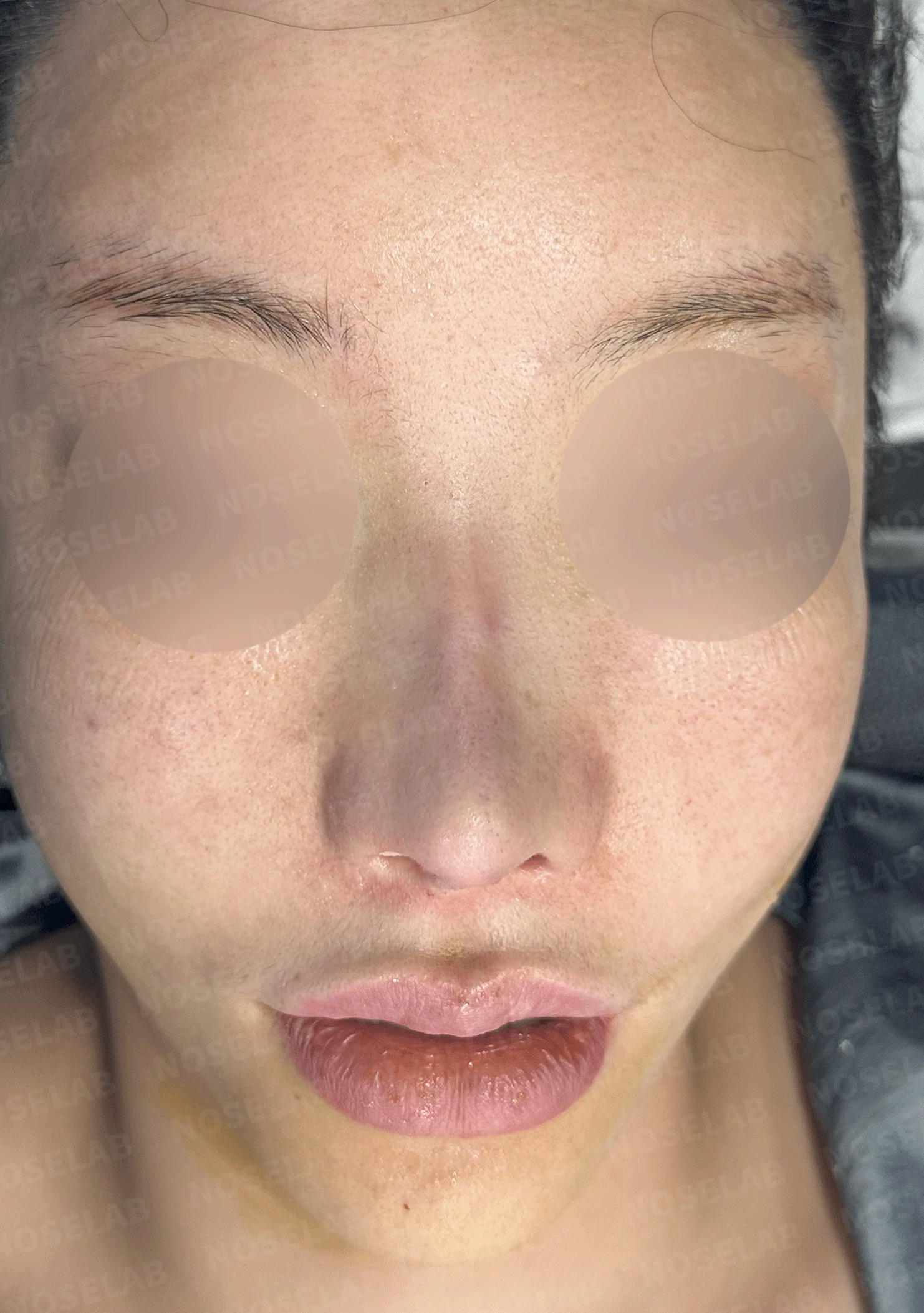
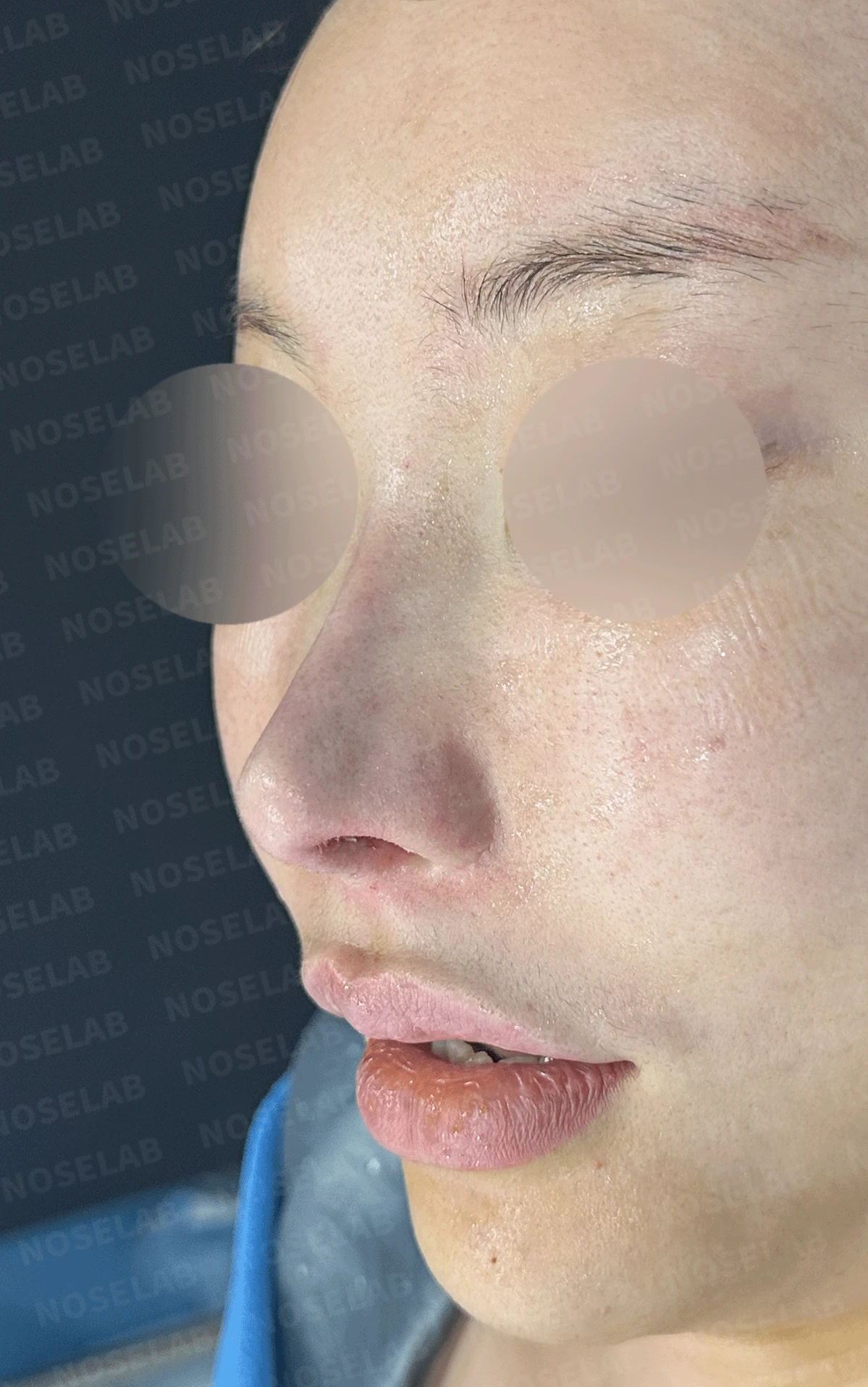
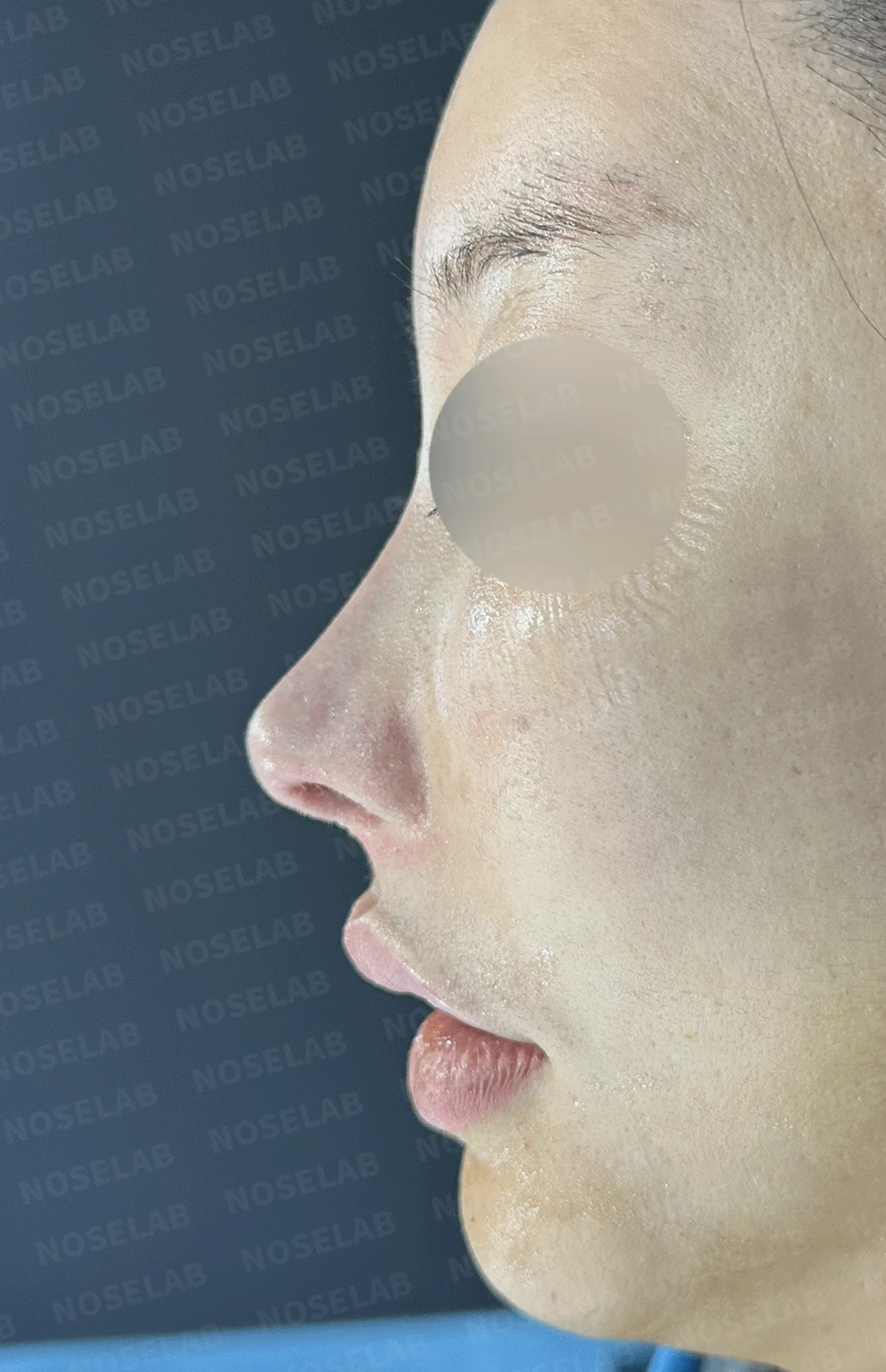
Immediately after surgery (day 0): front, oblique, and profile views. Immediate postoperative photos show swelling and may differ from the final result.
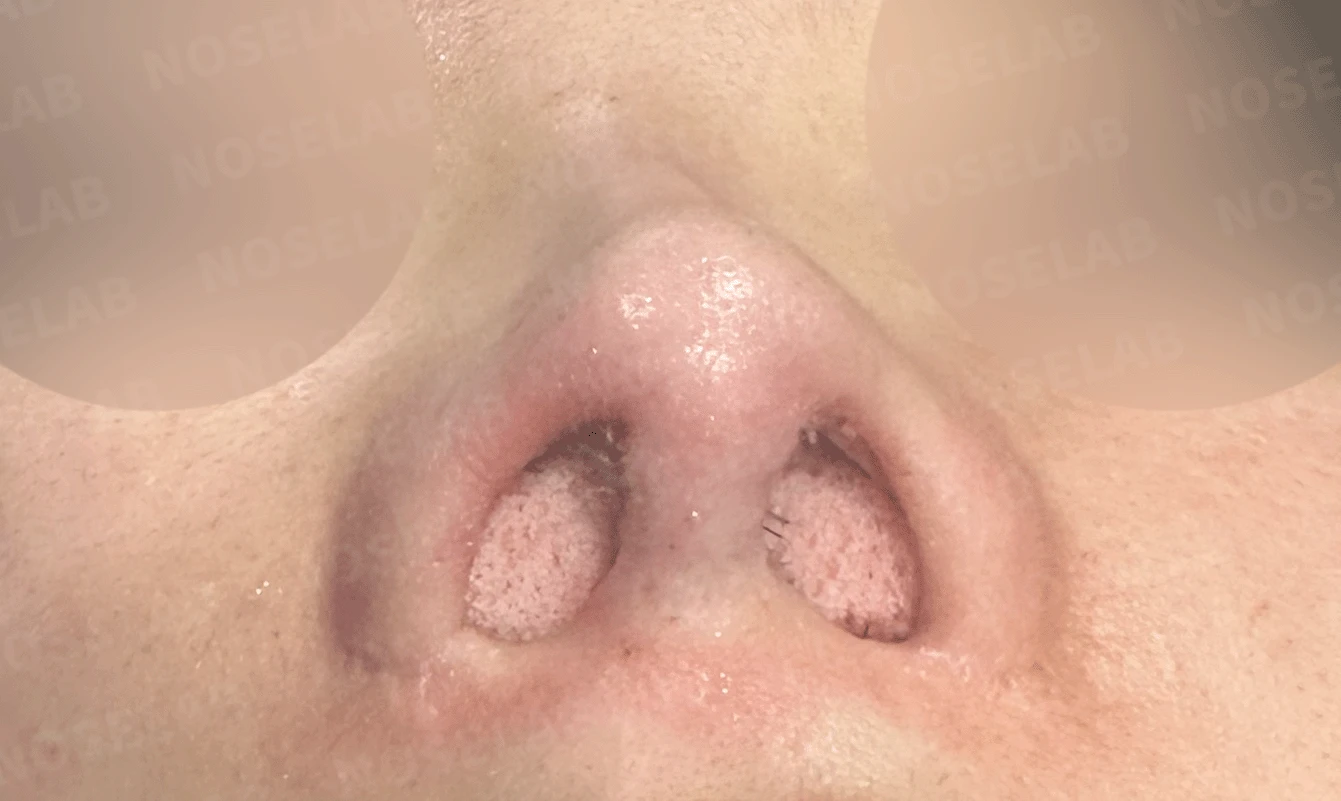
Nostril view on day 0 immediately after surgery. Photos taken immediately after surgery show swelling and may differ from the final result.
This case involved a patient who wanted to resolve nasal tip show-through caused by donor dermis used in a previous surgery, while also shortening the visual appearance of the midface. Because the patient had two specific allergies—psoriasis and hyaluronidase—special care was necessary when formulating the surgical plan and selecting materials.
The patient's primary concern was show-through at the nasal tip. Donor dermis placed on the nasal dorsum during a prior surgery had, over time, created a visible, translucent show-through at the tip. Although donor dermis may appear natural initially, its borders can become more apparent from surrounding tissues over time, resulting in an unnatural appearance.
To resolve this, completely removing the donor dermis and replacing it with autologous tissue was essential. By reconstructing with autologous rib cartilage, adequate thickness could be restored at the nasal tip while preventing future show-through.
The visual midface shortening desired by the patient was achieved by adjusting the nasolabial angle. Elevating the nasal tip appropriately and refining the nasolabial angle visually shortened the midface. At the same time, we achieved the defined nasal line the patient preferred.
Given the patient's psoriasis and hyaluronidase allergies, material selection and recovery management were critical. All surgical materials and medications were chosen with caution, and a specialized pre- and postoperative management protocol was applied.
Combining stem cell therapy was another key element of this case. It assisted in stimulating regeneration in the tissue damaged by donor dermis, accelerated the overall recovery process, and supported an optimized final outcome.
We also planned the timing of the surgery around the patient's preference to avoid hot weather. This careful scheduling aimed to minimize discomfort throughout recovery and support favorable healing conditions.
As a result, the nasal tip show-through was completely resolved, and we achieved both the defined, natural nose and the midface shortening effect the patient wanted. Furthermore, because tissue regeneration was stimulated through stem cell therapy, a stable long-term result can be expected.
This case highlights how customized surgical planning that accounts for individual allergy profiles and cosmetic goals can produce a successful outcome.
This was Dr. Peter C. Kang. Thank you.
Thank you.
#closedrhinoplasty #revisionrhinoplasty #autologousribcartilage #donordermisremoval #tipshowthroughcorrection #midfaceshortening #stemcelltherapy #customrhinoplasty

Limitations and risks
When autologous rib cartilage is used, scarring and pain may remain at the donor site on the chest, and pneumothorax (pleural injury) can occur rarely. Over time, the grafted cartilage may warp or undergo partial resorption.
When revising after implant removal, contracture may progress again after removal, the nasal height and length may decrease, and staged surgery may be necessary depending on the skin condition.
Common potential risks include infection, bleeding, asymmetry, scarring, skin necrosis, and insufficient improvement; results vary depending on individual skin condition and previous surgical history.