English日本語简体中文
Skip to main content
Dr. Peter C. Kang's Rhinoplasty Stories
PrologueBlogMy thoughtsNasal obstructionSurgical journalSurgical photos
About the surgeon

L-shaped implant removal and revision rhinoplasty cases

In articles concerning L-shaped implants, the timing of past surgeries and any subsequent changes in materials are important. There are cases where a history of inserting an L-shaped silicone implant long ago was followed by alar reduction or silicone revision rhinoplasty, all appearing in a single record. To understand the present shape, it is necessary to examine not only the initial surgery but also any interim removals or graftings in chronological order.

This collection includes records where, after removing an L-shaped silicone implant, the nasal tip was reconstructed with autologous rib cartilage and the nasal bridge was changed to an I-shaped implant. In the same surgery, columellar tilt, nostril asymmetry, and the radix were also addressed together. Please read the removal of an L-shaped implant and the materials remaining in the nasal tip and nasal bridge as separate pieces of information.

View before-and-after cases ↓Comprehensive rhinoplasty guide

Searching for surgical cases matching your criteria.
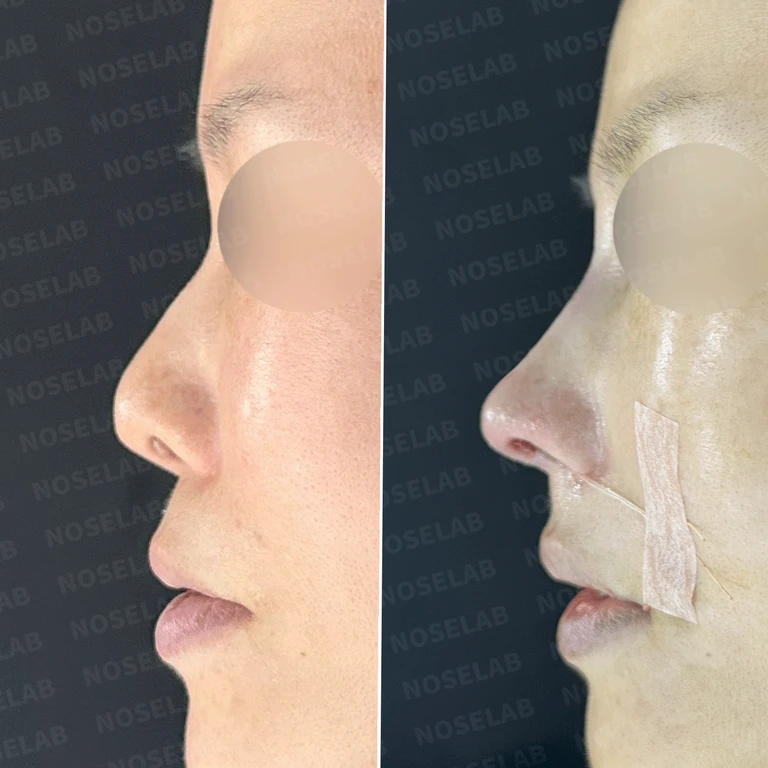
Why an L-shaped silicone implant gradually causes the nasal tip to become upturned: removal and reconstruction — Before-and-after comparison
Before-and-after comparison

Why an L-shaped silicone implant gradually causes the nasal tip to become upturned: removal and reconstruction

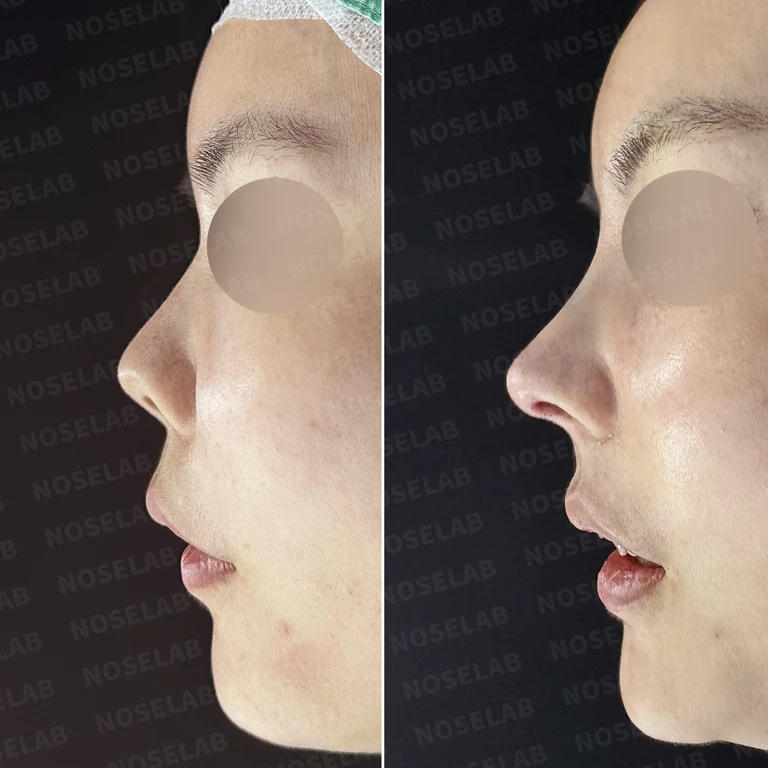
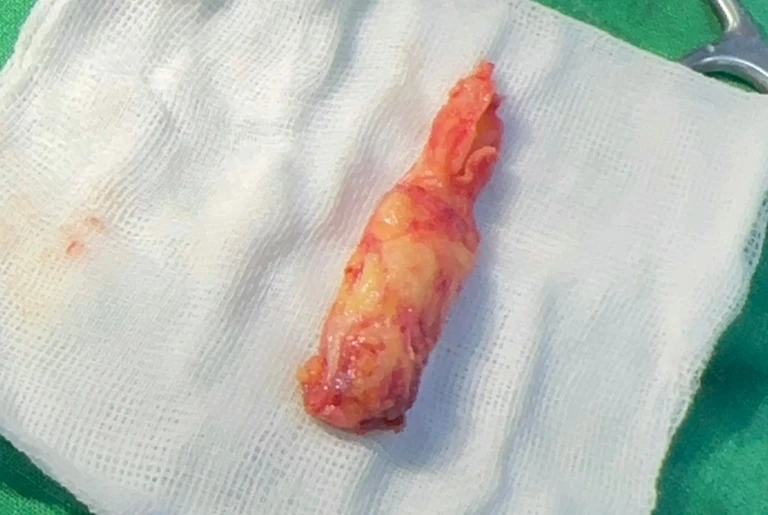
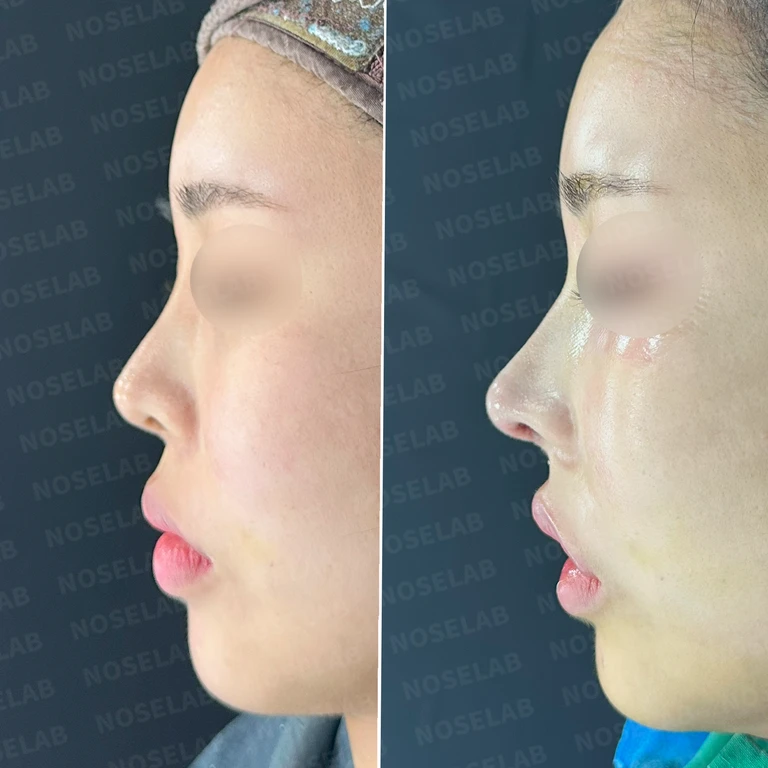
A case where an L-shaped implant placed about 10 years ago caused skin thinning and an upturned nasal tip. The L-shaped silicone implant was removed, and nasal tip reconstruction with autologous rib cartilage, septal correction, and dermal tissue reinforcement were performed.

Previous surgeries and procedures · Removed in this surgery
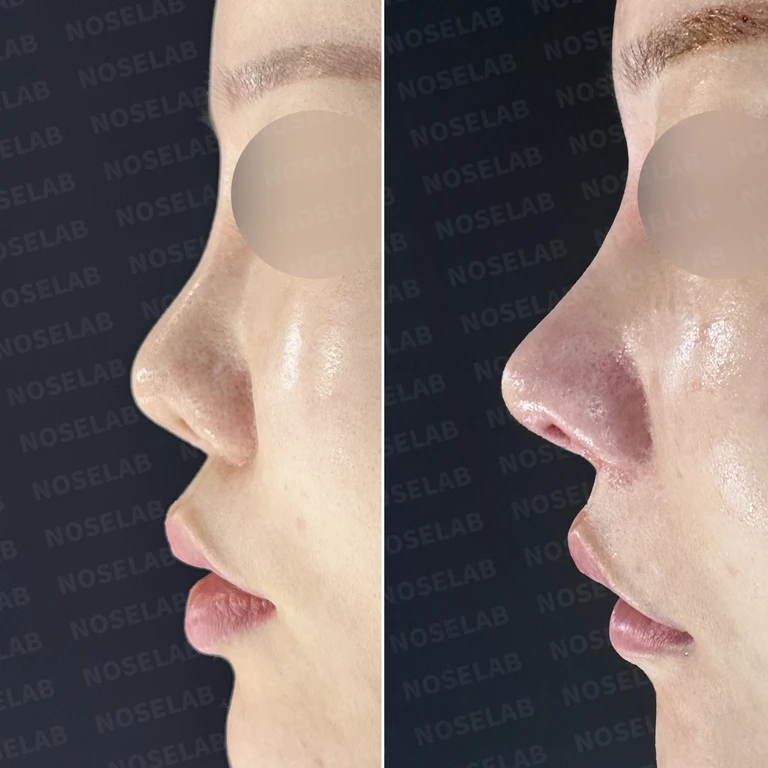
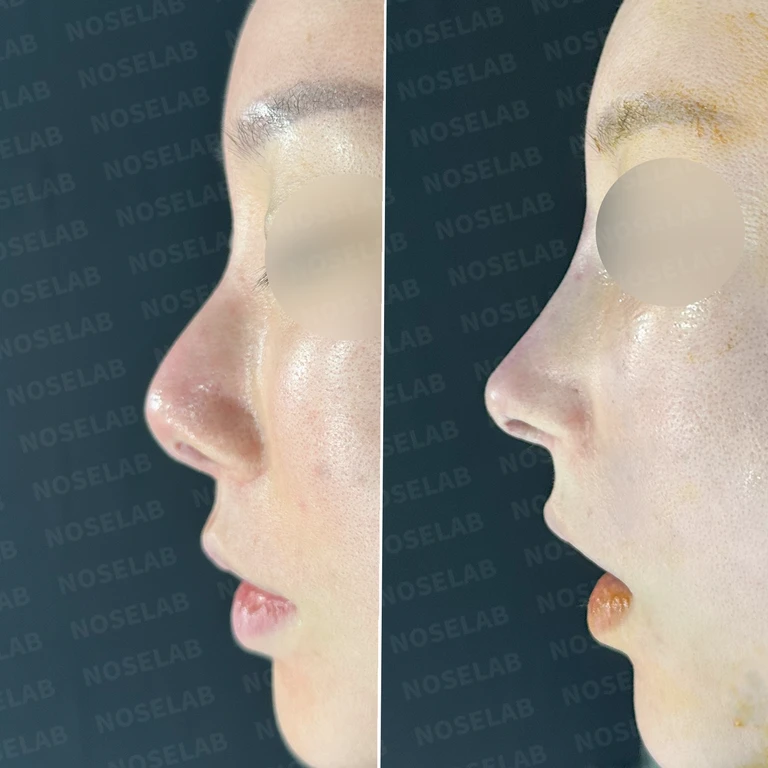
Why the nose looks short and the columella retracts after revision rhinoplasty, and how to reconstruct the septum — Before-and-after comparison
Before-and-after comparison

Why the nose looks short and the columella retracts after revision rhinoplasty, and how to reconstruct the septum

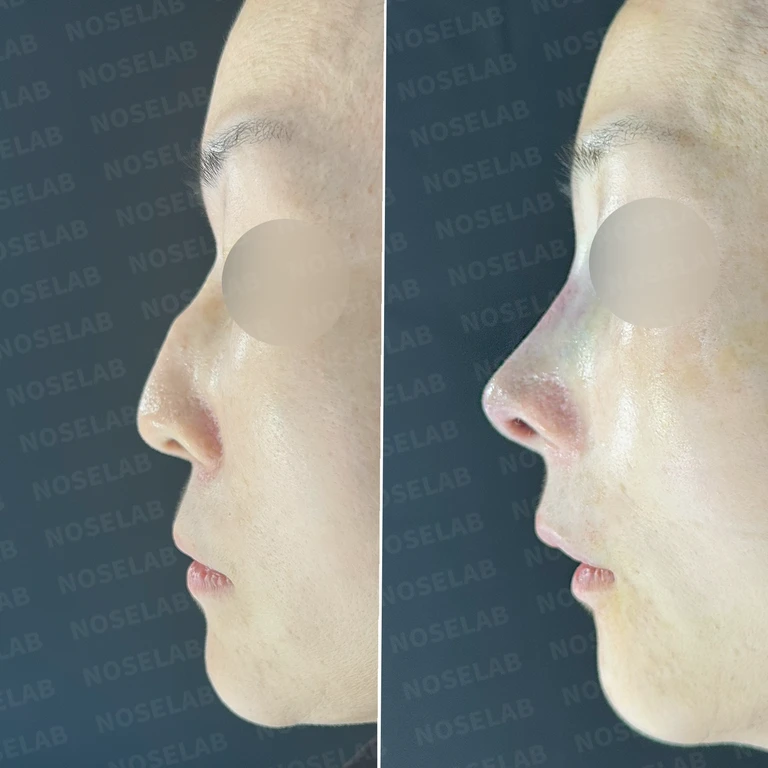
To correct septal cartilage loss from 3 prior surgeries, a short nose appearance, and a bulbous tip, the septum was reconstructed using autologous rib cartilage and the radix was lowered.

Previous surgeries and procedures

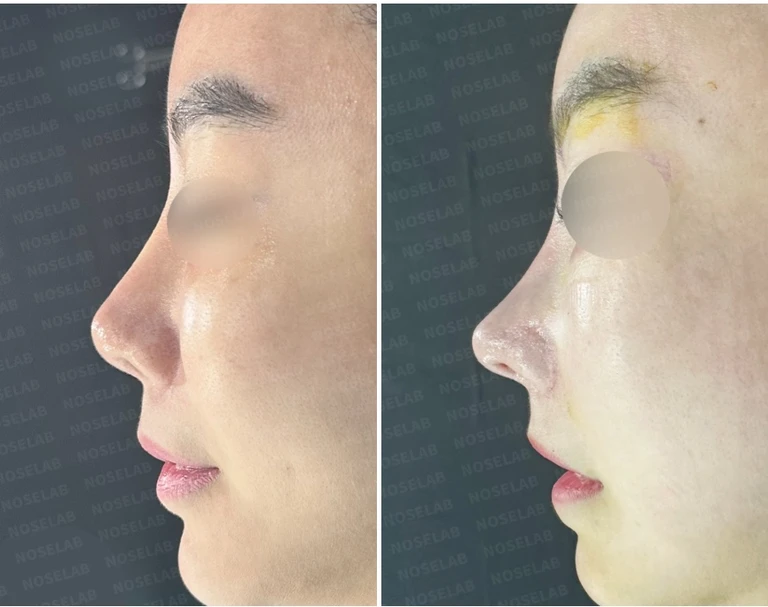
How rib cartilage reconstruction is done when the septum is damaged after multiple surgeries — Before-and-after comparison
Before-and-after comparison

How rib cartilage reconstruction is done when the septum is damaged after multiple surgeries

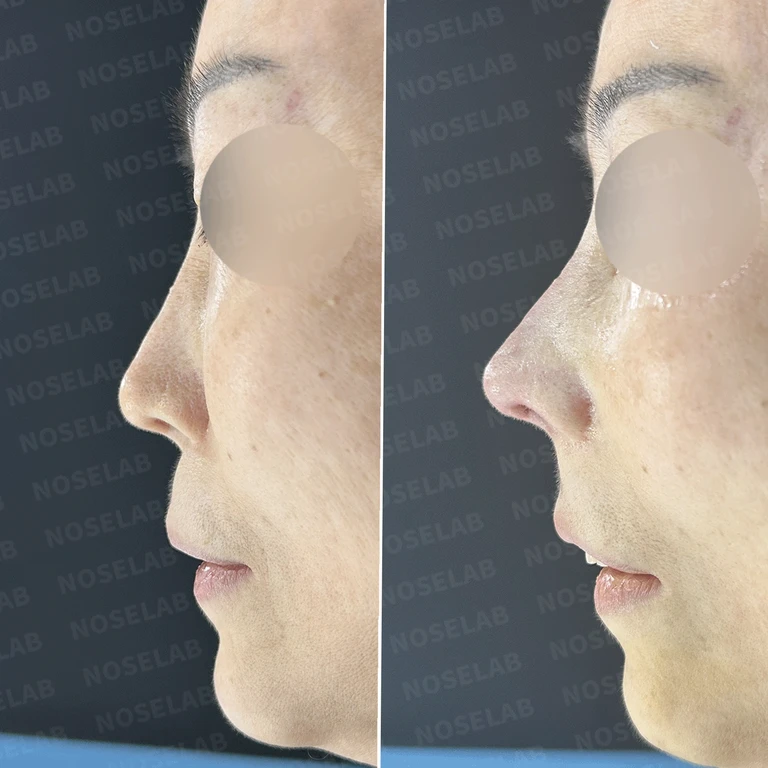
A case where a septal defect and filler-induced deformity were identified after five prior surgeries. Following filler removal, the septum was reconstructed with autologous rib cartilage, and the nasal tip was reinforced using existing deep temporal fascia.

Previous surgeries and procedures

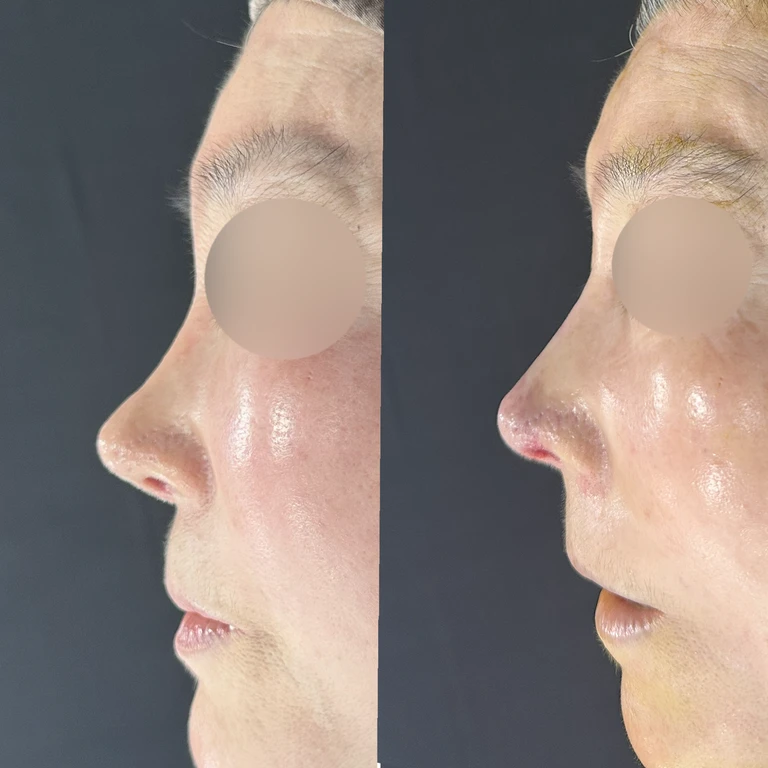
Why an autologous dermal graft absorbs, leading to a widened bridge and upturned nose, and how to correct it — Before-and-after comparison
Before-and-after comparison

Why an autologous dermal graft absorbs, leading to a widened bridge and upturned nose, and how to correct it

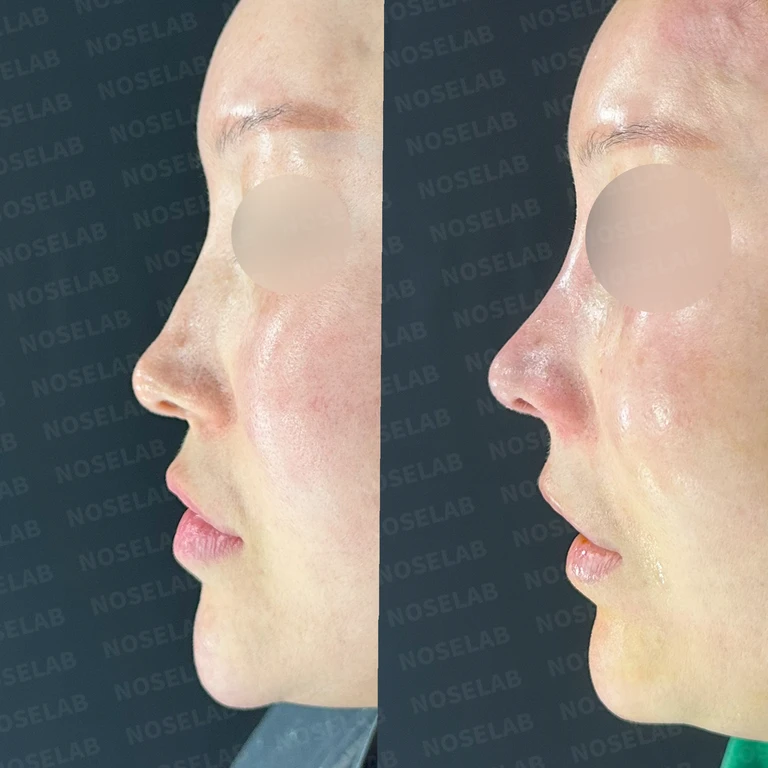
A case of an upturned nose and widened bridge caused by dermal graft absorption. After removing nasal filler placed 2 years ago, a straight bridge line was established through septal extension, alar rim lowering, and correction of the depressed dorsum.

Previous surgeries and procedures

Why short, upturned noses and crooked noses occur together, and how to correct them with septal extension — Before-and-after comparison
Before-and-after comparison

Why short, upturned noses and crooked noses occur together, and how to correct them with septal extension

A short, upturned, crooked nose following an L-shaped silicone implant was lowered using septal extension with autologous rib cartilage, and the airway was improved through nasal valve reconstruction and septal correction.

Previous surgeries and procedures

Why an L-shaped silicone implant can nearly perforate the columellar mucosa: removal and reconstruction with autologous rib cartilage — Before-and-after comparison
Before-and-after comparison

Why an L-shaped silicone implant can nearly perforate the columellar mucosa: removal and reconstruction with autologous rib cartilage

We removed an L-shaped silicone implant that was at imminent risk of perforating the left columellar mucosa, then reconstructed the contracted nose using autologous rib cartilage for septal extension and autologous dermis for tip reinforcement.

Previous surgeries and procedures · Removed in this surgery
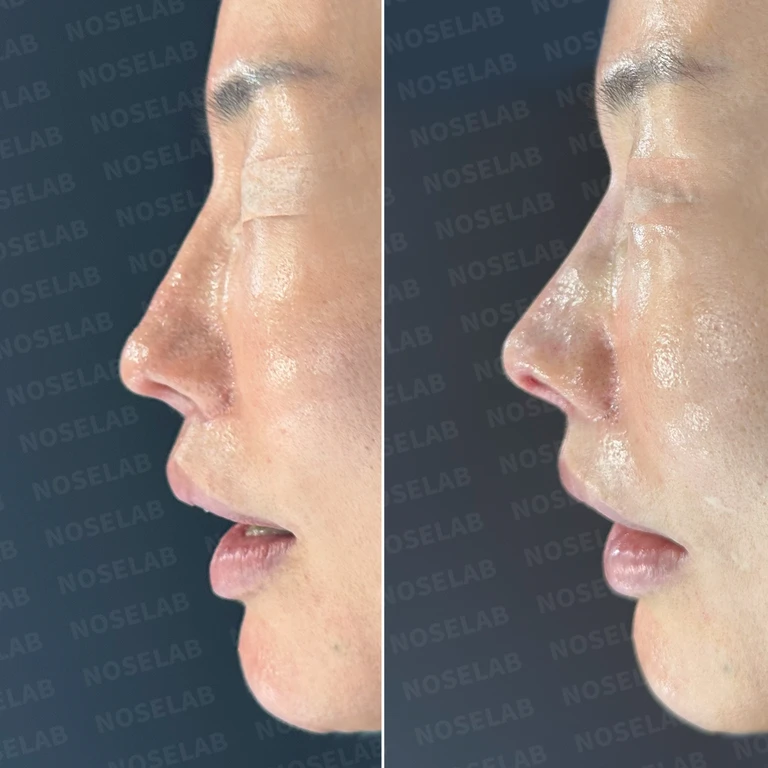
Why an old silicone implant capsule calcifies and causes a dorsal hump and crooked nose — Before-and-after comparison
Before-and-after comparison

Why an old silicone implant capsule calcifies and causes a dorsal hump and crooked nose

A case of complete reconstruction using autologous rib cartilage after removing an L-shaped silicone implant and its calcified capsule inserted 30 years ago, which had caused a dorsal hump and a crooked nose.

Previous surgeries and procedures · Removed in this surgery
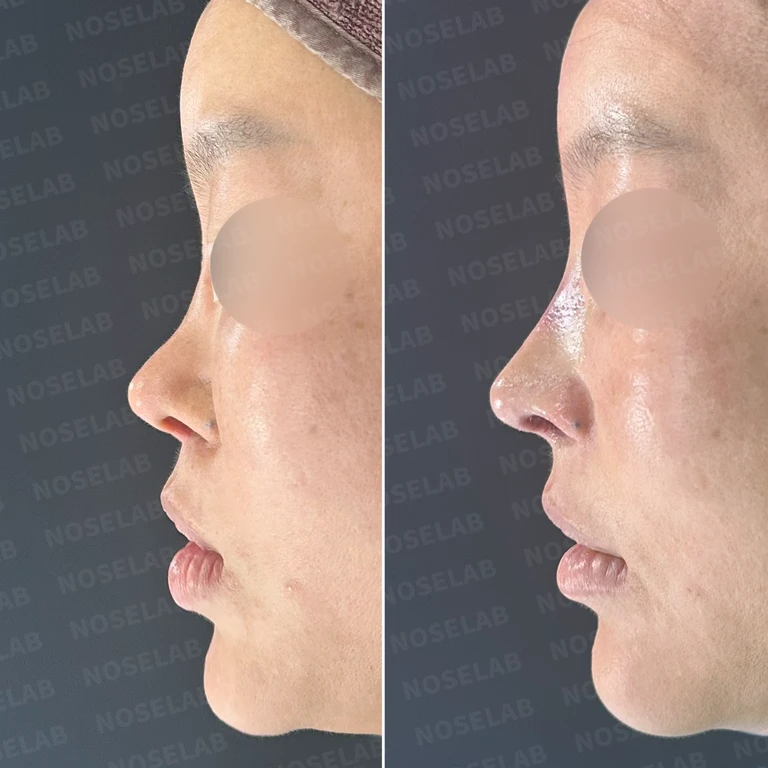
Why the nose keeps deviating after multiple surgeries and methods for septal cartilage reconstruction — Before-and-after comparison
Before-and-after comparison

Why the nose keeps deviating after multiple surgeries and methods for septal cartilage reconstruction

To resolve persistent septal damage, nasal deviation, and nostril asymmetry following repeated surgeries, the central support pillar was entirely reconstructed using autologous rib cartilage.

Previous surgeries and procedures

Why long-standing contracted noses and crooked noses occur together, and how reconstruction is performed — Before-and-after comparison
Before-and-after comparison

Why long-standing contracted noses and crooked noses occur together, and how reconstruction is performed

A case correcting a contracted nose, crooked nose, and pinched nostrils that developed after repeated surgeries, using silicone implant and scar tissue removal, nasal tip reconstruction with autologous rib cartilage, alar reconstruction with ear cartilage, and dermal grafting.

Previous surgeries and procedures

Why the nose becomes upturned and shortened after illegal injection procedures, and how foreign body removal and reconstruction are performed — Before-and-after comparison
Before-and-after comparison

Why the nose becomes upturned and shortened after illegal injection procedures, and how foreign body removal and reconstruction are performed

A case where purulent foreign material injected into the nasal bridge during an illegal procedure was removed, contracted skin was released, and an upturned nasal tip and bridge line were reconstructed using autologous rib cartilage and a silicone implant.

Previous surgeries and procedures

Why replacing a cartilage nasal tip with an L-shaped silicone implant causes problems — Before-and-after comparison
Before-and-after comparison

Why replacing a cartilage nasal tip with an L-shaped silicone implant causes problems

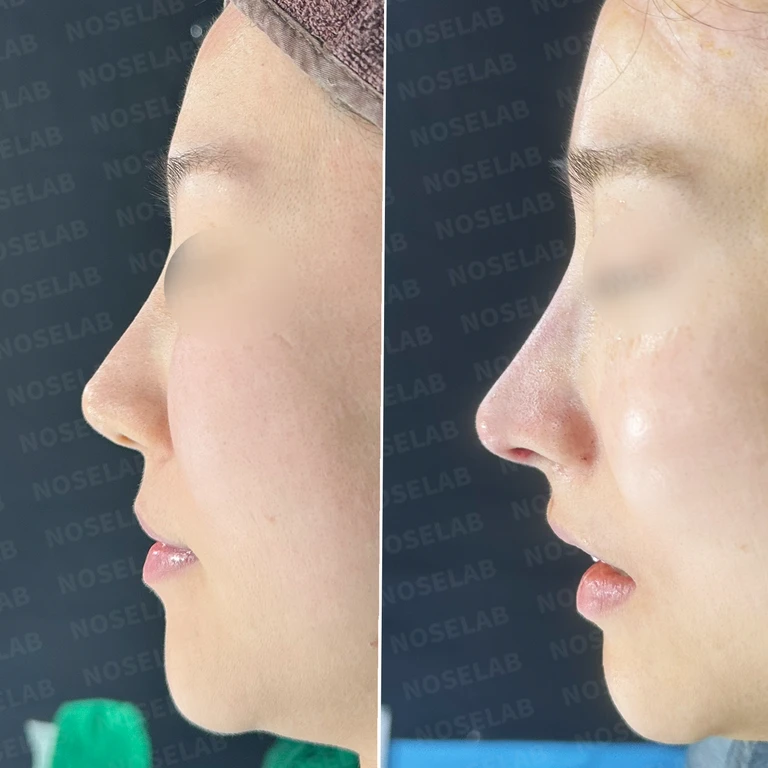
A case where a previously replaced L-shaped silicone implant was removed, the nasal tip was reconstructed with autologous rib cartilage, and the nasal bridge was replaced with an I-shaped implant to correct an upturned nose and a tilted columella.

Previous surgeries and procedures · Removed in this surgery
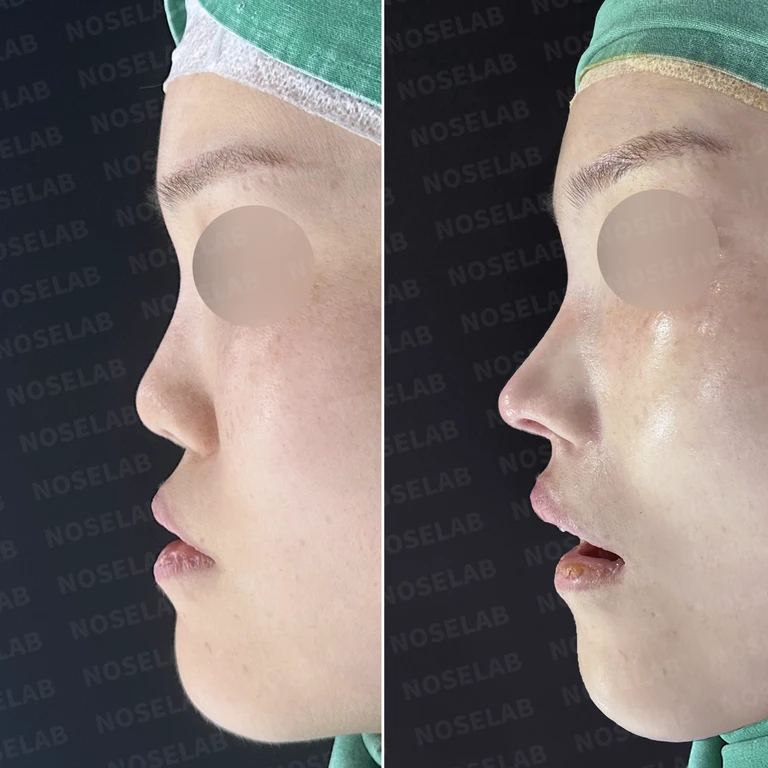
Why nasal bridge and tip show-through happens after old silicone rhinoplasty: dermal reinforcement and rib cartilage reconstruction — Before-and-after comparison
Before-and-after comparison

Why nasal bridge and tip show-through happens after old silicone rhinoplasty: dermal reinforcement and rib cartilage reconstruction

To resolve show-through of an L-shaped silicone implant and cartilage beneath thinned skin, we removed the previous silicone implant, reinforced the skin with dermis, adjusted the tip height, reconstructed the nasal tip with autologous rib cartilage, and replaced the implant with a new one.

Previous surgeries and procedures

Why old silicone implants cause deformity and pain, and how rib cartilage reconstruction is performed — Before-and-after comparison
Before-and-after comparison

Why old silicone implants cause deformity and pain, and how rib cartilage reconstruction is performed

For nasal deformity, dorsal pain, and nasal obstruction caused by an old implant, septoplasty and autologous rib cartilage septal reconstruction were performed to improve the columella and nostrils.

Previous surgeries and procedures

Why an old silicone implant shows through at the nasal tip, and methods for removal and reconstruction — Before-and-after comparison
Before-and-after comparison

Why an old silicone implant shows through at the nasal tip, and methods for removal and reconstruction

Implant show-through at the nasal tip and chronic rhinitis symptoms following an old silicone implant placement were addressed through implant removal, reconstruction of the septum and nasal tip cartilage, and rhinitis surgery.

Previous surgeries and procedures

Why contracture and nasal obstruction develop together after multiple rhinoplasties, and how reconstruction is performed — Before-and-after comparison
Before-and-after comparison

Why contracture and nasal obstruction develop together after multiple rhinoplasties, and how reconstruction is performed

A case involving a patient who experienced septal cartilage damage, an upturned nasal tip, and severe nasal obstruction after 8 surgeries over 15 years, where the septum was reconstructed using autologous rib cartilage and reinforced with dermis.

Previous surgeries and procedures

Why grafted dermis repeatedly absorbs, and how to reconstruct the nose — Before-and-after comparison
Before-and-after comparison

Why grafted dermis repeatedly absorbs, and how to reconstruct the nose

A case in which nasal deformity and septal damage caused by repeated dermal grafting and absorption were corrected through structural reconstruction with autologous rib cartilage and recycling of existing dermis.

Previous surgeries and procedures

Aged nasal implants and nasal pain: key points to evaluate in revision rhinoplasty — Before-and-after comparison
Before-and-after comparison

Aged nasal implants and nasal pain: key points to evaluate in revision rhinoplasty

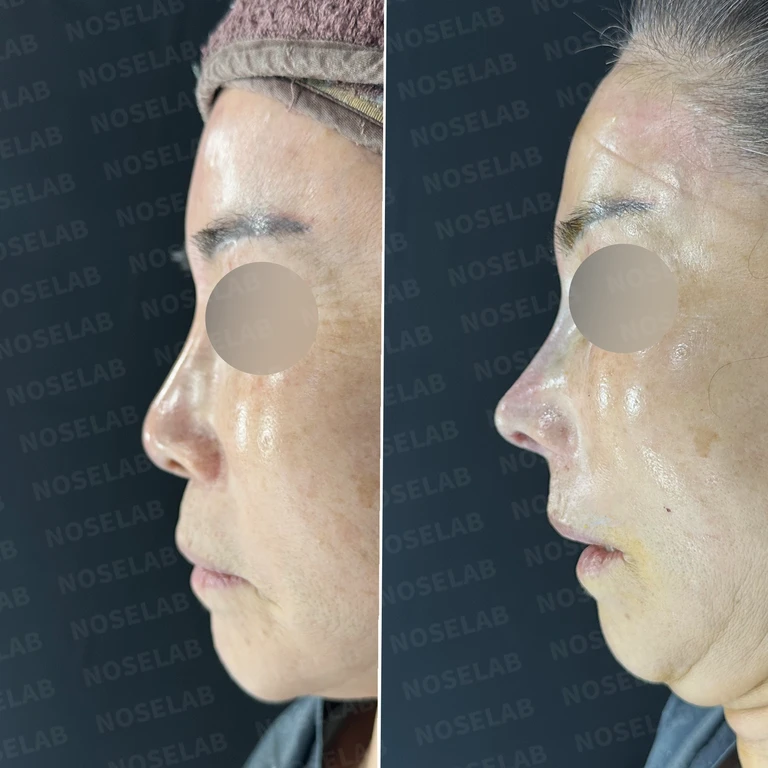
A case in an older patient with a 50-year history of repeated surgeries, nasal pain, and a crooked nose deformity, where the previous cartilage causing the pain was removed and the nose was reconstructed using donor rib cartilage.

Previous surgeries and procedures

How to correct a contracted nose and inflammation caused by residual foreign material — Before-and-after comparison
Before-and-after comparison

How to correct a contracted nose and inflammation caused by residual foreign material

Contracture and septal defect developed due to residual mesh and a foreign body reaction from previous surgeries. We removed the remaining foreign material, reconstructed the septum using autologous rib cartilage, and performed a skin graft to the columella.

Previous surgeries and procedures

No search results found

Please try searching with different keywords.

Scroll to keep reading

1 / 2Next case

Common questions before reading the cases

Does removing an L-shaped silicone implant make the entire nose implant-free?

Among the presented surgeries, there are cases where the L-shaped silicone implant was removed, the nasal tip was reconstructed with autologous rib cartilage, and a new I-shaped implant was used for the nasal bridge. Therefore, removing an L-shaped implant is not synonymous with an entirely implant-free nose. You can understand the details of the surgery more accurately by checking the removed material and the newly reconstructed nasal bridge and nasal tip separately.

Can I also compare cases from surgeries performed long ago with an L-shaped implant?

There are recorded histories such as receiving an L-shaped implant insertion and alar reduction 24 years ago, or undergoing surgery 30 years ago followed by silicone revision rhinoplasty, removal, and dermal grafting. Rather than the common thread of having an old implant, these articles show substantial differences in subsequent surgeries. To compare them with your own progress, please also review the number of surgeries and the sequence of material changes.

Related topics to explore

Implant removalImplant exchangeTip reconstruction and structural supportSilicone implant

Surgical records referenced in this guide

  • Nasal structures and reconstruction methods for a contracted nose after repeated surgeries
  • Why replacing a cartilage nasal tip with an L-shaped silicone implant causes problems
  • Surgical plan for revision rhinoplasty with septal perforation
Original article

Read more records

Planning a visit to Seoul?Prepare your consultation with the NOSELAB team.

International patient guideWhatsApp ↗
Dr. Peter C. Kang's Rhinoplasty Stories
Rhinoplasty guideCases by topicDr. Peter C. KangNaver Blog ↗
View original photo
Enlarged photo
WhatsAppChat with NOSELAB↗