Hello, I am Dr. Peter C. Kang.
Today, I would like to share the case of a patient who improved bridge and tip show-through after an old silicone rhinoplasty using autologous rib cartilage and dermal grafting.
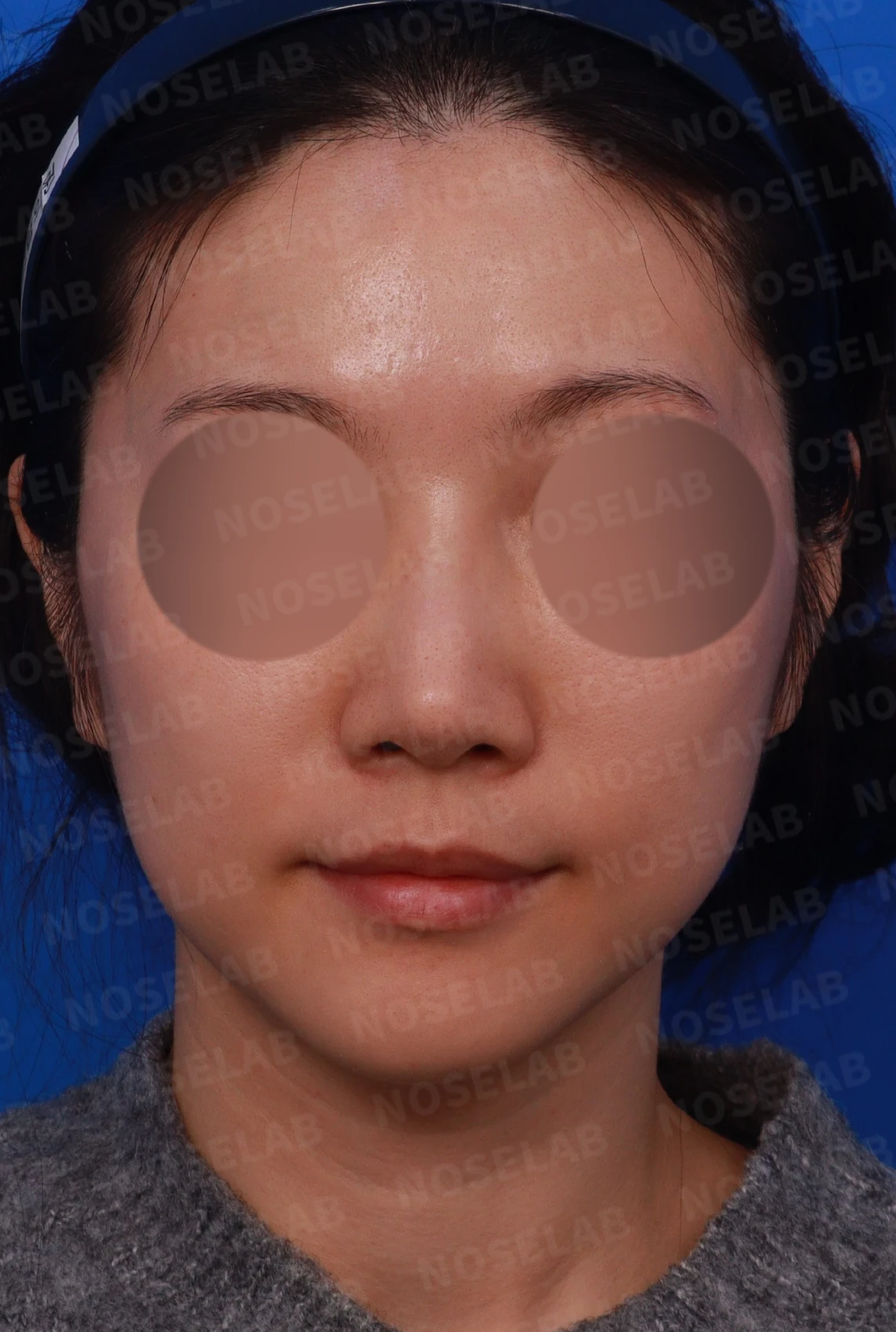
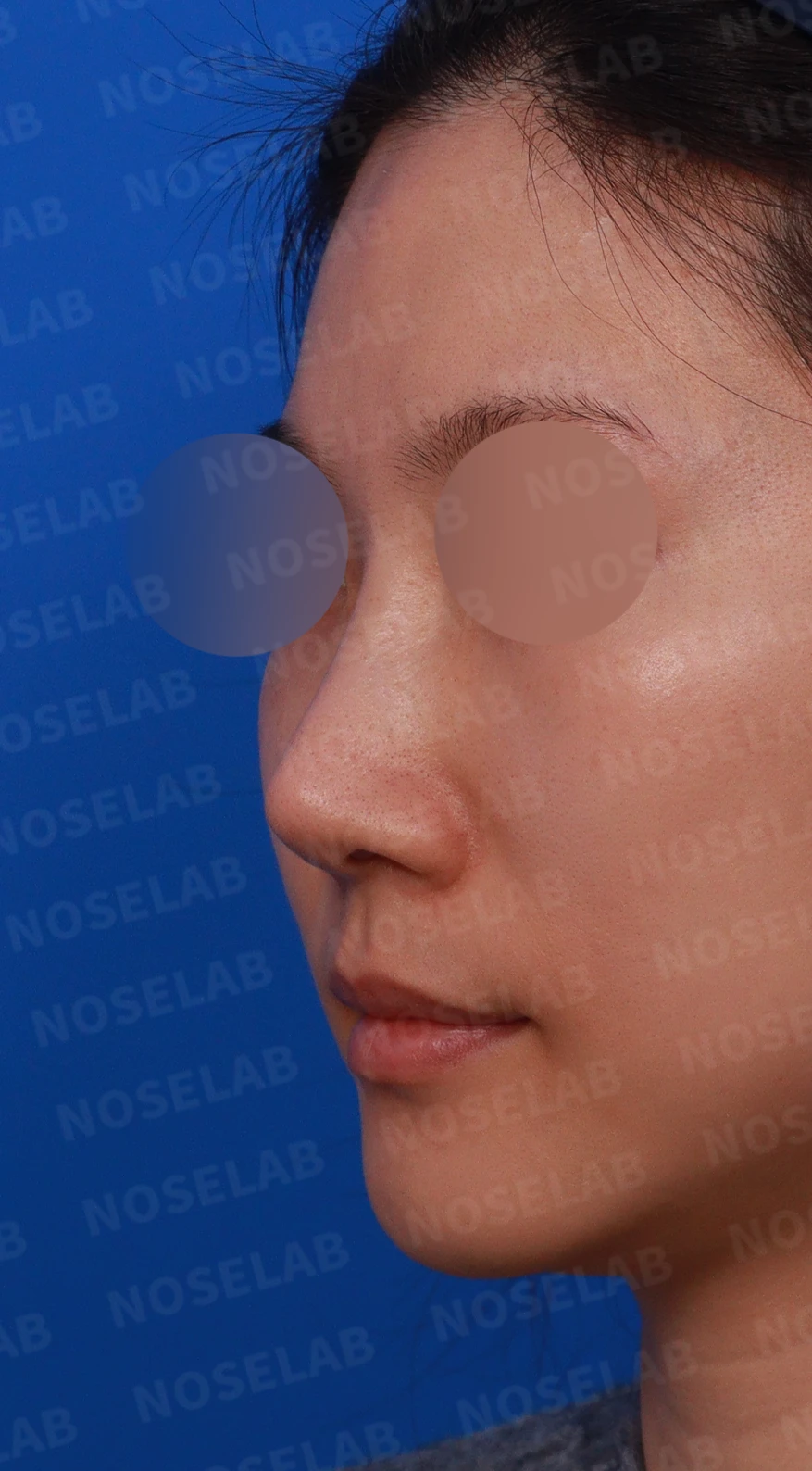
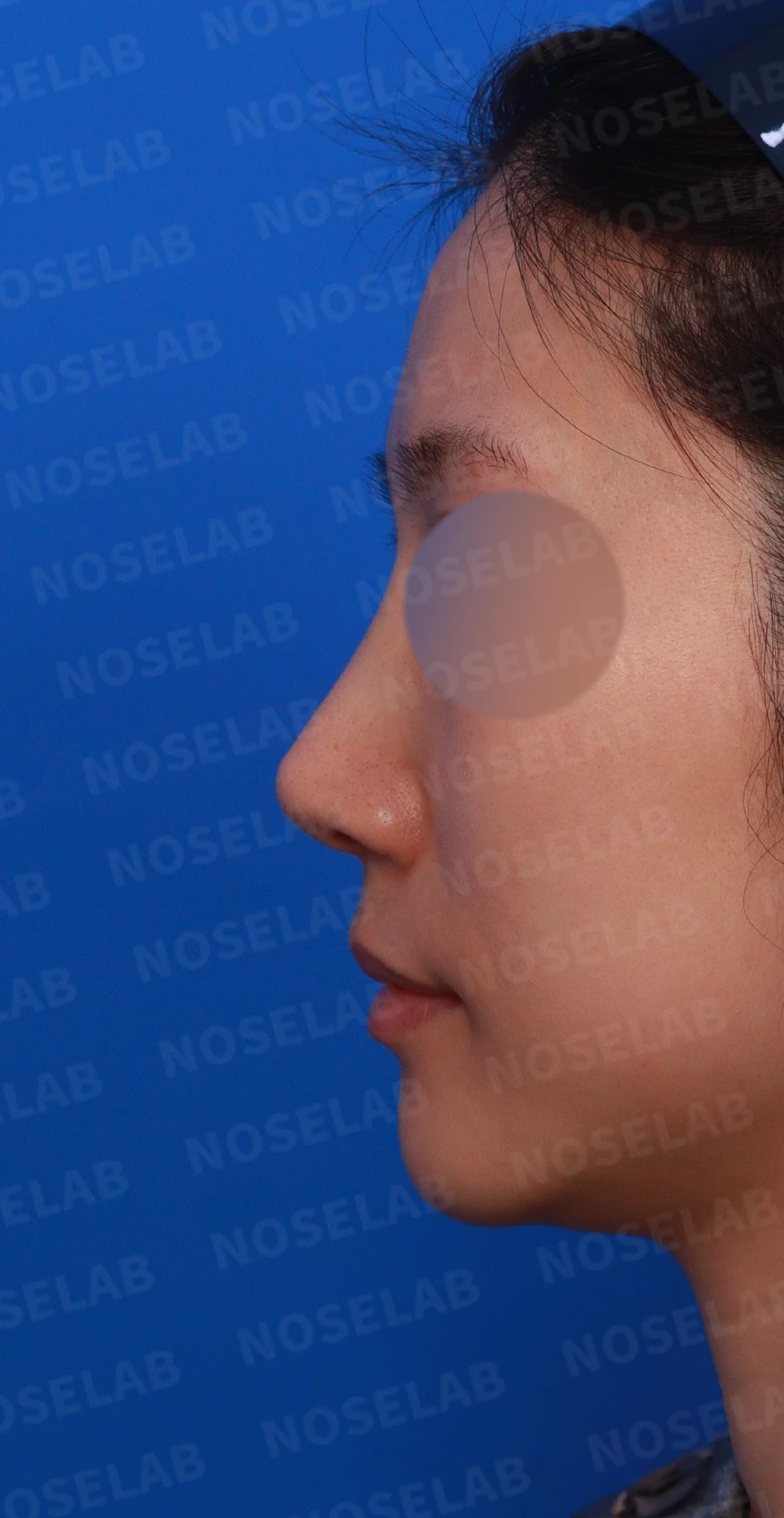
Front, left profile, and oblique views during design consultation
📍 Procedure and surgical history
• 19 years ago: Nasal filler injection
• 18 years ago: L-shaped silicone implant + ear cartilage insertion + filler removal
• 6 months later: Revision surgery with AlloDerm coverage due to cartilage show-through
🔎 Initial consultation findings
• Cartilage show-through in the nasal tip area
• Silicone implant show-through along the nasal bridge (chalk-like appearance)
• Structural instability due to thinned skin
• Harsh facial impression
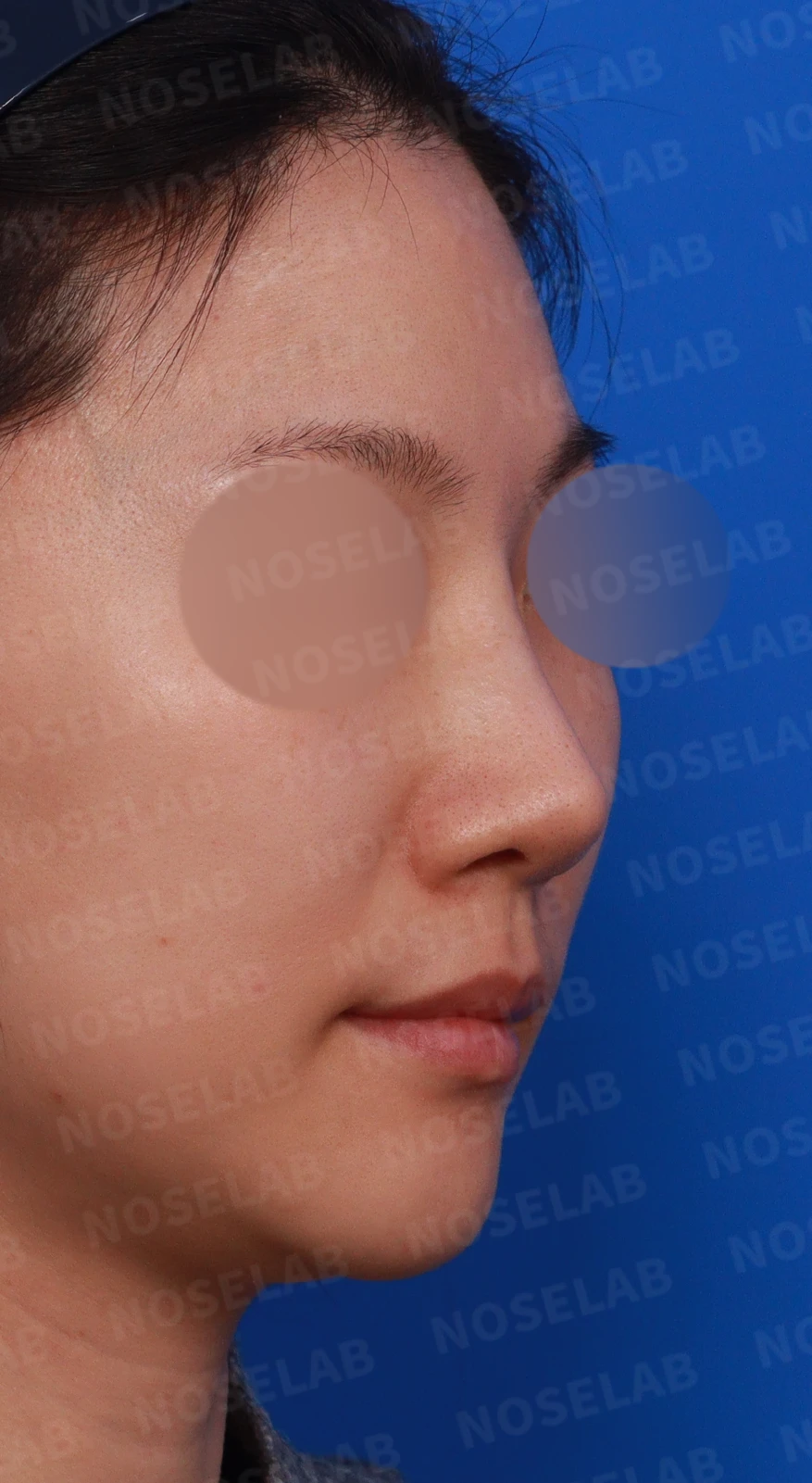
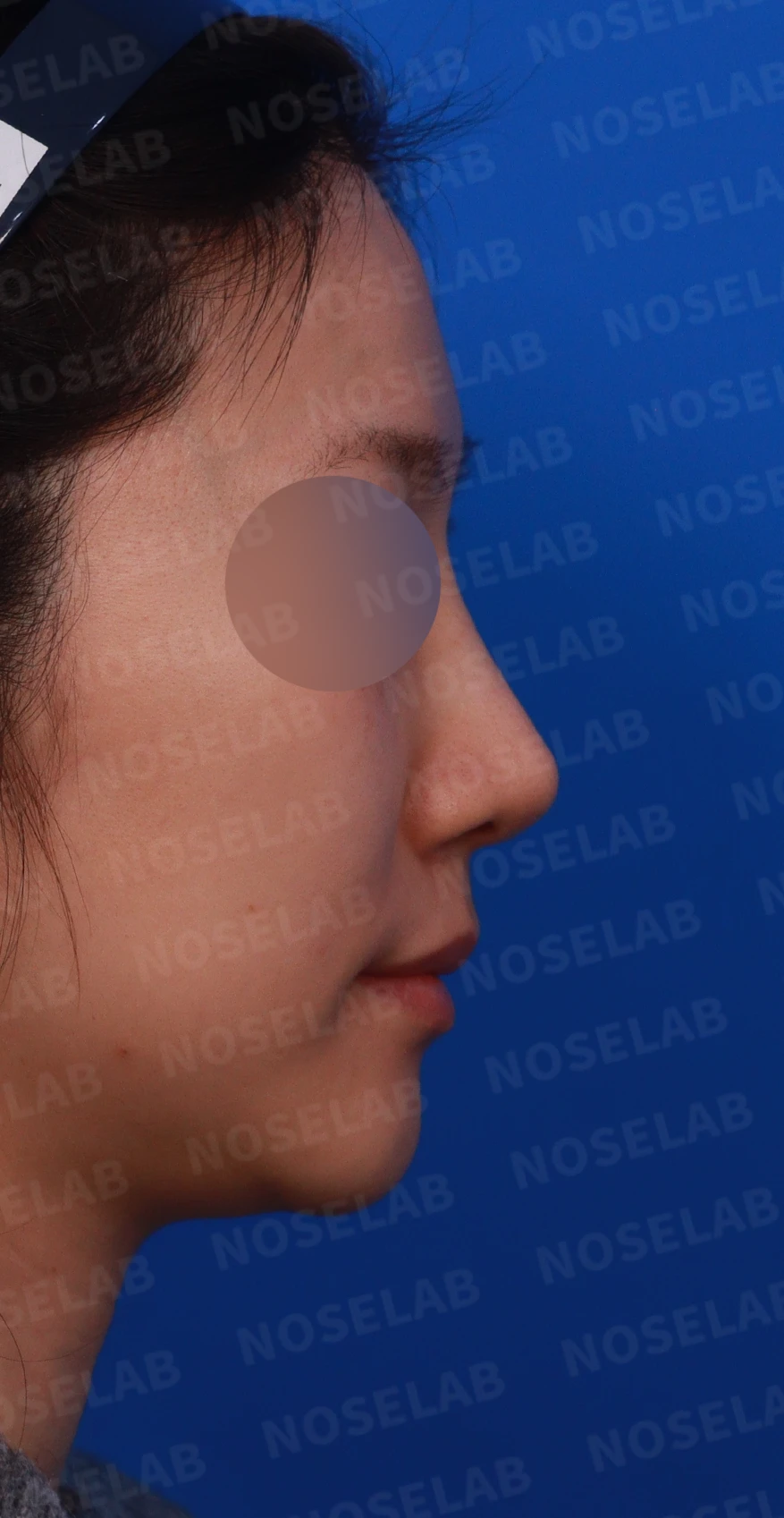
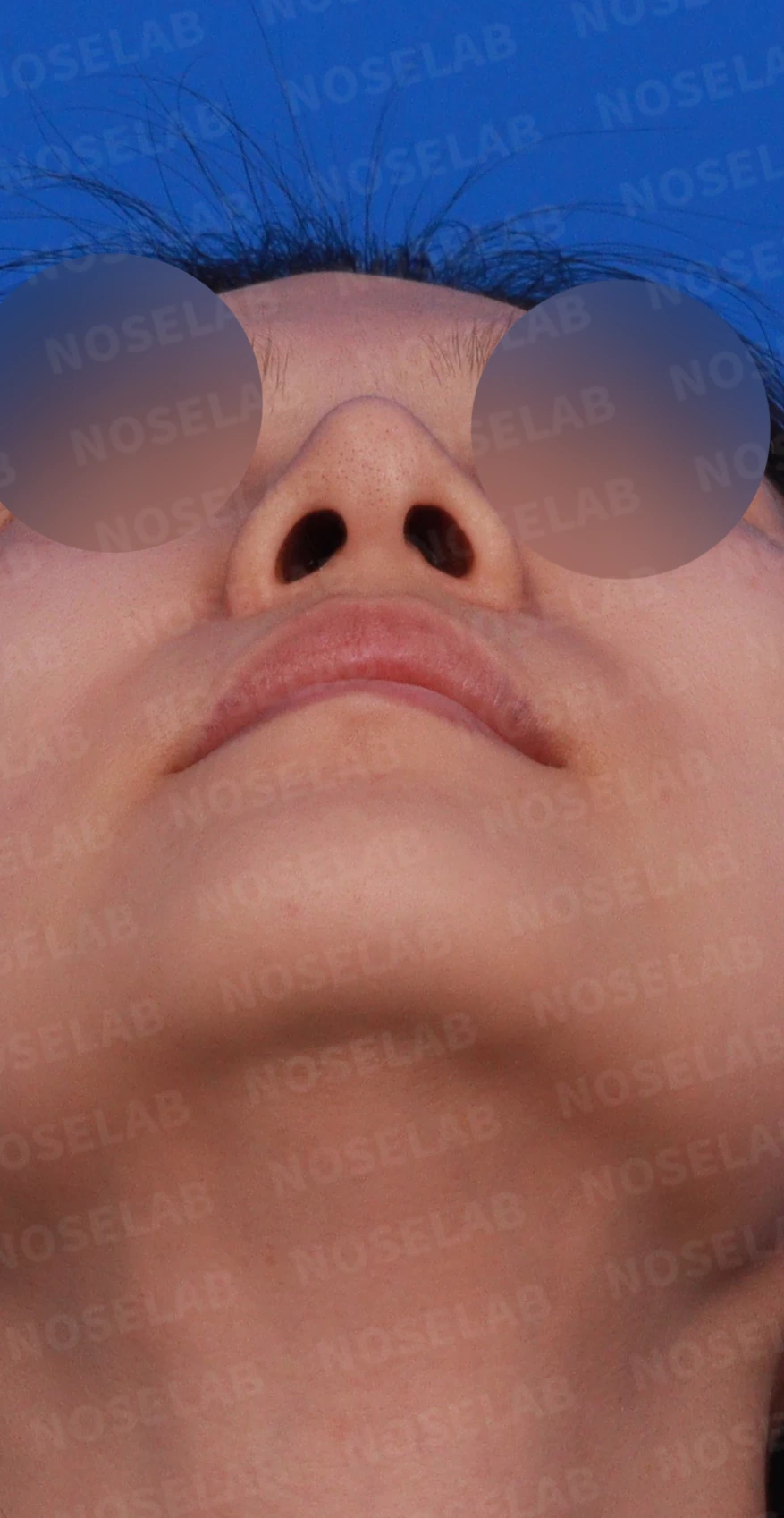
Design consultation: right oblique, profile, and basal (nostril) views
✨ Patient's requests
• Improvement of nasal tip show-through
• Improvement of bridge silicone show-through (chalk-like look)
• A natural shape without an overly sharp tip
• A softer facial impression
💉 Surgical procedure details
1. Improving skin tension
• Lowering the tip height appropriately
• Reducing skin tension
• Reinforcing thinned skin with donor dermis grafting
2. Reconstructing the nasal tip structure
• Building a sturdy tip framework using autologous rib cartilage
• Widening the tip cartilage width to increase contact surface area
• Preventing recurrence of show-through
3. Improving the nasal bridge
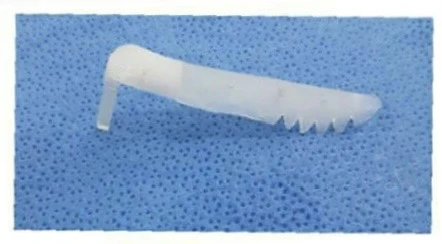
Removed silicone implant
• Using a wider and softer implant
• Resolving the chalk-like appearance
• Reinforcing thinned skin with autologous tissue grafting
✅ Surgical results
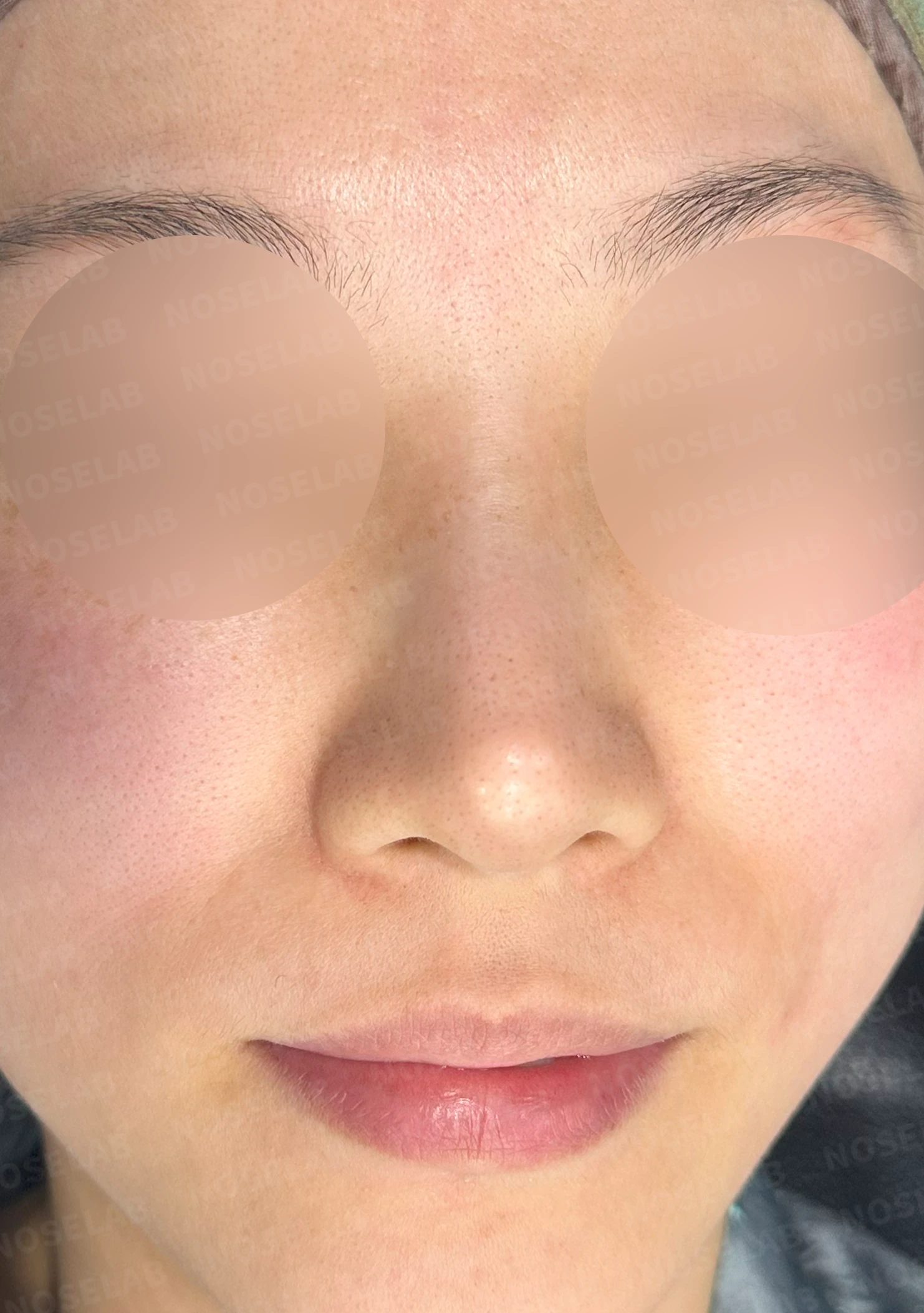
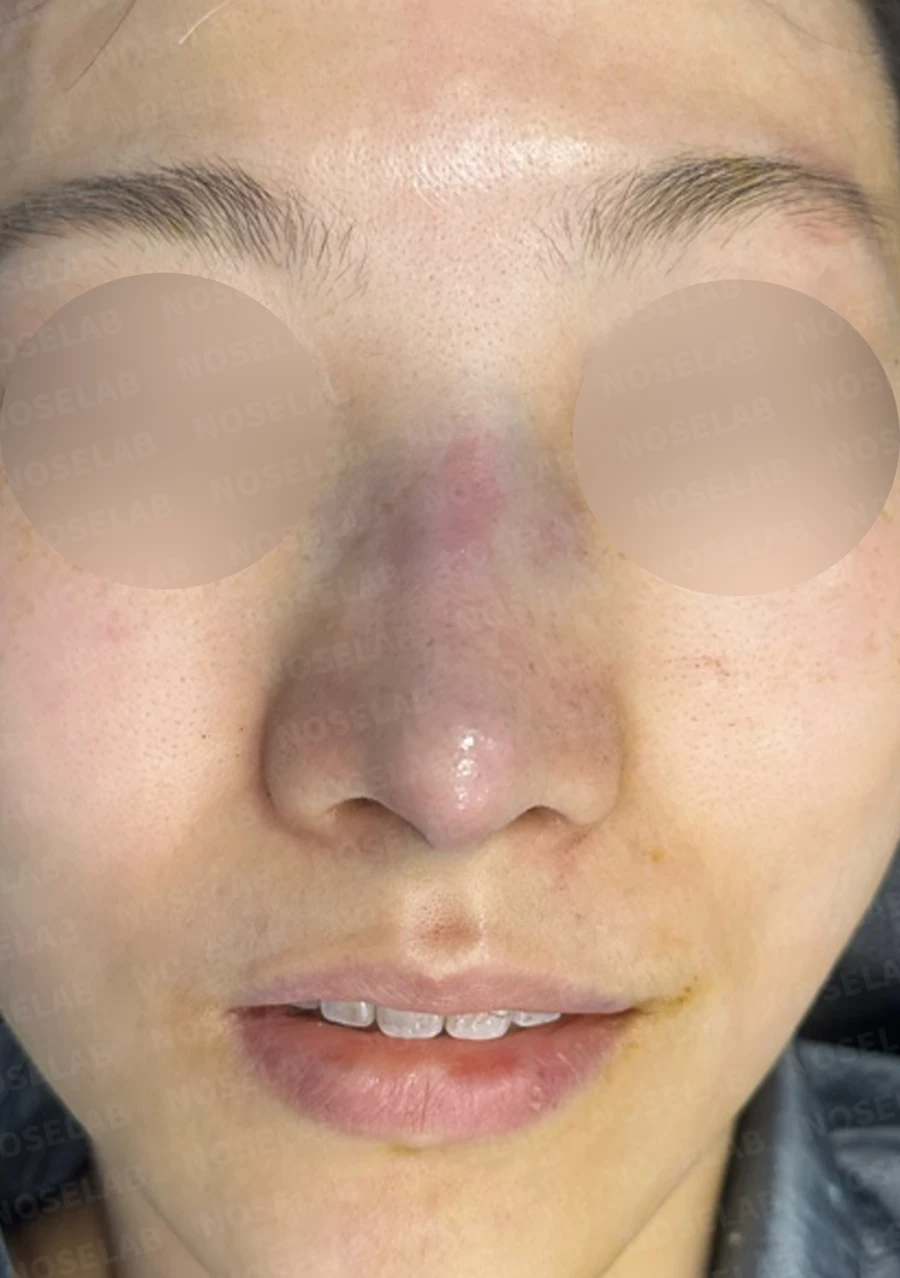
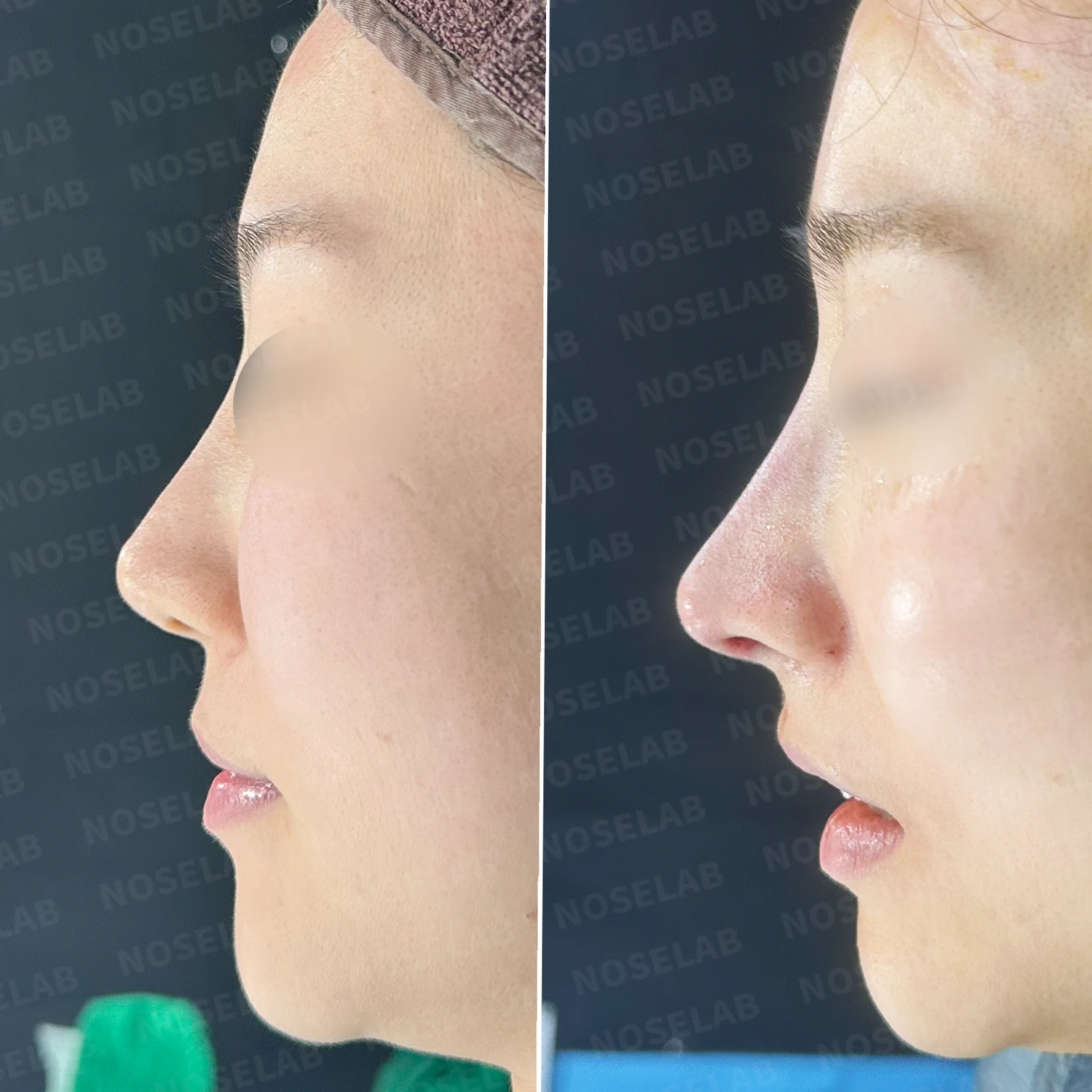
Before surgery / Day 0 immediately after surgery Photos taken immediately after surgery show swelling and may differ from the final result.
1. Nasal tip
• Resolution of show-through
• Natural width
• Stable structure
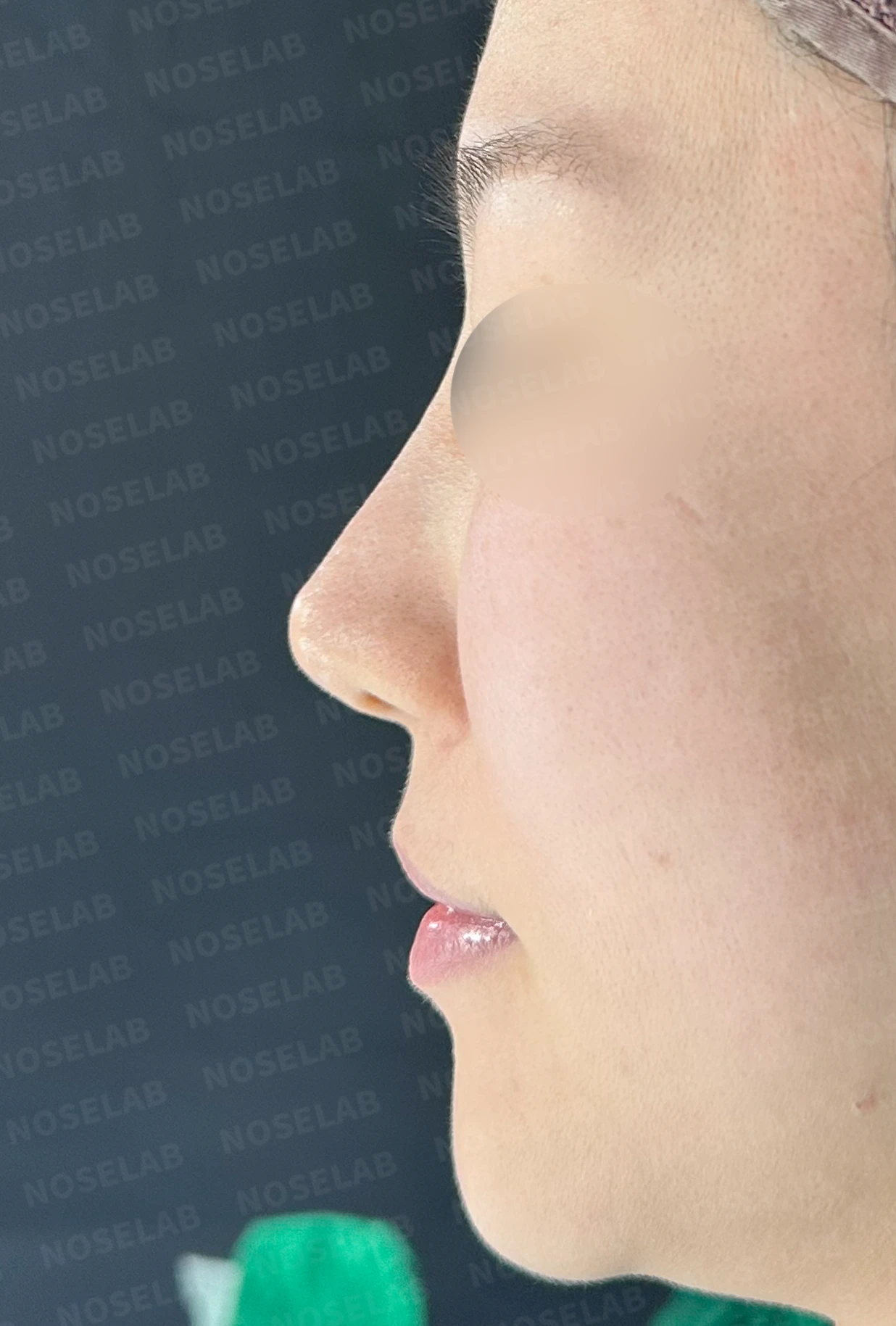
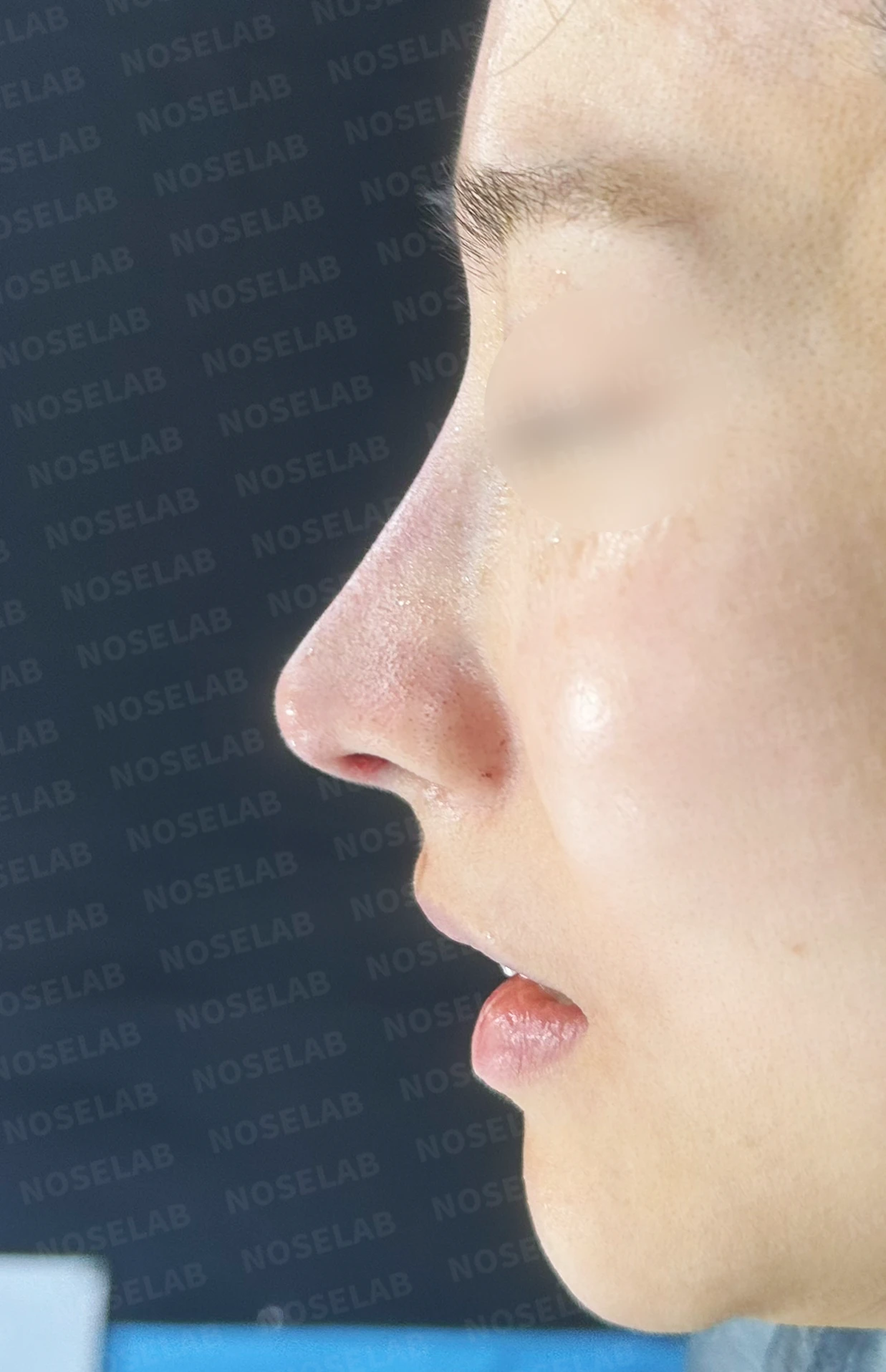
Before surgery / Day 0 immediately after surgery Photos taken immediately after surgery show swelling and may differ from the final result.
2. Nasal bridge
• Resolution of chalk-like show-through
• Softer bridge line
• Natural three-dimensional contour
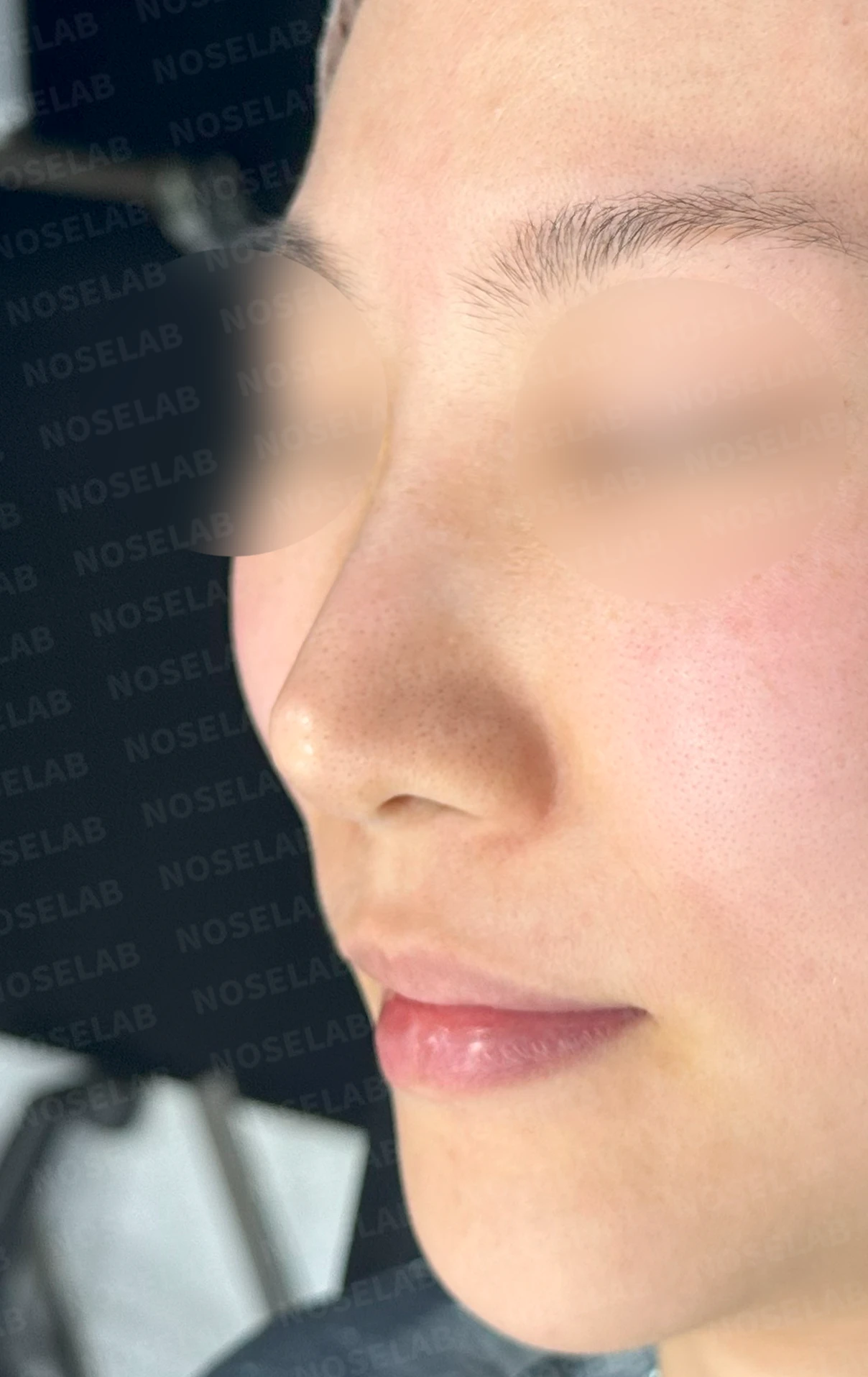
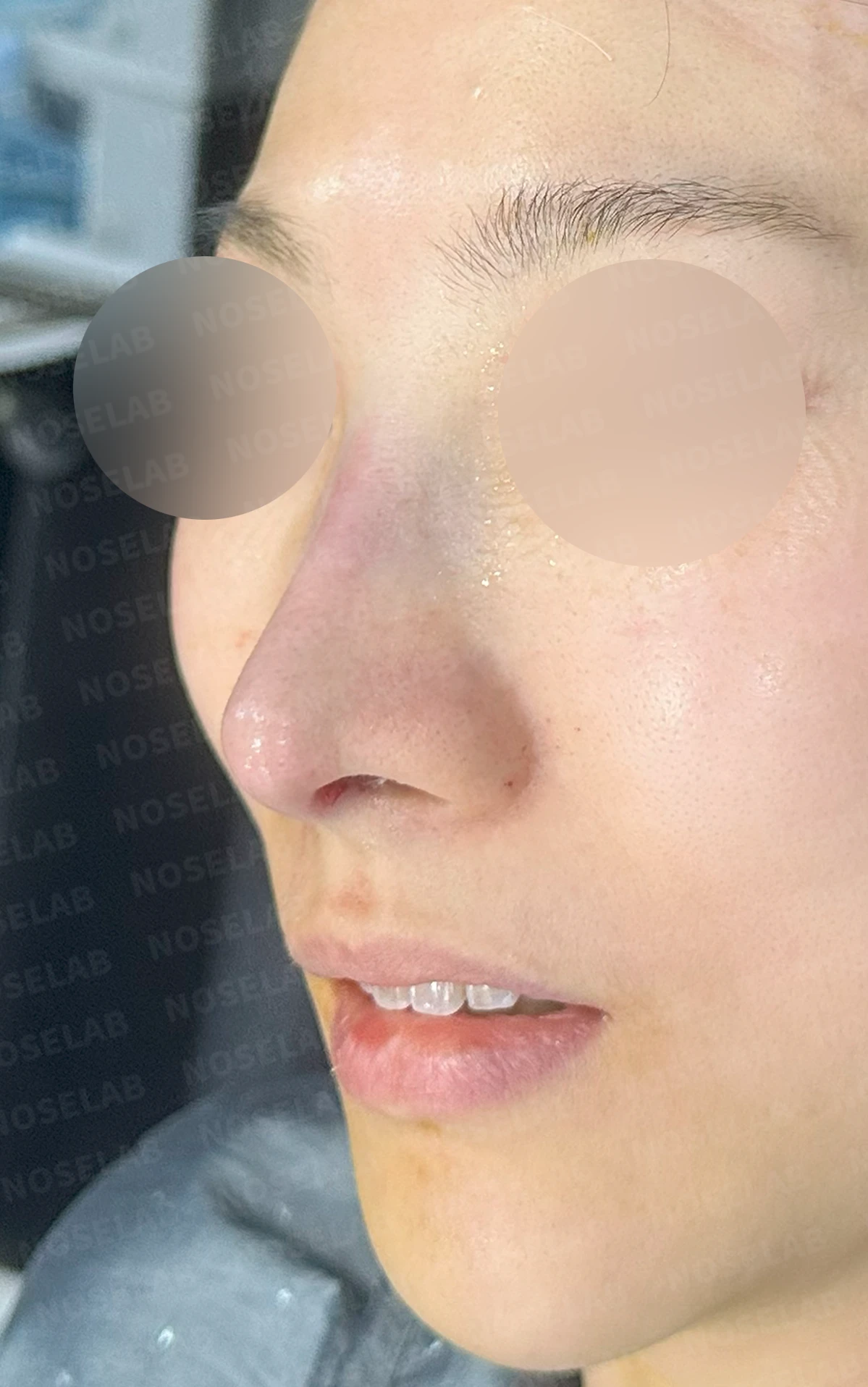
Before surgery / Day 0 immediately after surgery Photos taken immediately after surgery show swelling and may differ from the final result.
3. Overall impression
• Softer appearance
• Natural contour without excessive sharpness
• Harmonious balance
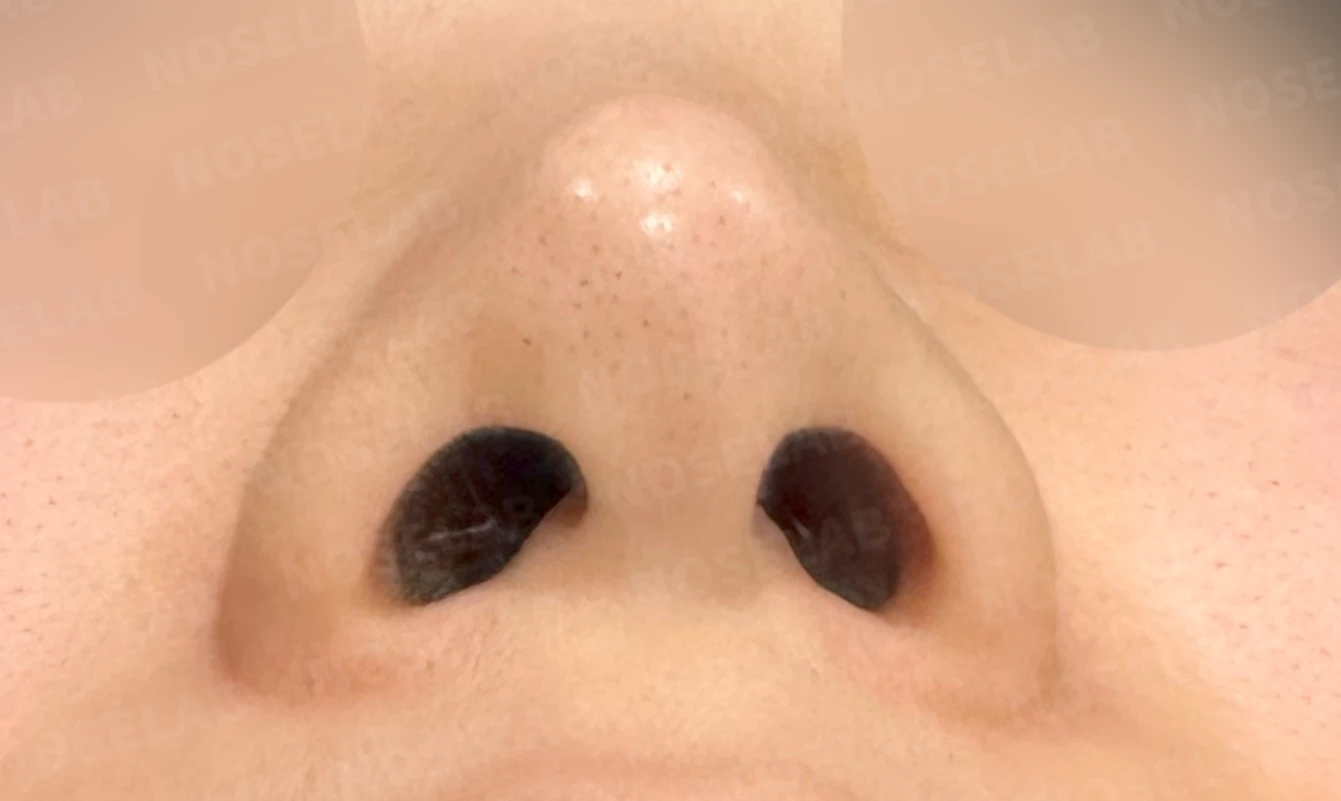
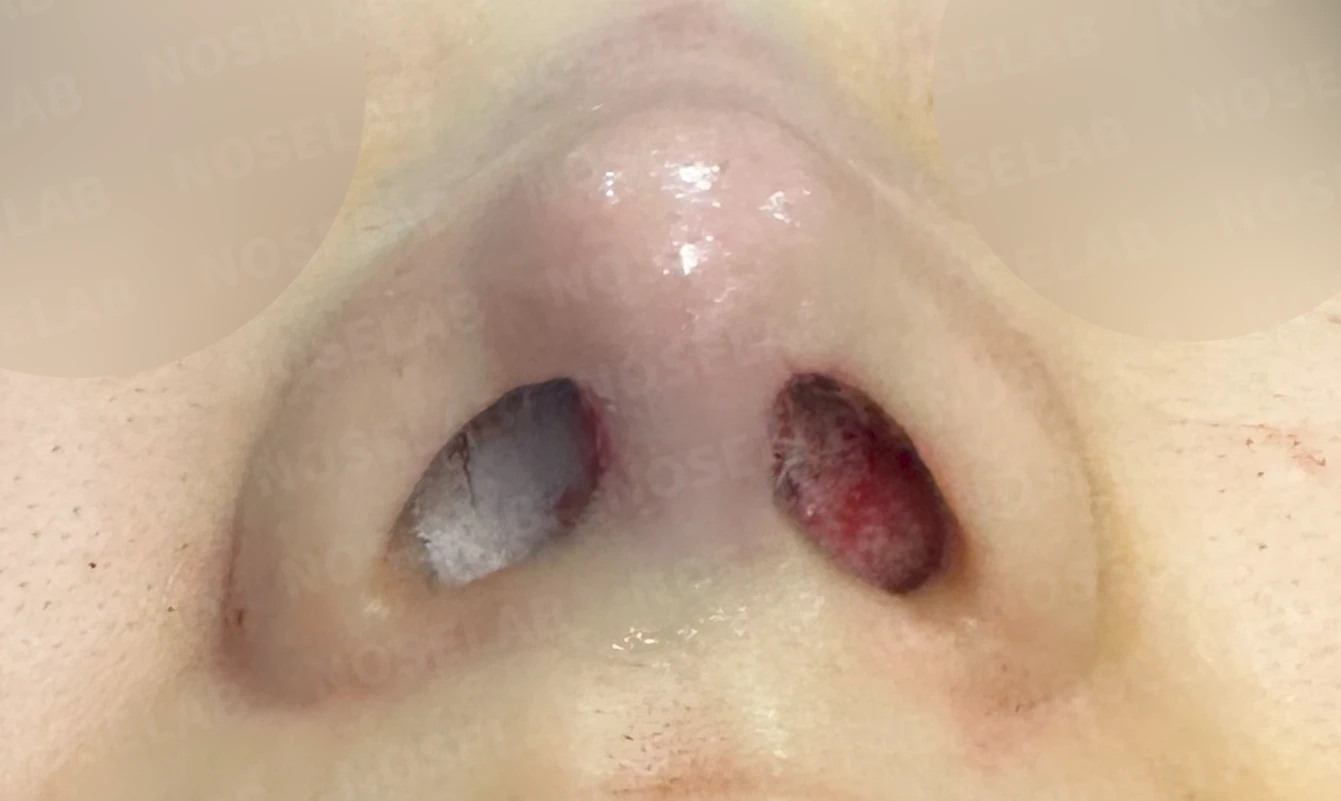
Before surgery / Day 0 immediately after surgery Photos taken immediately after surgery show swelling and may differ from the final result.
👨⚕️ Specialist's assessment
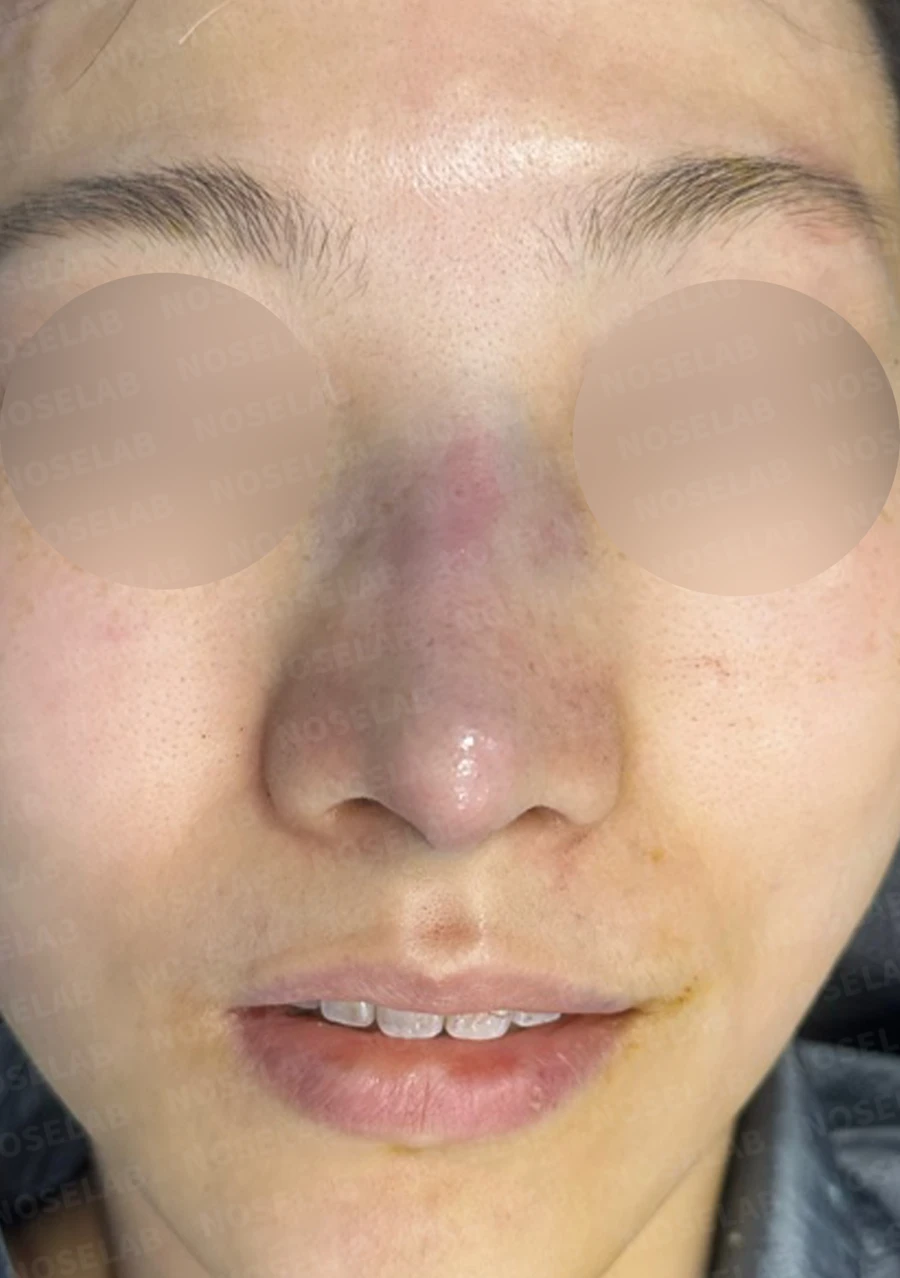
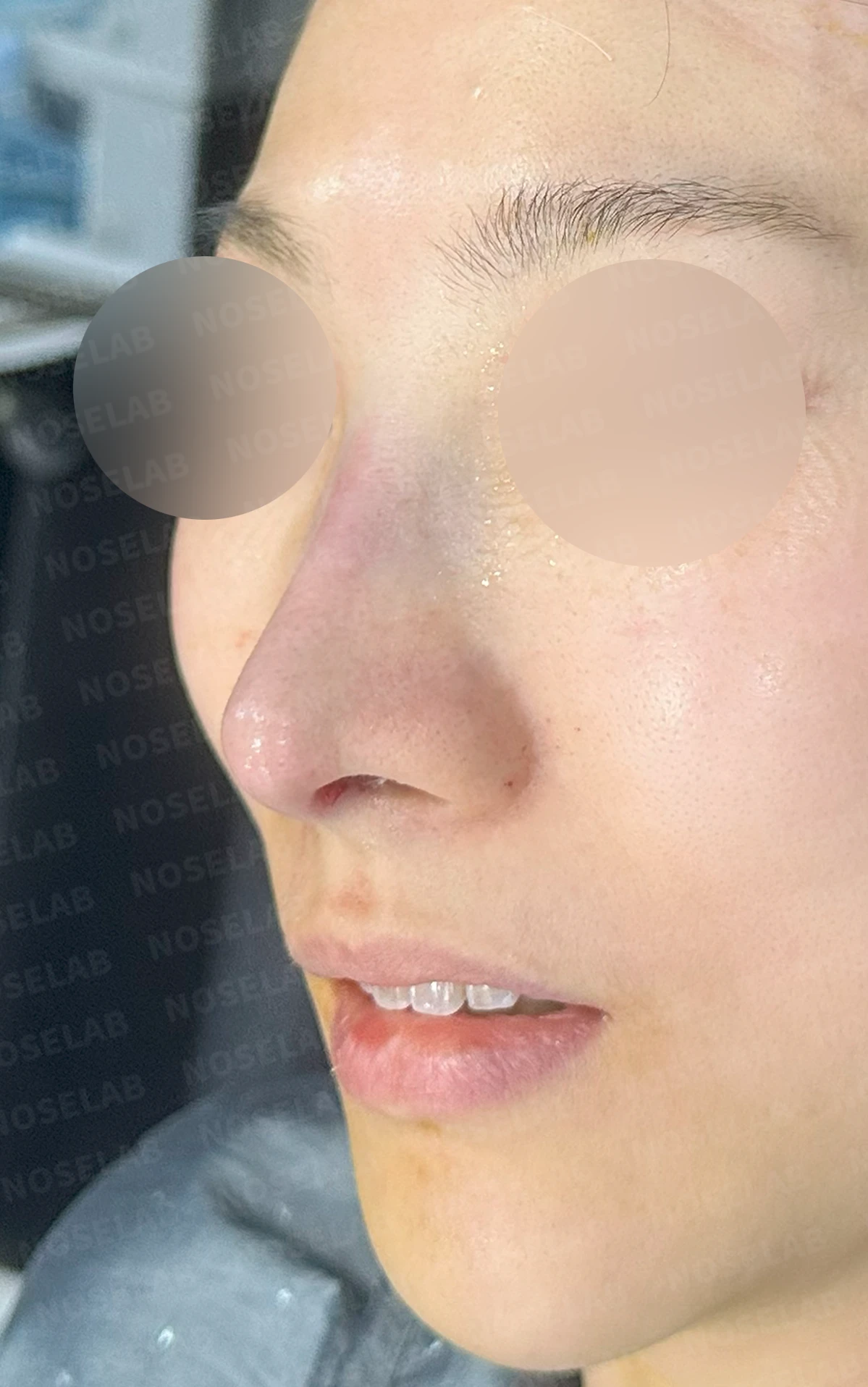
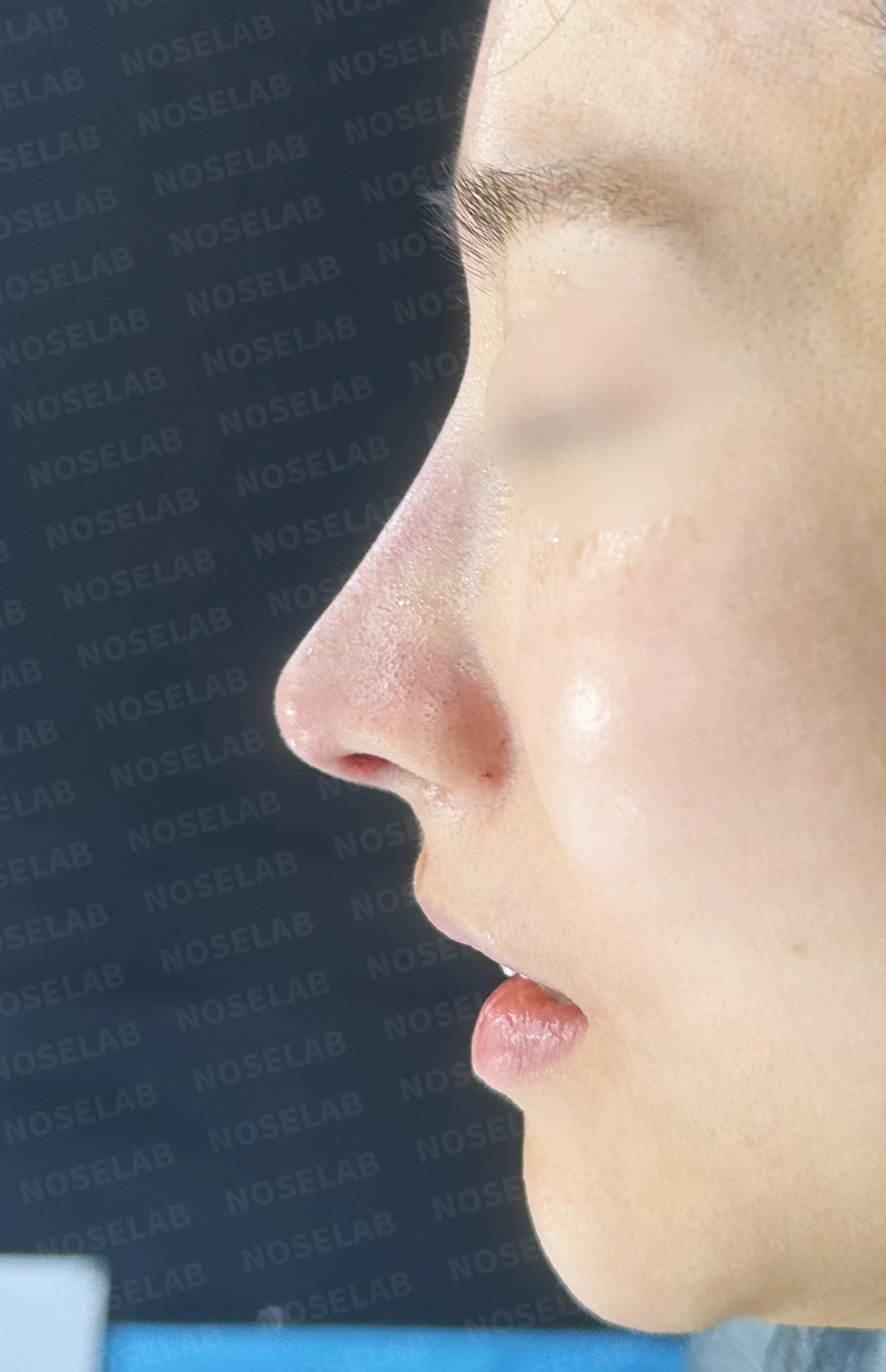
Front, oblique, and profile views on day 0 immediately after surgery Photos taken immediately after surgery show swelling and may differ from the final result.
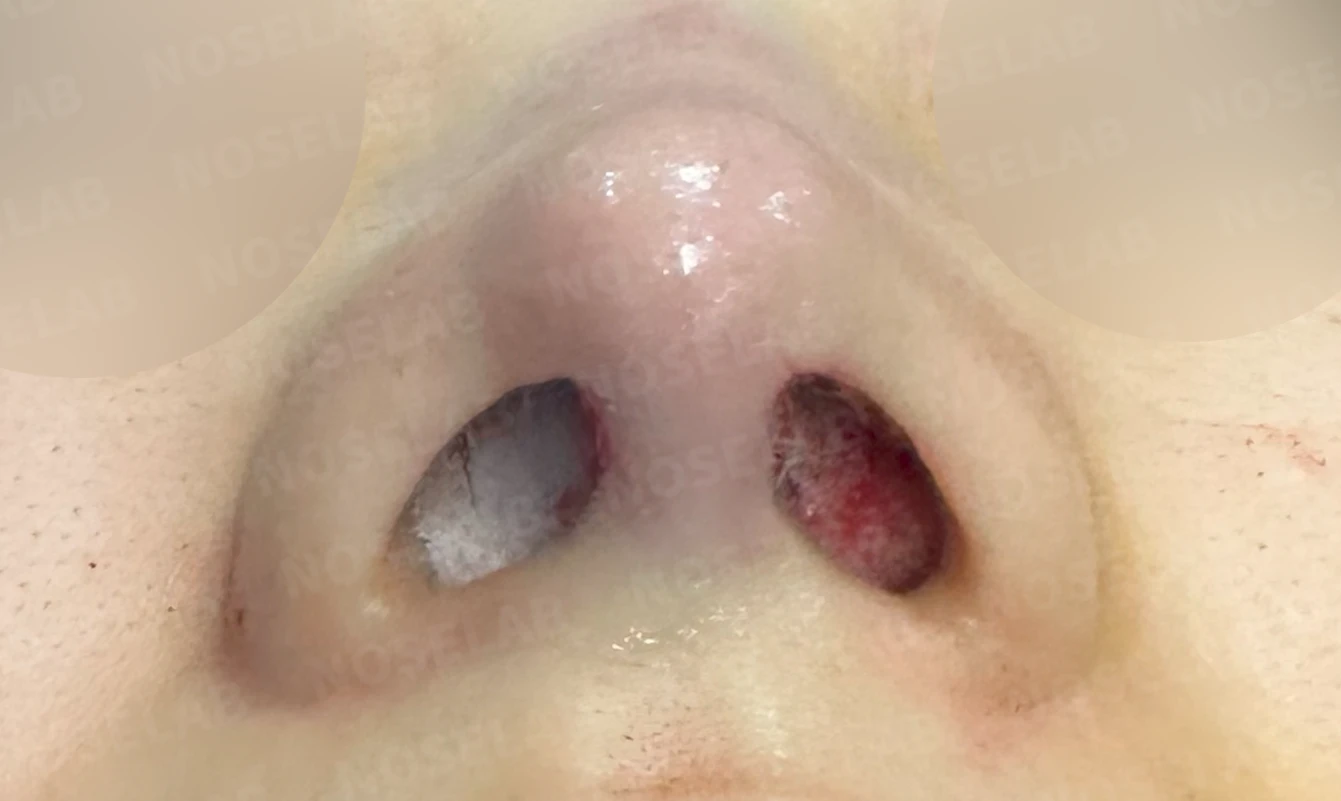
Nostril view on day 0 immediately after surgery Photos taken immediately after surgery show swelling and may differ from the final result.
This case involved correcting show-through that developed 18 years after surgery with an L-shaped silicone implant. Show-through generally stems from two main causes: first, thinning of the skin exposing the underlying implant or cartilage, and second, the characteristics of the implant itself (being excessively narrow, rigid, or tall).
To address this, we slightly lowered the tip height to reduce skin tension and reinforced the thinned skin with donor and autologous dermal grafts. In addition, we widened the tip cartilage to expand the contact surface area and placed a softer, broader implant along the bridge to correct the chalk-like appearance. Building a sturdy support structure with autologous rib cartilage allows us to expect stable long-term results.
This was Dr. Peter C. Kang. Thank you.
Thank you.
#closedrhinoplasty #revisionrhinoplasty #showthroughcorrection #autologousribcartilage #customrhinoplasty

Limitations and risks
When autologous rib cartilage is used, scarring and pain may remain at the donor site on the chest, and pneumothorax (pleural injury) can occur rarely. Over time, the grafted cartilage may warp or undergo partial resorption.
When revising after implant removal, contracture may progress again after removal, the nasal height and length may decrease, and staged surgery may be necessary depending on the skin condition.
When foreign materials such as injected fillers are removed and reconstructed, contracture may recur, nasal height and length may decrease, and staged surgery may be necessary depending on the skin condition.
Common potential risks include infection, bleeding, asymmetry, scarring, skin necrosis, and insufficient improvement; results vary depending on individual skin condition and previous surgical history.