Hello, I am Dr. Peter C. Kang.
Today, I would like to introduce the case of a patient who underwent revision rhinoplasty to address silicone implant show-through and rhinitis symptoms that developed after an old nose surgery.
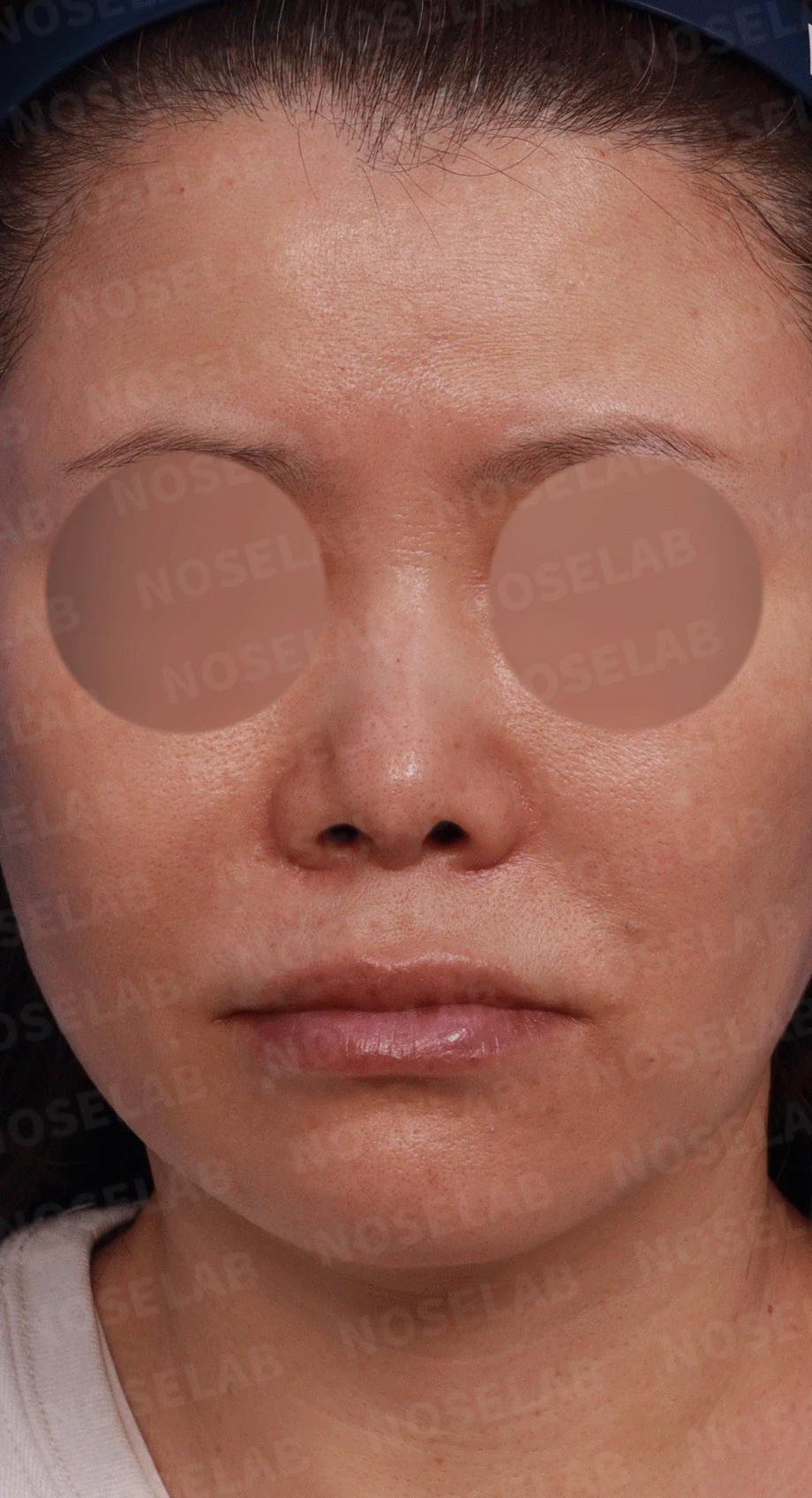
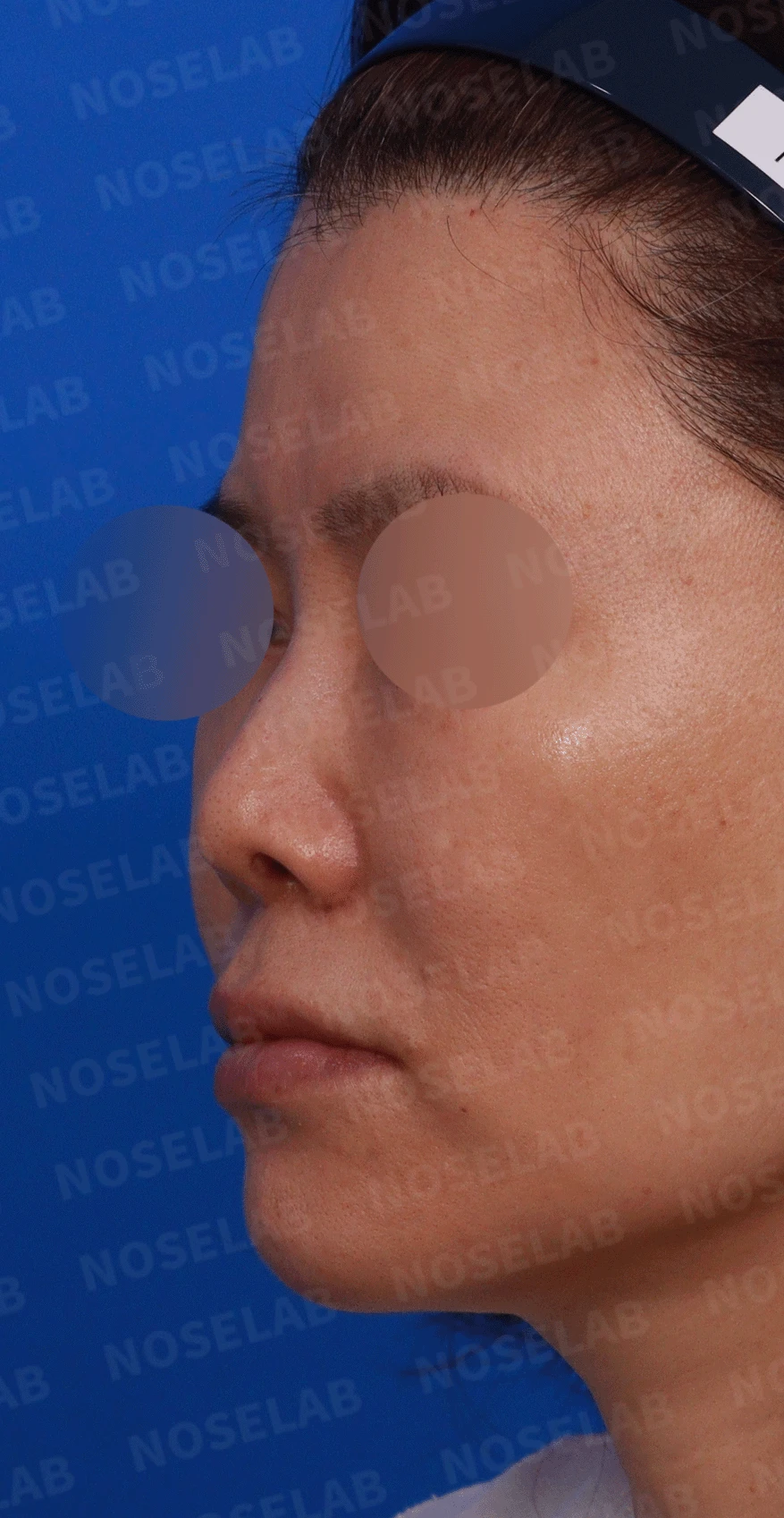
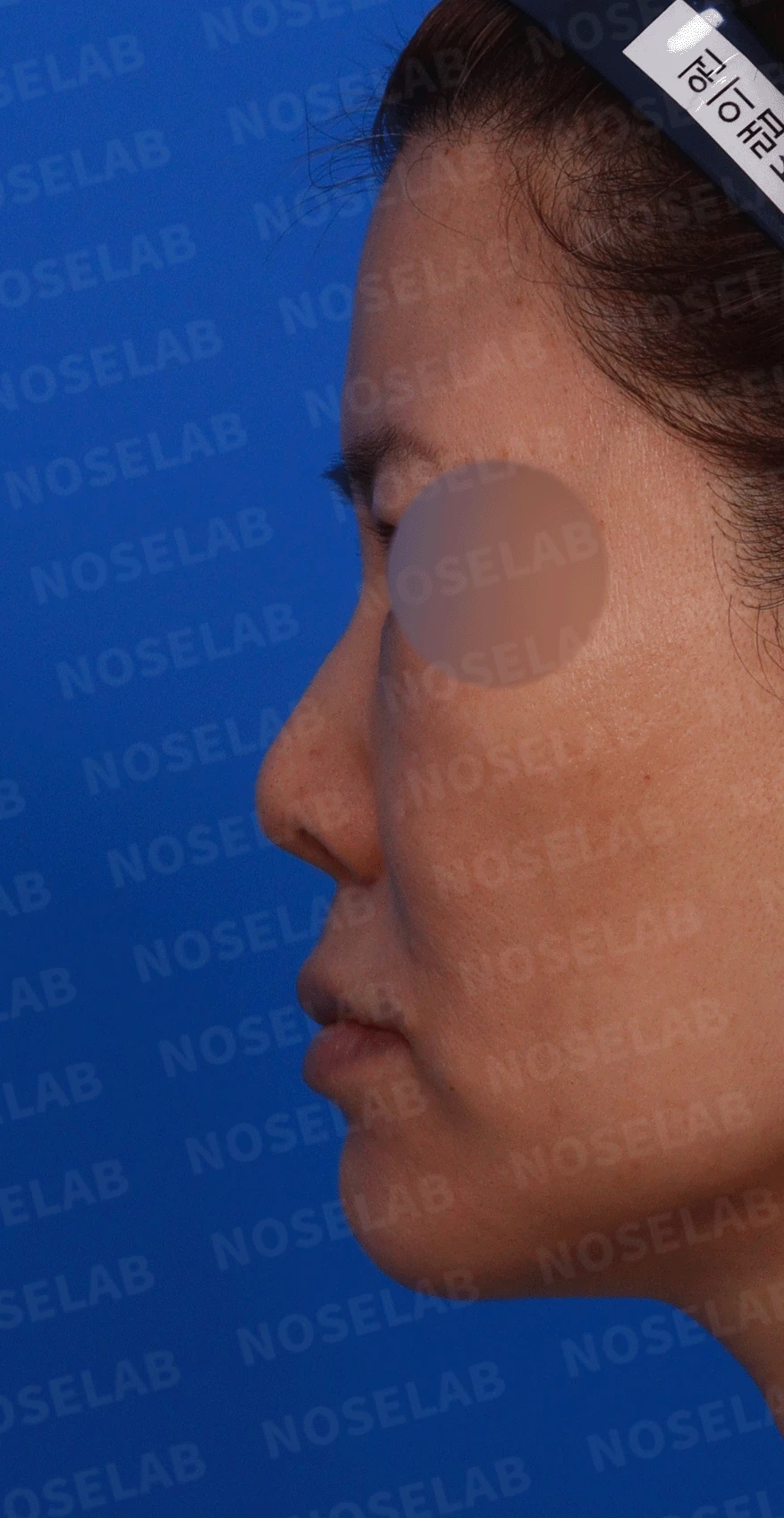
Front, left profile, and oblique views during design consultation
📍 Surgical history
30 years ago: L-shaped silicone implant placement (Korea)
20 years ago: Presumed revision rhinoplasty using a silicone implant (Japan)
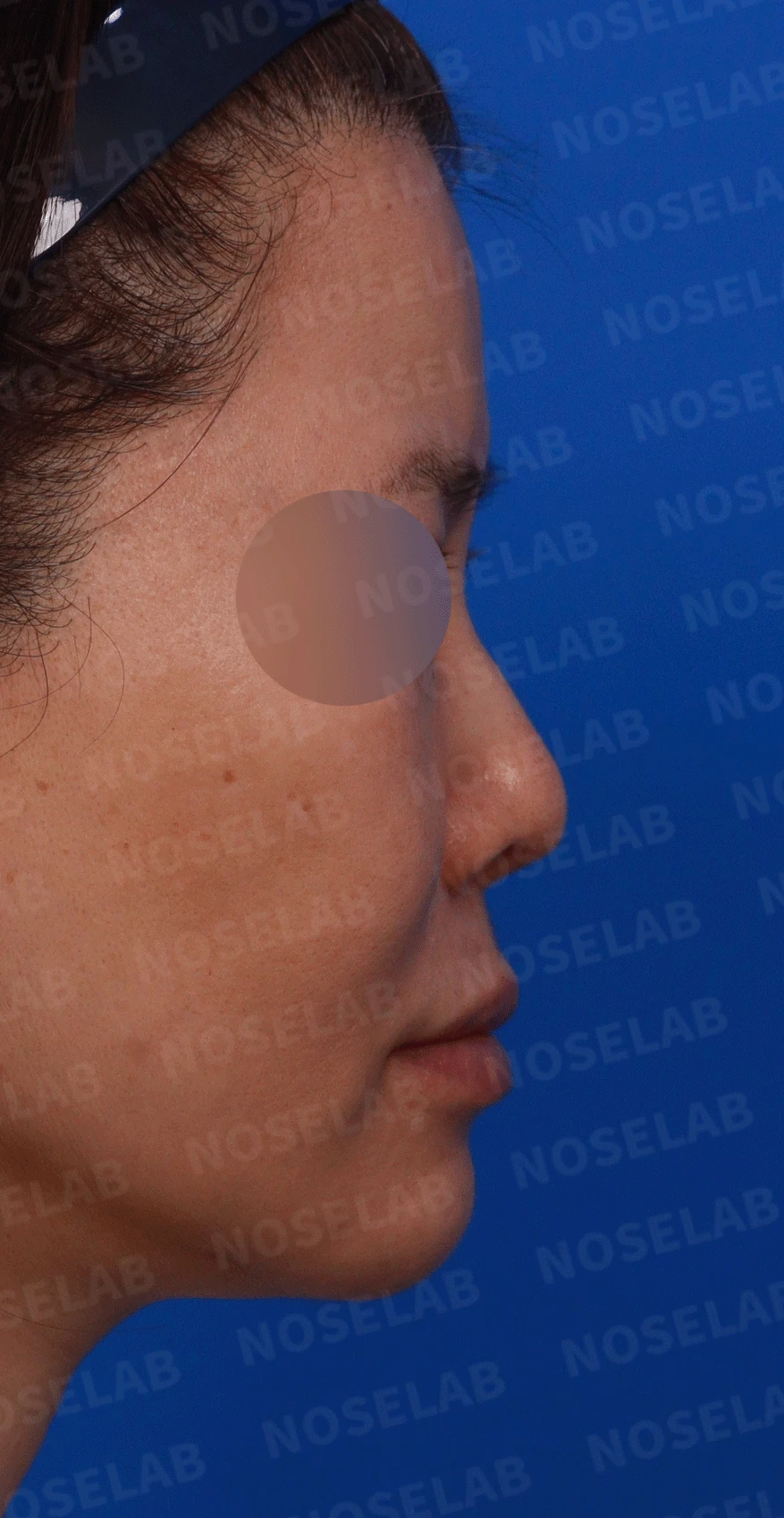
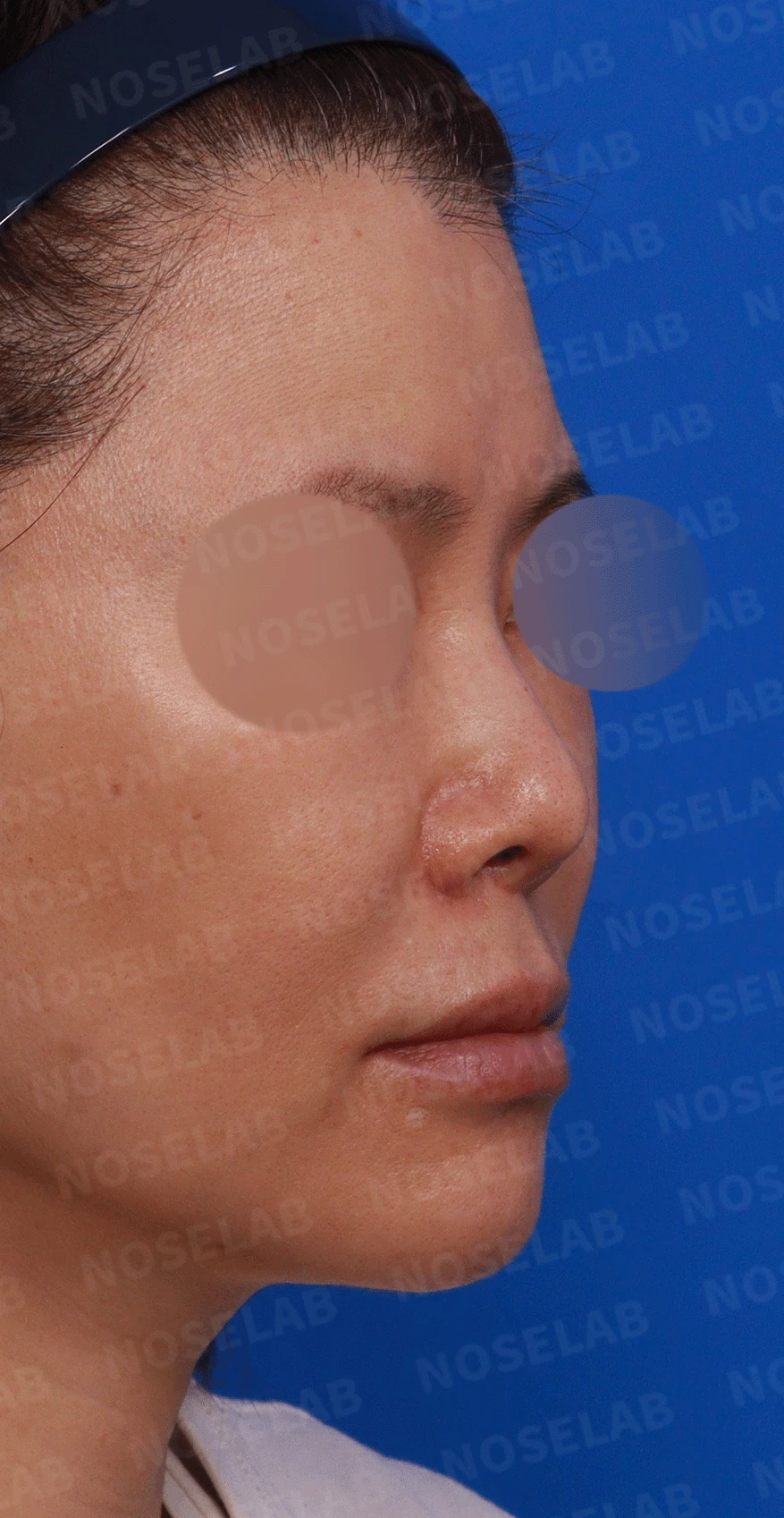
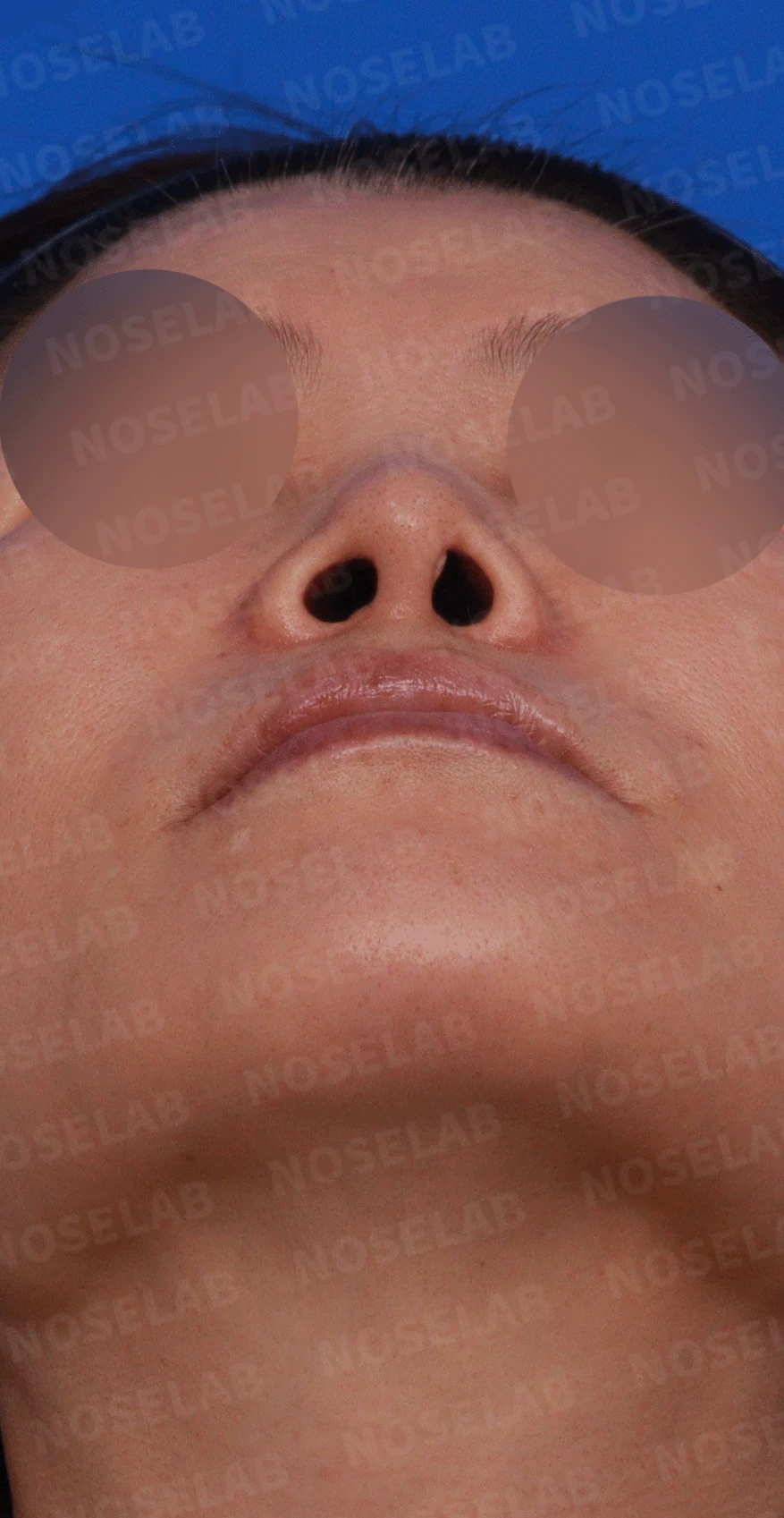
Right profile, oblique, and nostril views during design consultation.
🤒 Main symptoms
Silicone implant show-through at the nasal tip
Severe runny nose (rhinorrhea)
Frequent sneezing
Chronic rhinitis symptoms
✨ Patient's requests
Improvement of silicone implant show-through
Resolution of rhinitis symptoms
A natural, appealing nasal line
Accepting a slightly blunt nasal tip
💉 Surgical procedure details
Resolving existing concerns
Removal of the old silicone implant
Reconstruction of damaged cartilage
Improvement of rhinitis symptoms through rhinitis surgery
2. Functional improvement
Correction of the nasolabial angle
Septal reconstruction
Restoration of normal breathing function
3. Shape improvement
Creation of a natural nasal tip
Overall balance adjustment
Securing a stable structure
✅ Surgical results
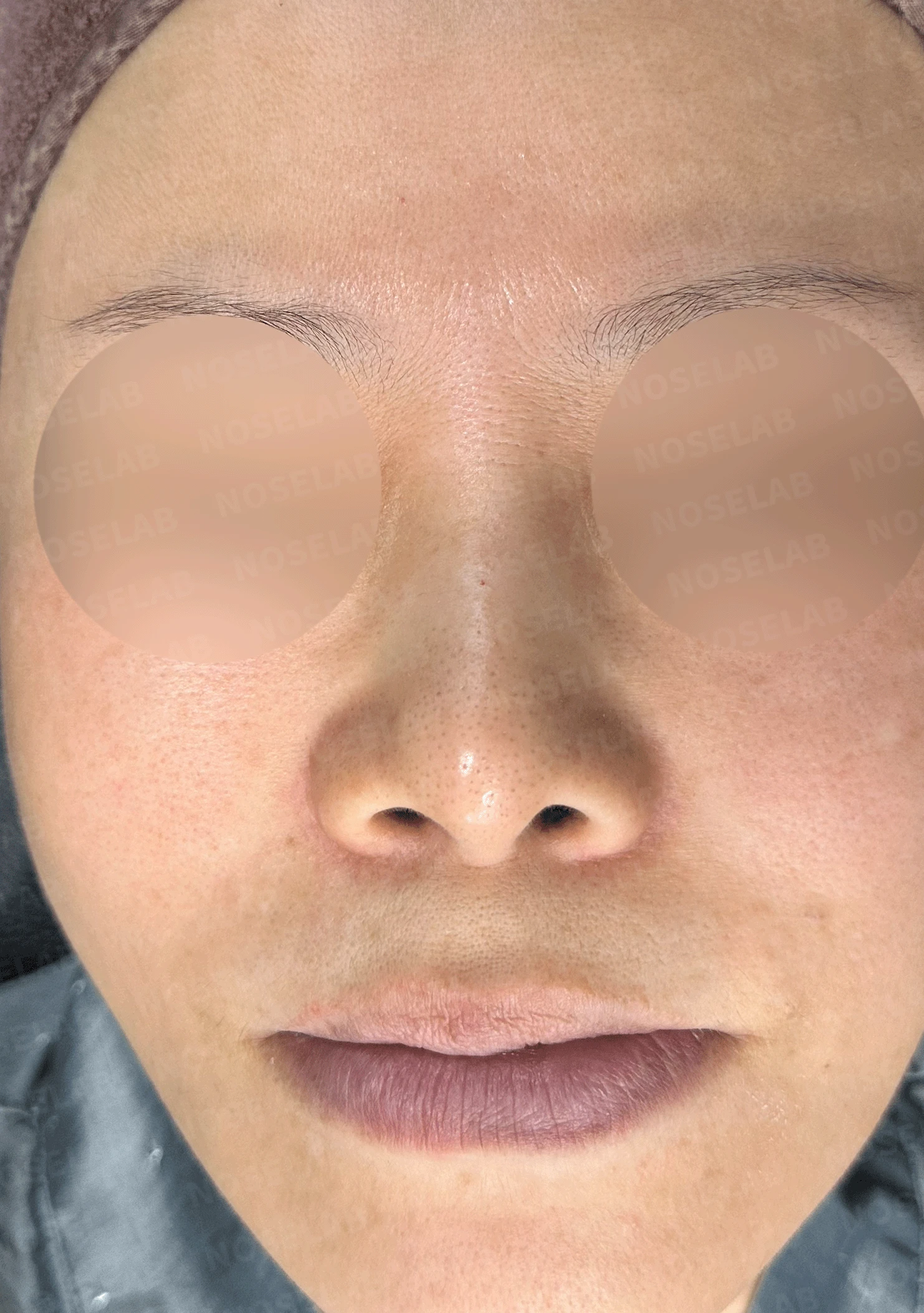
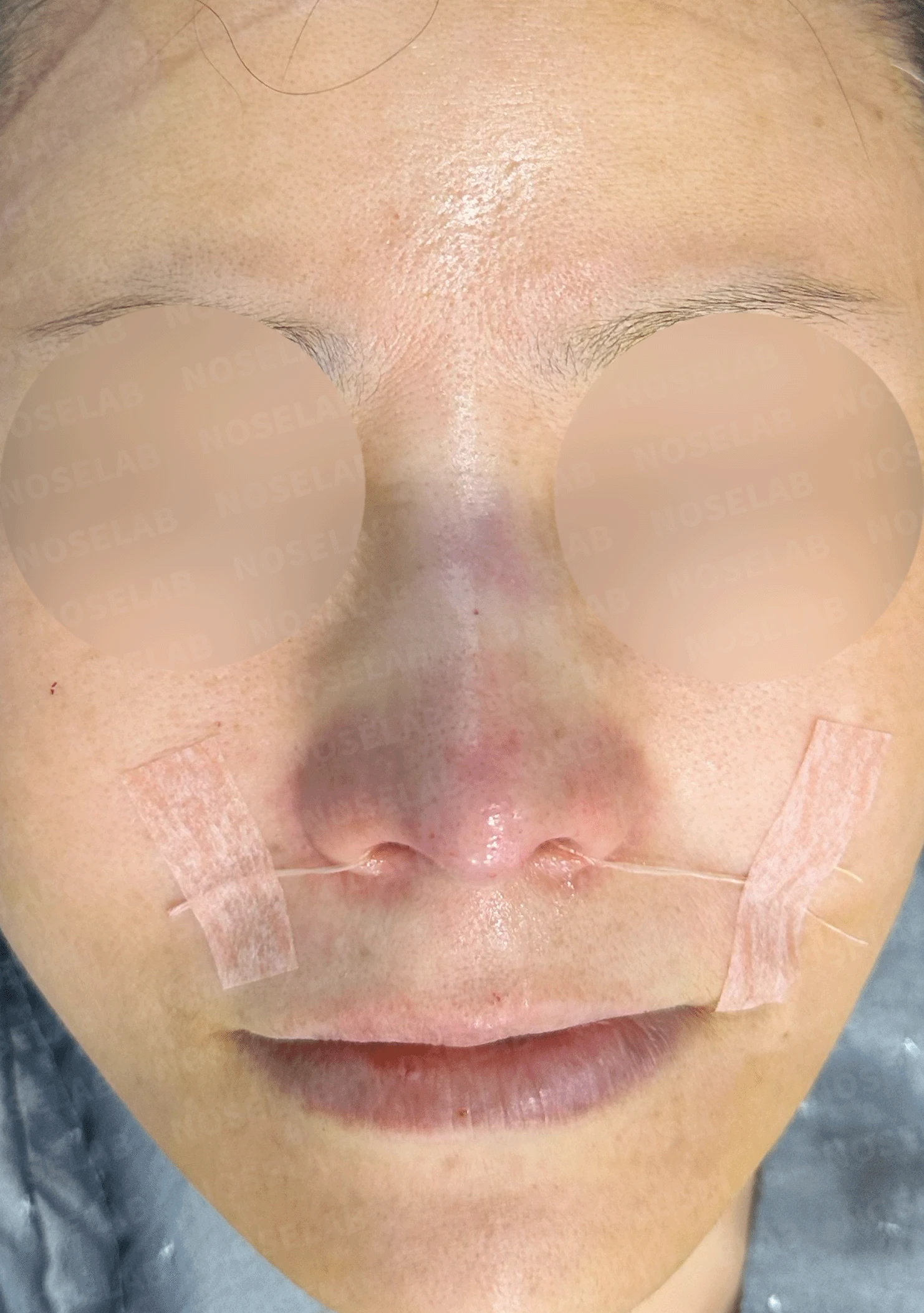
Before surgery / Day 0 immediately after surgery Photos taken immediately after surgery show swelling and may differ from the final result.
Front view
Improvement of silicone implant show-through
Natural nasal tip shape
A balanced overall profile line
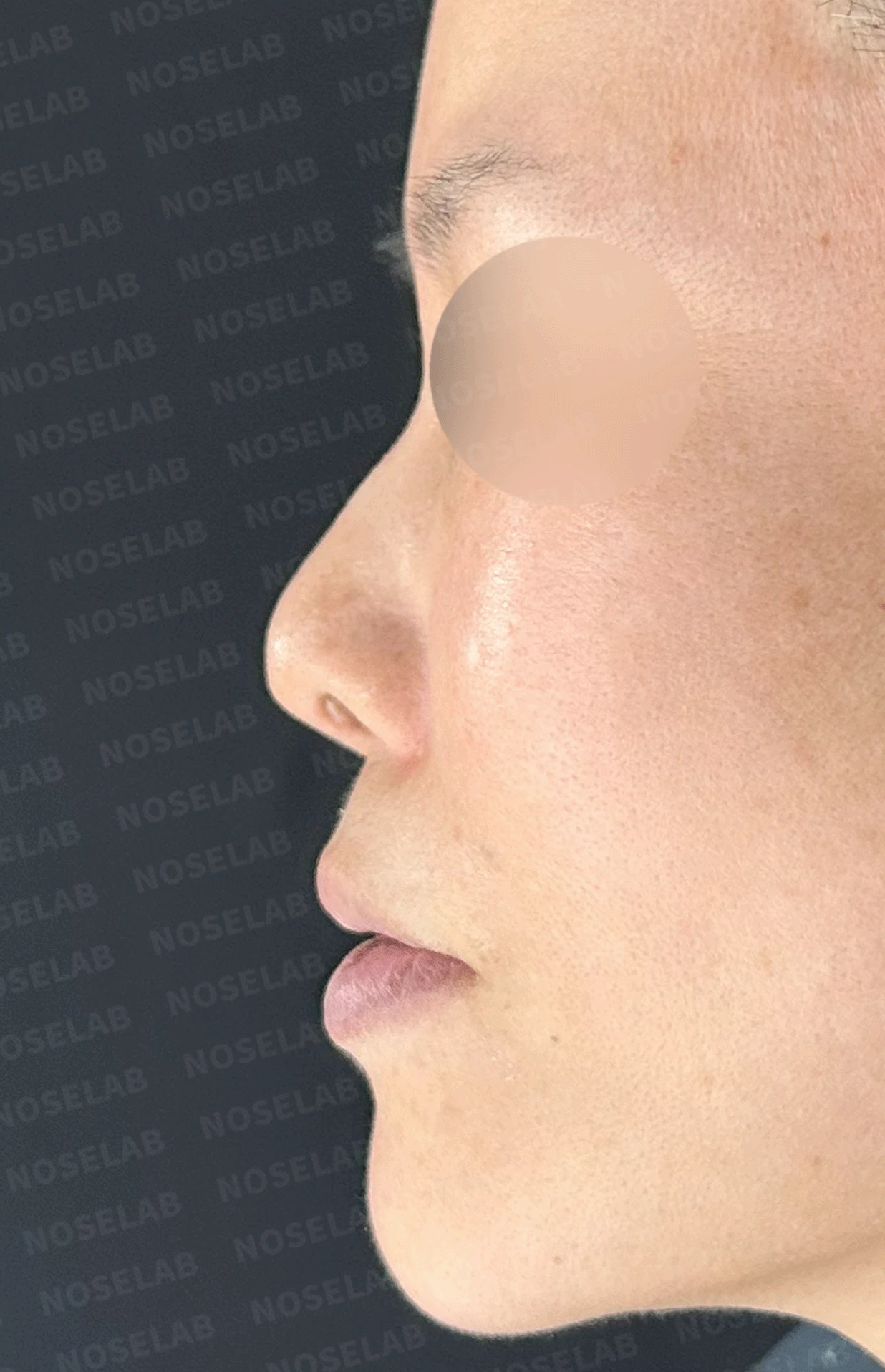
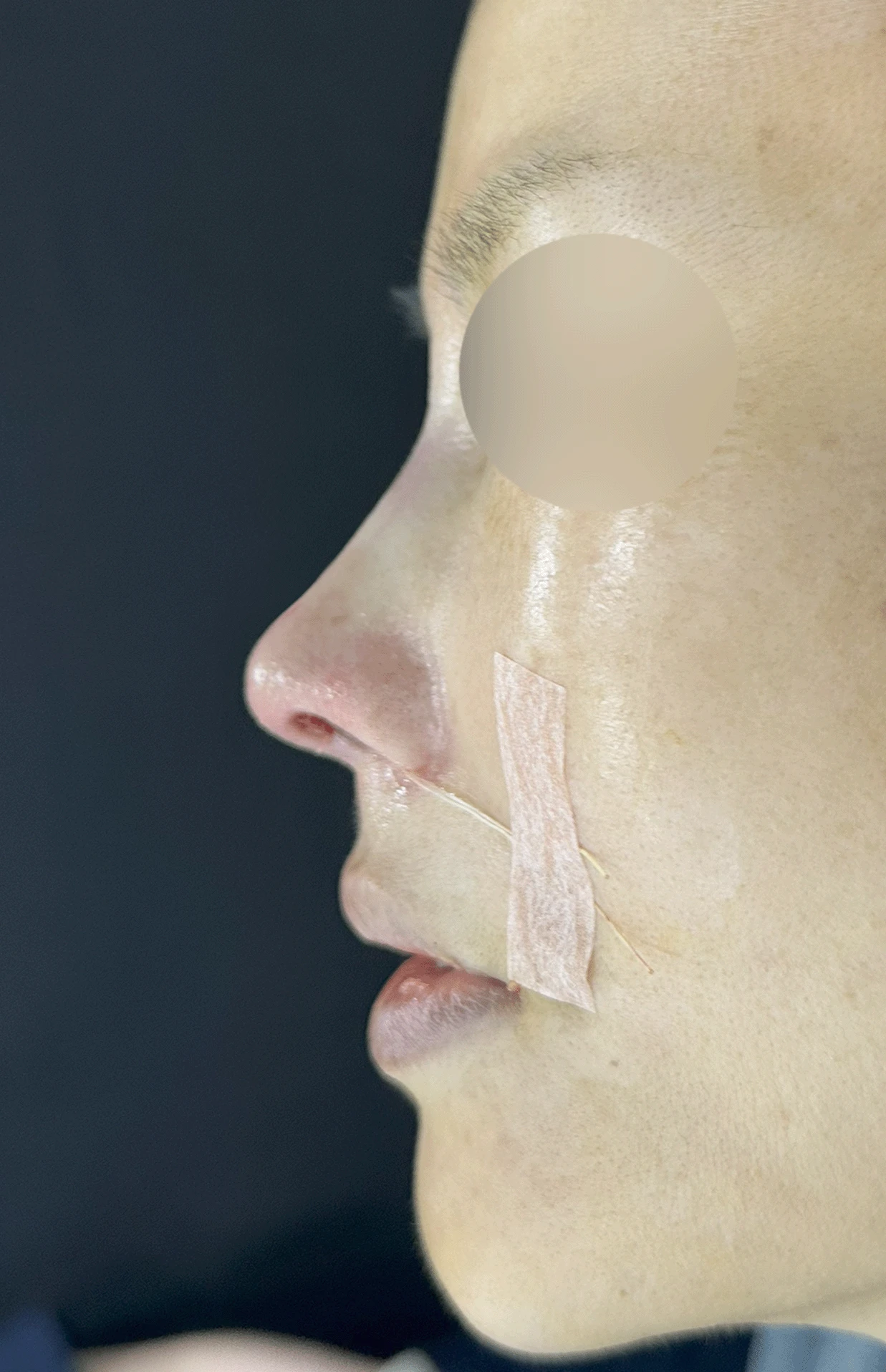
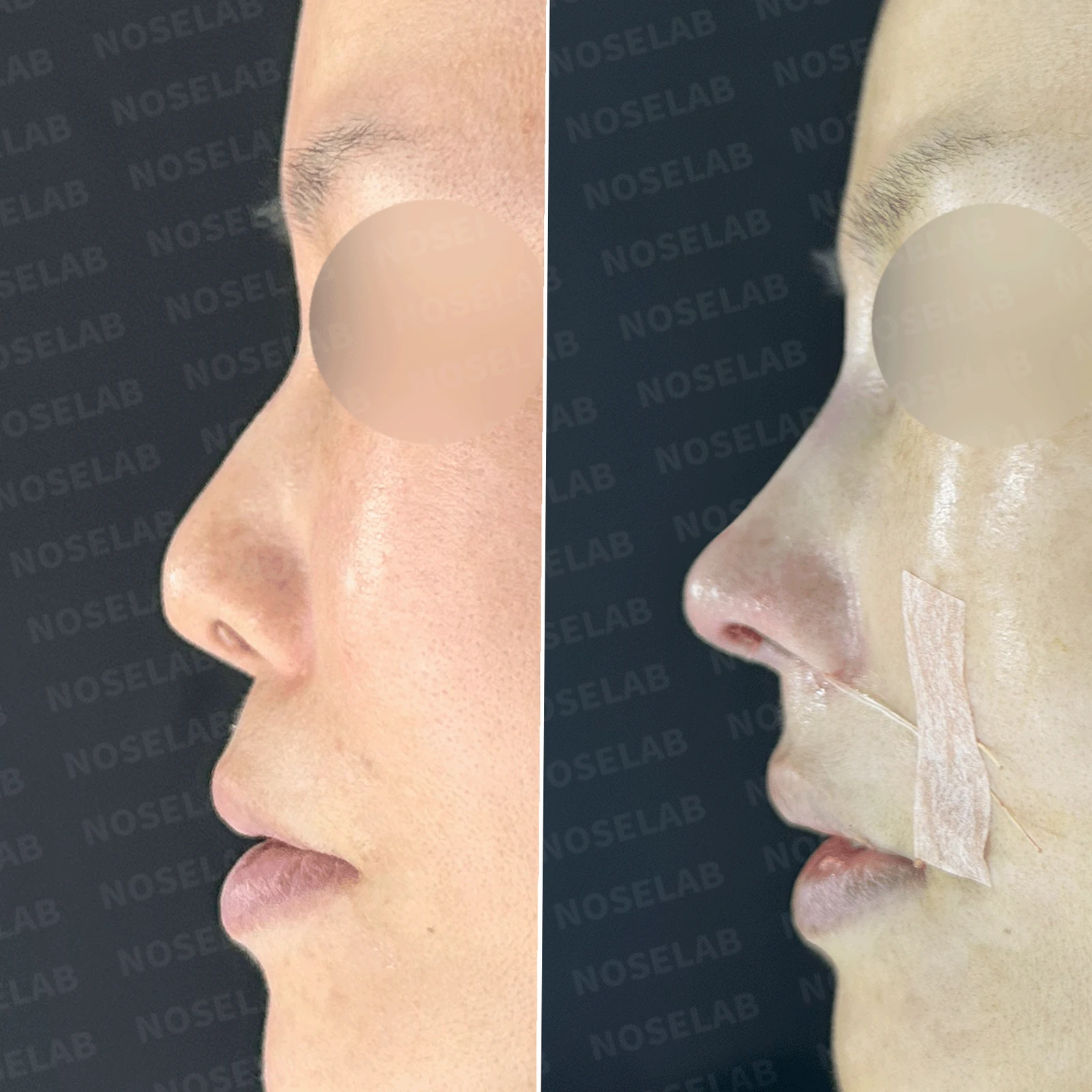
Before surgery / Day 0 immediately after surgery Photos taken immediately after surgery show swelling and may differ from the final result.
2. Profile view
Improved nasolabial angle
Soft nasal tip line
Harmonious profile line
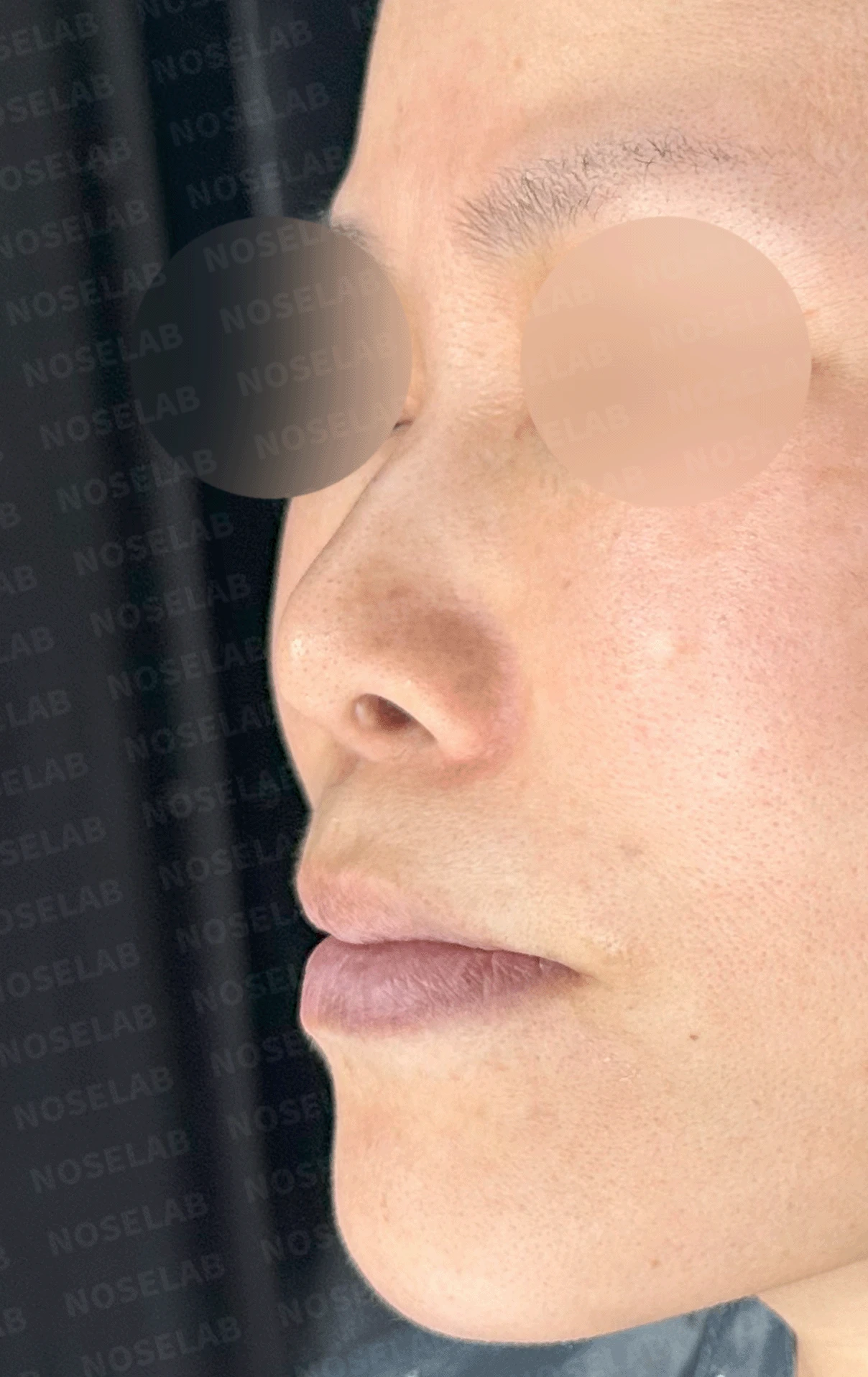
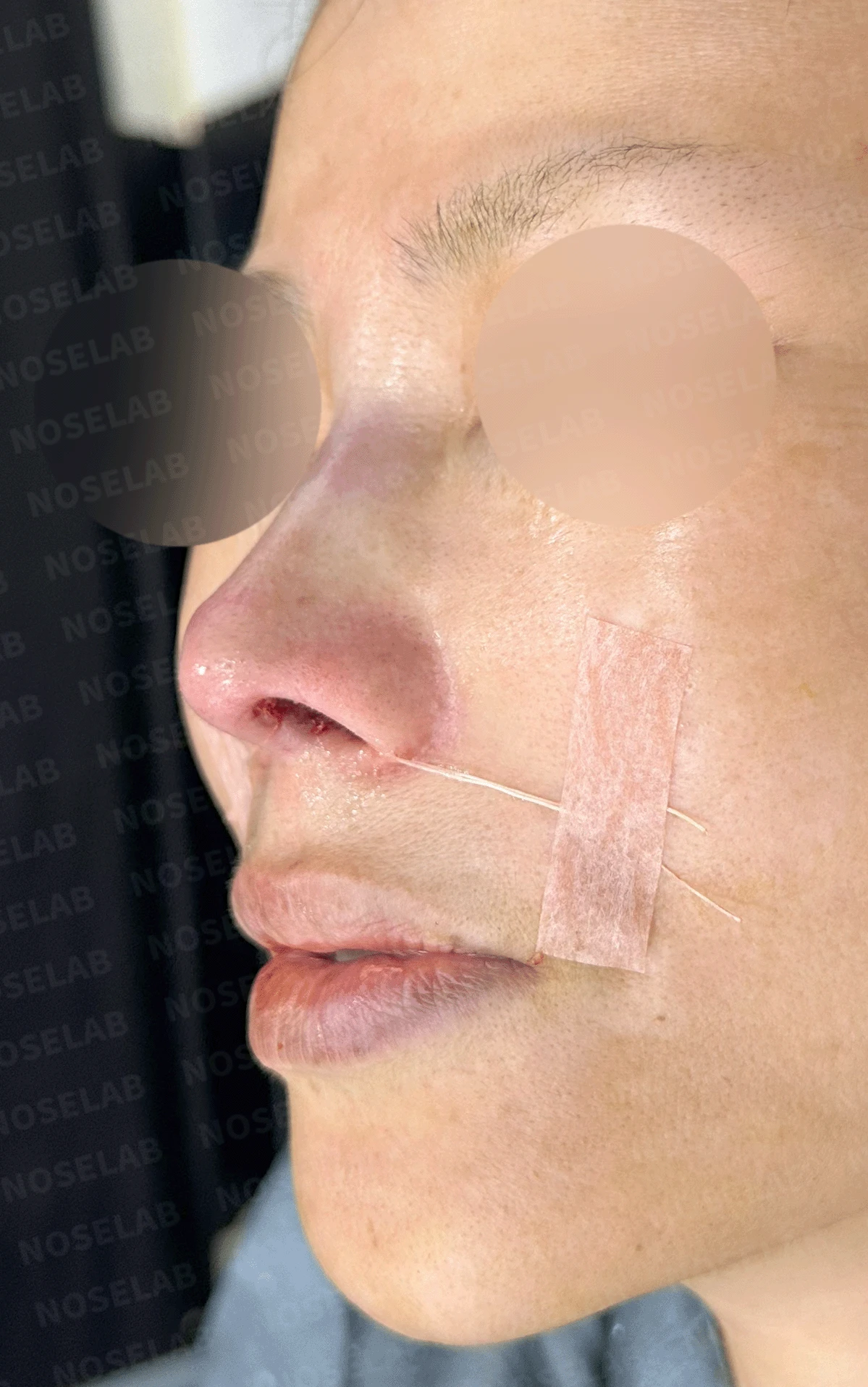
Before surgery / Day 0 immediately after surgery Photos taken immediately after surgery show swelling and may differ from the final result.
3. Oblique view
Natural three-dimensional definition
Stable structure
Improved overall balance
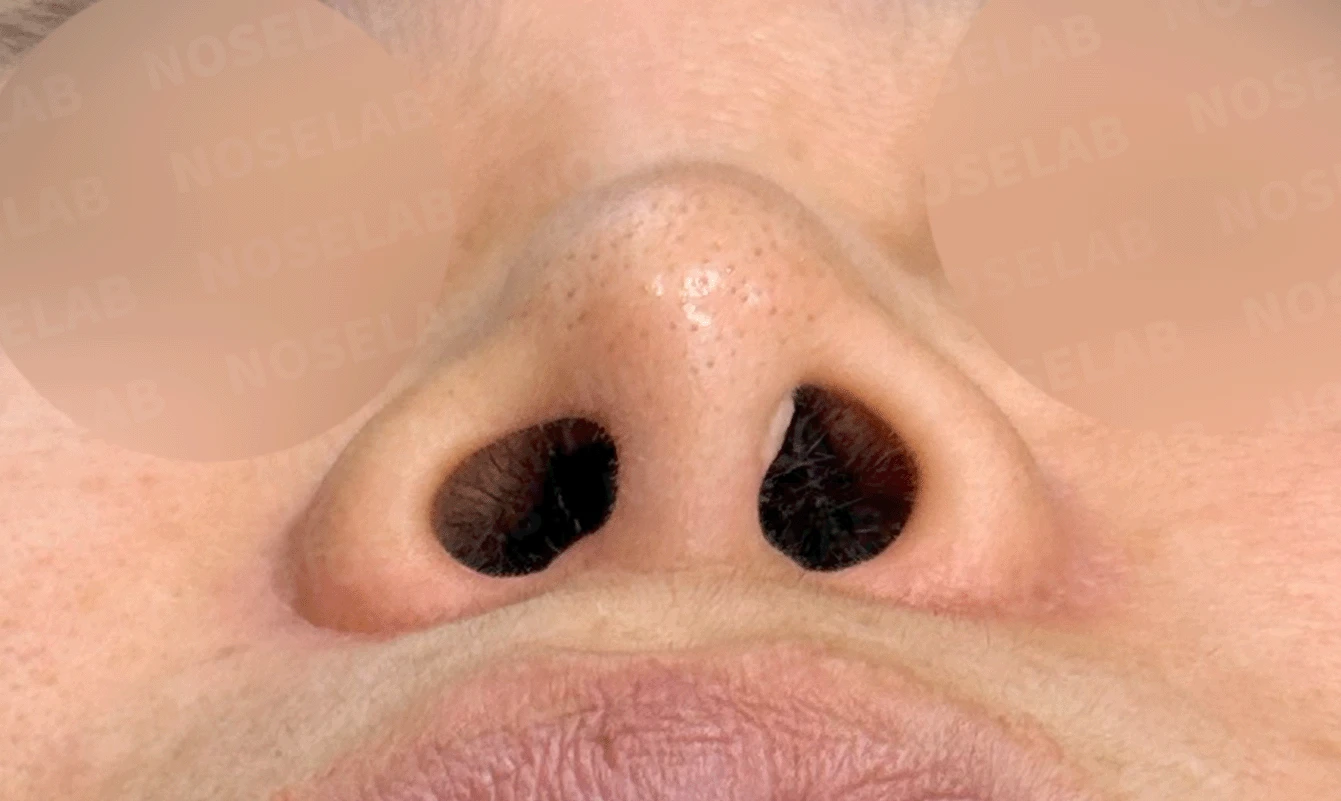
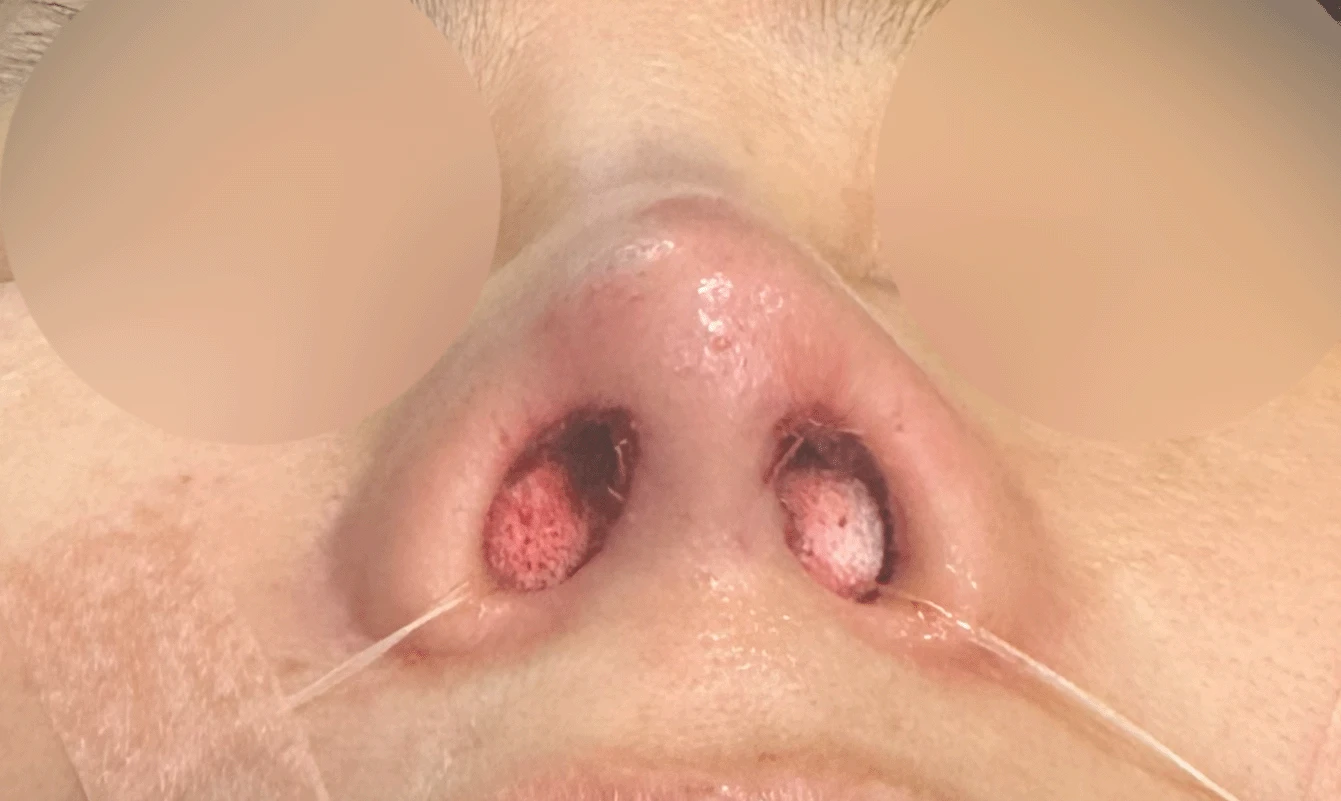
Before surgery / Day 0 immediately after surgery Photos taken immediately after surgery show swelling and may differ from the final result.
4. Nostril aspect
Improved nostril asymmetry
The columella, which tilted to the left, was straightened
Protruding scar tissue on the left columella was removed
5. Functional improvement
Alleviation of rhinitis symptoms
Smooth breathing
Anticipated reduction in runny nose and sneezing
👨⚕️ Specialist's assessment
When a silicone implant has been retained for a prolonged period, implant show-through or tissue damage can develop as time passes. This was a complex case that required addressing the structural changes accrued over a long span of 30 years while simultaneously treating rhinitis symptoms. By carefully reflecting the patient's requests, we achieved a natural cosmetic result and satisfying functional improvement as well.
This was Dr. Peter C. Kang. Thank you.
Thank you.
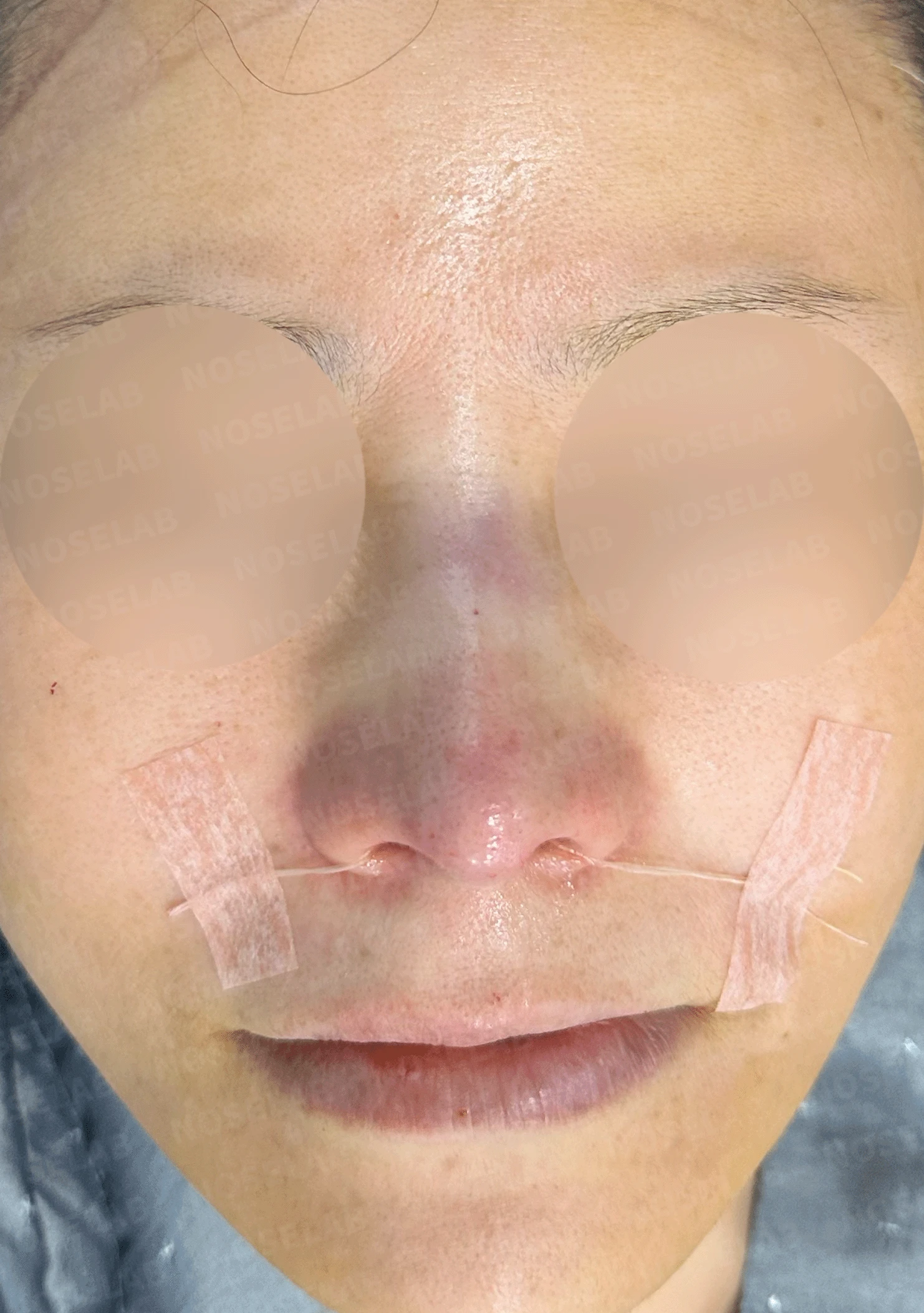
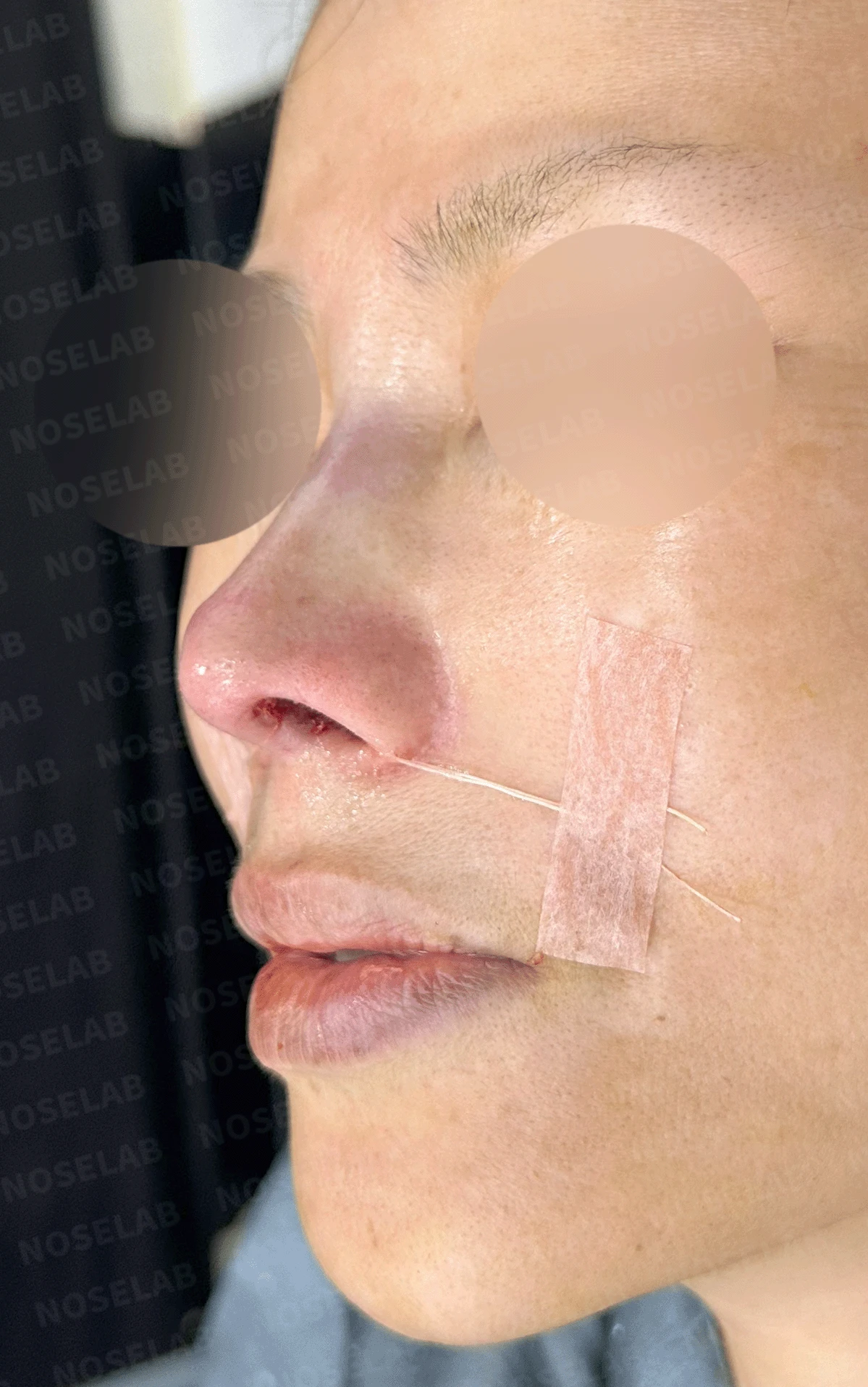
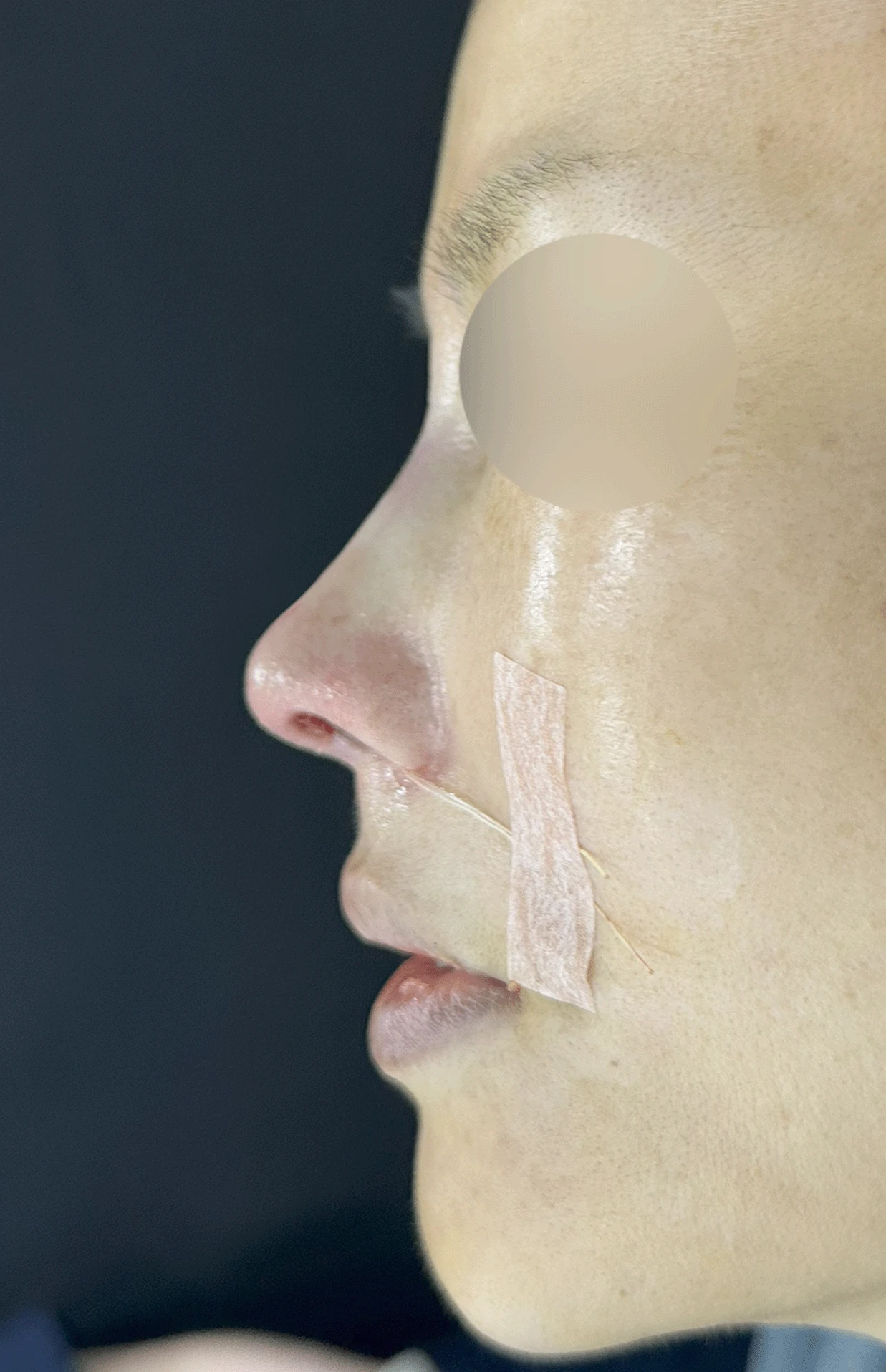
Front, oblique, and profile views on day 0 immediately after surgery. Photos taken immediately after surgery show swelling and may differ from the final result.
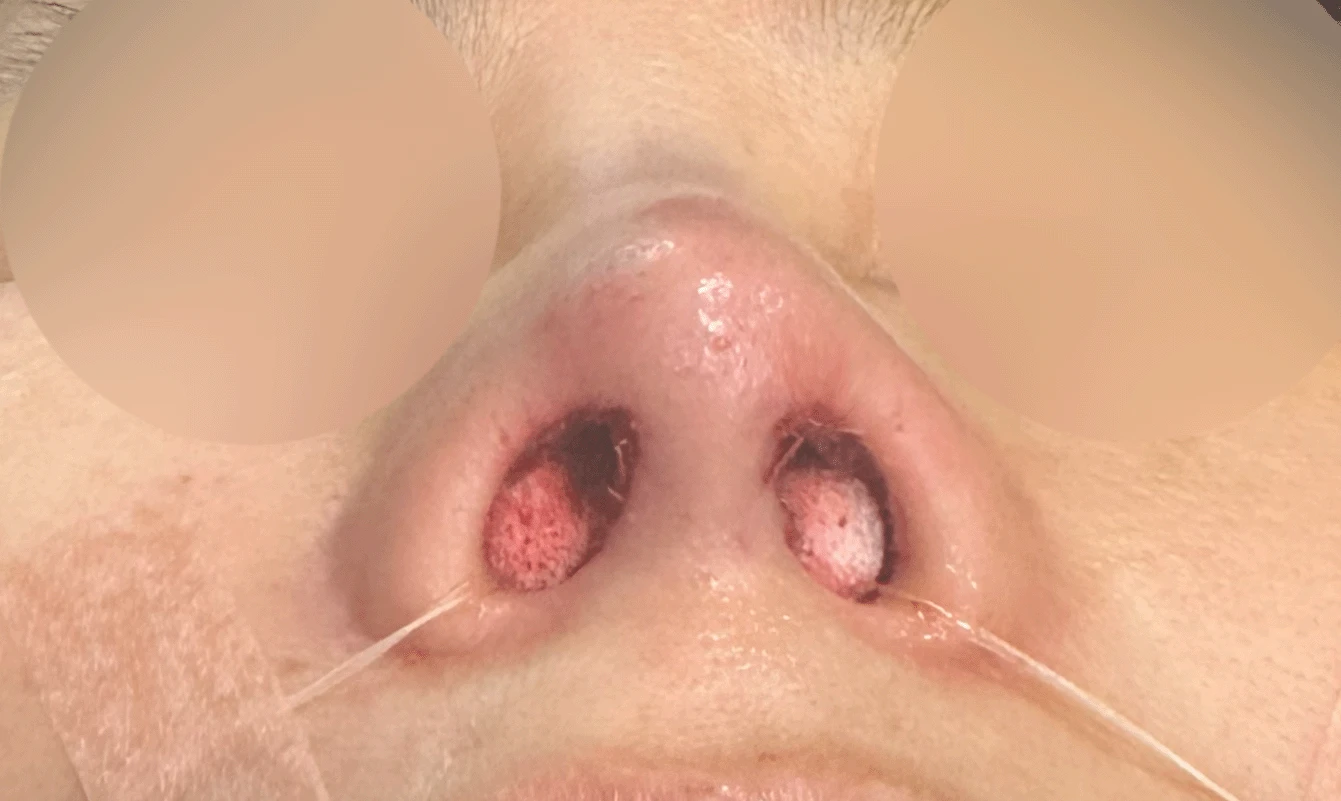
Nostril view on day 0 immediately after surgery. Photos taken immediately after surgery show swelling and may differ from the final result.
#closedrhinoplasty #revisionrhinoplasty #rhinitissurgery #naturalnose #customrhinoplasty

Limitations and risks
When revising after implant removal, contracture may progress again after removal, the nasal height and length may decrease, and staged surgery may be necessary depending on the skin condition.
When the septum is corrected at the same time, nasal obstruction may persist or recur, and in rare cases, septal perforation or changes in smell may occur.
Common potential risks include infection, bleeding, asymmetry, scarring, skin necrosis, and insufficient improvement; results vary depending on individual skin condition and previous surgical history.