Hello, I am Dr. Peter C. Kang.
Today, I would like to share a case of contracted nose correction for a patient who had undergone 6 rhinoplasty procedures over 27 years and finally received their 7th surgery at our clinic. This case clearly illustrates the difficulties and significance of complex revision rhinoplasty.
1. Preoperative consultation and patient history
The patient had undergone a total of 6 surgeries since their first rhinoplasty 27 years ago. The surgical history is as follows:
- 27 years ago: Insertion of an L-shaped silicone implant
- 24 years ago: Insertion of an L-shaped silicone implant and alar reduction (worsened asymmetry)
- 10 years ago: Autologous rib cartilage, ear cartilage, osteotomy, and a silicone implant (visible step-off formed on the nasal dorsum)
- 1 year ago: Autologous rib cartilage, septal cartilage, and a silicone implant (only height was increased, worsening asymmetry)
- 2 weeks postoperatively: Removal of all grafts and implants, leaving only cartilage dome suturing
- 4 months ago: Ear cartilage grafting, implant-free rhinoplasty, and philtrum reduction surgery
The patient's main requests were as follows:
1. Improvement of the philtrum appearing long due to a retracted columella
2. No desire for additional height
3. Checking whether alar asymmetry can be improved
4. Desire for a soft-looking nose rather than a sharp, pointed tip
A particularly notable issue was that the length of the alae had become very short due to previous alar reduction surgery.
2. Preoperative analysis
I carefully analyzed the photos taken before surgery:
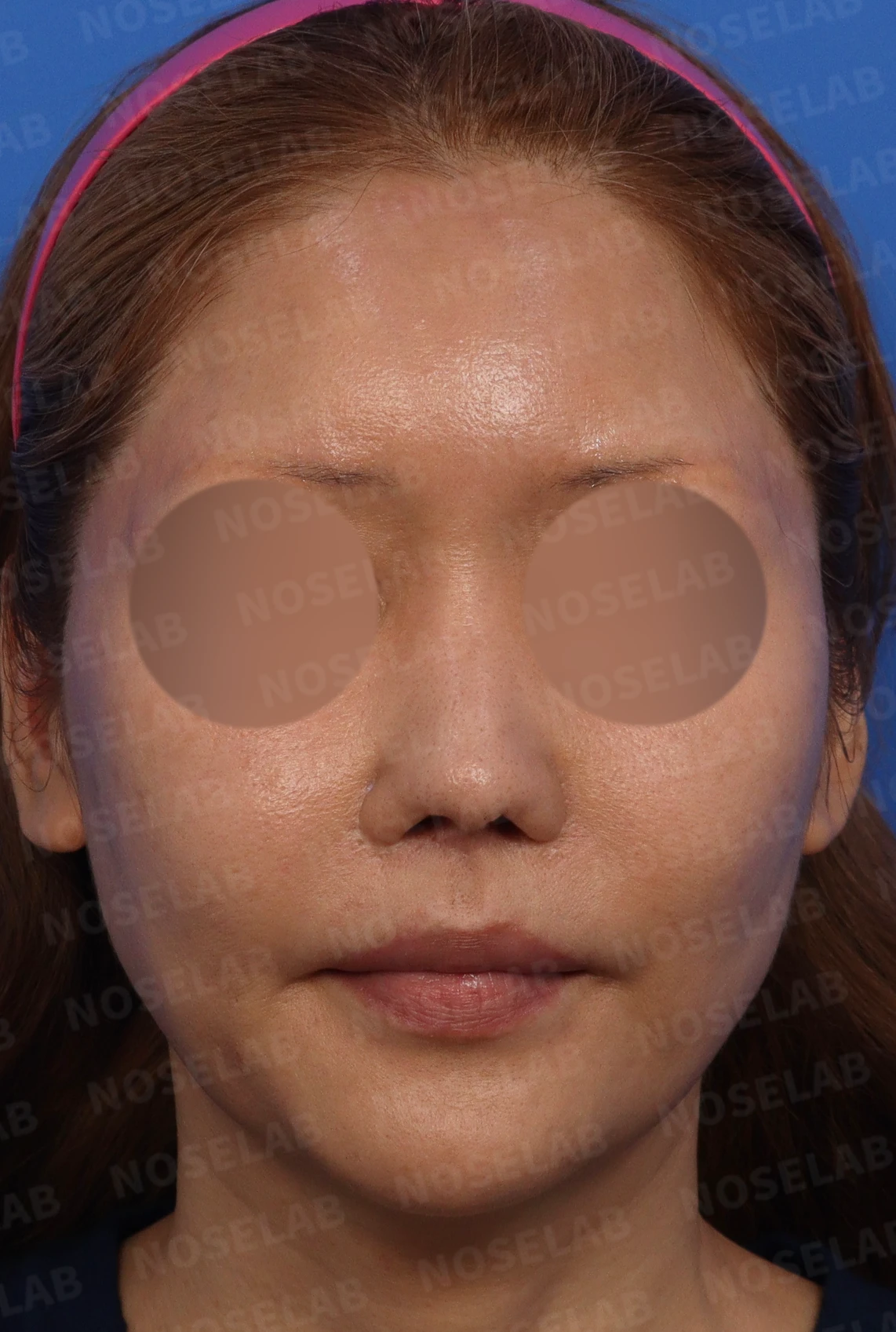
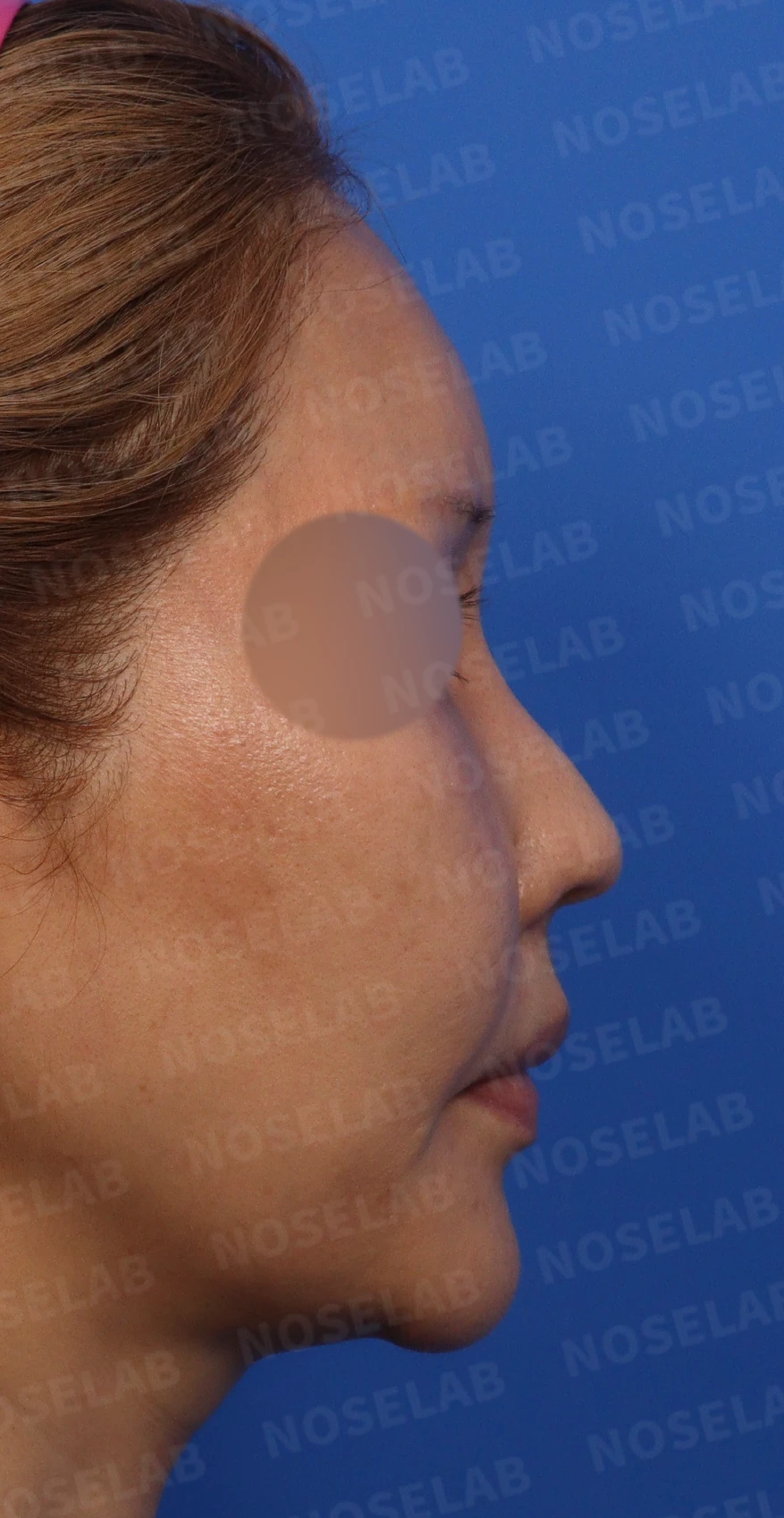
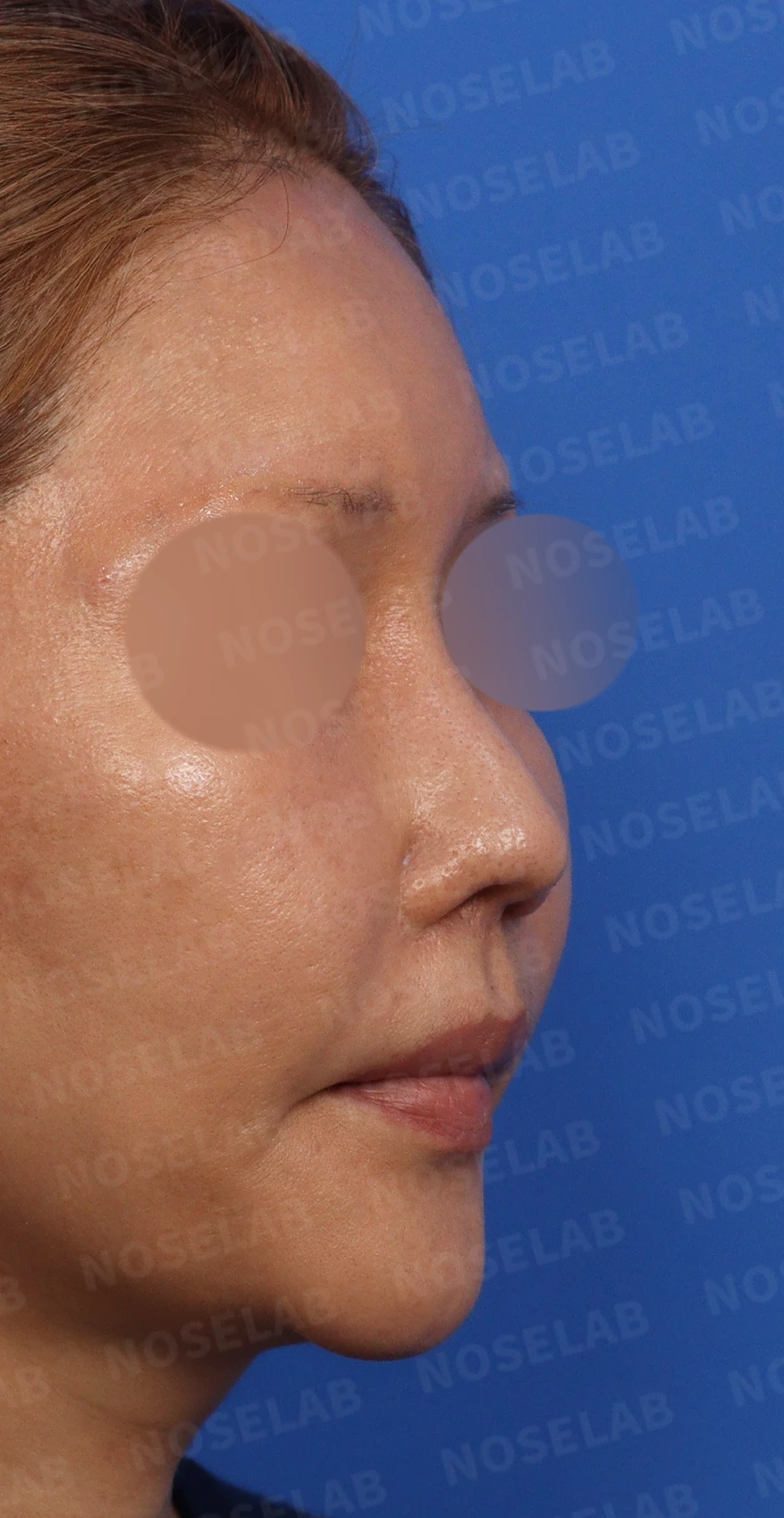
Preoperative design consultation photos: front, profile, and oblique views
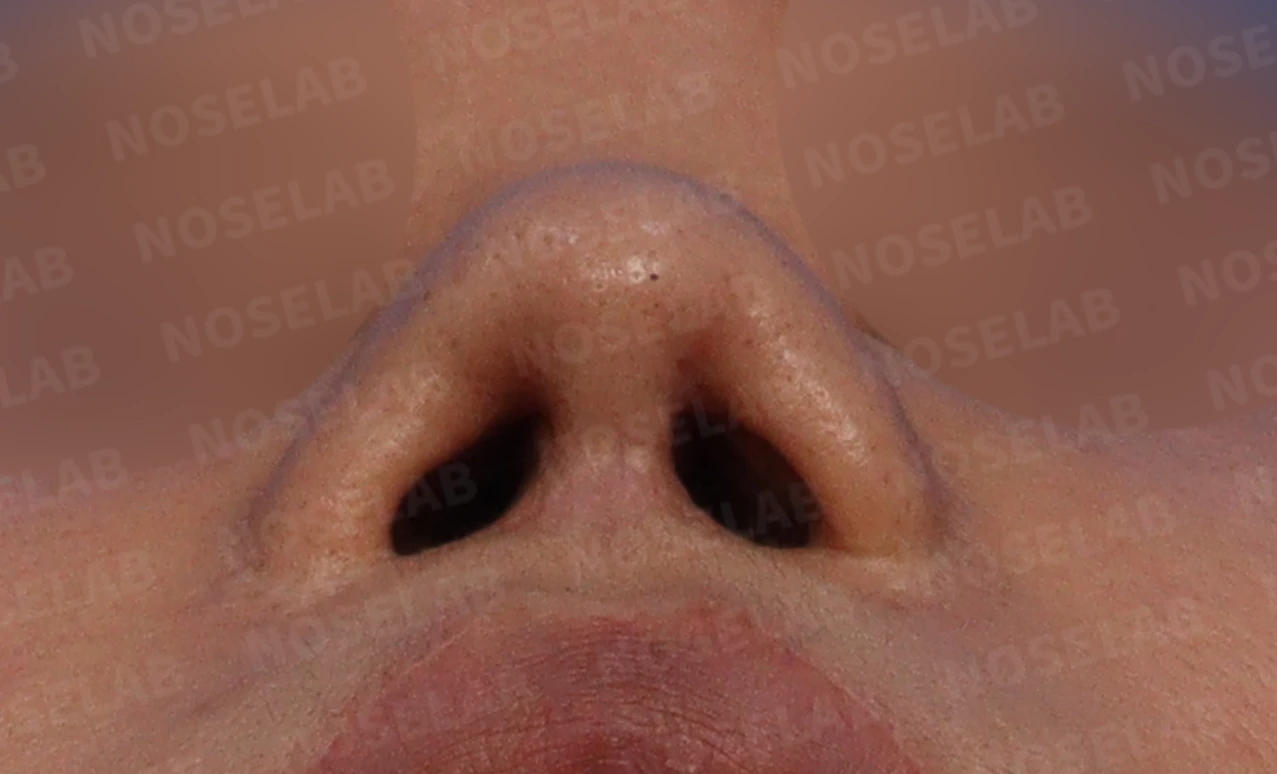
Nostril photo
Front view:
- The nasal tip is deviated to the left
- Obvious nostril asymmetry
- The nasal tip is bulbous and flared
- The nasal bridge is broad overall
Profile view:
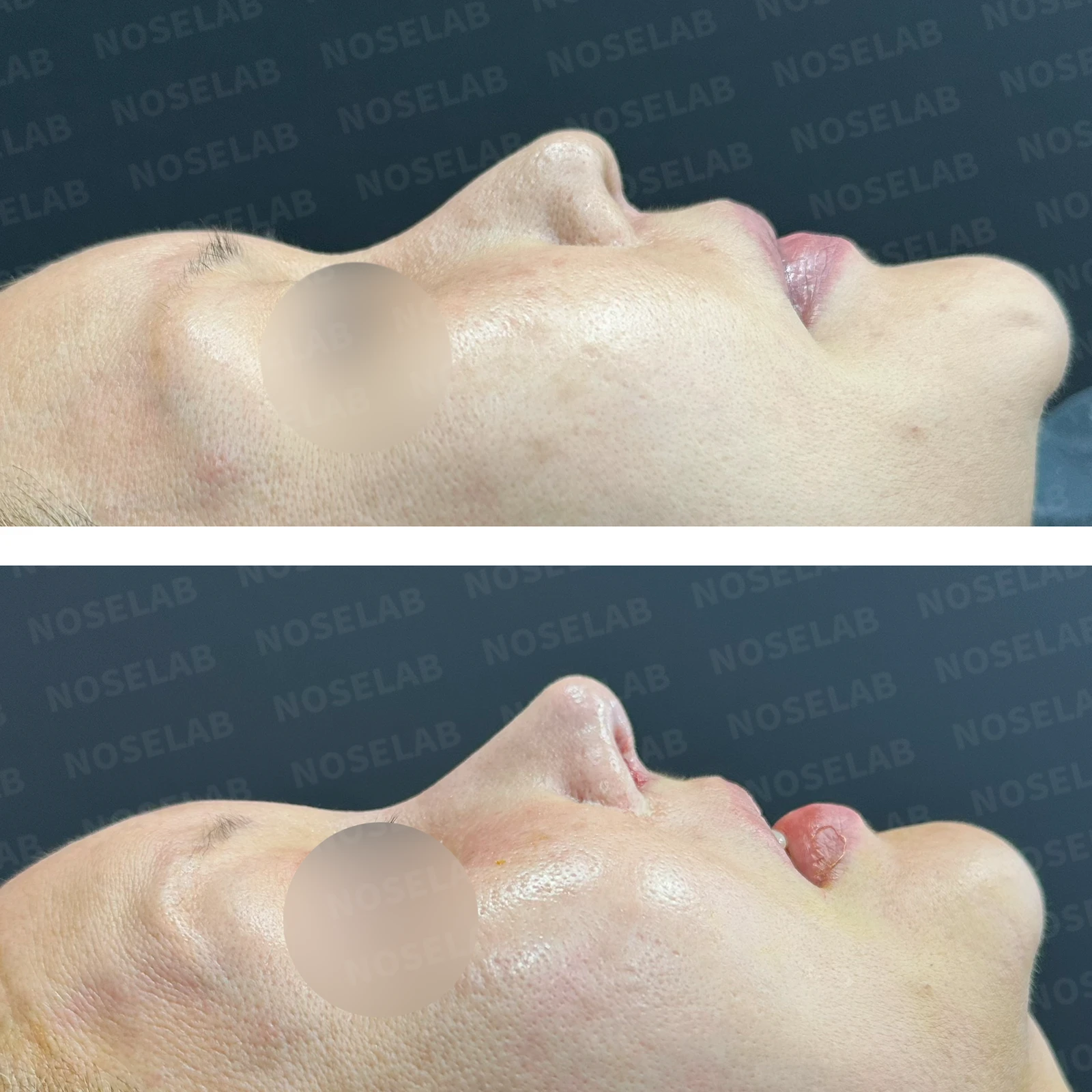
- The nasal tip is drooping
- A slight dorsal hump appearance
- Retracted columella giving the appearance of a protruding mouth
Oblique view:
- The nasal tip appears drooping and elongated
- An overall contracted appearance is observed
Nostrils:
- Nostril asymmetry is evident
- Pinched appearance of the nostrils
- The columella is tilted to the left
In addition, CT scans showed septal deviation to the left, and nasal endoscopy confirmed narrowing of the left nasal cavity. Accordingly, a diagnosis of a deviated septum was made.
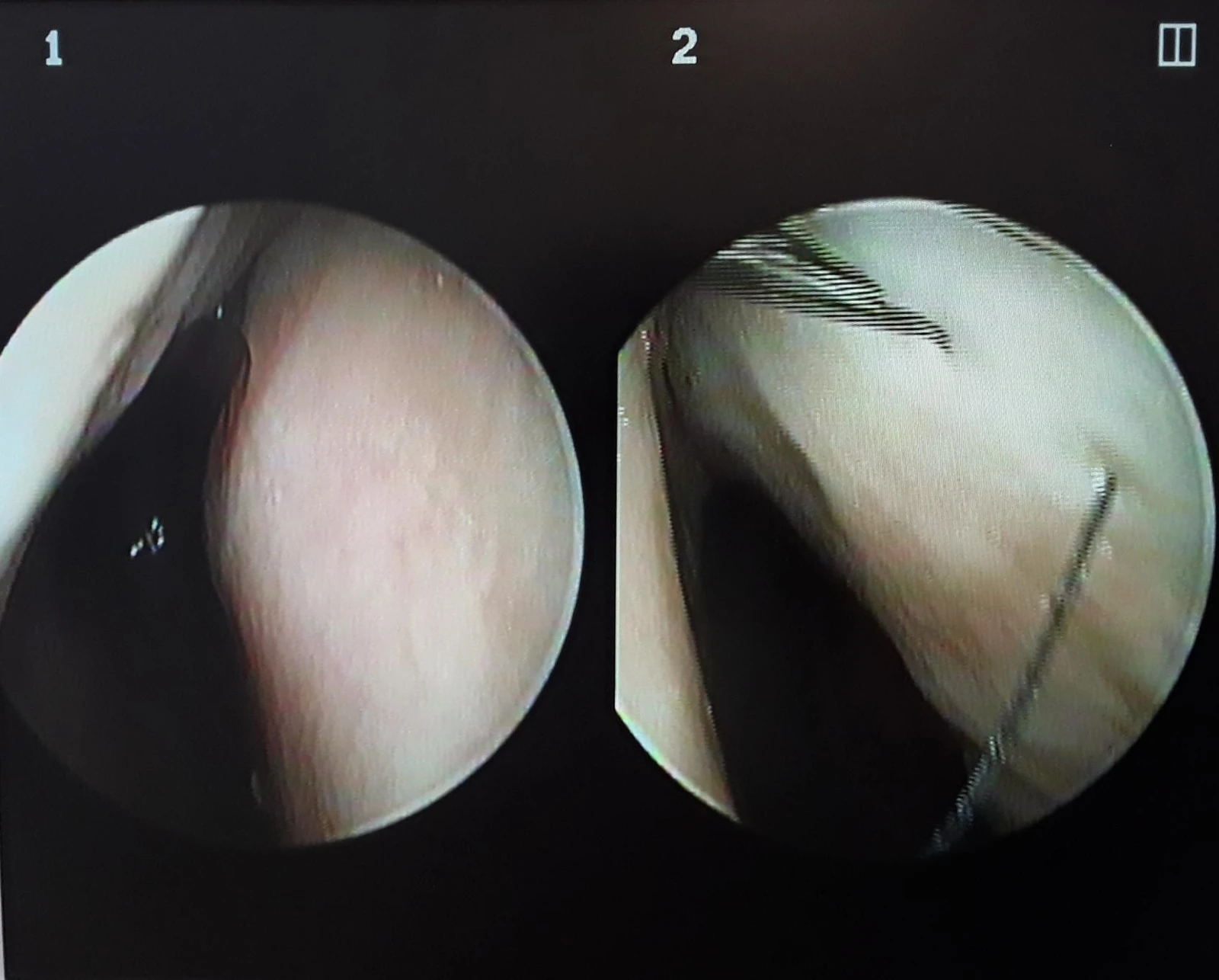
Nasal endoscopy photos 1. Right side 2. Left side
3. Surgical plan
Taking into account the patient's condition and requests, the following surgical plan was established:
a) 3 preceding stem cell therapy sessions to treat contracture deformities
b) Septal reconstruction (to be decided based on intraoperative findings)
c) Lateral osteotomy to correct the crooked nose
d) Nostril rim lowering surgery to correct nostril asymmetry
e) Septal extension
4. Procedure details
During the actual surgery, we encountered a situation more complex than anticipated:
a) Evaluation of the septal condition:
- Upon removing the previously grafted autologous rib cartilage, almost no native septal cartilage remained.
- The previously grafted autologous rib cartilage had also been more than half resorbed due to inflammation.
b) Total septal reconstruction:
- The septum was completely reconstructed using fresh autologous rib cartilage.
c) Lower lateral cartilage reconstruction:
- Since almost no native lower lateral (alar) cartilage remained, it was completely reconstructed anew.
d) Reconstruction of the upper lateral cartilage:
- The upper lateral cartilages, which were only partially present, were also reconstructed.
e) Correction of the deviated septum and septal extension:
- Performed to correct the leftward deviation of the nasal tip.
It should be noted that asymmetry caused by the excessive resection of alar tissue in previous surgeries cannot be fully corrected. In particular, because the alar length was short, there were limitations in raising the nasal tip.
5. Comparison of before-and-after photos
Comparing photos taken immediately after surgery on day 0 shows the following improvements: Photos taken immediately after surgery show swelling and may differ from the final result.
Front view:
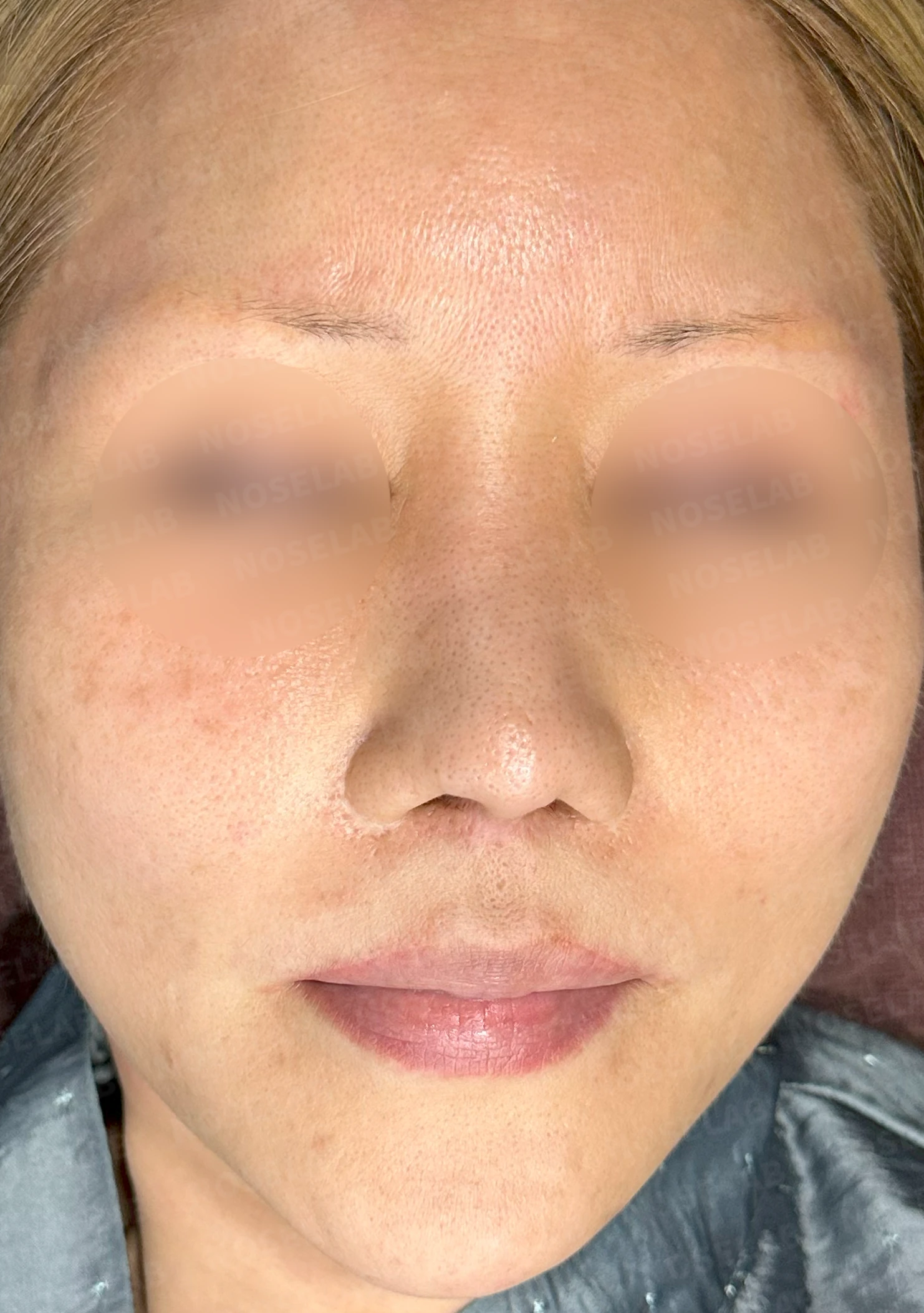
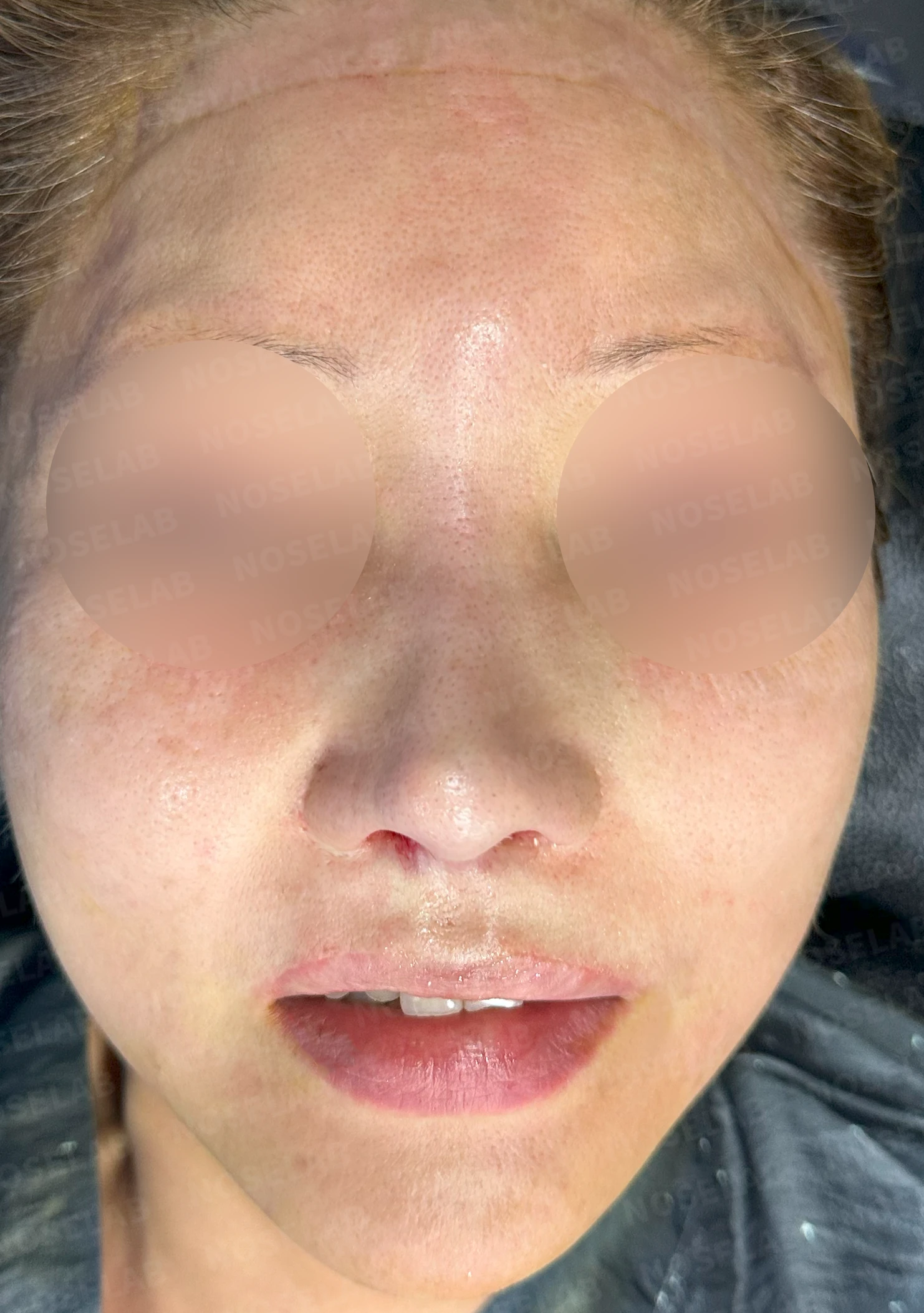
Before surgery / Day 0 immediately after surgery Photos taken immediately after surgery show swelling and may differ from the final result.
- The nasal tip, which was deviated to the left, was realigned to the center.
- Nostril asymmetry has visibly improved.
- The bulbous, wide nasal tip was refined into a more defined shape.
- The broad nasal bridge was slimmed down.
Profile view:
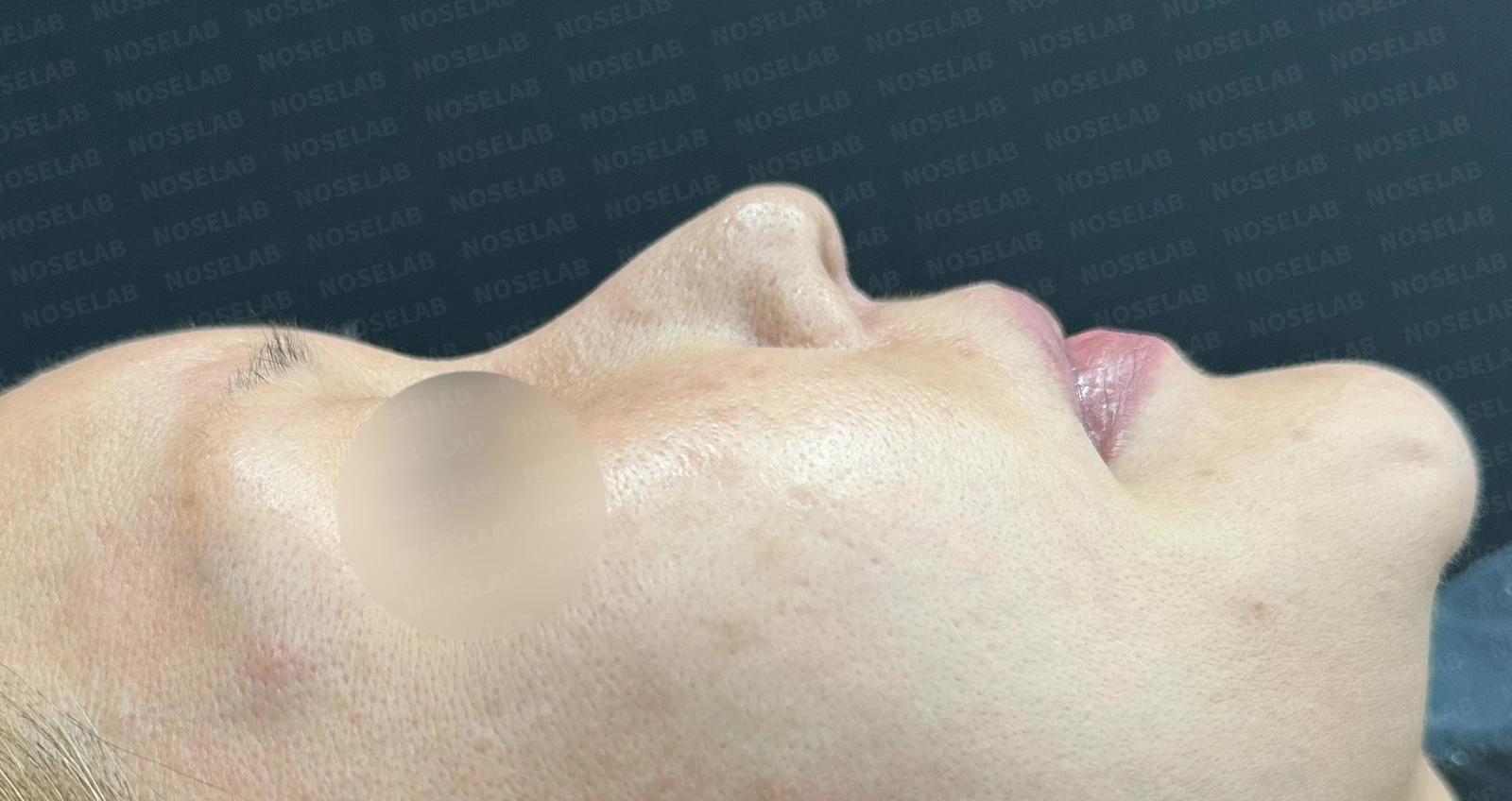
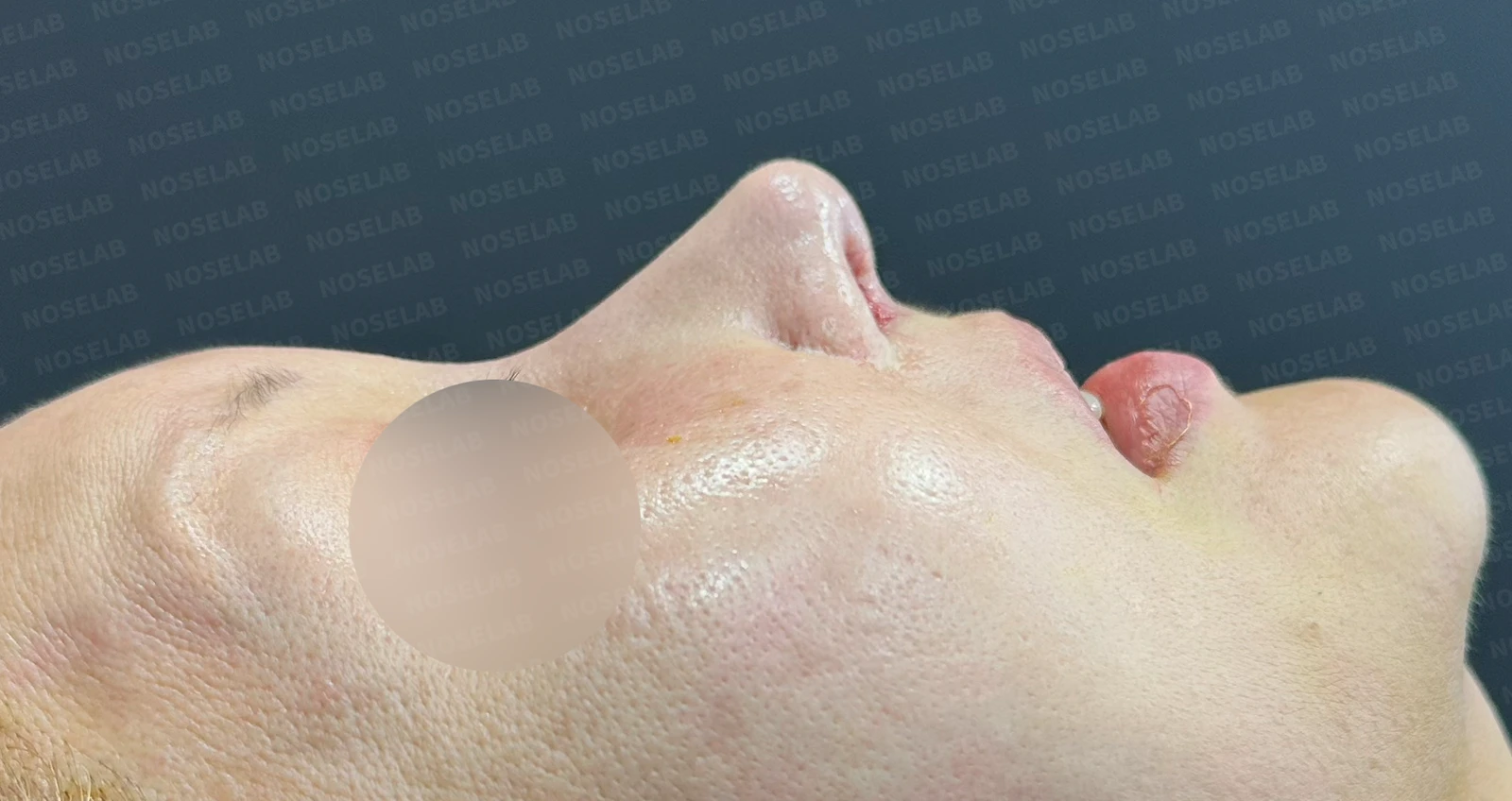
Before surgery / Day 0 immediately after surgery Photos taken immediately after surgery show swelling and may differ from the final result.
- The drooping nasal tip was appropriately elevated, improving overall balance.
- The dorsal hump appearance was smoothed.
- The retracted columella was corrected, improving the appearance of a protruding mouth.
Oblique view:
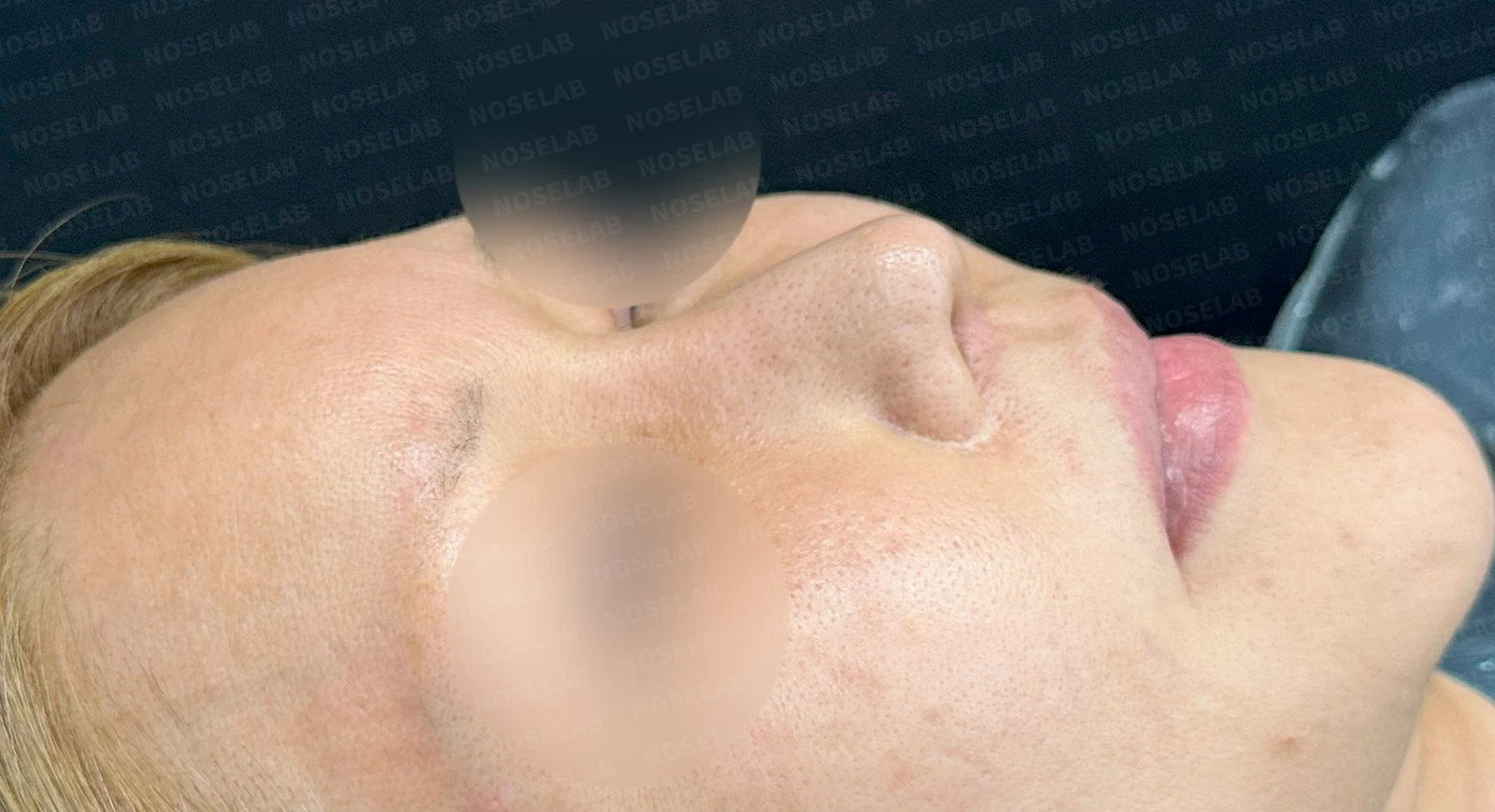
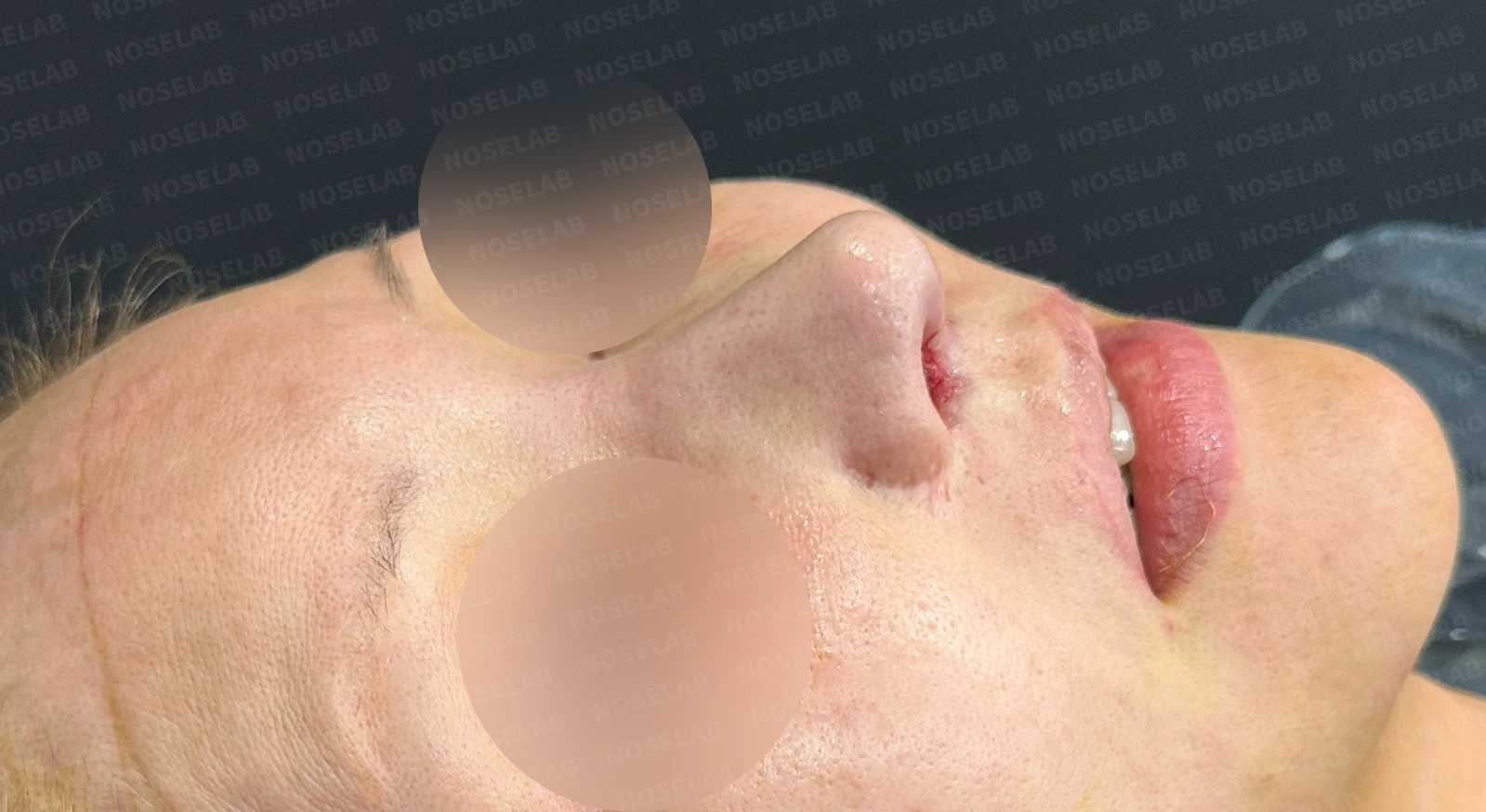
Before surgery / Day 0 immediately after surgery Photos taken immediately after surgery show swelling and may differ from the final result.
- The drooping, elongated nasal tip was adjusted to a natural height and length.
- The contracted appearance significantly improved, resulting in smoother contours.
Nostrils:
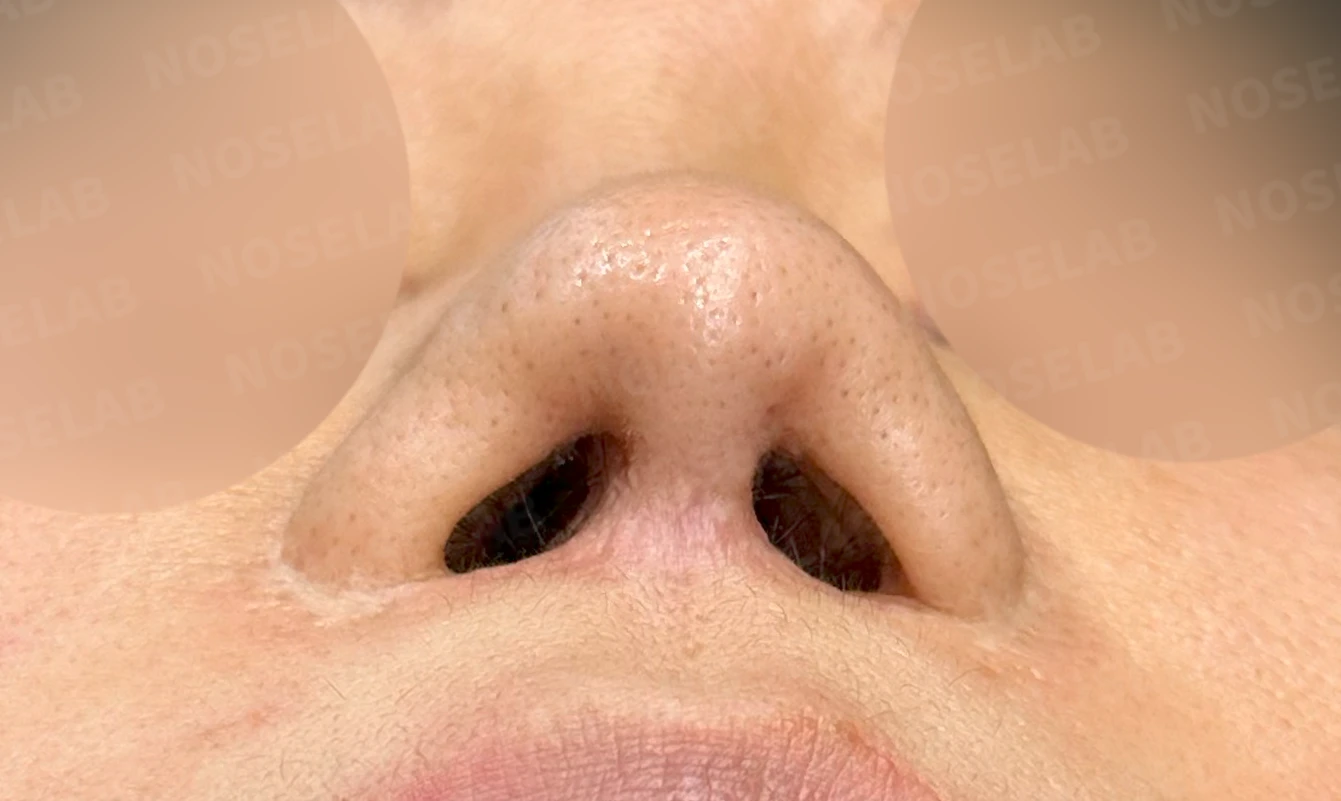
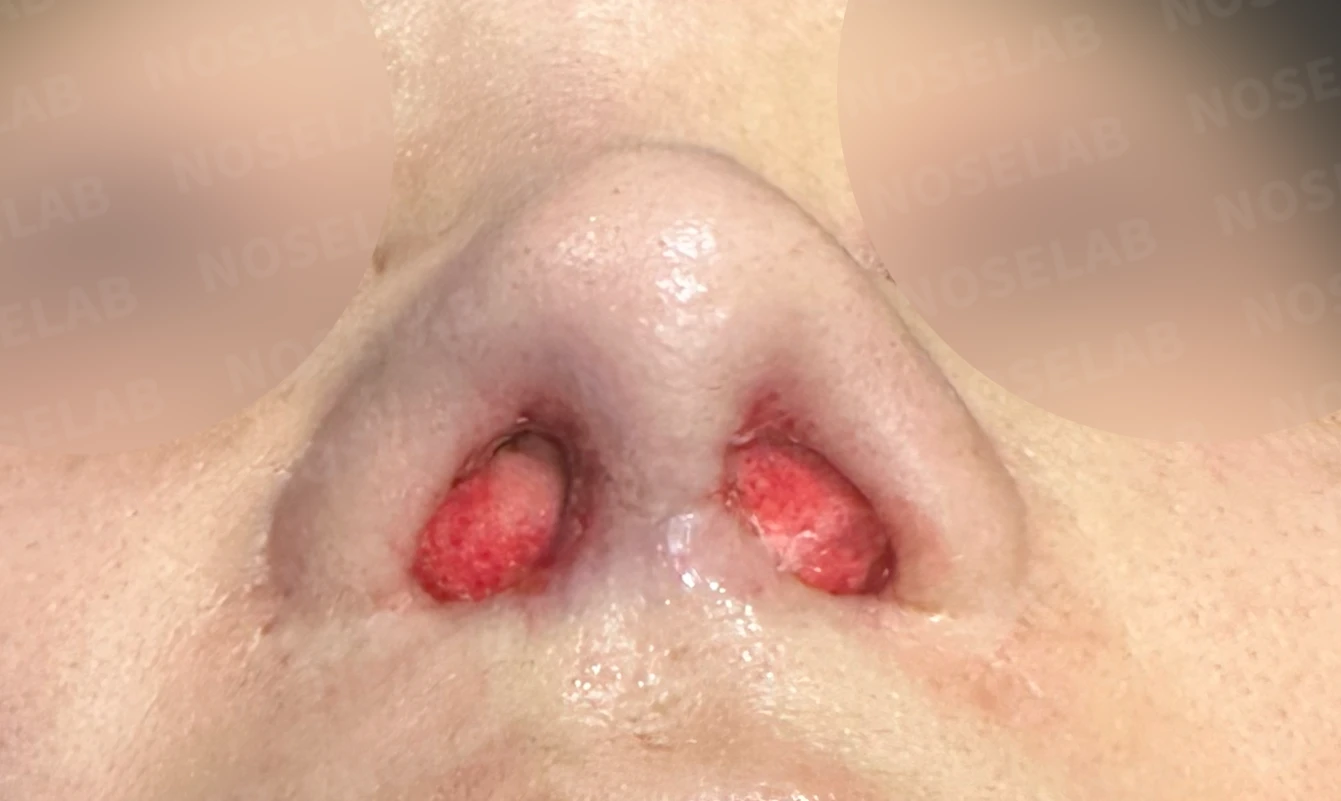
Before surgery / Day 0 immediately after surgery Photos taken immediately after surgery show swelling and may differ from the final result.
- Nostril asymmetry was substantially improved.
- The pinched nostril shape became natural.
- The columella, which tilted to the left, was centered.
6. Overall evaluation
Cases like this illustrate the complex issues that can arise after multiple rhinoplasty procedures. In particular, it highlights the challenges and significance of contracted nose correction.
The greatest challenge was reconstructing the cartilage framework, which had been severely damaged by previous surgeries. The septum, lower lateral (alar) cartilages, and upper lateral cartilages all required reconstruction, a task demanding high technical skill and experience.
Furthermore, because the alar length had become very short due to previous alar reduction surgery, there was a limit to how much the nasal tip could be projected. This serves as a reminder of the lasting impact of previous procedures and the critical need for careful surgical planning.
Stem cell therapy administered to treat the contracture deformity helped improve tissue condition before surgery. This likely contributed to higher surgical predictability and a shorter recovery period.
Treating the deviated septum concurrently allowed for functional improvements alongside cosmetic enhancement. This demonstrates the value of expertise as a board-certified otolaryngologist (ENT specialist).
7. Conclusion
I hope this case offers hope to those distressed by unsatisfactory results following multiple rhinoplasties. Correcting a contracted nose is a very complex and demanding procedure, but satisfactory results can be achieved through appropriate planning and refined surgical techniques.
Particularly in complex revision rhinoplasty cases like this, choosing a surgeon with extensive clinical experience and expertise is crucial. Drawing on anatomic expertise as a board-certified otolaryngologist and extensive surgical experience, Dr. Peter C. Kang provides a surgical plan tailored to each individual patient.
For those considering rhinoplasty, especially revision surgery, I encourage you to make decisions carefully after thorough consultation. NOSELAB will always do its utmost for your healthy and balanced nose.
8. Photos taken immediately on day 0 post-surgeryImmediate postoperative photos show swelling and may differ from the final result.
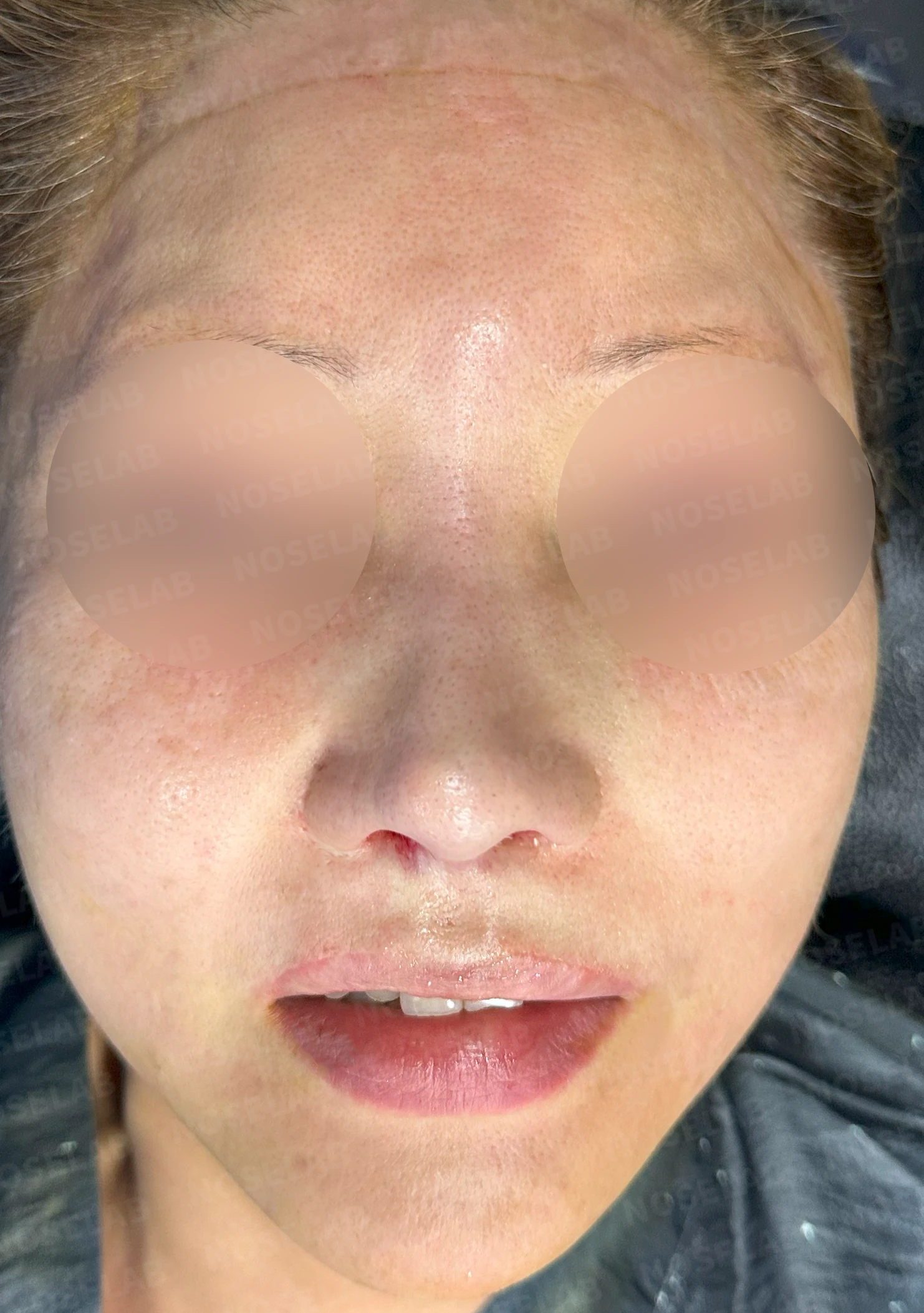
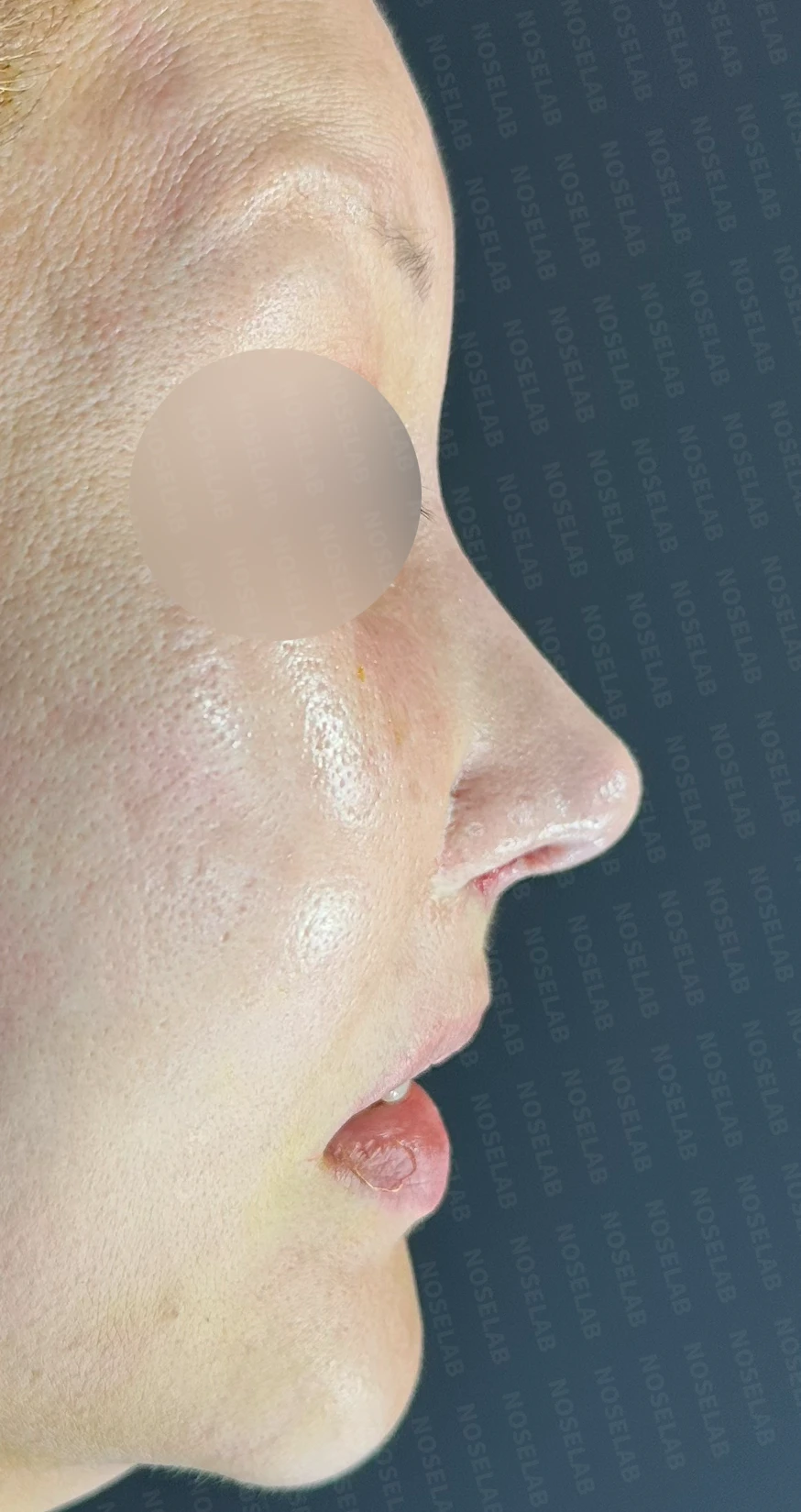
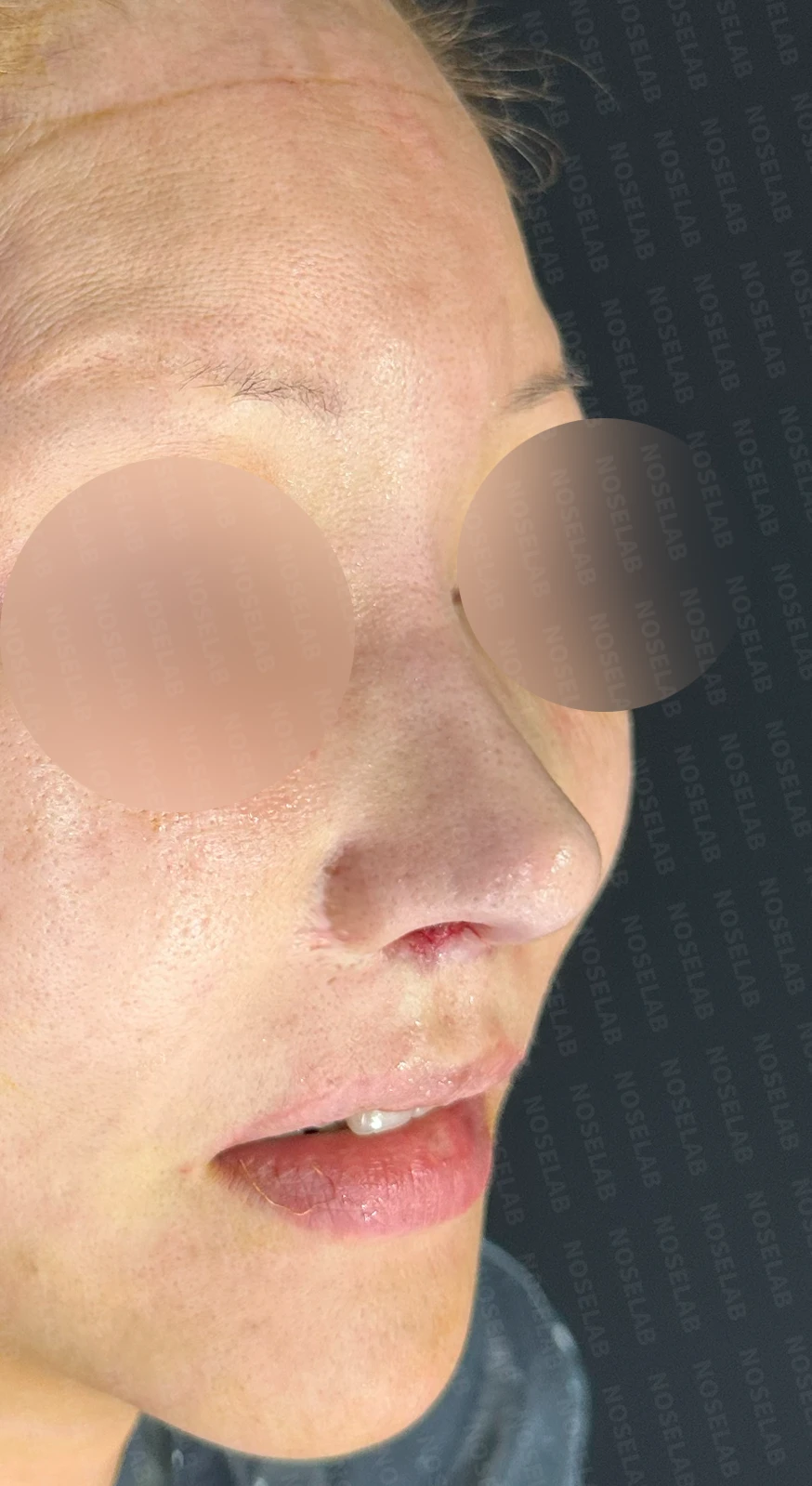
Immediately after surgery (Day 0) front, profile, and oblique viewsImmediate postoperative photos show swelling and may differ from the final result.
Nostril photo
#contractednosecorrection #revisionrhinoplasty #crookednosecorrection #broadnosecorrection #nostrilasymmetrycorrection #septalreconstruction #autologousribcartilage #closedrhinoplasty #stemcelltherapy #entrhinoplasty #plannedwithsafetyinmind

Limitations and risks
When autologous rib cartilage is used, scarring and pain may remain at the donor site on the chest, and pneumothorax (pleural injury) can occur rarely. Over time, the grafted cartilage may warp or undergo partial resorption.
When the septum is corrected at the same time, nasal obstruction may persist or recur, and in rare cases, septal perforation or changes in smell may occur.
Common potential risks include infection, bleeding, asymmetry, scarring, skin necrosis, and insufficient improvement; results vary depending on individual skin condition and previous surgical history.