Hello, I am Dr. Peter C. Kang.
Today, I would like to share a revision rhinoplasty case of a patient whose nasal tip gradually became upturned due to an L-shaped silicone implant inserted about 10 years ago.
🔍 Surgical history
The patient underwent rhinoplasty using an L-shaped silicone implant about 10 years ago. Over time, the skin at the nasal tip gradually thinned, and an upward upturned deformity progressively developed.
Due to its structural nature, an L-shaped implant can apply long-term pressure to the nasal tip skin, which can lead to an upturned tip deformity.
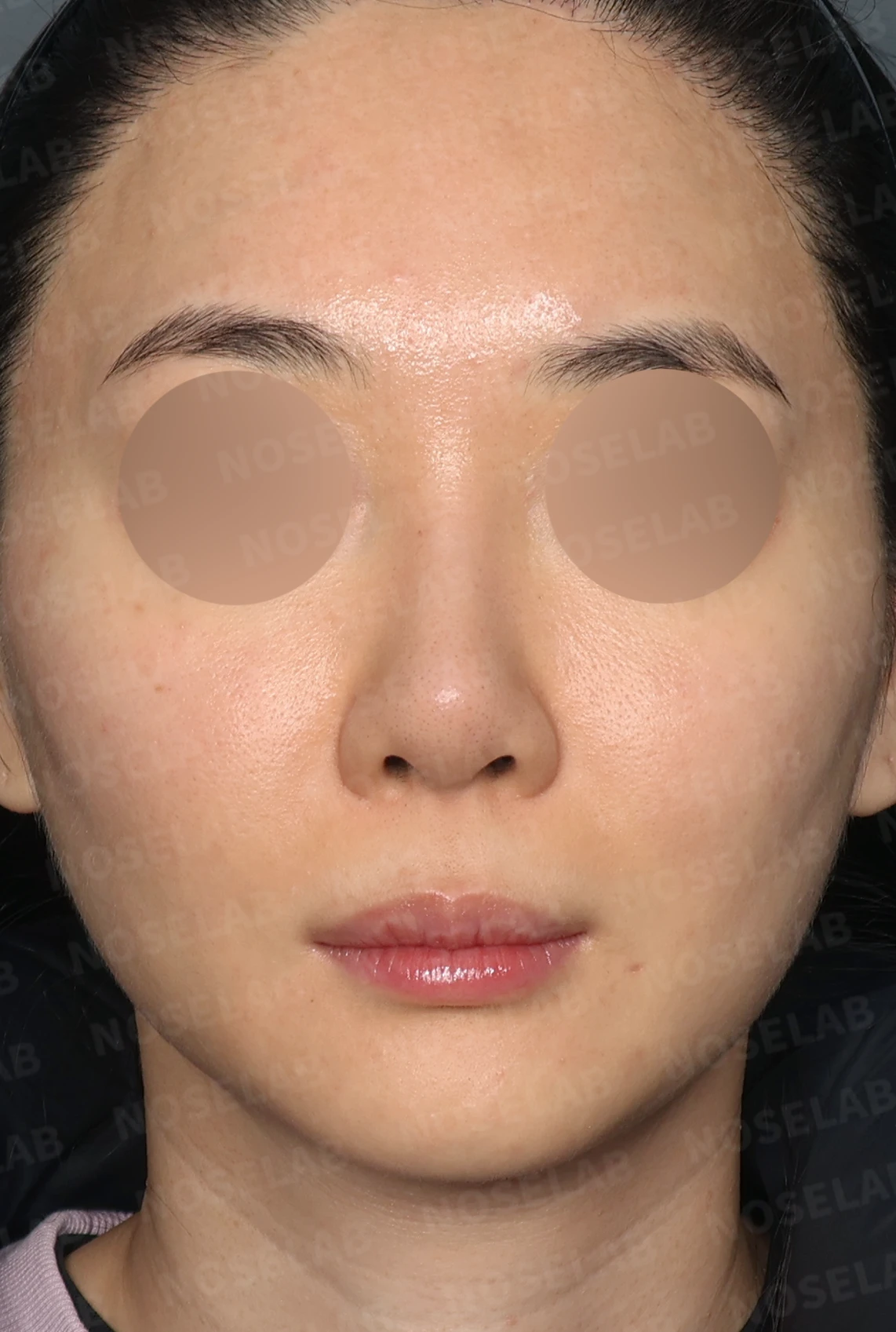
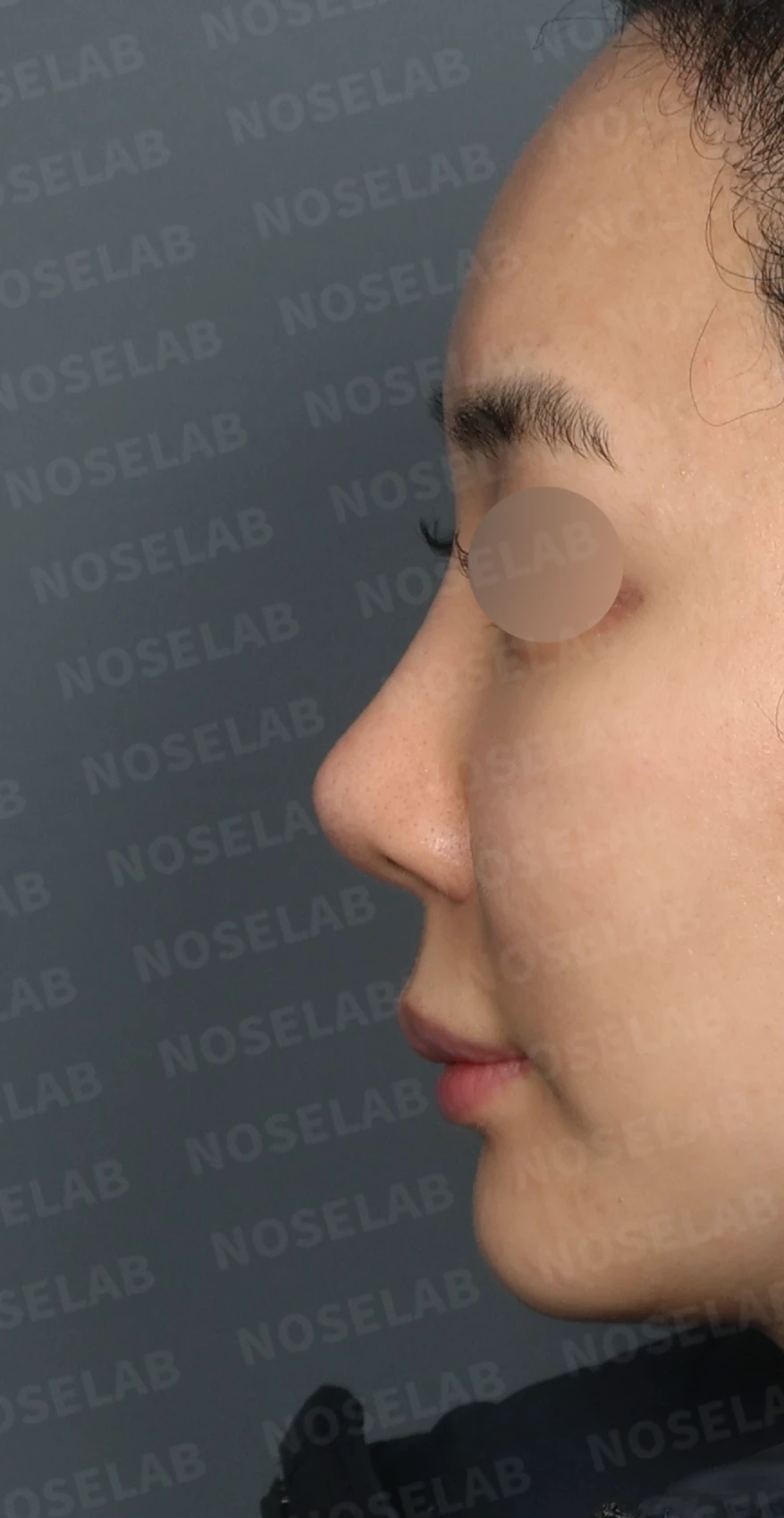
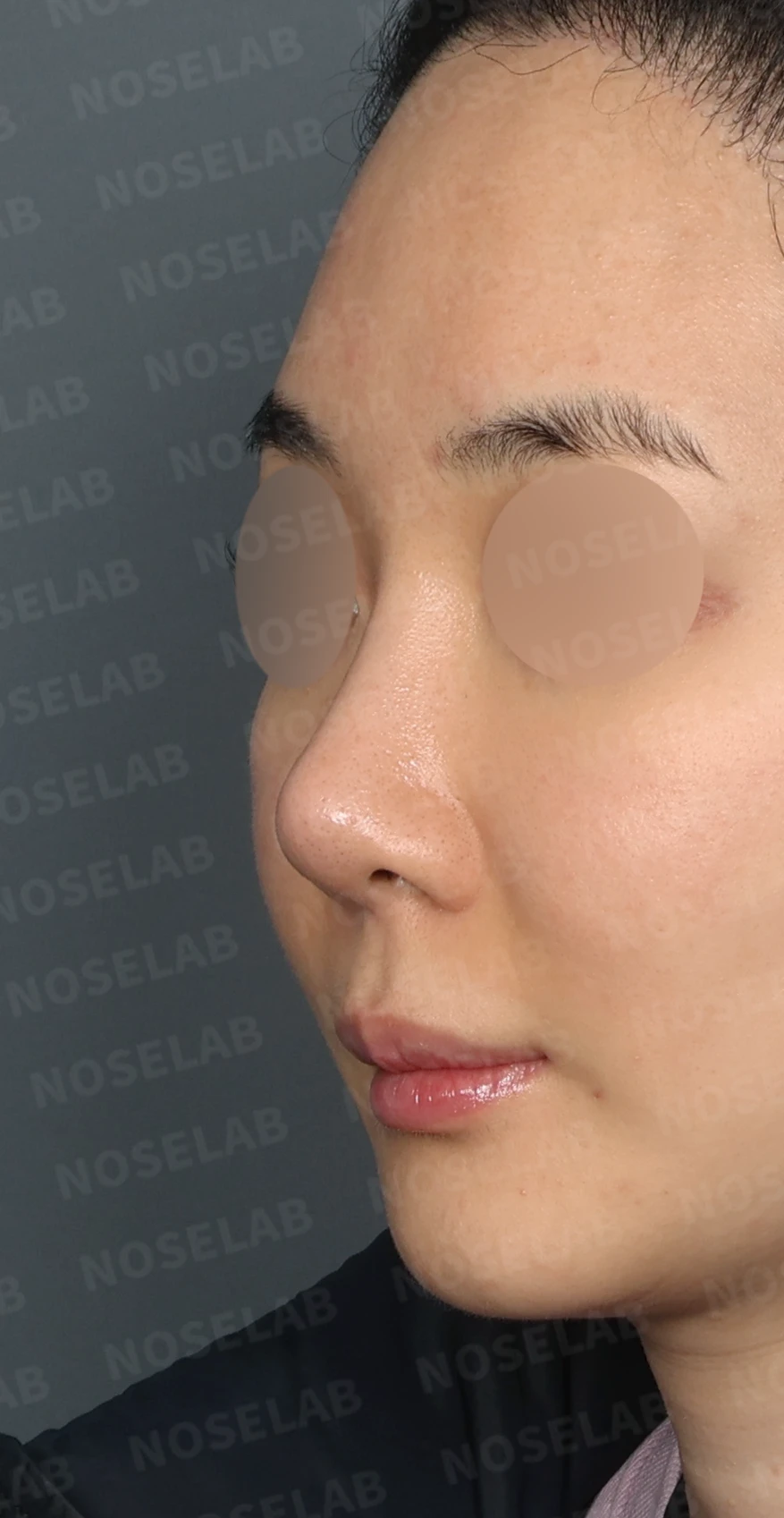
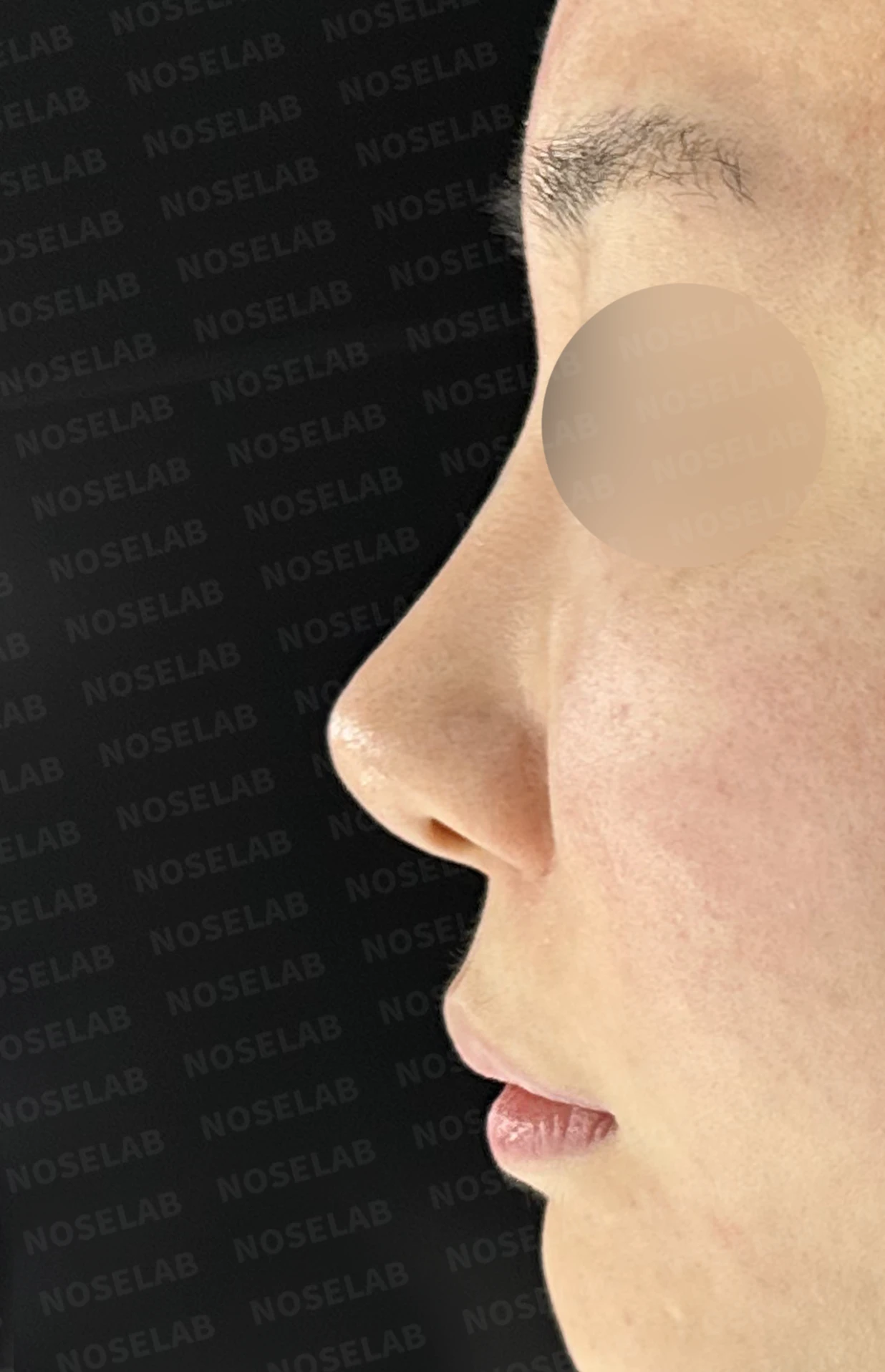
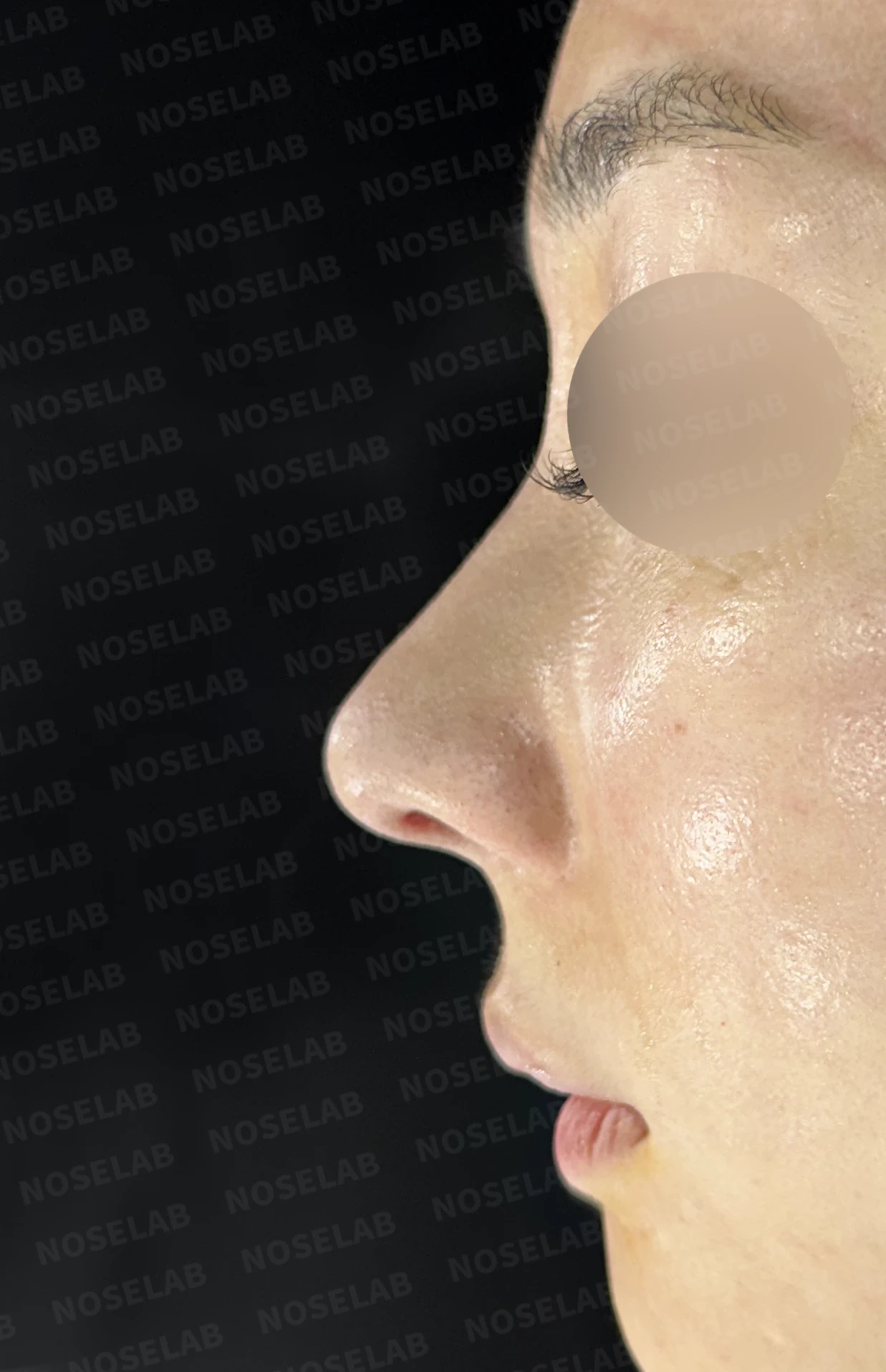
Front, left profile, and oblique views during design consultation
💉 Patient requests
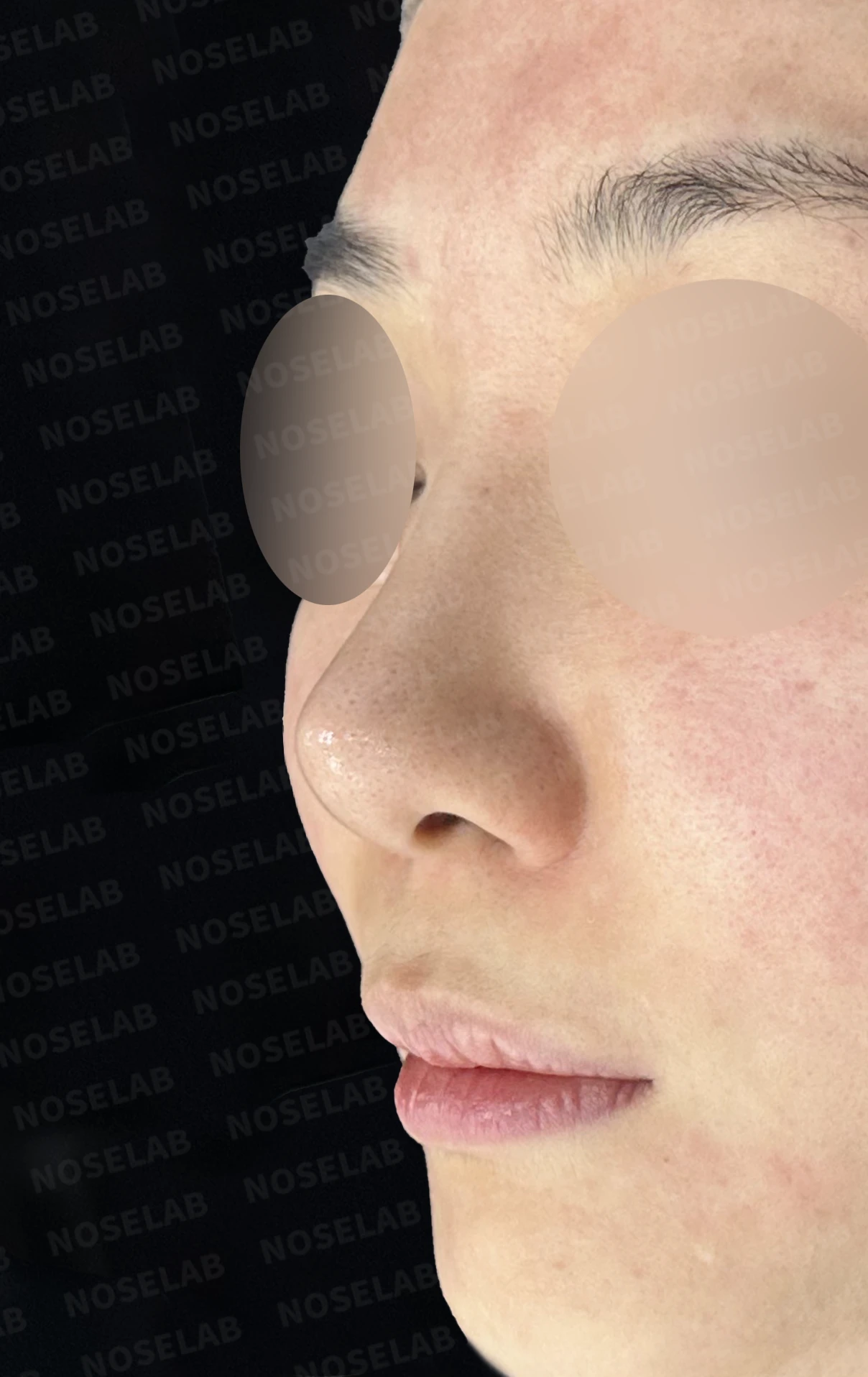
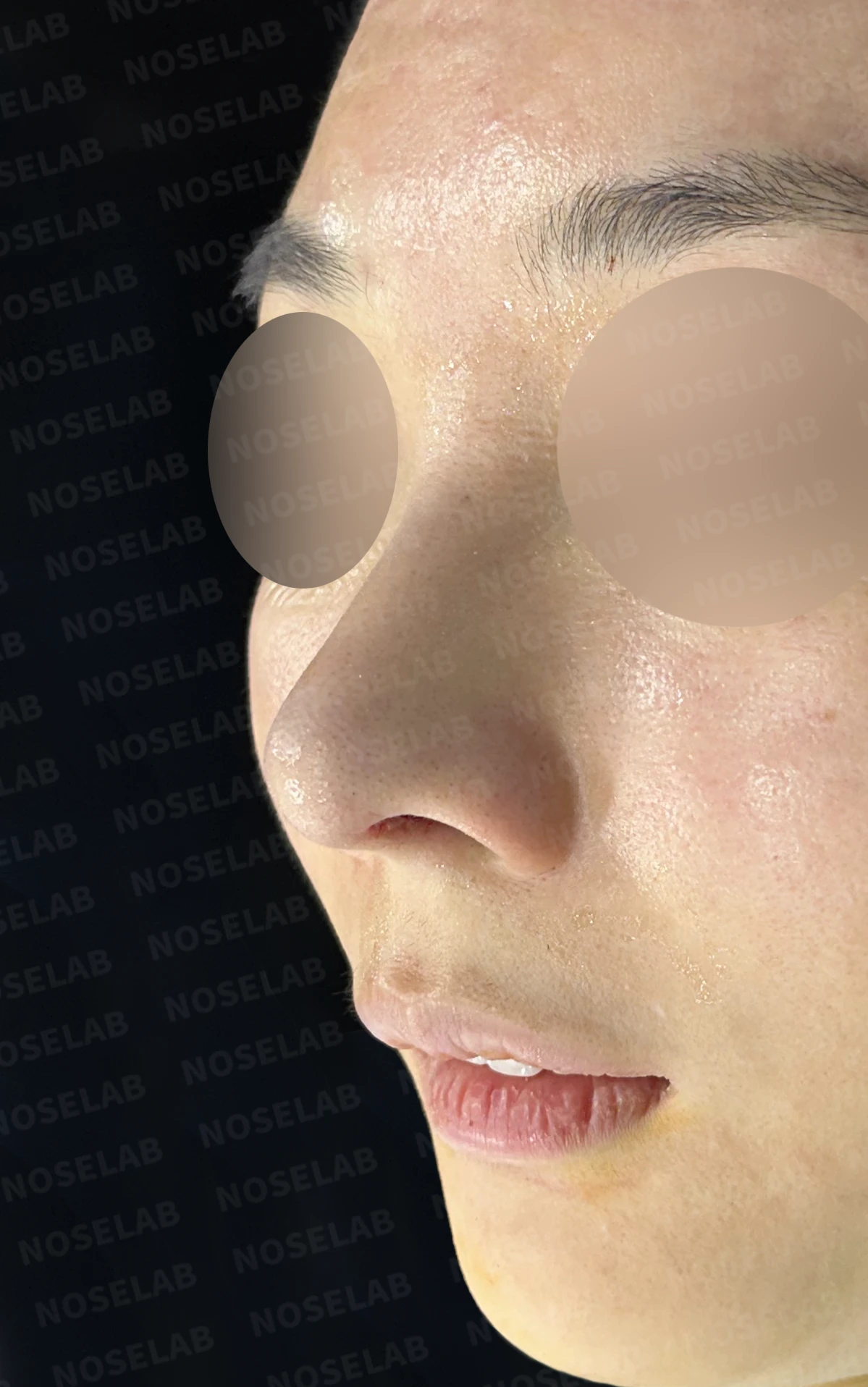
The patient wanted to naturally improve the upturned appearance of the nasal tip.
Rather than a dramatic change, the patient preferred a natural outcome, and due to significant concerns regarding implant-related complications such as contracture and inflammation, the patient wished to proceed using autologous tissue.
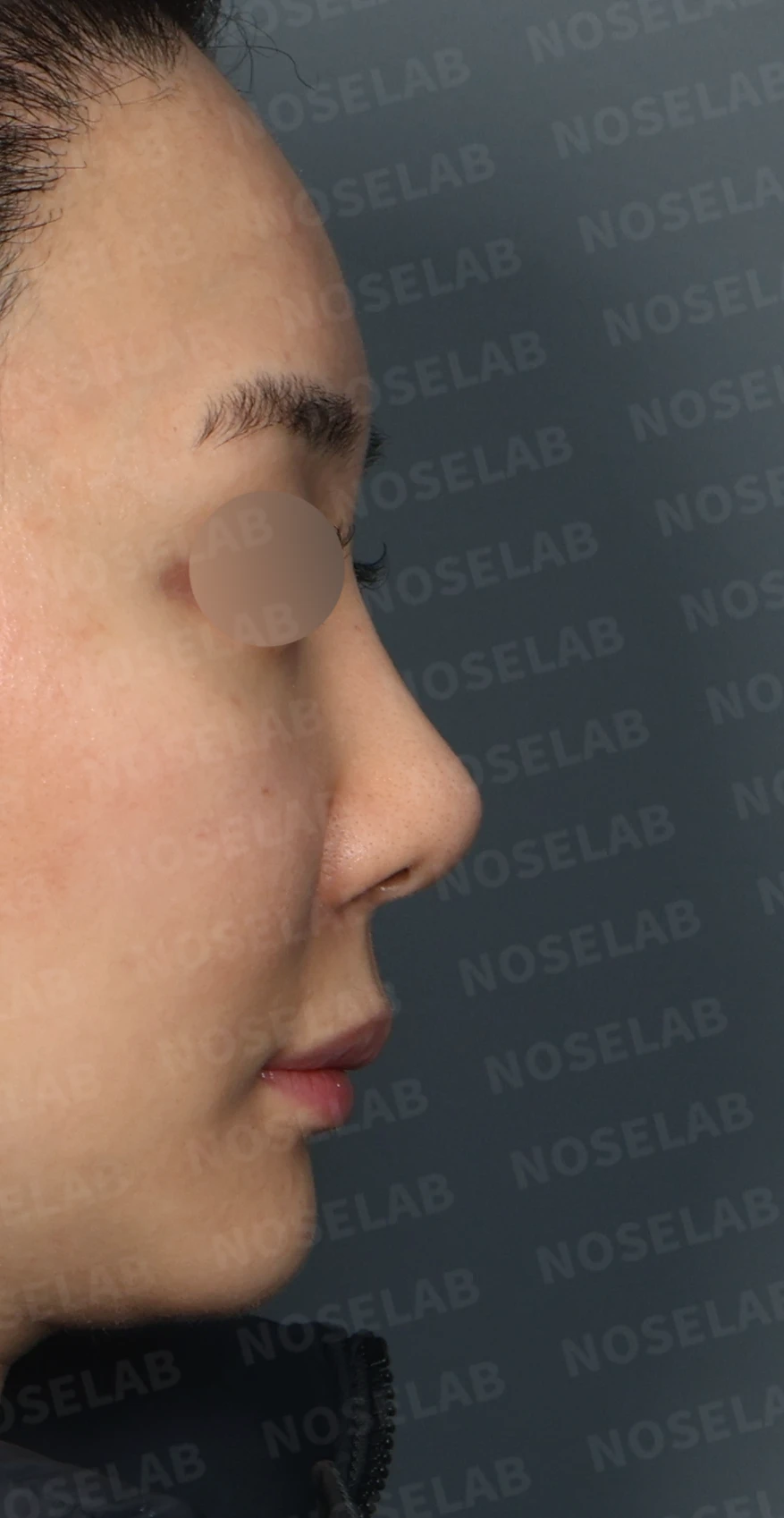
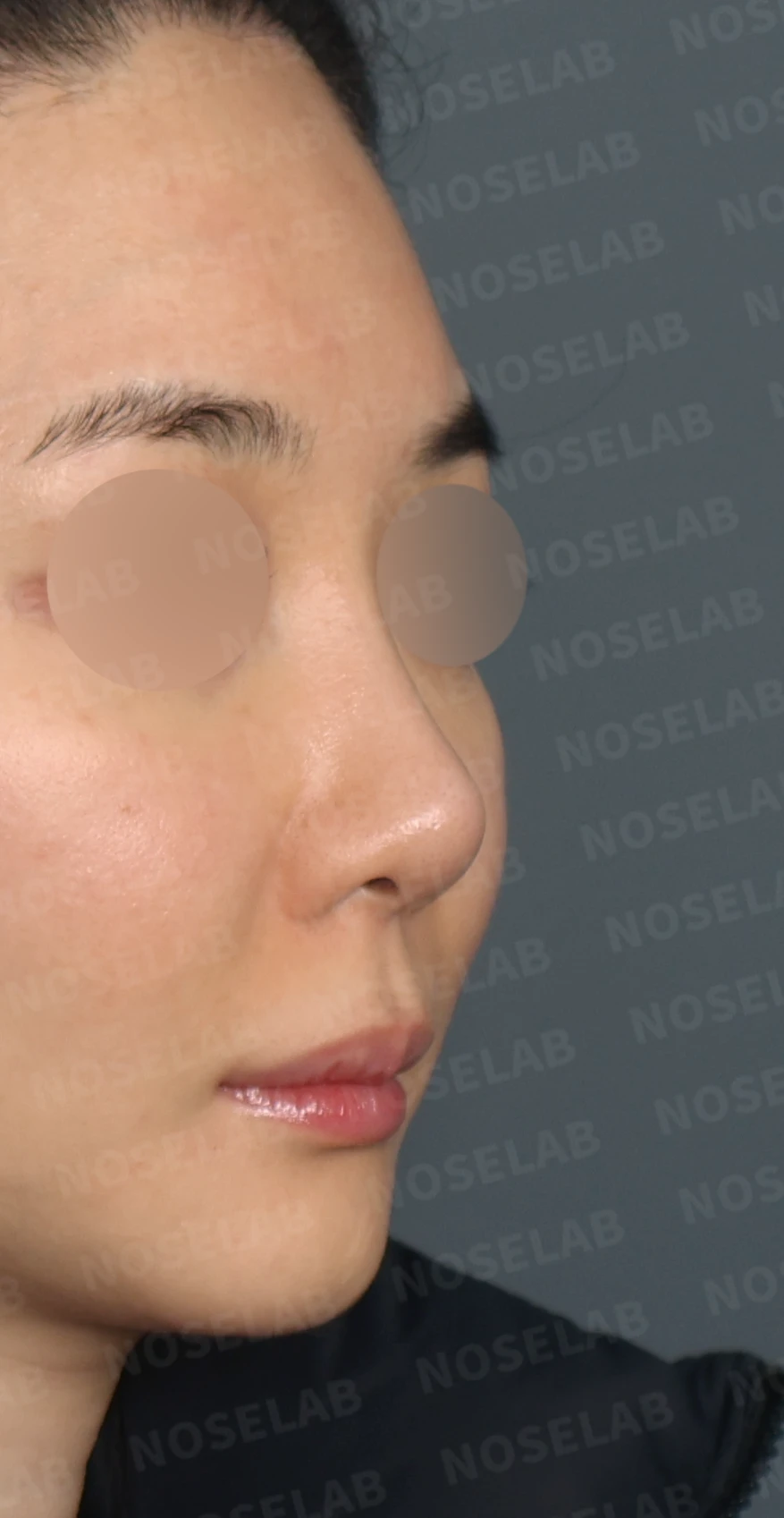
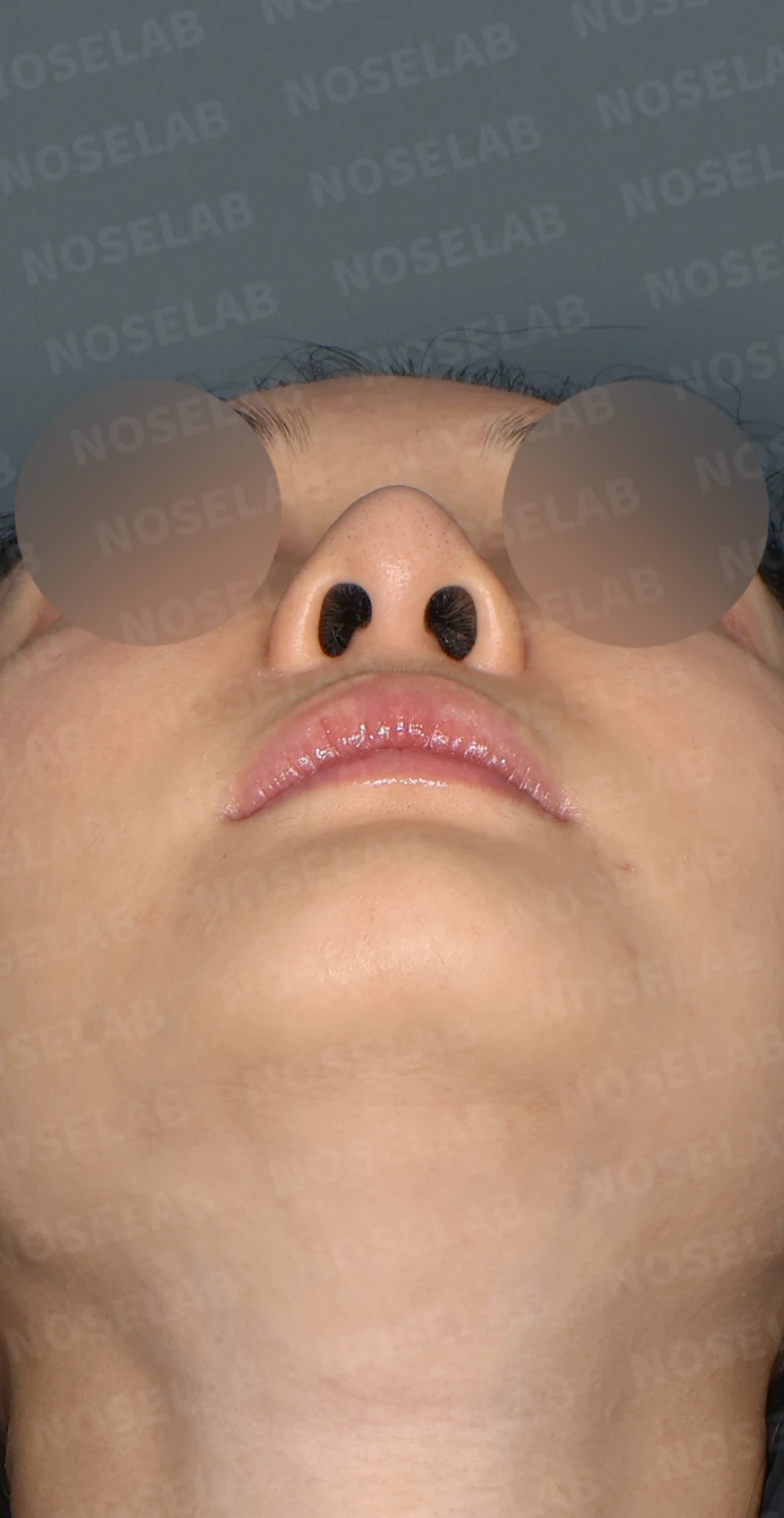
Right profile, oblique, and nostril views during design consultation
🔧 Surgical plan and procedure
1. Removal of the L-shaped silicone implant: The existing implant was removed.
2. Nasal tip reconstruction using autologous rib cartilage: The patient's autologous rib cartilage was harvested to stably reconstruct the nasal tip structure. Septal correction was also performed together to balance the internal nasal framework.
3. Dermal reinforcement and nasolabial angle correction: The nasal tip skin thinned by the implant was reinforced with dermal tissue, and the nasolabial angle—the angle between the upturned nasal tip and the upper lip—was corrected to improve overall balance.
🌟 Surgical results
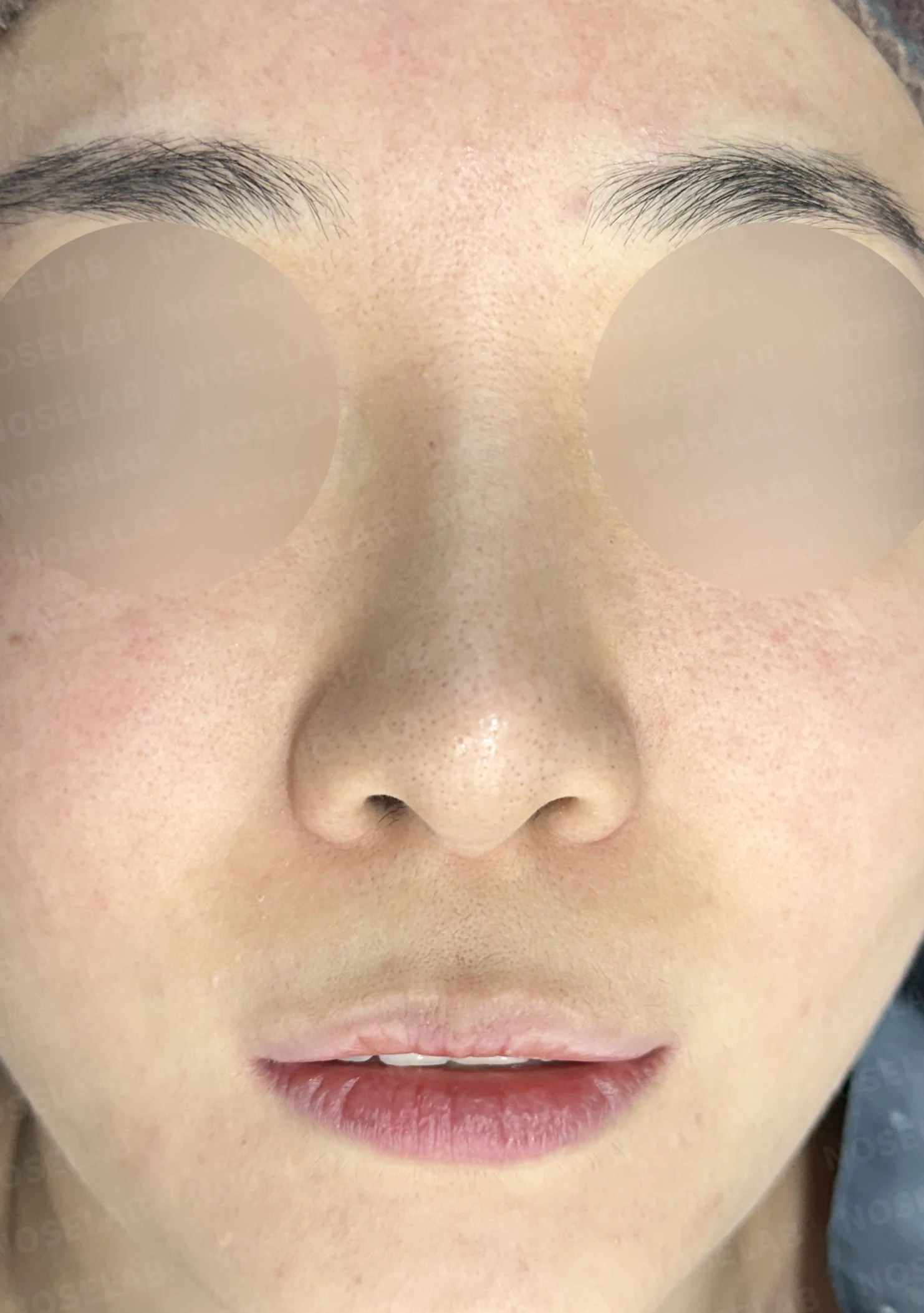
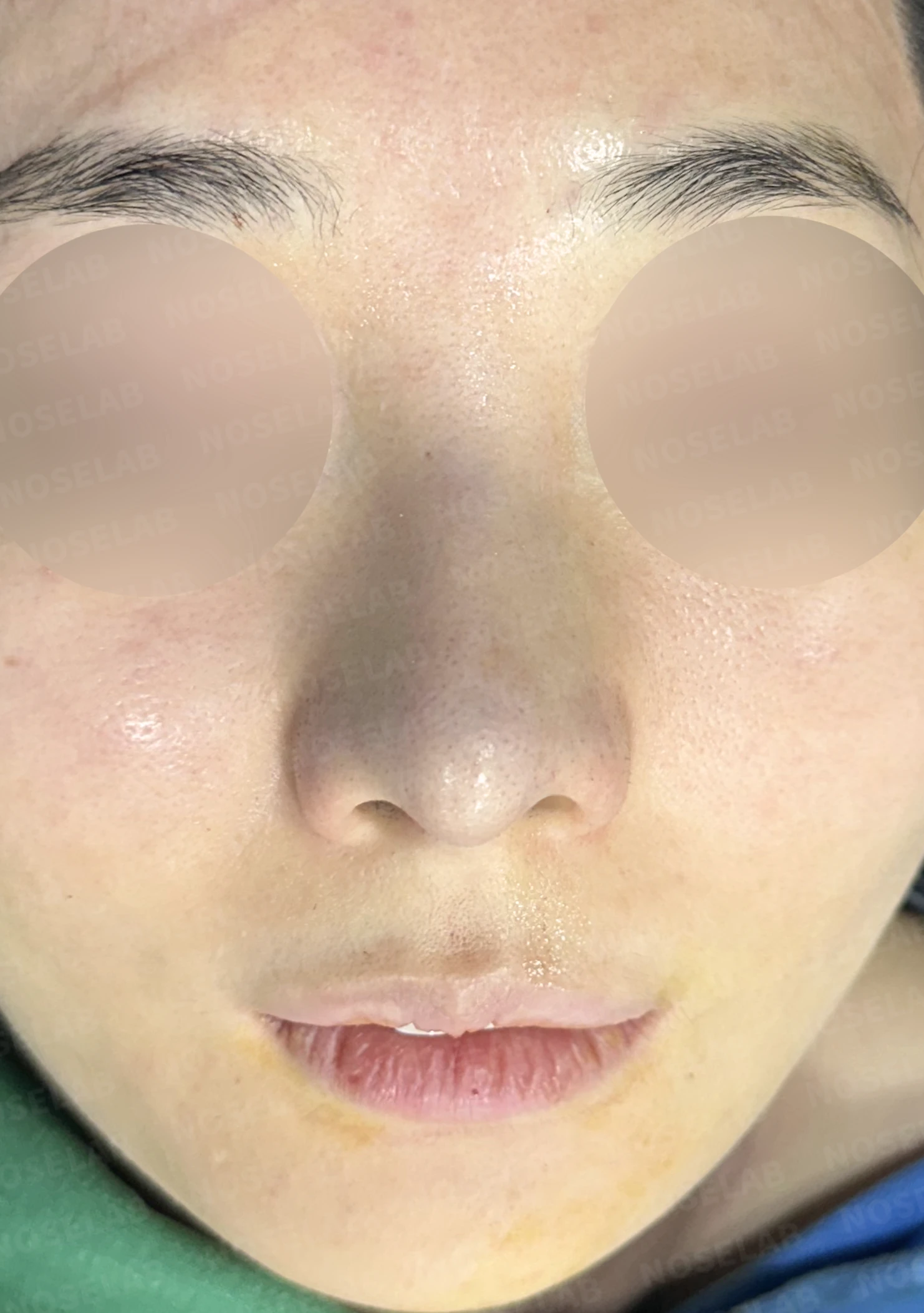
Before surgery / Day 0 immediately after surgery Photos taken immediately after surgery show swelling and may differ from the final result.
Front view changes
The upturned nasal tip shape was naturally corrected, improving into a stable appearance.
A natural nasal line was created without an artificial look.
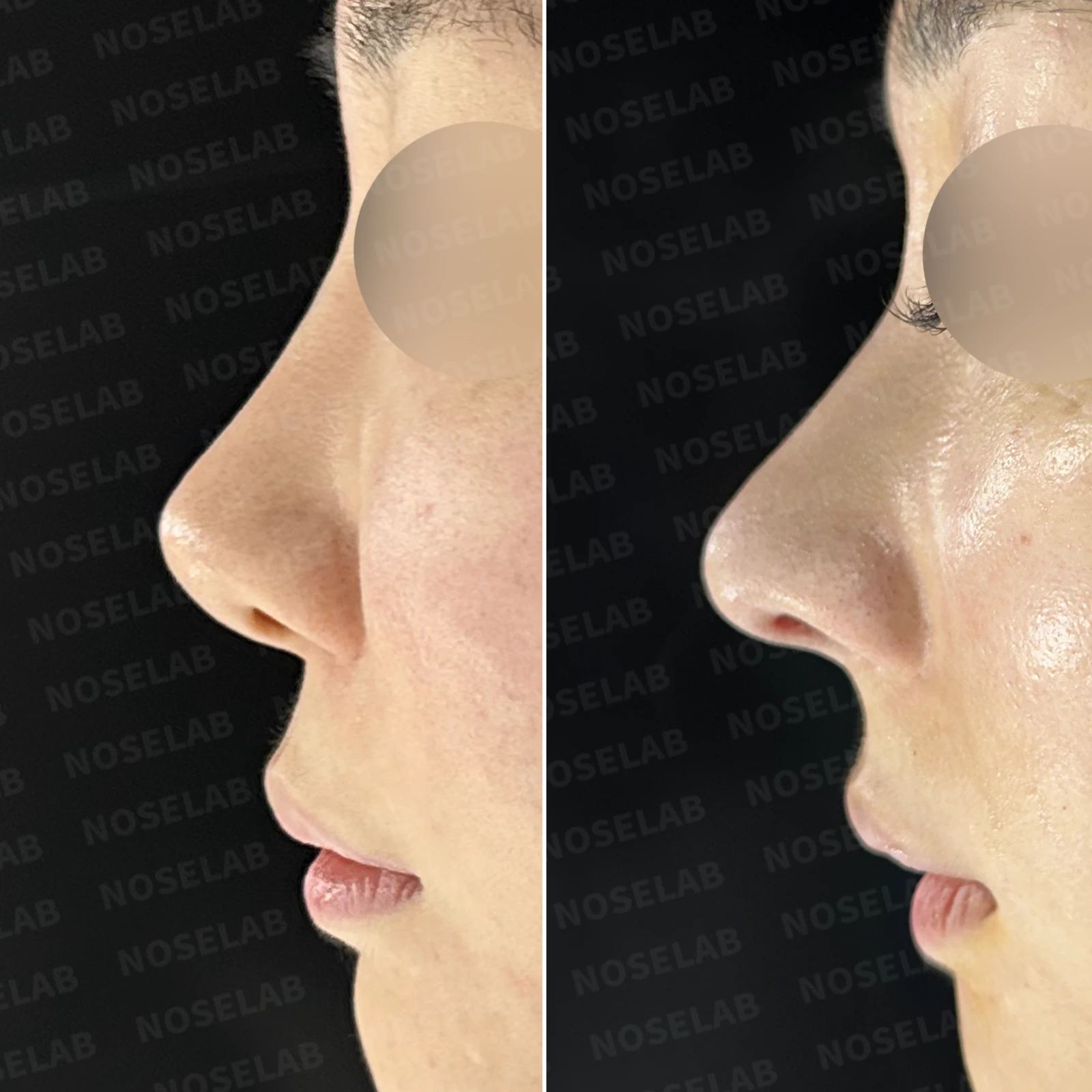
Before surgery / Day 0 immediately after surgery Photos taken immediately after surgery show swelling and may differ from the final result.
Profile view changes
The angle between the nasal tip and the upper lip improved with balanced proportions.
As the excessively upturned nasal tip was brought down to a comfortable position, the profile line became natural.
Before surgery / Day 0 immediately after surgery Photos taken immediately after surgery show swelling and may differ from the final result.
Overall change in impression
With the nasal tip stably repositioned, the overall balance became more natural.
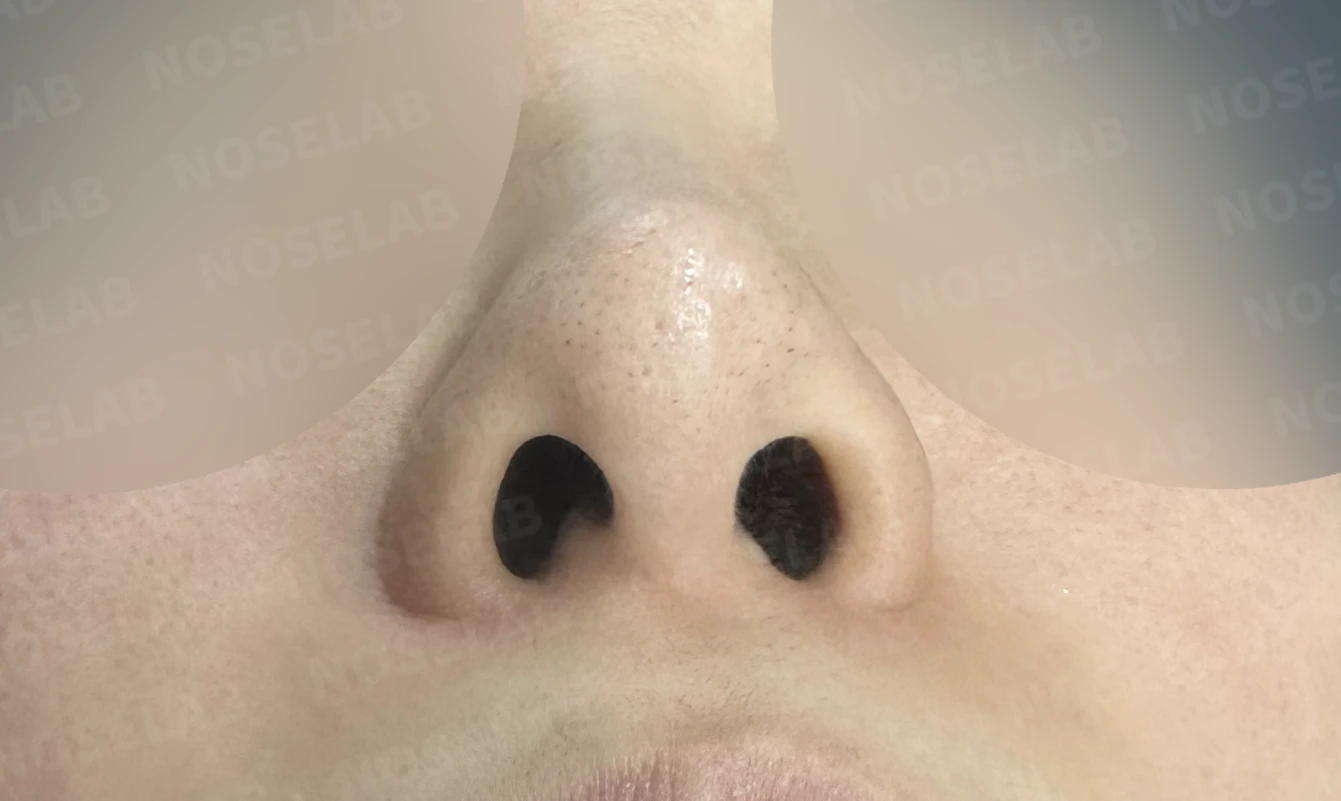
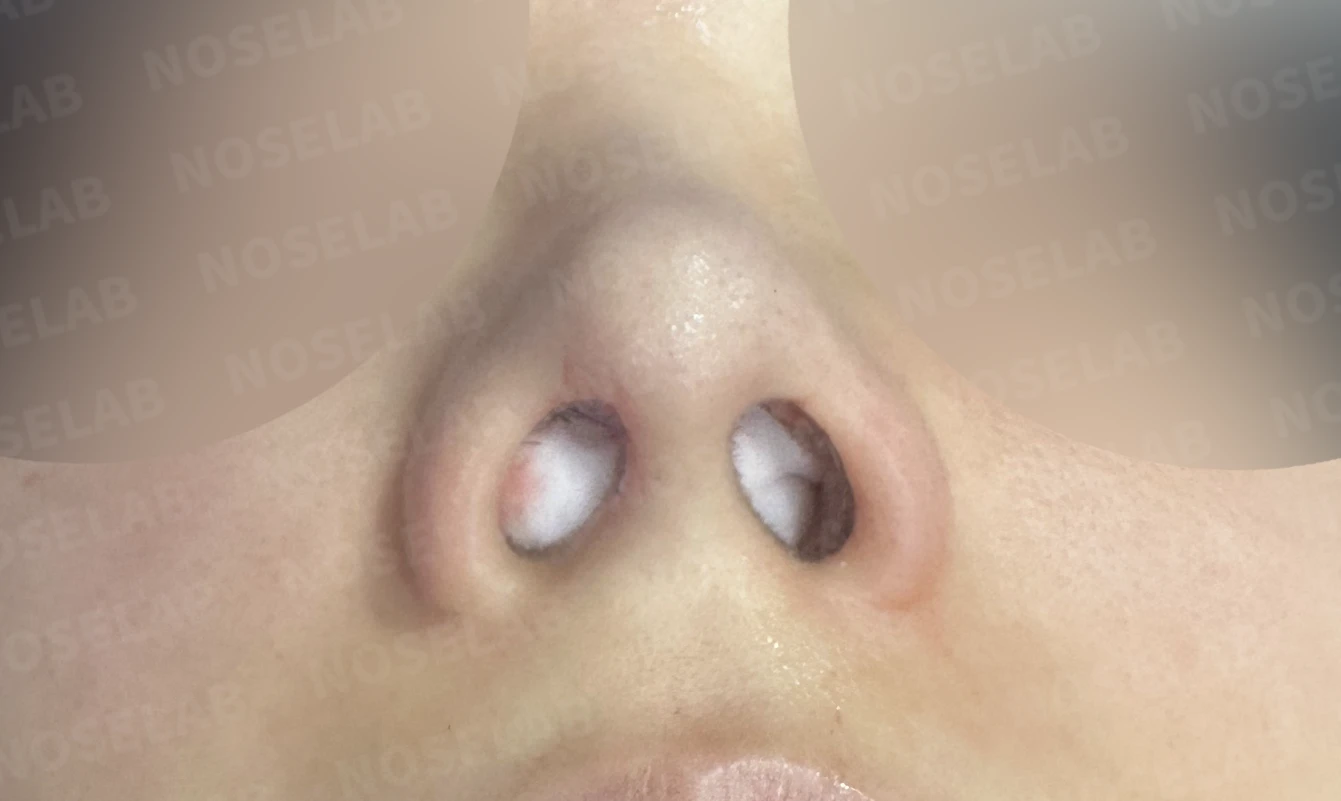
Before surgery / Day 0 immediately after surgery Photos taken immediately after surgery show swelling and may differ from the final result.
💡 Specialist opinion
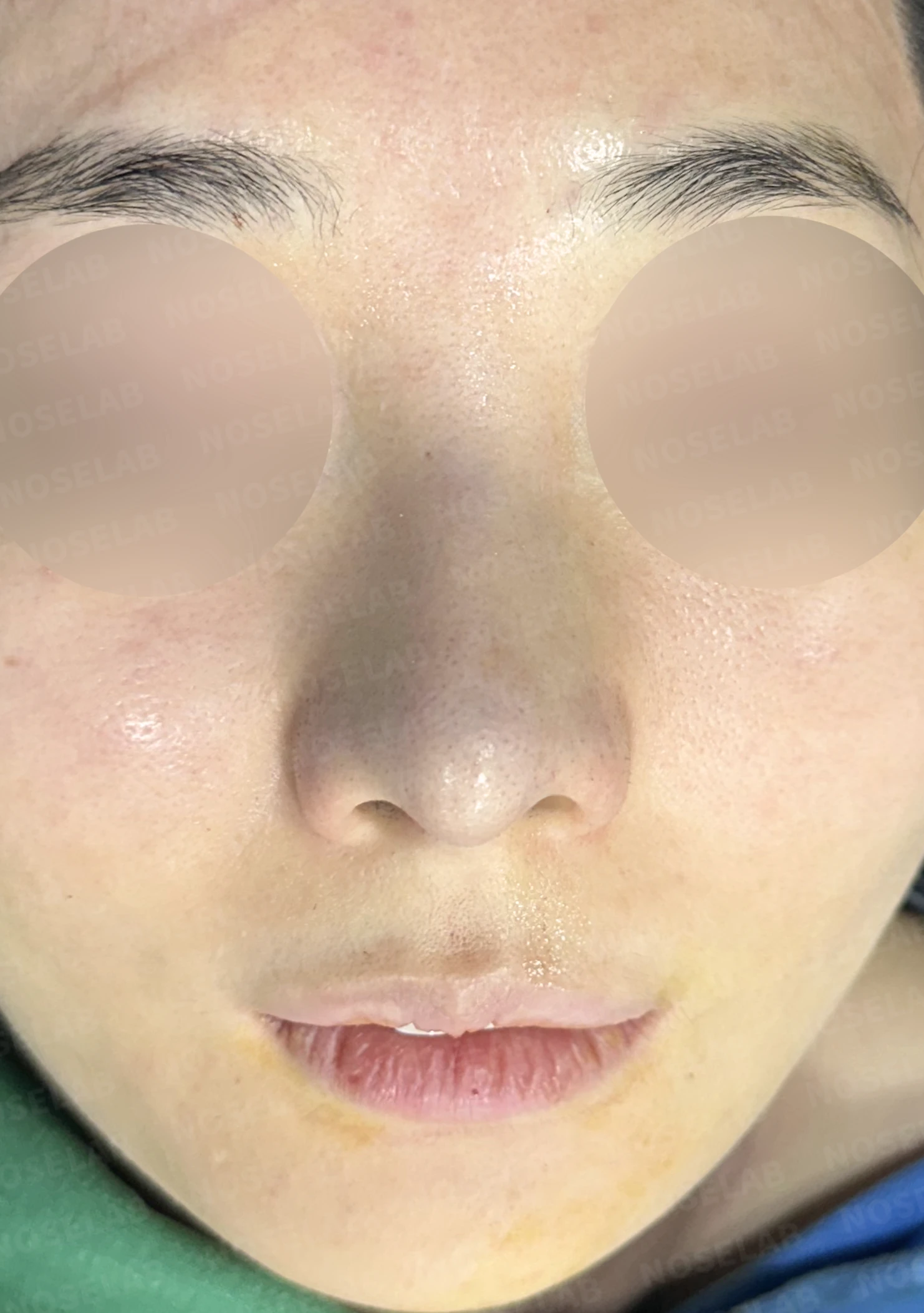
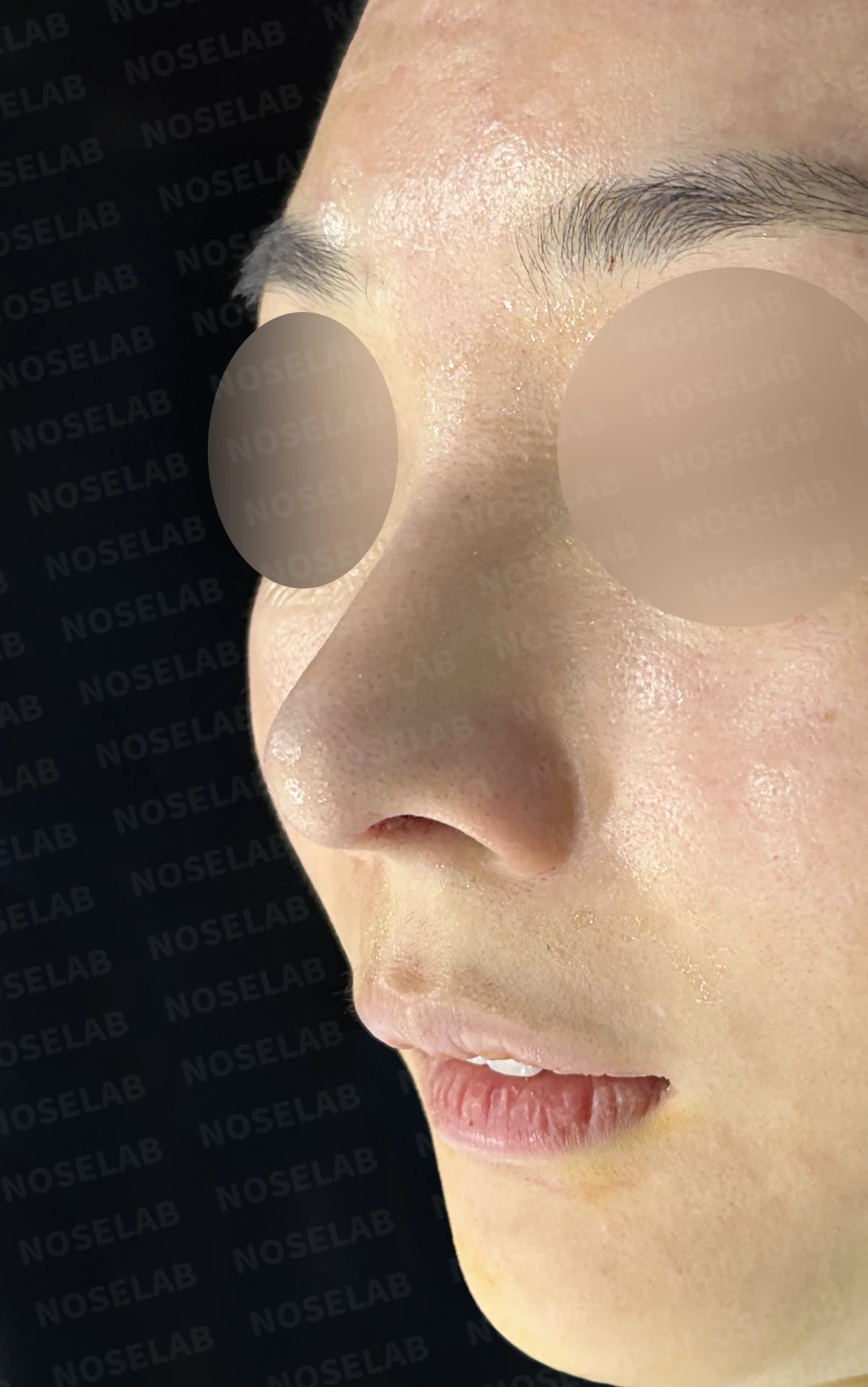
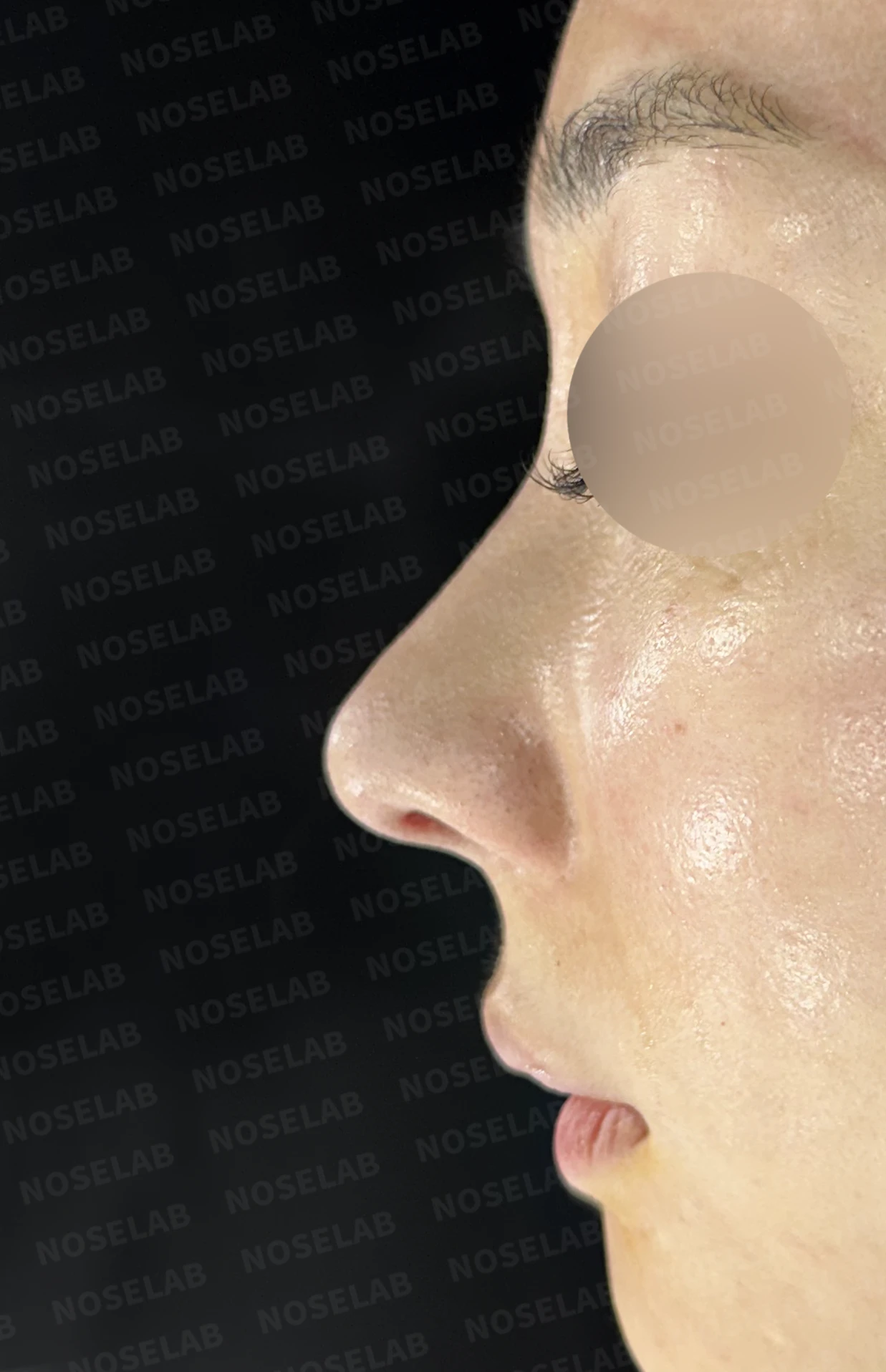
Front, oblique, and profile views on day 0 immediately after surgery Photos taken immediately after surgery show swelling and may differ from the final result.
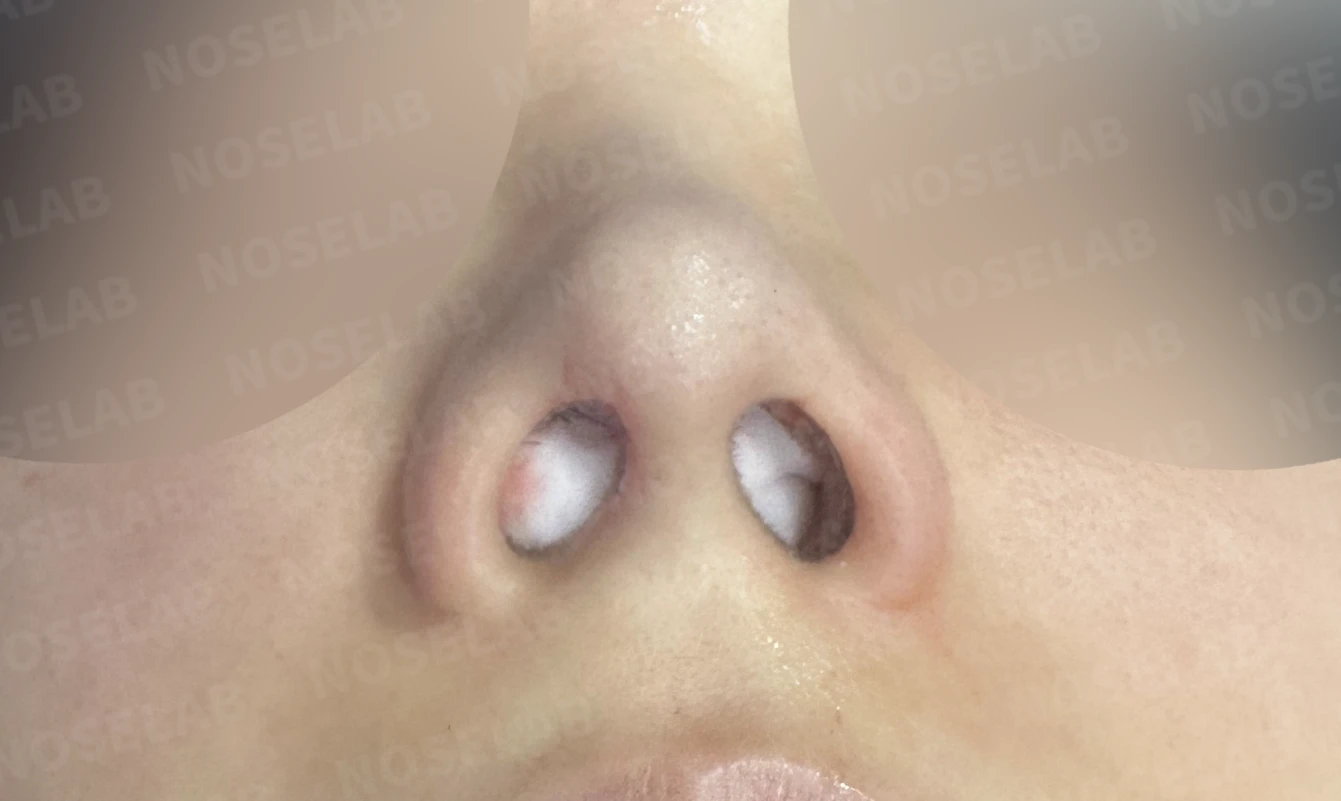
Nostril view on day 0 immediately after surgery Photos taken immediately after surgery show swelling and may differ from the final result.
Because an L-shaped implant structurally extends to support the nasal tip, the nasal tip skin can thin over time, and the implant can be pushed upward, resulting in an upturned deformity. In severe cases, there is a risk of the implant extruding through the skin, so if such a deformity is progressing, removal and reconstruction should be considered in a timely manner.
Using autologous rib cartilage in cases like this reduces foreign body reactions while providing stable support for the nasal tip, and reinforcing the thinned skin with dermis helps achieve a long-term natural appearance.
This was Dr. Peter C. Kang. Thank you.
#closedrhinoplasty #closedrevisionrhinoplasty #Lshapedimplantrevision #nasaltipcorrection #autologousribcartilagerhinoplasty #implantremoval #revisionrhinoplasty #nasolabialanglecorrection #upturnednoserevision

Limitations and risks
When autologous rib cartilage is used, scarring and pain may remain at the donor site on the chest, and pneumothorax (pleural injury) can occur rarely. Over time, the grafted cartilage may warp or undergo partial resorption.
When revising after implant removal, contracture may progress again after removal, the nasal height and length may decrease, and staged surgery may be necessary depending on the skin condition.
When the septum is corrected at the same time, nasal obstruction may persist or recur, and in rare cases, septal perforation or changes in smell may occur.
Common potential risks include infection, bleeding, asymmetry, scarring, skin necrosis, and insufficient improvement; results vary depending on individual skin condition and previous surgical history.