English日本語简体中文
Skip to main content
Dr. Peter C. Kang's Rhinoplasty Stories
PrologueBlogMy thoughtsNasal obstructionSurgical journalSurgical photos
About the surgeon

Wide alae and nasal base: records of width and tip height

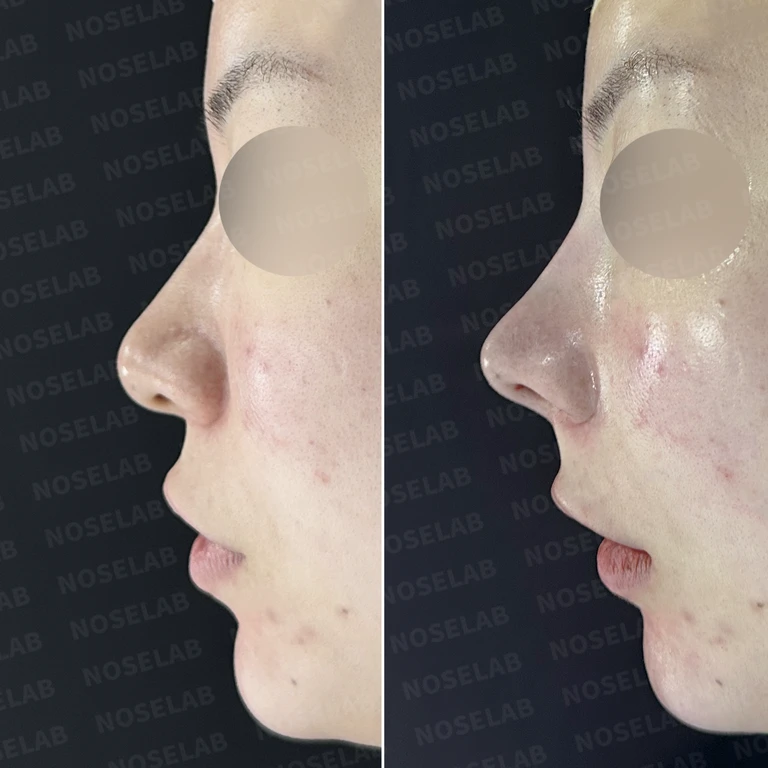
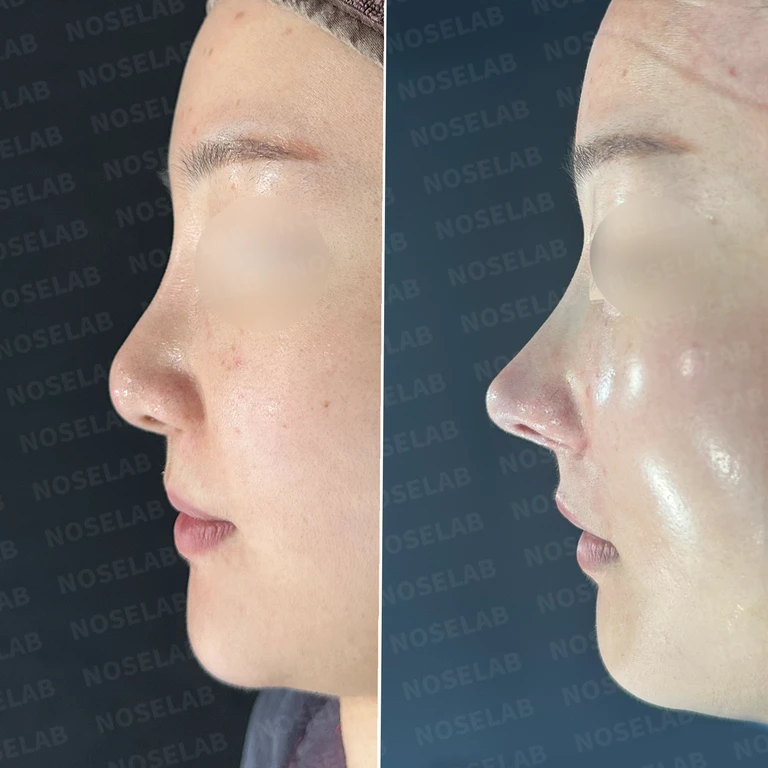
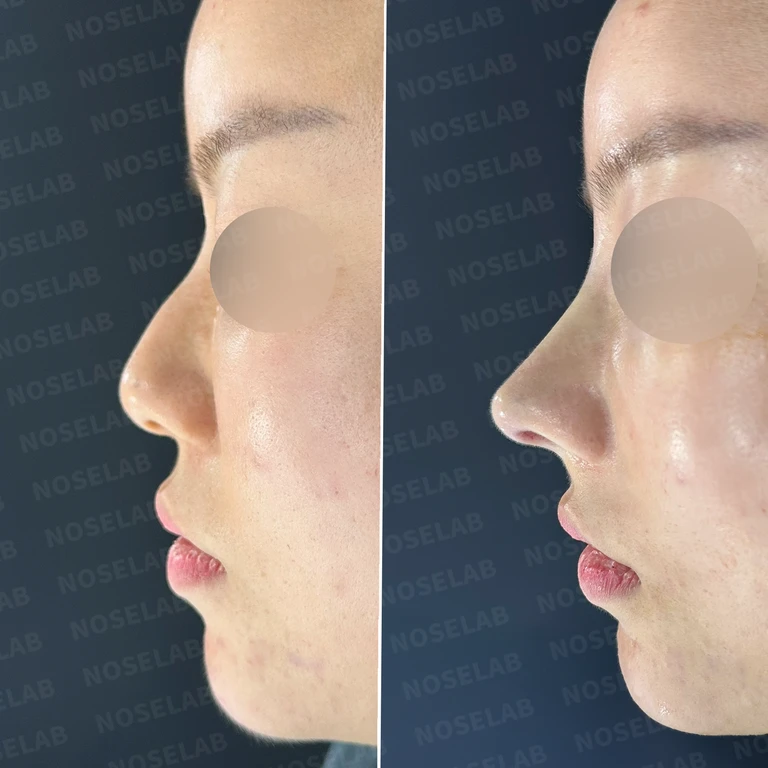
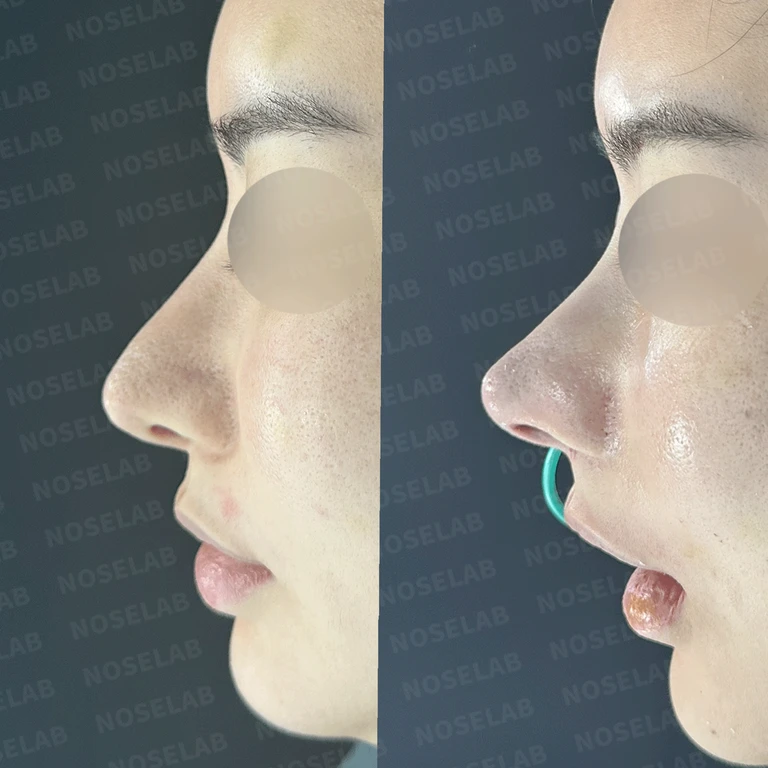
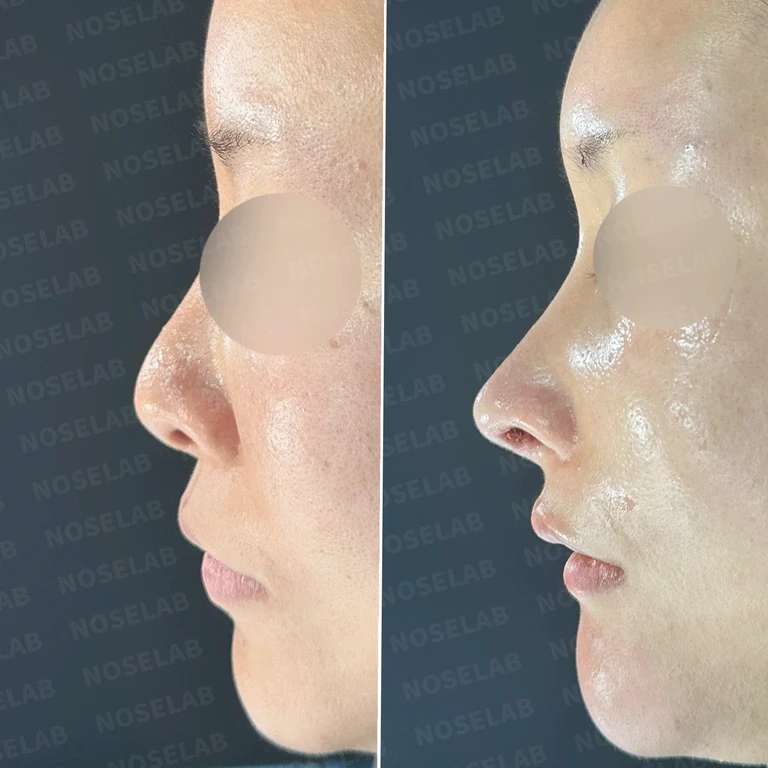
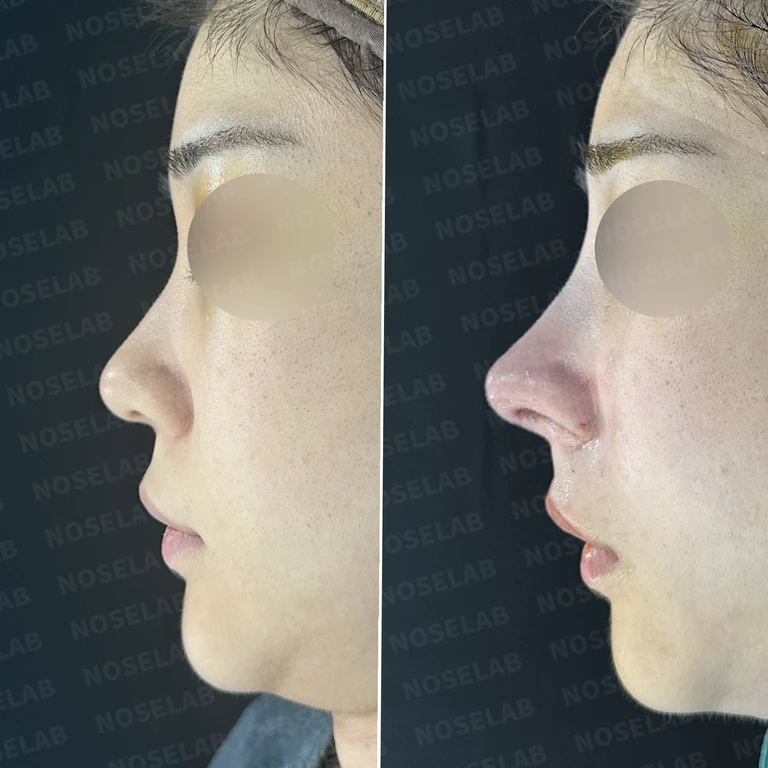
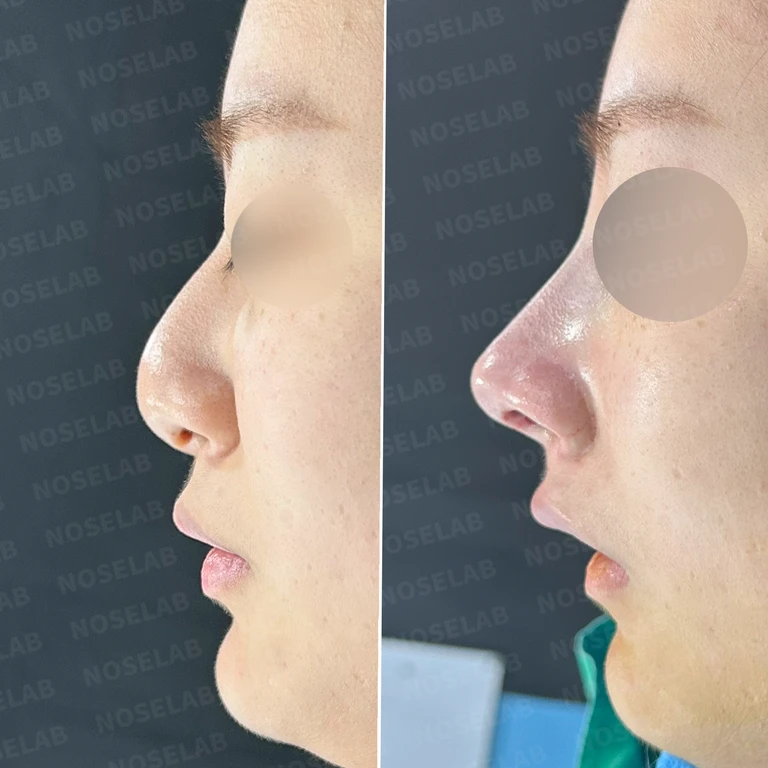
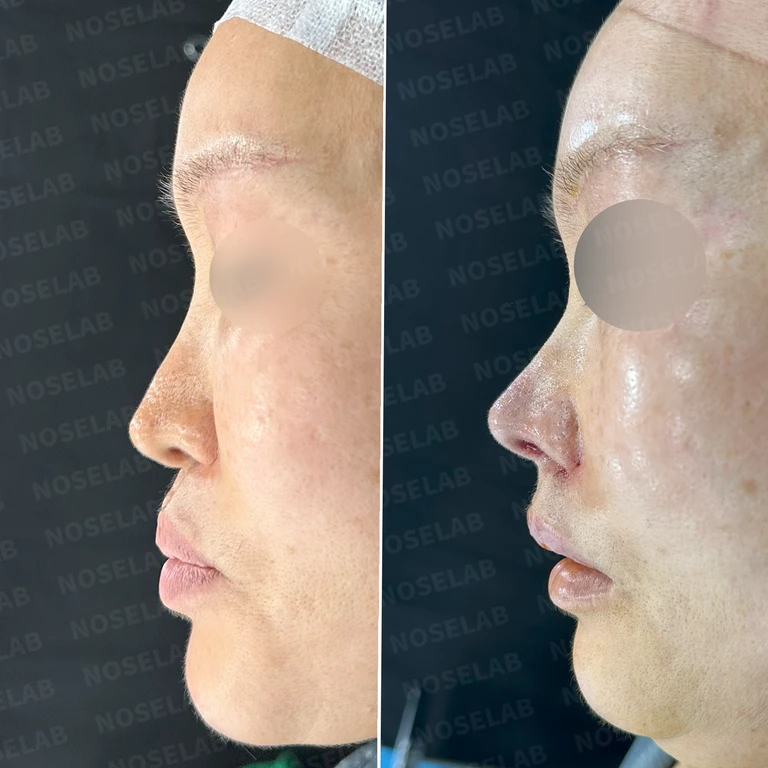
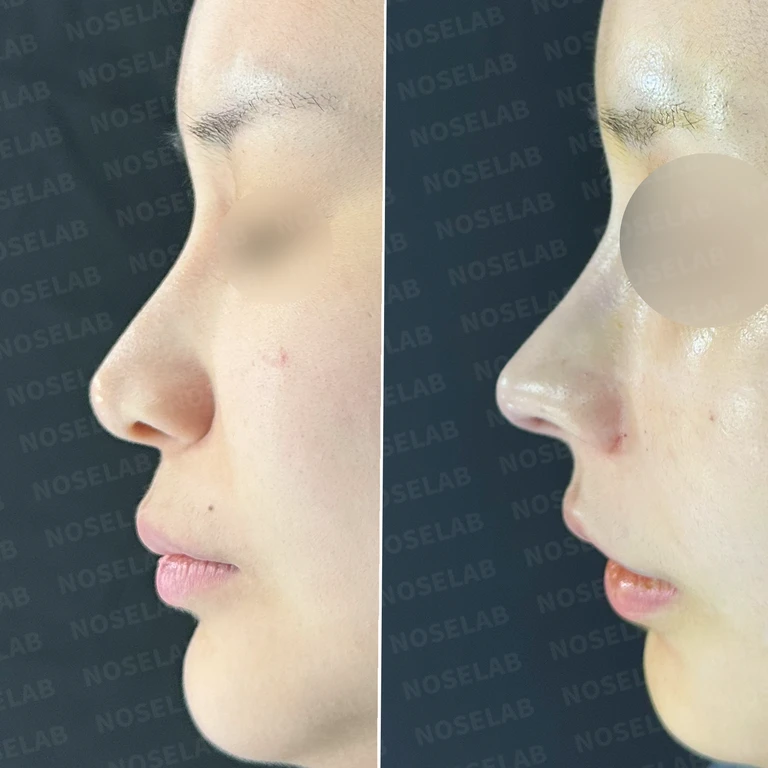
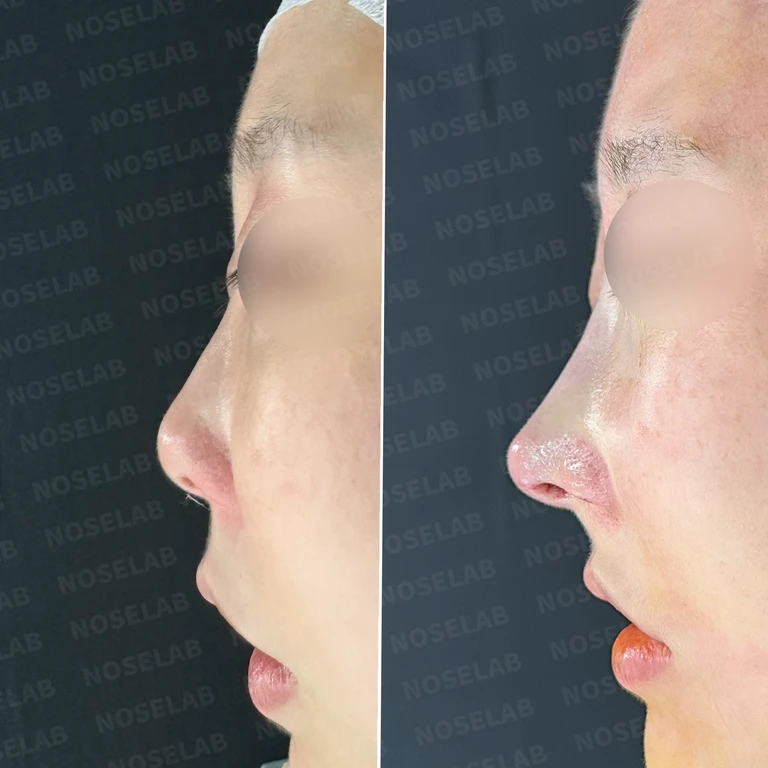
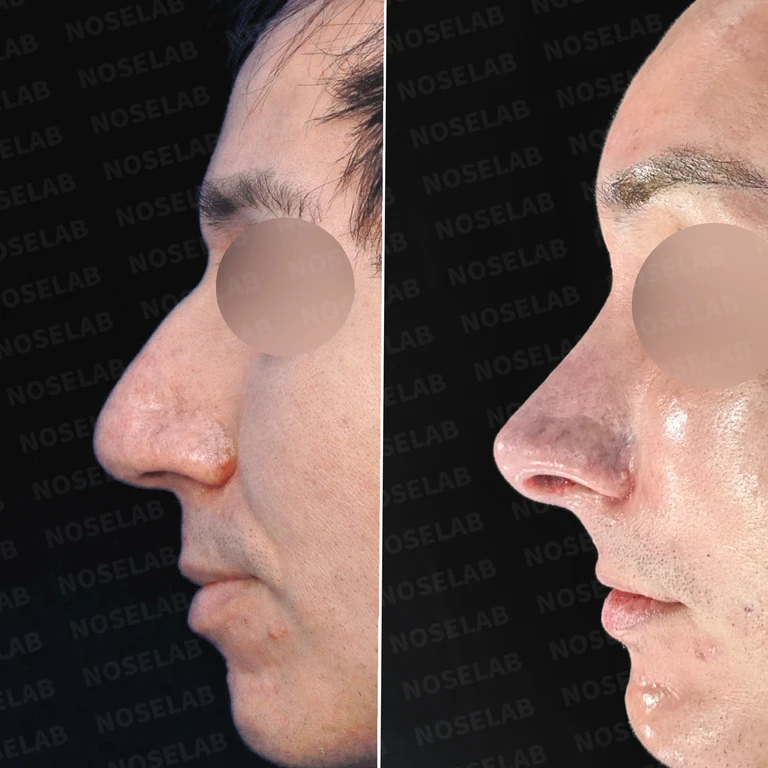
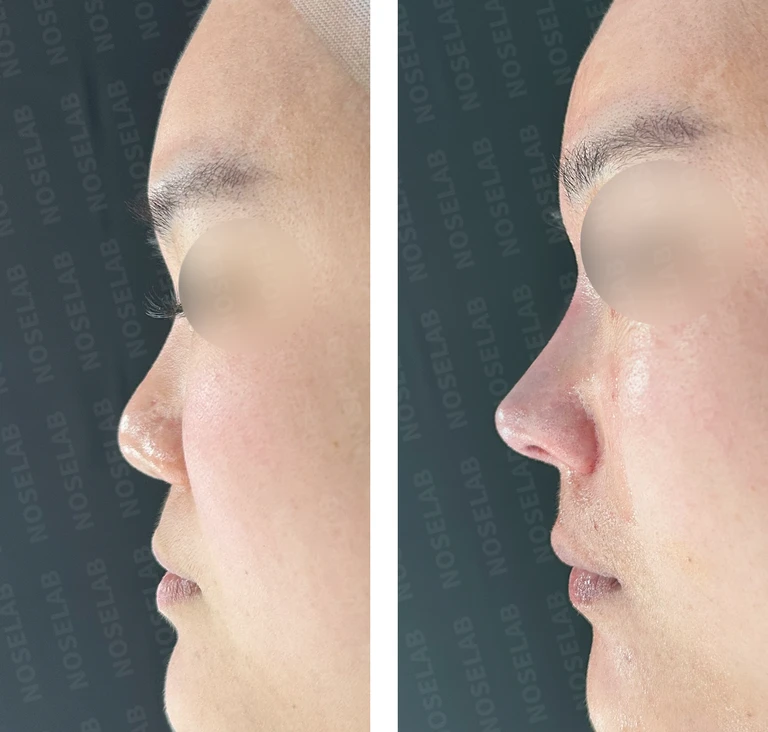
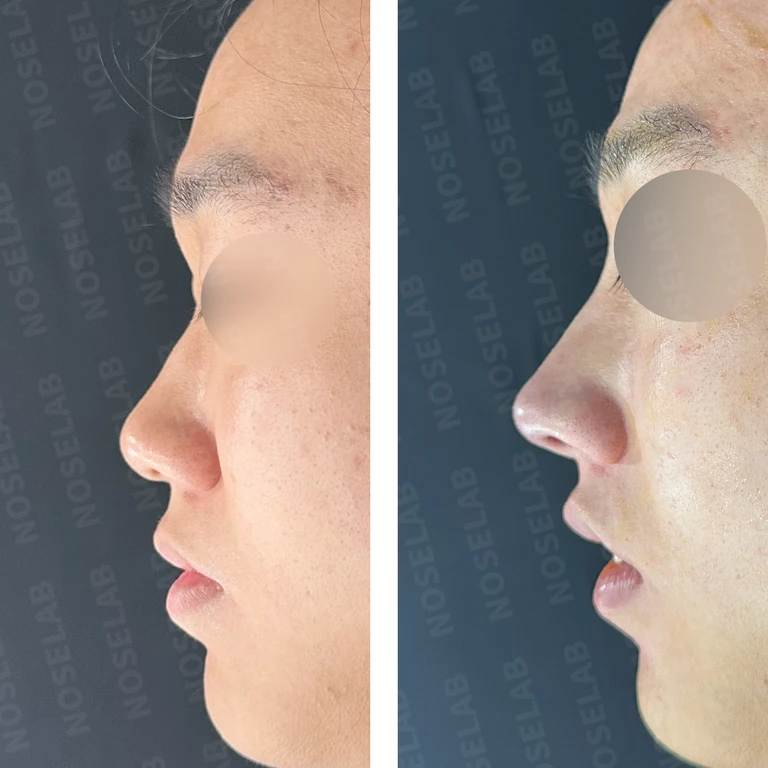
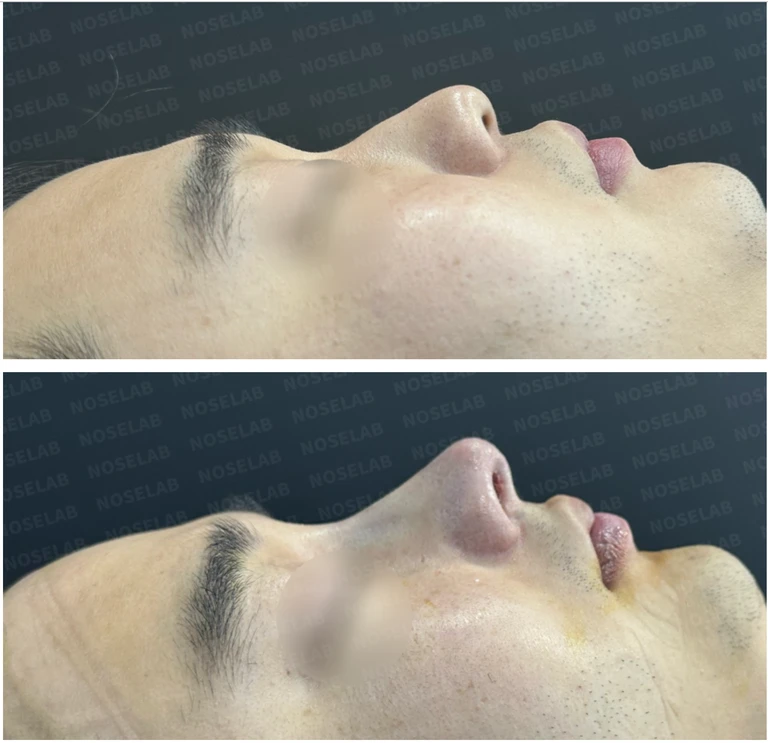
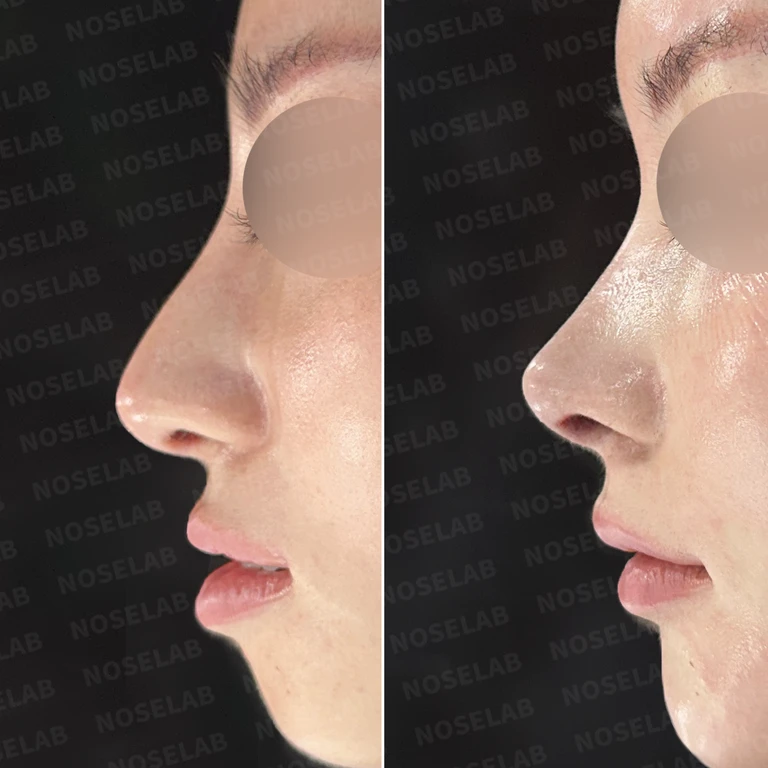
Concerns about wide-looking alae or a wide nasal base are recorded alongside other nasal characteristics. One patient presented with a wide nasal base, significant nostril show, and asymmetry, while appearing short and upturned on profile view. Another post explains how planning to raise the tip is connected with planning to reduce a flared nasal base.

In this topic, surgery is not simply summarized by the phrase "reducing the width." You can compare the reasons for adjusting the nasal base width to match the tip height alongside the preoperative front and profile conditions. Please also distinguish between what was outlined as the plan and what was actually performed. When multiple changes are presented together, it is helpful to verify which aspect was the patient's primary concern.

View before-and-after cases ↓Comprehensive rhinoplasty guide

Searching for surgical cases matching your criteria.
Key considerations when revising ear cartilage rhinoplasty with autologous rib cartilage — Before-and-after comparison
Before-and-after comparison

Key considerations when revising ear cartilage rhinoplasty with autologous rib cartilage

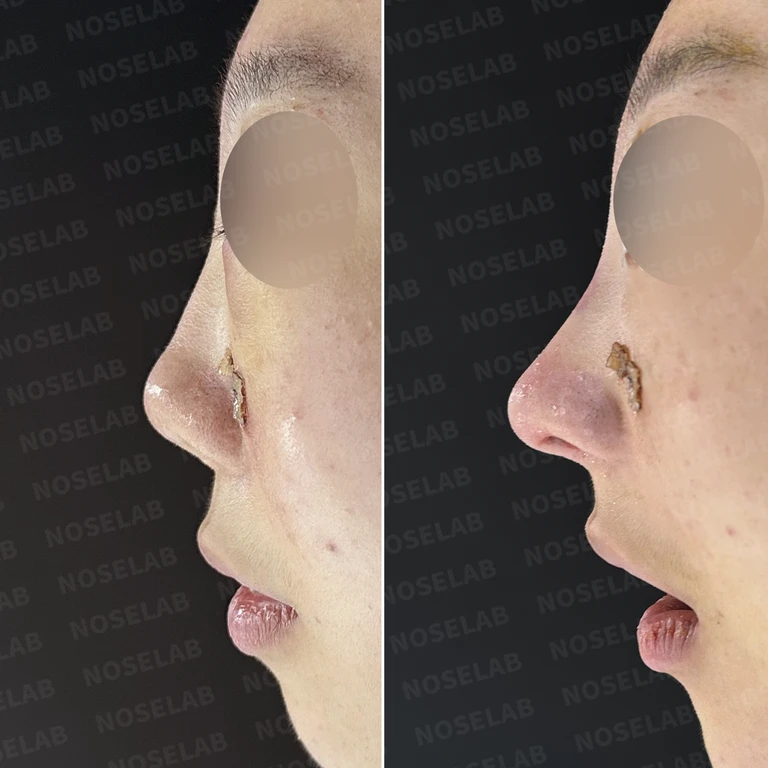
A case of a patient seeking a slimmer line after a previous rhinoplasty. Nasal tip reconstruction with autologous rib cartilage, nasal bridge implant replacement with lowering of the radix, nasal sill reduction, and full-face autologous fat grafting were performed together.

Preoperative condition
Why Medpor causes loss of the anterior septum: removal and autologous rib cartilage reconstruction — Before-and-after comparison
Before-and-after comparison

Why Medpor causes loss of the anterior septum: removal and autologous rib cartilage reconstruction

In a nose where the anterior septum was severely damaged by Medpor, foreign materials were removed, and septal reconstruction using autologous rib cartilage, silicone implant replacement, nasal sill reduction, and functional nasal surgery were performed.

Preoperative condition · Postoperative record
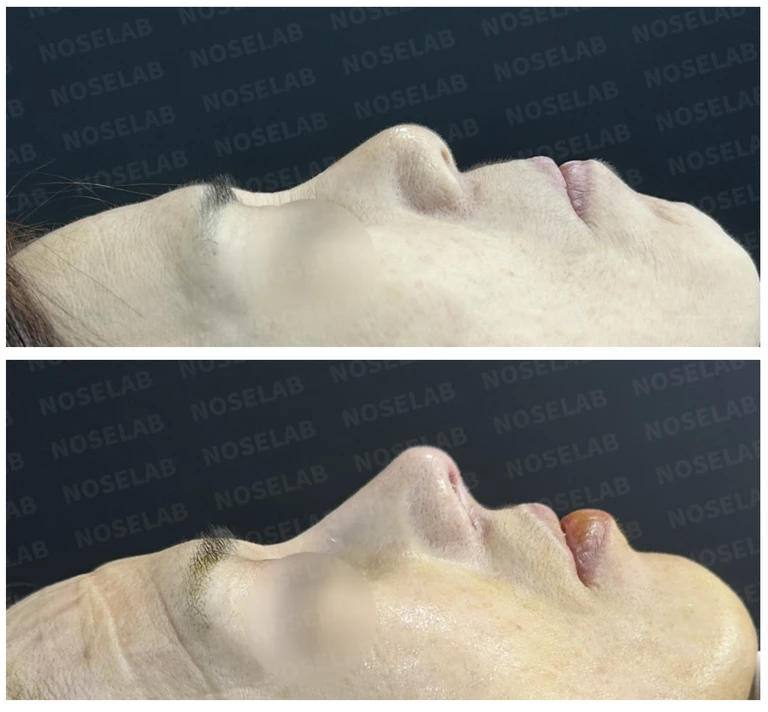
Why the nasal tip looks spread out and how to address the nasal sill and nasolabial angle together — Before-and-after comparison
Before-and-after comparison

Why the nasal tip looks spread out and how to address the nasal sill and nasolabial angle together

For a wide nasal tip and nasal sill, residual filler, and a deviated septum, we removed the filler and performed donor rib cartilage tip correction, nasal sill reduction, nasolabial angle correction, septoplasty, and rhinitis surgery.

Preoperative condition · Postoperative record
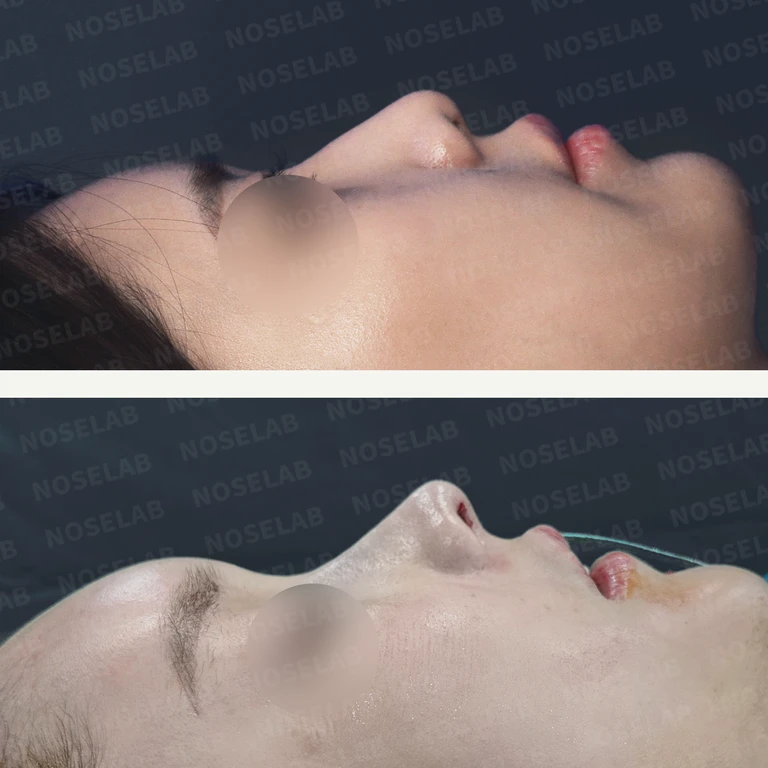
Why the nose looks wide and the tip droops after double jaw surgery, and how to reconstruct it with rib cartilage — Before-and-after comparison
Before-and-after comparison

Why the nose looks wide and the tip droops after double jaw surgery, and how to reconstruct it with rib cartilage

After double jaw surgery and rhinoplasty, a wide-looking nose and drooping tip were improved by removing the previous materials, reconstructing the septum with autologous rib cartilage, and performing nasal sill reduction.

Preoperative condition

Undissolved residual nasal filler and wide alae: causes, removal, and correction methods — Before-and-after comparison
Before-and-after comparison

Undissolved residual nasal filler and wide alae: causes, removal, and correction methods

Residual unabsorbed HA filler was completely removed, followed by autologous rib cartilage rhinoplasty, lower lateral cartilage trimming, and septal and inferior turbinate surgery, all performed via a closed approach.

Preoperative condition · Postoperative record

Why an overly high nose looks unnatural and deviates, and how it can be reconstructed — Before-and-after comparison
Before-and-after comparison

Why an overly high nose looks unnatural and deviates, and how it can be reconstructed

For an overly high "Pinocchio-like" deviated nose with septal damage, the silicone implant was removed, and autologous rib cartilage reconstruction, radix adjustment, and nasal sill reduction were performed.

Preoperative condition

Why post-nasal drip and a drooping tip occur together, and how septal extension and functional surgery address them — Before-and-after comparison
Before-and-after comparison

Why post-nasal drip and a drooping tip occur together, and how septal extension and functional surgery address them

Post-nasal drip, a drooping tip, and a narrow columella were comprehensively improved through septal and inferior turbinate surgery, autologous cartilage septal extension, and alar reduction.

Preoperative condition

Why the nose looks bulbous and spread out, and how to correct the nasolabial angle and columella — Before-and-after comparison
Before-and-after comparison

Why the nose looks bulbous and spread out, and how to correct the nasolabial angle and columella

A wide, blunt nasal bridge, drooping nasal tip, and retracted columella were corrected into a slim, three-dimensional profile using septal extension with autologous rib cartilage, nasolabial angle correction, and nostril sill reduction.

Preoperative condition · Postoperative record

Why a bulbous nose, wide nasal base, and drooping tip occur together and how to create a slimmer nasal line — Before-and-after comparison
Before-and-after comparison

Why a bulbous nose, wide nasal base, and drooping tip occur together and how to create a slimmer nasal line

A case in which nasal tip plasty with autologous rib cartilage, lateral osteotomy, nasal floor reduction, and nasolabial angle correction were performed together to correct a blunt bulbous nose, wide nasal base, and crooked nasal bridge.

Preoperative condition · Postoperative record

Why cleft lip and palate revision rhinoplasty is challenging and methods for rib cartilage reconstruction — Before-and-after comparison
Before-and-after comparison

Why cleft lip and palate revision rhinoplasty is challenging and methods for rib cartilage reconstruction

To improve a wide nose and drooping tip in a patient with a history of cleft lip and palate surgery, autologous rib cartilage septal reconstruction, nasal tip elevation, nasal sill reduction, and inferior turbinate surgery were performed.

Preoperative condition

Why the septum is damaged and rhinitis recurs after double jaw surgery — Before-and-after comparison
Before-and-after comparison

Why the septum is damaged and rhinitis recurs after double jaw surgery

We reconstructed the septum damaged by double jaw surgery using autologous rib cartilage, and combined rhinitis surgery, right alar reduction, and lateral osteotomy to create a straight bridge line.

Preoperative condition · Postoperative record

Why the nose widens and becomes blocked after double-jaw surgery, and how to address both function and form — Before-and-after comparison
Before-and-after comparison

Why the nose widens and becomes blocked after double-jaw surgery, and how to address both function and form

A case in which intranasal mucosal adhesions, nasal obstruction, and a widened nasal deformity following double-jaw surgery were corrected using synechia adhesiolysis, donor rib cartilage, and septal cartilage.

Preoperative condition

Correction approach considering both a large nose and facial proportions — Before-and-after comparison
Before-and-after comparison

Correction approach considering both a large nose and facial proportions

For a large nose with a dorsal hump and a drooping tip, harmony was achieved through lateral osteotomy, nasal tip correction using autologous rib cartilage, nasal sill reduction, and autologous facial fat grafting.

Preoperative condition · Postoperative record

How to remove embedded lifting threads from the nose and reconstruct the nasal structure — Before-and-after comparison
Before-and-after comparison

How to remove embedded lifting threads from the nose and reconstruct the nasal structure

After completely removing 20 to 30 remaining threads inserted during oriental clinic thread-lifting procedures, the nasal line was improved by combining nasal tip correction using septal cartilage and donor rib cartilage with rhinitis surgery.

Preoperative condition · Postoperative record

Correcting a low nasal bridge and nasal obstruction together — Before-and-after comparison
Before-and-after comparison

Correcting a low nasal bridge and nasal obstruction together

A low, flat nasal bridge, a bulbous tip, and nasal obstruction caused by a deviated septum were improved through rhinoplasty using septal cartilage and ear cartilage, alongside inferior turbinate reduction.

Preoperative condition · Postoperative record

Rhinoplasty approach considering proportion and height for a small nose — Before-and-after comparison
Before-and-after comparison

Rhinoplasty approach considering proportion and height for a small nose

This is a case of a male patient concerned with a small, short nose, a bulbous tip, and nasal obstruction. After checking the condition of the septal cartilage intraoperatively, autologous rib cartilage was used to shape the nasal tip, while a silicone implant and septal and inferior turbinate surgery were included in the surgical plan.

Preoperative condition

Nasal structure and correction methods for a bulbous, widened nose — Before-and-after comparison
Before-and-after comparison

Nasal structure and correction methods for a bulbous, widened nose

A case involving bridge pain, implant mobility, and a bulbous tip from a silicone implant placed 20 years ago. The previous implant and granulation tissue were removed, followed by septal extension using autologous rib cartilage and placement of a new implant.

Preoperative condition

Surgical planning for rhinoplasty addressing both a protruding mouth and the nasolabial angle — Before-and-after comparison
Before-and-after comparison

Surgical planning for rhinoplasty addressing both a protruding mouth and the nasolabial angle

This is a case where a retracted columella, a bulbous and upturned tip, and a small dorsal hump made a protruding mouth look prominent. Septal extension and lateral osteotomy were planned, and changes in the nasal tip and nasolabial angle were documented following closed rhinoplasty.

Preoperative condition

No search results found

Please try searching with different keywords.

Scroll to keep reading

1 / 3Next case

Common questions before reading the cases

Is tip height also addressed in cases where the nasal base is reduced?

There is an original post planned in this manner. The author considered it important to raise the nasal tip and reduce the flared nasal base, noting that after assessing the condition of the septum, the tip would be elevated and the nasal base narrowed to match that height. Because this was the surgical plan for that specific patient, you can continue on to review the actual procedures performed and the before-and-after photos in the main text.

Are cases of wide alae also linked to nostril show or asymmetry?

One original post records a wide nasal base from the front along with excessive nostril show and nostril asymmetry, while describing a short and upturned nose on the profile view. Therefore, it is difficult to capture all of the patient's concerns with just the single aspect of wide width. This case helps in comparing the nasal base width, differences between both sides, and the orientation of the nasal tip separately.

Related topics to explore

Nostril asymmetryExcessive nostril showShort noseAlar and nasal base reduction

Surgical records referenced in this guide

  • How to correct a bulbous and wide nose
  • How to correct a short and upturned nose
Original article

Read more records

Planning a visit to Seoul?Prepare your consultation with the NOSELAB team.

International patient guideWhatsApp ↗
Dr. Peter C. Kang's Rhinoplasty Stories
Rhinoplasty guideCases by topicDr. Peter C. KangNaver Blog ↗
View original photo
Enlarged photo
WhatsAppChat with NOSELAB↗