Hello, I am Dr. Peter C. Kang.
Today, I would like to share a customized surgical case of a patient who was troubled by nasal obstruction and a low nose.
In particular, I will explain how crucial material selection is in surgery aimed at creating a natural nasal tip.
🔍 Key symptoms and patient requests
Left-sided nasal obstruction (especially severe at night)
Only temporary improvement with rhinitis medication
Wished to improve the bulbous tip
Wished to lower the columella
Needed correction of the nasolabial angle
Prioritized functional improvement
Wished to preserve the dorsal hump
Preferred an autologous approach without implants (if possible)
💉 Preoperative analysis
Front view
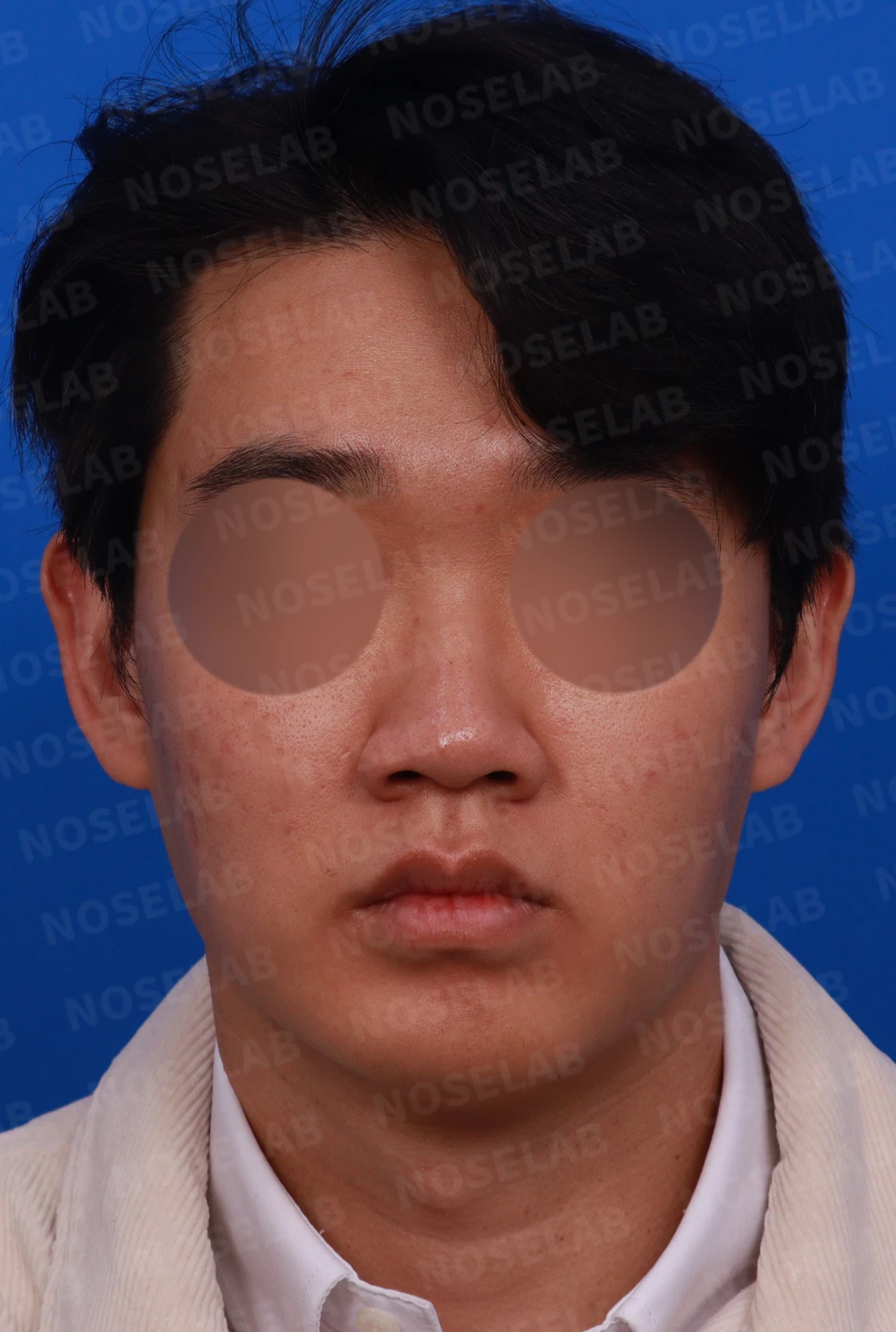
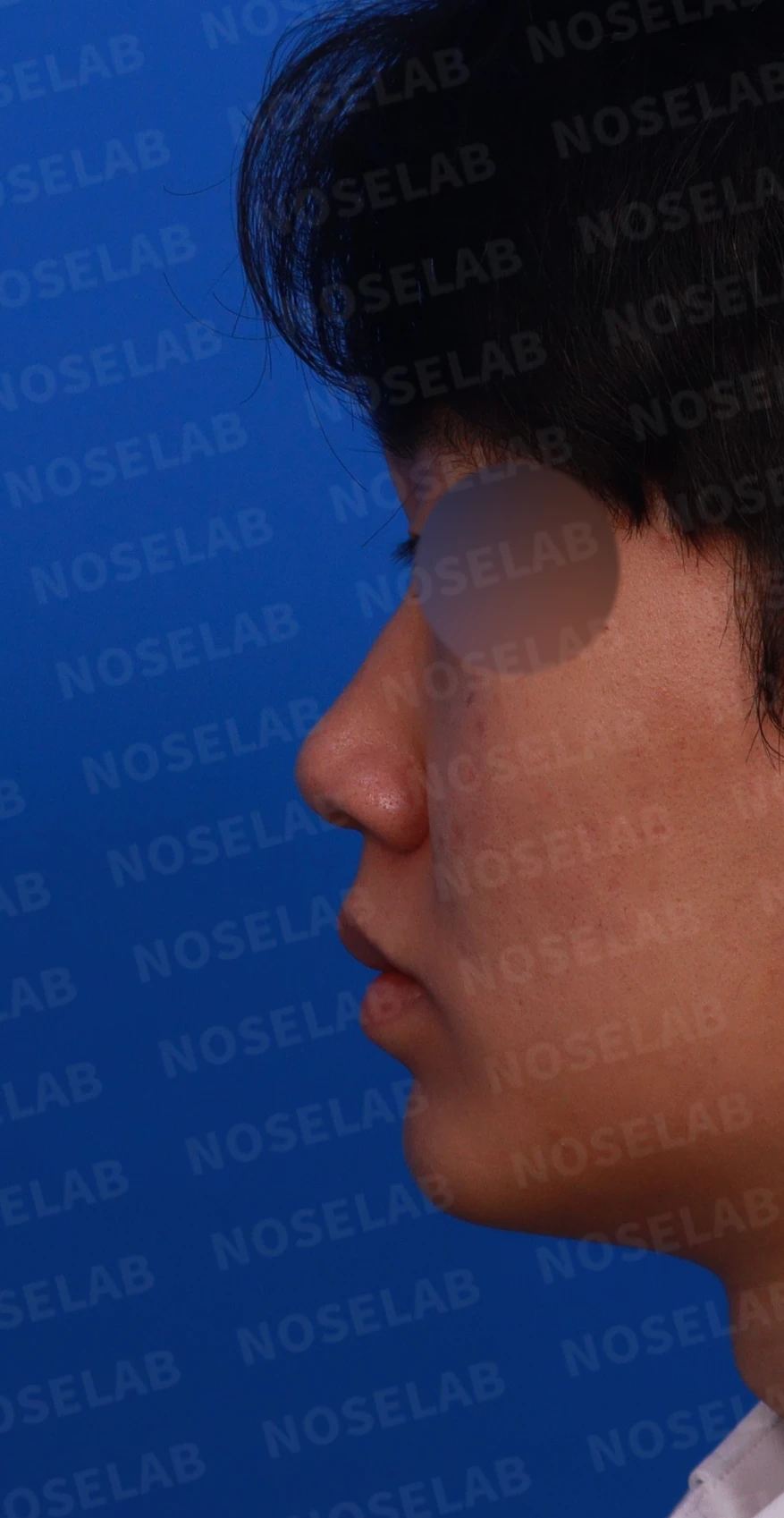
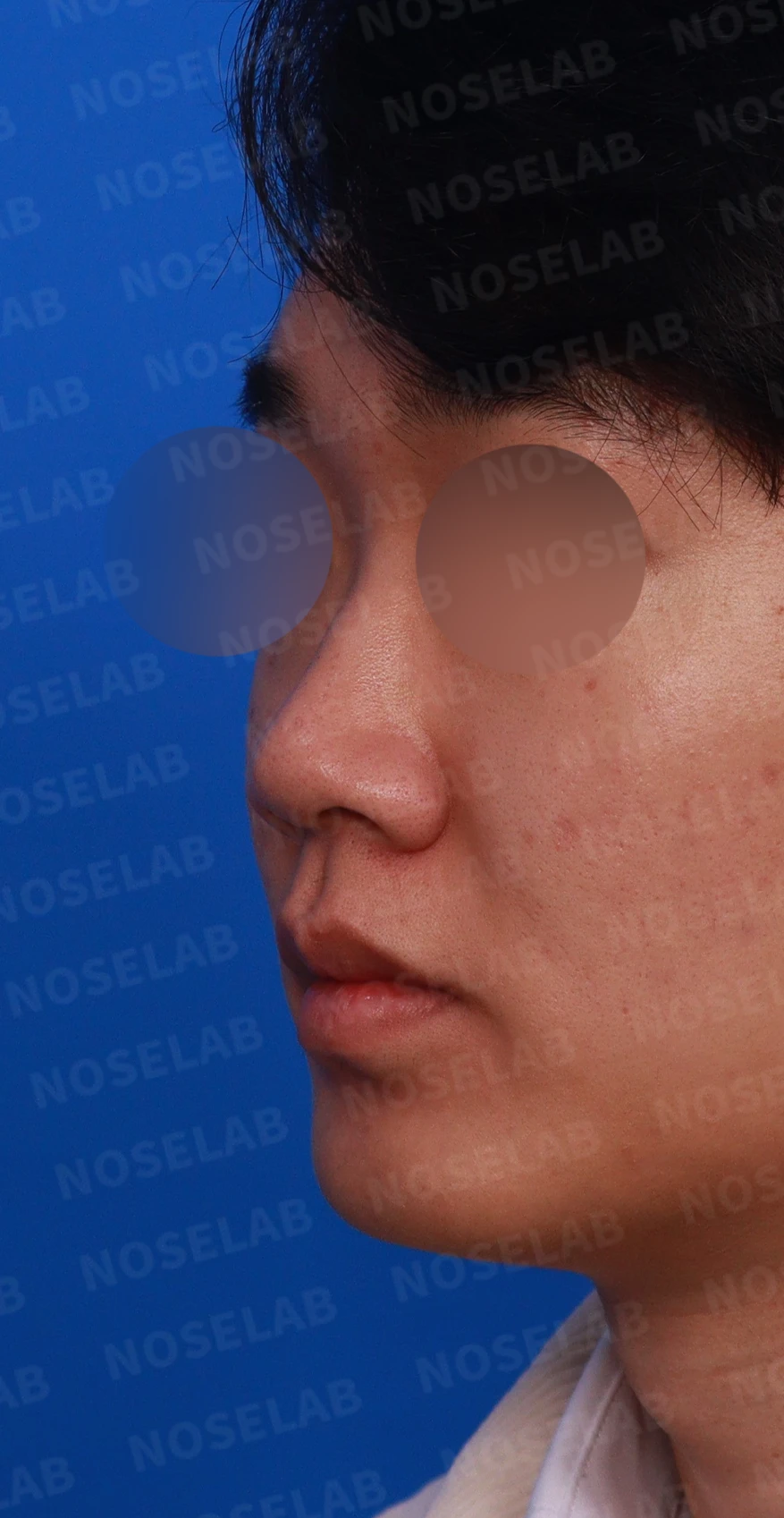
Front, left profile, and oblique views during design consultation
Low and flat nasal bridge
Flared nasal tip
Deviated nasal bridge
Alar asymmetry
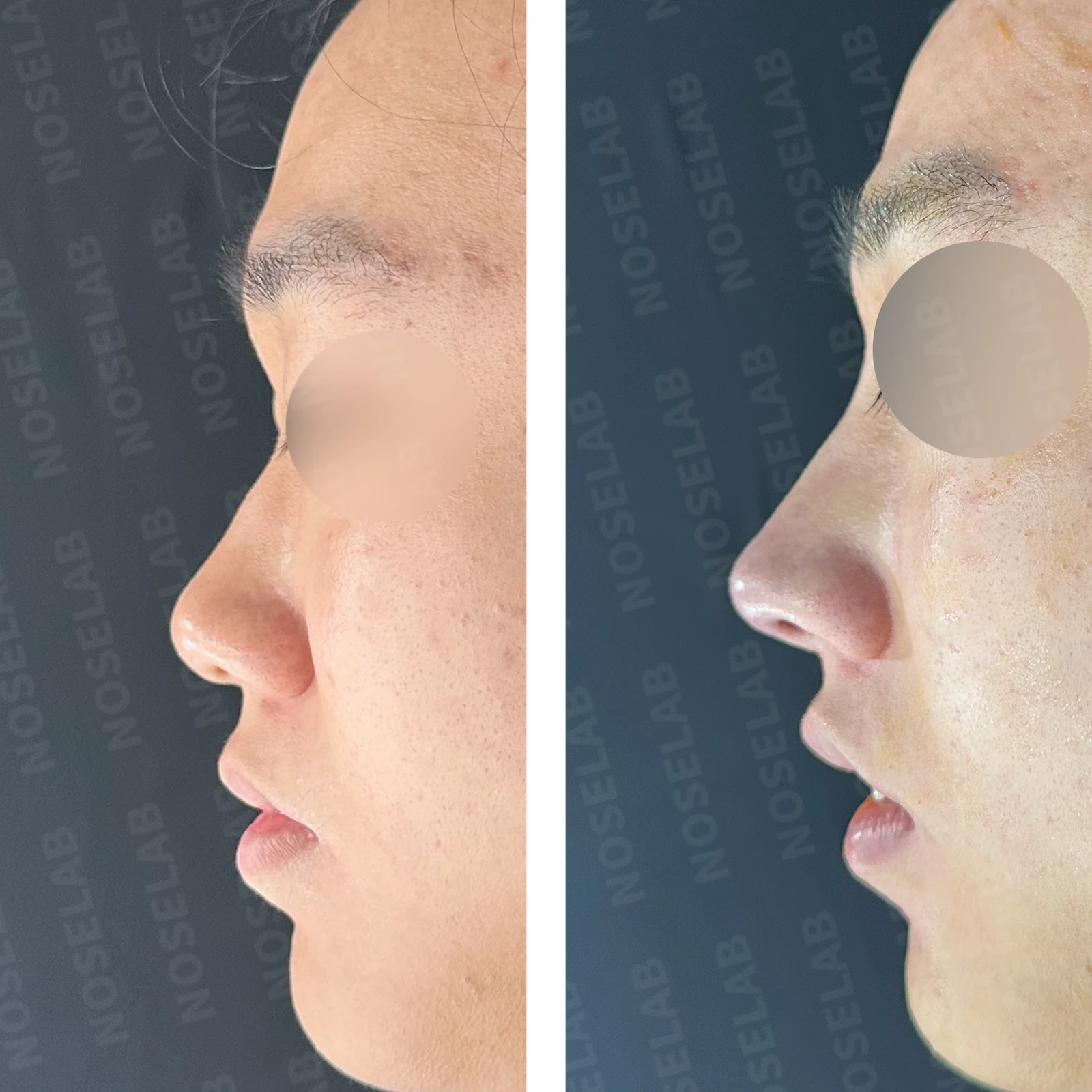
2. Profile view
Uneven nasal bridge
Low radix
Overall low nose
Protruding mouth
3. Oblique view
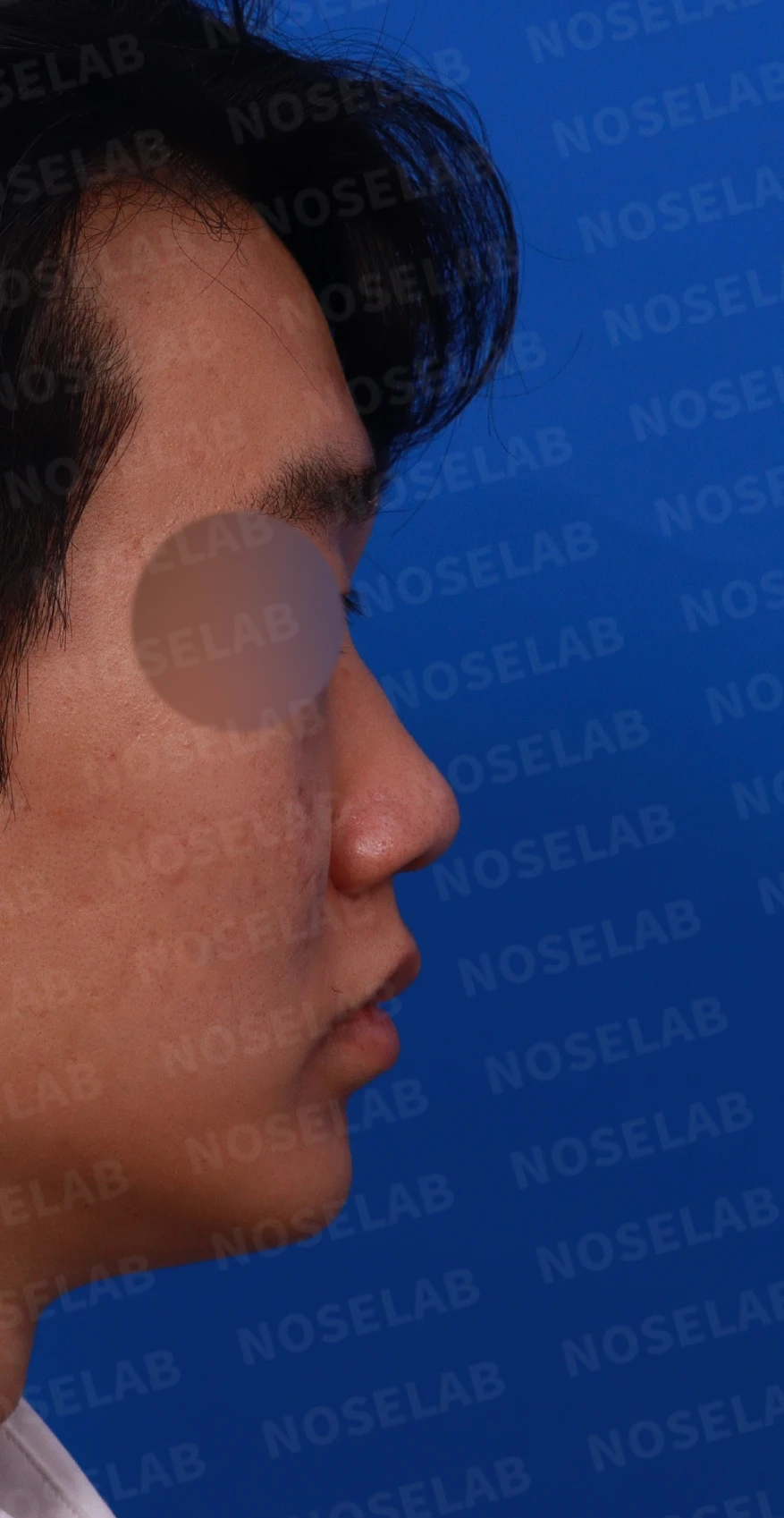
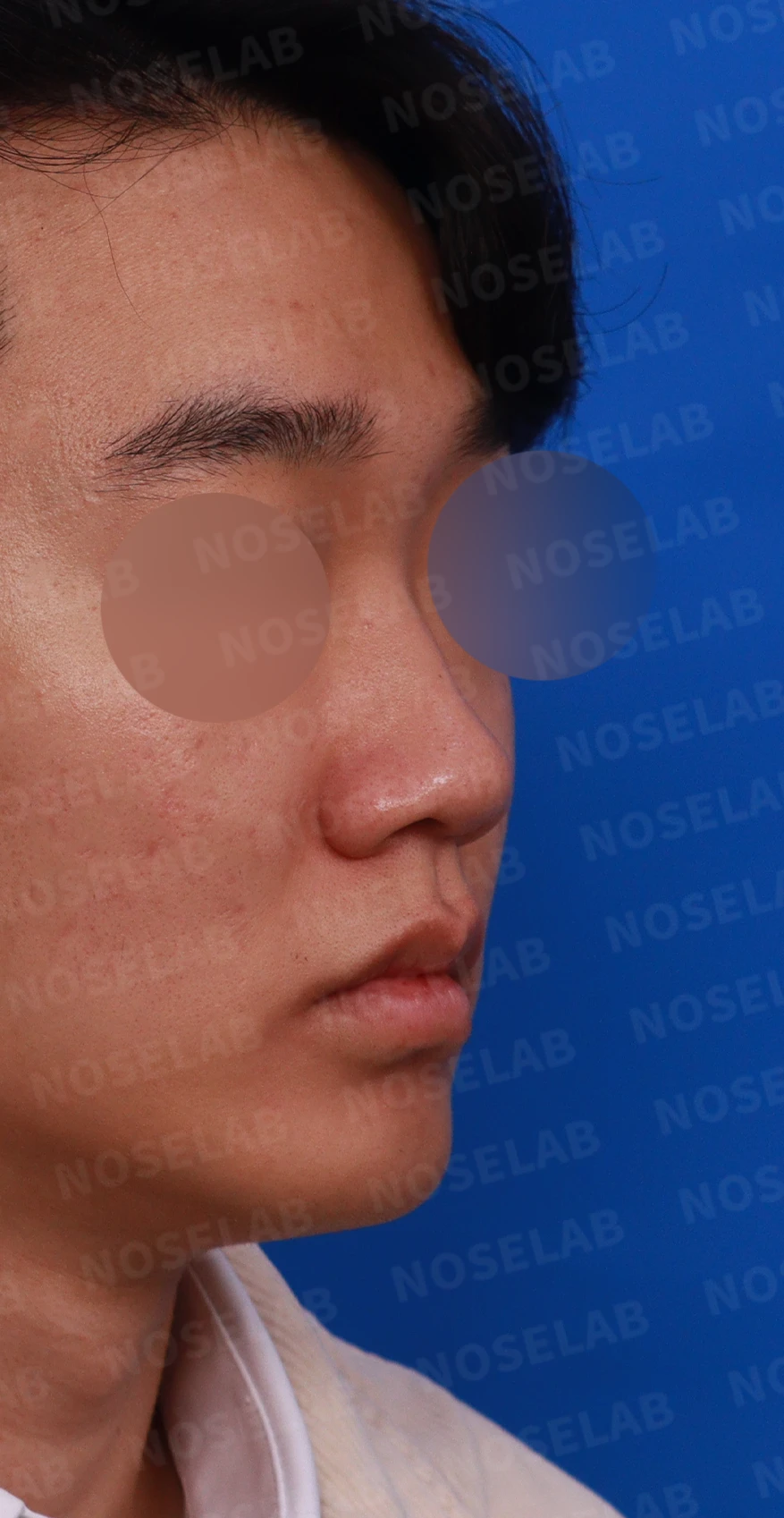
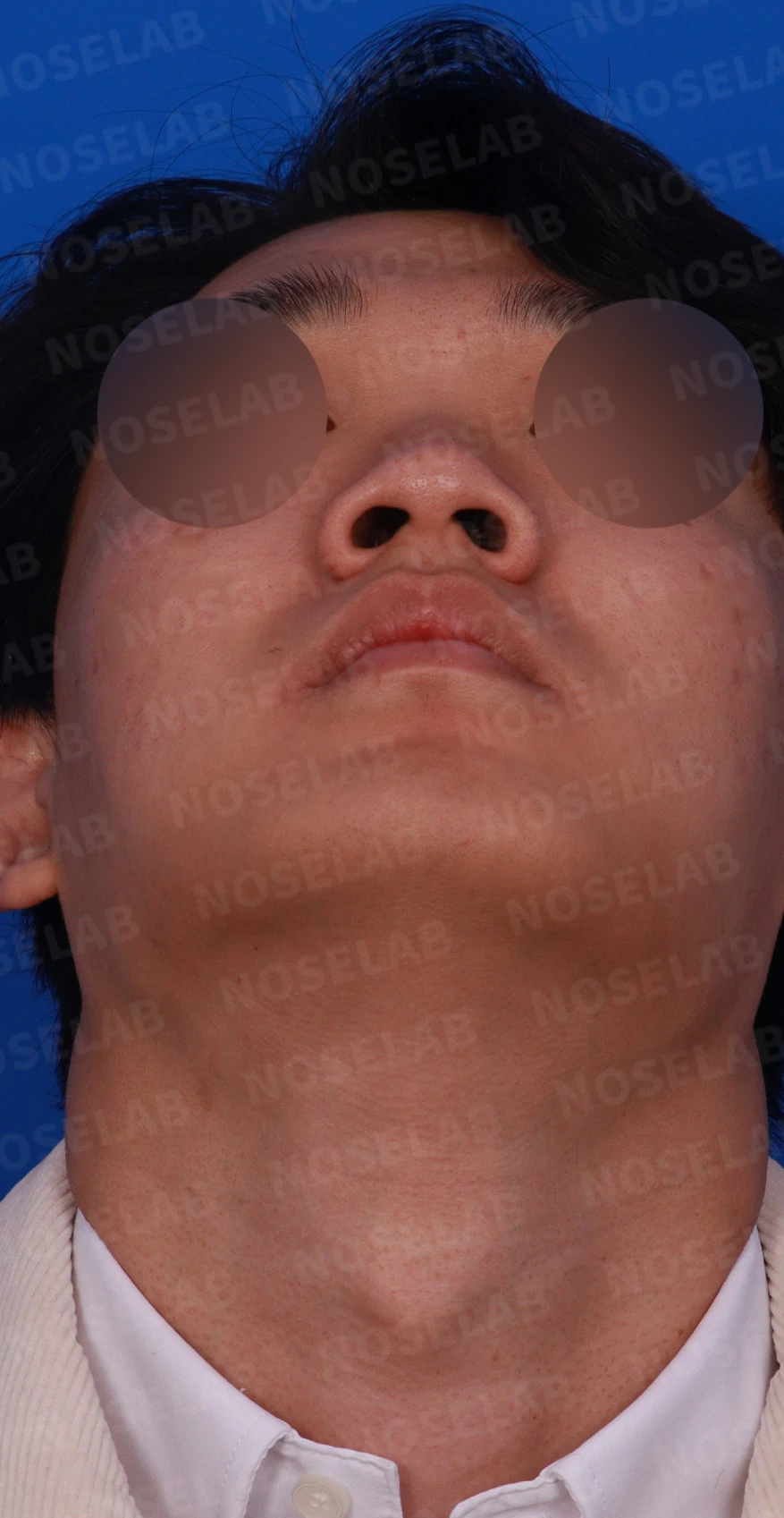
Right profile, oblique, and nostril views during design consultation
Low nasal bridge
Flatness accentuated by prominent brow bones
Prominent protruding mouth
4. Nostril view
Overall wide, spread shape
Left-right asymmetry
🌟 Surgical results
Front view improvement
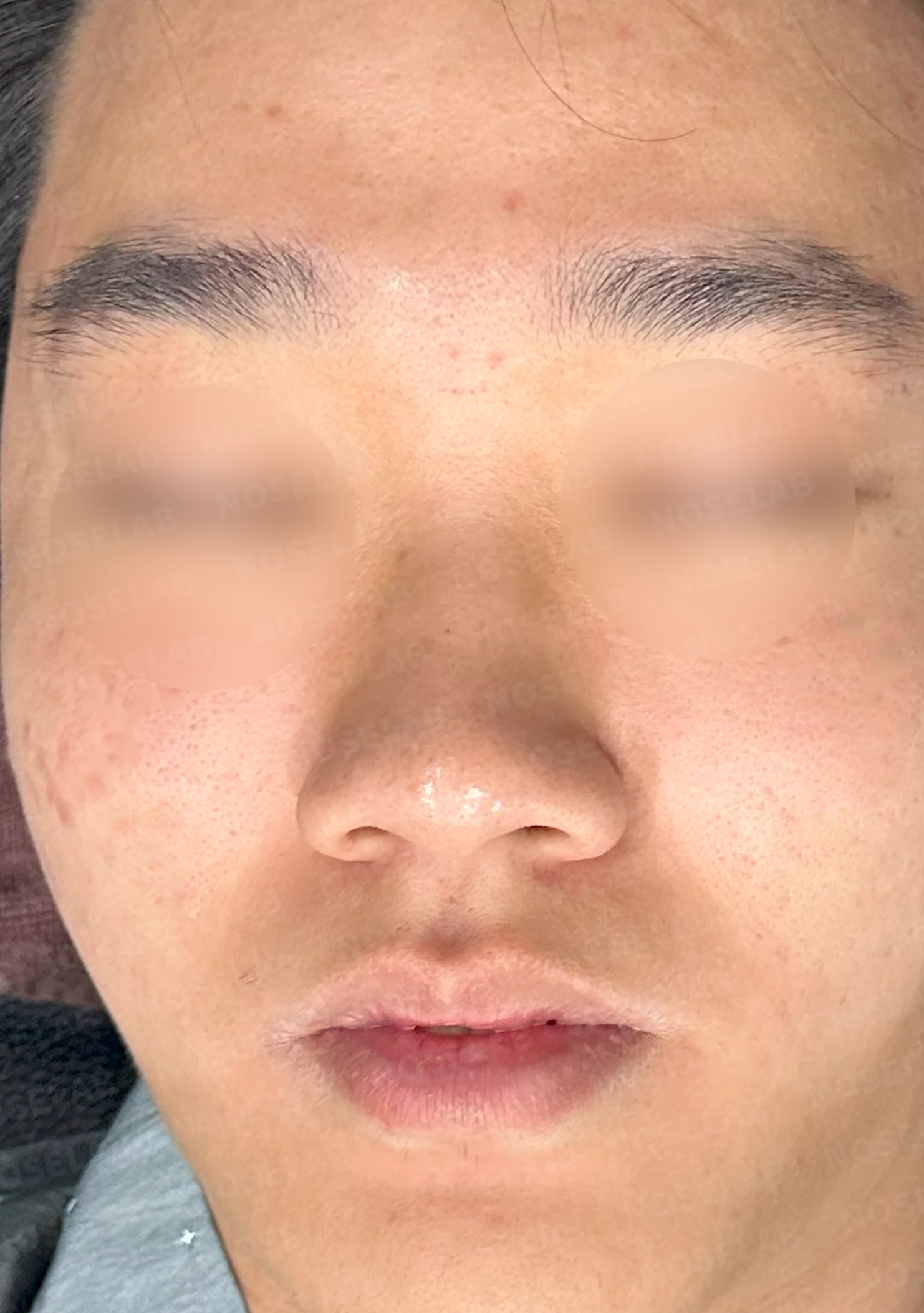
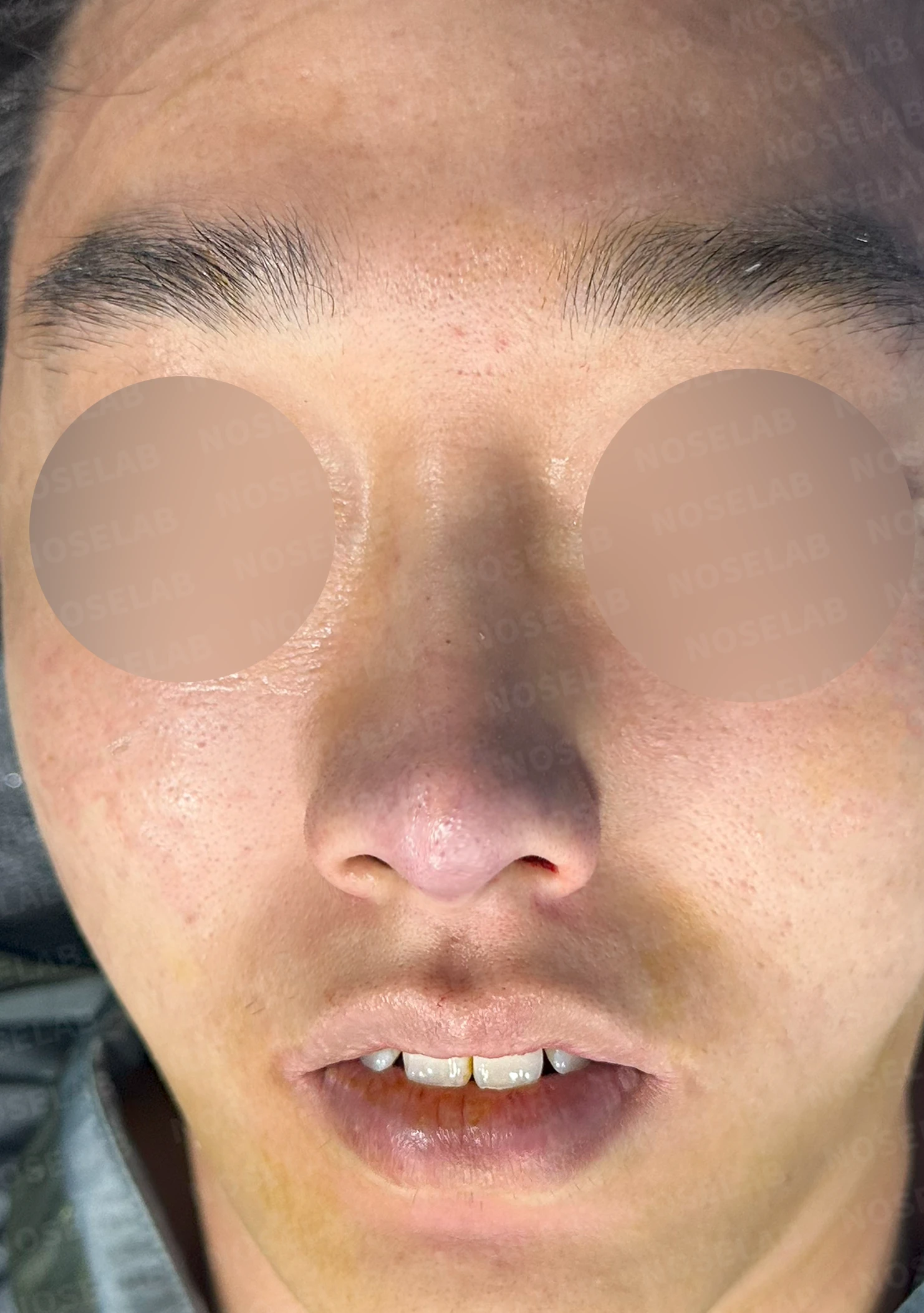
Before surgery / Day 0 immediately after surgery Photos taken immediately after surgery show swelling and may differ from the final result.
The previously flat nasal bridge was improved to have three-dimensional definition
The wide and asymmetric nasal tip was improved
The deviated appearance of the nasal bridge was improved
Asymmetry of the alae was improved
2. Profile view improvement
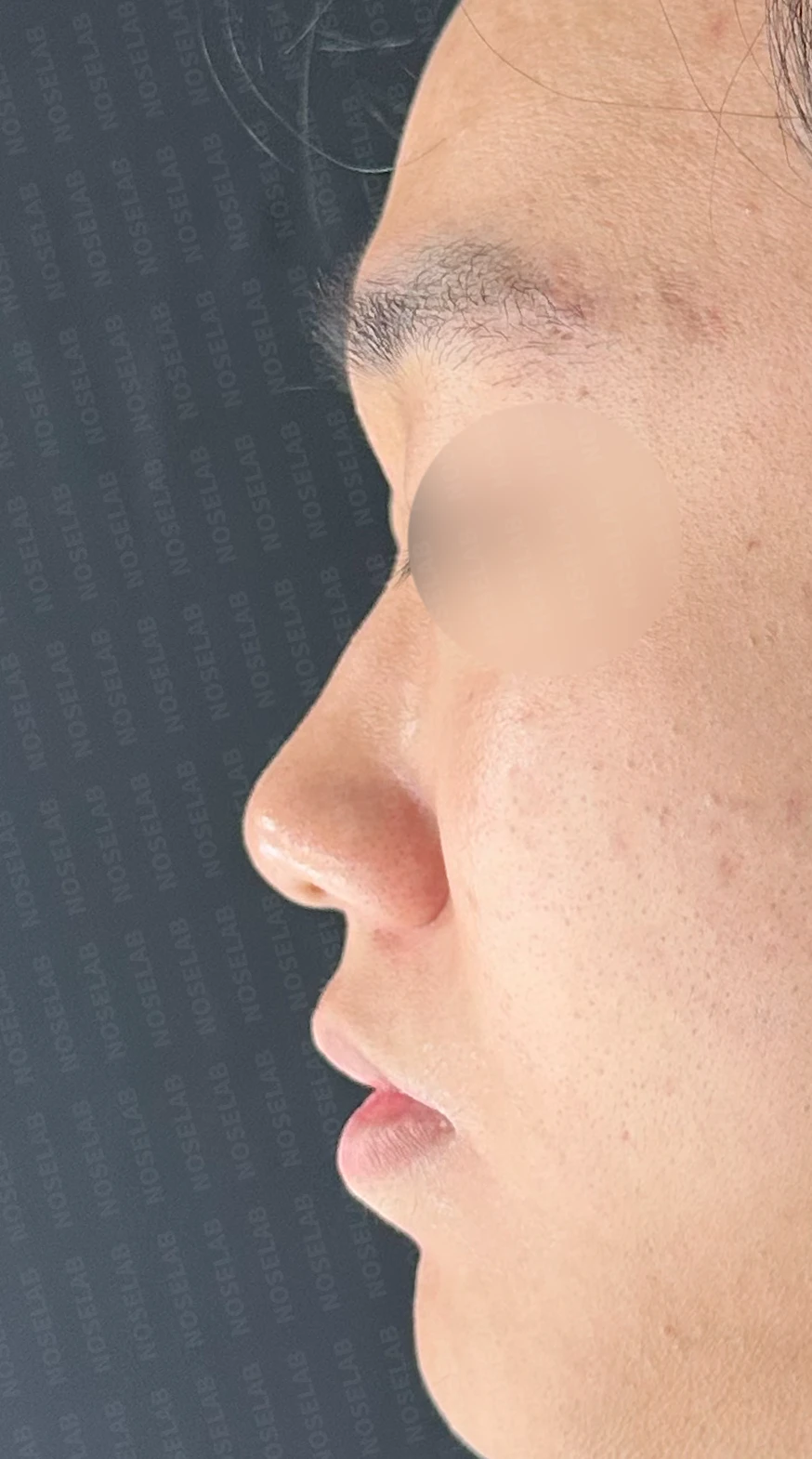
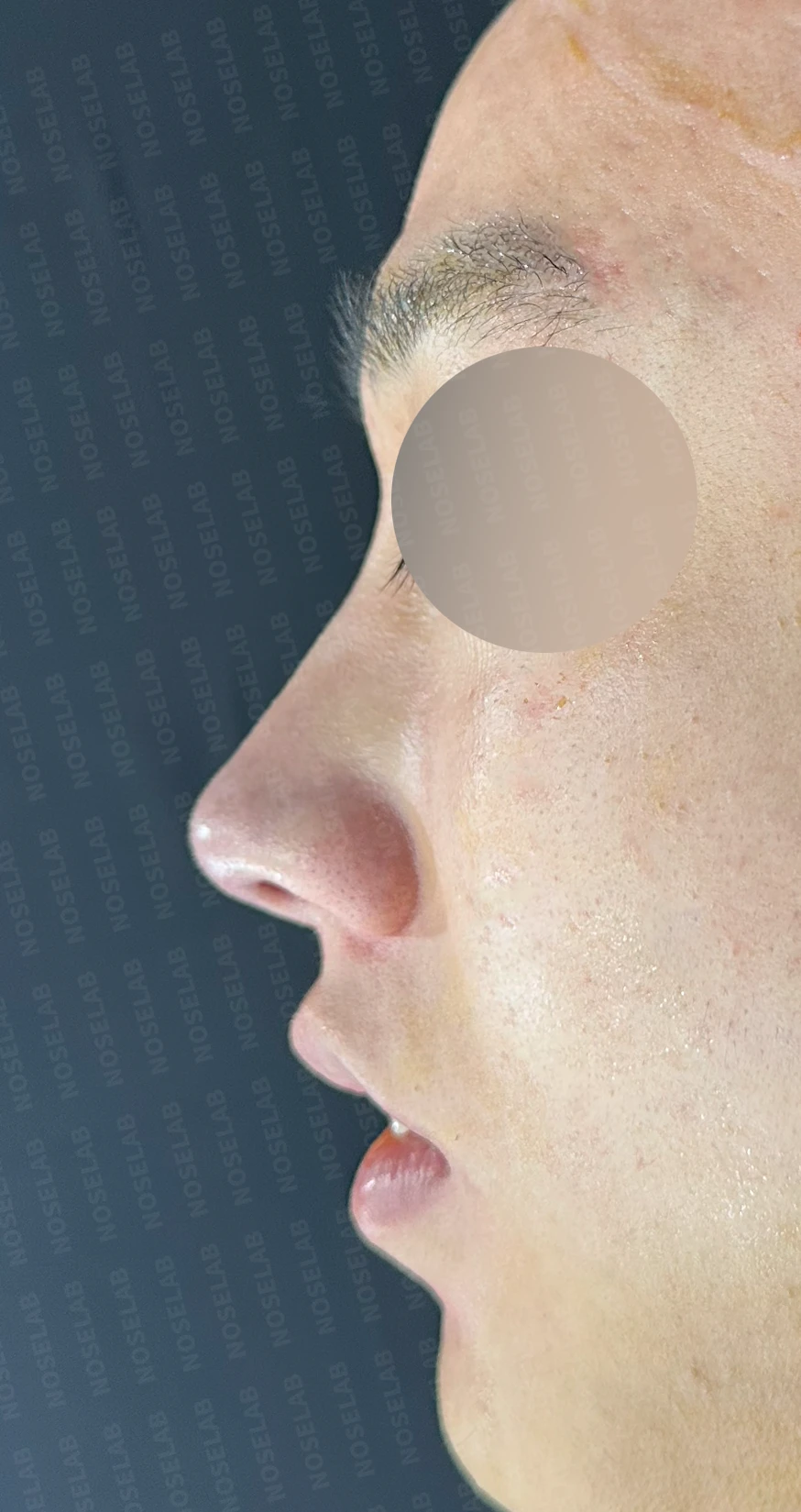
Before surgery / Day 0 immediately after surgery Photos taken immediately after surgery show swelling and may differ from the final result.
The radix was corrected to a natural height
The nasolabial angle was improved
Masculine straight bridge line
3. Oblique view improvement
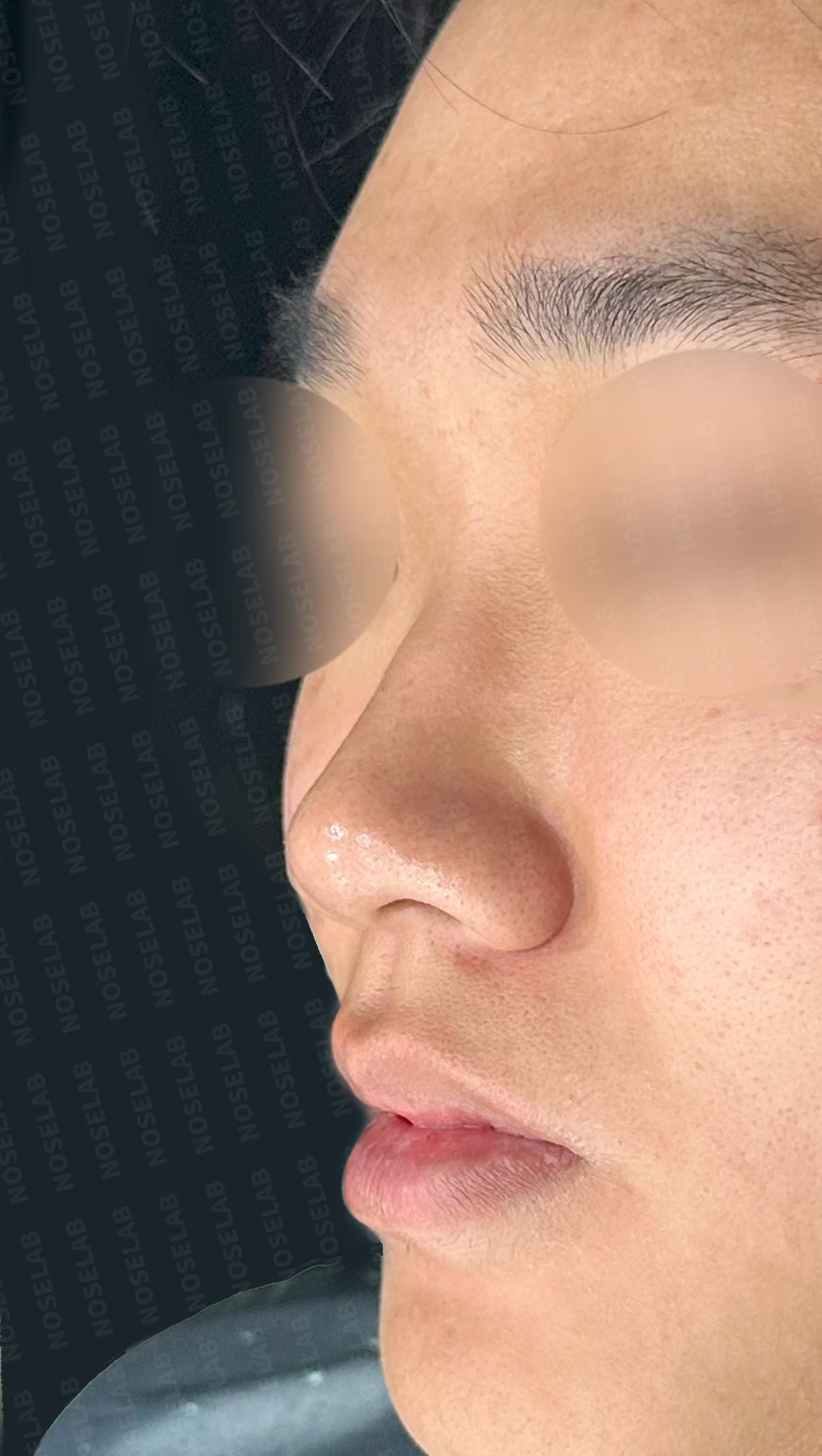
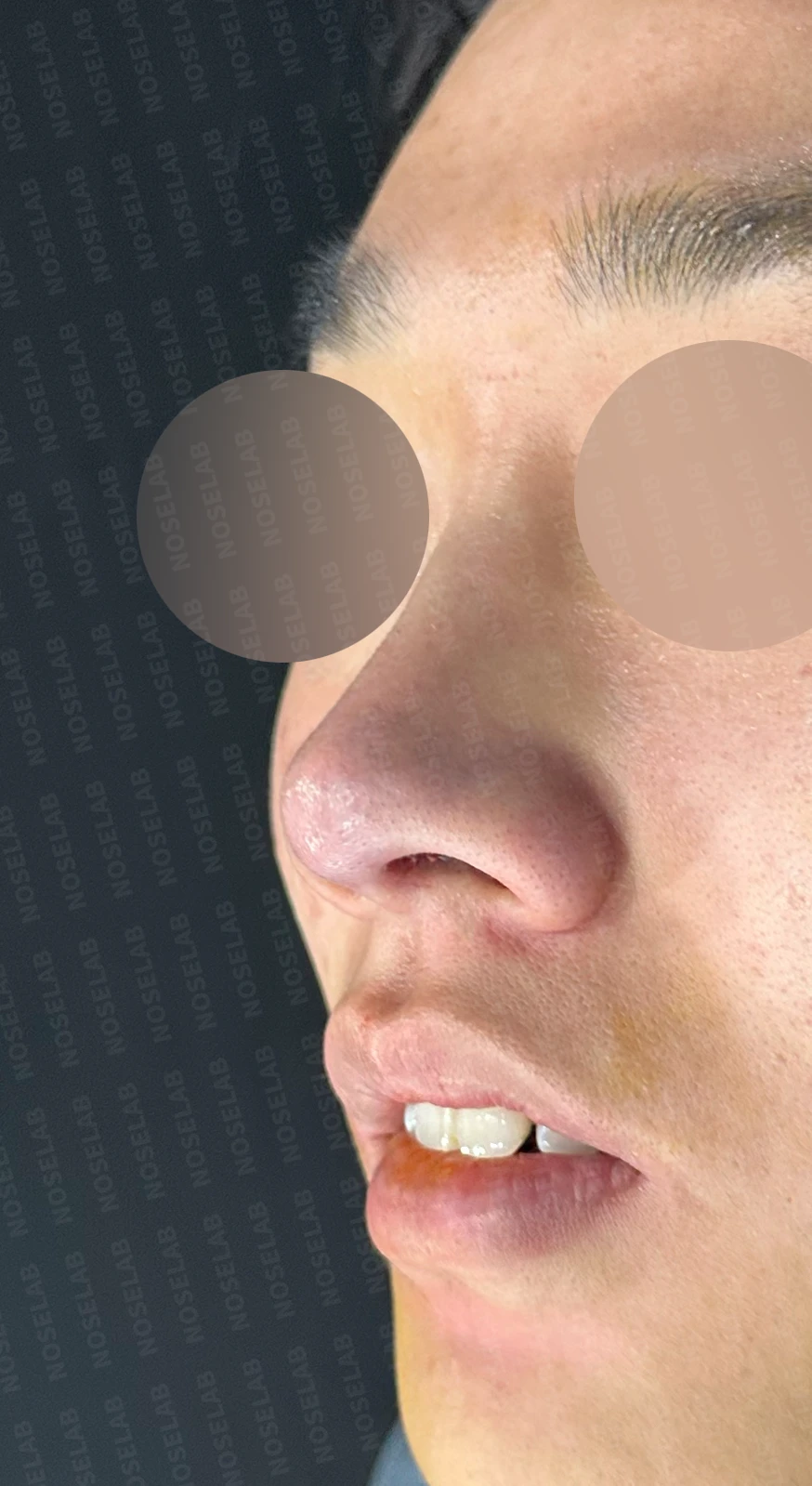
Before surgery / Day 0 immediately after surgery Photos taken immediately after surgery show swelling and may differ from the final result.
The tip shape became natural
The radix was naturally elevated
The nasolabial angle was corrected
4. Nostril view improvement
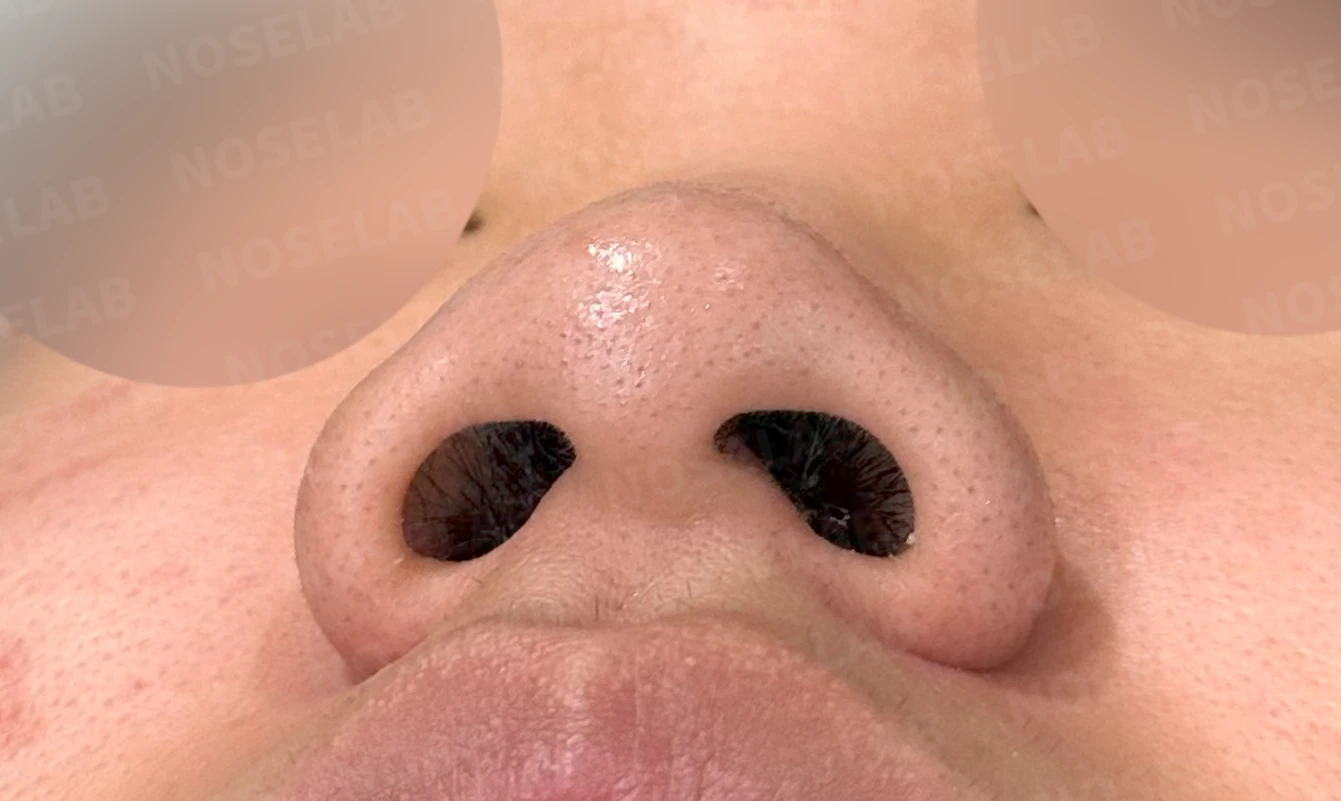
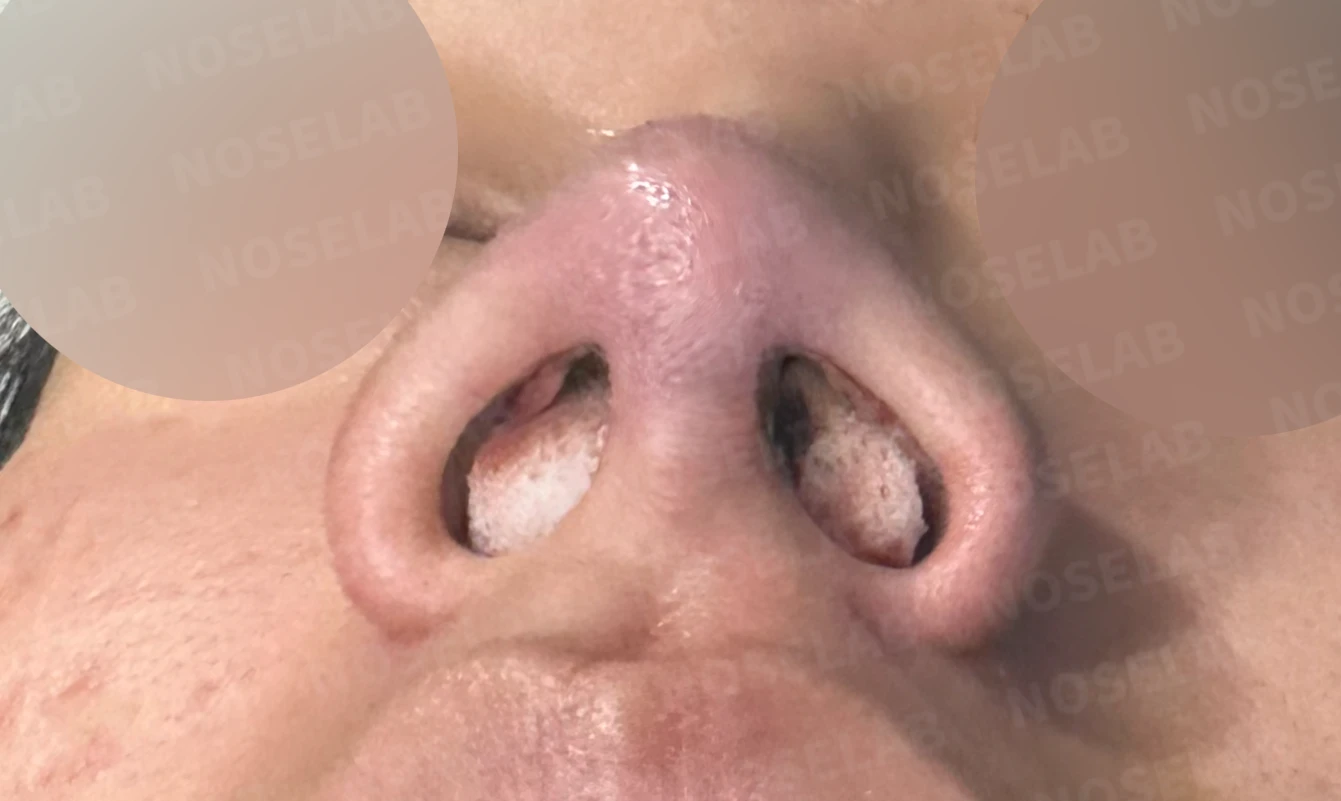
Before surgery / Day 0 immediately after surgery Photos taken immediately after surgery show swelling and may differ from the final result.
The wide, spread appearance was improved
The blunt, bulbous tip appearance also improved
Nostril asymmetry was also improved
5. Functional improvement
Correction of deviated septum
The enlarged inferior turbinates were reduced in size, which is expected to relieve rhinitis symptoms
Improvement in breathing function is expected
💡 Specialist's opinion
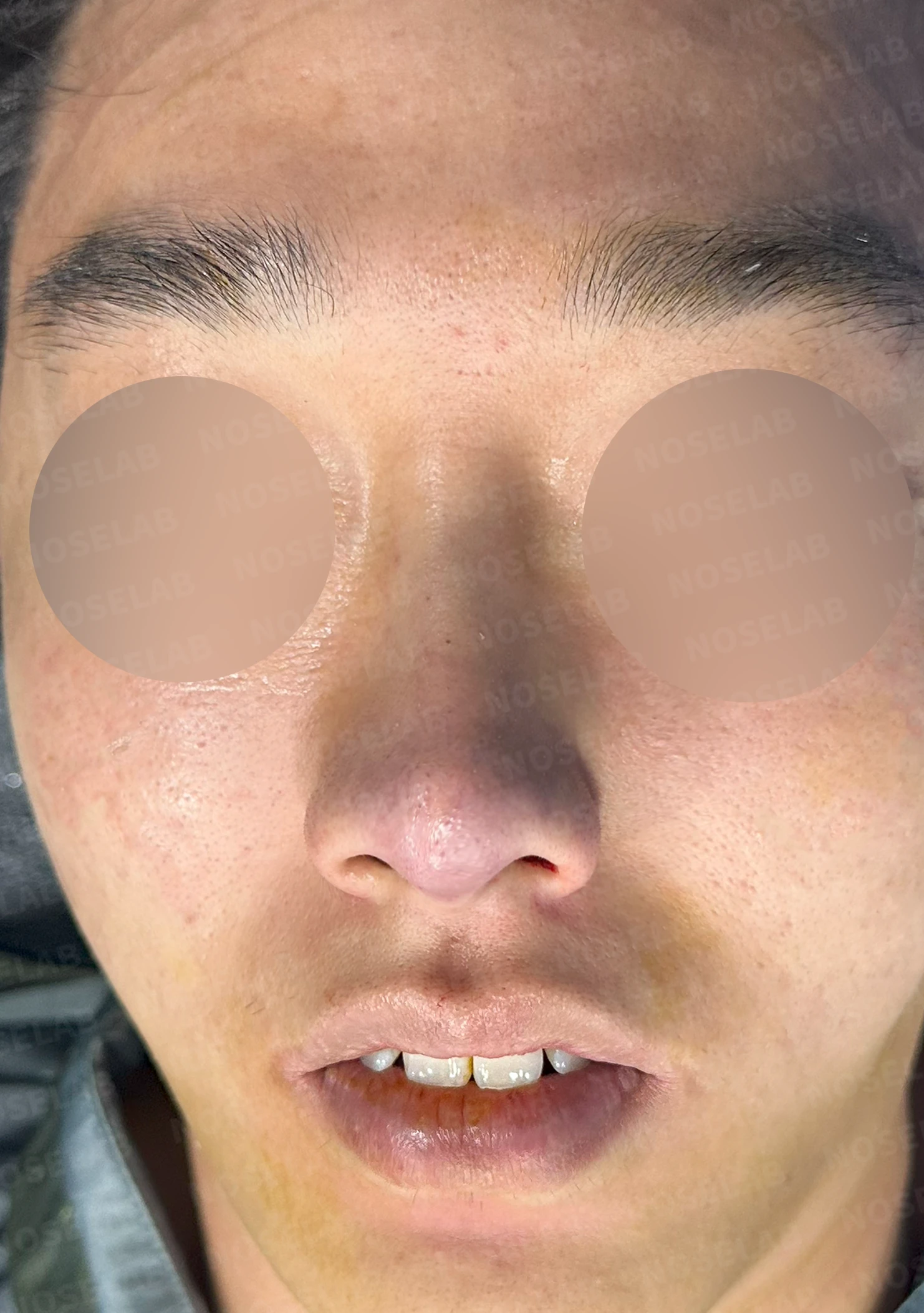
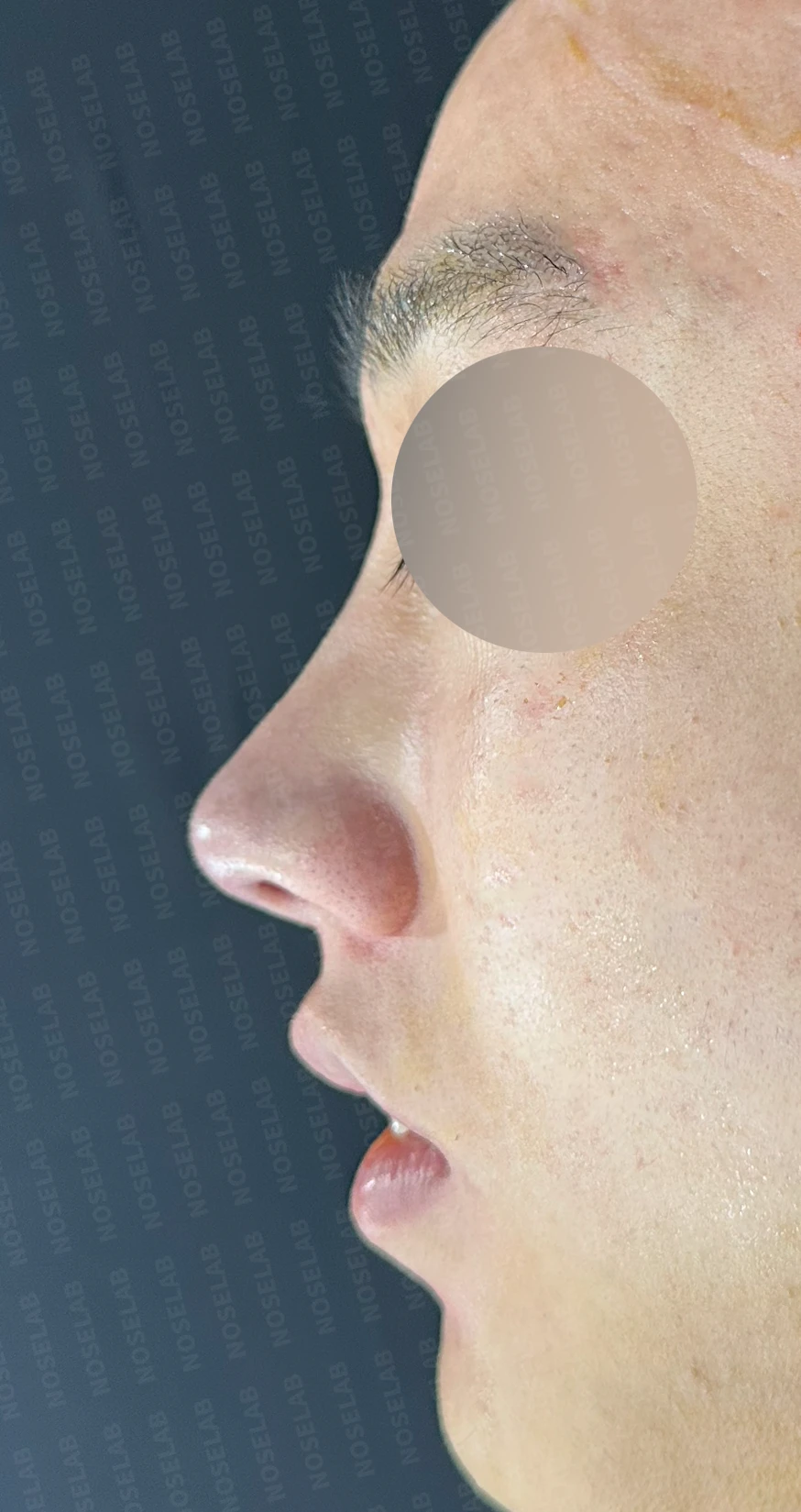
Front, profile, and oblique views immediately after surgery on day 0 Photos taken immediately after surgery show swelling and may differ from the final result.
Nostril view on day 0 immediately after surgery Photos taken immediately after surgery show swelling and may differ from the final result.
In this type of case, natural results were achieved using only septal cartilage and ear cartilage. Cartilage selection is a critical factor in rhinoplasty.
When the septal cartilage is large, thick, and straight, it can be an ideal material; however, if that is not the case, ear cartilage must be added or alternative materials such as donor rib cartilage or autologous rib cartilage should be considered.
Material selection may vary depending on the patient's desired shape and individual anatomical characteristics, which is a key factor in preventing revision rhinoplasty. Careful material selection and meticulous surgical planning support stable long-term results.
I hope this case is helpful to those facing similar concerns.
This was Dr. Peter C. Kang. Thank you.
Thank you.
#lownose #bulboustipcorrection #nasalobstructionsurgery #septalcartilage #naturalrhinoplasty

Limitations and risks
When autologous rib cartilage is used, scarring and pain may remain at the donor site on the chest, and pneumothorax (pleural injury) can occur rarely. Over time, the grafted cartilage may warp or undergo partial resorption.
When using donor rib cartilage, long-term follow-up is necessary because the grafted cartilage may resorb or warp.
When the septum is corrected at the same time, nasal obstruction may persist or recur, and in rare cases, septal perforation or changes in smell may occur.
Common potential risks include infection, bleeding, asymmetry, scarring, skin necrosis, and insufficient improvement; results vary depending on individual skin condition and previous surgical history.