Hello, I am Dr. Peter C. Kang.
Today, I would like to introduce the case of a patient who improved a Pinocchio-like overprojected nose, nasal deviation, and breathing discomfort caused by previous surgeries through autologous rib cartilage and septal reconstruction.
📍 Surgical history
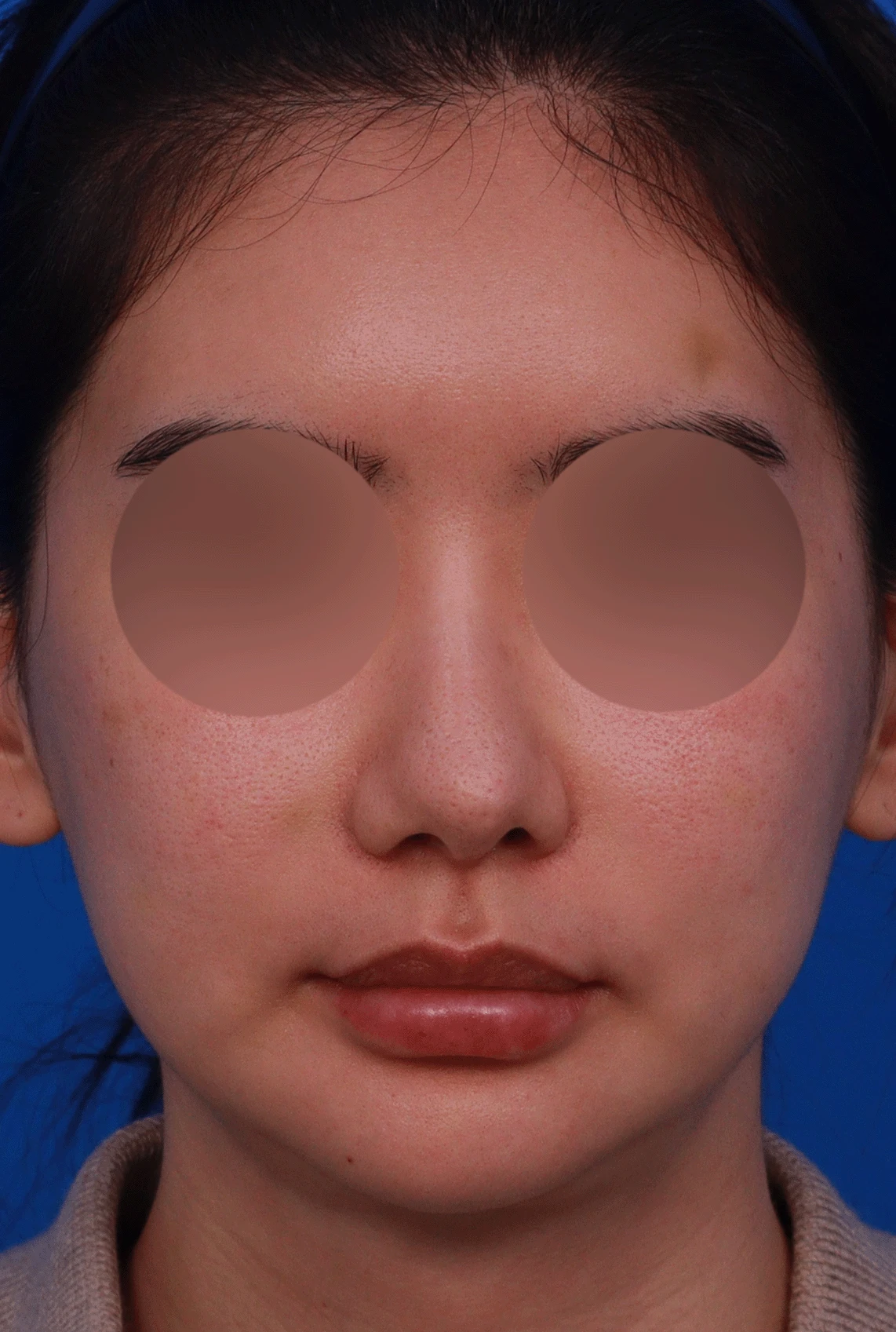
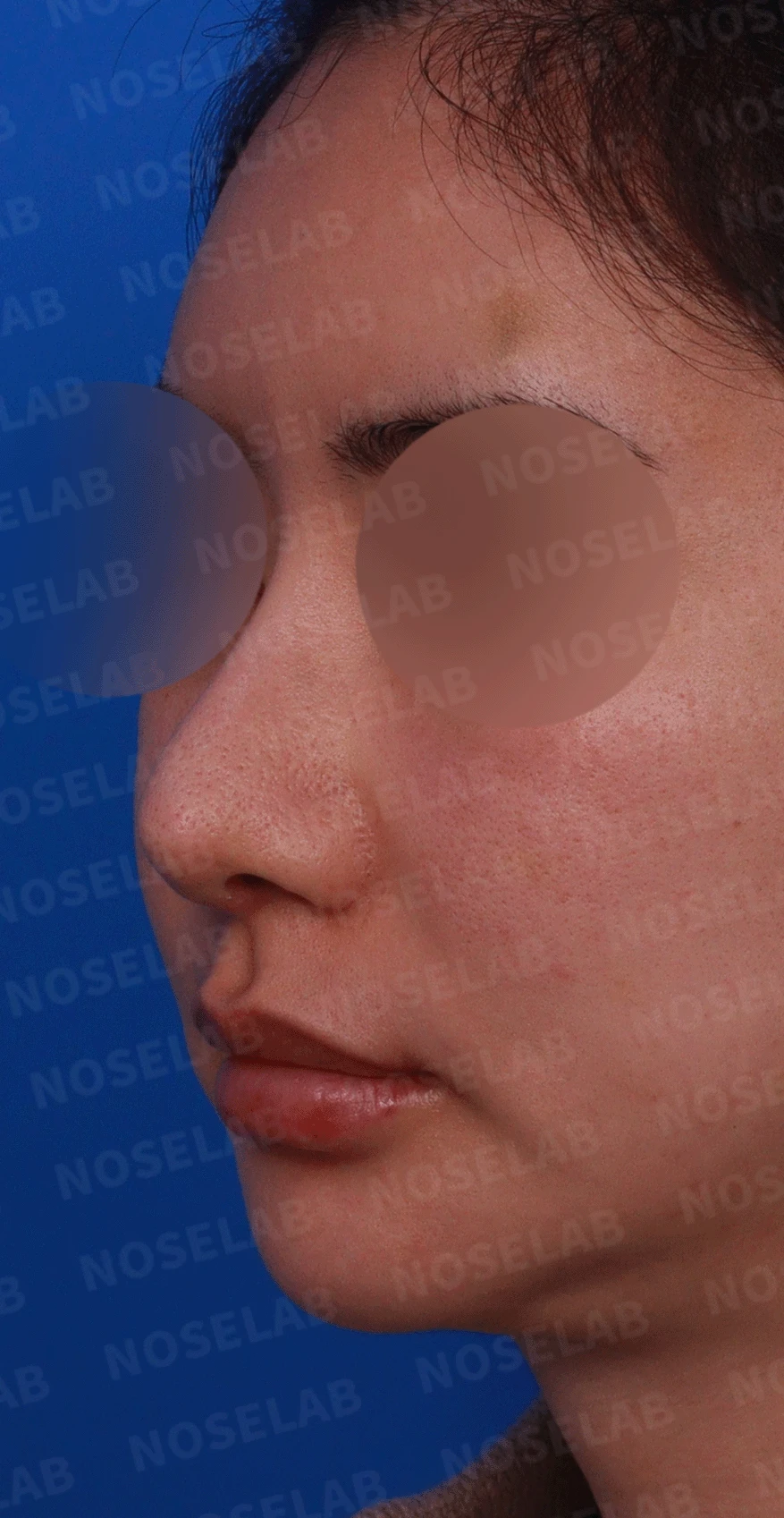
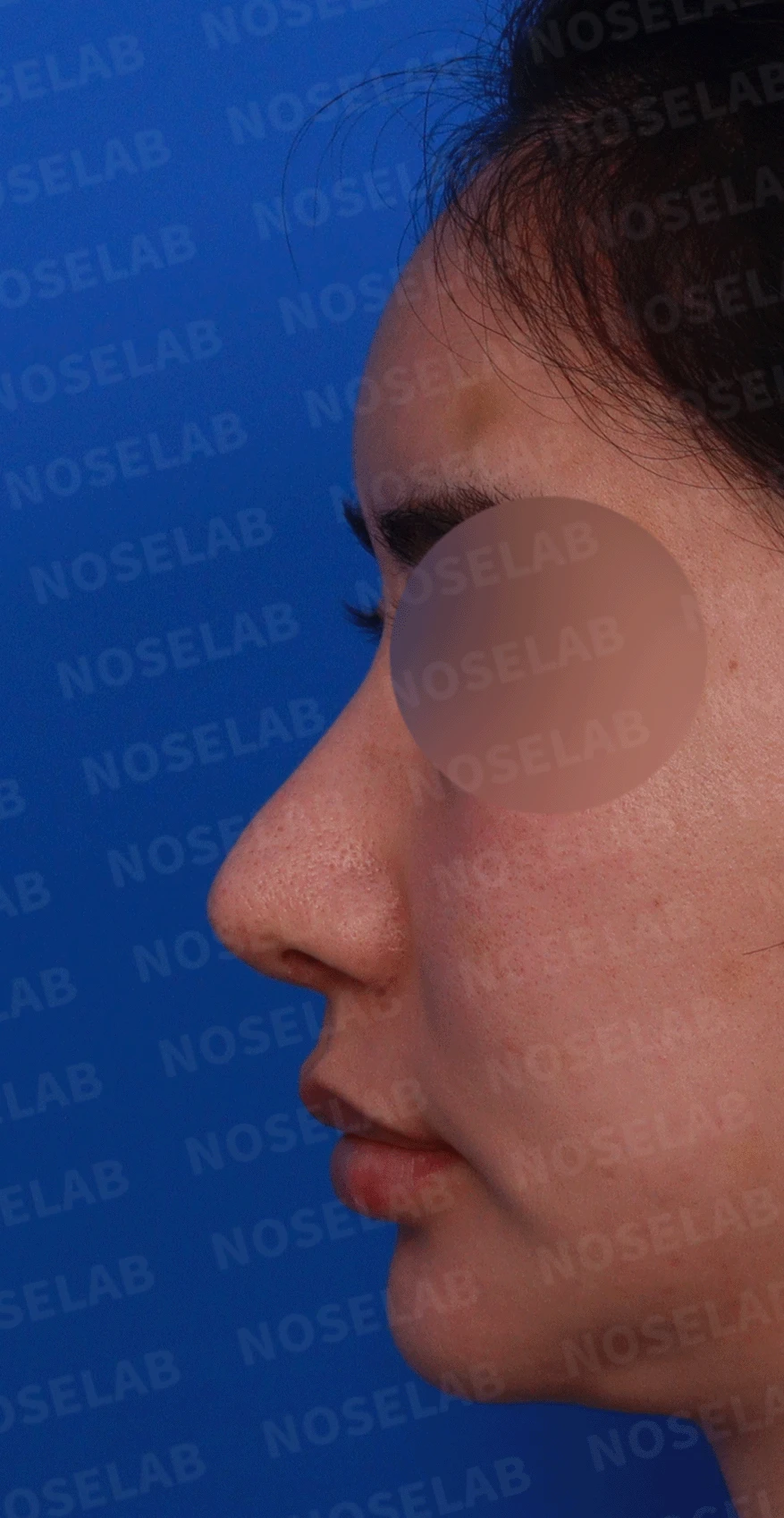
Design consultation: front, left oblique, and profile views.
10 years ago
Ear cartilage + silicone implant
Outcome: Bulbous nose, no significant change
2 years ago
Autologous rib cartilage + silicone implant
Outcome: Overly high, Pinocchio-like nose, deviation, breathing discomfort
🔎 Initial consultation findings
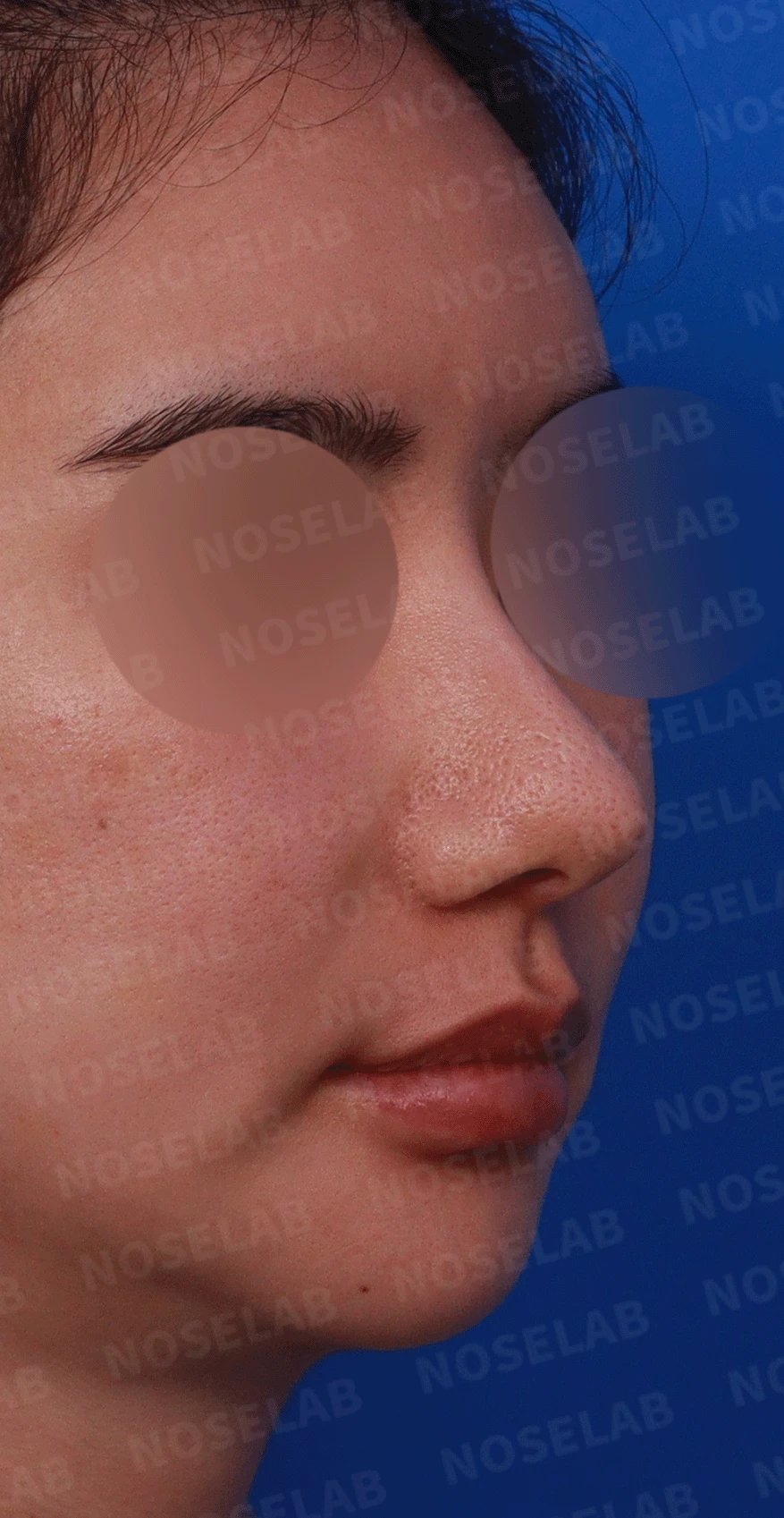
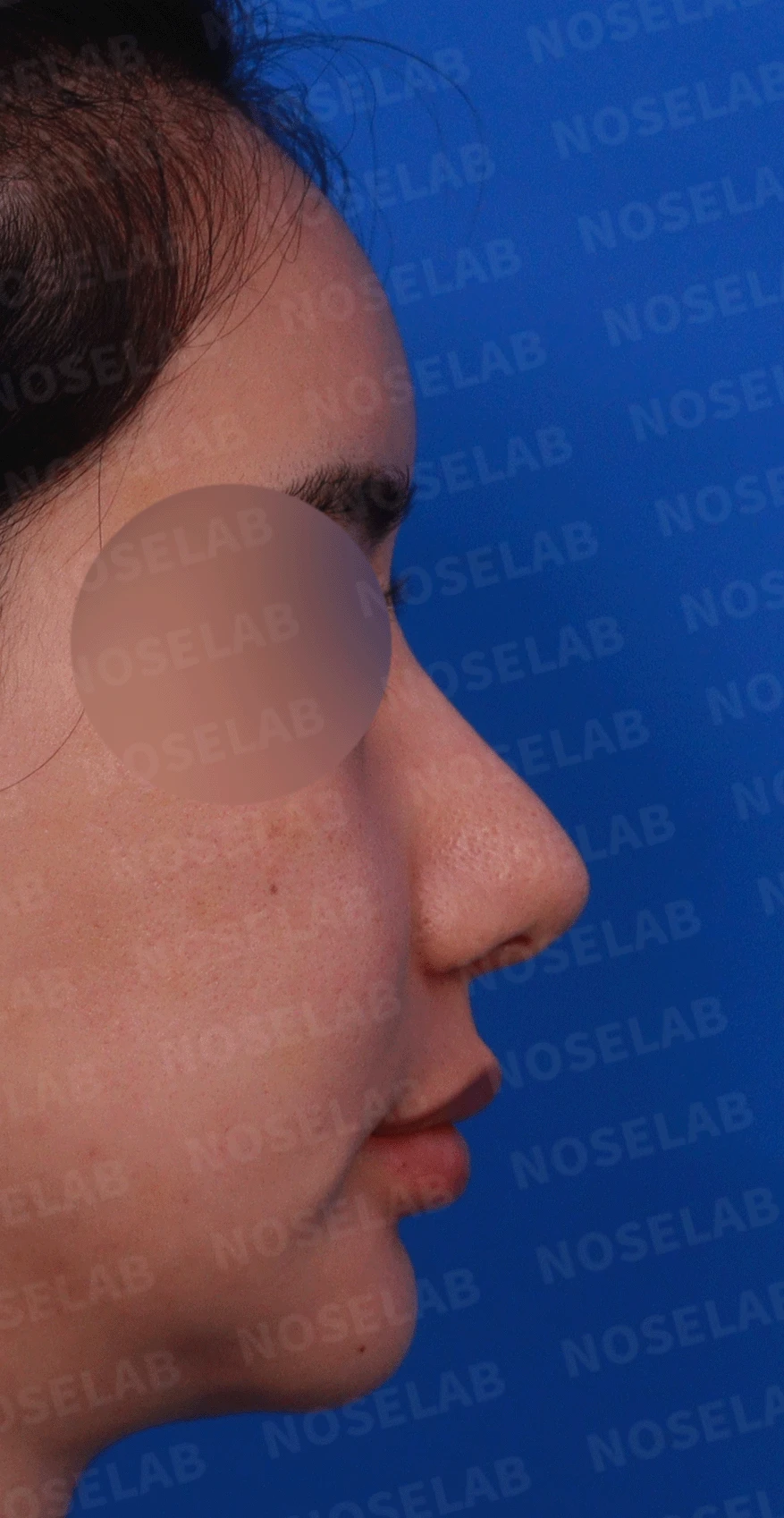
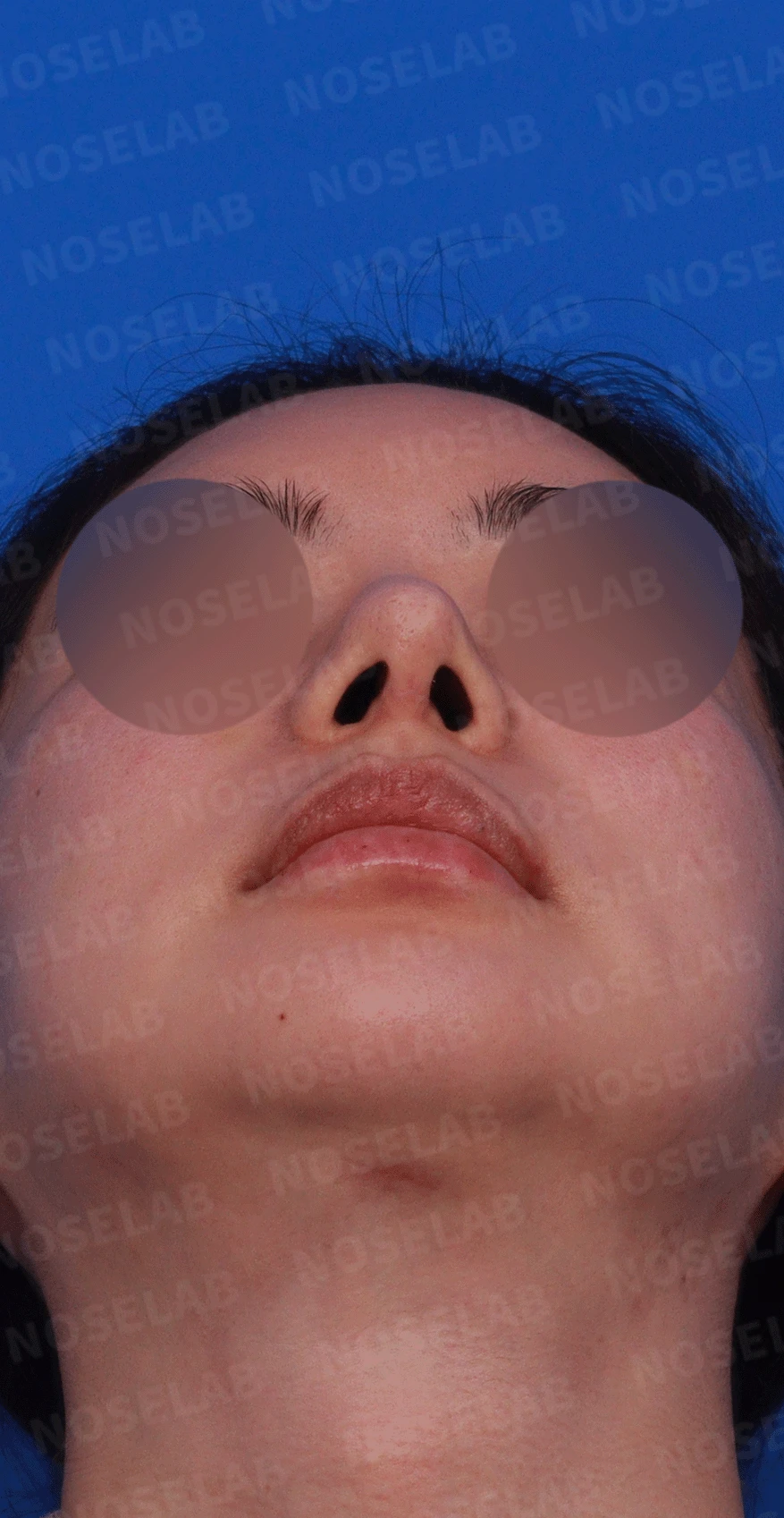
Design consultation: right oblique, profile, and nostril views.
Patient information
Symptoms of nasal obstruction present
Various issues stemming from previous surgeries
Primary concerns
Pinocchio-like, unnaturally high nose
Asymmetric deviation to the left and right
Persistently bulbous nasal tip
Breathing discomfort
Long-appearing midface
Structural concerns
Severe septal damage
Excessive height
Unnatural nasal line
Accompanied by functional problems
✨ Patient's requests
Correction of bulbous nose
To make the midface appear shorter
Correction of crooked nose
💉 Surgical procedure details
Autologous rib cartilage reconstruction
Removal of existing silicone implant
Full reconstruction with autologous rib cartilage
Adjustment to a natural height
Septal reconstruction
Complete reconstruction of the damaged septum
Use of autologous rib cartilage
Improvement of breathing function
Correction of crooked nose
Midline alignment
Balancing left and right symmetry
Straight nasal line
Nasal sill reduction
Reduction of the widened nasal sill
Refined nostril shape
Improving overall balance
Adjustment of glabella radix
Lowering the radix at the glabella
Natural transition zone
Soft radix takeoff
Correction of the nasolabial angle
Improvement in protruding mouth appearance
Visual midface shortening effect
Achieving an ideal angle
✅ Surgical results
Front view
Straight nose
Refined nasal tip
Balanced nostrils
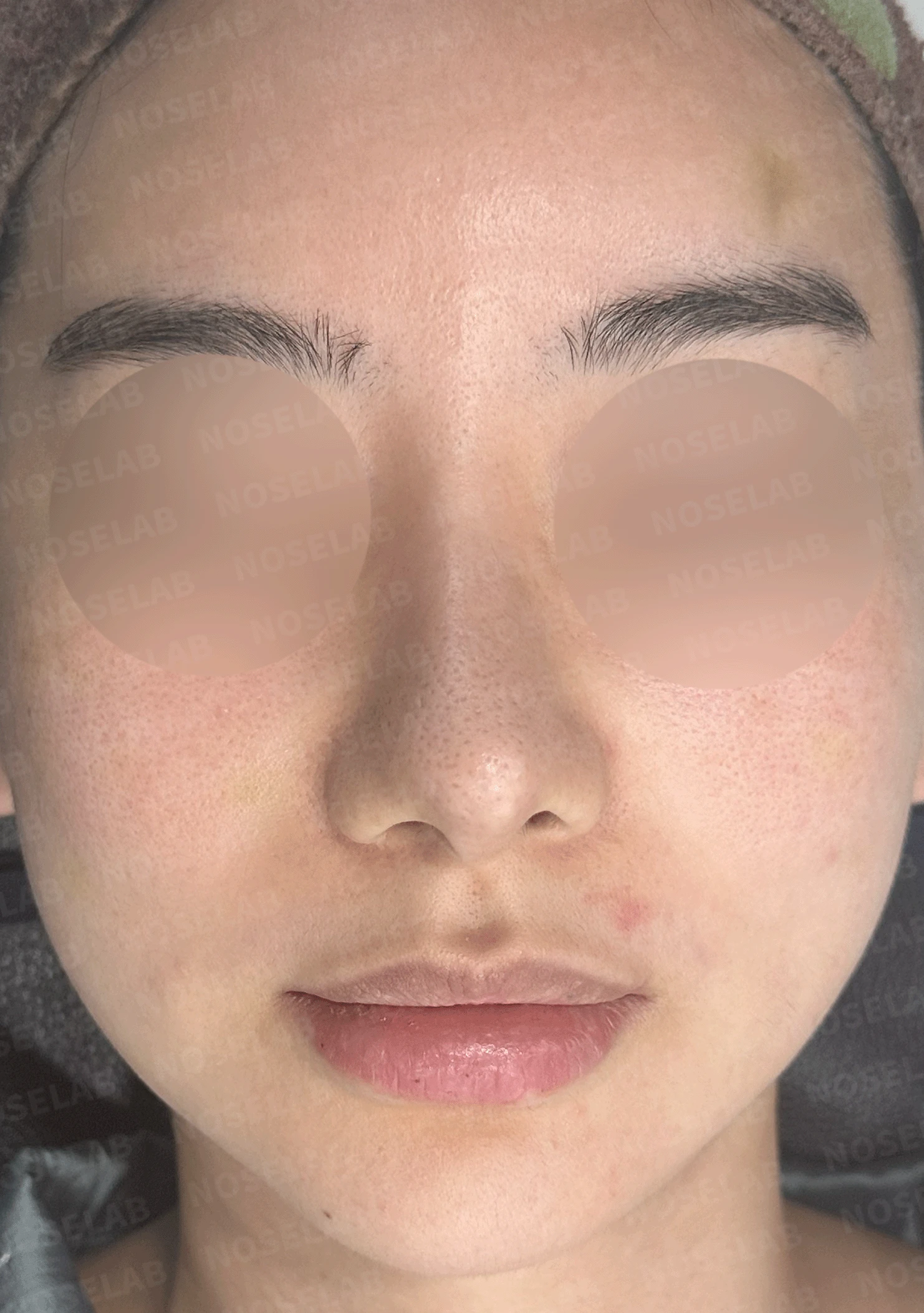
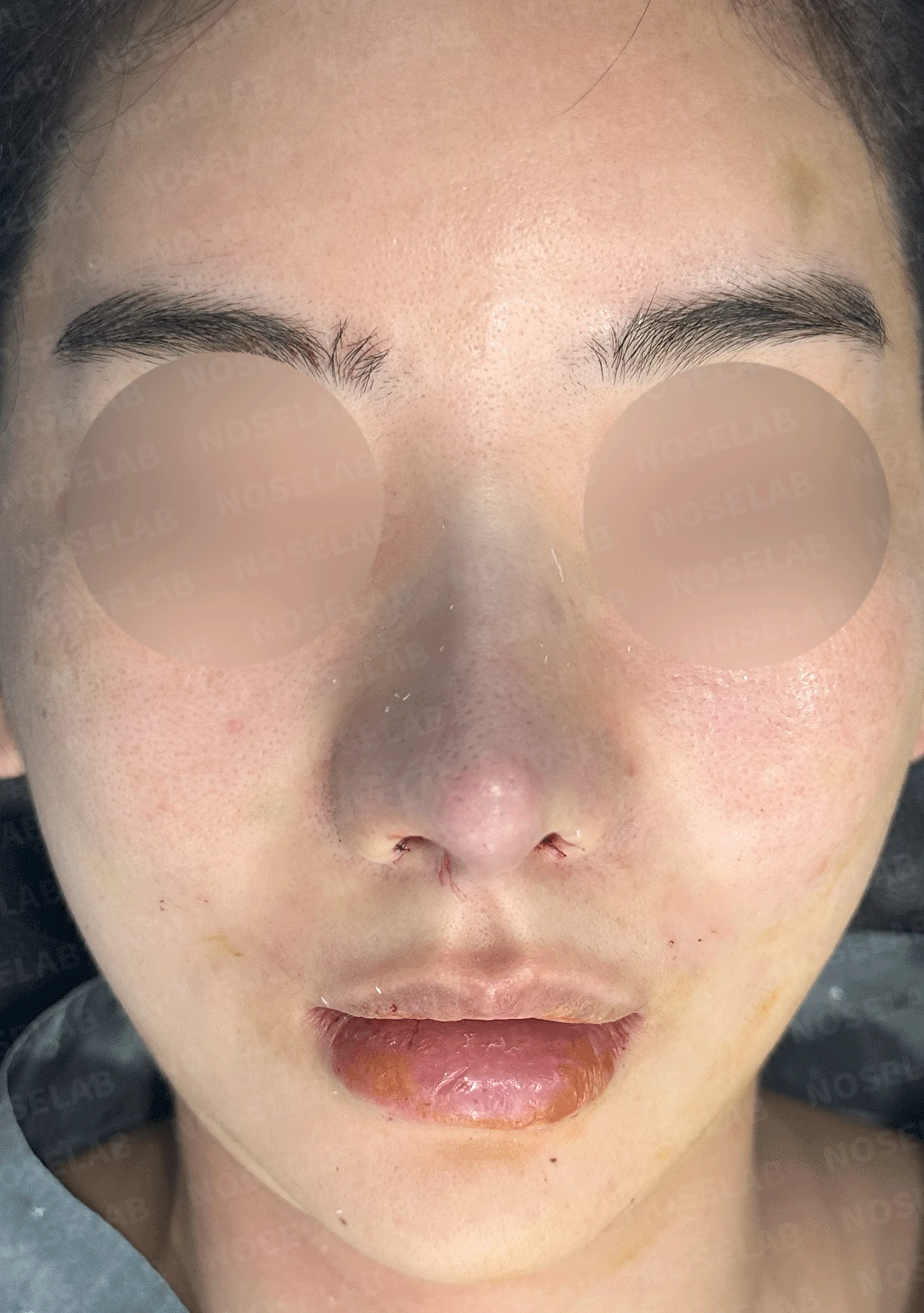
Before surgery / Day 0 immediately after surgery Photos taken immediately after surgery show swelling and may differ from the final result.
Complete correction of crooked nose
Accurate midline alignment
Restoration of bilateral symmetry
Straight nose
Profile view
Natural nasal height
Improved nasolabial angle
Ideal projection
Harmonious profile line
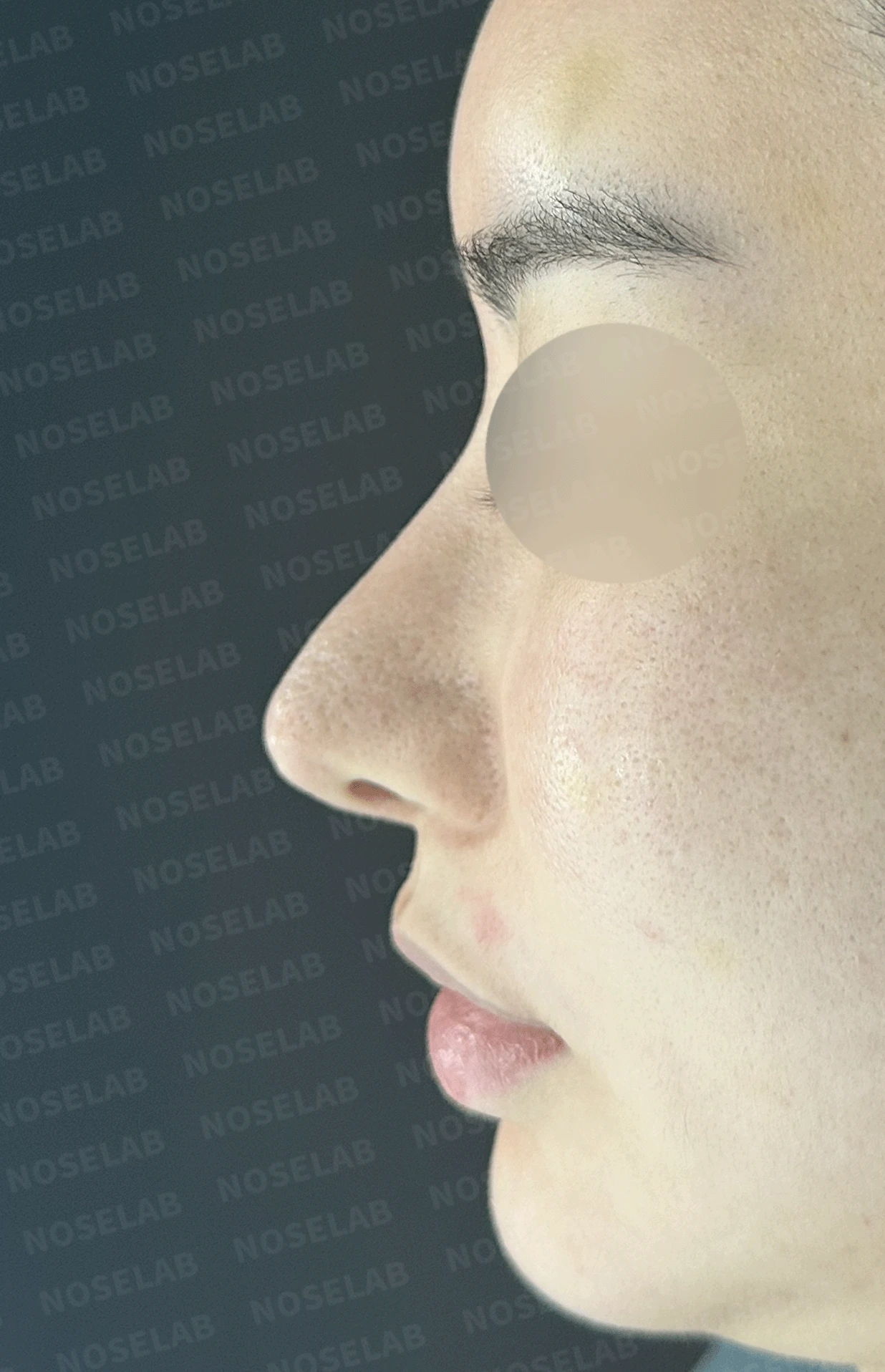
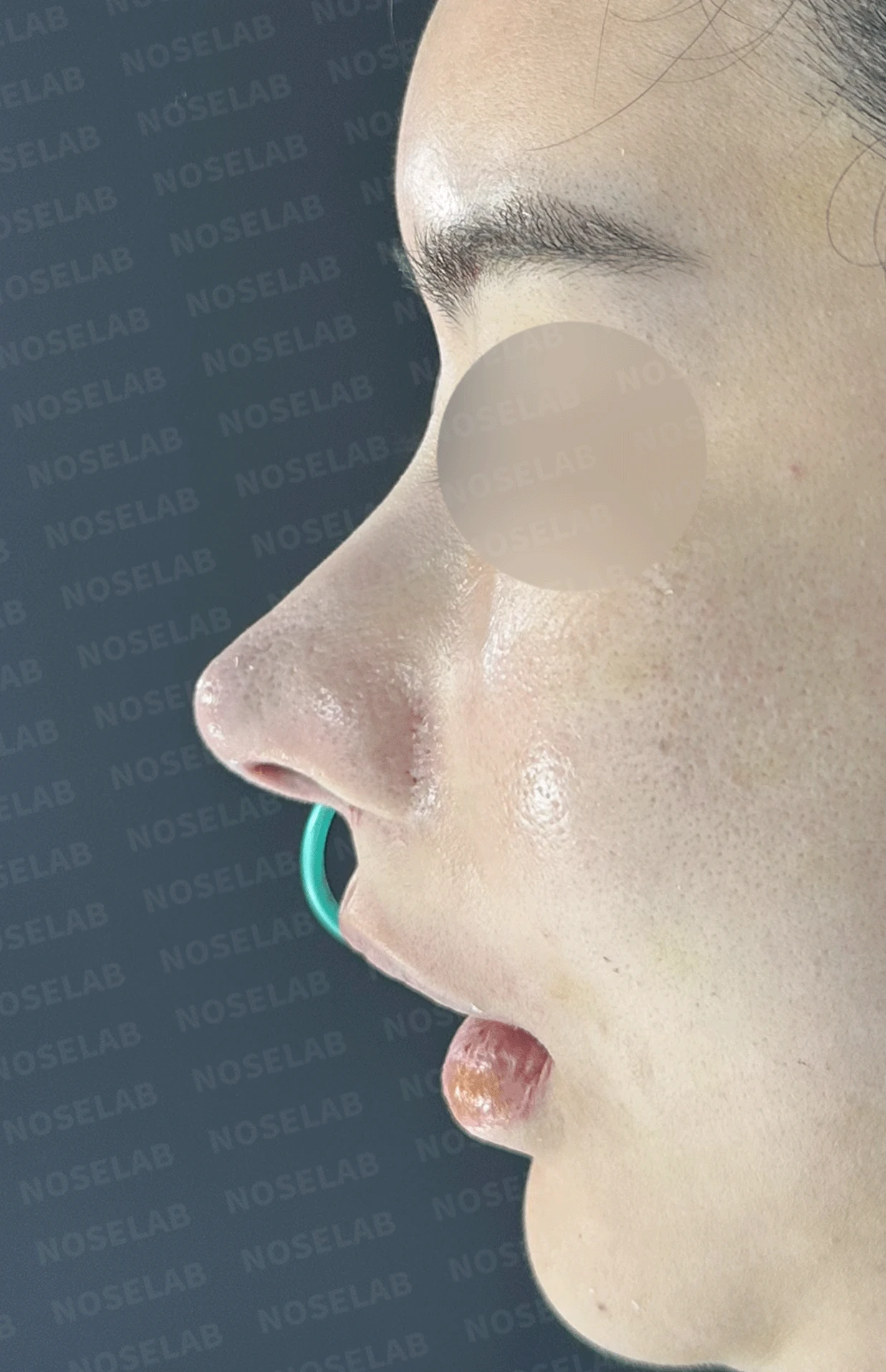
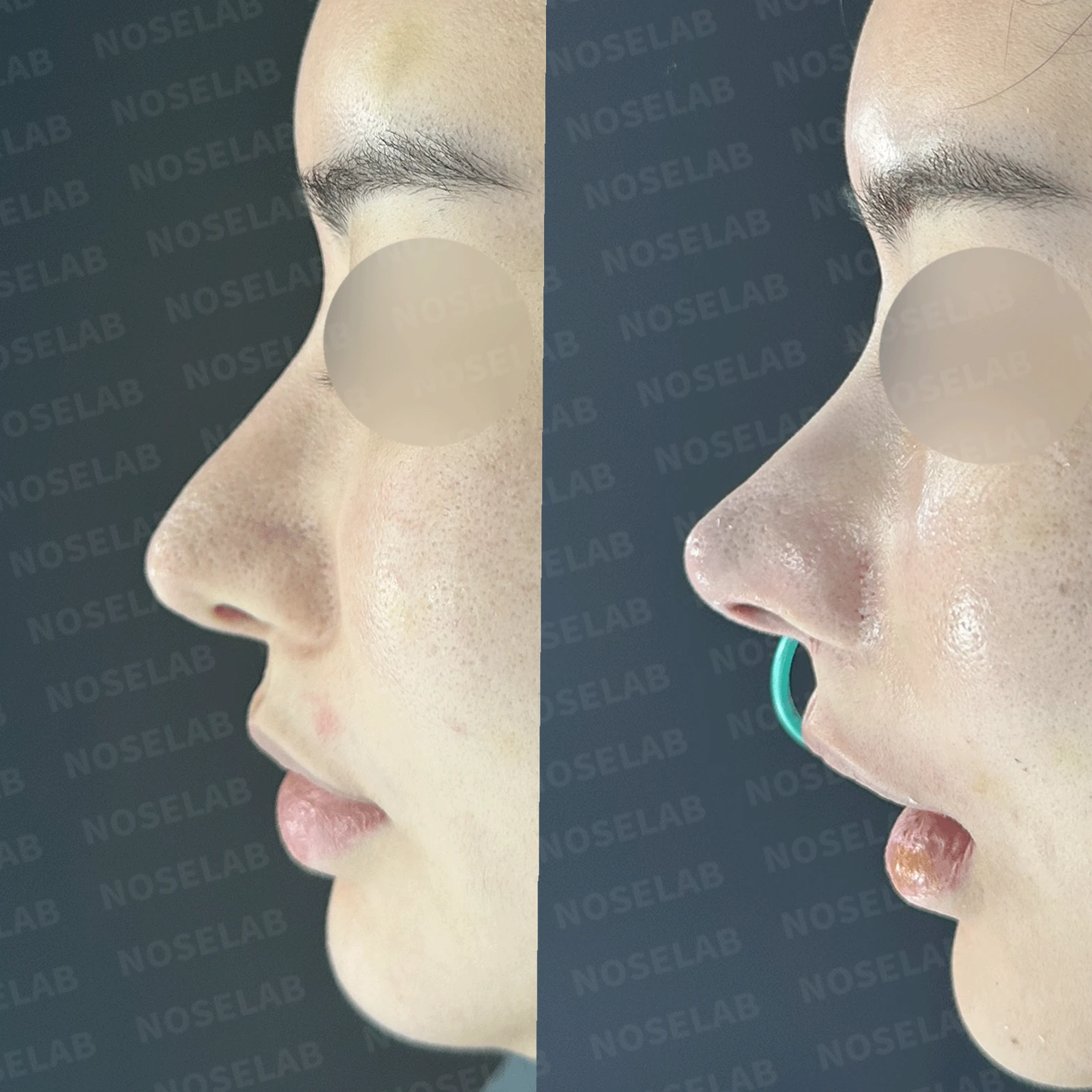
Before surgery / Day 0 immediately after surgery Photos taken immediately after surgery show swelling and may differ from the final result.
Improvement of bulbous nasal tip
Sleek, refined nasal tip
Improvement in both frontal and profile views
Natural tip shape
Midface shortening effect
Shortened appearance by lowering the radix
Additional improvement via nasolabial angle correction
Improving overall facial proportions
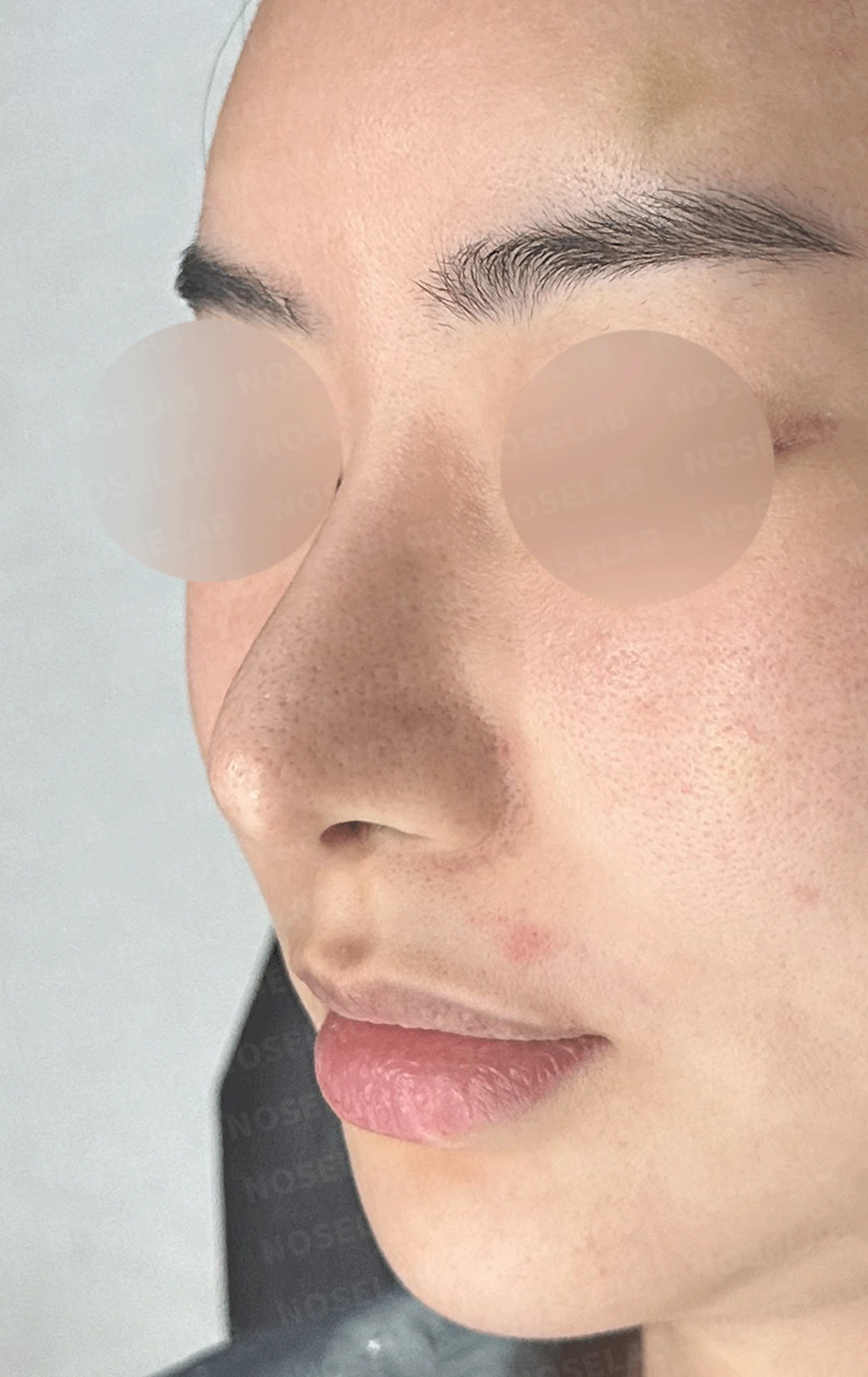
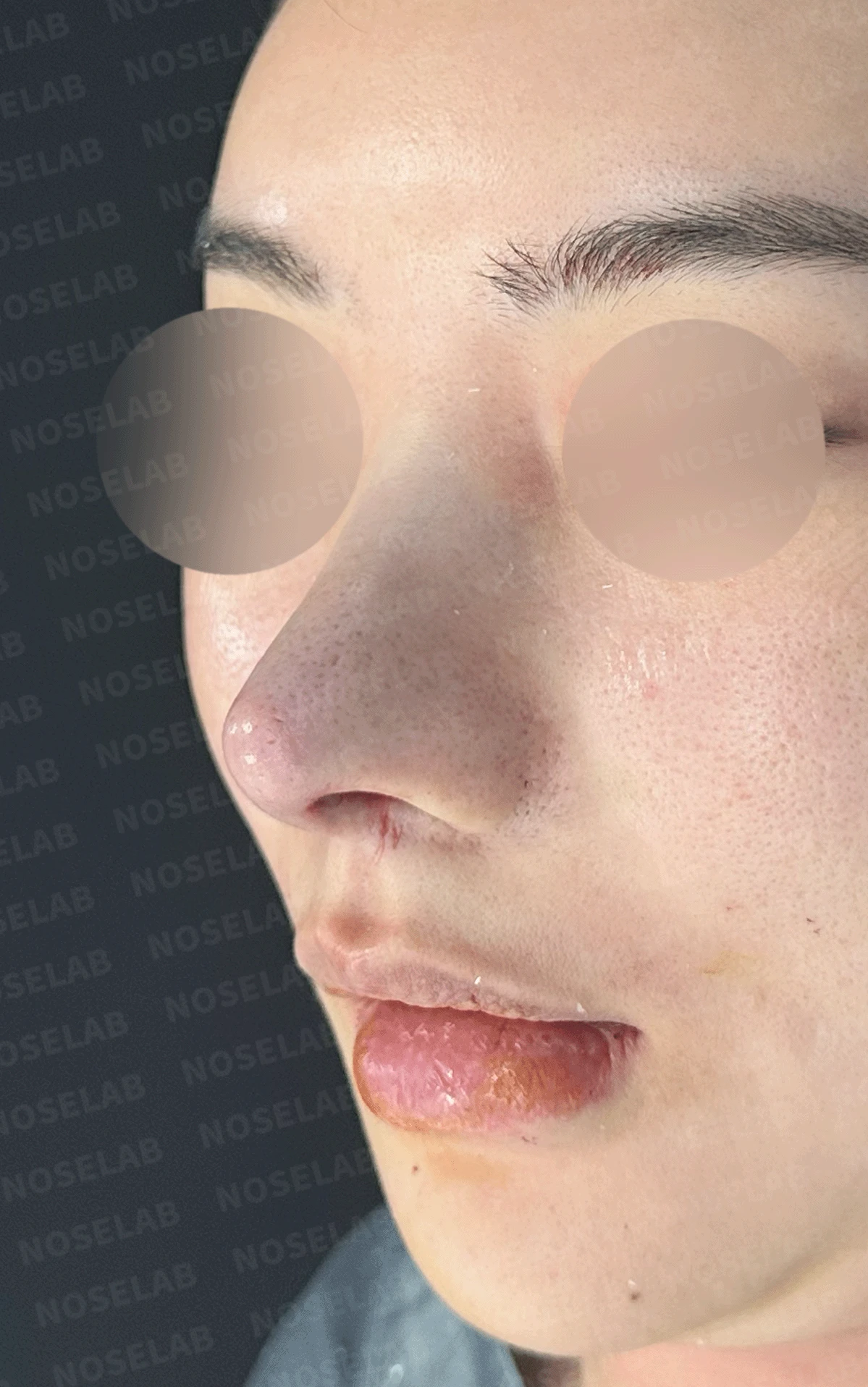
Before surgery / Day 0 immediately after surgery Photos taken immediately after surgery show swelling and may differ from the final result.
Natural nasal height
Correction of the Pinocchio-like nose
Height in harmony with the face
Natural nasal line
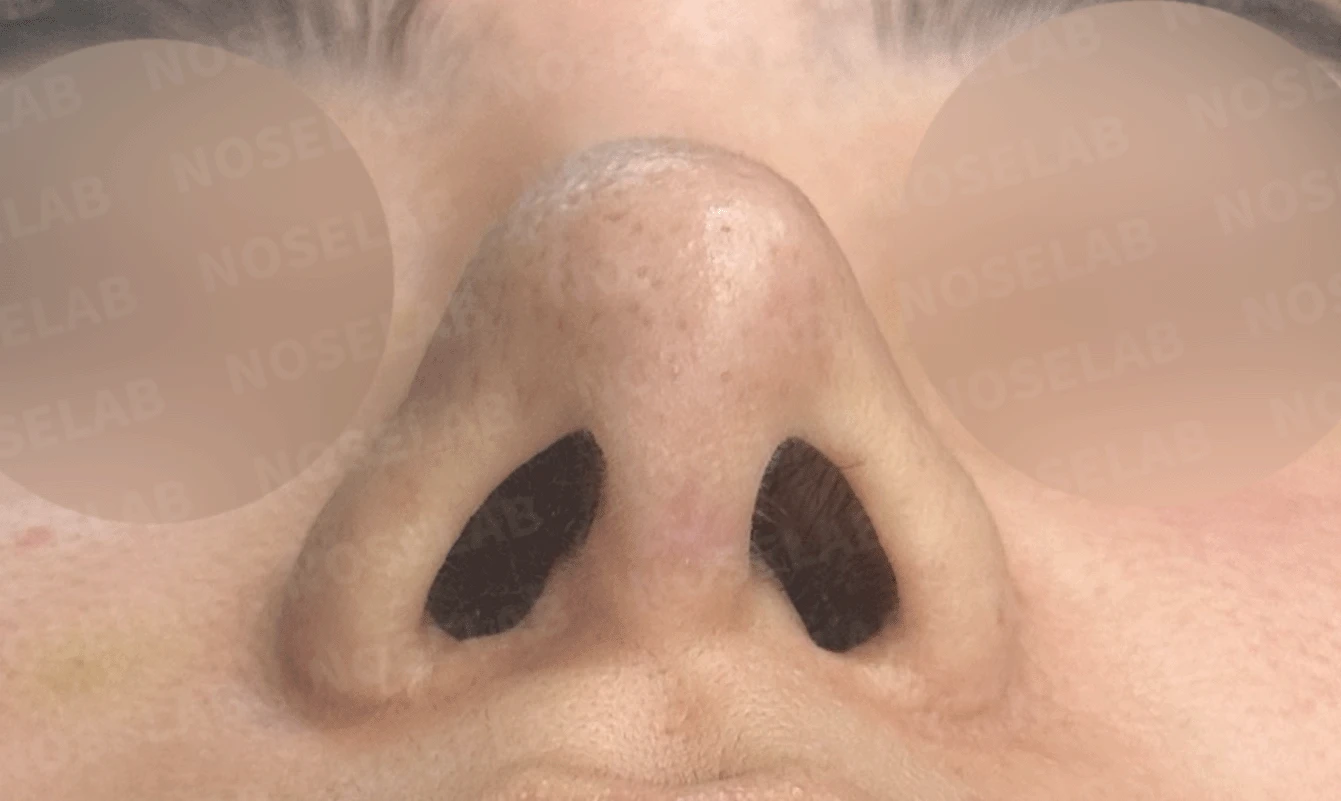
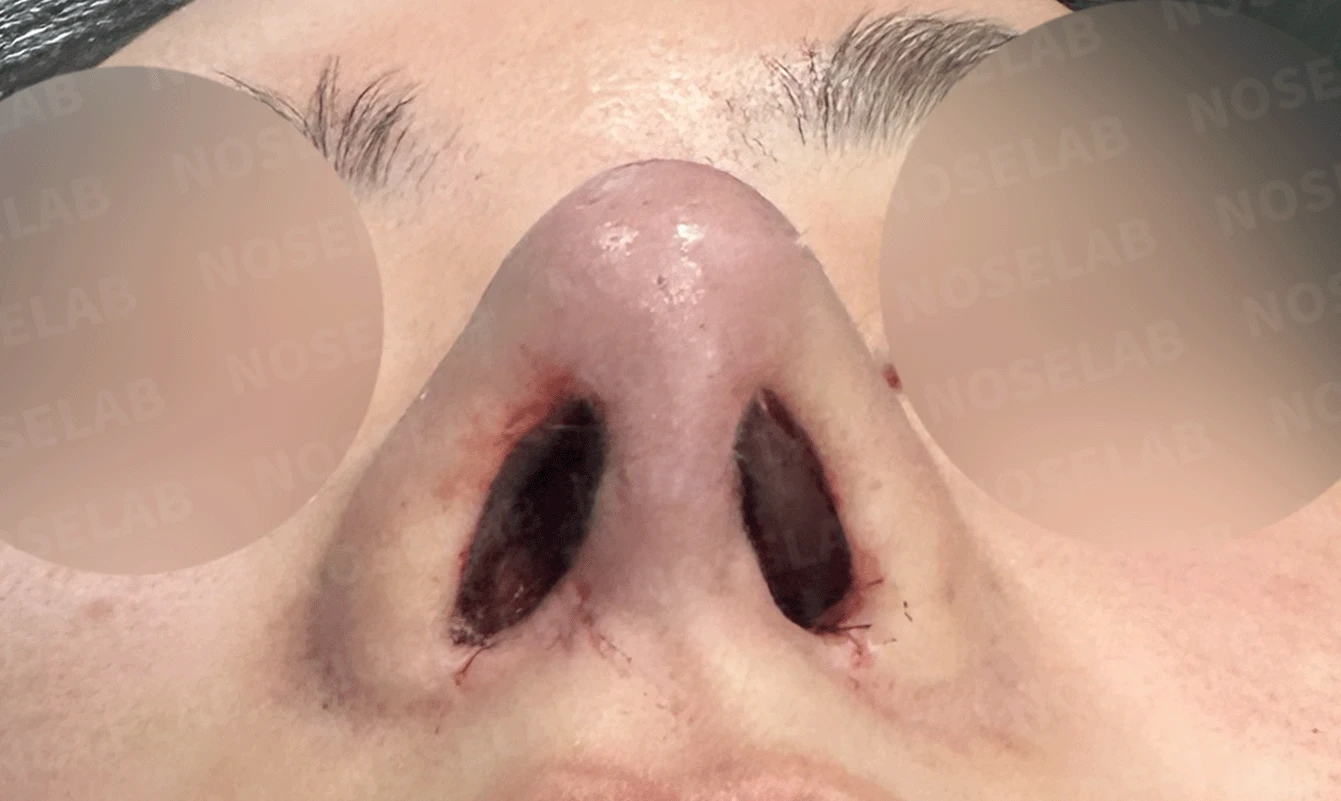
Before surgery / Day 0 immediately after surgery Photos taken immediately after surgery show swelling and may differ from the final result.
Improvement of breathing function
Relief of nasal obstruction
Comfortable breathing
👨⚕️ Specialist's assessment
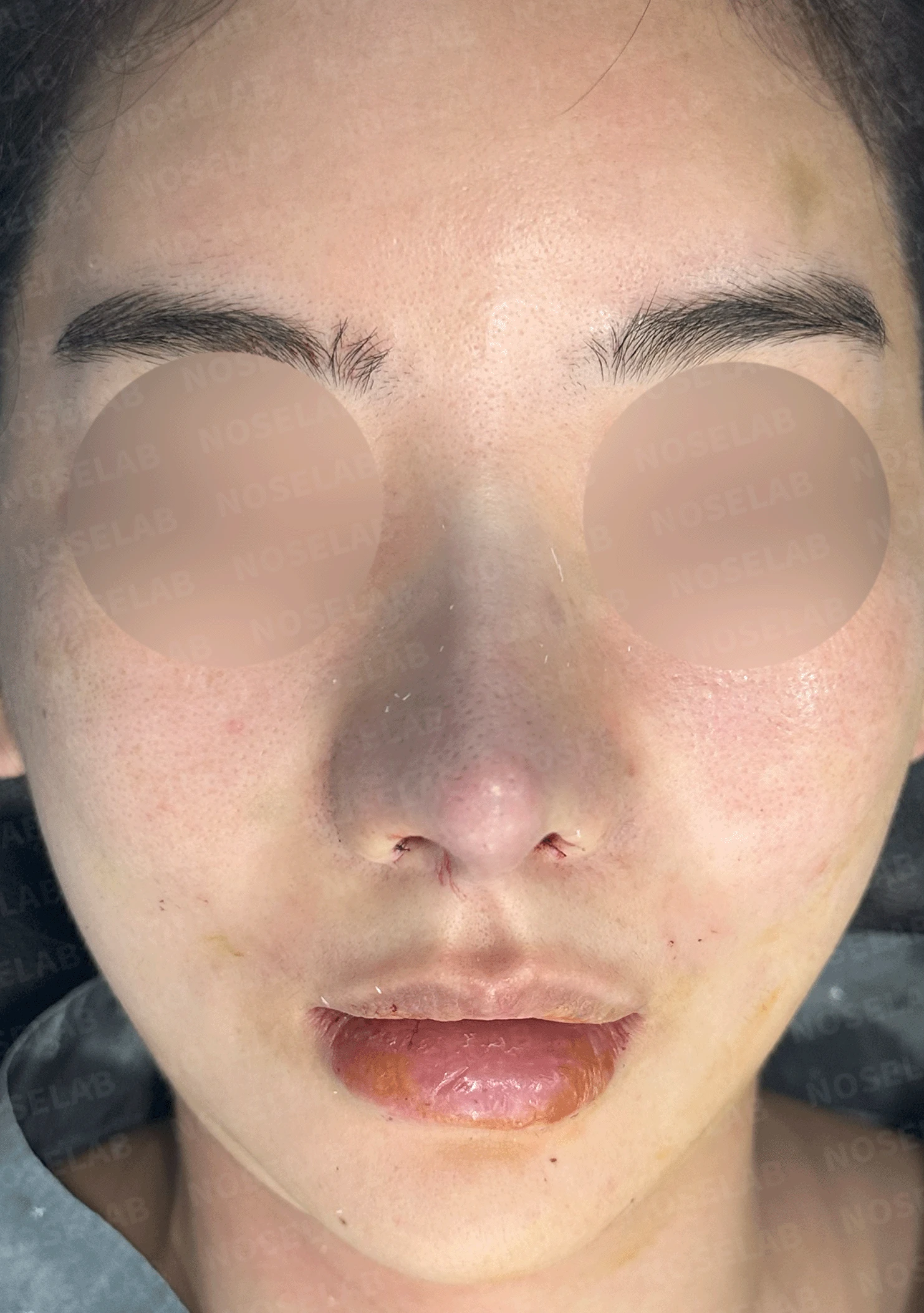
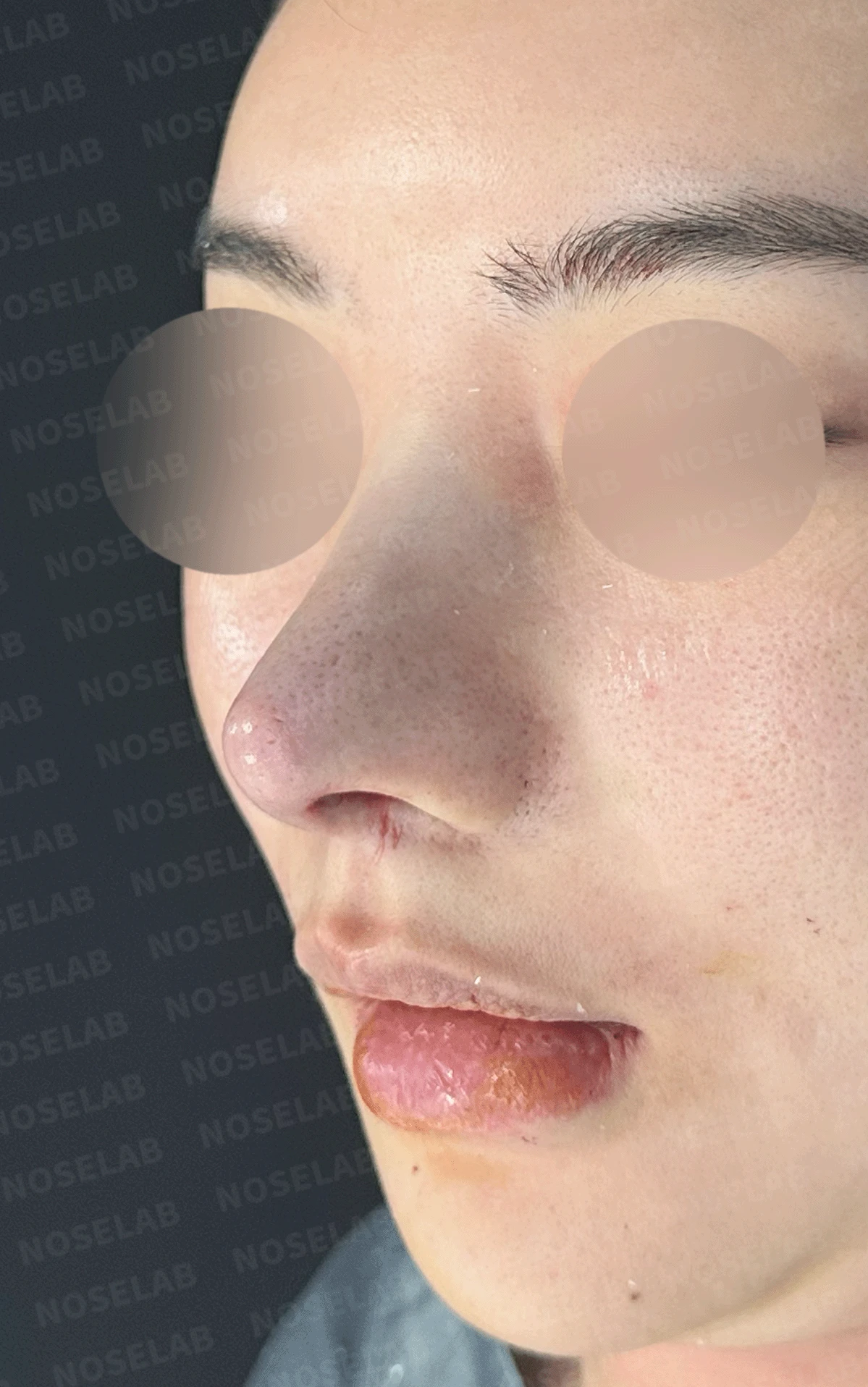
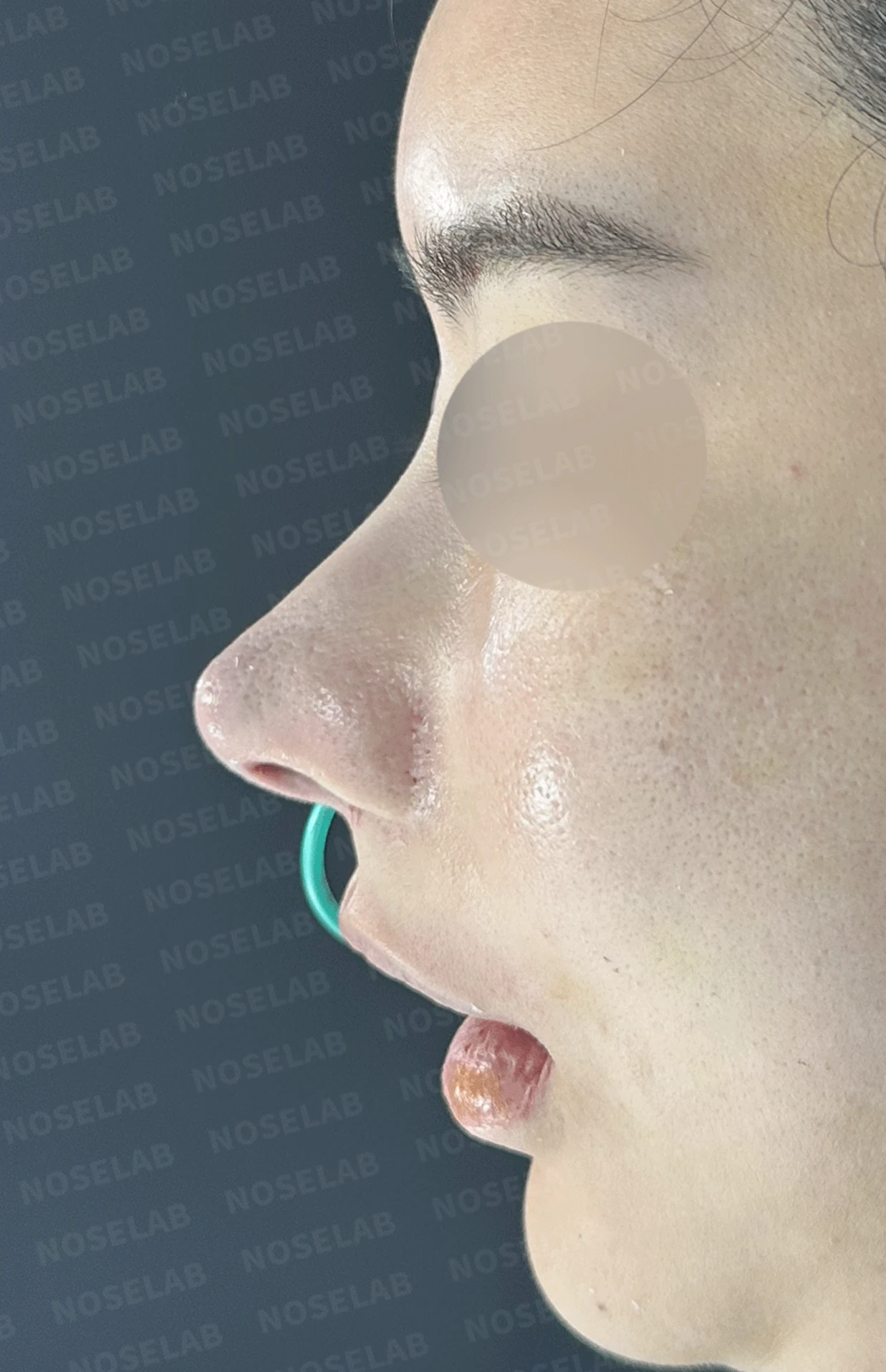
Front, oblique, and profile views on day 0 immediately after surgery. Immediate postoperative photos show swelling and may differ from the final result.
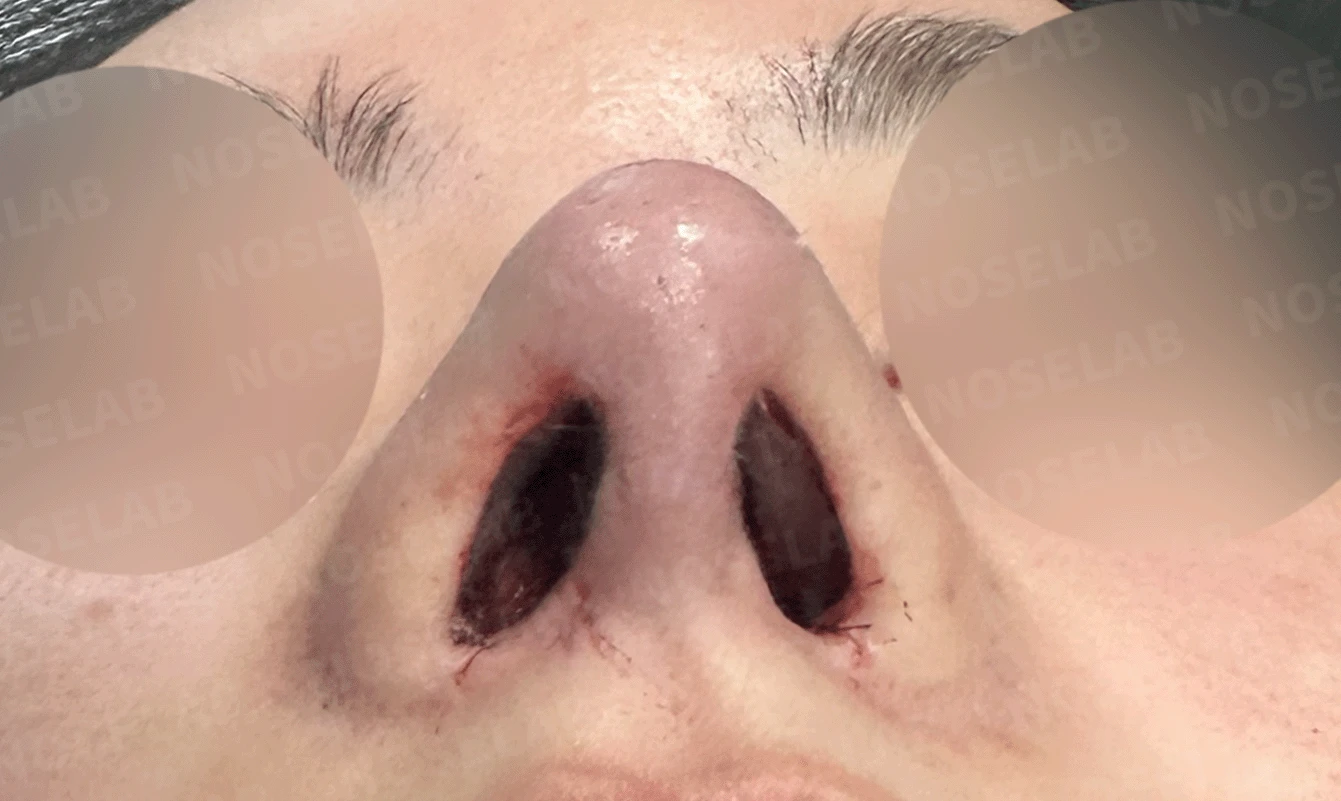
Immediately after surgery (day 0): nostril view. Immediate postoperative photos show swelling and may differ from the final result.
This was the case of a patient who was unsatisfied despite undergoing two prior rhinoplasties. In particular, after the surgery 2 years ago, the patient suffered from an excessively high nose described as "Pinocchio-like," nasal deviation, and breathing discomfort.
The greatest concerns were the excessive height and unnatural shape. In the previous surgery, simply pursuing height without considering facial proportions resulted in an unnatural, Pinocchio-like nose. To resolve this, the existing silicone implant was removed, and autologous rib cartilage was used to reconstruct a natural height and profile.
The septal damage was severe. Because the septum had been severely damaged by prior surgeries, complete reconstruction using autologous rib cartilage was necessary. This was an essential step not only for aesthetic improvement but also for restoring breathing function.
The midface shortening effect requested by the patient was achieved by combining several techniques. Lowering the radix made the nose visually appear shorter, and correcting the nasolabial angle provided an additional shortening effect. Concurrently, the appearance of a protruding mouth improved, enhancing overall facial balance.
Nasal sill reduction was an important component of this surgery. By reducing the nasal sill that had widened from previous procedures, a more refined and balanced nose was achieved. This significantly improved the aesthetic appearance on the front view.
Correction of the deviated nose was also successful. Along with septal reconstruction, the external structural framework was accurately aligned to create a straight, balanced nose. This contributed to functional breathing improvement as well as cosmetic enhancement.
The bulbous tip problem, which remained unresolved after the initial surgery 10 years ago, was also fully addressed. Autologous rib cartilage was used to reconstruct the tip framework, achieving a sleek and refined nasal tip.
As a result, all the improvements requested by the patient were successfully achieved. The unnatural, Pinocchio-like nose became natural, the deviation was corrected, and the midface appeared shorter. Most importantly, nasal breathing improved, allowing the patient to carry on daily life comfortably.
This case serves as a prime example of achieving a successful outcome by accurately analyzing the problems from prior surgeries and pursuing appropriate proportions and natural harmony tailored to the patient's face.
This was Dr. Peter C. Kang. Thank you.
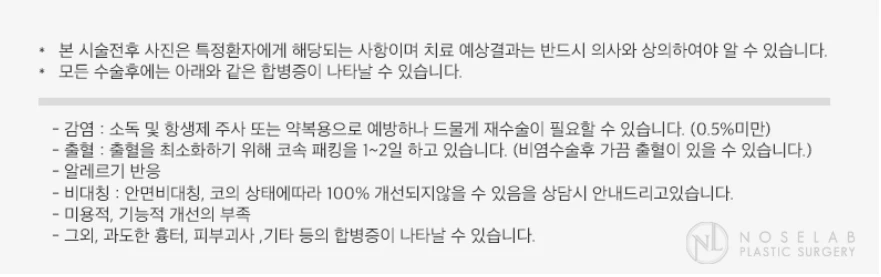
Postoperative precautions and potential complications
Limitations and risks
When autologous rib cartilage is used, scarring and pain may remain at the donor site on the chest, and pneumothorax (pleural injury) can occur rarely. Over time, the grafted cartilage may warp or undergo partial resorption.
When revising after implant removal, contracture may progress again after removal, the nasal height and length may decrease, and staged surgery may be necessary depending on the skin condition.
When the septum is corrected at the same time, nasal obstruction may persist or recur, and in rare cases, septal perforation or changes in smell may occur.
Common potential risks include infection, bleeding, asymmetry, scarring, skin necrosis, and insufficient improvement; results vary depending on individual skin condition and previous surgical history.