Hello, I am Dr. Peter C. Kang.
Today, I will introduce a case where the impression of a large nose was naturally softened through comprehensive improvement of facial harmony.
💉 Patient's requests
Improvement of a large nose
Nasal design tailored to the individual face
Autologous fat grafting
🔍 Preoperative analysis
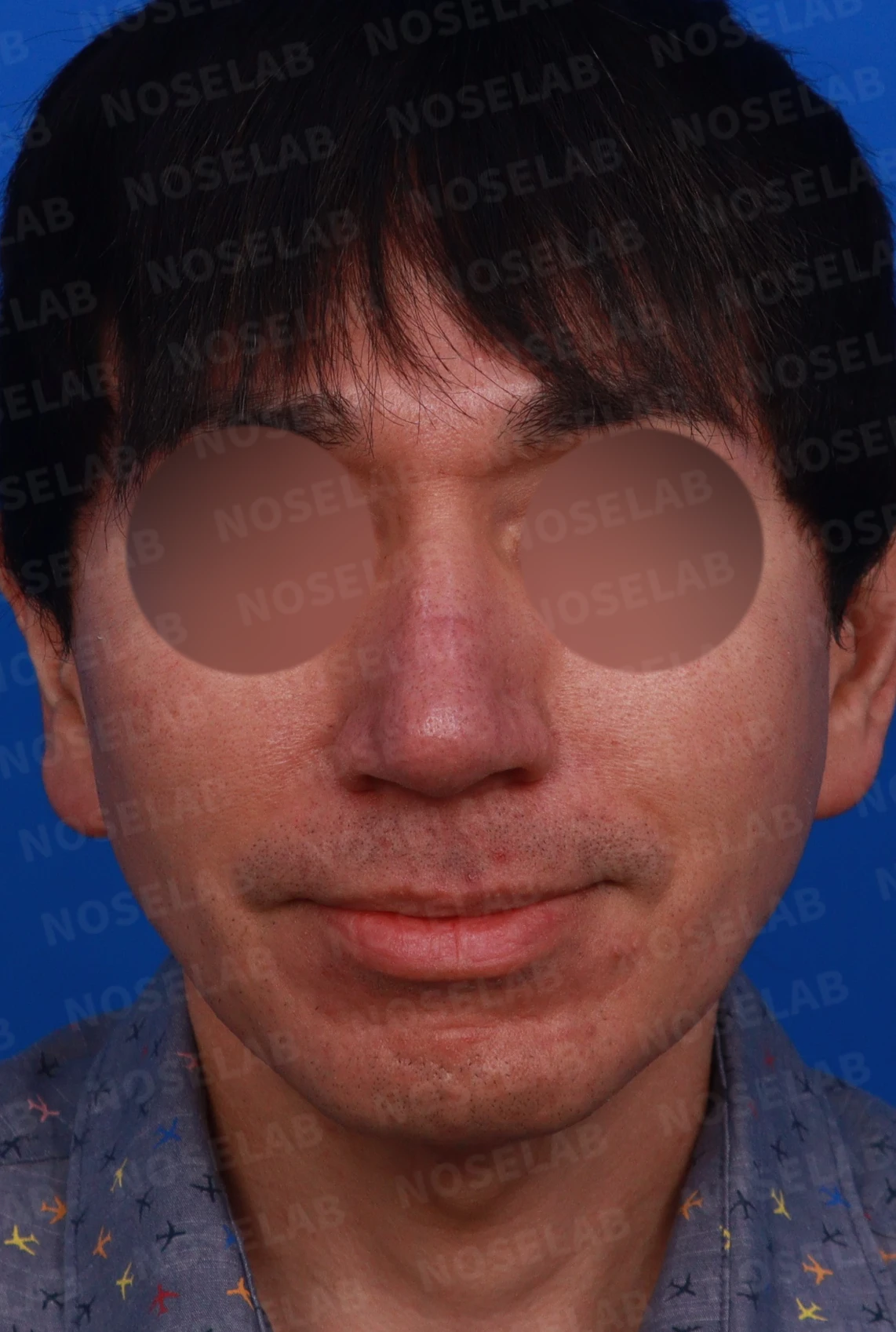
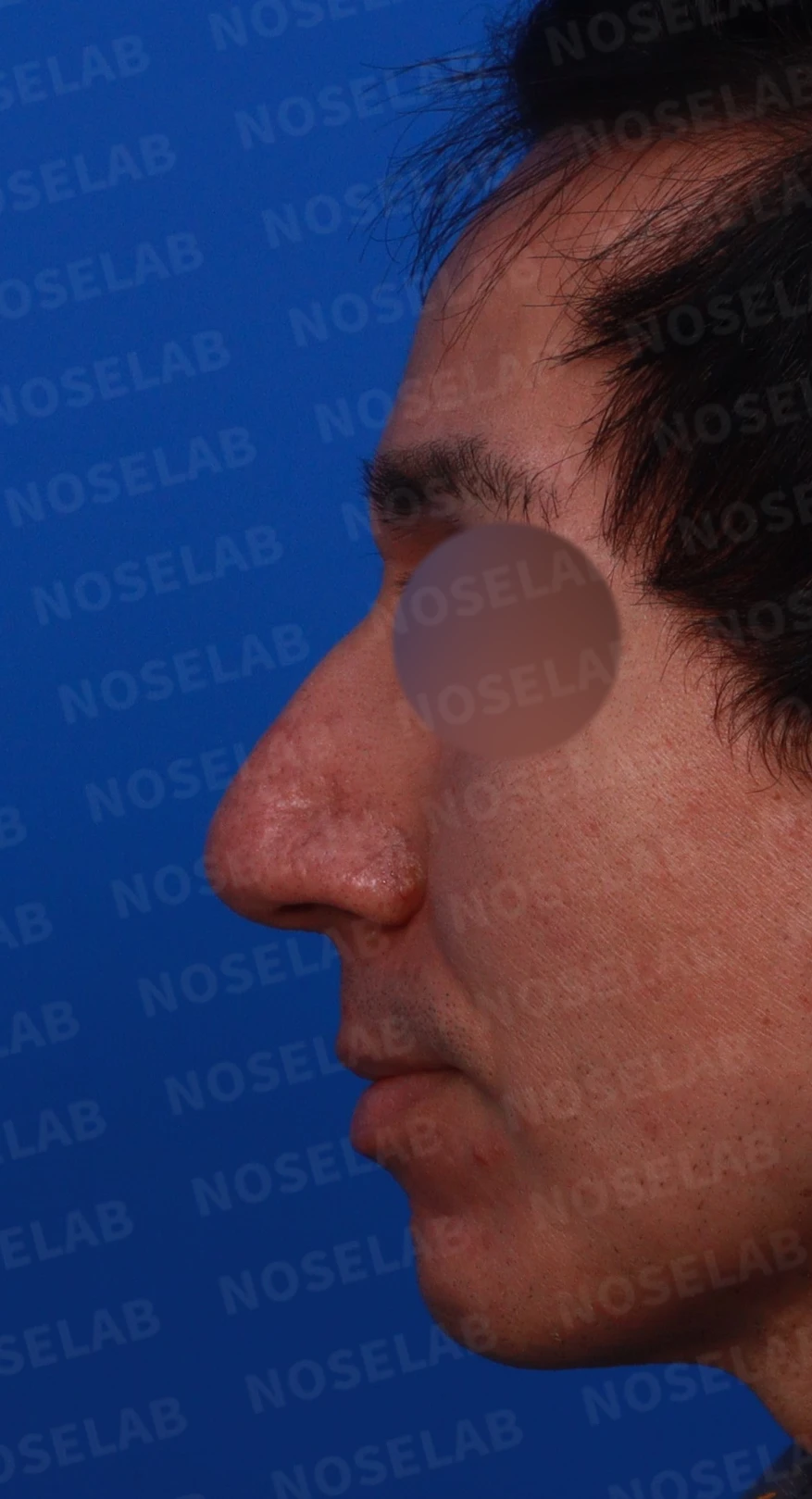
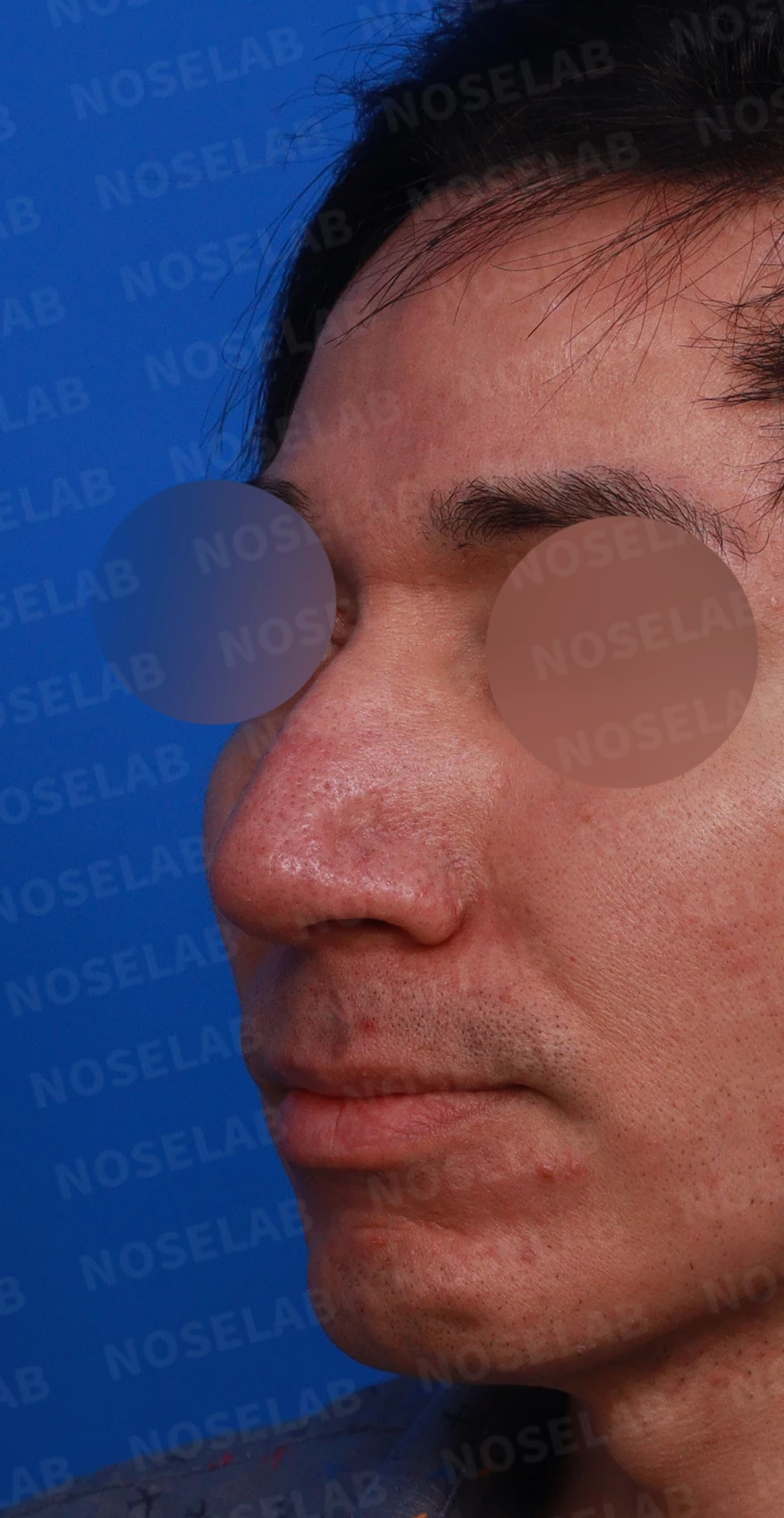
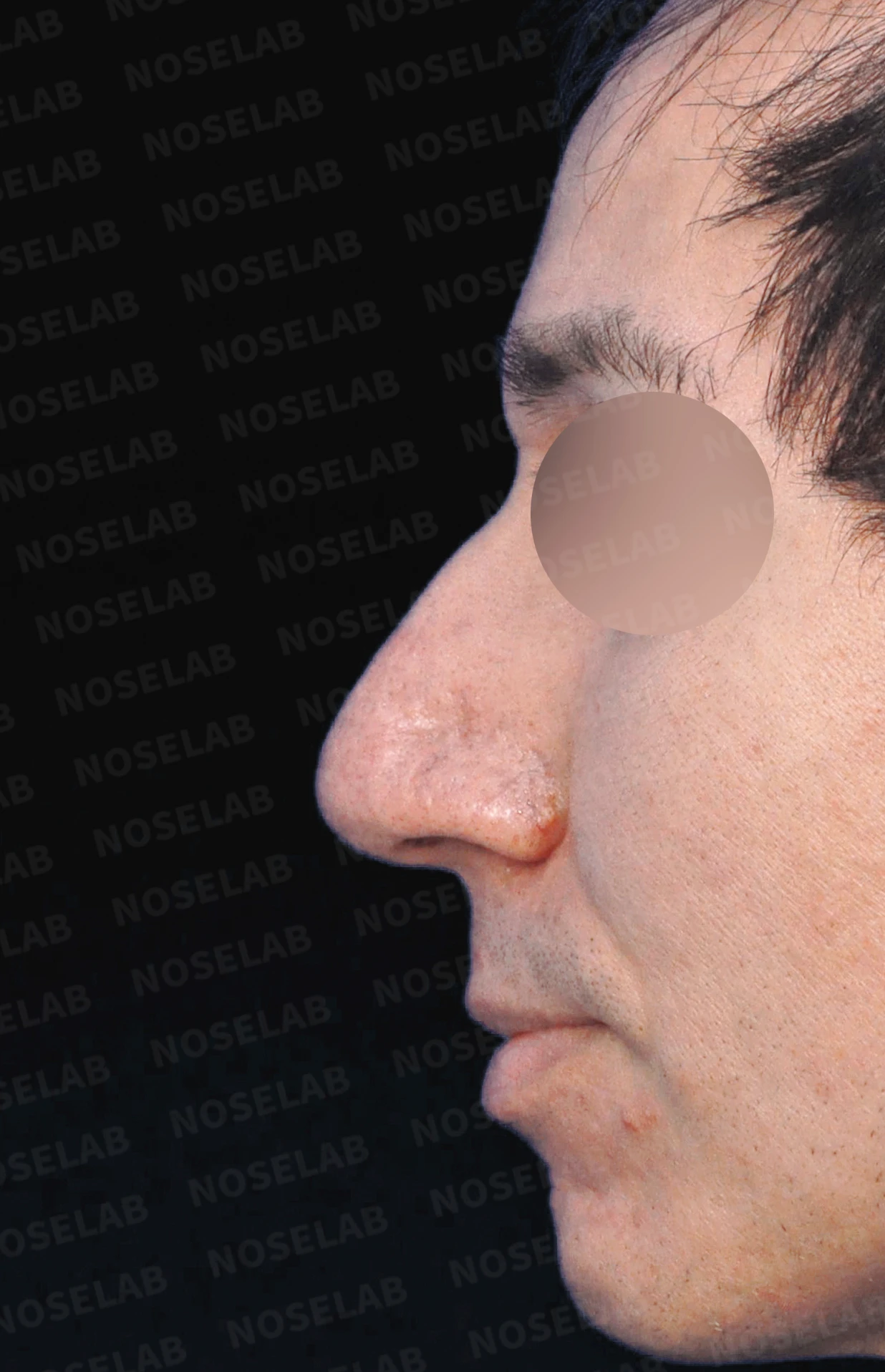
Front, left profile, and oblique views during design consultation.
Front view
Bulbous nasal tip
Long nose
Large nose
Deviated nose
2. Profile view
Drooping tip
Dorsal hump
Large nose
Receding chin
3. Nostrils
Wide nasal sill
Nostril asymmetry
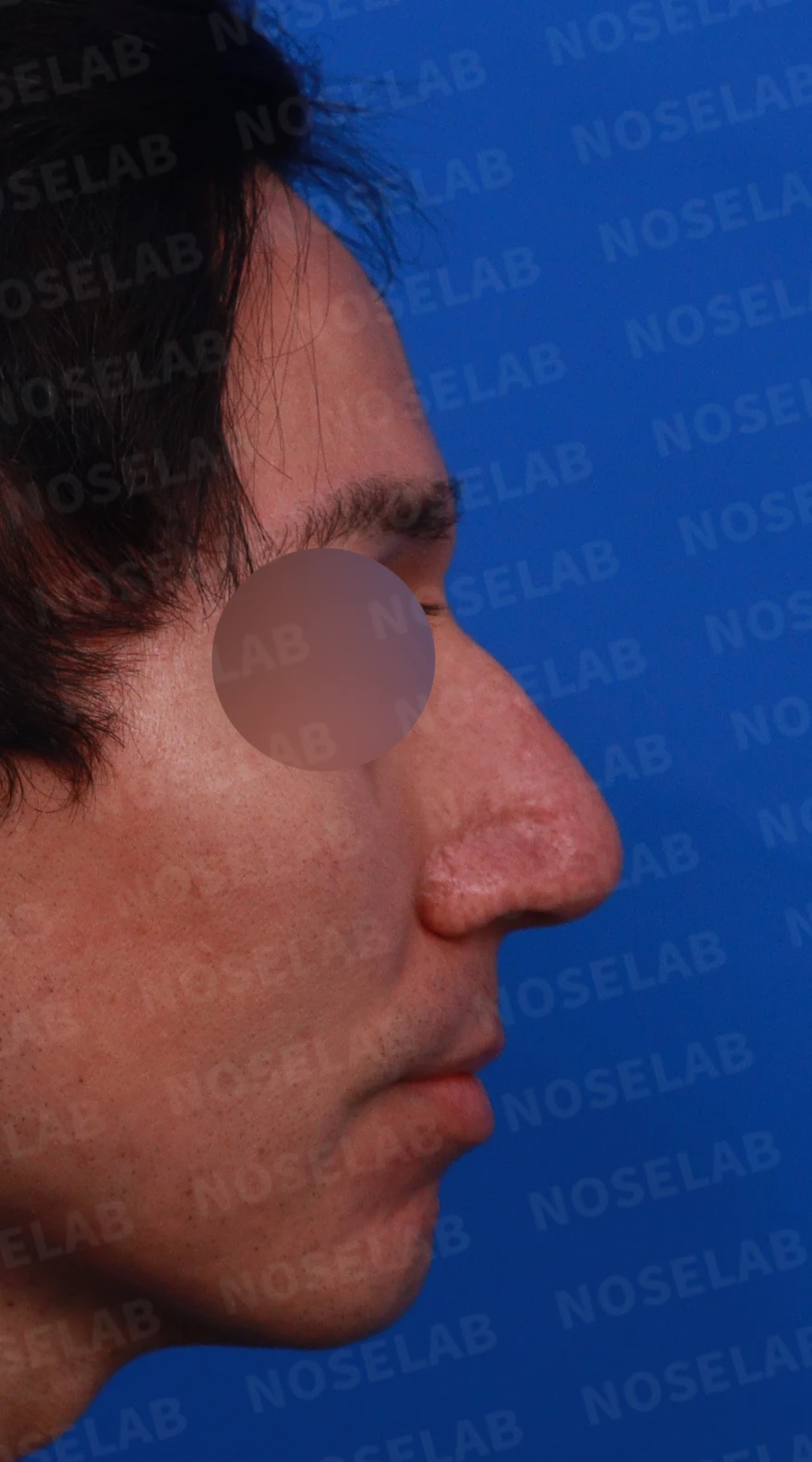
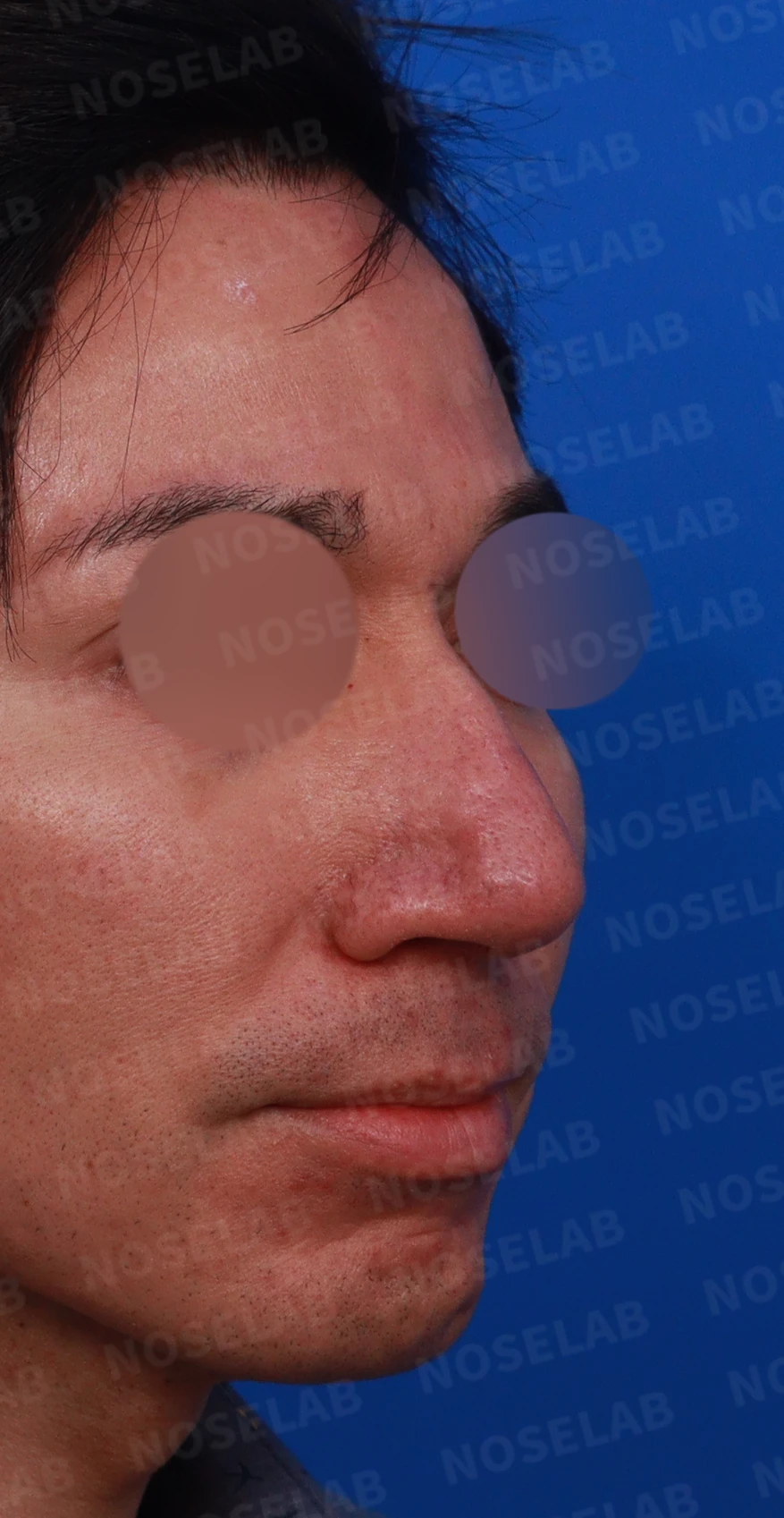
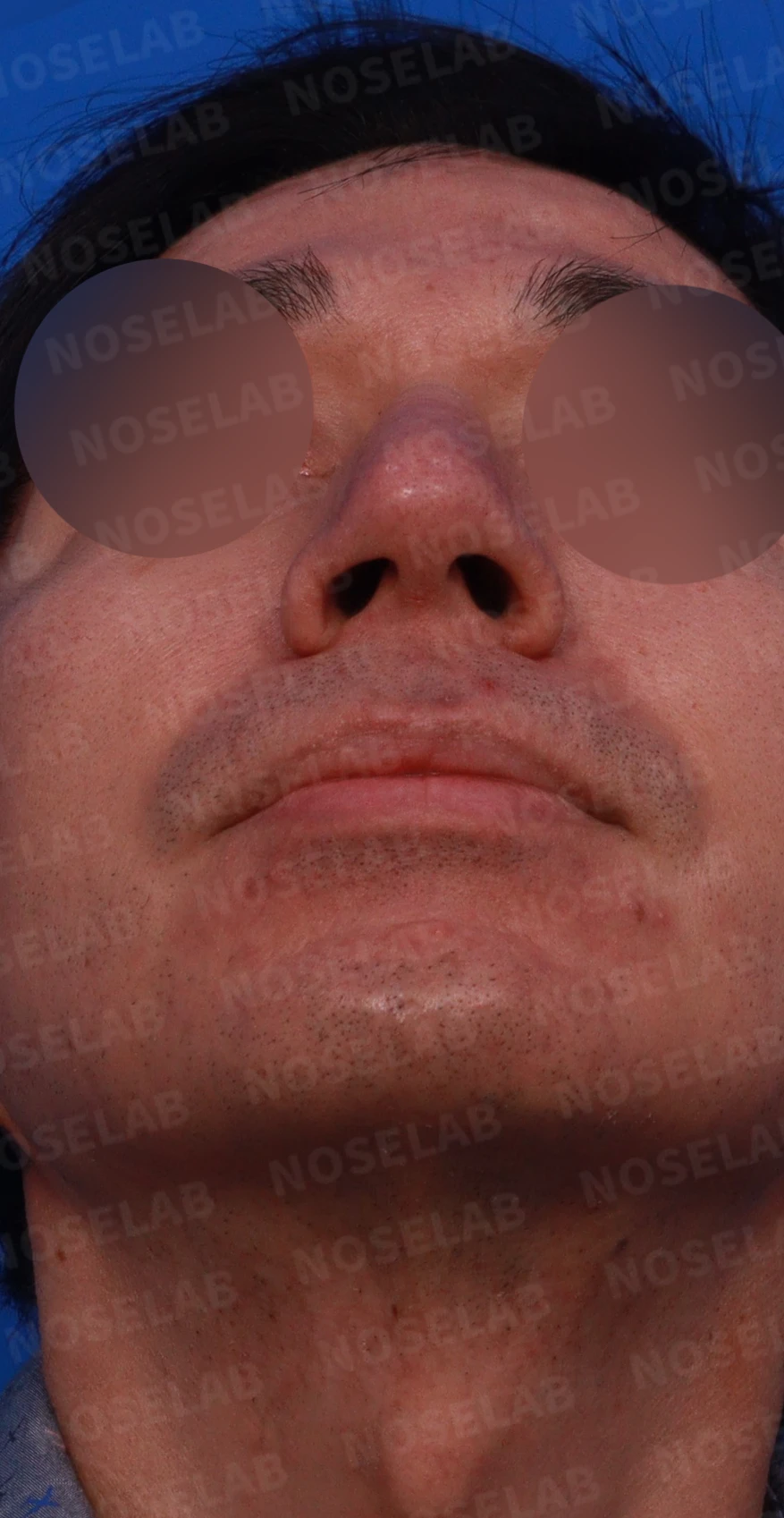
Right profile, oblique, and nostril views during design consultation.
🔧 Surgical plan and procedure
Improvement of nasal structure
Lateral osteotomy
Nasal tip repositioning using autologous rib cartilage
Nasal sill reduction
Correction of deviated septum
2. Overall facial improvement
Receding chin surgery
Autologous facial fat grafting
🌟 Surgical results
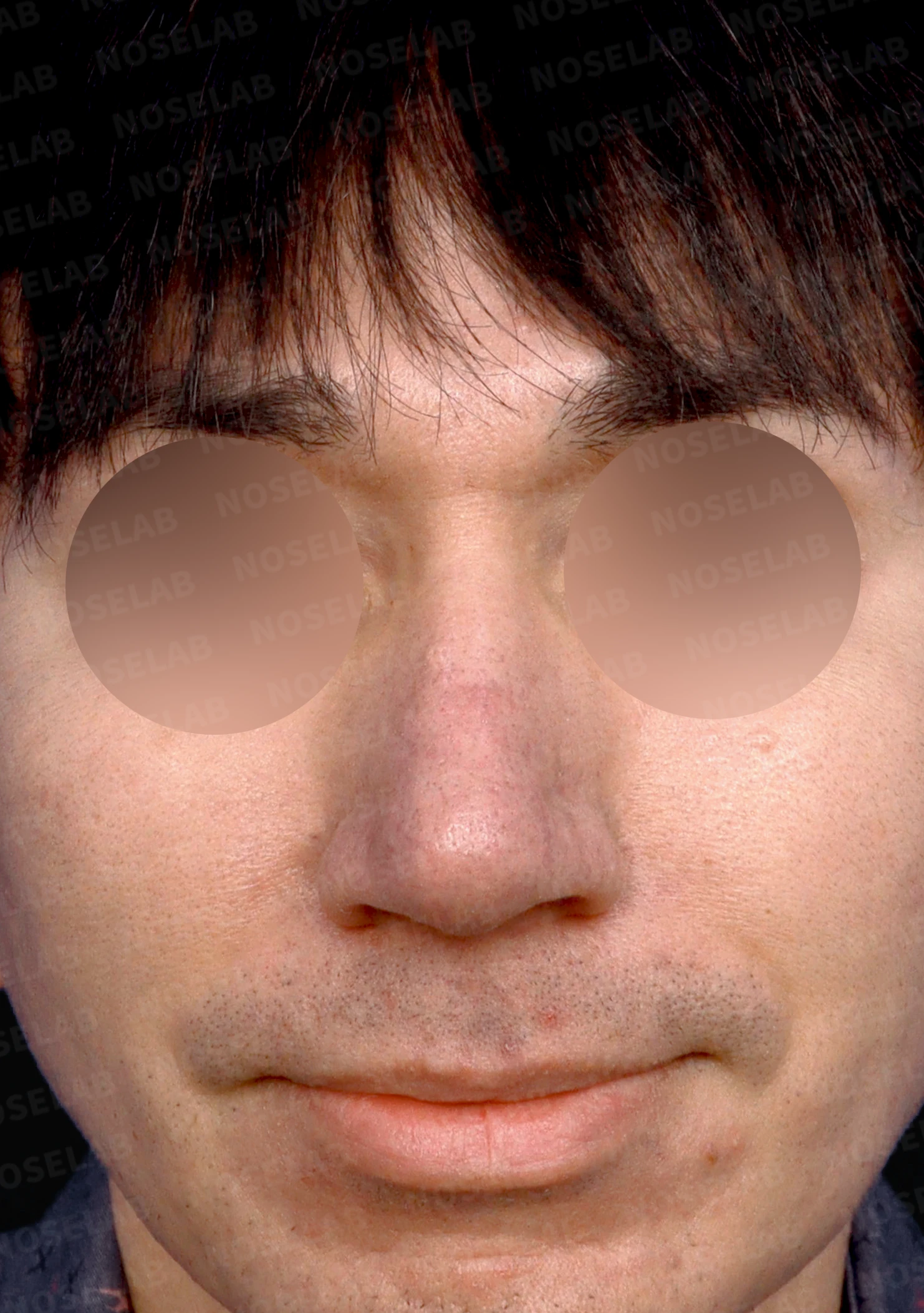
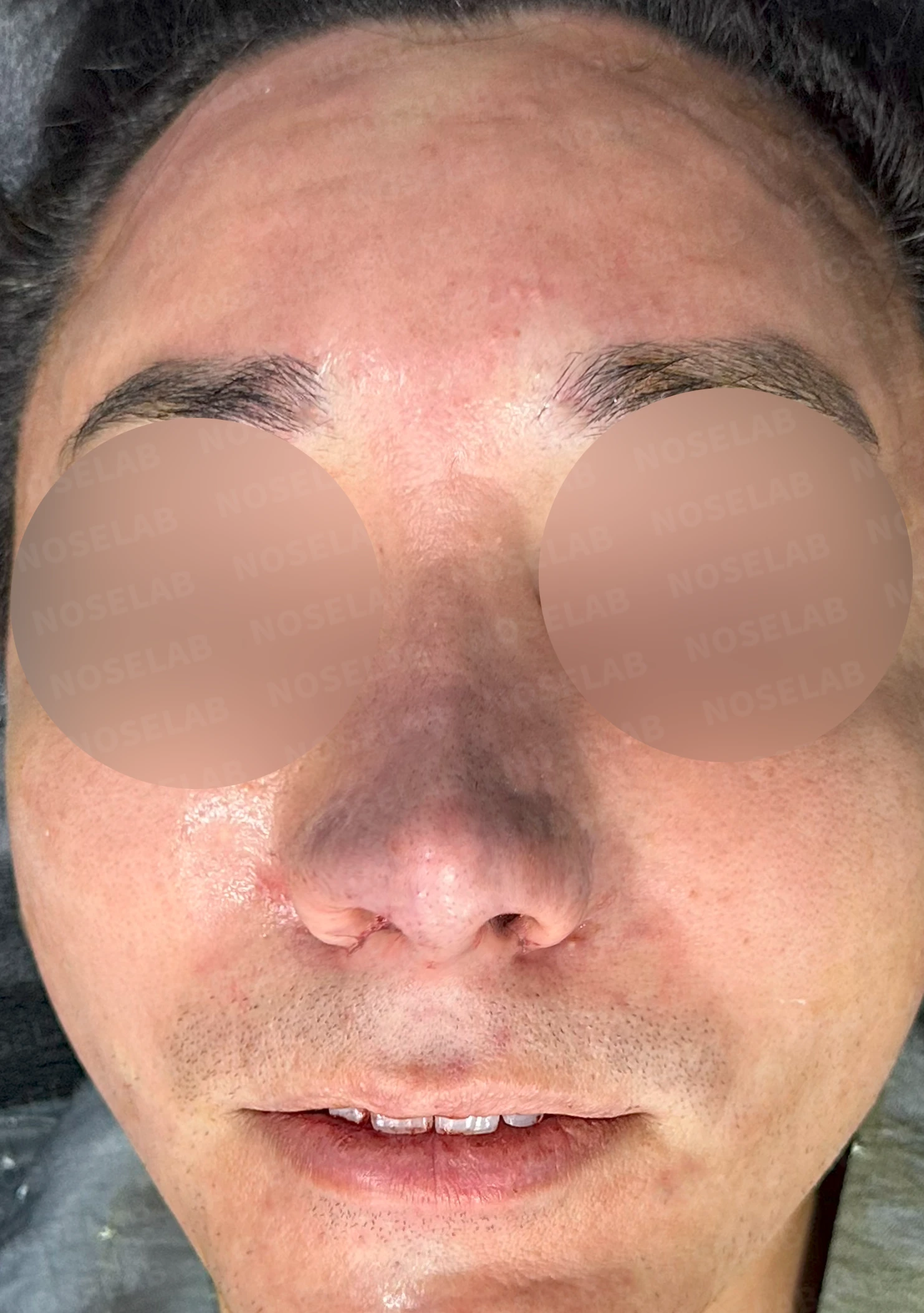
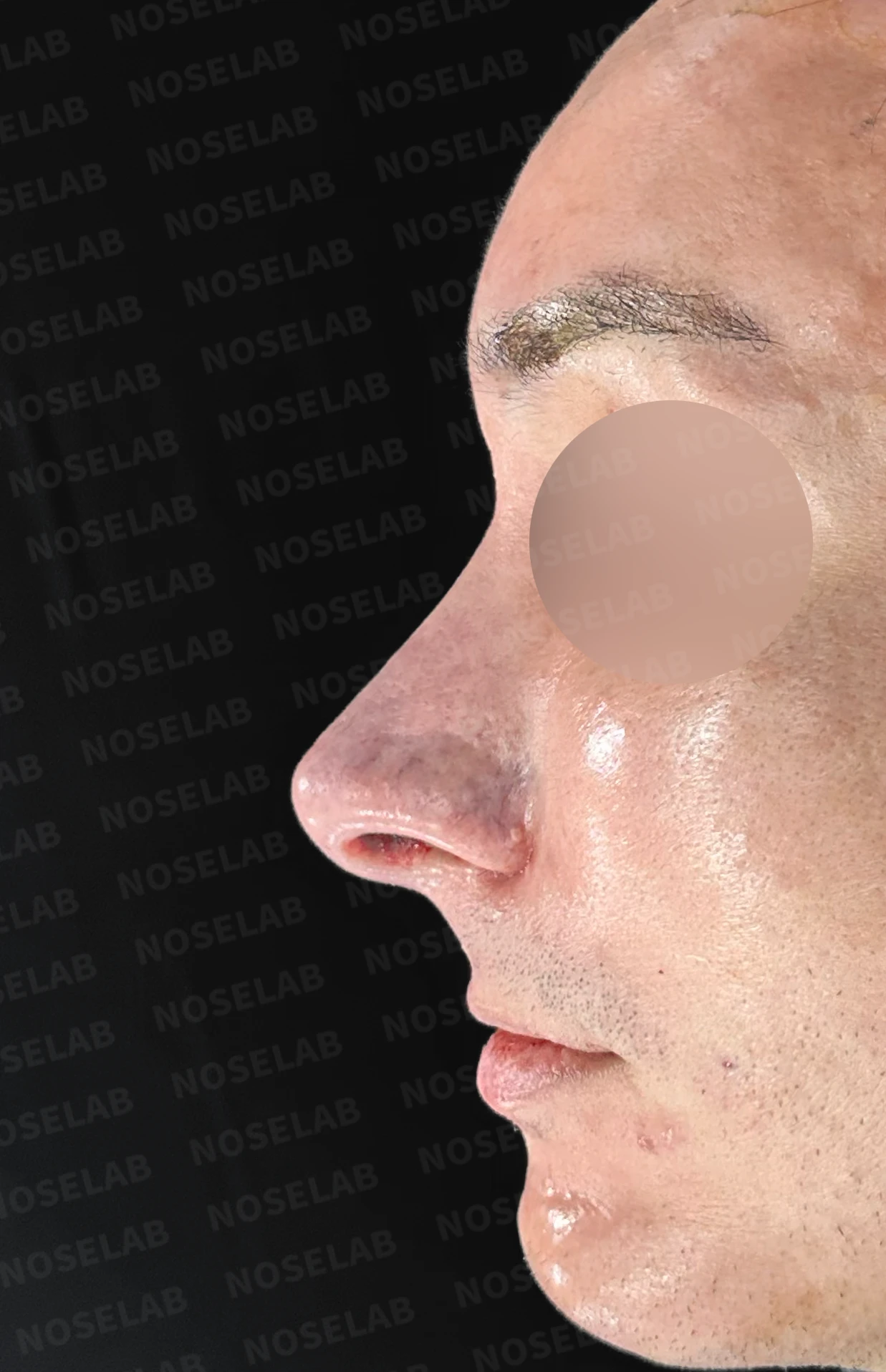
Before surgery / Day 0 immediately after surgery Photos taken immediately after surgery show swelling and may differ from the final result.
Front view improvement
Refined nasal tip
Stable length
Natural line
Before surgery / Day 0 immediately after surgery Photos taken immediately after surgery show swelling and may differ from the final result.
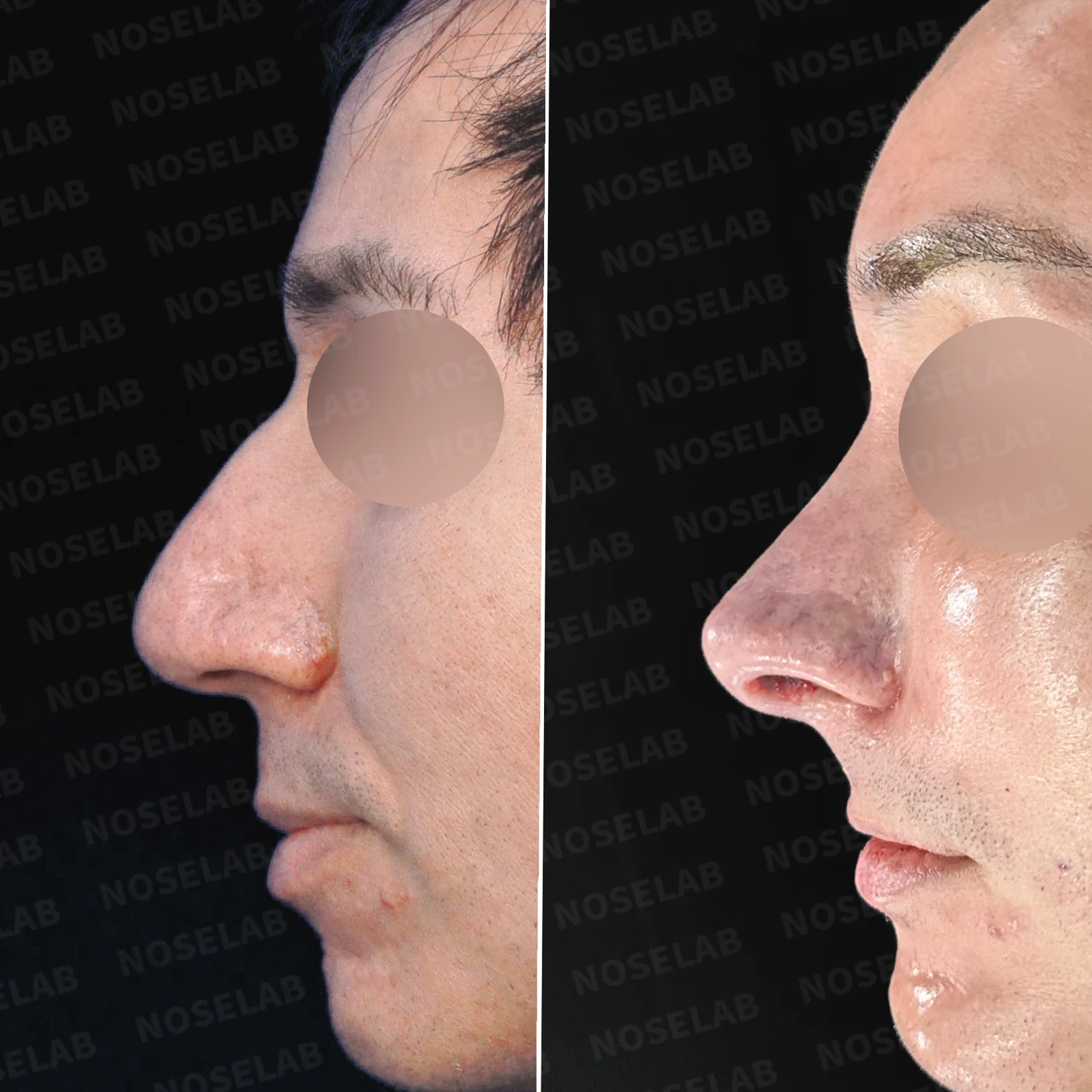
2. Profile view improvement
Correction of the drooping tip
Smooth nasal bridge
Harmonious jawline
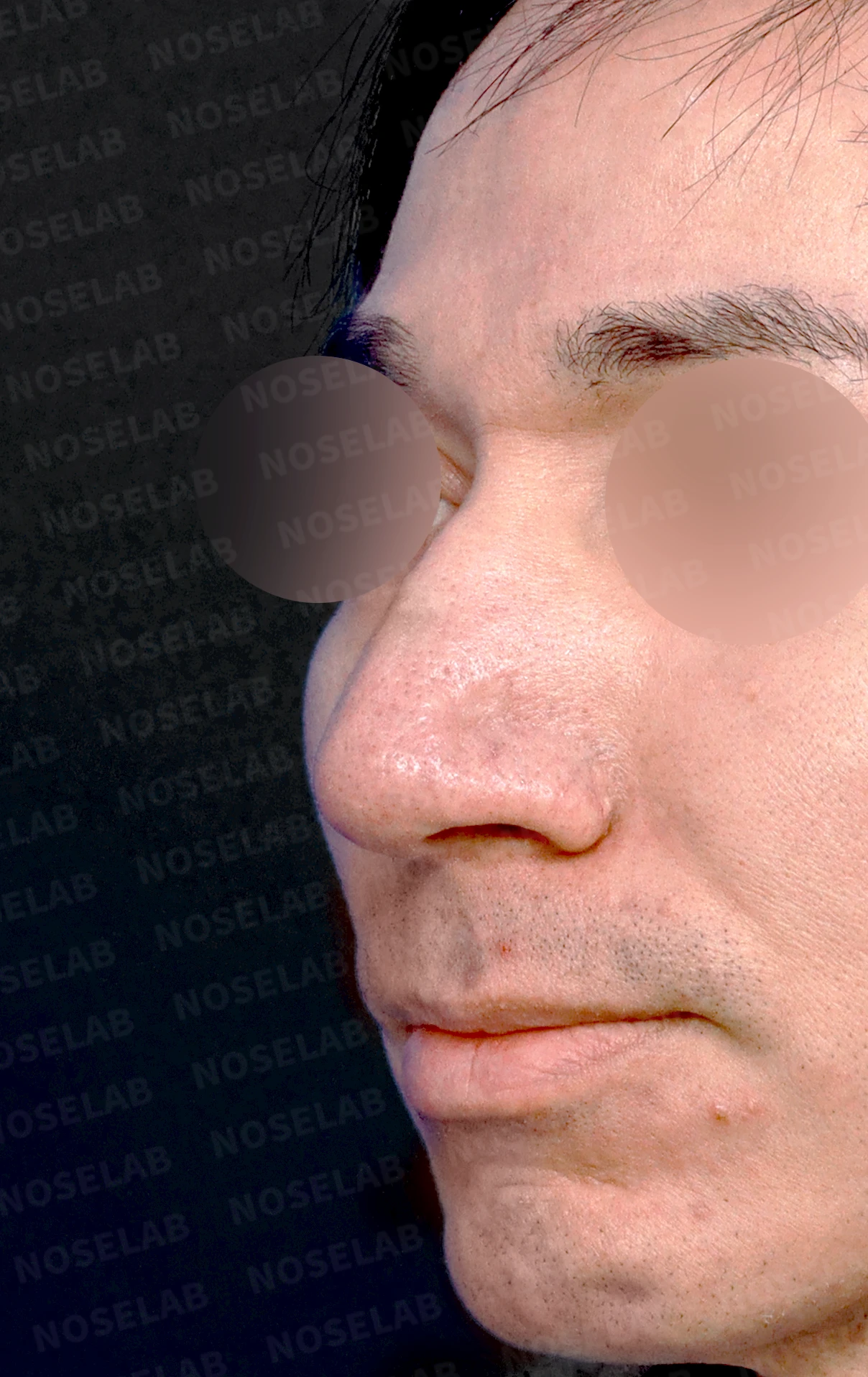
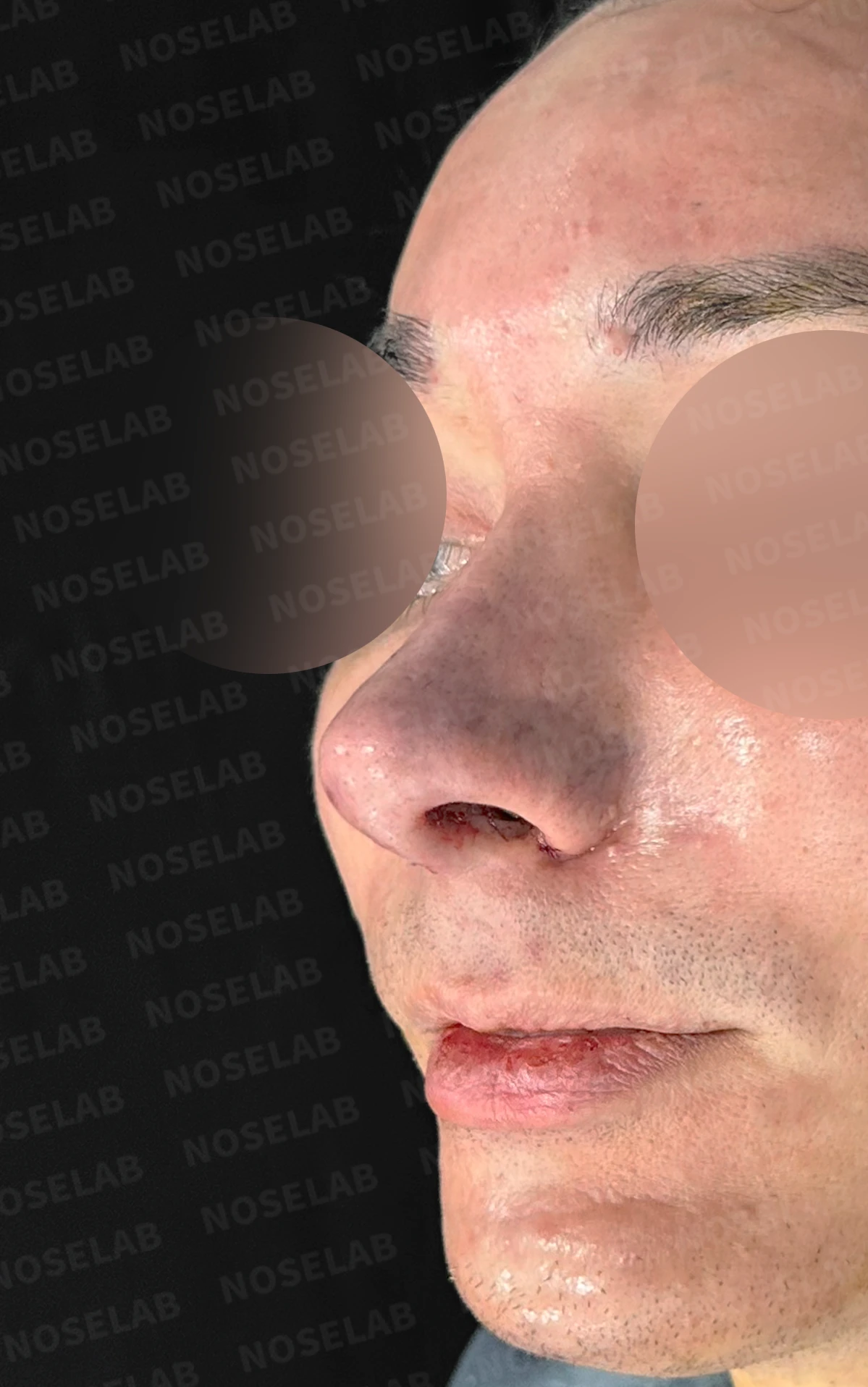
Before surgery / Day 0 immediately after surgery Photos taken immediately after surgery show swelling and may differ from the final result.
3. Nostril improvement
Reduced nasal sill
Improved symmetry
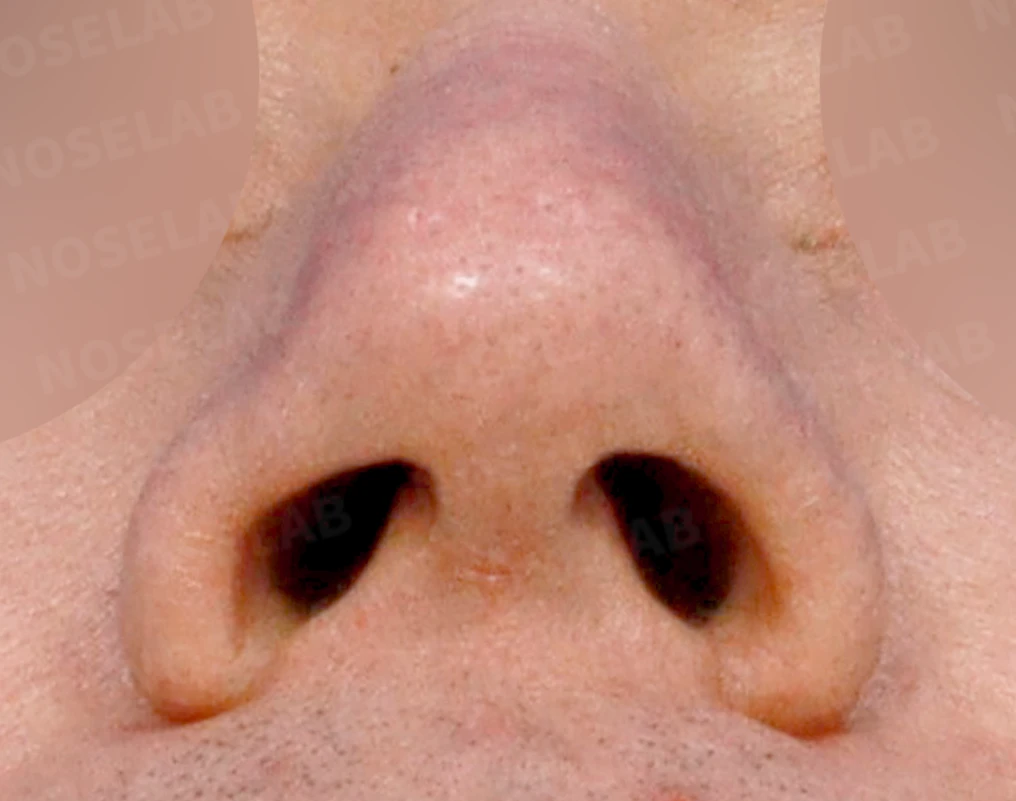
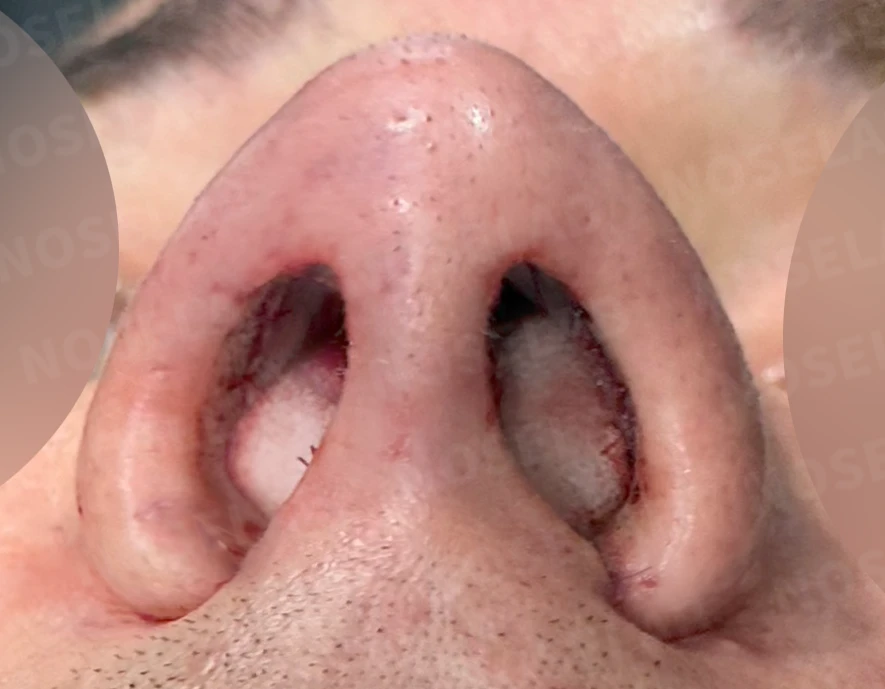
Before surgery / Day 0 immediately after surgery Photos taken immediately after surgery show swelling and may differ from the final result.
💡 Specialist opinion
There are anatomical limits to physically reducing the size of a large nose. However, by taking an approach that considers overall facial balance and harmony, it is possible to make it appear visually smaller.
In this type of case as well, we chose an approach that designed the entire face rather than focusing solely on nasal surgery. Sunken areas were filled with autologous fat grafting, and overall three-dimensional dimension was added to create well-balanced proportions. As a result, we were able to achieve an effect where the nose appeared noticeably smaller.
Going forward, I will continue striving to achieve natural and satisfying results through customized surgeries that consider overall facial harmony, rather than simple nasal procedures alone.
I hope this is helpful to those with similar concerns.
This was Dr. Peter C. Kang, medical director.
Thank you.
#rhinoplasty #autologousribcartilage #facialbalancecorrection #recedingchinsurgery #autologousfatgrafting #totaldesign #dorsalhumpcorrection #nasalsillreduction #nostrilcorrection #customrhinoplasty #chinsurgery #deviatedseptum #nasalobstructionrelief #largenosecorrection #naturalnose #harmoniousface

Limitations and risks
When autologous rib cartilage is used, scarring and pain may remain at the donor site on the chest, and pneumothorax (pleural injury) can occur rarely. Over time, the grafted cartilage may warp or undergo partial resorption.
When the septum is corrected at the same time, nasal obstruction may persist or recur, and in rare cases, septal perforation or changes in smell may occur.
Common potential risks include infection, bleeding, asymmetry, scarring, skin necrosis, and insufficient improvement; results vary depending on individual skin condition and previous surgical history.