Hello, I am Dr. Peter C. Kang.
Today, I would like to share the case of a patient whose blunt bulbous nose and wide nasal base were refined into a defined, prominent shape.
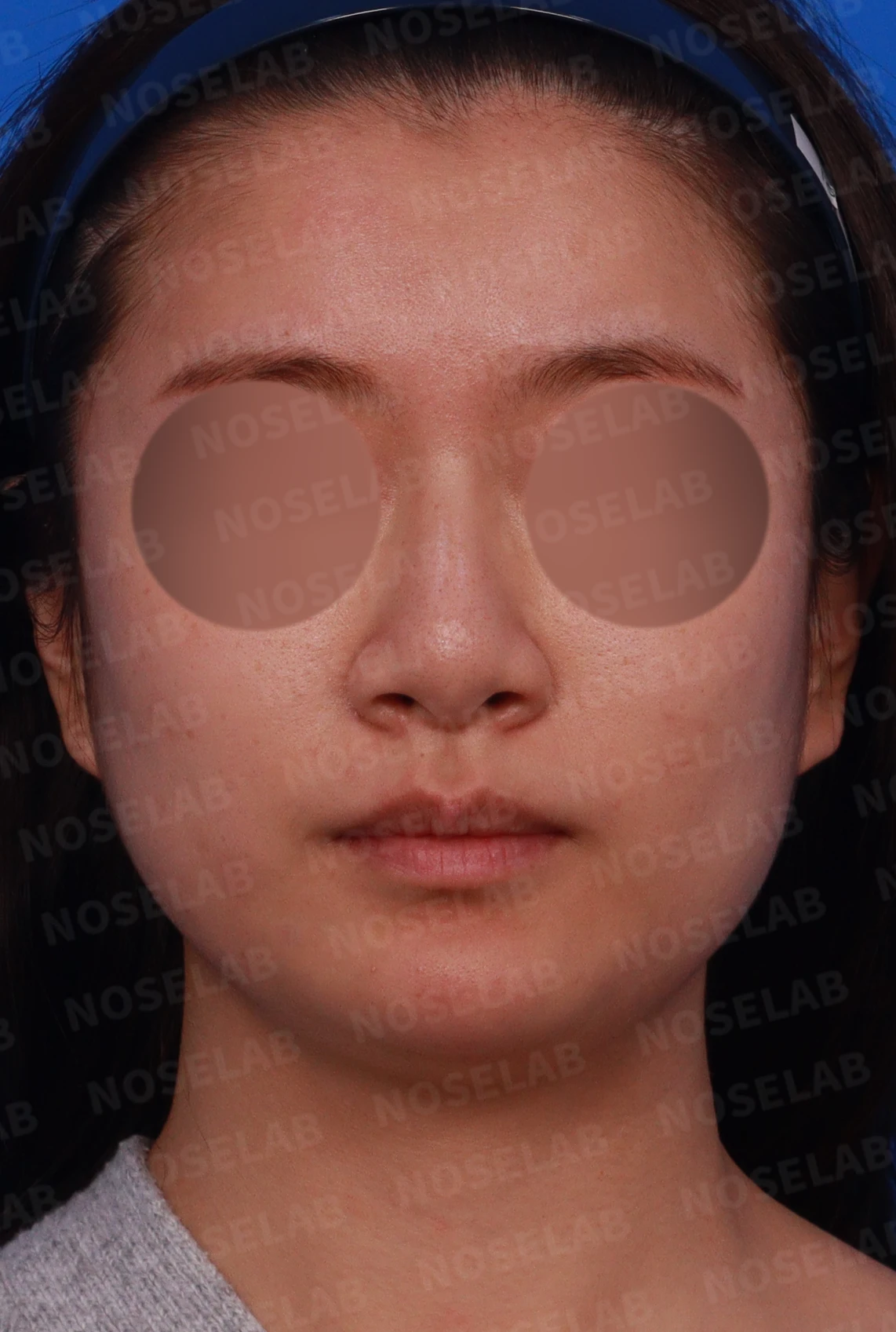
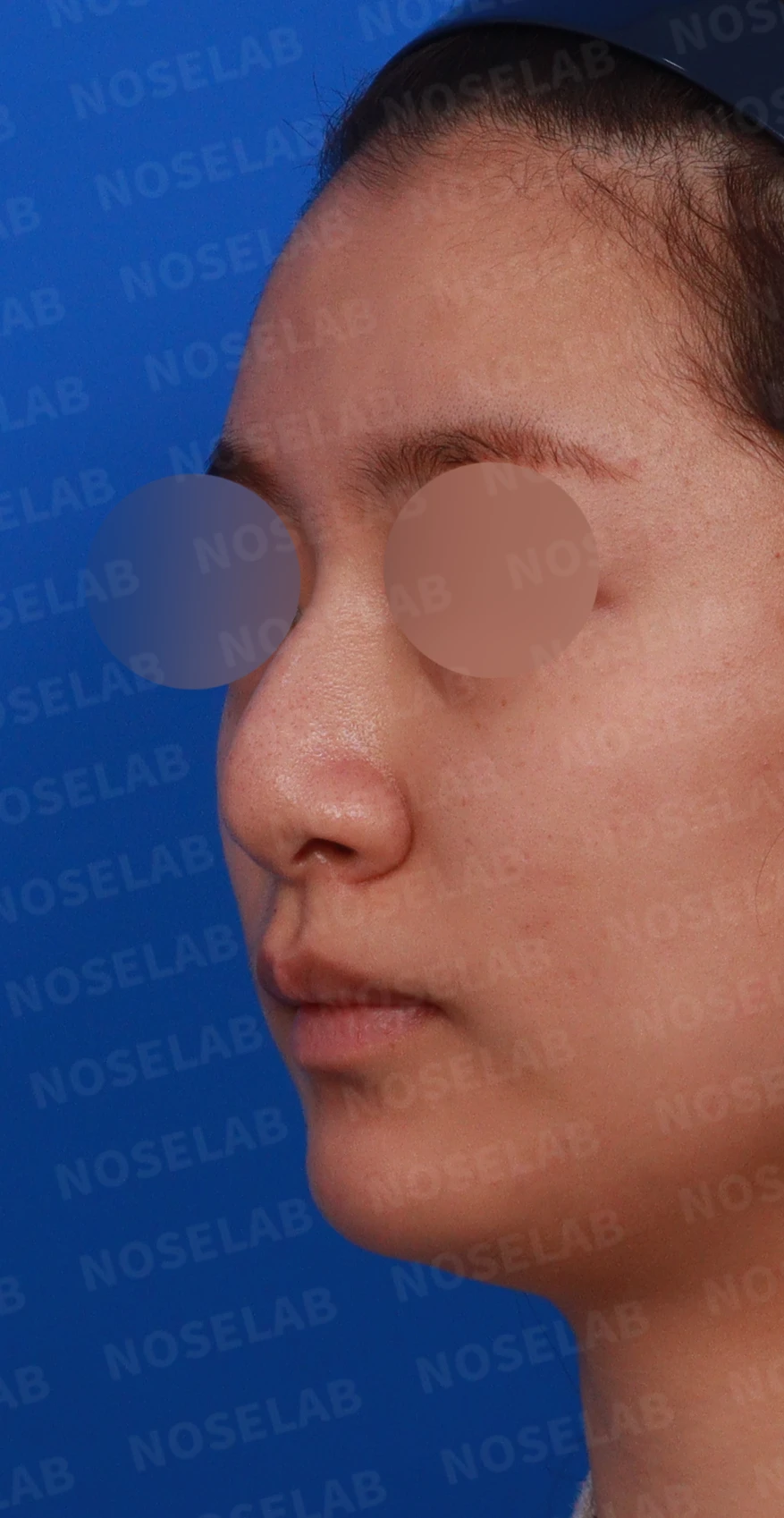
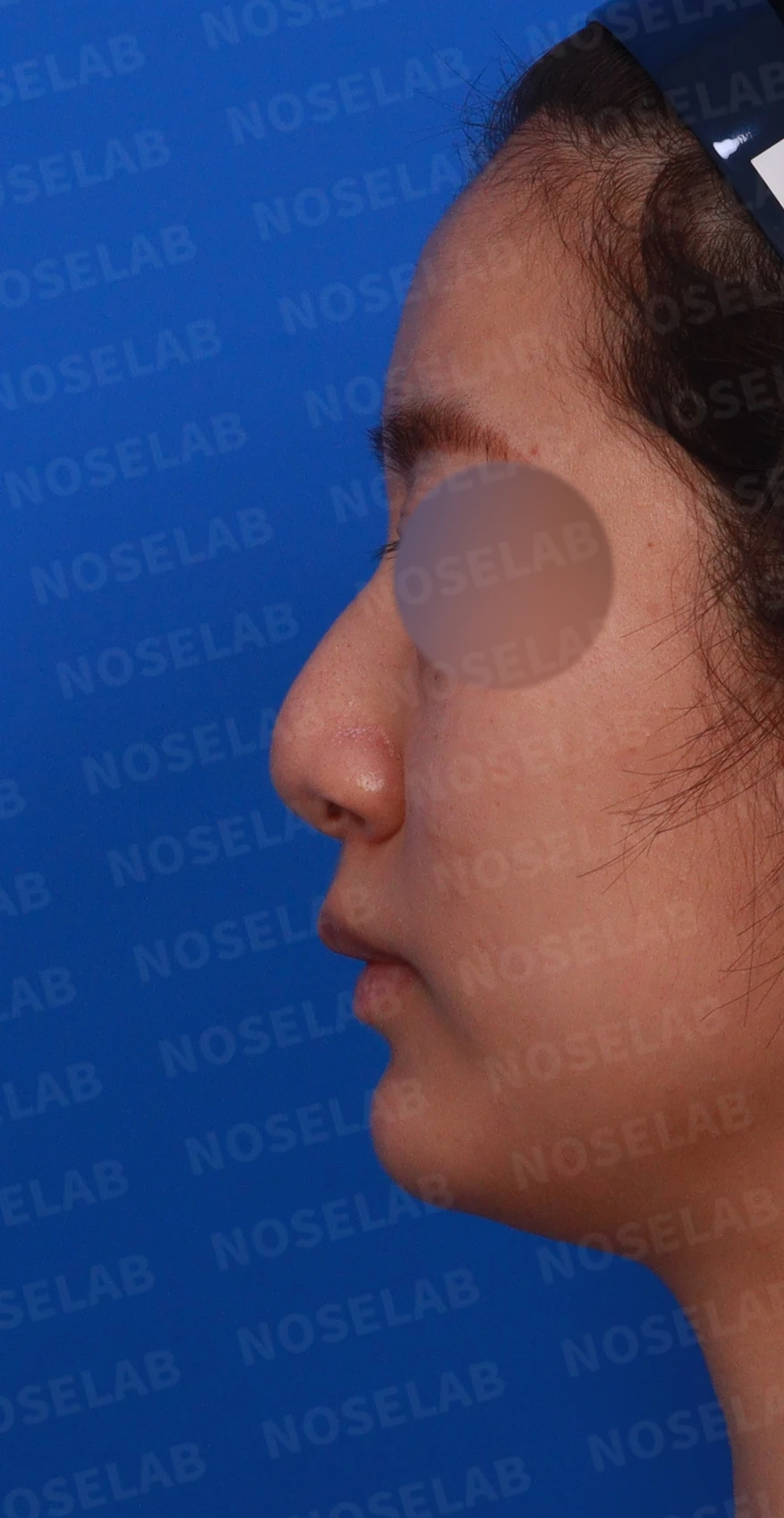
Front, left profile, and oblique views during design consultation
🔎 Initial consultation findings
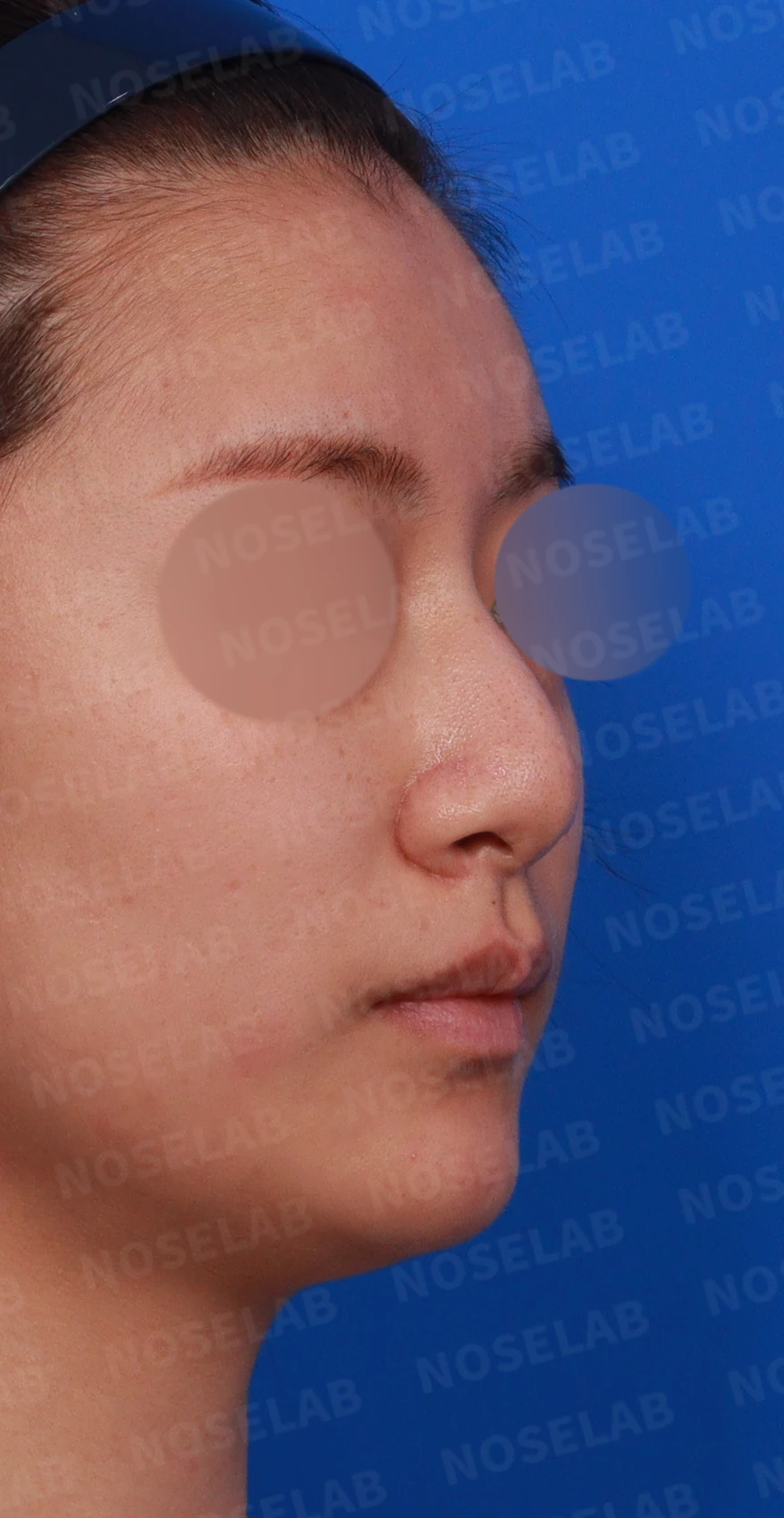
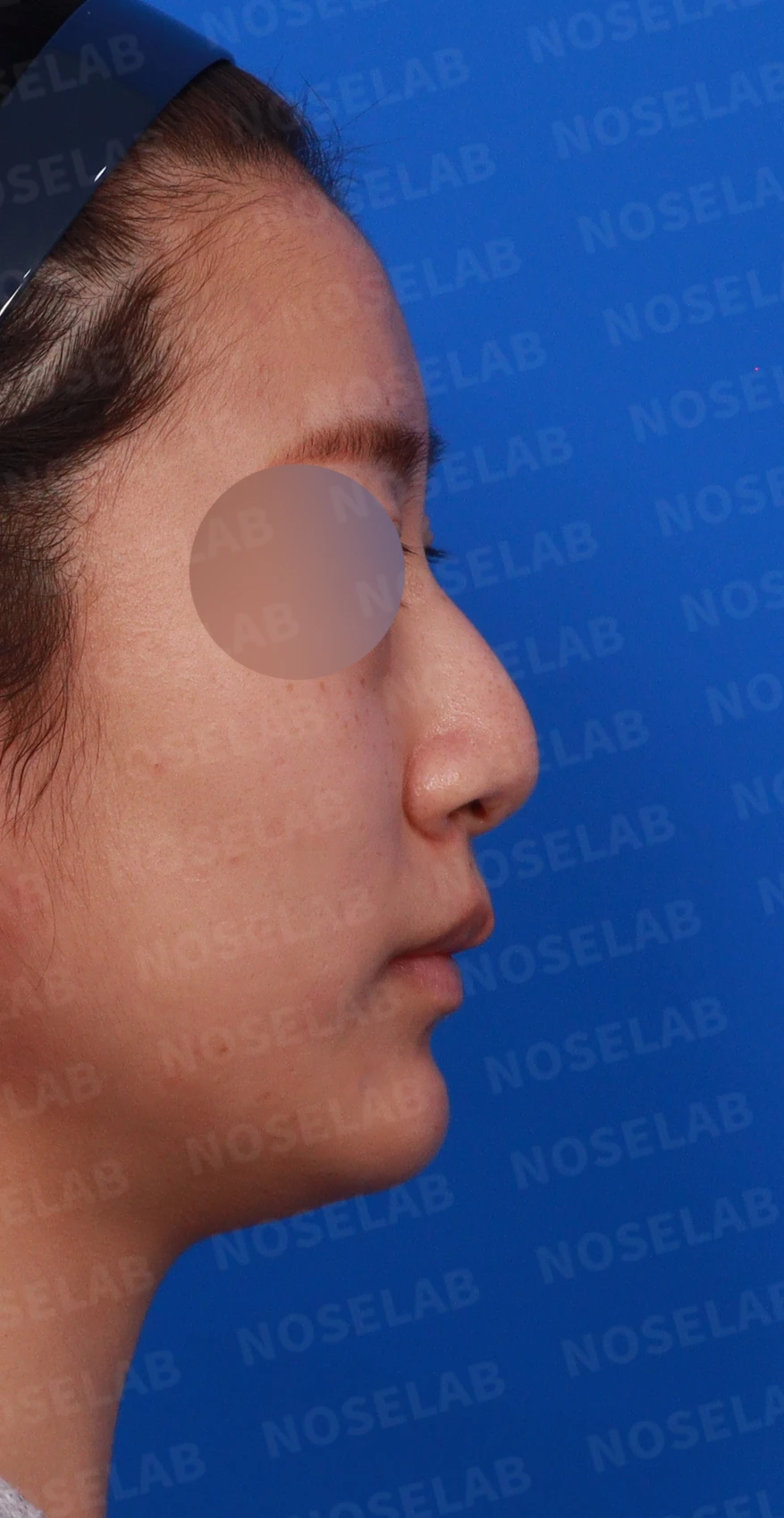
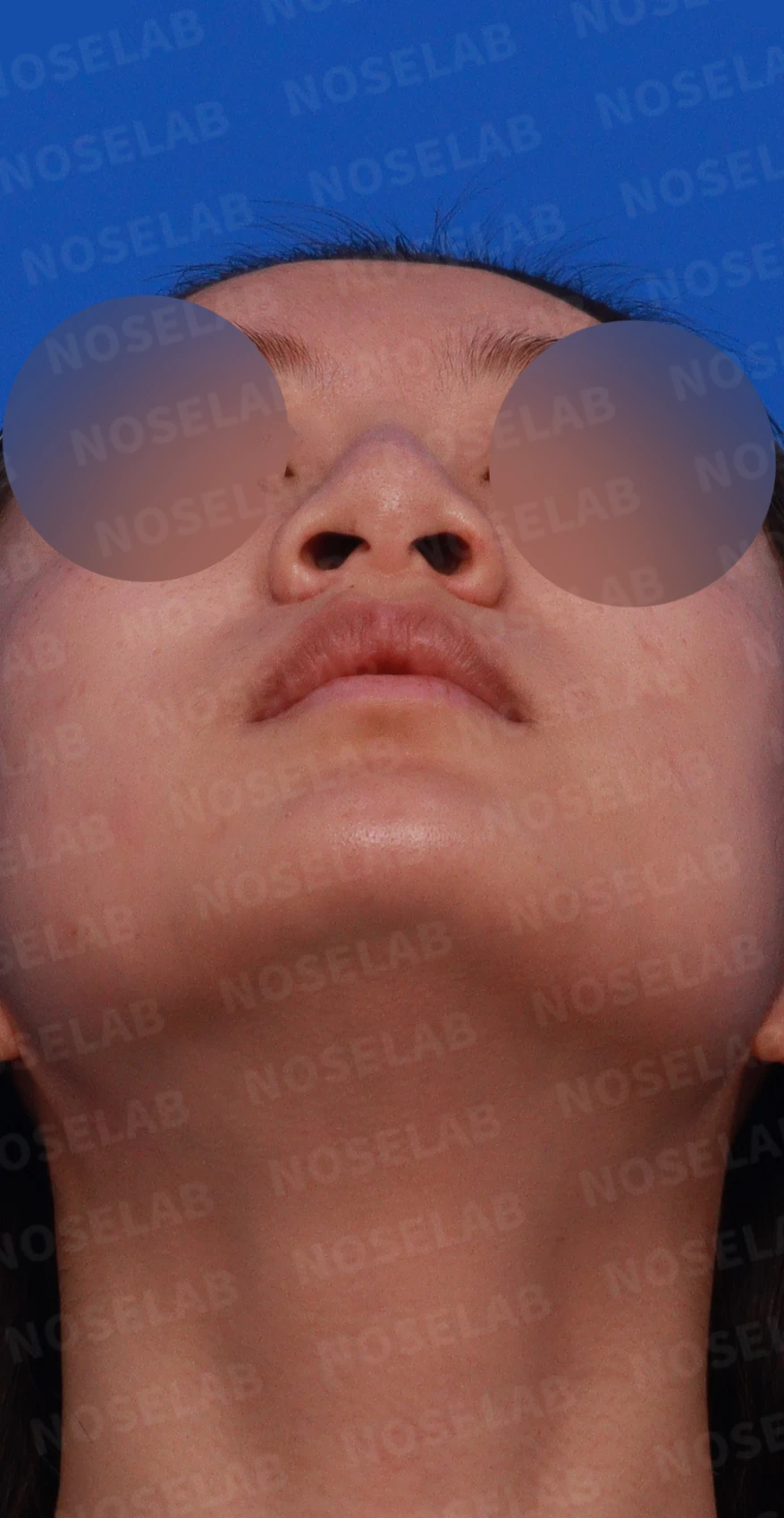
Design consultation: right oblique, profile, and basal (nostril) views
1. Front view
Bulbous and wide nose
Deviated nasal bridge
Large alae with excessive nostril show
2. Profile view
Significantly drooping nasal tip
Dorsal hump shape
Low radix
Protruding mouth findings
Acute nasolabial angle
3. Nostrils
Nostril asymmetry
Compressed-looking nasal tip
Wide nasal floor
✨ Patient's requests
Defined nasal line
Improvement of bulbous nose
Correction of the bulbous nasal tip
Improvement of a wide nose
💉 Surgical procedure details
Nasal tip improvement
Tip projection using autologous rib cartilage
Bulbous nose correction
Simultaneous correction of an upturned nose
2. Structural improvement
Correction of the deviated nasal bridge via lateral osteotomy
Improvement of protruding mouth through nasolabial angle correction
Securing overall balance
3. Detailed adjustments
Nasal sill reduction
Refining the alae to appear smaller
Controlling the amount of nostril show
✅ Surgical results
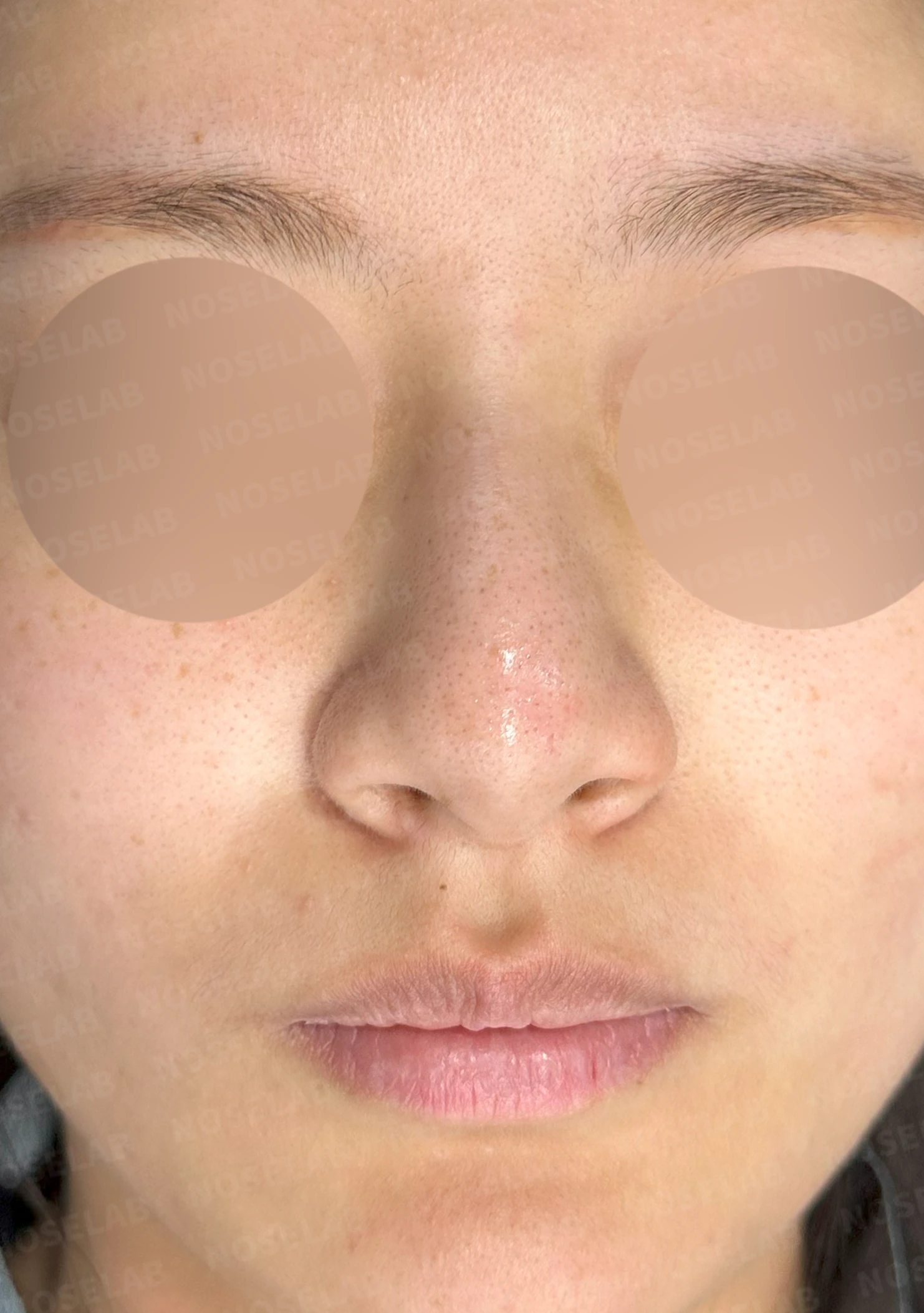
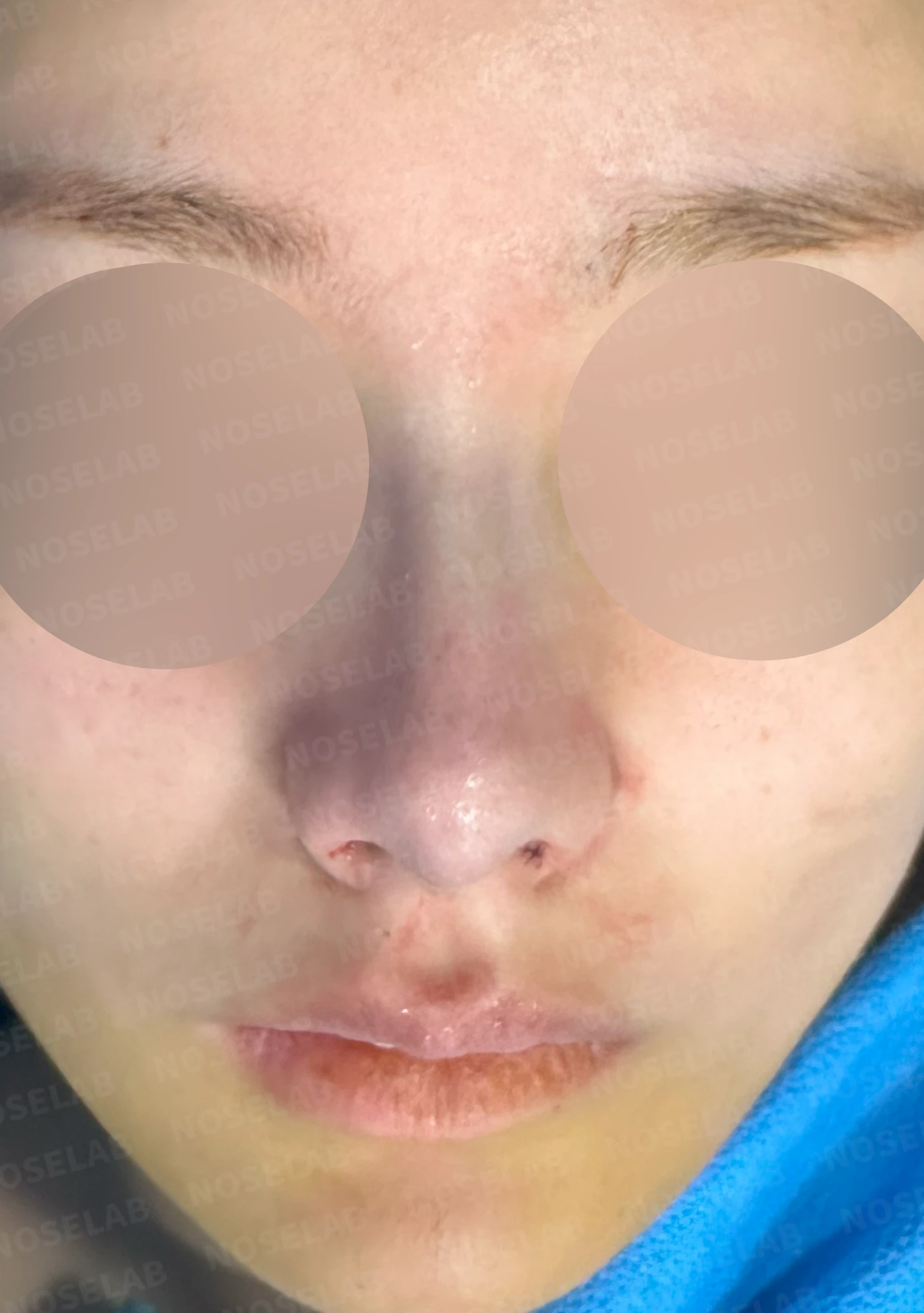
Before surgery / Day 0 immediately after surgery Photos taken immediately after surgery show swelling and may differ from the final result.
Front view
Slimmer nasal line
Correction of deviation
Adjustment of nostril show
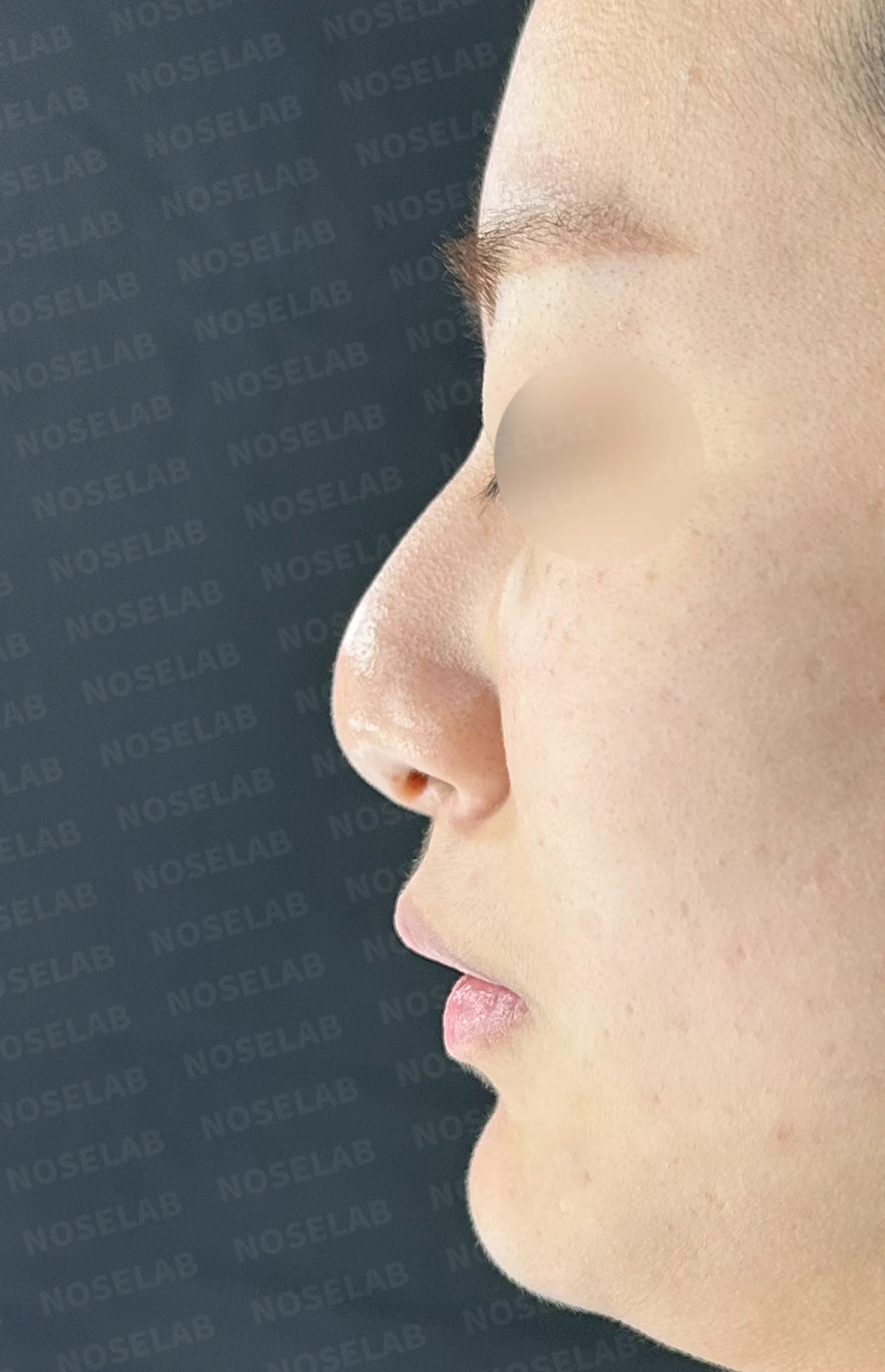
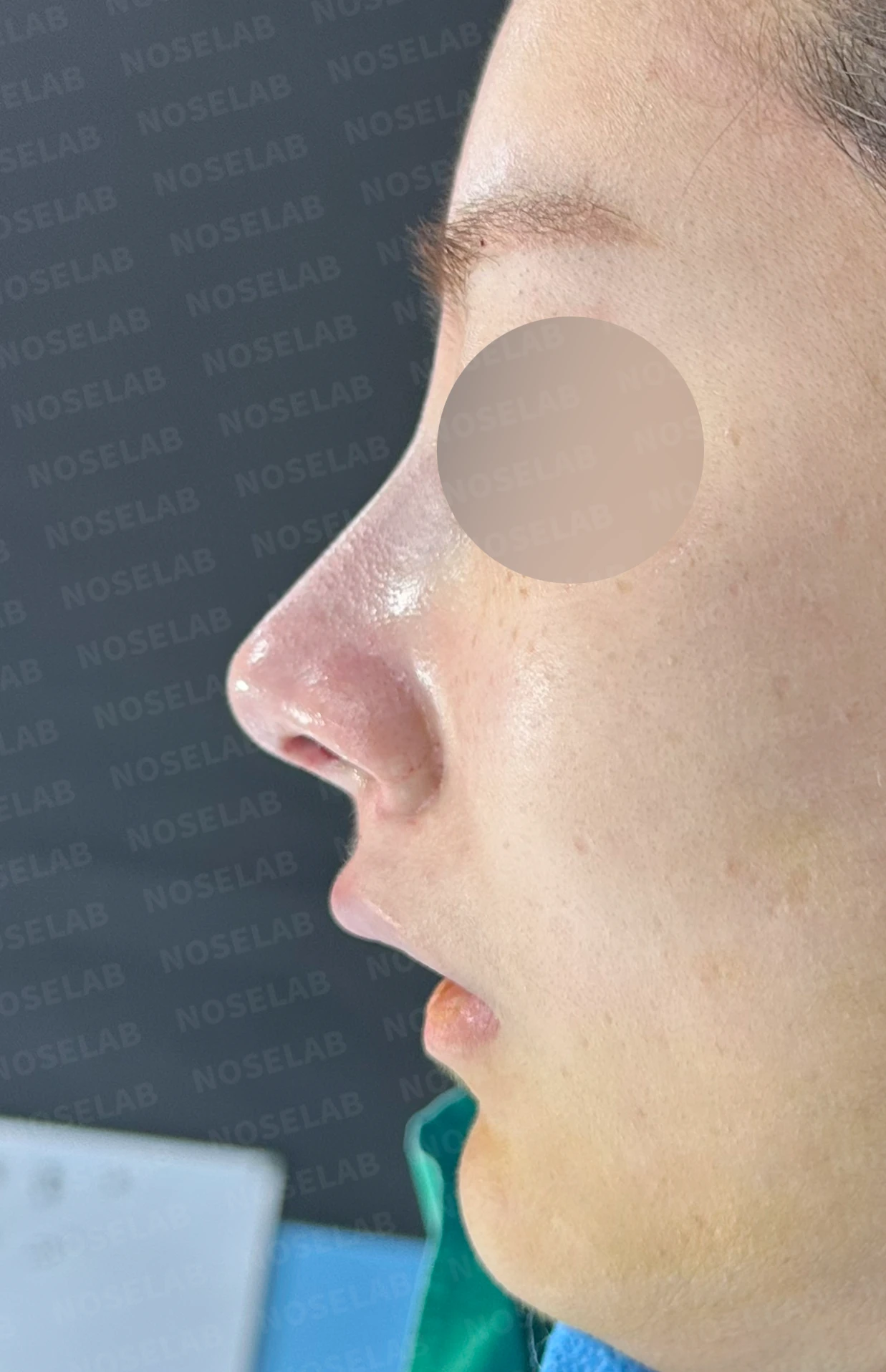
Before surgery / Day 0 immediately after surgery Photos taken immediately after surgery show swelling and may differ from the final result.
2. Profile view
Repositioning of the nasal tip
Smoothed nasal bridge line
Improved nasolabial angle
Alleviation of protruding mouth
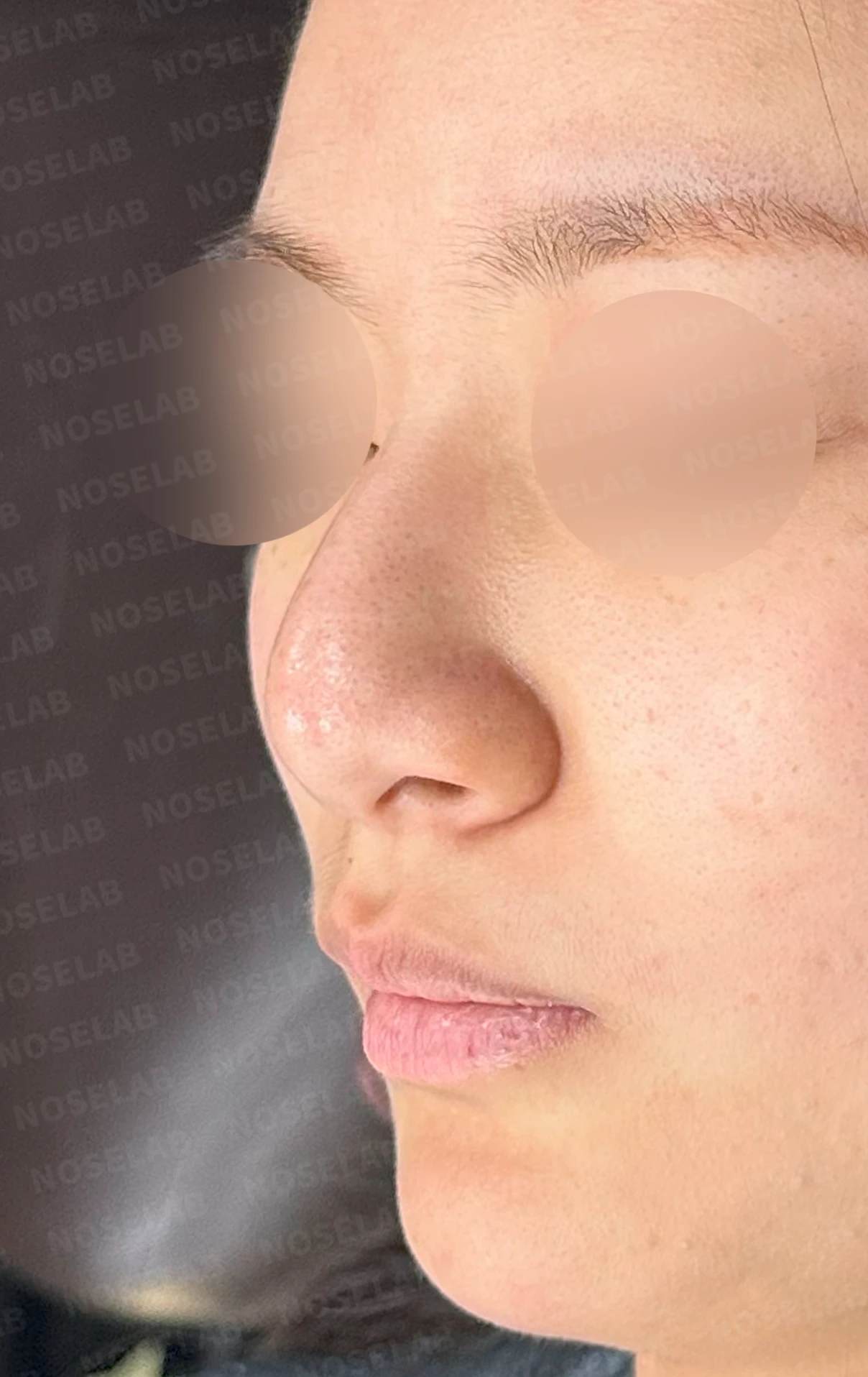
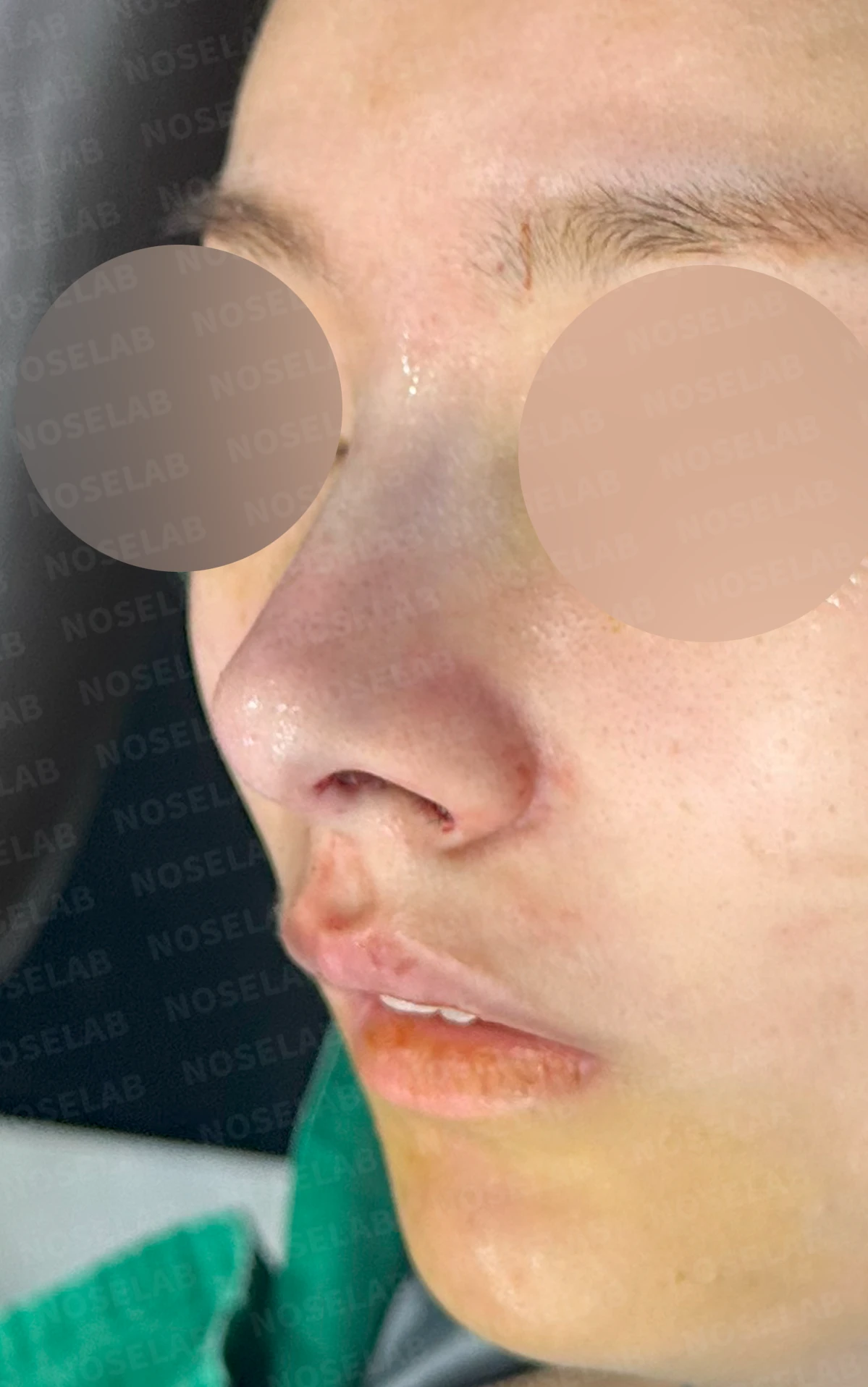
Before surgery / Day 0 immediately after surgery Photos taken immediately after surgery show swelling and may differ from the final result.
3. Nostrils
Improvement in nostril symmetry
Nasal floor naturally brought closer together
Balanced overall shape
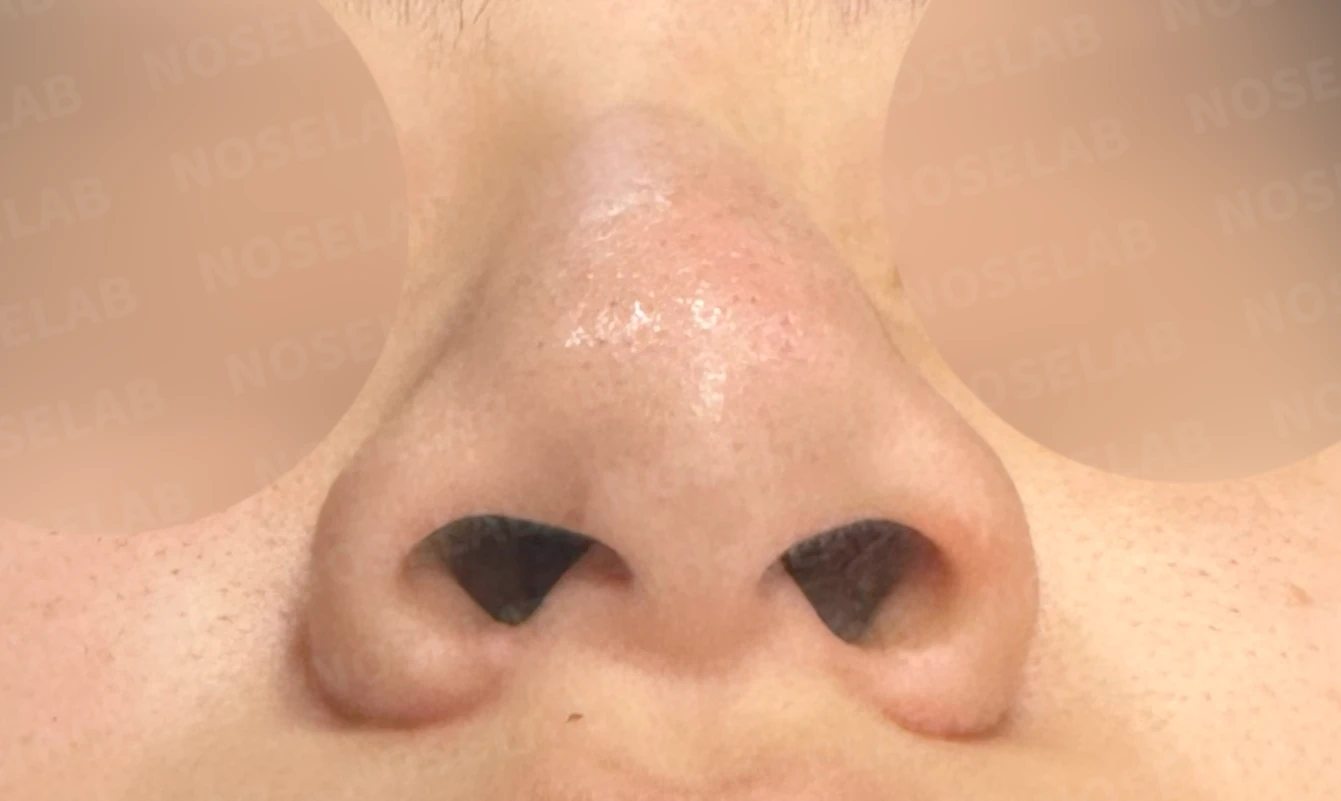
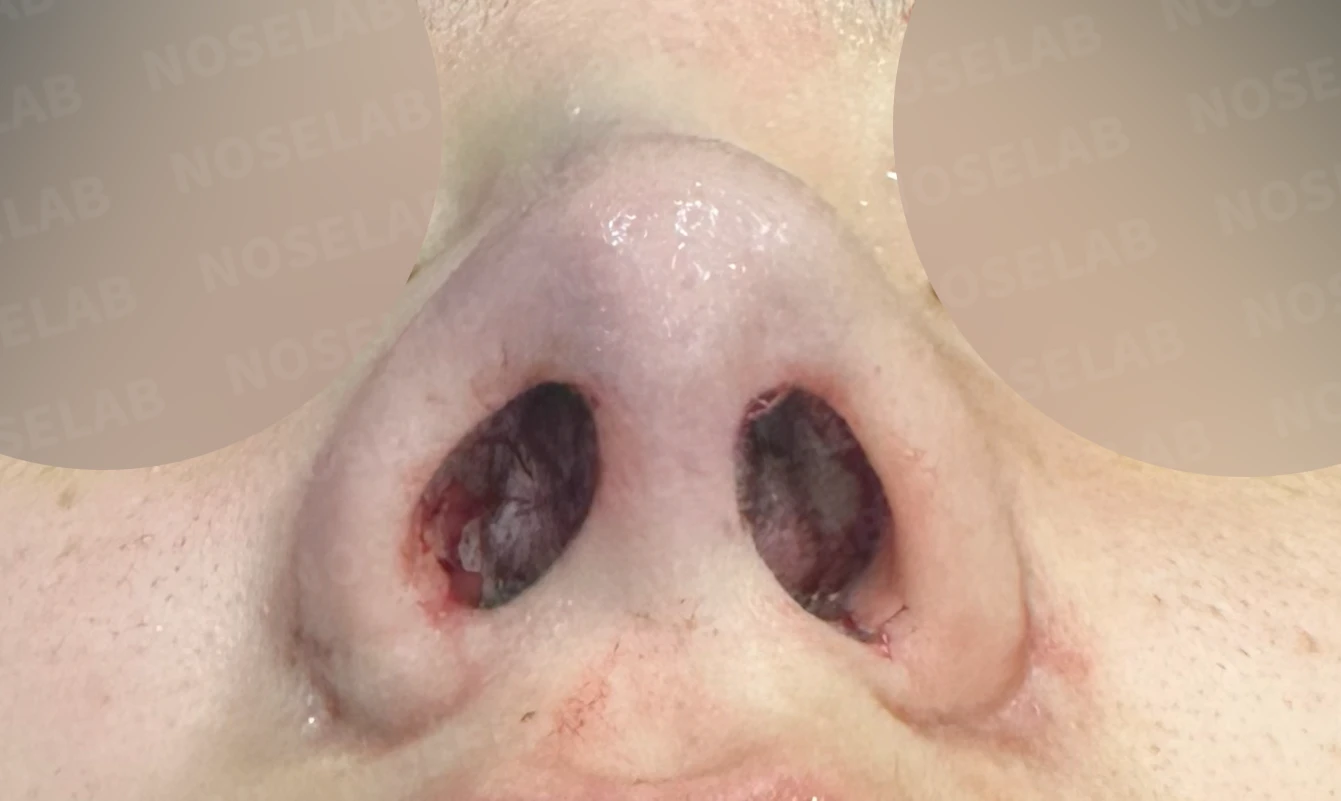
Before surgery / Day 0 immediately after surgery Photos taken immediately after surgery show swelling and may differ from the final result.
👨⚕️ Specialist's assessment
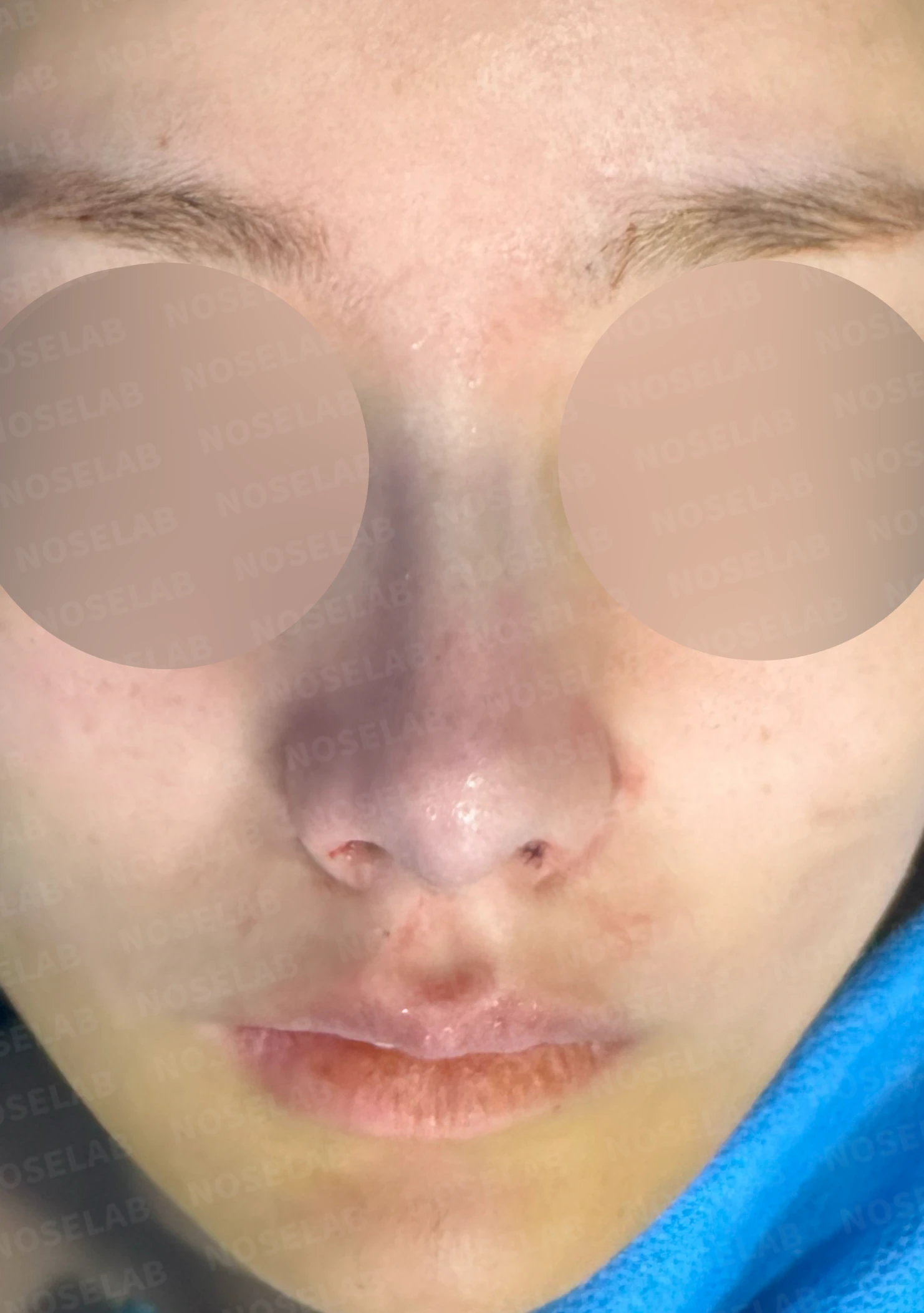
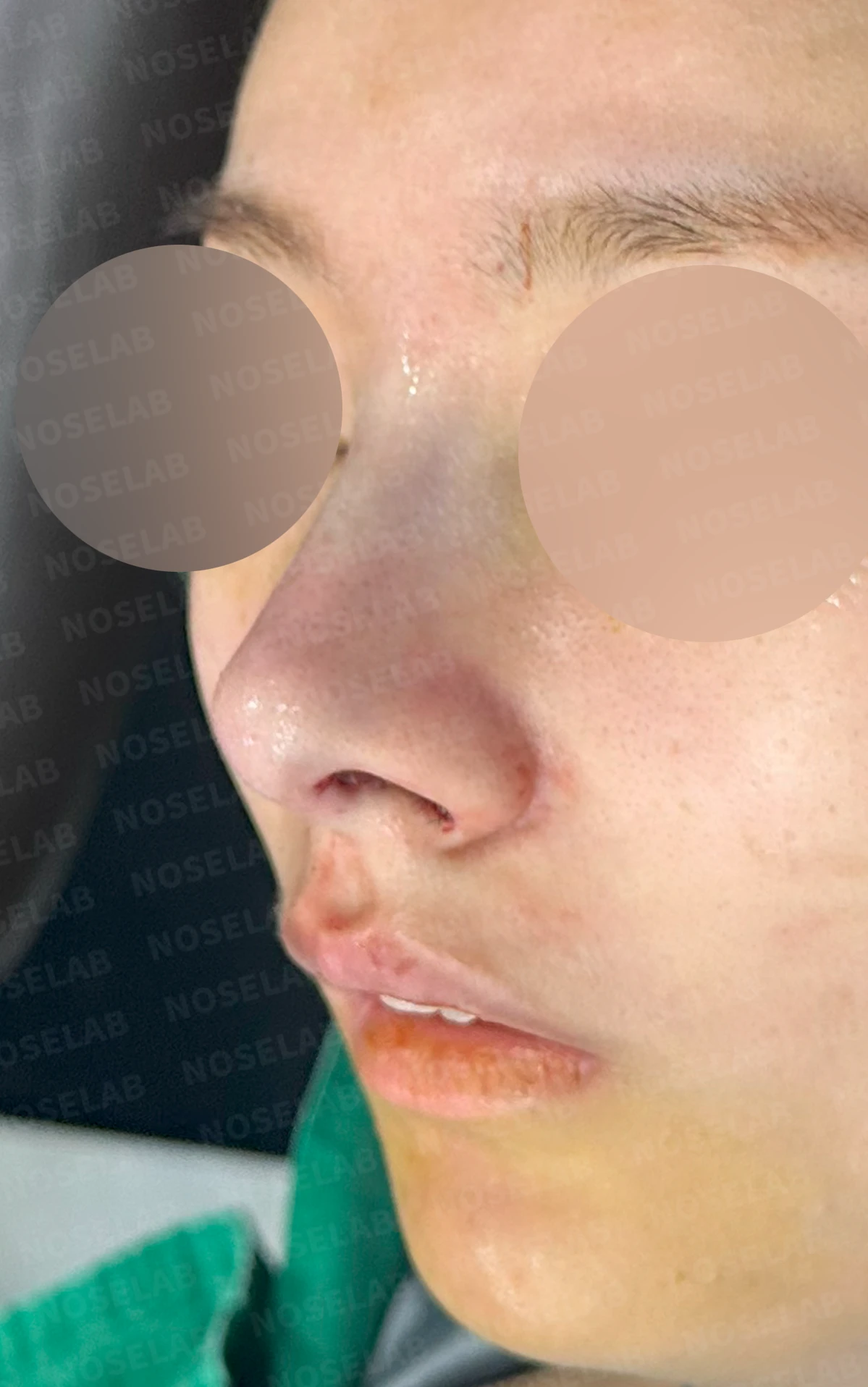
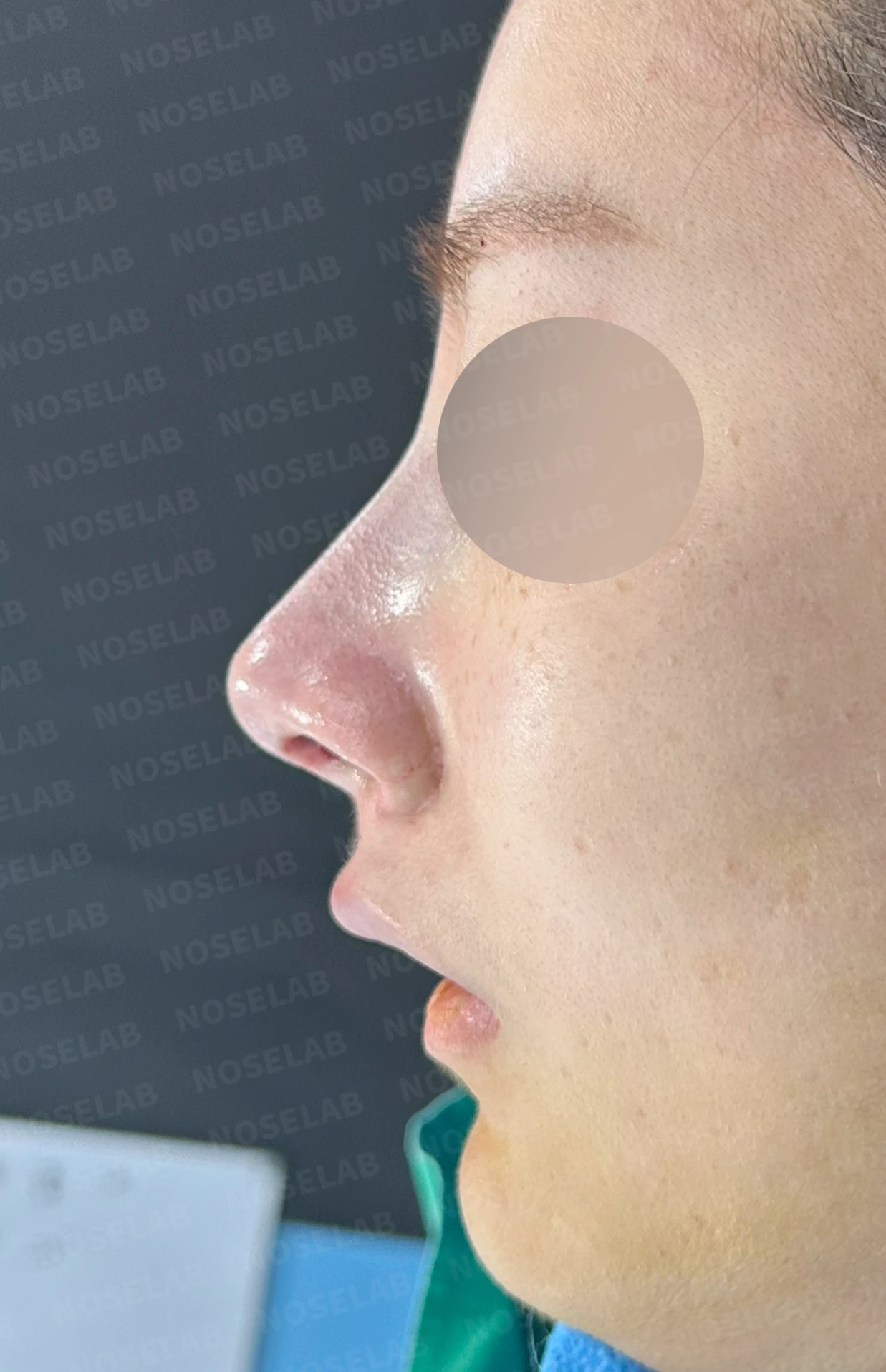
Front, oblique, and profile views on day 0 immediately after surgery Photos taken immediately after surgery show swelling and may differ from the final result.
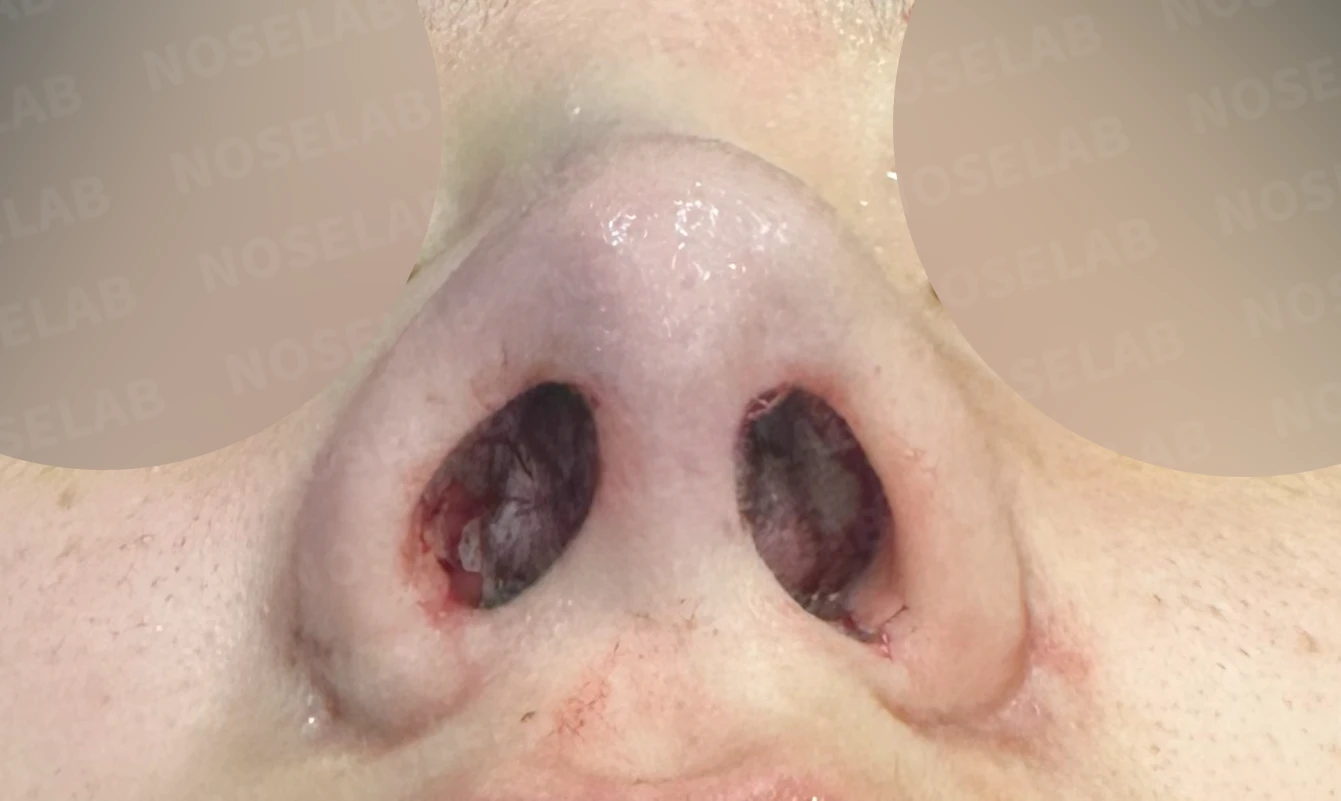
Nostril view on day 0 immediately after surgery Photos taken immediately after surgery show swelling and may differ from the final result.
This was a case that required addressing multiple concerns simultaneously, including a bulbous nose, wide nasal base, drooping tip, and nostril asymmetry. By projecting the nasal tip with autologous rib cartilage, both the bulbous shape and upturned appearance were corrected together, and lateral osteotomy straightened the deviated nasal bridge.
In particular, nasal floor reduction naturally narrowed the previously wide base, achieving the defined, prominent nasal line the patient desired. Nasolabial angle correction also improved the impression of a protruding mouth, leading to an overall harmonious result.
This was Dr. Peter C. Kang. Thank you.
Thank you.
#closedrhinoplasty #rhinoplasty #bulbousnosecorrection #prominentnose #customrhinoplasty

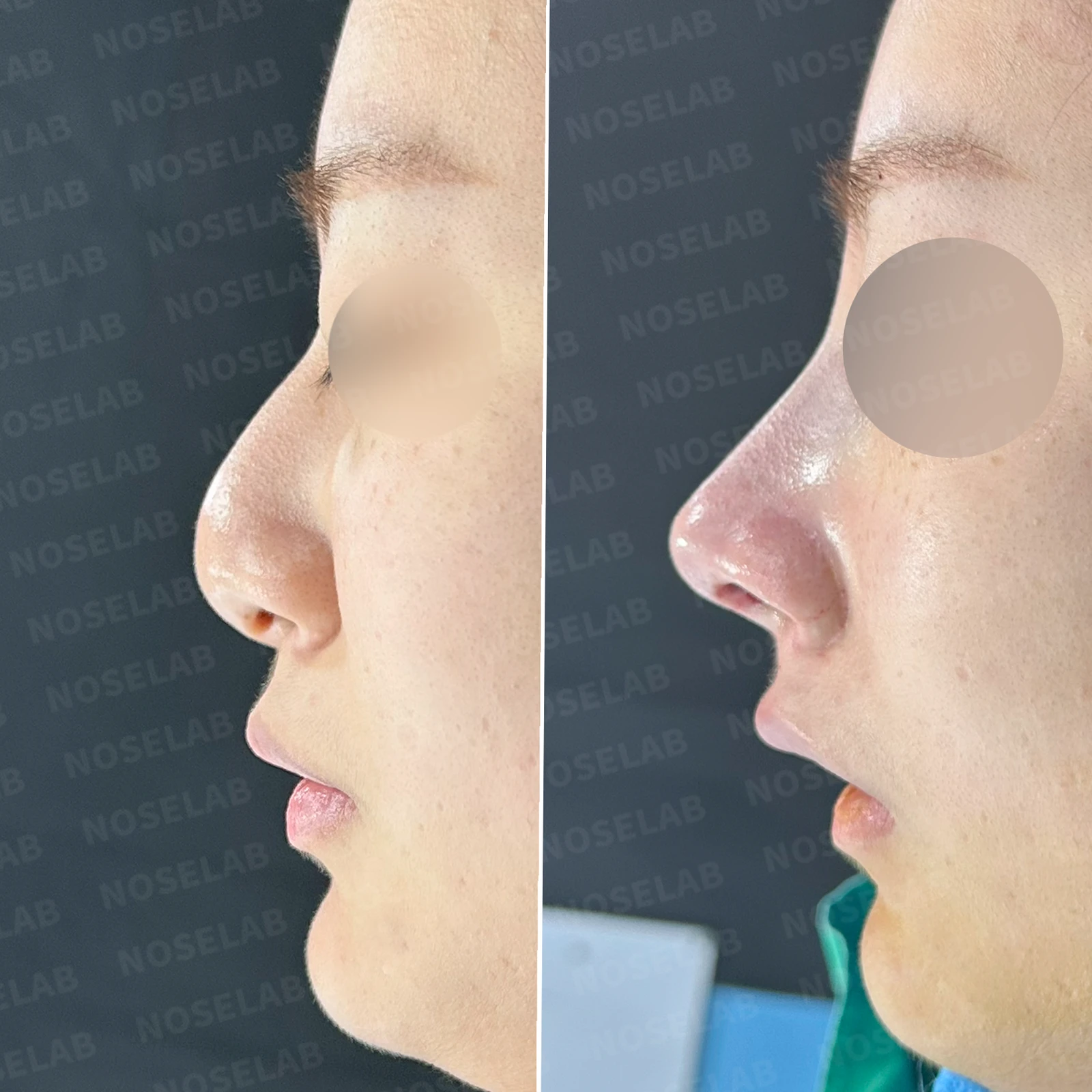
Limitations and risks
When autologous rib cartilage is used, scarring and pain may remain at the donor site on the chest, and pneumothorax (pleural injury) can occur rarely. Over time, the grafted cartilage may warp or undergo partial resorption.
Common potential risks include infection, bleeding, asymmetry, scarring, skin necrosis, and insufficient improvement; results vary depending on individual skin condition and previous surgical history.