Hello.
I am Dr. Peter C. Kang, medical director.
Today, through the rhinoplasty case of a 29-year-old male patient, I would like to discuss a small nose and male rhinoplasty, focusing on a natural yet distinct transformation. Through this case, let us examine the characteristics and considerations of male rhinoplasty, and how to achieve a natural result.
The patient's requests:
His primary complaint was nasal obstruction, and cosmetically he visited with the hope of improving his nose into a masculine, well-defined shape.
Patient analysis:
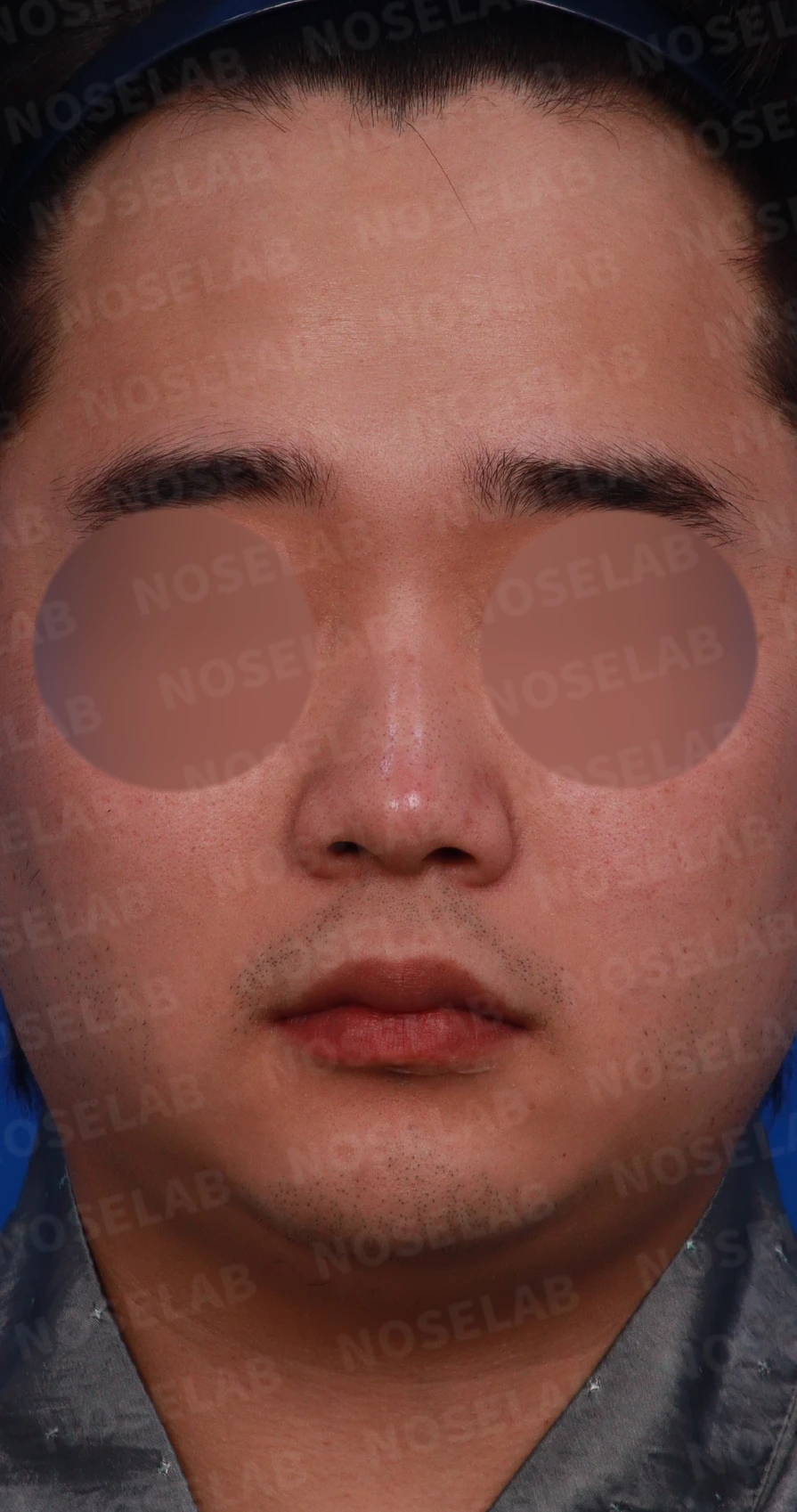
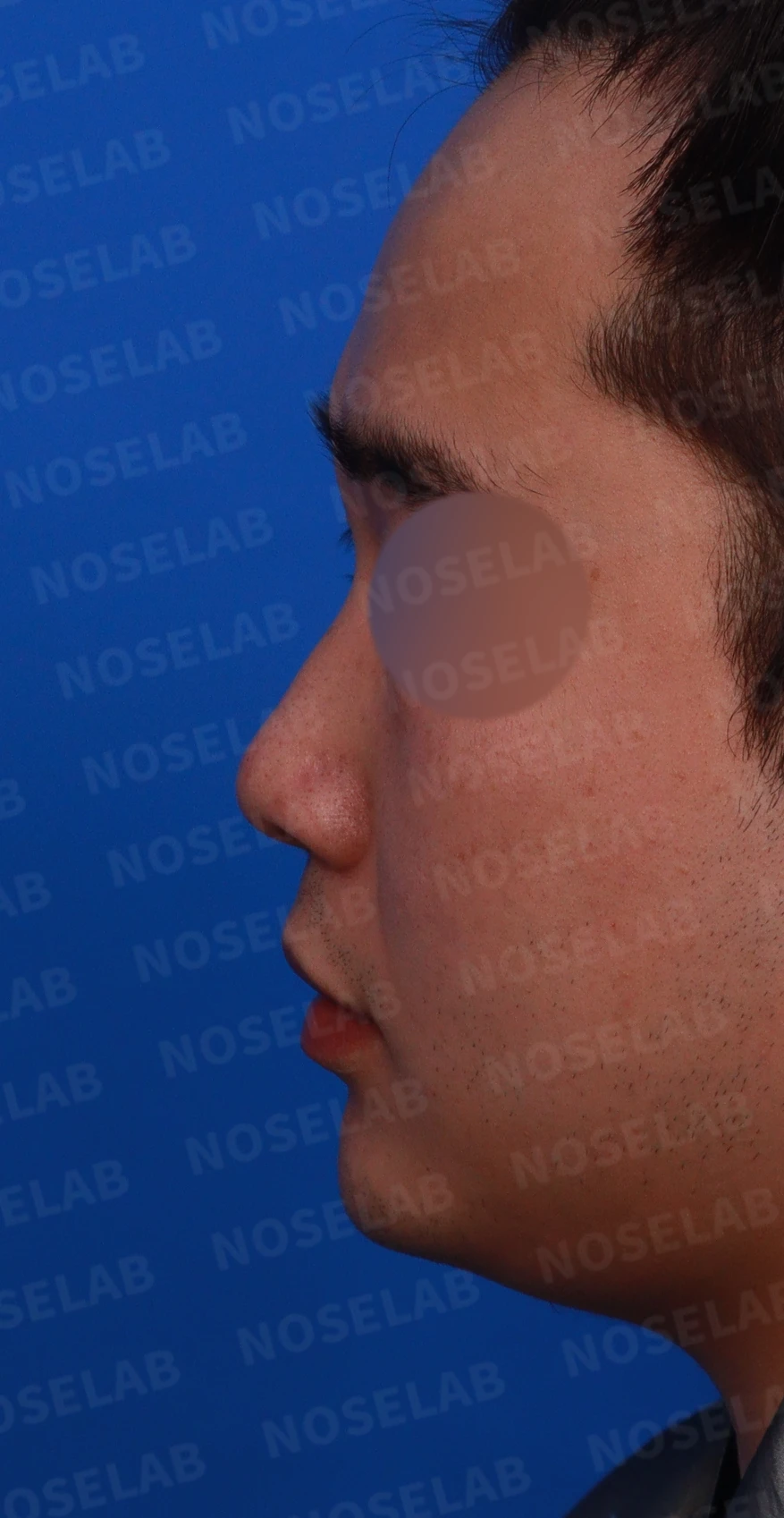
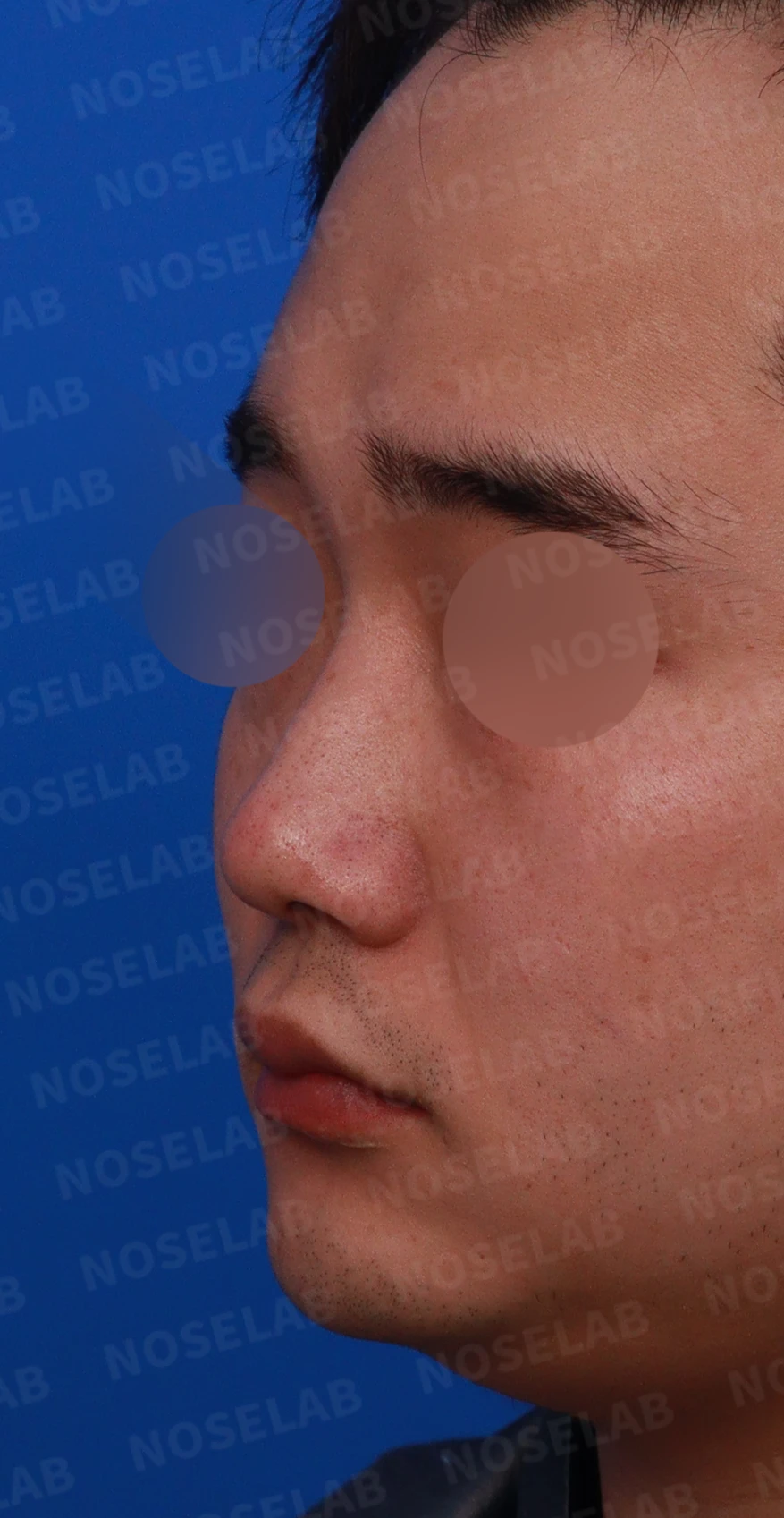
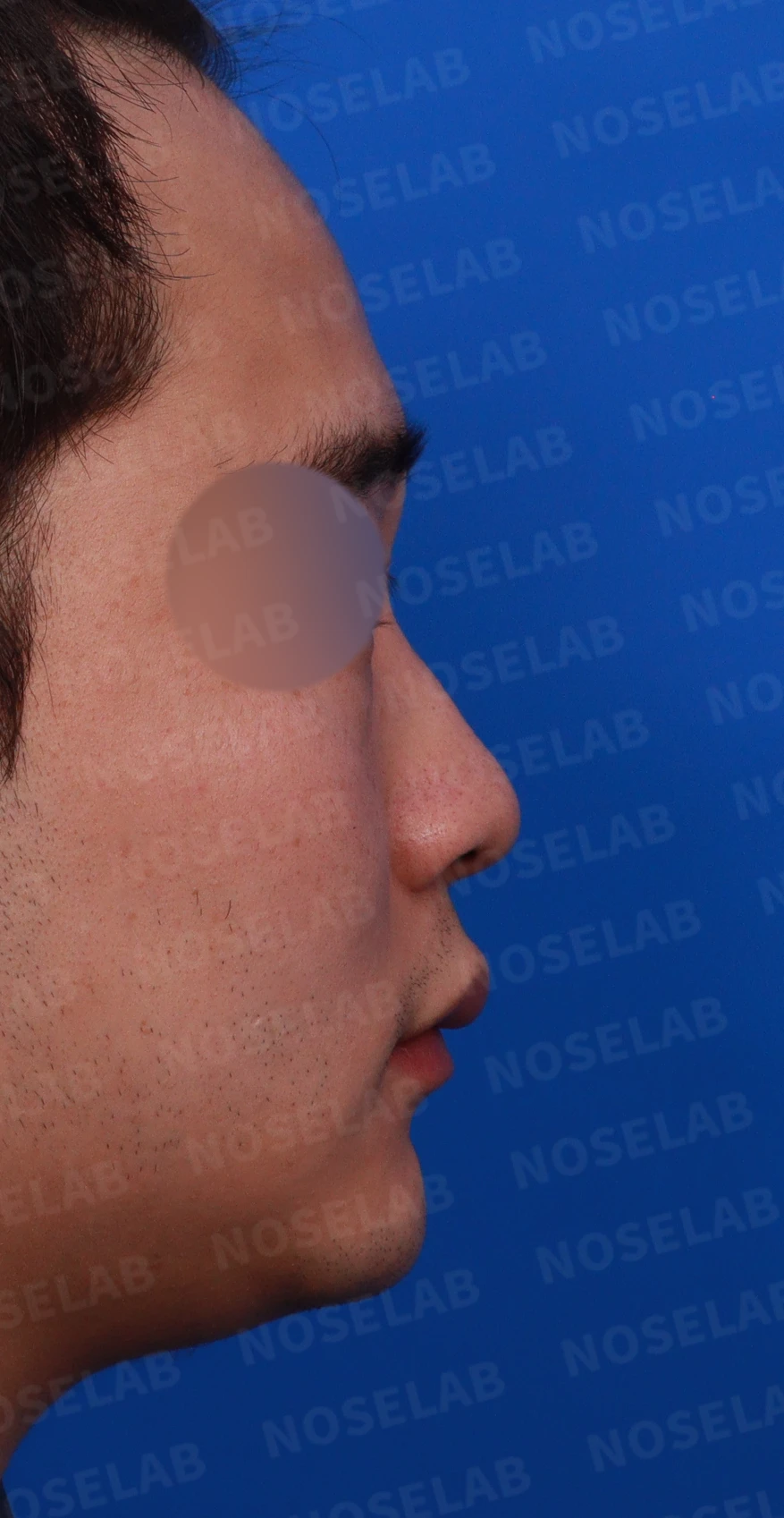
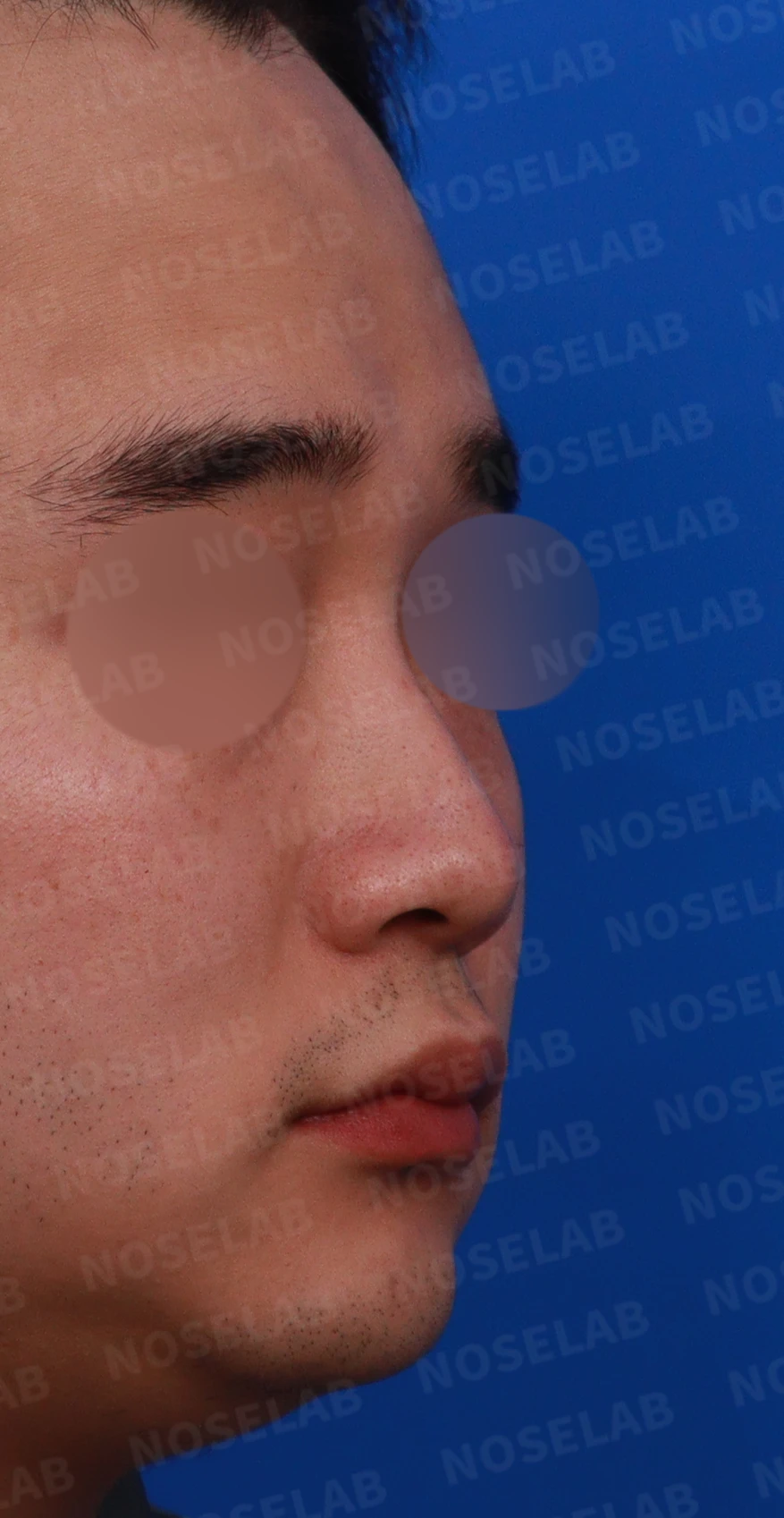
Preoperative design consultation: front, right profile, and oblique views.
An overall analysis of the patient's nasal condition showed the following:
Low glabella, with an overall bulbous and wide nasal shape
A relatively small and short nose compared to facial size
A bulbous and flared nasal tip
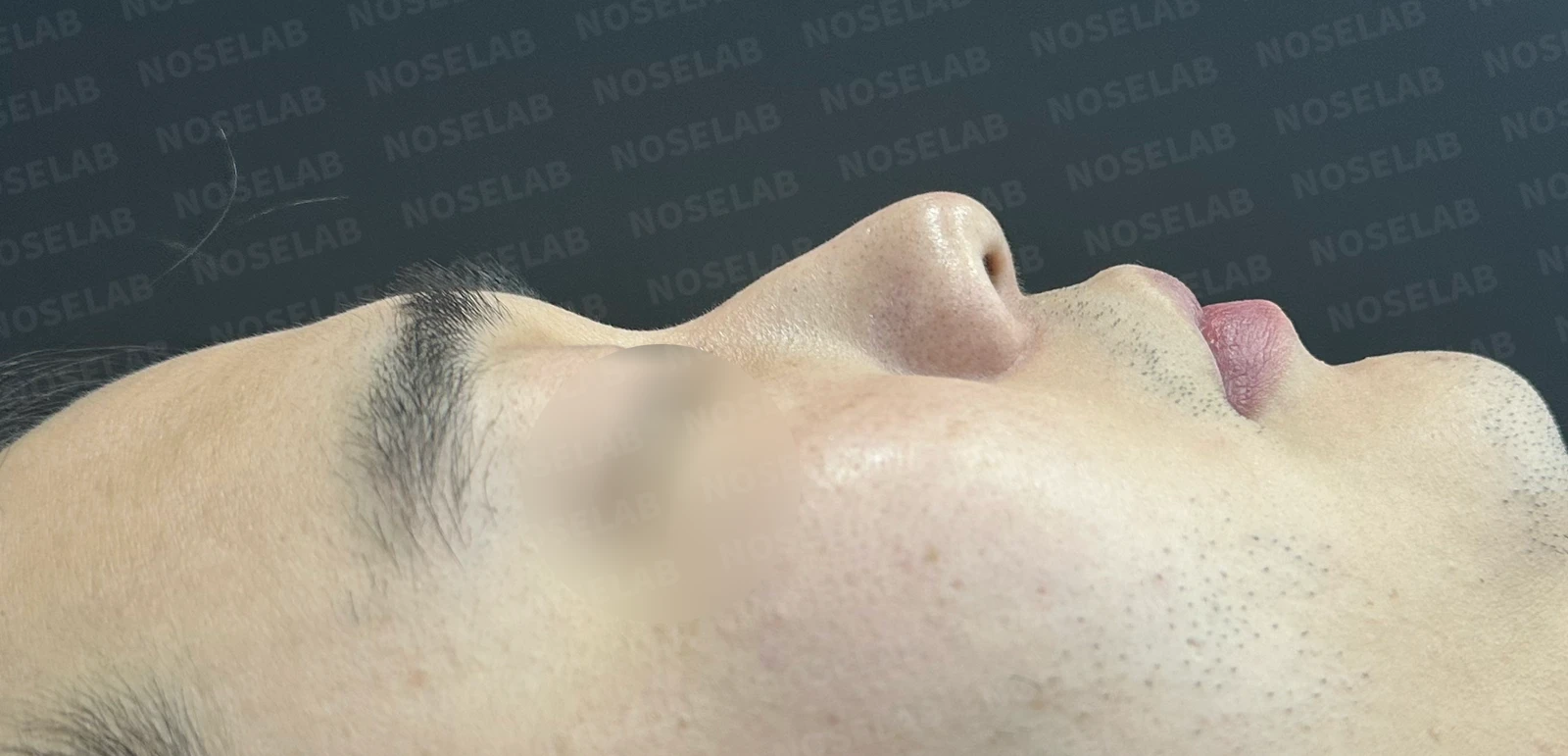
Nostrils that appeared flared horizontally
Signs of a protruding mouth are observed
On profile view, the columella was hidden behind the alae and barely visible
A nasolabial angle of less than 90 degrees
Due to these characteristics, the patient's nose presented issues of appearing overall small and short while also looking spread out.
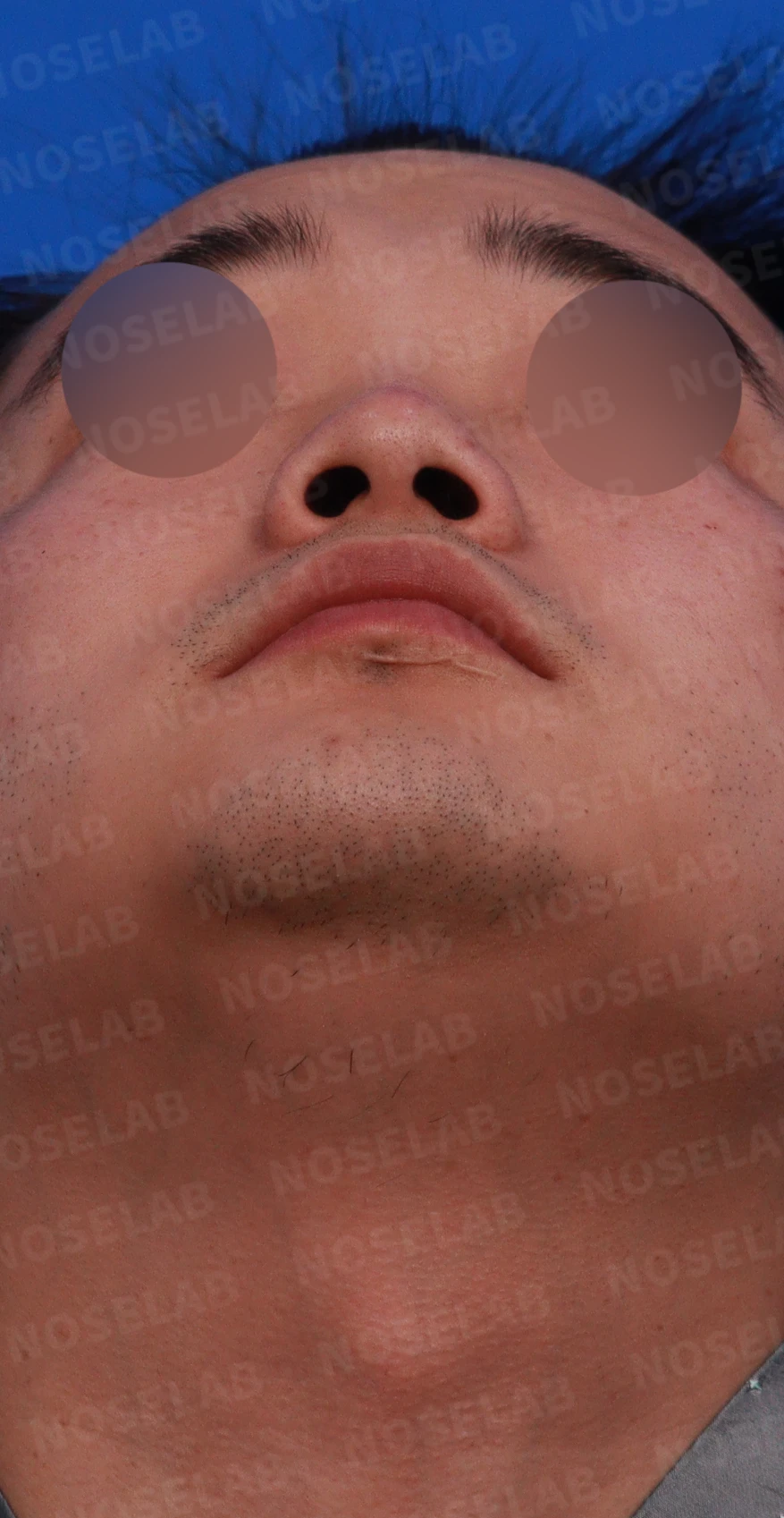
These are preoperative design photos showing the basal (nostril), left profile, and oblique views.
Surgical plan:
Considering the patient's nasal condition and aesthetic goals, the following surgical plan was established:
- Nasal tip improvement: We planned to naturally elevate the nasal tip without making it overly sharp. This would improve the overall nasal length and bring harmony to the facial proportions.
- Columella correction: We planned to naturally lower the columella to correct the nasolabial angle. This helps reduce the appearance of a protruding mouth while creating a more masculine, defined nasal line from the profile view.
- Nasal bridge improvement: Correcting the bulbous and wide nose to create a clearer, more masculine impression.
- Material selection:
Septal cartilage: We closely assessed the size and shape of the patient's septal cartilage to evaluate its usability.
Autologous rib cartilage: We also considered using autologous rib cartilage in case the septal cartilage proved insufficient.
Silicone implant: We decided to use it strictly along the nasal bridge to establish a natural height.
- Alar cartilage correction: To resolve the flared appearance of the tip, we planned to reposition the lower lateral cartilages and gather them using cartilage suturing techniques.
- Functional improvement: Because the patient presented with nasal obstruction as a primary complaint, related examinations were performed. The diagnostic workup identified a deviated septum and hypertrophic rhinitis, so we planned a septoplasty alongside radiofrequency submucosal resection of the inferior turbinates (rhinitis surgery).
Through this comprehensive approach, we anticipated addressing both the patient's aesthetic concerns and functional issues at the same time.
Surgical procedure:
Upon intraoperative inspection, the thickness and shape of the patient's septal cartilage were deemed unsuitable for tip surgery, so autologous rib cartilage was harvested additionally and used to shape the nasal tip.
This is a good example showing how critical it is to closely evaluate the patient's condition intraoperatively and make the most appropriate decision. Harvesting the rib cartilage extended the operative time by approximately 30 minutes, but it ultimately allowed us to create a more natural and stable nasal framework.
Surgical results:
Looking at the photos taken immediately after surgery (day 0), the following improvements can be observed: Immediate postoperative photos show swelling and may differ from the final result.
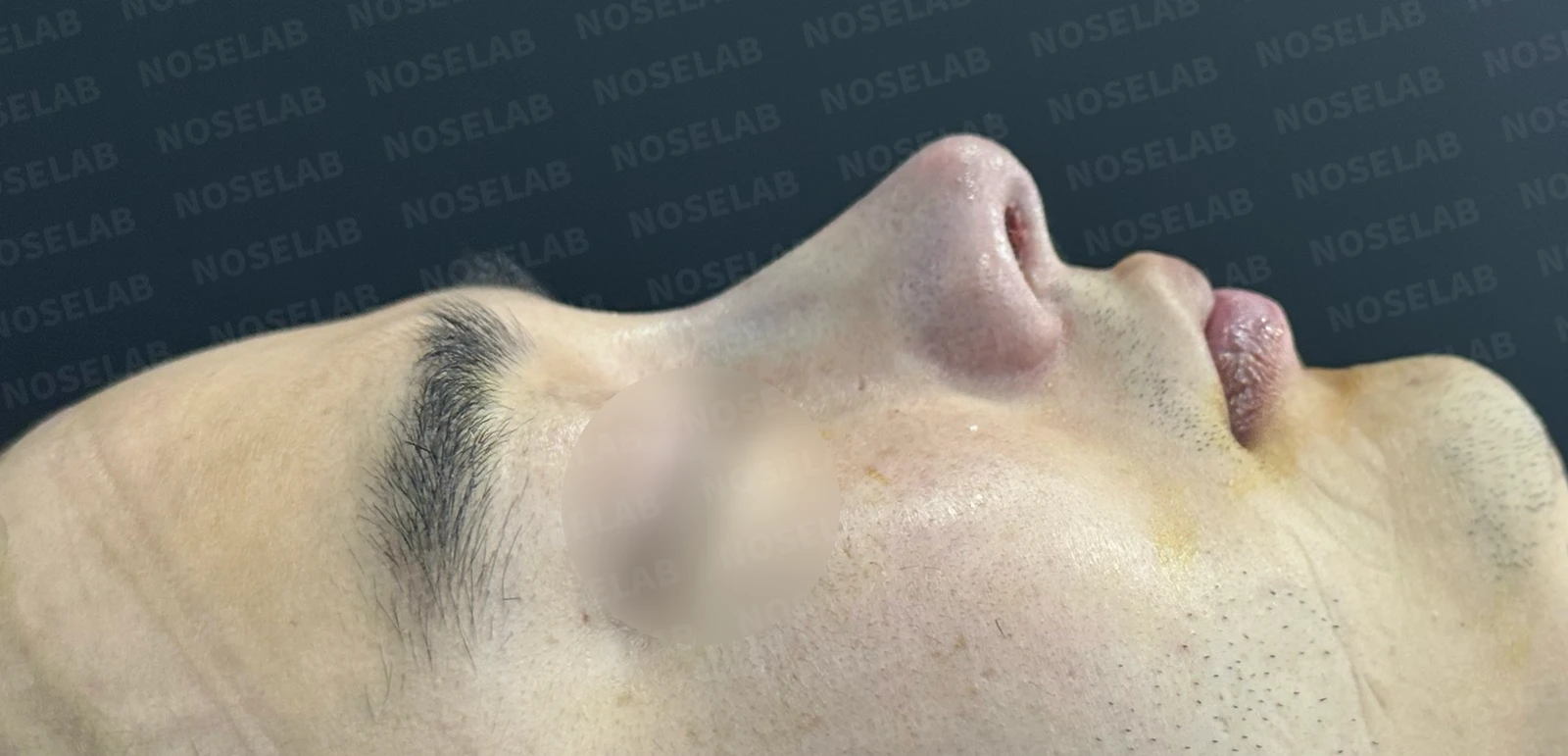
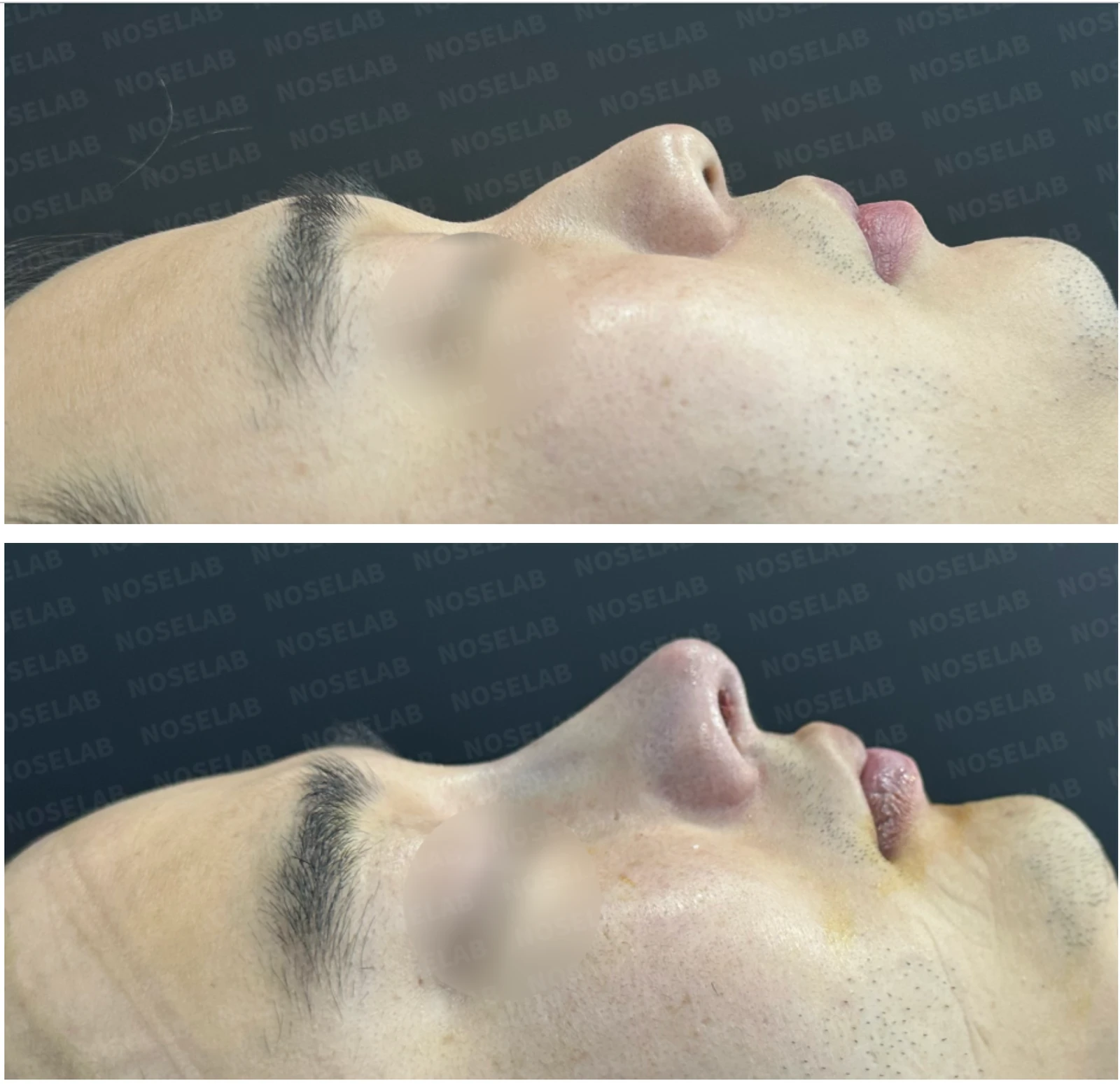
Before surgery / Day 0 immediately after surgery Photos taken immediately after surgery show swelling and may differ from the final result.
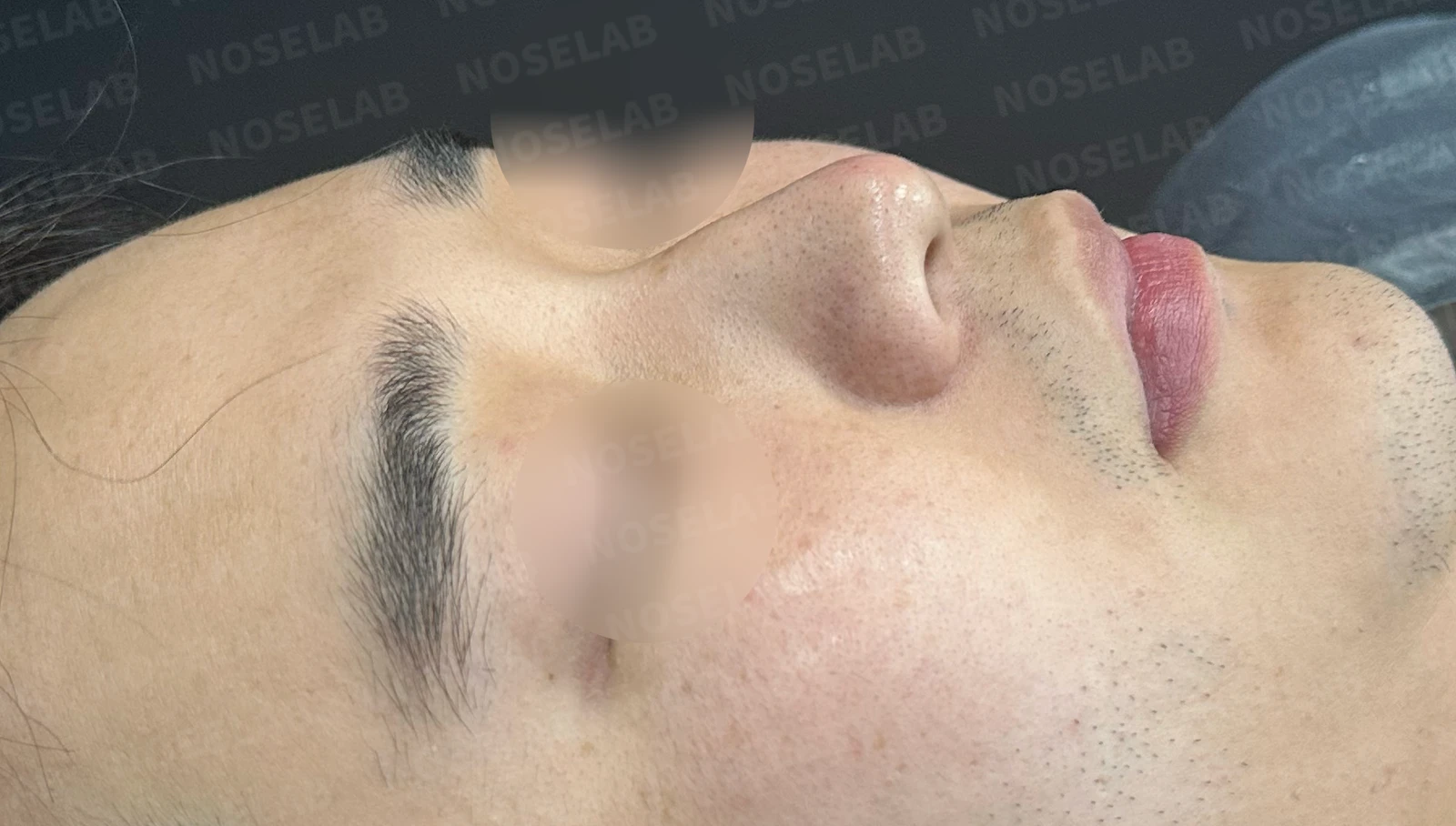
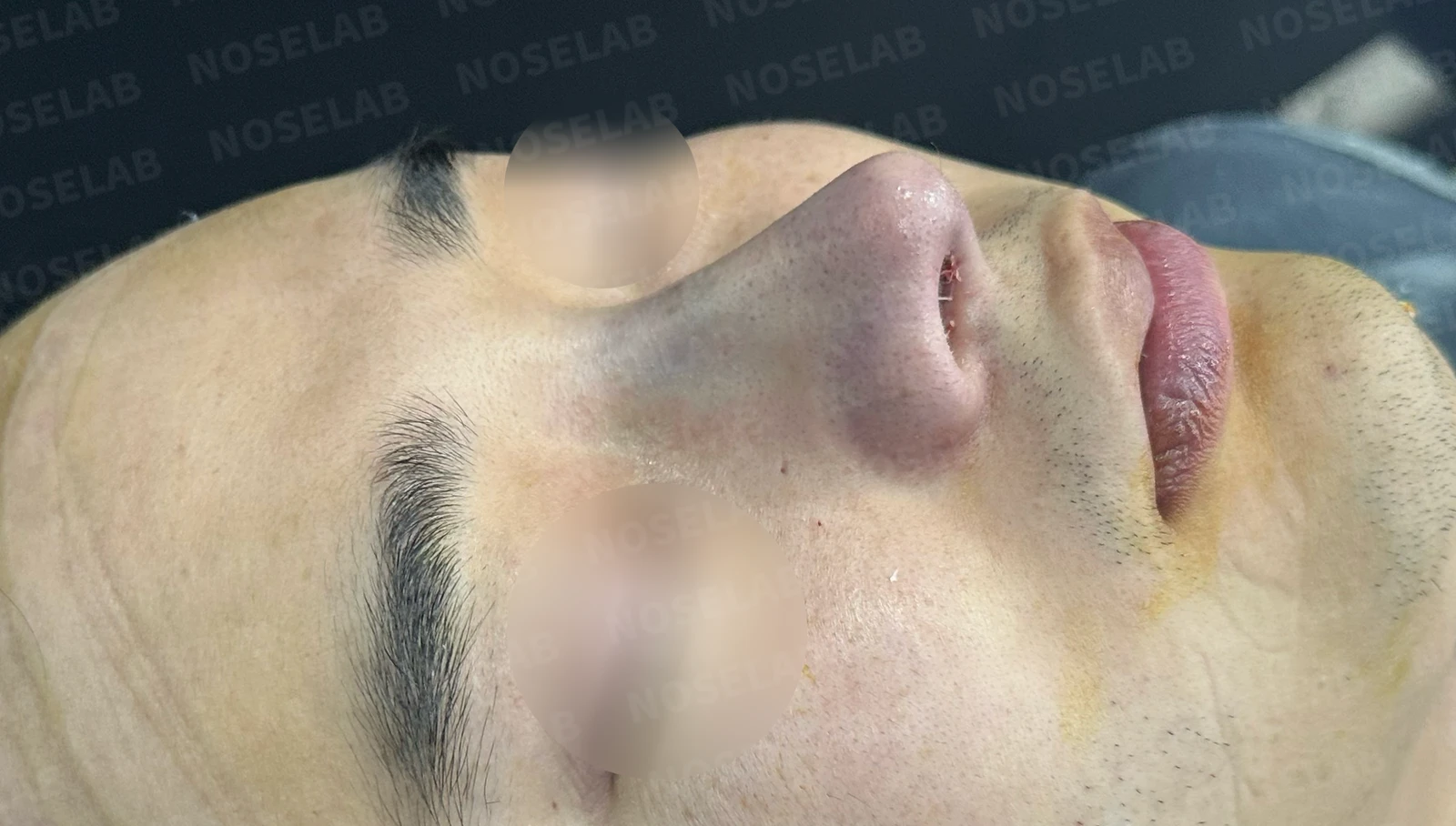
Before surgery / Day 0 immediately after surgery Photos taken immediately after surgery show swelling and may differ from the final result.
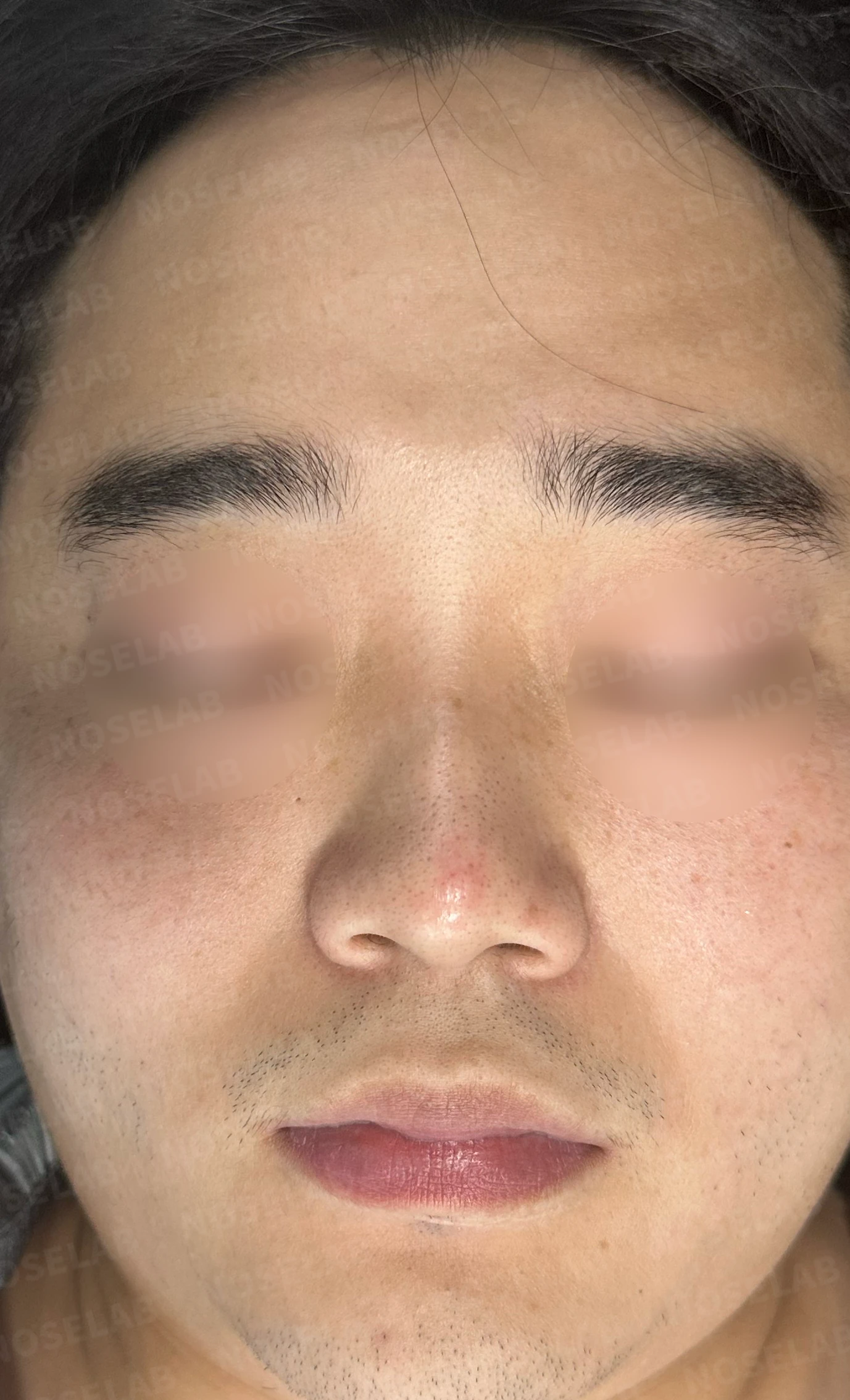
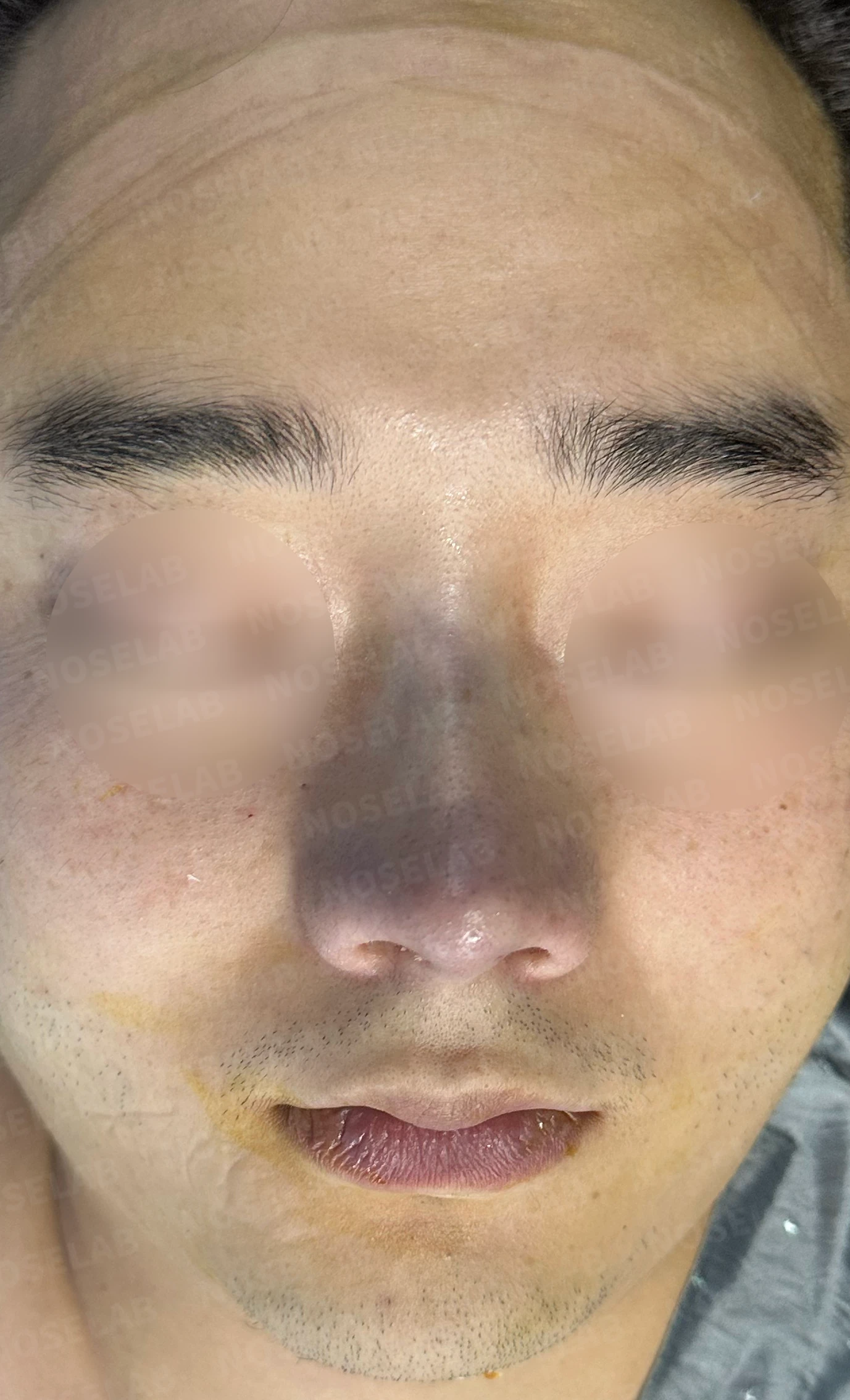
Before surgery / Day 0 immediately after surgery Photos taken immediately after surgery show swelling and may differ from the final result.
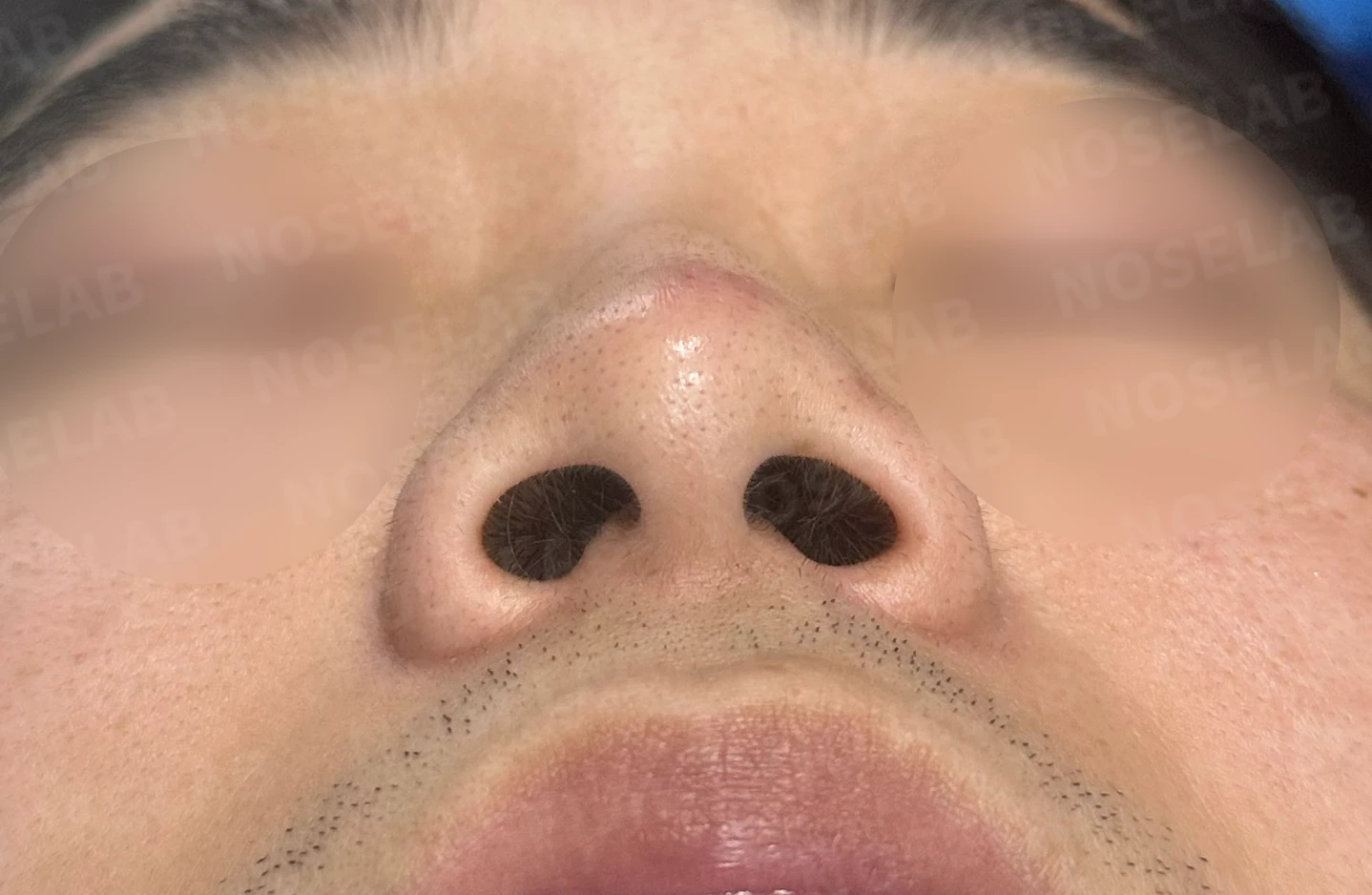
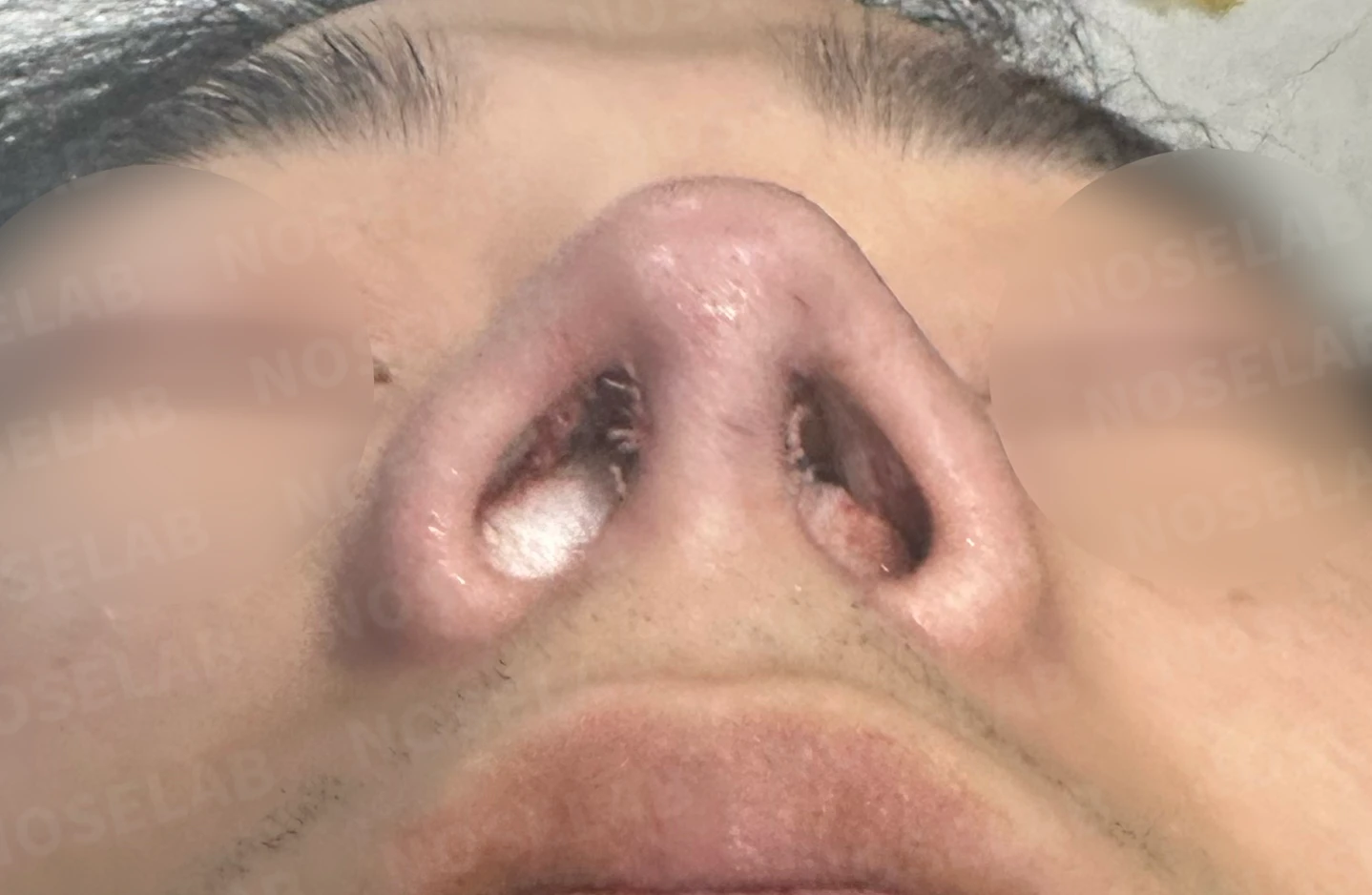
Before surgery / Day 0 immediately after surgery Photos taken immediately after surgery show swelling and may differ from the final result.
Nasal tip improvement: The previously wide, flared nasal tip was brought together naturally, giving a more defined and masculine impression.
Glabella improvement: The area between the eyebrows that appeared flat due to a low starting point gained greater three-dimensional depth and a natural contour following the overall elevation of the nasal height.
Overall nasal proportions: The issue of the nose looking small and short relative to the face was improved, bringing the overall facial proportions into better harmony.
Masculine straight bridge line: Highlighting the typical masculine characteristic known as a straight bridge line, we created a defined yet masculine straight nasal profile for the patient.
Nostril improvement: The horizontally flared shape of the nostrils was naturally corrected so that nostril show is not excessive from the frontal view.
Profile silhouette: By repositioning the columella and improving the nasolabial angle, a clearer, more masculine nasal silhouette was achieved from the side view.
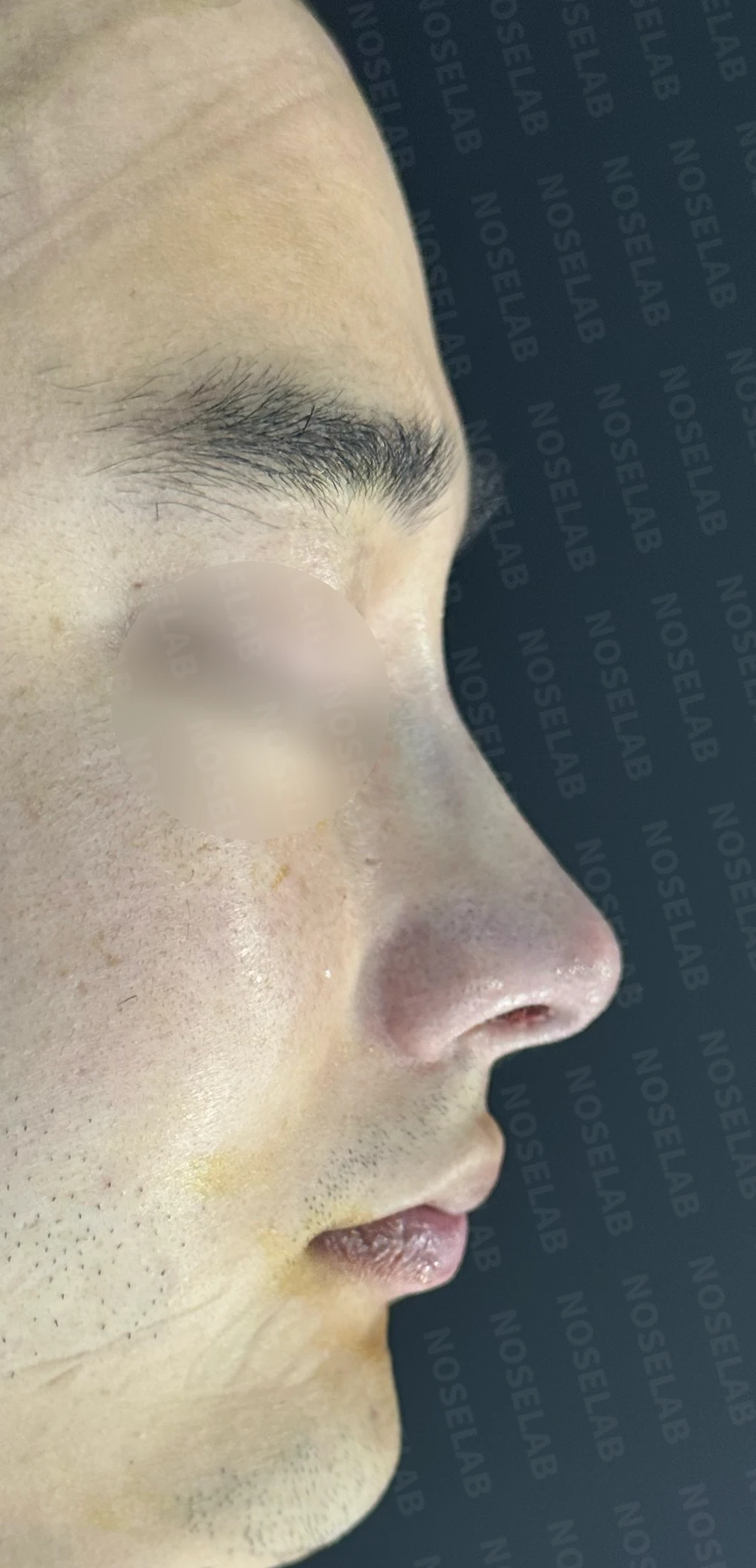
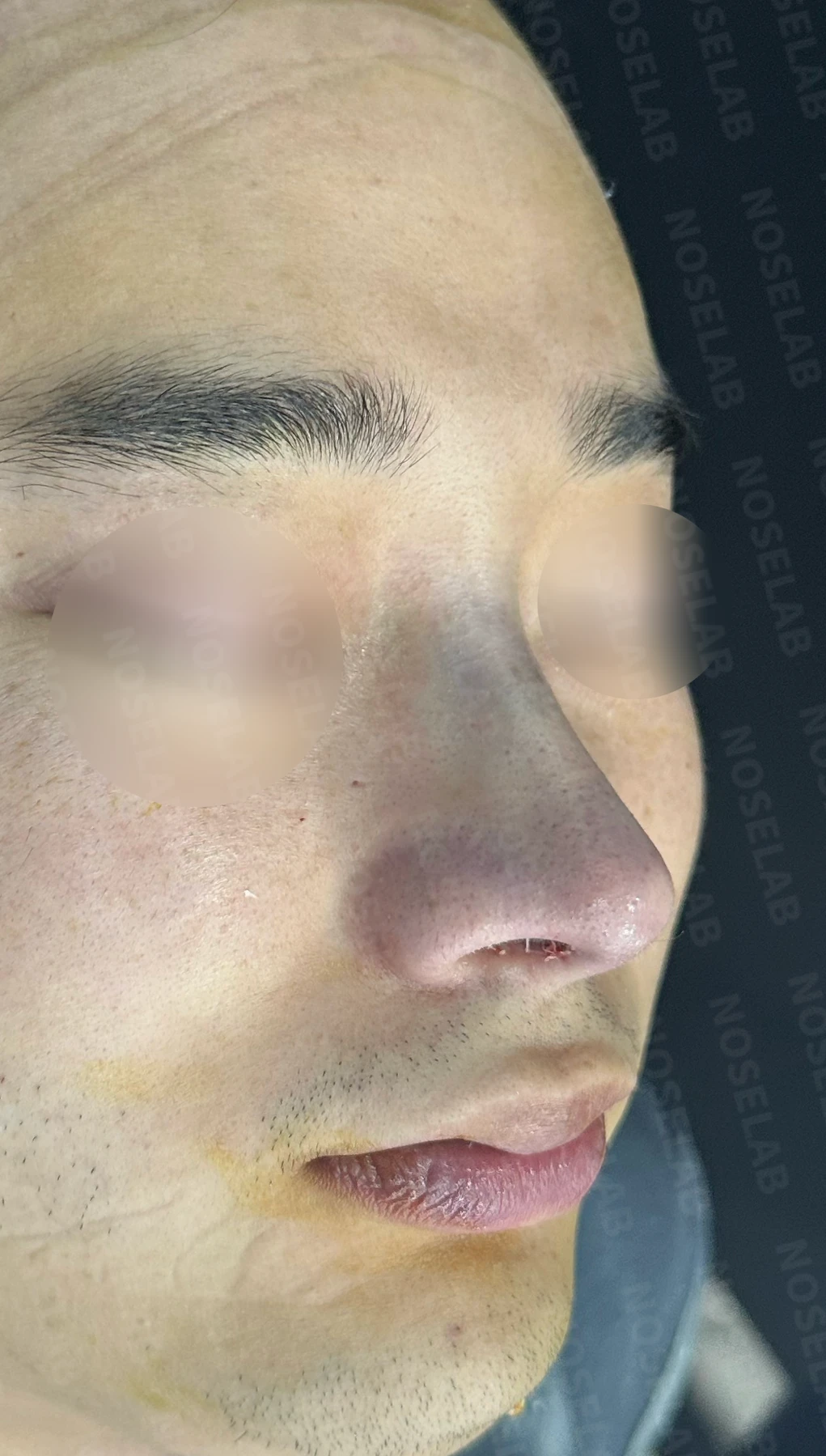
Front, profile, and oblique views taken immediately after surgery (day 0).Immediate postoperative photos show swelling and may differ from the final result.
Basal (nostril) view immediately after surgery (Day 0).Immediate postoperative photos show swelling and may differ from the final result.
Characteristics of male noses and differences from female noses
Male noses have distinct characteristics compared to female noses, and it is important to understand these aspects and incorporate them into surgery.
Straight visual line: Overall, male noses feature straighter contours rather than curves. This projects a strong, masculine impression.
Wider tip and bridge: Compared to female noses, the width of the nasal tip and nasal bridge is broader in men. This must harmonize with the overall skeletal structure of the face.
Ideal nasolabial angle: The ideal nasolabial angle in men is approximately 90 degrees, which is slightly smaller than that in women (95–100 degrees). This defines a clearer boundary between the nose and the upper lip.
Nostril show: From the front, male nasal aesthetics generally favor minimal nostril visibility.
Nasal height: Male noses tend to be taller overall than female noses. This adds three-dimensional projection to the center of the face, reinforcing a masculine appearance.
I hope this case is helpful to men who share similar nasal concerns. Rhinoplasty is a complex procedure that must take into account not only aesthetic elements but also functional aspects. In men especially, it is important to design a natural, masculine straight nose rather than an overly sharp or feminine curved line.
Developing a tailored surgical plan that thoroughly considers diverse individual factors—such as facial shape, skin condition, and age—is key to achieving a successful rhinoplasty result. If you are considering rhinoplasty, I recommend consulting with a specialist to find the approach best suited to you.
NOSELAB will be with you on your journey toward a healthy, well-proportioned nose.
This was Dr. Peter C. Kang. Thank you.
Thank you.
#closedrhinoplasty #closedautologousribcartilagerhinoplasty #menrhinoplasty #nasalobstructionrhinoplasty #functionalnasalsurgery #flarednosecorrection #naturalnose #refinednaturalnose #malenosefeatures #rhinoplastybeforeandafter #customrhinoplasty #nasalfunctionimprovement

Limitations and risks
When autologous rib cartilage is used, scarring and pain may remain at the donor site on the chest, and pneumothorax (pleural injury) can occur rarely. Over time, the grafted cartilage may warp or undergo partial resorption.
When the septum is corrected at the same time, nasal obstruction may persist or recur, and in rare cases, septal perforation or changes in smell may occur.
Common potential risks include infection, bleeding, asymmetry, scarring, skin necrosis, and insufficient improvement; results vary depending on individual skin condition and previous surgical history.