Hello, I am Dr. Peter C. Kang.
Today, I would like to introduce the case of a patient who visited NOSELAB with concerns regarding nasal widening and breathing discomfort that developed after double-jaw surgery.
🔍 Patient condition
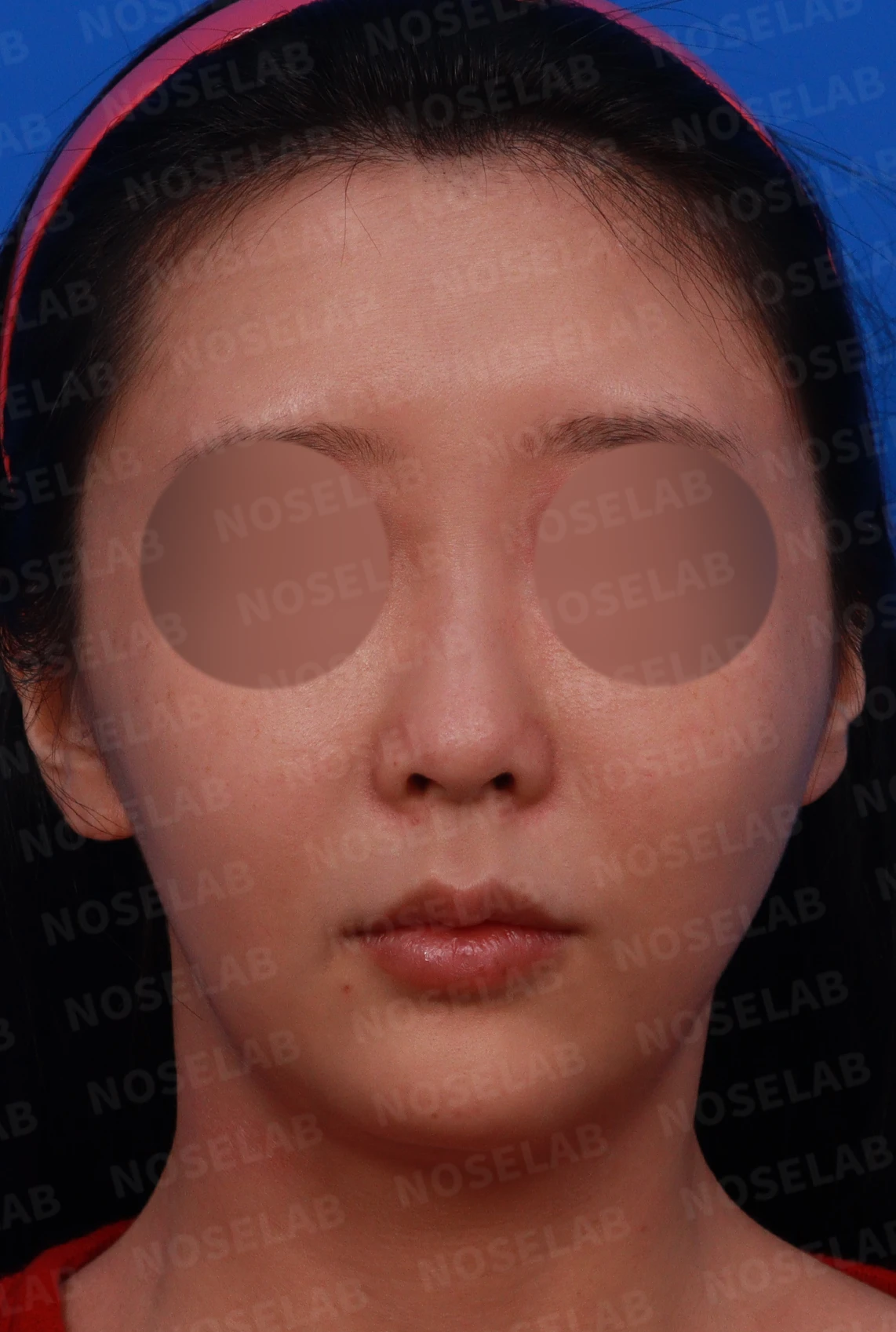
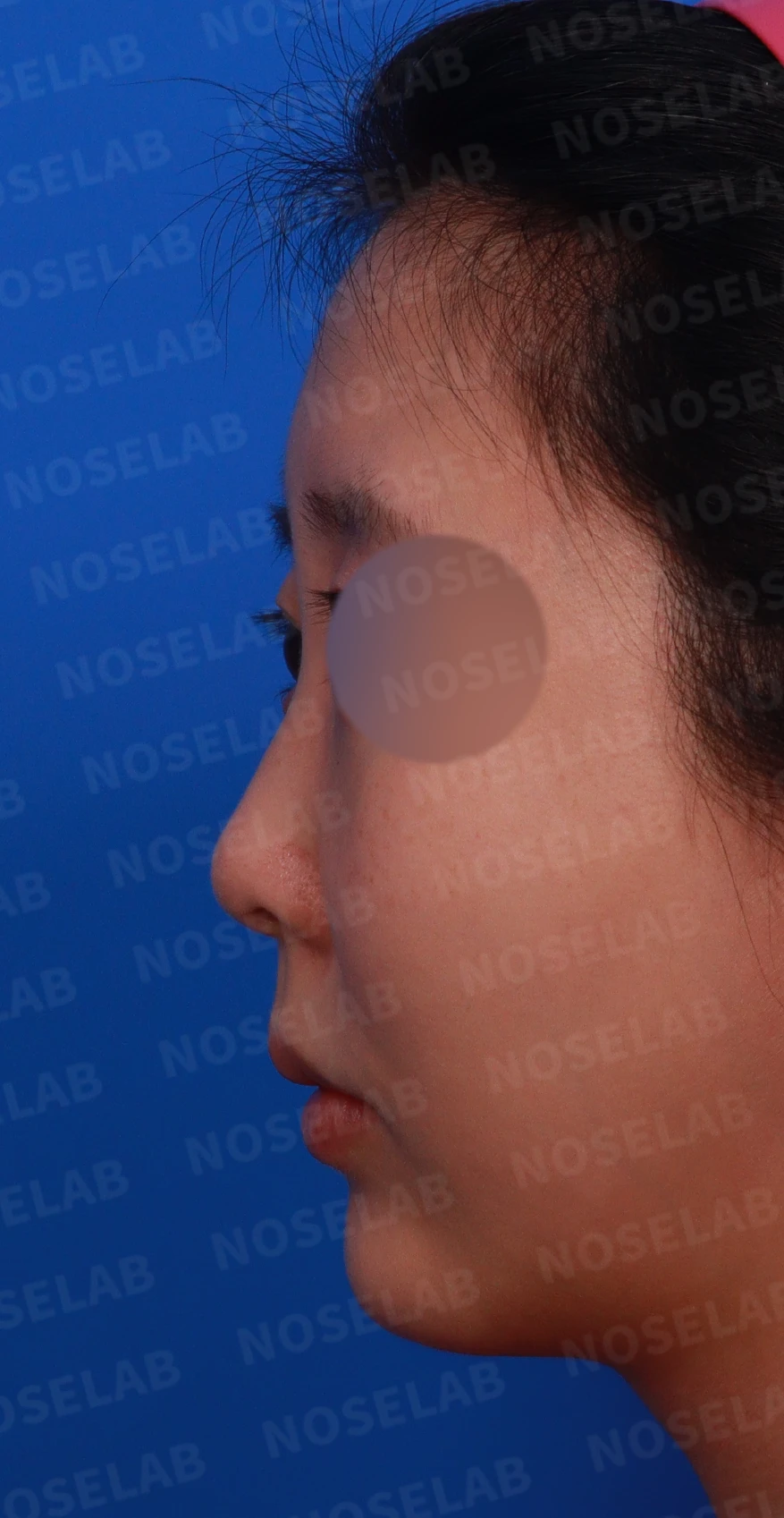
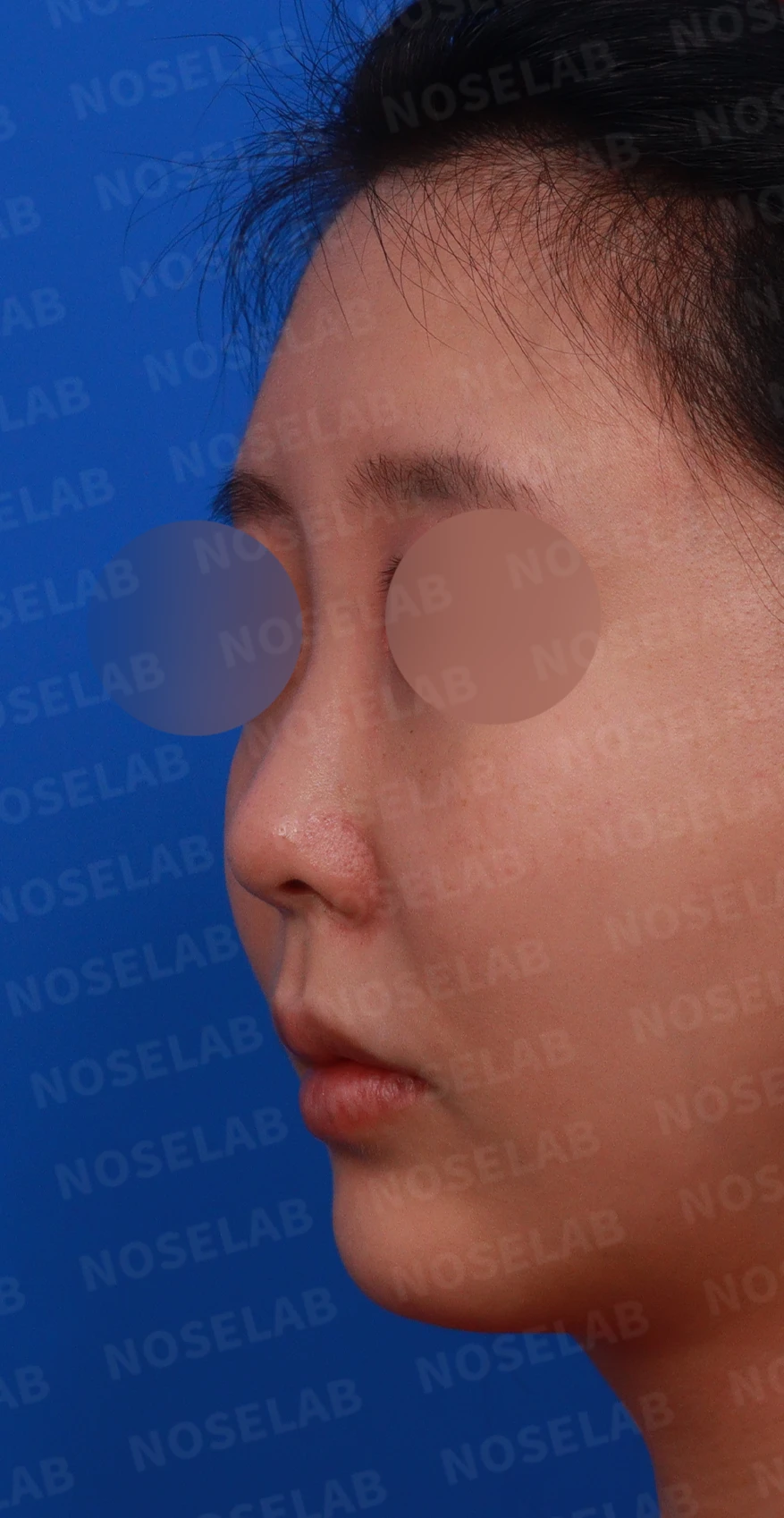
Front, left profile, and oblique views during design consultation.
Changes that developed 4 years after double-jaw surgery
Severe nasal obstruction
Nasal widening
Structural limitations due to a small nose
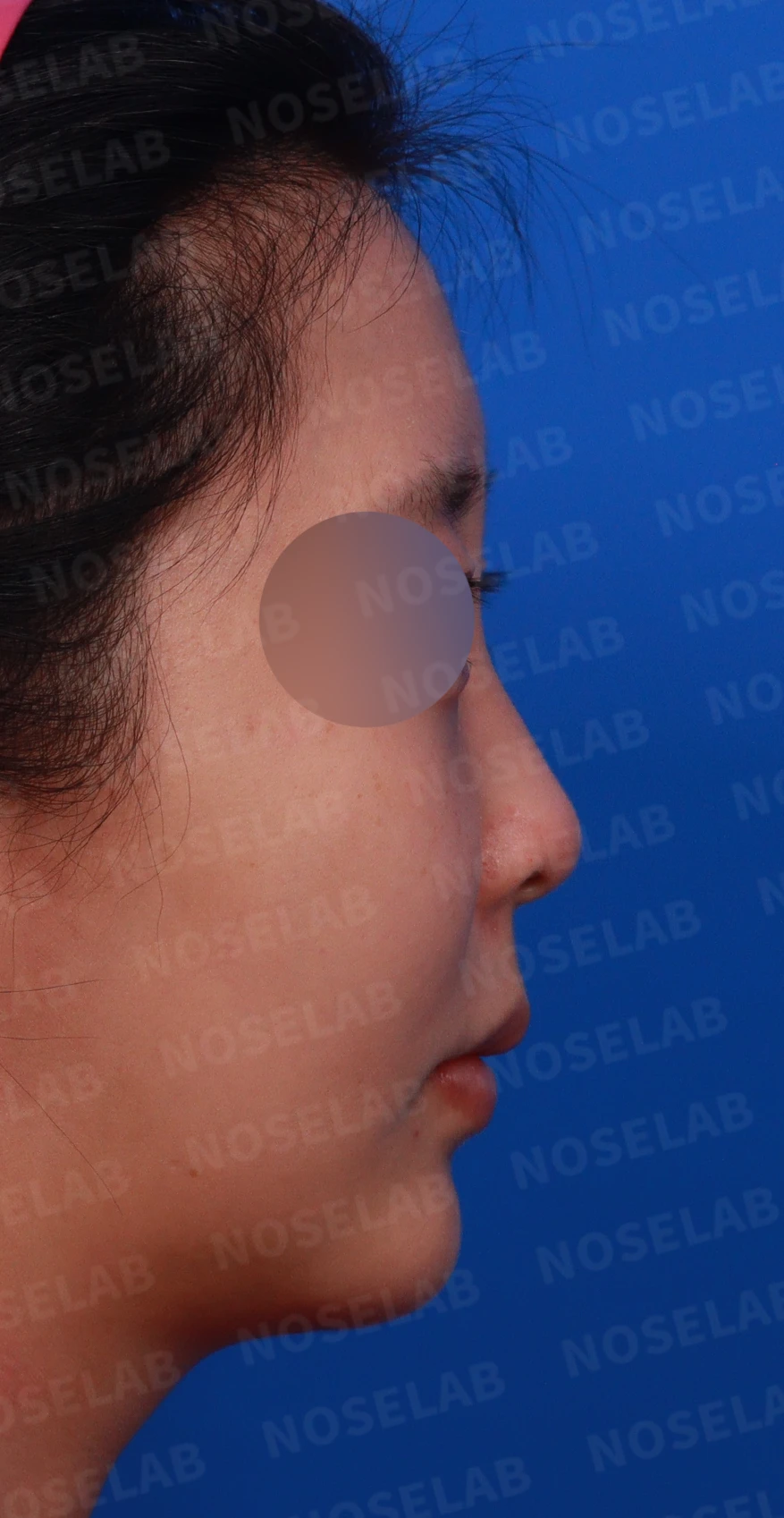
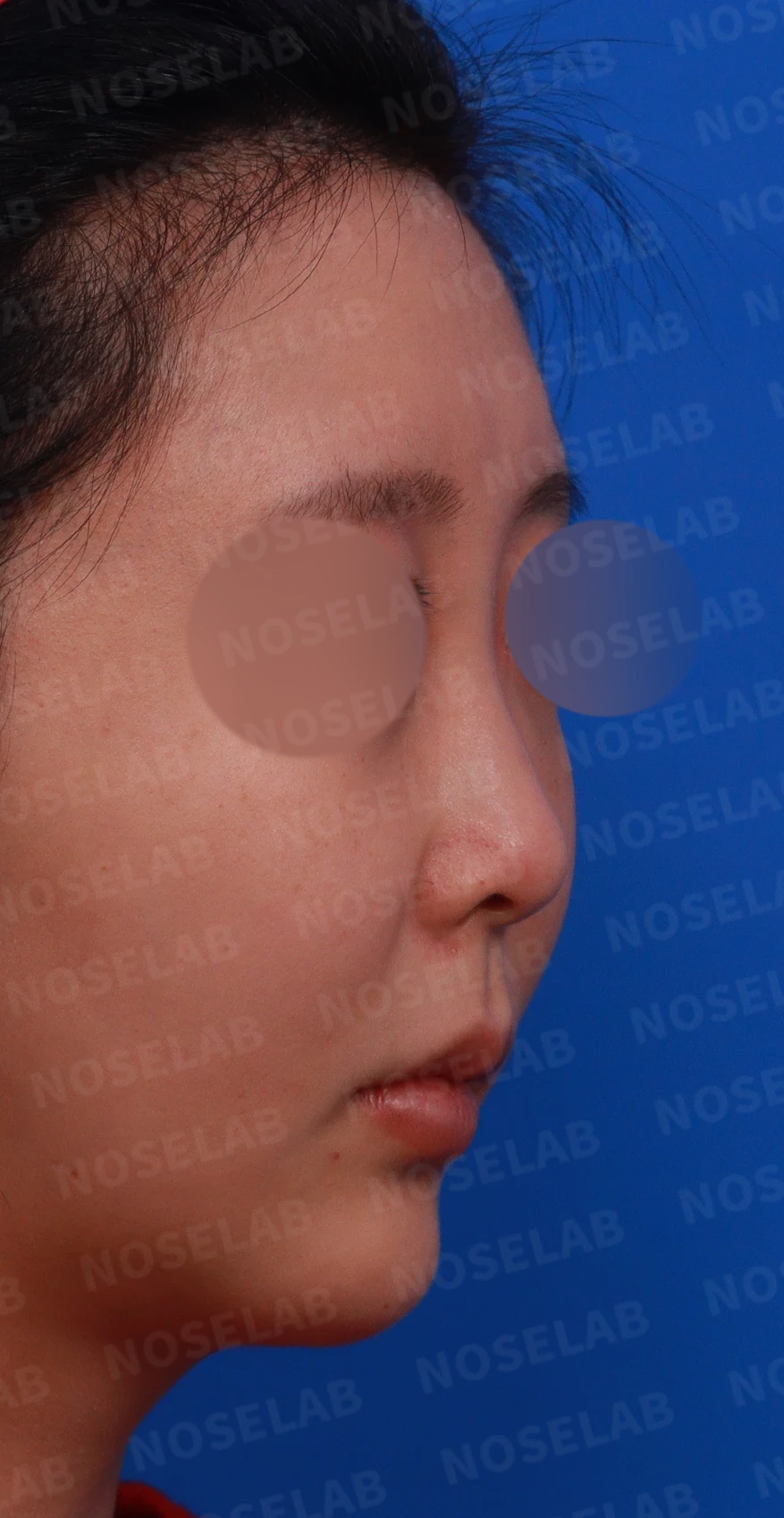
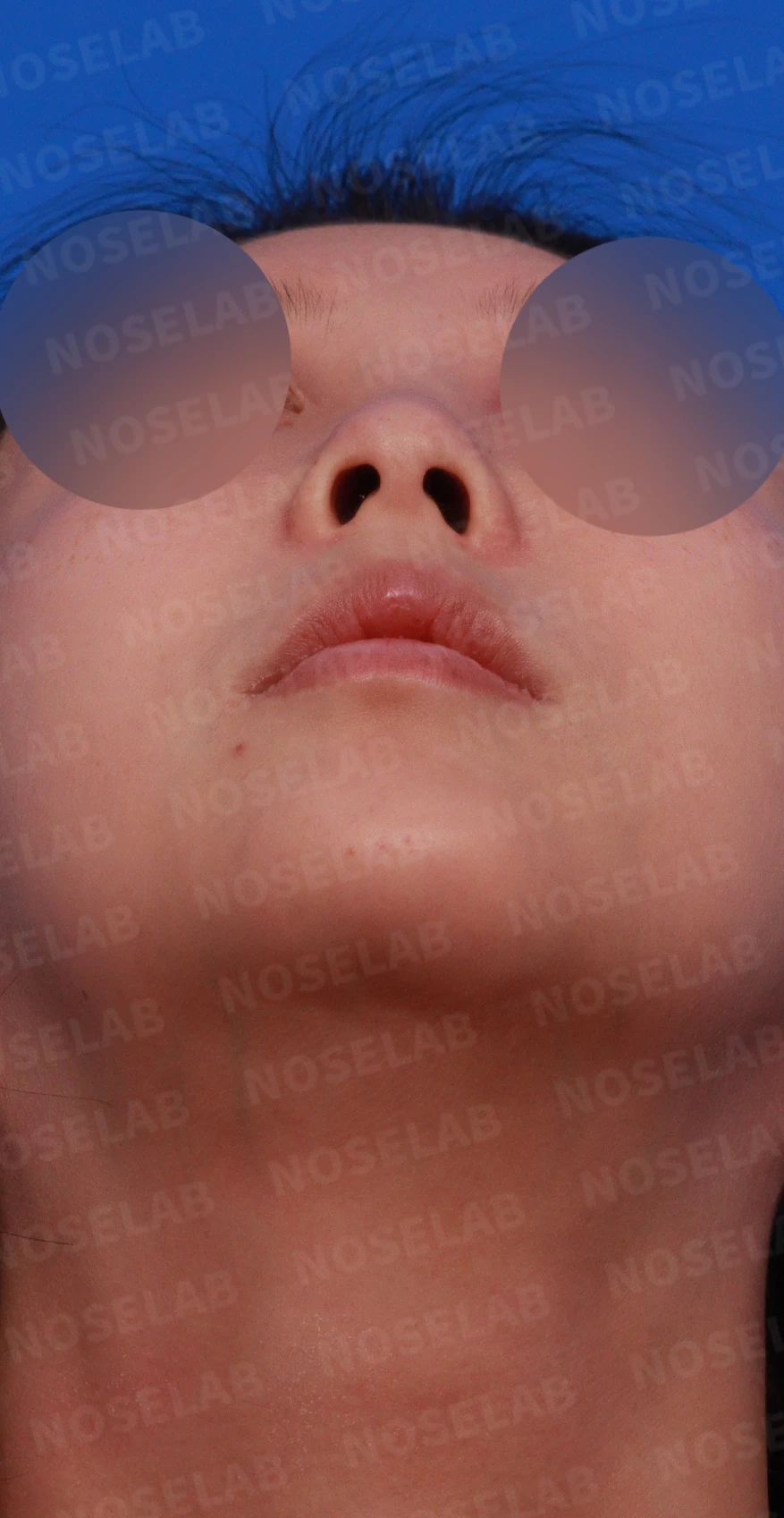
Right profile, oblique, and nostril views during design consultation.
💉 Functional concerns
Mucosal adhesion within the left nasal cavity
Deviated septum
Hypertrophic rhinitis
Left-sided nasal obstruction

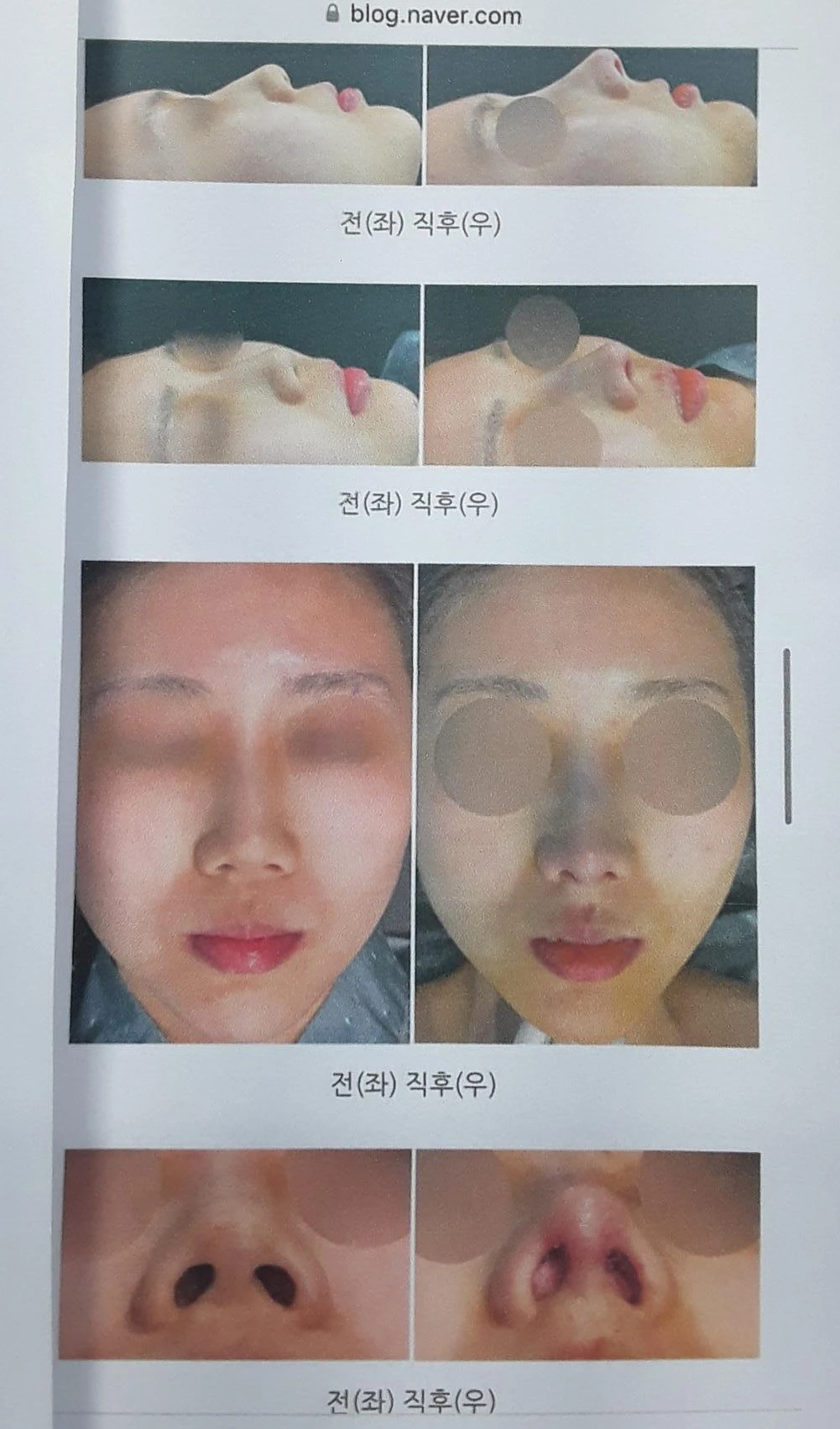
The desired appearance requested by the patient.
🔧 Surgical plan and procedure
Functional improvement
Surgical release of mucosal adhesions
Septoplasty
Radiofrequency submucosal resection of the inferior turbinate
2. Structural improvement
Removal of existing filler (foreign material)
Nasal tip elevation using donor rib cartilage and septal cartilage
A natural nasal bridge line using a silicone implant
Particularly in this type of case, a meticulous approach was necessary to achieve the natural, refined nose the patient desired while taking into account the structural limitations of a small nose.
🌟 Surgical results
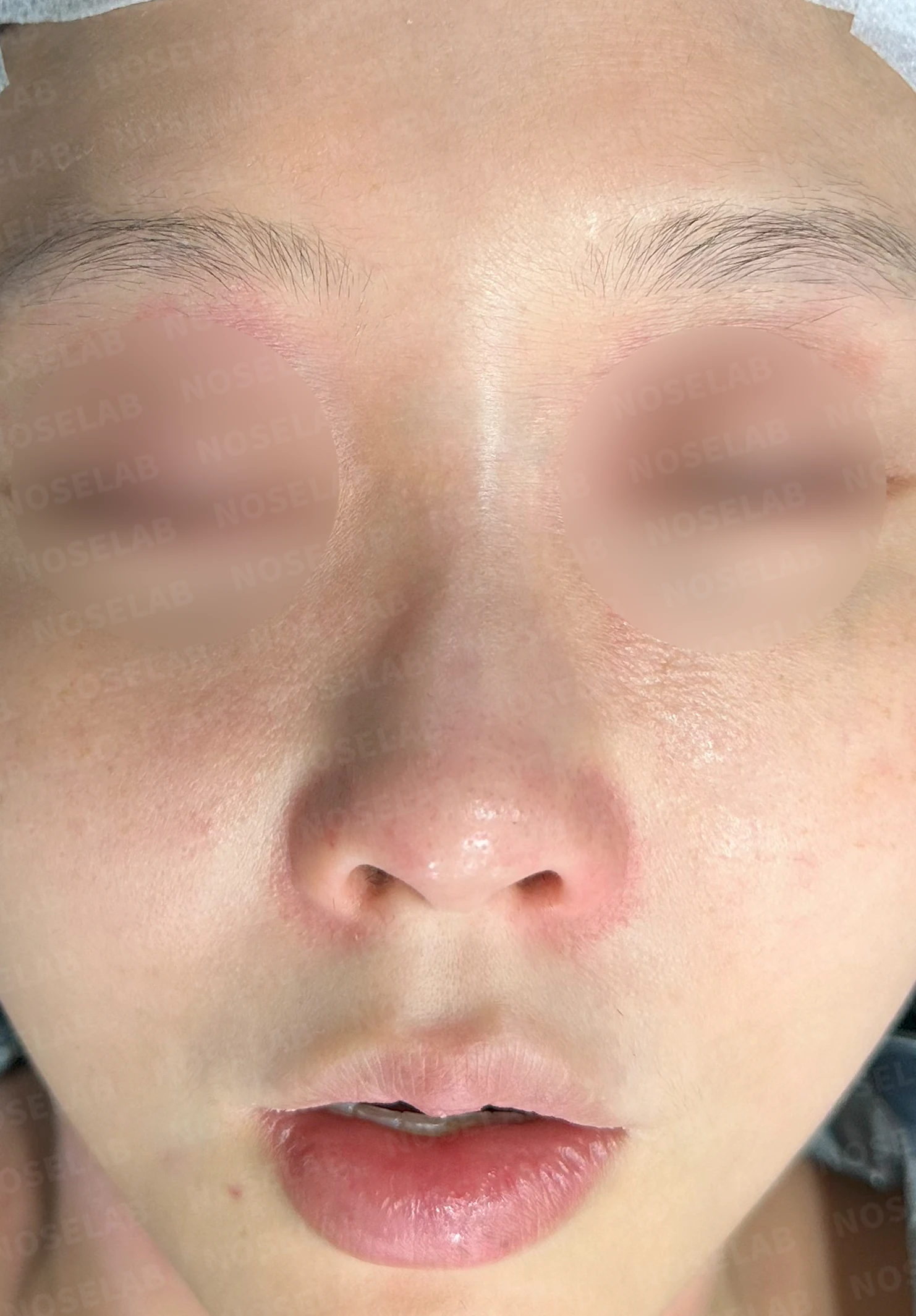
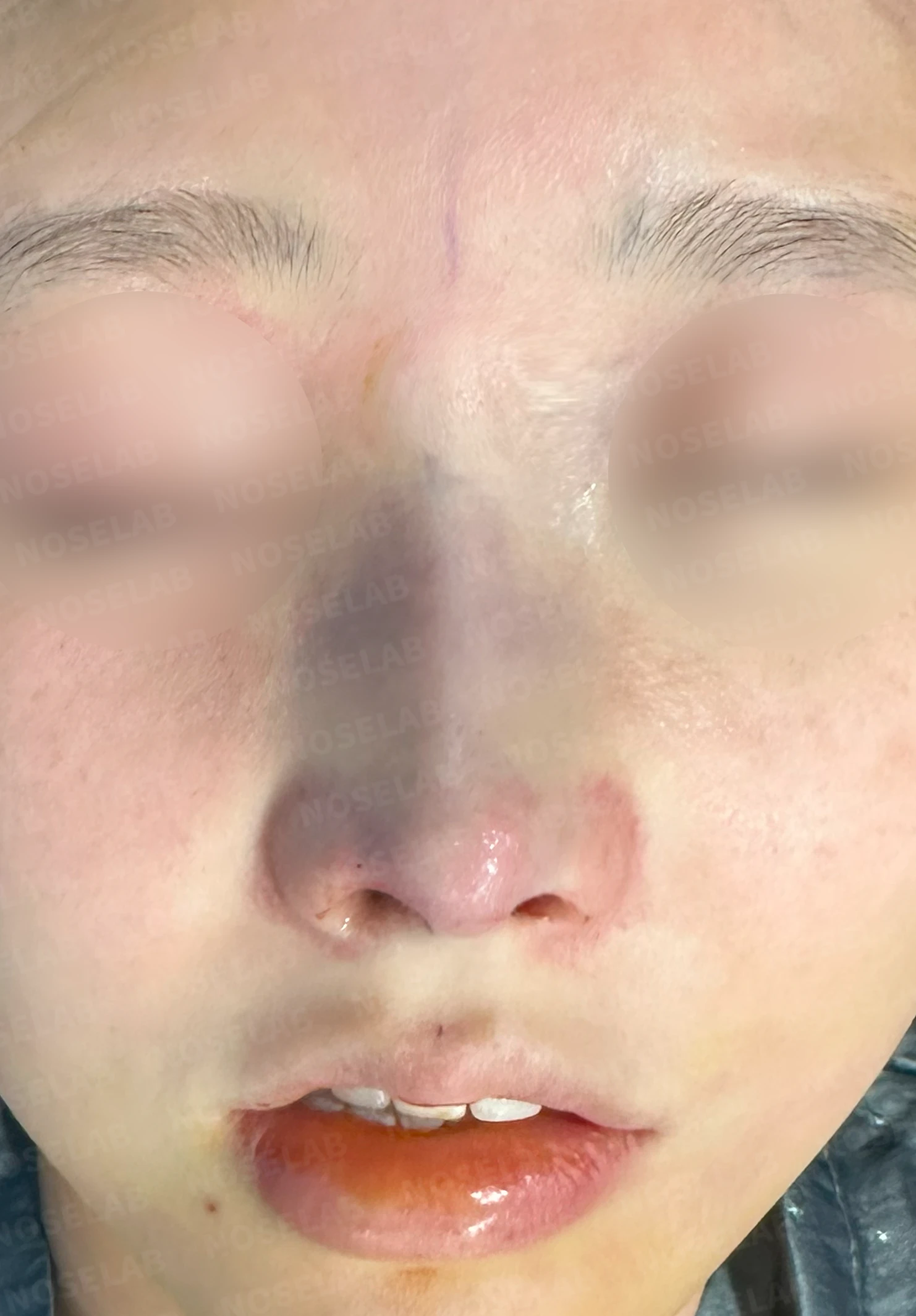
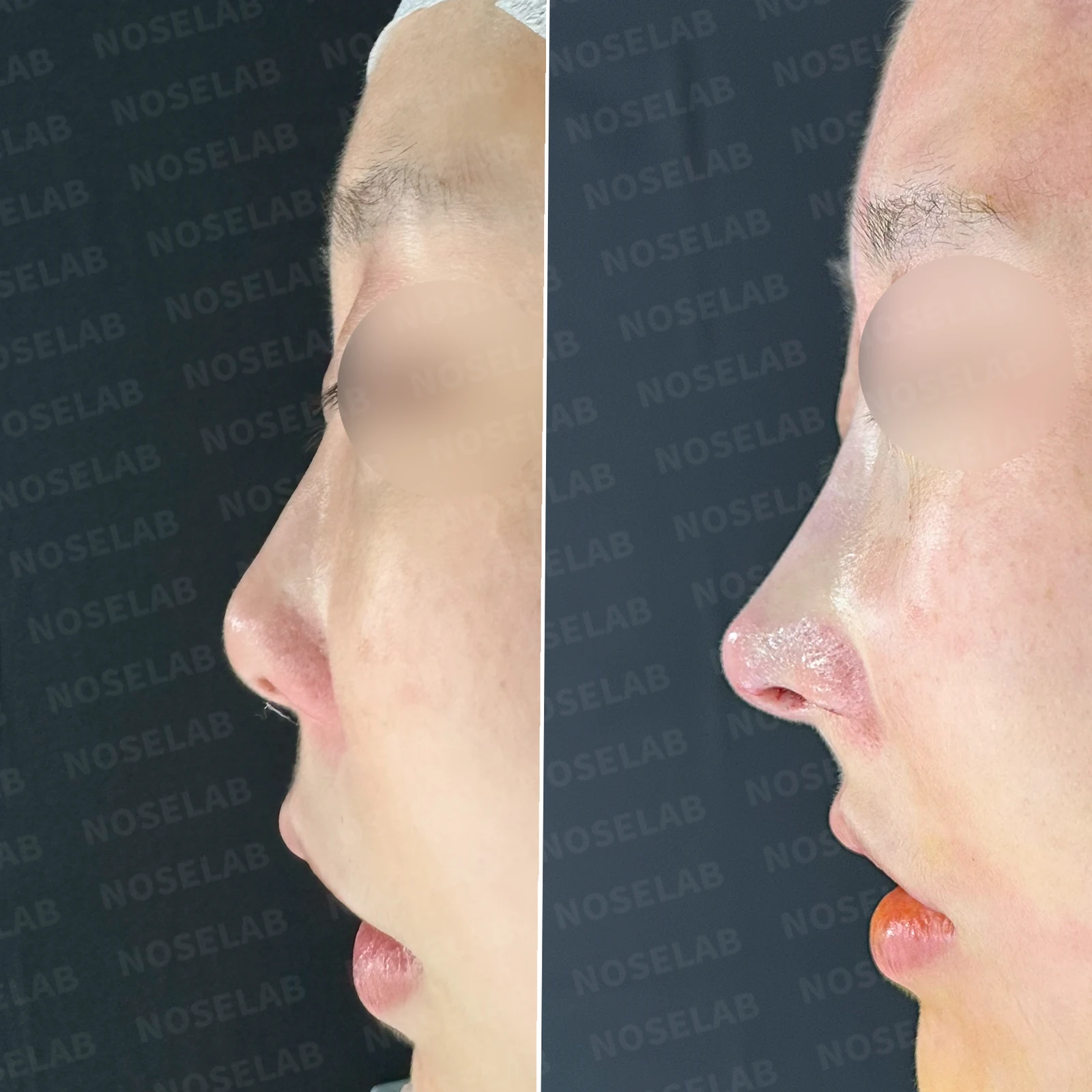
Before surgery / Day 0 immediately after surgery Photos taken immediately after surgery show swelling and may differ from the final result.
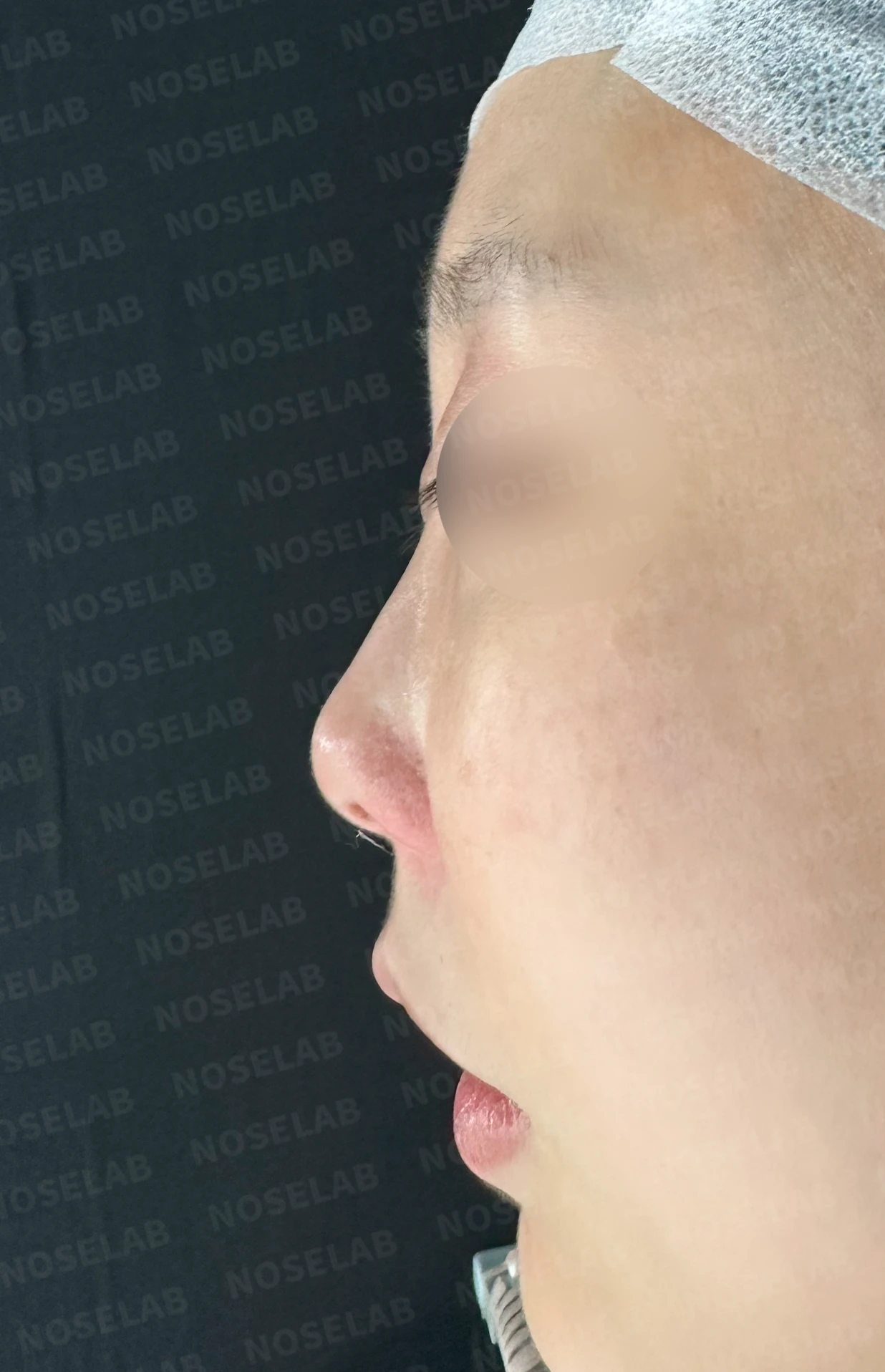
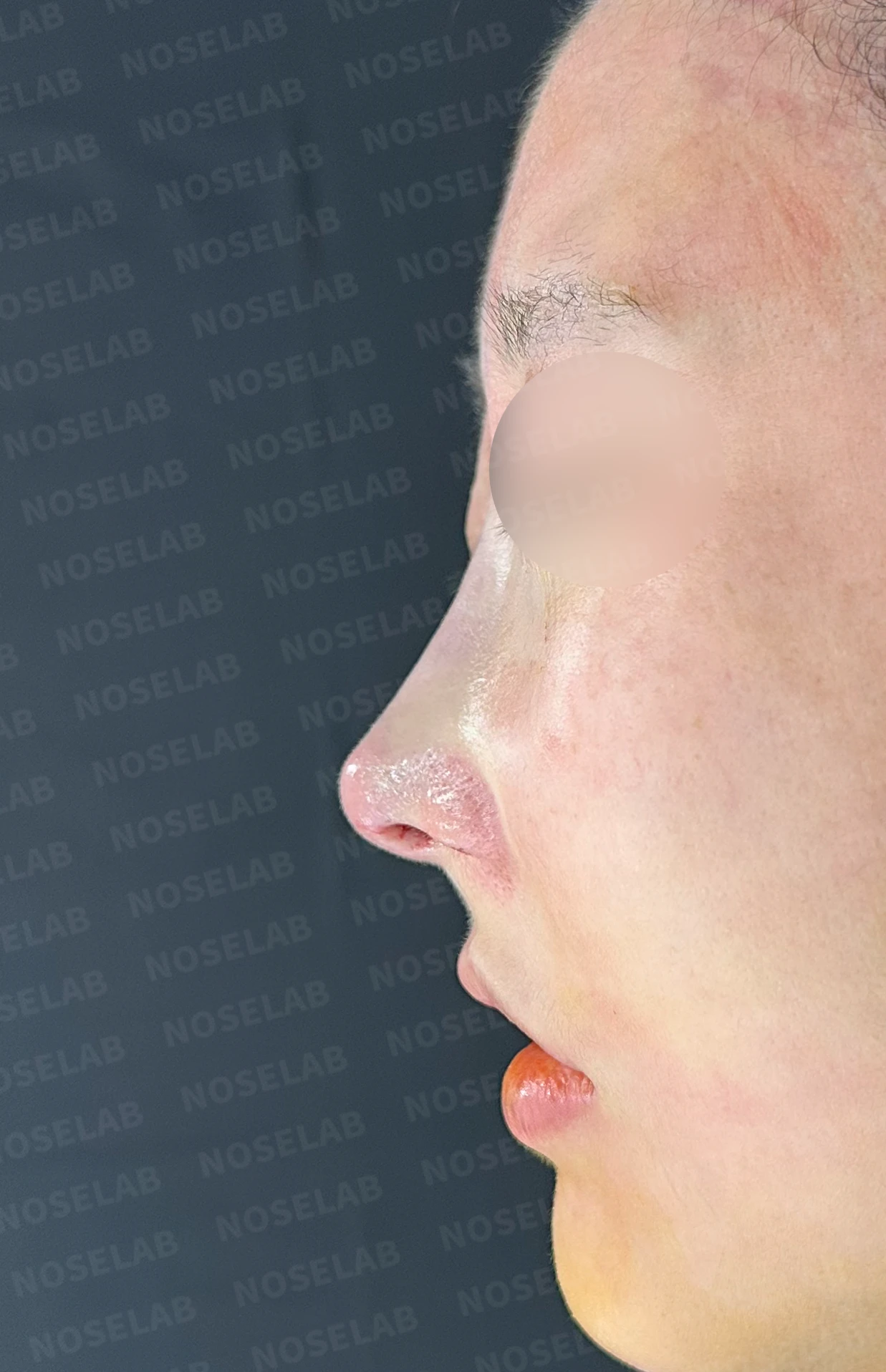
Before surgery / Day 0 immediately after surgery Photos taken immediately after surgery show swelling and may differ from the final result.
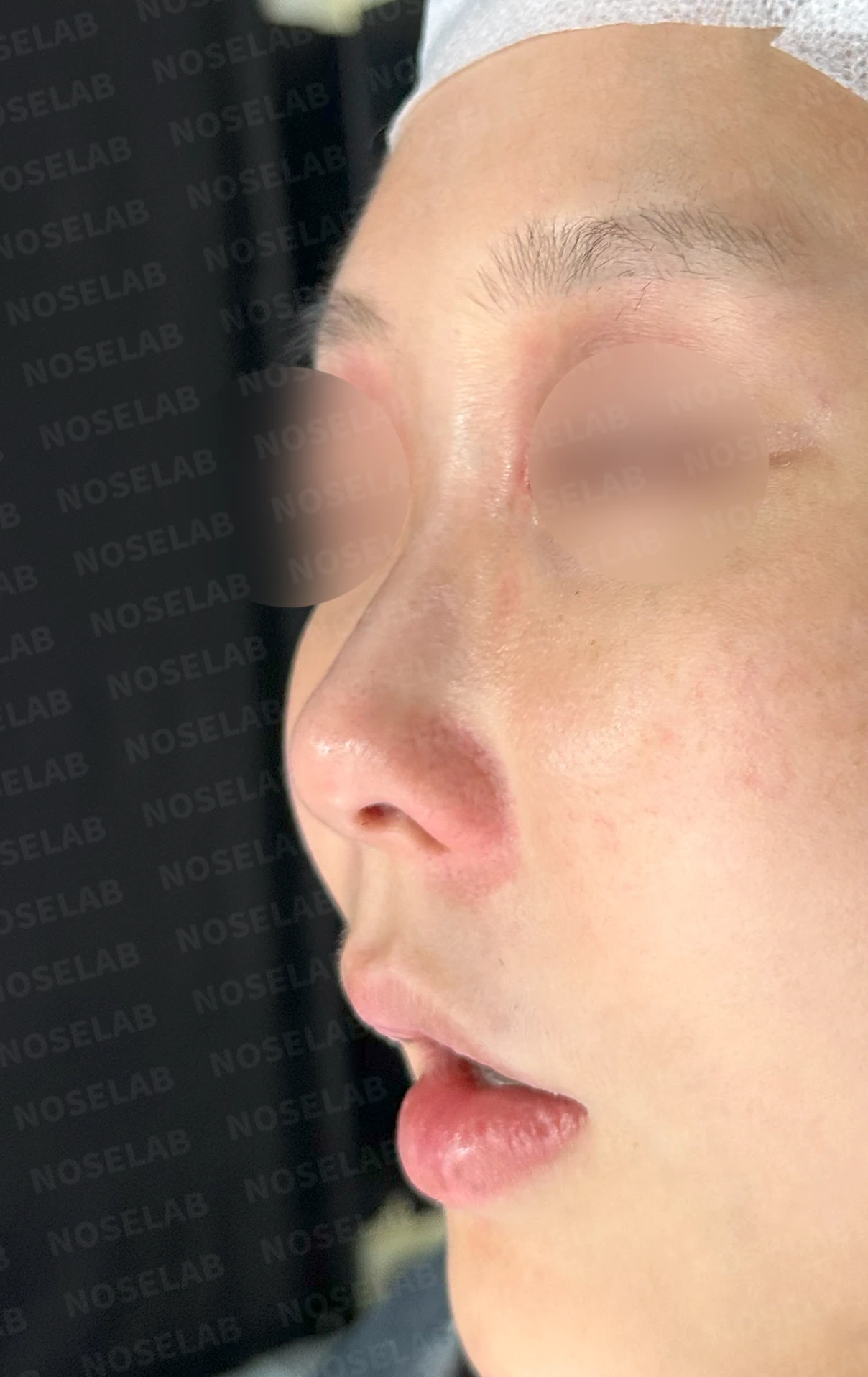
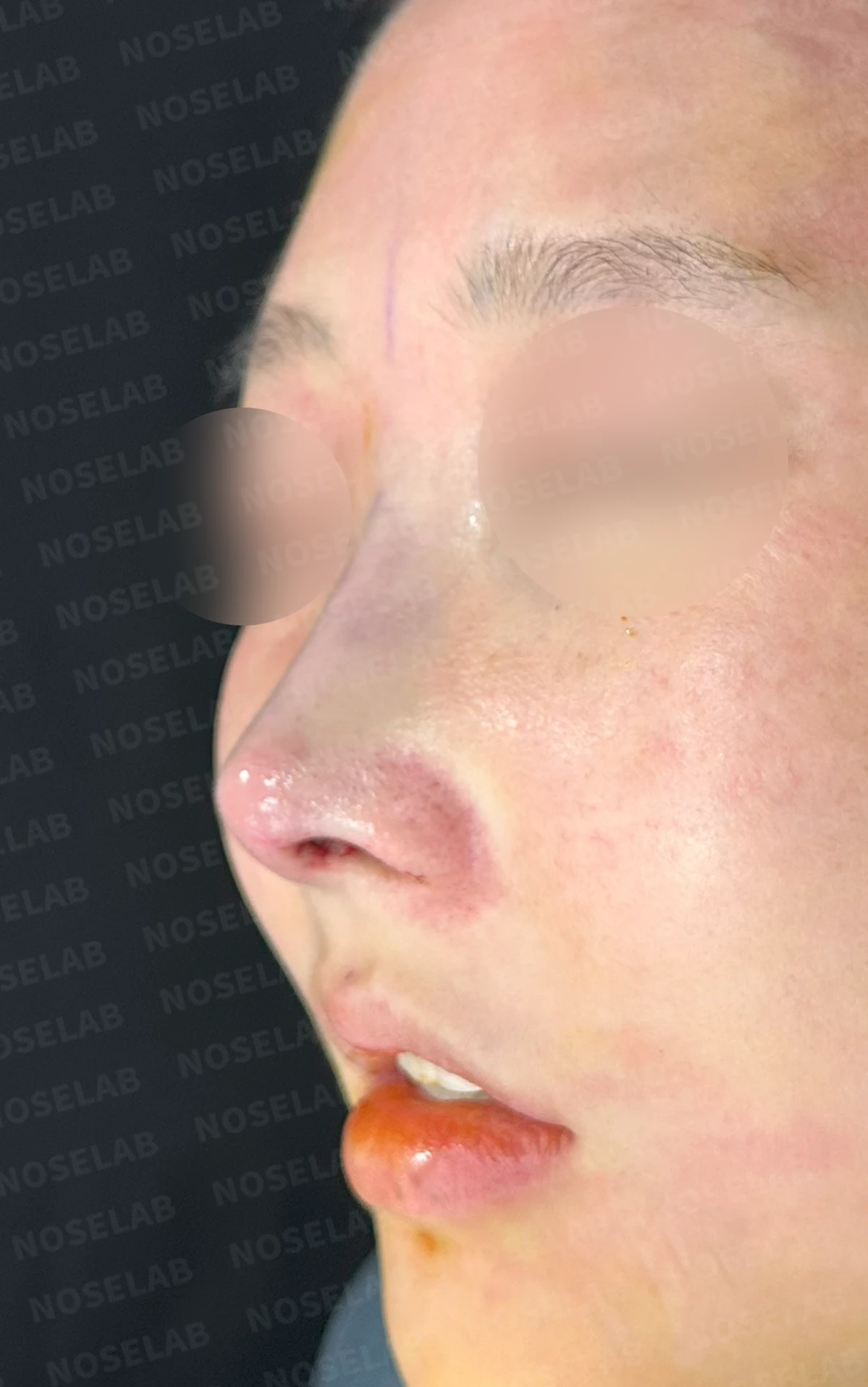
Before surgery / Day 0 immediately after surgery Photos taken immediately after surgery show swelling and may differ from the final result.
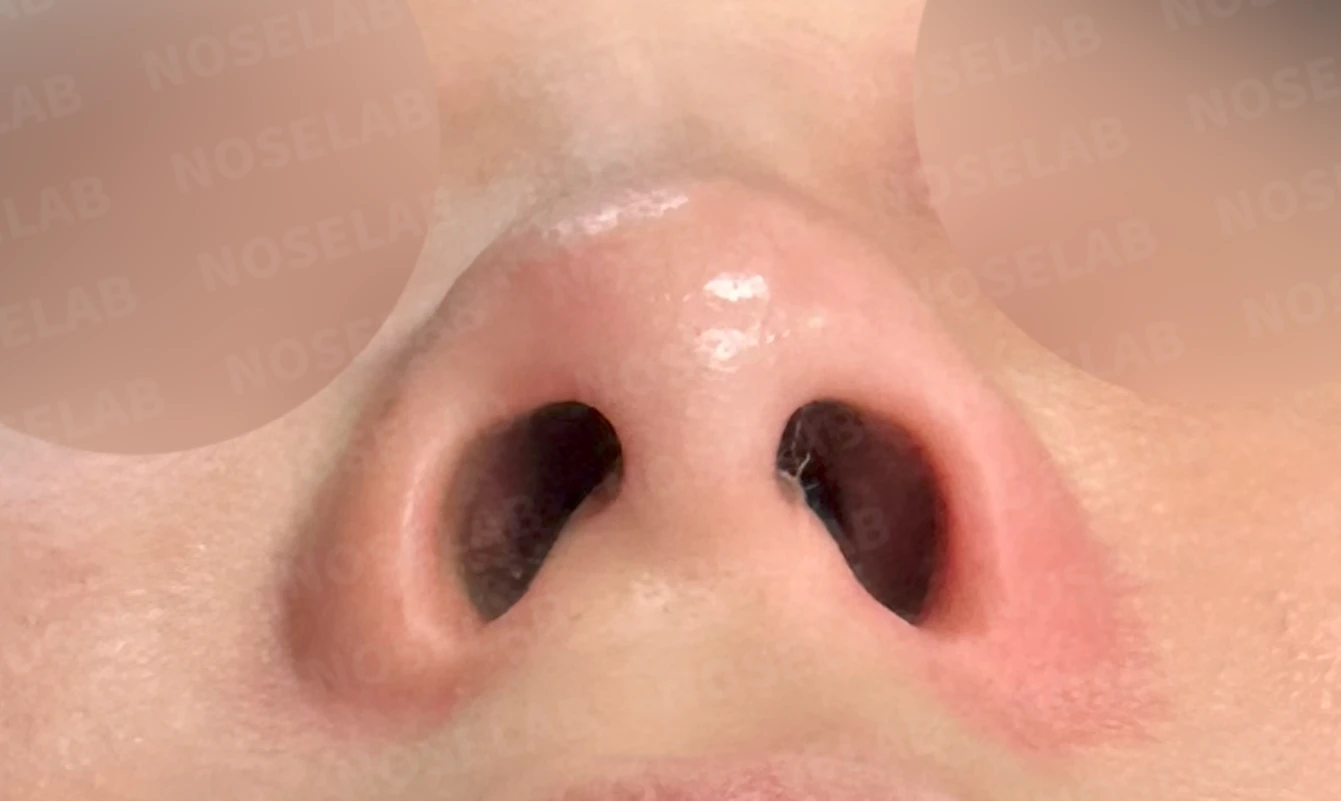
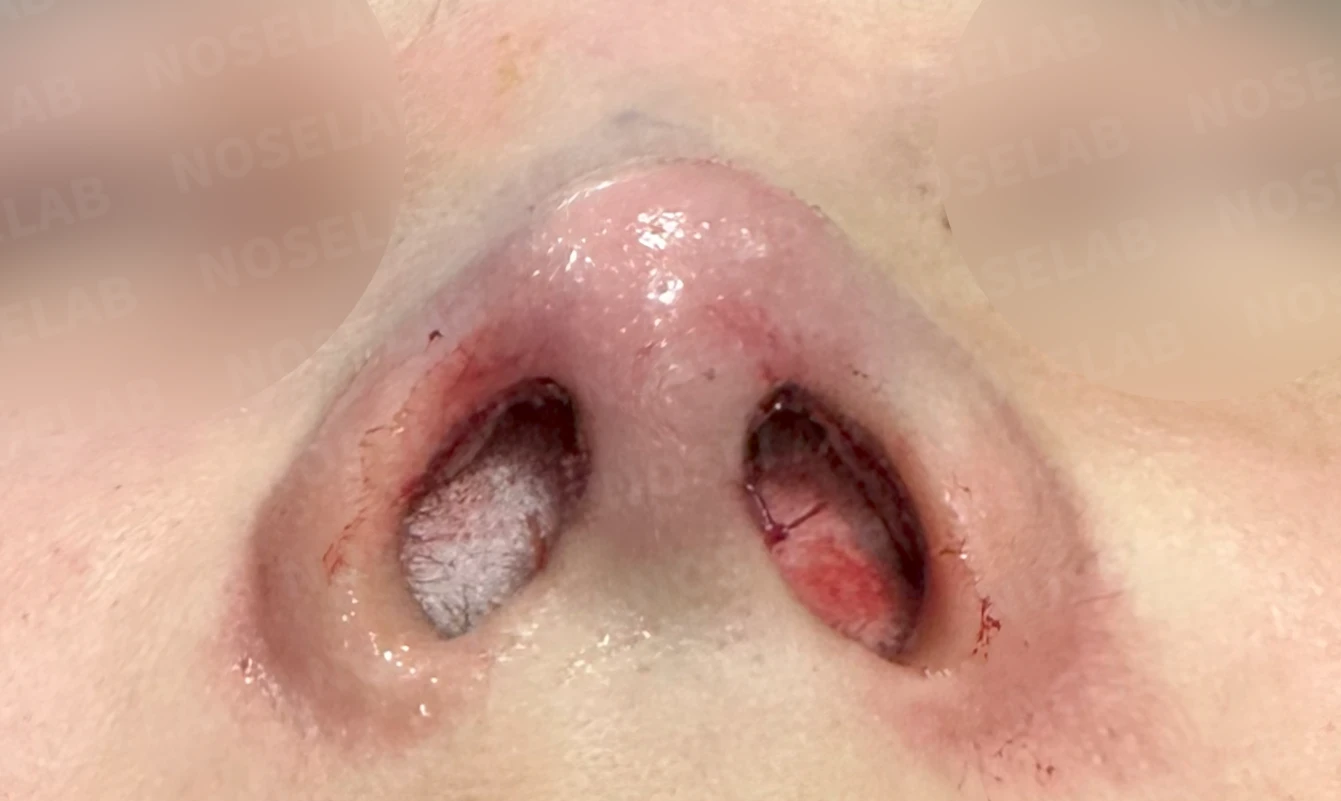
Before surgery / Day 0 immediately after surgery Photos taken immediately after surgery show swelling and may differ from the final result.
Functional improvement
Relief of breathing discomfort
Resolution of the intranasal adhesion
Improvement of nasal obstruction
2. Cosmetic improvement
Correction of the widened nose
Natural nasal tip height
A soft, non-pointed contour
A nasal proportion that balances well with the facial features
💡 Specialist opinion
Front, profile, and oblique views taken immediately after surgery (day 0).Immediate postoperative photos show swelling and may differ from the final result.
Nostril view on day 0 immediately after surgery. Photos taken immediately after surgery show swelling and may differ from the final result.
Nasal deformities that occur after double-jaw surgery often involve functional issues beyond simple cosmetic concerns. In this presentation, the specific presence of mucosal adhesion required an even more careful and thorough surgical plan.
This was a meaningful case where we were able to pursue natural aesthetic refinement despite the structural limitations of a small nose, while simultaneously resolving the underlying functional problem.
I will continue to do my best to ensure both functional and aesthetic satisfaction for every patient.
This was Dr. Peter C. Kang. Thank you.
Thank you.
#closedrhinoplasty #postorthognathicrhinoplasty #nasalobstructionrelief #widenednosecorrection #naturalnose #rhinoplastyreview #customrhinoplasty

Limitations and risks
When using donor rib cartilage, long-term follow-up is necessary because the grafted cartilage may resorb or warp.
When foreign materials such as injected fillers are removed and reconstructed, contracture may recur, nasal height and length may decrease, and staged surgery may be necessary depending on the skin condition.
When the septum is corrected at the same time, nasal obstruction may persist or recur, and in rare cases, septal perforation or changes in smell may occur.
Common potential risks include infection, bleeding, asymmetry, scarring, skin necrosis, and insufficient improvement; results vary depending on individual skin condition and previous surgical history.